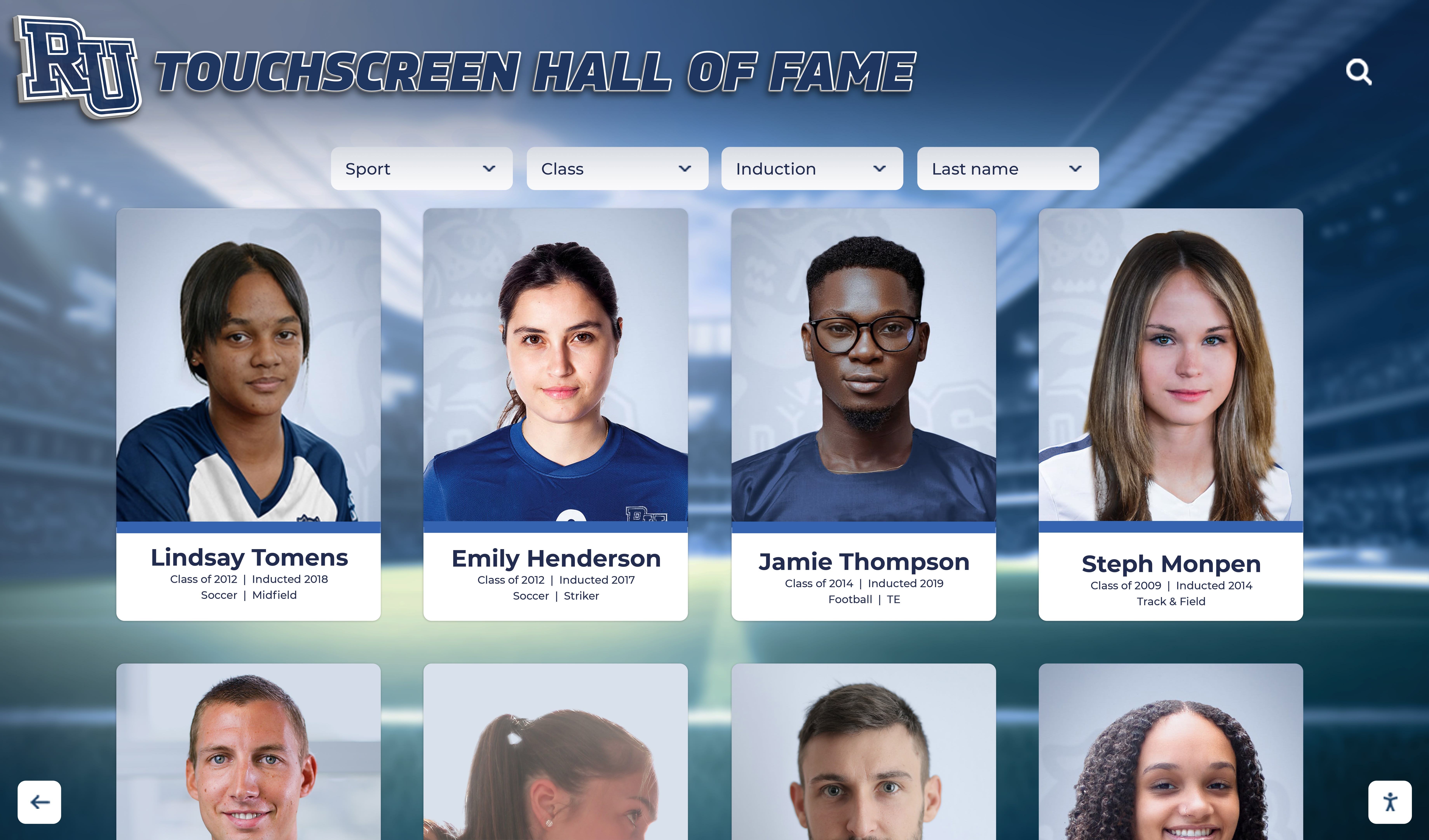
Recognition Touchscreen Content-Visibility Test for Long Athletic Portrait Galleries
A recognition touchscreen content visibility test helps school athletic directors, recognition program administrators, and IT staff understand whether the CSS property content-visibility: auto can reduce the browser’s rendering work on a scrollable hall-of-fame portrait gallery — and whether that optimization creates any gaps in find-in-page search, keyboard navigation, or assistive technology access that would prevent visitors from reaching any honored athlete’s profile.
Read More
School Recognition Display Subresource Integrity Audit for Third-Party Scripts
A school recognition display subresource integrity audit confirms that every third-party script loaded by your hall-of-fame kiosk, donor wall, or athletic honors display matches the exact file the CMS vendor published — and that no modified version of that script can run on a school display without the browser first detecting the mismatch. Subresource Integrity (SRI) is a browser security mechanism that uses cryptographic hashes to verify the contents of resources loaded from external origins. If the file the browser downloads does not produce the same hash value declared in the HTML, the browser refuses to execute the script. For school athletic recognition programs, where kiosk displays run unattended in public hallways and gymnasia, this verification layer matters because recognition platforms commonly load analytics libraries, media players, font loaders, or CMS-provided JavaScript from CDN domains outside the school’s control.
Read More
School Recognition Display Certificate Transparency Review Checklist
Intent: demonstrate — this checklist walks school IT coordinators, athletic directors, and facilities staff through a school recognition display certificate transparency review to identify unexpected TLS certificate issuance for the hostnames serving hall-of-fame kiosks, honor roll displays, and athletic record boards — and to distinguish expected CDN and auto-renewal certificates from entries that warrant follow-up with the domain owner.
Read More
HTTP Cache-Control Header Audit for School Recognition Displays
Intent: demonstrate — this guide walks school IT coordinators, content managers, and athletic directors through a school recognition display HTTP Cache-Control header audit to identify and correct header-level caching directives that cause hall-of-fame kiosks, athlete photo boards, and academic honors displays to serve stale content after the CMS has been updated — without requiring a manual cache clear on the kiosk itself.
Read More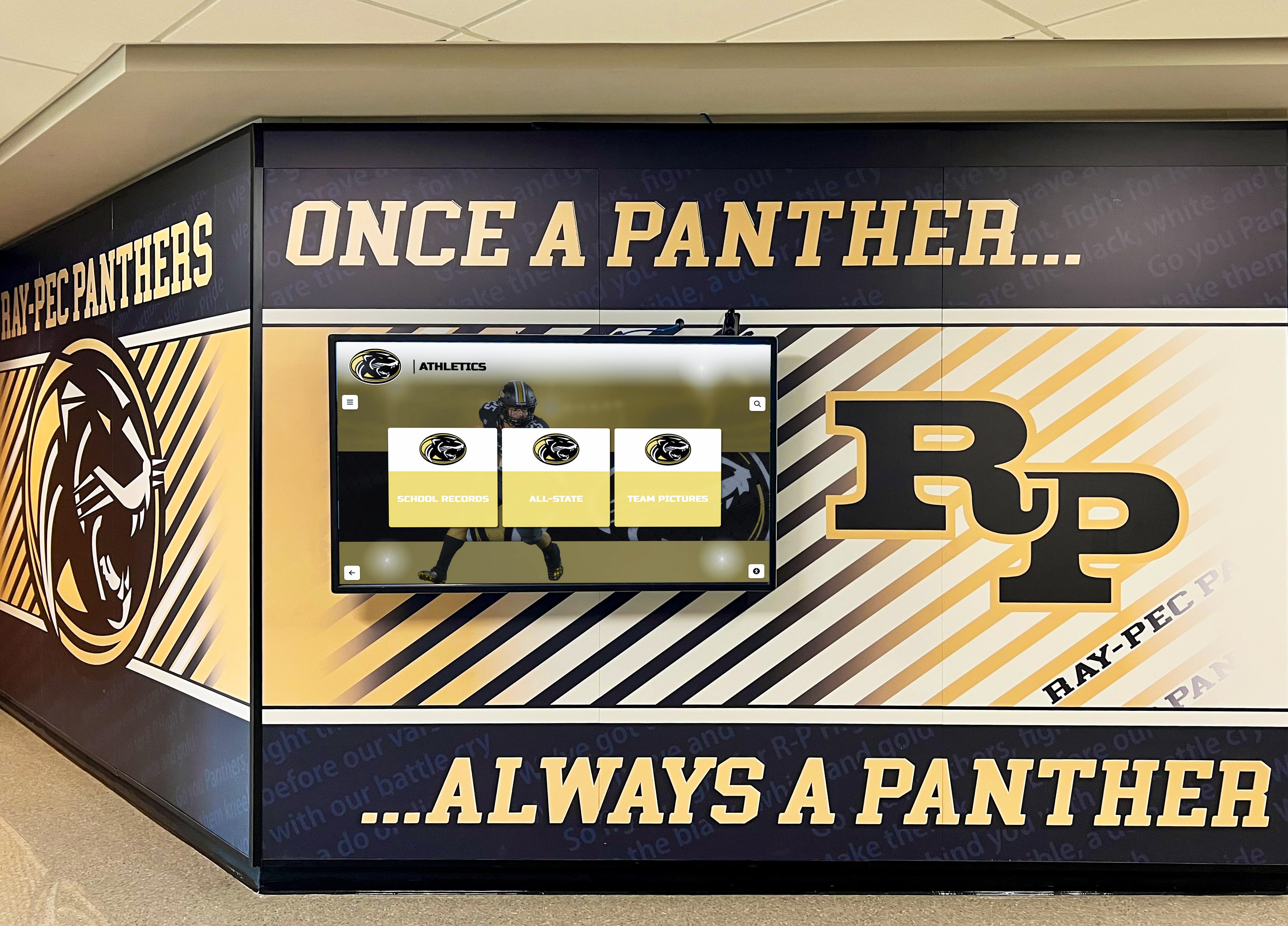
School Recognition Display DNS Search Suffix Checklist for Managed Kiosks
Intent: demonstrate — this checklist walks school IT coordinators and network administrators through a school recognition display DNS search suffix configuration audit to confirm that a managed hall-of-fame kiosk, athletic record board, or donor recognition touchscreen can resolve internal content hostnames by short name — without requiring the full qualified domain on every lookup — so the display stays connected to its cloud content management system (CMS) across DHCP lease renewals, MDM policy updates, and seasonal network changes.
Read More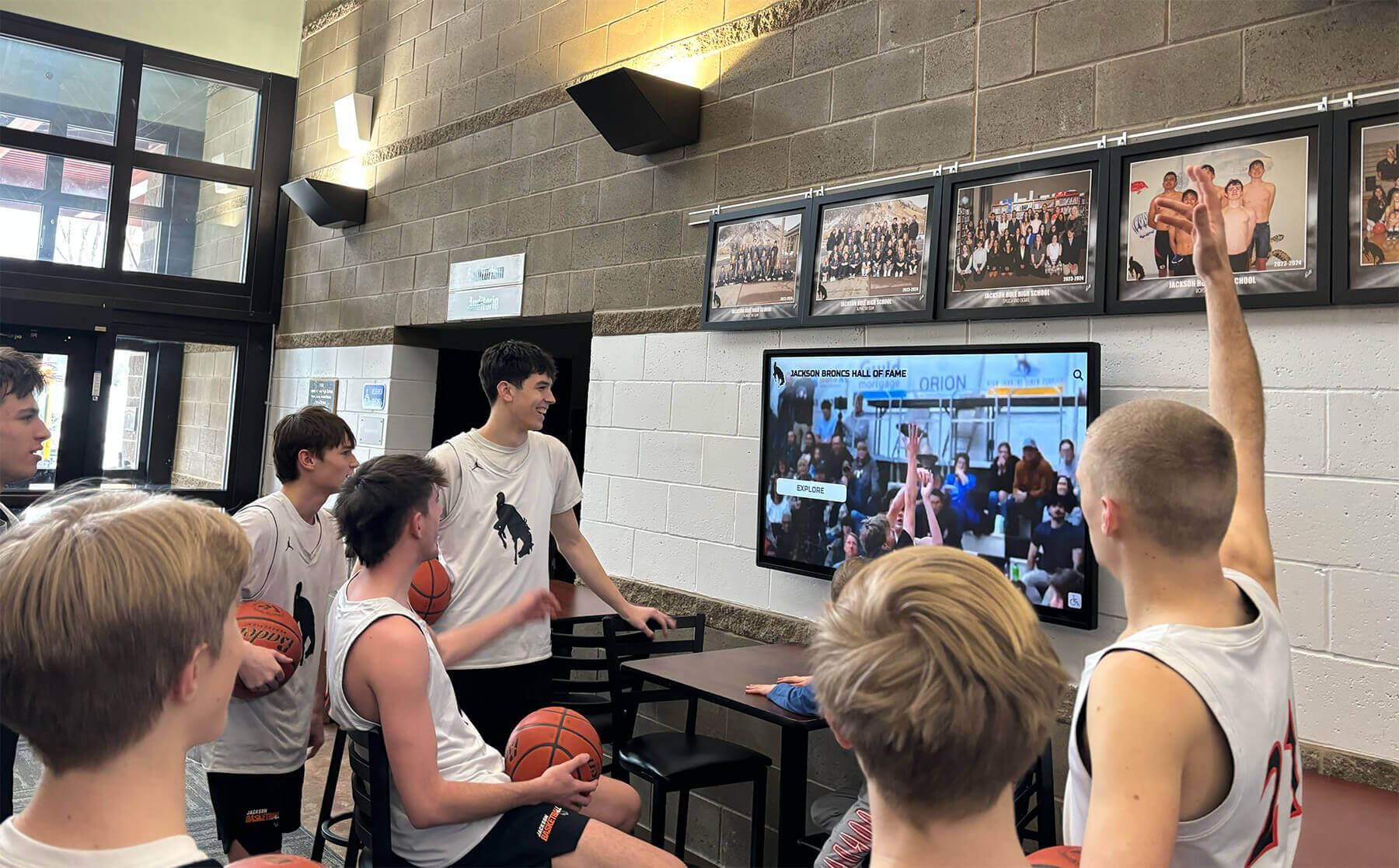
Recognition Display Receive-Side Scaling Check for Multi-Stream Media Playback
A school recognition display that stutters during multi-stream playback may not need more bandwidth — it may need its network processing spread across more CPU cores. Intent: demonstrate — this guide walks school IT coordinators through a recognition display receive-side scaling check: the structured process of confirming that receive-side scaling (RSS) is enabled and correctly configured on the display PC’s network adapter so that incoming packet processing for concurrent video streams, live athlete data feeds, and interactive touch content is distributed across multiple CPU cores rather than queued to a single core, which commonly causes frame drops and delayed CMS sync even when total CPU utilization appears low.
Read More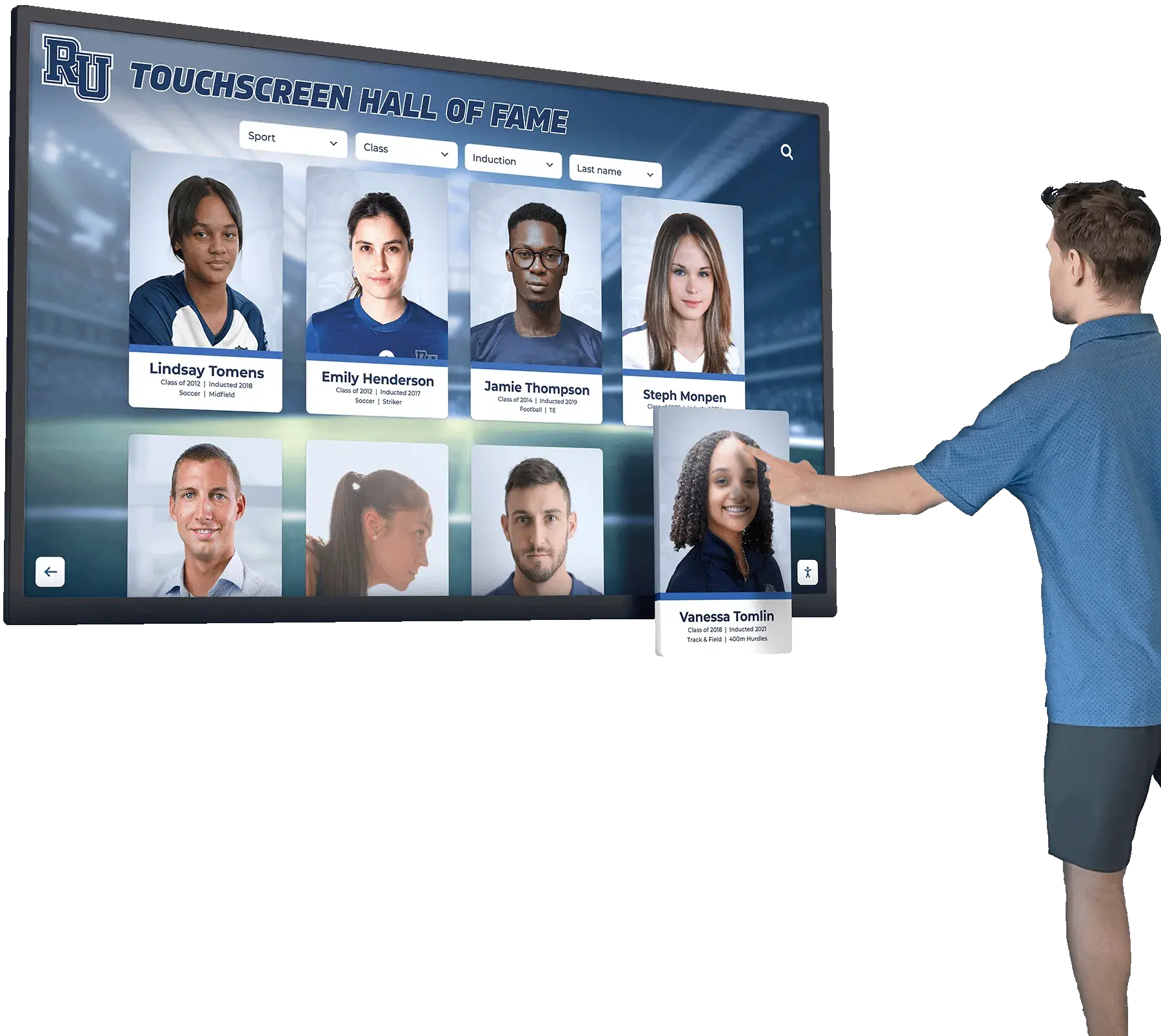
Recognition Display TCP Zero-Window Baseline for Slow Interactive Media
Intent: demonstrate — this guide walks school IT coordinators and network administrators through establishing a school recognition display TCP zero window baseline to tell receiver-side resource pressure apart from packet loss when a hall-of-fame kiosk, athletic record board, or donor wall screen stalls, buffers slowly, or drops frames while loading interactive media.
Read More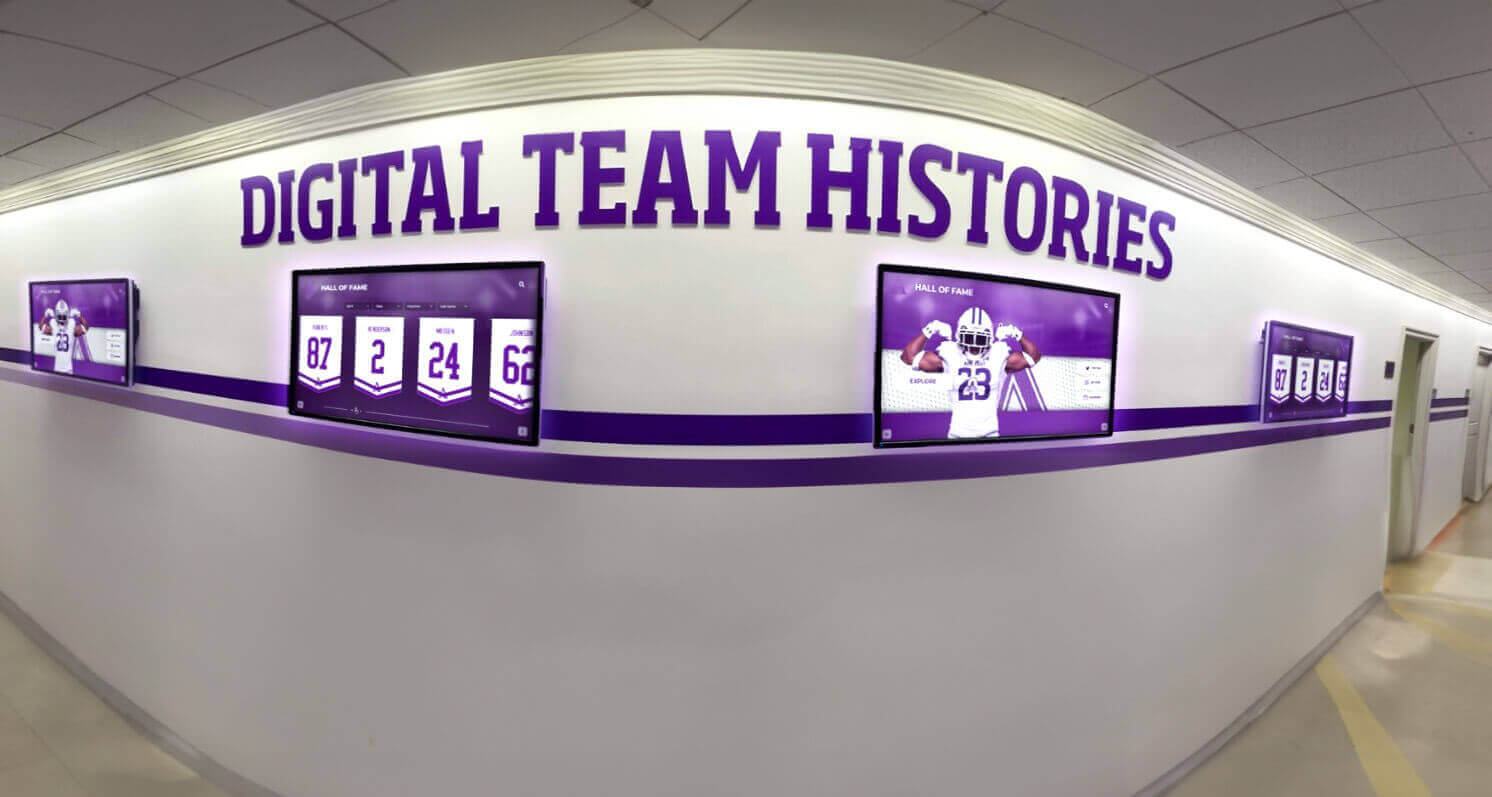
School Recognition Display DNS TTL Validation Checklist for Reliable Content Updates
Intent: demonstrate — this checklist walks school IT coordinators and network administrators through a school recognition display DNS TTL validation checklist to confirm that DNS caching behavior on the school network will not delay or prevent a hall-of-fame kiosk, donor wall screen, or athletic record board from resolving an updated cloud content management system (CMS) hostname after a service migration, IP address change, or provider transition.
Read More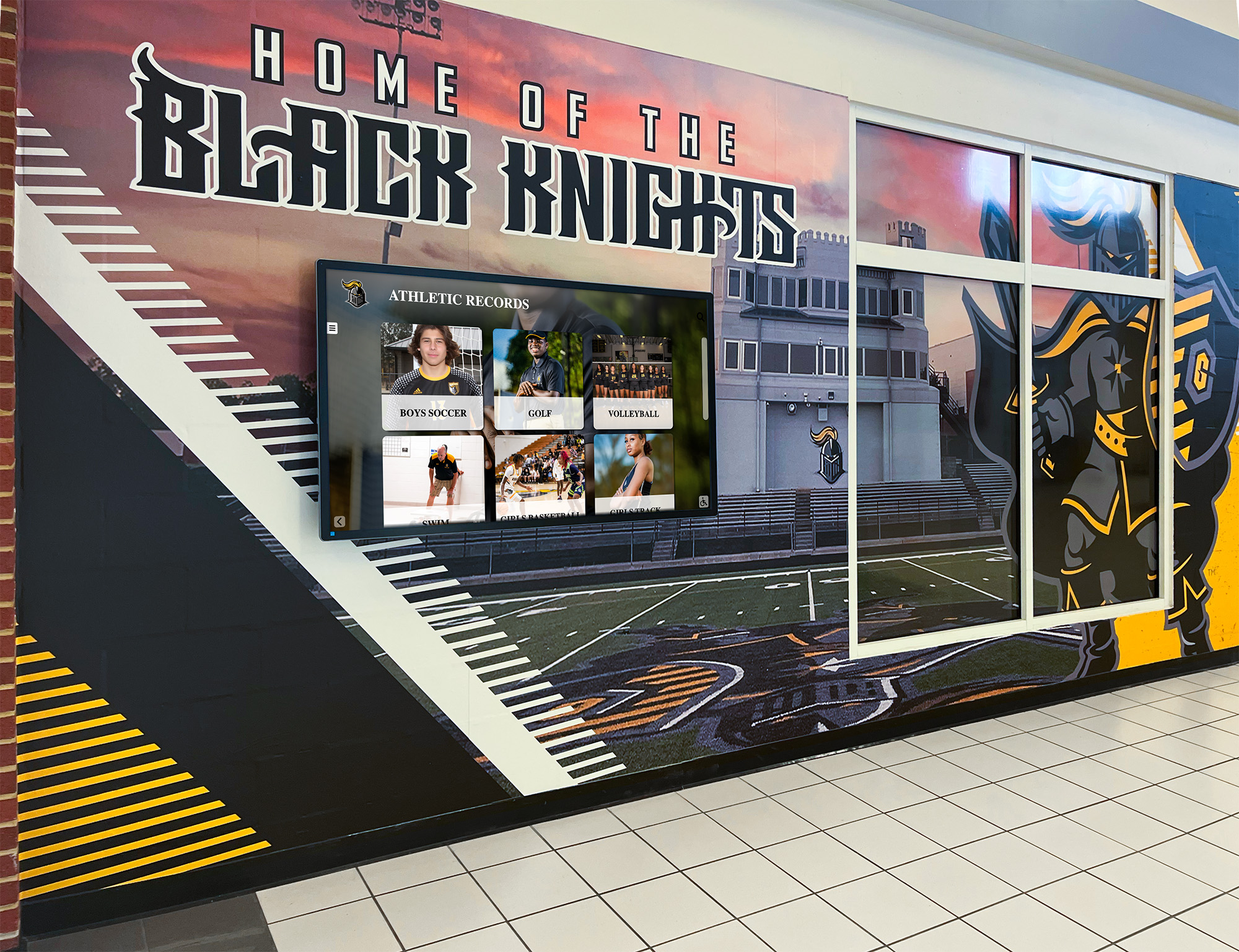
Recognition Display DHCP Option 82 Test for School Network Access
Intent: demonstrate — this checklist walks school IT coordinators and network administrators through a school recognition display DHCP Option 82 test to confirm that a hall-of-fame kiosk, donor wall screen, or athletic record board obtains the correct IP address, subnet, and gateway from the DHCP server even when the school network uses relay agent information (Option 82) to enforce location-based address assignment policies.
Read MoreRecognition Display TCP Keepalive Configuration: Detect Dead Connections Faster
Intent: demonstrate — this checklist walks school IT coordinators and network administrators through recognition display TCP keepalive configuration to ensure that hall-of-fame kiosks, donor wall screens, and athletic record boards detect and recover from silent dead connections to their cloud content management systems faster than the operating system’s default two-hour detection window.
Read More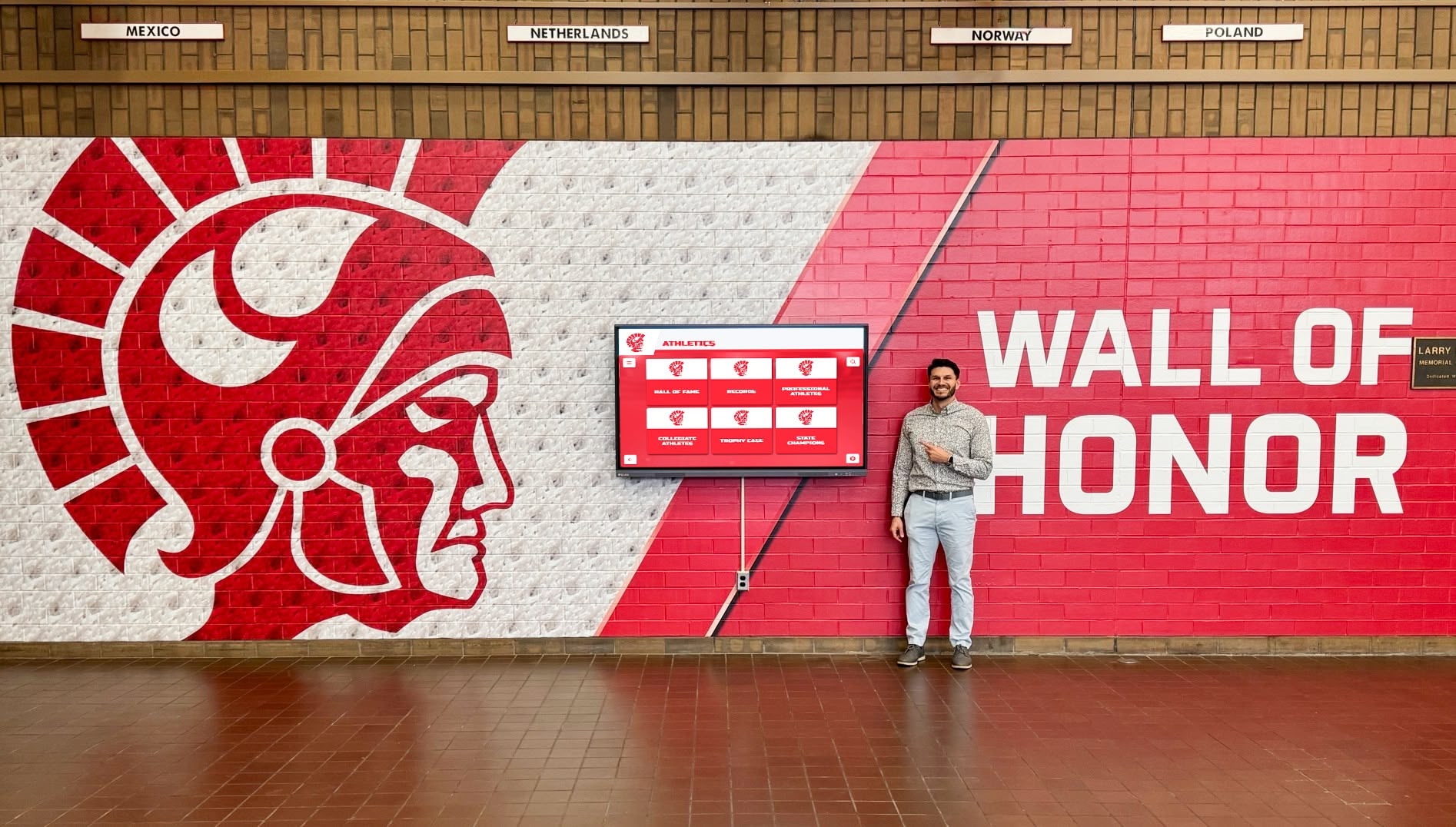
Recognition Display DHCP Snooping Compatibility Test for School Networks
Intent: demonstrate — this checklist walks school IT coordinators and network administrators through a recognition display DHCP snooping compatibility test to confirm that a hall-of-fame kiosk, donor wall screen, or athletic record board successfully obtains a trusted DHCP lease on a switch where DHCP snooping is enabled — protecting the network from rogue DHCP servers while ensuring the display device can reach its cloud content management system (CMS) reliably.
Read More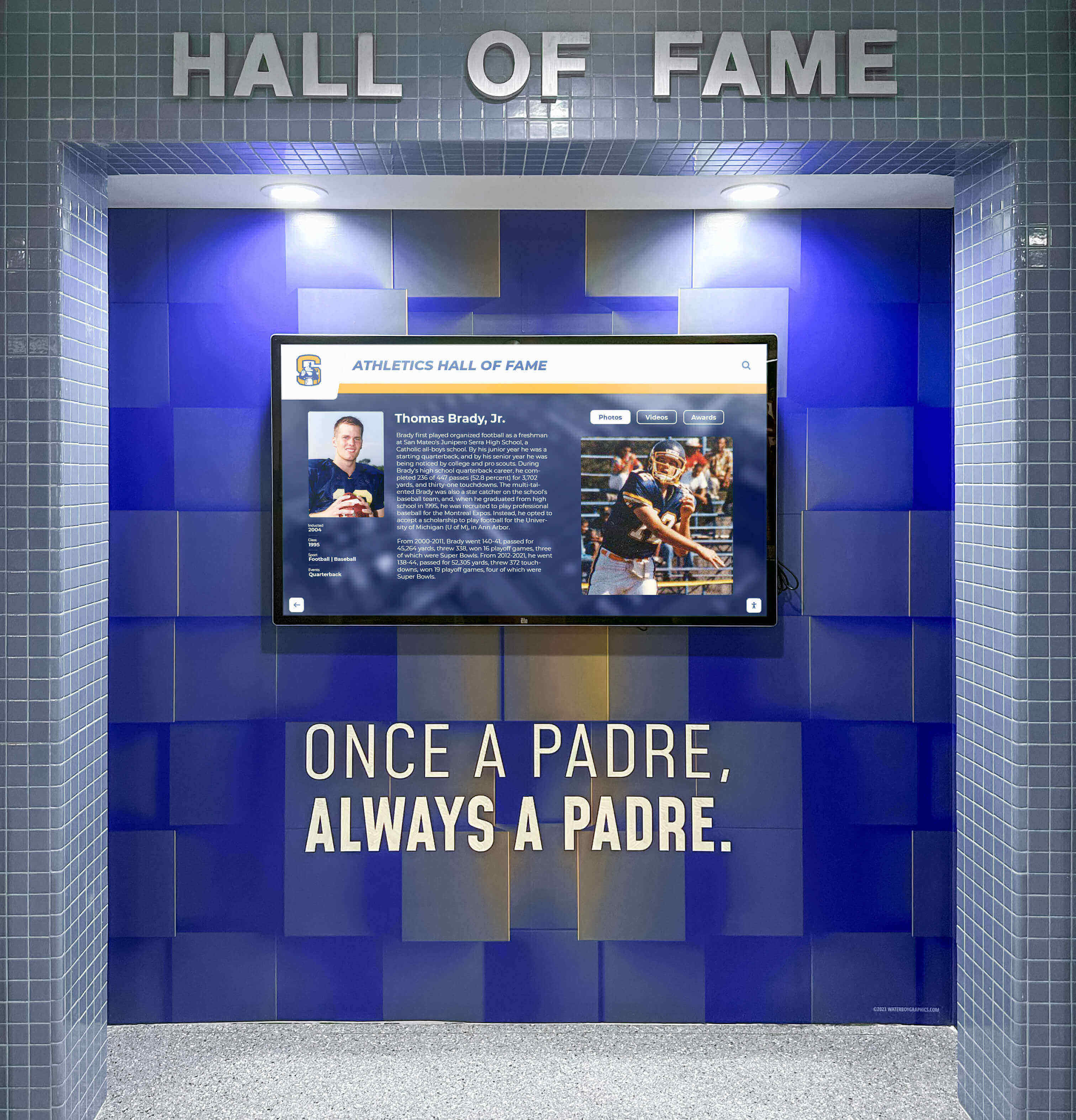
Recognition Display DNSSEC Validation: A School IT Testing Checklist
Intent: demonstrate — this checklist walks school IT coordinators and network administrators through touchscreen display DNSSEC validation testing to confirm that a hall-of-fame kiosk, donor wall screen, or athletic record board resolves its cloud content management system (CMS) addresses through a DNS path that performs cryptographic signature verification — protecting the display from DNS spoofing attacks that could silently redirect it to a fraudulent server.
Read More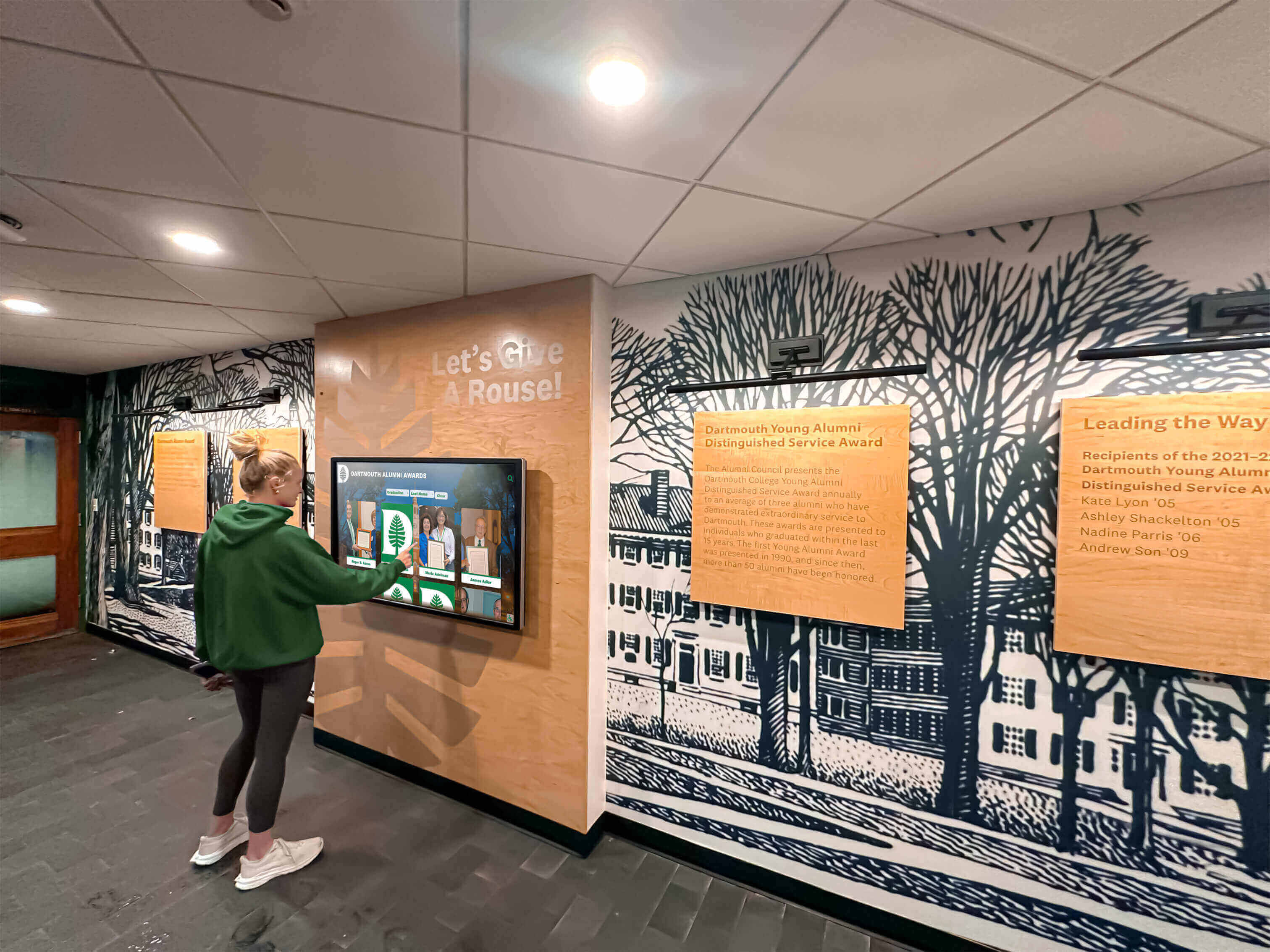
Recognition Display USB Selective Suspend Test: Prevent Touchscreen Disconnects
Intent: diagnose — this guide walks school IT coordinators through a recognition display USB selective suspend test to identify and eliminate the power management setting that causes intermittent touchscreen disconnects on hall-of-fame kiosks, donor walls, and athletic record boards.
Read More
Recognition Display USB-C Alt Mode Test: AV Commissioning Checklist
Intent: demonstrate — this checklist walks school IT coordinators, AV teams, and facilities staff through a recognition display USB-C Alt Mode test so video output, power delivery, and touchscreen input all negotiate correctly over a single cable before a hall-of-fame wall, donor screen, or athletic record board goes live.
Read MoreRecognition Display DisplayPort Link-Training Test for Reliable Video
Intent: demonstrate — this recognition display DisplayPort link-training test guide walks school IT coordinators, AV technicians, facilities managers, and athletic directors through identifying, isolating, and resolving signal-negotiation failures that produce blank screens, intermittent flicker, and unexpected resolution drops on hall-of-fame, donor wall, and athletic record board displays before the recognition program goes live for students, families, and community members.
Read More
Recognition Display EMI Interference Test for Reliable School Touchscreens
Intent: demonstrate — this recognition display EMI interference test guide walks school IT coordinators, facilities managers, AV technicians, and athletic directors through identifying, isolating, and resolving electromagnetic interference that produces phantom touches, signal drops, or display instability on a hall-of-fame, donor wall, or athletic record board touchscreen before it goes live in front of students, families, and community members.
Read More
Recognition Display Mura Effect Test for Uniform School Photos and Graphics
Intent: demonstrate — this recognition display mura effect test guide walks school administrators, athletic directors, archives staff, facilities teams, and recognition-program owners through identifying cloudy patches, brightness variation, and color nonuniformity on a hall-of-fame, donor wall, or athletic record board touchscreen before it goes live in front of students, families, and community members.
Read MoreRecognition Display Edge Linearity Test for Full-Screen Touch Accuracy
Intent: demonstrate — this recognition display edge linearity test guide walks school IT coordinators, athletic directors, facilities managers, and recognition-program administrators through confirming that every tap target on a hall-of-fame, athletic record board, or donor wall touchscreen registers accurately from corner to corner — including the sport filters, “Back” buttons, year selectors, and navigation controls positioned near every screen edge.
Read MoreRecognition Display Test Pattern Checklist for Commissioning School Touchscreens
Intent: demonstrate — this recognition display test pattern checklist guides school IT coordinators, facilities managers, and AV installation staff through geometry, gradient, clipping, sharpness, and school-color verification steps so a hall-of-fame touchscreen, athletic record board, or donor wall display is confirmed accurate before it goes live in front of students, families, and community members.
Read MoreSchool Recognition Display Optical Bonding: Inspection Checklist for Clarity and Delamination
Intent: research. A school recognition display optical bonding inspection tells administrators, facilities teams, and athletic directors whether an interactive touchscreen has the construction quality needed to maintain image clarity and structural integrity through years of daily use in lobbies, corridors, and athletic facilities.
Read MoreRecognition Display Cable Continuity Test: A School Installation Checklist
Intent: demonstrate — this checklist walks school facilities teams and IT coordinators through a recognition display cable continuity test so every power, network, HDMI, USB, and audio connection is verified fault-free before a touchscreen hall of fame, donor wall, or athletic record board goes live.
Read MoreRecognition Display Overscan Troubleshooting Checklist: Fix Clipped Menus and Cut-Off Profiles
Intent: demonstrate — this checklist walks school AV coordinators, IT staff, and facilities teams through recognition display overscan troubleshooting so they can eliminate clipped menus, cut-off inductee profiles, and scaling errors on wall-mounted recognition screens without waiting for vendor support.
Read MoreSchool Recognition Display VESA Mount Inspection Checklist
Intent: research — this checklist helps facilities teams, athletic directors, and IT coordinators verify that every VESA mount supporting a school recognition display is compatible, structurally sound, and ready for long-term public use.
Read More
Navigating the Digital Hall of Fame Market: How to Spot Vendor Deception and Protect Your School's Legacy
Intent: decide. Replacing a static trophy case with an interactive touchscreen kiosk is one of the most meaningful facility upgrades a school, university, or athletic department can make. The wall becomes a living archive—searchable, expandable, and accessible to alumni anywhere in the world. But as demand for these systems has grown, so has the number of vendors competing for contracts. With competition has come a wave of comparison marketing that ranges from exaggerated to factually inaccurate.
Read More