School Recognition Display Subresource Integrity Audit for Third-Party Scripts
A school recognition display subresource integrity audit confirms that every third-party script loaded by your hall-of-fame kiosk, donor wall, or athletic honors display matches the exact file the CMS vendor published — and that no modified version of that script can run on a school display without the browser first detecting the mismatch. Subresource Integrity (SRI) is a browser security mechanism that uses cryptographic hashes to verify the contents of resources loaded from external origins. If the file the browser downloads does not produce the same hash value declared in the HTML, the browser refuses to execute the script. For school athletic recognition programs, where kiosk displays run unattended in public hallways and gymnasia, this verification layer matters because recognition platforms commonly load analytics libraries, media players, font loaders, or CMS-provided JavaScript from CDN domains outside the school’s control.
Read More
School Recognition Display Certificate Transparency Review Checklist
Intent: demonstrate — this checklist walks school IT coordinators, athletic directors, and facilities staff through a school recognition display certificate transparency review to identify unexpected TLS certificate issuance for the hostnames serving hall-of-fame kiosks, honor roll displays, and athletic record boards — and to distinguish expected CDN and auto-renewal certificates from entries that warrant follow-up with the domain owner.
Read More
HTTP Cache-Control Header Audit for School Recognition Displays
Intent: demonstrate — this guide walks school IT coordinators, content managers, and athletic directors through a school recognition display HTTP Cache-Control header audit to identify and correct header-level caching directives that cause hall-of-fame kiosks, athlete photo boards, and academic honors displays to serve stale content after the CMS has been updated — without requiring a manual cache clear on the kiosk itself.
Read More
Recognition Display Receive-Side Scaling Check for Multi-Stream Media Playback
A school recognition display that stutters during multi-stream playback may not need more bandwidth — it may need its network processing spread across more CPU cores. Intent: demonstrate — this guide walks school IT coordinators through a recognition display receive-side scaling check: the structured process of confirming that receive-side scaling (RSS) is enabled and correctly configured on the display PC’s network adapter so that incoming packet processing for concurrent video streams, live athlete data feeds, and interactive touch content is distributed across multiple CPU cores rather than queued to a single core, which commonly causes frame drops and delayed CMS sync even when total CPU utilization appears low.
Read More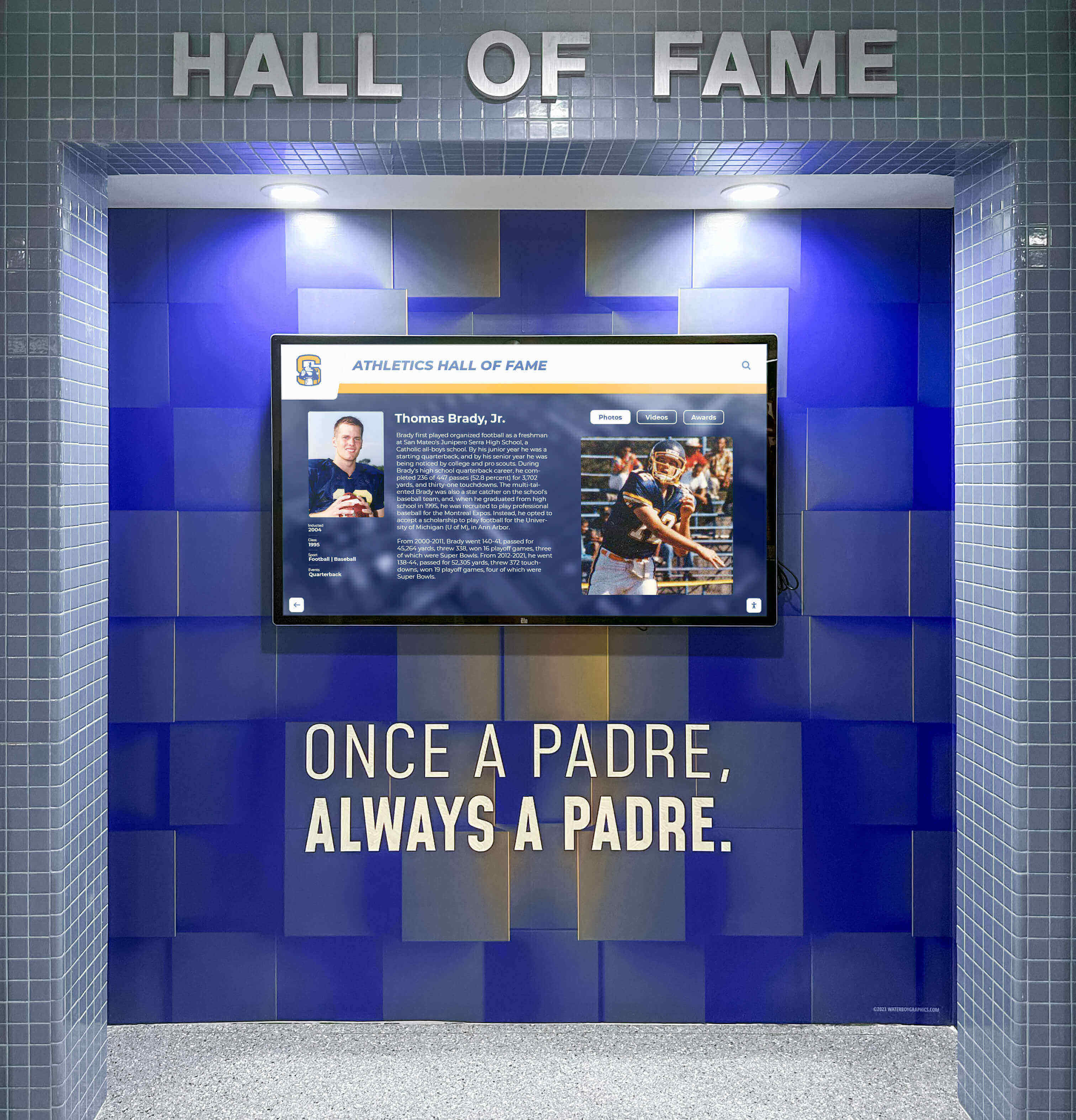
Native VLAN Mismatch Audit for School Recognition Display Switch Ports
A hall-of-fame kiosk that stops updating is often a VLAN problem, not a hardware problem. Intent: demonstrate — this guide walks school IT coordinators, network administrators, and facilities managers through a school recognition display native VLAN mismatch audit: the structured process of comparing the native VLAN configured on each switch port serving a recognition kiosk against the expected value, identifying mismatches that silently place the display on the wrong network segment, and correcting them before a content outage affects the athletic director, alumni coordinator, or recognition program.
Read More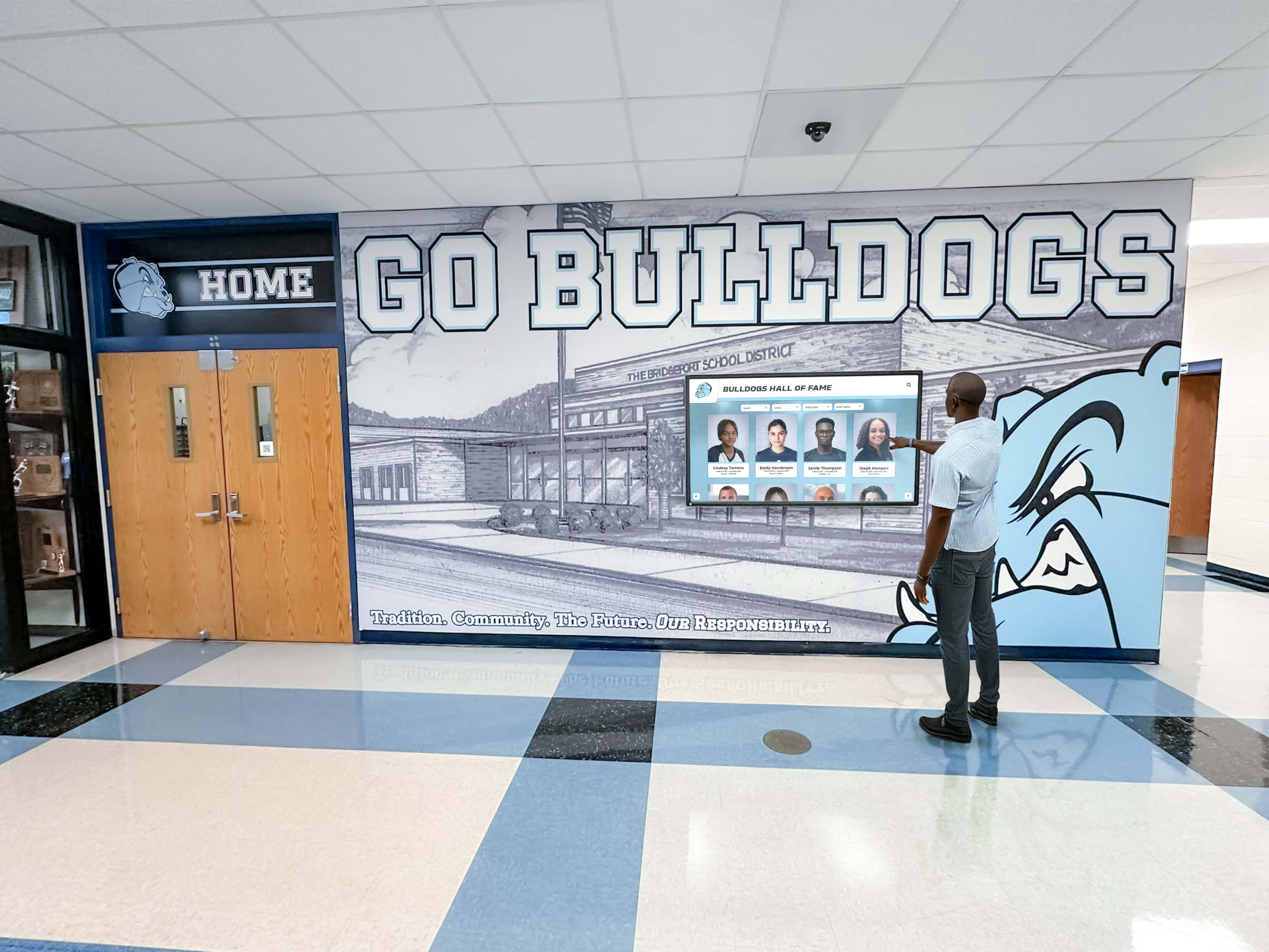
Recognition Display IPv6 Neighbor Discovery Validation for School Networks
Intent: demonstrate — this guide walks school IT coordinators, facilities managers, and athletic directors through recognition display IPv6 neighbor discovery validation: the structured process of confirming that a hall-of-fame kiosk, athletic record board, or donor recognition touchscreen can resolve IPv6 addresses, maintain a reachable gateway entry, and sustain a reliable path to its cloud CMS on a modern dual-stack or IPv6-enabled school network.
Read MoreRecognition Display Bufferbloat Test: Baseline Latency for Responsive Video
Intent: demonstrate — this guide walks school IT coordinators, athletic directors, and facilities teams through a recognition display bufferbloat test to measure the latency-under-load baseline on the network path serving hall-of-fame kiosks, athletic record boards, and donor recognition displays, so that delayed video starts, sluggish touch response, and stalled content syncs can be diagnosed accurately and corrected before they undermine the program’s day-to-day credibility.
Read MoreRecognition Display UDLD Fault Detection for Fiber Links in School Networks
Intent: demonstrate — this guide walks school IT coordinators and network administrators through a recognition display UDLD test to identify unidirectional fiber link faults on the switch ports and uplink paths serving hall-of-fame kiosks, athletic record boards, and donor recognition displays before those faults cause silent content delivery failures or unexpected connectivity loss.
Read More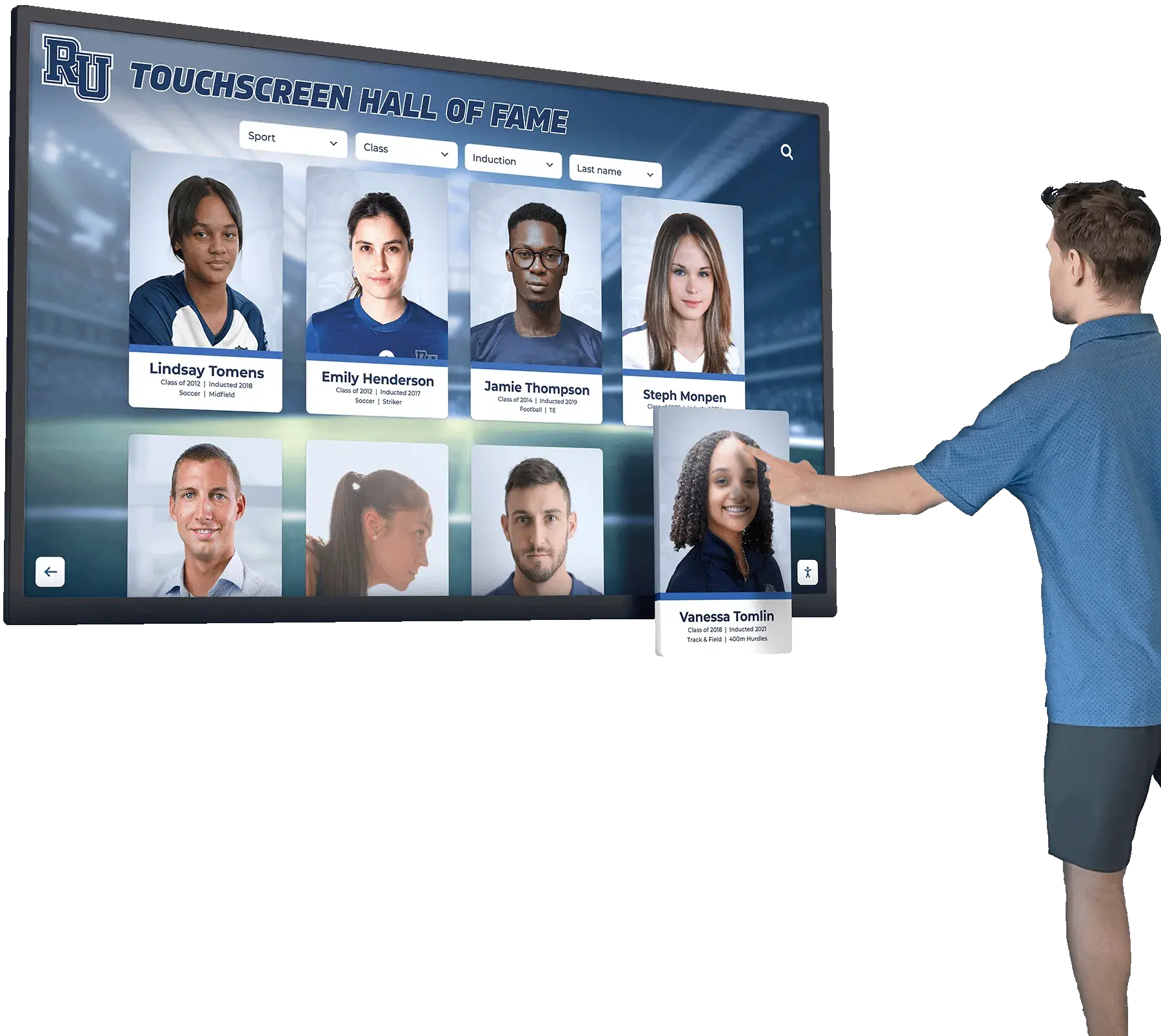
Recognition Display TCP Zero-Window Baseline for Slow Interactive Media
Intent: demonstrate — this guide walks school IT coordinators and network administrators through establishing a school recognition display TCP zero window baseline to tell receiver-side resource pressure apart from packet loss when a hall-of-fame kiosk, athletic record board, or donor wall screen stalls, buffers slowly, or drops frames while loading interactive media.
Read More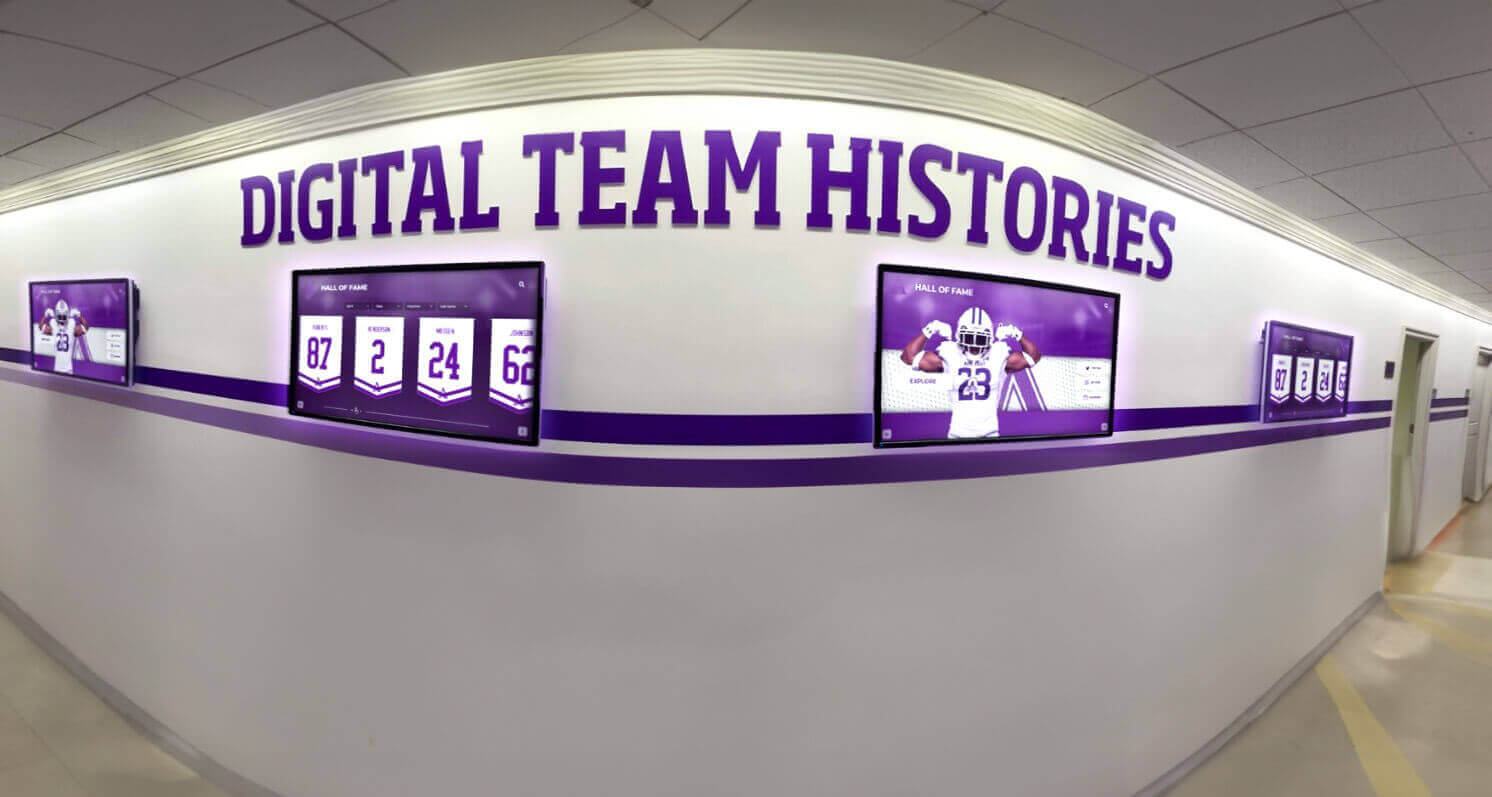
School Recognition Display DNS TTL Validation Checklist for Reliable Content Updates
Intent: demonstrate — this checklist walks school IT coordinators and network administrators through a school recognition display DNS TTL validation checklist to confirm that DNS caching behavior on the school network will not delay or prevent a hall-of-fame kiosk, donor wall screen, or athletic record board from resolving an updated cloud content management system (CMS) hostname after a service migration, IP address change, or provider transition.
Read More
Recognition Display DHCP Option 82 Test for School Network Access
Intent: demonstrate — this checklist walks school IT coordinators and network administrators through a school recognition display DHCP Option 82 test to confirm that a hall-of-fame kiosk, donor wall screen, or athletic record board obtains the correct IP address, subnet, and gateway from the DHCP server even when the school network uses relay agent information (Option 82) to enforce location-based address assignment policies.
Read MoreRecognition Display TCP Keepalive Configuration: Detect Dead Connections Faster
Intent: demonstrate — this checklist walks school IT coordinators and network administrators through recognition display TCP keepalive configuration to ensure that hall-of-fame kiosks, donor wall screens, and athletic record boards detect and recover from silent dead connections to their cloud content management systems faster than the operating system’s default two-hour detection window.
Read MoreRecognition Display Switch-Port Security Test for School Networks
Intent: demonstrate — this checklist walks school IT coordinators and network administrators through a school recognition display port security test to confirm that the switch port serving a hall-of-fame kiosk, donor wall screen, or athletic record board is configured with an appropriate MAC address limit, a defined violation action, and a tested recovery procedure before the display enters unattended public operation.
Read MoreRecognition Display Spanning Tree Protocol Test: Prevent Network Loops in School Installations
Intent: demonstrate — this checklist walks school IT coordinators and network administrators through a recognition display spanning tree protocol test to confirm that a hall-of-fame kiosk, donor wall screen, or athletic record board transitions to forwarding state quickly enough for the display to obtain a DHCP lease at boot, and that the switch port is protected against accidental loop creation by downstream unmanaged switches or hubs that might be connected to the same location.
Read More
Recognition Display DHCP Snooping Compatibility Test for School Networks
Intent: demonstrate — this checklist walks school IT coordinators and network administrators through a recognition display DHCP snooping compatibility test to confirm that a hall-of-fame kiosk, donor wall screen, or athletic record board successfully obtains a trusted DHCP lease on a switch where DHCP snooping is enabled — protecting the network from rogue DHCP servers while ensuring the display device can reach its cloud content management system (CMS) reliably.
Read MoreRecognition Display DNSSEC Validation: A School IT Testing Checklist
Intent: demonstrate — this checklist walks school IT coordinators and network administrators through touchscreen display DNSSEC validation testing to confirm that a hall-of-fame kiosk, donor wall screen, or athletic record board resolves its cloud content management system (CMS) addresses through a DNS path that performs cryptographic signature verification — protecting the display from DNS spoofing attacks that could silently redirect it to a fraudulent server.
Read MoreRecognition Display VLAN Tagging Test for School Networks
Intent: demonstrate — this guide walks school IT coordinators, network administrators, and facilities teams through a school recognition display VLAN tagging test to confirm that a hall-of-fame kiosk, donor wall screen, or athletic record board is correctly isolated on its assigned VLAN and reliably reaches the cloud content management system (CMS) that keeps the display current without exposing the device to student or guest network segments.
Read More
Recognition Display USB Selective Suspend Test: Prevent Touchscreen Disconnects
Intent: diagnose — this guide walks school IT coordinators through a recognition display USB selective suspend test to identify and eliminate the power management setting that causes intermittent touchscreen disconnects on hall-of-fame kiosks, donor walls, and athletic record boards.
Read More
High School Athletic Department Budget: Planning for Awards, Records, and Digital Displays
Intent: plan. A high school athletic department budget that accounts for recognition—awards, record boards, hall of fame displays, and digital screens—avoids the cycle of underfunded programs and outdated displays that undermine athlete morale and community engagement.
Read MoreTouchscreen Recognition Software vs. Digital Signage Software: Which Does Your School Lobby Actually Need?
When a principal announces “we’re getting a touchscreen display for the lobby,” everyone pictures something different. The athletic director imagines an interactive hall of fame where visitors browse athlete profiles by sport, year, or name. The communications coordinator pictures a digital bulletin board cycling through morning announcements. Both envision a screen in the lobby—but they’re describing two fundamentally different categories of software built for completely different goals.
Read MoreHow to Choose a Touchscreen for a School Hall of Fame Display
Choosing the right touchscreen for a school hall of fame display is one of the most consequential hardware decisions a school administrator will make. Get it right, and the display becomes a landmark — students pause in hallways to browse athlete profiles, alumni lean in to rediscover memories, and visitors leave with a stronger impression of your institution’s legacy. Get it wrong, and you end up with a screen that’s too dim for your lobby lighting, too small for comfortable reading at a distance, or incompatible with the content management software your team needs to keep it updated.
Read More
How to Digitize Old Yearbooks and Use Photos in Hall of Fame Displays Without Damage
Yearbooks chronicle decades of institutional memory. These bound volumes document graduating classes, championship teams, student leaders, and defining moments that shaped school communities. Many institutions store yearbook collections dating back fifty, seventy, or even one hundred years—irreplaceable historical records capturing faces, fashions, and moments that exist nowhere else.
Read More