Planning Guide
- Home /
- Categories /
- Planning Guide
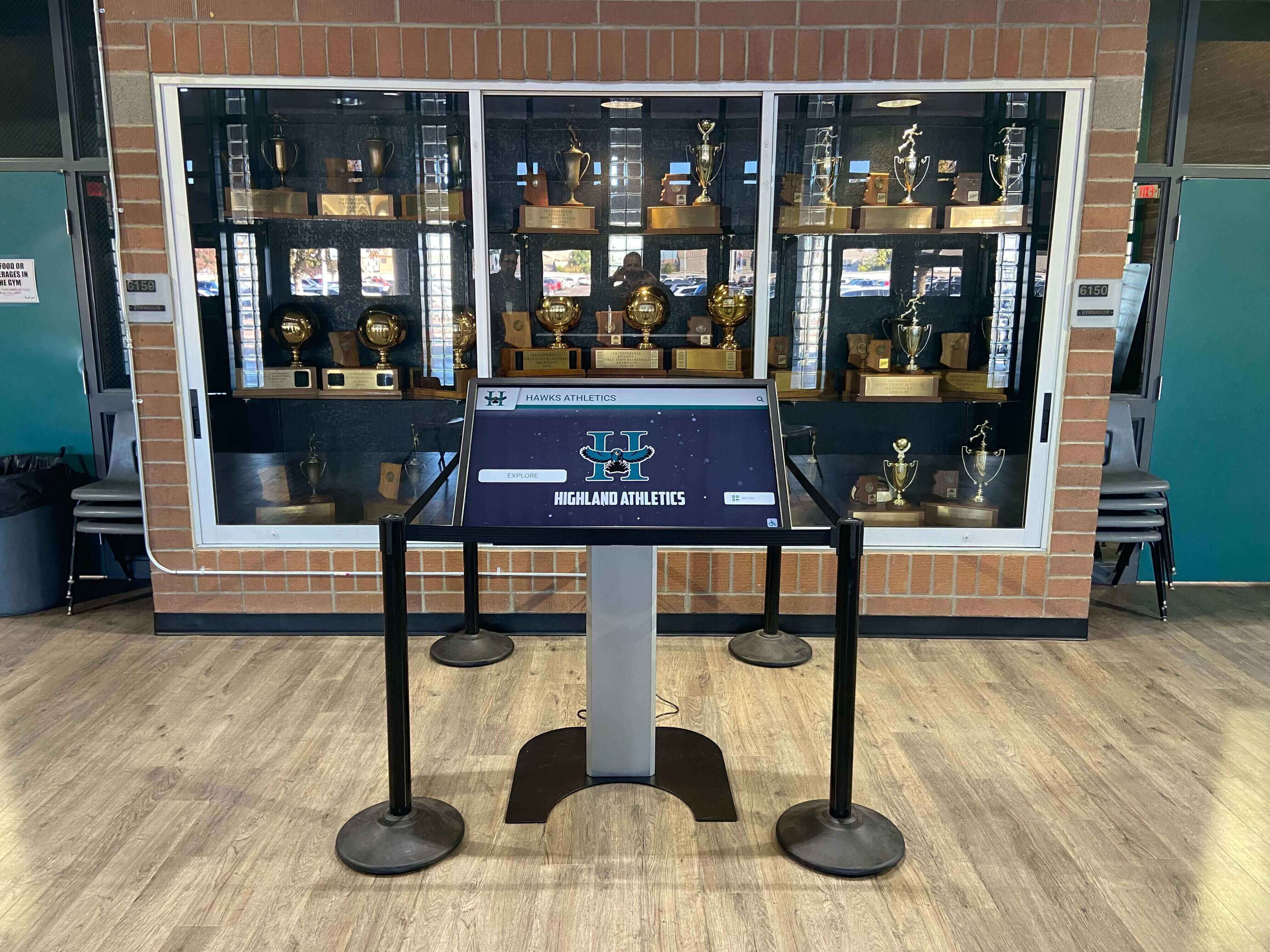
Touchscreen Recognition Display Spare Parts Inventory: What Schools Should Stock and Track
Intent: define. A touchscreen recognition display spare parts inventory gives school facilities managers, IT coordinators, and athletic directors a documented stock of cables, mounts, adapters, remotes, and replacement components so that a single failed part never takes a hall of fame, donor wall, or academic honor display offline for days. This guide explains what to stock, how to track it, and how to connect parts management to broader display uptime workflows.
Read More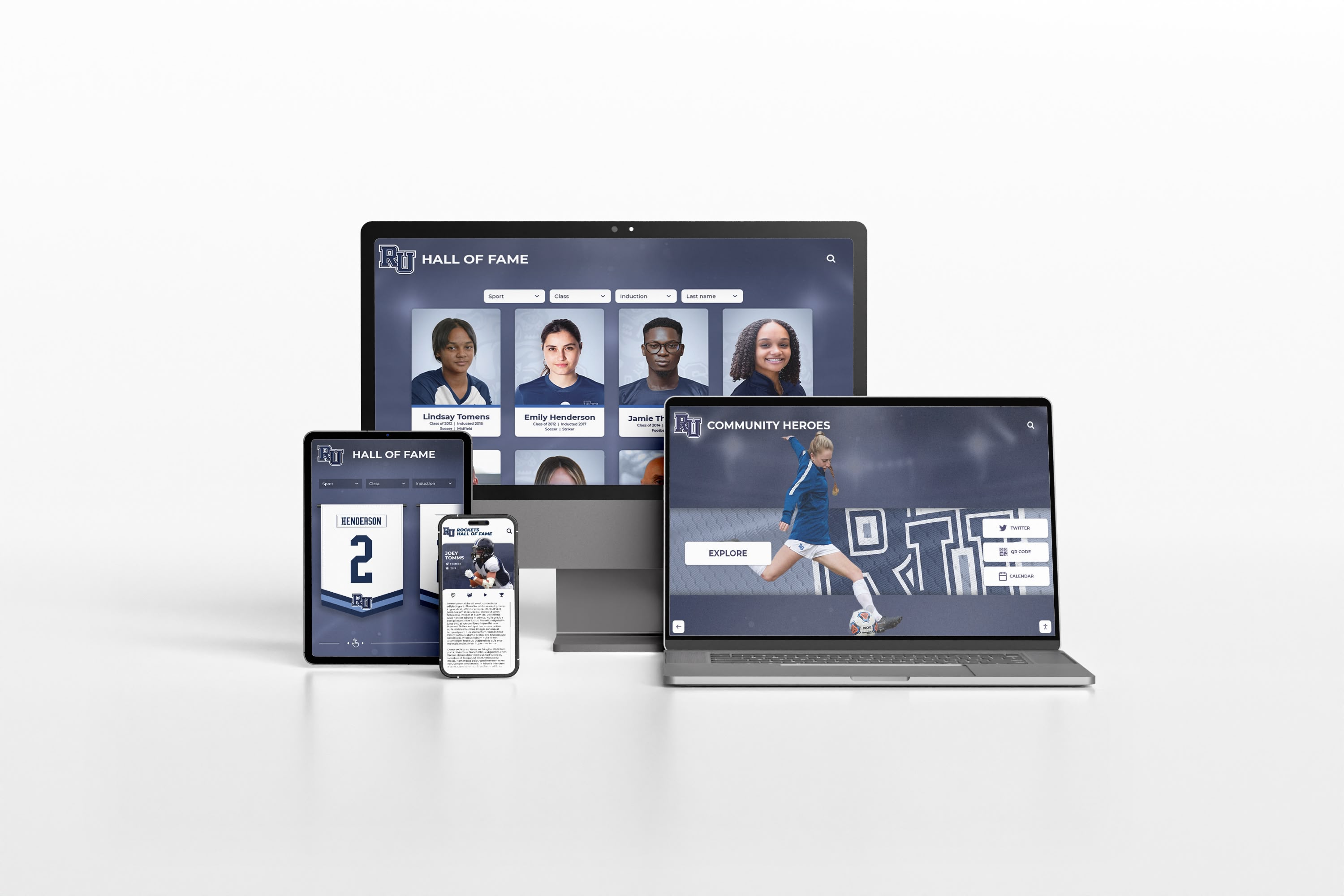
Touchscreen Recognition Display Mobile Device Management Policy for School IT
Intent: define. A touchscreen recognition display mobile device management policy gives school IT coordinators, administrators, and facilities teams a documented governance framework for enrolling, securing, maintaining, and retiring the dedicated devices that power athletic halls of fame, donor walls, academic honor displays, and student recognition kiosks. Without a written policy, device configuration drifts, access credentials go undocumented, and hardware retirements risk losing years of recognition content.
Read More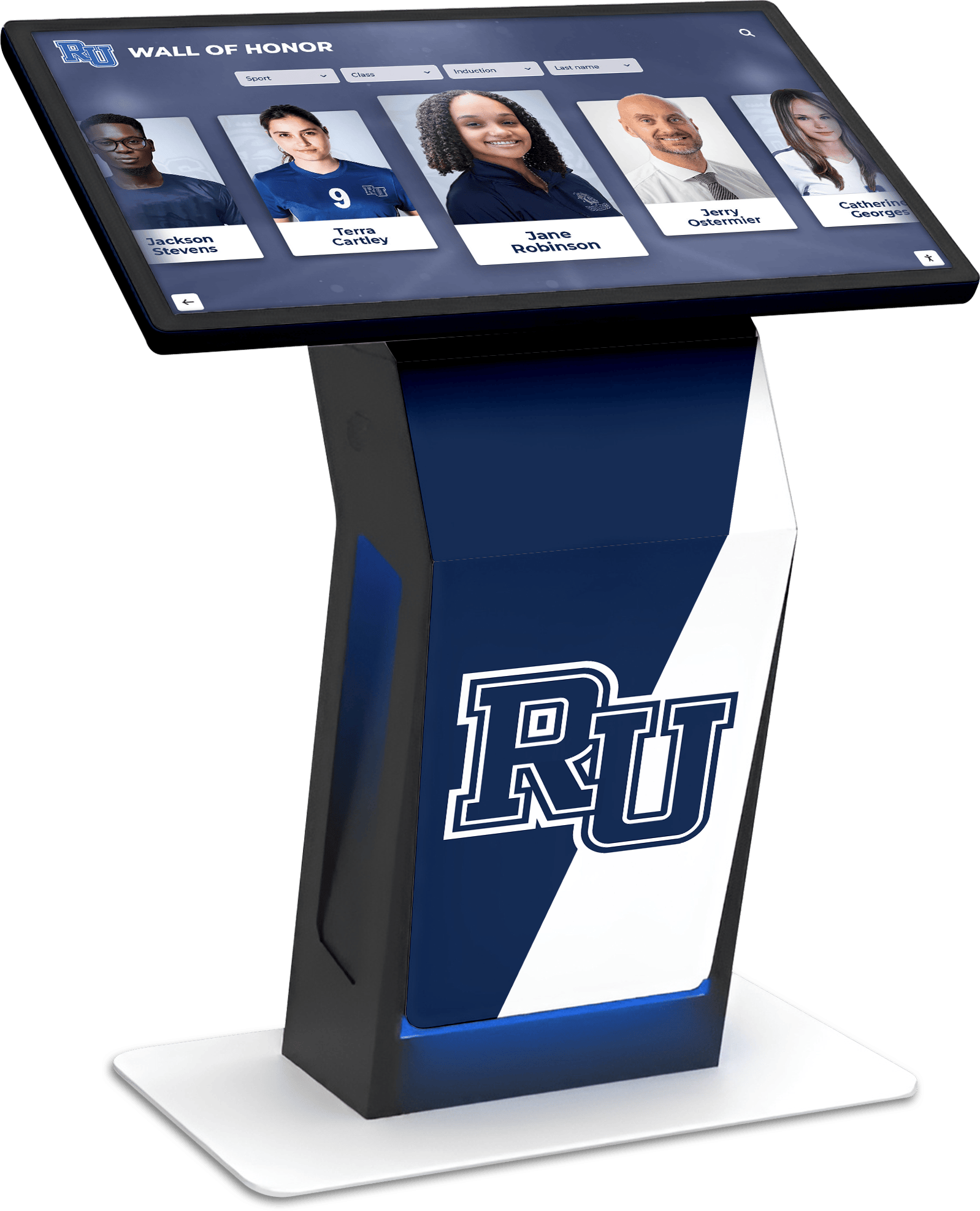
Touchscreen Recognition Display Service Level Agreement Template: Uptime, Support & Recovery
Schools comparing touchscreen recognition display vendors need measurable commitments before signing. Intent: define. A touchscreen recognition display service level agreement template gives administrators, athletic directors, advancement staff, IT coordinators, and facilities teams a structured framework for negotiating uptime guarantees, support response windows, recovery targets, maintenance notice requirements, and reporting obligations—before a purchase order is issued.
Read More
Touchscreen Recognition Display Firewall Rule Review: A School IT Audit Workflow
Intent: decide. A touchscreen recognition display firewall rule review is a structured IT audit that confirms each network rule serving a recognition kiosk still has a documented owner, a valid business justification, and active traffic—then removes or restricts rules that fail those checks.
Read More
Touchscreen Recognition Display Log Retention Policy: What School IT Should Keep
Intent: decide. A touchscreen recognition display log retention policy tells school IT which log categories to preserve, how long to keep each type, and when deletion is appropriate—so useful evidence survives long enough to matter without creating indefinite storage obligations or privacy exposure.
Read More
Touchscreen Recognition Display Support Escalation Matrix: Who to Contact and When
Intent: decide. A touchscreen recognition display support escalation matrix defines which incidents belong to frontline staff, which require school IT, which need facilities involvement, and which must go directly to the platform vendor—so the right person is contacted on the first call rather than the third.
Read MoreTouchscreen Recognition Display Admin Account Handoff Checklist
Intent: decide. When an athletic director, communications coordinator, or IT administrator leaves a school, the touchscreen recognition display is rarely the first thing on anyone’s transition checklist—but missing credentials and orphaned accounts are among the most common causes of recognition program disruptions. A structured touchscreen recognition display admin account handoff checklist prevents access gaps, protects institutional content, and ensures the incoming administrator can manage the system from day one.
Read More
Touchscreen Recognition Display Decommissioning Plan: Preserve Content Before Hardware Retirement
Intent: decide. When a touchscreen recognition display reaches end of life, schools and institutions face a decommissioning moment that carries real institutional risk. Hardware can be unplugged, traded in, or hauled away in an afternoon—but the recognition content, inductee records, athletic histories, donor lists, and archived media stored on or managed through that system may take months to reconstruct if not properly preserved first.
Read More