When young athletes dedicate countless hours to training, competition, and personal growth, they deserve recognition that celebrates their journey and achievements. Youth athlete of the year awards represent the highest honor many sports programs bestow, acknowledging exceptional performance, character, and dedication that distinguish outstanding competitors from their peers.
Yet designing effective nomination and selection processes for these prestigious awards challenges many athletic directors, coaches, and community sports organizations. Questions arise about evaluation criteria—should pure athletic performance dominate, or do character, sportsmanship, and academic achievement deserve equal weight? What nomination processes ensure fairness while encouraging broad participation? How can programs create memorable recognition experiences that inspire not just award recipients but every young athlete witnessing the celebration?
This comprehensive guide explores how to establish, manage, and elevate youth athlete of the year recognition programs that honor deserving young champions while reinforcing the values your organization prioritizes. From nomination procedures and selection criteria to modern recognition approaches that extend visibility beyond single ceremonies, these strategies help you create award programs young athletes genuinely value.
Youth athlete of the year awards carry significance extending far beyond trophies and certificates. When designed thoughtfully, these programs shape how young competitors understand excellence, inspire continued athletic development, and create traditions that strengthen community bonds around youth sports participation. Recognition approaches that balance performance achievement with character acknowledgment teach athletes that how they compete matters as much as winning.

Recognizing young athletes' dedication and achievements creates lasting memories while reinforcing positive sports values
Understanding Youth Athlete of the Year Awards
Before establishing nomination procedures, understanding what distinguishes effective youth athlete recognition helps programs create awards that resonate with young competitors, families, and communities.
What Makes These Awards Meaningful
Youth athlete of the year recognition differs from other athletic awards through broader scope and higher prestige:
Comprehensive Achievement Recognition
- Evaluates entire season or year rather than single performances
- Considers multiple dimensions beyond pure athletic statistics
- Acknowledges sustained excellence over extended periods
- Recognizes development and improvement alongside current ability
- Honors complete athlete rather than isolated skills
Character and Values Integration These premier awards typically evaluate character alongside performance:
- Sportsmanship and respect for opponents, officials, and rules
- Leadership and positive influence on teammates
- Academic achievement and student-athlete balance
- Community involvement and service contributions
- Perseverance through challenges and setbacks
Research on youth sports development demonstrates that recognition emphasizing character alongside athletic performance creates stronger long-term athlete development outcomes compared to performance-only awards.
Age-Appropriate Award Structures
Different developmental stages require adapted recognition approaches:
Elementary Age Athletes (Ages 6-11)
- Emphasize participation, effort, and fundamental skill development
- Celebrate improvement and positive attitude
- Balance competitive achievement with inclusive recognition
- Keep criteria simple and understandable for young children
- Ensure recognition feels attainable and encouraging
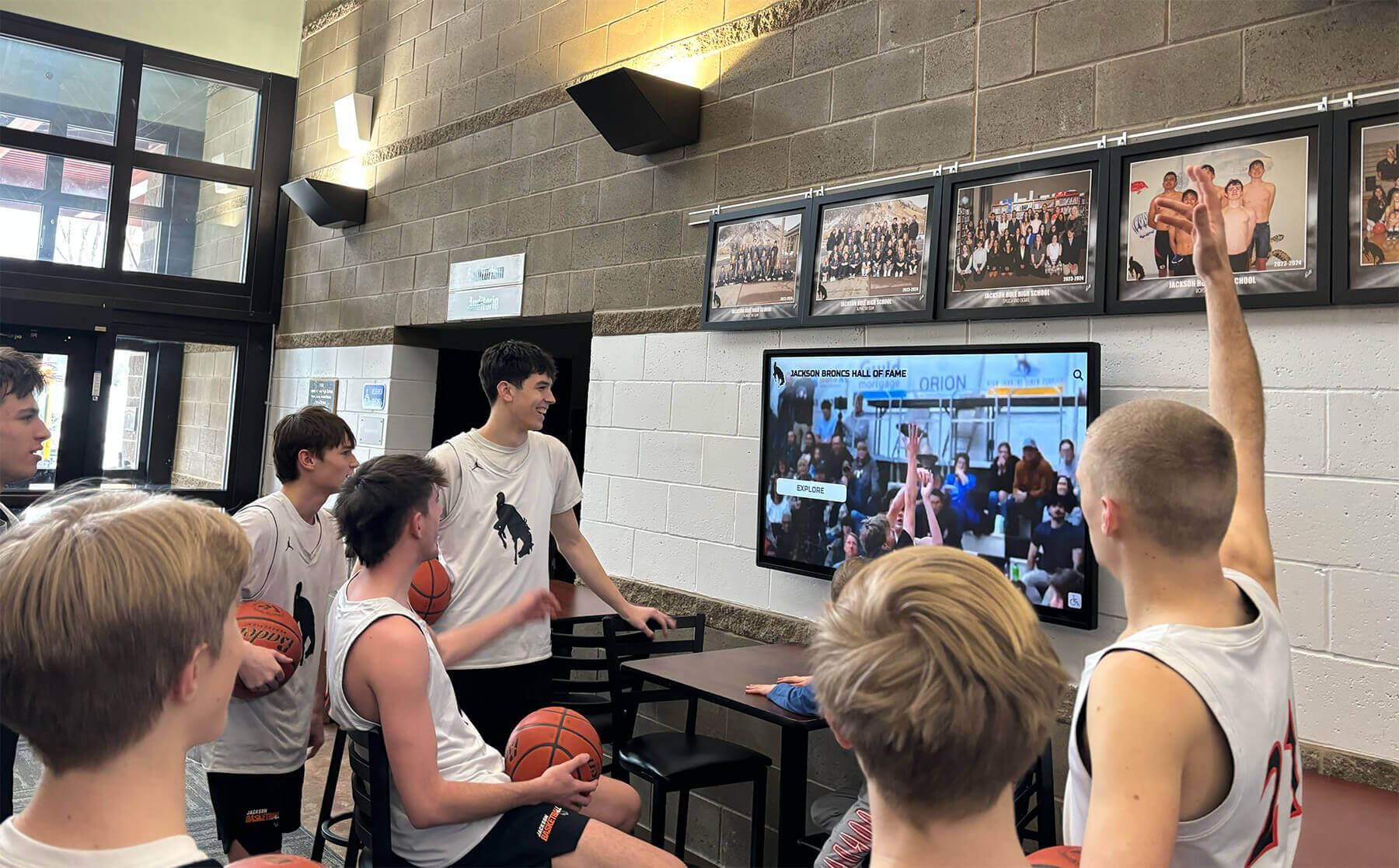
Age-appropriate recognition celebrates achievement while supporting continued athletic development
Middle School Athletes (Ages 12-14)
- Introduce more sophisticated competitive criteria
- Maintain balance between achievement and developmental recognition
- Acknowledge leadership emergence and team contribution
- Connect recognition to values beyond winning
- Create motivation for continued participation
High School Athletes (Ages 15-18)
- Implement comprehensive evaluation across athletic, academic, and character dimensions
- Recognize multi-sport participation and year-round commitment
- Acknowledge community impact and leadership development
- Connect awards to post-secondary opportunities when appropriate
- Create legacy recognition inspiring future athletes
Programs serving multiple age groups often establish separate award categories ensuring age-appropriate recognition at each developmental level.
Single vs. Multi-Sport Recognition
Award scope decisions impact who qualifies and evaluation approaches:
Sport-Specific Awards Many programs designate youth athlete of the year within individual sports:
- Baseball/softball athlete of the year
- Basketball athlete of the year
- Soccer athlete of the year
- Swimming athlete of the year
- Track and field athlete of the year
Sport-specific recognition allows evaluation focused on sport-relevant skills and achievements while accommodating athletes specializing in single sports.
Multi-Sport or All-Around Athlete Awards Some organizations emphasize recognition spanning multiple sports:
- Evaluation across athletic versatility and adaptability
- Acknowledgment of year-round athletic commitment
- Recognition of athletes excelling in diverse competitive environments
- Celebration of well-rounded athletic development
- Accommodation of smaller programs with limited single-sport depth
Many comprehensive programs establish both sport-specific and overall athlete of the year categories, providing multiple recognition opportunities while honoring different achievement types.
Nomination Criteria and Selection Standards
Clear, well-communicated criteria ensure fair evaluation while setting expectations for young athletes and their families.
Athletic Performance Evaluation
Performance assessment forms the foundation of most youth athlete recognition:
Statistical Achievement Metrics Objective performance data provides important evaluation components:
- Scoring statistics (points, goals, runs, etc.)
- Efficiency metrics (shooting percentages, completion rates, etc.)
- Defensive performance (tackles, saves, steals, etc.)
- Consistency measures showing sustained performance
- Improvement trends demonstrating development
Competitive Success Indicators Team and individual competitive outcomes factor into evaluation:
- Championship and playoff performance
- All-star team selections and honors
- Tournament placements and individual titles
- Records broken or significant achievements
- Performance against highest-quality competition
Coach and Peer Evaluations Subjective assessments complement objective statistics:
- Coach ratings of skill level and competitive ability
- Practice performance and training commitment
- Clutch performance under pressure
- Adaptability and coachability
- Teammate evaluations of on-field contribution
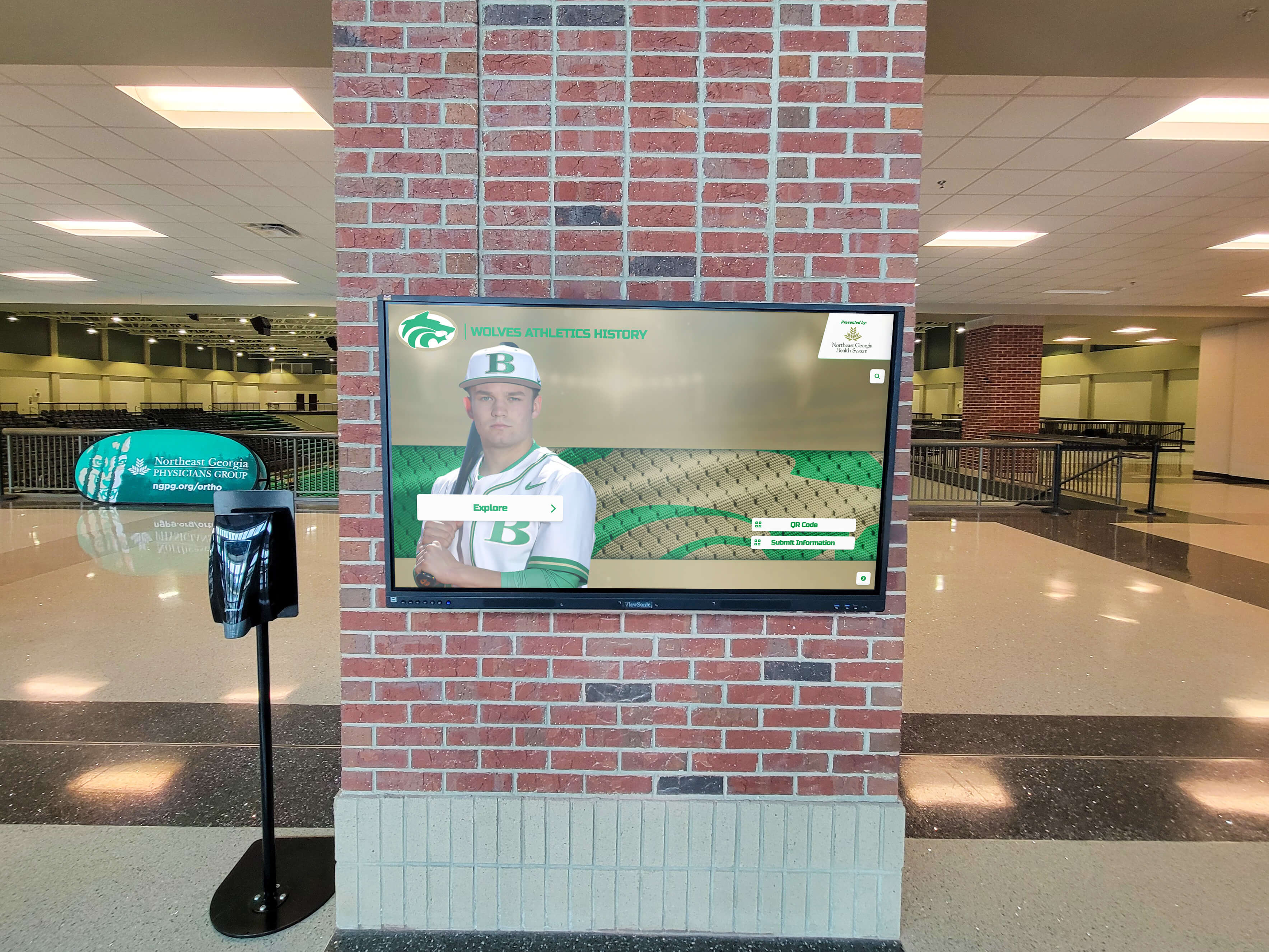
Recognition displays showcase athletic excellence while inspiring other young competitors
Character and Sportsmanship Assessment
Character evaluation ensures awards honor complete athletes rather than purely physical ability:
Sportsmanship Indicators
- Respect demonstrated toward opponents and officials
- Response to both victory and defeat
- Fair play and rule adherence
- Positive representation of team and program
- Recognition from opponents or officials when available
Leadership and Influence
- Positive impact on teammate attitudes and performance
- Communication and encouragement of fellow athletes
- Example-setting through work ethic and behavior
- Conflict resolution and team unity contributions
- Development of younger or less experienced athletes
Incorporating student recognition best practices adapted for athletic contexts creates comprehensive character evaluation frameworks.
Academic Achievement Standards
Many youth athlete of the year programs include academic components acknowledging student-athlete identity:
Academic Performance Requirements
- Minimum GPA thresholds (commonly 3.0-3.5)
- Grade improvement trends
- Honor roll or academic recognition status
- Academic awards and achievements
- Balance of athletic commitment with academic success
Eligibility vs. Evaluation Weight Programs determine whether academics serve as:
- Minimum eligibility requirement (must meet threshold to qualify)
- Weighted evaluation component (contributes to overall scoring)
- Tiebreaker criterion (considered when athletic achievements equal)
- Recognition category (academic achievement acknowledged separately)
Academic standards reinforce that athletic recognition celebrates complete student-athletes who succeed in classrooms alongside competition venues.
Community Involvement and Service
Youth athlete awards increasingly recognize contributions beyond athletic venues:
Service Recognition Areas
- Volunteer work and community service hours
- Youth mentoring and coaching assistance
- Charitable fundraising and awareness campaigns
- School involvement beyond athletics
- Family responsibility and home contributions
Impact Assessment Evaluating community involvement considers:
- Consistency and sustained commitment versus one-time events
- Leadership of initiatives versus participation only
- Impact magnitude and community benefit
- Self-directed service versus required activities
- Connection between service and athletic identity
Community service components teach young athletes about responsibility and contribution extending beyond personal achievement.
Establishing Nomination Processes
Systematic nomination procedures ensure fair access while managing administrative workload.
Open vs. Committee Nominations
Selection processes vary in who can initiate nominations:
Open Nomination Systems Allow broad participation in identifying deserving athletes:
Eligible Nominators:
- Athletes themselves (self-nomination)
- Parents and family members
- Coaches and athletic staff
- Teachers and school administrators
- Community members and fans
- Teammates and fellow athletes
Advantages:
- Democratic access preventing oversight of deserving candidates
- Community engagement in recognition process
- Discovery of contributions not visible to coaches alone
- Family and athlete investment in nomination process
- Broader awareness of award opportunity
Challenges:
- Administrative burden reviewing numerous nominations
- Varying nomination quality and completeness
- Potential for popularity contests rather than merit-based selection
- Family resources impacting nomination presentation quality
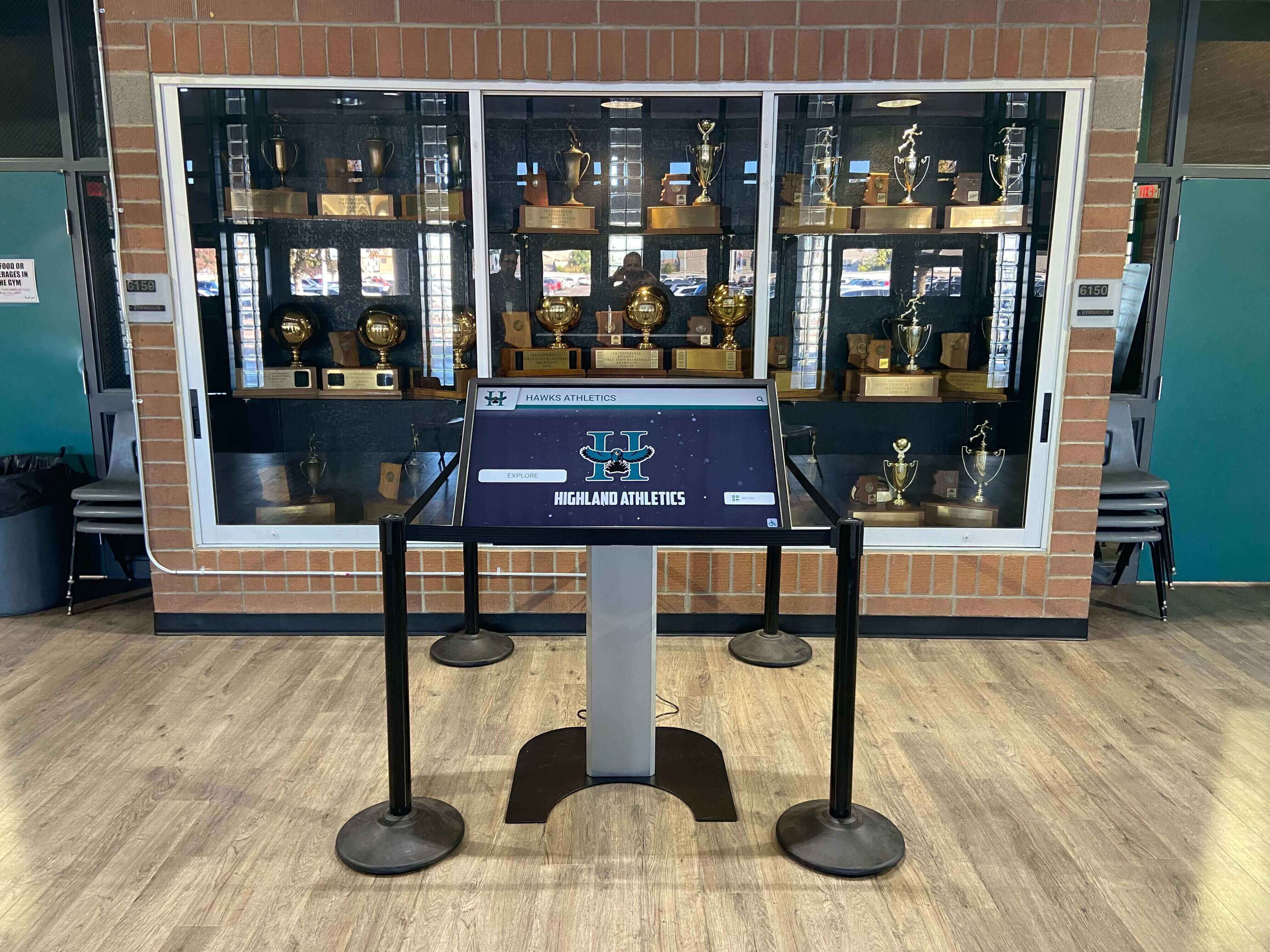
Modern recognition systems track athletic achievements and create comprehensive athlete profiles
Committee-Only Nominations Limit nomination authority to designated evaluators:
Typical Committee Composition:
- Head coaches from each sport or age group
- Athletic director or program leadership
- Selected community representatives
- Former award recipients or program alumni
- Academic staff representatives
Advantages:
- Manageable nomination volume
- Consistent nomination quality and format
- Expert evaluation from knowledgeable nominators
- Reduced administrative workload
- Privacy for athletes not receiving nominations
Challenges:
- Potential oversight of less visible deserving athletes
- Limited community engagement in nomination phase
- Perception of closed or insider-dominated process
- Dependence on committee knowledge and absence of bias
Many programs combine approaches, accepting open nominations while establishing committee oversight that adds deserving candidates who lack self-advocates.
Nomination Forms and Required Information
Standardized nomination materials ensure consistent information for evaluation:
Essential Nomination Components
- Athlete name and basic demographic information
- Sport and position or event specialization
- Season or year achievements and statistics
- Leadership roles and team contributions
- Academic performance information
- Community service and volunteer work
- Character references or testimonials
- Nominator information and relationship to athlete
Supporting Documentation Programs may require or accept:
- Athletic statistics and performance records
- Academic transcripts or report cards
- Coach recommendation letters
- Character references from non-coaching adults
- Photo and biographical information
- Video highlights or performance documentation
- News coverage or media recognition
Balancing comprehensive information needs with reasonable documentation requirements ensures nominations remain accessible while providing sufficient evaluation basis.
Nomination Timelines and Deadlines
Clear timing structures manage the nomination and selection process:
Annual Award Cycle Components
- Announcement and promotion period (4-6 weeks before deadline)
- Nomination submission window (2-4 weeks)
- Initial review and eligibility verification (1-2 weeks)
- Committee evaluation period (2-3 weeks)
- Final selection and notification (1 week)
- Public announcement timing
- Recognition ceremony or presentation event
Seasonal Considerations Timing decisions account for:
- Academic year versus calendar year evaluation periods
- Spring sport seasons concluding near academic year end
- Summer sport participation that may conclude after school dismissal
- Multi-sport athlete participation spanning multiple seasons
- Academic performance availability (semester vs. year-end grades)
Clear timeline communication prevents confusion while ensuring adequate evaluation time before recognition events.
Selection Committee Structure and Process
Fair, transparent selection procedures build credibility and community trust in award outcomes.
Committee Composition Principles
Effective selection committees balance expertise, diversity, and impartiality:
Representation Considerations
- Sport coverage ensuring familiarity across all programs
- Gender balance in committee membership
- Community representation beyond athletic staff
- Former athlete or alumni perspective
- Academic staff participation acknowledging student-athlete identity
- Professional or expert knowledge of youth athletic development
Conflict of Interest Management Clear policies address potential bias:
- Recusal requirements when evaluating family members
- Disclosure of close relationships with nominees
- Rotating membership preventing entrenched perspectives
- Clear documentation of selection rationale
- Appeal processes for addressing concerns
Evaluation Rubrics and Scoring
Systematic evaluation frameworks promote consistency:
Weighted Category Approach Many programs assign point values across evaluation dimensions:
Sample Weighting Structure:
- Athletic performance: 40-50%
- Character and sportsmanship: 20-25%
- Academic achievement: 15-20%
- Leadership and team contribution: 10-15%
- Community service: 5-10%
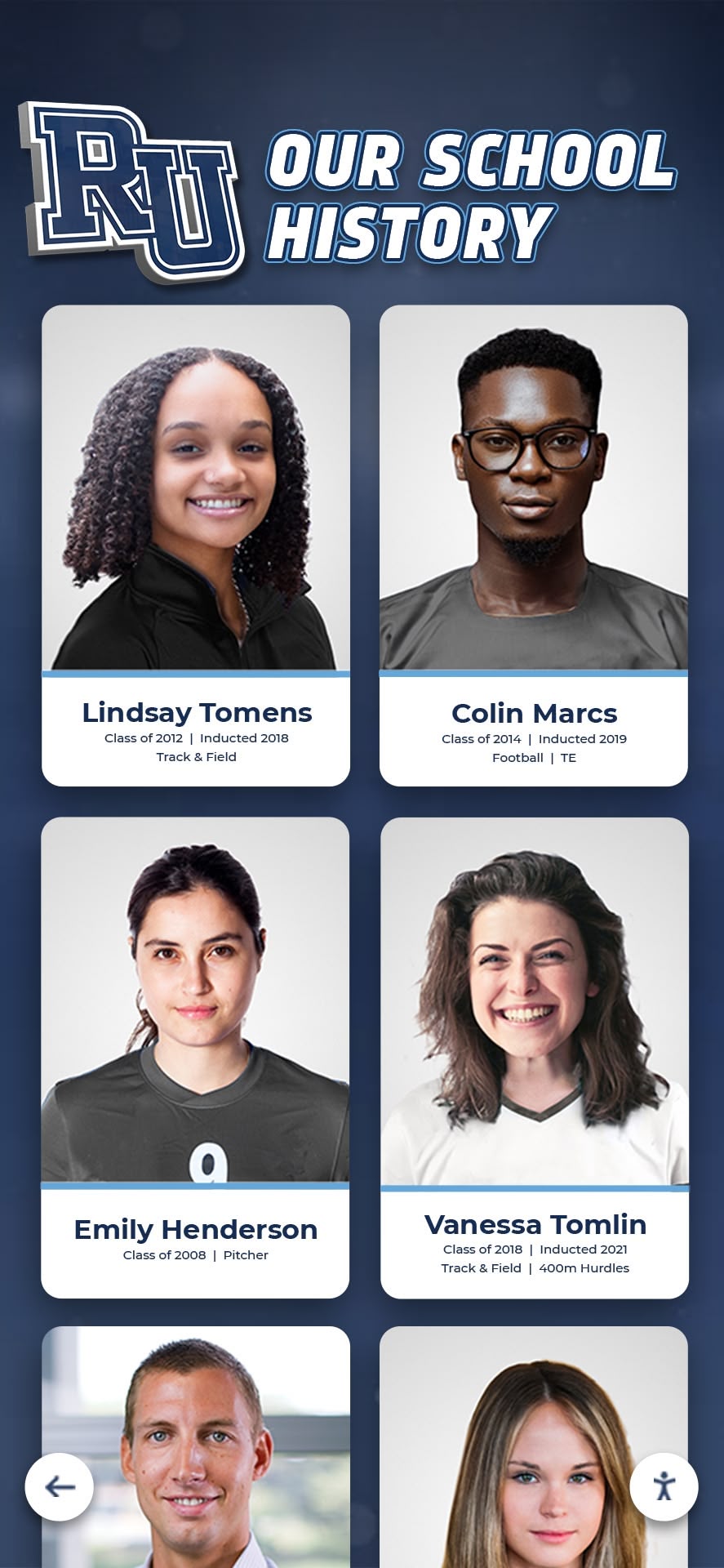
Comprehensive evaluation considers multiple dimensions of athletic excellence and character
Subcategory Detail Main categories break into specific evaluation factors:
Athletic performance subcategories might include:
- Statistical achievement
- Competitive success
- Consistency and reliability
- Improvement and development
- Clutch performance under pressure
Scoring Methods
- Numerical ratings (1-10 scales for each category)
- Ranking systems (committee members rank all nominees)
- Narrative evaluations with consensus discussion
- Hybrid approaches combining quantitative and qualitative assessment
Transparent rubrics communicated before nomination periods help nominators understand evaluation priorities while ensuring fair comparison across diverse sports and achievement types.
Deliberation and Final Selection
Committee processes determine how final decisions occur:
Discussion-Based Consensus
- Committee reviews all nominations together
- Members advocate for candidates and discuss merits
- Discussion continues until consensus emerges
- Chair or designated leader facilitates but doesn’t dominate
- Documentation captures key points supporting final selection
Independent Scoring Compilation
- Committee members evaluate nominations independently
- Individual scores aggregate to identify highest totals
- Discussion addresses scoring discrepancies or ties
- Final verification ensures accurate compilation
- Process reduces undue influence from vocal members
Multi-Round Elimination
- Initial round identifies top candidates advancing to final consideration
- Subsequent rounds narrow field through additional evaluation
- Final round selects winner from strongest finalists
- Process manages large nomination pools efficiently
- Each round may employ different evaluation emphasis
Clear documentation of selection processes, committee discussions, and decision rationale protects against criticism while providing learning for future selection cycles.
Recognition and Celebration Approaches
How programs honor youth athlete of the year recipients impacts award meaning and community engagement.
Traditional Recognition Ceremonies
Formal presentations create memorable experiences for athletes and families:
Awards Banquet Settings Traditional dinner events celebrating season or year conclusion:
- Formal or semi-formal atmosphere appropriate to age group
- Meal service (plated dinner, buffet, or dessert reception)
- Program including season highlights, team recognition, and awards
- Multiple award categories culminating in athlete of the year announcement
- Family attendance creating shared celebration experience
Many programs incorporate athletic banquet planning strategies to create memorable recognition events.
School or Community Assembly Recognition Public ceremony during school day or community event:
- Visibility to broader school or community audience
- Peer recognition creating social capital for recipients
- Lower cost than separate banquet events
- Integration with other recognition (academic awards, etc.)
- Challenge of maintaining audience attention and ceremony dignity
Public recognition ceremonies celebrate athletic achievement while inspiring younger athletes
Sport-Specific Team Celebrations Recognition integrated into team-specific events:
- End of season team parties or gatherings
- Senior night or final competition ceremonies
- Team banquets focusing on single sport
- Intimate setting with teammates and coaches
- Opportunity for sport-specific recognition detail
Physical Awards and Keepsakes
Tangible recognition items athletes treasure long-term:
Traditional Award Options
- Trophies (varying sizes and quality levels appropriate to prestige)
- Plaques with engraved achievement details
- Medals or medallions
- Framed certificates with photos
- Custom apparel (jackets, warm-ups, or special uniforms)
Creative Recognition Items
- Personalized sports equipment (signed ball, game-used item, etc.)
- Custom artwork or photography commemorating achievements
- Scholarship awards or athletic development funding
- Recognition banners displayed in facilities
- Digital recognition packages for social media sharing
Effective physical recognition balances quality appropriate to award prestige with budget realities many youth programs face. Many programs implement trophy display approaches showcasing recipient achievements permanently.
Modern Digital Recognition Platforms
Technology extends recognition impact beyond single ceremonies:
Interactive Display Benefits Digital recognition systems provide lasting visibility:
- Permanent showcase of award recipients across program history
- Photo galleries, statistics, and achievement descriptions
- Unlimited capacity eliminating space constraints
- Easy updates adding current recipients
- Interactive exploration by families and community members
- QR code access enabling mobile device viewing
Web-Based Recognition Extensions Online platforms extend reach beyond physical locations:
- Mobile-optimized displays accessible anywhere
- Social sharing capabilities for athletes and families
- Alumni access maintaining connection to program legacy
- Integration with athletic program websites
- Search functionality finding specific athletes across years
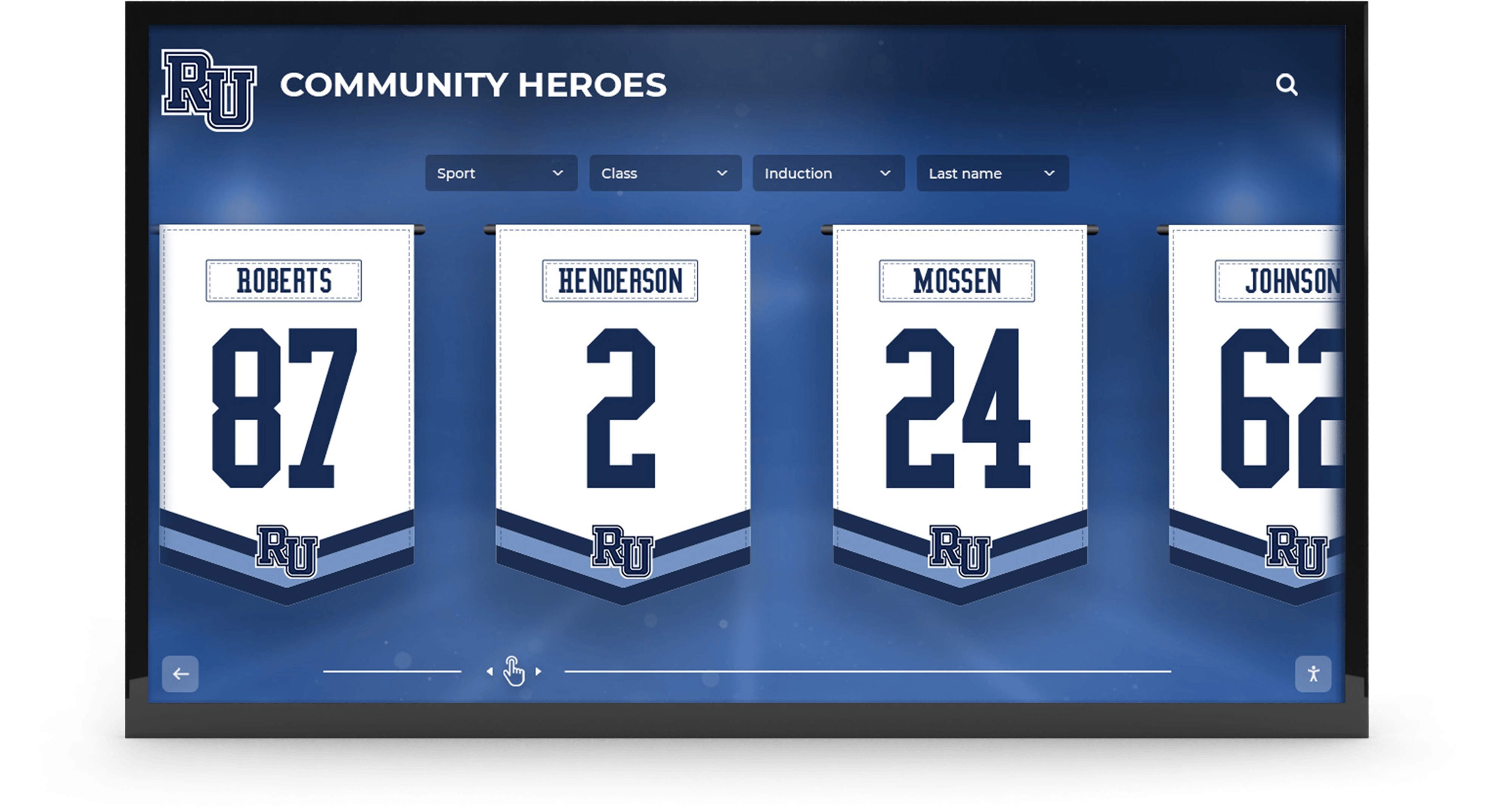
Solutions like Rocket Alumni Solutions provide purpose-built recognition platforms designed specifically for celebrating athletic achievement through accessible, engaging digital displays that preserve award history while inspiring current young athletes.

Digital recognition displays preserve award history while creating inspiring environments for young athletes
Social Media and Public Relations
Strategic communication amplifies recognition impact:
Announcement Strategies
- Press releases to local media outlets
- Social media posts across multiple platforms
- Program website features and news articles
- School or organization newsletter coverage
- Community calendar listings for ceremonies
- Local sports media notification
Content Creation Approaches
- Professional photography from recognition events
- Video interviews with award recipients
- Season highlight compilations
- Athlete profile features
- Family testimonials and reflections
- Coach perspectives on recipient achievements
Platform-Specific Tactics Different channels serve distinct purposes:
- Instagram: Visual recognition with photos and video clips
- Facebook: Detailed stories with family engagement
- Twitter/X: Real-time announcements and links to coverage
- YouTube: Long-form video content and ceremony recordings
- TikTok: Short engaging clips reaching youth audiences
Comprehensive communication ensures recognition receives visibility proportional to award prestige while creating shareable content athletes and families treasure.
Special Considerations for Youth Recognition
Working with young athletes requires sensitivity to developmental needs and family dynamics.
Age-Appropriate Expectations and Pressure
Youth recognition should inspire rather than overwhelm:
Avoiding Excessive Pressure
- Keep criteria age-appropriate and achievable
- Emphasize multiple paths to recognition
- Celebrate effort and improvement alongside achievement
- Provide perspective about athletic development timelines
- Communicate that recognition acknowledges current excellence, not future potential
Supporting Non-Recipients Programs should consider emotional impact on athletes not receiving recognition:
- Ensure multiple recognition categories beyond single premier award
- Celebrate improvement and other achievement types
- Communicate selection rationale without comparing athletes publicly
- Provide individual feedback helping athletes understand areas for development
- Create future opportunity messaging for returning athletes
Family Involvement Balance Youth recognition engages families while avoiding unhealthy dynamics:
- Welcome family celebration and pride
- Prevent family pressure that overwhelms young athletes
- Communicate that athletics represent one part of complete development
- Address concerning family behaviors diplomatically
- Model healthy perspective on youth sports competition
Research on youth athletic development emphasizes recognition systems that motivate continued participation while protecting athletes from burnout, early specialization pressure, and unhealthy family dynamics.
Inclusive Recognition Across Diverse Sports
Fairness challenges emerge comparing achievements across different sports:
Sport-Specific Considerations
- Statistical achievement varies dramatically by sport type
- Subjective sports (gymnastics, diving, etc.) lack comparable statistics to team sports
- Individual versus team sport achievement comparison difficulties
- Season length and competition frequency differences
- Equipment and resource access disparities across sports
Equity Strategies
- Establish sport-specific awards alongside overall recognition
- Evaluate athletes relative to sport-specific standards
- Include coaches from all sports in committee composition
- Document sport-specific evaluation considerations
- Rotate recognition across sports ensuring balanced distribution over time
Many programs address these challenges through state championship recognition approaches that celebrate excellence across diverse athletic contexts.
Gender Equity in Recognition
Programs must ensure fair recognition regardless of athlete gender:
Structural Equity Approaches
- Separate male and female athlete of the year categories
- Gender-balanced committee representation
- Equal publicity and celebration for all recipients
- Comparable physical awards regardless of gender
- Equivalent funding and resources for recognition events
Avoiding Bias in Evaluation
- Explicit criteria prevent subjective gender stereotypes
- Committee training on implicit bias recognition
- Statistical evidence supporting selection decisions
- Documentation review ensuring equitable past recognition
- External accountability for equity outcomes
Title IX compliance and basic fairness require youth sports programs demonstrate commitment to equal recognition opportunities across gender.

Inclusive recognition systems celebrate diverse athletic achievements across all sports and athletes
Building Sustainable Recognition Programs
Long-term success requires planning ensuring consistent implementation across multiple years.
Documentation and Historical Records
Maintaining comprehensive archives creates program traditions:
Historical Record Components
- Complete recipient lists with years and sports
- Selection criteria documentation showing consistency or evolution
- Nomination materials and supporting documentation
- Committee membership records across years
- Award ceremony programs and publicity materials
- Photos and videos from recognition events
- Media coverage archives
- Recipient interviews or reflections
Legacy Connection Benefits Historical awareness strengthens programs:
- Current nominees understand award prestige and history
- Connections between past and present recipients
- Alumni engagement with current programs
- Recruitment value showcasing recognition tradition
- Inspiration for young athletes seeing recognition progression
Digital recognition platforms make historical preservation simple while providing interactive exploration of program legacy across decades.
Annual Process Improvement
Regular evaluation enhances recognition effectiveness:
Assessment Methods
- Recipient and family satisfaction surveys
- Committee debriefing sessions after selection completion
- Nomination quality and volume trends
- Recognition ceremony attendance and engagement
- Community feedback and media response
- Alignment with stated program values and goals
Continuous Improvement Areas
- Nomination process refinements based on participation patterns
- Selection criteria updates reflecting program evolution
- Recognition ceremony enhancements improving experience
- Communication strategy improvements increasing visibility
- Technology adoption enhancing recognition accessibility
- Budget optimization maximizing impact per dollar spent
Annual review cycles identify opportunities while documenting decisions for future committees.
Budget Planning and Resource Development
Financial sustainability supports consistent recognition quality:
Direct Recognition Costs
- Physical awards and trophies
- Ceremony venue and catering
- Publicity materials and communications
- Photography and video documentation
- Digital recognition platform subscriptions
- Printing and mailing expenses
Funding Strategies
- Athletic budget allocation
- Booster club support
- Sponsor partnerships with local businesses
- Ticket sales or registration fees for ceremonies
- Crowdfunding for specific recognition enhancements
- Memorial or honorary sponsorship opportunities
Strategic financial planning prevents budget constraints from diminishing recognition quality or consistency across years.
Maximizing Recognition Impact
Going beyond single awards creates comprehensive cultures of achievement acknowledgment.
Building Year-Round Recognition Culture
Sustained recognition strengthens athletic communities:
Ongoing Recognition Opportunities
- Weekly or monthly athlete spotlights
- Social media celebration of daily achievements
- Coach recognition during team meetings
- Immediate acknowledgment after exceptional performances
- Academic honor roll recognition
- Service and leadership highlighting throughout year
Comprehensive student athlete recognition approaches create cultures where all athletes experience appreciation.
Multi-Level Recognition Systems Youth athlete of the year represents apex of broader recognition pyramid:
- Sport-specific seasonal awards
- Team-level recognition categories
- Improvement and effort awards
- Character and sportsmanship acknowledgment
- Academic achievement celebration
- Community service recognition
Systems ensuring most athletes receive some recognition category create inclusive environments while maintaining prestige of premier awards.
Inspiring Future Athletes
Recognition systems should motivate younger athletes toward excellence:
Visibility to Youth Athletes
- Display recognition in facilities young athletes frequent
- Share recipient stories during youth programs
- Former recipients mentor younger competitors
- Recognition criteria communicated as development roadmap
- Achievement progression examples from previous recipients
Aspiration Development Effective recognition creates goals young athletes pursue:
- Clear criteria provide target behaviors and achievements
- Multiple recognition categories offer diverse paths to acknowledgment
- Age-appropriate awards at each developmental level
- Celebration of improvement and development, not just final achievement
- Connection between current effort and future recognition opportunity
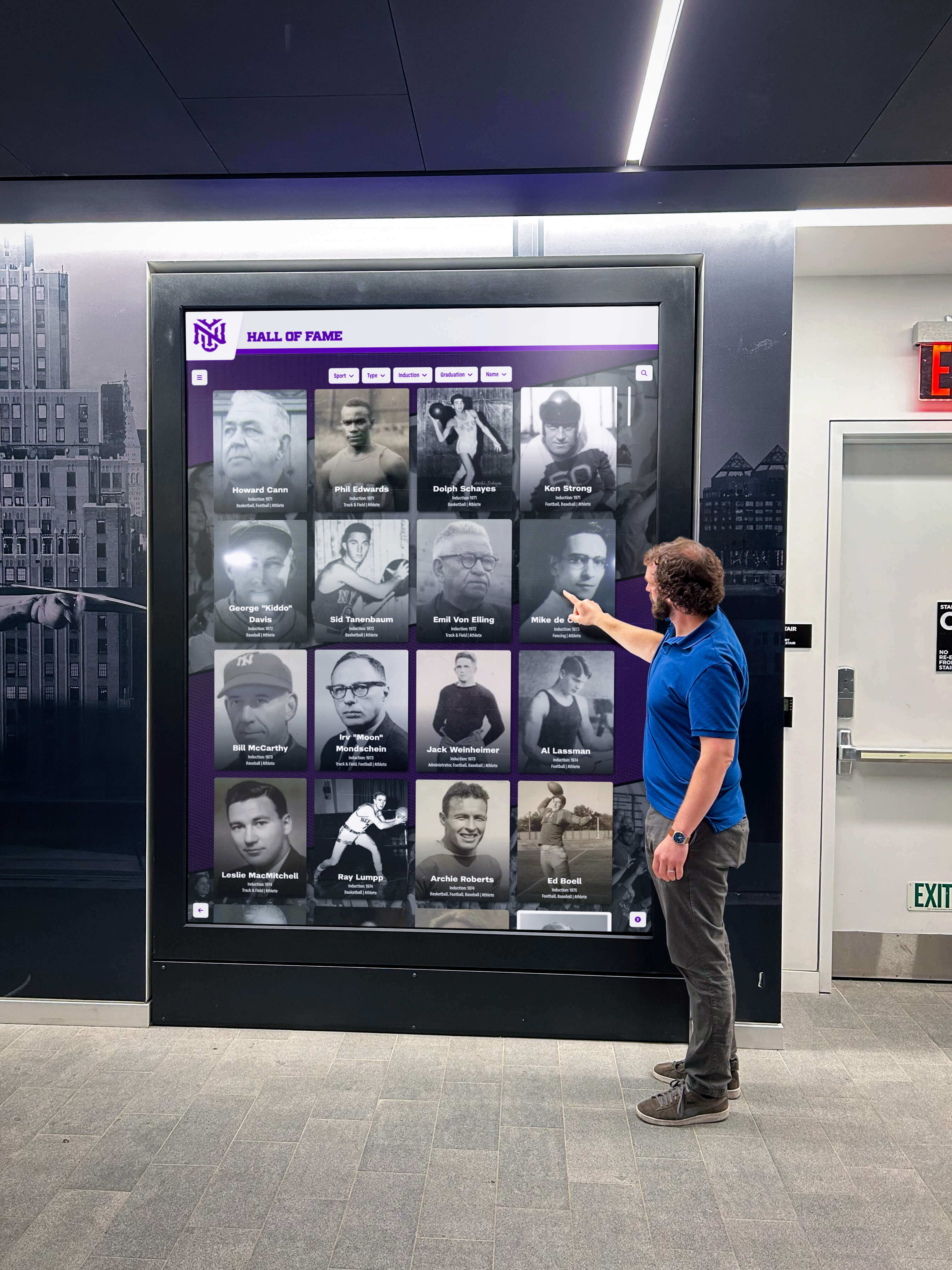
Recognition displays inspire younger athletes while celebrating achievement across program history
Connecting Recognition to Athletic Development
Awards should support rather than undermine healthy athletic growth:
Balanced Achievement Emphasis
- Recognition acknowledging diverse strength areas
- Celebration of sport specialization and multi-sport participation
- Academic achievement weighted alongside athletic performance
- Character development valued equally with competitive success
- Long-term athlete development over early achievement prioritization
Growth Mindset Reinforcement Recognition messaging should emphasize:
- Improvement and development as paths to excellence
- Effort and practice translating into achievement over time
- Setbacks and failures as learning opportunities
- Individual progress relative to personal starting points
- Multiple years to develop toward recognition rather than early determination
These approaches align recognition with evidence-based youth athletic development principles that prioritize long-term participation, healthy competition, and complete person development.
Common Challenges and Solutions
Understanding typical difficulties helps programs anticipate and address issues proactively.
Managing Family Expectations and Disappointment
Recognition inevitably creates some family disappointment:
Proactive Communication Strategies
- Clear early messaging about single recipient limitation
- Emphasis on multiple recognition categories
- Transparent selection criteria and process
- Recognition of all nominees and finalists when appropriate
- Individual feedback offered confidentially
Addressing Concerns Professionally When families express disappointment or concern:
- Listen respectfully to perspectives and feelings
- Explain selection process and criteria application
- Avoid comparing athletes or justifying through criticism
- Redirect toward future opportunities and development areas
- Maintain boundaries around final selection decisions
Most family concerns resolve through respectful communication emphasizing fair process adherence rather than subjective athlete comparison.
Preventing Popularity Contests
Pure popularity-based selection undermines recognition credibility:
Structural Protections
- Clear criteria emphasizing merit over social popularity
- Committee selection rather than pure community voting
- Documentation requirements supporting nominations
- Statistical and objective data integration
- Expert evaluator perspective balancing community input
Appropriate Community Voice Integration Programs can incorporate community perspective without popularity dominance:
- Community representatives on selection committees
- Public input as one evaluation component among many
- Character references providing perspective beyond statistics
- Fan acknowledgment awards separate from merit-based recognition
- Transparency about weighting community input appropriately
Recognition maintains credibility when communities understand selection based on documented achievement rather than social dynamics.
Comparing Achievements Across Different Sports
Cross-sport comparison presents inherent challenges:
Evaluation Challenges
- Statistics incomparable across sport types
- Subjectively-judged sports versus objective statistics
- Team versus individual sport achievement differences
- Competition level and depth variations across sports
- Season length and competition frequency disparities
Mitigation Approaches
- Sport-specific awards alongside overall recognition
- Committee representation across all sports
- Evaluation focused on excellence relative to sport standards
- Documentation of sport-specific considerations
- Transparent acknowledgment of comparison challenges
Many programs find establishing sport-specific recognition alongside overall athlete of the year categories addresses cross-sport comparison difficulties while maintaining comprehensive recognition.
Conclusion: Recognition That Inspires Young Champions
Youth athlete of the year awards represent significant opportunities to celebrate exceptional young competitors while reinforcing values that extend far beyond athletics. When programs establish clear nomination processes, comprehensive evaluation criteria balancing performance with character, and memorable recognition approaches extending visibility beyond single ceremonies, they create awards young athletes genuinely treasure while inspiring continued athletic and personal development.
The strategies explored in this guide provide frameworks for building recognition programs honoring athletic excellence alongside the sportsmanship, leadership, academic achievement, and community contribution that distinguish complete young champions. From nomination procedures ensuring fair access to selection processes maintaining credibility, from traditional recognition ceremonies to modern digital platforms extending lasting visibility, these approaches transform occasional awards into systematic celebration woven throughout youth sports culture.
Effective youth athlete recognition requires moving beyond simple trophies toward comprehensive programs that acknowledge diverse paths to excellence while creating inclusive environments where every young athlete feels valued. Modern digital recognition displays make preserving award history and inspiring current athletes achievable while maintaining the accessibility and engagement young people expect from contemporary technology.
Start by implementing recognition procedures your program can sustain immediately—clear criteria, fair nomination processes, and simple but meaningful celebration—then systematically enhance recognition sophistication as resources and experience grow. Every improvement creates more meaningful acknowledgment for young athletes dedicating themselves to sport while reinforcing the values your program prioritizes.
Young athletes who receive recognition that genuinely acknowledges their unique achievements—whether athletic excellence, remarkable character, sustained improvement, or complete student-athlete identity—develop stronger connections to sports participation and greater motivation for continued development. Your youth athlete recognition deserves the same dedication your young competitors demonstrate daily.
Ready to explore recognition solutions that preserve youth athlete achievements while inspiring current competitors? Learn more about modern recognition platforms designed specifically for celebrating athletic excellence through accessible, engaging displays that honor your young champions year after year.