YMCA swim teams represent one of the most accessible entry points into competitive youth swimming across the United States. With programs serving communities of all sizes—from major metropolitan areas to small rural towns—the YMCA swimming structure creates opportunities for children to develop athletic skills, build water safety competency, establish lifelong healthy habits, and experience the character-building benefits of team sports in supportive, developmentally appropriate environments.
Yet many parents considering YMCA swim team participation face similar questions and uncertainties. Concerns arise about whether their child possesses sufficient swimming skills to join, the financial investment required beyond basic membership, weekly time commitments that fit into already busy family schedules, competitive pressure levels compared to other swim organizations, and how parents can effectively support young swimmers without adding stress or unrealistic expectations.
This comprehensive guide provides parents with everything they need to understand YMCA swim team programs—from initial skill requirements and seasonal structure to competitive meet formats, typical costs, time expectations, and practical strategies for supporting young athletes as they navigate the exciting, challenging world of competitive swimming.
YMCA swim teams operate under the broader YMCA mission emphasizing youth development, healthy living, and social responsibility. Unlike purely competitive club swimming programs, YMCA swimming balances skill development and competitive opportunity with character education, inclusive participation, and affordability—making swimming accessible to families who might otherwise lack opportunities for organized aquatic sports.
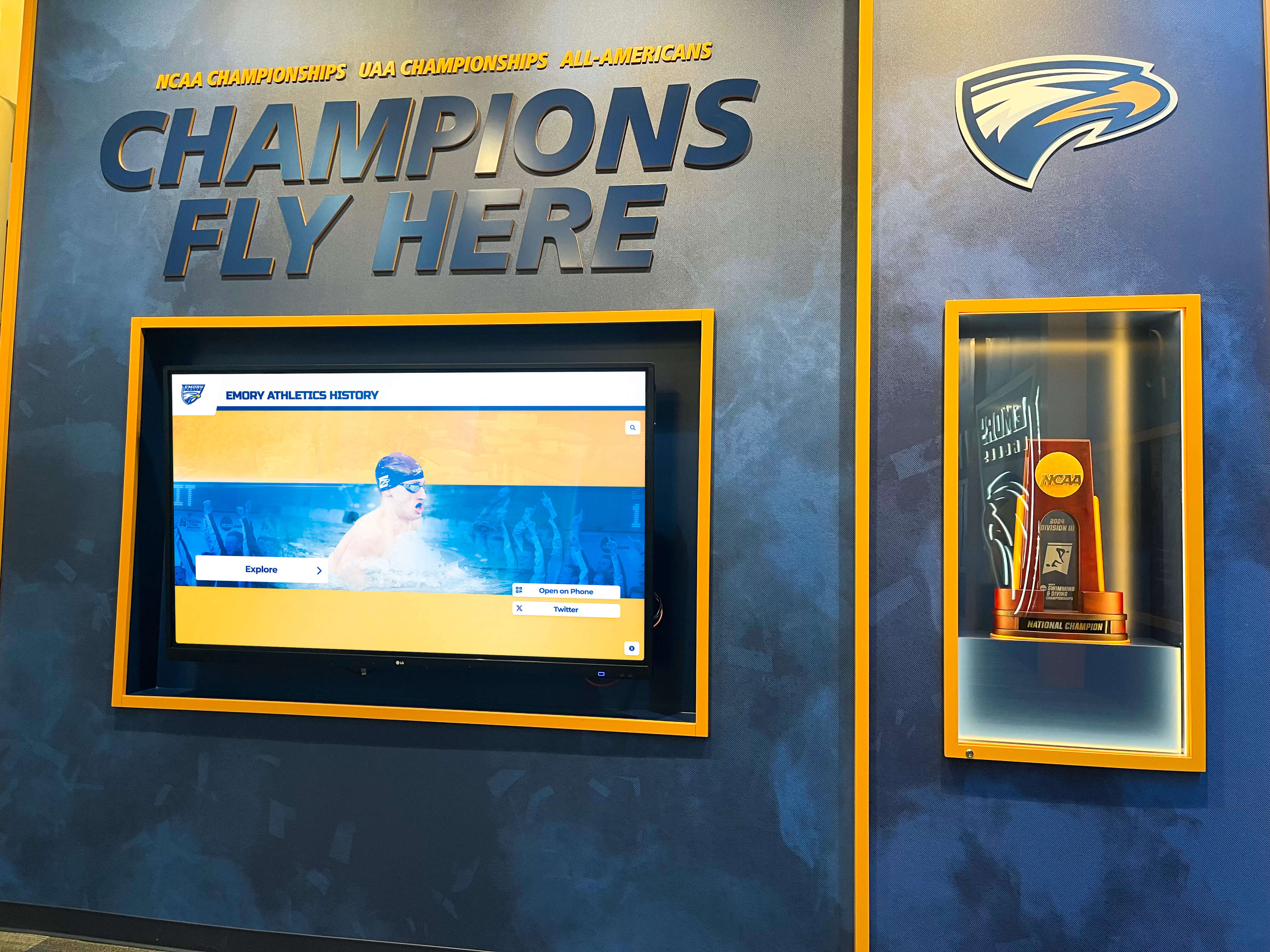
YMCA swim teams help young athletes develop skills that can lead to achievement throughout their swimming careers
Understanding YMCA Swim Team Structure and Philosophy
Before registering your child, understanding how YMCA swimming differs from other competitive swim options helps set appropriate expectations.
The YMCA Swimming Mission and Values
YMCA aquatic programs emphasize development beyond just competitive swimming:
Four Core Values Framework
- Caring: Creating supportive team environments where swimmers encourage teammates
- Honesty: Teaching integrity in competition, practice, and daily interactions
- Respect: Developing appreciation for opponents, officials, teammates, and coaches
- Responsibility: Building accountability for effort, attendance, improvement, and team contribution
These values appear throughout YMCA swimming—from how coaches address swimmers to meet conduct expectations to recognition beyond fastest times. Parents choosing YMCA swimming often prioritize this character development emphasis alongside athletic skill building.
Developmental Focus Over Elite Selection
- Programs serve swimmers at all ability levels from beginners to national qualifiers
- Age-group structure ensures athletes compete against similar developmental stages
- Multiple competition levels accommodating recreational through advanced swimmers
- Emphasis on personal improvement rather than exclusively winning
- Long-term athlete development prioritized over short-term competitive results
- Inclusive participation welcoming swimmers regardless of natural ability
Research on youth swimming development demonstrates that programs emphasizing enjoyment, personal growth, and gradual progression produce higher retention rates and more positive long-term relationships with the sport compared to early specialization approaches focusing exclusively on competitive outcomes.
How YMCA Swimming Differs From Other Options
Understanding alternatives helps parents make informed decisions:
YMCA vs. USA Swimming Club Teams
- YMCA membership often includes swim team access versus separate club fees
- Generally lower total costs for comparable training hours
- Less intense practice schedules for younger age groups
- More emphasis on multi-sport participation and balance
- Shorter competitive season allowing off-season activities
- Community-based accessibility versus regional club locations
- Character education integrated into program structure
- Competitive opportunities through national YMCA championships
YMCA vs. Summer League Swimming
- Year-round training versus seasonal summer-only participation
- Progressive skill development across multiple seasons
- More competitive meet opportunities throughout the year
- Professional coaching staff versus parent/volunteer leadership
- Structured training methodology and technique focus
- Opportunity for swimmers considering long-term competitive swimming
- Higher time commitment but correspondingly greater skill development
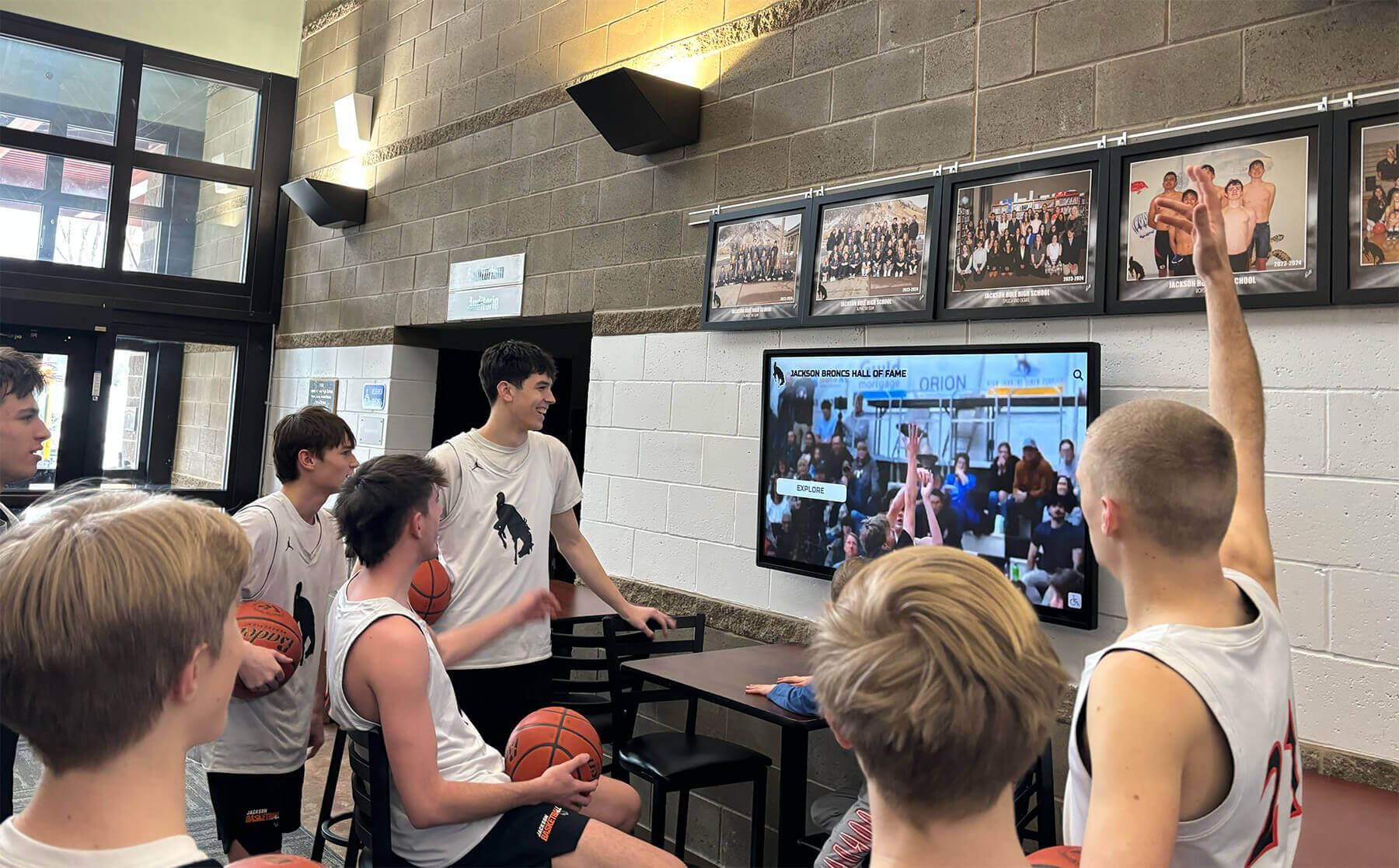
Swimming programs create opportunities for young athletes to see themselves as part of athletic traditions and achievement
YMCA vs. High School Swimming
- YMCA programs serve elementary through high school ages
- Year-round training building skills for high school season
- Many swimmers participate in both simultaneously
- YMCA season typically runs fall through spring avoiding high school season conflicts
- Complementary training enhancing high school performance
- Broader age range creating mentorship opportunities
- Family-friendly meet schedules and travel expectations
Understanding these differences helps families select swimming opportunities matching their priorities, schedules, and developmental goals for their children.
YMCA Swim Team Age Groups and Skill Levels
Programs accommodate swimmers across wide developmental ranges through structured divisions.
Typical Age Group Structure
Most YMCA swim teams organize swimmers by age categories:
8 & Under Division
- Beginning competitive swimmers learning meet procedures
- Focus on proper stroke technique and water safety
- Shorter practice durations appropriate for attention spans (30-45 minutes)
- Introduction to four competitive strokes (freestyle, backstroke, breaststroke, butterfly)
- Emphasis on fun, games, and positive first competition experiences
- Limited travel and minimal meet requirements
- Parent involvement encouraged at practices and meets
9-10 Age Group
- Refinement of all four competitive strokes
- Introduction to starts, turns, and race strategies
- Increased training volume as stamina develops (45-60 minutes)
- More frequent meet participation building competition experience
- Beginning understanding of interval training concepts
- Development of practice work ethic and focus
- Building independence from parents during practice
11-12 Age Group
- Technical development across all strokes and distances
- Introduction to longer distance events (200s and 500 freestyle)
- Increased training intensity and volume expectations (60-90 minutes)
- Enhanced competitive opportunity including championship meets
- Development of goal-setting and personal accountability
- Leadership opportunities helping younger swimmers
- Transition toward pre-teen independence and responsibility
Programs implementing effective youth sports recognition celebrate improvement and character development alongside competitive achievement.
13-14 Age Group
- Advanced technical training and race strategy development
- Significant training volume increases (90+ minutes)
- Full range of competitive distances and events
- Focus on specific stroke specialization while maintaining versatility
- Mental preparation and competition psychology introduction
- Potential overlap with high school swimming programs
- Increased independence and personal responsibility expectations
Senior Age Group (15-18)
- Elite level training for committed swimmers
- Specialization in specific events and distances
- College recruitment considerations for interested athletes
- Leadership roles mentoring younger team members
- Integration with high school swimming seasons
- Advanced training concepts including dryland conditioning
- Preparation for post-high school swimming decisions
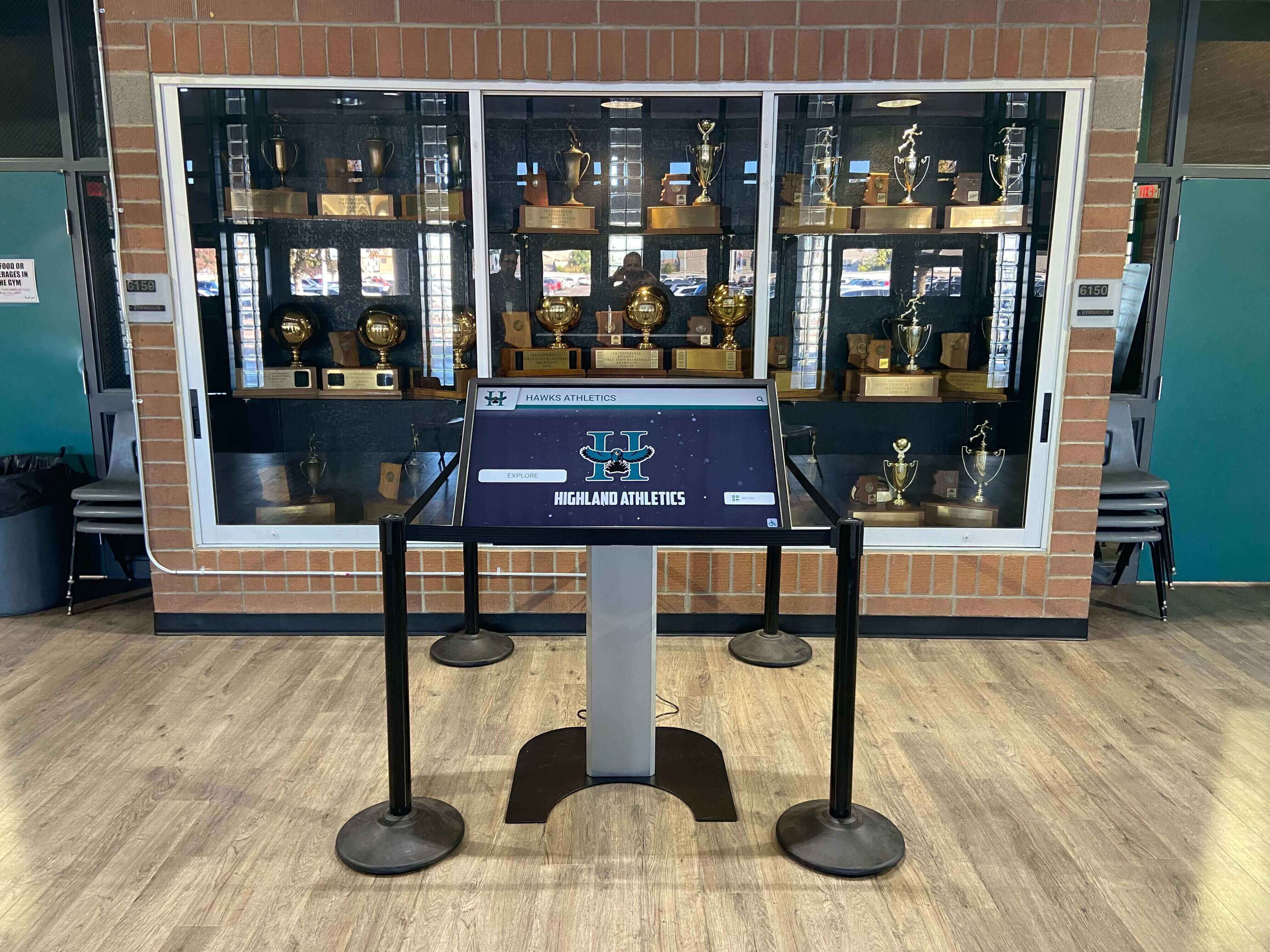
Recognition systems celebrate swimming achievements alongside other athletic accomplishments in community facilities
Skill Level Prerequisites and Assessment
Most programs establish minimum skill requirements ensuring swimmer safety and appropriate group placement:
Beginning Team Level Requirements
- Comfortable swimming at least 25 yards (one pool length) without stopping
- Basic freestyle and backstroke technique demonstrated
- Ability to safely enter and exit pool independently
- Comfort with face in water and rhythmic breathing
- Basic water safety and pool rule understanding
- Ability to follow group instructions and participate in structured practice
Assessment and Placement Process
- Initial swim evaluation determining appropriate group assignment
- Demonstration of required skills before moving to team practice
- Ongoing assessment ensuring proper placement as skills develop
- Flexibility moving between groups matching development pace
- Communication with parents about placement decisions
- Pre-team skill development classes often available for not-yet-ready swimmers
Multi-Level Training Groups Many larger YMCA teams separate swimmers within age groups by ability:
- Novice groups for first-season swimmers learning competitive skills
- Intermediate groups for developing swimmers refining technique
- Advanced groups for experienced, competitive swimmers
- Elite/senior groups for high-performing athletes training at highest levels
- Flexible movement between groups as swimmers develop and demonstrate readiness
This structure ensures swimmers train with others at similar skill levels, maximizing appropriate challenge while preventing overwhelming or under-stimulating training environments.
Time Commitments and Practice Schedules
Understanding weekly time expectations helps families determine if YMCA swimming fits their lifestyle.
Typical Practice Schedule by Age Group
Training frequency and duration increase progressively:
Youngest Swimmers (8 & Under)
- 2-3 practices per week typical for beginners
- 30-45 minute practice duration
- Early evening times accommodating elementary school schedules (5:00-6:30 PM common)
- Saturday morning practices at some programs
- Optional additional practices for swimmers wanting more training
- Flexibility for vacation, illness, or other activities
- Total weekly commitment: 1.5-2.5 hours
Developing Swimmers (9-12 Age Groups)
- 3-4 practices per week for most swimmers
- 45-90 minute practice sessions depending on age and level
- Split between after-school and evening times
- Weekend morning practices increasingly common
- Some programs offer early morning practices for committed swimmers
- Dryland conditioning occasionally introduced
- Total weekly commitment: 3-6 hours
Advanced Youth Swimmers (13-14)
- 4-5 practices per week standard for competitive swimmers
- 75-90 minute water practice sessions
- Morning practices before school increasingly expected (5:30-7:00 AM)
- Evening practices continuing (6:00-7:30 PM typical)
- Weekend practices required at most programs
- Dryland training 1-2 times weekly
- Total weekly commitment: 6-9 hours
Comprehensive athletic banquet planning helps swimming programs celebrate seasonal achievements and recognize diverse contributions.
Senior Swimmers (15-18)
- 5-6 practices per week for committed swimmers
- 90-120 minute practice sessions
- Early morning training standard (5:30-7:00 AM)
- Additional afternoon or evening sessions
- Regular dryland conditioning and strength training
- Flexibility during high school swim season at some programs
- Total weekly commitment: 10-15+ hours for elite level swimmers
Competition and Meet Schedule
Beyond practice, competitive meets add time commitments:
Meet Frequency
- Beginning swimmers: 1-2 meets per month typical
- Intermediate swimmers: 2-3 meets monthly
- Advanced swimmers: 3-4 meets monthly during peak season
- Championship meets: 1-2 major championships per season
- Optional meets versus required attendance varying by team
- Home meets versus away meet travel considerations
- Invitational meets offering additional competitive opportunities
Meet Duration and Format
- Dual meets: 2-3 hours typical duration
- Multi-team invitationals: 4-8 hours depending on size
- Championship meets: Full day or multi-day events
- Prelim/final format at larger meets requiring multiple sessions
- Warm-up arrival 30-60 minutes before competition start
- Awards ceremonies extending total time commitment
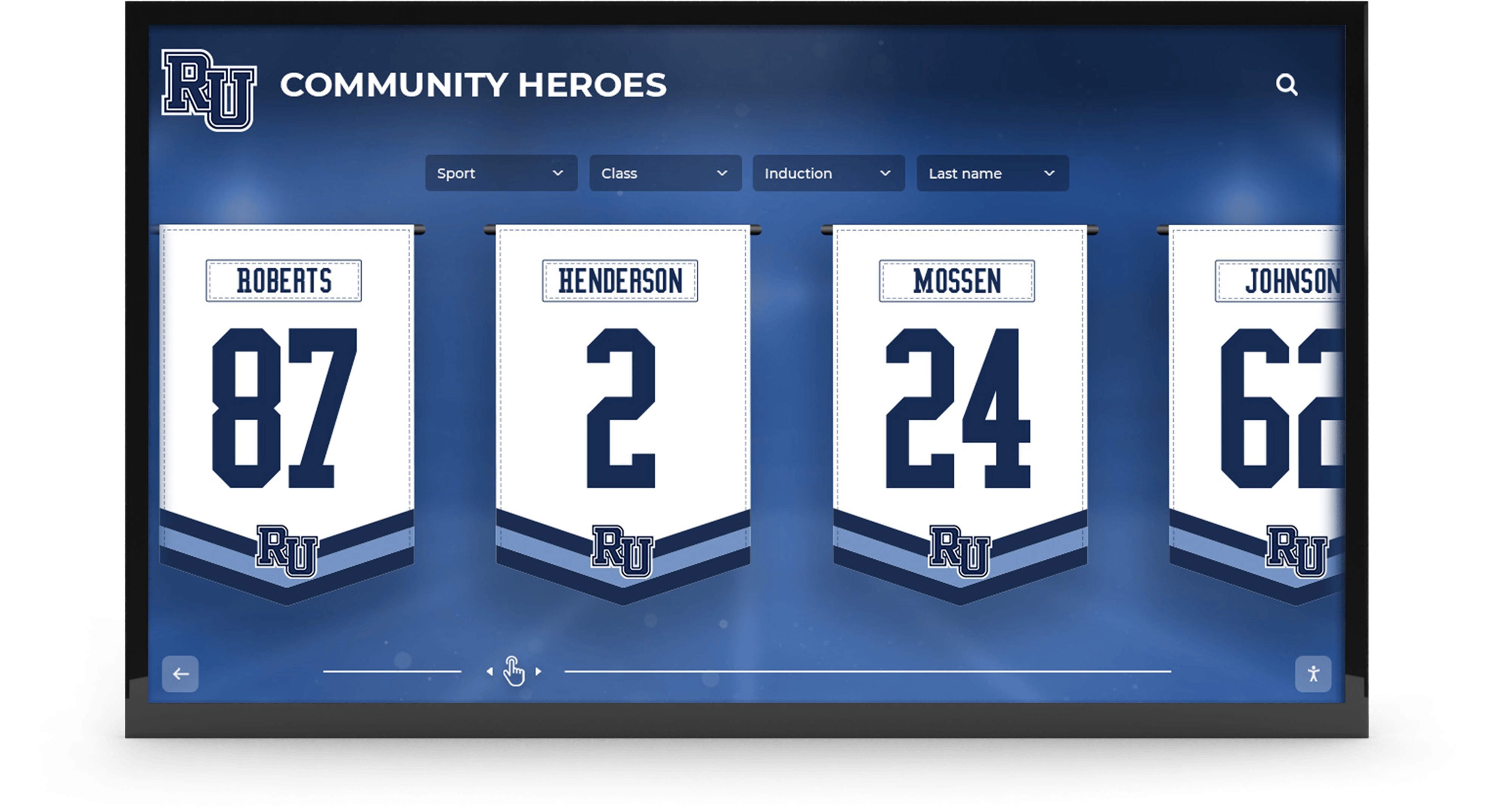
Swimming programs can celebrate athletes alongside other youth sports in community recognition displays
Travel Expectations
- Local meets within 30-60 minutes for most regular competitions
- Regional championship meets potentially requiring longer travel
- Overnight travel rare for younger age groups
- Senior national championships requiring significant travel for qualifiers
- Carpool coordination often available among team families
- Meet schedule published at season start enabling planning
- Optional meets providing flexibility for family schedules
Understanding time commitments before registration prevents surprises and helps families make informed decisions about swimming participation alongside other activities and responsibilities.
Financial Costs and Budget Considerations
YMCA swimming remains among the most affordable competitive swimming options, though costs extend beyond basic membership.
Typical Fee Structure
Understanding all cost components helps budget planning:
YMCA Membership Requirements
- Family YMCA membership often prerequisite ($50-$100 monthly typical)
- Membership includes facility access beyond just swimming
- Some YMCAs offer swim team without full membership
- Financial assistance available at most locations for qualifying families
- Multi-child families benefit from family membership structure
- Membership provides access to other programs and facilities
Swim Team Registration Fees
- Seasonal registration: $100-$300 per swimmer typical
- Year-round program fees: $150-$500 depending on location
- Multiple-child discounts common at many programs
- Registration covers coaching, facility use, basic equipment
- USA Swimming registration included or additional $75-$85 annually
- Payment plans available at many locations
- Scholarships and financial aid reducing barriers to participation
Meet Entry Fees
- Per-meet entry fees: $5-$15 per event typical
- Some teams include certain meets in registration
- Championship meets: $30-$75 entry fees common
- Travel meet costs potentially higher
- Family passes versus per-event pricing varying by meet
- Estimated seasonal meet costs: $200-$500 depending on participation level
Equipment and Gear Costs
- Practice swimsuit: $25-$40 (competitive suits last 3-6 months with daily use)
- Team suit for meets: $30-$80 depending on brand
- Goggles: $10-$25 (replace regularly as they wear out)
- Swim cap: $5-$15
- Team caps and warm-ups: $50-$150 depending on requirements
- Gear bag: $20-$50
- Optional equipment: fins, paddles, kickboards often provided by team
- Total initial equipment: $150-$300
- Ongoing replacement costs as items wear out
Families exploring community athletic programs benefit from understanding youth sports awards approaches that celebrate achievement across all participation levels.

Aquatic facilities can showcase swimming achievements alongside other athletic programs in permanent recognition displays
Total Annual Cost Estimates
Comprehensive budget expectations by participation level:
Recreational Level Swimmer
- YMCA membership: $600-$1,200 annually
- Team registration: $200-$400
- Meet entries: $150-$300
- Equipment: $200-$300 initial, $100 replacement
- Total first year: $1,150-$2,200
- Subsequent years: $1,050-$1,900
Competitive Level Swimmer
- YMCA membership: $600-$1,200 annually
- Team registration: $300-$600
- Meet entries: $300-$600
- Equipment: $300-$500 initial, $150-$250 replacement
- Travel expenses: $200-$500 for away meets
- Optional training aids: $50-$150
- Total first year: $1,750-$3,650
- Subsequent years: $1,600-$3,300
Elite Level Swimmer
- YMCA membership: $600-$1,200 annually
- Team registration: $400-$800
- Meet entries: $500-$1,000
- Equipment and suits: $400-$700 initial, $300-$500 replacement
- Travel expenses: $500-$2,000 for championships and invitational meets
- Dryland training programs: $200-$500
- Private lessons or stroke clinics: $300-$1,000 (optional)
- Total first year: $2,900-$7,200
- Subsequent years: $2,500-$6,000
These estimates represent typical ranges—actual costs vary significantly by location, program size, individual swimmer participation level, and family choices regarding optional training and meet attendance.
Financial Assistance Options
- YMCA financial assistance programs based on household income
- Swim team scholarships often available
- Payment plans spreading costs across season
- Used equipment exchanges at some programs
- Fundraising opportunities reducing net family costs
- Corporate or community sponsorships at some locations
- Multi-child discounts for families with multiple swimmers
What to Expect During Swim Season
Understanding typical season structure and rhythms helps families prepare.
Season Timeline and Competition Schedule
Most YMCA swim teams follow similar seasonal patterns:
Early Season (September-October for fall start programs)
- Team registration and paperwork completion
- Swim evaluations and group placement
- Fundamental skill development and technique focus
- Team bonding activities and social events
- First local meets introducing competition format
- Parent orientation meetings explaining expectations
- Goal setting for individual swimmers
Mid-Season (November-January)
- Technique refinement across all four strokes
- Increased training volume and intensity
- Regular meet participation building experience
- Holiday break training adjustments
- Emphasis on consistent attendance and practice habits
- Stroke-specific training and specialization beginning
- Team spirit activities and theme practices
Championship Season (February-April)
- Taper training reducing volume for peak performance
- Regional and state championship qualifications
- Focus on race strategy and mental preparation
- High-intensity competition at championship meets
- Individual best time achievements common during taper
- Team scoring emphasis at championship events
- Season culmination at highest competition level
Post-Season and Summer (April-August)
- End-of-season banquets and recognition ceremonies
- Summer training options for year-round swimmers
- Swimmer evaluations and group placement for next season
- Skill development clinics and stroke technique camps
- Reduced practice frequency for multi-sport athletes
- Recruitment and team promotion for new swimmers
- Coach planning and program development for upcoming season
Schools recognizing student-athletes benefit from understanding academic recognition programs that celebrate achievement beyond athletics.
Championship Meet Structure
Understanding major competitions helps families prepare:
YMCA Championship Hierarchy
- Local/District Championships: First qualifying level
- State/Regional Championships: Next competitive tier
- National YMCA Championships: Highest level (Short Course and Long Course Nationals)
- Qualifying time standards for each championship level
- Progressive qualification process rewarding improvement
- Different competitive divisions within championships
- Age group and senior divisions at national events
Championship Meet Formats
- Preliminary and final session structure at larger meets
- Multiple days of competition (2-4 days typical for state/regional)
- Team scoring alongside individual achievement
- All-Star recognition for top performances
- Special awards for sportsmanship and improvement
- Social activities and team bonding opportunities
- College coach presence at senior national championships
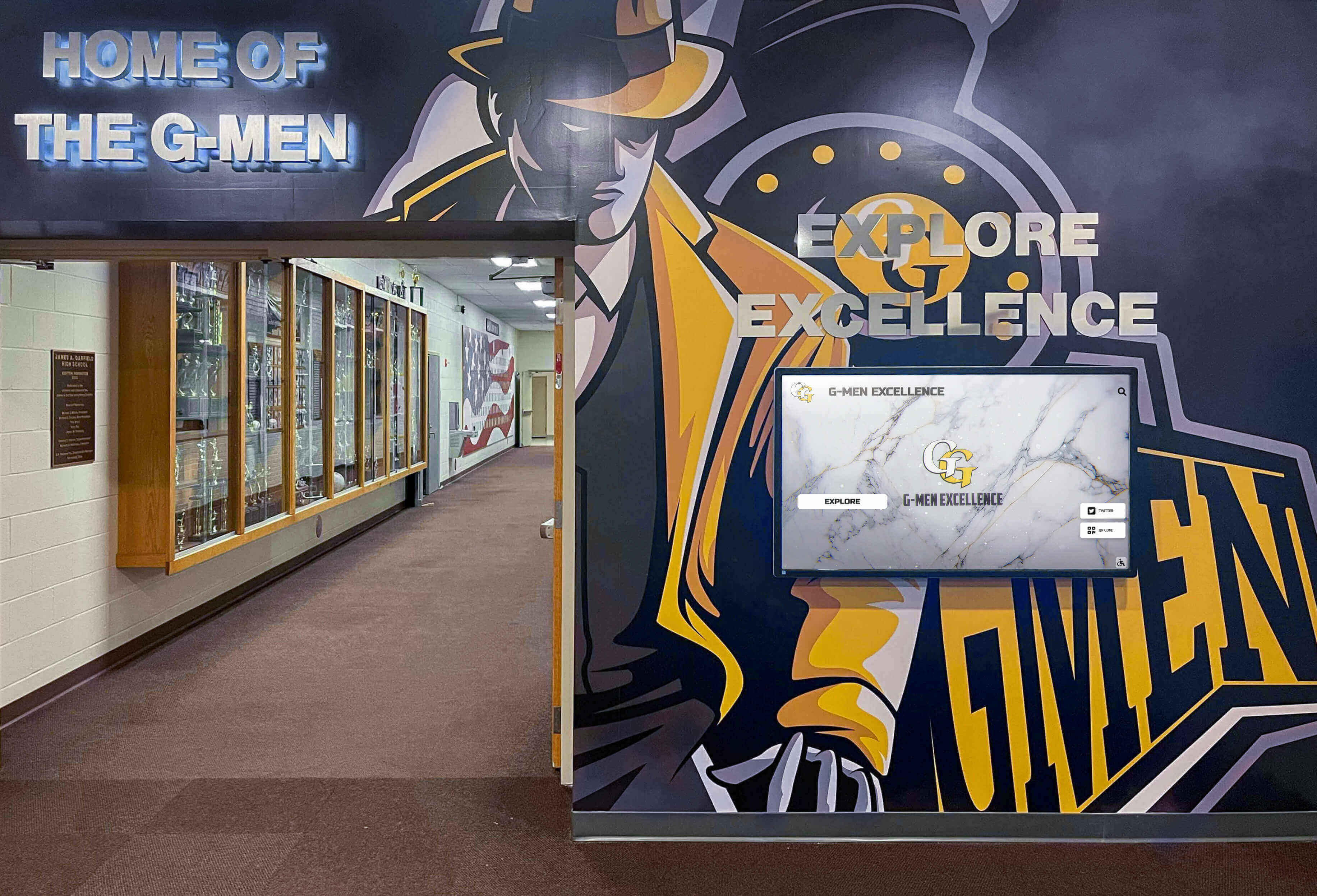
Swimming achievements can be displayed alongside other athletic accomplishments in comprehensive recognition spaces
Meet Day Experience and Parent Role
Typical competition day for parents and swimmers:
Preparation Before Meet
- Review heat sheet and schedule online evening before
- Pack swim bag with suits, caps, goggles, towels, snacks
- Arrive for specified warm-up time (typically 30-60 minutes before start)
- Check in at meet registration confirming attendance
- Locate team seating area and meet coaching staff
- Ensure swimmer knows event numbers and approximate times
During Competition
- Swimmers sit with team between events
- Coaches provide race strategy and encouragement
- Parents spectate from designated areas
- Volunteer timer positions often needed
- Swimmers report to staging area before each event
- Results posted throughout meet progression
- Encouraging team atmosphere expected from all participants
After Racing
- Cool down swim in designated area
- Coach feedback on performances
- Review times and discuss improvements
- Awards ceremonies at meet conclusion
- Team cheers and recognition
- Transportation home coordinating with other families
- Post-meet nutrition and recovery
Parents supporting competitive youth athletes benefit from youth sports recognition strategies that emphasize effort and improvement.
How Parents Can Support Young Swimmers
Effective parent support enhances swimming experience without adding pressure.
Positive Parent Practices
Research-backed approaches for supporting youth swimmers:
Focus on Effort and Improvement
- Ask “Did you have fun?” and “What did you work on today?” versus “Did you win?”
- Celebrate personal best times regardless of place finish
- Recognize consistent practice attendance and work ethic
- Acknowledge improvement in technique and skills
- Avoid comparing your child to teammates or siblings
- Emphasize long-term development over short-term outcomes
- Support goal-setting focused on controllable factors
Appropriate Competition Perspective
- Understand that swimmers compete against the clock, not just other swimmers
- Recognize that place finishes vary by meet competition level
- Accept that improvement isn’t linear—plateaus and setbacks occur
- Appreciate all four strokes even if child prefers certain ones
- Support diverse event participation building complete swimmer
- Avoid pressure regarding college scholarships for young swimmers
- Trust coaches’ expertise regarding training and competition decisions
Practical Support Approaches
- Ensure consistent practice attendance and punctuality
- Provide proper nutrition supporting training demands
- Prioritize adequate sleep for recovery and performance
- Organize transportation and meet logistics effectively
- Maintain positive attitude even after disappointing performances
- Support social connections with teammates outside pool
- Respect coach-swimmer relationship boundaries
Youth sports research demonstrates that parental focus on effort, improvement, and enjoyment correlates with higher continuation rates, better mental health outcomes, and more positive relationships with sport compared to outcome-focused or pressure-based approaches.
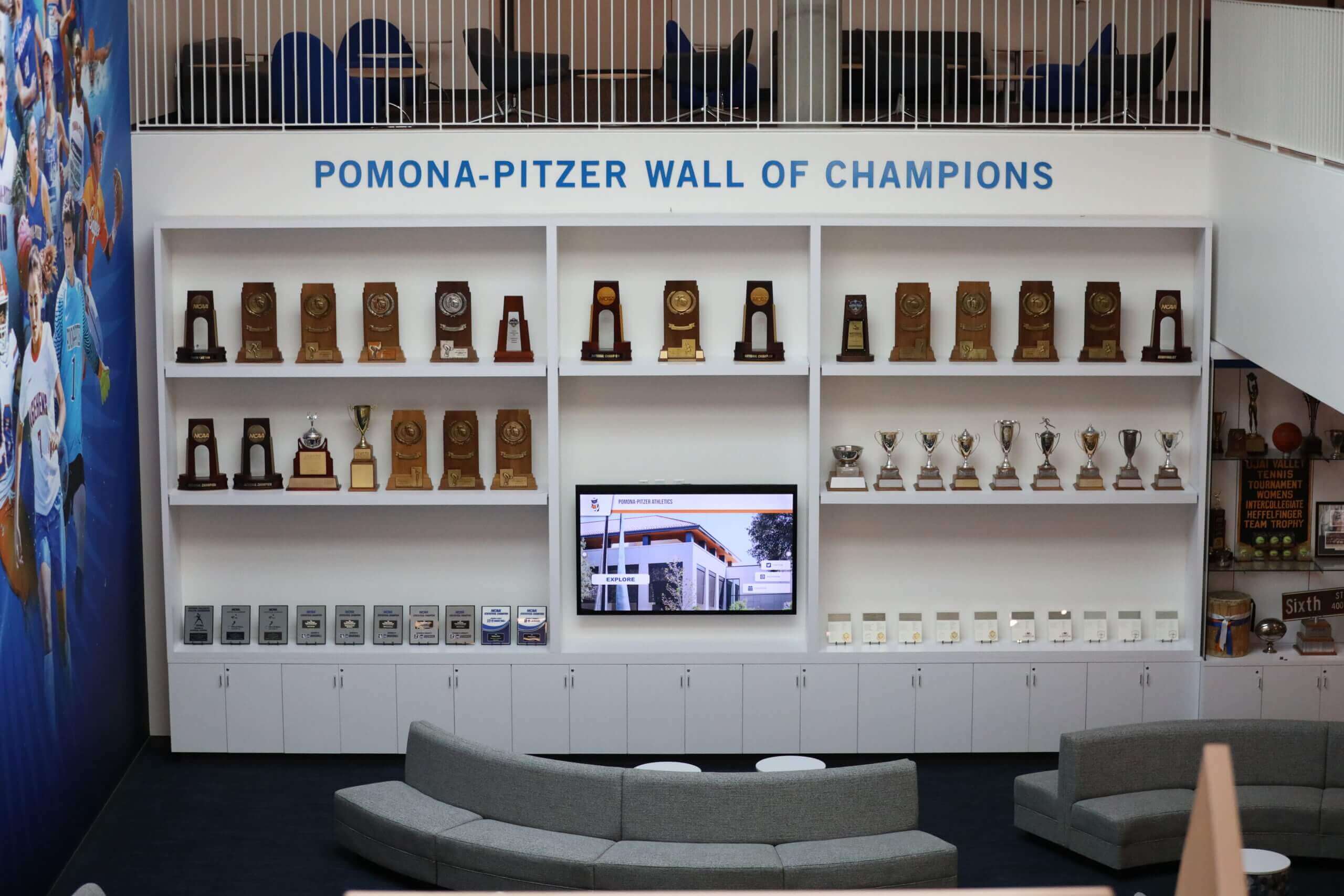
Swimming programs can showcase championship achievements and individual accomplishments in welcoming team spaces
What Not to Do as a Swimming Parent
Common pitfalls undermining positive swimming experience:
Coaching From Stands or Deck
- Avoid shouting technical instruction during races
- Resist critiquing stroke technique after competitions
- Don’t undermine coach instructions with conflicting advice
- Allow coaches to handle race strategy and training decisions
- Keep post-race comments positive and supportive
- Save questions about technique for appropriate coach conversation times
Excessive Pressure and Expectations
- Don’t tie love or approval to swimming performance
- Avoid setting outcome goals (winning, specific placing) for your child
- Resist comparing your child to elite swimmers or professionals
- Don’t pressure continued swimming if child wants to stop
- Avoid making swimming the sole focus of family life
- Don’t sacrifice other important developmental opportunities for swimming
- Resist living vicariously through child’s athletic achievements
Negative Meet Behavior
- Never criticize officials, timing systems, or meet organization
- Avoid complaining about other swimmers, teams, or parents
- Don’t focus on controversial calls or perceived unfairness
- Resist negative comments about your child’s performance
- Never blame coaches, teammates, or circumstances for results
- Avoid dramatic displays after disappointing swims
- Model sportsmanship and positive attitude regardless of outcomes
Interference With Team Culture
- Respect coach-swimmer communication without parental intermediation
- Avoid demanding special treatment or exceptions for your child
- Don’t criticize coaching decisions to other parents or swimmers
- Resist creating divisive parent groups or politics
- Never undermine team rules or expectations
- Avoid excessive involvement in swim team management unless invited
- Support team culture even when individual desires differ
Organizations recognizing youth athletes benefit from end-of-season awards programs celebrating diverse contributions.
Balancing Swimming With Other Activities
Helping swimmers maintain healthy, well-rounded lives:
Multi-Sport Participation Benefits
- Athletic cross-training reducing overuse injury risk
- Social connections beyond swimming team
- Skill transfer between different sports
- Prevention of early burnout from single-sport specialization
- Broader athletic development through varied movement patterns
- Flexibility leaving swimming if interests change
- College coach appreciation for well-rounded athletes
Academic Priority Maintenance
- Swimming never excuses poor academic performance
- Homework completion before practice attendance
- Time management skills development through balancing demands
- Strategic schedule planning during heavy academic periods
- Communication with coaches about academic conflicts
- Recognition that education creates more opportunities than athletics
- Modeling appropriate priority hierarchy for children
Social and Family Balance
- Maintaining friendships outside swimming community
- Family time not entirely consumed by swimming activities
- Participation in school events, clubs, and activities
- Vacation and travel not exclusively swimming-focused
- Flexibility reducing swimming during important family periods
- Sibling needs balanced with swimmer’s activities
- Whole-family well-being prioritized over single child’s sport
Research on youth athlete development consistently demonstrates that early diversification, balanced lifestyle, and healthy parental involvement produce better long-term outcomes—both athletically and developmentally—than early specialization and intensive single-sport focus.
Swimming Skill Development and Progression
Understanding typical development helps set realistic expectations.
Stroke Development Timeline
Realistic progression expectations for young swimmers:
First Season (Beginners)
- Legal freestyle and backstroke in competition
- Introduction to breaststroke and butterfly fundamentals
- Basic starts and turns learned
- Understanding of meet procedures and rules
- Swimming without stopping for race distances
- Personal improvement emphasis over competitive placement
- Building confidence and enjoyment in competitive environment
Seasons 2-3 (Developing Swimmers)
- Refinement of all four competitive strokes
- Legal breaststroke and butterfly in competition
- Improved starts, turns, and underwater technique
- Beginning pace awareness and race strategy
- Expanded distance tolerance (100s and 200s)
- Consistent technique under fatigue
- Introduction to interval training concepts
Seasons 4-6 (Competitive Swimmers)
- Advanced technique across all strokes
- Event specialization beginning to emerge
- Competitive times within age group rankings
- Distance swimming capability (400 IM, 500 free)
- Race strategy and tactical swimming understanding
- Mental preparation and competition psychology
- Training consistency and personal accountability
Advanced Development (Experienced Swimmers)
- Elite level technique refinement
- Specific event focus with maintained versatility
- Competitive times qualifying for championships
- Advanced training concepts including periodization
- Leadership roles within team structure
- Understanding of long-term athletic development
- Decisions regarding swimming beyond high school
Programs implementing athletic recognition displays celebrate achievement progression across multiple seasons.
Physical Development Considerations
Swimming progress relates significantly to physical maturation:
Age and Maturation Impact
- Biological age matters more than chronological age
- Early maturers temporarily outperform late maturers
- Late maturers often surpass early maturers eventually
- Growth spurts temporarily affecting coordination
- Strength development enabling power in strokes
- Aerobic capacity increasing with age and training
- Patience essential during physical development variations
Gender Differences in Development
- Girls typically mature earlier than boys
- Performance gaps between genders increasing post-puberty
- Different optimal training emphasis by gender
- Respect for biological differences in athletic development
- Psychological differences in competitive approach
- Social dynamics differing between girls’ and boys’ teams
- Body image awareness requiring sensitivity and support
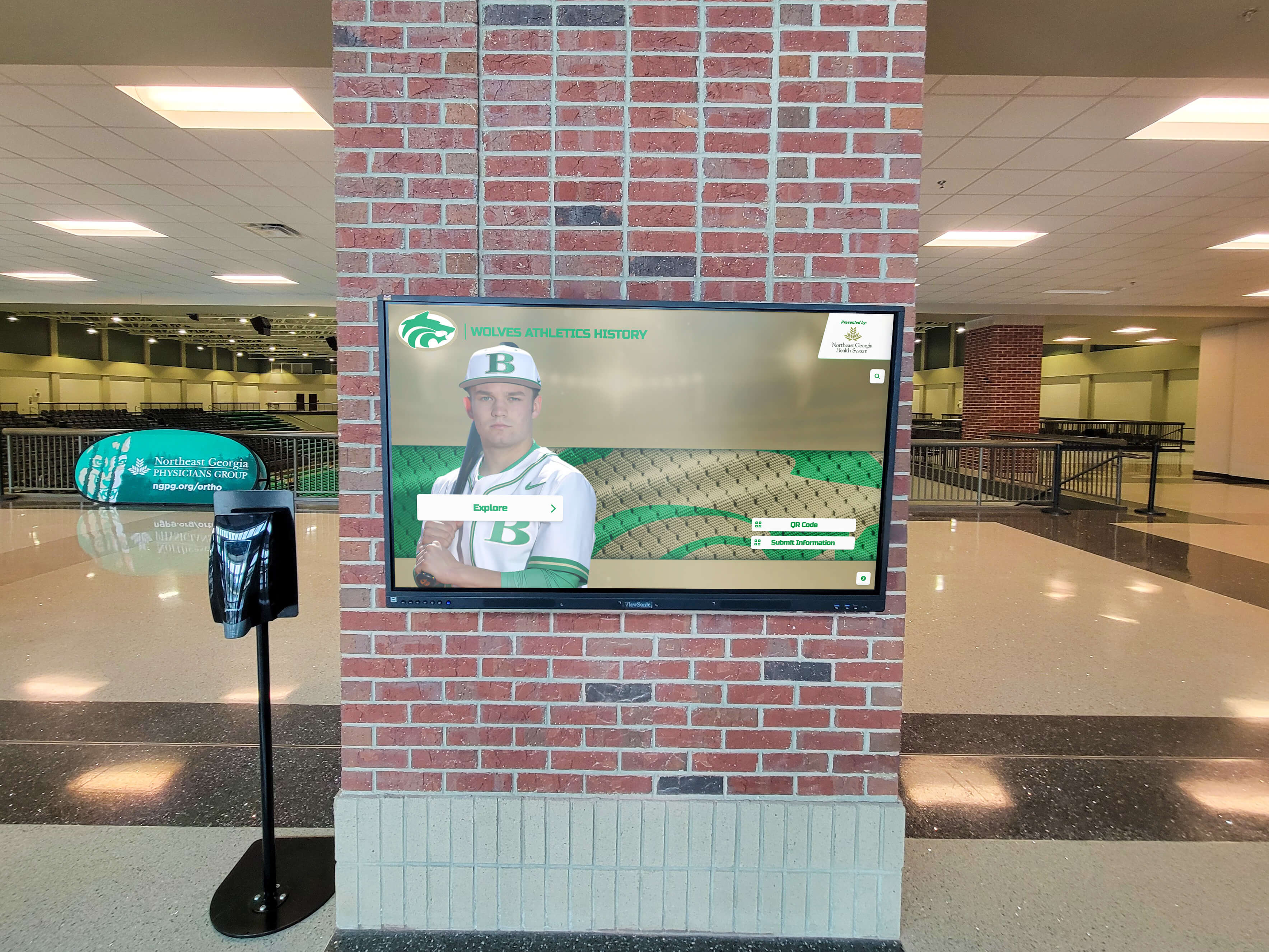
Individual athlete profiles can celebrate swimming achievements in permanent recognition displays
Common Plateaus and Breakthrough Periods
Understanding typical development patterns reduces frustration:
The 11-12 Age Group Plateau
- Many swimmers experience minimal time improvement
- Physical growth affecting coordination temporarily
- Technique refinement without visible time drops
- Critical period for maintaining engagement and enjoyment
- Foundation building for future improvement
- Parents and swimmers needing patience and perspective
- Focus on process goals rather than outcome goals
Early Teen Development Variations
- Some swimmers breakthrough dramatically with maturation
- Others experience continued plateau or temporary regression
- Training volume tolerance increasing significantly
- Mental maturity enabling advanced training concepts
- Social dynamics increasingly important
- Identity beyond swimming becoming more important
- Critical period for burnout risk requiring monitoring
Motivation and Commitment Evolution
- Initial excitement evolving to intrinsic motivation or burnout
- Peer influence increasingly significant factor
- Personal goal clarity becoming essential
- Outside interests competing for time and energy
- Decision-making about competitive level and commitment
- Normal questioning of continued participation
- Communication importance between parents, swimmers, and coaches
Families supporting young swimmers benefit from understanding student-athlete recognition approaches celebrating academic achievement alongside athletics.
Long-Term Swimming Pathways and Opportunities
Understanding potential swimming futures helps inform current decisions.
Competitive Swimming Progression Options
Various pathways exist for swimmers wanting to continue:
High School Swimming
- YMCA training preparing swimmers for high school teams
- School swimming providing team sport experience during season
- Year-round YMCA training complementing high school participation
- College recruitment consideration for high school swimmers
- State championship competitions offering elite competition
- School pride and community connection through team membership
- Dual participation common and beneficial at both levels
USA Swimming Club Teams
- Natural transition for swimmers seeking more intensive training
- Higher competitive level and more frequent meets
- College recruitment pathway for elite swimmers
- Year-round training with varied competition opportunities
- Higher financial investment and time commitment
- National and international competition opportunities
- Specialization versus YMCA’s broader developmental focus
Masters Swimming (Post-High School Adults)
- Lifetime swimming participation for adult athletes
- Competitive opportunities at all ages throughout life
- Health and fitness benefits continuing indefinitely
- Social connections through swimming community
- National and international masters championships
- Flexible training and competition schedules
- Many former YMCA swimmers continuing through masters programs
Collegiate Swimming Opportunities
- NCAA Division I, II, and III programs recruiting swimmers
- NAIA colleges with swimming programs
- Club collegiate swimming at many universities
- Scholarship opportunities for elite level swimmers
- Academic scholarships combined with swimming participation
- Development continues through college years
- Post-collegiate options including professional swimming for elite athletes
Organizations supporting long-term athletic development benefit from comprehensive recognition systems celebrating achievement across all competitive levels.
Transferable Skills Beyond Swimming
Swimming develops capabilities serving children throughout life:
Physical Health and Fitness
- Lifelong water safety and swimming competency
- Cardiovascular fitness habits established young
- Full-body functional fitness developed through training
- Injury-resistant exercise form for lifetime participation
- Healthy lifestyle habits and nutrition awareness
- Stress management through physical activity
- Foundation for continued active lifestyle
Character and Life Skills
- Goal-setting and achievement processes learned
- Delayed gratification through training for future competition
- Resilience and perseverance through challenges
- Time management balancing multiple responsibilities
- Teamwork and cooperation with diverse individuals
- Sportsmanship and ethical competition understanding
- Self-discipline and personal accountability development
Social and Emotional Benefits
- Lasting friendships formed through shared experiences
- Confidence through skill mastery and achievement
- Identity development through athletic participation
- Belonging and connection to community
- Emotional regulation through competitive experiences
- Communication skills with coaches and teammates
- Leadership opportunities serving younger swimmers
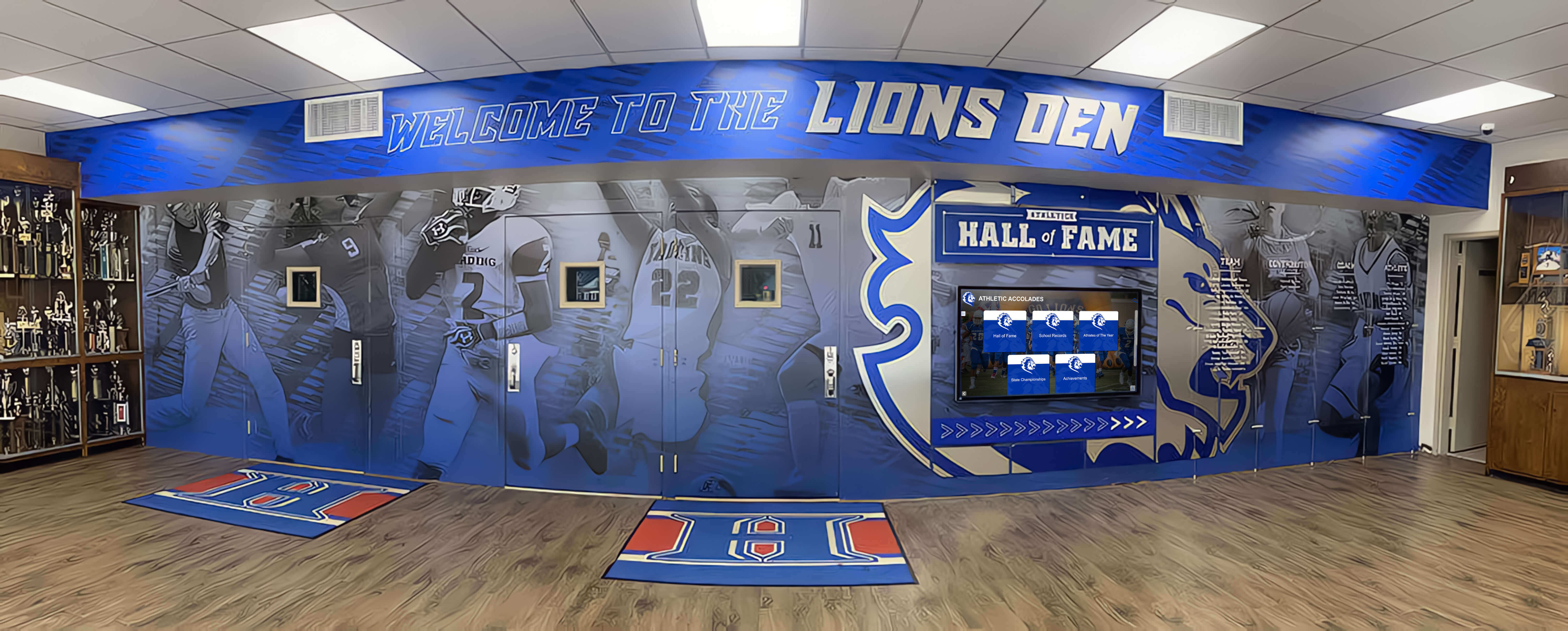
Swimming achievements can be celebrated alongside other athletic and academic accomplishments in comprehensive recognition spaces
Making the Decision: Is YMCA Swim Team Right for Your Family?
Evaluating fit before registration prevents later regret.
Questions to Consider Before Joining
Honest assessment of readiness and compatibility:
Child Readiness Factors
- Does your child have required minimum swimming skills?
- Has your child expressed genuine interest in competitive swimming?
- Can your child follow group instructions and participate cooperatively?
- Is your child comfortable with structured practice environments?
- Does your child handle challenges and setbacks reasonably well?
- Is swimming interest self-motivated or primarily parent-driven?
- Has your child participated in other organized sports successfully?
Family Lifestyle Compatibility
- Can your family commit to regular practice attendance?
- Do work schedules accommodate practice and meet times?
- Can you provide reliable transportation to practices and competitions?
- Does swimming fit within existing activity and commitment schedule?
- Are siblings’ needs balanced with swimmer participation?
- Is weekend meet attendance feasible for your family?
- Can the financial investment fit comfortably within your budget?
Program Evaluation
- Does the specific YMCA program align with your child’s ability level?
- Are coaching staff qualified, experienced, and communicative?
- Does program philosophy match your values and priorities?
- Are practice times, locations, and frequency manageable?
- Does program offer appropriate competitive opportunities?
- Are other families welcoming and supportive?
- Does program demonstrate commitment to swimmer development and safety?
Long-Term Considerations
- Are you prepared for multi-year commitment as child develops?
- Can swimming coexist with other activities and interests?
- Do you have realistic expectations about competitive outcomes?
- Are you prepared to support without pressuring?
- Can you maintain perspective about swimming’s role in development?
- Are you willing to trust coaches and respect program structure?
- Do you understand swimming is one part of complete childhood?
Families exploring youth athletic programs benefit from understanding season-ending recognition ceremonies that celebrate diverse contributions.
Trial Periods and Getting Started
Most programs allow exploration before full commitment:
Introductory Options
- Short-term trial periods assessing fit (1-2 weeks common)
- Attending practice as observer before registration
- Conversations with coaches about child’s readiness
- Connecting with other families about their experiences
- Attending meets as spectators before competing
- Summer swim team experience before year-round commitment
- Swim lesson completion preparing for team participation
First Season Success Strategies
- Set process goals rather than outcome expectations
- Emphasize learning, improvement, and fun
- Build friendships with teammates and families
- Attend team social events strengthening connections
- Communicate openly with coaches about concerns
- Celebrate small victories and progress markers
- Maintain perspective about long-term development
- Stay positive through challenges and adjustments
When to Reconsider Participation
- Child consistently dreads practice or becomes anxious
- Swimming causing significant family stress or conflict
- Academic performance suffering due to time demands
- Child expressing consistent desire to quit over extended period
- Physical injury or health concerns arising
- Financial strain becoming problematic for family
- Better alternative opportunities emerging for child’s needs
- Program not meeting child’s developmental needs appropriately
Changing direction isn’t failure—it’s appropriate response to evolving understanding of fit. Many children try swimming, discover it’s not their sport, and successfully transition to activities better matching their interests and abilities.
Conclusion: Swimming Toward Success and Growth
YMCA swim teams offer remarkable opportunities for children to develop athletic skills, build character, establish healthy habits, form lasting friendships, and experience the personal growth that comes from committing to challenging goals and working systematically toward achievement. For families seeking accessible, values-based competitive swimming in supportive community environments, YMCA programs provide developmentally appropriate pathways serving swimmers from absolute beginners through potential college athletes.
The swim team decision requires honest assessment of child readiness, family lifestyle compatibility, financial feasibility, and long-term commitment willingness. When these factors align—when children genuinely want to swim, families can support participation without excessive stress, and programs provide quality coaching in positive team cultures—YMCA swimming creates transformative experiences teaching far more than competitive strokes and racing strategies.
Effective swimming parent support emphasizes effort over outcomes, improvement over winning, long-term development over short-term results, and enjoyment over pressure. Children swimming in environments where they feel supported rather than judged, encouraged rather than pressured, and valued regardless of times and places develop healthier relationships with competition, stronger intrinsic motivation, and more positive self-concepts that serve them far beyond the pool.
Whether your child swims one season building water confidence and trying something new, participates recreationally throughout childhood developing fitness and friendships, or pursues competitive excellence through high school and beyond, YMCA swimming can provide appropriate opportunities matching developmental needs at every stage.
The young swimmer you register today might become the teenager qualifying for championships, the adult maintaining fitness through masters swimming decades later, or simply the person who developed confidence, perseverance, and healthy habits through years of early morning practices and Saturday meet experiences. Whatever the ultimate path, YMCA swim team participation plants seeds that can bear fruit throughout life—in the water and far beyond.
Ready to explore how community swimming programs and youth athletic organizations can celebrate swimmer achievements and build program culture? Learn how solutions like Rocket Alumni Solutions help YMCAs, schools, and athletic organizations create permanent digital recognition displays showcasing unlimited swimmers, celebrating records and achievements, and building inspiring environments where young athletes see themselves as part of proud traditions—transforming facility walls into engaging galleries of accomplishment that welcome families, inspire participants, and eliminate the space constraints that limit traditional plaque walls and trophy cases.