Wrestling room design shapes every aspect of program culture, athlete development, and training effectiveness. The practice space where wrestlers spend countless hours drilling techniques, building conditioning, and developing mental toughness becomes more than just a functional training facility—it transforms into the physical embodiment of program values, tradition, and championship aspirations.
Yet many schools approach wrestling room design as an afterthought, treating it merely as a space to roll out mats without considering how thoughtful design influences athlete motivation, safety, training efficiency, and program identity. Poor lighting creates visibility issues during technique instruction. Inadequate ventilation leads to uncomfortable training conditions. Bare walls miss opportunities to inspire through visible recognition of program achievements and wrestling tradition.
This comprehensive guide explores wrestling room design principles that create inspiring, functional practice spaces supporting athlete development while building program culture through strategic layout, appropriate equipment, effective safety features, and motivational recognition displays that connect current wrestlers to championship tradition.
Wrestling room design decisions impact training quality, athlete safety, program culture, and recruitment effectiveness. Schools that approach wrestling facility planning systematically create spaces where athletes thrive while coaches can deliver high-quality instruction in environments reflecting program values and championship standards.

Thoughtfully designed wrestling rooms balance functional training requirements with inspirational program culture elements
Core Wrestling Room Design Principles
Understanding fundamental design principles ensures wrestling facilities meet both functional training needs and program culture objectives.
Space Requirements and Layout Optimization
Minimum Wrestling Room Dimensions
Wrestling practice facilities require adequate space for safe, effective training:
Standard Wrestling Mat Dimensions:
- High school competition mat: 38’ x 38’ (42’ x 42’ with safety area)
- Practice mat configurations: 32’ x 32’ to 42’ x 42'
- Multiple mat setups for larger programs
- Additional wrestling mat practice areas for drilling stations
- Minimum 6-foot clearance beyond mat edges for safety
- Adequate ceiling height (minimum 16 feet, preferably 20+ feet)
Optimal Room Size Calculations:
For programs with different roster sizes:
- Small programs (15-25 wrestlers): 50’ x 50’ minimum (2,500 sq ft)
- Medium programs (25-40 wrestlers): 60’ x 60’ minimum (3,600 sq ft)
- Large programs (40+ wrestlers): 70’ x 70’ or multiple rooms (4,900+ sq ft)
- Additional space for strength training, film study, and storage areas
- Separate coaching office and viewing areas when possible
Layout Configuration Considerations
Strategic space organization maximizes training effectiveness:
- Central wrestling mat placement with observation from all angles
- Drilling stations in mat corners for technique work
- Conditioning areas separate from main mat (if space allows)
- Equipment storage accessible but not obstructing movement
- Coach viewing positions with full mat visibility
- Video recording locations for technique analysis
- Traffic flow patterns preventing congestion during practice transitions
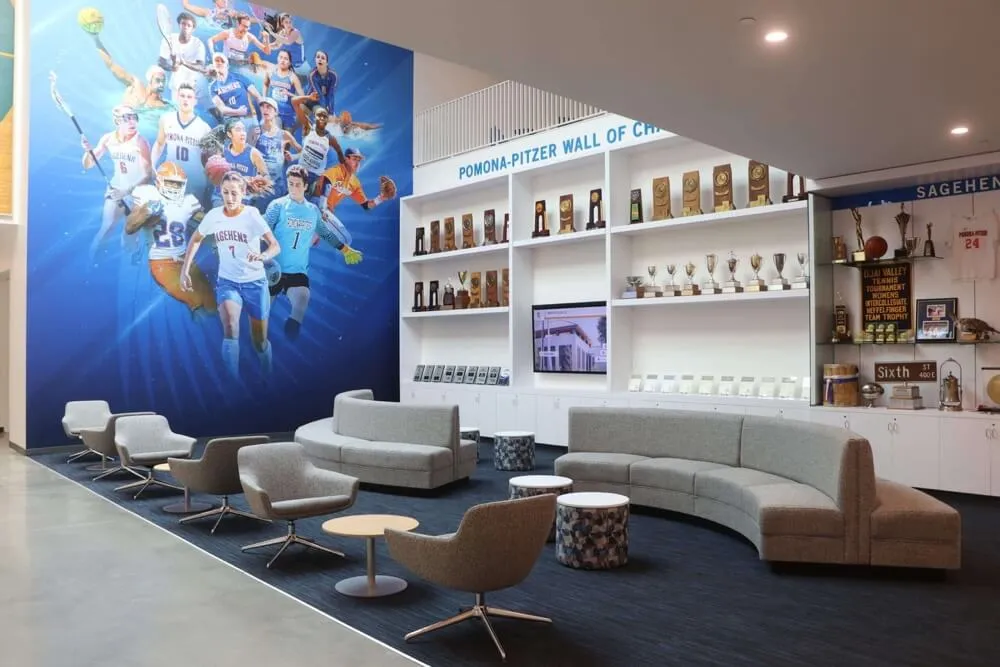
Effective wrestling room layouts accommodate multiple simultaneous training activities while maintaining safety clearances
Environmental Controls and Comfort
Temperature and Climate Management
Wrestling practice environments require specific climate considerations:
HVAC Requirements:
- Temperature control maintaining 60-68°F during intense training
- Powerful ventilation systems managing humidity and air quality
- Multiple air exchanges per hour removing heat and moisture
- Dedicated HVAC system separate from general building controls
- Zoned temperature controls for different activity areas
- Emergency ventilation for extreme training conditions
According to guidelines from the National Wrestling Coaches Association, proper ventilation directly impacts both safety and training effectiveness by preventing overheating and maintaining air quality during demanding practice sessions.
Humidity Control Systems:
- Dehumidification systems maintaining 40-50% relative humidity
- Prevention of mold and mildew on wrestling mats and walls
- Moisture management protecting building structure
- Year-round humidity monitoring and adjustment
- Mat drying systems between practice sessions
Lighting Design Considerations
Quality lighting enables effective instruction and training:
Optimal Wrestling Room Lighting:
- High-intensity LED lighting providing 50-75 foot-candles minimum
- Even lighting distribution eliminating shadows on mat surface
- Glare-free fixtures protecting athlete vision
- Natural light integration where possible for psychological benefits
- Dimming capabilities for video viewing and presentations
- Emergency lighting ensuring safe facility exit
- Energy-efficient systems reducing operational costs
Acoustic Treatment and Sound Management
Managing Wrestling Room Noise
Wrestling practice generates significant sound requiring acoustic consideration:
Sound Control Strategies:
- Acoustic ceiling tiles absorbing sound and reducing echo
- Wall treatments dampening reverberation
- Sound systems enabling clear coach communication
- Music integration for conditioning sessions
- Separation from adjacent classrooms or offices
- Doors and walls providing sound isolation
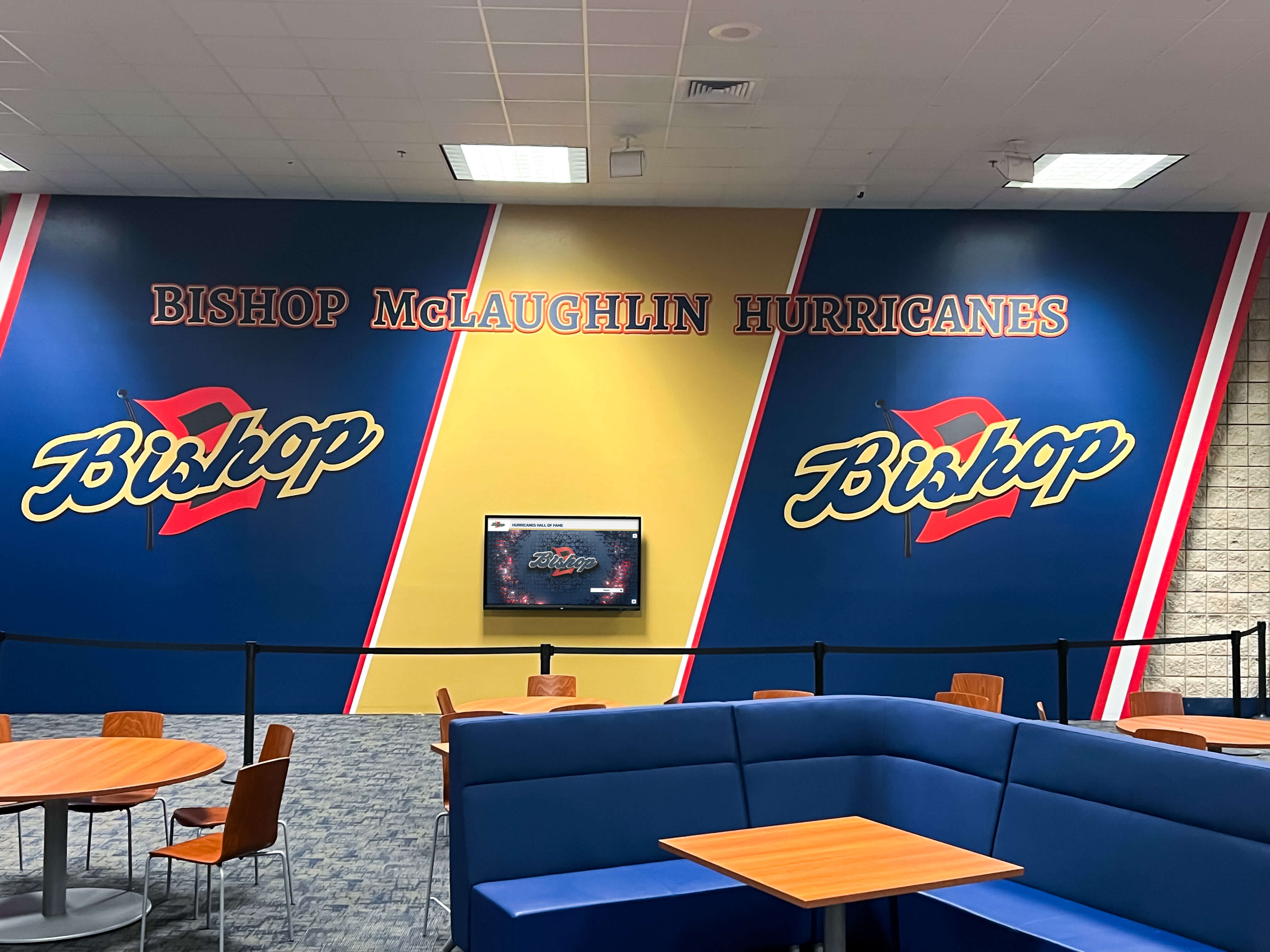
Quality acoustic treatment enables clear communication during instruction while managing practice session noise
Wrestling Mat Selection and Surface Considerations
Choosing appropriate wrestling mats represents one of the most critical equipment decisions impacting safety and training quality.
Wrestling Mat Types and Specifications
Competition-Grade Wrestling Mats
Understanding mat construction informs selection decisions:
Mat Construction Elements:
- 1.25" to 2" foam density for shock absorption
- Vinyl or polyurethane surface materials
- Antimicrobial treatments preventing bacteria and fungal growth
- Heat-sealed seams eliminating mat separation
- Non-slip bottom preventing mat movement
- Color options matching school or program branding
- Compliance with NFHS or NCAA competition standards
Practice Mat Configurations:
Different mat setups serve various training purposes:
- Roll-up mats providing storage flexibility (12’ x 12’ or 10’ x 10’ sections)
- Permanent installation mats for dedicated wrestling rooms
- Flexi-Connect systems enabling custom mat configurations
- Multiple smaller mats creating drilling stations
- Specialized technique mats with different firmness levels
- Dollamur, Resilite, AK Athletic, or other reputable manufacturers
Wrestling programs coordinating facility improvements with building school pride initiatives create comprehensive environments celebrating athletic excellence.
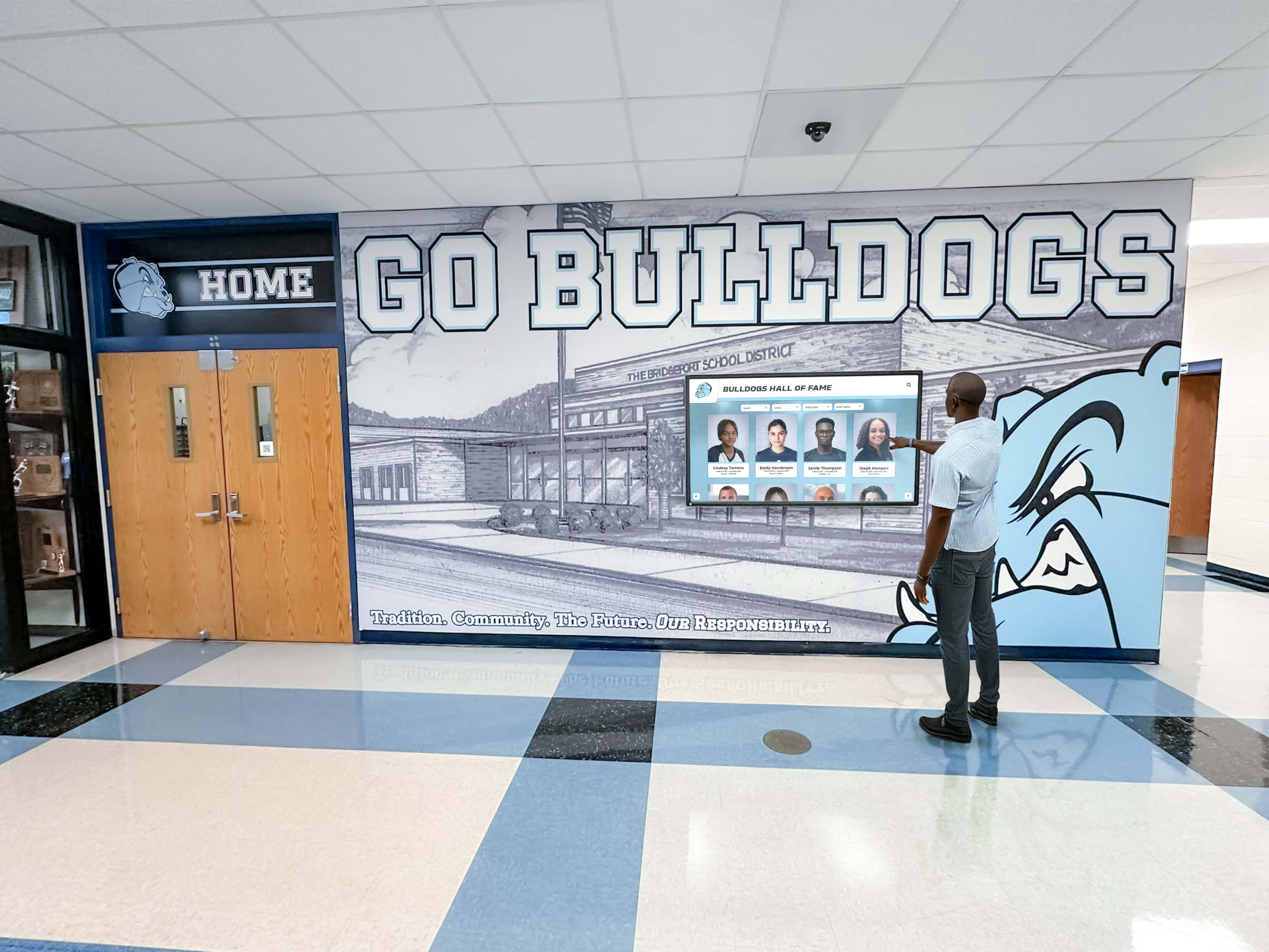
Quality wrestling mats combined with proper facility design create safe, effective training environments
Mat Maintenance and Sanitation
Wrestling Mat Hygiene Protocols
Maintaining clean mats prevents skin infections and ensures athlete safety:
Daily Mat Cleaning Requirements:
- Immediate cleaning after each practice session
- EPA-registered disinfectants effective against MRSA, ringworm, and bacteria
- Complete mat surface cleaning including edges and seams
- Sufficient drying time before mat storage or next use
- Inspection for damage, tears, or worn areas
- Documentation of cleaning schedules and procedures
Mat Storage Considerations:
- Elevated storage preventing ground moisture contact
- Adequate airflow around stored mats
- Temperature-controlled storage areas
- Organized storage systems enabling quick setup
- Mat carts or dollies facilitating movement
- Regular inspection during off-season storage
Replacement and Repair Schedules:
Wrestling mats require systematic replacement:
- Annual inspection assessing mat condition
- 5-7 year replacement cycle for high-use mats
- Immediate repair of tears or separation
- Rotation systems distributing wear
- Budget planning for ongoing mat investments
- Emergency replacement mats for unexpected needs
Equipment and Storage Solutions
Beyond mats, wrestling rooms require various equipment supporting comprehensive training programs.
Essential Wrestling Room Equipment
Basic Training Equipment Inventory
Comprehensive wrestling programs maintain diverse equipment:
Fundamental Equipment Needs:
- Wrestling dummies in various sizes and weights
- Training mannequins for technique drilling
- Resistance bands and tubes for strength training
- Medicine balls (8-20 lbs) for conditioning
- Jump ropes for cardiovascular work
- Agility ladders and cones for footwork drills
- Foam rollers and recovery equipment
- Wrestling shoes and headgear for loan programs
- First aid kit and emergency medical supplies
- Cleaning supplies and disinfectants
Strength and Conditioning Equipment:
Wrestling-specific strength development requires appropriate tools:
- Kettlebells (15-50 lbs range)
- Dumbbells for supplemental strength work
- Pull-up bars or gymnastics rings
- Suspension training systems (TRX or similar)
- Wrestling-specific resistance equipment
- Battle ropes for conditioning circuits
- Plyometric boxes for explosive power development
- Core training equipment (ab wheels, stability balls)
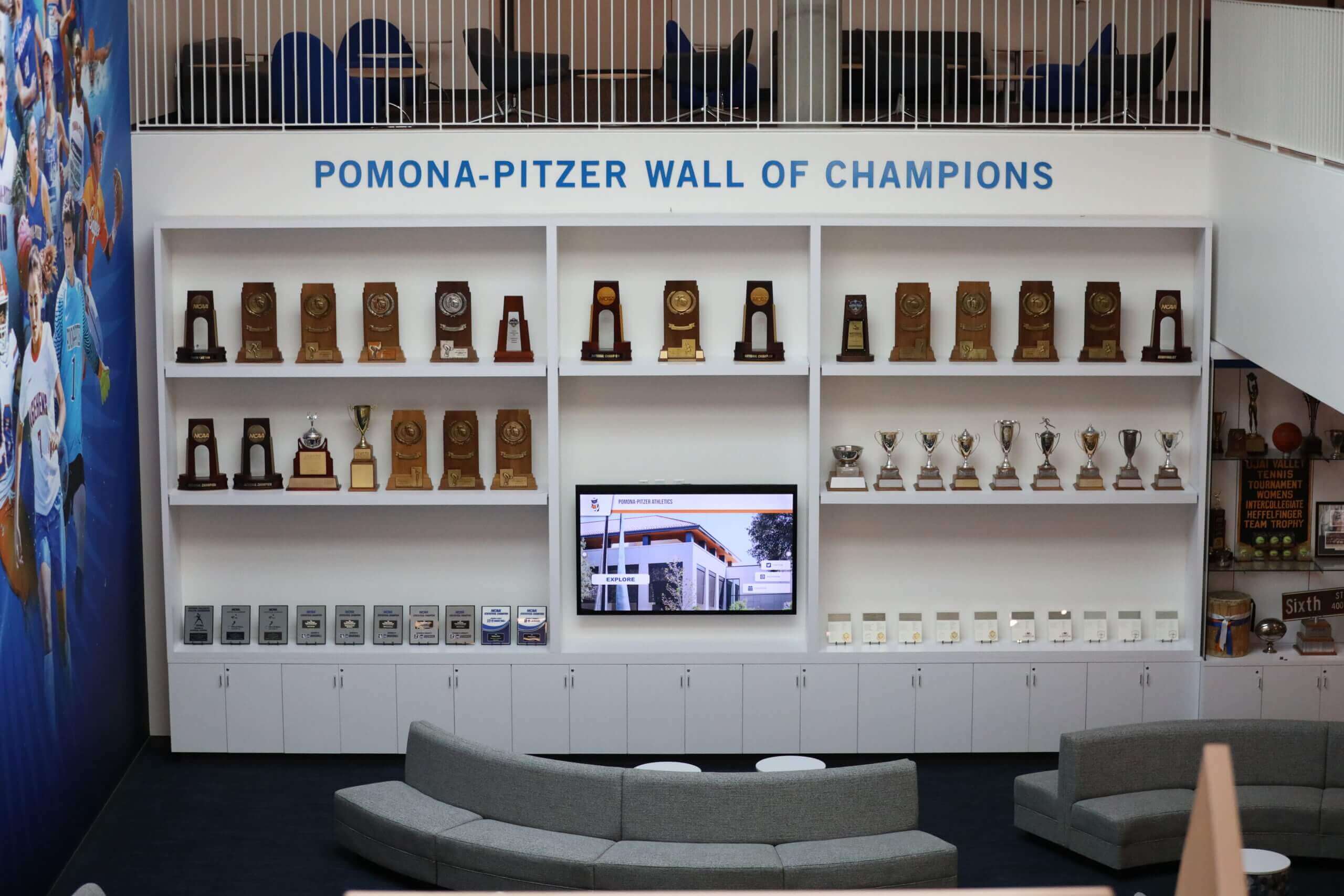
Organized equipment storage and display areas maintain facility professionalism while celebrating achievement
Storage and Organization Systems
Maximizing Wrestling Room Functionality
Strategic storage prevents clutter while maintaining equipment accessibility:
Equipment Storage Solutions:
- Wall-mounted rack systems for vertical storage
- Rolling equipment carts for flexible positioning
- Designated storage areas for each equipment category
- Labeled storage promoting organization and accountability
- Lockable cabinets for valuable or sensitive equipment
- Open shelving for frequently accessed items
- Mat storage racks or wall-mounting systems
- Cleaning supply station near mat areas
Athlete Personal Storage:
Wrestlers require secure storage for personal items:
- Team locker rooms adjacent to wrestling room
- Individual lockers with secure locking mechanisms
- Designated areas for wrestling shoes and gear
- Ventilated storage preventing odor accumulation
- Team bag storage during practice sessions
- Valuable item security options
- Separated clean and used gear areas
Safety Features and Risk Management
Wrestling room design must prioritize athlete safety through appropriate features and equipment.
Wall and Surface Padding
Protecting Athletes from Impact
Wrestling rooms require comprehensive padding in impact zones:
Wall Padding Requirements:
- 2" thick vinyl wall padding minimum
- Coverage extending 6-8 feet high from floor
- Padding around all walls within 6 feet of mat edges
- Column padding for structural supports
- Door padding preventing injury from openings
- Corner padding with reinforced protection
- School color vinyl finishes integrating with facility design
- Fire-resistant materials meeting building codes
Floor Surface Considerations:
Areas beyond wrestling mats require appropriate surfaces:
- Rubber flooring or exercise matting for conditioning areas
- Non-slip surfaces preventing accidents during transitions
- Sealed concrete for durability in high-traffic zones
- Appropriate transitions between mat and floor surfaces
- Drainage systems if facility includes shower access
- Easy-clean surfaces maintaining hygiene standards
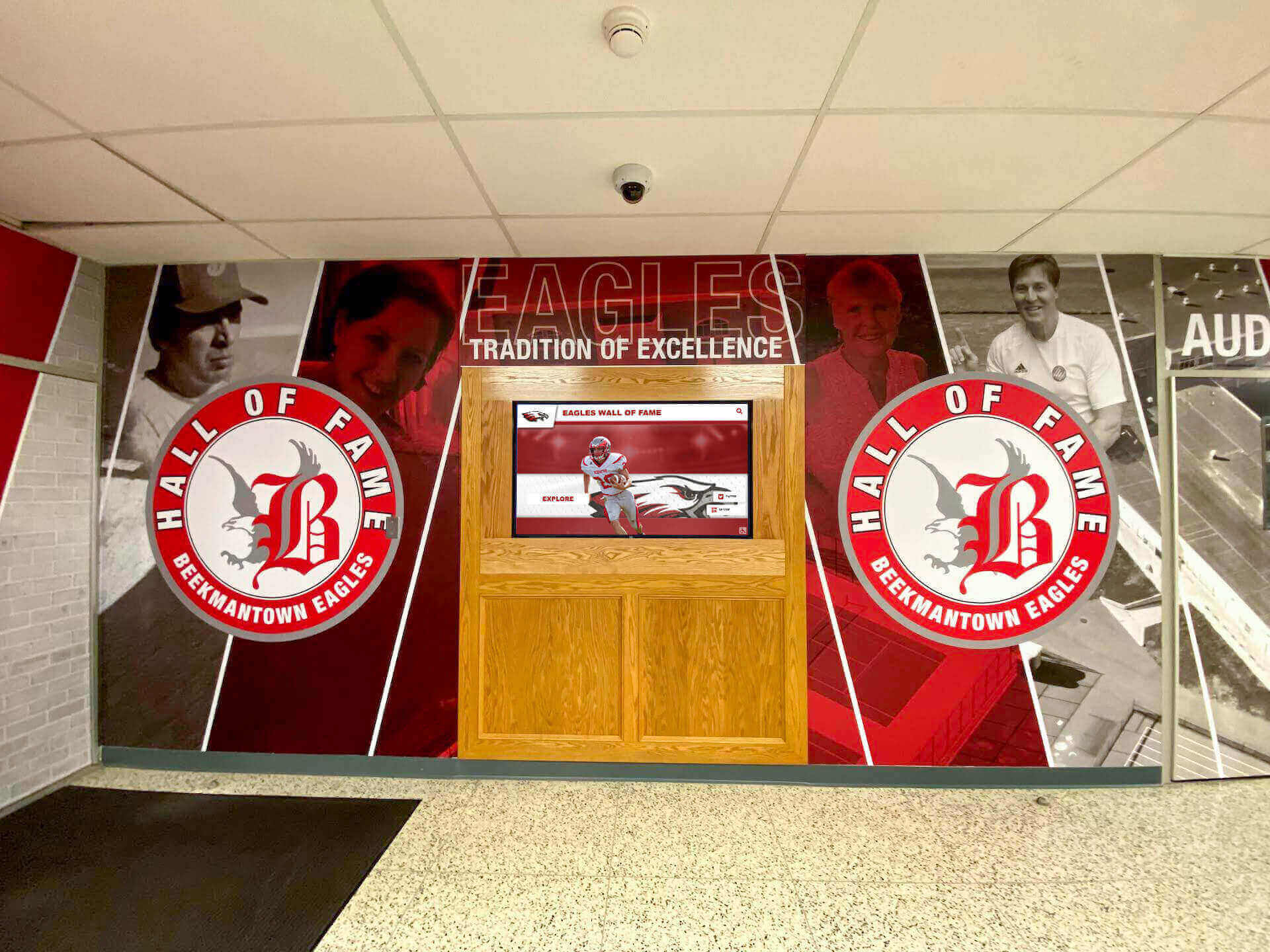
Comprehensive safety features including wall padding and proper surfaces prevent training injuries
Emergency Preparedness
Medical and Safety Equipment
Wrestling rooms require immediate access to emergency resources:
Essential Safety Equipment:
- Automated External Defibrillator (AED) in accessible location
- Fully stocked first aid station with wrestling-specific supplies
- Emergency communication system (phone or intercom)
- Blood cleanup kits and biohazard disposal
- Emergency contact information visibly posted
- Fire extinguishers meeting code requirements
- Emergency exit signage and lighting
- Spill containment materials for cleaning solutions
Injury Management Protocols:
Systematic safety procedures protect athletes:
- Athletic trainer access or certified staff present
- Concussion recognition and response protocols
- Injury documentation and reporting systems
- Return-to-play procedures following injury
- Parent notification protocols for incidents
- Insurance and liability documentation
- Regular safety drills and staff training
- Emergency action plans posted and reviewed
Athletic facilities supporting comprehensive programs often integrate wellness resources like athlete recovery and wellness hubs promoting overall athlete health.
Creating Motivational and Inspirational Environments
Wrestling room design should inspire athletes through strategic visual elements celebrating program tradition and championship culture.
Wrestling Achievement Recognition Displays
Honoring Program Excellence Visibly
Recognition displays create powerful motivational environments:
Traditional Recognition Approaches:
- Championship banner displays hanging from walls or ceiling
- State tournament placement plaques for individual wrestlers
- Team championship recognition boards
- Conference title acknowledgment
- Record board displays tracking career and season achievements
- Coach recognition honoring program leadership
- Alumni wrestling success highlights
- Framed photos from significant matches and tournaments
Space Limitation Challenges:
Traditional static displays face inevitable constraints:
- Wall space fills as wrestling programs achieve success
- Adding new recognition requires removing existing displays
- Limited capacity for comprehensive program history
- Difficult updating when records fall or achievements expand
- Expensive custom plaques or banners requiring professional production
- Maintenance burden cleaning and maintaining physical displays
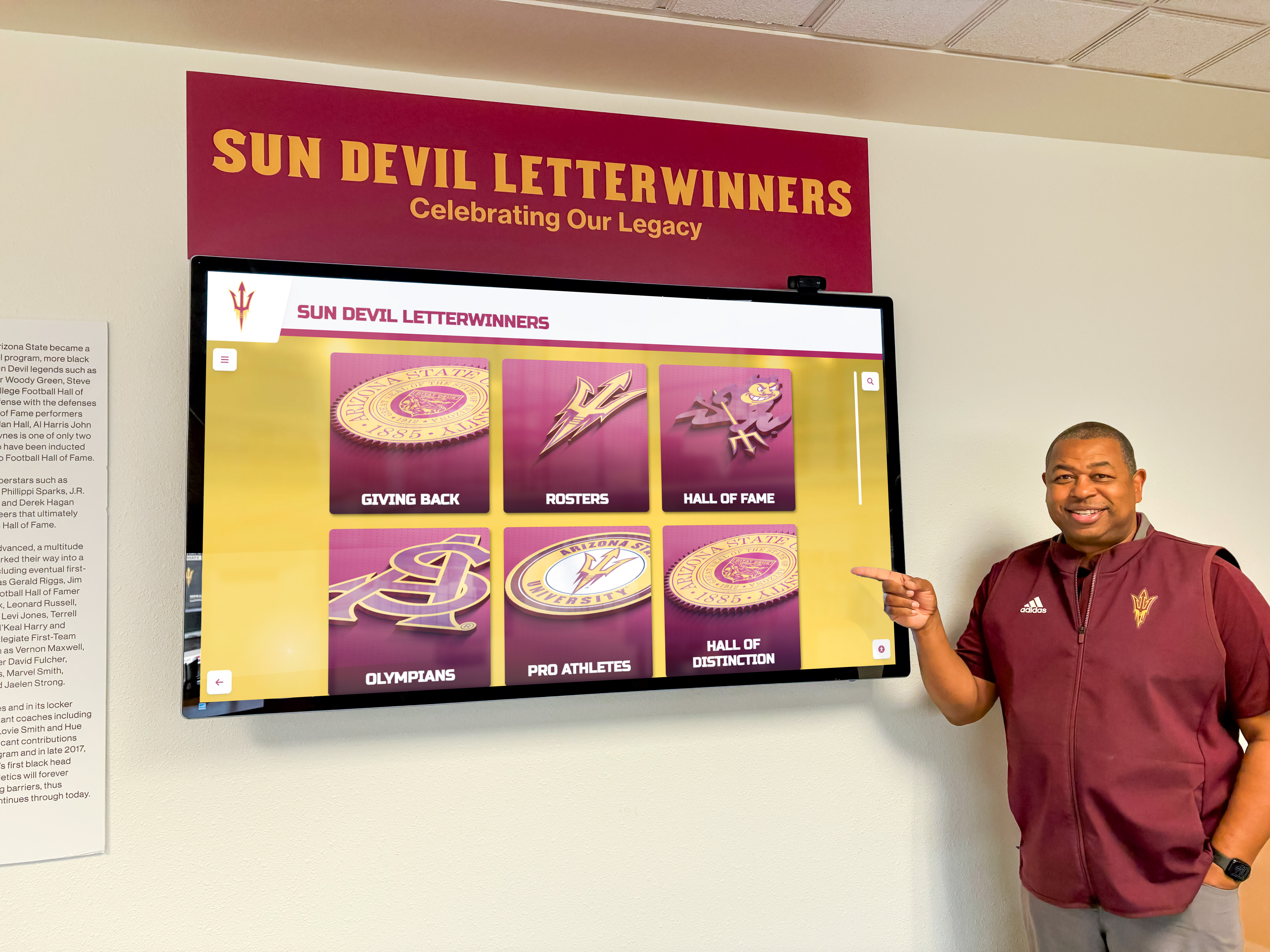
Modern recognition systems enable comprehensive achievement celebration without physical space constraints
Digital Recognition Systems for Wrestling Rooms
Modern Wrestling Recognition Solutions
Technology transforms wrestling room recognition from limited static displays to comprehensive achievement celebration:
Interactive Touchscreen Recognition Advantages:
Digital systems eliminate traditional constraints while enhancing engagement:
- Unlimited wrestler profiles without space limitations
- Complete career statistics and achievement details for every wrestler
- High-resolution photos from competitions and celebrations
- Video highlights from state championship matches
- Search and filter capabilities finding specific wrestlers or achievements
- Weight class historical champions spanning program history
- Coach recognition connected to wrestlers they developed
- Tournament result archives preserving complete program history
- Record boards updating automatically as achievements occur
- Remote content management from any internet-connected device
Solutions like digital recognition displays provide platforms specifically designed for athletic achievement celebration in training facilities.

Digital recognition systems in wrestling rooms provide daily inspiration connecting current athletes to program tradition
Wrestling Room Display Benefits:
Installing recognition systems directly in practice facilities maximizes impact:
Daily Motivation and Inspiration:
- Wrestlers see program achievements during every practice
- Current athletes connect to championship tradition visibly
- Pre-practice arrival time enables recognition exploration
- State champion profiles inspire competitive excellence
- Team bonding around shared program history
- Recruits viewing facility see comprehensive achievement
- Alumni returning to facility reconnect with their accomplishments
Content Management Simplicity:
Modern systems simplify wrestling room recognition maintenance:
- Coaches update content remotely without technical expertise
- Add state tournament results immediately after competitions
- Include season statistics as records are established
- Correct errors or enhance information easily
- Schedule content displays for specific dates or events
- Role-based permissions for appropriate staff access
- Integration with school websites extending reach beyond physical facility
Wrestling programs implementing comprehensive recognition often coordinate with wrestling hall of fame ideas creating unified celebration of grappling excellence.
Motivational Graphics and Environmental Design
Visual Environment Elements
Beyond achievement recognition, environmental graphics shape culture:
Motivational Messaging:
- Program core values displayed prominently
- Championship mindset messaging
- Technique reminders and training principles
- Inspirational quotes from wrestling legends
- Team motto or program slogan integration
- Wrestling philosophy statements
- Mental toughness messaging
- Work ethic and commitment themes
Branded Environmental Graphics:
Professional facility branding creates identity:
- School colors and wrestling program logos
- Mascot integration throughout space
- Custom wall murals depicting wrestling action
- Vinyl wall graphics with motivational themes
- Window graphics maintaining privacy while adding design
- Floor graphics designating different training zones
- Uniform branding creating cohesive visual identity
Schools implementing comprehensive facility branding often utilize wall wraps for schools creating immersive athletic environments.
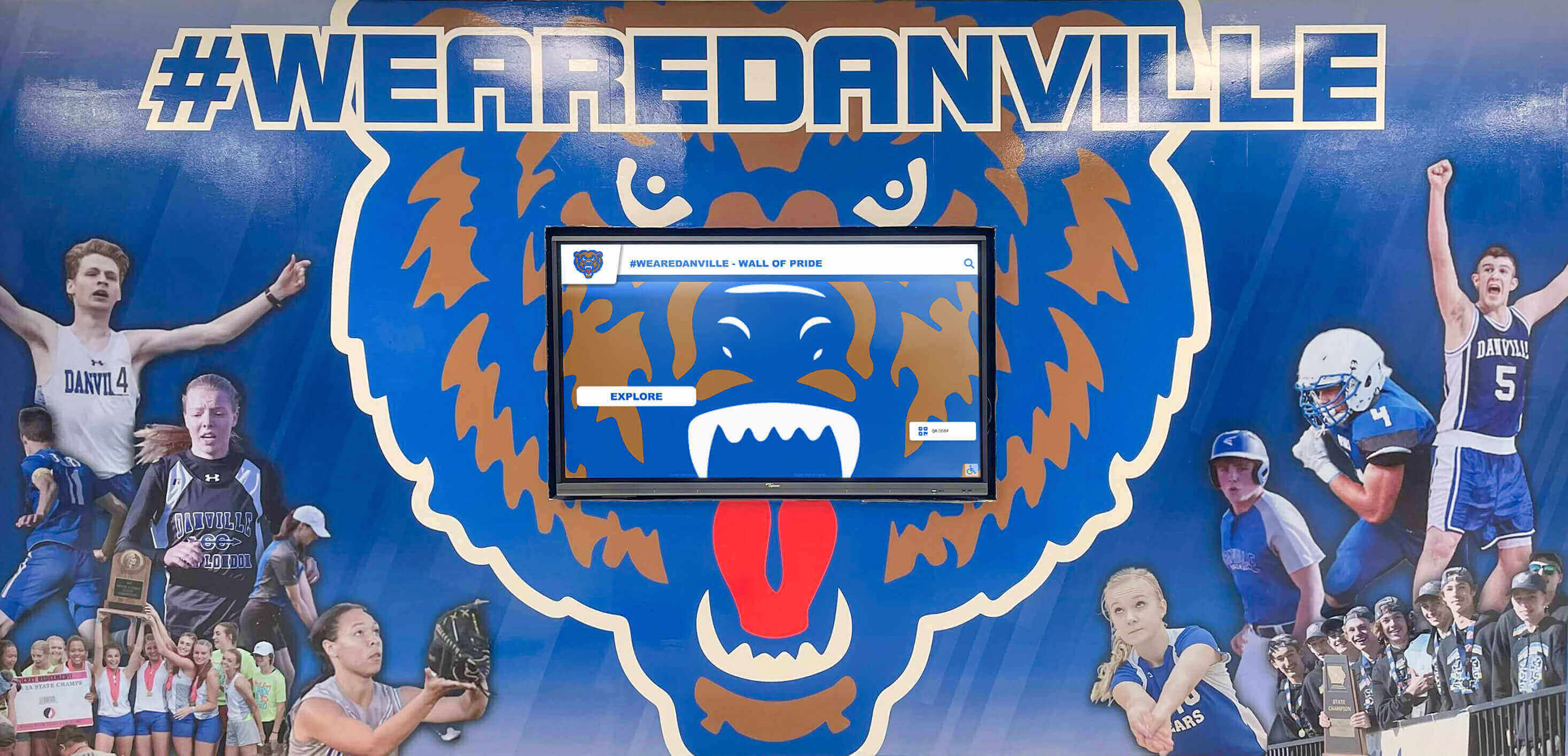
Comprehensive facility branding creates professional training environments reinforcing program identity
Technology Integration in Wrestling Rooms
Modern wrestling facilities incorporate technology supporting instruction, analysis, and program management.
Video Analysis and Coaching Technology
Supporting Technique Development
Video technology enhances coaching effectiveness:
Video Recording Systems:
- Overhead or corner-mounted cameras capturing full mat coverage
- Multiple angle recording for comprehensive technique analysis
- Wifi or hardwired connections enabling immediate review
- Cloud storage preserving technique demonstrations and matches
- iPad or tablet-based recording for individual wrestler focus
- Replay capabilities during practice sessions
- Integration with coaching software for organized video libraries
Display Systems for Team Viewing:
Large-format displays enhance group instruction:
- Wall-mounted televisions or projection systems
- Wireless connectivity from coaching devices
- Split-screen capabilities comparing technique execution
- Slow-motion playback for detailed analysis
- Side-by-side comparison of wrestlers or techniques
- Integration with tournament footage review
- Film session functionality for team viewing
Audio Systems and Communication
Clear Communication During Practice
Quality sound systems support effective coaching:
Wrestling Room Audio Components:
- Ceiling-mounted speaker systems with even distribution
- Microphone systems enabling coach communication during activity
- Music integration for conditioning sessions
- Volume controls accessible during practice
- Bluetooth connectivity from coaching devices
- Emergency announcement capabilities
- Zone control for different activity areas
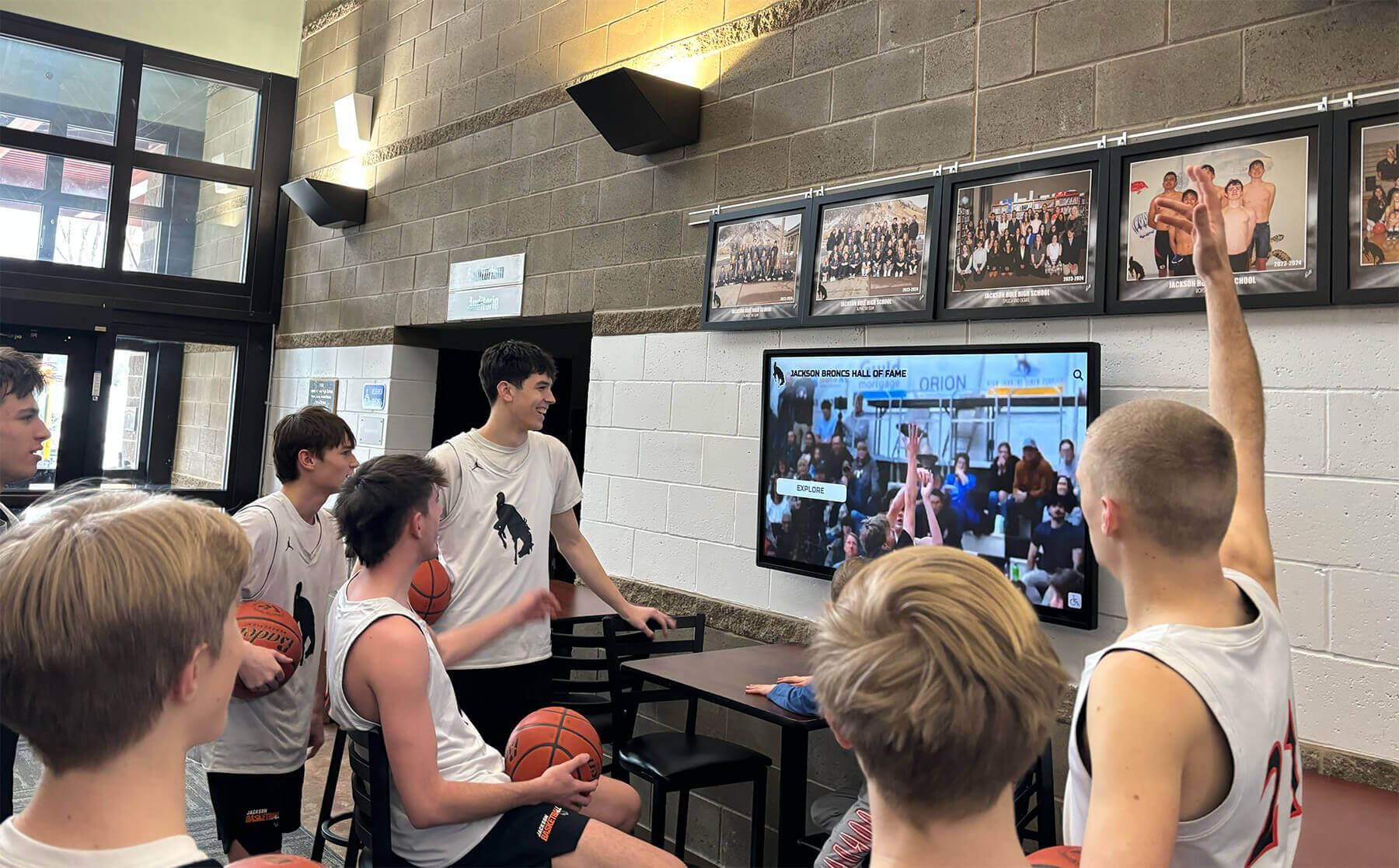
Technology integration supports video analysis, team communication, and athlete engagement
Program Management Technology
Administrative and Operational Systems
Technology streamlines wrestling program management:
Useful Program Management Tools:
- Digital attendance tracking systems
- Weight management and monitoring software
- Practice planning and periodization tools
- Injury tracking and documentation systems
- Parent communication platforms
- Tournament registration and bracketing software
- Strength and conditioning tracking applications
- Team scheduling and calendar management
Digital systems supporting overall athletic programs can enhance wrestling room functionality while improving athlete experience.
Auxiliary Spaces Supporting Wrestling Programs
Comprehensive wrestling facilities include spaces beyond the main practice room supporting overall program success.
Coaching Offices and Film Rooms
Dedicated Coach Spaces
Effective programs require coaching staff work areas:
Coach Office Requirements:
- Desk space for planning and administrative work
- File storage for wrestler records and program documentation
- Computer workstations with internet connectivity
- Video review equipment and software
- Meeting space for individual wrestler conferences
- Secure storage for sensitive information
- Visual connection to wrestling room when possible
- Privacy for confidential conversations
Film Study and Meeting Rooms:
Team and small group instruction requires dedicated spaces:
- Seating for full team roster
- Large-format display or projection system
- Whiteboard or presentation surfaces
- Technology integration for video presentation
- Acoustic treatment for clear audio
- Comfortable seating for extended sessions
- Climate control separate from wrestling room
- Easy access from main practice facility
Locker Rooms and Hygiene Facilities
Athlete Support Spaces
Quality locker facilities support program functionality:
Locker Room Essentials:
- Individual lockers for each team member
- Ventilation preventing odor accumulation
- Shower facilities with hot water
- Bathroom facilities adequate for team size
- Changing areas with privacy considerations
- Team gathering spaces for pre-practice meetings
- Laundry facilities for practice gear and uniforms
- Storage for team equipment and supplies
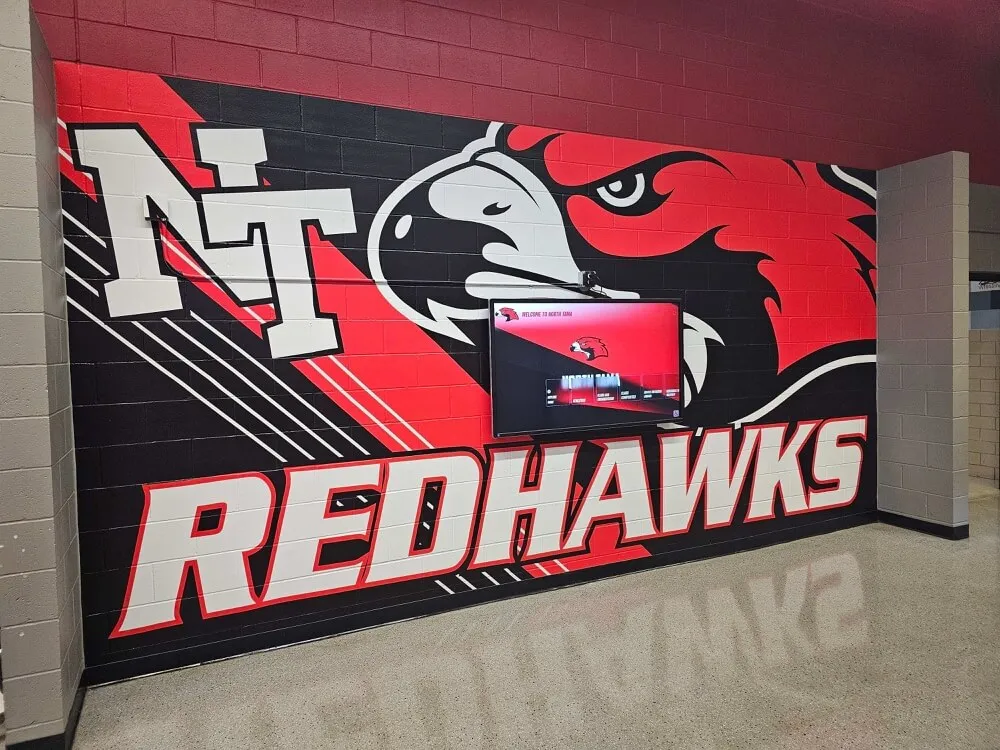
Comprehensive locker facilities support athlete needs while maintaining hygiene and organization standards
Hygiene and Sanitation Features:
Cleanliness prevents skin infections common in wrestling:
- Multiple shower heads with temperature controls
- Non-slip shower flooring with proper drainage
- Antimicrobial wall surfaces
- Hand sanitizer stations throughout facility
- Laundry facilities encouraging gear washing
- Dedicated areas for dirty equipment separation
- Regular professional cleaning schedules
- Signage promoting hygiene awareness
Strength Training and Conditioning Areas
Wrestling-Specific Fitness Development
Dedicated strength areas support physical development:
Strength Training Space Design:
- Rubber flooring protecting equipment and facility
- Appropriate ceiling height for lifting movements
- Mirrors enabling form checking
- Ventilation managing heat during workouts
- Equipment organization and storage
- Programming displays or workout boards
- Safety equipment and emergency procedures
- Integration with wrestling room or separate dedicated space
Comprehensive athletic facilities supporting multiple programs often include shared strength training areas serving wrestling alongside other sports.
Budget Considerations for Wrestling Room Projects
Understanding cost factors helps programs plan facility improvements matching available resources.
New Wrestling Room Construction Costs
Building From Scratch
New construction involves substantial investment:
Construction Cost Components:
- Building construction: $200-$400 per square foot
- 3,000 square foot wrestling room: $600,000-$1,200,000 basic construction
- HVAC systems: $50,000-$150,000 depending on capacity and controls
- Specialized ventilation: $25,000-$75,000 additional
- Lighting: $15,000-$40,000 for quality LED systems
- Wall padding: $10,000-$30,000 depending on coverage area
- Wrestling mats: $8,000-$25,000 for quality systems
- Equipment and storage: $15,000-$40,000
- Technology integration: $10,000-$30,000
- Architectural and engineering fees: 8-15% of construction costs
Total new wrestling facility: $750,000-$1,500,000+ depending on size, location, and finishes
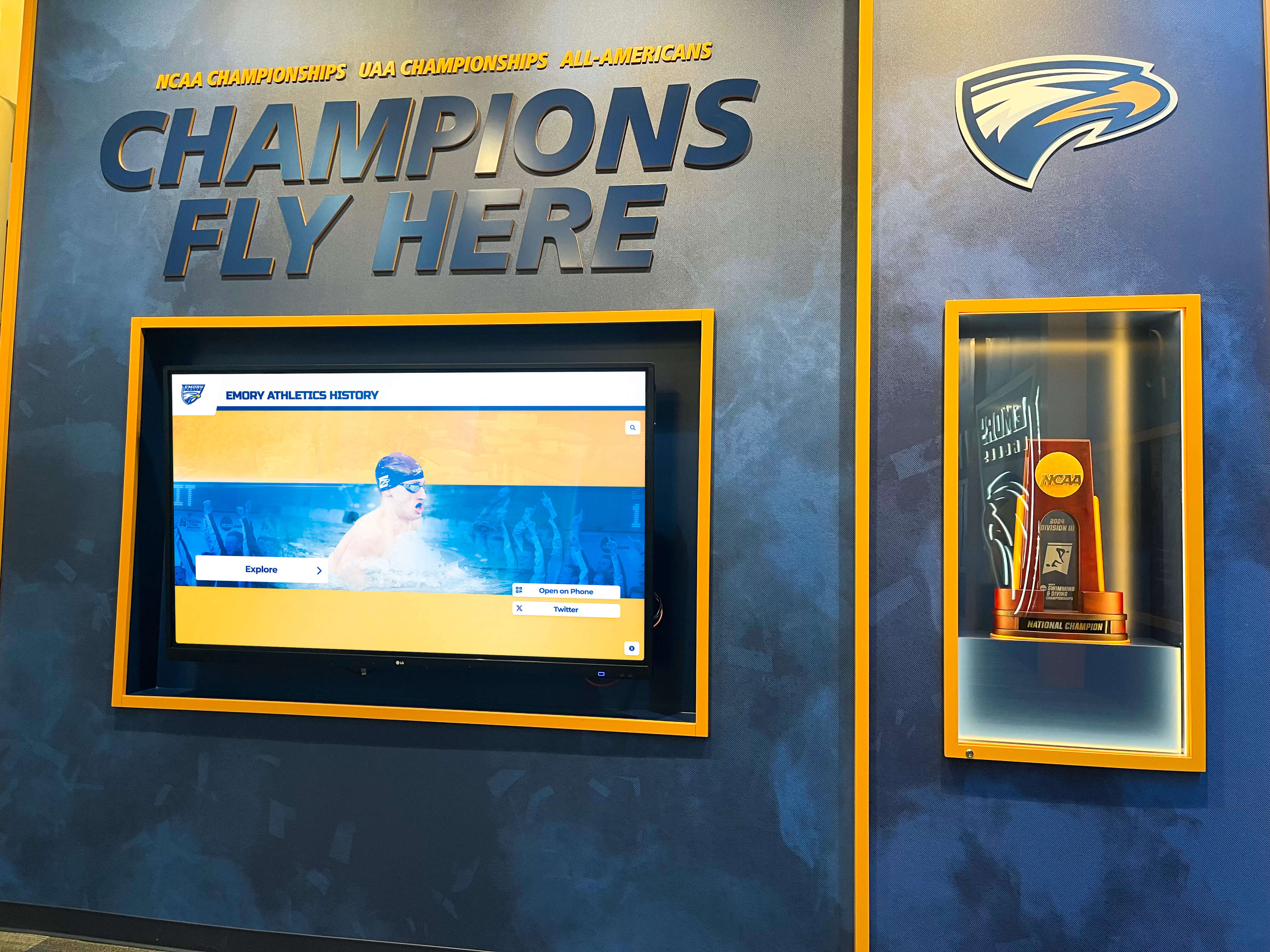
Wrestling facility investments create long-term value supporting program development and athlete success
Renovation and Improvement Costs
Upgrading Existing Wrestling Rooms
Renovations offer more affordable improvement options:
Common Renovation Projects and Costs:
- New wrestling mat system: $8,000-$25,000
- Wall padding replacement or addition: $8,000-$20,000
- HVAC upgrades: $30,000-$80,000
- Lighting retrofits to LED: $10,000-$25,000
- Flooring replacement: $5,000-$15,000
- Paint and refinishing: $3,000-$8,000
- Storage systems and organization: $3,000-$10,000
- Digital recognition displays: $8,000-$20,000 initial installation
- Audio system installation: $5,000-$15,000
- Video recording systems: $3,000-$10,000
Phased improvement approaches enable systematic upgrades over multiple budget cycles
Funding Wrestling Facility Projects
Securing Resources for Improvements
Multiple funding sources support wrestling room development:
Internal Funding Sources:
- School district capital improvement budgets
- Athletic department facility maintenance funds
- Technology budget allocations for digital systems
- General facility improvement appropriations
External Funding Strategies:
- Wrestling booster club fundraising campaigns
- Alumni donation appeals targeting wrestling graduates
- Corporate sponsorships from local businesses
- Naming opportunities for major donors
- Grant applications to youth sports foundations
- Community foundation funding requests
- Memorial donations honoring deceased wrestlers or coaches
- Tournament hosting revenue allocation
Wrestling programs with active booster organizations successfully fund facility improvements through targeted campaigns emphasizing program impact.
Maintenance and Operations Planning
Sustainable wrestling facilities require systematic maintenance and operational planning.
Daily and Weekly Maintenance Routines
Keeping Wrestling Rooms Functional
Regular maintenance prevents deterioration and ensures safety:
Daily Maintenance Tasks:
- Wrestling mat cleaning and disinfection after each use
- Equipment inspection and organization
- Trash removal and general cleaning
- Spot cleaning of wall padding or surfaces
- Restocking of cleaning supplies and first aid materials
- HVAC filter checks during high-use seasons
- Safety equipment verification
- General facility walkthrough identifying issues
Weekly Maintenance Requirements:
- Deep cleaning of all facility surfaces
- Floor cleaning in non-mat areas
- Locker room sanitation and inspection
- Equipment maintenance and repairs
- Technology system checks and updates
- Digital display content review and updates
- Documentation of maintenance activities
- Supply inventory and reordering
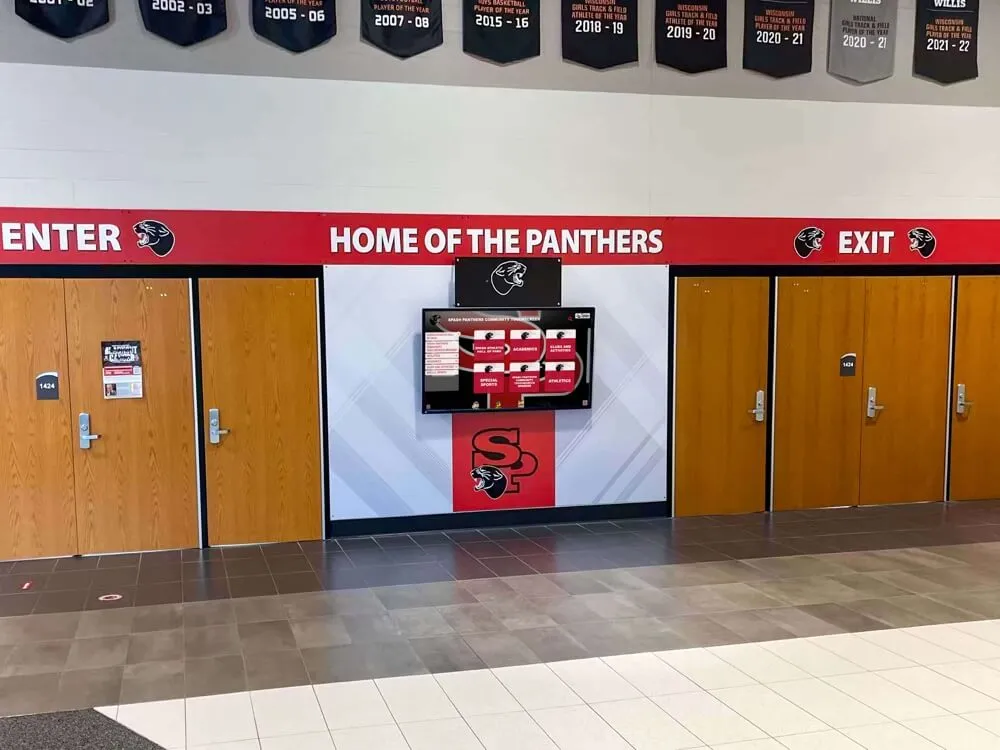
Systematic maintenance preserves wrestling facility quality while ensuring ongoing safety and functionality
Seasonal Maintenance and Deep Cleaning
Off-Season Facility Care
Summer and off-season periods enable comprehensive maintenance:
Annual Maintenance Projects:
- Complete facility deep cleaning and sanitization
- Wrestling mat thorough cleaning, repair, or replacement assessment
- Wall padding inspection and repair
- HVAC system professional servicing
- Lighting fixture cleaning and bulb replacement
- Paint touch-up or complete refinishing
- Storage organization and equipment inventory
- Technology system updates and upgrades
- Safety equipment inspection and replacement
- Facility improvement planning and budgeting
Long-Term Facility Planning:
Strategic planning prevents deferred maintenance:
- 5-10 year capital improvement schedules
- Equipment replacement timelines and budgets
- Technology upgrade cycles
- Building system renovation planning
- Expansion feasibility studies
- Accessibility compliance reviews
- Code compliance verification
- Professional facility assessments
Creating Championship Culture Through Design
Wrestling room design extends beyond physical features to shape program culture and athlete mindset.
Environmental Psychology in Athletic Facilities
How Spaces Influence Athletes
Research demonstrates physical environment impacts performance and motivation:
Design Elements Influencing Culture:
- Professional, well-maintained facilities communicate program standards
- Visible achievement recognition inspires excellence
- Organized, clean spaces promote discipline and respect
- Motivational messaging reinforces program values
- Quality equipment demonstrates commitment to athlete development
- Comprehensive safety features show athlete care and concern
- Technology integration reflects modern training approaches
- Branded identity creates belonging and pride
Schools developing championship culture through facility design recognize that physical space shapes athlete attitudes and commitment.
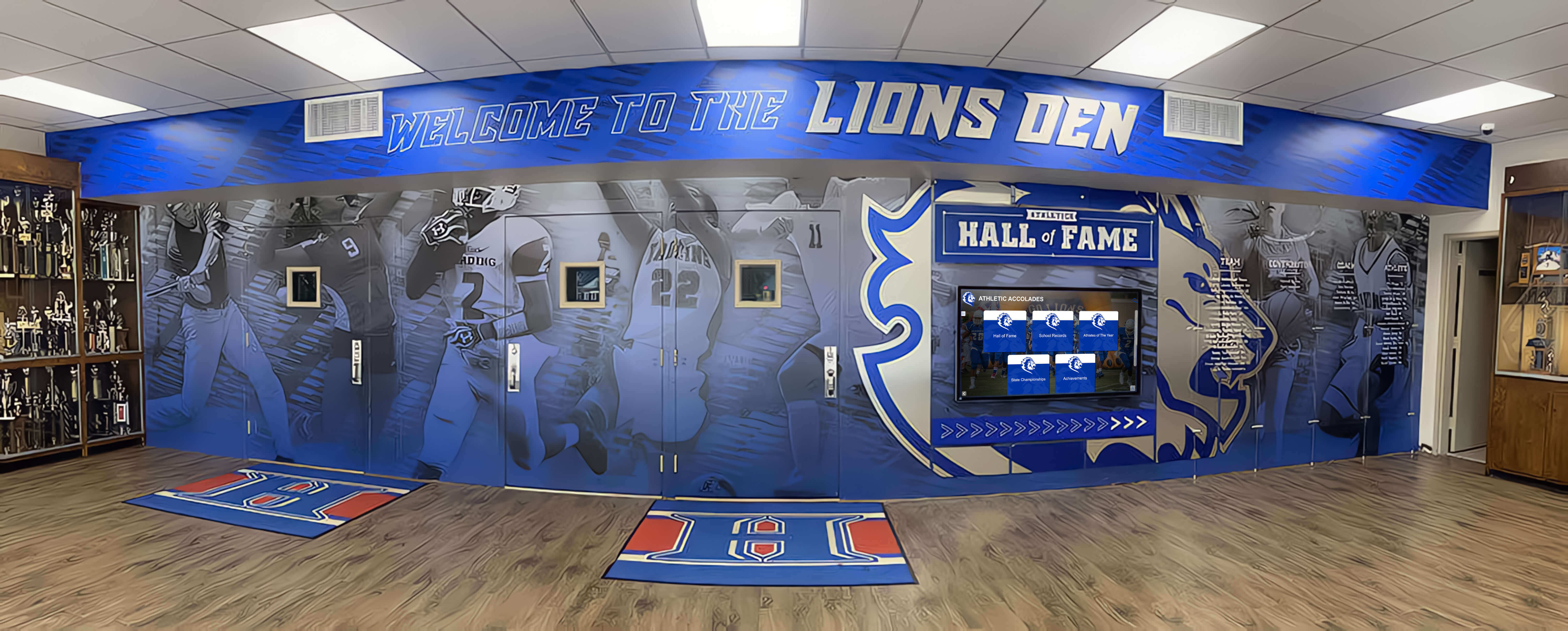
Championship culture develops in environments celebrating excellence while maintaining professional training standards
Building Program Identity Through Space
Wrestling Room as Program Extension
Effective facilities become physical manifestations of program values:
Identity-Building Design Elements:
- Consistent branding throughout facility spaces
- Historical recognition connecting current athletes to tradition
- Core values displayed prominently in high-visibility locations
- Coaching philosophy integrated into environmental design
- Team achievements celebrated comprehensively
- Coach recognition honoring program leadership
- Alumni success stories maintaining program connections
- Recruitment materials highlighting facility quality
Recruitment and Program Marketing:
Quality facilities attract talented wrestlers:
- Facility tours demonstrating program commitment
- Digital recognition systems showcasing achievement tradition
- Professional environments comparing favorably to competing programs
- Modern technology indicating progressive coaching approaches
- Comprehensive safety features reassuring parents
- Achievement displays demonstrating development pathways
- Visible investment communicating program priority
Accessibility and Inclusion in Wrestling Room Design
Modern facilities must accommodate all users through thoughtful accessibility planning.
ADA Compliance and Universal Design
Creating Accessible Wrestling Facilities
Wrestling rooms should accommodate athletes and visitors with disabilities:
Accessibility Requirements:
- Wheelchair-accessible entrances and pathways
- Appropriate door widths and hardware
- Accessible restroom facilities
- Visual and auditory emergency alert systems
- Appropriate signage with tactile and visual information
- Spectator areas accommodating mobility devices
- Storage and equipment access considerations
- Coaching and instruction accommodations
Universal Design Principles:
Beyond minimum compliance, universal design benefits all users:
- Clear sightlines from multiple vantage points
- Varied lighting controls accommodating different needs
- Multiple communication methods (visual, auditory, written)
- Flexible space configurations supporting different activities
- Technology accessibility features (screen readers, captioning)
- Intuitive wayfinding and spatial organization
- Adjustable equipment accommodating different abilities
Gender Equity Considerations
Supporting All Wrestling Programs
Facilities must serve male and female wrestling programs equitably:
Equity Principles in Wrestling Room Design:
- Equal facility quality for all programs
- Comparable equipment and resources
- Equivalent recognition display space and prominence
- Fair scheduling and facility access
- Appropriate locker room and hygiene facilities
- Equal safety and maintenance standards
- Equivalent technology and coaching resources
Schools supporting emerging girls’ wrestling programs ensure facility design accommodates growing sport participation across all genders.
Conclusion: Designing Wrestling Rooms That Inspire Excellence
Wrestling room design represents significant opportunity to create training environments that inspire athletes, support coaching effectiveness, ensure safety, and build program culture celebrating championship tradition. When schools approach facility planning systematically—addressing functional training requirements, environmental comfort, safety features, motivational recognition, and program identity—they create spaces where wrestlers develop technically, physically, and mentally while connecting to traditions inspiring continued excellence.
The design principles explored in this guide provide frameworks for wrestling rooms serving programs effectively regardless of budget constraints or existing facility limitations. From fundamental space requirements and mat selection to modern digital recognition systems and comprehensive safety features, these approaches enable wrestling facilities that honor program tradition while supporting current athlete development.
Most significantly, thoughtful wrestling room design recognizes that physical space shapes program culture as powerfully as coaching philosophy or training methodology. Professional, well-maintained facilities demonstrating commitment to wrestler safety, comfort, and inspiration communicate program values while creating environments where athletes aspire to excellence daily. Digital recognition systems eliminating traditional display constraints enable comprehensive achievement celebration connecting current wrestlers to program heritage spanning decades of grappling excellence.
Effective wrestling facilities balance functional requirements with inspirational elements. Quality mats, proper ventilation, appropriate lighting, and comprehensive safety features create foundational training environments. Strategic addition of achievement recognition, motivational graphics, program branding, and modern technology transforms functional spaces into inspiring facilities embodying program identity and championship aspirations.
Start with wrestling room improvements your program can implement given available resources, then systematically enhance facilities toward comprehensive solutions your wrestlers deserve. Every investment in better mats, improved recognition systems, enhanced safety features, or motivational environmental design creates more effective training environments supporting athlete development while building program pride.
Your wrestling program’s practice space shapes daily athlete experience more than any other physical element. With thoughtful planning, appropriate investment, systematic maintenance, and comprehensive recognition of achievement, you can create wrestling rooms inspiring excellence while honoring tradition—facilities where champions develop their skills, build mental toughness, and connect to the grappling legacy they represent.