Winter sports represent a critical component of high school athletic programs, providing thousands of student-athletes opportunities to compete during the season stretching from November through March. Basketball, wrestling, swimming, hockey, gymnastics, and other winter sports create vibrant school communities, build lifelong skills, and generate memorable moments that athletes and families treasure for decades.
Yet winter sports often face unique challenges compared to fall and spring athletics. Indoor facilities create space constraints limiting practice and competition opportunities. Cold weather affects outdoor sports like hockey and adds logistical complexity to travel schedules. Meanwhile, winter athletes deserve the same recognition and celebration that football players receive in fall or baseball teams enjoy in spring—but recognition systems often fail to accommodate the full scope of winter athletic achievement.
This comprehensive guide explores the complete landscape of high school winter sports, covering major sports and their seasons, recognition strategies, facility considerations, and modern approaches to celebrating winter athletes’ achievements throughout their careers and beyond.
High school winter sports create unique athletic experiences occurring during months when shorter days, colder temperatures, and indoor competition shape every aspect of participation. Schools that excel at winter athletics develop comprehensive programs supporting athletes across multiple sports while creating recognition systems ensuring these achievements receive appropriate visibility and celebration.
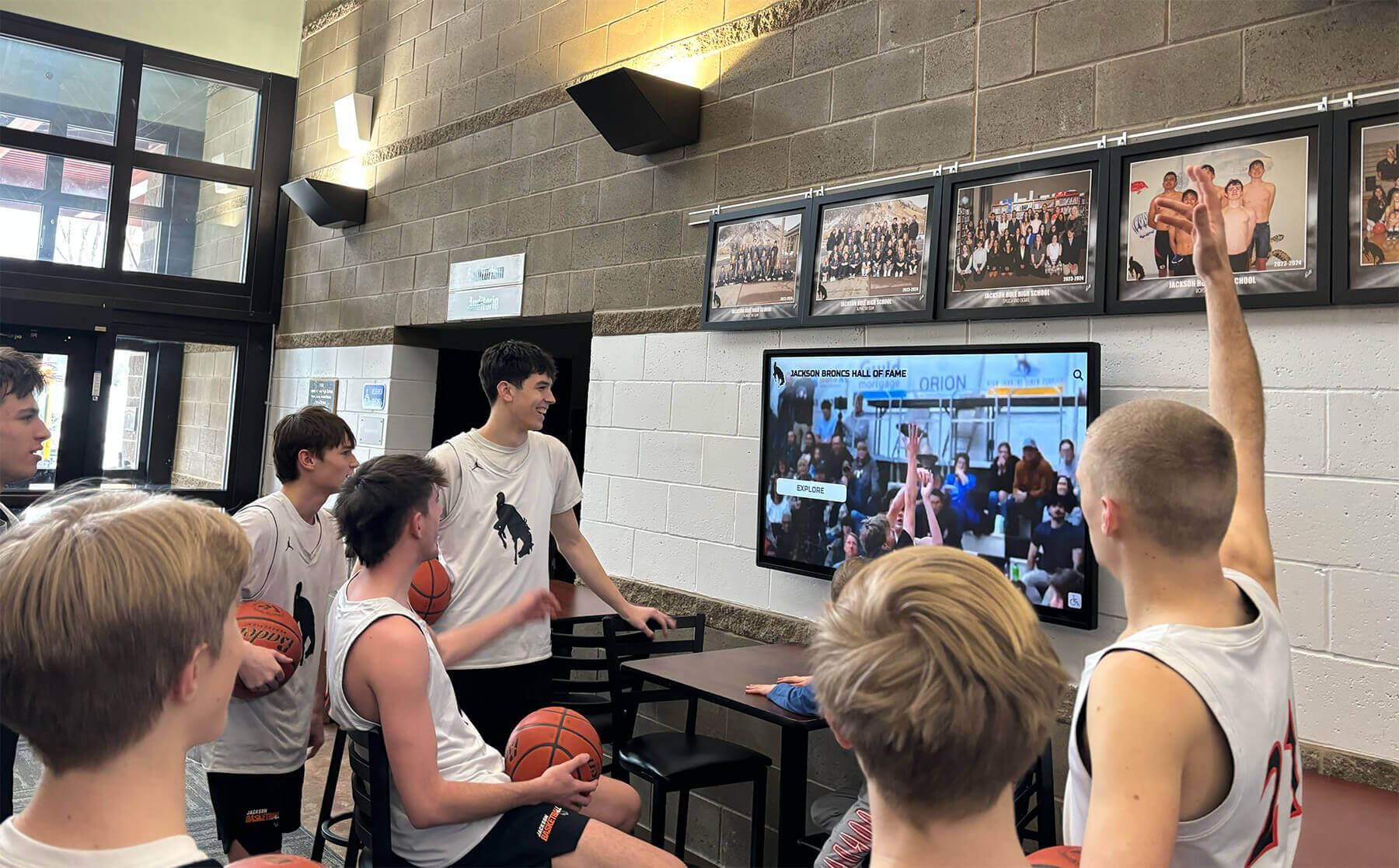
Winter sports achievements deserve year-round recognition through permanent display systems accessible to athletes, families, and communities
Major High School Winter Sports Overview
Understanding the full range of winter athletics helps schools develop comprehensive programs supporting all winter athletes.
Basketball: The Flagship Winter Sport
Basketball dominates high school winter sports participation across the country, with both boys’ and girls’ programs running simultaneously throughout the season.
Season Structure and Competition
- Regular season typically runs November through February
- Conference play determines playoff seeding and recognition
- State tournament series culminating in championship games
- Both boys’ and girls’ teams competing at varsity, junior varsity, and freshman levels
- Post-season all-conference and all-state honors recognizing top performers
Program Characteristics
- Indoor competition in school gymnasiums or arena facilities
- Home and away games creating strong community support and rivalry traditions
- Multiple games per week requiring careful scheduling around academics
- Extensive coaching staff including head coaches, assistants, and junior varsity coaches
- Student sections and school spirit closely connected to basketball success
Basketball programs often maintain the highest visibility among winter sports, creating natural opportunities for athletic recognition displays showcasing achievements prominently throughout facilities.
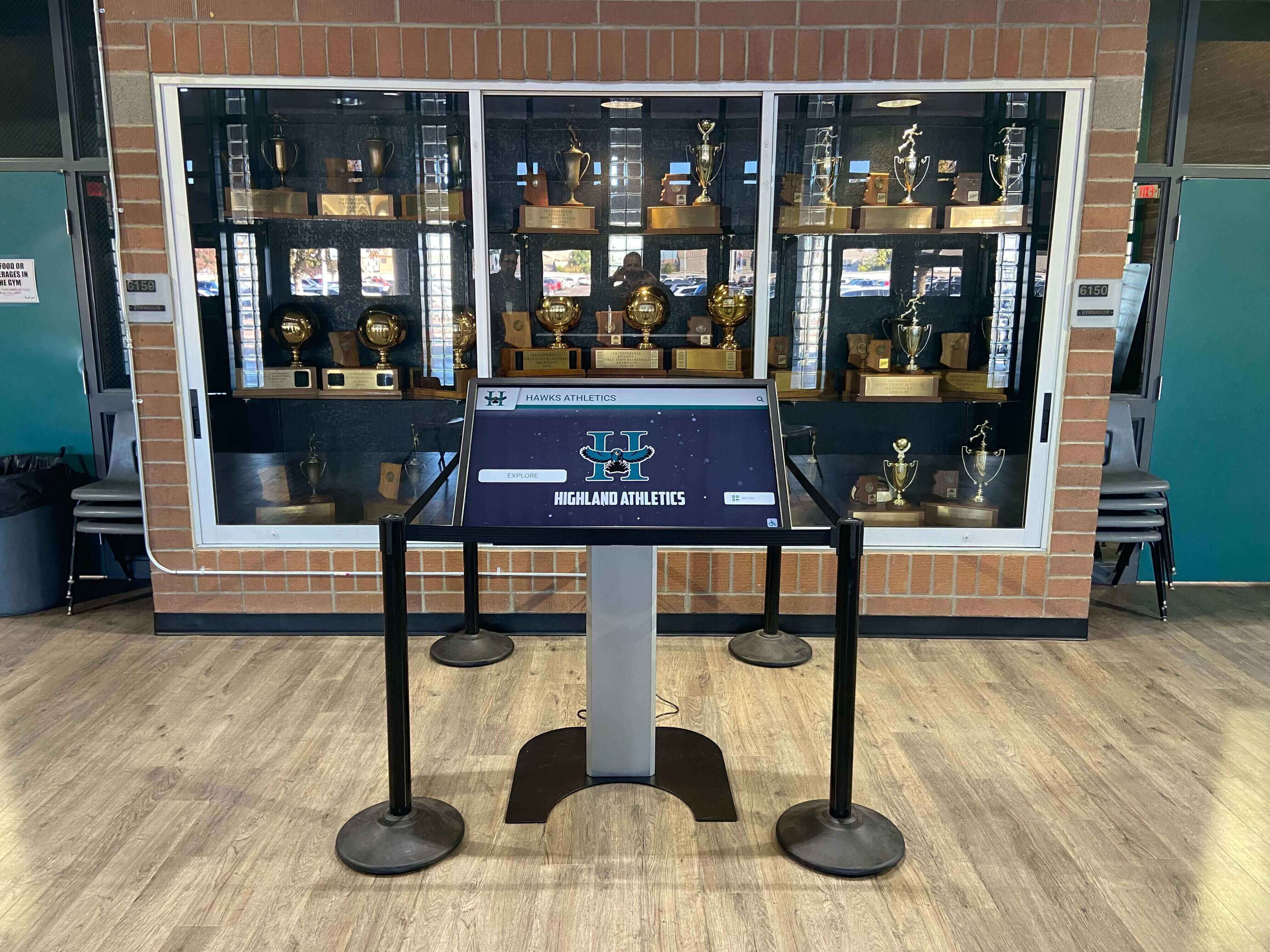
Basketball programs generate substantial achievement data requiring comprehensive display solutions accommodating statistics, championships, and individual honors
Wrestling: Technical Competition and Individual Excellence
Wrestling represents one of winter’s most demanding sports, combining individual competition with team scoring in dual meets and tournaments.
Season Overview
- Season begins in November, extends through state tournaments in February or March
- Dual meet competition where teams face off across multiple weight classes
- Individual tournaments at invitational, conference, regional, and state levels
- Weight class structure from 106 pounds through heavyweight
- Both folkstyle (high school) and freestyle wrestling opportunities
Unique Program Elements
- Weight management and certification processes ensuring athlete safety
- Wrestling room facilities separate from general gymnasium spaces
- Technical skill development through year-round club and summer programs
- Strong tradition of individual accomplishment within team framework
- Post-season honors including all-conference, all-state, and state championship recognition
Schools with successful wrestling programs create specialized recognition for grapplers honoring both individual champions and successful team seasons.
Swimming and Diving: Precision and Performance
Aquatic sports combine individual events with relay team competition, creating diverse recognition opportunities across multiple specialties.
Competition Structure
- Season runs November through February with championship meets concluding the year
- Dual meets between teams scoring points across individual events and relays
- Invitational meets bringing together multiple schools for large-scale competition
- Conference, sectional, and state championship progression
- Events ranging from 50-yard sprints to 500-yard distance races plus diving competition
Facility and Program Considerations
- Requires access to regulation pool facilities, often shared between multiple schools
- Early morning and late evening practice times accommodating facility availability
- Both boys’ and girls’ teams competing simultaneously
- Specialized coaching for stroke techniques, starts, turns, and diving
- Record-keeping across numerous individual events and relay combinations
Digital swim record boards solve the challenge of displaying achievements across dozens of events, grade levels, and years.
Ice Hockey: Speed, Skill, and Tradition
In regions where hockey thrives, the sport creates passionate communities and strong traditions rivaling basketball’s prominence.
Hockey Season Characteristics
- Season typically November through March with extended playoff runs
- Games at ice arena facilities, often off school campus
- Club and varsity level programs depending on school size and region
- Physical, fast-paced competition requiring specialized equipment and skills
- Strong youth program development feeding high school teams

Hockey programs benefit from [specialized recognition displays](https://digitalrecordboard.com/blog/hockey-rink-touchscreen-recognition-past-teams/?utm_source=organic&utm_medium=seo-auto&utm_content=best-touchscreen&utm_campaign=winter-sports-high-school&utm_term=seo) celebrating team and individual excellence
Program Elements
- Significant financial commitment for ice time, equipment, and travel
- Parent and community involvement critical for program sustainability
- Goaltender and skater position specialization
- Conference play and state tournament competition structure
- All-conference, all-state, and college recruitment recognition
Additional Winter Sports
Comprehensive winter athletic programs include multiple additional sports deserving equal recognition:
Gymnastics
- Individual and team competition across vault, bars, beam, and floor exercise
- Highly technical sport requiring specialized facilities and coaching
- State championships recognizing both team and all-around individual excellence
- Strong connection between club gymnastics and high school programs
Research shows gymnastics programs create unique recognition needs spanning individual events and team championships.
Indoor Track and Field
- Running, jumping, and throwing events in indoor facilities
- Large rosters enabling participation from athletes with diverse strengths
- Conference and state championship meet structure
- Individual and relay event recognition opportunities
- Bridge between cross country and outdoor track seasons
Competitive Cheerleading
- Athletic competition distinct from sideline spirit support
- Team routines judged on difficulty, execution, and performance
- Conference and state competitions with team and individual recognition
- Growing recognition as demanding athletic endeavor requiring year-round training
Bowling
- Growing winter sport in regions with bowling facility access
- Team and individual competition with conference and state tournaments
- Accessible sport enabling broad participation
- Statistical tracking of averages, high games, and tournament performance
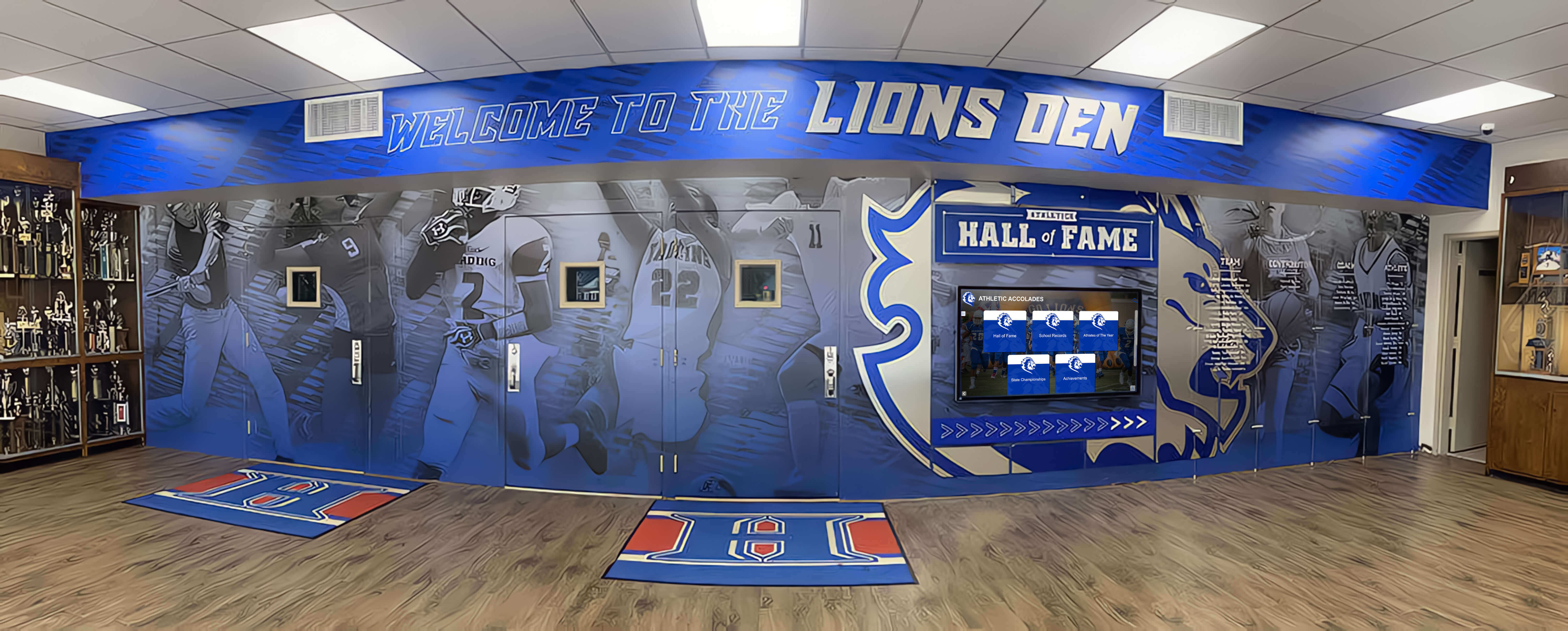
Effective recognition systems celebrate achievements across all winter sports equitably, ensuring every athlete receives appropriate acknowledgment
Winter Sports Season Timeline and Structure
Understanding the complete season helps schools, athletes, and families plan effectively while ensuring adequate recognition opportunities.
Pre-Season Preparation (October-November)
Before official competition begins, extensive preparation lays the foundation for successful seasons:
Athletic Department Planning
- Facility scheduling coordinating multiple winter sports and practice spaces
- Coaching staff hiring and training for all winter programs
- Budget allocation ensuring resources distributed equitably across sports
- Equipment ordering and maintenance for season-long use
- Transportation coordination for away competitions and tournaments
Athlete Preparation
- Physical conditioning and skill development before official practice
- Open gym and facility access for informal training
- Team formation and tryout processes determining rosters
- Medical screening and physical examinations verifying participation eligibility
- Academic eligibility verification ensuring athletes meet requirements
Communication and Promotion
- Parent meetings explaining expectations, schedules, and commitment requirements
- Athletic handbook distribution outlining policies and procedures
- Social media campaign building anticipation for season start
- Community outreach promoting schedules and encouraging attendance
- Booster club organization and fundraising initiative launches
Regular Season Competition (November-February)
The heart of winter sports creates ongoing competition, skill development, and community engagement:
Competition Structure
- Conference games determining league standings and recognition
- Non-conference scheduling providing competitive variety and challenge
- Weekend tournaments creating intensive competition opportunities
- Home events building school spirit and community support
- Away competitions requiring travel coordination and academic accommodation
Mid-Season Considerations
- Holiday break impact on practice and competition schedules
- Academic support ensuring athletes maintain eligibility and success
- Injury prevention and management throughout demanding season
- Team bonding activities strengthening culture and cohesion
- Statistical tracking and record-keeping documenting achievements
Programs implementing building school pride initiatives throughout the season create sustained community engagement beyond individual games.
Post-Season and Championships (February-March)
Season culmination through playoff and championship competition creates defining moments:
Tournament Structure
- Conference tournaments determining league champions
- State tournament qualifying through sectional or regional competition
- Bracket-style elimination creating drama and intensity
- Championship weekend culminating season for successful teams
- Individual state competitions in sports like wrestling and swimming
Recognition Milestones
- All-conference team selections honoring regular season excellence
- All-state recognition for top performers across the state
- Coach of the year awards acknowledging coaching excellence
- Team championship celebrations and banner ceremonies
- Individual statistical leaders and record-breakers acknowledged
Season Conclusion Activities
- Banquets celebrating team achievements and individual awards
- Senior recognition honoring graduating athletes’ contributions
- Team breakdowns and evaluation sessions for program improvement
- Equipment collection and facility restoration for off-season
- Communication with underclassmen about summer training and next season
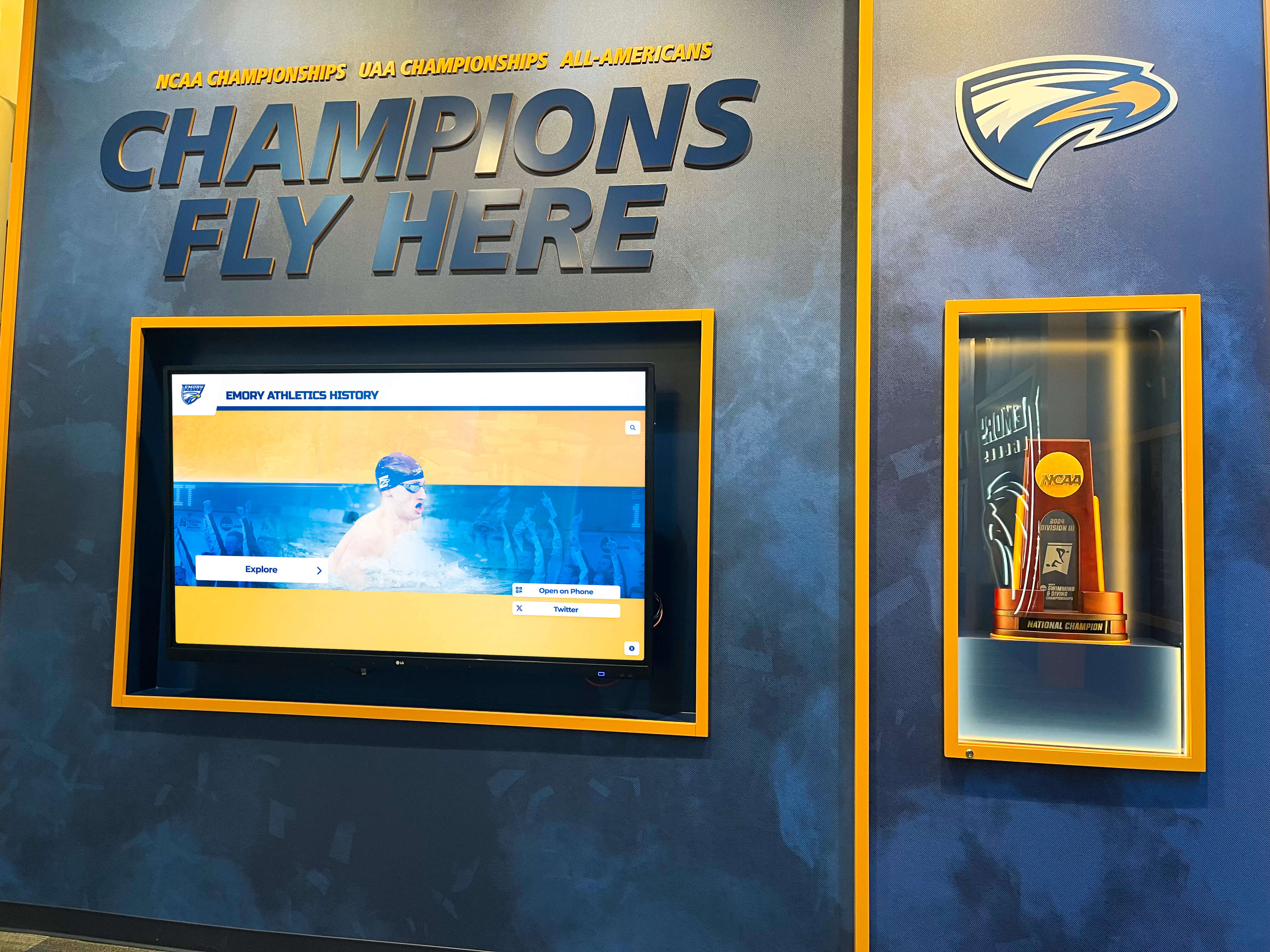
Championship teams deserve permanent recognition preserving their accomplishments as inspiration for future athletes and program tradition
Recognizing Winter Sports Excellence
Creating comprehensive recognition systems ensures winter athletes receive acknowledgment comparable to fall and spring sports.
Traditional Recognition Approaches
Physical displays have historically honored winter sports achievements:
Championship Banners and Plaques
- Conference championship banners hung in gymnasium rafters
- State championship recognition with prominent display placement
- Individual season records posted on lobby walls
- Coach recognition plaques for milestone achievements
- Team photo displays in athletic hallways and common areas
Trophy Cases and Display Cabinets
- Physical trophies from tournament championships
- Individual awards and medals from all-conference and all-state selections
- Game balls or commemorative items from significant victories
- Newspaper clippings and media coverage of achievements
- Historical photographs documenting program tradition
Challenges with Traditional Methods
- Limited space constraining how many achievements receive ongoing display
- Physical deterioration requiring maintenance and replacement
- Static presentation offering no interaction or exploration
- Difficulty updating information or correcting errors
- Newest achievements often displacing historical recognition
Modern Digital Recognition Solutions
Technology transforms winter sports recognition by eliminating traditional limitations:
Interactive Display Capabilities Touchscreen systems provide comprehensive recognition impossible with physical displays:
- Unlimited athlete profiles with photos, statistics, and achievement narratives
- Complete team rosters for championship seasons with individual recognition
- Video highlights from significant games, matches, meets, or tournaments
- Statistical leaderboards across all sports, events, and categories
- Search functionality enabling visitors to find specific athletes or teams quickly
- Filter options viewing achievements by sport, year, or achievement type
Schools implementing comprehensive digital recognition report significant increases in family engagement and alumni connection.
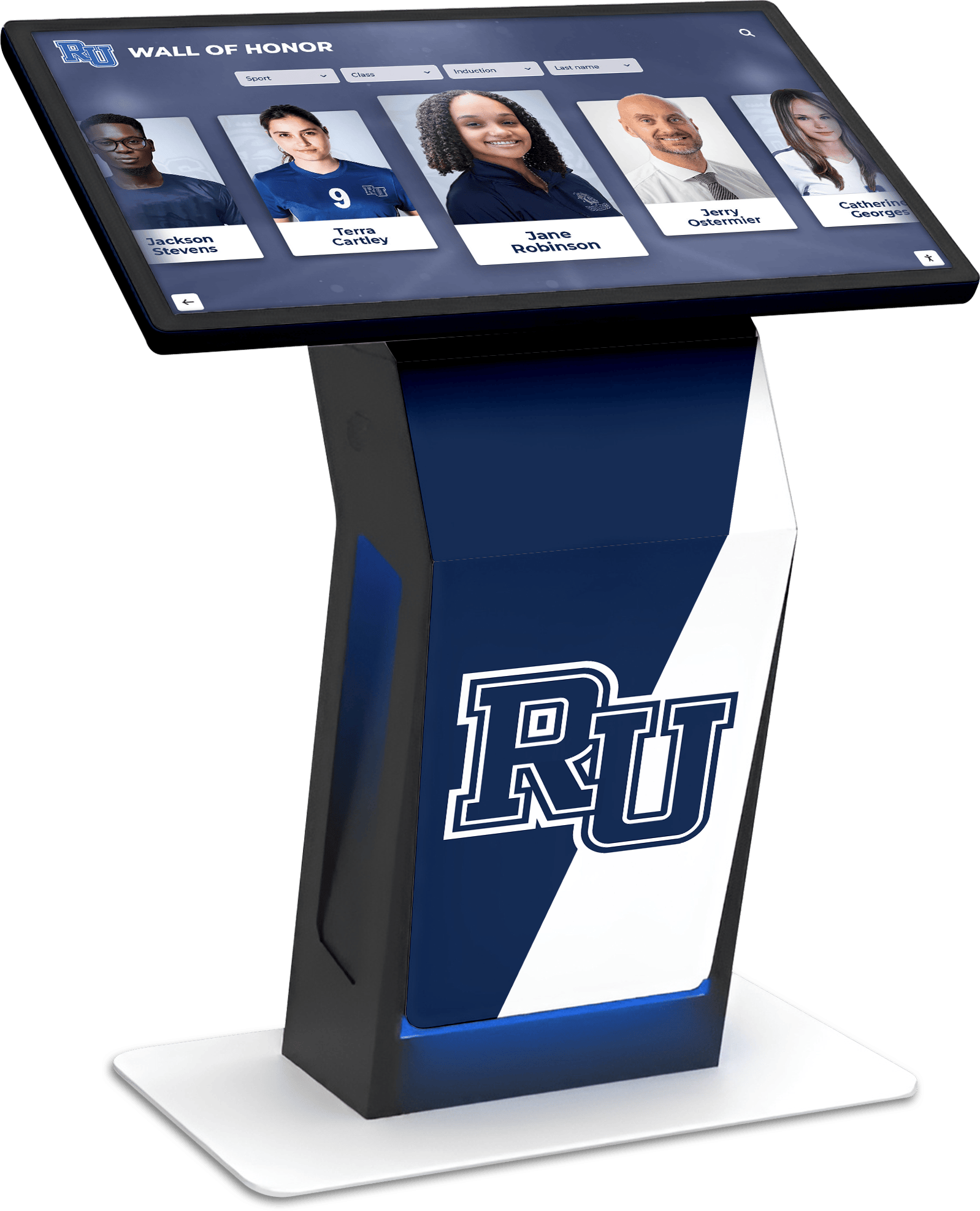
Interactive displays enable schools to showcase unlimited winter sports achievements without space constraints that limit traditional displays
Remote Content Management Cloud-based platforms simplify recognition maintenance:
- Update athlete profiles and statistics from any internet-connected device
- Add new achievements immediately after competitions without waiting for physical production
- Schedule content displays for specific dates, seasons, or events
- Bulk import championship team rosters and seasonal statistics
- Role-based permissions allowing coaches and administrators appropriate access
- Drag-and-drop interfaces requiring no technical expertise or special training
Web and Mobile Accessibility Modern systems extend recognition beyond physical locations:
- Alumni worldwide can view achievements from anywhere
- Athletes share their recognition profiles on social media platforms
- Mobile-optimized displays work seamlessly on phones and tablets
- QR codes enable instant access to complete content from physical locations
- Integration with school websites and athletic department pages
- Email notifications when new content features specific athletes or teams
Research indicates that best displays for championship brackets help communities follow tournament progression while preserving results permanently.
Award Categories for Winter Athletes
Comprehensive recognition celebrates diverse winter sports achievements:
Team Recognition
- Conference championship teams with complete rosters
- State tournament qualifier teams and advancement achievements
- Record-setting team performance seasons
- Undefeated or near-perfect season teams
- Significant tournament championships
Individual Achievement Awards
- All-conference selections in each sport
- All-state honors recognizing top statewide performers
- Statistical leaders across various categories (points, wins, times, distances)
- Program record holders in each event or statistical category
- Most improved player recognition celebrating growth and development
Character and Leadership Recognition
- Team captain and leadership acknowledgment
- Sportsmanship awards from leagues or governing bodies
- Academic all-conference and scholar-athlete honors
- Teammate awards voted by peers
- Community service recognition for off-court contributions
Coaching Excellence
- Coach of the year awards from conferences or state associations
- Milestone win achievements (100, 200, 300+ career victories)
- Multiple championship recognition
- Longevity and program development acknowledgment
- Mentor coach recognition for developing future coaches
Senior Recognition for Winter Athletes
Graduating seniors deserve special acknowledgment of their complete high school careers:
Senior Night Ceremonies
- Individual recognition during final home competitions
- Parent participation in on-court, on-mat, or poolside ceremonies
- Video tributes showcasing four-year athletic journeys
- Gift presentation and memory creation for athletes and families
- Underclassman involvement in honoring senior leadership
Comprehensive senior night planning resources help schools create memorable recognition experiences.
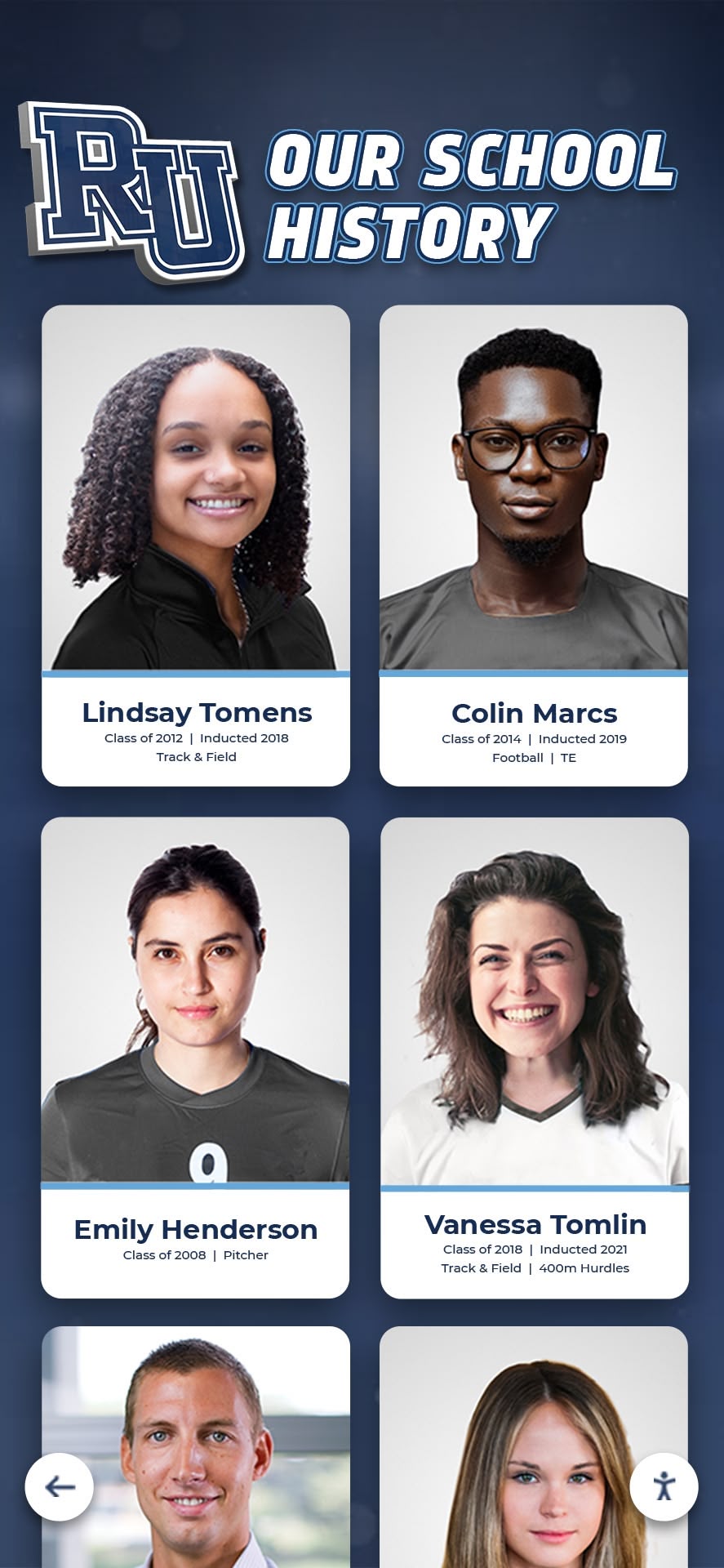
Individual athlete profiles preserve senior achievements permanently while remaining accessible to families and alumni
Comprehensive Senior Profiles
- Complete career statistics across all seasons
- Photographic documentation from freshman through senior year
- Memorable game or competition highlights
- College commitment and future plans acknowledgment
- Personal statements or reflection on athletic experience
- Permanent inclusion in digital recognition systems
End-of-Season Banquets
- Team awards and individual recognition ceremonies
- Senior speeches and team reflections
- Slideshow or video presentations celebrating the season
- Coach remarks honoring senior contributions and leadership
- Family involvement in celebrating athletic journey completion
Multi-Sport Athletes in Winter Season
Many student-athletes participate in multiple winter sports or transition between seasons, creating unique recognition considerations.
Common Multi-Sport Combinations
Basketball and Track Athletes
- Basketball season concluding enables transition to indoor track
- Shared conditioning benefits and athletic skills
- Scheduling coordination ensuring appropriate rest and recovery
- Recognition acknowledging versatility across sports
Wrestling and Football Athletes
- Many football players transition to wrestling after fall season
- Complementary strength and conditioning requirements
- Different skill sets requiring distinct technical development
- Year-round athletic competition developing toughness and resilience
Swimming and Spring Sports Athletes
- Swimmers often continue to track, tennis, or other spring sports
- Cardiovascular conditioning transferring between sports
- Off-season training maintaining fitness year-round
- Multiple state tournament qualification opportunities
Research on creating collegiate experiences for high school athletes explores how multi-sport participation enhances overall development.
Supporting Multi-Sport Athletes
Schools should actively support participation across multiple sports:
Scheduling Coordination
- Communication between coaches preventing conflicts
- Recognition when sports seasons overlap requiring choices
- Flexibility during transition periods between sports
- Academic support coordinating demands across sports and school
Recognition Approaches
- Acknowledgment of multi-sport achievement as distinct honor
- Digital displays linking athlete profiles across different sports
- Special awards celebrating athletic versatility
- Statistics and achievements from all sports included in comprehensive profiles
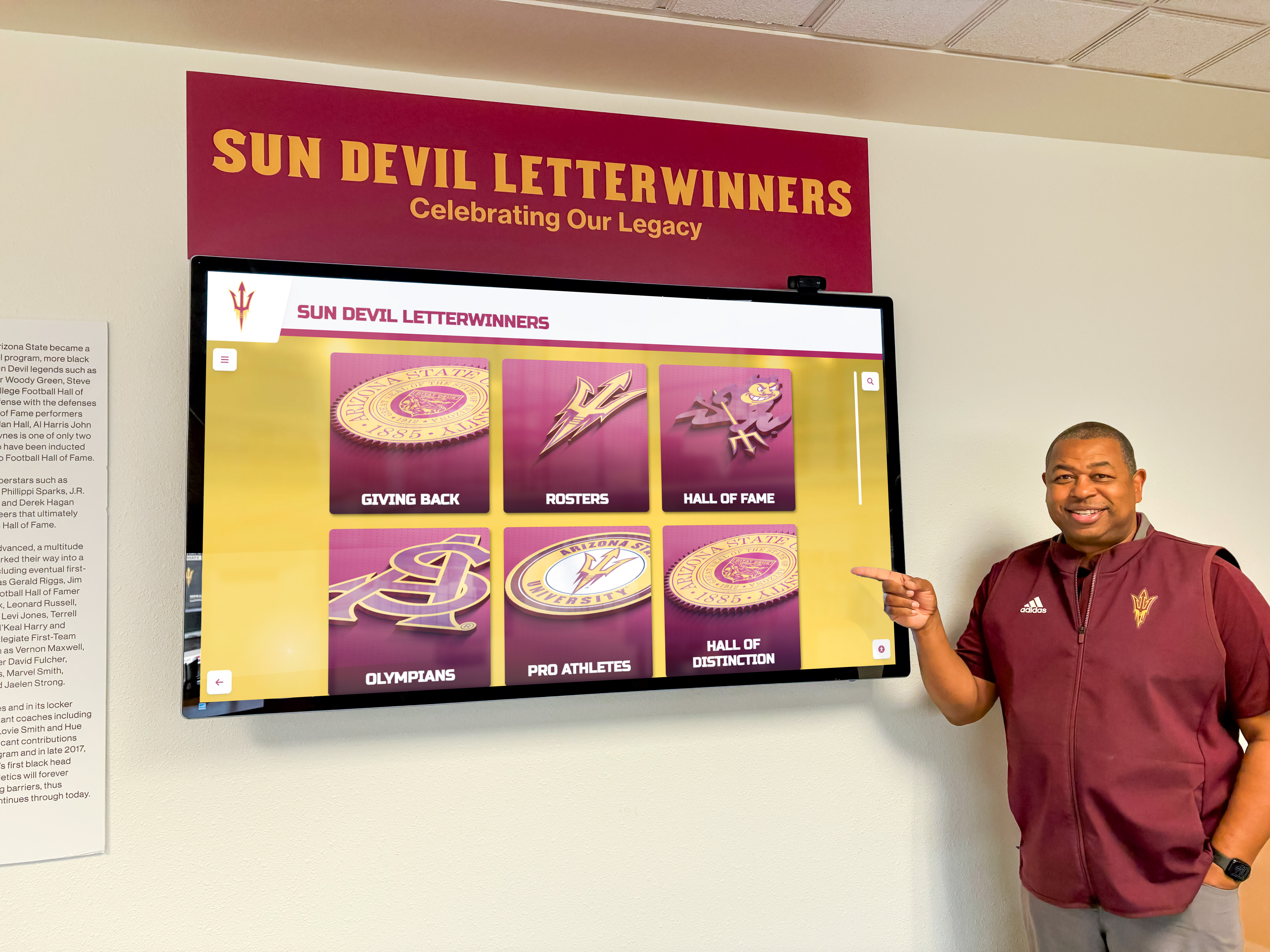
Modern recognition systems connect athlete achievements across multiple sports, showcasing complete athletic careers
The Role of Winter Sports in College Recruitment
High school winter sports create significant opportunities for athletic scholarships and college placement.
Recruitment Timeline for Winter Sports
College recruitment processes vary by sport but share common elements:
Early Identification (Freshman-Sophomore Years)
- Participation in club and travel programs beyond school teams
- Summer camps and showcases creating visibility with college coaches
- Initial communication expressing interest in college programs
- Academic focus ensuring eligibility for college athletics
Active Recruitment (Junior Year)
- Official and unofficial visits to college campuses
- Direct contact between coaches and athletes increasing
- Performance in high-stakes competitions creating recruiting opportunities
- Evaluation periods when college coaches can attend high school competitions
Commitment and Signing (Senior Year)
- Verbal commitments to college programs
- National signing day celebrations recognizing college-bound athletes
- Financial aid and scholarship finalization
- Academic requirements completion for college eligibility
Sport-Specific Considerations
Basketball
- Highly competitive recruitment with limited scholarships
- AAU and travel team participation critical for exposure
- Strength of high school program and competition level matters
- Video highlight packages and statistical documentation important
Wrestling
- College programs across Division I, II, III, and NAIA levels
- Individual achievement and tournament success crucial
- Weight class considerations affecting recruitment and college placement
- Academic qualifications particularly important in Division III
Swimming
- Qualifying times in specific events determine recruitment interest
- Club swimming participation essential for high-level recruitment
- Both boys’ and girls’ programs available across divisions
- Academic achievement valued highly in swimming recruitment
Hockey
- Junior hockey programs competing with high school for top players
- Geographic concentration in traditional hockey regions
- Limited number of college programs creating intense competition
- Strong youth development systems feeding college programs
Celebrating College Commitments
Schools should recognize athletes continuing their careers at the college level:
College Signing Day Events
- Special ceremonies acknowledging college athletic commitments
- Display of college logos, jerseys, or gear
- Family involvement in celebrating achievement
- Media coverage highlighting school’s success developing college athletes
- Permanent recognition in school displays and letters of intent showcases
Digital Recognition Integration
- College commitment information added to athlete profiles
- Updates as athletes achieve success at collegiate level
- Connection between high school and college achievements
- Alumni engagement encouraging college athletes to stay connected
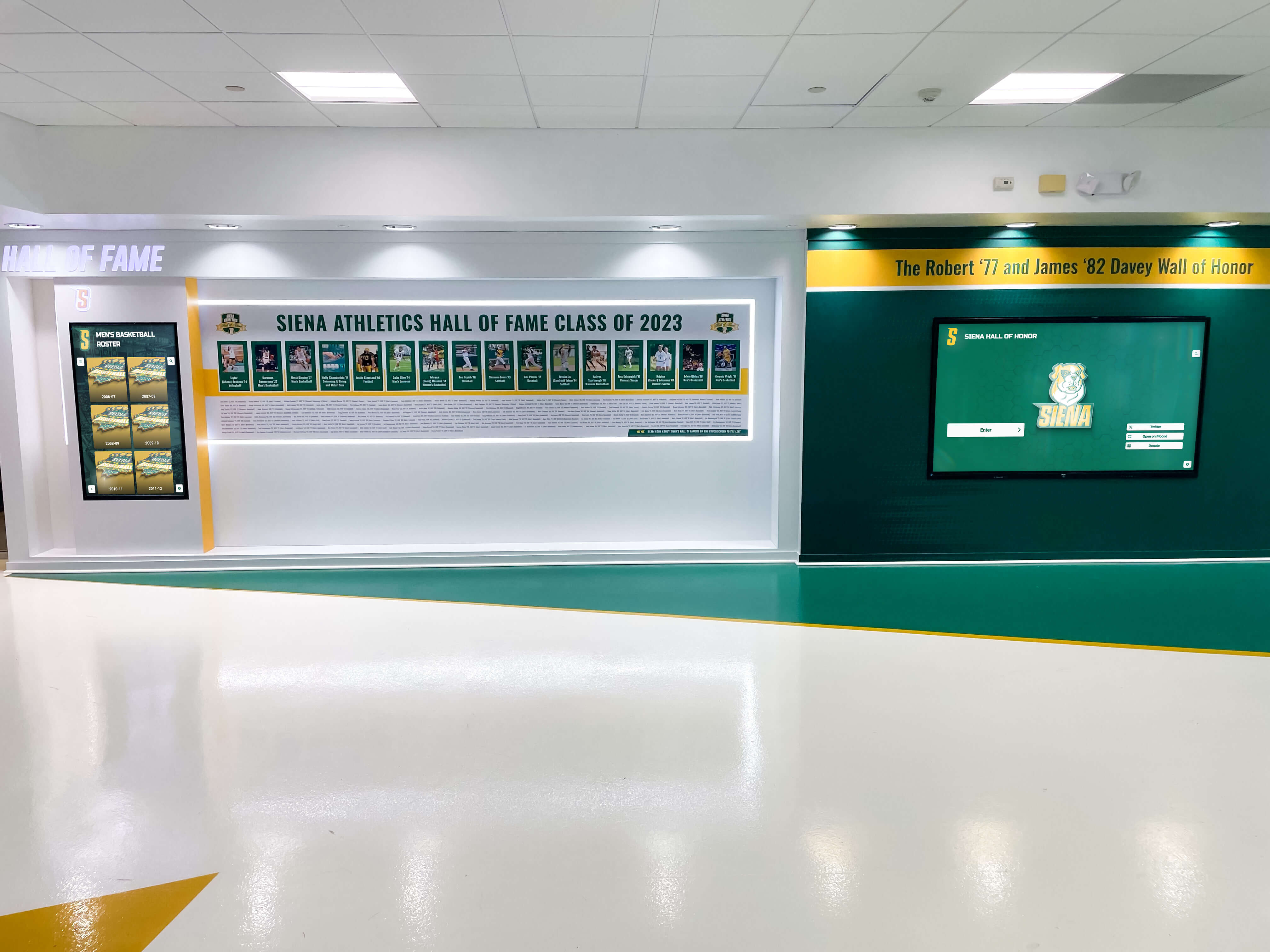
Recognizing college commitments celebrates both individual achievement and school's success developing college-level talent
Supporting Winter Athletes Beyond Competition
Comprehensive winter sports programs address needs beyond practice and competition.
Academic Support and Eligibility
Balancing athletic demands with academic responsibilities requires systematic support:
Academic Eligibility Requirements
- Minimum GPA standards for athletic participation
- Progress monitoring throughout seasons preventing surprises
- Study hall programs for athletes needing additional support
- Communication between coaches and teachers about student-athlete progress
- Academic recognition through scholar-athlete programs
Support Systems
- Tutoring programs for athletes struggling academically
- Flexible scheduling accommodating competition travel
- Teacher communication about missed class for athletics
- Priority course registration preventing scheduling conflicts
- College preparation assistance for recruiting athletes
Health and Safety in Winter Sports
Keeping athletes healthy requires comprehensive approaches:
Injury Prevention
- Proper warm-up and conditioning protocols
- Sports-specific strength and flexibility training
- Equipment safety checks and maintenance
- Playing surface and facility safety inspections
- Concussion education and baseline testing
Medical Support
- Athletic trainers at practices and competitions
- Team physicians providing medical oversight
- Emergency action plans for serious injuries
- Return-to-play protocols after injury
- Mental health resources for student-athlete wellbeing
Winter-Specific Considerations
- Heating and ventilation in practice facilities
- Cold weather protocols for outdoor sports like hockey
- Illness prevention during winter months
- Hydration despite cooler temperatures
- Seasonal affective disorder awareness in northern climates
Building Team Culture and Community
Successful programs create positive cultures extending beyond competition:
Team Building Activities
- Pre-season camps building relationships and chemistry
- Service projects connecting teams to broader communities
- Social events creating bonds between teammates
- Leadership development programs for captains and seniors
- Alumni connections mentoring current athletes
Family and Community Engagement
- Parent organizations supporting teams through volunteering and fundraising
- Booster clubs providing financial and operational support
- Community recognition of teams and achievements
- Senior night celebrations involving families
- Regular communication keeping families informed and engaged
Tradition Development
- Team rituals and pre-game routines creating identity
- Victory celebrations and championship traditions
- Historical connection to program achievements and alumni
- School-wide traditions incorporating winter sports
- Social media presence building community following
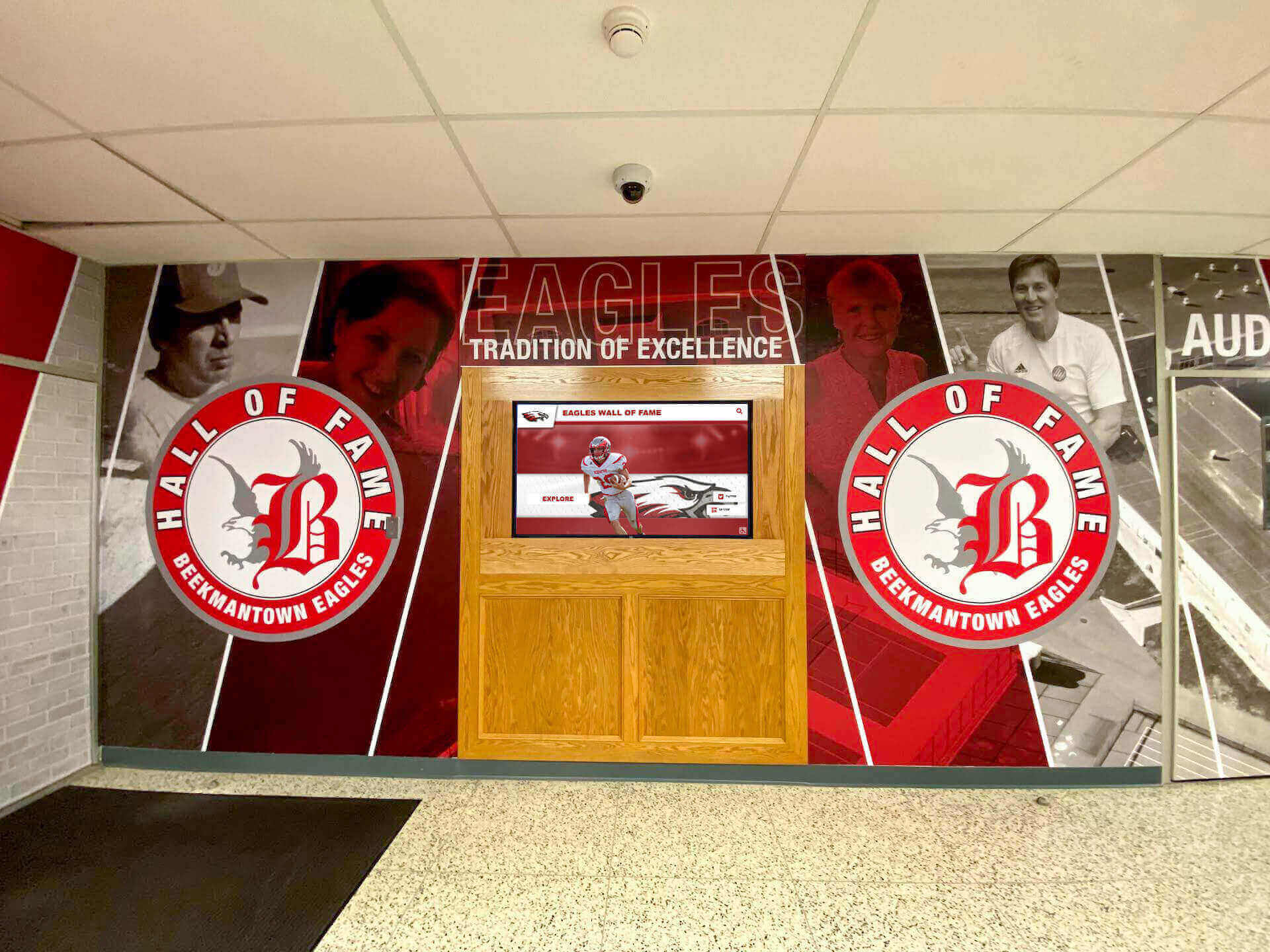
Visual displays of tradition and history strengthen team culture while connecting current athletes to program legacy
The Future of Winter Sports Recognition
Technology continues transforming how schools celebrate and preserve winter sports achievements.
Emerging Recognition Technologies
New capabilities enhance traditional approaches:
Augmented Reality Integration
- Mobile apps overlaying digital content on physical spaces
- Interactive experiences exploring historical achievements
- Virtual trophy cases accessible from anywhere
- Enhanced storytelling through multimedia integration
Solutions like touchscreen augmented reality displays create engaging recognition experiences.
Live Statistics and Performance Tracking
- Real-time statistical updates during competitions
- Performance analytics for individual athletes and teams
- Digital record boards automatically updating with new achievements
- Historical comparison enabling context for current performances
Social Media Integration
- Automated posting of achievements to school platforms
- Athlete tagging and sharing of recognition content
- Fan engagement through interactive features
- Community building around winter sports programs
Video and Multimedia Archives
- Game and competition video preservation in digital libraries
- Highlight packages celebrating athlete careers
- Searchable archives of significant moments
- Integration with recognition displays showcasing video content
Comprehensive Recognition Platforms
Modern solutions integrate multiple recognition needs:
All-Sport Recognition Systems
- Single platform managing recognition across all athletic programs
- Consistent presentation regardless of sport
- Equitable visibility for winter, fall, and spring sports
- Athletic hall of fame integration spanning decades
Academic and Athletic Integration
- Combined recognition of classroom and competition excellence
- Scholar-athlete profiles highlighting balanced achievement
- Comprehensive student profiles spanning all achievements
- National Honor Society and athletic recognition together
Donor and Booster Recognition
- Integration of supporter acknowledgment with athletic celebration
- Fundraising progress displays and campaign recognition
- Naming opportunities connected to specific sports or facilities
- Stewardship demonstration through achievement visibility
Conclusion: Celebrating Winter Sports Excellence
Winter sports create defining experiences for thousands of high school students annually, building character, teaching resilience, and creating memories lasting far beyond final buzzers, whistles, or timers. Basketball players developing skills through countless practice hours, wrestlers pushing physical and mental limits, swimmers pursuing hundredths-of-a-second improvements, hockey players embodying team commitment through shared sacrifice—all deserve recognition celebrating their dedication and achievement.
Effective winter sports programs extend far beyond competition schedules and win-loss records. They create supportive environments enabling athletes to excel, recognize excellence across diverse sports and achievement dimensions, and preserve accomplishments ensuring current athletes inspire future generations. Modern digital recognition systems make comprehensive celebration achievable regardless of school size, budget, or physical space limitations.
Schools implementing thoughtful winter sports recognition systems honor athletes’ complete journeys while building traditions strengthening programs for decades. From championship team celebrations to individual statistical achievements, from senior night ceremonies to college commitment recognition, from multi-sport versatility to character-based awards—comprehensive approaches ensure every winter athlete receives acknowledgment their dedication deserves.
Winter sports achievements merit visibility and celebration extending beyond trophy cases into permanent, accessible recognition systems connecting athletes, families, and communities across generations. With systematic planning, equitable recognition across all winter sports, and modern technology enabling unlimited digital display, schools can create comprehensive programs ensuring winter athletes receive the honor they’ve earned through their commitment, performance, and character.
Ready to create lasting recognition for your winter sports programs? Explore how solutions like Rocket Alumni Solutions help schools build comprehensive digital recognition systems celebrating winter sports excellence while preserving achievements permanently for athletes, families, and communities to explore and treasure.