The Dean’s List represents one of the most prestigious academic honors students can earn during their college career. Appearing on multiple institutions’ websites, mentioned in scholarship applications, and featured prominently on résumés, this distinction signals exceptional academic performance that sets students apart from their peers.
Yet many prospective college students, current undergraduates, and even their families struggle to understand exactly what Dean’s List status means. Requirements vary significantly between institutions, qualification processes differ across universities, and the benefits extend far beyond a line on a transcript. Meanwhile, schools face challenges in effectively recognizing and celebrating Dean’s List students in ways that motivate continued excellence and inspire other learners.
This comprehensive guide explains everything students, families, and educational administrators need to know about the Dean’s List—from qualification standards and application processes to recognition strategies and long-term career benefits.
Understanding the Dean’s List starts with recognizing it as an academic achievement honor awarded to college and university students who demonstrate outstanding performance during a specific term. Unlike graduation honors such as cum laude or magna cum laude, the Dean’s List recognizes semester-by-semester or quarter-by-quarter academic excellence, creating multiple opportunities throughout a student’s undergraduate career to earn this distinction.
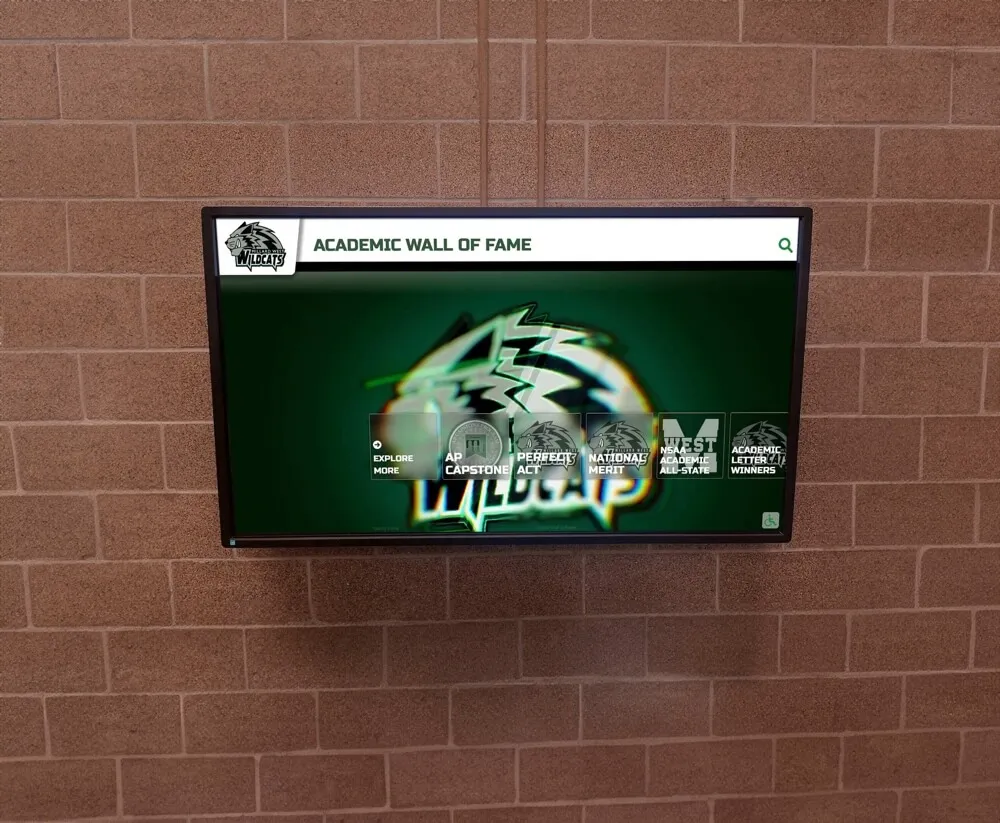
Modern recognition displays make Dean's List achievements visible and celebrated throughout campus communities
What Does Dean’s List Mean?
The Dean’s List serves as a periodic academic honor roll at the college level. Most institutions publish Dean’s List recipients following each semester or quarter, recognizing students whose grade point averages exceed established thresholds during that specific term.
Core Characteristics of Dean’s List Recognition
Periodic Achievement Acknowledgment
- Awarded each academic term rather than once at graduation
- Students can earn Dean’s List status multiple times throughout their college career
- Recognition reflects current term performance rather than cumulative achievement
- Provides regular motivation and acknowledgment of sustained excellence
- Creates multiple opportunities for recognition across four or more years
GPA-Based Qualification The primary criterion centers on grade point average performance:
- Most institutions require minimum GPAs between 3.5 and 4.0 for Dean’s List
- Some schools establish percentile-based thresholds rather than fixed GPAs
- Requirements typically apply only to letter-graded courses
- Pass/fail courses generally don’t count toward qualification calculations
- Credit hour minimums ensure part-time students maintain substantial course loads
Institution-Specific Standards Universities independently establish their own Dean’s List criteria:
- Elite institutions often require higher GPAs for qualification
- Some schools create multiple tiers including President’s List or Chancellor’s List
- Semester credit hour requirements range from 12 to 15 credits minimum
- Qualification processes and notification procedures vary significantly
- Recognition methods differ from formal ceremonies to simple transcript notations
Students should always verify their specific institution’s Dean’s List requirements rather than assuming universal standards exist across all colleges and universities.

Individual student profiles celebrate specific Dean's List achievements and academic journeys
Dean’s List Requirements: What GPA Do You Need?
While requirements vary by institution, common patterns emerge across most colleges and universities.
Typical GPA Requirements
Standard Dean’s List Thresholds Most institutions establish GPA requirements within these ranges:
- 3.5 to 3.74 GPA: Common minimum at many state universities and colleges
- 3.75 to 3.99 GPA: Standard threshold at competitive institutions
- 4.0 GPA only: Some elite universities reserve Dean’s List for perfect performance
- Top percentage approach: Select schools recognize top 10-20% of students regardless of absolute GPA
Tiered Recognition Systems Many institutions create multiple achievement levels:
- President’s List or Chancellor’s List: Typically requires 4.0 GPA for highest distinction
- Dean’s List: Usually requires 3.5 to 3.9 GPA depending on institution
- Honor Roll: Some schools add third tier for students slightly below Dean’s List threshold
- Distinguished Scholars: Institutions may create specialized categories for specific achievement types
Credit Hour Minimums
GPA alone doesn’t guarantee Dean’s List status—credit hour requirements ensure substantial course loads:
Full-Time Enrollment Standards
- 12-15 credit hours minimum: Most common requirement ensuring full-time student status
- Letter-graded courses only: Pass/fail, audit, and incomplete grades typically excluded
- Semester or quarter basis: Requirements apply to specific term rather than academic year
- Summer term variations: Some institutions adjust thresholds for compressed summer sessions
Course Type Considerations
- Only letter-graded courses count toward qualification in most cases
- Developmental or remedial courses may be excluded from calculations
- Independent study credits might have limitations depending on institution
- Transfer credits don’t typically count toward Dean’s List for that term
Institutional Variations
Elite Universities Highly selective institutions often maintain stricter standards:
- Some Ivy League schools require 3.75 or higher
- Top liberal arts colleges may limit recognition to top 15% of each class
- Research universities with rigorous grading may adjust thresholds accordingly
- Professional schools within universities often establish separate criteria

Interactive displays create opportunities for students to explore academic achievements across campus
Community Colleges Two-year institutions typically apply similar principles with slight modifications:
- Requirements often mirror four-year college standards at 3.5 GPA or higher
- Credit hour minimums may be adjusted for programs with different scheduling
- Associate degree programs maintain comparable recognition standards
- Transfer preparation emphasized alongside academic achievement
Online and Non-Traditional Programs Distance learning and adult education programs increasingly recognize Dean’s List achievement:
- Standards typically match traditional on-campus criteria
- Credit hour requirements account for accelerated or extended formats
- Recognition holds equivalent value to residential program achievement
- Fully online students receive equal consideration with on-campus peers
Understanding your specific institution’s requirements is essential—always consult your college’s academic affairs office or registrar for definitive qualification criteria.
How to Make Dean’s List: Strategic Academic Approaches
Earning Dean’s List recognition requires more than intelligence—successful students employ systematic strategies maximizing academic performance.
Foundational Academic Strategies
Course Selection and Planning Strategic enrollment decisions significantly impact GPA outcomes:
- Balanced schedules: Mix challenging courses with subjects matching your strengths
- Appropriate course loads: Taking too many difficult courses simultaneously risks lower grades
- Strategic timing: Schedule demanding courses during terms when other commitments are lighter
- Professor research: Seek instructors with teaching styles matching your learning preferences
- Distribution requirements: Complete general education requirements strategically across multiple terms
Time Management Excellence Dean’s List students consistently demonstrate superior time management:
- Study schedule consistency: Regular study sessions rather than last-minute cramming
- Syllabus mapping: Track all assignment deadlines and exam dates from day one
- Priority management: Academic work takes precedence during term time
- Buffer time: Build extra time into schedules for unexpected challenges
- Realistic commitments: Limit extracurricular activities during academically intensive terms
Comprehensive academic recognition programs celebrate multiple achievement dimensions beyond Dean’s List status.
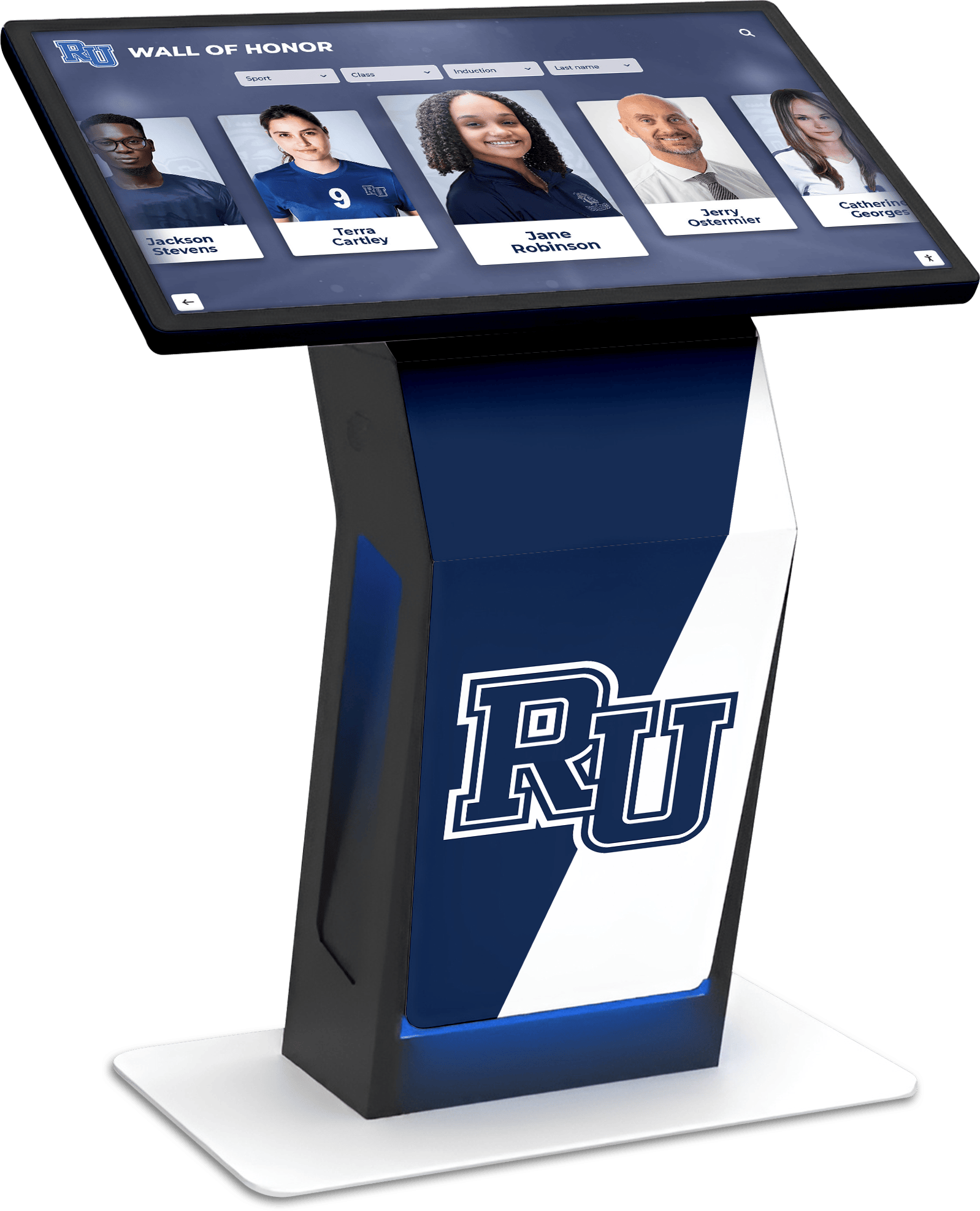
Modern recognition systems celebrate Dean's List students alongside other academic honors
Learning and Performance Optimization
Active Learning Approaches
- Class attendance: Missing classes correlates directly with lower grades
- Engagement: Active participation in discussions enhances understanding and memory
- Office hours: Regular instructor meetings clarify concepts and demonstrate commitment
- Study groups: Collaborative learning reinforces understanding through teaching others
- Practice testing: Self-quizzing identifies knowledge gaps before exams
Resource Utilization Successful students leverage all available support:
- Academic support services: Tutoring centers, writing labs, and subject-specific help
- Library resources: Research librarians and database access improve assignment quality
- Technology tools: Learning management systems and productivity applications
- Peer tutoring: Subject matter assistance from students who previously excelled
- Accommodations: Students with documented needs should utilize available support services
Assignment Excellence
- Early starts: Begin papers and projects immediately rather than waiting for deadlines
- Draft refinement: Multiple revisions significantly improve final work quality
- Rubric analysis: Understand exactly what instructors seek in each assignment
- Extra credit: Complete all optional work opportunities when available
- Clarification seeking: Ask questions about unclear expectations before submission
Strategic Considerations
Grade Protection Strategies
- Drop deadlines: Know withdrawal dates for courses not going well
- Pass/fail options: Convert struggling courses to pass/fail before calculation deadlines
- Credit distributions: Front-load easier courses early in term when adjustment time exists
- Extra credit opportunities: Pursue all available point additions
- Assignment prioritization: Focus energy on assignments weighted most heavily
Students should always balance academic excellence with wellbeing—sustainable approaches to learning produce better long-term outcomes than extreme measures risking burnout or health issues.
Benefits of Making Dean’s List
Dean’s List recognition provides both immediate advantages and long-term career benefits extending well beyond college graduation.
Academic and Scholarship Benefits
Current Educational Advantages Dean’s List status creates opportunities during college:
- Scholarship eligibility: Many academic scholarships require Dean’s List performance
- Scholarship renewal: Continued Dean’s List achievement maintains merit-based funding
- Honors program access: Some institutions link honors college admission to Dean’s List
- Priority registration: Select schools grant early course registration to Dean’s List students
- Academic recognition events: Invitations to special ceremonies and gatherings
- Dean’s List notation: Permanent documentation on official transcripts
Graduate School Applications Post-graduate educational opportunities value Dean’s List achievement:
- Application strength: Multiple Dean’s List semesters demonstrate sustained excellence
- Recommendation letters: Faculty more readily support students with proven performance
- Competitive advantage: Dean’s List status differentiates applications in competitive programs
- Teaching assistantships: Graduate funding often considers undergraduate academic recognition
- Fellowship applications: Research fellowships favor demonstrated academic excellence
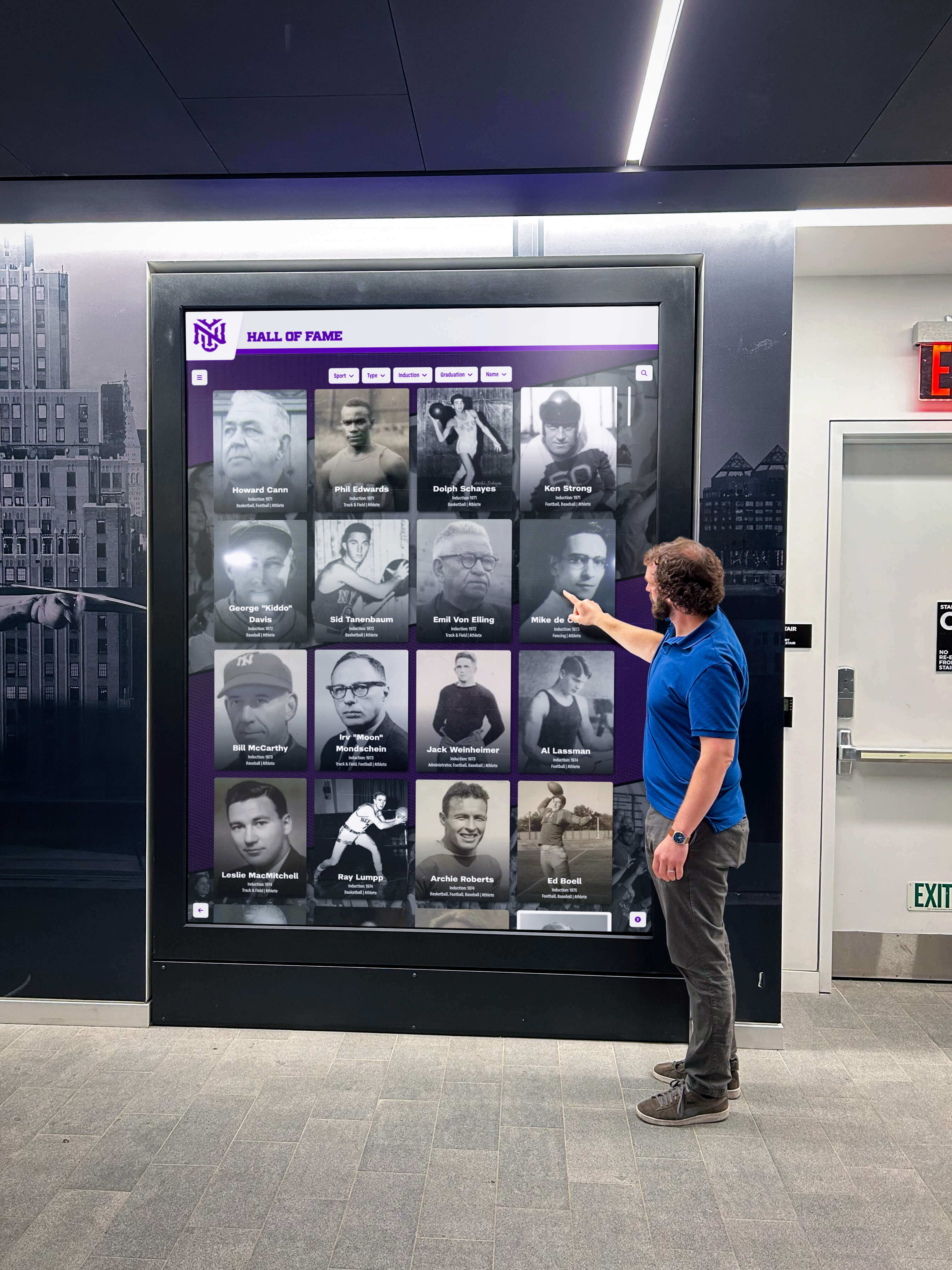
Digital displays enable families and community members to explore Dean's List achievements
Career and Professional Benefits
Employment Advantages Employers recognize Dean’s List achievement as meaningful signal:
- Résumé distinction: Dean’s List status stands out among entry-level candidates
- Interview topics: Provides positive talking point demonstrating work ethic
- Competitive industries: Finance, consulting, and technology firms value academic excellence
- Company GPA requirements: Some employers establish minimum GPAs for recruitment consideration
- Leadership potential: Academic success correlates with professional advancement capability
Long-Term Professional Impact
- Professional network: Dean’s List recognition events create peer connections with high achievers
- Alumni relationships: Recognition programs often facilitate networking with accomplished graduates
- Career advancement: Early career success trajectory often correlates with undergraduate achievement
- Graduate degree pursuit: Strong undergraduate performance enables career pivots through advanced education
- Professional confidence: Academic success builds self-efficacy translating to workplace performance
Personal and Social Benefits
Individual Development
- Self-confidence: Achievement recognition reinforces capability and potential
- Family pride: Parents and supporters celebrate meaningful accomplishment
- Peer recognition: Classmates acknowledge and respect academic excellence
- Motivation maintenance: Regular recognition reinforces continued commitment
- Identity formation: Academic achievement becomes part of personal narrative
Schools implementing digital recognition displays create visible celebration of Dean’s List students inspiring other learners.
How Schools Notify and Recognize Dean’s List Students
Institutions employ various methods to inform students of their achievement and publicly acknowledge their excellence.
Notification Processes
Direct Communication Most institutions notify Dean’s List students through multiple channels:
- Email notification: Official communication from registrar or dean’s office
- Letter mail: Some schools send formal congratulatory letters to student addresses
- Parent notification: Many institutions inform parents or emergency contacts
- Online portal: Academic records system may display achievement automatically
- Social media announcements: Schools increasingly use digital platforms for recognition
Timeline Expectations
- Processing period: Dean’s List determinations typically occur 2-4 weeks after term ends
- Grade finalization: All course grades must be submitted before calculation
- Verification process: Registrar offices audit calculations before official announcement
- Public announcement: Names released after individual notification period
- Transcript notation: Achievement appears on official transcripts following verification
Public Recognition Methods
Traditional Recognition Approaches Schools have long celebrated Dean’s List achievement through established methods:
- Printed lists: Historical approach publishing names in newspapers or campus publications
- Website posting: Most institutions now publish Dean’s List rosters online
- Social media recognition: Individual student tags and congratulatory posts
- Recognition ceremonies: Some schools host events specifically honoring academic achievers
- Dean’s reception: Invitation-only gatherings celebrating achievement with academic leaders
These approaches face limitations including static presentation, limited engagement, and space constraints for comprehensive recognition.

Strategic placement of recognition displays in high-traffic areas maximizes Dean's List visibility
Modern Digital Recognition Solutions
Progressive institutions increasingly implement touchscreen recognition displays transforming how Dean’s List achievements are celebrated:
Unlimited Recognition Capacity Digital systems eliminate space constraints limiting traditional recognition:
- Single display showcases unlimited Dean’s List students across all semesters
- Complete historical archives preserve institutional academic tradition
- All academic departments and programs receive equal recognition opportunity
- No need to remove past achievements to accommodate current recognition
Interactive Exploration Features Modern touchscreen displays create engagement impossible with static lists:
- Search functionality enabling students to find themselves and peers
- Filtering by semester, major, graduation year, and achievement type
- Individual student profiles with photos and achievement narratives
- Progress tracking showing multiple Dean’s List semesters
- Connection to other academic honors and recognitions
Simple Cloud-Based Management Remote content management eliminates administrative burden:
- Update Dean’s List rosters from any internet-connected device
- Bulk import tools for semester achievement data
- Scheduled publishing automation for each term
- Role-based permissions for appropriate staff access
- No technical expertise required for content updates
Schools implementing these systems report 80-90% reduction in time spent maintaining academic recognition displays while significantly increasing student engagement.
Solutions like digital recognition displays provide comprehensive platforms celebrating Dean’s List achievement alongside other academic honors.
Dean’s List vs. Other Academic Honors
Understanding how Dean’s List compares to other recognitions helps students and families appreciate its significance.
Distinction from Graduation Honors
Dean’s List: Periodic Term Recognition
- Awarded each semester or quarter for that term’s performance
- Based on term GPA rather than cumulative achievement
- Multiple opportunities throughout college career
- Appears on transcripts with term designation
- Recognizes sustained excellence across multiple grading periods
Cum Laude, Magna Cum Laude, Summa Cum Laude: Graduation Distinction
- Awarded once at graduation based on cumulative GPA
- Represents overall undergraduate performance across all terms
- Appears on diploma and final transcript
- More selective recognition with limited percentages qualifying
- Graduation ceremony recognition and diploma notation
Complementary Achievements Students who consistently make Dean’s List often graduate with Latin honors—the achievements reinforce rather than replace each other. Dean’s List demonstrates semester-by-semester consistency while graduation honors reflect cumulative excellence.
Comparison with Other Term-Based Recognitions
President’s List or Chancellor’s List Many institutions create tiered recognition:
- President’s List: Typically requires perfect 4.0 GPA for highest distinction
- Dean’s List: Usually 3.5-3.9 GPA range depending on institution
- Honor Roll: Some schools add third tier slightly below Dean’s List
These hierarchies enable recognition at multiple achievement levels while preserving highest honor exclusivity.
Academic All-American Recognition Student-athletes can earn specialized recognition:
- Academic All-Americans combine athletic and academic excellence
- Requires meeting sport-specific and GPA standards simultaneously
- National recognition through College Sports Information Directors of America
- Dean’s List achievement often supports but differs from Academic All-American status
Subject-Specific and Departmental Honors
Dean’s List vs. Departmental Recognition
- Dean’s List reflects overall GPA across all courses
- Departmental honors recognize excellence within specific majors
- Students can earn both general Dean’s List and departmental distinctions
- Major-specific awards often require achievement in upper-level coursework
- Both recognitions demonstrate different excellence dimensions
Honor Societies Organizations like Phi Beta Kappa, Golden Key, and discipline-specific societies:
- Require cumulative achievement meeting specific thresholds
- May consider Dean’s List achievement in selection processes
- Offer ongoing membership and networking unlike term-specific Dean’s List
- Provide distinct benefits including career resources and recognition
- Complement rather than replace Dean’s List achievement
Dean’s List at Different Institution Types
Recognition standards and practices vary across educational contexts:
Research Universities
Large Public Universities
- Typically recognize 15-20% of student body each term
- Clear GPA thresholds (often 3.5 or 3.6 minimum)
- Centralized notification through registrar
- Web-based public recognition lists
- Limited personalized acknowledgment due to scale

Comprehensive recognition systems document Dean's List achievements across academic careers
Private Research Universities
- May require higher GPAs (3.7-4.0 common)
- More selective recognition percentages
- College-specific Dean’s Lists within university
- Personalized letters from deans
- Reception events connecting students with faculty
Liberal Arts Colleges
Small College Advantages
- More personalized recognition approaches
- Faculty awareness of student achievement
- Integration with close-knit campus community
- Recognition events with meaningful faculty interaction
- Strong alumni network celebrating academic excellence
Standards at Elite Institutions
- Highly selective colleges may recognize only top 10-15%
- Grade deflation policies at some schools make achievement more challenging
- Corresponding prestige when external evaluators understand institutional rigor
- Strong correlation between Dean’s List and post-graduation success
Community Colleges
Two-Year Institution Recognition
- Standards comparable to four-year colleges
- Recognition despite transfer-focused mission
- Motivation for students continuing to bachelor’s programs
- Signal to transfer institutions of academic capability
- Same resume and application value as four-year Dean’s List
Associate degree programs implementing student recognition awards celebrate Dean’s List alongside other achievements.
Professional and Graduate Programs
Law Schools, Medical Schools, Business Schools
- Professional programs often modify traditional Dean’s List approaches
- Some use class rank rather than GPA thresholds
- Recognition reflects competitive grading in professional curricula
- Graduate school Dean’s List carries similar career signaling value
- Professional licensing and residency placement may consider achievement
Common Questions About Dean’s List
Can You Make Dean’s List with One B?
Yes, in most cases. Since typical Dean’s List requirements range from 3.5 to 3.75 GPA, students can earn one or more B grades and still qualify:
- With a 3.5 requirement, approximately half of courses could be B’s if others are A’s
- Higher requirements (3.7+) reduce how many B grades you can earn while still qualifying
- Calculation depends on credit hours—B grades in high-credit courses impact GPA more significantly
- Many students make Dean’s List without perfect 4.0 GPAs
The specific answer depends on your institution’s threshold, total credit hours enrolled, and distribution of grades across courses.
Does Dean’s List Appear on Your Diploma?
No. Diplomas typically show:
- Degree earned and major
- Graduation date
- Graduation honors (cum laude, magna cum laude, summa cum laude)
- University name and officials’ signatures
Dean’s List recognition appears on official transcripts with notation for each term earned, but not on the physical diploma itself. Graduation honors reflecting cumulative GPA appear on diplomas, while term-by-term Dean’s List designations remain on transcripts only.
How Many Times Can You Make Dean’s List?
Students can make Dean’s List every single term they qualify throughout their entire undergraduate career. There is no limit:
- Full-time students have 8 opportunities in four-year programs (fall and spring semesters)
- Some institutions recognize summer session Dean’s List as well
- Students maintaining qualification standards every term earn recognition each time
- Multiple Dean’s List semesters strengthen résumés and graduate school applications
- Consistency across many terms demonstrates sustained excellence rather than one-time achievement
Is Dean’s List Worth It?
For most students, pursuing Dean’s List provides meaningful value:
Strong Value Proposition:
- Costs nothing additional beyond normal coursework
- Requires achievement students should pursue regardless for learning outcomes
- Provides genuine competitive advantage in job searches and graduate admissions
- Creates motivation for sustained academic excellence
- Documents capability in permanent transcript record
When to Prioritize Differently: Students might reasonably deprioritize Dean’s List when:
- Severe course load would compromise learning or wellbeing
- Strategic B in extremely challenging course enables deeper engagement
- Extracurricular activities offer exceptional once-in-lifetime opportunities
- Mental health or family circumstances require modified expectations
For students capable of achieving Dean’s List through healthy study habits and appropriate course loads, the recognition provides clear benefits justifying the effort.
Can Part-Time Students Make Dean’s List?
This varies by institution. Many colleges do recognize part-time student achievement:
Common Approaches:
- Some schools adjust credit hour minimums for part-time students (6-9 credits minimum)
- Other institutions limit Dean’s List to full-time enrollment only
- Policies typically appear in college catalog or academic affairs documentation
- Part-time students should verify their institution’s specific policy
Non-Traditional Student Considerations:
- Adult learners taking reduced course loads may qualify if institution allows
- Online program students follow same policies as on-campus students
- Evening and weekend college programs typically apply equivalent standards
- Summer sessions sometimes have modified credit requirements due to compressed timeline
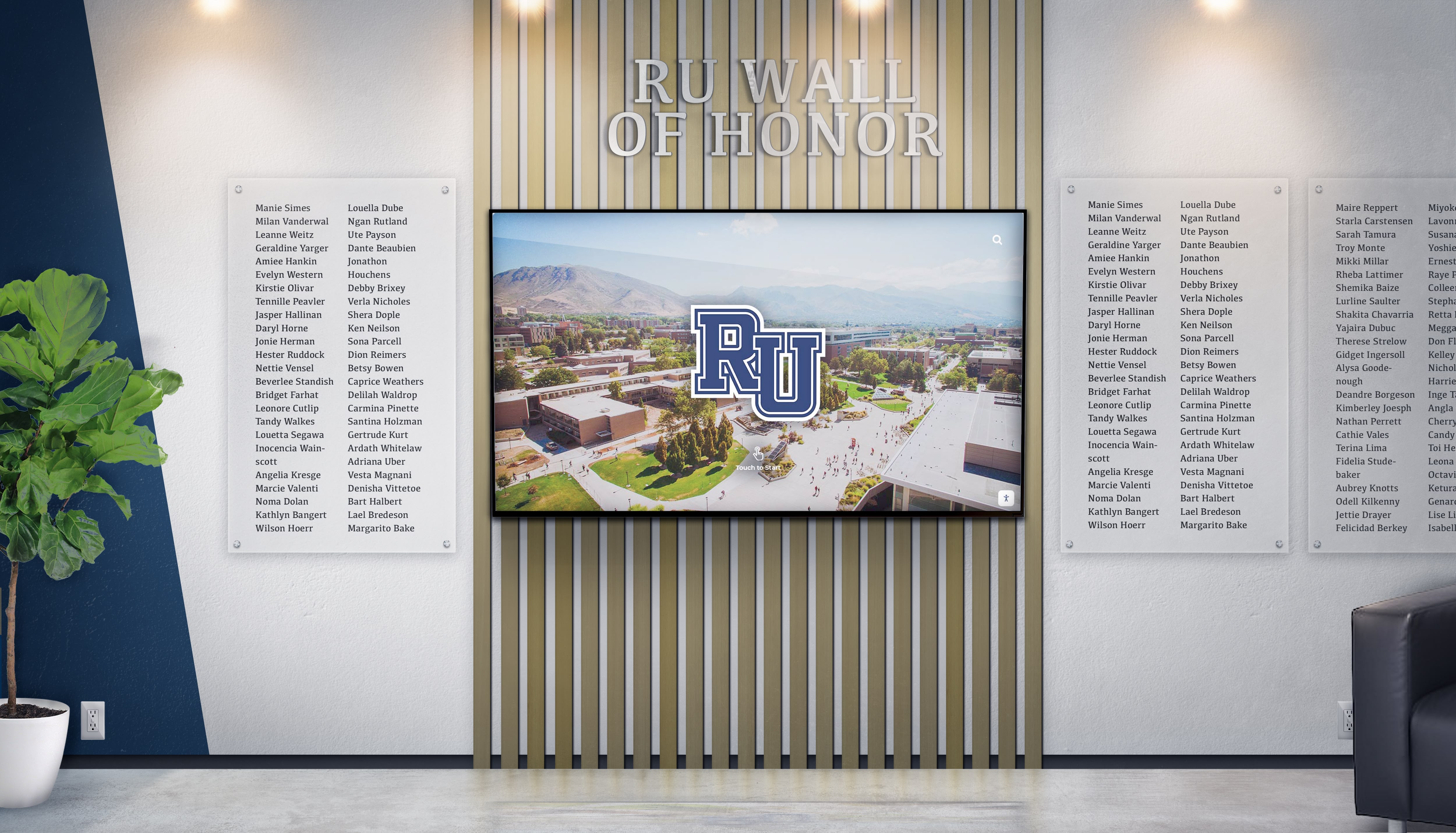
Integrated recognition systems celebrate Dean's List achievement alongside other academic honors
Conclusion: Dean’s List as Academic Excellence Milestone
The Dean’s List represents far more than a line on a transcript—it embodies sustained academic excellence, intellectual commitment, and the dedication required to perform at high levels semester after semester. For college students, this recognition provides motivation, opens opportunities, and creates competitive advantages in graduate admissions and employment searches. For educational institutions, celebrating Dean’s List achievement reinforces academic culture while recognizing the students who exemplify institutional values.
Understanding Dean’s List requirements, pursuing strategic approaches to academic success, and appreciating the recognition’s long-term benefits enables students to maximize this achievement opportunity. Whether you’re a prospective college student planning your academic approach, a current undergraduate working toward your next Dean’s List semester, or a college administrator seeking better ways to celebrate student achievement, this guide provides the frameworks for success.
Modern institutions increasingly recognize that traditional static lists or newspaper publications fail to adequately celebrate Dean’s List achievement. Digital recognition displays create interactive, engaging platforms ensuring every qualifying student receives visibility while inspiring peers to pursue similar excellence. These systems eliminate space constraints, enable rich storytelling about student achievement, and maintain permanent archives preserving institutional academic tradition.
For students pursuing Dean’s List recognition, remember that sustainable approaches produce the best outcomes. Strategic course selection, consistent study habits, resource utilization, and healthy work-life balance enable long-term success rather than short-term burnout. The Dean’s List should represent genuine learning and intellectual growth—when it does, the recognition becomes meaningful celebration of real accomplishment rather than hollow credential.
Your academic achievements deserve celebration creating lasting recognition and opening future opportunities. Whether you’re earning your first Dean’s List semester or your eighth consecutive recognition, each achievement represents dedication worth acknowledging and success worth preserving.
Ready to explore how your institution can better celebrate Dean’s List and other academic achievements? Discover digital recognition solutions that make comprehensive student recognition achievable for schools and universities of all sizes.