Junior Reserve Officers’ Training Corps (JROTC) represents one of the most comprehensive character development and citizenship programs available to high school students in the United States. With over 550,000 cadets participating annually across more than 3,500 schools nationwide, JROTC offers structured leadership training, academic support, and personal development opportunities that extend far beyond military preparation.
Despite its name and military sponsorship, JROTC is fundamentally a citizenship program focused on developing responsible, motivated young adults who understand the value of service, discipline, and community engagement. The program operates in public, private, and charter high schools across all 50 states, providing students with skills that translate directly to college success, career advancement, and civic leadership regardless of whether they pursue military service.
This comprehensive guide explores what JROTC truly offers, how programs operate, the benefits students gain, and what parents and school administrators should understand about implementing or joining these transformative educational programs.
Understanding JROTC begins with recognizing what the program is—and what it isn’t. JROTC serves as a citizenship development program that happens to be sponsored and partially funded by military branches, not a recruitment tool or military training program for high school students.
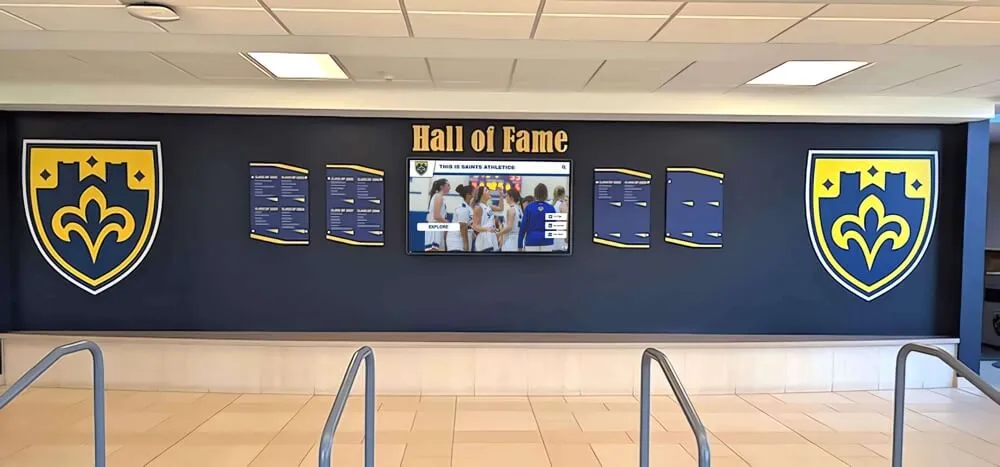
JROTC units create strong identity and pride through visible recognition of cadet achievements and unit history
What JROTC Actually Is: Program Overview and Mission
The Junior Reserve Officers’ Training Corps exists as a federal program administered by different branches of the U.S. military, operating in partnership with high schools to develop citizenship and leadership skills in students.
Official JROTC Mission and Purpose
Each military branch operates JROTC programs with consistent core missions focused on developing:
Primary Program Objectives
- Educating and training high school students in citizenship, leadership, and life skills
- Promoting community service and developing responsible young adults
- Instilling values of self-discipline, respect, and personal responsibility
- Developing critical thinking and problem-solving capabilities
- Building character and fostering appreciation for service to others
According to the Department of Defense, JROTC’s stated mission is “to motivate young people to be better citizens,” not to recruit future military members. Fewer than 40% of JROTC graduates ever join the military, demonstrating the program’s effectiveness as general leadership and citizenship development rather than military pipeline.
What JROTC Is NOT
- A military recruitment program (no obligation to join armed forces)
- Basic training or military boot camp experience
- Preparation for combat or military operations
- Required to involve physical training beyond standard PE requirements
- Focused exclusively on students planning military careers
This distinction matters significantly for parents and students evaluating whether JROTC aligns with their values and goals.
The Five JROTC Branch Programs
JROTC operates through five distinct military branch programs, each maintaining unique traditions while sharing common leadership development objectives:
Army JROTC (AJROTC) The largest JROTC program with approximately 1,700 units nationwide:
- Focuses on leadership theory, military history, and citizenship
- Includes drill and ceremony, physical fitness components
- Offers specialized teams including rifle marksmanship, drill, and color guard
- Curriculum emphasizes character development and life skills
- Instructors are retired Army officers and non-commissioned officers
Navy JROTC (NJROTC) Operating in roughly 600 schools with strong emphasis on naval science:
- Curriculum includes naval history, navigation, and oceanography
- Focus on leadership through maritime tradition and teamwork
- Drill teams, academic competitions, and community service
- STEM-oriented content integrated throughout courses
- Instructors are retired Navy personnel
Air Force JROTC (AFJROTC) Approximately 900 units emphasizing aerospace science and technology:
- Curriculum features aerospace science, aviation history, and space exploration
- Strong focus on technology, science, and engineering concepts
- Cyber patriot competitions and STEM emphasis
- Leadership laboratory activities and service learning
- Instructors are retired Air Force personnel
Marine Corps JROTC (MCJROTC) Around 240 units emphasizing core values and leadership:
- Intense focus on honor, courage, and commitment
- Physically demanding with strong emphasis on fitness
- Leadership through example and personal accountability
- Community service and citizenship emphasis
- Instructors are retired Marine Corps personnel
Coast Guard JROTC The newest and smallest program with selective availability:
- Focus on maritime safety, environmental protection, and humanitarian service
- Emphasizes search and rescue, maritime law, and navigation
- Community service orientation
- Currently available in limited locations
- Instructors are retired Coast Guard personnel
Most students don’t choose their JROTC branch—rather, they join whichever program their school offers. However, the branch determines some aspects of curriculum, uniform, and program culture.
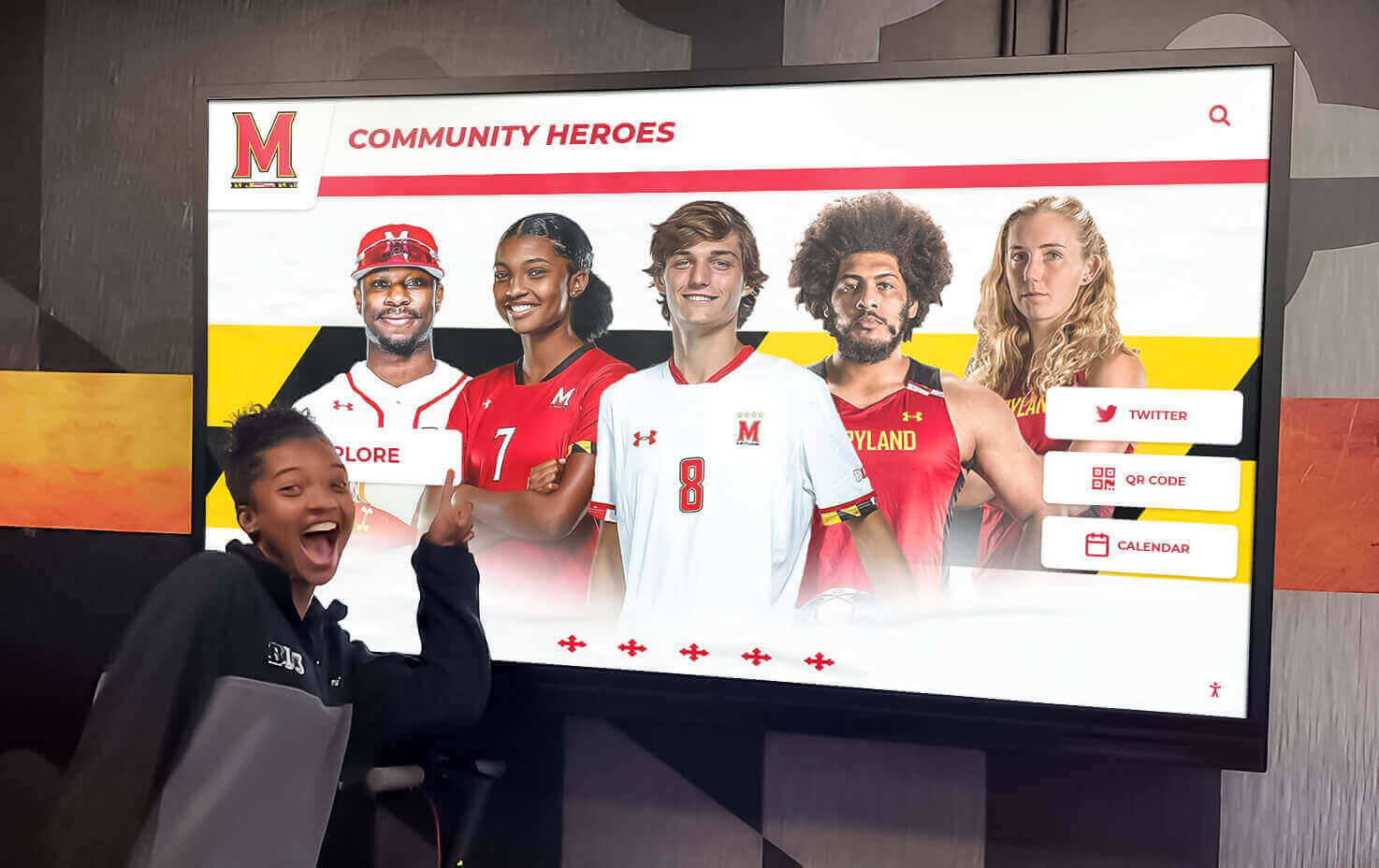
Modern schools recognize diverse student achievements including JROTC leadership, academics, and community service
JROTC Curriculum and Program Structure
JROTC operates as a multi-year elective course sequence, typically available to students in grades 9-12, with curriculum becoming progressively advanced.
Academic Curriculum Components
JROTC combines classroom instruction with practical leadership experiences:
First-Year (LET 1 - Leadership Education and Training I)
- Introduction to JROTC program and military heritage
- Basic citizenship concepts and civic responsibility
- Communication skills and effective presentations
- Study skills and academic success strategies
- Health, wellness, and physical fitness foundations
- First aid and emergency preparedness basics
Second-Year (LET 2)
- Leadership theory and practical application
- Map reading, land navigation, and orienteering
- Career exploration and planning
- Financial literacy and life management skills
- Expanded physical fitness and wellness programs
- Team building and group dynamics
Third-Year (LET 3)
- Advanced leadership roles mentoring younger cadets
- Project management and organizational skills
- Conflict resolution and mediation techniques
- Advanced citizenship and civic engagement
- Career-specific exploration and preparation
- Service learning project leadership
Fourth-Year (LET 4)
- Senior leadership positions running unit operations
- Mentorship and teaching younger cadets
- Advanced problem-solving and critical thinking
- Capstone projects and presentations
- College and career transition preparation
- Unit legacy building and tradition maintenance
Like comprehensive student recognition programs, JROTC emphasizes documenting student growth and achievement throughout their high school careers.
Cadet Leadership Hierarchy and Ranks
JROTC programs mirror military rank structures, creating leadership opportunities at multiple levels:
Cadet Enlisted Ranks First-year students typically begin as basic cadets, progressing to cadet corporal or sergeant as they demonstrate competence and leadership potential. These ranks provide first supervisory experiences leading small teams.
Cadet Non-Commissioned Officer (NCO) Ranks Second and third-year cadets frequently hold positions like cadet staff sergeant or sergeant first class, responsible for squad and platoon leadership while mentoring junior cadets.
Cadet Officer Ranks Advanced third-year and fourth-year cadets may earn positions as cadet lieutenant, captain, or battalion commander, assuming significant leadership responsibilities for entire programs including training planning, event coordination, and unit management.
This hierarchical structure provides multiple leadership opportunities ensuring students at all experience levels develop progressively challenging skills—similar to how athletic leadership structures create development pathways from freshman to team captain.
Extra-Curricular JROTC Activities
Beyond classroom curriculum, JROTC offers extensive co-curricular opportunities:
Competitive Teams
- Drill and ceremony competitions (armed and unarmed)
- Color guard presentations and competitions
- Academic bowls and leadership competitions
- Physical fitness challenges and orienteering meets
- CyberPatriot computer security competitions
- Rifle marksmanship (air rifle, highly supervised)
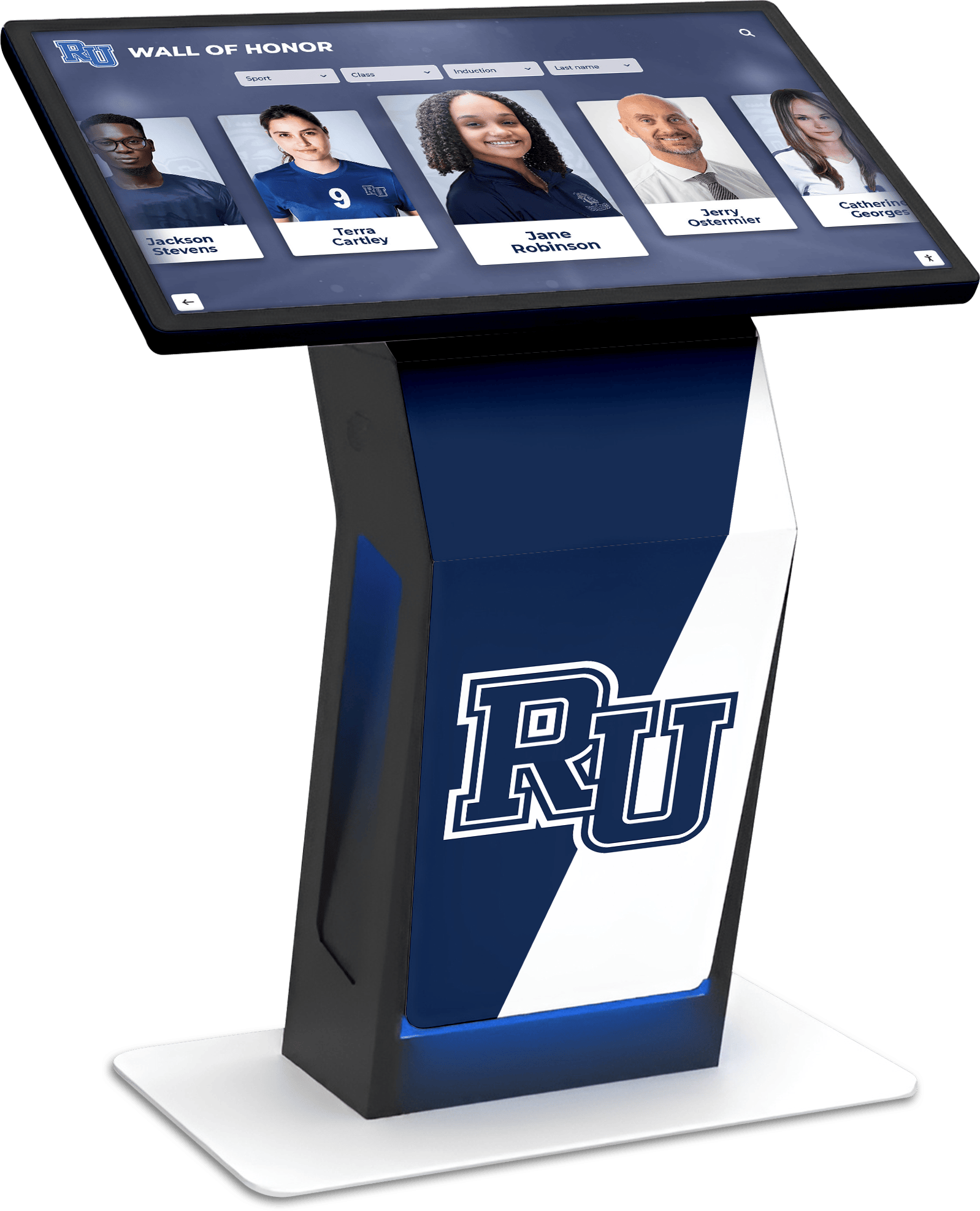
Digital recognition systems showcase JROTC cadet achievements alongside other student accomplishments
Service Learning Projects
- Community service initiatives and volunteer projects
- School event support and campus improvement projects
- Veterans’ home visits and support activities
- Community fundraising for charitable causes
- Environmental cleanup and beautification projects
Leadership Conferences and Camps Many JROTC programs offer summer leadership camps, regional conferences, and specialized training opportunities that extend learning beyond the regular school year.
Benefits of JROTC Participation for Students
Students participating in JROTC consistently report benefits extending far beyond high school, affecting college success, career advancement, and personal development.
Leadership and Character Development
The most significant JROTC benefit involves systematic leadership development through progressively responsible positions:
Practical Leadership Experience
- Real supervisory responsibilities managing peers and younger students
- Decision-making experience with actual consequences
- Public speaking through presentations, briefings, and ceremonies
- Team management and group motivation skills
- Conflict resolution and problem-solving under pressure
Research from the University of Kentucky found JROTC participants demonstrate significantly higher leadership confidence and civic engagement compared to peers, with effects persisting years after graduation.
Character and Values Development
- Discipline and self-control through structured expectations
- Integrity and ethical decision-making emphasis
- Service mindset and community orientation
- Respect for authority and chain of command understanding
- Personal accountability and responsibility
These character elements align with recognition of student excellence across multiple achievement dimensions beyond academics alone.
Academic Benefits and College Preparation
JROTC participation correlates with improved academic outcomes:
Academic Performance Data
- JROTC cadets demonstrate higher graduation rates (95%+) compared to national averages
- Improved attendance and reduced disciplinary incidents among participants
- Enhanced study skills and time management capabilities
- Better academic focus and goal orientation
- Increased college enrollment rates among JROTC graduates
College Application Advantages
- Demonstrated leadership through documented positions and responsibilities
- Community service hours accumulated through required activities
- Unique extracurricular involvement distinguishing applications
- Strong recommendation letters from military instructor mentors
- Evidence of commitment through multi-year participation
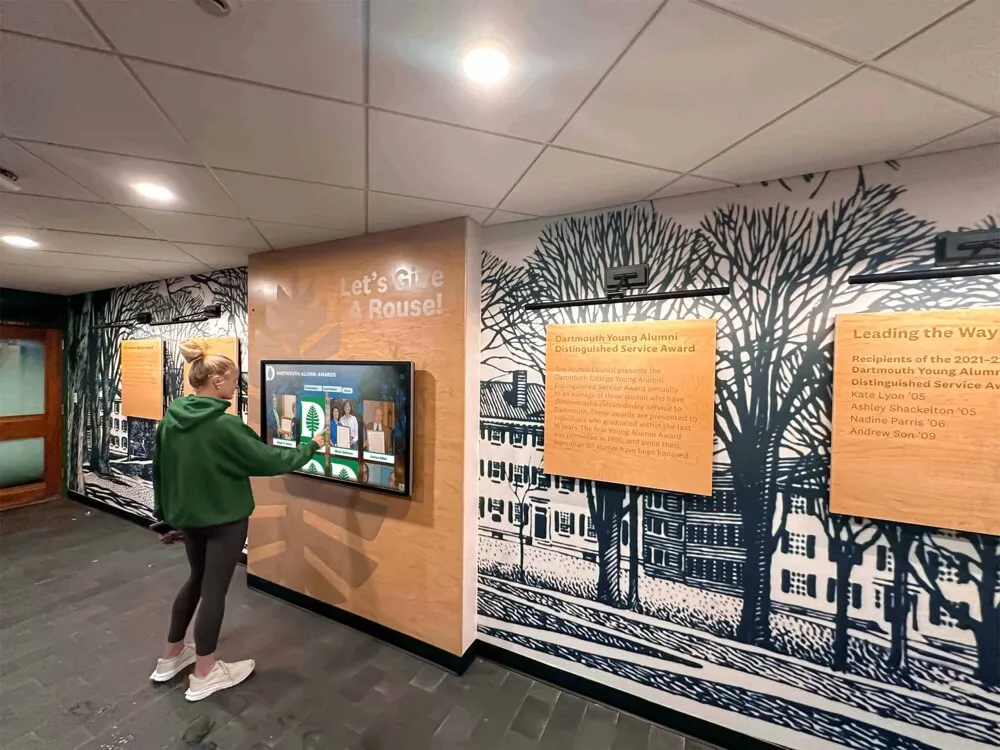
Interactive displays enable students to explore their own achievements and leadership progression throughout high school
Scholarship and Financial Benefits
JROTC opens doors to significant scholarship opportunities:
ROTC College Scholarship Eligibility Students who participate in JROTC and subsequently join college-level ROTC programs receive preferential consideration for competitive scholarships:
- Army ROTC scholarships covering full tuition, fees, and stipends
- Navy-Marine ROTC scholarships at participating universities
- Air Force ROTC scholarships including flight training opportunities
- Enhanced scholarship competitiveness through demonstrated commitment
Military Service Benefits Students who do choose military service after JROTC participation receive advantages:
- Advanced rank upon military entry (typically E-2 or E-3 instead of E-1)
- Additional pay immediately upon entering service
- Preference for certain training schools and career fields
- Demonstrated leadership potential from JROTC evaluations
Private Scholarships Numerous organizations offer scholarships specifically for JROTC participants, recognizing the leadership development and community service commitment the program represents.
Physical Fitness and Wellness
JROTC incorporates physical fitness as part of holistic development:
Fitness Program Components
- Regular physical training appropriate to student fitness levels
- Wellness education covering nutrition, health, and lifestyle choices
- Team fitness activities building camaraderie
- Individual fitness goal-setting and progress tracking
- Presidential Physical Fitness Test preparation and achievement
Schools recognize diverse achievement including athletic awards alongside JROTC leadership and academic excellence through comprehensive recognition systems.
Career Exploration and Professional Skills
JROTC provides career readiness skills applicable across all professional fields:
Professional Development Skills
- Resume writing and job application preparation
- Interview skills and professional presentation
- Business communication and email etiquette
- Time management and organizational skills
- Professional appearance and grooming standards
Career Exposure Opportunities
- Guest speakers from various career fields
- Job shadowing and mentorship connections
- Career fair participation and exploration
- Workplace readiness certification programs
- Networking skills and relationship building
Similar to career and technical education programs, JROTC prepares students for professional success regardless of chosen career path.
Common JROTC Myths and Misconceptions
Several persistent misconceptions create unnecessary hesitation about JROTC participation.
Myth: JROTC is Military Recruitment
Reality: JROTC exists as a citizenship program, not a recruiting tool. The Department of Defense explicitly states that JROTC aims to develop better citizens, not recruit future soldiers. Approximately 60-65% of JROTC graduates never serve in any branch of military, instead pursuing civilian college and career paths. Students incur zero military obligation through JROTC participation.
Myth: JROTC Involves Combat Training
Reality: JROTC curriculum focuses on leadership theory, citizenship, and life skills—not combat preparation. While programs may include drill and ceremony, map reading, and physical fitness, no combat tactics, weapons training (beyond supervised air rifle marksmanship sport), or military combat preparation occurs in JROTC programs.
Myth: JROTC is Only for Students Interested in Military Careers
Reality: JROTC serves students pursuing any post-secondary path. College-bound students gain leadership experience and scholarship opportunities. Career-focused students develop professional skills and work ethic. Students interested in public service, education, business, healthcare, or any field benefit from leadership development, character education, and teamwork skills JROTC provides.
Myth: JROTC Promotes Militarism
Reality: JROTC emphasizes service, citizenship, and community contribution—values extending far beyond military culture. Programs require extensive community service hours and focus heavily on civic responsibility. Many JROTC activities involve environmental projects, veterans’ home visits, school event support, and charitable fundraising completely unrelated to military operations.
Myth: JROTC Discriminates or Excludes Students
Reality: JROTC programs welcome all students regardless of physical fitness level, academic standing, or background. Programs provide accommodations for students with disabilities and adapt physical requirements to individual capabilities. JROTC serves as one of the most diverse student organizations in most schools, bringing together students across all demographic groups.

Comprehensive recognition systems celebrate achievements across athletics, academics, and leadership programs like JROTC
What Parents Should Know About JROTC
Parents evaluating JROTC for their children should understand both the commitment involved and the genuine benefits the program provides.
Time Commitment and Expectations
Academic Requirements JROTC operates as a regular elective course meeting daily during the school schedule. Students receive academic credit (typically PE or elective credit) for participation. Class time typically involves 45-60 minutes daily of instruction, leadership activities, and physical training.
Beyond-School Activities While daily class is mandatory, additional activities are generally optional:
- After-school practices for competitive teams (2-3 days per week for participants)
- Weekend competitions or service projects (occasional, usually monthly)
- Annual military ball or formal event (optional social activity)
- Summer camp opportunities (optional, typically one week)
Most JROTC students balance participation with other activities including sports, clubs, part-time jobs, and family commitments. The program typically proves less time-intensive than many school athletic teams.
Financial Considerations
Minimal Cost to Families JROTC programs require minimal financial investment from families:
- Uniforms provided at no cost (students receive dress uniforms and typically fatigues)
- Textbooks and instructional materials provided by program
- Transportation to local events often school-provided
- Most activities and competitions free to participants
Optional Expenses Some optional costs may include:
- Military ball tickets (typically $20-40, similar to school dances)
- Team travel costs for distant competitions (for competitive team participants)
- Personal equipment for specialized activities (typically under $50)
- Senior cadet recognition items and memorabilia
JROTC remains one of the most accessible extra-curricular activities, with costs far below most sports, performing arts, or other competitive programs.
Academic Eligibility and Participation Rules
Enrollment Requirements Most schools allow any student in grades 9-12 to enroll in JROTC regardless of:
- Previous fitness level or athletic experience
- Academic GPA (though some schools require minimum 2.0 to maintain eligibility)
- Previous leadership experience
- Physical disabilities (reasonable accommodations provided)
Ongoing Eligibility Students typically must maintain:
- Passing grades in all classes (standard athletic eligibility requirements)
- Acceptable attendance records
- Appropriate behavior and discipline standards
- Progress toward graduation requirements
Similar to how schools structure academic recognition opportunities, JROTC creates achievement pathways accessible to students at all levels.
Student Withdrawal and Flexibility
Students can withdraw from JROTC following standard school policies for changing electives. First-year students unsure about the program can typically try one semester before committing. Parents should discuss timing with school counselors to ensure withdrawal doesn’t negatively impact graduation requirements or schedule.
Implementing JROTC Programs: Guidance for School Administrators
School administrators considering JROTC implementation should understand the process, requirements, and considerations involved.
JROTC Program Requirements and Approval Process
Federal Requirements for New Programs Military branches establish specific requirements for schools seeking JROTC units:
Student Enrollment Minimums
- Minimum 100 students initially enrolled (typically 10% of student body)
- Commitment to maintain at least 100 cadets or 10% enrollment
- Evidence of sustained student interest over multiple years
- Plan for recruiting and maintaining enrollment levels
School Commitments
- Classroom space dedicated to JROTC program
- Storage facilities for uniforms, equipment, and materials
- Indoor and outdoor space for drill, PT, and activities
- Budget for program supplies and field trips (federal funding covers instructors and most materials)
- Administrative support and schedule accommodation
Application Process Schools apply directly to the relevant military branch (most commonly Army) through formal proposal process including:
- School board approval and community support documentation
- Facilities assessment and space allocation plans
- Enrollment projections and recruitment strategies
- Integration plan with existing curriculum and programs
Competition for new JROTC units can be intense, particularly in areas with multiple schools interested. Strong community support and documented student interest strengthen applications significantly.
Instructor Requirements and Federal Support
Military Instructor Qualifications JROTC programs receive instructors who are:
- Retired commissioned officers or senior non-commissioned officers
- Certified teachers meeting state education requirements
- Trained specifically in JROTC curriculum and adolescent development
- Typically local to the school’s geographic area
Federal Funding and Support The Department of Defense provides substantial support for JROTC programs:
- Full salary payment for instructors (schools pay zero for instructor salaries)
- Uniforms, textbooks, and educational materials at no cost to schools
- Equipment for drill, physical training, and classroom instruction
- Curriculum development and updates maintained federally
- Professional development and training for instructors
Schools typically budget $10,000-20,000 annually for transportation, supplemental materials, and program-specific needs, while federal support exceeds $150,000 per program annually, making JROTC one of the most cost-effective programs schools can offer.
Integration with School Culture and Existing Programs
Complementing Existing Programs Successful JROTC programs integrate seamlessly with school priorities:
- Supporting athletic programs through discipline and fitness focus
- Enhancing student government through leadership development
- Providing service hours supporting National Honor Society requirements
- Creating pathways for students not engaged in traditional activities
- Contributing to school events through color guard, ceremony support, and volunteers
Schools should communicate clearly that JROTC complements rather than competes with other programs, serving a unique niche while supporting overall school culture.
Community Engagement and Support Strong JROTC programs build community connections through:
- Veterans’ Day and patriotic ceremony leadership
- Community service projects visible throughout local area
- Partnerships with veterans’ organizations and military support groups
- Participation in community parades and civic events
- Recognition events showcasing cadet achievements to families and community
Recognition of JROTC achievements alongside other student accomplishments demonstrates institutional support and integration. Modern digital recognition displays enable schools to celebrate JROTC leadership, academic excellence, athletic achievement, and arts accomplishments through unified systems accessible to entire school communities.
Recognizing JROTC Achievement and Building Unit Pride
Creating visible recognition for JROTC accomplishments reinforces program value and motivates continued excellence.
Traditional JROTC Recognition Methods
Ribbons and Awards JROTC maintains elaborate ribbon and medal systems recognizing:
- Academic excellence and honor roll achievement
- Leadership positions and responsibility
- Community service hours and project completion
- Competition victories and team achievement
- Personal improvement and sustained effort
- Perfect attendance and exemplary conduct
These awards wear on cadet uniforms during formal events, creating visible achievement documentation.
Promotion Ceremonies Regular promotion ceremonies recognize cadets advancing in rank, providing formal acknowledgment of leadership development and responsibility increase.
Annual Awards and Honors Year-end recognition includes:
- Outstanding Cadet awards by class year
- Branch-specific superior cadet designations
- Service awards for community contribution
- Team championships and competition victories
- Instructor awards for sustained excellence
Modern Digital Recognition for JROTC Programs
Traditional recognition methods face limitations including limited display space, difficulty keeping recognition current, and challenges showcasing comprehensive achievement over time. Digital recognition solutions overcome these constraints while creating dynamic engagement.
Interactive Digital Displays for JROTC Recognition
Modern schools implement touchscreen recognition systems showcasing JROTC achievements alongside other student accomplishments:
- Comprehensive Achievement Documentation: Digital displays showcase cadet progression from freshman through senior year, documenting rank advancement, position held, awards earned, and service projects completed
- Competition Results and Team Achievements: Schools display drill team championships, academic bowl victories, marksmanship competition results, and other team accomplishments with photos, scores, and participant rosters
- Service Project Showcases: Community service initiatives receive visibility through photo galleries, project descriptions, and hour tracking demonstrating JROTC community impact
- Historical Unit Archives: Digital platforms preserve unit history across decades, connecting current cadets with alumni achievements and traditions
- Leadership Progression Tracking: Visual representation of cadet development from basic cadet through battalion commander positions
Benefits of Digital JROTC Recognition
Modern recognition technology provides advantages traditional methods cannot:
- Unlimited Recognition Capacity: Showcase all cadets and all achievements without space constraints
- Easy Updates and Maintenance: Remote content management from any internet-connected device
- Engaging Exploration: Students search, filter, and explore achievements interactively
- Family Access: Web-based extensions enable parents and relatives nationwide to view cadet accomplishments
- Integration with Other Programs: Unified recognition systems celebrate JROTC alongside athletics, academics, and arts

Schools integrate digital recognition with traditional displays creating comprehensive celebration of all student achievements
Schools implementing comprehensive recognition systems report increased program pride, improved recruitment, and stronger community engagement as JROTC accomplishments receive visibility equal to athletic championships and academic excellence.
JROTC and Future Opportunities
Participation in JROTC creates pathways to diverse post-secondary opportunities extending far beyond military service.
College and ROTC Pathways
Enhanced College Applications Admissions officers consistently value JROTC participation for demonstrating:
- Sustained commitment through multi-year participation
- Leadership experience through documented positions
- Community service through required projects
- Character development and discipline
- Teamwork and organizational skills
Students should highlight JROTC leadership positions prominently on college applications, detailing specific responsibilities and accomplishments.
ROTC Scholarship Competitiveness Students continuing to college-level ROTC programs benefit from JROTC experience:
- Higher scholarship award rates for JROTC alumni
- Advanced standing in college ROTC programs
- Peer leadership roles in university cadet battalions
- Smooth transition to increased responsibility
- Established military knowledge and terminology
Career Advantages Beyond Military Service
JROTC alumni pursuing civilian careers leverage program experience:
Leadership Positions Earlier Employers consistently note JROTC alumni demonstrate leadership readiness earlier in careers, moving into supervisory positions faster than peers without similar experience.
Professional Skills Foundation JROTC-developed skills translate directly to civilian workplace success:
- Time management and organizational abilities
- Professional communication and presentation skills
- Team leadership and conflict resolution
- Personal discipline and reliability
- Service orientation and work ethic
These transferable skills benefit students regardless of chosen career path, from healthcare to business, education to technology.
Networking and Connections JROTC creates lasting networks:
- Alumni connections across diverse career fields
- Instructor mentorship extending beyond high school
- Veteran community relationships and support
- Fellow cadet relationships becoming lifelong professional networks
Similar to how alumni networks connect graduates across generations, JROTC creates communities of former cadets who support each other throughout careers.
Resources for Students, Parents, and Administrators
Numerous resources provide additional information for those exploring JROTC opportunities.
Official JROTC Resources
Branch-Specific Information
- U.S. Army JROTC: Official program information, curriculum details, and unit locator
- Naval Sea Cadet Corps and Navy JROTC: Naval science curriculum and program specifics
- Air Force JROTC: Aerospace science focus and program requirements
- Marine Corps JROTC: Corps values and leadership emphasis details
- Contact information available through school JROTC instructors or district offices
Finding JROTC Programs
Local Program Location Students and parents can identify nearby JROTC programs through:
- School district websites listing available programs
- Direct contact with high school counseling offices
- Military branch JROTC headquarters maintaining unit databases
- State education department resources
Students in districts without JROTC may inquire whether nearby districts allow non-resident enrollment in JROTC classes specifically, as some communities permit cross-district participation in unique programs.
Supporting JROTC in Your Community
Community members and alumni can support local JROTC programs through:
- Booster club participation and fundraising support
- Guest speaking and career mentorship for cadets
- Sponsorship of competition teams and activities
- Attendance at JROTC recognition events and ceremonies
- Advocacy for program resources and facility improvements
Strong community support enhances JROTC program quality and sustainability while demonstrating to cadets that their service and development matters to their broader community.
Conclusion: JROTC as Transformative Student Development
Junior Reserve Officers’ Training Corps represents far more than military introductory programming—it provides comprehensive character development, leadership training, and citizenship education transforming students regardless of their post-secondary paths. For students seeking structured leadership opportunities, character development, community service experiences, and preparation for college and career success, JROTC offers unparalleled systematic development through progressively responsible positions, mentorship from dedicated instructors, and peer communities united around service values.
Parents evaluating JROTC should recognize the program’s minimal cost, flexible commitment structure, and evidence-based benefits including improved academics, higher graduation rates, and enhanced college preparation. The program welcomes all students regardless of fitness level, academic standing, or future plans, creating inclusive communities where diverse students find belonging and purpose.
School administrators considering JROTC implementation should understand the substantial federal support available, minimal district cost, and powerful impact on school culture and student outcomes. JROTC programs create leadership pathways serving students not engaged in traditional athletics or performing arts while reinforcing institutional values around service, character, and excellence.
Recognizing JROTC achievement alongside other student accomplishments demonstrates that leadership, service, and character development matter as much as academic honors and athletic championships. Schools creating comprehensive recognition systems celebrating diverse achievement dimensions build inclusive cultures where all students find pathways to recognition and belonging.
Whether you’re a student exploring high school opportunities, a parent evaluating programs for your child, or an administrator considering JROTC implementation, understanding what JROTC truly offers—and what it doesn’t—enables informed decisions about this transformative educational program.
Ready to create comprehensive recognition systems celebrating JROTC leadership alongside all student achievements? Rocket Alumni Solutions provides touchscreen recognition platforms that showcase cadet accomplishments, leadership progression, competition victories, and service projects through interactive displays accessible to your entire school community. Our cloud-based systems make updating recognition simple while providing unlimited capacity for celebrating every student’s achievements across academics, athletics, arts, and leadership programs including JROTC.