Every school year, countless students and families eagerly await the announcement of honor roll recipients. This academic recognition appears in school newsletters, gets celebrated at assemblies, and earns prominent placement on college applications. Yet many students, parents, and even educators hold misconceptions about what honor roll actually means, how requirements differ across institutions, and why this form of academic acknowledgment matters for student motivation and future opportunities.
Honor roll represents one of the most widely recognized forms of academic achievement recognition in K-12 education, celebrating students who demonstrate excellence or significant improvement in their coursework during a specific grading period. Unlike graduation honors or college-level distinctions, honor roll provides regular, periodic recognition throughout a student’s educational journey, creating multiple opportunities for acknowledgment and motivation.
This comprehensive guide explores everything students, families, and educators need to understand about honor roll—from qualification requirements and benefit strategies to recognition approaches and modern digital solutions that transform how schools celebrate academic excellence.
Understanding honor roll starts with recognizing its fundamental purpose: providing systematic recognition for students who excel academically during specific marking periods. Schools use honor roll designation to acknowledge consistent academic performance, motivate continued excellence, create positive peer influence around achievement, provide external validation for student effort, and establish clear academic standards and expectations.
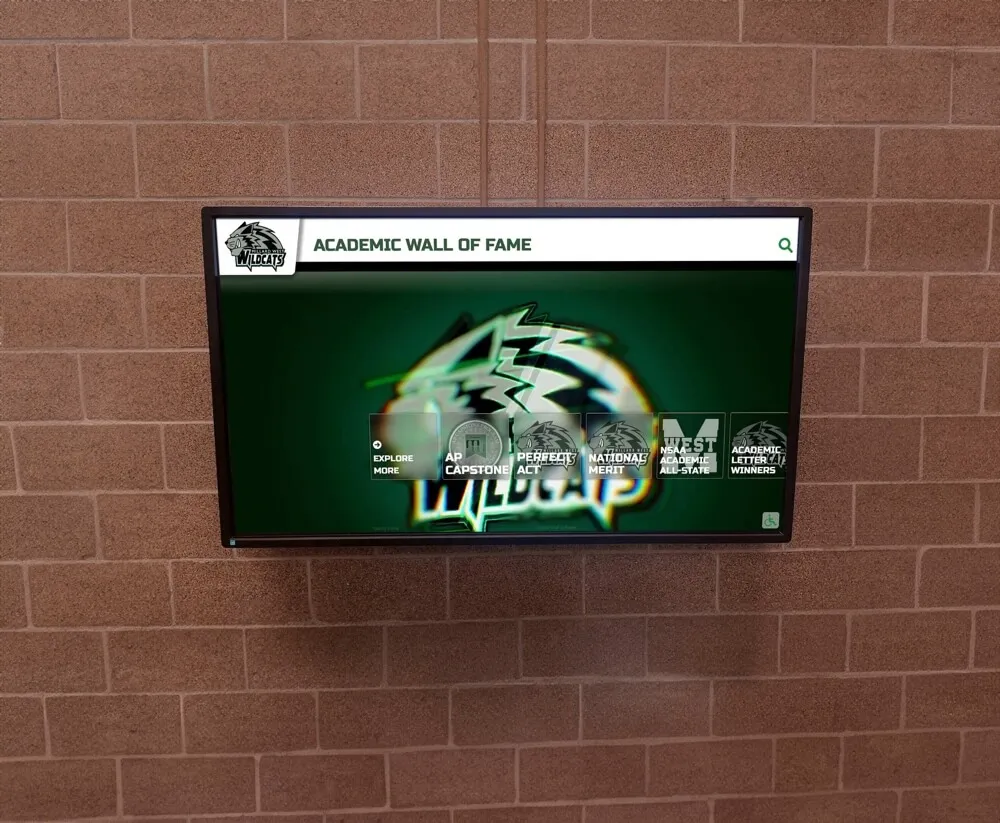
Modern recognition displays make honor roll achievements visible throughout school communities, inspiring academic excellence
What Does Honor Roll Mean?
Honor roll designates students who achieve specific grade point average thresholds or meet other academic performance criteria during a particular grading period—typically a quarter, trimester, or semester.
Core Characteristics of Honor Roll Recognition
Periodic Achievement Acknowledgment
Unlike graduation honors awarded once at the end of high school, honor roll recognition occurs multiple times throughout each school year:
- Awarded at the end of each grading period rather than once annually
- Students can earn honor roll status repeatedly across multiple years
- Recognition reflects current period performance rather than cumulative achievement
- Provides regular motivation and acknowledgment opportunities
- Creates consistent goals throughout the academic year
Grade-Based Qualification
The primary criterion centers on grades and grade point average:
- Most schools require minimum GPAs between 3.0 and 4.0 for basic honor roll
- Some institutions establish multiple honor roll tiers at different GPA levels
- Requirements typically apply only to academic courses
- Elective courses may or may not count toward qualification calculations
- Behavior and citizenship requirements may supplement academic criteria
School-Specific Standards
Individual schools, districts, and states establish their own honor roll criteria:
- Elementary schools often use different systems than middle or high schools
- Private and public schools may have varying standards
- Some schools create percentile-based thresholds rather than fixed GPAs
- Recognition titles vary from “Honor Roll” to “Principal’s List” to “High Honor Roll”
- Notification procedures and celebration methods differ significantly
Students and families should always verify their specific school’s honor roll requirements rather than assuming universal standards exist across all educational institutions.

Individual student profiles celebrate specific honor roll achievements and academic journeys
Honor Roll Requirements: What Grades Do You Need?
While requirements vary by institution, common patterns emerge across most K-12 schools implementing honor roll programs.
Typical GPA and Grade Requirements
Standard Honor Roll Thresholds
Most schools establish GPA requirements within these ranges:
- B Average (3.0 GPA): Common minimum for basic honor roll recognition
- B+ Average (3.5 GPA): Standard threshold for high honor roll at many schools
- Straight A’s (4.0 GPA): Required for highest distinction levels
- No Failing Grades: Most programs require passing grades in all courses
- Weighted vs. Unweighted: Some schools use weighted GPAs accounting for advanced course difficulty
Elementary School Honor Roll
Elementary institutions often adapt recognition to developmental levels:
- Many elementary schools use letter grade systems rather than GPA calculations
- Common requirements include all A’s and B’s or primarily A’s for high honor roll
- Some schools incorporate effort and citizenship marks into qualification
- Standards may vary by grade level accounting for developmental progression
- Recognition often emphasizes improvement and growth alongside absolute performance
Middle School Honor Roll
Transitional years introduce more structured requirements:
- Most middle schools transition to GPA-based calculations
- Typical thresholds include 3.0 for honor roll and 3.5 for high honor roll
- Some schools begin distinguishing core academic courses from electives
- Behavior and citizenship requirements become more common
- Recognition systems prepare students for high school academic expectations
High School Honor Roll
Secondary schools maintain rigorous standards:
- Standard honor roll typically requires 3.0-3.3 GPA minimum
- High honor roll usually requires 3.5-3.7 GPA or higher
- Principal’s list or highest distinction often demands 4.0 GPA
- Weighted GPA systems may adjust thresholds for honors and AP courses
- Some schools exclude certain courses from calculations
- College preparatory focus emphasizes transcript implications

Interactive displays create opportunities for students to explore academic achievements across campus
Additional Qualification Criteria
Attendance Requirements
Many schools incorporate attendance into honor roll qualification:
- Maximum number of absences allowed per grading period
- Distinction between excused and unexcused absences
- Tardiness policies affecting qualification
- Medical exemptions for documented health conditions
- Athletic or school activity absences handled separately
Citizenship and Behavior Standards
Academic performance alone may not guarantee honor roll status:
- Satisfactory conduct grades required in all classes
- Disciplinary actions potentially disqualifying students
- Detention or suspension consequences for honor roll eligibility
- Respect and responsibility expectations beyond academics
- Character education values integrated into recognition criteria
Schools implementing comprehensive academic recognition programs celebrate honor roll alongside other achievement dimensions creating holistic student recognition systems.
Types of Honor Roll Recognition
Many schools create tiered recognition systems acknowledging achievement at multiple levels.
Common Honor Roll Tiers
Standard Honor Roll
Basic honor roll represents solid academic performance:
- Typically requires 3.0-3.3 GPA or equivalent letter grades
- Recognizes students maintaining B average or better
- Most inclusive tier providing recognition opportunities for broader student population
- Celebrates consistent effort and academic responsibility
- Provides stepping stone toward higher achievement levels
High Honor Roll
Elevated recognition for superior academic performance:
- Usually requires 3.5-3.7 GPA or primarily A grades
- Distinguishes exceptional students from solid performers
- Demonstrates sustained excellence across multiple subjects
- Often carries additional visibility and celebration
- May provide special privileges or recognition events

Modern recognition systems celebrate honor roll students alongside other academic honors
Principal’s List or Highest Honors
Top tier reserved for exceptional achievement:
- Frequently requires perfect 4.0 GPA or all A grades
- Most selective recognition tier with fewest recipients
- Demonstrates exceptional dedication and intellectual capability
- Receives highest profile celebration and acknowledgment
- Particularly valuable for college applications and scholarship consideration
Merit Roll or Honorable Mention
Some schools add intermediate categories:
- Recognizes students just below standard honor roll thresholds
- May acknowledge significant improvement even without reaching honor roll GPA
- Provides motivation for students approaching honor roll qualification
- Prevents discouragement for students making progress
- Creates additional recognition opportunities across performance levels
Specialized Honor Roll Categories
Subject-Specific Honor Roll
Recognition in individual academic areas:
- Mathematics honor roll for students excelling in math courses
- Reading or English language arts honor roll
- Science achievement recognition
- Social studies excellence
- World language proficiency acknowledgment
- STEM honor roll combining science, technology, engineering, and math
Improvement Honor Roll
Acknowledging growth and progress:
- Recognizes students showing significant GPA improvement
- Celebrates upward academic trajectory regardless of absolute performance
- Motivates continued effort from students at various achievement levels
- Particularly valuable for students overcoming academic challenges
- Creates success stories inspiring other learners
Perfect Attendance Honor Roll
Combining attendance with academics:
- Recognizes students meeting both honor roll GPA and perfect attendance
- Emphasizes importance of consistent school presence
- Acknowledges commitment and responsibility beyond grades alone
- May be separate recognition or enhanced honor roll designation
- Promotes attendance as component of academic success
Schools celebrating diverse achievements often implement student achievement recognition strategies that honor honor roll alongside athletic, artistic, and service accomplishments.
Benefits of Making Honor Roll
Honor roll recognition provides both immediate advantages and long-term benefits extending throughout students’ educational and professional journeys.
Academic and Educational Benefits
Scholarship Opportunities
Honor roll achievement opens financial aid doors:
- Many merit-based scholarships require consistent honor roll performance
- Some scholarships specifically target honor roll students
- Cumulative honor roll achievement strengthens scholarship applications
- Local community scholarships often prioritize honor roll recipients
- National scholarship programs consider honor roll as achievement indicator
- Financial benefits can significantly reduce college education costs
College Application Enhancement
Post-secondary admissions value honor roll achievement:
- Demonstrates sustained academic performance rather than isolated excellence
- Multiple honor roll appearances show consistency and dedication
- Selective colleges recognize honor roll as achievement baseline
- Provides talking point for essays and interviews
- Distinguishes applications in competitive admission processes
- Particularly valuable when combined with challenging course loads
Academic Confidence Building
Recognition reinforces positive academic identity:
- Success breeds confidence encouraging continued academic risk-taking
- Students develop belief in their intellectual capabilities
- Positive feedback cycle promoting sustained effort
- Reduces academic anxiety through validated competence
- Encourages participation in advanced courses and programs
- Builds foundation for lifelong learning orientation
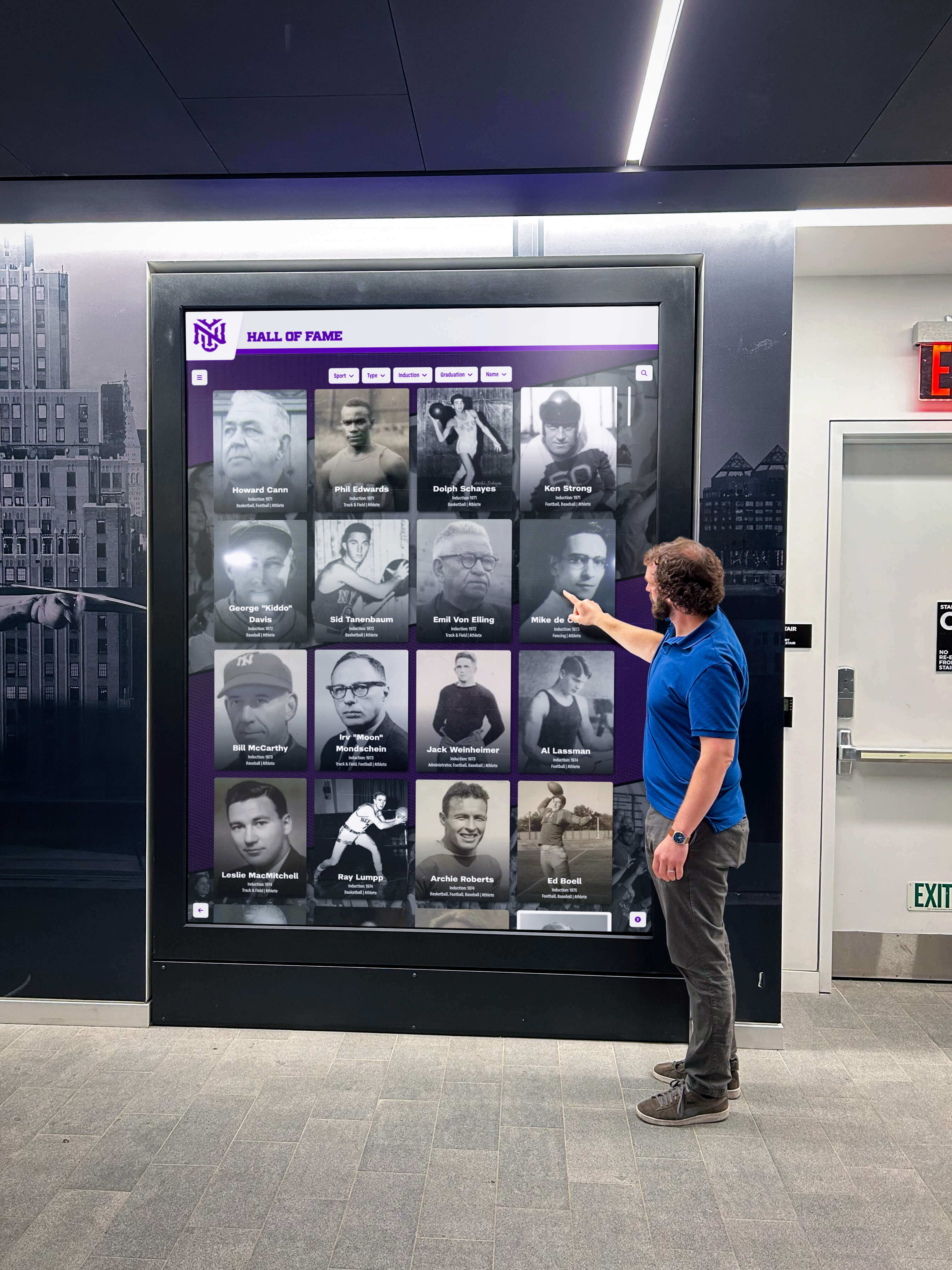
Digital displays enable families and community members to explore honor roll achievements
Personal and Social Benefits
Family Pride and Connection
Academic achievement strengthens family relationships:
- Parents and guardians celebrate meaningful accomplishment
- Recognition provides positive conversation topics and bonding opportunities
- Extended family members share in student success
- Creates positive memories and traditions around education
- Counterbalances focus on behavioral or social challenges
- Builds family support systems around academic values
Peer Recognition and Influence
Honor roll status affects student social dynamics:
- Academic achievement receives public acknowledgment and respect
- Peer recognition normalizes intellectual effort and excellence
- Students become positive role models for classmates
- Creates peer groups oriented toward academic success
- Reduces negative peer pressure around academic achievement
- Builds social capital based on intellectual accomplishment
Personal Motivation and Goal-Setting
Regular recognition creates achievement cycles:
- Short-term goals provide manageable achievement targets
- Success motivates continued effort through visible acknowledgment
- Creates habit of setting and achieving academic objectives
- Develops persistence and delayed gratification capabilities
- Builds internal motivation supplementing external recognition
- Establishes achievement orientation extending beyond academics
Long-Term Career and Life Benefits
Professional Opportunities
Honor roll achievement signals valuable characteristics:
- Early career employers recognize academic excellence indicators
- Demonstrates work ethic, responsibility, and capability
- Provides conversation topics in job interviews
- Internship and entry-level programs may prioritize honor roll students
- Professional school applications value sustained academic achievement
- Creates foundation for lifelong professional development
Character Development
Academic recognition builds essential life skills:
- Develops discipline and time management capabilities
- Strengthens goal-setting and achievement competencies
- Builds resilience through meeting challenging standards
- Creates self-efficacy extending beyond academic contexts
- Demonstrates ability to meet external standards and expectations
- Prepares students for achievement-oriented adult environments
Students pursuing dean’s list achievement in college often build on honor roll success established during secondary school years.
How to Make Honor Roll: Strategies for Success
Earning honor roll recognition requires more than intelligence—successful students employ systematic approaches maximizing academic performance.
Study Habits and Academic Practices
Consistent Study Routines
Regular study habits outperform last-minute cramming:
- Daily homework completion and review sessions
- Consistent study schedule rather than sporadic effort
- Dedicated study space free from distractions
- Study time proportional to course difficulty and current performance
- Regular review preventing knowledge gaps and confusion
- Time management balancing academics with other responsibilities
Active Learning Techniques
Effective study methods improve retention and understanding:
- Note-taking during lectures and reading assignments
- Self-quizzing and practice testing before assessments
- Teaching concepts to others reinforcing personal understanding
- Creating study guides and concept maps organizing information
- Connecting new learning to previous knowledge
- Seeking clarification immediately when confused
Resource Utilization
Successful students leverage available support:
- Office hours with teachers for extra help and clarification
- Tutoring services for challenging subjects
- Study groups with motivated peers
- Online educational resources and practice materials
- Parent support and homework assistance when appropriate
- School counselors and academic advisors for planning guidance
Time Management and Organization
Assignment Tracking Systems
Organization prevents missed work and deadlines:
- Planner or digital calendar recording all assignments and tests
- Breaking large projects into smaller milestone deadlines
- Color-coding systems organizing by subject or priority
- Daily and weekly planning sessions
- Backpack and binder organization preventing lost materials
- Communication systems alerting about upcoming deadlines

Comprehensive recognition systems document honor roll achievements across academic careers
Priority Management
Strategic focus ensures essential work gets completed:
- Tackling difficult subjects when energy and focus are highest
- Balancing immediate deadlines with long-term project requirements
- Understanding weighted assignment impact on overall grades
- Strategic effort allocation maximizing grade point returns
- Saying no to activities conflicting with academic priorities
- Building buffer time accounting for unexpected challenges
Attendance and Participation
Classroom presence significantly impacts achievement:
- Consistent attendance eliminating learning gaps
- Active class participation reinforcing understanding
- Arriving prepared with completed homework and materials
- Engaged listening and note-taking during instruction
- Asking questions when concepts remain unclear
- Building positive relationships with teachers through participation
Course Selection and Academic Planning
Strategic Course Choices
Thoughtful scheduling supports honor roll achievement:
- Balancing challenging courses with manageable workload
- Understanding weighted grades and honor roll calculation implications
- Avoiding overextension with too many difficult courses simultaneously
- Selecting courses matching interests and strengths when possible
- Considering prerequisite sequences and college admission requirements
- Seeking counselor guidance on appropriate academic challenges
Support System Development
Success rarely happens in isolation:
- Communicating with parents about academic goals and challenges
- Building relationships with teachers facilitating help-seeking
- Identifying mentor figures providing guidance and encouragement
- Connecting with peers sharing academic values and goals
- Utilizing school support services proactively
- Creating accountability systems maintaining motivation
Schools implementing digital recognition systems celebrate honor roll alongside end-of-year awards creating comprehensive academic recognition programs.
How Schools Announce and Celebrate Honor Roll
Educational institutions employ various methods to notify students and publicly acknowledge their honor roll achievement.
Notification Processes
Traditional Notification Methods
Schools inform students and families through established channels:
- Printed honor roll lists distributed to students
- Certificates or letters mailed to student homes
- Report cards noting honor roll achievement
- School website postings listing honor roll recipients
- Local newspaper publication of honor roll names
- Grade-level or school-wide assemblies announcing recipients
- Classroom recognition by teachers during instruction
Digital Communication Approaches
Modern technology enhances notification efficiency:
- Email notifications to students and parents
- Student portal messages and achievement badges
- Text message alerts about honor roll status
- Social media posts celebrating honor roll recipients
- School app notifications pushing achievement updates
- Digital report cards flagging honor roll designation
- Online databases enabling students to check status
Timeline Expectations
Understanding when honor roll gets announced:
- Processing period following grading period closure
- Final grade verification and audit completion required first
- Typically announced 2-4 weeks after grading period ends
- Some schools announce preliminary honor roll pending final verification
- Year-end honor roll may combine multiple grading periods
- Cumulative annual honor roll recognizing sustained achievement

Strategic placement of recognition displays in high-traffic areas maximizes honor roll visibility
Public Recognition and Celebration
Traditional Recognition Methods
Schools have long celebrated honor roll through established approaches:
- Honor roll assemblies gathering recognized students
- Certificates presented at school ceremonies
- School bulletin board displays listing honor roll recipients
- Honor roll pins, ribbons, or other physical tokens
- Classroom or hallway honor roll bulletin boards
- School newsletter features highlighting honor roll students
- Awards night events recognizing multiple achievement categories
These traditional approaches face limitations including space constraints limiting how many students receive visible recognition, static displays becoming outdated and ignored, manual updating requiring significant staff time and effort, and limited engagement beyond initial announcement.
Modern Digital Recognition Solutions
Progressive schools increasingly implement touchscreen recognition displays transforming honor roll celebration:
Unlimited Recognition Capacity
Digital systems eliminate space constraints limiting traditional recognition:
- Single display showcases unlimited honor roll students across all grading periods
- Complete historical archives preserving multiple years of honor roll achievement
- All grade levels and achievement tiers receive equal recognition opportunity
- No need to remove past honor roll recipients to accommodate current recognition
- Comprehensive records documenting student achievement trajectories
Interactive Exploration Features
Modern touchscreen displays create engagement impossible with static lists:
- Search functionality enabling students to find themselves and peers
- Filtering by grade level, achievement tier, grading period, and school year
- Individual student profiles with photos and achievement details
- Progress tracking showing multiple honor roll appearances
- Connection to other academic honors and recognitions
- QR code access enabling mobile phone exploration
Simple Cloud-Based Management
Remote content management eliminates administrative burden:
- Update honor roll rosters from any internet-connected device
- Bulk import tools for grading period achievement data
- Scheduled publishing automation for each marking period
- Role-based permissions for appropriate staff access
- No technical expertise required for content updates
- Templates simplifying recurring honor roll publishing
Schools implementing these systems report 80-90% reduction in time spent maintaining honor roll displays while significantly increasing student engagement and family satisfaction.
Solutions like digital recognition displays provide comprehensive platforms celebrating honor roll achievement alongside athletic accomplishments, artistic recognition, and other student success dimensions.
Honor Roll vs. Other Academic Honors
Understanding how honor roll compares to other recognitions helps students and families appreciate its significance within broader academic achievement contexts.
Distinction from High School Graduation Honors
Honor Roll: Periodic Term Recognition
- Awarded multiple times per year for each grading period’s performance
- Based on current period GPA rather than cumulative achievement
- Multiple opportunities throughout educational career
- Appears on progress reports and semester report cards
- Recognizes sustained effort across multiple grading periods
- Local school or district-level recognition standard
Graduation Honors: Cumulative Career Achievement
- Awarded once at high school graduation based on cumulative GPA
- Represents overall performance across all high school years
- Designations including cum laude, magna cum laude, summa cum laude
- Appears on final transcript and may appear on diploma
- Recognition during graduation ceremony
- More selective recognition with limited percentages qualifying
Complementary Achievements
Students who consistently make honor roll often graduate with honors—the achievements reinforce rather than replace each other. Honor roll demonstrates semester-by-semester consistency while graduation honors reflect cumulative excellence across entire high school career.
Comparison with Dean’s List
K-12 Honor Roll
- Elementary, middle, and high school recognition program
- Grading period achievement spanning 6-18 weeks typically
- School or district-established criteria and standards
- Designed for students ages 5-18 with appropriate expectations
- Foundation for future academic achievement patterns
College Dean’s List
- Higher education recognition at colleges and universities
- Semester or quarter achievement spanning 10-16 weeks
- Institution-specific criteria typically requiring 3.5+ GPA
- Designed for post-secondary students ages 18+
- Often requires minimum credit hour enrollment
Both programs share periodic recognition philosophy but adapt to appropriate educational levels and contexts.
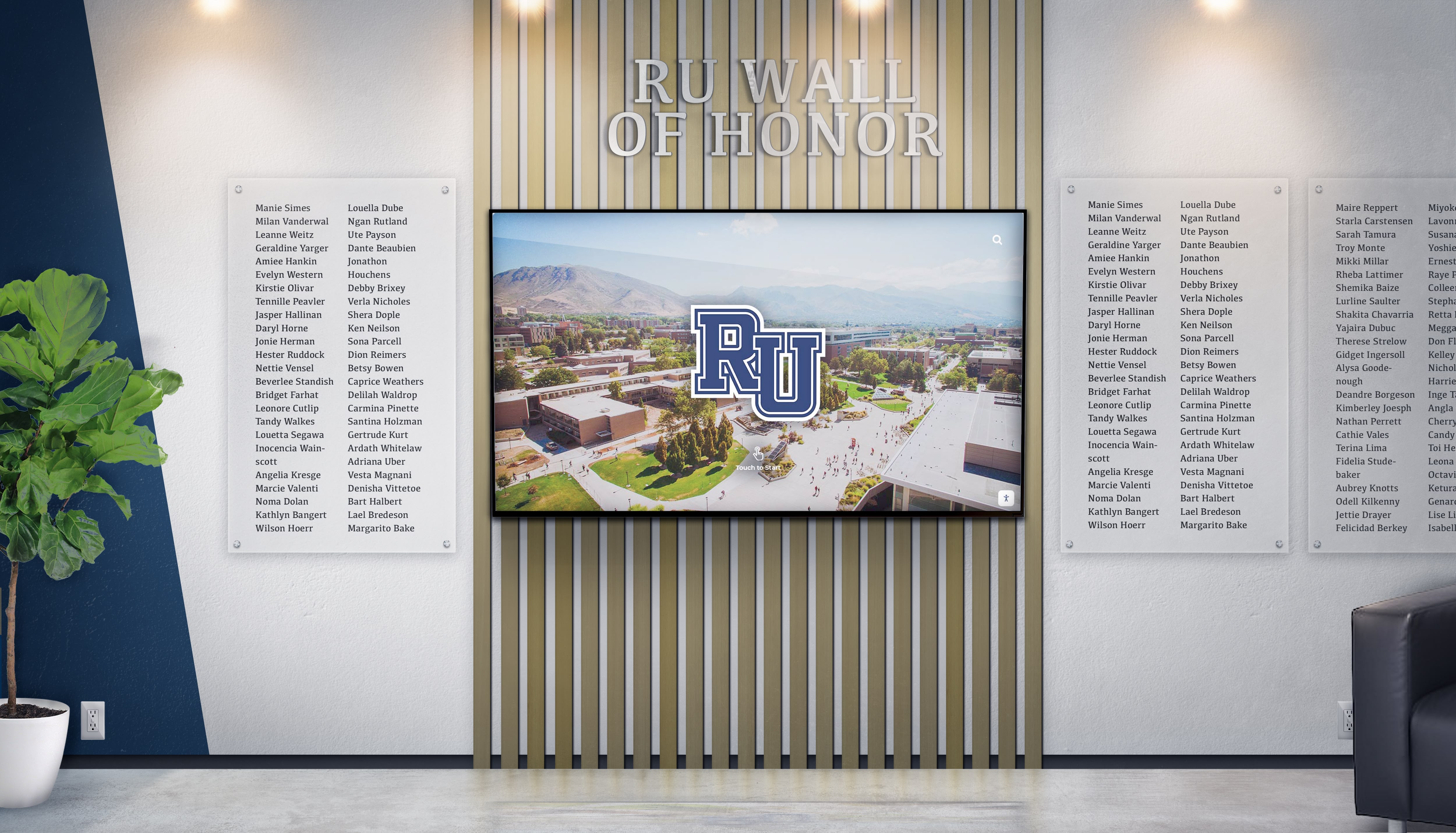
Integrated recognition systems combine digital displays with traditional elements creating comprehensive celebration spaces
Relationship with Other School Recognition
Honor Society Membership
Organizations like National Honor Society differ from honor roll:
- Requires cumulative achievement meeting specific thresholds
- Application process with teacher recommendations
- Service, leadership, and character requirements beyond grades
- Ongoing membership with meetings and service projects
- More selective than basic honor roll qualification
- Prestigious credential valuable for college applications
National Merit Recognition
Standardized test-based achievement distinct from honor roll:
- Based on PSAT/NMSQT scores rather than grades
- National standardized program with consistent criteria
- Highly selective recognition of top test performers
- Significant scholarship opportunities for finalists
- Complements rather than replaces honor roll achievement
- Particularly valuable for college admissions and financial aid
Academic Competition Recognition
Subject-specific competitive achievements:
- Math competitions like AMC and MATHCOUNTS
- Science Olympiad and science fair achievements
- Spelling bees and geography competitions
- Academic decathlon and quiz bowl recognition
- Demonstrates exceptional subject mastery
- Complements consistent honor roll achievement
Schools implementing comprehensive building school pride initiatives celebrate honor roll within broader recognition ecosystems honoring diverse student accomplishments.
Common Questions About Honor Roll
What GPA Is Needed for Honor Roll?
The most common honor roll requirement is a 3.0 GPA (B average) minimum, though this varies significantly by school:
- Basic Honor Roll: Typically 3.0-3.3 GPA
- High Honor Roll: Usually 3.5-3.7 GPA or higher
- Highest Honors/Principal’s List: Often requires 4.0 GPA
Some elementary schools use letter grades rather than GPA calculations, requiring all A’s and B’s or primarily A’s for honor roll qualification. Always check with your specific school for their exact requirements as standards vary across districts, states, and individual institutions.
Does Honor Roll Look Good for College?
Yes, consistent honor roll achievement demonstrates important qualities colleges value:
- Shows sustained academic performance rather than isolated excellence
- Demonstrates work ethic, discipline, and time management
- Indicates ability to meet standards and handle coursework
- Particularly valuable when maintained across multiple years
- Strongest impact when combined with challenging course selection
- May qualify students for merit-based scholarships
However, honor roll alone won’t guarantee college admission. Selective colleges expect honor roll as baseline, so students should also pursue challenging courses, extracurricular involvement, leadership opportunities, and standardized test preparation to maximize college application strength.
Can You Fail a Class and Still Make Honor Roll?
This depends on your school’s specific policies:
Most Schools: Failing grades typically disqualify students from honor roll regardless of GPA calculation, as most honor roll programs require passing grades in all courses.
GPA Impact: A failing grade (often recorded as 0.0 in GPA calculations) would significantly lower overall GPA making qualification extremely difficult even without explicit failing grade prohibitions.
School Variations: Some schools may have exceptions or separate requirements. A few institutions might allow honor roll if GPA threshold is met despite one low grade, though this is uncommon.
Students should verify their school’s exact honor roll requirements regarding failing grades and understand implications for current and future grading periods.
How Often Is Honor Roll Awarded?
Honor roll recognition typically aligns with grading periods:
Most Common Schedules:
- Quarterly: Four times per school year (every 9 weeks)
- Trimester: Three times per school year (every 12 weeks)
- Semester: Twice per school year (every 18 weeks)
Cumulative Recognition: Some schools also award annual or year-end honor roll recognizing sustained achievement across multiple grading periods. Students might need to make honor roll every marking period to qualify for this cumulative recognition.
Multiple Opportunities: The periodic nature means students have multiple chances to earn honor roll each year, and temporary setbacks don’t permanently prevent future recognition.
What’s the Difference Between Honor Roll and High Honor Roll?
Most schools create tiered systems distinguishing achievement levels:
Honor Roll (Standard/Regular):
- Lower GPA threshold typically 3.0-3.3
- Recognizes solid academic performance
- More inclusive tier with broader student representation
- Demonstrates B average or better performance
High Honor Roll (Distinction/Superior):
- Higher GPA threshold typically 3.5-3.7 or above
- Recognizes exceptional academic performance
- More selective tier with fewer recipients
- Demonstrates primarily A grades with few B’s
Highest Honors/Principal’s List: Some schools add third tier requiring perfect 4.0 GPA or all A’s, creating even more selective recognition for exceptional achievement.
These distinctions allow schools to recognize both solid performers and exceptional achievers appropriately, maintaining meaningful differentiation while providing recognition opportunities across performance levels.
Conclusion: Honor Roll as Foundation for Academic Success
Honor roll represents far more than a list of names published each grading period—it embodies recognition of student effort, validation of academic capability, motivation for continued excellence, and celebration of intellectual achievement deserving equal prominence with athletic and artistic accomplishments. For students, honor roll provides achievable short-term goals building confidence and academic identity. For families, it offers tangible evidence of educational progress worth celebrating. For schools, honor roll creates systematic acknowledgment ensuring academic excellence receives consistent visibility and value.
Understanding honor roll requirements, pursuing strategic approaches to academic success, and appreciating recognition’s impact enables students to maximize this achievement opportunity. Whether you’re an elementary student earning your first honor roll certificate, a middle schooler building consistent achievement patterns, a high school student strengthening college applications, or an educator seeking better ways to celebrate student accomplishment, this guide provides frameworks for understanding and leveraging honor roll recognition.
Modern schools increasingly recognize that traditional printed lists or static bulletin boards fail to adequately celebrate honor roll achievement or inspire academic excellence. Digital recognition displays create interactive, engaging platforms ensuring every qualifying student receives meaningful visibility while inspiring peers to pursue similar excellence. These systems eliminate space constraints, enable rich storytelling about student achievement, maintain permanent archives preserving institutional academic tradition, and provide mobile access extending recognition beyond campus walls.
For students pursuing honor roll recognition, remember that sustainable approaches produce best outcomes. Strategic time management, consistent study habits, resource utilization, and healthy balance between academics and other life dimensions enable long-term success rather than short-term cramming that leads to burnout. Honor roll should represent genuine learning and intellectual growth—when it does, recognition becomes meaningful celebration of real accomplishment rather than hollow credential pursued for its own sake.
Your academic achievements deserve celebration creating lasting recognition and opening future opportunities. Whether you’re earning your first honor roll certificate or your twentieth consecutive grading period recognition, each achievement represents dedication worth acknowledging and success worth preserving.
Ready to explore how your school can better celebrate honor roll and other academic achievements? Discover digital recognition solutions that make comprehensive student recognition achievable for schools of all sizes, creating engaging environments where academic excellence receives the visibility and celebration it deserves.