Friday night lights illuminate the football field. The marching band plays the school fight song. Students dressed in school colors fill the bleachers with enthusiasm. The homecoming court walks onto the field at halftime, wearing crowns and sashes while families snap photos. This scene plays out every fall at high schools across America—a tradition as deeply woven into the fabric of secondary education as textbooks and lockers.
But what exactly is homecoming? Why do schools dedicate an entire week to this celebration? How did this tradition begin, and what makes it so important to students, alumni, and communities? Whether you’re a student preparing for your first homecoming, a parent trying to understand the fuss, or an educator planning your school’s celebration, understanding this iconic tradition helps you appreciate its significance and make the most of the experience.
This comprehensive guide explores everything about homecoming—its history and origins, key traditions and events, how schools celebrate throughout homecoming week, the meaning behind homecoming court, and modern approaches to preserving these cherished memories for generations.
Homecoming represents more than just a football game or dance. It’s a concentrated celebration of school community, a welcoming gesture to returning alumni, and an expression of institutional pride that brings together students, families, graduates, and entire communities around shared identity and tradition.
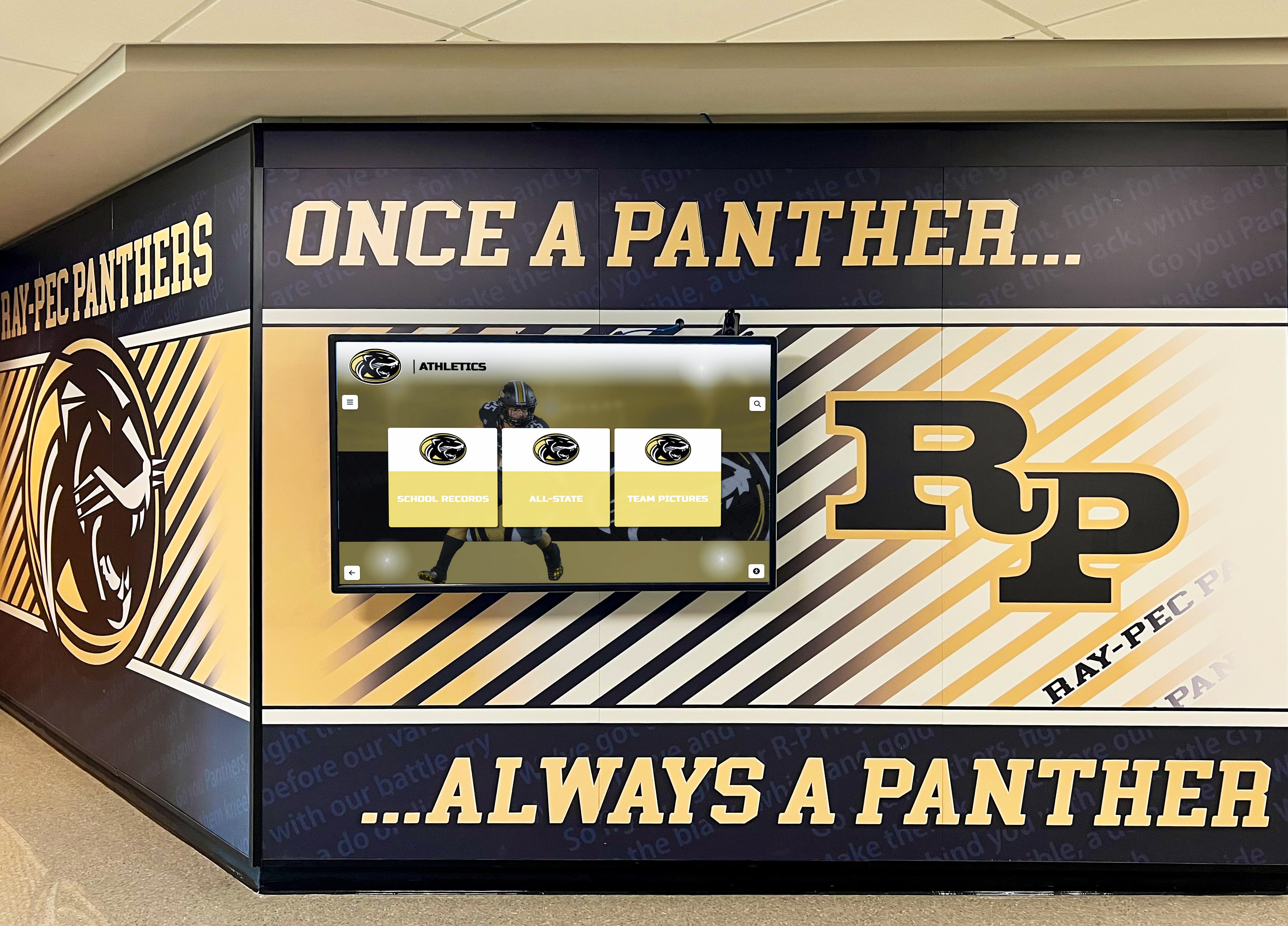
Modern schools combine traditional homecoming celebrations with digital recognition systems preserving memories year-round
What Is Homecoming? Definition and Core Meaning
Homecoming is an annual tradition at American high schools and colleges celebrating school spirit and welcoming back alumni to their alma mater. The centerpiece is typically a football game, but the celebration extends throughout an entire week featuring themed spirit days, pep rallies, parades, court nominations, coronation ceremonies, and often a formal dance.
The Fundamental Purpose of Homecoming
Welcoming Alumni Home
The name “homecoming” reflects the tradition’s original purpose—inviting graduates to return home to their school:
- Alumni reconnect with former classmates and teachers
- Graduates see how their school has evolved
- Former students share memories and experiences with current students
- Multiple graduating classes gather for reunions
- School community demonstrates continuity across generations
- Alumni engagement strengthens institutional support and pride
Celebrating School Spirit and Community
Beyond alumni connections, homecoming builds current school culture:
- Concentrated week of activities unites students across grade levels
- Shared traditions create common experiences and memories
- School pride becomes visible and celebrated publicly
- Community members see school in positive, celebratory context
- Students develop stronger connection to institutional identity
- Positive energy during homecoming carries into regular school days
Recognizing Student Achievement and Leadership
Homecoming provides platform for student recognition:
- Homecoming court honors diverse student accomplishments
- Planning committees develop leadership and organizational skills
- Athletic teams receive recognition and community support
- Performing groups showcase talents at rallies and halftime
- Student creativity shines through decorations, floats, and themes
- Achievement beyond academics receives valued acknowledgment
Building Lasting Traditions
Annual homecoming creates institutional traditions:
- Repeated rituals connect current students to alumni
- Traditional elements provide continuity and stability
- School-specific customs distinguish institutional identity
- Shared memories create bonds lasting beyond graduation
- Traditions pass between generations of students
- Historical documentation preserves institutional story
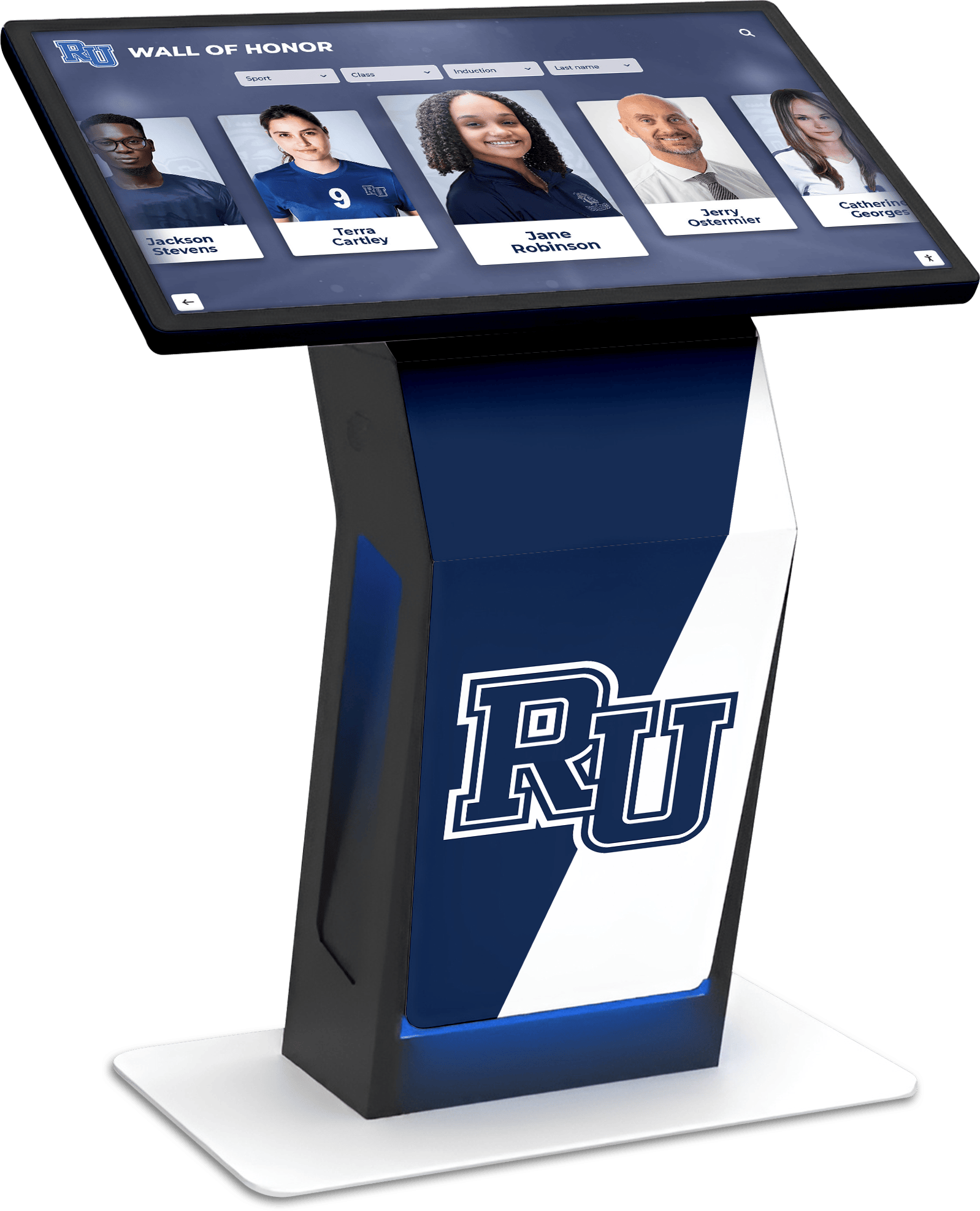
Interactive displays enable students and alumni to explore decades of homecoming history and traditions
Many schools implement digital recognition systems that celebrate homecoming traditions alongside other spirit week activities and student achievements.
The History of Homecoming Traditions
Understanding where homecoming came from helps explain why it remains such a cherished tradition more than a century later.
Origins at American Universities
Early 20th Century Beginnings
Homecoming traditions emerged in American higher education during the early 1900s:
- University of Missouri claims the first homecoming celebration in 1911
- Athletic director organized event inviting alumni back for football game
- Other universities including Baylor, Illinois, and Michigan adopted similar celebrations
- Events addressed declining alumni engagement and attendance
- Football games provided natural gathering opportunity for alumni
- Celebrations built institutional pride and fundraising support
Why Football Became the Centerpiece
The sport’s prominence in homecoming wasn’t accidental:
- Fall timing aligned with peak football season
- Football games drew largest crowds and community interest
- Outdoor stadium settings accommodated massive gatherings
- Athletic competition created excitement and energy
- Halftime provided natural ceremony and presentation opportunity
- Football culture already emphasized school pride and tradition
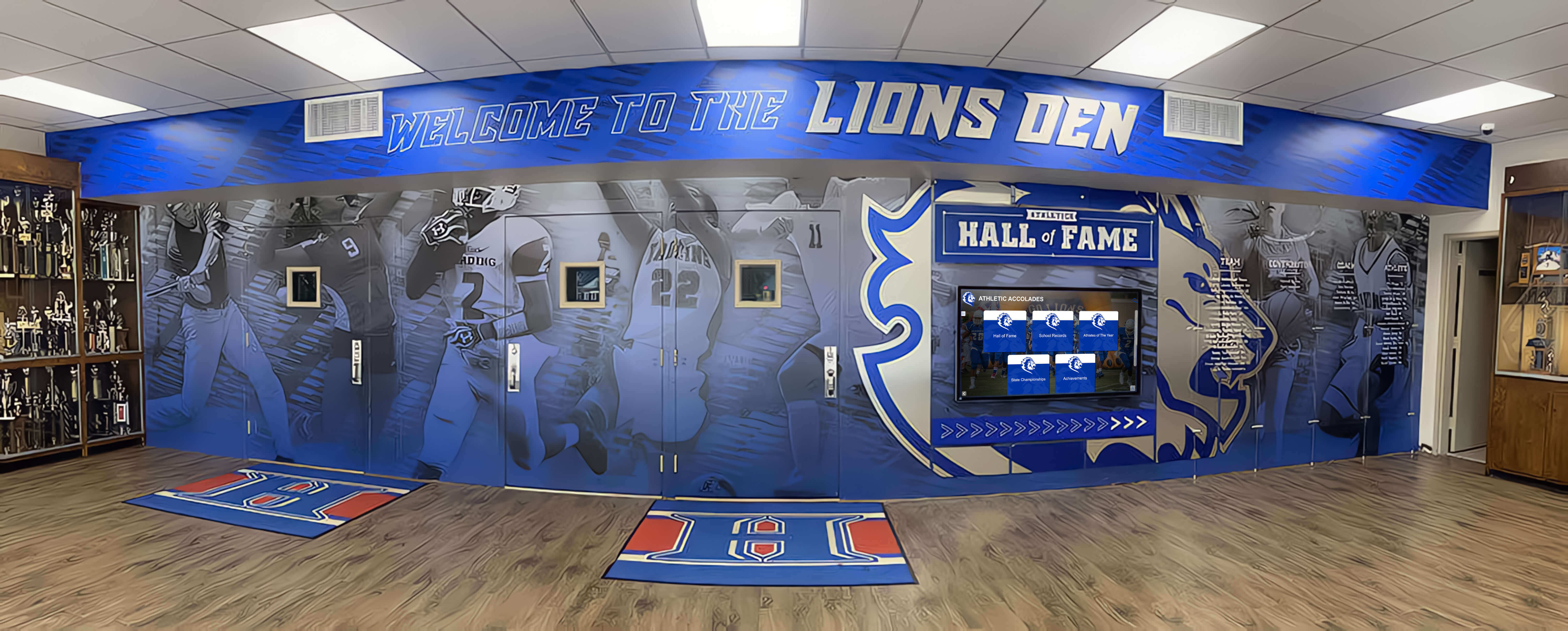
Athletic displays showcase homecoming history alongside season achievements and school records
Adoption by High Schools
Spreading to Secondary Education
High schools embraced homecoming throughout the mid-20th century:
- 1920s-1940s saw rapid adoption across American high schools
- Secondary schools adapted university traditions to local contexts
- Smaller communities made homecoming whole-town celebrations
- High school homecomings became more elaborate than college versions
- Addition of homecoming court, parades, and week-long activities
- Homecoming became defining element of American high school experience
Evolution of Traditions
Modern homecoming differs from early celebrations:
- Spirit week dress-up days became standard in most schools
- Homecoming courts evolved from simple king/queen to diverse recognition
- Parades and float competitions added community involvement
- Formal dances became common especially in larger schools
- Social media transformed how homecoming gets shared and celebrated
- Inclusive approaches recognize broader definitions of achievement
Schools implementing comprehensive celebration programs often coordinate homecoming activities with broader spirit-building initiatives throughout the year.
What Happens During Homecoming Week?
Homecoming extends far beyond Friday night’s football game. Most schools dedicate an entire week to celebrations featuring daily themes, activities, and competitions building toward the weekend culmination.
Spirit Week: Daily Themed Celebrations
Monday Through Friday Dress-Up Days
Spirit week provides daily opportunities for student participation:
- Each day features different costume or dress theme
- Themes range from decades to characters to color-based days
- Students dress according to daily theme showing school spirit
- Class competitions award points for participation
- Accessible themes ensure broad student involvement
- Social media showcases creative costume interpretations
Common Spirit Week Themes
Popular themes appearing in homecoming spirit weeks:
- Decades Day: Students represent different time periods (50s, 60s, 70s, 80s, 90s, 2000s)
- Twin Day: Partners coordinate matching outfits
- Character Day: Favorite movie, TV, or book characters
- Career Day: Students dress as future professions
- Class Color Day: Each grade wears designated color
- School Colors Day: Everyone wears school colors on Friday
Schools experienced with spirit week planning design homecoming weeks balancing accessibility with creative excitement.
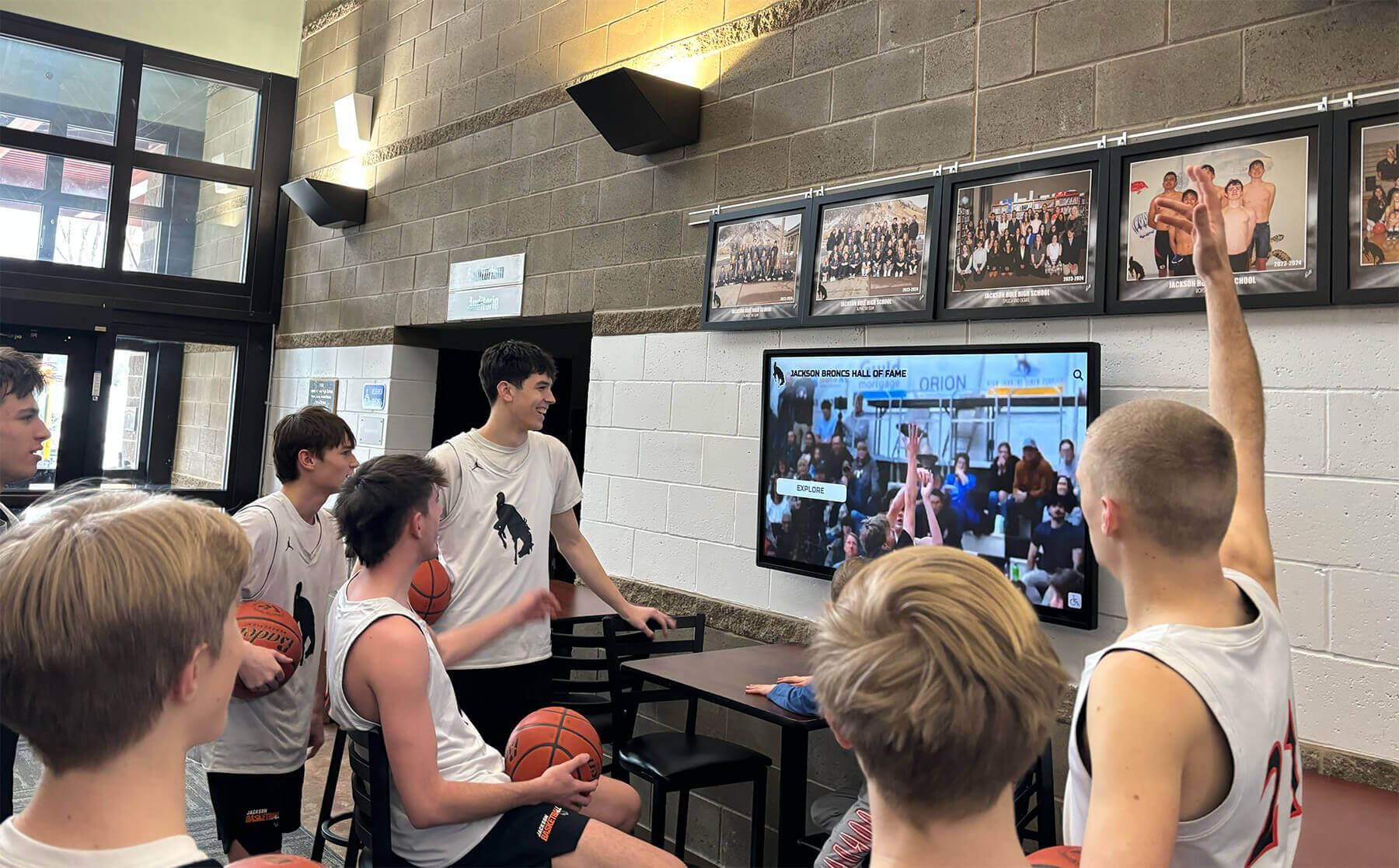
Strategic displays in high-traffic areas create gathering points where students explore homecoming photos and traditions
Daily Activities and Competitions
Lunchtime Events
Schools schedule special activities during lunch periods:
- Minute-to-win-it style games between grade levels
- Eating competitions (pie eating, hot dog contests)
- Talent showcases and performances
- Trivia contests about school history
- Class cheering competitions
- Point accumulation toward class competitions
Hallway Decorating Contests
Physical spaces transform during homecoming week:
- Each class decorates assigned hallway or common area
- Decorations reflect overall homecoming theme
- Judging criteria include creativity, effort, and theme alignment
- Window painting competitions in visible locations
- Locker decoration contests
- Display case theming by grade level
Social Media Challenges
Digital participation extends engagement:
- Photo scavenger hunts posted throughout week
- TikTok dance challenges to school song
- Instagram story takeovers by court nominees
- Hashtag campaigns tracking participation
- Video challenges with school spirit themes
- Digital yearbook created from student submissions
Pep Rallies and Assemblies
School-Wide Celebrations
Pep rallies build collective energy and excitement:
- Grade level cheering competitions for loudest section
- Student performance showcases (dance team, cheerleaders, band)
- Athletic team introductions and season recognition
- Games between classes or teams
- Announcement of spirit week competition standings
- Building anticipation for Friday’s game and coronation
Traditional Pep Rally Elements
Common features creating memorable assemblies:
- School fight song performed by band
- Mascot appearances and performances
- Alumni recognition and greetings
- Bonfire or outdoor celebration at some schools
- Special guest appearances
- Class or grade level unity displays
Many schools document pep rally memories through school assembly recognition systems that preserve these high-energy celebrations.
Understanding Homecoming Court
The homecoming court tradition recognizes outstanding students through nomination, voting, and coronation processes that vary significantly across schools.
How Homecoming Court Works
Nomination Process
Students become court candidates through various methods:
- Peer nominations by fellow students
- Teacher or staff nominations
- Self-nomination with teacher recommendations
- Achievement-based automatic qualification
- Application processes requiring essays or portfolios
- GPA or citizenship requirements for eligibility
Voting and Selection
Democratic processes determine court members:
- Student body votes for court representatives
- Grade-level voting for class representatives
- Separate senior voting for king and queen
- Faculty input or voting in some schools
- Weighted voting systems in larger schools
- Runoff elections for top positions
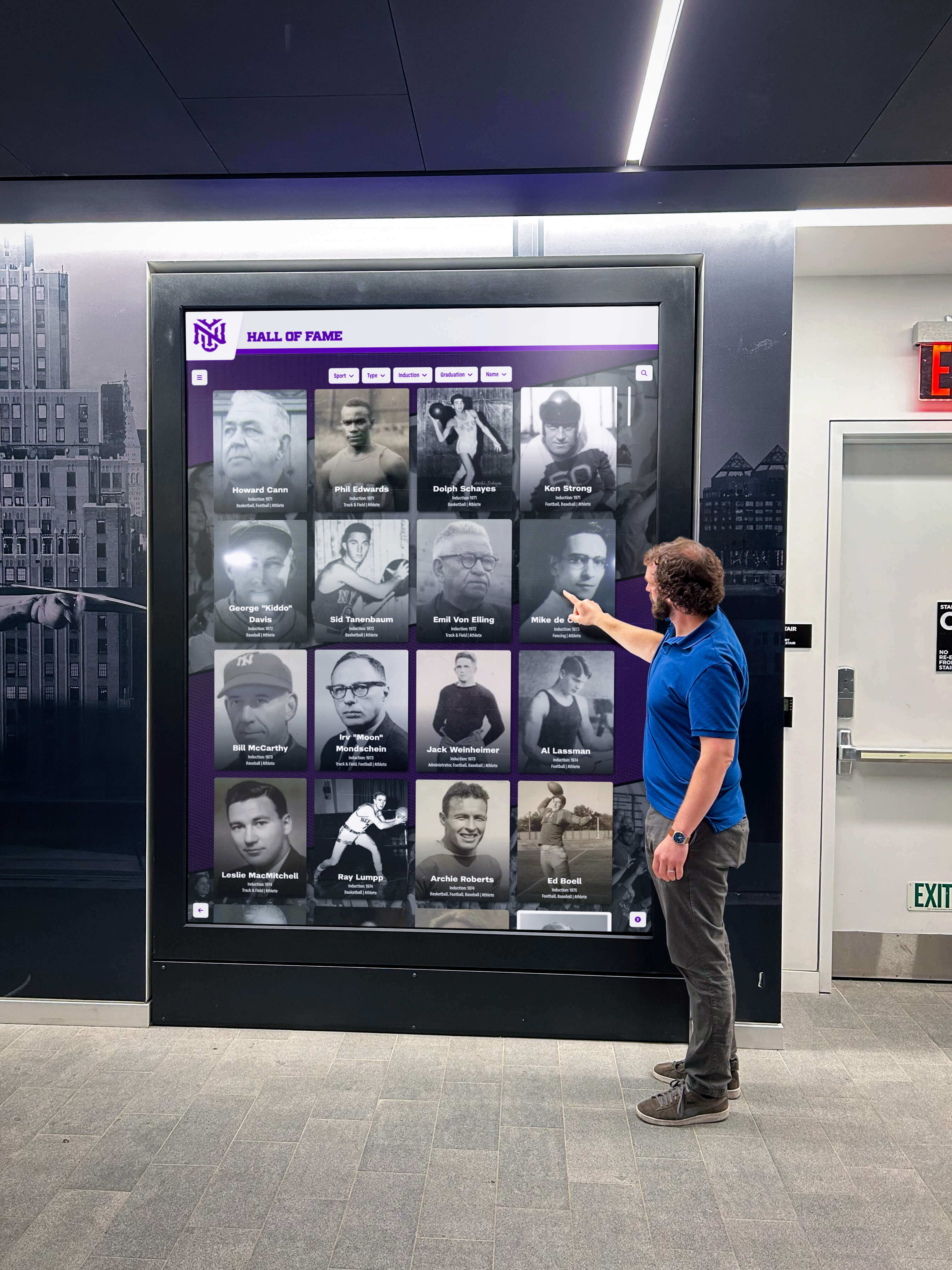
Permanent displays ensure homecoming court receives lasting recognition beyond ceremony night
Traditional Court Structures
Grade-Based Court Organization
Most common structure includes representatives from each class:
- Freshman, sophomore, and junior court representatives
- Senior class nominates final candidates
- Senior king and queen crowned from final nominees
- Underclass representatives recognized during ceremony
- Progressive participation throughout high school years
- Building anticipation toward senior year coronation
Modern Inclusive Approaches
Contemporary schools increasingly adopt diverse structures:
- Gender-neutral court positions and titles
- Achievement category representation
- Multiple kings/queens or representatives
- Court size varying from 4 to 20+ members
- Inclusive language and participation options
- Recognition emphasizing achievement over popularity
Schools implementing comprehensive student recognition often celebrate homecoming court alongside academic, athletic, and service achievements.
The Coronation Ceremony
Halftime Presentation
Traditional coronation occurs during football game:
- Court members introduced individually with achievements
- Previous year’s royalty presents crowns
- King and queen announced and crowned
- Photo opportunities on field
- Family and community witness ceremony
- Band and crowd celebration
Alternative Ceremony Approaches
Some schools modify traditional timing:
- Friday assembly before game for weather protection
- Indoor ceremony with entire student body present
- Saturday evening at homecoming dance
- Extended presentation allowing detailed recognition
- Video montages showcasing each court member
- Multiple location ceremonies for different grade levels
Ceremony Elements
Effective coronations typically include:
- Professional emcee or student leaders
- Video presentations or slideshows
- Achievement highlights for each member
- Family recognition and participation
- Music and special effects
- Crown or sash presentation
- Professional photography documentation
- Permanent digital archives preserving memories
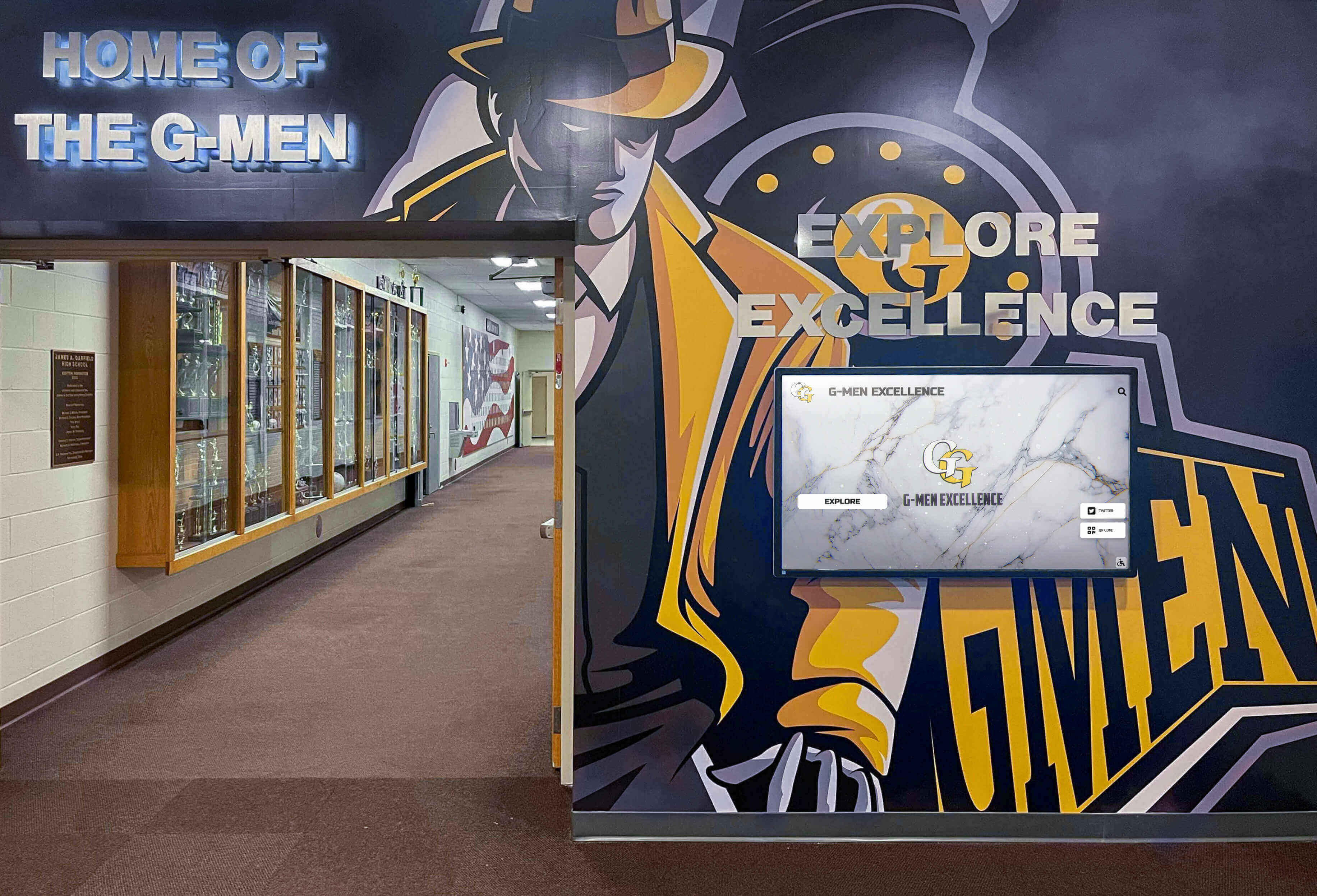
Strategic hallway displays create year-round visibility for homecoming court alongside other school traditions
The Homecoming Football Game
Friday night’s football game serves as the week’s centerpiece event, drawing students, alumni, families, and community members together.
Pre-Game Traditions
Tailgating and Gathering
Communities create pre-game celebrations:
- Parking lot gatherings with food and socializing
- Alumni reunions before entering stadium
- Student group gatherings and photo opportunities
- Band and spirit group warm-up performances
- Concession stand operations by school groups
- Community vendors and food trucks at larger celebrations
Opening Ceremonies
Games often feature special recognition:
- National anthem with alumni participants
- Recognition of returning graduates by decade
- Senior player and parent recognition
- Special halftime show announcements
- Homecoming court introduction
- Honorary coin toss by distinguished alumni

Athletic lobbies showcase homecoming game traditions alongside season records and team achievements
Halftime Festivities
The Main Event
Halftime becomes elaborate celebration:
- Marching band performance with special show
- Homecoming court coronation ceremony
- Dance team or cheerleading performances
- Alumni recognition moments
- Special guest appearances
- Community group performances
Creating Memorable Moments
Successful halftime presentations balance:
- Appropriate timing (12-20 minutes typically)
- Clear announcements for crowd understanding
- Professional staging and sound equipment
- Weather contingencies and backup plans
- Photography capturing ceremony moments
- Celebration continuing after ceremony concludes
Schools preserving athletic traditions often implement sports recognition systems documenting homecoming games alongside season highlights and records.
Post-Game Celebrations
Dance and Social Events
Many schools host homecoming dances:
- Saturday evening formal or semi-formal dances
- Venue at school gym or external location
- Professional DJ or live music
- Themed decorations coordinating with homecoming
- Photo opportunities and backdrops
- Refreshments and social time
- Designated end time (typically 10-11pm)
Alumni Gatherings
Separate events for returning graduates:
- Class-specific reunions and dinners
- Campus tours showing facility updates
- Informal gatherings at local venues
- Breakfast or brunch events Saturday morning
- Athletic facility tours and recognition
- Donor recognition for alumni supporters
Homecoming Parades and Community Events
Many communities extend homecoming celebrations beyond school campuses through public parades and events.
Parade Traditions
Float Construction and Design
Student groups create elaborate parade entries:
- Each class designs and builds themed float
- Student organizations and clubs participate
- Athletic teams and activity groups represented
- Local businesses sponsor floats
- Weeks of planning and construction
- Competition for best float design
Parade Route and Participants
Community processions feature diverse participants:
- Homecoming court riding in convertibles
- Marching band performance throughout route
- Cheerleaders and spirit squads
- Athletic teams walking or riding
- Community groups and organizations
- Local officials and distinguished alumni
- Fire trucks and police escort
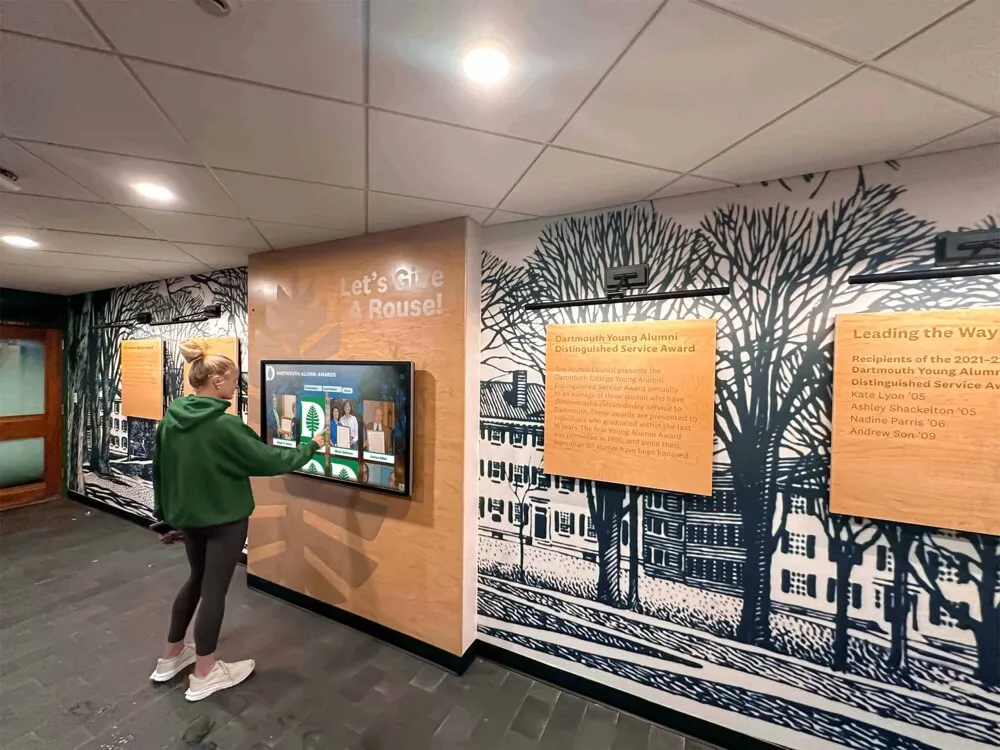
Web-accessible platforms enable alumni worldwide to reconnect with homecoming memories decades later
Community Involvement
Local Business Participation
Homecoming extends into broader community:
- Window decorating contests at local businesses
- School color displays throughout downtown
- Special promotions and spirit week discounts
- Sponsorship of parade and events
- Alumni networking at local venues
- Community-wide celebration of school
Alumni Events Throughout Weekend
Multiple generations reconnect during homecoming:
- Class reunion dinners at restaurants
- Campus building dedications with alumni donors
- Athletic hall of fame induction ceremonies
- Academic department receptions
- Career panels with successful alumni
- Volunteer opportunity fairs
Schools implementing reunion planning resources help alumni coordinate gatherings during homecoming weekends.
Modern Approaches to Homecoming
Contemporary schools adapt traditional homecoming to reflect evolving student culture, inclusive values, and technological capabilities.
Inclusive Homecoming Practices
Broadening Court Recognition
Progressive schools redesign court structures:
- Achievement categories beyond popularity
- Gender-neutral positions and terminology
- Expanded court size recognizing more students
- Academic, athletic, arts, service representation
- Leadership and character-based selection
- Multiple recognition opportunities
Accessible Spirit Week Participation
Ensuring all students can engage:
- Low-cost or no-cost theme options
- Creative themes not requiring purchases
- Flexibility in costume interpretation levels
- Recognition for various participation types
- Behind-scenes contributions valued
- Inclusive activities beyond dress-up days
Diverse Celebration Elements
Reflecting varied student interests:
- Alternative activities to football game
- Multiple social events beyond formal dance
- Cultural celebration integrations
- Academic and artistic showcases
- Service projects during homecoming week
- Options accommodating different comfort levels
Technology Integration
Social Media Engagement
Digital platforms extend participation:
- Instagram and TikTok challenges
- Live streaming of ceremonies and games
- Digital spirit week participation options
- Alumni engagement through social media
- Photo sharing and tagging systems
- Virtual participation for distance learning
Digital Recognition Systems
Modern platforms transform how schools preserve homecoming:
Schools increasingly implement touchscreen recognition displays providing permanent, accessible celebration of homecoming traditions alongside other student achievements.
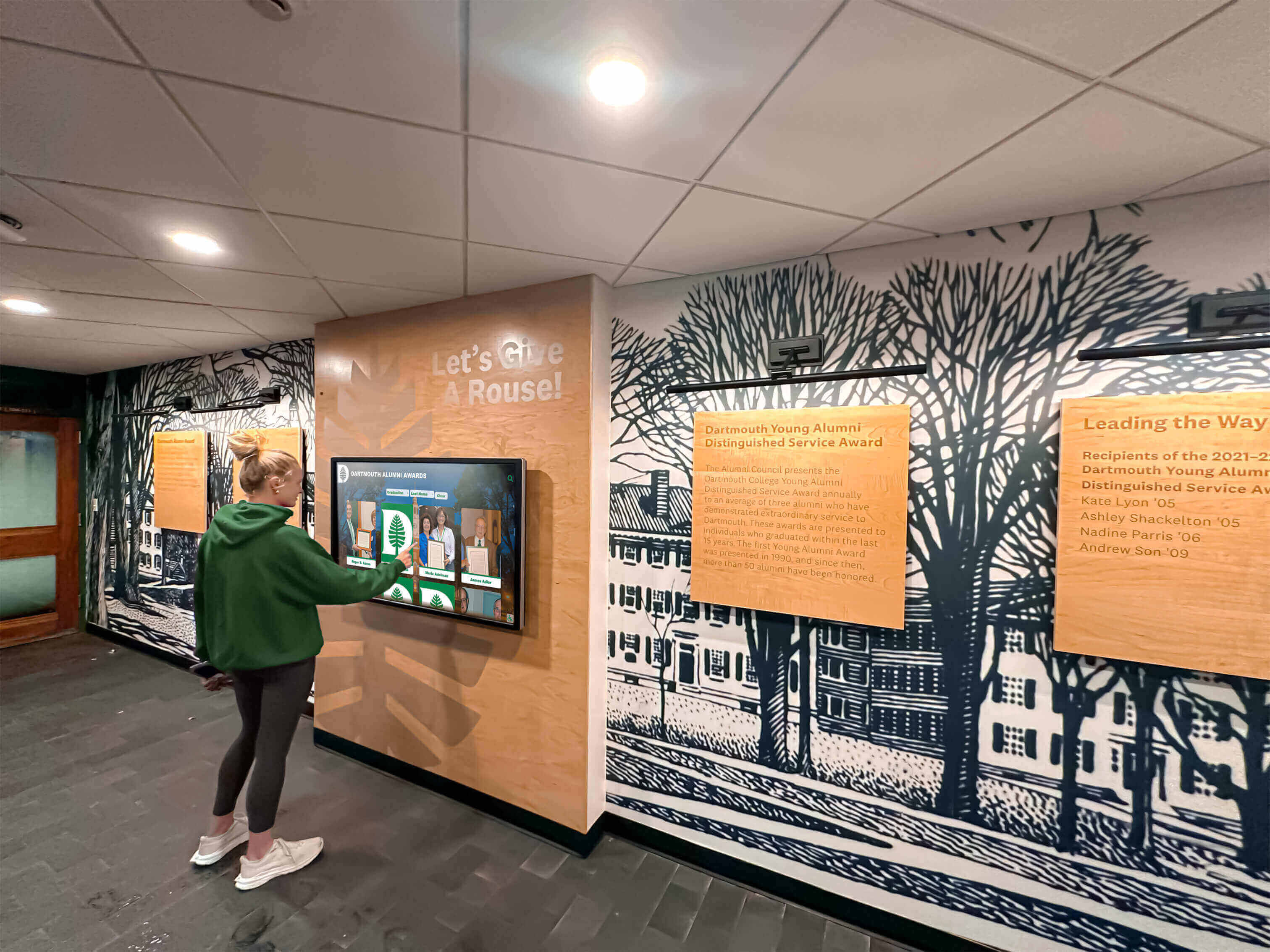
Interactive systems enable students to explore homecoming history and view court recognition from previous years
Comprehensive Digital Displays
Modern recognition platforms offer:
- Searchable homecoming court databases by year
- Photo galleries from spirit week, parade, game
- Video ceremony recordings accessible anytime
- QR code access enabling mobile viewing
- Alumni connection to their homecoming years
- Historical comparison across decades
- Social media integration and sharing
- Cloud-based management requiring no technical expertise
Benefits of Digital Preservation
Why schools transition from physical displays:
- Unlimited capacity accommodating all students
- Permanent archives never requiring removal
- Interactive engagement static displays can’t match
- Mobile accessibility extending beyond campus
- Simple updates via web-based interface
- Cost-effective compared to physical display maintenance
- Alumni access from anywhere worldwide
- Integration with broader recognition programs
Solutions like Rocket Alumni Solutions provide schools with platforms specifically designed for preserving homecoming memories alongside other student recognition needs.
Regional and Cultural Variations
While homecoming shares common elements nationwide, regional differences create unique local traditions.
Geographic Differences
Southern Homecoming Traditions
Southern states often feature distinctive elements:
- Mum tradition (elaborate corsages) in Texas
- More formal homecoming court presentations
- Multi-day alumni events and reunions
- Church service components in some communities
- Barbecue and outdoor gathering emphasis
- Particularly elaborate parade traditions
Midwest Homecoming Characteristics
Central states emphasize:
- Strong community-wide participation
- Agricultural or harvest themed elements
- Bonfire traditions more common
- Small-town whole-community celebrations
- High school football cultural centrality
- Class reunion coordination during homecoming
Coastal and Urban Variations
East and West coast schools may feature:
- Less football-centric celebrations
- More diverse activity options
- Urban venue utilization for events
- Professional entertainment and productions
- Larger scale formal dance events
- More contemporary music and culture integration
School Type Differences
Public vs. Private Schools
Institution type influences celebrations:
- Public schools typically emphasize football prominently
- Private schools may center on different sports or events
- Religious schools integrate faith-based components
- Charter schools often create unique traditions
- Larger schools have more elaborate celebrations
- Smaller schools emphasize intimacy and inclusion
Urban, Suburban, and Rural Differences
Location affects homecoming character:
- Urban schools navigate venue and space limitations
- Suburban schools often feature most elaborate celebrations
- Rural schools become whole-community events
- Geographic challenges affect alumni return rates
- Transportation access influences participation
- Community resources impact celebration scope
Planning and Organizing Homecoming
Behind every successful homecoming stands extensive planning and coordination by student leaders, advisors, and administrators.
Planning Timeline
8-10 Weeks Before Homecoming
Initial planning establishes foundation:
- Form homecoming planning committee
- Set budget and identify funding sources
- Choose homecoming theme
- Reserve venues and vendors
- Launch court nomination process
- Create marketing plan and materials
4-6 Weeks Before Homecoming
Mid-planning period intensifies preparation:
- Finalize spirit week schedule and themes
- Court nomination closes and voting begins
- Purchase supplies and decorations
- Recruit volunteers for various roles
- Coordinate with athletics for game planning
- Communicate plans to faculty and community
1-2 Weeks Before Homecoming
Final preparation ensures smooth execution:
- Announce homecoming court
- Install decorations and displays
- Finalize ceremony scripts and schedules
- Brief all participants on logistics
- Create emergency contingency plans
- Launch intensive promotional campaign
- Confirm all technical requirements
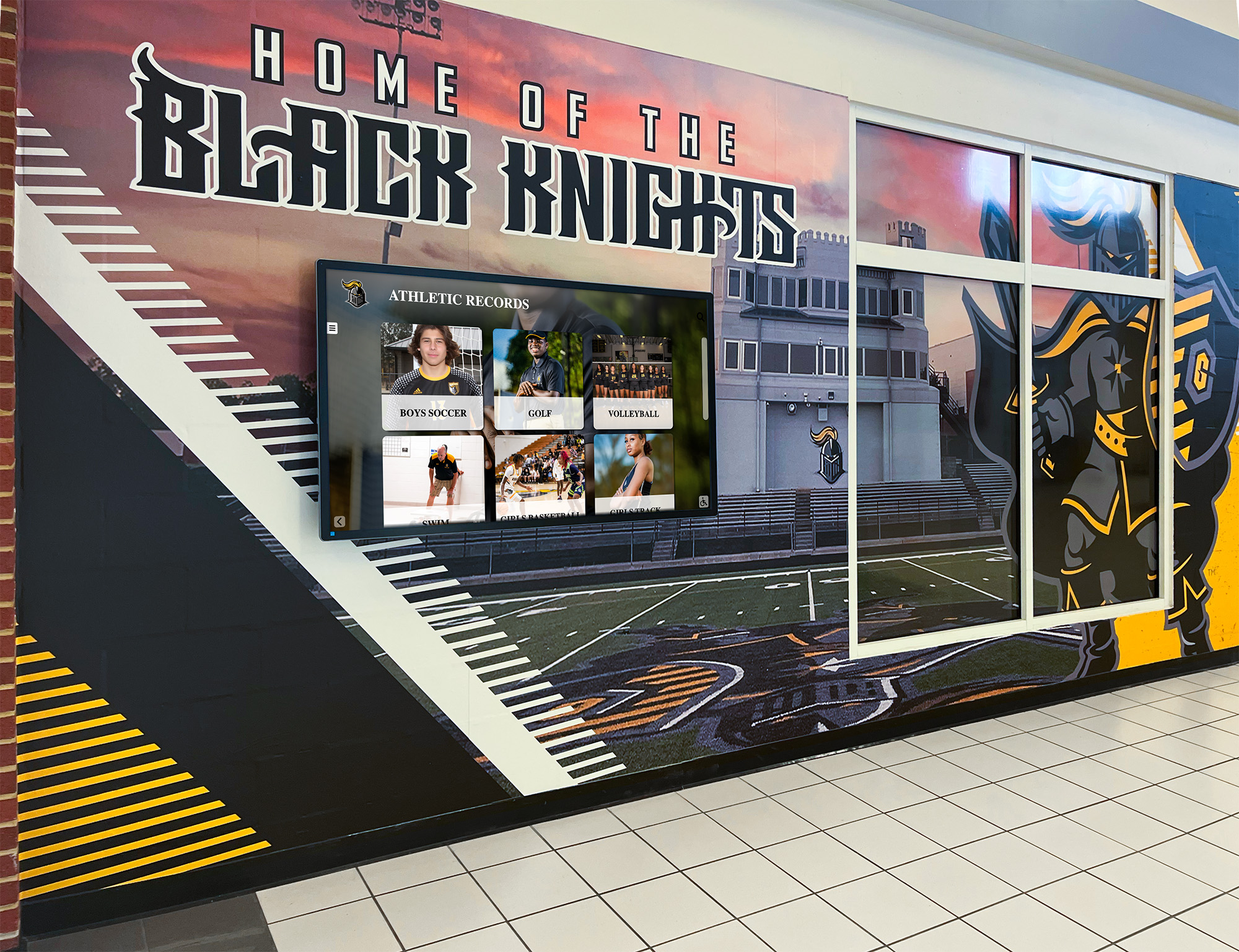
Well-designed displays require planning but provide year-round value celebrating homecoming alongside other traditions
Budget Considerations
Typical Expense Categories
Homecoming costs vary but typically include:
- Decorations and supplies (35-40%)
- Court recognition items (crowns, sashes, flowers) (15-20%)
- Spirit week materials and prizes (15-20%)
- Marketing and communications (10-15%)
- Dance venue, entertainment, refreshments if applicable (20-30%)
- Contingency fund for unexpected needs (10-15%)
Funding Sources
Schools finance homecoming through:
- Student activity fee allocations
- Ticket sales for dance or events
- Local business sponsorships
- Fundraising earlier in year
- Parent organization support
- Alumni donations
- School budget allocation
Schools implementing effective fundraising programs often coordinate homecoming funding with broader school support initiatives.
Student Leadership Development
Planning Committee Structure
Effective organization distributes responsibilities:
- Overall chair coordinating all elements
- Spirit week subcommittee
- Decoration committee
- Court process coordinators
- Marketing and communications team
- Dance planning if applicable
- Alumni outreach coordinators
- Budget and finance managers
Skills Students Develop
Homecoming planning builds valuable capabilities:
- Project management and timeline adherence
- Budget development and resource allocation
- Team coordination and delegation
- Problem-solving under time pressure
- Communication across diverse groups
- Creative design and execution
- Event logistics and contingency planning
- Leadership and responsibility
Frequently Asked Questions About Homecoming
What’s the difference between homecoming and prom?
Homecoming and prom are distinct high school celebrations:
Homecoming occurs in fall, centers on football game and alumni return, includes week-long spirit activities, features homecoming court coronation, often has semi-formal dance, and welcomes all grade levels. Prom happens in spring, serves as formal dance event, focuses exclusively on social celebration, typically limited to juniors and seniors, features prom court selection at the dance, and emphasizes formal attire and photographs.
Both involve dress-up and recognition, but homecoming emphasizes school spirit and community while prom focuses on formal social celebration marking the end of the school year.
Do you have to go to homecoming?
No, homecoming participation is entirely voluntary. Students choose their engagement level:
- Some participate in spirit week but skip the game or dance
- Others attend the game but not the dance
- Some enjoy dance but don’t participate in spirit activities
- Students can attend events with friends, dates, or groups
- Not attending homecoming is perfectly acceptable
- Alternative activities often available for non-participants
Homecoming should be enjoyable, not obligatory. Students participate in ways comfortable for their interests and social preferences.
What do you wear to homecoming?
Attire depends on the specific event:
Spirit Week: Daily theme costumes or school colors Football Game: Casual wear in school colors (jeans, t-shirts, sweatshirts) Homecoming Dance: Semi-formal attire (shorter dresses, dress shirts and ties, suits)
Homecoming dance dress codes fall between casual and prom formal. Most schools specify semi-formal, meaning nice dress or suit without prom-level formality. Check your school’s specific guidelines as standards vary.
Can freshmen go to homecoming?
Yes, most schools welcome all grade levels at homecoming events:
- Spirit week includes all students
- Football games are open to entire school and community
- Homecoming dances typically allow all high school grades
- Some schools restrict court eligibility by grade
- Underclassmen may serve as court representatives
- Participation opportunities exist for all students
Homecoming is generally more inclusive than prom across grade levels, though specific policies vary by school.
How long does homecoming week last?
Homecoming extends across one week plus the weekend:
Monday-Friday: Spirit week with daily themes and activities Friday evening: Pep rally, football game, coronation ceremony Saturday: Homecoming dance (at most schools) Weekend: Alumni events and reunions
Total celebration typically spans 5-7 days depending on school schedule and event offerings. The intensity builds throughout the week culminating in Friday’s game and Saturday’s dance.
What is homecoming court?
Homecoming court consists of students selected by peers to represent their classes during homecoming celebrations. Court typically includes:
- Freshman, sophomore, junior representatives
- Senior candidates competing for king and queen
- Selection through nomination and voting process
- Recognition during coronation ceremony
- Traditionally honored for achievement, leadership, or popularity
Modern courts increasingly recognize diverse achievements including academics, athletics, arts, service, and leadership rather than popularity alone. Court structures and selection processes vary significantly across schools.
Conclusion: The Enduring Significance of Homecoming
Homecoming endures as a cherished American high school tradition because it serves multiple essential purposes within educational communities. It creates concentrated celebration of institutional identity when students, alumni, families, and communities unite around shared pride. It provides students with joyful memories during demanding academic years, ensuring high school experience includes celebration alongside study. It recognizes student achievement across diverse dimensions through court selection, spirit week participation, and leadership opportunities. And it connects generations by bringing alumni home to witness how traditions continue while campuses evolve.
Understanding what homecoming is—its history, traditions, and meaning—helps students, families, and educators appreciate why schools dedicate significant resources and energy to these annual celebrations. Homecoming represents more than football and crowns; it embodies values schools hold dear including community, tradition, achievement, and belonging. When executed thoughtfully with inclusive practices, accessible participation, meaningful recognition, and comprehensive documentation, homecoming becomes defining element of positive school culture creating memories lasting far beyond high school years.
Modern technology transforms how schools preserve and celebrate homecoming traditions. Digital recognition platforms ensure homecoming courts, spirit week participants, and celebration memories receive permanent visibility extending beyond single years. These systems eliminate space constraints limiting traditional displays, provide interactive engagement impossible with static photos, enable alumni access from anywhere worldwide, and integrate homecoming within comprehensive student recognition programs honoring diverse achievements.
Whether you’re experiencing your first homecoming as a ninth-grader, organizing your school’s celebration as a student council member, returning as an alumnus to see how traditions have evolved, or planning as an educator to create meaningful experiences, homecoming offers opportunities for connection, celebration, and community building. The traditions may vary from Texas to Massachusetts, from rural communities to urban schools, from massive consolidated high schools to small private institutions, but the core purpose remains constant: welcoming people home to celebrate the communities that shaped them.
Your homecoming memories deserve preservation creating lasting recognition and enabling future generations to understand institutional traditions. Start planning an unforgettable homecoming celebration with thoughtful themes, inclusive activities, meaningful recognition, and modern documentation ensuring memories remain accessible for current students exploring school culture and returning alumni reconnecting with their homecoming years decades later.
Ready to preserve your school’s homecoming traditions permanently? Explore how solutions like Rocket Alumni Solutions help schools create engaging digital recognition displays that document homecoming court, preserve spirit week photos, and maintain celebration memories across decades—ensuring your unique traditions receive the visibility and celebration they deserve.