Every spring, high school graduation ceremonies across America feature a special moment when one student—the valedictorian—takes the podium to address classmates, families, and faculty. This student earned the highest academic achievement among their peers, representing years of dedication, intellectual excellence, and consistent performance. But what exactly is a valedictorian, how do schools determine who receives this honor, and what does the title really mean in today’s educational landscape?
For many students and families, the valedictorian title represents the pinnacle of high school academic success. Yet questions persist about selection criteria, what happens when multiple students tie for the highest GPA, whether the designation remains relevant in modern education, and how schools appropriately celebrate these exceptional achievers beyond a single graduation speech.
This comprehensive guide explores everything about the valedictorian designation—from its historical origins and selection methods to modern debates about its relevance and the innovative ways schools permanently recognize these academic leaders who represent the best of what educational institutions strive to achieve.
Understanding the valedictorian role helps students set academic goals, enables families to support achievement journeys, and guides schools in creating meaningful recognition systems that celebrate intellectual excellence. Whether you’re a student aspiring to this distinction, a parent wondering about the selection process, or an educator designing recognition programs, understanding this tradition provides valuable context for one of education’s most enduring honors.
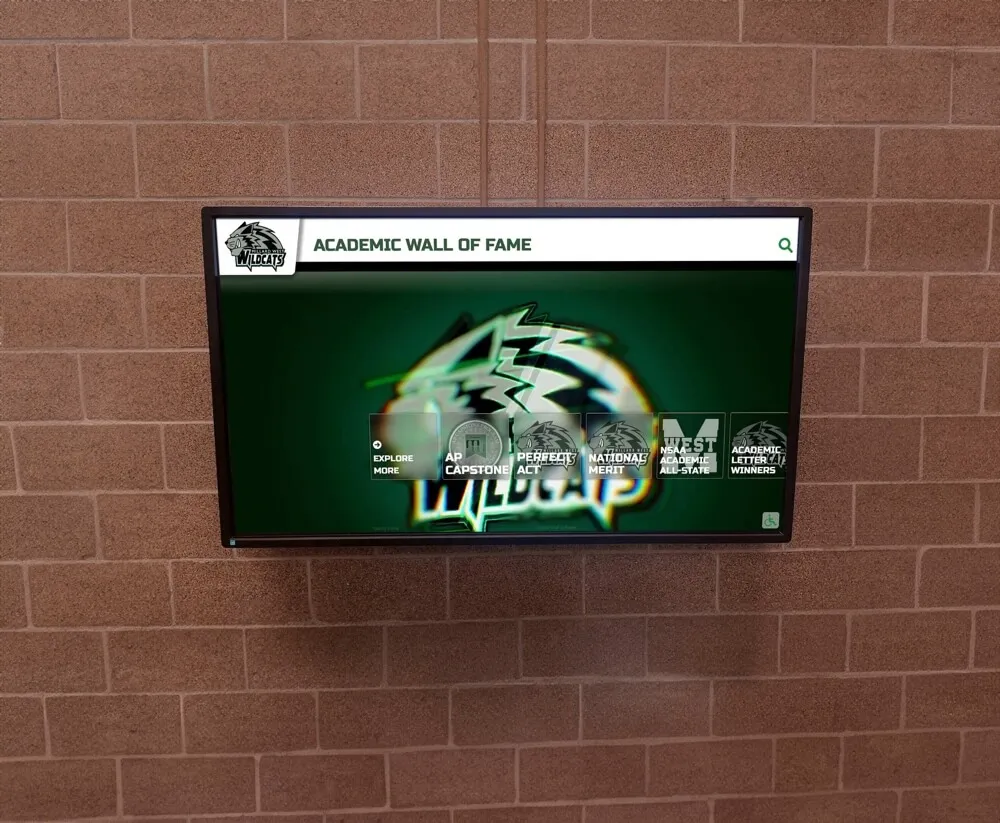
Modern recognition displays celebrate valedictorians and other academic achievers, creating lasting visibility for intellectual excellence
What Is a Valedictorian? Definition and Role
The term valedictorian comes from the Latin phrase “vale dicere,” meaning “to say farewell.” In American high schools, the valedictorian is the graduating senior who achieved the highest academic performance in their class, typically measured by grade point average (GPA) across all four years of high school coursework.
Core Characteristics of Valedictorians
Academic Excellence
- Highest cumulative GPA among graduating seniors
- Sustained performance across all subject areas
- Consistent achievement throughout high school career
- Excellence maintained across increasing academic rigor
- Often includes Advanced Placement (AP), International Baccalaureate (IB), or honors coursework
Traditional Responsibilities The valedictorian typically:
- Delivers the valedictory address at graduation ceremonies
- Represents the graduating class in their speech
- Reflects on shared experiences and looks toward the future
- Thanks teachers, families, and administrators
- Offers inspiration and perspective to classmates
Recognition and Prestige
- Highest academic honor a high school bestows
- Permanent designation on transcripts and diplomas
- Enhanced college applications and scholarship opportunities
- Special mention in graduation programs and announcements
- Lasting recognition in school records and displays
Valedictorian status represents more than just high grades—it symbolizes consistent dedication, intellectual curiosity, time management, and the ability to excel across diverse academic disciplines throughout the secondary education experience.
Valedictorian vs. Salutatorian
Most schools also recognize a salutatorian—the student with the second-highest GPA in the graduating class.
Salutatorian Distinction
- Latin origin from “salutare” meaning “to greet”
- Second-highest academic achievement in class
- May deliver salutatory address at graduation
- Receives significant recognition and honor
- Often competes closely with valedictorian for top position
The difference between valedictorian and salutatorian can be extraordinarily small—sometimes mere hundredths of a GPA point separating these top achievers. Both represent exceptional academic accomplishment deserving celebration and permanent recognition.

Interactive displays enable students to explore academic excellence including valedictorian recognition across graduating classes
How Schools Select Valedictorians: Common Methods
While the basic concept seems straightforward—highest GPA earns valedictorian status—actual selection processes vary significantly across schools, creating different approaches to determining academic leadership.
Grade Point Average Calculation Methods
Schools employ different GPA calculation systems affecting valedictorian determination:
Weighted GPA Systems Many high schools use weighted GPA calculations that assign extra points for rigorous coursework:
- Advanced Placement (AP) courses: Typically 5.0 for an A grade (versus 4.0 in regular courses)
- International Baccalaureate (IB) courses: Often 5.0 or higher weighting
- Honors classes: Usually 4.5 for an A grade
- Dual enrollment/college courses: Varying weight depending on institution
- Regular courses: Standard 4.0 scale
Weighted System Rationale
- Encourages students to challenge themselves with rigorous coursework
- Rewards students taking harder classes rather than GPA protection strategies
- Better reflects college readiness and intellectual engagement
- Acknowledges that maintaining high grades in AP classes requires more effort
- Creates more competitive and meaningful valedictorian selection
Unweighted GPA Systems Some schools maintain unweighted calculations where all courses use standard 4.0 scales:
- A = 4.0 in all classes regardless of rigor
- Simpler calculation without course tier considerations
- Potentially encourages students to avoid challenging courses to protect GPAs
- Can result in multiple students achieving perfect 4.0 GPAs
- Sometimes leads to multiple valedictorians when students tie
Schools recognizing academic excellence must balance encouraging rigor with maintaining fair competition.

Modern recognition systems provide mobile access to valedictorian and academic achievement information anywhere
Class Rank Calculation Timing
When schools calculate final rankings affects valedictorian determination:
Full Four-Year Calculation Most schools consider complete high school records:
- All courses from freshman through senior year
- Final semester grades included in calculation
- GPA finalized after all coursework completes
- Most comprehensive assessment of achievement
- Allows students time to improve throughout high school
Pre-Senior Year Calculation Some schools determine rankings before senior year:
- Based on first three years of coursework only
- Enables earlier college scholarship applications requiring rank
- Prevents strategic course selection in senior year
- May not reflect complete academic achievement
- Creates certainty earlier in senior year
Rolling Calculation A few schools maintain ongoing class rankings:
- Updated each semester or marking period
- Creates continuous competition for top position
- Can change throughout high school career
- May increase academic stress and competition
- Provides real-time feedback on standing
Handling Multiple Students with Identical GPAs
The question of ties creates significant selection challenges:
Multiple Valedictorians Approach Many schools now designate all students achieving the highest GPA as co-valedictorians:
- Recognizes that multiple students may achieve equal excellence
- Avoids arbitrary tiebreaker methods
- Increasingly common as weighted GPAs create perfect scores
- May result in 5, 10, or even more valedictorians
- Each co-valedictorian receives equal recognition and designation
Tiebreaker Methods Schools avoiding co-valedictorians may use secondary criteria:
- Number of AP or honors courses taken
- Performance on standardized tests (SAT, ACT)
- Weighted GPA calculated to additional decimal places
- Total number of A+ grades versus A or A- grades
- Teacher recommendations or additional coursework considerations
Speech Delivery Decisions When multiple valedictorians exist, schools determine speaking roles through:
- All co-valedictorians deliver brief joint addresses
- Students volunteer for speaking role among co-valedictorians
- Selection by faculty or administration based on speaking ability
- Rotating or alternating speeches throughout ceremony
- Written or video addresses from non-speaking valedictorians
Schools developing comprehensive student recognition programs must consider how to appropriately honor top achievers when multiple students tie for the highest academic standing.
Historical Background: Origins of the Valedictorian Tradition
Understanding the valedictorian tradition’s history provides context for current practices and ongoing debates about its relevance.
Early Academic Ranking Systems
University Origins The valedictorian designation originated in American universities during the colonial period:
- First American college graduations in the 1600s
- Latin oration tradition from European universities
- Student selected to deliver farewell address in Latin
- Initially based on speaking ability and character, not just grades
- Evolved to primarily academic merit-based selection
Expansion to Secondary Education High schools adopted the practice throughout the 1800s and 1900s:
- Small graduating classes made individual ranking feasible
- Clear distinction between top academic performer and peers
- Graduation speeches became American educational tradition
- Reinforced academic achievement as primary success measure
- Created aspiration goal motivating student excellence
Evolution of Selection Criteria
Early valedictorian selection considered factors beyond academics:
Historical Selection Factors
- Academic performance and scholarship
- Character, comportment, and moral standing
- Participation in school activities and leadership
- Speaking ability and oratory skills
- Teacher recommendations and faculty assessment
- Community involvement and reputation
Modern selection has narrowed primarily to objective GPA calculations, eliminating subjective character assessments that historically influenced valedictorian designation but created potential for bias and inconsistency.

Interactive kiosks in campus lobbies enable families and visitors to explore valedictorian achievements and academic excellence
Modern Debates: Is the Valedictorian System Still Relevant?
The valedictorian tradition faces increasing scrutiny, with schools nationwide questioning whether this singular honor remains appropriate for modern education.
Arguments Supporting the Valedictorian Tradition
Proponents believe valedictorians serve important functions:
Motivation and Aspiration
- Creates clear academic excellence goal for students
- Motivates high achievement throughout high school
- Provides tangible recognition of sustained effort
- Celebrates intellectual accomplishment alongside athletic success
- Creates healthy academic competition driving performance
Recognition of Excellence
- Honors truly exceptional academic achievement
- Provides deserved acknowledgment for years of dedication
- Creates lasting recognition preserving achievement
- Enhances college applications and scholarship opportunities
- Validates student and family investment in education
Tradition and School Pride
- Maintains meaningful educational tradition
- Creates aspirational role models for younger students
- Demonstrates institutional commitment to academic excellence
- Provides connection across generations of graduates
- Strengthens school culture valuing intellectual achievement
Schools can celebrate valedictorians through permanent digital recognition displays ensuring these achievements receive ongoing visibility inspiring current students.
Arguments Against Traditional Valedictorian Selection
Critics cite multiple concerns about the system:
Narrow Definition of Success
- Reduces complex achievement to single GPA number
- Ignores diverse forms of excellence and contribution
- Overlooks leadership, creativity, character, and service
- Pressures students toward grade optimization over learning
- May discourage intellectual risk-taking or challenging courses
Gaming the System
- Students may avoid challenging courses to protect GPAs
- Strategic course selection rather than intellectual curiosity
- Weighted GPA systems create arms races for extra points
- Transfer students and schedule changes complicate fair comparison
- Emphasis on grades over genuine learning and growth
Mental Health and Pressure
- Intense competition creates stress and anxiety
- Perfectionism and fear of GPA-damaging grades
- Social comparison and peer relationships affected
- Reduced collaboration as students compete
- Can contribute to cheating and academic dishonesty
Equity Concerns
- Students with unequal resources and support systems
- Access to AP courses varies across schools and districts
- Tutoring, test prep, and academic support availability differs
- Personal circumstances affecting academic performance
- Recognition of privilege rather than pure merit
Schools Eliminating Valedictorian Designations
Numerous high schools have discontinued naming valedictorians:
Alternative Recognition Approaches
- Top scholars or academic excellence designations for top 5-10%
- Latin honors (cum laude, magna cum laude, summa cum laude)
- Recognition of all students exceeding GPA thresholds
- Multiple students selected for graduation speaking roles
- Comprehensive achievement profiles beyond GPA alone
Rationale for Change Schools discontinuing valedictorian traditions cite:
- Reducing unhealthy competition and pressure
- Recognizing diverse forms of achievement and excellence
- Avoiding arbitrary distinctions among top performers
- Emphasizing learning and growth over grades
- Creating more inclusive and equitable recognition

Comprehensive recognition systems celebrate academic achievement including valedictorian distinction across graduating class histories
Hybrid and Reformed Approaches
Many schools maintain valedictorian traditions with modifications:
Multiple Recognition Tiers
- Valedictorian for highest single GPA
- Co-valedictorians when students tie
- Salutatorian recognition for second-highest achievement
- Top scholars designation for highest 5-10% of class
- Latin honors providing broader recognition bands
Broadened Selection Criteria Some schools expand valedictorian consideration beyond GPA:
- Minimum GPA threshold plus supplementary factors
- Leadership, service, and character considerations
- Portfolio or comprehensive achievement review
- Teacher recommendation and faculty assessment
- Balance between objective metrics and holistic evaluation
These approaches attempt balancing traditional recognition with concerns about narrow focus, excessive pressure, and equity considerations affecting valedictorian designation.
The Valedictorian Speech: Tradition and Expectations
Delivering the valedictory address represents a significant responsibility accompanying the academic honor.
Speech Content and Themes
Valedictorian speeches typically include:
Common Elements
- Welcome and thanks to families, teachers, administrators
- Reflection on shared class experiences and memories
- Acknowledgment of challenges overcome together
- Recognition of growth and learning throughout high school
- Forward-looking perspective on future opportunities
- Inspirational messages for classmates’ next chapters
- Humor balancing sentimentality and seriousness
Length and Format
- Generally 5-10 minutes in length
- May include multimedia presentations or visual elements
- Balance between personal perspective and universal themes
- Appropriate tone for diverse audience including young children and elderly
- School review and approval process ensuring appropriateness
Preparing the Valedictory Address
Valedictorians face pressure creating meaningful, memorable speeches:
Development Process
- Often begins months before graduation ceremony
- Multiple drafts and revisions with teacher or administrator feedback
- Practice and rehearsal for delivery timing and effectiveness
- Balance originality with avoiding controversial or divisive topics
- Incorporation of class-specific references and inside jokes
Common Challenges
- Speaking to diverse audience with varying relationships to school
- Creating universal message from personal achievement
- Avoiding clichés while delivering expected inspirational message
- Managing nervousness and pressure of significant speaking role
- Living up to expectations associated with valedictorian honor
Students selected for this responsibility often work closely with English teachers, administrators, or speech coaches developing addresses that appropriately represent their class while delivering meaningful messages to graduation audiences.

Portrait-focused displays showcase valedictorians alongside other honored graduates creating comprehensive achievement galleries
Benefits of Valedictorian Status: Beyond Graduation Day
Earning valedictorian designation provides advantages extending well beyond the graduation ceremony recognition.
College Admissions and Scholarships
Valedictorian status significantly enhances higher education opportunities:
Application Enhancement
- Demonstrates sustained academic excellence across four years
- Shows ability to maintain highest performance standards
- Signals work ethic, discipline, and intellectual capability
- Particularly valuable from less competitive high schools
- Creates distinction in highly selective college admissions
Scholarship Opportunities Many scholarships specifically target valedictorians:
- Full-ride scholarships at state universities for in-state valedictorians
- Private university merit scholarships with valedictorian preferences
- Community organization and local business valedictorian scholarships
- National programs recognizing top academic achievers
- Significantly reduced or eliminated college costs
Admissions Considerations While valedictorian status helps applications, highly selective colleges consider additional factors:
- Rigor of high school curriculum and course selection
- Standardized test scores (SAT, ACT) complementing GPA
- Extracurricular involvement and leadership
- Essays, recommendations, and personal qualities
- Context of achievement within school and community
Career and Professional Benefits
Valedictorian recognition provides lasting professional advantages:
Resume Distinction
- Listed on resumes particularly early in career
- Demonstrates academic excellence and achievement capability
- Provides talking points in interviews
- Signals work ethic and dedication to employers
- Can differentiate among entry-level candidates
Networking and Connections
- Alumni valedictorian networks at some institutions
- Speaking engagement opportunities based on achievement
- Professional recognition and media attention
- Connection to school legacy and tradition
- Mentorship opportunities with previous valedictorians
Personal Accomplishment Beyond external benefits, valedictorian status provides:
- Lasting pride in significant achievement
- Validation of years of academic effort
- Confidence in intellectual capabilities
- Family pride and generational achievement
- Connection to educational excellence tradition
Schools preserving graduate achievement recognition through permanent displays ensure valedictorians receive ongoing celebration inspiring current students toward similar excellence.
How Schools Celebrate and Recognize Valedictorians
Beyond graduation ceremony acknowledgment, schools employ various approaches to honor valedictorian achievement permanently.
Traditional Recognition Methods
Schools have historically celebrated valedictorians through:
Graduation Day Recognition
- Special introduction and identification during ceremony
- Valedictory address platform opportunity
- Distinctive honor cords or medals worn with regalia
- Separate seating or stage positioning
- Recognition in printed graduation programs
Permanent Physical Recognition
- Names engraved on plaques in school hallways or lobbies
- Photographs displayed in trophy cases or honor walls
- Yearbook special designation and acknowledgment
- School website and publication features
- Local newspaper announcements and recognition
Academic Records Documentation
- Transcript notation of valedictorian status
- Diploma distinction or separate recognition certificate
- School record keeping in historical archives
- Permanent designation in student information systems
- Documentation for scholarship and college applications
Limitations of Traditional Valedictorian Recognition
Traditional approaches face significant constraints:
Space and Capacity Limitations Physical plaques and displays eventually run out of room:
- Limited wall space for engraved plates or nameplates
- Need to remove historical recognition to accommodate new graduates
- Inability to include rich information beyond names and years
- No capacity for photos, achievements beyond valedictorian status
- Physical deterioration over time requiring replacement
Maintenance and Update Challenges Static displays present ongoing difficulties:
- Expensive to update with each graduating class
- Requires physical engraving or plaque ordering process
- Installation and mounting require facilities staff time
- Errors difficult and costly to correct
- Inconsistent formatting across years as styles change
Limited Accessibility and Engagement Traditional recognition offers minimal interaction:
- Visible only to people physically present on campus
- No searchability or filtering capabilities
- Alumni and families unable to access remotely
- Younger students may not notice static wall displays
- No connection to broader achievement context or stories

Touchscreen systems enable intuitive exploration of academic achievement including valedictorian recognition across school history
Modern Digital Recognition: Transforming How Schools Celebrate Valedictorians
Contemporary schools increasingly implement digital recognition displays that overcome traditional limitations while creating engaging, permanent celebration of academic excellence.
Digital Recognition Display Advantages
Modern touchscreen solutions transform valedictorian recognition:
Unlimited Recognition Capacity Digital platforms eliminate space constraints:
- Showcase all valedictorians across complete school history
- Never remove historical achievements to accommodate new graduates
- Include comprehensive information beyond names alone
- Preserve institutional academic tradition indefinitely
- Equal recognition for current and historical achievers
Rich, Detailed Profiles Unlike static plaques, digital displays enable:
- Individual achievement profiles with photographs
- Detailed information about academic accomplishments
- Post-graduation college and career updates
- Valedictorian speech excerpts or full text
- Connection to graduating class information and context
- Achievement narrative beyond single designation
Interactive Exploration Features Touchscreen capabilities create engagement impossible with traditional displays:
- Search functionality finding specific valedictorians by name or year
- Filtering by graduation decade, college destinations, or career paths
- Related content connecting to broader school traditions
- Photo galleries and achievement documentation
- Comparative information across graduating classes
Schools implementing digital hall of fame systems create year-round celebration of valedictorians alongside other distinguished graduates.
Cloud-Based Management and Remote Access
Modern recognition platforms offer management advantages:
Simple Content Updates
- Remote updates from any internet-connected device
- Bulk import capabilities for graduating class data
- Scheduled publishing automation for graduation timing
- Role-based permissions ensuring appropriate access control
- Drag-and-drop interfaces requiring no technical expertise
- Immediate error correction without physical reinstallation
Multi-Platform Accessibility Recognition extends beyond physical campus:
- Physical touchscreen kiosks in high-traffic school locations
- Web-based viewing accessible to alumni and families worldwide
- Mobile-optimized interfaces for phone and tablet access
- Social sharing capabilities amplifying recognition reach
- 24/7 availability not limited to school hours or campus access
Schools report 80-90% reduction in time spent maintaining recognition displays after implementing cloud-based digital systems.
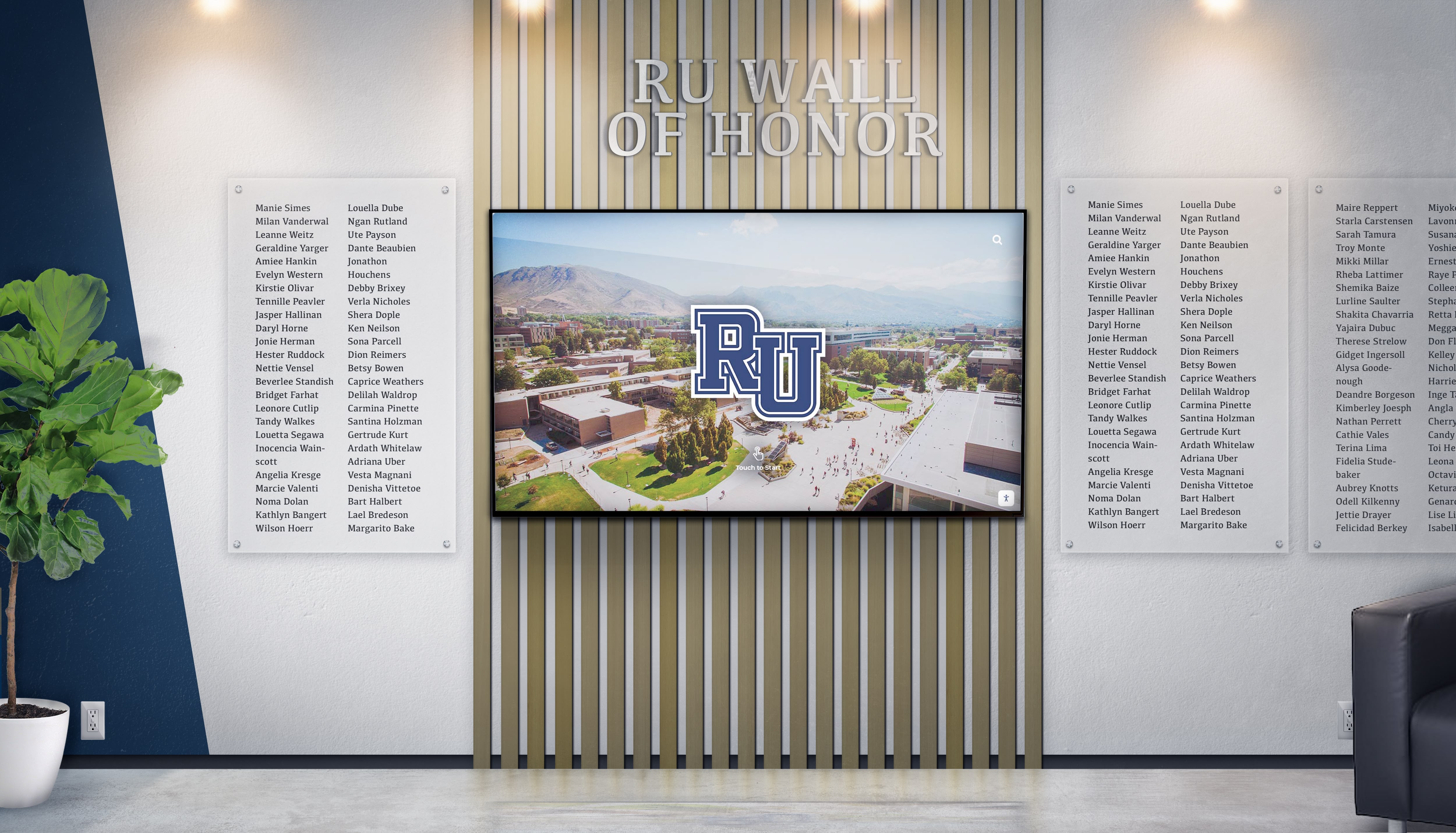
Integrated systems combine traditional recognition elements with interactive digital displays creating comprehensive celebration spaces
Creating Inspirational Recognition Culture
Digital valedictorian recognition creates broader cultural benefits:
Motivating Current Students Visible academic achievement recognition:
- Creates aspirational goals for underclassmen
- Normalizes intellectual excellence as celebrated achievement
- Provides concrete examples of academic success
- Demonstrates institutional commitment to scholarship
- Creates positive peer pressure toward academic achievement
Engaging Alumni and Community Extended recognition reach strengthens connections:
- Alumni explore their own recognition and class history
- Families share achievements through social media
- Prospective students and parents view academic tradition
- Community members stay connected to school excellence
- Historical preservation maintaining institutional memory
Balancing Recognition Types Digital displays ensure academic achievement receives visibility equal to athletics:
- Valedictorian and academic honor recognition in prominent locations
- Integration with athletic hall of fame and achievement displays
- Comprehensive celebration across all excellence dimensions
- Unified recognition platforms showcasing diverse achievements
- Cultural messaging that intellect matters alongside athletics
Platforms like comprehensive digital recognition solutions enable schools to celebrate valedictorians as part of broader achievement ecosystems.
Supporting Students Aspiring to Valedictorian Status
Schools and families can support students pursuing this academic distinction through systematic approaches.
Academic Planning and Strategy
Early Foundation Building Students aspiring to valedictorian should:
- Establish strong GPA foundation beginning freshman year
- Understand school’s specific GPA calculation and weighting system
- Take appropriately rigorous courses without overwhelming capacity
- Seek academic support when struggling rather than avoiding challenges
- Maintain consistent study habits across all subject areas
Course Selection Strategy
- Balance challenging coursework with maintainable excellence
- Understand weighted GPA benefits of honors, AP, and IB courses
- Avoid strategic course avoidance that limits learning
- Consider passion and interest alongside GPA optimization
- Plan four-year trajectory meeting graduation requirements optimally
Time Management and Balance
- Develop sustainable study routines maintaining excellence
- Balance academics with extracurricular involvement
- Preserve sleep, exercise, and personal wellbeing
- Avoid burnout through reasonable expectations
- Recognize that health enables rather than obstructs achievement
Support Systems and Resources
Academic Support Utilization
- Teacher office hours for clarification and deeper understanding
- Tutoring resources when concepts prove challenging
- Study groups providing accountability and diverse perspectives
- Writing center assistance for paper quality
- Test preparation resources for standardized exams
Counselor and Mentor Guidance
- Regular meetings with school counselors tracking progress
- Conversations about valedictorian pursuit and realistic expectations
- College planning integrating valedictorian status with broader profile
- Mental health support when academic pressure becomes overwhelming
- Strategic course selection guidance for four-year plans
Family Support Balance Families can help by:
- Celebrating effort and learning alongside grades
- Maintaining perspective on achievement’s role in overall development
- Avoiding excessive pressure creating unhealthy stress
- Supporting health and wellbeing as achievement foundation
- Recognizing that worth extends beyond academic designation
Schools celebrating comprehensive student excellence ensure multiple pathways to recognition beyond valedictorian status alone.

Multi-device accessibility ensures valedictorian and academic achievement recognition reaches audiences across all platforms
Frequently Asked Questions About Valedictorians
What exactly does valedictorian mean?
Valedictorian comes from Latin “vale dicere” meaning “to say farewell.” In American high schools, it designates the graduating senior who achieved the highest grade point average (GPA) among their class. The valedictorian traditionally delivers the valedictory address—a farewell speech—at graduation ceremonies, representing their class while reflecting on shared experiences and looking toward the future. This designation represents the highest academic honor most high schools bestow, recognizing sustained excellence across four years of secondary education.
How is a valedictorian chosen?
Schools typically select valedictorians based on cumulative grade point average (GPA) calculated across all four years of high school. The specific method varies by school:
- Weighted GPA systems assign extra points for Advanced Placement (AP), International Baccalaureate (IB), and honors courses, often with A grades worth 5.0 points instead of standard 4.0
- Unweighted GPA systems use standard 4.0 scales regardless of course rigor
- Class rank determines the student with the highest GPA at graduation
- Timing of final calculation varies—some schools finalize rankings after all senior year grades, while others determine earlier
When multiple students tie with identical GPAs, schools may designate co-valedictorians or use tiebreaker methods like number of honors courses, standardized test scores, or additional decimal place calculations.
What is the difference between valedictorian and salutatorian?
The valedictorian is the student with the highest GPA in the graduating class, while the salutatorian has the second-highest GPA. Both represent extraordinary academic achievement, with the difference often being mere hundredths of a GPA point. The salutatorian name comes from Latin “salutare” meaning “to greet,” and this student may deliver the salutatory address (greeting speech) at graduation. Some schools recognize both with speaking roles during commencement ceremonies, while others provide equal recognition through displays and permanent records even if only the valedictorian speaks.
Do valedictorians get scholarships?
Yes, valedictorian status significantly enhances scholarship opportunities. Many scholarships specifically target valedictorians including:
- State university programs offering full-tuition or full-ride scholarships to in-state valedictorians
- Private college merit scholarships with preferences or requirements for valedictorian designation
- Local organization scholarships from community businesses, nonprofits, and civic groups
- National scholarship programs recognizing top academic achievers
- Automatic consideration for competitive awards at many institutions
Beyond valedictorian-specific awards, the designation strengthens applications for general merit scholarships by demonstrating sustained excellence, work ethic, and achievement capability. Combined with strong standardized test scores and extracurricular involvement, valedictorian status can significantly reduce or eliminate college costs through scholarship awards.
Can there be multiple valedictorians?
Yes, many schools now designate co-valedictorians when multiple students achieve identical highest GPAs. This approach has become increasingly common as weighted GPA systems enable multiple students to reach perfect scores. Schools may have 2, 5, 10, or even more co-valedictorians depending on their GPA calculation methods and class achievement levels. All co-valedictorians receive equal recognition and designation on transcripts and diplomas. Schools determine speaking roles through various methods—some have all co-valedictorians deliver brief joint addresses, while others select speakers by volunteer basis or faculty recommendation based on speaking ability.
What GPA do you need to be valedictorian?
There is no universal GPA requirement to become valedictorian—you simply need the highest cumulative GPA in your graduating class. In weighted systems, valedictorians often have GPAs above 4.0 (sometimes 4.5-5.0 or higher) due to honors and AP course bonuses. In unweighted systems, valedictorians typically have perfect or near-perfect 4.0 GPAs. The required GPA varies dramatically based on:
- School competitiveness and student body achievement levels
- GPA calculation method (weighted versus unweighted)
- Peer performance in the specific graduating class
- Course difficulty standards at the institution
Rather than targeting a specific GPA number, students should focus on maintaining the highest possible achievement across all courses throughout their high school career while taking appropriately rigorous coursework.
Do colleges care about valedictorian status?
Valedictorian status enhances college applications, particularly for scholarships, but highly selective colleges consider it within broader context. While valedictorian designation demonstrates sustained academic excellence, top colleges recognize:
- High school rigor varies dramatically—valedictorian from less competitive school versus competitive preparatory academy
- Other factors matter equally or more—standardized test scores, essay quality, recommendations, extracurricular depth, leadership, unique talents
- Many applicants are valedictorians—at highly selective institutions, large percentages of applicants achieved valedictorian or salutatorian status
- Holistic review processes evaluate complete student profiles beyond single designations
Valedictorian status provides significant advantage for scholarship opportunities and admission to state universities and less selective institutions. At highly competitive colleges, it represents one positive element within comprehensive application review rather than guaranteed admission.
Conclusion: Honoring Academic Excellence That Inspires Achievement
The valedictorian designation—whether celebrated through traditional single recognition or modern co-valedictorian approaches—represents schools’ commitment to honoring intellectual achievement and academic dedication. Understanding what a valedictorian is, how schools determine this distinction, and why it matters provides valuable context for students, families, and educators navigating the high school experience.
While debates continue about whether traditional valedictorian systems remain appropriate for contemporary education, the fundamental desire to recognize and celebrate exceptional academic achievement persists. Whether schools maintain singular valedictorian recognition, expand to co-valedictorian designations, or evolve toward broader academic honors systems, the underlying goal remains constant—motivating excellence, celebrating achievement, and creating cultures where intellectual accomplishment receives appropriate acknowledgment.
For students aspiring to valedictorian status, the journey requires sustained dedication, strategic course selection, effective time management, and commitment to learning rather than pure grade optimization. This pursuit, when approached healthily with appropriate support and balance, can develop capabilities and work habits that benefit students throughout their educational and professional lives.
For schools, appropriately celebrating valedictorians creates inspirational examples for current students while preserving institutional academic tradition. Modern digital recognition displays overcome the limitations of traditional static plaques, enabling comprehensive valedictorian recognition across complete school histories while creating engaging, accessible experiences for students, families, and communities.
Traditional physical plaques eventually run out of space, require expensive updates, and provide limited information beyond names and years. Digital platforms eliminate these constraints while enabling rich profiles, interactive exploration, remote accessibility, and simple content management that reduces administrative burden by 80-90% compared to traditional displays.
Beyond the practical advantages, permanent digital recognition ensures valedictorians receive ongoing celebration rather than fleeting graduation day acknowledgment. When schools prominently display academic excellence in high-traffic locations with engaging, interactive platforms, they create cultural messages that intellectual achievement matters as much as athletic success—motivating current students toward similar dedication while preserving institutional memory of academic leadership across generations.
Whether your school continues traditional valedictorian recognition, has adopted co-valedictorian approaches, or is considering evolution toward broader academic honors systems, celebrating intellectual excellence remains essential. Students who demonstrate sustained commitment to learning, maintain excellence across diverse subjects, and achieve the highest academic standards deserve recognition that extends beyond single ceremonies into permanent, accessible, engaging celebration.
Ready to transform how your school celebrates valedictorians and academic excellence? Explore modern digital recognition solutions that enable comprehensive celebration of valedictorians across your school’s complete history while creating engaging, interactive experiences accessible to your entire community year-round—ensuring academic achievement receives the lasting visibility it deserves.