When high school graduation arrives, one student typically stands before their peers to deliver the commencement address—the valedictorian. This honored graduate represents the pinnacle of academic achievement within their class, earning recognition that extends far beyond a single speech. Yet the path to becoming valedictorian, the specific requirements, and how schools determine this distinction vary more than many students and families realize.
The term valedictorian designates the student who graduates with the highest academic standing in their class, typically based on cumulative grade point average across their entire high school career. This distinction carries significant weight for college applications, scholarship opportunities, and represents the culmination of years of academic dedication.
This comprehensive guide explores everything students, families, and educators need to understand about the valedictorian honor—from qualification requirements and selection processes to modern recognition approaches that celebrate these exceptional achievers alongside salutatorians and other top students.
Understanding valedictorian status begins with recognizing its fundamental significance: this honor acknowledges sustained academic excellence across the complete high school experience. Schools use valedictorian designation to recognize the highest-achieving student, motivate academic excellence throughout the student body, provide leadership opportunities through commencement speaking roles, create aspirational models for underclassmen, and establish clear academic achievement standards.

Modern recognition displays celebrate valedictorians alongside other academic honors, making excellence visible throughout school communities
What Does Valedictorian Mean?
The word “valedictorian” originates from Latin, combining “vale” (farewell) with “dicere” (to speak), literally meaning “farewell speaker.” This etymology reflects the traditional role of the valedictorian delivering a farewell address to the graduating class during commencement ceremonies.
Core Definition and Characteristics
Academic Achievement Recognition
Valedictorian status represents the highest level of academic recognition available to graduating high school students:
- Awarded to the student with the highest cumulative GPA in the graduating class
- Reflects performance across the entire high school career, not just senior year
- Typically requires excellence across all subjects and course levels
- Represents sustained commitment to academic excellence over multiple years
- Often includes both required courses and elective coursework in calculations
Distinguished from Other Academic Honors
Valedictorian designation differs from other graduation recognitions:
- Valedictorian: Single highest-ranking student (or multiple students tied for first)
- Salutatorian: Second-highest ranking student in the graduating class
- Cum Laude/Latin Honors: Percentage-based recognition for multiple top-performing students
- Honor Roll: Periodic recognition throughout school years based on term GPAs
- Class Rank: Numerical ranking showing relative standing among all graduates
Unlike honor roll or dean’s list recognitions that occur multiple times throughout a student’s education, valedictorian represents a once-in-a-lifetime achievement determined at graduation based on complete academic record.

Individual student profiles celebrate specific academic achievements including valedictorian and salutatorian honors
Traditional Responsibilities and Privileges
Commencement Speaking Role
The most visible valedictorian privilege involves addressing the graduating class:
- Delivering a valedictory speech during the graduation ceremony
- Typically speaking for 5-10 minutes on themes of achievement, gratitude, and future aspirations
- Representing the student voice during the culminating school celebration
- Creating a memorable moment for the entire graduating class
- Often working with faculty advisors to develop appropriate remarks
Additional Recognition and Honors
Beyond the speaking role, valedictorians typically receive:
- Prominent recognition in graduation programs and materials
- Special designation on diplomas and transcripts
- Recognition during commencement ceremony introductions
- Distinction in school records and historical documentation
- Media recognition in local newspapers and school publications
- Often special seating or procession placement during ceremony
Some schools provide additional privileges like special medals, cords, or stoles distinguishing valedictorians during the ceremony itself.
Valedictorian Requirements: What Does It Take?
While the basic concept remains consistent—highest academic achievement—specific requirements and calculation methods vary significantly across schools and districts.
GPA Requirements and Calculations
Cumulative GPA as Primary Criterion
Most schools determine valedictorian based on cumulative grade point average:
- GPA calculated across all four years of high school (grades 9-12)
- Includes all academic courses and often elective courses
- Typically uses 4.0 scale for standard courses with potential weighting
- Final valedictorian determination usually made late in senior year
- Based on grades through final semester before graduation
The actual GPA needed varies dramatically based on the competitiveness of each graduating class and whether schools use weighted or unweighted calculations.
Weighted vs. Unweighted GPA Systems
Schools employ different approaches that significantly impact valedictorian selection:
Weighted GPA Systems
- Advanced courses (Honors, AP, IB) receive additional grade point value
- A’s in honors courses might equal 4.5 or 5.0 instead of standard 4.0
- Recognizes difficulty of challenging coursework beyond standard classes
- Can result in GPAs above 4.0 for students taking rigorous courses
- Encourages students to pursue the most challenging curriculum available
- Valedictorians at schools using weighted systems often have GPAs of 4.3-5.0 or higher
Unweighted GPA Systems
- All courses counted equally on standard 4.0 scale regardless of difficulty
- An A receives 4.0 whether in regular, honors, or AP courses
- Simpler calculation but doesn’t distinguish course rigor
- Valedictorians typically have perfect or near-perfect 4.0 GPAs
- Some argue this system is more equitable but may discourage risk-taking in difficult courses
The choice between weighted and unweighted systems represents one of the most significant factors affecting valedictorian determination.
Course Requirements and Eligibility
Minimum Course Load and Credit Requirements
Schools typically establish baseline requirements for valedictorian eligibility:
- Minimum number of years enrolled at the school (often 3-4 years)
- Minimum credit hour requirements across all subjects
- Completion of specific core curriculum requirements
- Full-time enrollment for required number of semesters
- Some schools require minimum number of advanced courses
Course Inclusion Policies
Different approaches to which courses count:
- All courses including electives and physical education
- Only core academic subjects (math, science, English, social studies)
- Exclusion of pass/fail courses from GPA calculations
- Treatment of courses taken outside regular school (dual enrollment, online)
- Summer school and credit recovery course policies

Interactive displays create opportunities for students to explore academic achievements and leadership recognition
Transfer Student Considerations
Schools handle transfer students variably:
- Some require full four years at the school for valedictorian eligibility
- Others calculate based only on courses completed at their institution
- Transfer course grade inclusion policies vary widely
- International transcript conversions and equivalencies
- Mid-year transfer impact on eligibility
Students transferring between schools should understand policies early to manage expectations appropriately.
Additional Qualification Factors
Attendance and Citizenship Requirements
Academic performance alone may not guarantee valedictorian status:
- Satisfactory attendance records with maximum absence limits
- Behavioral expectations and disciplinary record requirements
- Citizenship grades or character marks in satisfactory standing
- Participation in required school programs or events
- Academic integrity expectations with no major violations
Special Circumstances and Exceptions
Schools may establish policies for unique situations:
- Medical exceptions for health-related absences or modified programs
- Learning support services or accommodations impact on eligibility
- Early graduation or accelerated program considerations
- Homeschool to public school transition situations
- Virtual or hybrid learning program course weighting
Schools implementing comprehensive academic recognition programs celebrate valedictorians alongside diverse achievement dimensions creating holistic student recognition systems.
How Schools Select Valedictorians
The selection process varies significantly across institutions, with some schools making simple calculations while others employ complex methodologies or have eliminated singular valedictorian designations entirely.
Traditional Single Valedictorian Selection
Highest GPA Designation
The most straightforward approach identifies the single student with the highest cumulative GPA:
- Clear, objective determination based on mathematical calculation
- Student with highest GPA receives valedictorian honor
- Second-highest becomes salutatorian
- Easily understood by students, families, and community
- Provides clear motivation and achievement target
Tiebreaker Procedures
When multiple students have identical GPAs, schools employ various methods:
- Calculation extended to additional decimal places beyond standard reporting
- Consideration of weighted vs. unweighted GPA differentials
- Total number of advanced courses as secondary criterion
- Cumulative semester ranking across all terms
- Some schools recognize multiple co-valedictorians instead of using tiebreakers

Modern recognition systems celebrate valedictorians alongside other academic honors in comprehensive displays
Multiple Valedictorian Approaches
Co-Valedictorian Recognition
Many schools now recognize multiple students as co-valedictorians:
- All students meeting specific GPA threshold receive valedictorian honor
- Typically requires perfect 4.0 unweighted or specific weighted GPA
- Reflects reality that multiple students may achieve highest standing
- Avoids artificial distinctions between essentially equal performers
- Creates more inclusive recognition while maintaining high standards
Benefits and Criticisms
This approach generates both support and concern:
Supporters argue:
- More accurately reflects true achievement when differences are minuscule
- Reduces unhealthy competition and strategic course selection purely for rank
- Recognizes all students truly deserving highest honor
- Acknowledges multiple paths to excellence
- More equitable recognition across diverse curricula
Critics contend:
- Dilutes the significance and exclusivity of valedictorian honor
- Complicates speaking arrangements at graduation ceremonies
- Makes the distinction less meaningful for college applications
- Reduces competitive motivation to achieve absolute highest standing
- Creates confusion about relative achievement levels
Alternative Recognition Systems
Latin Honors Without Single Valedictorian
Some schools have eliminated valedictorian designation entirely:
- Use cumulative Latin honors system (summa cum laude, magna cum laude, cum laude)
- Recognize top percentage of class rather than single highest student
- Avoid intense competition focused on minute GPA differences
- Emphasize broader academic excellence over single ranking
- Multiple students deliver brief remarks at graduation rather than one speech
Class Ranking Elimination
Growing number of high schools have abolished class ranking altogether:
- Focus on individual achievement rather than comparative standing
- Reduce stress and competition among high-achieving students
- Allow students to pursue genuine interests without rank calculation concerns
- Some colleges prefer this approach, finding class rank less meaningful
- Still calculate valedictorian privately but don’t publish broader rankings
Students at schools using innovative recognition approaches benefit from systems celebrating diverse forms of academic excellence beyond traditional hierarchical ranking.
The Valedictorian Speech: Purpose and Preparation
For students earning valedictorian honors, delivering the commencement address represents both a privilege and responsibility requiring thoughtful preparation.
Traditional Speech Components
Common Valedictory Address Themes
Effective valedictorian speeches typically incorporate several elements:
- Reflection on shared experiences and memorable moments from high school years
- Acknowledgment and gratitude toward teachers, parents, and community supporters
- Lessons learned and wisdom gained during the educational journey
- Optimistic outlook toward future opportunities and challenges
- Call to action or inspirational message for fellow graduates
- Appropriate humor balancing seriousness with celebration
Typical Speech Structure
Most valedictory addresses follow recognizable patterns:
- Opening hook capturing attention (anecdote, quote, or observation)
- Brief reflection on the class’s journey together
- Recognition of those who supported student success
- Discussion of lessons learned or themes from the high school experience
- Forward-looking perspective on graduation significance
- Inspirational or motivational closing remarks
- Conclusion with congratulations to fellow graduates
Speech Preparation Strategies
Development Process
Effective preparation typically involves:
- Beginning several weeks before graduation to allow adequate time
- Brainstorming meaningful themes and memories
- Consulting with teachers or advisors for guidance
- Drafting multiple versions and revising based on feedback
- Practicing delivery to ensure appropriate length and pacing
- Testing speech with small audiences before final delivery
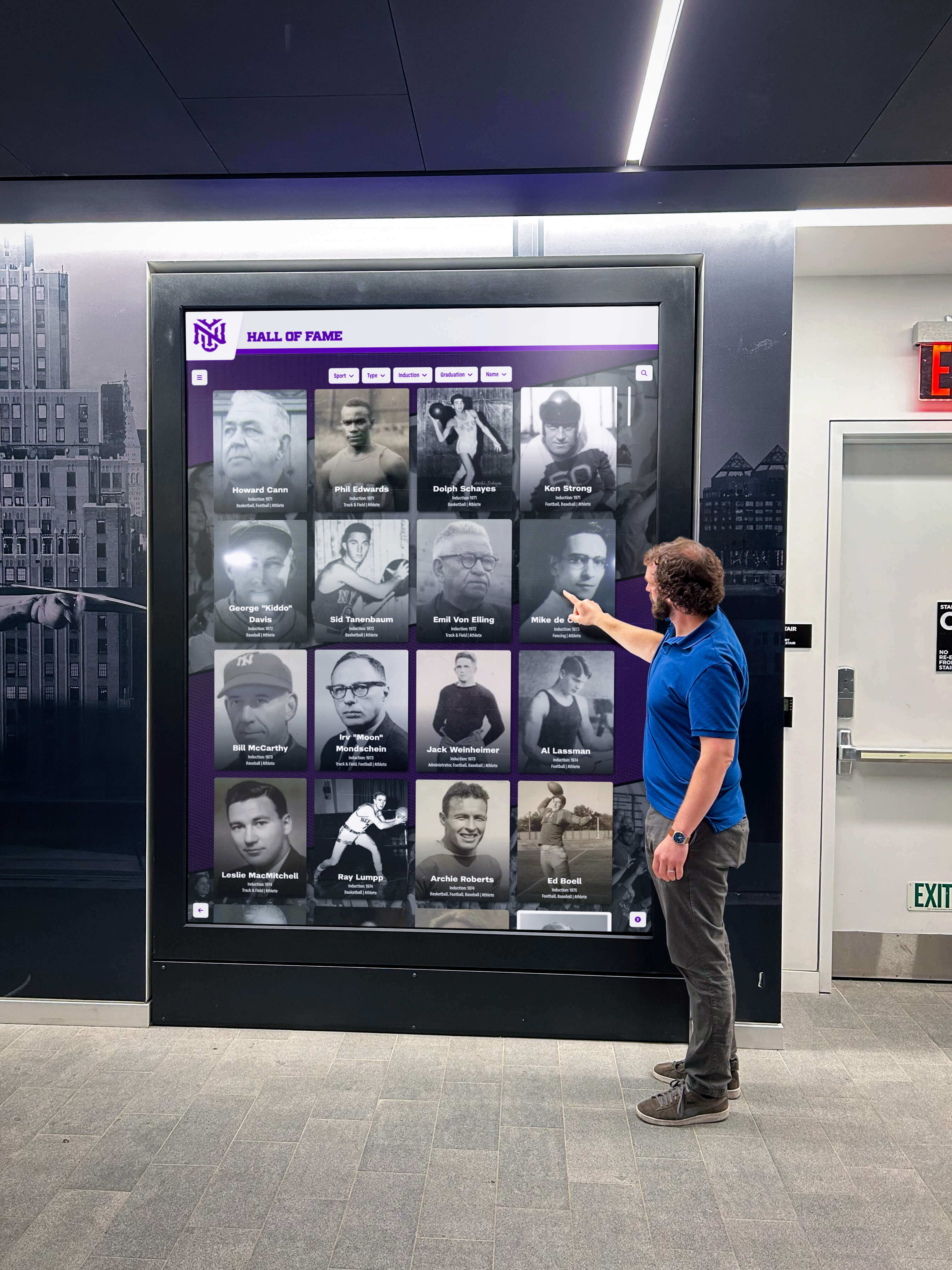
Digital displays enable families and community members to explore valedictorian achievements and academic excellence
Common Pitfalls to Avoid
- Speeches that are too long (generally aim for 5-10 minutes maximum)
- Overly personal references only close friends would understand
- Negative comments or criticism of school, teachers, or experiences
- Excessive inside jokes that exclude significant portions of audience
- Purely self-focused remarks without acknowledging shared experience
- Political or controversial statements inappropriate for celebration context
- Reading entirely from paper without audience eye contact
School Approval Processes
Most schools require:
- Submission of written speech draft several days before graduation
- Administrative review for appropriate content and length
- Faculty advisor feedback and revision suggestions
- Final approval before delivery at ceremony
- Understanding that schools may require changes to inappropriate content
Benefits of Being Valedictorian
Earning valedictorian honors provides both immediate advantages and long-term benefits extending throughout students’ educational and professional journeys.
College Admission Advantages
Competitive Application Enhancement
Valedictorian status significantly strengthens college applications:
- Demonstrates sustained excellence across complete high school curriculum
- Signals exceptional work ethic, intellectual capability, and commitment
- Provides clear achievement distinction in competitive applicant pools
- Particularly valuable for highly selective colleges and universities
- Creates compelling narrative for application essays and interviews
- Distinguishes applications from other strong academic performers
Demonstrated Leadership and Communication Skills
Beyond academics, valedictorian honors showcase broader competencies:
- Public speaking experience through commencement address
- Leadership recognition within school community
- Ability to balance multiple responsibilities while maintaining excellence
- Time management and organizational capabilities
- Represents achievement that required sustained long-term effort

Comprehensive recognition systems document valedictorian achievements across academic careers
Scholarship Opportunities
Merit-Based Financial Aid
Valedictorian distinction opens substantial scholarship doors:
- Many universities offer automatic merit scholarships for valedictorians
- Some institutions provide full-tuition or even full-ride scholarships
- Local community organizations frequently offer valedictorian-specific awards
- Service organizations often maintain scholarship programs targeting top students
- Corporate scholarship programs prioritize valedictorian applicants
- Cumulative scholarship value can reach $50,000-$200,000+ across four years
Competitive Scholarship Applications
For additional opportunities requiring applications:
- Valedictorian status significantly strengthens competitive scholarship profiles
- Demonstrates achievement level consistent with prestigious scholarship requirements
- Provides credential supporting capability claims in essays and interviews
- Often required or strongly preferred for most competitive national programs
- May qualify students for automatic advancement in multi-round selection processes
Students pursuing valedictorian-caliber achievement often also qualify for end of year academic awards recognizing excellence across multiple achievement dimensions.
Personal and Professional Benefits
Character Development
Earning valedictorian honors builds essential life competencies:
- Discipline and consistent effort over extended periods
- Goal-setting and long-term planning capabilities
- Resilience through maintaining excellence despite challenges
- Time management balancing academics with other commitments
- Confidence from achieving ambitious objectives
- Self-efficacy extending to future endeavors
Long-Term Career Impact
While most significant early in careers, valedictorian honors provide lasting benefits:
- Distinguished resume credential for initial job applications
- Talking point for early career interviews demonstrating capability
- Permanent transcript notation creating lasting record
- Alumni networks and connections through institutional recognition programs
- Leadership opportunities in professional and civic contexts
- Foundation of achievement orientation supporting career development
Community Recognition and Pride
Local communities typically celebrate valedictorians prominently:
- Local newspaper features and media recognition
- Chamber of commerce and civic organization acknowledgment
- Community scholarship and award opportunities
- Family pride and generational significance
- Lasting positive reputation within community
- Alumni status connecting to future school engagement
How Schools Honor and Celebrate Valedictorians
Educational institutions employ various methods to recognize valedictorian achievement both during graduation and through permanent displays.
Graduation Ceremony Recognition
Traditional Commencement Honors
Schools celebrate valedictorians through established graduation practices:
- Speaking role delivering valedictory address to assembled graduates
- Special introduction highlighting academic achievement during ceremony
- Distinctive honor cords, stoles, or medals worn with graduation regalia
- Prominent placement in processional and recessional
- Recognition in printed graduation programs with biographical information
- Often receives diploma first or with special presentation
- Photo opportunities with school administrators and family
Pre-Graduation Recognition Events
Many schools host events specifically honoring top academic achievers:
- Academic awards nights or honors ceremonies before graduation
- Senior recognition assemblies celebrating achievements
- Faculty reception or dinner honoring valedictorian and salutatorian
- Special recognition at final school board meeting
- Senior year acknowledgments at various school events throughout the year

Strategic placement of recognition displays in high-traffic areas maximizes valedictorian visibility and inspiration
Permanent Recognition Displays
Traditional Recognition Methods
Schools have long preserved valedictorian legacy through physical displays:
- Permanent plaques in school hallways or main office areas
- Honor roll boards listing valedictorians by year
- Trophy cases or display cabinets with academic honors
- School website recognition pages listing historical valedictorians
- Yearbook special pages highlighting top academic achievers
- Photographic displays in administrative or counseling office areas
These traditional approaches face significant limitations including space constraints limiting how many years can be displayed simultaneously, static displays that receive minimal engagement from current students, manual updating requiring regular maintenance and resources, and degradation over time requiring periodic replacement or restoration.
Modern Digital Recognition Solutions
Progressive schools increasingly implement touchscreen recognition displays transforming valedictorian celebration:
Comprehensive Historical Archives
Digital systems eliminate space constraints limiting traditional recognition:
- Single display showcases valedictorians from all years in school history
- Complete profiles for each honored graduate including photos and achievements
- No need to remove older recognition to accommodate recent graduates
- Permanent preservation of institutional academic tradition
- Easy addition of new valedictorians each year through cloud-based updates
Interactive Exploration Features
Modern displays create engagement impossible with static plaques:
- Search functionality enabling students to explore valedictorians by name or year
- Filtering by decade, college attendance, post-graduation accomplishments
- Detailed biographical information and achievement narratives
- Connection to other school achievements and recognition categories
- “Where are they now?” updates showing post-graduation success
- QR code access enabling mobile phone exploration beyond physical display
Simple Cloud-Based Management
Remote content management eliminates administrative burden:
- Update valedictorian recognition from any internet-connected device
- Bulk import tools for historical graduate data
- Templates ensuring consistent formatting across all years
- Role-based permissions for appropriate staff access
- No technical expertise required for annual updates
- Scheduled publishing for graduation announcements
Schools implementing these systems report increased student engagement with academic recognition while significantly reducing maintenance time and cost compared to traditional physical displays.
Solutions like interactive kiosk systems provide comprehensive platforms celebrating valedictorians alongside other academic and athletic accomplishments.
Valedictorian vs. Salutatorian: Understanding the Distinction
While valedictorian receives most attention, understanding salutatorian honors provides complete picture of top academic recognition.
Salutatorian Definition and Selection
Academic Ranking Position
Salutatorian designates the second-highest ranking student:
- Student with second-highest cumulative GPA in graduating class
- Follows same calculation methodology as valedictorian determination
- Represents exceptional achievement just below absolute highest standing
- Often involves minimal GPA difference from valedictorian
- Subject to same eligibility requirements regarding attendance, citizenship, etc.
Traditional Responsibilities
Salutatorian role typically includes:
- Delivering salutatory address welcoming guests at commencement
- Speaking before valedictorian’s closing remarks
- Generally shorter speech than valedictory address (3-5 minutes typically)
- Focus on welcome, gratitude, and opening themes rather than farewell
- Special recognition during ceremony though secondary to valedictorian
- Similar honor cords or designations as valedictorian at many schools
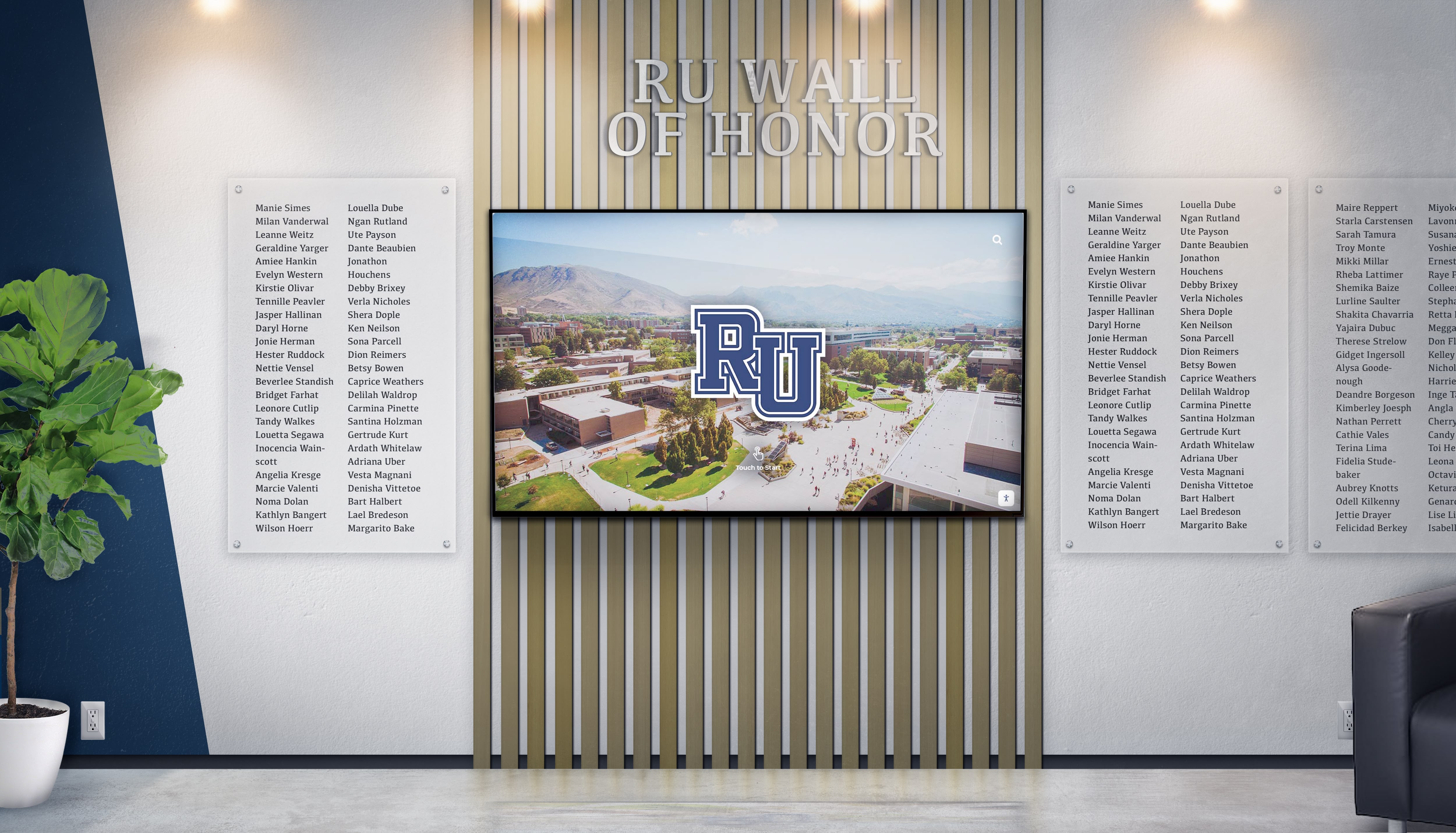
Integrated recognition systems combine digital displays with traditional elements celebrating valedictorians and salutatorians
Practical Differences and Similarities
College Application Impact
Both honors significantly enhance applications:
- Colleges recognize minimal practical difference between valedictorian and salutatorian
- Both demonstrate top-tier academic capability and achievement
- Distinction matters less than sustained excellence both honors represent
- Either designation qualifies for competitive scholarships and programs
- GPA and course rigor often matter more than specific ranking position
Scholarship Opportunities
Some differences exist in scholarship availability:
- Certain scholarships specifically designated for valedictorians only
- Many programs recognize both valedictorian and salutatorian equally
- Local community scholarships often honor both positions
- University merit scholarships typically treat both similarly
- Overall scholarship opportunities remain excellent for salutatorians
Recognition and Prestige
Within school communities:
- Valedictorian receives primary recognition and attention
- Salutatorian honored as exceptional achievement though secondary focus
- Both receive permanent recognition in school records and displays
- Community recognition often highlights valedictorian more prominently
- Both positions carry significant prestige and accomplishment
For students finishing in second position, salutatorian represents remarkable achievement warranting celebration and pride, with minimal practical difference from valedictorian status for most post-graduation opportunities.
Strategies for Becoming Valedictorian
While natural ability plays a role, students aspiring to valedictorian honors can employ systematic approaches maximizing their likelihood of achieving this distinction.
Academic Planning and Course Selection
Strategic Curriculum Choices
Beginning in freshman year, valedictorian candidates should:
- Understand school’s GPA calculation methodology (weighted vs. unweighted)
- Take most rigorous courses available while maintaining excellent grades
- Balance challenging advanced courses with realistic workload management
- Prioritize courses in areas of strength when choices exist
- Understand which courses count toward GPA and valedictorian calculation
- Plan four-year sequence ensuring completion of most demanding curriculum
Weighted GPA Optimization
At schools using weighted systems:
- Maximize enrollment in honors, Advanced Placement, or IB courses
- Understand specific weighting formulas and point additions
- Balance enough weighted courses to maximize GPA without overextension
- Consider taking weighted courses even in less-preferred subjects
- Recognize that B in weighted course may equal or exceed A in standard course
- Plan schedule strategically to optimize weighted GPA calculations
Unweighted GPA Considerations
At schools using unweighted systems:
- Perfect or near-perfect grades become essential across all courses
- Single B can potentially disqualify from valedictorian consideration
- Strategic course selection less about rigor, more about grade certainty
- May need to balance challenge with achievability differently
- Consider advanced courses for college applications even if not weighted for GPA
Study Habits and Academic Excellence
Consistent High Performance
Valedictorian achievement requires sustained excellence:
- Strong performance from freshman year through graduation
- Consistent study habits and homework completion
- Active class participation and engagement
- Seeking help immediately when struggling with concepts
- Building relationships with teachers facilitating support
- Balancing perfectionism with healthy stress management

Recognition systems inspire students by showcasing achievable excellence and academic success paths
Effective Learning Approaches
- Active learning techniques improving retention and understanding
- Organization systems tracking assignments and deadlines
- Time management preventing last-minute, low-quality work
- Utilization of available resources including tutoring and office hours
- Test preparation strategies ensuring strong assessment performance
- Skill development in writing, critical thinking, and analysis
Balance and Perspective
Avoiding Burnout
Pursuing valedictorian honors shouldn’t compromise wellbeing:
- Sustainable academic practices preventing exhaustion
- Adequate sleep, exercise, and self-care supporting performance
- Social connections and relationships as important life components
- Extracurricular involvement providing balance and perspective
- Realistic assessment of stress levels and adjustment when needed
- Understanding that health and happiness matter beyond academic ranking
Genuine Learning Over Grade Obsession
Most successful students focus on understanding rather than just grades:
- Deep learning naturally produces strong performance
- Intellectual curiosity driving sustained effort
- Long-term knowledge retention matters beyond GPA
- Character development and growth alongside academic achievement
- Maintaining perspective about relative importance of class rank
- Recognizing that valedictorian status is meaningful goal but not life-defining
Students pursuing academic excellence often qualify for National Honor Society recognition celebrating achievement across academic and character dimensions.
Controversies and Changing Approaches to Valedictorian Recognition
The traditional valedictorian system faces growing criticism and evolving practices as schools reconsider how to honor academic excellence.
Grade Inflation Concerns
Rising GPA Averages
Many schools observe concerning trends:
- Increasing numbers of students achieving perfect or near-perfect GPAs
- Multiple students with identical claims to valedictorian status
- Difficulty distinguishing between truly exceptional and merely excellent
- Grade inflation making valedictorian determination increasingly arbitrary
- Questions about whether honor maintains historical significance
Weighted GPA Gaming
Weighted systems create strategic behavior concerns:
- Students selecting courses based on GPA impact rather than genuine interest
- Avoidance of important courses like arts or physical education that don’t boost weighted GPA
- Competitive pressure leading to unhealthy course loads
- Strategic dropping of courses when grades appear below A level
- Focus on ranking rather than learning and intellectual development
Mental Health and Competitive Pressure
Student Stress and Wellbeing
Intense focus on valedictorian competition raises concerns:
- Excessive stress and anxiety among high-achieving students
- Unhealthy competition rather than collaborative learning environments
- Students defining self-worth through class ranking
- Depression and burnout among students pursuing top academic standing
- Pressure from families and communities amplifying individual stress
- Sacrifice of wellbeing, sleep, and social development for GPA
School Culture Impact
Valedictorian focus can negatively affect broader culture:
- Anti-intellectual attitudes among students not competing for top ranking
- Reduction of academic engagement to narrow GPA optimization
- Reduced risk-taking and intellectual exploration
- Stigma associated with challenging courses where B grades become possible
- Inequitable recognition leaving majority of students feeling invisible
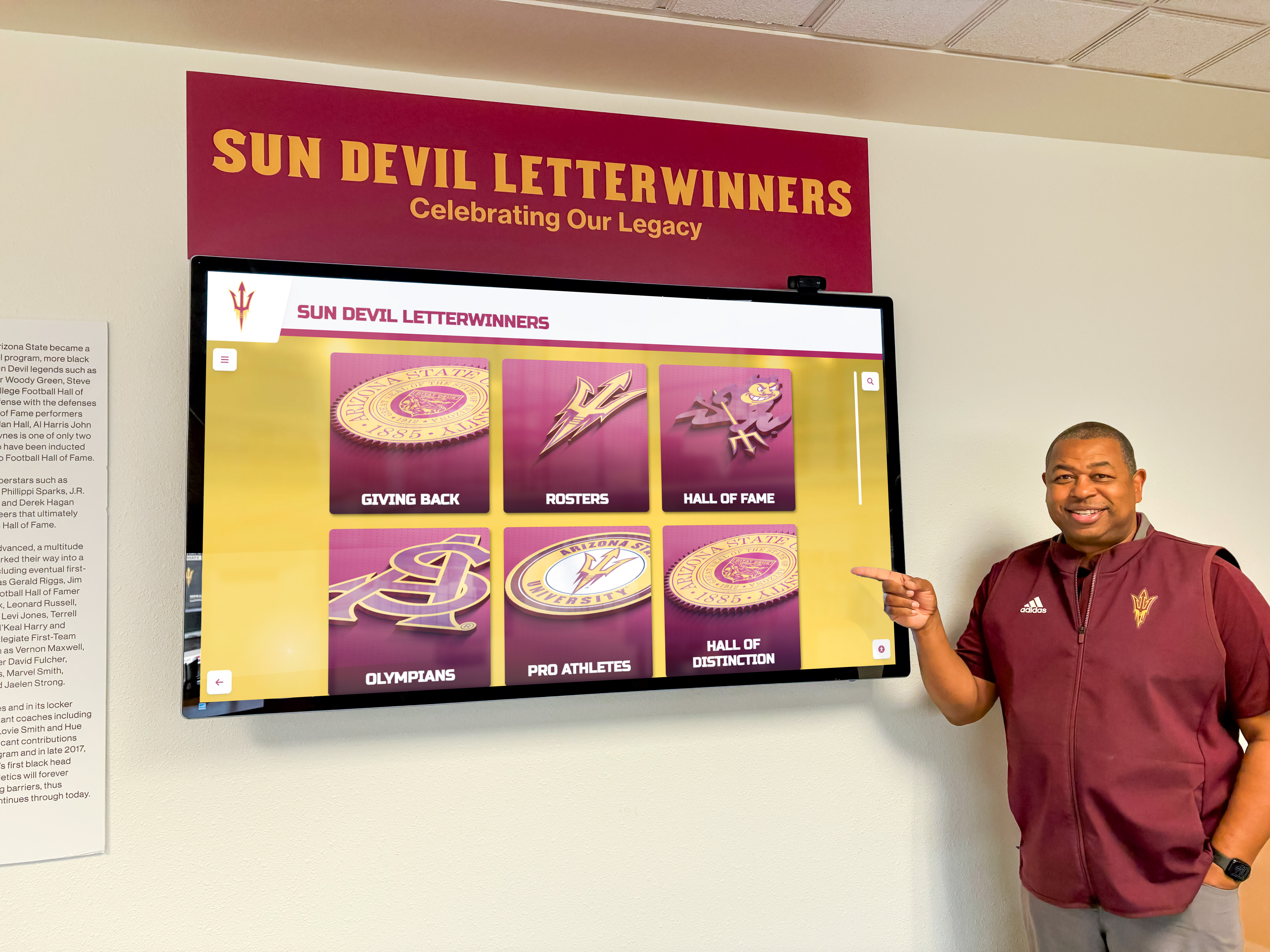
Comprehensive recognition systems celebrate diverse achievements beyond traditional valedictorian-focused approaches
Alternative Recognition Models
Multiple Valedictorians
Growing numbers of schools recognize all students meeting threshold:
- All students with 4.0+ weighted GPA receive valedictorian honor
- Acknowledges multiple paths to excellence
- Reduces unhealthy competition focused on minute differences
- May dilute significance but provides more equitable recognition
- Creates logistical challenges for graduation speeches
Elimination of Class Rank
Some schools have abolished ranking entirely:
- Focus on individual achievement rather than comparative standing
- Elimination of valedictorian and salutatorian designations
- Use of Latin honors or other tiered recognition systems
- Emphasis on personal growth and learning over competition
- May disadvantage students from less-known schools in college admissions
Portfolio-Based Recognition
Emerging approaches consider achievement more holistically:
- Academic excellence combined with leadership, service, creativity
- Multiple “valedictorian” categories for different achievement dimensions
- Recognition of well-rounded accomplishment beyond GPA alone
- Jury or committee evaluation rather than pure mathematical calculation
- Maintains high standards while acknowledging diverse excellence forms
Schools implementing comprehensive academic recognition systems celebrate valedictorians within broader frameworks honoring diverse student accomplishments and reducing singular focus on ranking.
Common Questions About Valedictorian
What GPA Do You Need to Be Valedictorian?
There’s no universal GPA requirement for valedictorian—it depends entirely on your specific school and graduating class. Valedictorian designation goes to the student with the highest cumulative GPA in the graduating class, regardless of what that GPA is.
At schools using weighted GPA systems, valedictorians often have GPAs of 4.3-5.0 or higher due to honors and AP course bonuses. At schools using unweighted systems, valedictorians typically have perfect or near-perfect 4.0 GPAs.
The key is achieving the highest GPA among your peers, not reaching a specific numerical threshold. This means valedictorian requirements vary year to year based on the competitiveness of each graduating class.
Can There Be Multiple Valedictorians?
Yes, many schools now recognize multiple students as co-valedictorians, particularly when students have identical GPAs.
Some schools use this approach intentionally, designating all students who meet a specific GPA threshold (often perfect 4.0 unweighted or 4.5+ weighted) as valedictorians. This has become increasingly common as grade inflation makes it more difficult to distinguish between top performers.
Other schools still attempt to identify a single valedictorian using tiebreaker procedures when multiple students have the same GPA, such as calculating to additional decimal places or considering total number of advanced courses.
The specific policy varies by school district and individual institutions.
What’s the Difference Between Valedictorian and Salutatorian?
Valedictorian is the student with the highest cumulative GPA in the graduating class, while salutatorian is the student with the second-highest GPA.
At graduation, the valedictorian typically delivers the valedictory (farewell) address as the closing student speech, while the salutatorian delivers the salutatory (welcome) address at the beginning of the ceremony.
For college admissions and scholarships, the practical difference between these honors is minimal—both demonstrate top-tier academic achievement. Some scholarships specifically designated for valedictorians may not apply to salutatorians, but most opportunities remain available to both.
Both honors appear on transcripts and provide significant college application advantages.
Do Colleges Care About Valedictorian Status?
Yes, valedictorian status positively impacts college applications, but it’s one factor among many that admissions offices consider.
Benefits for college applications:
- Demonstrates sustained academic excellence and work ethic
- Provides clear distinction in competitive applicant pools
- Often qualifies students for merit-based scholarships
- Particularly valuable for highly selective institutions
- Strong credential for honors programs and special opportunities
Important caveats:
- Highly selective colleges receive applications from thousands of valedictorians
- Course rigor, GPA, and test scores may matter more than specific ranking
- Extracurricular activities, essays, and recommendations remain crucial
- Valedictorian from unknown school may be viewed differently than from competitive institution
- Colleges understand valedictorian policies vary widely between schools
Valedictorian status strengthens applications but doesn’t guarantee admission to selective colleges, which evaluate candidates holistically across multiple dimensions.
What Happens If You Transfer Schools?
Transfer student eligibility for valedictorian depends on individual school policies, which vary significantly:
Common policies include:
- Requirement for full four years at the school for valedictorian eligibility
- Calculation based only on courses completed at the current school
- Minimum number of years/credits at school to qualify (often 2-3 years)
- Transfer grade inclusion in GPA calculations varies by institution
- Some schools have separate recognition categories for transfer students
Students transferring should:
- Understand destination school’s valedictorian policies immediately
- Ask counselors about eligibility and GPA calculation methods
- Focus on academic excellence regardless of valedictorian eligibility
- Recognize that strong GPA remains valuable even without valedictorian designation
Transfer students ineligible for valedictorian may still qualify for other academic honors like Latin honors, subject-specific awards, or improvement recognition.
Conclusion: Celebrating Academic Excellence While Maintaining Perspective
Valedictorian recognition represents one of the highest honors educational institutions can bestow, acknowledging years of sustained academic excellence, dedication, and achievement. For students earning this distinction, the honor validates countless hours of study, provides advantages for college admissions and scholarships, and creates lasting pride for students, families, and communities.
Understanding valedictorian requirements, selection processes, and evolving approaches helps students pursuing this achievement, families supporting high-achieving students, and educators designing recognition systems that celebrate excellence appropriately. From GPA calculations and course selection strategies to modern digital recognition systems ensuring valedictorians receive lasting visibility, the frameworks explored in this guide provide comprehensive understanding of this important academic tradition.
For schools, effectively celebrating valedictorians while avoiding negative competitive pressure requires thoughtful policy design and comprehensive recognition systems. Modern approaches extending beyond singular focus on class ranking—including multiple valedictorian recognition, elimination of class rank, or portfolio-based achievement evaluation—reflect evolving understanding of how to honor academic excellence equitably while supporting student wellbeing.
Digital recognition solutions transform how schools celebrate valedictorians by eliminating space constraints that limit traditional plaques, enabling interactive exploration of achievement stories across decades, and providing simple content management ensuring recognition remains current and engaging. These systems celebrate valedictorians within broader academic recognition frameworks that honor diverse accomplishments, creating cultures where intellectual achievement receives visibility comparable to athletic success.
Whether you’re a freshman beginning high school with valedictorian aspirations, a competitive junior tracking class rank carefully, a parent supporting an achieving student, or an educator seeking better ways to celebrate academic excellence, understanding the valedictorian honor in its full context enables informed decision-making and appropriate recognition.
For students pursuing valedictorian status, remember that sustainable approaches produce best outcomes. Balance academic excellence with wellbeing, pursue genuine learning over grade obsession, and recognize that while valedictorian represents meaningful achievement, it’s one accomplishment among many that will define your educational journey and future success.
Your academic achievements—whether valedictorian, salutatorian, or any of countless other excellence forms—deserve celebration creating lasting recognition and opening future opportunities. Modern recognition systems make comprehensive academic celebration achievable for schools of all sizes, ensuring valedictorians and other achieving students receive the visibility and honor their accomplishments warrant.
Ready to explore how your school can better celebrate valedictorians and academic excellence? Discover digital recognition solutions that make comprehensive academic recognition achievable, creating engaging environments where intellectual achievement receives the prominent celebration it deserves while inspiring future generations of academic excellence.