Athletic programs represent sources of school pride and community identity, yet they require substantial resources that school budgets alone rarely cover adequately. Equipment purchases, facility upgrades, team travel, coaching stipends, and recognition displays all demand funding beyond what many districts allocate. This financial gap creates pressure on athletic directors and coaches who seek competitive programs while working within constrained budgets.
Booster clubs fill this critical resource void by mobilizing parent volunteers, engaging local businesses, coordinating fundraising campaigns, and providing supplemental funding that transforms adequate athletic programs into exceptional ones. These parent-led organizations operate alongside official school structures, channeling community enthusiasm into tangible support that benefits student-athletes while building lasting traditions.
Understanding how booster clubs function, their organizational structures, effective fundraising approaches, compliance requirements, and recognition strategies helps both schools and parent groups create successful partnerships that sustainably support athletic excellence while maintaining appropriate boundaries and accountability.
Schools nationwide depend on booster clubs to bridge the gap between budgeted resources and program needs. These volunteer organizations provide more than money—they build community connections, coordinate volunteer efforts, manage recognition programs, and create cultures celebrating athletic achievement while supporting the educational mission underlying school sports participation.
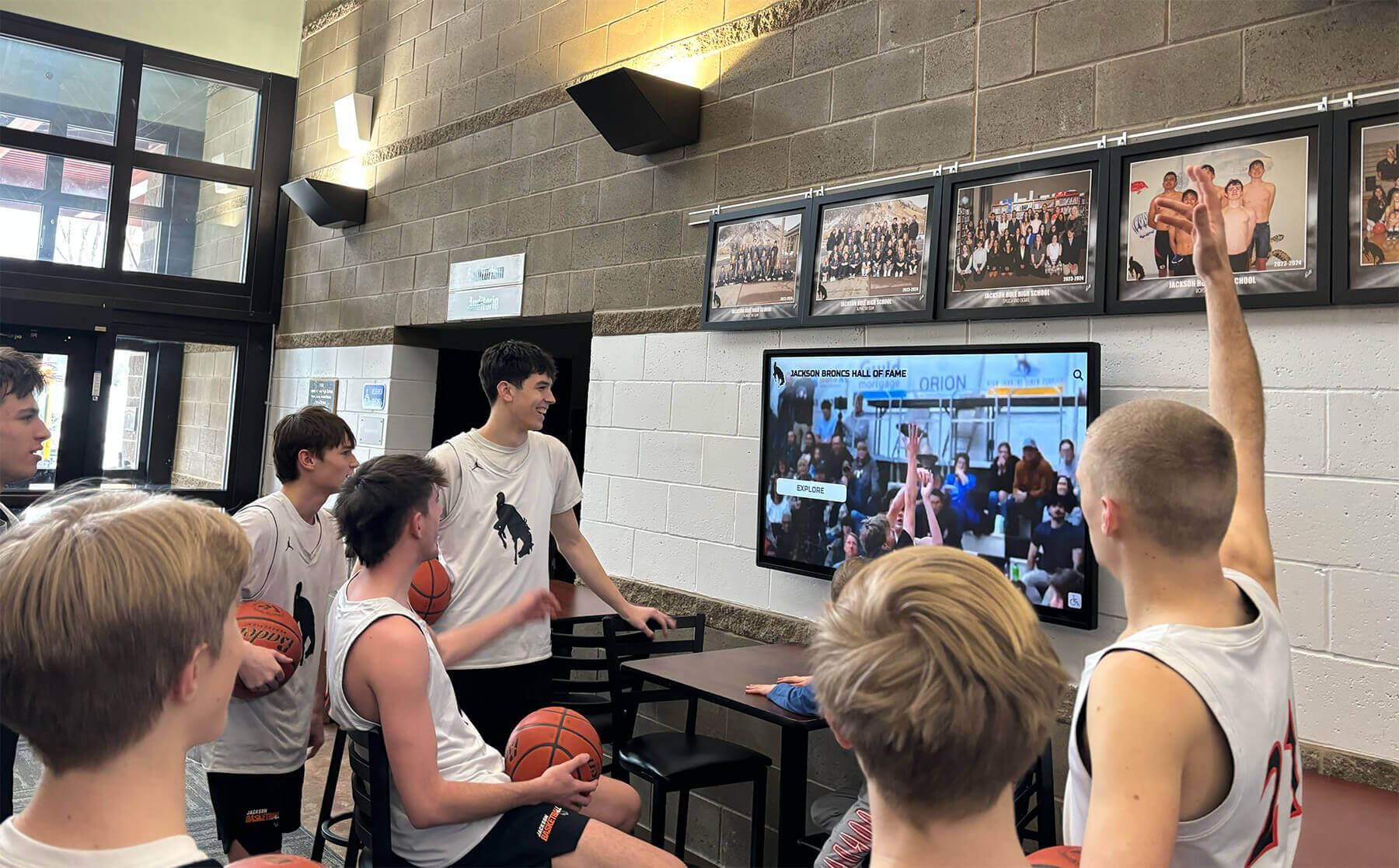
Booster clubs help fund recognition displays and program elements that celebrate student-athlete achievements
Understanding Booster Clubs: Definition and Purpose
Booster clubs represent formalized volunteer organizations supporting specific school programs through fundraising, advocacy, and community engagement.
What Exactly Is a Booster Club?
Organizational Structure and Identity
A booster club is a parent-led nonprofit organization operating independently from school districts while maintaining close partnerships with athletic departments. These groups typically:
Core Characteristics:
- Separate legal entity from school district (usually 501(c)(3) nonprofits)
- Volunteer leadership comprising parents, alumni, and community members
- Focus on supporting specific athletic programs or entire athletic departments
- Fundraising mission providing supplemental resources beyond school budgets
- Governed by bylaws establishing structure and procedures
- Regular meetings coordinating activities and financial decisions
- Collaboration with school administration ensuring alignment
Relationship to Schools:
- Partnership, not subordinate relationship to athletic departments
- Financial independence maintaining separate bank accounts
- Accountability to school policies and athletic directors
- Transparency through regular reporting of activities and finances
- Complement, not replace, school funding responsibilities
- Support roles without interfering in coaching or team management decisions
Booster clubs exist at virtually every level from youth leagues through collegiate athletics, though high school booster organizations represent the most common form. Programs implementing comprehensive athletic recognition systems often partner with booster clubs for funding and implementation.
Primary Functions of Booster Clubs
Financial Support and Fundraising
Booster clubs primarily generate supplemental funding:
Fundraising Activities:
- Concession stand operations during athletic events
- Annual fundraising events (golf tournaments, auctions, dinners)
- Merchandise sales of team apparel and spirit wear
- Sponsorship solicitation from local businesses
- Membership dues from participating families
- Direct donation campaigns targeting community supporters
- Grant applications to foundations and organizations
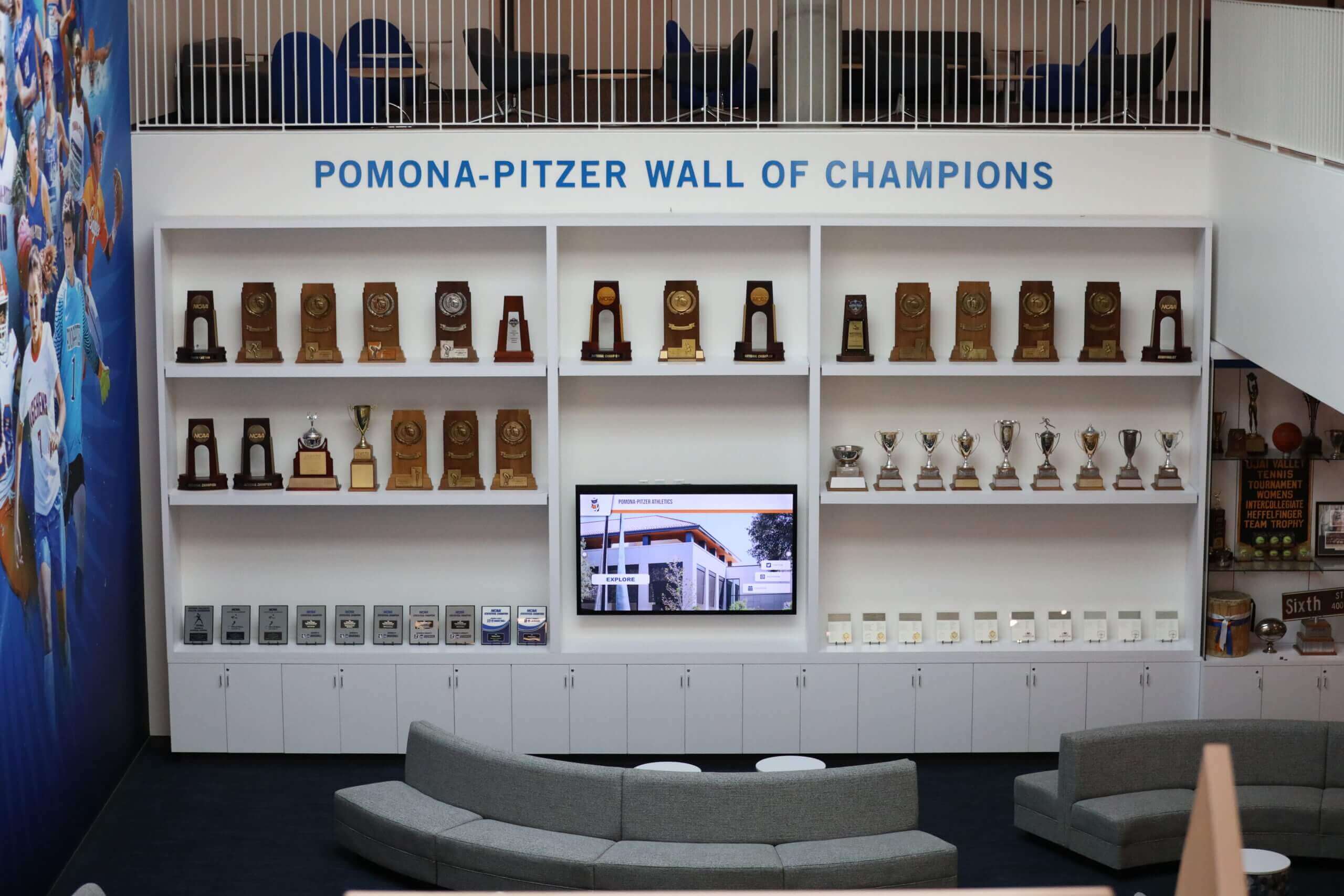
Booster clubs often fund trophy displays and recognition spaces celebrating athletic achievements
Resource Allocation:
- Equipment purchases supplementing school provisions
- Uniform upgrades beyond basic school-provided options
- Facility improvements including scoreboards and seating
- Team travel funding for tournaments and competitions
- Coach appreciation and professional development
- Recognition programs including banquets and awards
- Digital displays and technology enhancing program visibility
Community Building and Volunteer Coordination
Beyond finances, booster clubs mobilize human capital:
Volunteer Activities:
- Event staffing for home competitions
- Concession stand operation throughout seasons
- Facility preparation before games and events
- Hospitality coordination for visiting teams
- Transportation assistance for away competitions
- Photography and social media coverage
- End-of-season banquet planning and execution
Community Engagement:
- Building connections between families and programs
- Creating traditions around school athletics
- Fostering school spirit and pride
- Bridging generational gaps through shared experiences
- Providing networking opportunities for families
- Establishing relationships with local businesses
- Generating positive publicity for athletic programs
Schools establishing recognition programs celebrating athletic excellence frequently collaborate with booster clubs to fund and maintain these systems.
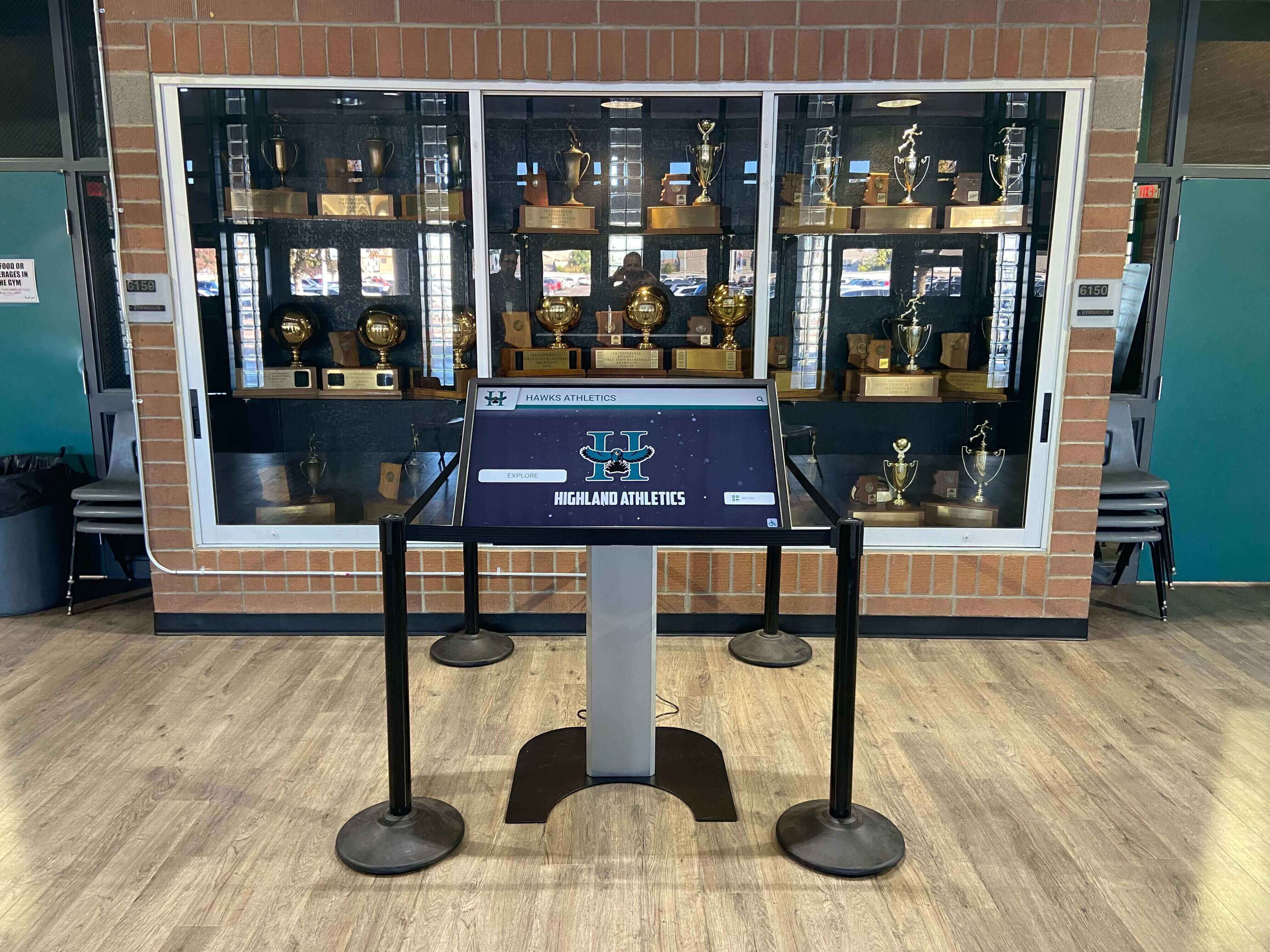
Booster clubs support recognition installations that build program tradition and community pride
Advocacy and Program Promotion
Booster clubs amplify athletic program voices:
Advocacy Roles:
- Representing parent and community interests to administration
- Advocating for facility improvements and resource allocation
- Communicating program needs to school boards
- Building political support for athletic funding
- Countering proposals reducing athletic opportunities
- Educating community about program value and impact
Promotional Activities:
- Social media management highlighting achievements
- Program advertising in local media
- Community event participation representing athletics
- Alumni engagement connecting past with present
- Recruiting support from businesses and organizations
- Celebration coordination for championships and milestones
Establishing an Effective Booster Club
Starting or restructuring booster clubs requires systematic approaches addressing legal, organizational, and operational considerations.
Legal Formation and Nonprofit Status
Proper legal structure protects volunteers and ensures compliance:
Nonprofit Incorporation
- File articles of incorporation with state agencies
- Apply for 501(c)(3) federal tax-exempt status
- Obtain Employer Identification Number (EIN) from IRS
- Register for state charitable solicitation licenses where required
- Establish separate legal identity from school district
- Consider liability insurance protecting board members
- Maintain corporate records and annual filings
Benefits of 501(c)(3) Status:
- Tax-deductible donations for contributors
- Exemption from federal income tax on fundraising
- Eligibility for grants requiring nonprofit status
- Enhanced credibility with donors and sponsors
- Reduced postal rates for mailings
- Protection from personal liability for board members
Alternatives to Full Nonprofit Status: Some smaller booster clubs operate under school district umbrella as internal funds, which simplifies administration but limits fundraising flexibility and requires complete school control of finances. Most substantial booster operations benefit from independent 501(c)(3) status despite additional paperwork.
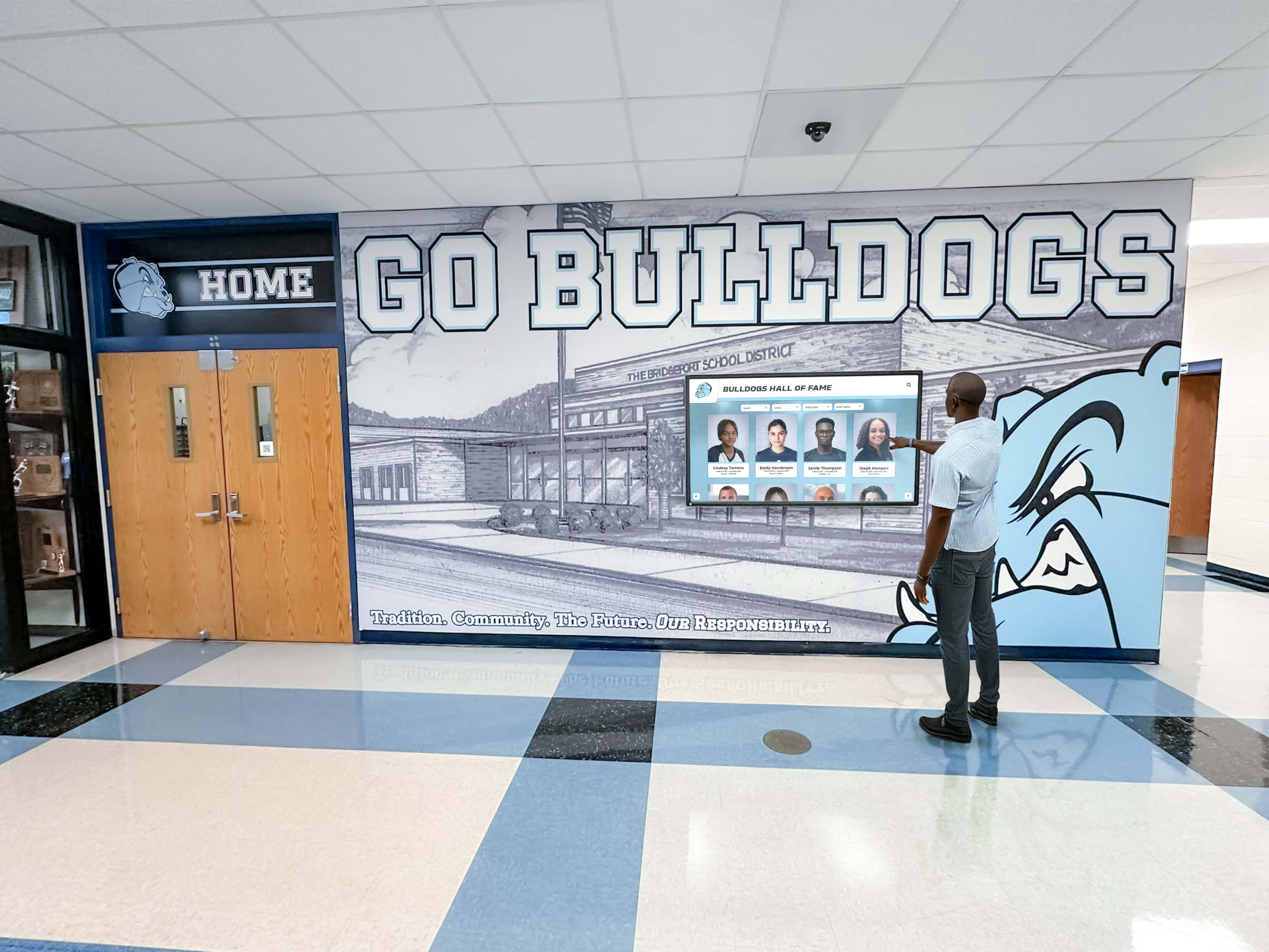
Athletic directors partner with booster clubs to fund recognition systems celebrating program history
Governance Structure and Bylaws
Clear governance prevents conflicts and ensures smooth operations:
Essential Bylaw Components
- Organization name, purpose, and mission statement
- Membership definitions and dues structure
- Board composition and officer roles
- Election procedures and term limits
- Meeting frequency and quorum requirements
- Financial policies and spending approval processes
- Amendment procedures for bylaw changes
- Dissolution clause specifying asset distribution
Typical Officer Structure:
- President: overall leadership and external representation
- Vice President: assists president and chairs specific committees
- Treasurer: manages finances, budgets, and reporting
- Secretary: maintains records, minutes, and correspondence
- Committee chairs: concessions, fundraising, recognition, events
Recommended Committees:
- Fundraising coordinating revenue generation
- Concessions managing game-day operations
- Recognition planning awards and celebrations
- Communications handling promotion and updates
- Membership recruiting and engaging participants
- Facilities addressing improvement projects
School Partnership and Operating Agreements
Formal agreements clarify relationships and expectations:
Written Agreement Components
- Scope of booster club activities and authority
- Athletic director approval requirements for expenditures
- Financial reporting and transparency expectations
- Fundraising coordination preventing conflicts
- Use of school name, logo, and facilities
- Volunteer background check requirements
- Compliance with school policies and procedures
- Dispute resolution processes
Boundary Definitions: Effective agreements clearly specify that:
- Coaches maintain complete authority over team selection, playing time, and athletic decisions
- Booster clubs provide financial support but don’t interfere with coaching
- Athletic directors approve major expenditures ensuring program balance
- Schools maintain ultimate responsibility for athletics regardless of booster support
- Equity across sports requires consideration in fund distribution
- Academic eligibility and conduct standards remain school responsibilities
Programs creating comprehensive athletic displays benefit from clear booster club agreements specifying recognition funding responsibilities.
Fundraising Strategies for Athletic Booster Clubs
Successful booster clubs implement diverse revenue streams rather than depending on single fundraising approaches.
Recurring Revenue Operations
Concession Stand Management
Concession operations represent reliable income sources:
Operational Considerations:
- Facility lease agreements with schools defining terms
- Volunteer scheduling across multiple events
- Inventory management and supplier relationships
- Pricing strategies balancing profit with affordability
- Health permit compliance and food safety training
- Equipment maintenance and replacement planning
- Cash handling procedures ensuring accountability
Profit Maximization:
- High-margin items like popcorn, candy, and beverages
- Pre-game meal options for athletes and families
- Expanded product offerings beyond basic snacks
- Online pre-ordering reducing lines and wait times
- Sponsorship of concession stand offsetting costs
- Strategic pricing during championship events
- Efficient operations reducing volunteer time commitments
Volunteer Engagement:
- Season-long schedules distributed early
- Family requirements for participation
- Training for new concession workers
- Recognition for consistent volunteers
- Social atmosphere making work enjoyable
- Backup volunteers for unexpected absences
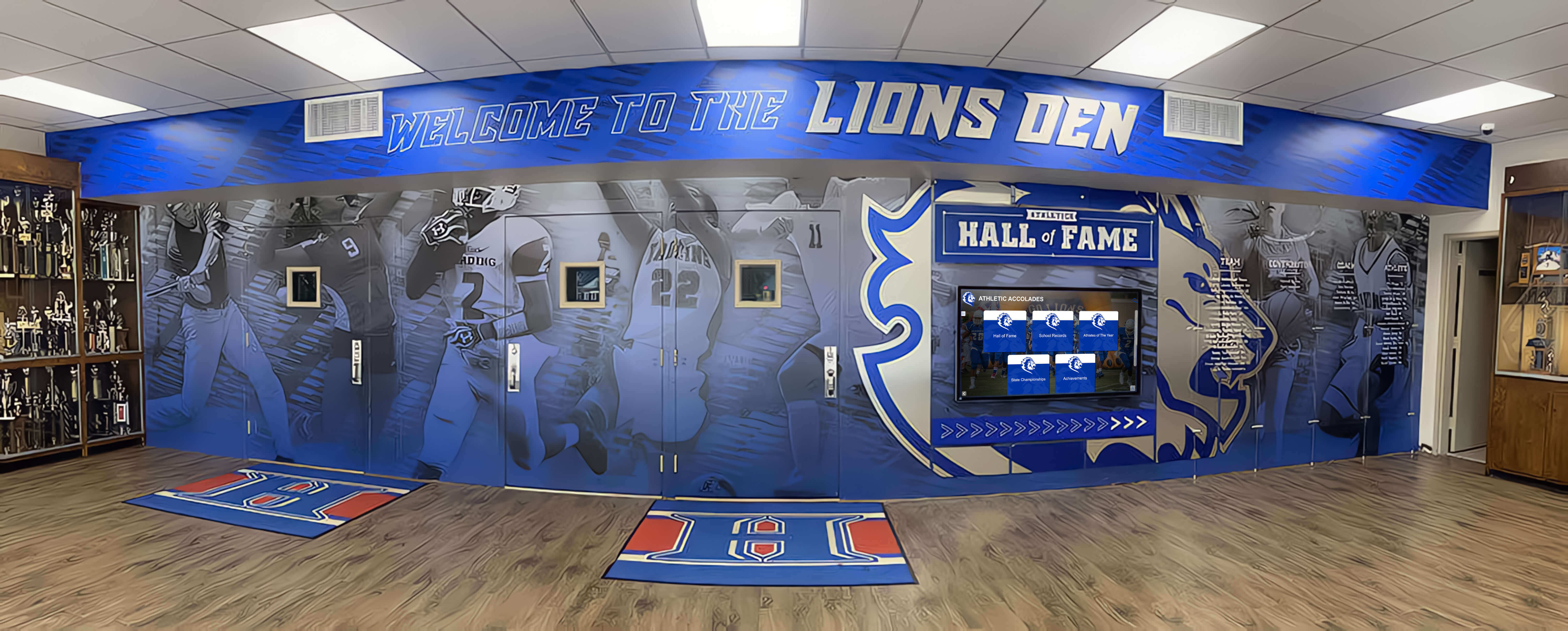
Booster club fundraising enables comprehensive athletic facilities and recognition displays
Membership Dues and Sponsorship Programs
Family Membership Structure
Membership programs create predictable revenue:
Membership Tiers:
- Basic membership: $50-100 annually providing general support
- Supporting member: $100-250 with recognition benefits
- Patron level: $250-500 including special privileges
- Benefactor status: $500-1,000 with premium recognition
- Lifetime membership: $2,500-5,000 one-time contribution
Member Benefits:
- Reserved parking at athletic events
- Recognition in programs and on donor walls
- Exclusive booster club merchandise
- Pre-sale access to playoff tickets
- Special seating sections at games
- Social event invitations
- Annual recognition banquet attendance
Business Sponsorship Programs:
- Bronze level: $250-500 (program listing)
- Silver level: $500-1,000 (banner at facility)
- Gold level: $1,000-2,500 (prominent signage, social media)
- Platinum level: $2,500-5,000 (naming rights, digital display)
- Championship sponsor: $5,000+ (comprehensive recognition package)
Organizations implementing unique donor recognition approaches provide booster clubs modern alternatives to traditional plaques.
Annual Fundraising Events
Event Types and Execution
Signature events generate significant revenue while building community:
Golf Tournament Fundraisers:
- 100-150 participant capacity generating $10,000-50,000
- Sponsorship opportunities at multiple levels
- Silent auction adding supplemental revenue
- Raffle prizes from local businesses
- Corporate team entries at premium pricing
- Volunteer coordination across planning committee
- Annual tradition building participant loyalty
Auction Events:
- Silent and live auction combinations
- Experience packages (signed memorabilia, coach experiences)
- Service donations from local businesses
- Athletic-themed items appealing to supporters
- Online bidding extending participation beyond attendees
- Professional auctioneer maximizing revenue
- Themed events creating memorable experiences
Other Successful Event Formats:
- Sports dinners featuring guest speakers
- Casino nights with gaming and prizes
- Color runs or fun runs with registration fees
- Trivia nights testing sports knowledge
- Car shows attracting automotive enthusiasts
- Fashion shows featuring student-athletes
- Comedy nights with ticket sales
Strategic athletic recognition integration at fundraising events demonstrates booster club impact while encouraging additional support.
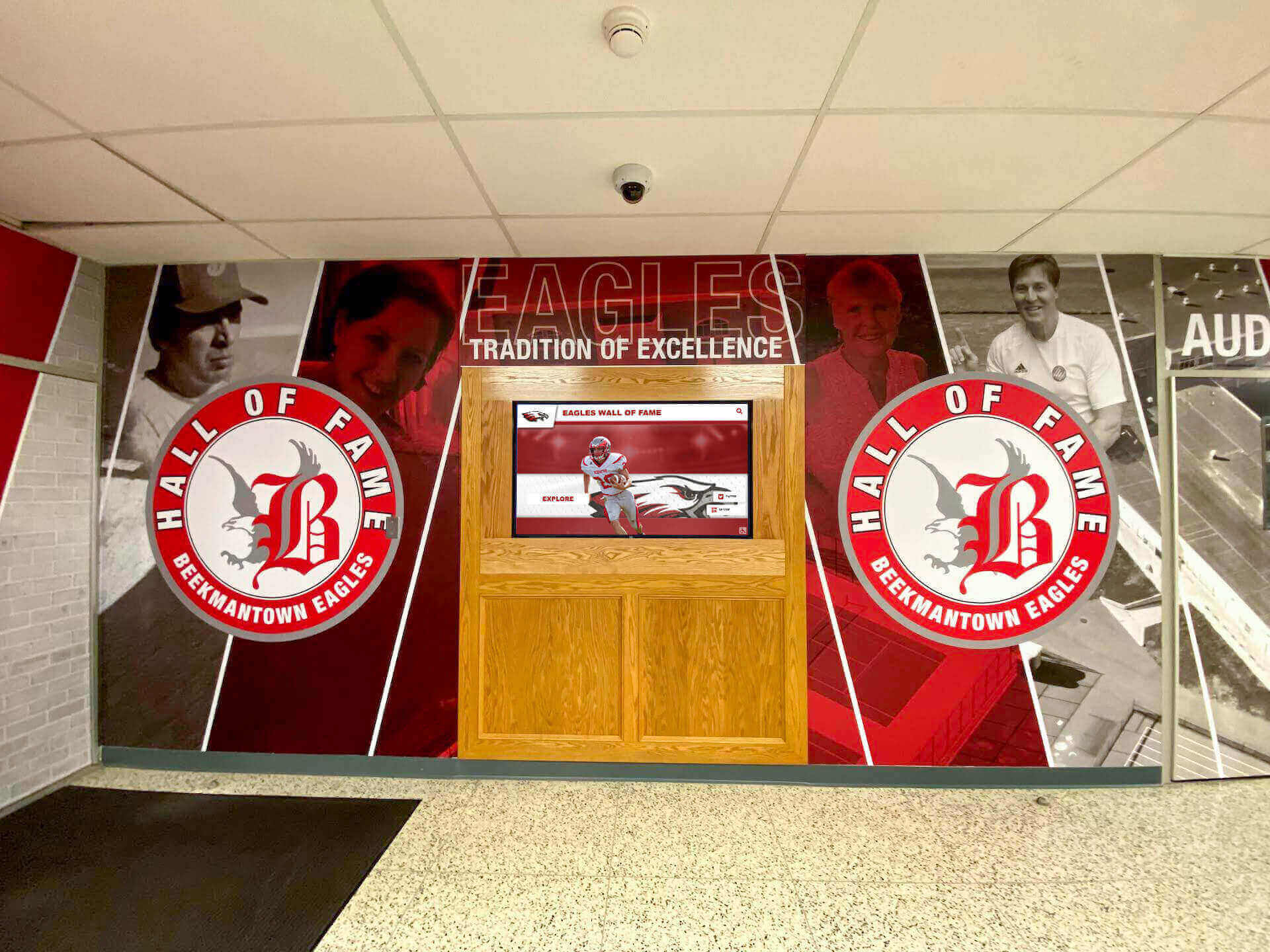
Fundraising events often celebrate athletic achievements displayed prominently in school spaces
Product Sales and Spirit Wear Programs
Apparel and Merchandise
Branded merchandise generates profit while building program identity:
Product Categories:
- T-shirts, sweatshirts, and athletic wear
- Hats, beanies, and accessories
- Blankets and stadium seats
- Water bottles and drinkware
- Car decals and magnets
- Yard signs supporting teams
- Championship commemorative items
Sales Channels:
- Online stores operating year-round
- Pop-up shops at athletic events
- Pre-order campaigns before seasons
- Spirit night events at school
- Local retail partnerships
- Social media promotion
- Athlete modeling increasing appeal
Operational Efficiency:
- Print-on-demand reducing inventory risk
- Bulk ordering lowering per-unit costs
- Volunteer coordination for distribution
- Quality vendors ensuring satisfaction
- Design contests engaging community
- Seasonal products capitalizing on timing
- Championship merchandise celebrating success
Grant Writing and Corporate Partnerships
Institutional Funding Sources
Grants supplement traditional fundraising:
Grant Opportunities:
- Local foundation grants supporting youth athletics
- Corporate community grants from major employers
- State athletic association grants for specific initiatives
- National brand grants (Nike, Under Armour, Gatorade)
- Equipment manufacturer donations and discounts
- Health foundation grants promoting physical activity
- Educational foundation grants for student development
Successful Grant Strategies:
- Specific project proposals rather than general operating support
- Data demonstrating program need and impact
- Measurable outcomes and evaluation plans
- Sustainability planning beyond grant period
- Budget detail with cost justification
- Alignment between grant priorities and project goals
- Timely submission meeting all requirements
Corporate Partnership Development:
- Local business relationship building
- Employee giving programs at major employers
- Matching gift opportunities doubling donations
- In-kind donations reducing equipment costs
- Professional service donations (legal, accounting, marketing)
- Naming rights for facilities or programs
- Long-term partnership agreements spanning multiple years
Financial Management and Transparency
Responsible financial practices build trust while ensuring legal compliance.
Budget Development and Allocation
Annual Budget Planning
Systematic budgeting aligns resources with priorities:
Budget Components:
- Revenue projections from all sources
- Operating expense categories
- Sport-specific allocation requests
- Capital improvement projects
- Emergency reserve funding
- Administrative costs and insurance
- Recognition and awards budget
Allocation Principles:
- Equity across sports preventing favoritism
- Need-based distribution considering funding gaps
- Strategic investment in high-impact areas
- Athletic director input ensuring program balance
- Transparent criteria for funding decisions
- Flexibility responding to opportunities
- Multi-year planning for major projects
Spending Approval Processes:
- Dollar thresholds requiring board approval
- Athletic director sign-off for program expenditures
- Multiple signature requirements for checks
- Purchase documentation and receipt retention
- Regular financial reports to membership
- Annual audit or financial review
- Public disclosure of major expenditures
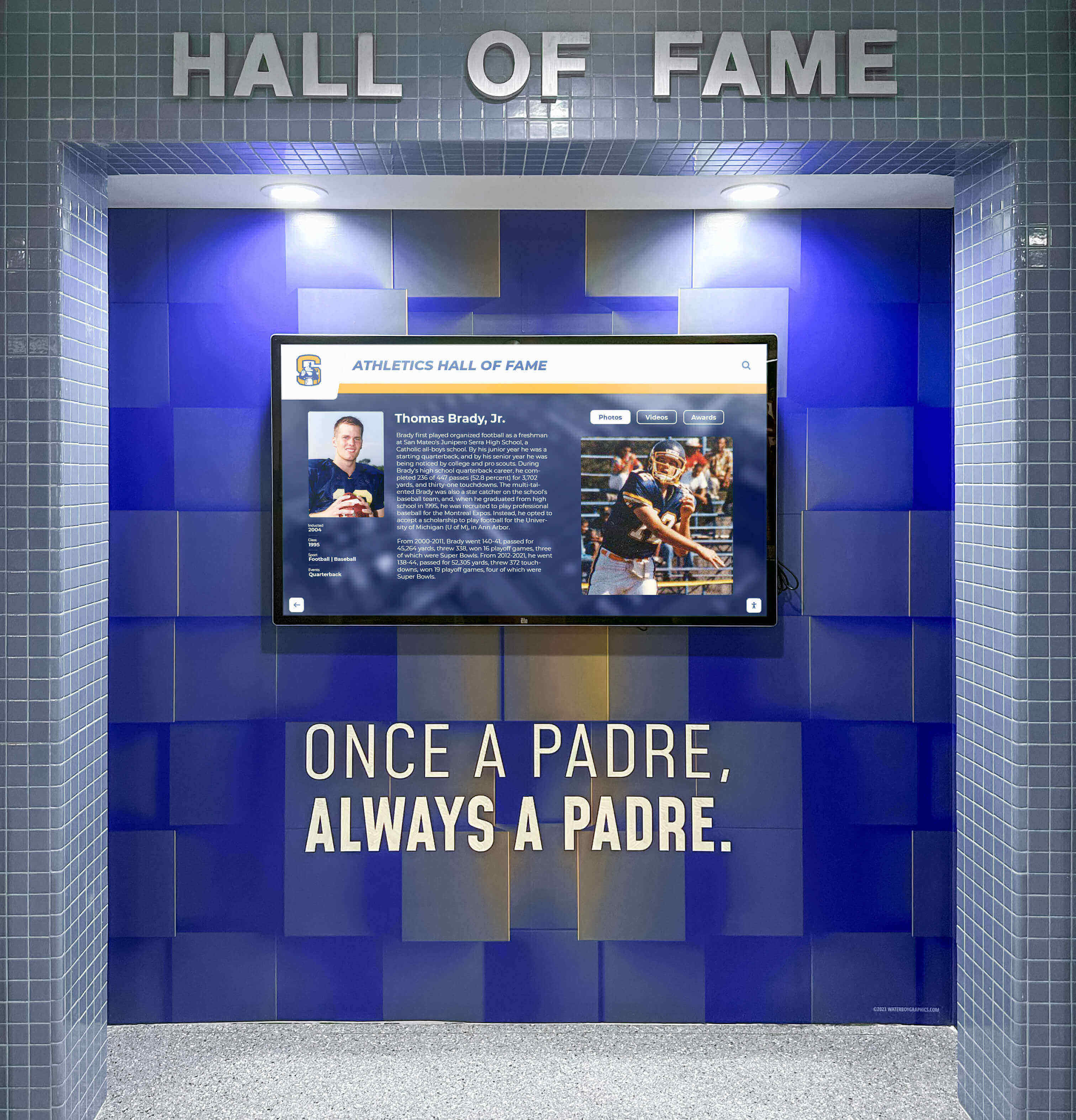
Transparent booster clubs demonstrate financial responsibility through tangible program improvements
Financial Reporting and Accountability
Transparency Practices
Open financial communication builds stakeholder confidence:
Regular Reporting:
- Monthly financial statements to board
- Quarterly reports to general membership
- Annual financial summaries to school administration
- Public disclosure of major donors and sponsors
- Budget-to-actual comparisons tracking performance
- Cash flow statements ensuring liquidity
- Reserve fund balances maintaining sustainability
Documentation Standards:
- Detailed receipts for all expenditures
- Vendor contracts and agreements
- Donation records with acknowledgment letters
- Bank statement reconciliation monthly
- IRS Form 990 filing annually
- Meeting minutes documenting financial decisions
- Audit trails for large transactions
Tax Compliance:
- Form 990 preparation and filing
- Donation acknowledgment letters meeting IRS requirements
- Unrelated business income tax considerations
- State charitable registration maintenance
- Sales tax compliance for merchandise
- Payroll tax for any employees
- Professional tax preparation for complex situations
Avoiding Common Financial Pitfalls
Red Flags and Risk Mitigation
Proactive approaches prevent financial problems:
Common Issues:
- Single-signature check authority enabling fraud
- Inadequate documentation of expenses
- Commingling personal and organizational funds
- Conflicts of interest in vendor selection
- Unrestricted spending by coaches or individuals
- Lack of competitive bidding for major purchases
- Missing or incomplete financial records
Preventive Measures:
- Dual signature requirements for expenditures
- Formal conflict of interest policies
- Restricted credit card use with clear policies
- Regular reconciliation of accounts
- Treasurer rotation preventing entrenchment
- Independent audit or review annually
- Clear spending authorization levels
- Board insurance protecting against liability
Organizations implementing nonprofit digital recognition solutions ensure transparent donor acknowledgment supporting continued giving.
Equity and Fairness in Multi-Sport Booster Clubs
Balancing support across diverse athletic programs challenges booster organizations.
Sport-Specific vs. All-Sports Booster Clubs
Organizational Models
Different structures serve varying contexts:
All-Sports Booster Clubs:
- Single organization supporting entire athletic department
- Centralized fundraising pooling resources
- Athletic director oversight ensuring equity
- Reduced administrative burden consolidating efforts
- Simplified donor recognition across programs
- Challenge balancing diverse sport needs
- Political dynamics managing allocation decisions
Sport-Specific Booster Clubs:
- Individual organizations for major sports
- Targeted fundraising for specific programs
- Direct connection between donors and beneficiaries
- Flexibility responding to sport-specific needs
- Potential for unequal resources across sports
- Coordination challenges preventing conflicts
- Administrative duplication across organizations
Hybrid Approaches:
- Umbrella booster club with sport-specific committees
- Common fundraising with sport-specific allocation
- Shared administrative infrastructure
- Coordinated calendar preventing conflicts
- Balanced representation in leadership
- Flexibility with oversight
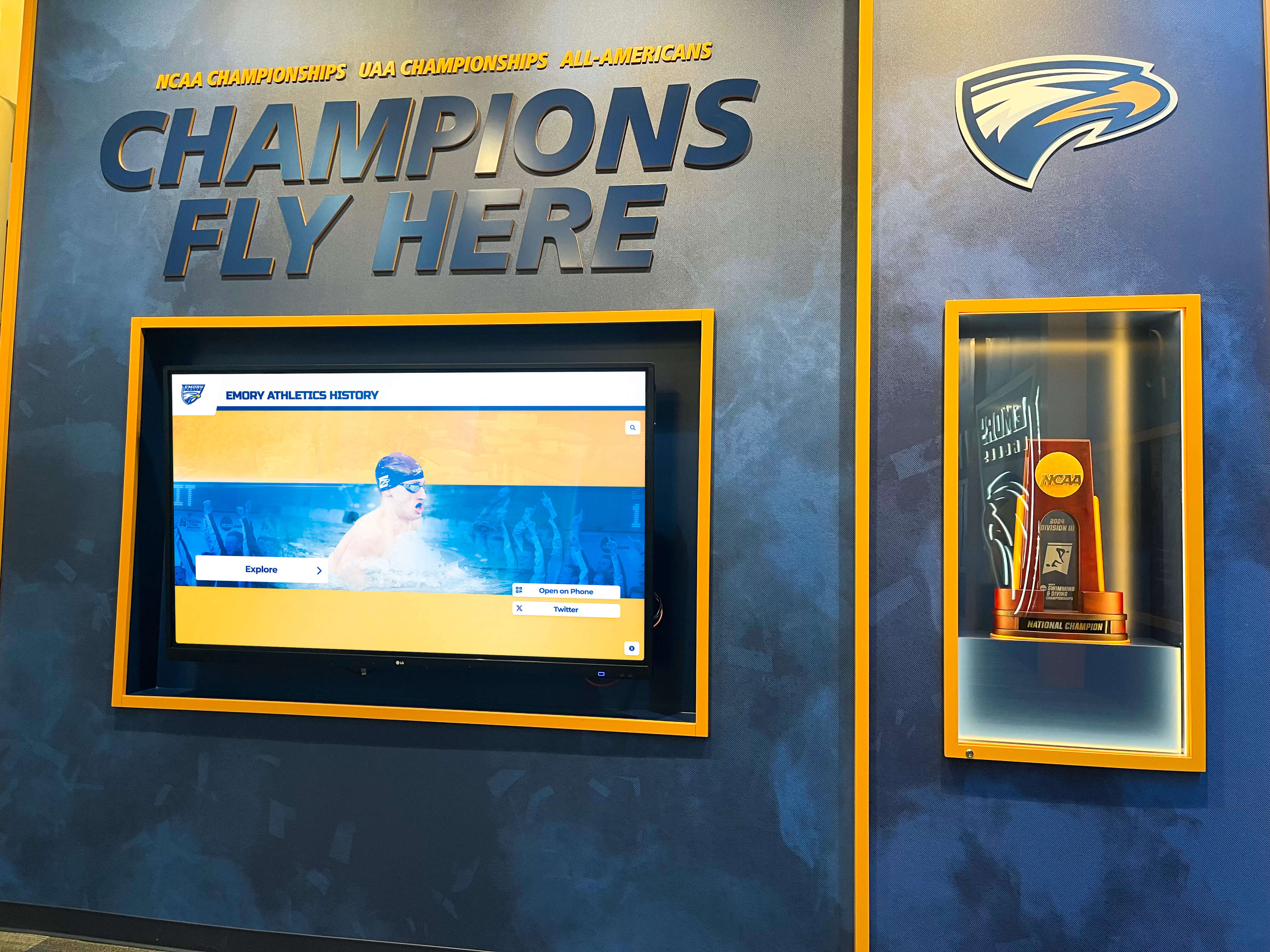
Effective booster clubs recognize achievements across all sports programs equitably
Equity Frameworks and Allocation Guidelines
Fair Distribution Principles
Systematic approaches prevent favoritism:
Needs-Based Allocation:
- Assessment of school-provided resources by sport
- Equipment condition and replacement needs
- Facility quality and improvement priorities
- Travel distance and competition expenses
- Team size affecting per-athlete costs
- Sport-specific requirements varying widely
- Safety equipment taking precedence
Equitable Distribution Models:
- Per-athlete funding ensuring individual equity
- Percentage allocation based on participation numbers
- Rotating priority for major expenditures
- Matching funds encouraging sport-specific fundraising
- Common items benefiting multiple programs
- Need-based supplementation beyond base allocation
- Reserve funds for unexpected opportunities
Title IX Considerations:
- Proportional opportunities for male and female athletes
- Comparable facilities and equipment quality
- Equal access to fundraising benefits
- Recognition parity in displays and celebrations
- Scholarship equity for college-bound athletes
- Coaching stipend fairness across genders
- Accommodation preventing discrimination
Schools implementing athletics equity measures work closely with booster clubs ensuring compliance and fairness.
Managing Competing Interests
Conflict Resolution
Proactive approaches minimize disputes:
Common Tension Points:
- Revenue sports generating more interest and donations
- Subjective quality judgments about funding requests
- Coaching relationships with booster leadership
- Parent expectations for child’s sport prioritization
- Historical precedents conflicting with current needs
- Community pressure favoring certain programs
- Limited resources requiring difficult choices
Resolution Strategies:
- Clear policies established before conflicts arise
- Athletic director authority for final decisions
- Objective criteria for allocation decisions
- Regular communication explaining rationales
- Transparent processes visible to stakeholders
- Appeals procedures for disputed decisions
- Focus on student-athlete welfare over adult preferences
Recognition Programs and Booster Club Support
Celebrating athletic achievement represents important booster club functions.
Traditional Recognition Approaches
Annual Awards and Banquets
End-of-season celebrations honor achievement:
Banquet Components:
- Venue rental and catering for athletes and families
- Awards presentation recognizing individual and team achievements
- Coach speeches reflecting on season
- Senior recognition celebrating graduating athletes
- Photo slideshows and video highlights
- Keynote speakers inspiring future achievement
- Social gathering building team and family connections
Award Categories:
- Most Valuable Player for top performer
- Most Improved recognizing growth
- Coaches’ awards for intangibles
- Academic excellence highlighting scholar-athletes
- Sportsmanship awards emphasizing character
- Team-specific honors (offensive/defensive players)
- All-conference and all-state recognition
Trophy and Plaque Programs:
- Perpetual trophies with annual name additions
- Individual plaques for award recipients
- Team championship recognition displays
- Record-holder acknowledgment
- Letterman jacket program funding
- Senior gift traditions
- Retirement recognition for coaches
Traditional approaches work well but face space constraints as programs grow and years accumulate. Schools planning end-of-year recognition events coordinate closely with booster clubs for funding and execution.
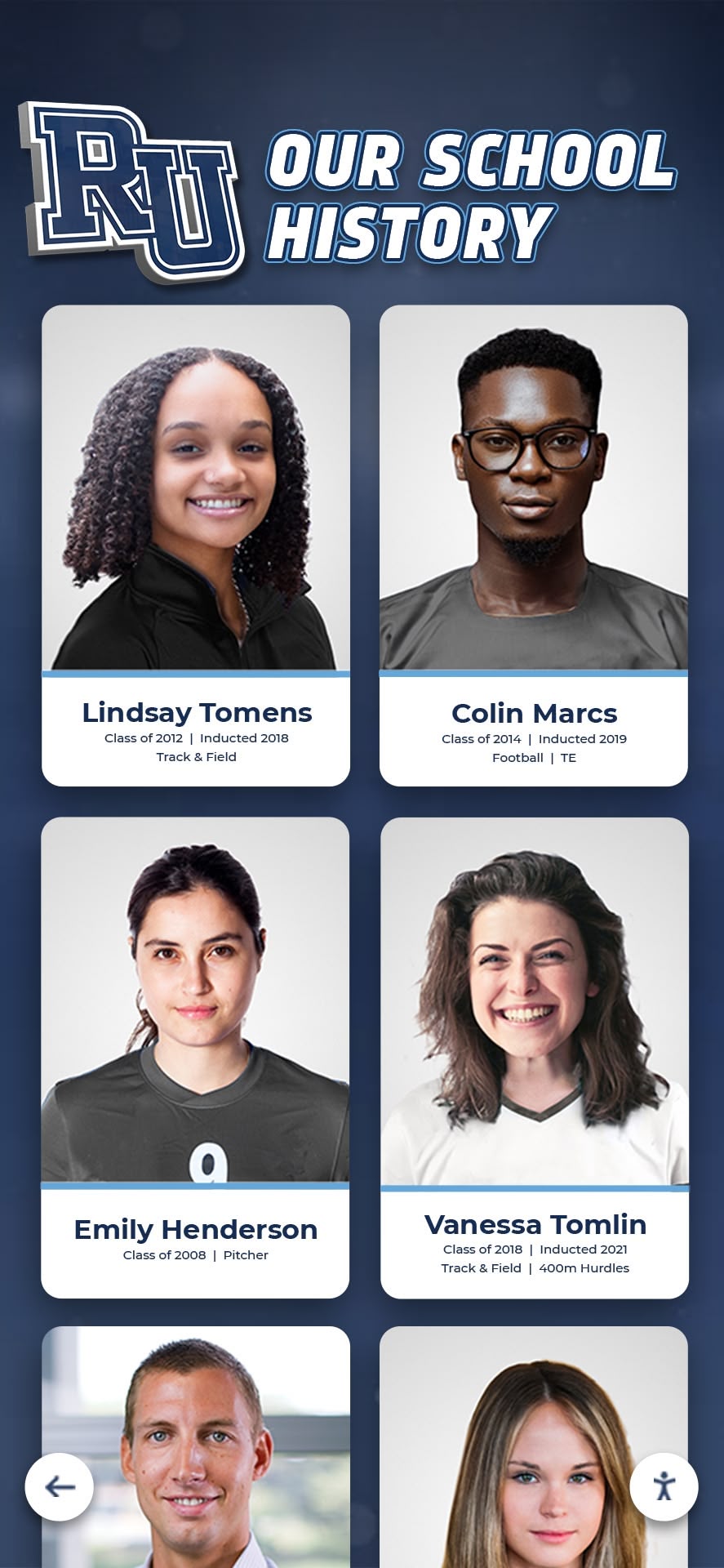
Booster clubs fund athlete recognition programs celebrating individual and team achievements
Modern Digital Recognition Solutions
Expanding Recognition Capacity
Technology addresses traditional limitations:
Digital Display Benefits:
- Unlimited recognition capacity eliminating space constraints
- Remote content management updating from anywhere
- Photo galleries impossible with physical plaques
- Searchable databases finding any athlete quickly
- Video highlights bringing achievements to life
- Web accessibility extending beyond physical campus
- Cost-effective updates without plaque replacement
- Interactive features engaging viewers
- Comprehensive statistics and records tracking
- Integration with social media and websites
Booster Club Investment Considerations:
- Hardware costs for touchscreen displays
- Software subscriptions or one-time purchases
- Installation expenses for professional mounting
- Content creation for historical data migration
- Training for designated content managers
- Ongoing maintenance and support
- Potential naming opportunities for major donors
- Long-term cost comparison with traditional approaches
Solutions like digital recognition displays enable booster clubs to create lasting recognition legacies celebrating decades of athletic achievement through single installations. These systems accommodate growth without additional physical space, update easily as new achievements occur, and provide engaging experiences that traditional plaques cannot match.
Implementation Partnership:
- Booster club fundraising for capital investment
- Athletic director selection and vendor management
- Technical specifications matching facility needs
- Content planning incorporating historical achievements
- Launch event celebrating installation
- Ongoing content management responsibility
- Regular updates maintaining current information
- Promotion encouraging community engagement
Programs exploring comprehensive athletic recognition platforms often rely on booster club funding to implement these systems.
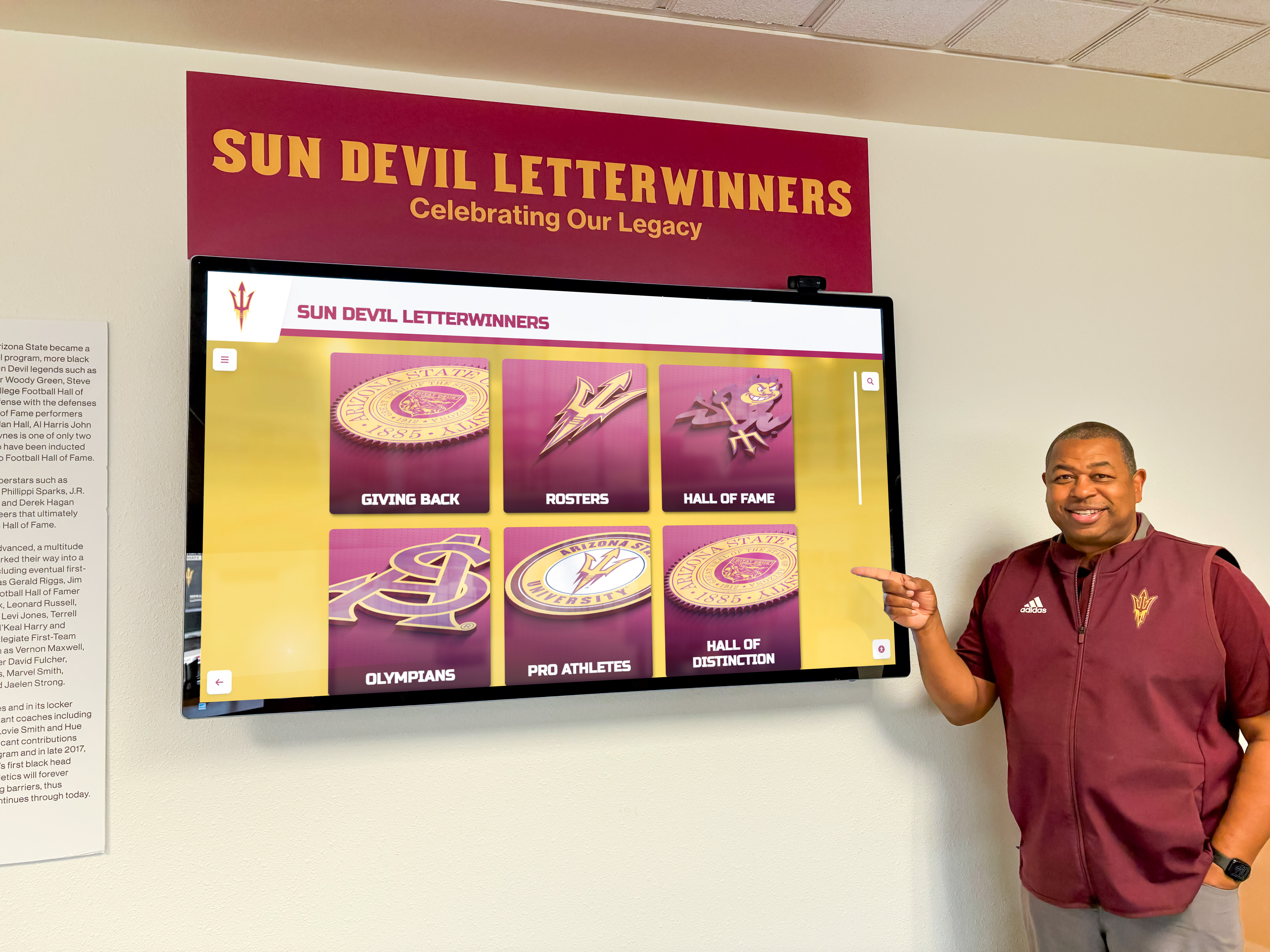
Digital recognition displays funded by booster clubs provide comprehensive, engaging athlete celebration
Donor Recognition for Booster Club Supporters
Acknowledging Financial Supporters
Recognition strengthens donor relationships:
Recognition Tiers:
- Named facilities or spaces for major gifts
- Donor walls listing supporters by level
- Digital displays featuring rotating donor recognition
- Social media acknowledgment tagging businesses
- Program book advertisements and listings
- Recognition at athletic events publicly
- Exclusive donor appreciation events annually
- Lifetime achievement categories for sustained giving
Donor Stewardship:
- Thank-you letters immediately after contributions
- Impact reports demonstrating fund utilization
- Personal calls from student-athletes expressing appreciation
- Behind-the-scenes access to programs
- Naming opportunities for specific initiatives
- Legacy recognition for estate gifts
- Regular communication maintaining relationships
- Annual reports showcasing accomplishments
Comprehensive donor recognition strategies help booster clubs maintain supporter engagement encouraging continued giving.
Common Booster Club Challenges and Solutions
Understanding frequent problems helps organizations proactively address issues.
Volunteer Recruitment and Retention
Engagement Strategies
Sustained volunteer commitment requires intentional cultivation:
Recruitment Approaches:
- Early engagement at sport registration or tryouts
- Clear communication about time commitments
- Varied opportunities accommodating different schedules
- Social aspects making involvement enjoyable
- Recognition for volunteer contributions
- Family participation requirements
- Leadership pipeline developing future board members
- Alumni engagement connecting generations
Retention Factors:
- Reasonable expectations preventing burnout
- Shared workload distributing responsibilities
- Appreciation events honoring volunteers
- Flexibility accommodating changing circumstances
- Meaningful work connected to visible impact
- Community atmosphere building relationships
- Clear communication about needs and expectations
- Exit pathways allowing graceful disengagement
Avoiding Burnout:
- Term limits for demanding positions
- Committee structures distributing workload
- Delegation preventing individual overload
- “Off season” breaks for recovery
- Simplified processes reducing complexity
- Technology automating administrative tasks
- Realistic planning matching capacity
- Permission to say no without guilt
Boundary Issues and Scope Creep
Maintaining Appropriate Roles
Clear boundaries prevent problematic situations:
Common Boundary Violations:
- Booster influence over playing time decisions
- Fundraising expectations creating participation barriers
- Parent pressure on coaches about strategy
- Financial leverage affecting team policies
- Favoritism toward donor families
- Coaching interference undermining authority
- Unrealistic expectations for program outcomes
Boundary Protection:
- Written agreements specifying roles
- Athletic director authority for final decisions
- Coach autonomy in team management
- Financial policies preventing leverage
- Conflict resolution processes
- Regular communication addressing concerns
- Training for new board members
- Enforcement of policies when necessary
Programs establishing effective athletic administration frameworks clearly define booster club relationships and boundaries.
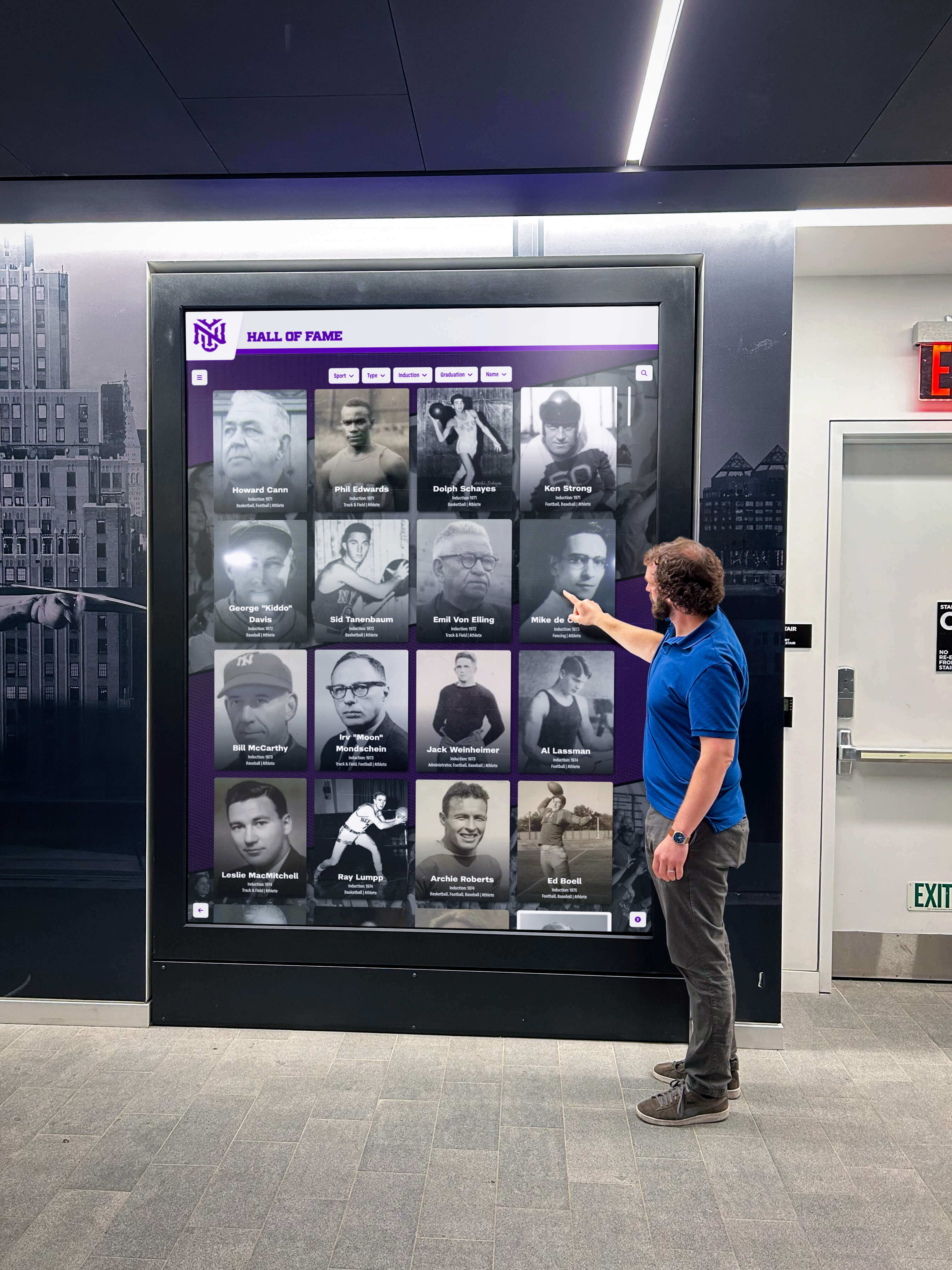
Well-managed booster clubs focus on supporting programs without interfering in coaching decisions
Leadership Transitions and Institutional Knowledge
Continuity Planning
Smooth transitions preserve organizational effectiveness:
Documentation Systems:
- Detailed procedure manuals for key functions
- Vendor contacts and contract information
- Event playbooks with timelines and checklists
- Financial records and reporting templates
- Historical data informing future planning
- Digital file storage accessible to successors
- Communication templates and marketing materials
- Lesson learned repositories preventing repeated mistakes
Succession Preparation:
- Overlapping terms staggering turnover
- Vice president track to presidency
- Mentorship pairing outgoing with incoming leaders
- Shadow periods observing before assuming roles
- Orientation programs for new board members
- Institutional history preservation
- Key relationship introductions
- Gradual responsibility transfer
Avoiding “Founder’s Syndrome”:
- Term limits preventing indefinite tenure
- Distributed knowledge across multiple people
- Decision-making processes beyond individuals
- Welcoming new ideas and approaches
- Graceful transitions empowering successors
- Advisory roles for experienced members
- Fresh perspectives through regular turnover
Best Practices for Successful Booster Clubs
Proven approaches maximize booster club effectiveness and impact.
Communication Excellence
Multi-Channel Engagement
Effective communication keeps stakeholders informed and involved:
Communication Channels:
- Email newsletters with regular updates
- Social media platforms sharing achievements
- Website with calendar and information
- Text message alerts for time-sensitive information
- Meeting minutes documenting decisions
- Annual reports showcasing accomplishments
- Athletic event announcements and promotions
- Personal outreach for major initiatives
Content Strategy:
- Consistent messaging across platforms
- Visual content increasing engagement
- Student-athlete spotlights personalizing impact
- Financial transparency building trust
- Success stories demonstrating value
- Volunteer recognition acknowledging contributions
- Clear calls to action for participation
- Professional tone maintaining credibility
Stakeholder Engagement:
- Regular membership meetings fostering community
- Board meetings with published agendas
- Athletic director consultation maintaining alignment
- Coach communication ensuring coordination
- Student-athlete feedback informing decisions
- Alumni outreach expanding network
- Business partner cultivation strengthening relationships
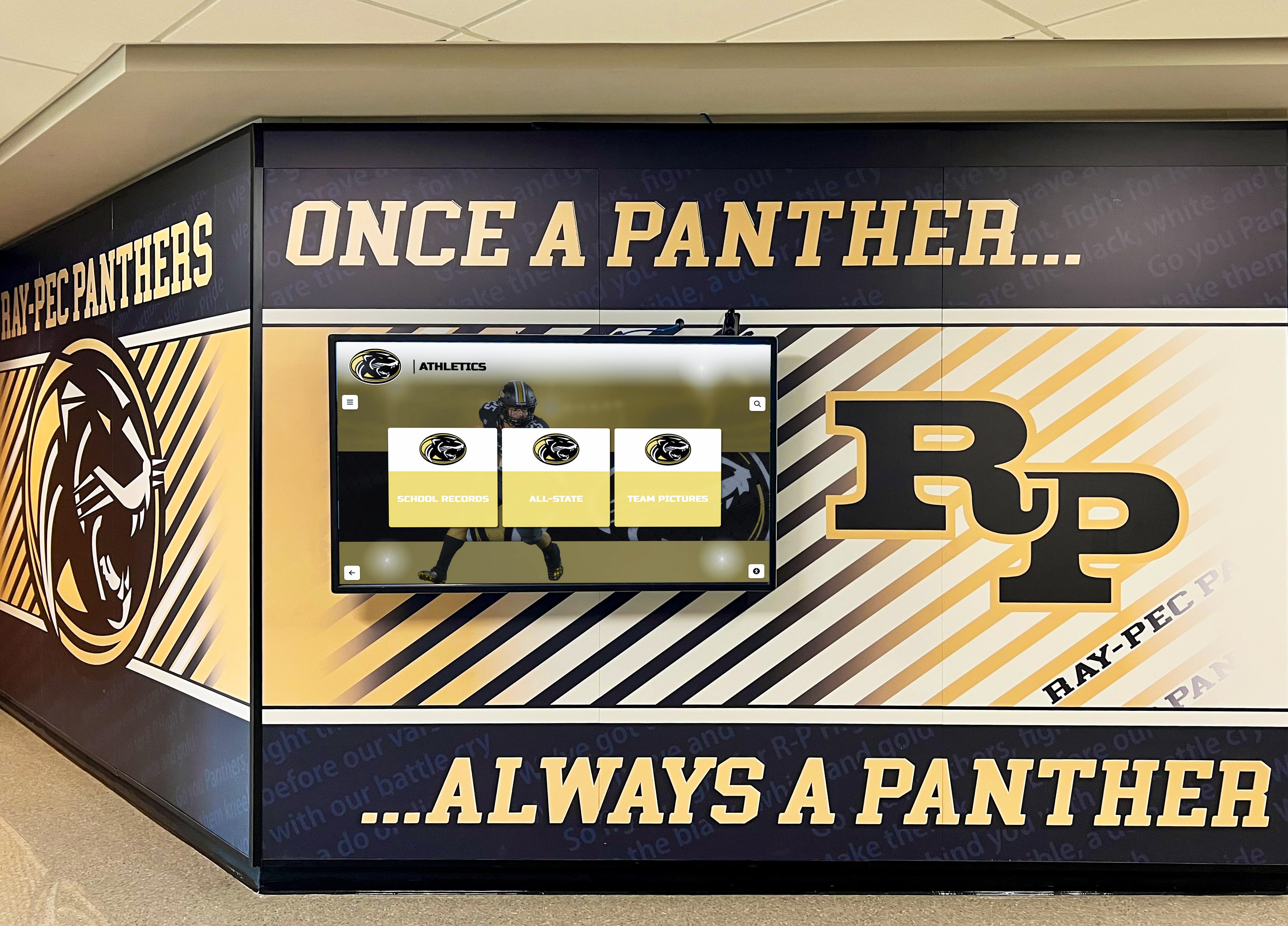
Visible displays help booster clubs communicate program achievements and build community support
Strategic Planning and Goal Setting
Long-Term Vision Development
Strategic thinking extends impact beyond annual cycles:
Planning Components:
- Three to five year goals for major initiatives
- Facility improvement roadmaps
- Recognition system enhancements
- Fundraising revenue targets and diversification
- Membership growth objectives
- Technology integration plans
- Reserve fund building for sustainability
- Succession planning for leadership
Priority Setting:
- Athletic director input on program needs
- Assessment of current resource gaps
- Community input on desires and expectations
- Feasibility analysis of proposed initiatives
- Phased implementation for large projects
- Flexible planning accommodating changes
- Regular review and adjustment of plans
Impact Measurement:
- Tracking participation rates in programs
- Monitoring student-athlete satisfaction
- Measuring community engagement growth
- Financial health assessment regularly
- Comparing program resources to peer schools
- Competitive success correlation with support
- College athletic participation by graduates
Collaboration and Partnership
Building Productive Relationships
Effective collaboration multiplies impact:
School Administration Partnership:
- Regular meetings with athletic directors
- Transparency about activities and finances
- Alignment with school policies and priorities
- Support without interference in decisions
- Facility improvement coordination
- Recognition program collaboration
- Conflict resolution through open communication
Community Organization Connections:
- Youth feeder program relationships
- Local business partnerships beyond donations
- Service club collaboration on shared goals
- Municipal recreation department coordination
- Healthcare provider partnerships for sports medicine
- Media relationships generating positive coverage
- Alumni association engagement
Inter-Booster Coordination:
- Sharing best practices with other schools
- Regional networking opportunities
- Joint purchasing for cost savings
- Event idea exchange
- Vendor recommendations and evaluations
- Problem-solving collaboration
- Legislative advocacy coordination
Organizations implementing digital recognition platforms often coordinate with multiple booster clubs for comprehensive school-wide implementation.
Frequently Asked Questions About Booster Clubs
Addressing common questions helps parents and schools understand booster club operations.
How do you start a booster club at a school?
Starting a booster club requires forming a leadership group, establishing legal structure (usually 501(c)(3) nonprofit), creating bylaws, partnering with school administration through formal agreements, recruiting members, and launching fundraising activities. Most successful clubs begin with core committed parents, consult athletic directors about needs, and start small before expanding operations.
What can booster clubs legally do?
Booster clubs can fundraise, provide supplemental resources, coordinate volunteers, recognize achievements, and advocate for programs. They cannot make coaching decisions, determine playing time, override school policies, create participation barriers, or interfere with educational athletics mission. Specific boundaries should be documented in written agreements with schools.
How much money do booster clubs typically raise?
Booster club fundraising varies dramatically based on school size, community wealth, sport popularity, and organizational capacity. Small clubs may raise $5,000-15,000 annually while large, well-established organizations generate $100,000-500,000 or more. Most high school all-sports booster clubs raise $25,000-75,000 annually supplementing athletic budgets.
Do booster clubs have to be nonprofits?
Booster clubs don’t legally require nonprofit status but most benefit from 501(c)(3) tax exemption enabling tax-deductible donations, grant eligibility, and tax-free fundraising proceeds. Some smaller clubs operate as school district internal funds, which simplifies administration but reduces autonomy. Independent nonprofit status offers greatest flexibility for substantial fundraising.
Can booster clubs fund coaching salaries?
Generally booster clubs should not fund coaching salaries, which creates problematic relationships where coaches feel beholden to booster leadership rather than school administration. Booster clubs may fund coaching stipends for additional duties, professional development, or coach appreciation, but base compensation should come from school districts maintaining proper employment relationships and accountability.
How do booster clubs ensure fairness across sports?
Fair booster clubs establish written allocation policies considering participation numbers, funding gaps, equipment needs, safety requirements, and Title IX equity. Athletic directors should approve major expenditures ensuring balance. All-sports booster clubs typically work better than sport-specific organizations for promoting equity, though hybrid models with sport committees under umbrella organizations can balance interests.
What happens to booster club money if the club dissolves?
Properly formed 501(c)(3) nonprofit bylaws include dissolution clauses specifying that remaining assets must transfer to similar charitable organizations (often school district foundations or other booster clubs) rather than being distributed to members. This requirement ensures donated funds remain supporting charitable purposes even if specific organizations cease operations.
How involved should coaches be in booster clubs?
Coaches should communicate program needs and attend booster meetings when invited but generally shouldn’t serve in booster leadership positions to maintain appropriate boundaries. Coaches providing input helps booster clubs make informed funding decisions, but financial support shouldn’t create obligations or influence coaching autonomy. Clear separation preserves proper relationships.
Conclusion: The Vital Role of Booster Clubs in School Athletics
Booster clubs represent essential partners enabling school athletic programs to achieve excellence beyond what constrained budgets alone permit. These volunteer organizations fill critical financial gaps while mobilizing community support, coordinating recognition programs, and building traditions that connect generations of families to school athletic programs.
Understanding what booster clubs are—parent-led nonprofit organizations operating independently while partnering closely with athletic departments—helps both schools and volunteers create effective structures maximizing impact while maintaining appropriate boundaries. When booster clubs implement sound governance, diversified fundraising, transparent finances, and equitable support across programs, they transform adequate athletic departments into exceptional ones that serve student-athletes comprehensively.
Modern booster clubs increasingly leverage technology to enhance traditional functions. Digital recognition displays funded through booster initiatives eliminate space constraints limiting physical trophy cases while creating engaging experiences celebrating decades of athletic achievement through searchable, photo-rich interfaces accessible both on campus and online. These investments demonstrate booster club impact while building lasting legacies honoring student-athletes.
For parents considering booster club involvement, these organizations offer meaningful opportunities to support children’s athletic experiences while building community connections and developing leadership skills. For schools, effective booster club partnerships provide crucial resources while engaging stakeholders in shared missions supporting student-athlete development through competitive athletics.
Whether starting new booster clubs, strengthening existing organizations, or exploring partnership opportunities, the principles outlined in this guide provide frameworks for creating sustainable, effective, equitable booster programs that enrich athletic experiences while maintaining educational priorities underlying school sports participation. Strong booster clubs don’t just fund programs—they build communities united in supporting young people through transformative athletic experiences.
Ready to enhance how your school recognizes athletic achievements? Organizations like Rocket Alumni Solutions help booster clubs and athletic departments implement comprehensive digital recognition displays that celebrate student-athlete accomplishments, acknowledge supporter contributions, and build lasting program traditions—all through modern touchscreen systems that grow with your programs without the space limitations of traditional trophy cases.