Standing in cap and gown on graduation day, students wear colorful cords draped around their necks—visual symbols of four years of achievement, dedication, and excellence. These honor cords represent far more than decorative accessories; they’re tangible recognition of academic accomplishment, honor society membership, extracurricular leadership, and specialized achievements earned throughout high school. For students approaching graduation, understanding what cords you can earn and how to qualify creates motivation and clear achievement goals. For parents and educators, this knowledge helps celebrate student excellence appropriately.
Yet many students and families don’t discover the full range of cord opportunities until senior year, when it’s too late to pursue certain achievements. Questions about qualification requirements, color meanings, who awards each cord type, and whether multiple cords can be worn create confusion. Meanwhile, schools vary significantly in which achievements they recognize through graduation cords, making standardized information difficult to find.
This comprehensive guide explores every type of honor cord available to high school students, explaining qualification requirements, color significance, and how schools recognize these achievements both during graduation ceremonies and through permanent recognition systems.
Honor cords represent a graduation tradition dating back centuries, evolving from European academic institutions to become standard recognition at American high schools. Unlike the uniform black gowns most graduates wear, cords provide individualized acknowledgment of specific achievements, creating visual distinction during commencement while celebrating diverse forms of excellence.

Schools celebrate graduation achievements through both traditional cord ceremonies and modern digital recognition displays
Academic Achievement Honor Cords
Academic excellence represents the most common category of graduation cords, with specific colors and requirements varying by institution.
Honor Roll and GPA-Based Cords
The most widespread academic cords recognize cumulative grade point average achievement:
Gold Cords (Highest Academic Honors)
- Typically awarded for 4.0 GPA or equivalent
- May represent valedictorian or salutatorian status
- Sometimes requires all four years at specified GPA
- Most prestigious academic cord at many schools
- Often combined with honor society membership recognition
Silver Cords (High Academic Honors)
- Generally awarded for 3.75-3.99 GPA range
- Recognizes sustained academic excellence
- May require minimum number of honors/AP courses
- Represents top tier of academic achievement
- Often called “high honors” or “magna cum laude” equivalent
White or Silver/White Cords (Academic Honors)
- Usually requires 3.5-3.74 GPA
- Recognizes consistent strong academic performance
- May represent honor roll achievement across multiple years
- Creates inclusive recognition for solid academic work
- Often the most commonly awarded academic cord
Red/White Combined Cords
- Some schools use two-color combinations
- Often represents specific GPA tiers
- May indicate particular honor levels
- Creates visual distinction between achievement levels
- Allows more graduated recognition system
Advanced Placement and Academic Program Cords
Specialized academic programs often award distinctive cords:
International Baccalaureate (IB) Cords
- Purple and white cords or solid purple
- Awarded to IB diploma or certificate recipients
- Recognizes completion of rigorous international curriculum
- Demonstrates advanced academic preparation
- Often requires specific examination scores and coursework
Advanced Placement Scholar Cords
- Recognition for multiple AP exam scores of 3 or higher
- Color varies by school (often red/gold or blue/gold)
- May have different tiers (AP Scholar, Scholar with Distinction)
- Celebrates college-level academic achievement
- Enhances college application credentials
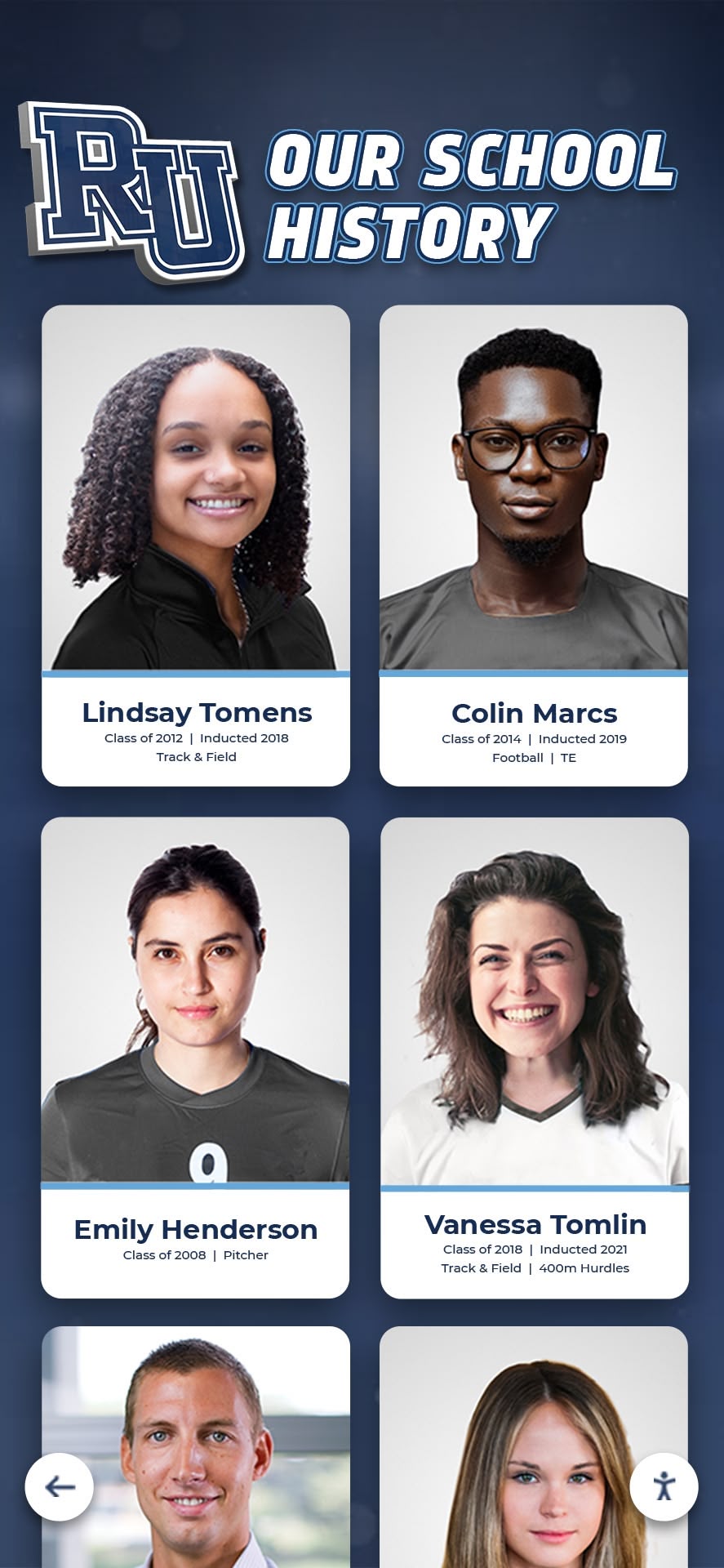
Recognition systems preserve graduation achievements alongside broader academic accomplishments
Dual Enrollment/Early College Cords
- Recognition for completing college credits during high school
- Color determined by individual schools
- Celebrates advanced academic preparation
- May require minimum number of college credits
- Demonstrates college readiness and initiative
Subject-Specific Academic Excellence Cords
Departmental honors create additional recognition opportunities:
Mathematics Honors (Often Red or Burgundy)
- Awarded by mathematics departments
- Typically requires exceptional performance across math courses
- May need specific achievement in advanced mathematics
- Recognizes analytical and quantitative excellence
- Often determined by department faculty selection
Science Department Honors (Often Green or Blue)
- Recognition for outstanding science achievement
- May require excellence across multiple science disciplines
- Sometimes connected to science fair or research participation
- Celebrates STEM excellence and inquiry
- Creates pathway for science-focused students
English/Language Arts Honors (Often Blue or White)
- Departmental recognition for literary achievement
- May require strong performance in all English courses
- Sometimes includes writing competition or publication recognition
- Honors communication and analytical skills
- Often selected by English department faculty
Social Studies/History Honors (Often Brown or Tan)
- Recognition for exceptional history and social science achievement
- May require strong performance across multiple social studies courses
- Sometimes includes research or competition components
- Celebrates civic understanding and historical analysis
- Selected through department nomination
Schools implementing comprehensive academic recognition programs often display cord recipients alongside other achievements through digital platforms accessible year-round.
Honor Society Cords
National and international honor societies award distinctive cords representing membership and achievement.
National Honor Society (NHS)
The most recognized high school honor society awards standard cords:
NHS Gold and Blue Cords
- Official National Honor Society colors
- Awarded to inducted members in good standing
- Requires scholarship, service, leadership, and character
- Typically needs 3.0+ GPA and service hours
- Must maintain standards throughout membership
NHS Officer Cords
- Some chapters award special recognition for leadership positions
- May include additional cord colors or braiding
- Recognizes president, vice president, secretary, treasurer roles
- Demonstrates leadership within honor society
- Creates additional recognition tier
Subject-Specific Honor Societies
Specialized academic honor societies award unique cords:
National English Honor Society (NEHS)
- Red and gold or crimson cords
- Requires strong English/language arts achievement
- Includes service and literacy promotion components
- Celebrates reading, writing, and literary engagement
- Often requires specific GPA in English courses
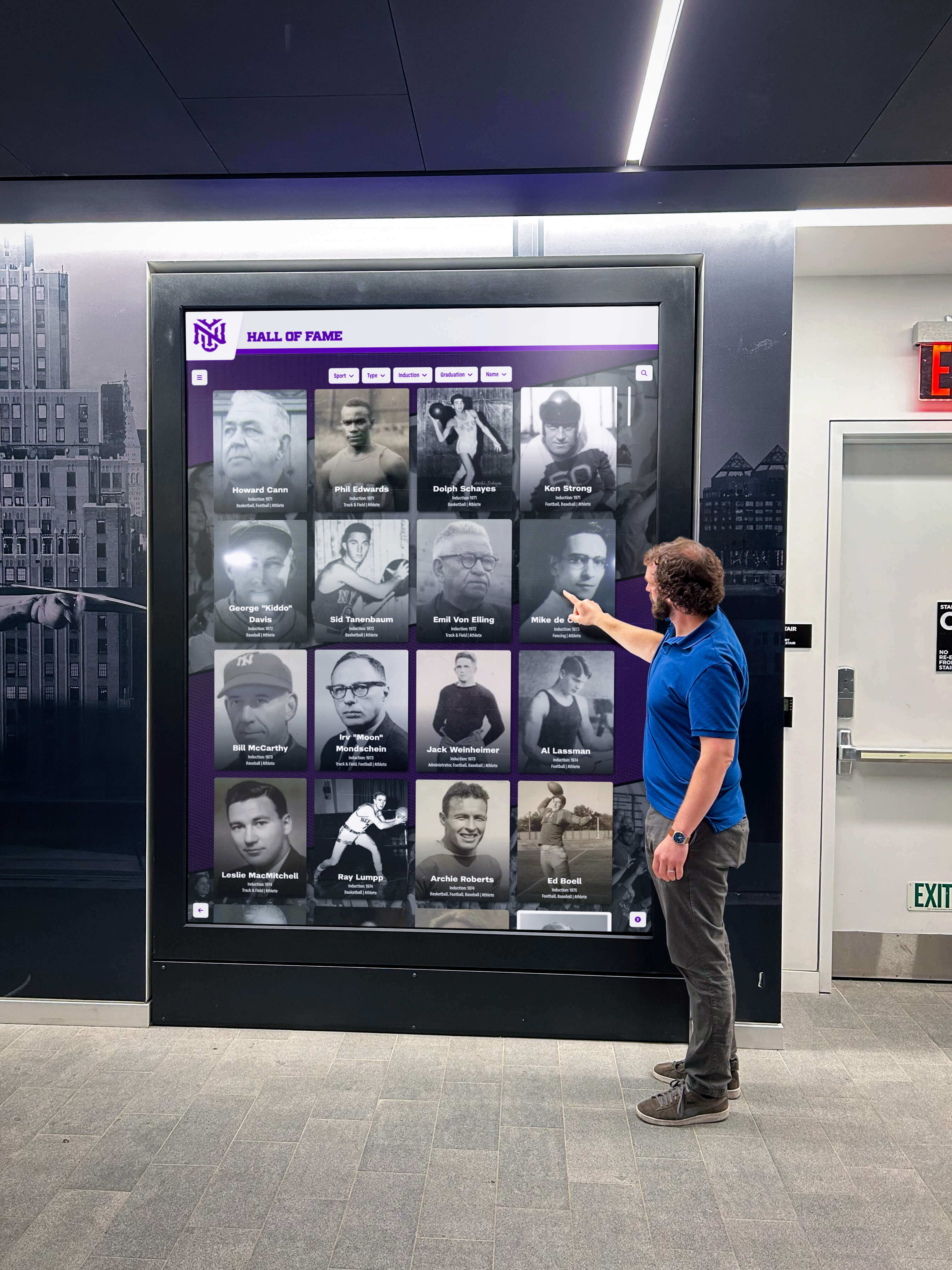
Interactive displays enable exploration of honor cord recipients and their varied achievements
National Science Honor Society (NSHS)
- Blue and gold cords
- Recognizes excellence in science courses
- Requires STEM achievement and service
- Promotes scientific literacy and research
- Often includes minimum science GPA requirement
Mu Alpha Theta (Mathematics Honor Society)
- Purple and gold or blue and gold cords
- Requires mathematical excellence and participation
- Includes competition and tutoring components
- Recognizes advanced mathematics achievement
- Often requires completion of specific math courses
National Art Honor Society (NAHS)
- Gold cords or blue and gold
- Awarded for artistic achievement and service
- Requires portfolio quality and artistic dedication
- Celebrates visual arts excellence
- Includes community art service component
Tri-M Music Honor Society
- Purple, gold, and white cords
- Recognizes musical achievement and service
- Requires high musical and academic standards
- Includes performance and leadership components
- Celebrates comprehensive musical excellence
Rho Kappa Social Studies Honor Society
- Blue and gold or red, white, and blue cords
- Requires excellence in social studies courses
- Includes research and civic engagement components
- Recognizes historical and social science achievement
- Often requires specific social studies GPA
National Technical Honor Society (NTHS)
- Red, white, and blue cords
- Recognizes career and technical education excellence
- Requires strong performance in CTE programs
- Includes leadership and skill demonstration
- Celebrates technical and vocational achievement
Many schools showcase honor society membership through digital recognition walls that preserve these achievements permanently alongside cord ceremony photos.
World Language and Cultural Recognition Cords
Language proficiency and cultural engagement earn distinctive recognition:
Language Honor Societies and Achievement
National Spanish Honor Society
- Red and gold cords
- Requires Spanish language proficiency and achievement
- Includes cultural engagement and service components
- Celebrates Hispanic culture and language study
- Often requires minimum Spanish course achievement
National French Honor Society (Société Honoraire de Français)
- Blue, white, and red cords (French flag colors)
- Recognizes French language excellence
- Includes cultural promotion and service
- Celebrates Francophone culture and language
- Requires sustained French study achievement
National German Honor Society (Delta Epsilon Phi)
- Black, red, and gold cords (German flag colors)
- Awards German language achievement recognition
- Includes cultural understanding components
- Promotes German language and culture
- Requires strong German course performance
Latin Honor Society (National Junior Classical League)
- Purple and gold or toga-styled cords
- Recognizes classical language achievement
- Includes classical culture and civilization knowledge
- Celebrates ancient language mastery
- Often requires competition or convention participation
Chinese Honor Society
- Red and gold cords
- Recognizes Chinese language proficiency
- Includes cultural understanding components
- Celebrates Chinese language and culture study
- Requires sustained achievement in Chinese courses
Italian Honor Society
- Green, white, and red cords (Italian flag colors)
- Awards Italian language achievement
- Includes cultural engagement requirements
- Promotes Italian language and heritage
- Requires strong Italian course performance
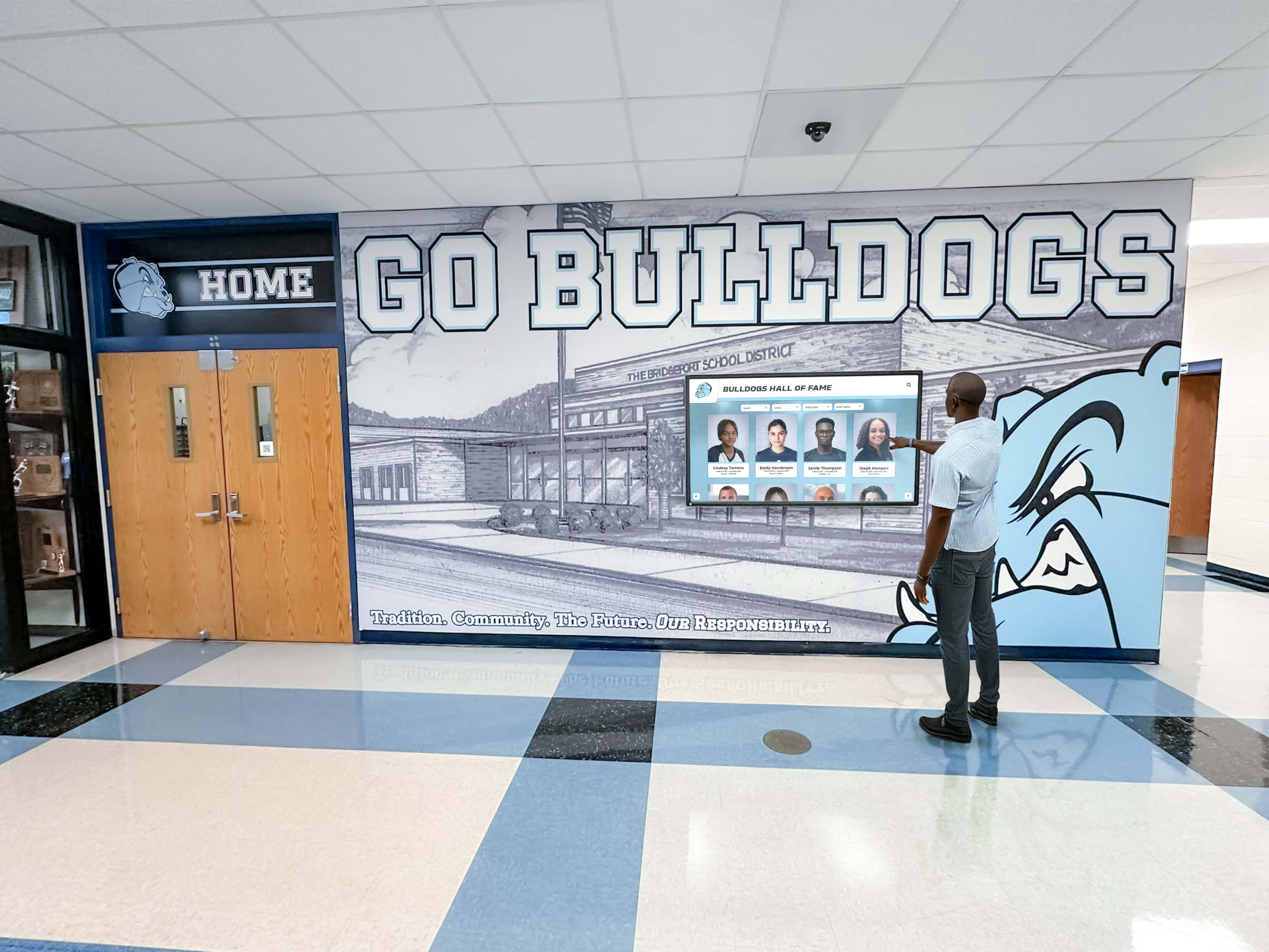
Recognition systems make language and cultural achievements accessible alongside academic honors
Bilingual and Multilingual Seals
Beyond traditional cords, language recognition includes:
State Seal of Biliteracy
- While not always a cord, some schools create custom recognition
- Demonstrates proficiency in English and another language
- Requires testing or portfolio demonstration
- Appears on diploma and transcripts
- Increasingly valued by colleges and employers
Schools can integrate multilingual achievement recognition into comprehensive digital displays celebrating diverse student excellence.
Career and Technical Education (CTE) Cords
Vocational and technical achievement earns specialized recognition:
CTE Program Completion Cords
Red and White CTE Cords
- Recognize career and technical education program completion
- Awarded for completing approved CTE pathways
- May require industry certification or credential
- Demonstrates career readiness and technical skills
- Celebrates vocational education achievement
Blue and Gold CTE Excellence Cords
- Some schools award for exceptional CTE performance
- May require competition success or advanced credentials
- Recognizes leadership in technical education
- Creates distinction within CTE programs
- Often includes project or portfolio requirement
Skills Competition Recognition Cords
SkillsUSA Achievement Cords
- Red, white, blue, and gold cords
- Awarded for SkillsUSA competition participation or success
- Recognizes technical skill demonstration
- Includes leadership development component
- Celebrates trade and technical education
DECA Cords
- Blue and gold cords
- Recognizes marketing and business education achievement
- Often requires competition participation
- Demonstrates business skills and knowledge
- Includes leadership and community service
FBLA (Future Business Leaders of America) Cords
- Blue and gold cords
- Awards business education excellence
- Often includes competition component
- Recognizes business knowledge and leadership
- Requires sustained FBLA membership and participation

Schools celebrate CTE and academic achievements through multiple recognition formats
FFA (Future Farmers of America) Cords
- Corn gold and national blue cords
- Recognizes agricultural education achievement
- Includes project and leadership components
- Celebrates agricultural and leadership excellence
- Requires FFA degree attainment (Chapter, State, or American)
HOSA (Health Occupations Students of America) Cords
- Maroon, navy, and white cords
- Awards healthcare career pathway achievement
- Often requires competition participation
- Demonstrates health science knowledge and skills
- Celebrates future healthcare professional preparation
Family, Career and Community Leaders of America (FCCLA)
- Red and white cords
- Recognizes family and consumer sciences achievement
- Includes leadership and community service
- Celebrates life skills and career preparation
- Often requires project or event participation
Many schools implement comprehensive recognition displays that showcase CTE achievements alongside traditional academic honors.
Service, Leadership, and Character Cords
Recognition for contribution beyond academic achievement:
Service Recognition Cords
Community Service Cords (Often Purple or Green)
- Awarded for completing significant volunteer hours
- Requirements typically range from 100-300+ hours
- Recognizes sustained community contribution
- May have multiple tiers based on hour totals
- Celebrates service commitment and civic engagement
Presidential Volunteer Service Award Cords
- Gold cords with presidential seal medallion
- Recognizes significant volunteer service hours
- Bronze (50+ hours), Silver (100+ hours), Gold (200+ hours for teens)
- Federal recognition program
- Includes certificate and official pin
Key Club Cords
- Gold and blue cords
- Recognizes Kiwanis-sponsored service club membership
- Requires sustained service participation
- Includes leadership development component
- Celebrates community service excellence
Leadership Recognition Cords
Student Government Cords
- Colors vary by school (often school colors)
- Awarded to student council and government members
- May have special recognition for officers
- Recognizes leadership and school service
- Celebrates democratic participation and governance
Peer Mentoring/Leadership Cords
- Various colors based on program
- Recognizes peer tutoring or mentoring service
- May require specific hour commitments
- Celebrates leadership through helping others
- Often includes training and evaluation components
Character and Values Cords
Character Education Cords
- Colors vary (often purple, white, or school colors)
- Recognize consistent demonstration of core values
- May include respect, responsibility, integrity, kindness
- Often selected through teacher or peer nomination
- Celebrates personal qualities and ethical behavior
Anti-Bullying/Inclusion Cords
- Often orange, purple, or rainbow colors
- Recognize students promoting inclusive environment
- May require specific training or program participation
- Celebrates standing up for others
- Creates positive peer role models
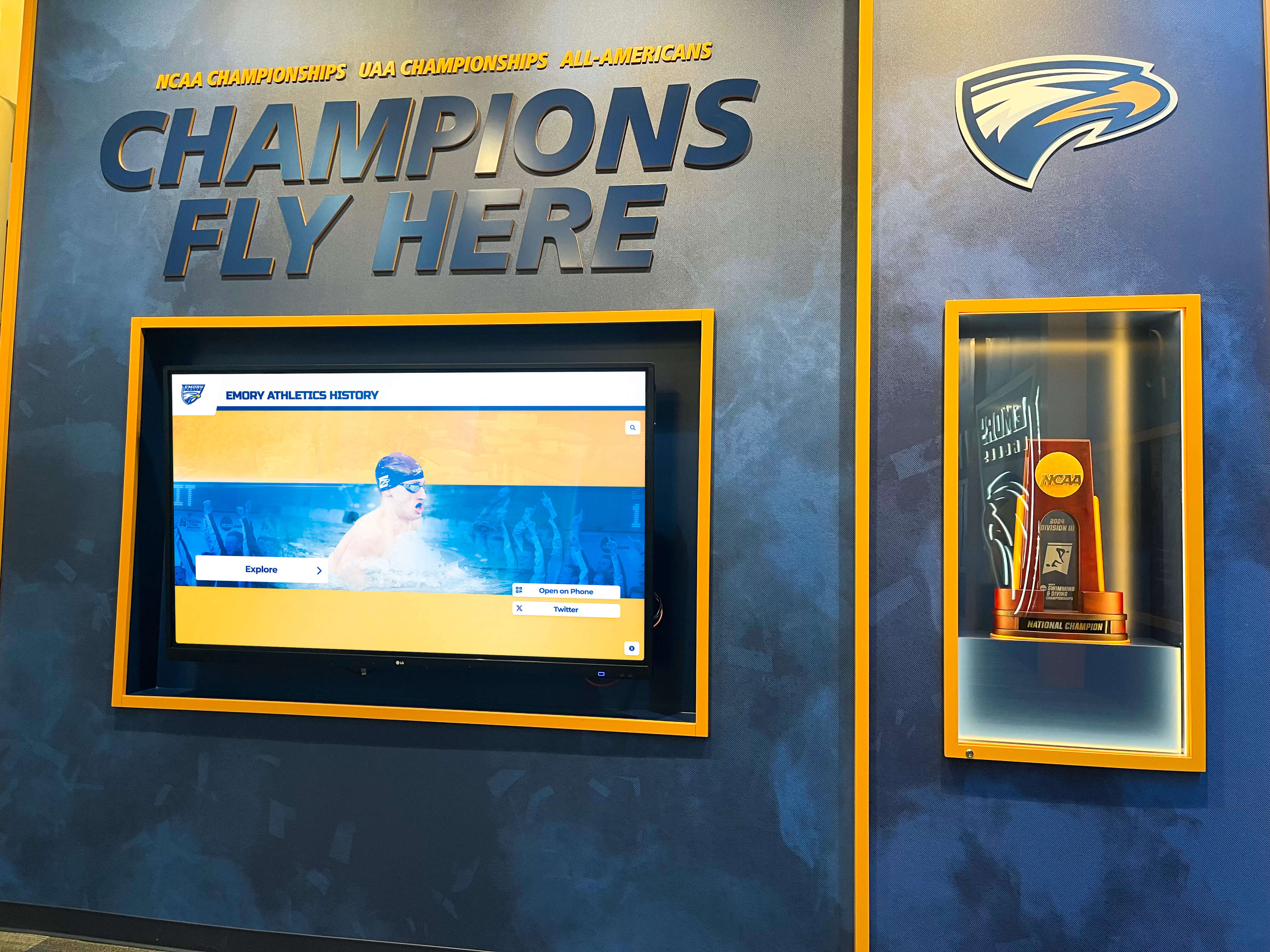
Recognition systems celebrate character and leadership alongside competitive achievements
Athletic and Extracurricular Activity Cords
Performance and participation in activities beyond academics:
Athletic Achievement Cords
Varsity Letter Cords
- School colors (varies by institution)
- Awarded to varsity letter recipients
- May require multiple years or sports participation
- Recognizes athletic achievement and dedication
- Often includes senior athlete designation
Multi-Sport Athlete Cords
- Special recognition for students competing in multiple sports
- May require varsity participation in 2+ sports
- Celebrates versatility and year-round commitment
- Often uses school colors or special combinations
- Creates distinction for well-rounded athletes
Team Captain Cords
- Additional recognition beyond standard athletic cords
- Awarded to senior team captains
- Recognizes leadership in athletic programs
- May include special medallion or braiding
- Celebrates peer-selected or coach-designated leadership
Fine Arts and Performing Arts Cords
Choir/Music Cords
- Purple, gold, or music program colors
- Recognizes sustained music program participation
- May require all-state selection or superior ratings
- Celebrates musical excellence and dedication
- Often includes performance hour requirements
Theater/Drama Cords
- Red or burgundy cords commonly
- Awards theater program participation and excellence
- May require specific production involvement
- Recognizes on-stage and technical theater contributions
- Celebrates performing arts dedication
Band Cords
- Colors specific to band programs (often red/black or blue/white)
- Recognizes marching band and concert band participation
- May require all-state selection or leadership positions
- Celebrates musical excellence and ensemble contribution
- Often includes competition and performance requirements
Visual Arts Cords
- Colors vary (often incorporating school colors)
- Recognize sustained art program participation
- May require portfolio quality or exhibition participation
- Celebrates artistic excellence and creativity
- Often determined by art department faculty
Schools can preserve these diverse achievements through award ceremony planning and permanent digital recognition displays.
Military and JROTC Cords
Military programs award distinctive recognition:
JROTC Achievement Cords
JROTC Unit Cords
- Branch-specific colors (Army: gold/blue, Navy: navy/gold, Air Force: blue/silver, Marines: red/gold)
- Awarded to JROTC program members in good standing
- May require specific rank or achievement level
- Recognizes military leadership development
- Includes drill, ceremony, and academic components
JROTC Honor Cords
- Special recognition for exceptional JROTC achievement
- Often requires leadership positions or competition success
- May include distinguished or honor unit membership
- Celebrates military excellence and commitment
- Creates distinction within JROTC programs
JROTC National Honor Society Cords
- Special cords for JROTC NHS membership
- Requires academic excellence plus JROTC achievement
- Includes character and leadership requirements
- Demonstrates comprehensive excellence
- Prestigious recognition within military programs

Digital recognition makes all achievement types equally accessible and explorable
School-Specific and Custom Recognition Cords
Individual schools create unique cord programs:
School Pride and Tradition Cords
School Colors Cords
- Awarded for various school-specific achievements
- May recognize perfect attendance across four years
- Sometimes awarded for legacy students or multi-generation families
- Celebrates school spirit and sustained engagement
- Creates institution-specific traditions
Principal’s Award Cords
- Recognition determined by school administration
- Often celebrates overcoming adversity or exceptional growth
- May recognize all-around contribution to school community
- Highly individualized and meaningful
- Creates special acknowledgment opportunities
Mascot or Spirit Cords
- Recognizes exceptional school spirit demonstration
- May require student section leadership or participation
- Celebrates positive school culture contribution
- Often includes homecoming and spirit week involvement
- Creates fun, engaging recognition category
Specialized Program Cords
Magnet Program Cords
- Recognition for completing specialized magnet programs
- Colors and requirements specific to program type
- May include STEM, arts, international studies, or other focuses
- Demonstrates specialized preparation and achievement
- Often requires project or portfolio component
Academy Within School Cords
- Small learning communities or academies award specific cords
- Recognizes program completion and achievement
- Creates identity within larger comprehensive schools
- May include internship or capstone requirements
- Celebrates specialized pathway completion
Schools implementing touchscreen recognition displays can showcase cord recipients alongside detailed achievement descriptions.
Religious and Faith-Based Cords
Faith-based schools and programs award distinctive cords:
Christian School Recognition Cords
Christian Service Cords
- Recognizes ministry, mission trip, or faith-based service
- Often purple, white, or gold colors
- Requires documented service hours in religious context
- Celebrates faith integration and service
- May include mission trip participation or church leadership
Bible Knowledge/Scripture Memory Cords
- Awards biblical knowledge demonstration
- May require scripture memorization or biblical studies excellence
- Recognizes theological understanding
- Colors specific to individual schools
- Celebrates spiritual development and commitment
Catholic School Cords
Marian Cords (Blue)
- Recognizes devotion and service to Mary
- Specific to Catholic school traditions
- May include prayer leadership or service components
- Celebrates Catholic faith tradition
- Often includes community service requirement
Confirmation Cords (Red)
- Recognizes sacrament completion and faith development
- Celebrates Catholic faith journey
- May include service or retreat participation
- Traditional Catholic school recognition
- Demonstrates confirmed Catholic commitment
Other Religious Recognition
Jewish Studies Cords
- Recognition in Jewish day schools or programs
- May include Hebrew language proficiency
- Often requires religious studies achievement
- Celebrates Jewish learning and tradition
- Colors vary by institution
Islamic Studies Cords
- Recognition in Islamic schools
- May include Quranic studies or Arabic proficiency
- Celebrates Islamic scholarship and faith
- Requirements specific to individual schools
- Demonstrates religious knowledge and commitment
How to Qualify for Multiple Cords
Many high-achieving students earn several cords:
Stacking and Wearing Multiple Cords
School Policies on Multiple Cords
- Most schools allow wearing all earned cords
- Some institutions limit number of cords displayed
- Policies vary regarding cord arrangement and display
- Check specific graduation ceremony guidelines
- Understand any restrictions in advance
Typical Combinations Well-rounded students often earn:
- Academic honor cord (GPA-based)
- National Honor Society cord
- Subject-specific honor society cord (NEHS, NSHS, etc.)
- Service or leadership cord
- Activity-based cord (athletics, arts, CTE)
Strategic Achievement Planning
- Start early to understand available opportunities
- Map out qualification requirements freshman year
- Maintain consistent effort across four years
- Join organizations and programs strategically
- Track progress toward cord requirements annually
Lesser-Known Cord Opportunities
Attendance Recognition Cords
- Some schools award perfect or exceptional attendance
- May require four years of perfect or near-perfect attendance
- Recognizes reliability and commitment
- Often overlooked but achievable recognition
- Demonstrates consistency and dedication
Improvement Cords
- Recognition for significant GPA improvement
- Celebrates academic turnaround and growth
- May require specific GPA increase benchmarks
- Acknowledges perseverance and renewed focus
- Creates inclusive recognition opportunity
First Generation College Student Cords
- Often purple and gold or school-specific colors
- Celebrates students first in family attending college
- Recognizes overcoming additional barriers
- Creates pride in milestone achievement
- Increasingly common recognition category
Dual Language Immersion Cords
- Recognition for completing bilingual program
- Requires sustained dual-language education
- Celebrates linguistic and cultural proficiency
- May include specific testing requirements
- Often uses colors representing both languages
Modern Recognition Beyond Cords: Digital Display Solutions
While graduation cords provide meaningful ceremony-day recognition, these physical symbols last only for the graduation event itself. Schools increasingly complement traditional cord recognition through comprehensive digital systems that preserve and celebrate achievements permanently.
Digital Recognition Display Advantages
Modern platforms enable schools to create lasting celebrations of cord achievements:
Permanent Achievement Archives
- Individual graduate profiles documenting all cords earned
- Detailed explanations of qualification requirements met
- Photos of graduates wearing their earned cords
- Connection to broader academic and activity achievements
- Historical preservation accessible for decades
Interactive Exploration Features
- Search functionality finding graduates by cord type
- Filtering by achievement category, year, or honor society
- Individual profiles explaining significance of each cord
- Related content connecting cords to broader school traditions
- QR code access enabling mobile exploration during graduation ceremonies
Multi-Format Accessibility
- Interactive touchscreen displays in school lobbies and common areas
- Web-accessible platforms families view worldwide
- Mobile-responsive interfaces for smartphones and tablets
- Social media sharing extending recognition reach
- 24/7 accessibility rather than single-event recognition
Comprehensive Graduation Celebration Digital systems preserve:
- All cords earned by each graduate
- Honor society memberships and leadership positions
- Service hour documentation and project descriptions
- Academic achievement details beyond GPA
- Scholarship and college destination information
- Senior quotes and personal statements
- Ceremony photos showing cord displays
Schools implementing solutions like Rocket Alumni Solutions create recognition systems that celebrate graduation cord achievements through engaging digital displays while preserving these honors permanently for families, alumni, and future classes to explore.
Extending Cord Recognition Impact
Ongoing Visibility Traditional graduation ceremonies conclude within hours, but digital recognition ensures lasting celebration:
- Families worldwide access cord achievement details year-round
- Alumni returning to campus explore their graduation class achievements
- Prospective students learn about honor opportunities available
- Community members stay connected to student excellence
- Historical documentation preserving recognition traditions across decades
Integration with Comprehensive Recognition Cord achievements connect to broader recognition systems celebrating:
- Academic honor roll recognition throughout four years
- Athletic achievement and letter awards
- Fine arts performance and competition success
- Service learning and volunteer contributions
- Leadership development and character recognition
- College acceptances and scholarship awards
Many institutions leverage employee recognition wall concepts adapted for student achievements, creating engaging visual displays that honor cord recipients alongside other accomplished graduates.
Understanding Cord Colors and Their Meanings
Color symbolism creates visual language for achievement:
Standard Academic Color Meanings
Gold/Yellow
- Most common color for general academic achievement
- Represents excellence, wisdom, and achievement
- Often used for highest GPA honors
- May indicate National Honor Society
- Traditional color for academic recognition
Silver/White
- Represents high academic achievement
- Often secondary tier of GPA recognition
- May indicate specific honor levels
- Symbolizes purity and excellence
- Common in academic honor programs
Blue
- Often represents knowledge and truth
- Used by multiple honor societies
- May indicate subject-specific achievement
- Symbolizes wisdom and intelligence
- Common in academic and leadership recognition
Red
- Represents passion and dedication
- Often used for subject honors or special programs
- May indicate service or leadership
- Symbolizes courage and commitment
- Common in CTE and activity recognition
Purple
- Often represents dignity and achievement
- Used by various honor societies
- May indicate service or leadership recognition
- Symbolizes nobility and purpose
- Common in character and faith-based recognition
Green
- Often represents growth and renewal
- May indicate environmental or science achievement
- Sometimes used for service recognition
- Symbolizes hope and progress
- Less common but meaningful when awarded
Multi-Color Cord Significance
Two-Color Twisted Cords
- Represent combined achievements or dual program completion
- May indicate specific honor society (blue/gold for NHS)
- Often more visually striking and prestigious
- Can represent organizational official colors
- Create additional recognition tiers
Three-Color Braided Cords
- Often represent flag colors for language programs
- May indicate highest achievement levels
- Create visual distinction and prestige
- Used by international or cultural programs
- Demonstrate complex achievement requirements
Multiple Individual Cords
- Students wearing several cords demonstrate diverse excellence
- Each cord represents distinct achievement area
- Visual demonstration of well-rounded achievement
- Creates impressive graduation presentation
- Celebrates comprehensive high school success
Preparing for Cord Recognition
Strategic planning maximizes recognition opportunities:
Freshman and Sophomore Years
Research Available Opportunities
- Meet with counselors to understand all cord options
- Review honor society qualification requirements
- Understand cumulative GPA requirements for academic cords
- Explore activity and organization opportunities
- Create four-year achievement plan
Build Strong Foundation
- Maintain strong GPA from beginning
- Join organizations and clubs of interest
- Begin accumulating service hours early
- Develop leadership skills through participation
- Document achievements and hours
Junior Year
Intensify Involvement
- Pursue leadership positions in organizations
- Continue strong academic performance
- Complete honor society applications
- Increase service hour accumulation
- Join additional organizations if interests align
Track Progress
- Monitor cumulative GPA regularly
- Document service hours systematically
- Maintain organization membership in good standing
- Complete required programs and activities
- Address any deficiencies in requirements
Senior Year
Finalize Qualifications
- Complete remaining requirements for each cord
- Submit necessary applications and documentation
- Maintain academic and membership standards
- Participate in recognition ceremonies and inductions
- Order cords if student/family responsibility
Understand Ceremony Protocols
- Learn school policies on wearing multiple cords
- Understand arrangement and display expectations
- Attend any rehearsals or orientation sessions
- Plan graduation day logistics
- Photograph cord display for memories
Creating Equitable Cord Recognition Programs
Schools should ensure inclusive recognition opportunities:
Accessibility Considerations
Multiple Pathways to Recognition
- Academic achievement cords at various GPA levels
- Service recognition with achievable hour requirements
- Character and improvement categories
- Activity-based recognition across diverse areas
- Ensuring recognition opportunities for all students
Financial Accessibility
- Schools providing cords rather than requiring purchase
- Financial assistance for honor society dues
- Free or low-cost recognition opportunities
- Ensuring fees don’t prevent achievement recognition
- Creating equitable access to all cord programs
Avoiding Recognition Gaps
Inclusive Program Design
- Recognition for diverse achievement types
- Cords beyond just academic and athletic
- Character and improvement recognition
- Creative and technical achievement acknowledgment
- Ensuring all students find recognition opportunities
Regular Program Evaluation
- Assess which students earn recognition
- Identify underrepresented groups or achievement types
- Create new recognition categories as needed
- Ensure equity across demographics
- Maintain meaningful standards while expanding inclusion
Conclusion: Celebrating Achievement Through Honor Cords
High school graduation cords represent far more than colorful accessories draped across gowns—they embody years of dedication, achievement, and commitment across academic, service, leadership, and extracurricular dimensions. Understanding the complete landscape of available cords enables students to set meaningful goals, families to celebrate accomplishments appropriately, and schools to implement comprehensive recognition programs honoring diverse forms of excellence.
The extensive categories explored in this guide demonstrate the remarkable breadth of cord recognition available to today’s high school students. From traditional academic honors recognizing GPA achievement to specialized honor society cords celebrating subject mastery, from service cords acknowledging community contribution to activity cords honoring artistic and athletic excellence—each cord type creates pathways for students with different strengths and interests to earn visible recognition.
Strategic students begin planning cord achievement early in their high school careers, understanding qualification requirements and building involvement systematically across four years. By researching opportunities freshman year, maintaining consistent effort through sophomore and junior years, and finalizing requirements senior year, motivated students earn multiple cords representing their well-rounded high school experience. Schools that communicate cord opportunities clearly and create equitable access ensure all students find meaningful recognition pathways.
Modern digital recognition platforms extend the impact of graduation cord ceremonies beyond single-day events. While cords create powerful visual recognition during commencement, comprehensive digital systems preserve these achievements permanently through interactive displays, web-accessible profiles, and engaging exploration features. Families worldwide can view cord recipients and understand achievement significance, alumni can reconnect with their graduation class accomplishments, and prospective students can learn about honor opportunities available.
Effective cord programs require thoughtful design ensuring diverse recognition categories, clearly communicated qualification requirements, equitable access across all student populations, and meaningful standards preserving cord prestige and significance. Schools that treat cord recognition systematically—establishing fair criteria, supporting student achievement, celebrating authentically during ceremonies, and maintaining permanent digital recognition—create cultures where excellence receives appropriate honor.
Start early to understand all cord opportunities available at your school. Meet with counselors to clarify requirements, plan strategically across four years, maintain consistent effort, document achievements carefully, and pursue multiple recognition pathways aligned with your strengths and interests. Your dedication across high school deserves celebration through the cords you’ll proudly wear at graduation.
Whether you’re a student planning your high school journey, a parent supporting your graduate, or an educator designing recognition programs, understanding the complete landscape of graduation cords ensures achievements receive the celebration they deserve. These colorful symbols represent years of work, dedication, and growth—tangible recognition of excellence that graduates and families cherish long after the ceremony concludes.
Ready to preserve graduation cord achievements beyond ceremony day? Explore comprehensive digital recognition solutions that celebrate student accomplishments through engaging touchscreen displays and web-accessible platforms families can explore for generations.