School volunteers don’t punch time cards. They show up at 6:30 a.m. to set up fundraising tables, spend entire weekends running concession stands for zero pay, haul equipment across town, paint bleachers, and organize carnivals that keep school programs financially solvent when district budgets fall short. Yet when volunteer appreciation week arrives each spring, most schools resort to a paper certificate printed during a rushed homeroom period and a single mention buried at the end of a PTA email blast.
That gap between effort and recognition costs schools far more than goodwill. Research from VolunteerMatch and the Corporation for National and Community Service consistently shows that recognized volunteers donate significantly more hours and actively recruit others to join them. Schools that invest in meaningful volunteer recognition don’t just say thank you—they build the sustained community engagement that funds field trips, staffs athletic events, and keeps after-school programs running for years after any individual volunteer might otherwise step back.
This guide delivers 30+ concrete volunteer appreciation week ideas organized by audience and impact level, plus permanent recognition strategies that transform a once-a-year event into year-round volunteer loyalty.
National Volunteer Week, observed every April since 1974, gives schools a dedicated window to honor the parent volunteers, community partners, PTA members, and booster club contributors whose unpaid work makes so much of school life possible. The ideas below are organized across student-driven, event-based, community, and permanent recognition categories so planning teams can build a cohesive week rather than a scattered collection of gestures.
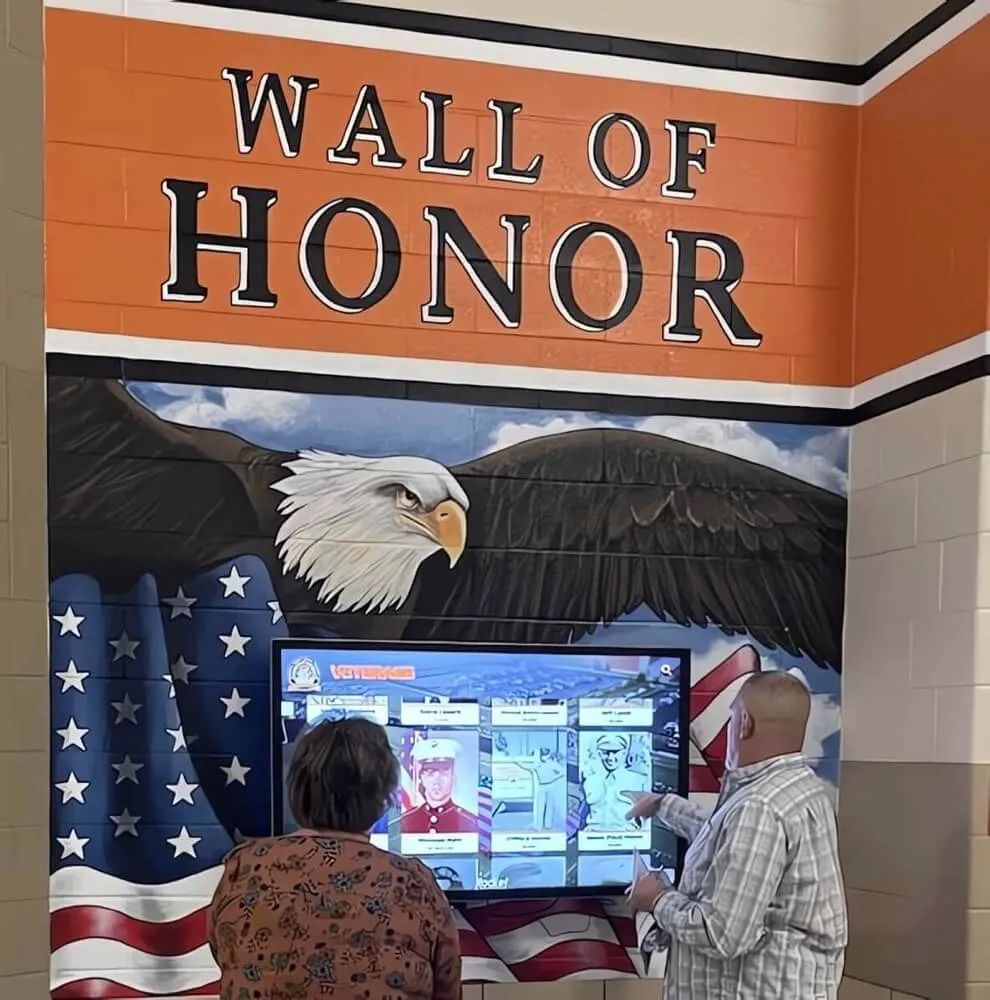
Recognition displays that honor community contributors create welcoming, visually engaging school environments that signal how much volunteer work truly matters
Why Volunteer Appreciation Week Deserves More Than a Certificate
A single printed certificate is the fastest way to signal that a school’s gratitude is proportional—which means small, if that’s all that’s offered after hundreds of contributed hours.
The numbers behind school volunteering are significant. According to the National Center for Education Statistics, schools with strong parental and community volunteer programs report higher student attendance, stronger extracurricular participation rates, and more successful fundraising outcomes. Volunteers aren’t peripheral to school success; they’re structural. When a booster club volunteer spends 40 weekends a year supporting athletics, when a library parent maintains the reading program for an entire semester, when a carnival committee logs 300 combined hours for a single event—those contributions deserve recognition at a scale that matches the investment.
Volunteer appreciation week, when planned well, also serves a practical retention function. Schools that publicly celebrate their volunteers year after year report stronger volunteer pipelines because recognized volunteers tell their neighbors, their book clubs, and their coworkers about a school community that genuinely values people who give their time.
Digital recognition systems designed for community contributors offer schools one of the most durable ways to extend appreciation beyond a single week and ensure that long-serving volunteers see their contributions permanently honored alongside athletic and academic achievements.
Student-Driven Appreciation Ideas (1–8)
Student voices carry a particular kind of weight that no administrative gesture can replicate. When children thank the adults who showed up for them, it resonates in ways that certificates simply don’t.
1. Classroom Thank-You Video Compilation
Ask every homeroom or advisory teacher to have their class record a 60-second thank-you video to a specific volunteer—the room parent, the library helper, the athletic booster, or the field trip chaperone who accompanied them that year. Compile the clips into a 10–15 minute celebration reel to screen during an appreciation assembly or share via the school’s online platform. Seeing a class of twenty children say their names and describe exactly what a volunteer did for them is an experience most volunteers remember for years.
2. Student-Written Appreciation Letters
Coordinate with teachers to have every student write a personal appreciation letter—not a form template, but one specific memory or observation. “You stayed after dark to make sure we had enough jerseys for away games” lands differently than “Thank you for your service.” Bind the letters by program or department and present them as portfolios to volunteer teams.
3. Morning Announcement Volunteer Spotlights
Dedicate a segment of each morning’s announcements during volunteer appreciation week to a “Volunteer of the Day” spotlight. Have student council members research and read one-minute profiles covering who the volunteer is, how many years they’ve contributed, and one specific story that illustrates their impact. The entire school hears their name every day of the week.
4. Appreciation Banner in the Main Hallway
Create a large banner using school colors—“Thank You to Our Volunteers”—and post it in the highest-traffic hallway for the duration of the week. Invite every student and staff member to sign it with a marker. Photograph the finished banner and have it laminated or framed for the school’s volunteer recognition collection.
5. Student-Designed Thank-You Cards
Run a brief design contest in art classes or through student council: create a thank-you card design for volunteer appreciation week. Print the winning design and have students personally deliver filled-out cards to the volunteers they know best. The combination of student creativity and personal delivery creates a more memorable experience than a mass-produced card from the front office.
6. “A Day in the Life” Video Feature
Student media or journalism students interview two or three high-impact volunteers about what a typical volunteer day looks like—setup logistics, time commitments, what keeps them coming back. Air the feature on the school’s closed-circuit channel or post it to the school’s social media. Making the invisible labor of volunteering visible to the entire student body builds appreciation that persists beyond the week itself.
7. Peer-Nominated Volunteer Recognition Board
Ask students to nominate the volunteers who made the biggest difference for them personally. Post a recognition board near the main office during the week featuring a photo (with permission) and a student-written nomination statement for each honoree. This shifts the spotlight from administrative categories to individual, relationship-based impact.
8. Student-Led Appreciation Assembly
Organize an assembly run entirely by students—student council hosts, student performers, and student speakers—dedicated to volunteers. Conclude with a presentation of recognition materials to volunteer honorees in front of the full student body. The public nature of the recognition, combined with the student-driven format, creates an emotional resonance that an adult-run ceremony often can’t match.
Event-Based Appreciation Ideas (9–15)
Shared experiences create a different kind of recognition than certificates or ceremonies. Events give volunteers a reason to gather, be seen as a group, and feel the collective scale of their contribution.
9. Volunteer Appreciation Breakfast or Luncheon
Host a dedicated meal—catered or parent-organized—exclusively for school volunteers. Keep the program simple: brief welcome remarks from the principal, two or three speaker tributes from students and staff, and a recognition of service milestones (first-year volunteers, five-year veterans, ten-year contributors). The meal signals that the school values the volunteers’ time enough to carve space in the school day for them.
10. Behind-the-Scenes School Tour
Offer volunteers a guided behind-the-scenes look at the school facilities they help support—the renovated weight room, the new library wing, the updated theater equipment. Let them see the direct outcome of their fundraising and labor. Connecting volunteers to visible results is one of the most powerful retention tools a school has.

Community hero displays make volunteer contributions visible to every student who walks through the hallway—a daily reminder that adults in the community show up for them
11. Volunteer Hall of Fame Induction Ceremony
Establish a formal annual induction ceremony during volunteer appreciation week that adds long-serving contributors to a Volunteer Hall of Fame. Create induction criteria: five or more years of service, leadership of a major program, or extraordinary single-year contributions above a threshold. Announce inductees with brief biographical tributes and invite families to attend. The ceremony creates a permanent record and gives future volunteers something concrete to aspire toward.
12. Service Milestone Recognition
Acknowledge volunteers who have crossed specific service milestones—25 hours, 50 hours, 100 hours, 500 hours, or 1,000 cumulative hours. Create distinct recognition tiers with corresponding pins, certificates, or small gifts. Some schools use volunteer tracking platforms like SignUpGenius or VolunteerHub to automate hour counting; others rely on coordinator records. Either way, making service milestones visible and celebrated gives volunteers a tangible sense of progress.
13. Thank-You Reception with Community Stakeholders
Invite local business partners, district administrators, and elected officials to a brief appreciation reception during the week. Having community leaders publicly thank school volunteers elevates recognition beyond the building itself. A school board member or city council representative who shows up specifically to honor volunteers communicates institutional value in a way that principal appreciation alone cannot.
14. Volunteer Photo Wall Installation
Collect photos of volunteers in action throughout the year—setting up events, working alongside students, building displays, coaching. Create a physical photo installation in the school lobby or gymnasium for the week. Volunteers who see themselves represented in the school’s visual environment gain a sense of belonging that deepens their investment in the community.
15. Program-Specific Appreciation Events
Organize smaller appreciation events within individual programs—a booster club dinner, a library volunteer tea, an athletic volunteer cookout—in addition to any school-wide events. Program-specific recognition honors the particular context of each volunteer’s work and creates space for the more personal, relationship-based appreciation that broad ceremonies sometimes lack.
Community and Social Recognition Ideas (16–21)
Appreciation that extends into the broader community amplifies the signal of how much a school values its volunteers—and often generates volunteer recruitment as a side effect.
16. Social Media Volunteer Spotlight Campaign
Create a school-branded hashtag for volunteer appreciation week and run a daily spotlight post across the school’s official social channels featuring one volunteer with a photo, a brief bio, and a specific impact story. With volunteer permission, tag them in the posts. Community members who don’t otherwise follow school communications often engage with human-interest stories about neighbors doing good work.
17. Local Media Feature Submission
Reach out to local newspapers, community blogs, and neighborhood newsletters with a press release announcing your volunteer appreciation week activities and highlighting outstanding long-term volunteers. Local media regularly covers feel-good community stories, and a school volunteer feature generates positive visibility for the school while honoring contributors publicly in front of their broader community.
18. Yard Signs in the School Neighborhood
Partner with a local print shop to produce simple yard signs—“We Appreciate Our [School Name] Volunteers”—and offer them to families willing to display them during the week. A neighborhood visibly honoring its school’s volunteers creates a public statement that extends recognition well beyond the building and generates conversation that can inspire new volunteer interest.
19. Formal School Board Recognition
Coordinate with the superintendent or board chair to include a formal recognition of outstanding volunteers at a May school board meeting. A board resolution becomes part of the official district record—a permanent, public acknowledgment that carries institutional weight no handwritten card can match. For long-serving volunteers approaching the end of their involvement, board recognition is particularly meaningful.
20. Booster Club and PTA Social Media Takeover
Give a volunteer team—the booster club leadership, the PTA board, or a specific program’s committee—full control of the school’s social channels for one day during appreciation week. Let them share their own perspective on why they volunteer, what the work looks like from the inside, and what the school community means to them. Authentic peer-to-peer content consistently outperforms administrative posts in engagement and reach.
21. Community Partner Co-Recognition
Contact local businesses that benefit from active school involvement—restaurants, sporting goods stores, tutoring centers—and ask them to participate in volunteer appreciation week by displaying thank-you signage or offering small discounts to verified school volunteers. Community partners who visibly appreciate school contributors create a network effect that extends recognition far beyond the school itself.
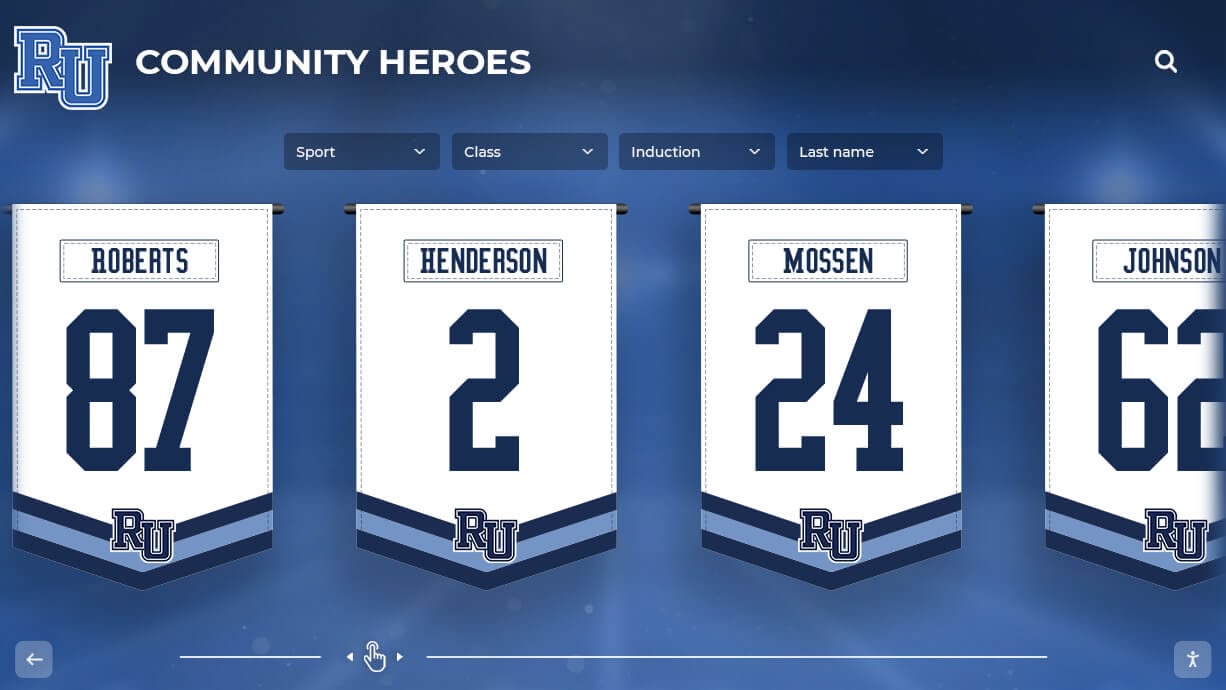
Jersey-style banner displays adapt the language of athletic recognition to honor the community contributors whose work supports every school program
Permanent and Legacy Recognition Ideas (22–26)
The most meaningful volunteer appreciation creates visibility that outlasts any single week. Permanent recognition ensures that contributors see evidence of their impact long after the appreciation breakfast is over.
22. Named Volunteer Award
Establish a permanent annual award named after the school’s most influential long-term volunteer. Announce it during appreciation week with an induction ceremony. Award it each spring to a volunteer who exemplifies the qualities of the namesake. This creates a living legacy that honors the original honoree repeatedly while giving each year’s recipient connection to a meaningful tradition.
23. Volunteer Legacy Wall in the School Lobby
Create a dedicated section of the school lobby or main hallway featuring photos and brief profiles of volunteers who have made extraordinary contributions over time. Unlike trophy cases focused on student achievement, a volunteer legacy wall signals that adult community members are valued as part of the school’s institutional history. Modernizing this type of recognition wall with digital elements allows schools to keep content current without costly physical replacements every few years.
24. Naming Opportunity for a Volunteer-Built Space
If a volunteer team has renovated a space, built a fixture, or transformed a physical area of the school, formalize that contribution with a named dedication. “The [Family Name] Concession Stand,” “The [Club Name] Volunteer Garden,” or “The [Team Name] Equipment Room”—naming the space connects the contribution to the physical environment that every future student will use. Announce the naming during appreciation week with a brief dedication ceremony.
25. Oral History Interviews for School Archives
Record 20-to-30-minute oral history interviews with long-serving volunteers documenting their motivations, memories, and observations about the school community over time. Archive them in the school’s digital collection or library. These interviews become institutional memory that survives leadership transitions and provides context for future volunteers, students, and administrators trying to understand the school’s history from the perspective of the people who built it from the outside in.
26. Annual Volunteer Impact Report
Publish an annual Volunteer Impact Report during appreciation week documenting the aggregate contribution of the school’s volunteer community: total hours donated, programs supported, funds raised, events staffed. Make it publicly available on the school’s website and distribute printed copies to every volunteer. Quantifying the collective contribution communicates scale that individual thank-yous cannot—and gives volunteers concrete evidence of what their community accomplished together.
Digital Recognition and Technology Ideas (27–30)
Interactive touchscreen displays and cloud-managed recognition platforms extend volunteer appreciation from a time-limited event into a year-round, accessible presence that families, alumni, and community members can engage with from anywhere.
27. Touchscreen Volunteer Recognition Profiles
Create dedicated profiles for long-serving and high-impact volunteers on the school’s interactive touchscreen display—the same system often used for athletic halls of fame and donor walls. A volunteer profile includes a professional photo, years of service, programs supported, and a brief personal statement about why they volunteer. Unlike physical plaques that require reprinting to update, digital profiles can be added, updated, and organized by the school’s administrative team remotely without hardware changes.
Schools using digital wall of fame displays are increasingly adding volunteer and community contributor sections alongside athletic, academic, and donor recognition—reflecting a more complete picture of the community that makes a school’s programs possible.
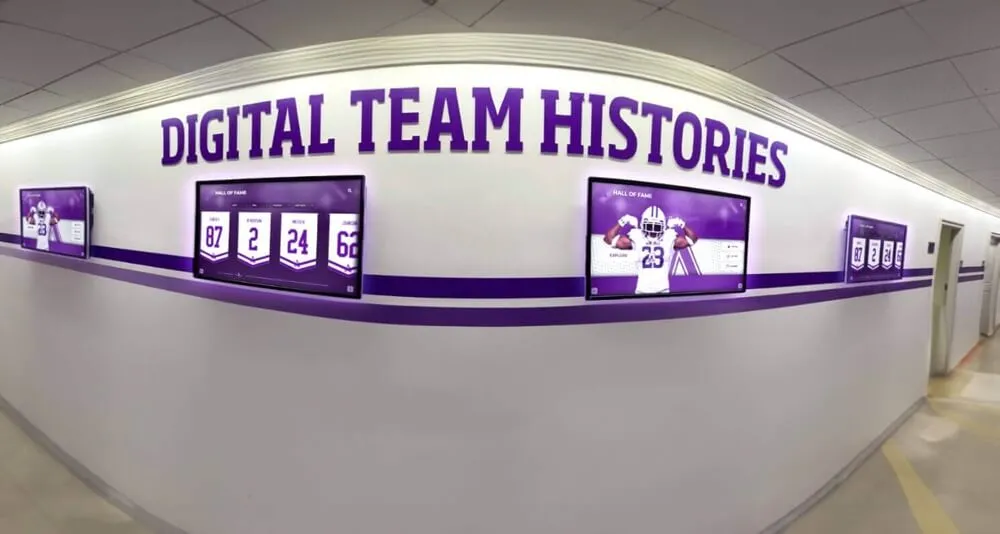
Digital displays in high-traffic hallways transform recognition from a wall decoration into an interactive experience that students and families engage with throughout the school year
28. Web-Accessible Volunteer Tribute Portal
Deploy a web-accessible version of the school’s recognition platform—available at a URL families and community members can visit from any device—and open a tribute submission window during volunteer appreciation week. Former students, distant family members, and community supporters who cannot attend in-person events can submit written or video thank-you messages to volunteers they know. A web-accessible recognition portal also meets ADA/WCAG 2.1 AA requirements that many districts now mandate for public-facing digital content.
29. QR Code Tribute Station in High-Traffic Areas
Place a printed QR code sign in the school lobby, cafeteria, and gymnasium during appreciation week. The code links to a simple form where anyone who scans it can leave a short text or video tribute for a named volunteer. Update the school’s touchscreen display or website with submissions in real time throughout the week. The station requires no staffing, works on any smartphone, and generates a living collection of tributes that volunteers can revisit long after the week ends.
Comprehensive donor and community wall guides explore how schools combine QR-accessible tribute submissions with permanent display systems, creating recognition infrastructure that serves both immediate appreciation events and long-term legacy.
30. Automated Service Hour Recognition Display
Connect the school’s volunteer tracking system to a display dashboard that automatically updates recognition tiers as volunteers cross service milestones. When a volunteer reaches 100 hours, their name and photo move to a new display tier—automatically, without administrative intervention. Schools that implement automated recognition systems report that volunteers become more consistent contributors once they can see their progress reflected in a visible, public format.
For schools considering how to design a digital recognition system that covers volunteers alongside donors and community partners, integrated platforms offer the flexibility to build comprehensive community recognition without managing multiple separate systems.
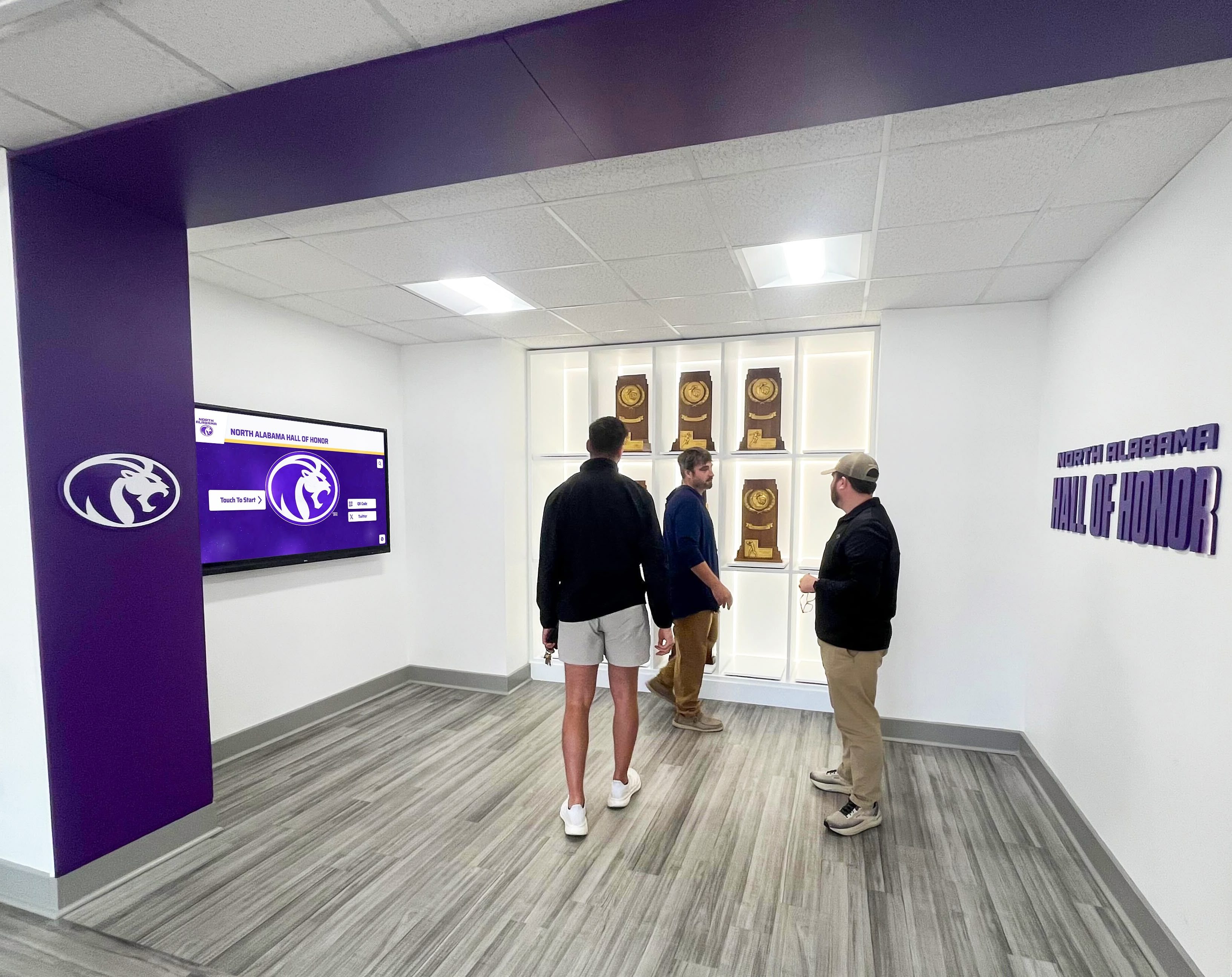
Permanent recognition spaces invite community members to engage with school history—when volunteers see their contributions displayed alongside other honored contributors, the investment deepens
Building a Five-Day Volunteer Appreciation Schedule
With 30 ideas available, planning committees benefit from a loose daily structure that creates momentum across the full week:
Monday — Visibility Launch Day: Install the appreciation banner in the main hallway, launch the social media spotlight campaign, open the QR tribute station in the lobby, and kick off the morning announcement volunteer spotlight series.
Tuesday — Student Appreciation Day: Deliver student-written letters to volunteers, screen the classroom video compilation, and present the student-designed thank-you cards at a brief hallway ceremony during passing period.
Wednesday — Community Recognition Day: Host the appreciation breakfast or luncheon, share the local media feature, and distribute yard signs to participating families.
Thursday — Legacy and Milestone Day: Hold the Volunteer Hall of Fame induction ceremony, announce service milestone honorees, unveil any new physical or digital recognition installations, and host program-specific appreciation events.
Friday — Celebration and Future-Building Day: Host the student-led assembly, present the annual Volunteer Impact Report, launch the web-accessible tribute portal for remote submissions, and conclude with a social reception open to volunteers and their families.
Planning Timeline for Volunteer Appreciation Week 2027
A week this impactful requires lead time. Many of the ideas above—Hall of Fame inductions, named awards, digital profile creation, volunteer impact reports—take weeks of preparation.
January: Form a planning committee with student council representation, a PTA/PTO liaison, at least two volunteer coordinators, and an administrator. Set a budget and identify which ideas align with available resources and existing volunteer tracking data.
February: Assign ownership for each activity. Begin compiling volunteer service hour records, collecting photos for the photo wall, and identifying potential Hall of Fame inductees. Launch the oral history interview process for any long-serving volunteers.
March: Initiate longer-lead production items: commission any physical recognition pieces, begin building digital profiles for touchscreen display, draft the Volunteer Impact Report, and confirm any community partner involvement.
April (Pre-Week): Finalize event logistics, complete video compilations, confirm media outreach, prepare appreciation packets, and upload digital content to recognition platforms. Set up the QR tribute station so it’s ready to go on Monday.
April (Week of): Execute the schedule, document everything, and collect volunteer feedback to improve the following year’s program.
Schools that already coordinate National Philanthropy Day recognition for donors often adapt those frameworks directly for volunteer appreciation week, since the stakeholder coordination, tribute collection, and recognition display logistics are nearly identical.
Connecting Volunteer Recognition to Broader School Recognition
The most effective schools don’t treat volunteer recognition as a separate program from their athletic halls of fame, donor walls, and academic honor programs. They build integrated recognition systems that honor every category of community contributor in a single, cohesive physical or digital environment.
When a student walks past a touchscreen display that shows their parent’s volunteer profile alongside the school’s championship athletes and academic honorees, it sends a message about what the school values—and who belongs in its hall of memory. Honor roll and community recognition systems designed with flexibility allow administrators to expand recognition categories without replacing existing infrastructure.
Schools with strong alumni engagement programs also find that volunteer recognition feeds directly into long-term community development. Former parent volunteers who feel genuinely honored often become major donors, board members, and mentors in the years after their children graduate. Alumni engagement strategies that begin with robust recognition programs create pipelines of community investment that sustain schools across generations.
Similarly, schools that recognize volunteer contributions through the same platform they use for student council activities and athletic honors create a shared language of appreciation that strengthens the connection between student achievement and adult community investment.
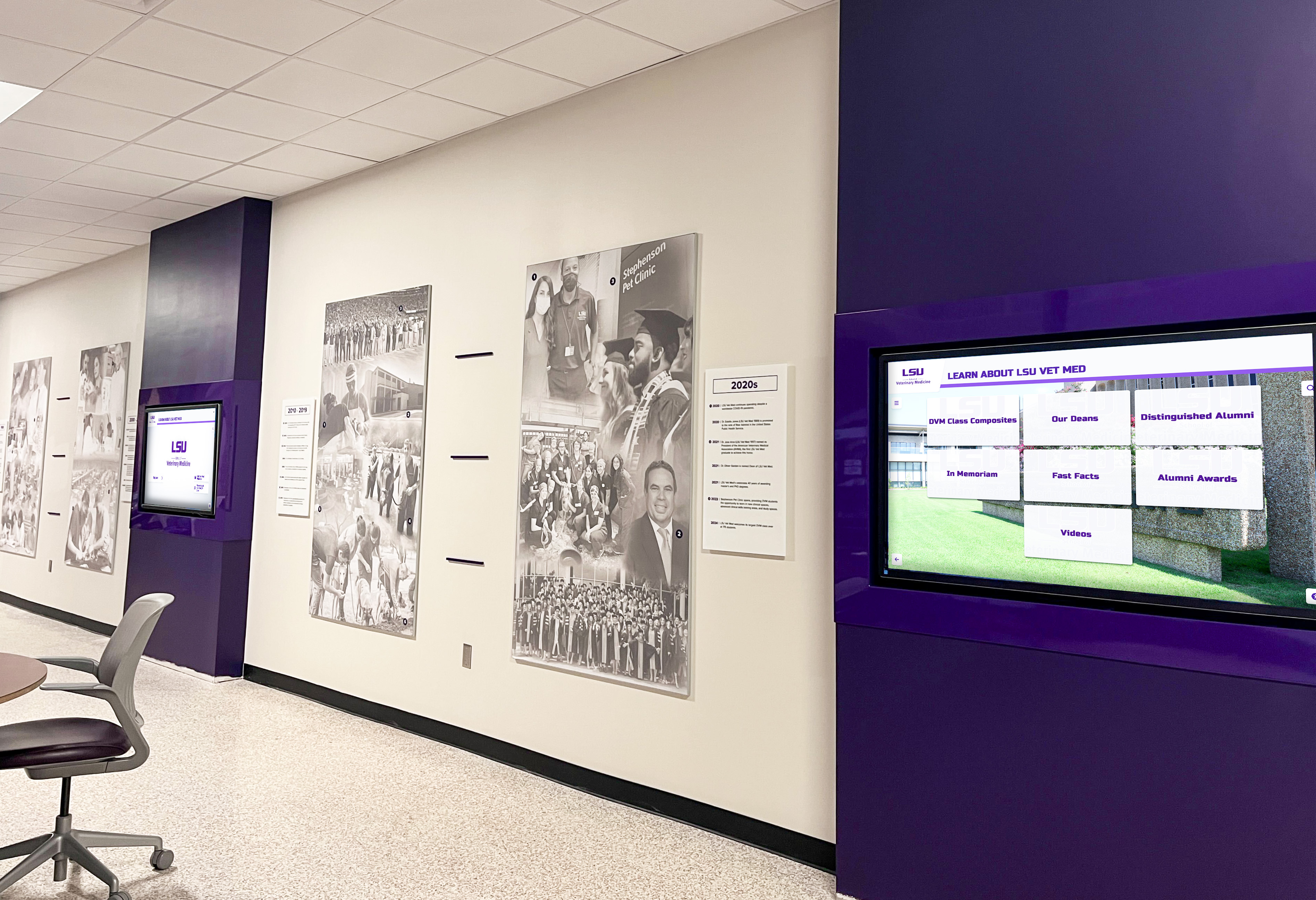
Schools that invest in permanent digital recognition infrastructure are able to honor community contributors year-round rather than only during designated appreciation weeks
Frequently Asked Questions
When is Volunteer Appreciation Week 2026?
National Volunteer Week 2026 runs April 19–25. The week has been observed annually since 1974, traditionally scheduled for the third full week of April. Many schools extend their own volunteer appreciation programming across the full two weeks surrounding the official dates to accommodate parent and community schedules.
How is volunteer appreciation week different from a simple thank-you event?
A single thank-you event compresses recognition into one moment, which most volunteers experience as a check-the-box obligation rather than genuine appreciation. A full appreciation week creates multiple touchpoints—student-driven, staff-driven, community-driven, and legacy-driven—that collectively communicate sustained, substantial gratitude. The variety of formats (events, social recognition, permanent installations) reaches volunteers across different relationship types and contribution areas.
How do small schools with limited budgets create meaningful volunteer recognition?
The highest-impact ideas often cost the least. Student-written letters, classroom video compilations, morning announcement spotlights, and oral history interviews are all essentially free. The most expensive items—catered luncheons, digital recognition displays, physical installations—can be phased in over multiple years as the volunteer program grows. Start with personal, specific, student-centered recognition and build toward permanent systems over time.
What’s the most lasting form of volunteer recognition a school can create?
Permanent digital recognition displays that include volunteer profiles, service timelines, and tribute submissions provide ongoing visibility that outlasts any single event or certificate. When these systems are web-accessible, families can view them from anywhere, former volunteers can revisit their profiles years after their children graduate, and future community members can understand the depth of contribution that has sustained the school over time. The permanence of the recognition signals that the school views volunteer contributions as institutional history, not temporary assistance.
How do we involve the whole school in volunteer appreciation without it feeling performative?
Specificity is the antidote to performative recognition. A student who names the exact booster volunteer who stayed three hours after a game to help them load equipment creates a moment of genuine appreciation. A morning announcement spotlight that tells the real story of how a parent volunteer saved a school program from cancellation carries weight that a generic assembly ceremony cannot. Build appreciation around specific stories, real relationships, and individual impact rather than scale and ceremony.
How do we track volunteer hours to support recognition programs?
Many schools use dedicated volunteer management platforms such as SignUpGenius, VolunteerHub, or school-specific tools that log hours automatically when volunteers check in to events. Others rely on coordinator spreadsheets or event log sheets. Regardless of system, consistent hour tracking is the foundation of service milestone recognition—without accurate records, schools can’t identify who has crossed 100, 500, or 1,000 hours, and recognition tied to milestones loses credibility if the milestones themselves are unverified.
Conclusion
Volunteer appreciation week is a five-day opportunity that most schools significantly underuse. The 30+ ideas in this guide—organized across student-driven activities, events, community recognition, permanent legacy installations, and digital recognition technology—give planning teams everything they need to honor school volunteers in ways that match the scale of their contributions.
The most durable approaches combine immediate, personal gestures with permanent recognition systems that preserve volunteer legacies for students who haven’t enrolled yet. Digital touchscreen displays, named award programs, oral history archives, and web-accessible tribute platforms ensure that appreciation extends well beyond the final day of the recognition week—and that volunteers who gave years of their lives to a school can see their contributions honored in the institution’s permanent record.
Whatever combination of ideas your school pursues, the goal is the same: to make volunteers feel, fully and unmistakably, that the community understands what their time and effort make possible—and that the school intends to remember it long after the week is over.
Ready to build permanent recognition for the volunteers who make your school’s programs possible? Explore digital recognition solutions that enable schools to create touchscreen displays, web-accessible volunteer profiles, and cloud-managed content systems that honor every community contributor year-round.