The pandemic fundamentally changed how organizations connect with alumni communities. Virtual and hybrid alumni events have evolved from emergency alternatives into powerful engagement tools that reach graduates wherever they are. When thoughtfully designed, online alumni events transcend geographic barriers, reduce participation costs, increase attendance rates, and create opportunities for interaction that traditional in-person gatherings cannot match.
Yet many alumni relations professionals struggle to translate the energy of in-person reunions into digital formats. Virtual events often suffer from low attendance, minimal interaction, awkward silences during video calls, and attendees who log in but never turn on cameras or participate. Screen fatigue and competing demands make alumni reluctant to commit to another Zoom call, while organizers worry that virtual formats lack the authenticity and connection that make alumni events meaningful.
This comprehensive guide explores proven virtual alumni event ideas that create genuine engagement—from interactive online experiences and creative digital programming to hybrid formats combining virtual reach with physical elements that deepen alumni connections to institutions and classmates.
Alumni engagement directly impacts institutional success across metrics that matter. Engaged alumni provide mentorship to current students, refer prospective applicants, contribute financially to annual funds and capital campaigns, strengthen institutional reputation through professional accomplishments, and build networks that benefit entire communities. Virtual event formats expand engagement reach while accommodating graduates’ busy schedules and geographic diversity.
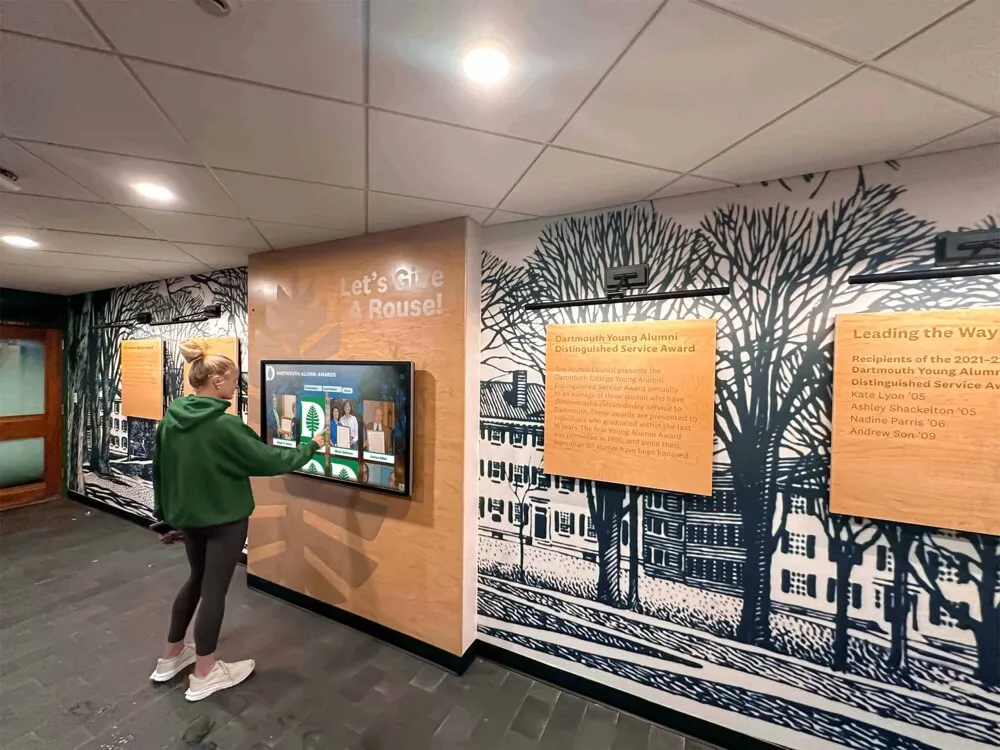
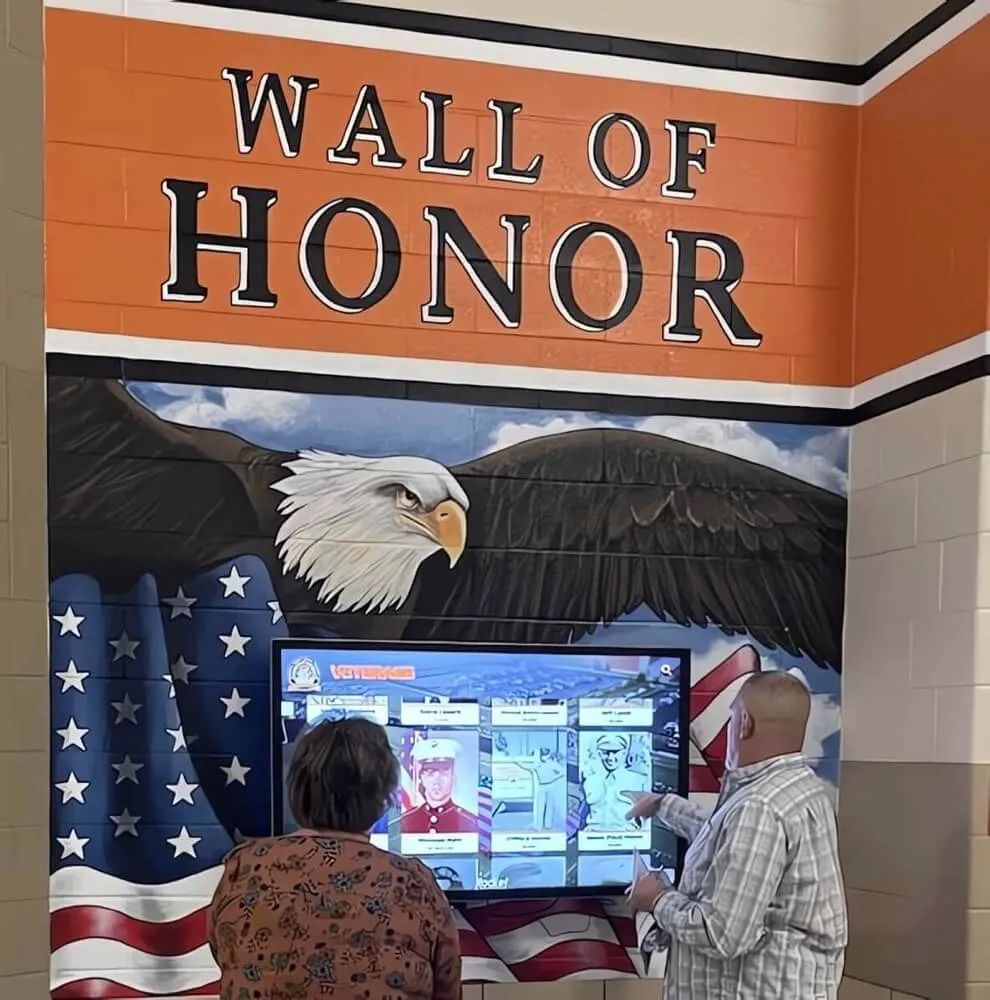
Digital engagement platforms enable alumni to connect with institutional history and classmate achievements from anywhere
Understanding Virtual Alumni Event Benefits
Before diving into specific event ideas, understanding why virtual formats succeed helps organizations design more effective programming.
Geographic Reach and Accessibility
Traditional in-person events inherently exclude alumni who live far from campus or cannot travel due to cost, health, family obligations, or work commitments. Virtual events eliminate these barriers entirely.
Expanded Participation
- International alumni participate without expensive travel or time zone conflicts managed through recording availability
- Alumni with disabilities access events without physical venue navigation challenges
- Parents with young children attend from home without childcare complications
- Professionals join during lunch breaks or between meetings
- Graduates experiencing financial constraints participate without travel expenses
- Multiple time zone options accommodate global alumni communities
Organizations consistently report 2-3 times higher attendance at virtual events compared to similar in-person programming, particularly among younger alumni, international graduates, and those who graduated within the past five years.
Cost Efficiency and Resource Optimization
Virtual events significantly reduce organizational costs while enabling more frequent alumni engagement:
Budget Advantages
- Eliminated venue rental fees, catering costs, and physical setup expenses
- Reduced staff time for logistics coordination and day-of event management
- Technology platform costs substantially lower than physical event production
- Ability to host more frequent events within constrained budgets
- Recording and repurposing content for on-demand viewing
These cost savings enable alumni relations teams to diversify programming, experiment with niche topics serving specific constituent groups, and maintain engagement between major reunion years.
Data and Analytics Opportunities
Digital platforms provide engagement metrics impossible to gather at physical events:
Measurable Insights
- Exact attendance tracking with login data
- Engagement duration showing who attended entire programs versus brief appearances
- Interaction data including chat participation, poll responses, and Q&A engagement
- Content preferences based on session attendance patterns
- Follow-up communication effectiveness through email open rates and click-through analytics

Mobile platforms enable alumni to engage with institutional content anywhere, anytime
These analytics inform future event planning, help identify highly engaged alumni for volunteer recruitment, and demonstrate program effectiveness to leadership and stakeholders.
Creative Virtual Alumni Event Ideas
Moving beyond generic Zoom calls requires imagination and understanding what creates meaningful connection in digital environments.
Virtual Campus Tours and Behind-the-Scenes Access
Alumni feel deep nostalgia for campus spaces where formative experiences occurred. Virtual tours satisfy this longing while showcasing institutional evolution.
Implementation Strategies
- Live-streamed walking tours with alumni relations staff or student ambassadors narrating
- Pre-recorded professionally edited tours highlighting renovations and new construction
- 360-degree virtual reality experiences enabling alumni to explore independently
- Themed tours focusing on specific areas (academic buildings, athletic facilities, student life spaces)
- Student-led tours providing current perspective on campus culture and changes
- Faculty-guided tours of research facilities, labs, and specialized academic spaces
- Historical comparison tours showing campus transformation across decades
Engagement Enhancements
- Live chat enabling real-time questions and reminiscing during tours
- Interactive polling asking alumni to share favorite campus memories or predict changes
- Breakout rooms after tours for class-specific or affinity group discussions
- QR codes linking to digital archives with historical campus photos and documents
- Integration with digital recognition displays showing alumni achievements in various campus locations
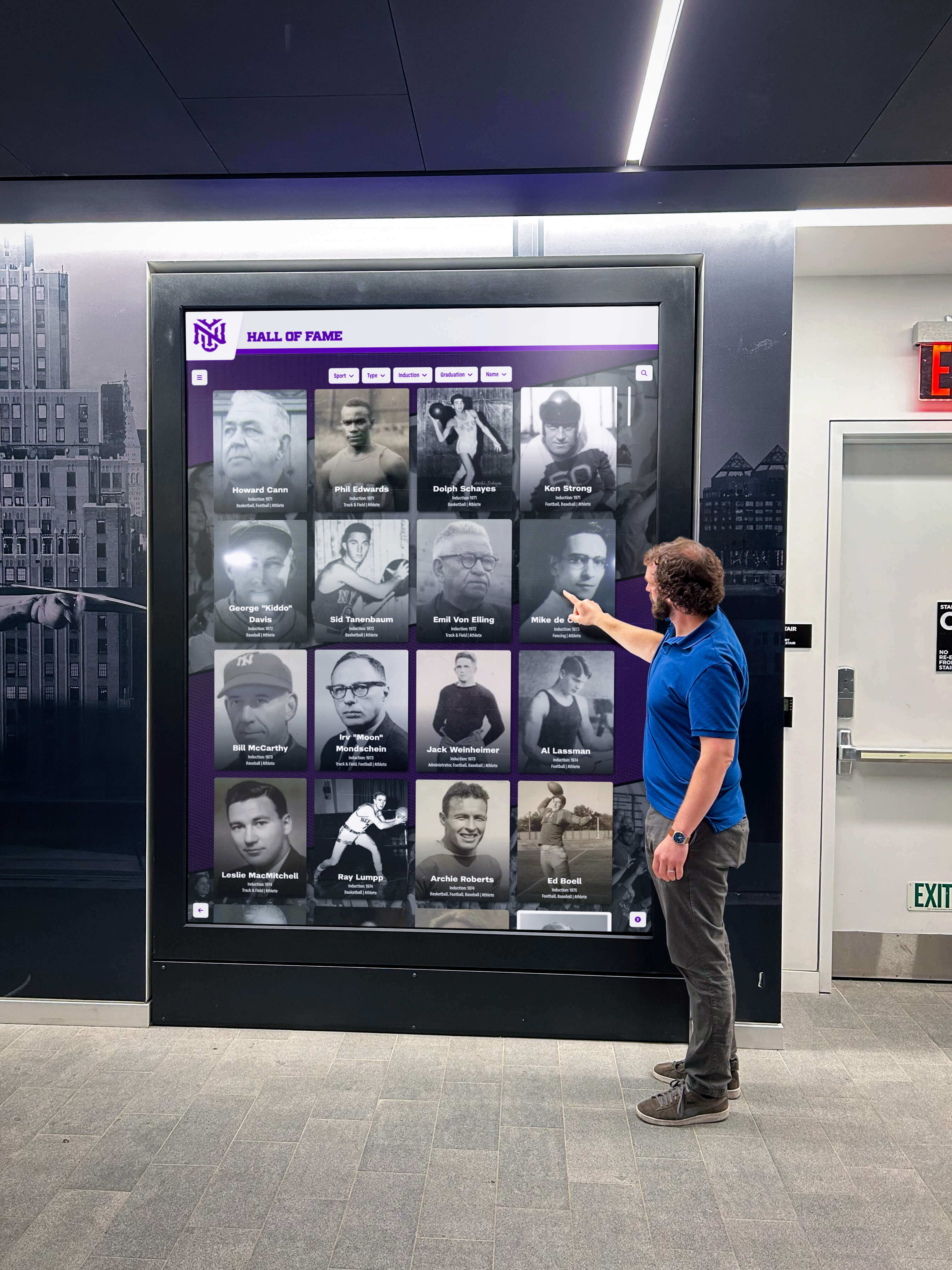
Interactive displays showcase alumni achievements and institutional history during virtual tour demonstrations
Virtual tours work especially well when coordinated with homecoming weekends, giving distant alumni ways to participate in campus celebrations remotely while building anticipation for future in-person visits.
Online Alumni Panels and Career Conversations
Professional development programming consistently ranks among the most valued alumni engagement offerings. Virtual formats make expert panels accessible to all graduates.
Panel Format Variations
- Industry-specific career panels bringing together alumni from particular professions
- Entrepreneurship conversations with alumni who launched businesses
- Career transition discussions featuring graduates who successfully changed industries
- Executive leadership panels with C-suite alumni sharing leadership insights
- Work-life balance conversations addressing challenges facing professionals
- Diversity and inclusion panels highlighting alumni experiences and advocacy
Interactive Elements
- Q&A sessions enabling direct conversation between attendees and panelists
- Small group breakout discussions for intimate networking
- Polls gathering attendee perspectives on career topics before panel discussion
- Chat-based networking connecting attendees with shared professional interests
- Post-event online communities sustaining conversations beyond live sessions
- Recorded sessions available for on-demand viewing by time-constrained alumni
Organizations report that career-focused virtual events attract younger alumni and first-generation graduates who particularly value professional networking opportunities but may not engage with purely social programming.
Virtual Game Nights and Social Activities
Not all alumni engagement needs professional focus. Purely social virtual events build community through shared enjoyment.
Game Night Options
- Trivia competitions testing knowledge about alma mater history, traditions, and achievements
- Virtual escape rooms requiring collaborative problem-solving among alumni teams
- Online board game platforms hosting class competitions
- Pictionary or drawing games creating collaborative creativity
- Bingo variations featuring institutional references and shared experiences
- Scavenger hunts requiring participants to locate campus-related items at home
Implementation Best Practices
- Smaller group sizes (20-30 participants) ensuring everyone can interact
- Class-year specific events building connections among classmates
- Affinity group variations for particular demographics or interest groups
- Prize incentives like institutional merchandise or event credits
- Professional moderators keeping energy high and engagement consistent
- Technology platforms specifically designed for interactive social gaming
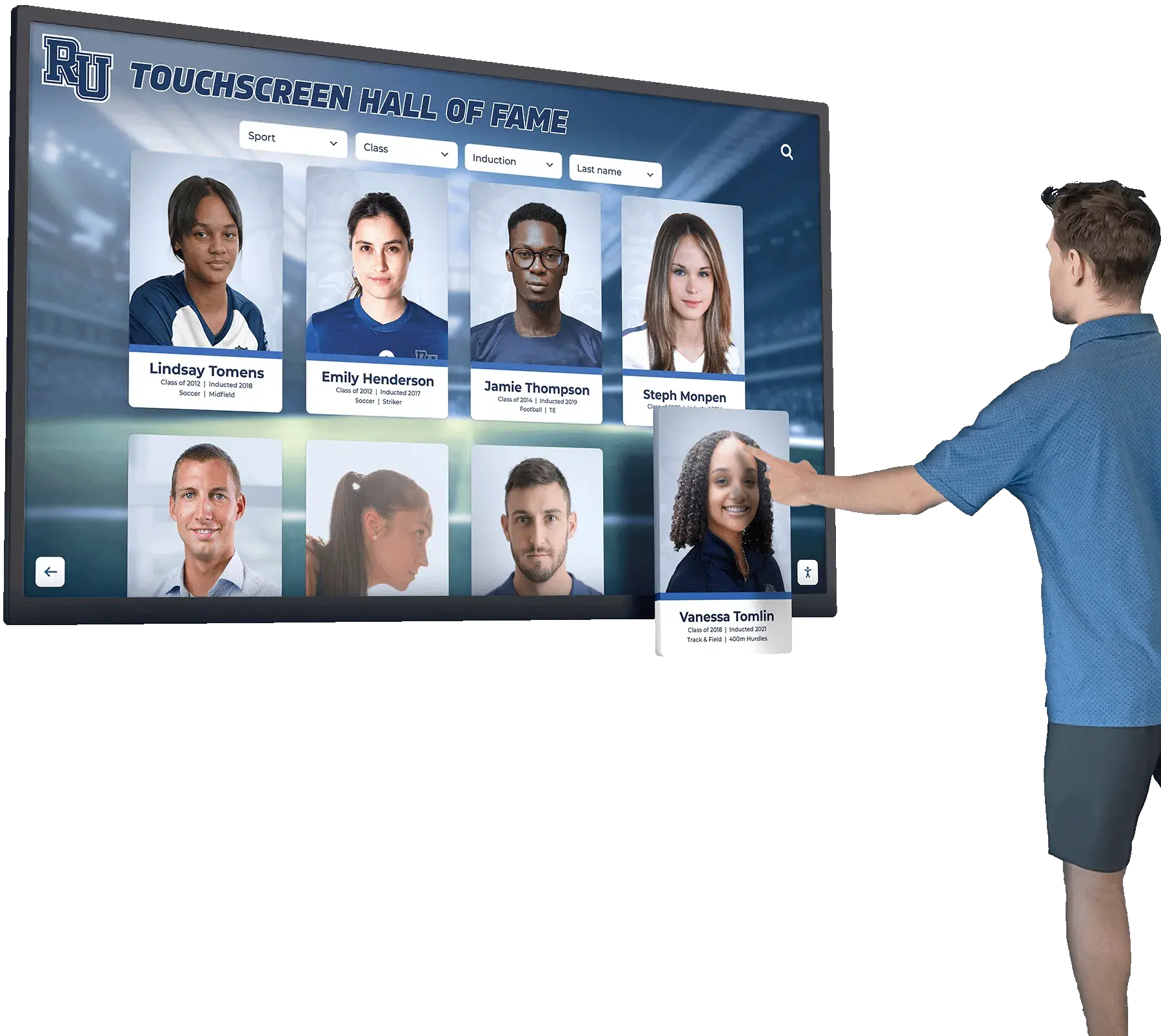
Gamification elements like alumni achievement exploration create engaging virtual activities
Social events work particularly well for younger alumni cohorts who appreciate casual networking opportunities without formal professional programming structure.
Virtual Class Reunions and Milestone Celebrations
Major reunion years deserve special virtual programming that creates meaningful connection among classmates.
Reunion Components
- Welcome receptions with structured icebreaker activities and conversation prompts
- Memory lane presentations featuring photos, videos, and highlights from graduation years
- Faculty guest appearances from beloved professors still at institutions
- “Where are they now” segments celebrating classmate accomplishments and life journeys
- Small breakout rooms recreating intimate conversations natural at physical reunions
- Virtual recognition ceremonies honoring distinguished alumni from specific classes
- Digital yearbook presentations showing class composites and memorable moments
Hybrid Reunion Approaches Many organizations now embrace permanent hybrid reunion models combining in-person gatherings for local alumni with simultaneous virtual programming enabling distant classmates to participate meaningfully. This approach maximizes attendance while accommodating varying preferences and circumstances.
Technology Considerations
- Platforms enabling hundreds of participants with breakout room functionality
- Professional facilitation managing both in-person and virtual attendees simultaneously
- High-quality audio-visual production for professional streaming when hybrid
- Recording and editing for on-demand viewing by alumni unable to attend live
- Integration with reunion giving campaigns and class gift initiatives
Schools implementing digital recognition systems use virtual reunions to unveil updated alumni profiles, celebrate classmate achievements, and connect graduates with permanent digital recognition they can access anytime.
Virtual Lecture Series and Lifelong Learning
Educational programming leverages institutional expertise while providing genuine value to alumni seeking intellectual engagement.
Programming Topics
- Faculty research presentations making academic work accessible to general audiences
- Author talks featuring alumni who published books
- Timely discussions about current events, public policy, or social issues
- Health and wellness seminars led by alumni medical professionals
- Financial planning workshops addressing life-stage specific challenges
- Technology skill-building sessions teaching relevant digital capabilities
- Arts and culture presentations from museum, theater, or music alumni
Format Enhancements
- Shorter 30-45 minute presentations respecting virtual attention spans
- Monthly series creating consistent engagement touchpoints throughout year
- Recording libraries enabling on-demand access to complete presentation archives
- Discussion forums extending conversations beyond live sessions
- Certificate programs recognizing alumni who complete entire series
- Student participation creating intergenerational dialogue
Educational events often attract alumni who rarely attend purely social programming, expanding overall engagement reach while demonstrating institutional value beyond degree completion.
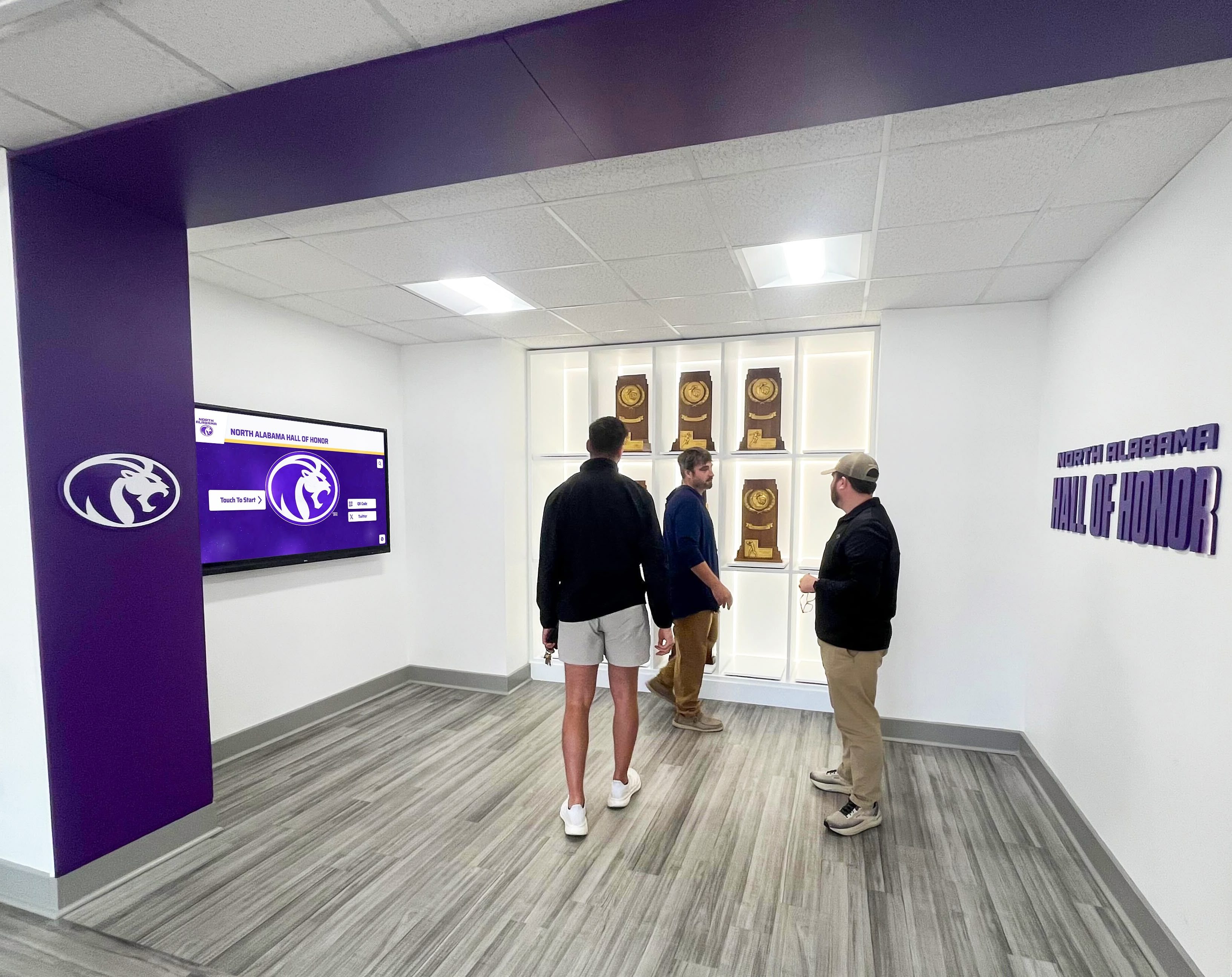
Educational programming connecting alumni to institutional achievements and ongoing excellence builds lasting engagement
Virtual Fundraising Events and Giving Days
Digital platforms enable creative fundraising approaches that engage alumni while advancing institutional priorities.
Virtual Fundraising Formats
- 24-hour giving days with real-time progress tracking and milestone celebrations
- Class challenge competitions creating friendly rivalry and participation incentives
- Virtual auctions featuring unique experiences, memorabilia, and services
- Crowdfunding campaigns for specific projects with tangible impact stories
- Matching gift challenges with live counters building excitement
- Peer-to-peer fundraising enabling alumni to champion causes to personal networks
Engagement Integration
- Live streaming from campus showing how gifts make immediate impact
- Student testimonials thanking donors and sharing how support helps
- Faculty updates on research, programs, and initiatives funded by annual giving
- Recognition display updates adding new donors in real-time during events
- Countdown timers, thermometer graphics, and gamification elements
- Social media integration enabling sharing and challenge nominations
Organizations implementing donor recognition displays use virtual events to unveil updated digital donor walls, celebrate giving milestones, and show contributors exactly how their generosity will be permanently honored.
Hybrid Alumni Event Strategies
Combining virtual and physical elements creates flexible programming serving diverse alumni needs simultaneously.
Simultaneous In-Person and Virtual Programming
Hybrid events enable participation regardless of location while maintaining the energy and authenticity of physical gatherings.
Technical Requirements
- Professional audio-visual equipment capturing in-person content for virtual audiences
- Dual facilitation with staff managing both physical and virtual attendee experiences
- Chat moderation ensuring virtual participants can ask questions and engage
- Camera positioning providing virtual attendees meaningful view of physical environment
- Platform selection supporting hundreds of virtual attendees plus in-person participants
- Backup technology plans preventing complete event failure from technical problems
Engagement Strategies for Equity
- Deliberate acknowledgment of virtual participants by physical event emcees
- Q&A formats accepting questions from both in-person and online audiences
- Breakout activities pairing physical and virtual attendees for small group conversation
- Visual displays showing virtual attendee names and locations at physical venues
- Post-event recordings ensuring those unable to attend either format can still engage
Hybrid formats particularly benefit events with natural geographic clustering like regional receptions where local alumni gather physically while distant graduates join virtually.
Virtual Engagement Before Physical Events
Pre-event virtual programming builds anticipation while creating connection before in-person gatherings.
Pre-Event Activities
- Virtual “meet your classmates” sessions before reunions
- Online polls gathering input about in-person event programming
- Digital scavenger hunts encouraging campus memory sharing
- Crowdsourced photo collections for in-person display
- Virtual tour previews highlighting campus changes alumni will see
Digital platforms enable ongoing engagement between major in-person events
Post-Event Virtual Follow-Up
Extending engagement after physical events multiplies return on investment while serving those unable to attend.
Follow-Up Programming
- Recorded highlights and edited recaps for alumni who missed events
- Virtual debrief sessions for attendees to continue conversations
- Online photo galleries and memory sharing platforms
- Thank you events for volunteers and major donors
- Survey discussions gathering feedback on experiences
- Announcement sessions unveiling initiatives launched at physical events
This continuum approach creates year-round engagement rather than isolated event spikes, fundamentally changing how alumni relate to institutions throughout their lives.
Technology Platforms for Virtual Alumni Events
Selecting appropriate technology significantly affects event success and attendee experience.
Video Conferencing Platform Comparison
Zoom
- Most familiar to participants reducing friction and technical barriers
- Breakout room functionality enabling small group conversations
- Polling, chat, and Q&A features supporting interaction
- Recording capabilities for on-demand viewing
- Capacity limits requiring paid accounts for large events
- Screen fatigue from ubiquitous platform use
Microsoft Teams
- Strong integration with Microsoft ecosystem many organizations already use
- Professional environment appropriate for career-focused programming
- Good security and privacy controls
- Less familiar to some participants potentially creating access challenges
Specialized Event Platforms Platforms like Hopin, Airmeet, and Remo offer purpose-built virtual event functionality including:
- Networking areas enabling spontaneous conversation
- Exhibition spaces for sponsor or partner recognition
- Multiple simultaneous session tracks
- Built-in registration and attendee management
- Analytics and engagement tracking
Organizations should select platforms matching specific event needs, attendee technical comfort, and institutional technology infrastructure rather than defaulting to most popular options.
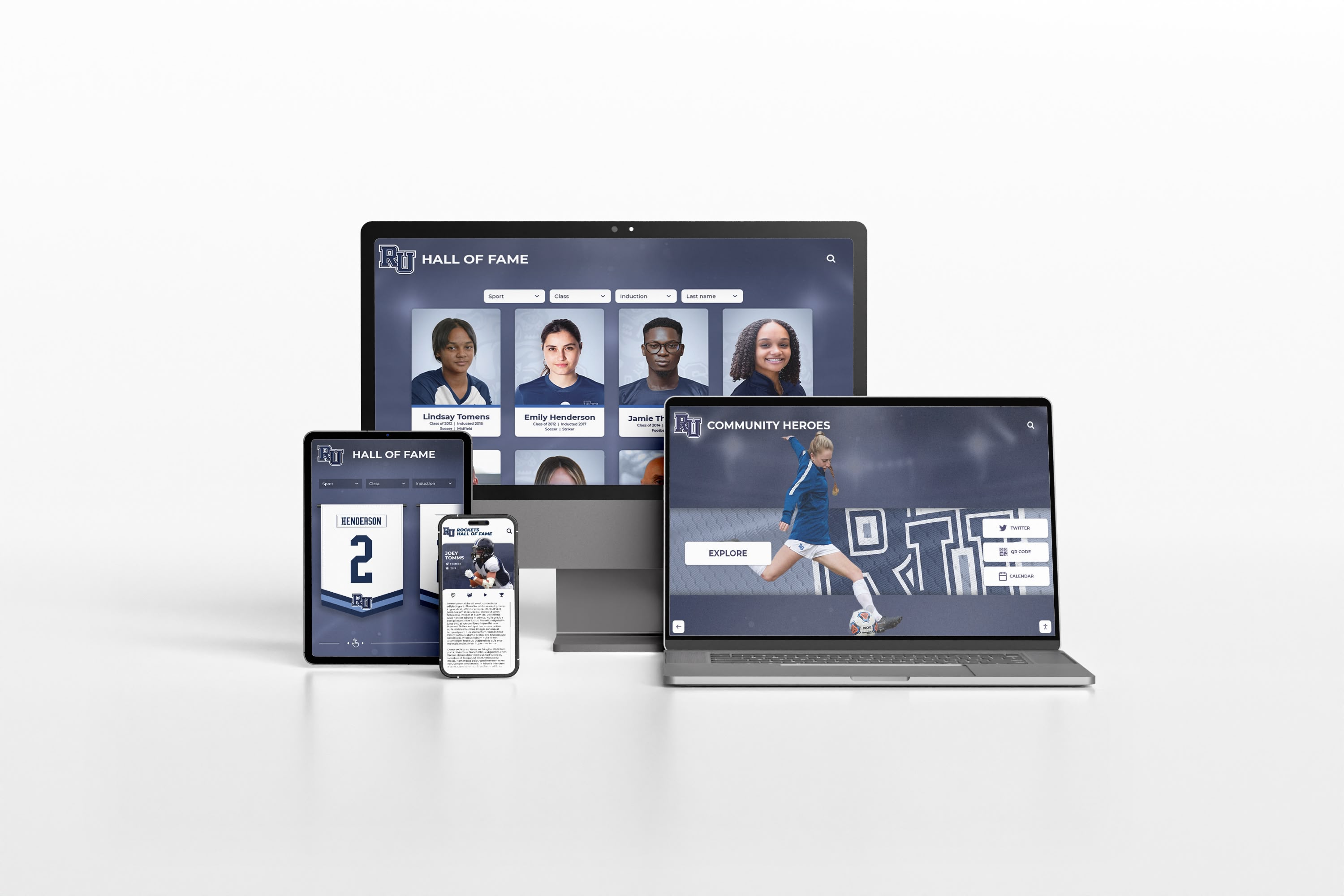
Cross-platform compatibility ensures alumni access content on preferred devices
Engagement Tools and Interactive Features
Beyond basic video conferencing, specialized tools create more dynamic experiences:
Polling and Survey Tools
- Mentimeter for real-time polls and word clouds
- Slido for Q&A ranking and audience questions
- Poll Everywhere for text message-based participation
- Built-in platform polling when sufficient for needs
Collaborative Whiteboards
- Miro or Mural for brainstorming and visual collaboration
- Jamboard for simple shared drawing and note-taking
- Conceptboard for structured workshop activities
Gamification Platforms
- Kahoot for quiz-style trivia competitions
- Jackbox Games for social party games
- Houseparty for casual game integration
- Custom institutional trivia platforms
Networking Facilitators
- Brella for AI-matched networking meetings
- Wonder.me for spatial video chat environments
- Remo for virtual table-based networking
- LinkedIn Events for professional networking integration
The right combination of tools depends on event objectives, audience sophistication, and staff technical capabilities.
Digital Recognition Integration
Permanent digital recognition platforms complement virtual events by providing always-accessible content that strengthens ongoing alumni connection.
Platform Capabilities
- Searchable alumni databases enabling graduates to find classmates and friends
- Individual alumni profiles celebrating career accomplishments and life journeys
- Class year pages showing historical context and classmate achievements
- Interactive timelines connecting institutional evolution to alumni experiences
- QR code access enabling mobile exploration from anywhere
- Remote content management allowing updates from any location
Organizations implementing solutions like digital recognition displays use virtual events to drive alumni to explore digital platforms, celebrate recent additions, and encourage profile completion that enriches overall databases.
Virtual Event Integration
- Screen sharing digital displays during virtual campus tours
- Unveiling newly added alumni profiles during recognition ceremonies
- Facilitating virtual scavenger hunts exploring alumni achievements
- Providing conversation starters by highlighting interesting alumni stories
- Celebrating milestone birthdays or anniversaries featured in digital systems
- Encouraging alumni to submit updated career information during events
This integration creates synergy between temporary virtual events and permanent digital engagement infrastructure, building sustainable long-term alumni relationships.
Best Practices for Virtual Alumni Event Success
Understanding what separates effective virtual events from disappointing experiences helps organizations maximize engagement impact.
Pre-Event Planning and Promotion
Strategic Scheduling
- Avoid overcrowded calendar periods when alumni attendance suffers
- Consider multiple time zone offerings for geographically dispersed communities
- Test different days and times determining what works for specific demographics
- Provide adequate advance notice enabling busy alumni to block calendars
- Create recurring series establishing predictable engagement patterns
Effective Promotion
- Multi-channel communication through email, social media, and text messages
- Clear value propositions explaining why alumni should attend
- Social proof sharing registration numbers building momentum
- Reminder campaigns in week before events reducing no-shows
- Ambassador programs having alumni invite classmates and friends
Registration Process Optimization
- Simple sign-up requiring minimal information reducing friction
- Calendar integration enabling one-click event additions
- Confirmation emails with technology testing resources
- Pre-event surveys gathering questions or discussion topics
- Accessibility information about accommodations available
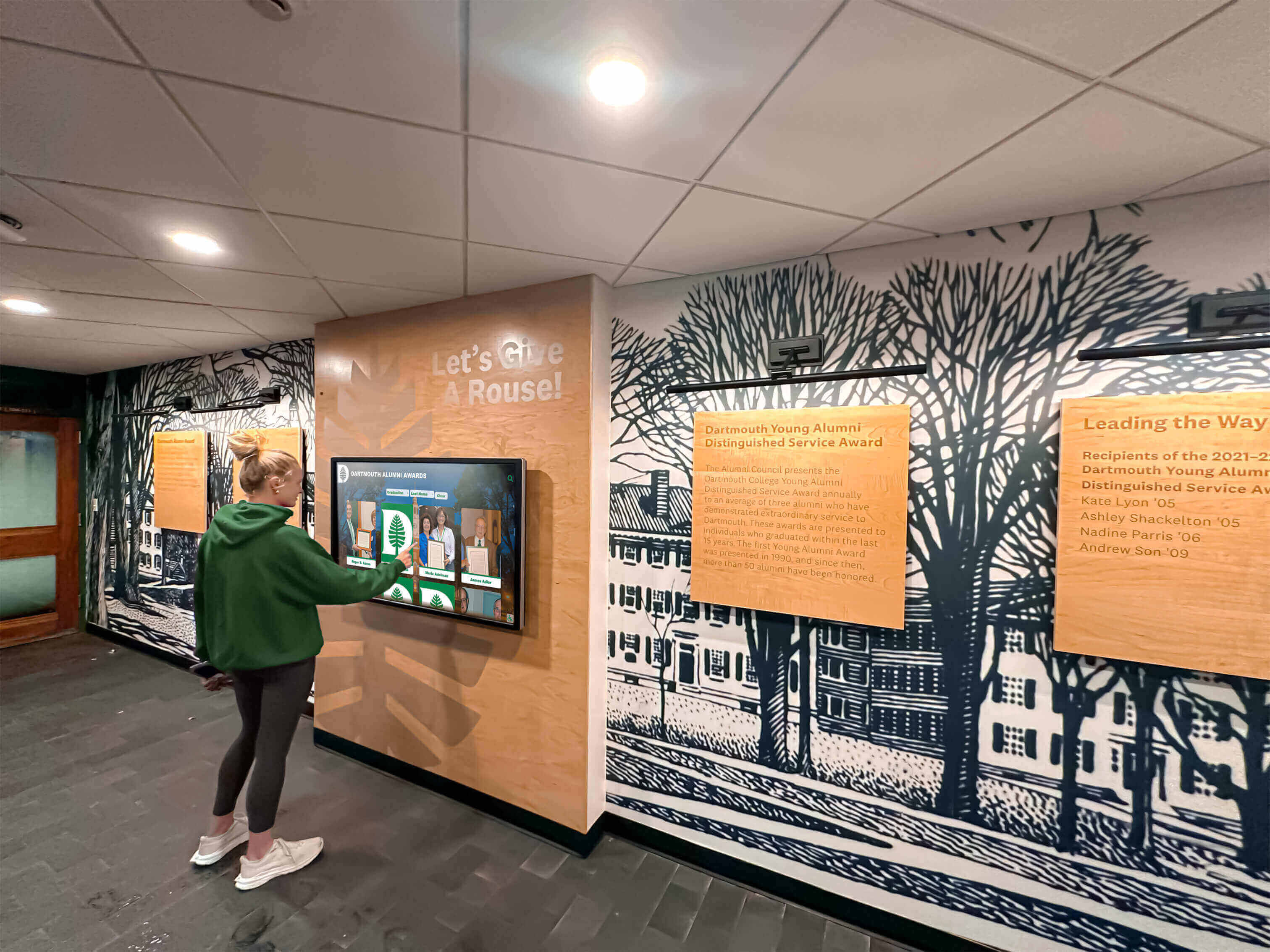
Clear promotion and easy access drive higher virtual event participation
During Event Engagement Techniques
Active Facilitation
- Professional moderators keeping energy high and conversation flowing
- Deliberate camera time for multiple participants not just speakers
- Regular interaction prompts preventing passive viewing
- Chat monitoring and response ensuring questions get addressed
- Technical support staff resolving issues without disrupting programming
Breakout Room Strategy
- Smaller groups of 6-8 people enabling meaningful conversation
- Clear discussion prompts preventing awkward silences
- Time warnings allowing groups to conclude conversations naturally
- Optional participation for those preferring to observe
- Randomized grouping creating serendipitous connections
Attention Management
- 45-60 minute maximum program lengths respecting screen fatigue
- Varied activity formats preventing monotony
- Visual interest through slides, videos, and screen sharing
- Opportunities to move or step away without missing critical content
- Clear agenda sharing so participants know what to expect
Post-Event Follow-Up and Measurement
Immediate Follow-Up
- Thank you emails within 24 hours while events remain top of mind
- Recording links enabling attendees to revisit and share with others
- Resource documents or links promised during events
- Photo galleries or chat transcripts capturing event highlights
- Survey requests gathering feedback for continuous improvement
Engagement Extension
- Online communities continuing conversations beyond live events
- Related content recommendations based on event topics
- Save-the-date announcements for upcoming programming
- Volunteer opportunity invitations to highly engaged attendees
- Giving appeals appropriately timed to capitalize on renewed connection
Analytics and Assessment Organizations implementing academic recognition programs track engagement metrics demonstrating program effectiveness:
- Registration versus attendance rates showing conversion
- Average attendance duration indicating engagement quality
- Interaction rates measuring active participation versus passive viewing
- Survey response data capturing satisfaction and content preferences
- Subsequent action rates tracking follow-up engagement
Regular assessment enables continuous improvement ensuring virtual programming evolves based on what alumni actually value rather than assumptions about effective engagement.
Overcoming Common Virtual Event Challenges
Understanding typical obstacles helps organizations prevent or address issues proactively.
Low Attendance and Registration
Contributing Factors
- Virtual event fatigue from excessive online programming
- Unclear value propositions failing to explain why attendance matters
- Inconvenient timing conflicting with work or family obligations
- Technical intimidation among less digitally comfortable alumni
- Lack of urgency when events are recorded for later viewing
Solutions
- Limit virtual event frequency maintaining exclusivity and anticipation
- Communicate specific benefits and unique aspects of each event
- Offer multiple session times accommodating different schedules
- Provide pre-event technical support and simple joining instructions
- Create live-only elements incentivizing real-time participation
- Leverage peer recruitment through alumni volunteer networks
Minimal Interaction and Camera-Off Attendance
Many virtual events suffer from participants who log in but never turn cameras on, speak, or actively engage.
Addressing Passive Participation
- Start with brief icebreaker activities requiring all participants to contribute
- Create camera-on expectations through explicit encouragement
- Acknowledge participants by name throughout programming
- Use polls and chat heavily making passive viewing difficult
- Design activities requiring camera use like virtual backgrounds or show-and-tell
- Keep group sizes small where anonymity becomes uncomfortable
Respecting Preferences Some alumni have legitimate reasons for camera-off participation including:
- Bandwidth limitations or technology constraints
- Privacy concerns about home environments
- Cultural comfort levels with video visibility
- Multitasking needs during portions of events
Balance encouragement for active participation with respect for varied circumstances and preferences.
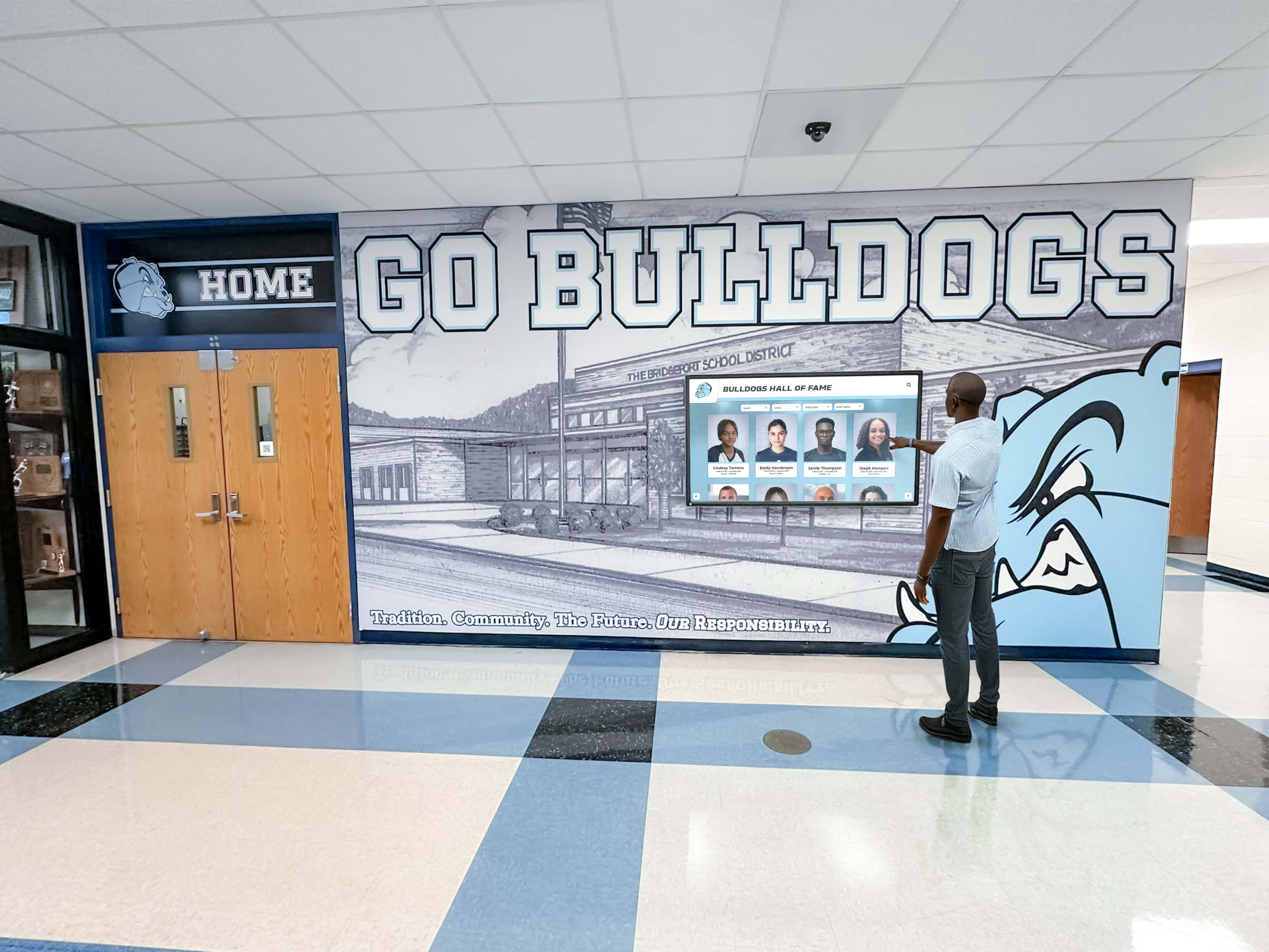
Intuitive digital platforms reduce technical barriers enabling comfortable alumni participation
Technical Problems and Access Barriers
Common Issues
- Internet connectivity problems preventing smooth participation
- Platform unfamiliarity causing user frustration
- Audio or video quality issues undermining experience quality
- Device compatibility limiting access to specific content or features
- Accessibility challenges for alumni with disabilities
Mitigation Strategies
- Thorough pre-event technical testing by organizers
- Practice sessions for less comfortable participants
- Clear step-by-step joining instructions with screenshots
- Technical support staffing during events for real-time assistance
- Platform selection prioritizing ease of use over advanced features
- Dial-in options for alumni with limited internet access
- Captioning and accessibility accommodations as standard practice
Organizations should view technology as enabler rather than barrier, selecting tools matching alumni technical comfort rather than showcasing institutional sophistication.
Measuring Virtual Alumni Event Success
Assessment demonstrates value while informing continuous improvement.
Quantitative Metrics
Participation Data
- Registration rates showing appeal of programming topics and formats
- Attendance rates indicating registration-to-participation conversion
- Attendance duration revealing whether programming holds interest
- Return attendance across multiple events showing sustained engagement
- Geographic diversity demonstrating reach beyond local alumni
- Demographic representation ensuring programming serves all constituencies
Engagement Indicators
- Chat message volumes showing active conversation
- Poll and Q&A participation rates measuring interaction
- Breakout room engagement through moderator observations
- Post-event survey completion indicating investment in improvement
- Social media sharing demonstrating willingness to amplify programming
- Recording view counts extending engagement beyond live events
Impact Measures
- Volunteer recruitment conversion from event participants
- Donation rates among event attendees versus non-attendees
- Mentor program enrollment following career programming
- Referral activities generating prospective student applications
- Database growth through contact information updates and new connections
Qualitative Assessment
Attendee Feedback
- Post-event surveys gathering satisfaction and improvement suggestions
- Focus groups with regular participants exploring deeper insights
- Testimonials and stories about meaningful connections made
- Informal feedback during events through chat and verbal comments
- Social media sentiment analysis tracking public conversations
Alumni Relationship Indicators
- Depth of engagement showing progression from passive to active involvement
- Renewed connections with institutions after years of inactivity
- Expanded participation in non-event alumni programs
- Positive reputation effects within broader alumni communities
Regular assessment creates continuous improvement cycles ensuring virtual programming remains relevant, valuable, and aligned with alumni needs while demonstrating clear return on institutional investment in alumni relations.
Budget Considerations for Virtual Alumni Events
Virtual programming offers significant cost advantages while requiring strategic investment in technology and production quality.
Cost Savings Compared to Physical Events
Eliminated Expenses
- Venue rental fees for hotels, conference centers, or campus facilities
- Catering costs for food and beverage service
- Printed materials including programs, name tags, and signage
- Shipping and logistics for physical materials
- Travel and accommodation for speakers or special guests
- Audio-visual production for physical venues
- Staff overtime for on-site event management
Organizations typically spend 60-85% less on virtual events compared to equivalent physical programming, enabling more frequent engagement within constrained budgets.
Strategic Technology Investment
Platform Costs
- Video conferencing subscriptions ($150-$500 monthly for institutional accounts)
- Specialized event platforms ($500-$5,000 per event depending on scale and features)
- Engagement tools for polling, gamification, and interaction ($100-$300 monthly)
- Registration and email marketing platforms (often existing institutional tools)
- Analytics and reporting systems ($0-$500 monthly depending on sophistication)
Production Quality
- Professional moderators or facilitators ($500-$2,000 per event)
- Graphic design for promotional materials and event visuals ($200-$1,000 per event)
- Video production for pre-recorded elements ($500-$3,000 depending on complexity)
- Technical support staff during events ($300-$1,000 per event)
- Recording editing and closed captioning ($200-$800 per event)
Digital Recognition Infrastructure Permanent platforms like interactive touchscreen systems complement virtual events through:
- Always-accessible alumni databases reducing need for frequent events
- Content showcased during virtual programming
- Engagement destination between events
- Mobile QR code access extending reach beyond displays
While requiring initial investment, quality production demonstrates institutional commitment to alumni while ensuring professional experiences that reflect positively on organizational brands.
Conclusion: Building Sustainable Virtual Alumni Engagement
Virtual alumni events have evolved from pandemic necessity into permanent fixtures of comprehensive engagement strategies. When thoughtfully designed with clear objectives, appropriate technology, interactive elements, and genuine value for participants, online programming expands alumni reach while accommodating busy schedules and geographic diversity that make physical attendance impossible for many graduates.
The most successful approaches combine multiple event formats throughout the year—professional development panels, social activities, educational programming, fundraising initiatives, and hybrid reunions—creating diverse touchpoints that appeal to varied alumni interests and circumstances. This portfolio approach ensures consistent engagement rather than isolated spikes around major reunion years or annual giving campaigns.
Technology enables rather than replaces authentic human connection. The platforms, tools, and digital systems simply facilitate meaningful relationships between alumni and institutions, among classmates, and across generations of graduates who share common experiences and values. Organizations that embrace virtual formats while maintaining focus on genuine community building create sustainable engagement that strengthens over time.
Digital recognition platforms particularly enhance virtual event strategies by providing permanent, always-accessible content that alumni can explore independently between events. These systems showcase classmate achievements, preserve institutional history, and create gathering points for virtual communities while serving as conversation starters during online programming.
Start with manageable virtual programming matching your organizational capacity and alumni preferences, then systematically expand based on participation data and feedback. Every virtual event represents an opportunity to reach graduates who otherwise remain disconnected, to demonstrate institutional value beyond degree completion, and to build lasting relationships that benefit alumni, current students, and broader institutional missions.
Your alumni community extends far beyond campus boundaries and local regions. Virtual engagement strategies ensure every graduate can maintain meaningful connection regardless of where life takes them after commencement.
Ready to complement your virtual alumni events with permanent digital recognition that graduates can access anytime? Explore how solutions like Rocket Alumni Solutions provide interactive platforms showcasing alumni achievements, preserving institutional history, and enabling year-round engagement that strengthens the temporary connections created during virtual events—building lasting alumni relationships that endure throughout graduates’ lifetimes.