Every fall, winter, and spring, high school athletes across America set their sights on a specific goal that goes beyond winning games or setting records—earning their varsity letter. This coveted achievement represents more than playing time or individual performance; it signifies that an athlete has met their school’s standards for commitment, character, and contribution to their team’s success.
Yet for many student-athletes and their families, the exact path to earning a varsity letter remains surprisingly unclear. What specific requirements must athletes meet? Do standards differ by sport, school, or competitive level? How do academic expectations factor into athletic recognition? And once earned, how do schools celebrate and preserve these achievements?
This comprehensive guide answers all these questions, exploring varsity letter requirements across different sports, the academic and character standards athletes must maintain, how letter eligibility is determined, and how modern schools are complementing traditional letter jacket recognition with digital platforms that celebrate athletic achievement for entire school communities.
For more than a century, the varsity letter has stood as the defining symbol of high school athletic achievement. Understanding what it takes to earn this recognition helps athletes set clear goals while giving parents and coaches insight into the comprehensive standards that letter recipients must meet.
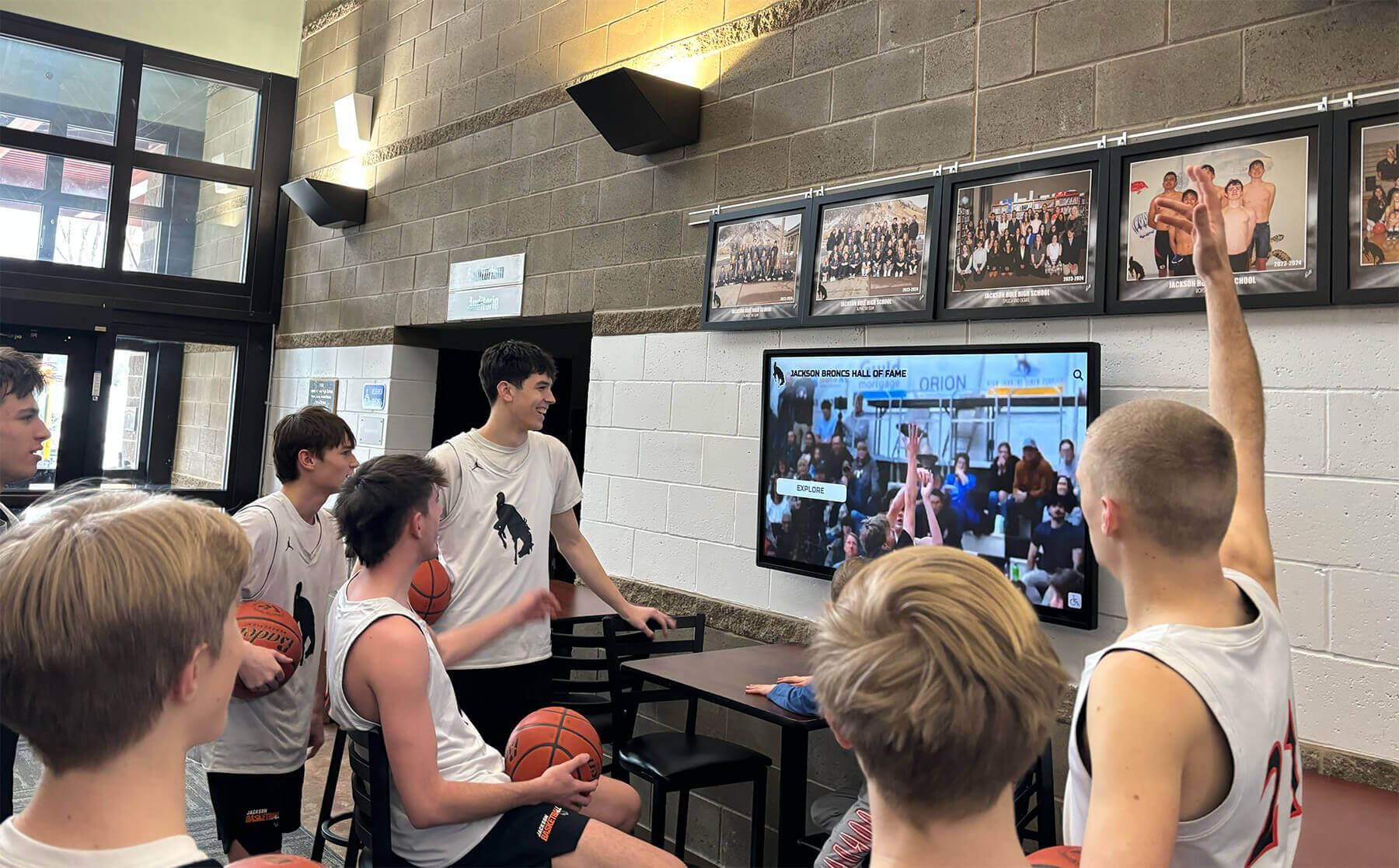
Modern athletic recognition combines traditional varsity letters with digital displays celebrating comprehensive achievement
What Is a Varsity Letter?
A varsity letter is an award earned by student-athletes who meet specific performance, participation, and conduct standards established by their school’s athletic department. The letter—typically a large chenille patch in the school’s first initial—serves as the central element of the traditional high school letterman jacket, one of the most recognizable symbols of American high school sports culture.
The History and Significance of Varsity Letters
Origins of the Tradition
The varsity letter tradition began at Harvard University in 1865, when the baseball team received large “H” patches to identify team members. This simple recognition system evolved throughout the early 1900s into the letter sweaters worn by college athletes, eventually spreading to high schools nationwide by the mid-20th century.
Why Letters Matter Today
In modern high school athletics, earning a varsity letter represents:
- Achievement validation: Tangible recognition of meeting demanding standards
- Team contribution: Acknowledgment of meaningful participation in program success
- Character demonstration: Evidence of meeting academic and conduct expectations
- Athletic identity: Membership in a select group of recognized athletes
- Lasting legacy: Connection to school athletic tradition spanning generations
Letter vs. Certificate: Understanding the Difference
Many schools distinguish between earning the actual varsity letter and receiving participation certificates:
Varsity Letter (First-Time Recipients)
- Reserved for athletes meeting full varsity-level requirements
- Typically awarded once—the first time an athlete qualifies
- Entitles recipient to purchase letter jacket with school letter
- Represents the most significant athletic recognition
Service Pins or Bars (Multiple Years)
- Additional recognition for athletes who letter in subsequent years
- Often added to letter jacket as patches, pins, or chevrons
- Demonstrates sustained commitment across multiple seasons
- Some schools award letter certificates rather than physical additions
Participation Certificates
- Recognition for team members who don’t meet full letter requirements
- Acknowledges contribution without granting letter jacket eligibility
- Maintains inclusive recognition while preserving letter prestige
- Common for junior varsity athletes or limited varsity participants
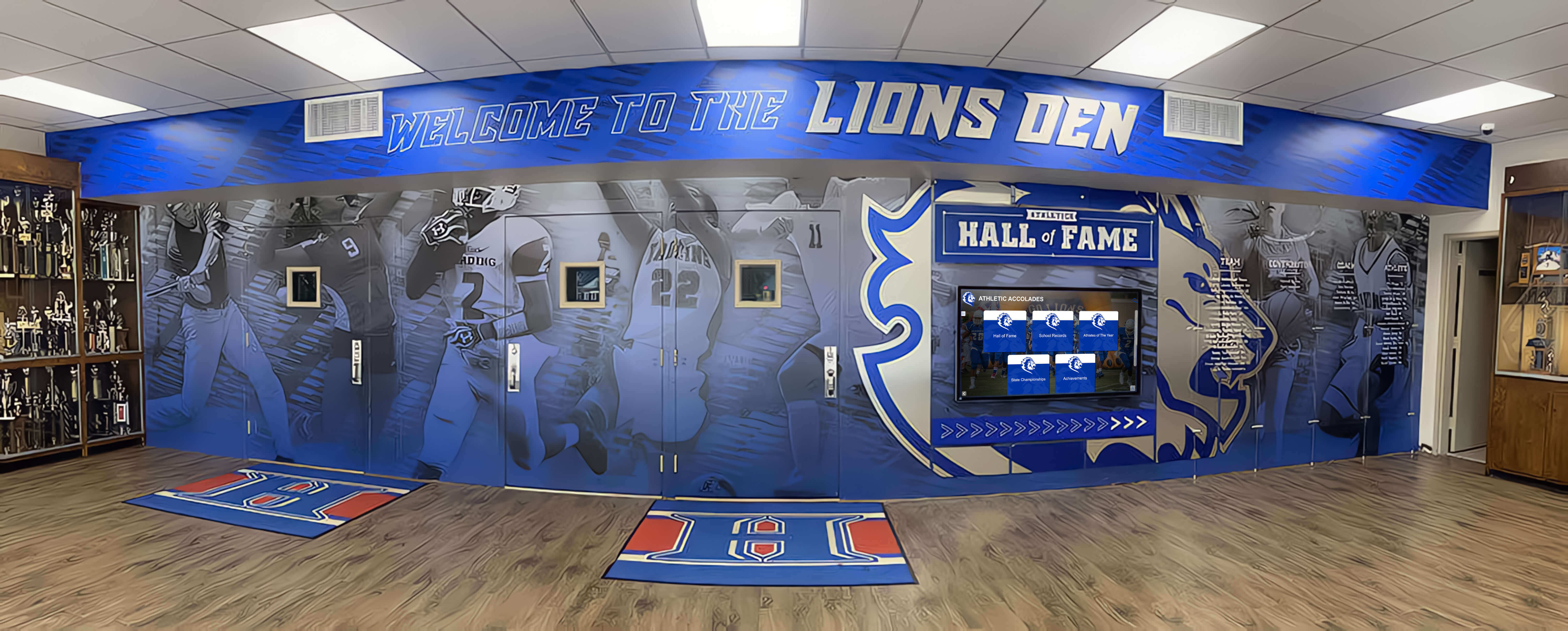
Schools celebrate athletic achievement through multiple recognition formats including traditional letters and comprehensive displays
Standard Varsity Letter Requirements Across Sports
While specific criteria vary by school and sport, most varsity letter requirements include three core components: participation standards, performance expectations, and character/academic qualifications.
Participation-Based Letter Criteria
Many schools establish letter requirements based primarily on playing time or competition participation:
Team Sports Playing Time Standards
- Participate in a minimum percentage of varsity competition (typically 40-50%)
- May specify quarters played (basketball/football) or innings/matches (baseball/softball)
- Counting methods vary: some schools count any participation, others require meaningful playing time
- Playoff and tournament games often weighted equally or more heavily
- Practice attendance and full-season commitment typically required
Game/Match Appearance Requirements
- Compete in minimum number of varsity contests (common threshold: 50% of team’s games)
- Distinction between “dressing” for games and actual game participation
- Some programs count quarters/periods toward cumulative total
- Emergency substitution appearances may or may not count toward requirement
- Senior recognition considerations for long-term program participants
Season Completion Standards
- Athletes must remain in good standing through season’s completion
- Quitting before season ends typically disqualifies letter eligibility
- Injury considerations: completion status often at coach’s discretion
- Transfer students may have prorated requirements based on arrival timing
- Multi-sport athletes must complete each season separately to earn multiple letters
Performance-Based Letter Requirements
Some sports—particularly individual competition sports—base letter criteria on performance rather than participation:
Track and Field Letter Standards
- Score points at varsity meets throughout season
- Achieve specific time, distance, or height standards
- Qualify for conference, district, or state championships
- Improve personal records by designated percentages
- Contribute to relay teams scoring points
- Complete full season of training and competition
Swimming and Diving Requirements
- Meet minimum time standards or point contributions
- Qualify for championship meets (conference, sectional, state)
- Compete in designated number of varsity meets
- Improve qualifying times throughout season
- Contribute points at major invitational competitions
- Full season participation including training requirements

Interactive displays allow athletes to explore letter requirements and recognition across all sports and years
Wrestling Letter Criteria
- Win minimum number of varsity matches (commonly 50% win rate or 10-15 wins)
- Compete at varsity weight class throughout season
- Qualify for post-season competition (district, regional, state)
- Demonstrate technical improvement and competitive effort
- Complete season in good standing with no disciplinary issues
- Practice attendance and commitment standards
Golf and Tennis Standards
- Maintain position in varsity lineup throughout season
- Compete in minimum number of varsity matches
- Meet stroke average or match win percentage thresholds
- Qualify for conference or state tournament competition
- Demonstrate improvement and commitment to practice
- Season-long participation requirements
Sport-Specific Requirements by Season
Different sports create unique challenges affecting letter requirements:
Fall Sports Letter Requirements
Football
- Play in minimum number of quarters (typically 40-50% of total team quarters)
- May include special teams participation in calculation
- Position group considerations (offensive, defensive, special teams)
- Playoff games often receive additional weight
- Senior recognition for long-term program participation
- Academic and conduct standards throughout season
Volleyball
- Participate in minimum percentage of sets or matches
- Starting players often automatically qualify
- Rotation players must meet cumulative participation threshold
- Tournament performance may factor into criteria
- Full practice attendance and team citizenship requirements
- Some programs use point-based systems combining multiple factors
Soccer
- Play in minimum percentage of halves throughout season
- May specify field time in minutes rather than games
- Goalkeeper positions often have modified criteria
- Conference and playoff participation weighted significantly
- Practice commitment and team contribution expectations
- Year-end coach evaluation of overall contribution
Cross Country
- Compete in designated number of varsity meets
- Top seven varsity scoring positions automatically qualify
- Non-scoring runners must meet participation or performance thresholds
- Conference and state meet qualification often automatic letter
- Improvement-based criteria for developmental athletes
- Full season training commitment required
Schools with robust fall high school sports programs establish clear letter criteria ensuring fair recognition across all autumn sports.

Digital displays preserve letter winner recognition alongside championships and individual achievements
Winter Sports Letter Requirements
Basketball
- Participate in minimum percentage of quarters (typically 50%)
- May distinguish between competitive and non-competitive game situations
- Tournament and playoff participation often weighted equally
- Practice attendance and team commitment requirements
- Character and sportsmanship evaluation by coaching staff
- Academic eligibility maintained throughout season
Wrestling
- Win percentage threshold (commonly 50% or minimum 10-15 wins)
- Compete at varsity weight throughout season
- Qualify for post-season competition (sectional, district, state)
- Pin or technical fall achievements may factor into criteria
- Full tournament participation requirements
- Practice commitment and weight management compliance
Swimming and Diving
- Achieve qualifying times or point contributions at meets
- Compete in designated number of varsity competitions
- Conference and state meet qualification
- Relay participation and point scoring
- Individual improvement throughout season
- Full practice and training commitment
Ice Hockey
- Play in minimum number of periods throughout season
- May combine regular season and playoff participation
- Special considerations for goalies vs. position players
- Tournament performance weighted in overall evaluation
- Practice attendance and team citizenship
- Academic and conduct standards
Spring Sports Letter Requirements
Baseball and Softball
- Play in minimum number of innings or games
- Pitchers often have modified criteria based on appearances
- May distinguish between defensive and offensive contributions
- Conference and playoff games weighted significantly
- Full practice attendance through season
- Coach evaluation of overall contribution and attitude
Track and Field (Similar to fall cross country standards)
- Score points at varsity meets or achieve qualifying standards
- Individual event qualifications for championship meets
- Relay team contributions counting toward letter
- Improvement-based criteria for developing athletes
- Full season training and competition commitment
- Meet participation threshold across regular season
Tennis and Golf
- Varsity lineup position throughout season
- Minimum match or tournament participation
- Performance standards (match wins, stroke average)
- Conference and state qualification
- Practice commitment and improvement demonstration
- Season completion requirements
Lacrosse
- Minimum playing time in quarters or halves
- May specify field time in specific game situations
- Starting positions typically automatic qualification
- Rotation players meeting cumulative participation threshold
- Tournament and playoff participation
- Full practice and season commitment
Schools recognizing athletes across all seasons often implement comprehensive sports banquet programs celebrating letter winners alongside other achievements.
Academic Requirements for Earning Varsity Letters
Athletic performance alone doesn’t guarantee letter eligibility—schools universally require athletes to maintain academic standards reinforcing that “student” comes before “athlete.”
Grade Point Average Standards
Minimum GPA Requirements
Most schools establish GPA thresholds for athletic participation and letter eligibility:
- 2.0 GPA Minimum: Most common standard allowing athletic participation
- 2.5 GPA for Letter Eligibility: Some schools set higher bar for letter awards
- No Failing Grades: Regardless of GPA, failing any course may disqualify
- Semester vs. Cumulative: Requirements may apply to specific marking periods or overall high school GPA
- Academic Probation Impacts: Students on academic probation typically ineligible for letters
Calculation and Verification Processes
Schools implement systematic academic monitoring:
- Grade checks conducted at regular intervals (weekly or marking period)
- Coordination between athletic department and guidance counselors
- Ineligibility periods for students falling below standards
- Required study hall or tutoring for struggling student-athletes
- Eligibility restoration procedures once grades improve
Good Standing and Conduct Requirements
Beyond grades, letter recipients must demonstrate positive character:
Behavioral Standards
- No disciplinary suspensions during sport season
- Adherence to student conduct code and athletic department policies
- No substance abuse violations or illegal activity
- Positive citizenship both in school and community
- Respectful behavior toward teachers, coaches, officials, and opponents
Sportsmanship Expectations
- Appropriate conduct during practices and competitions
- Respectful treatment of teammates, opponents, and officials
- Positive representation of school and athletic program
- Adherence to sport-specific rules and regulations
- Coach evaluation of overall character and attitude
Academic Integrity Standards
- No cheating or plagiarism violations
- Honesty in all academic work and testing
- Ethical conduct in classroom and school settings
- Consequences for academic dishonesty often include letter disqualification
- Character evaluation as important as performance metrics

Recognition systems can highlight both athletic achievement and academic excellence in unified displays
The Varsity Letter Determination Process
Understanding how schools decide letter eligibility helps athletes and families navigate the recognition system effectively.
Coach Discretion and Evaluation
While many schools publish specific letter criteria, most grant head coaches significant discretion:
Objective Criteria Application
- Coaches track participation, performance, and attendance data
- Statistical tracking systems document playing time and contribution
- Clear documentation ensures fair and transparent evaluation
- Objective standards reduce subjectivity and potential disputes
- Publicly posted criteria create accountability
Subjective Evaluation Components Even with objective criteria, coaches consider additional factors:
- Overall contribution to team success beyond statistics
- Leadership, mentorship of younger athletes, and positive influence
- Practice effort, attitude, and commitment
- Overcoming adversity or injury to contribute
- Senior recognition for long-term program dedication
- Character and citizenship throughout season
Special Circumstances Considerations
Coaches address unique situations requiring judgment:
- Season-ending injuries after substantial contribution
- Transfer students arriving mid-year
- Athletes participating in unusual circumstances (illness, family issues)
- Seniors with sustained program commitment but limited playing time
- Emergency situations affecting season participation
Athletic Director Oversight and Appeals
Athletic directors typically provide final approval and handle disputes:
Administrative Approval Process
- Coaches submit letter recipient lists to athletic directors
- Athletic directors verify academic eligibility and conduct standards
- Cross-reference with school records and documentation
- Final approval before announcements and recognition ceremonies
- Documentation maintained for school records and potential appeals
Appeal Procedures for Disputed Decisions
Most schools establish formal processes for questioning letter decisions:
- Written appeal submitted to athletic director within specified timeline
- Review of objective criteria and documented participation
- Meeting with coach, athlete, family, and athletic director
- Consideration of special circumstances and additional information
- Final determination typically made by athletic director or administrative committee
- Documentation of appeal outcome and rationale
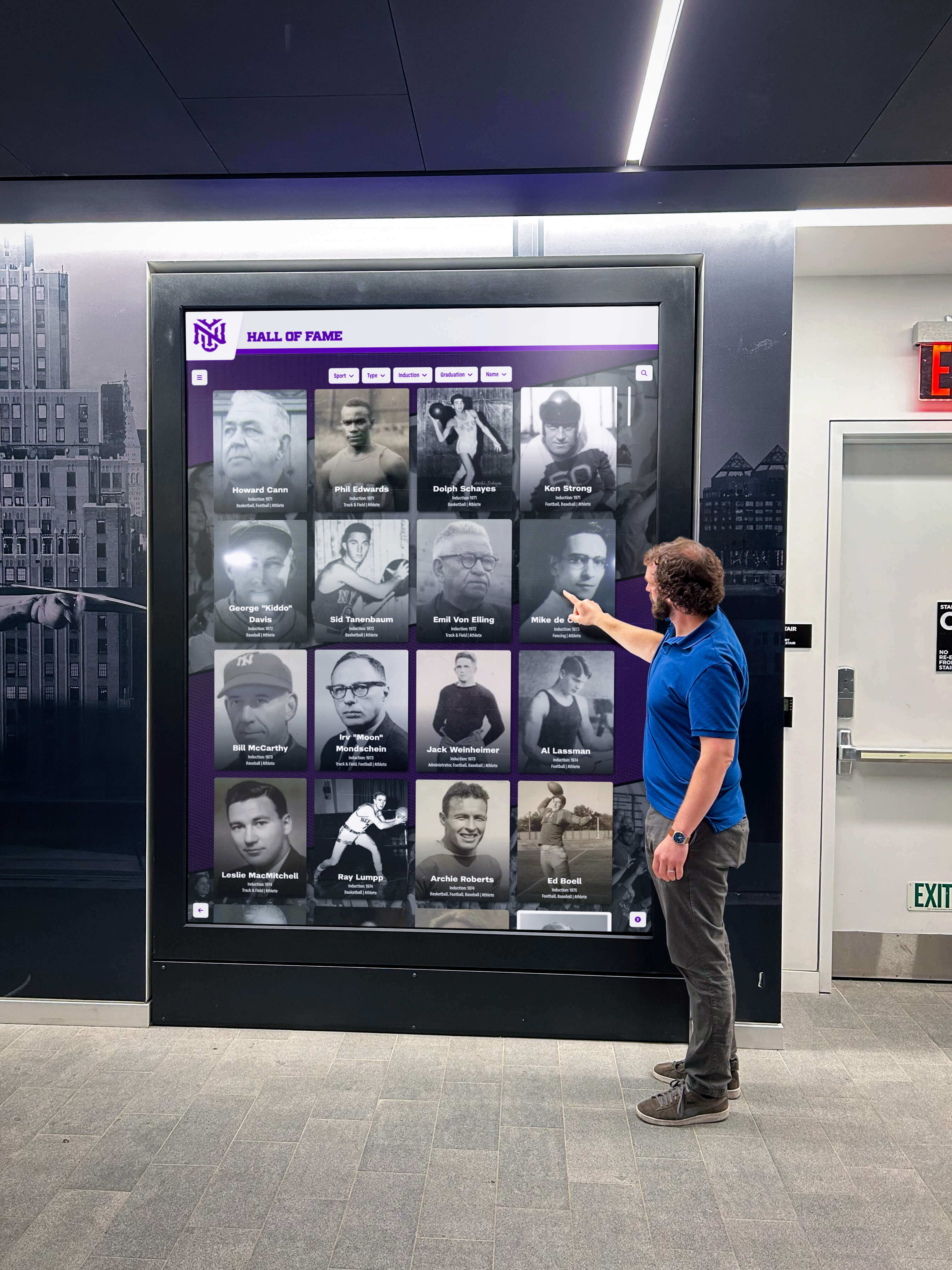
Interactive recognition displays enable families and community members to explore letter winner achievements
Alternative Paths to Earning Varsity Letters
Beyond competing athletes, many schools extend letter eligibility to essential contributors supporting team success:
Student Manager and Trainer Recognition
Athletic Manager Letter Requirements
- Multiple season commitment (often 2-3 years)
- Full practice and game attendance
- Significant contribution to team operations and success
- Positive attitude and reliable performance
- Coach recommendation and administrative approval
- Often receive same letter as competing athletes
Athletic Trainer Recognition
- Sustained service assisting athletic programs
- Completion of training and certification requirements when applicable
- Reliable attendance at practices, games, and events
- Demonstration of medical knowledge and care competence
- Essential support enabling athlete health and safety
- Recognition of behind-the-scenes contribution to program success
Support Staff and Spirit Squad Letters
Cheerleading and Spirit Squad
- Many schools offer letter eligibility for spirit program participants
- Requirements mirror athletic standards: participation, performance, conduct
- Full season commitment including practices, games, and competitions
- Skill development and choreography execution
- Positive representation of school spirit and tradition
- Academic and behavioral standards equal to athletic programs
Band and Music Support
- Schools increasingly recognize pep band contributions
- Attendance at all home games throughout season
- Participation in pre-game and halftime performances
- Practice commitment and musical skill development
- Some schools offer distinct “band letter” rather than athletic letter
- Recognition of essential contribution to game atmosphere
Multi-Sport Athlete Recognition
Athletes competing in multiple sports face unique challenges deserving special recognition:
Two-Sport Athlete Considerations
- Must earn letter in each sport independently
- Season overlap creates additional time management challenges
- Some schools offer cumulative participation credit
- Recognition for year-round athletic commitment
- Enhanced college recruitment appeal
- Leadership opportunities across multiple teams
Three-Sport Athletes (Year-Round Competition)
- Elite time management balancing three seasons of athletics
- Limited off-season for academic focus or rest
- Special recognition at end-of-year ceremonies
- Potential for special graduation honors
- Demonstrates exceptional dedication and versatility
- May receive special patches, pins, or recognition for letter jacket
Schools celebrating multi-dimensional achievement often implement comprehensive recognition programs acknowledging excellence across athletics, academics, and service.

Modern recognition spaces celebrate athletic achievement through multiple formats including letter winner displays
How Schools Recognize and Celebrate Letter Winners
Earning a varsity letter represents a significant achievement deserving appropriate celebration and lasting recognition.
Letter Presentation Ceremonies
End-of-Season Banquets
Most teams distribute letters at sport-specific banquets:
- Individual athlete recognition with name and achievement announcement
- Coach comments about each letter recipient’s contribution
- Presentation of letter certificate or notification of eligibility
- Photo opportunities celebrating achievement
- Family invitation creating shared celebration experience
- Distribution of letter purchase information for jacket ordering
All-School Recognition Assemblies
Some schools create comprehensive recognition events:
- Spring athletic awards ceremony honoring all letter winners
- Individual sport team presentations and recognition
- Special acknowledgment of multi-sport athletes
- Senior athlete recognition for cumulative achievement
- Academic-athletic awards for scholar athletes
- Community and family attendance celebrating athletic success
Senior Night Recognition
Many programs acknowledge letter winners during season:
- Senior night presentations including letter winner status
- Public announcement during home competitions
- Family participation in on-field or on-court recognition
- Program notes highlighting letter recipient achievement
- Photo displays and memory books
- Connection to broader school athletic tradition
Letter Jacket and Physical Recognition
The Traditional Letter Jacket
While letter jacket purchase remains optional, this tradition continues strongly:
- Students order jackets after earning first varsity letter
- School coordinates vendor relationships and group orders
- Jackets feature chenille letter, name, year, and sport patches
- Costs typically range $350-$700 depending on materials and customization
- Some schools or booster clubs provide financial assistance
- Jackets become treasured keepsakes worn throughout high school and beyond
For complete details about jacket options, costs, and the ordering process, see comprehensive guides about the letterman jacket tradition.
Alternative Physical Recognition
- Letter certificates suitable for framing and display
- Letter pins worn on regular clothing
- Chenille letter patches for those not purchasing jackets
- Special recognition pins for multiple-year letter winners
- Graduation cords or medallions for athletic achievement
Digital Recognition Displays
Modern schools increasingly complement traditional letter recognition with comprehensive digital platforms:
Interactive Touchscreen Displays
Digital recognition systems provide advantages impossible with traditional methods:
- Unlimited capacity: Single display showcases all letter winners across all sports and years
- Comprehensive profiles: Individual athlete pages featuring photos, achievements, and statistics
- Search functionality: Students find themselves, teammates, and historical letter winners
- Permanent archives: Recognition preserved indefinitely without physical space constraints
- Easy updates: Cloud-based management allows instant additions and corrections
- Family access: Web-based platforms enable viewing from anywhere, anytime
Implementation in Athletic Facilities
Strategic placement maximizes visibility and engagement:
- Main gym lobbies where athletes, students, and families gather
- Athletic hallways connecting to practice and competition facilities
- School main entrances showcasing athletic tradition
- Training room areas where athletes spend significant time
- Multiple displays across campus eliminating space constraints
Digital platforms like those offered by solutions such as Rocket Alumni Solutions enable schools to showcase unlimited letter winners across decades of athletic tradition, creating engaging experiences where students explore comprehensive achievement archives including letter winners, championship teams, individual records, and complete athletic program history.
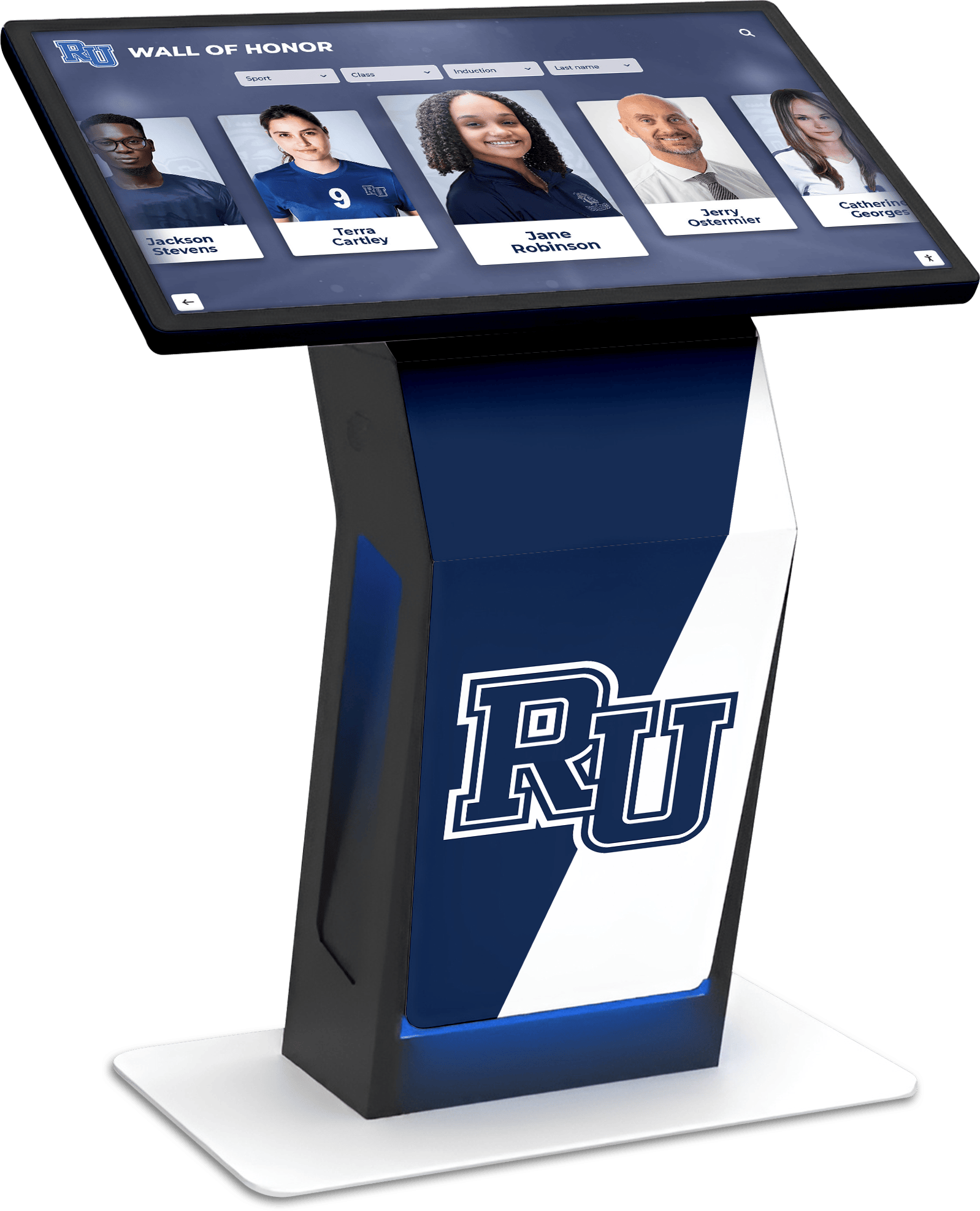
Modern touchscreen systems create engaging recognition experiences celebrating letter winners alongside comprehensive athletic achievement
How Letter Requirements Vary by School Size and Type
Varsity letter requirements differ significantly based on institutional context:
Small School Letter Standards
Rural and Small High Schools
Schools with limited enrollment face unique recognition challenges:
- Limited roster sizes: Entire team may earn letters due to participation necessity
- Multi-sport requirements: Athletes often compete in multiple sports filling rosters
- Playing time realities: Starters often play majority of games by necessity
- Flexible criteria: Smaller programs may emphasize commitment over strict participation percentages
- Community connection: Higher percentage of student body participates in athletics
- Recognition importance: Letters carry significant meaning in tight-knit communities
Adjusting Standards for Small Programs
- Percentage-based criteria adapted for roster size realities
- Greater coach discretion in recognition decisions
- Emphasis on full-season commitment and team contribution
- Academic and character standards maintained equally
- Recognition for role players essential to team fielding
Large School Letter Standards
Urban and Suburban Large High Schools
Schools with significant enrollment create competitive letter environments:
- Deep rosters: More athletes competing for limited varsity positions
- Stricter criteria: Higher thresholds ensuring letter prestige
- Specialized positions: Athletes focusing on single sports seeking varsity status
- Junior varsity progression: Clear pathway from JV to varsity recognition
- Performance emphasis: Competitive standards for playing time and letter eligibility
- Lower participation percentage: Smaller proportion of student body earns letters
Maintaining Letter Value
- Clear, published criteria reducing subjectivity
- Consistent application across all sports and teams
- Merit-based standards ensuring recognition prestige
- Alternative recognition (JV letters, certificates) for contributors
- Objective tracking of participation and performance data
Schools implementing digital recognition solutions find they’re valuable regardless of school size, with small schools showcasing complete athletic tradition and large schools managing extensive recognition data efficiently.
Private and Charter School Variations
Independent and Religious Schools
Private institutions often implement distinctive approaches:
- Higher academic standards: GPA requirements often exceed public school minimums
- Character emphasis: Conduct and citizenship weighted heavily in decisions
- Mission alignment: Letter criteria reflecting institutional values and priorities
- Smaller competitive pools: Similar to small public schools in roster dynamics
- Tradition emphasis: Strong connection to historical letter winner legacy
- Family involvement: High parent engagement in athletic programs and recognition
Charter and Alternative Schools
Newer or specialized schools create unique traditions:
- Developing letter criteria aligned with school mission
- Flexible standards reflecting specialized student populations
- Building athletic tradition from inception
- Creating recognition systems parallel to traditional schools
- Emphasizing participation and commitment over competitive achievement
Common Questions About Varsity Letter Requirements
Can you earn a varsity letter as a freshman?
Yes, freshmen can earn varsity letters if they meet the same standards as older athletes. Many freshmen compete on junior varsity teams building skills for future varsity participation, but exceptional ninth-graders qualifying for varsity competition and meeting letter requirements receive full recognition. Some sports—particularly individual competition sports like track, swimming, or tennis—see higher rates of freshman letter winners than team sports with established upperclassmen rosters.
Do academic ineligibility periods affect letter eligibility?
Academic ineligibility during a sport season typically disqualifies athletes from earning letters that season. Most schools require maintaining academic standards throughout the entire season, not just at season’s end. Athletes falling below GPA requirements mid-season often become ineligible for competition, which prevents accumulating necessary participation for letter requirements. Schools establish these standards reinforcing that academic achievement remains the primary purpose of education.
What happens if you quit before the season ends?
Athletes who quit before completing a season almost universally forfeit letter eligibility regardless of prior participation. Letter awards recognize full-season commitment, and leaving a team prematurely demonstrates lack of dedication warranting recognition. Legitimate exceptions exist for family emergencies, serious illness, or other extraordinary circumstances beyond athlete control, but these require athletic director approval. Coaches emphasize completing seasons honorably as fundamental to athletic character development.
Can injured athletes still earn varsity letters?
Season-ending injuries create challenging situations handled case-by-case. Most schools grant letter eligibility to athletes who participated substantially before injury, remained with team through season’s end, and maintained academic and conduct standards. The key factors include injury timing, prior contribution, and continued team support during recovery. Athletes injured before significant participation typically don’t qualify, while those injured late season after meeting participation thresholds often receive letters at coach’s discretion.
Do reserve players on championship teams automatically get letters?
Championship team membership doesn’t automatically guarantee individual letter eligibility. Athletes must still meet published participation and contribution standards regardless of team success. However, coaches often show increased flexibility for role players on championship squads who demonstrated commitment despite limited playing time. The key distinction: team success creates context for evaluation, but individual contribution remains the letter criterion.
How do transfer students earn varsity letters?
Transfer students typically must meet prorated letter requirements based on arrival timing. An athlete joining at semester might need to participate in 50% of remaining games rather than 50% of all season games. Schools establish transfer student policies balancing fairness to existing athletes against welcoming new program members. Athletic directors coordinate with coaches determining appropriate adjusted standards. Transfer students maintaining good standing and demonstrating commitment generally receive fair evaluation using modified reasonable criteria.
Do state academic association rules affect letter requirements?
State high school athletic associations establish eligibility rules for competition but rarely mandate specific letter award criteria. Individual schools maintain autonomy determining letter standards while complying with state eligibility rules for academic standing, age limits, transfer policies, and conduct requirements. State associations ensure athletes meet minimum standards for competition; schools then establish their own higher standards for letter recognition reflecting local tradition and values.
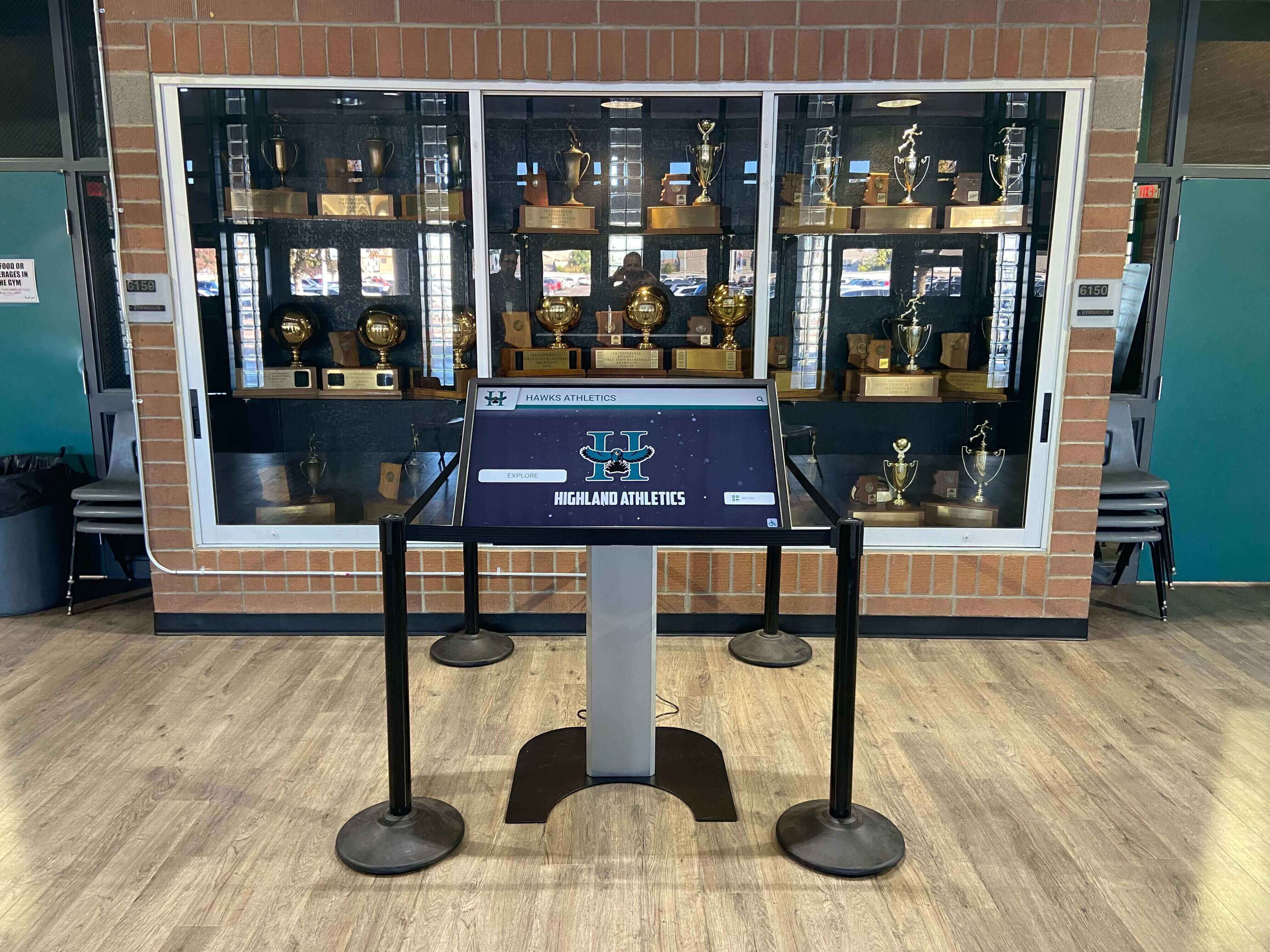
Integrating digital recognition within athletic facilities creates comprehensive celebration of letter winners and achievements
The Future of Varsity Letter Recognition
While the fundamental tradition of varsity letters remains strong, how schools recognize and celebrate letter winners continues evolving:
Maintaining Tradition in Modern Context
Preserving Letter Prestige
- Clear, published criteria maintaining recognition value
- Balance between accessibility and achievement standards
- Consistent application across all sports and participants
- Connection to historical tradition spanning generations
- Recognition that still matters to athletes, families, and communities
Adapting to Contemporary Athletics
- Increased multi-sport participation creating recognition challenges
- Year-round training and specialization affecting traditional season structures
- Transfer and mobility affecting four-year program participation
- Recruiting and college admission considerations
- Social media and digital identity in athletic recognition
Digital Recognition Complementing Physical Tradition
Modern technology enhances rather than replaces varsity letter tradition:
Comprehensive Digital Archives
Schools implementing touchscreen recognition systems create advantages impossible with traditional approaches:
- Permanent digital record of all letter winners across school history
- Searchable databases enabling exploration by name, year, sport, or class
- Individual letter winner profiles featuring photos and achievements
- Web accessibility extending recognition beyond physical campus
- Unlimited capacity eliminating space constraints of physical displays
- Easy management through cloud-based content systems
Integrated Recognition Ecosystems
The most effective programs combine multiple recognition methods:
- Traditional letter jackets for students who choose to purchase
- Digital displays in athletic facilities showcasing all letter winners
- Web-based platforms accessible to families and alumni worldwide
- Social media celebration amplifying individual achievement
- School communications featuring letter winner stories
- End-of-year recognition ceremonies honoring diverse achievements
This multi-channel approach ensures that earning a varsity letter receives appropriate celebration across platforms students, families, and communities actually use while preserving the traditional elements that make letter recognition meaningful.
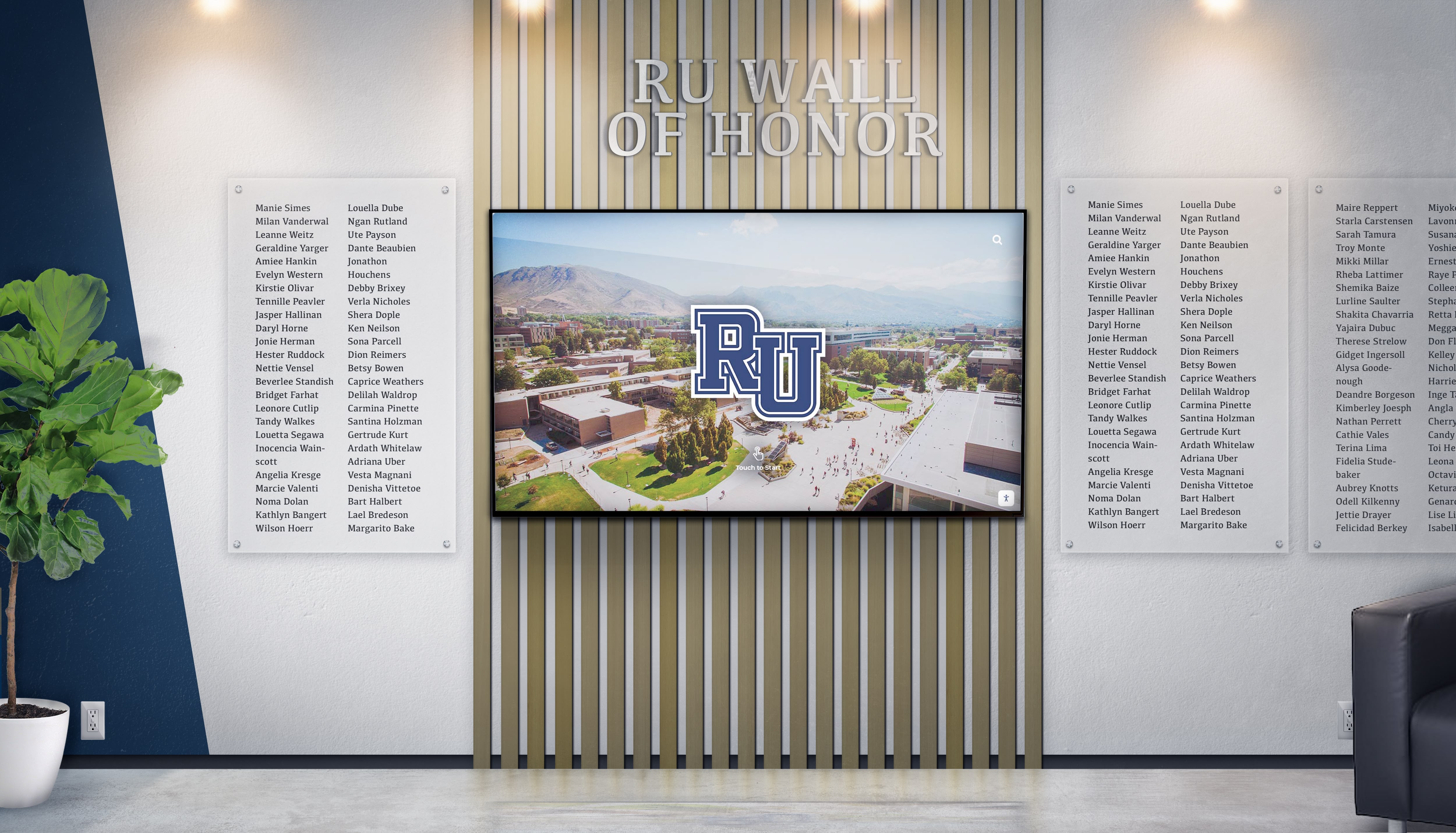
Modern recognition combines traditional physical elements with digital displays creating comprehensive athletic celebration
Building Comprehensive Athletic Recognition Programs
Schools developing systematic recognition approaches create environments where athletic achievement receives appropriate celebration:
Establishing Clear, Published Criteria
Transparency and Accessibility
- Written letter requirements published in athletic handbooks
- Criteria posted on school athletic websites and in facilities
- Pre-season meetings explaining requirements to athletes and families
- Sport-specific standards addressing unique participation patterns
- Consistent language and standards across all programs
Regular Communication and Tracking
- Mid-season progress updates informing athletes of letter status
- Participation tracking visible to coaches, athletes, and families
- Clear timeline for final determination and announcement
- Appeal procedures for disputed decisions
- Documentation maintained for school records and verification
Creating Recognition Experiences That Matter
Meaningful Ceremony and Celebration
Letter presentation should create lasting positive memories:
- Personal recognition with specific achievement highlights
- Family participation enabling shared celebration
- Connection to school athletic tradition and history
- Appropriate ceremony length maintaining engagement and importance
- Multiple recognition opportunities throughout year
- Photo documentation preserving memories
Sustained Visibility Beyond Single Events
Recognition shouldn’t disappear after presentation:
- Permanent displays ensuring ongoing visibility
- Digital platforms accessible year-round
- Regular features in school communications
- Integration with homecoming, senior night, and major school events
- Coach appreciation programs acknowledging coaching staff developing letter winners
Leveraging Technology for Comprehensive Recognition
Modern digital platforms transform athletic recognition possibilities:
Unlimited Recognition Capacity
Traditional displays face inherent constraints:
- Physical space limits how many athletes can be recognized
- Adding current letter winners often requires removing historical recognition
- Trophy cases fill quickly with limited expansion options
- Wall plaques reach capacity necessitating difficult removal decisions
Digital solutions eliminate these limitations. A single touchscreen display can showcase every letter winner in school history across all sports, creating comprehensive searchable archives preserving decades of athletic achievement. Schools implementing these systems report that students regularly explore historical letter winners, creating connection to athletic tradition impossible with static limited displays.
Engaging Interactive Experiences
Beyond increased capacity, digital recognition creates engagement advantages:
- Students search for themselves, teammates, and family members who lettered years ago
- Filter and sort functionality enabling exploration by sport, year, or graduating class
- Individual profiles featuring multiple photos, statistics, and achievement narratives
- Related content connecting letter winners to championship teams and records
- QR code access allowing mobile phone viewing and social media sharing
Simplified Long-Term Management
Traditional recognition maintenance creates ongoing challenges:
- Physical fabrication costs for each new nameplate or plaque
- Installation requiring maintenance staff time and effort
- Errors difficult and expensive to correct once permanently installed
- Updates delayed by manufacturing and installation timelines
Cloud-based digital systems revolutionize recognition management. Athletic directors or designated staff update letter winner displays from any internet-connected device using simple drag-and-drop interfaces requiring no technical expertise. Adding complete season’s letter winners takes minutes rather than weeks, errors can be immediately corrected, and the system scales effortlessly from recognizing dozens to thousands of athletes across decades.
Solutions like Rocket Alumni Solutions provide schools with comprehensive platforms combining touchscreen displays in athletic facilities with web-based access enabling families and alumni to explore recognition from anywhere. These systems integrate letter winner recognition with championship celebrations, individual records, team rosters, and complete athletic program history, creating unified digital celebrations of everything that makes school athletics meaningful.
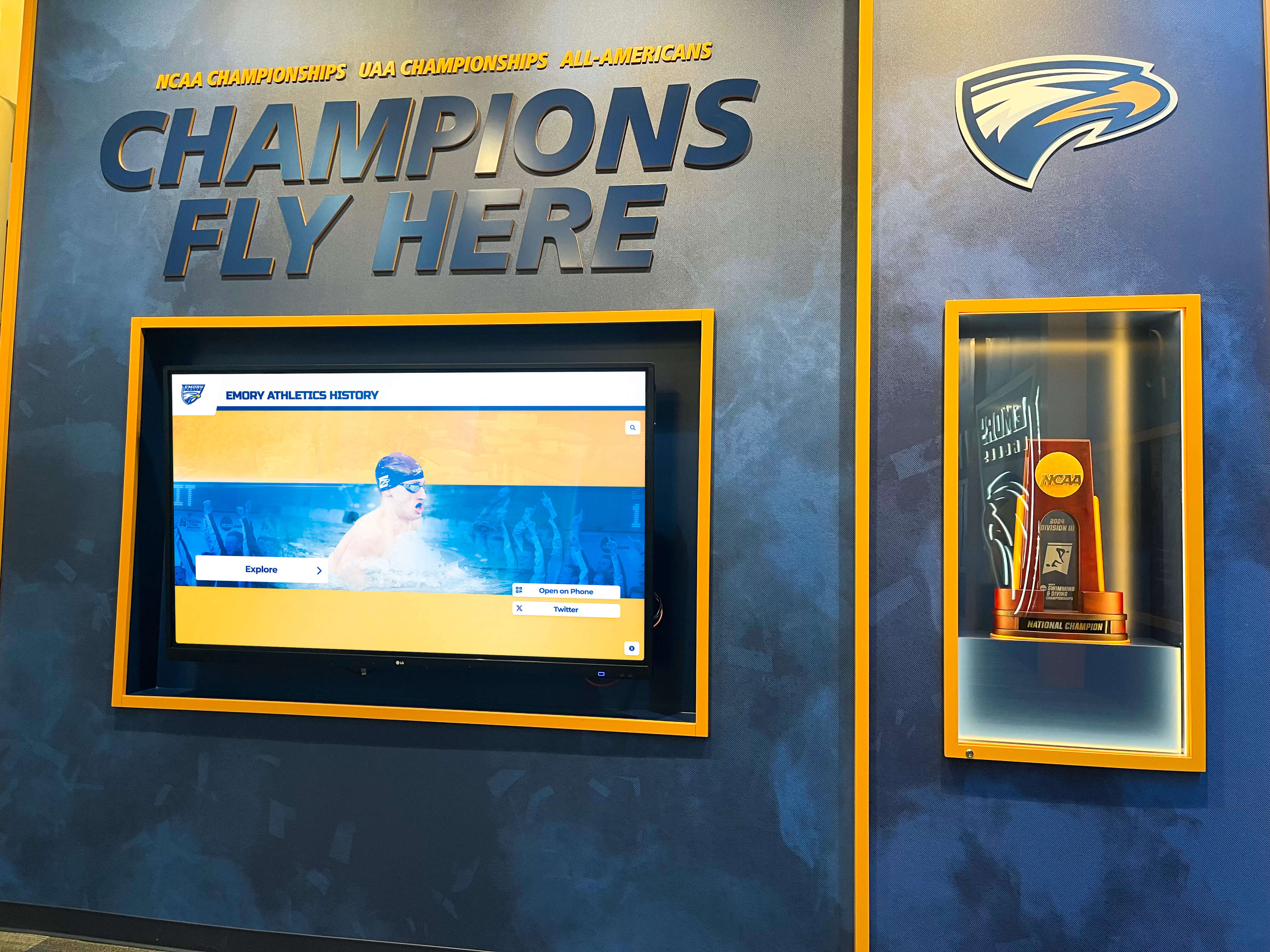
Professional recognition displays create lasting celebration of letter winners alongside championships and program milestones
Conclusion: Honoring the Achievement of Earning Your Letter
Varsity letter requirements exist to ensure that this prestigious recognition goes to student-athletes who demonstrate commitment, character, and meaningful contribution to their teams’ success. While specific standards vary by sport, school, and competitive level, the core principles remain constant: athletes must participate substantially, maintain academic standards, exhibit positive character, and complete seasons honorably to earn their letters.
Understanding these requirements helps student-athletes set clear goals from the moment they join high school programs. Rather than vague aspirations about “making varsity,” athletes can focus on specific participation percentages, academic benchmarks, and character standards that define letter eligibility. Parents gain insight into the comprehensive nature of recognition, appreciating that letters represent far more than playing time—they validate academic achievement, positive citizenship, and full-season dedication alongside athletic performance.
For schools and athletic departments, well-designed letter requirements create fair, transparent recognition systems that maintain tradition while addressing contemporary participation realities. Publishing clear criteria, tracking progress systematically, and celebrating achievements meaningfully transforms letter recognition from subjective coach decisions into objective milestone achievements that motivate athletes throughout their high school careers.
Modern digital recognition platforms enhance this traditional achievement by ensuring every letter winner receives lasting visibility and celebration. While not every athlete purchases a letter jacket, comprehensive digital displays guarantee that earning a varsity letter creates permanent recognition accessible to families, teammates, future students, and returning alumni exploring their school’s athletic legacy.
The most effective athletic programs balance honoring tradition with embracing innovation—maintaining meaningful letter standards that preserve recognition prestige while implementing technology ensuring comprehensive celebration of every athlete who earns this significant achievement. Whether displayed on letter jackets, in trophy cases, or through interactive digital systems, varsity letter recognition remains one of the most powerful ways schools acknowledge athletic achievement and inspire future generations of student-athletes.
Ready to explore how your school can enhance varsity letter recognition through modern digital displays that complement traditional awards? Discover comprehensive athletic recognition solutions that preserve every letter winner’s achievement while creating engaging experiences celebrating your complete athletic tradition.