Every day in athletic history marks significant achievements worth celebrating—championships won, records broken, memorable performances that defined programs. When schools systematically highlight “today in sports history” content on digital displays throughout their facilities, they transform static recognition walls into dynamic storytelling platforms that keep athletic tradition alive and visible. These daily historical touchpoints connect current student-athletes to the legacy they’re building while demonstrating that the program values every achievement, not just the most recent ones.
Yet most schools struggle to leverage their rich athletic histories effectively. Traditional trophy cases and plaque walls remain unchanged for years, creating recognition fatigue where students walk past displays without noticing. Historical achievements sit in boxes or outdated filing cabinets, inaccessible and forgotten. Athletic directors lack simple systems for surfacing relevant historical content daily, missing opportunities to celebrate anniversaries, honor alumni, and reinforce program values through historical examples.
This guide explores how schools create engaging “today in sports history” content for athletic displays, lobby screens, and recognition systems—turning every day into an opportunity to celebrate achievement, inspire current athletes, and strengthen connections between past excellence and present ambition.
Schools that systematically present daily sports history content create more engaging recognition programs while maximizing the value of their historical athletic achievements. Modern digital display systems make implementing these dynamic content strategies achievable for athletic departments of all sizes and resource levels.
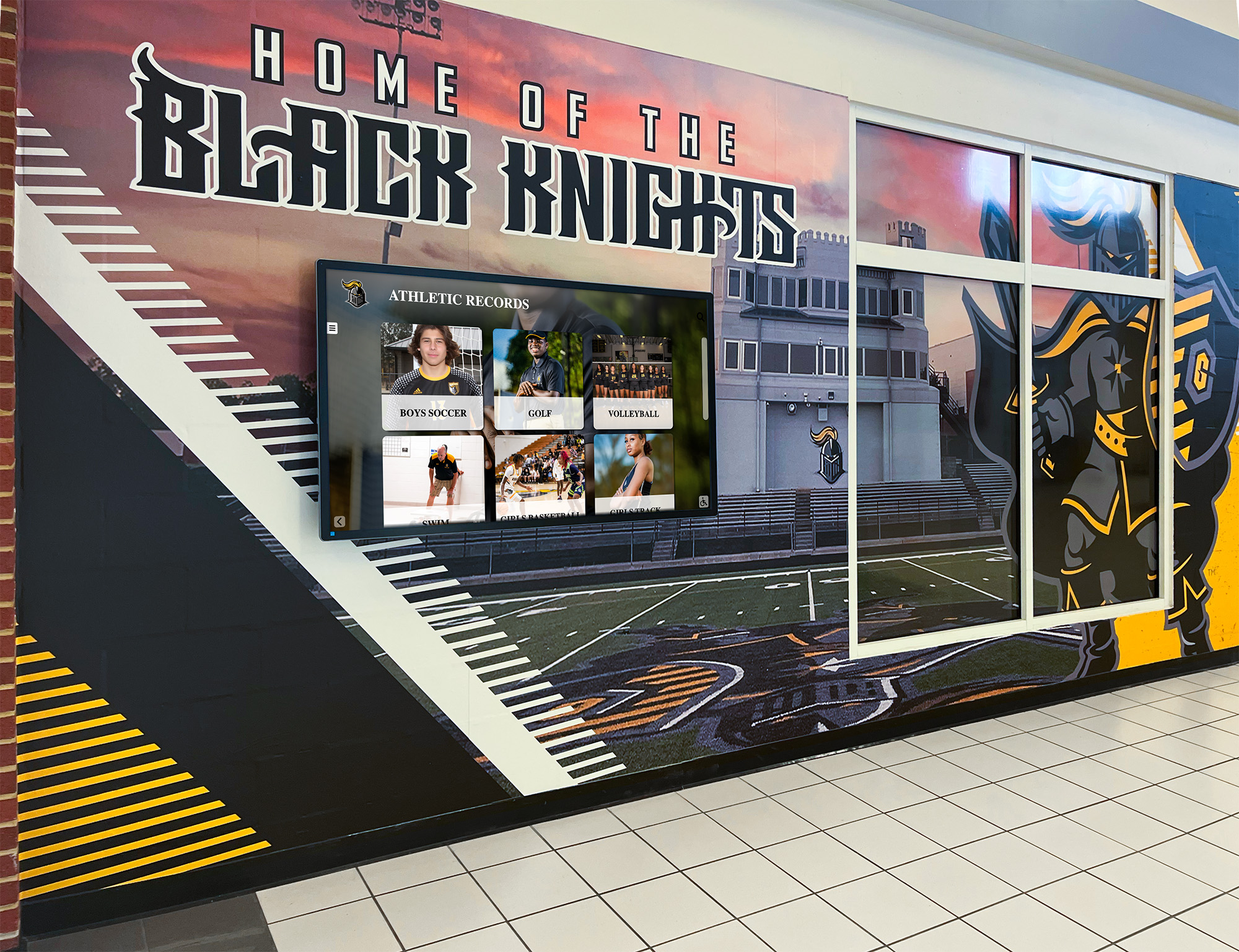
Digital displays enable schools to rotate through historical content, keeping recognition fresh and engaging for students who pass by daily
Why “Today in Sports History” Content Matters for School Athletics
Understanding the benefits of daily historical content helps athletic departments prioritize implementation despite competing demands on limited time and budgets.
Keeping Recognition Displays Fresh and Engaging
Static displays suffer from recognition fatigue—students eventually stop noticing unchanged content no matter how impressive the achievements displayed.
The Recognition Fatigue Problem
- Students walk past the same trophy case displays for four years without noticing
- Static plaques become invisible background elements in hallways
- Athletic achievements fade from consciousness despite physical presence
- Recognition impact diminishes dramatically after initial installation
- Historical context gets lost as current students lack connection to older achievements
Dynamic Content as Solution Daily rotating content addresses these challenges effectively:
- New historical content appears each day creating reasons to check displays regularly
- “On this day” formats provide compelling narrative hooks
- Anniversary celebrations highlight milestones (10-year, 25-year, 50-year anniversaries)
- Seasonal relevance connects historical achievements to current sports in season
- Algorithmic content rotation ensures all achievements receive visibility over time
Schools implementing digital trophy case displays report significantly higher student engagement compared to traditional static approaches.
Connecting Current Athletes to Program Legacy
When student-athletes understand the history they’re contributing to, they develop stronger program commitment and performance motivation.
Historical Context Builds Program Pride “Today in sports history” content provides daily opportunities to demonstrate:
- The program’s championship tradition and excellence standards
- Records set by previous athletes that current teams can pursue
- Values the program has emphasized across decades
- Alumni success stories showing long-term impact of high school athletics
- Team achievements demonstrating what’s possible through commitment and effort
Inspiring Current Performance Historical content creates aspirational models:
- Current basketball players see that exactly 15 years ago today, the team won its first conference championship
- Track athletes discover that on this date, an alumna set the school record they’re chasing
- Football players learn about a championship team’s journey that started this week decades ago
- Wrestlers connect their current season to historical precedent and tradition
- Student-athletes understand they’re part of ongoing legacy, not isolated from history
Athletic programs recognizing letter jacket traditions often incorporate historical context about when athletes earned their letters decades ago.
Maximizing Return on Historical Research Investment
Schools invest significant effort documenting achievements, photographing teams, and preserving athletic history—yet most of this content remains hidden in archives.
The Hidden History Problem
- Years of historical research sits in filing cabinets unused
- Digitized yearbooks contain thousands of photos never displayed
- Championship team information lives in databases without public visibility
- Alumni achievements go unshared despite documented accomplishments
- Historical photos and videos remain on hard drives rather than inspiring current students
Daily Content Strategy as Amplification “Today in sports history” approaches transform one-time research investments into ongoing value:
- Each historical data entry surfaces multiple times across years through algorithmic rotation
- Anniversary celebrations create natural opportunities to showcase archived content
- Seasonal relevance ensures championship teams get highlighted when their sports are active
- Search and filter capabilities let visitors explore full archives on demand
- Historical content stays accessible indefinitely rather than disappearing after brief physical display
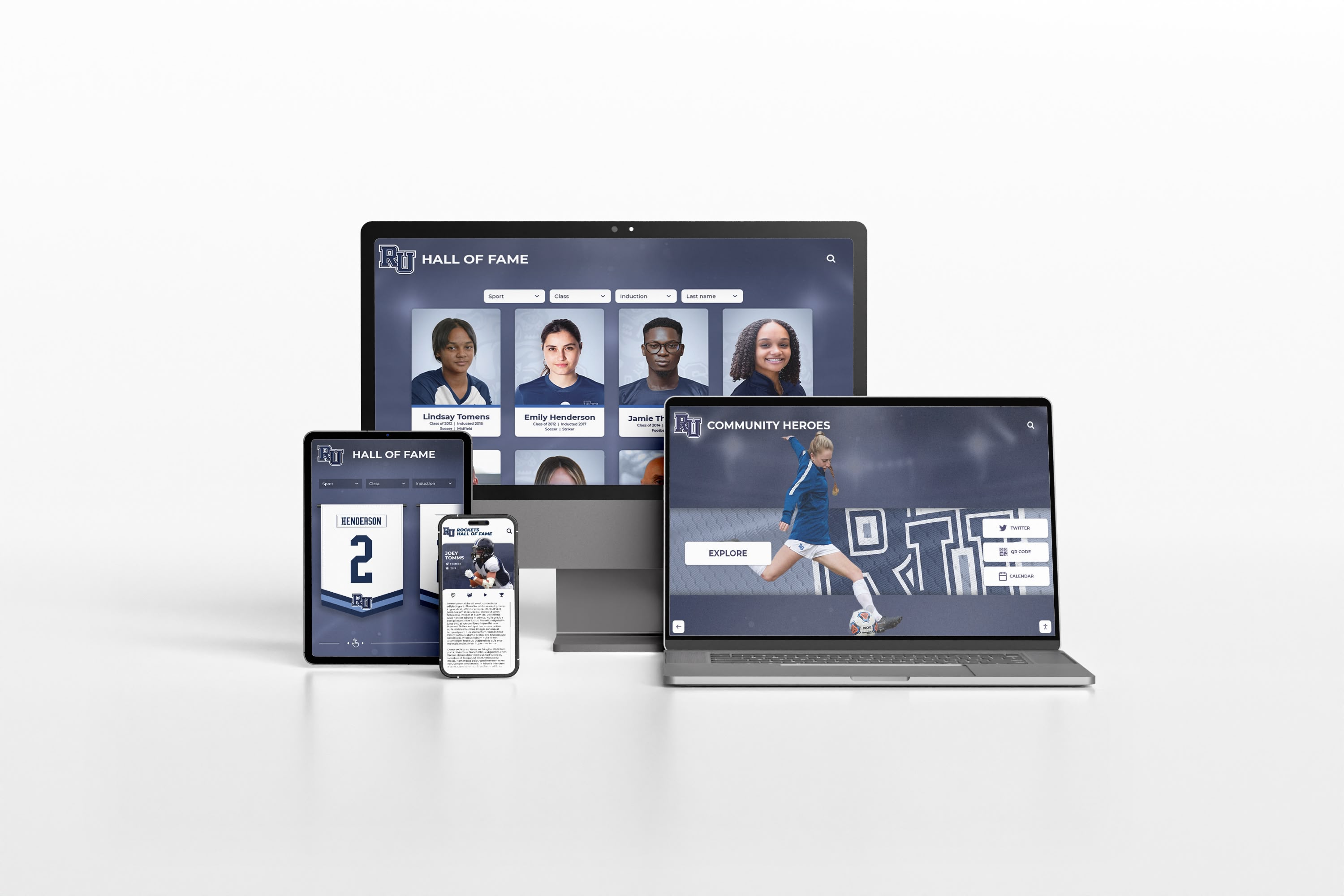
Modern systems make historical content accessible across devices, extending reach beyond physical displays
Content Sources for Daily Sports History Displays
Creating sustainable “today in sports history” programs requires systematic approaches to gathering and organizing historical athletic information.
Mining Existing School Records and Archives
Most schools possess substantial historical data that can be transformed into daily content.
Yearbook Historical Data School yearbooks provide comprehensive sports history:
- Team rosters with photos from every year published
- Season records and championship acknowledgments
- Individual athlete recognition and awards
- Coaching staff documentation across decades
- Action photos from games and competitions
Schools that have digitized old yearbooks can efficiently extract sports content for daily display rotation.
Athletic Department Records Official athletic records offer detailed achievement data:
- Game results and season schedules documenting dates of championships
- Individual statistical records with dates achievements occurred
- All-conference and all-state selections by year
- Tournament bracket results and playoff performances
- Facility dedication dates and building history
Local Newspaper Archives Community newspaper coverage provides rich historical context:
- Game recaps with specific date references and performance details
- Feature stories about notable athletes and memorable seasons
- Championship coverage including photos and quotes
- Historical context about community support and attendance
- Coaching change announcements and program milestone documentation
Alumni Contributions and Memory Collection Former athletes and coaches provide valuable historical information:
- Personal memories and stories from significant games
- Historical photos from personal collections
- Context about team culture and program traditions
- Details about achievements not formally documented
- Corrections to incomplete or inaccurate records
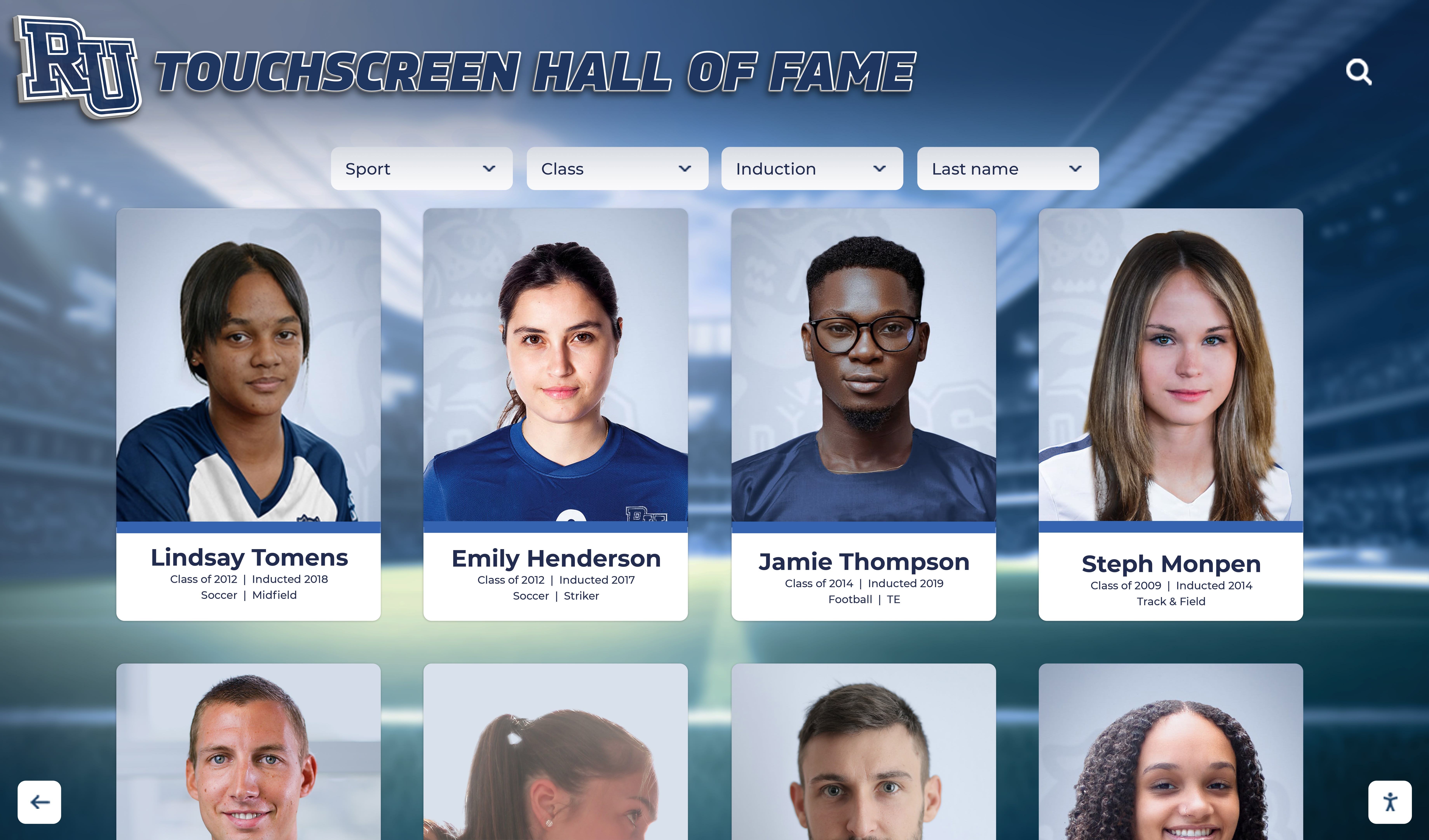
Comprehensive athlete profiles enable rich daily historical content highlighting individual achievements on their anniversaries
Building Structured Historical Databases
Organizing historical information systematically enables efficient daily content generation.
Essential Data Fields for Athletic History Effective databases capture key information:
- Date of achievement (month, day, year) enabling “on this day” features
- Sport and level (varsity, JV, freshman) for appropriate filtering
- Achievement type (championship, record, milestone, recognition)
- Individual athletes involved with graduation years
- Coaches and staff associated with achievement
- Opponent information and competition context
- Statistical details (scores, times, measurements)
- Photos and video if available
- Source documentation for verification
Database Structure Considerations
- Individual athlete records linked to multiple achievements
- Team records connecting full rosters to championships
- Coach records showing career achievements across years
- Season records capturing full year narratives
- Facility records documenting venue history and improvements
- Record progression showing how school records evolved over time
Ongoing Maintenance Approaches Sustainable systems require manageable update processes:
- Annual data entry following each athletic season
- Standardized forms coaches complete at season end
- Student manager responsibilities for data documentation
- Alumni verification and correction submission processes
- Periodic historical research projects filling gaps
- Integration with existing athletic management software when possible
Schools implementing comprehensive digital archives for athletic history create foundations supporting dynamic daily content for years.
Supplementing with Broader Sports History Context
While school-specific content forms the core, broader sports history provides additional engagement value.
Major Sports Anniversaries Significant dates in sports history create relevant connections:
- Olympic achievements relevant to school sports programs
- Professional sports milestones that inspire student-athletes
- Rule changes or innovations that shaped current competition
- Historical figures who attended schools in your state or region
- Championship games or performances that occurred on current date
This Day in State Athletics History State-level achievements provide regional context:
- State championship results from any school on current date
- State records set historically that still stand or have been broken
- State tournament memorable moments and upsets
- Significant rule or classification changes affecting state athletics
- State coaching legends’ career milestones
Educational Sports History Content Historical content can emphasize program values:
- Sportsmanship examples from historical competitions
- Overcoming adversity stories that inspire current athletes
- Team chemistry and culture examples from championship teams
- Academic excellence demonstrated by historical student-athletes
- Community service and leadership by former athletes
This broader context ensures content availability even for schools with limited documented history or newer programs.
Implementation Strategies for Daily Historical Content
Practical approaches make “today in sports history” features achievable for time-constrained athletic departments.
Manual Curation Approaches
Simple methods work for smaller programs or those beginning historical content initiatives.
Daily Content Selection Methods Basic approaches requiring minimal technology:
- Athletic director selects one historical highlight each morning to feature
- Monthly content calendar planned in advance during slower periods
- Student managers assigned responsibility for daily historical research
- Coach-submitted “throwback” content from their programs on rotation
- Alumni of the week or month providing historical context and photos
Simple Display Technologies Entry-level implementation options:
- Digital signage systems with manually updated slides
- Social media posts creating daily historical content
- Morning announcement integration highlighting daily sports history
- Email newsletters to athletes and families featuring “on this day” content
- Printed posters in locker rooms and athletic facilities updated weekly
Advantages of Manual Curation
- Low or no software costs for budget-constrained programs
- Complete control over content selection and messaging
- Ability to align historical content with current program needs
- Flexibility to feature specific achievements for motivation
- Personal touch through staff-written narratives
Limitations to Consider
- Significant ongoing time commitment for busy athletic staff
- Difficulty maintaining consistency during busy athletic seasons
- Limited scalability as historical database grows
- Challenge of avoiding repetition and ensuring comprehensive coverage
- Lack of interactive features for deeper exploration

Interactive systems let students and visitors explore sports history on-demand beyond automated daily features
Automated Content Rotation Systems
Technology-enabled approaches reduce ongoing workload while increasing content sophistication.
Cloud-Based Recognition Platforms Modern digital recognition systems offer automated historical content features:
- Algorithmic content selection based on current date
- Automatic anniversary calculations (5-year, 10-year, 25-year milestones)
- Seasonal relevance filtering showing championships from sports currently in season
- Comprehensive archives enabling search and filtering by year, sport, or athlete
- Mobile and web accessibility extending content beyond physical displays
- Analytics tracking which historical content generates most engagement
Content Management Capabilities Effective platforms provide administrator-friendly tools:
- Bulk import of historical data from spreadsheets or databases
- Scheduled content displays for specific dates or events
- Template-based profile creation accelerating data entry
- Media libraries storing photos and videos centrally
- Approval workflows for student-contributed content
- Version control and edit history for accuracy
Integration with Physical Displays Touchscreen kiosks and digital displays bring automated content to high-traffic areas:
- Lobby displays showing daily historical highlights automatically
- Athletic complex screens featuring sport-specific historical content
- Cafeteria displays reaching broader student populations
- Gymnasium walls showcasing relevant historical achievements during games
- Hallway screens outside athletic offices and locker rooms
Schools exploring touchscreen kiosk solutions can integrate historical content rotation with comprehensive athletic recognition.
Hybrid Approaches Combining Manual and Automated Elements
Many successful programs blend automation with strategic manual curation.
Automated Foundation with Manual Highlighting
- Automated system surfaces relevant historical content daily
- Athletic director selects most impactful item from options for primary display
- Manual additions emphasize particular achievements aligning with current needs
- Staff-written narratives supplement automated profile content
- Special features manually scheduled for major anniversaries or events
Student Involvement for Scalability Student participation reduces staff workload while providing educational opportunities:
- Student managers research and document current season achievements
- Broadcasting or journalism students write historical narratives
- Student government or NHS members conduct alumni interview projects
- Technology students assist with content management and display maintenance
- Athletes contribute personal reflections connecting to historical achievements
Seasonal Content Strategies Align historical content with athletic calendar:
- Pre-season: Historical team profiles and championship reminiscence
- During season: Records and achievements from current week in past years
- Playoffs: Historical tournament performances and championship teams
- Post-season: Individual athlete highlight as season concludes
- Off-season: Broader sports history and alumni accomplishment features
Content Refresh and Quality Control
Maintaining high standards ensures historical accuracy and professional presentation.
Verification Processes Establish procedures confirming historical accuracy:
- Cross-reference multiple sources for statistical records
- Alumni review and correction opportunities before publication
- Coaching staff verification for recent achievements
- Documentation requirements for claimed accomplishments
- Periodic audits of displayed content for accuracy
Photo and Media Quality Standards
- Minimum resolution requirements for digital display
- Photo restoration for historical images when needed
- Consistent cropping and formatting across profiles
- Appropriate image rights and usage permissions
- Alternative text for accessibility compliance
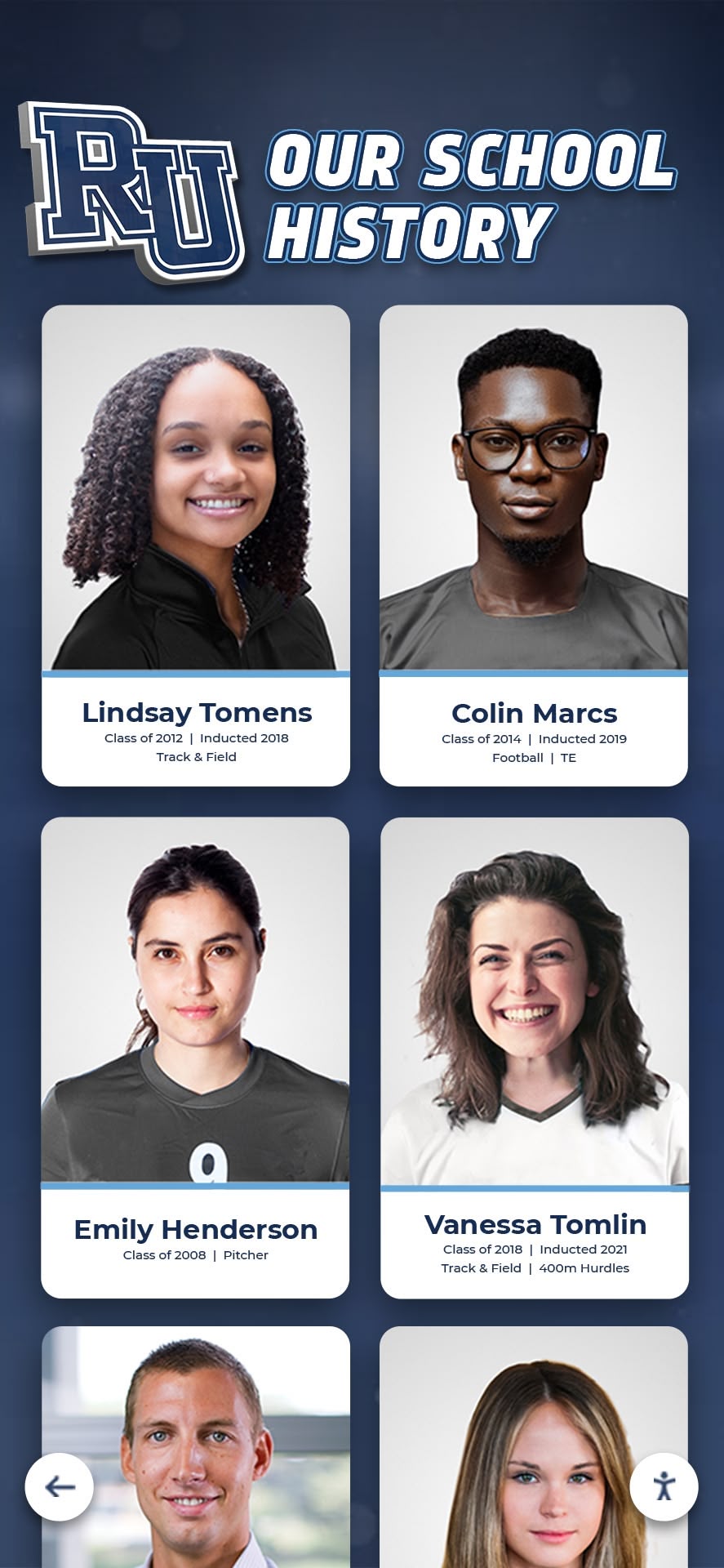
Consistent formatting and quality standards ensure professional presentation across decades of athletic history
Narrative Writing Guidelines
- Consistent voice and tone across all historical content
- Appropriate length for display formats (brief for rotation, detailed for on-demand)
- Emphasis on program values and character alongside achievements
- Inclusive language reflecting current standards
- Context explaining historical differences when relevant
Content Presentation Formats and Design Approaches
How historical content appears significantly impacts engagement and effectiveness.
Daily Highlight Display Formats
Single-Focus Daily Feature Dedicated space highlighting one historical achievement each day:
- Large format photo with athlete or team name prominently displayed
- Brief achievement description with date and context
- “On This Day” framing creating temporal connection
- Rotation to next highlight at midnight or scheduled interval
- Consistency creating habit of checking display daily
Multi-Achievement Daily Roundup Several historical highlights from current date:
- Multiple smaller profiles showing diverse achievements
- Organizational approach (by sport, by decade, by achievement type)
- Visual hierarchy emphasizing most significant achievement
- Comprehensive view showing rich institutional history
- More content variety appealing to diverse student interests
Slideshow Rotation Approach Cycling through multiple historical items throughout day:
- 30-60 second display duration per achievement
- Smooth transitions between historical highlights
- Incorporation of video clips when available
- Return to current information between historical features
- Engagement through constant motion and change
Programs implementing digital signage for schools can integrate historical content with announcements, schedules, and current recognition.
Interactive Exploration Features
Search and Filter Capabilities Enabling visitors to explore beyond automated daily features:
- Search by athlete name, sport, year, or achievement type
- Filtering options narrowing to relevant historical periods
- Browse by decade creating chronological exploration
- Sport-specific filtering showing comprehensive program history
- Record boards displaying progression across years
Deep Profile Pages Comprehensive information available on-demand:
- Extended athlete biographies beyond basic statistics
- Photo galleries showing multiple images and team pictures
- Related achievements and teammates linked for exploration
- Career trajectory information including college and beyond
- Video highlights embedded when available
Timeline and Chronological Views Visual representations of program history:
- Interactive timelines showing championships and milestones
- Decade-by-decade program summaries
- Record progression visualizations showing improvement over time
- Coaching eras and staff history
- Facility development and program growth narrative
Schools creating digital school history timelines often integrate athletic achievements as central components.
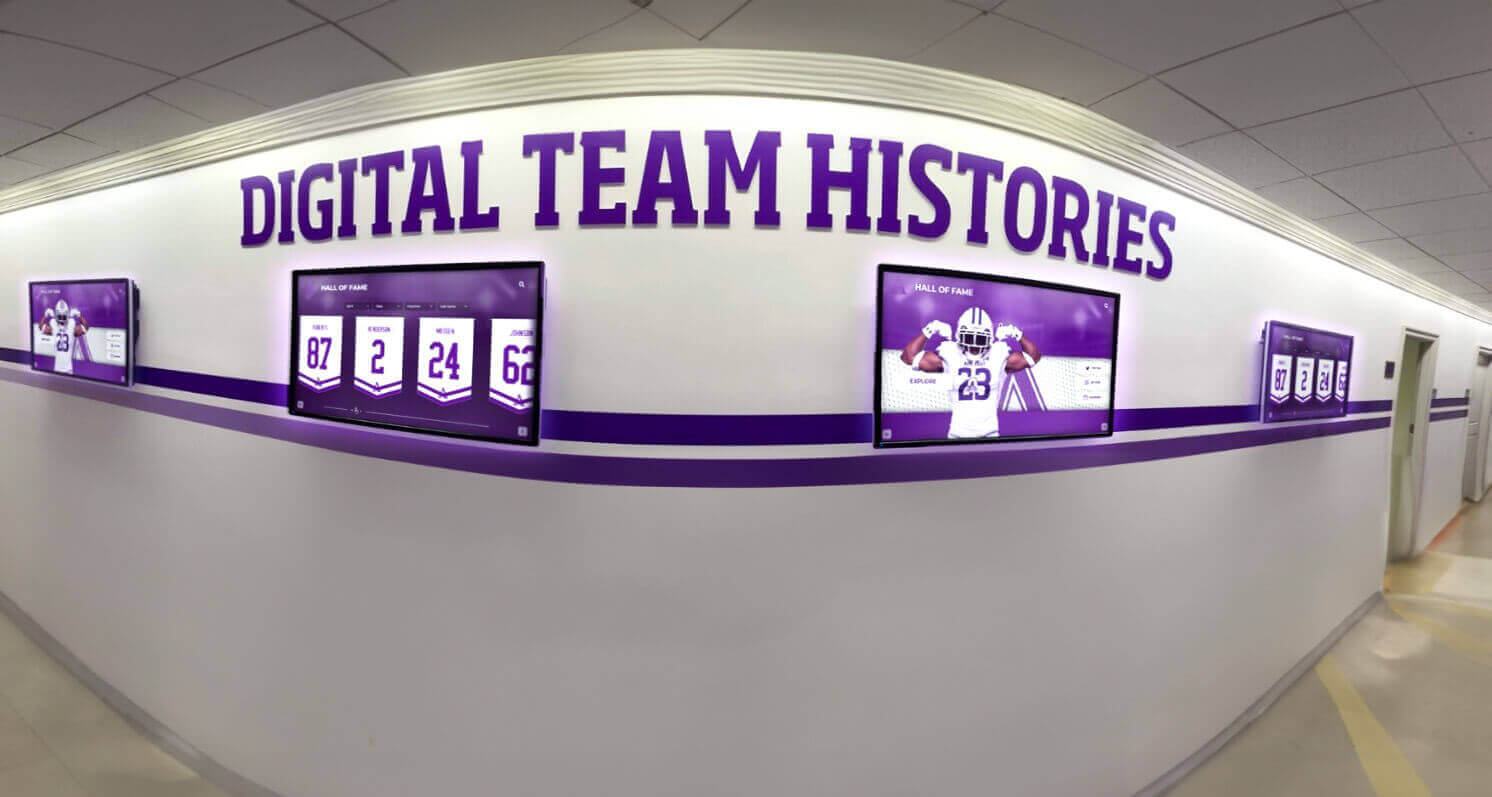
Multiple coordinated displays enable comprehensive historical storytelling across entire athletic programs
Mobile and Web Extensions
Beyond Physical Displays Extend historical content reach through digital channels:
- Mobile-optimized websites making content accessible anywhere
- QR codes near physical displays linking to deeper content
- Social media integration for daily historical posts
- Email newsletters featuring weekly historical highlights
- Alumni portal access enabling worldwide engagement
Social Sharing Features Enable community amplification:
- Share buttons letting athletes showcase their historical recognition
- Alumni sharing capabilities reconnecting graduates with achievements
- Parent sharing extending recognition visibility
- Embedding options for team websites and social media
- Download capabilities for personal use
Analytics and Engagement Tracking Understanding what content resonates:
- View counts showing which historical achievements attract attention
- Search query analysis revealing what visitors want to find
- Time-on-content metrics indicating engagement levels
- Device and location data showing reach beyond school
- Sharing and interaction tracking measuring amplification
Creating Engaging Historical Narratives
Raw data and statistics become meaningful through compelling storytelling.
Writing Effective Historical Content
Context and Significance Help viewers understand why achievements matter:
- Explain competitive context (strength of opponent, level of competition)
- Show how achievement fits within program history
- Connect to current standards and records
- Describe obstacles overcome or special circumstances
- Link to broader historical moment or cultural context
Character and Values Emphasis Historical content should reinforce program priorities:
- Highlight sportsmanship examples from competitive situations
- Showcase academic excellence alongside athletic achievement
- Emphasize team chemistry and collaborative success
- Demonstrate leadership and community contributions
- Connect athletic success to life skills and character development
Programs celebrating basketball awards and recognition can incorporate historical award winners and past honorees into daily content.
Accessibility and Inclusivity Ensure historical narratives serve all stakeholders:
- Language appropriate for diverse reading levels
- Explanations of sport-specific terminology or rules
- Historical context for how sports and rules have evolved
- Recognition of discontinued sports and changed programs
- Acknowledgment of equity progress and historical limitations
Incorporating Multimedia Elements
Photo Selection and Presentation Visual content dramatically increases engagement:
- Action shots showing athletic performance
- Team photos capturing group achievement
- Candid images revealing personality and program culture
- Historical photos providing temporal context
- Before/after comparisons showing facility or program evolution
Video Integration Moving images create powerful connections:
- Game footage of historical moments when available
- Interview clips with alumni reflecting on experiences
- Championship celebrations and emotional moments
- Coaching commentary providing context
- Video yearbook segments from historical years
Audio Elements Sound enhances storytelling when used appropriately:
- Radio call recreations of memorable plays or games
- Alumni voice recordings sharing personal reflections
- Period-appropriate music establishing historical atmosphere
- Coach interviews from archived media
- Crowd noise or ambient sound from historical events
Measuring Impact and Continuous Improvement
Evaluation ensures “today in sports history” programs achieve intended outcomes.
Engagement Metrics and Assessment
Quantitative Measures Data-driven insights into program effectiveness:
- Display interaction frequency and duration
- Search and filter usage patterns
- Content view counts by achievement type
- Mobile and web traffic analytics
- Social media engagement and sharing rates
- Comparison of engagement before and after historical content implementation
Qualitative Feedback Understanding stakeholder perspectives:
- Student-athlete surveys about motivation and connection to history
- Alumni feedback about historical accuracy and inclusivity
- Coach observations about impact on team culture
- Parent and family responses to historical content
- Visitor comments and engagement observations
- Media and community reactions to historical features
Achievement Outcome Correlations Connecting historical content to program performance:
- Current athlete performance in relation to historical standards
- Record-breaking frequency after implementation
- Student-athlete retention and program commitment
- Alumni engagement levels and donation patterns
- Prospective athlete and family responses during recruitment
Continuous Content Enhancement
Filling Historical Gaps Systematic improvement of historical coverage:
- Identify underrepresented sports, eras, or achievement types
- Prioritize research into documented but undigitized periods
- Conduct targeted alumni outreach for missing information
- Collaborate with local historical societies or libraries
- Create student research projects addressing specific gaps
Technology Updates and Improvements Maintain current functionality and features:
- Software updates enabling new capabilities
- Hardware refresh maintaining professional appearance
- User interface improvements based on usage patterns
- Accessibility enhancements meeting evolving standards
- Integration with new platforms or communication channels
Content Quality Improvements Ongoing refinement of historical narratives:
- Enhanced photos through restoration or higher-resolution scans
- Expanded narratives incorporating newly discovered information
- Video creation from historical still photos when moving footage unavailable
- Alumni interview projects adding personal dimension
- Cross-linking related achievements creating richer context
Programs implementing athletic banquet recognition can feature historical banquet highlights and past award recipients as “today in history” content.
Budget Considerations and Resource Planning
Understanding costs enables realistic planning and sustainable implementation.
Implementation Cost Ranges
Basic Manual Approach Minimal financial investment with staff time commitment:
- Free or low-cost digital signage software: $0-500 annually
- Existing display hardware: $0 (repurpose existing screens)
- Student or staff time for content creation: minimal budget impact
- Social media platforms: free
- Basic graphic design tools: $0-100 annually
- Total annual investment: $0-600 plus staff/student time
Mid-Range Automated System Moderate investment for more sophisticated features:
- Cloud-based content management platform: $500-2,000 annually
- Commercial digital display screen (55"-65"): $800-2,500
- Mounting and installation: $200-800
- Initial content development and historical research: $500-2,000
- Ongoing content creation and management: minimal with automation
- Total first-year investment: $2,000-8,000; subsequent years $500-2,000
Comprehensive Recognition Platform Full-featured interactive touchscreen systems:
- Interactive touchscreen display (55"-86"): $3,000-8,000
- Professional content management software: $1,000-3,000 annually
- Installation and setup: $500-2,000
- Comprehensive historical content development: $2,000-5,000
- Web and mobile platform access: included in software
- Training and support: typically included
- Total first-year investment: $6,500-18,000; subsequent years $1,000-3,000
Funding Strategies
Athletic Budget Allocation
- Capital equipment line items for display hardware
- Technology budget for software subscriptions
- Recognition and awards budget for content development
- Coaching stipends for content curation if appropriate
- Marketing and communications budget for broader historical promotion
Booster Club and Alumni Support
- Fundraising campaigns specifically for athletic recognition technology
- Memorial gifts honoring deceased athletes or coaches through historical displays
- Reunion class donations supporting historical preservation
- Corporate sponsorships offsetting software or hardware costs
- Naming opportunities for recognition displays or historical archives
Grant and External Funding
- Education foundation grants for technology implementation
- Community foundation support for historical preservation
- Corporate giving programs supporting youth athletics
- Crowdfunding campaigns for specific recognition projects
- Equipment donation programs from technology companies
Schools evaluating trophy display case options should consider long-term value of digital systems enabling dynamic historical content.
Common Mistakes to Avoid
Learning from others’ experiences prevents predictable challenges.
Content Development Pitfalls
Insufficient Historical Research
- Publishing inaccurate dates or statistics damaging credibility
- Claiming achievements without verification
- Incomplete rosters or missing athlete names
- Incorrect photo attributions creating embarrassment
- Overlooking contradictory source documentation
Unbalanced Historical Coverage
- Over-representing recent decades while neglecting earlier history
- Focusing exclusively on championship teams while ignoring individual excellence
- Male athlete over-representation due to historical documentation bias
- Popular sports receiving disproportionate attention
- Coaching and contributor achievements overlooked in favor of athletes
Poor Content Quality
- Low-resolution photos appearing pixelated on displays
- Inconsistent formatting creating unprofessional appearance
- Grammatical errors or typos in historical narratives
- Incomplete information leaving viewers wanting context
- Overly long or complex text inappropriate for display format
Technical Implementation Issues
Inappropriate Hardware Selection
- Consumer-grade displays failing after extended daily operation
- Screen sizes too small for viewing distance
- Non-commercial displays lacking required connectivity
- Inadequate brightness making content invisible in bright spaces
- Missing touchscreen capability limiting interaction options
Software Limitations
- Platforms lacking sufficient customization capabilities
- Systems requiring ongoing technical expertise beyond staff capacity
- Limited content capacity forcing difficult choices about what to include
- Poor mobile optimization reducing accessibility
- Inadequate administrative controls creating management difficulties
Poor Placement Decisions
- Low-traffic locations minimizing visibility and impact
- Viewing angles creating glare or reflection problems
- Height inappropriate for student-athlete populations
- Insufficient space for groups to gather and explore
- Competing visual information reducing attention to displays
Future Trends in Sports History Digital Displays
Understanding emerging technologies helps schools plan for long-term relevance.
Artificial Intelligence and Personalization
AI-Powered Content Curation
- Automated historical research identifying achievements from document scanning
- Natural language processing extracting sports information from digitized newspapers
- Personalized content recommendations based on viewer sports interests
- Predictive analytics suggesting which historical content will engage current athletes
- Automated narrative generation creating compelling stories from statistical data
Conversational Interfaces
- Voice-activated displays enabling spoken queries about sports history
- Chatbot interfaces answering questions about athletic achievements
- Virtual assistant guides walking visitors through historical eras
- Natural language search replacing traditional filter interfaces
- Audio descriptions for accessibility automatically generated
Augmented and Virtual Reality Integration
AR Historical Experiences
- Mobile apps overlaying historical photos onto current facility locations
- Virtual trophy cases accessible through smartphone cameras
- Historical athlete “appearances” through AR technology
- Interactive timelines users walk through physically
- Championship game recreations in current facilities
VR Immersive History
- Virtual reality experiences of historical games and performances
- 360-degree historical facility tours showing evolution over time
- Immersive championship celebration recreations
- First-person athlete perspective experiences
- Historical locker room and coaching environments preserved virtually
Enhanced Social Integration
Community Contribution Platforms
- Alumni-submitted historical content and corrections
- Crowdsourced photo and document digitization
- Collaborative historical research projects
- Social media integration amplifying daily historical features
- Community forums discussing and adding context to achievements
Connection Between Historical and Current Athletes
- Alumni mentor matching based on sport and position
- Historical athlete video messages to current teams
- Legacy tracking showing connections between historical and current athletes
- Family athletic lineage features connecting generations
- Reunion opportunities coordinated through recognition platforms
Conclusion: Making Every Day an Opportunity to Celebrate Athletic Excellence
“Today in sports history” content transforms athletic recognition from static acknowledgment into dynamic storytelling that keeps program traditions alive and visible daily. When schools systematically highlight historical achievements aligned with current dates, anniversaries, and seasons, they create compelling reasons for students, families, and community members to engage with athletic displays regularly rather than walking past unchanged trophy cases without noticing.
The strategies explored in this guide provide frameworks for implementation across various resource levels—from simple manual curation requiring minimal investment to sophisticated automated systems with comprehensive interactive features. Regardless of approach, the fundamental principle remains consistent: daily historical content creates ongoing value from past achievements while connecting current student-athletes to the legacy they’re building.
Schools beginning with basic approaches can expand systematically as resources permit and as they understand what content resonates most with their communities. The most important step is starting—gathering historical information, establishing basic presentation systems, and creating sustainable processes for ongoing content development and display.
Modern digital display technologies make comprehensive “today in sports history” programs achievable for athletic departments of all sizes. Cloud-based content management platforms eliminate technical barriers while providing automated content rotation, mobile accessibility, and interactive exploration capabilities that traditional trophy cases and static plaques cannot match.
Effective historical content extends far beyond dates and statistics—it reinforces program values, inspires current performance, strengthens alumni connections, preserves institutional memory, and demonstrates that athletic departments value every achievement regardless of how long ago it occurred. These daily historical touchpoints create rich program cultures where student-athletes understand themselves as part of continuing traditions rather than isolated moments.
Your school’s athletic history deserves more than storage boxes and outdated filing cabinets. With systematic historical research, thoughtful content strategies, appropriate technology platforms, and commitment to daily engagement, you can transform decades of athletic excellence into living traditions that inspire current athletes while honoring those who established your program’s foundation.
Ready to create engaging “today in sports history” content for your athletic program? Explore modern digital recognition solutions that make dynamic historical content achievable with automated rotation, unlimited capacity, and comprehensive content management capabilities—transforming every day into an opportunity to celebrate your athletic legacy.