Texas high school football represents far more than Friday night entertainment. In communities across the Lone Star State, football programs build identity, unite towns, and create traditions spanning generations. Nowhere does this cultural significance manifest more dramatically than during the Texas high school football state championship playoffs, where hundreds of teams compete for the ultimate recognition: a state title that defines programs and creates lifelong memories.
For schools navigating this playoff system—whether competing for the first time or continuing championship traditions—understanding the structure, timeline, and recognition opportunities helps maximize the experience while building program legacies. Championship runs create stories worth preserving, and successful programs find meaningful ways to honor these achievements permanently.
This comprehensive guide explores the Texas high school football state championship playoff system, from conference structures and qualification pathways to championship game traditions and modern solutions for commemorating achievements that define communities.
The University Interscholastic League (UIL), Texas’s governing body for high school athletics, oversees one of the nation’s most comprehensive playoff systems. With more than 1,400 schools competing across six conferences and multiple divisions, the path to state championships involves weeks of intense competition culminating in games at iconic venues that attract tens of thousands of fans.
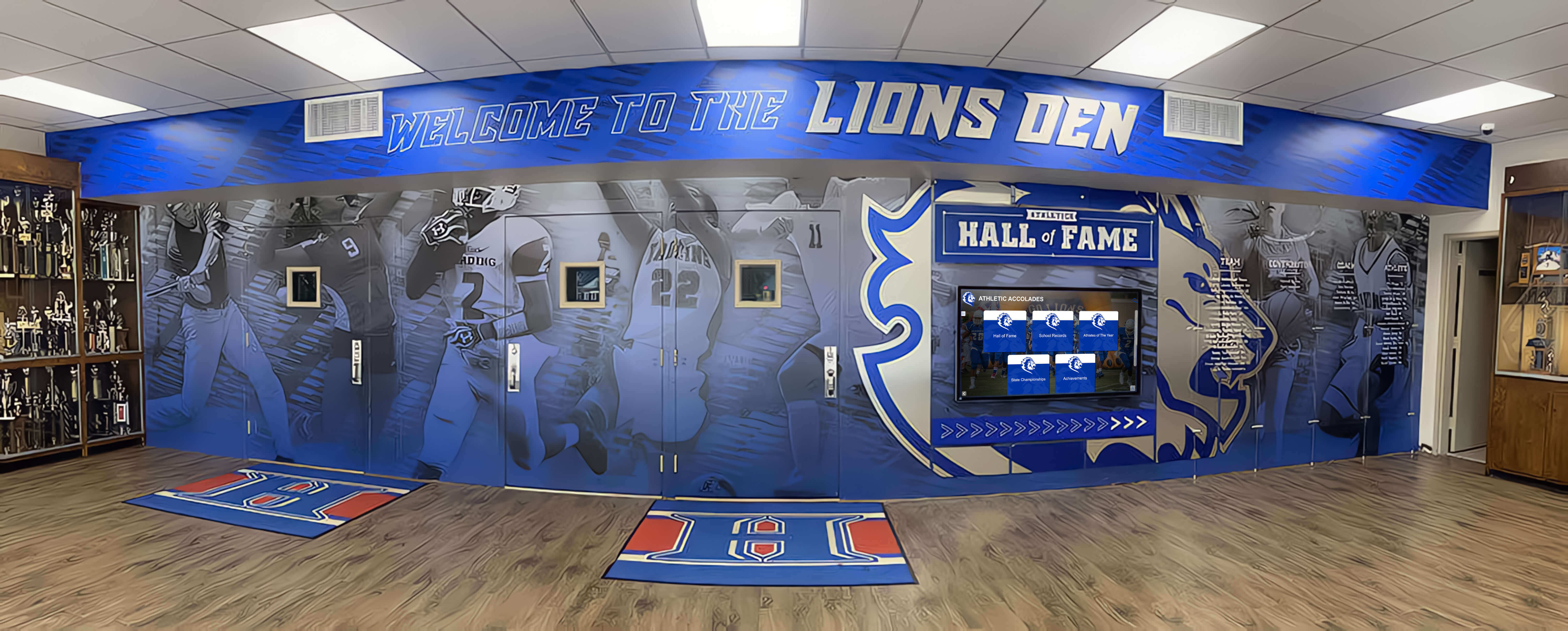
Championship achievements deserve permanent recognition celebrating teams that reached the pinnacle of Texas high school football
Understanding the UIL Conference System
Texas high school football’s complexity begins with its conference classification structure, which ensures schools compete against similarly-sized institutions.
Conference Classifications Explained
The UIL divides schools into six conferences based on enrollment:
Conference 6A (Largest Schools)
- Schools with enrollments typically above 2,200 students
- Two divisions (Division I and Division II) based on enrollment cutoff within 6A range
- Most competitive level featuring Dallas, Houston, Austin, and San Antonio suburban powerhouses
- Championship games held at AT&T Stadium in Arlington
- Programs often feature 100+ players with extensive coaching staffs
Conference 5A
- School enrollments generally between 1,060 and 2,220 students
- Two divisions separating larger and smaller 5A schools
- Includes major suburban schools and some urban programs
- Competitive balance rivals 6A in many regions
- Championship games also hosted at AT&T Stadium
Conference 4A Through 1A
- 4A: Enrollments roughly 465-1,060 students
- 3A: Enrollments approximately 225-465 students
- 2A: Enrollments around 105-225 students
- 1A: Smallest schools with under 105 students
- Each conference typically split into two divisions
- Rural communities where football often serves as primary social gathering
- Championships hosted at various venues including AT&T Stadium for larger classifications
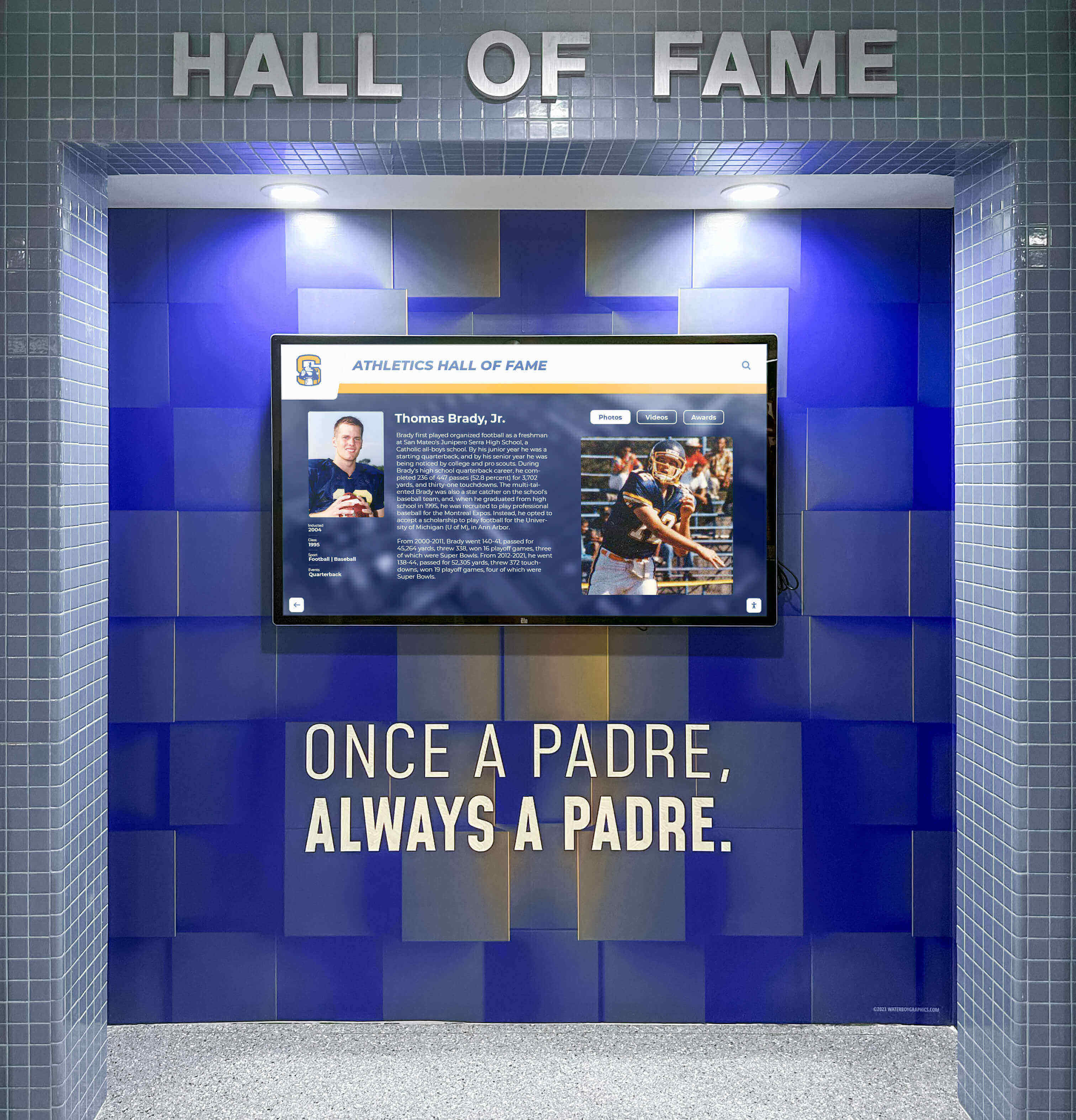
Modern displays help schools showcase playoff runs and championship achievements across all classifications
Division Structure Within Classifications
Most conferences split into Division I and Division II based on enrollment within each classification:
Division Determination
- Division I: Larger half of schools within each classification
- Division II: Smaller half of schools within each classification
- Separate playoff brackets and championships for each division
- Prevents enrollment disparities within already-defined classifications
- Doubling of championship opportunities across the state
This structure creates 12 distinct state championship games annually (six classifications with two divisions each), ensuring schools compete against similarly-resourced programs throughout playoff runs.
Schools developing fall sports state championships recognition programs benefit from understanding how these classification systems create multiple pathways to championship success.
The Texas High School Football Playoff Structure
Understanding playoff mechanics helps schools, players, and fans navigate the path from district competition to state championship games.
District Play and Playoff Qualification
The regular season establishes playoff positioning through district competition:
District Organization
- Schools grouped geographically into districts of 6-8 teams within their conference
- Round-robin district schedules determining standings
- Non-district games scheduled before or interspersed with district competition
- District standings determine playoff seeding and qualification
Playoff Qualification Standards
- Top four teams from each district qualify for playoffs in most conferences
- Some conferences advance only top three or all district teams depending on geographic considerations
- District champions receive higher seeding advantages
- Tiebreaker procedures determine seeding when teams finish with identical district records
Bi-District Round District champions and runners-up typically receive favorable first-round matchups against lower seeds from adjacent districts, while third and fourth-place teams face tougher initial opponents.
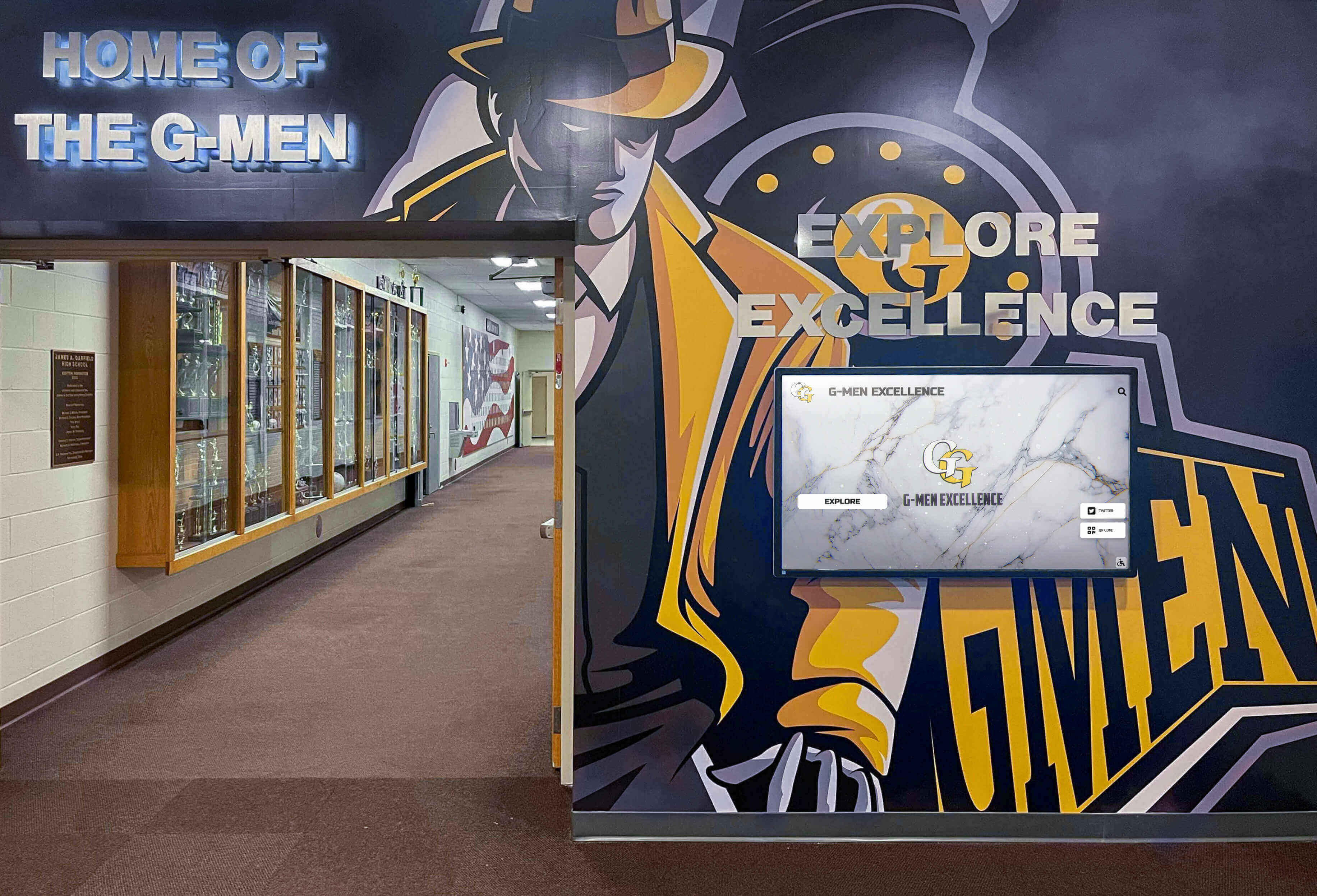
Championship banners and playoff recognition displays preserve program achievements throughout school facilities
Playoff Round Structure
Texas high school football playoffs progress through multiple elimination rounds:
Playoff Round Progression
The playoff bracket structure varies slightly by conference size, but generally follows this pattern:
- Bi-District Round (First Round): District champions and qualifiers from adjacent districts meet
- Area Round (Second Round): Bi-district winners advance
- Regional Round (Third Round/Quarterfinals): Field narrows to eight teams per division
- Regional Finals (Fourth Round/Semifinals): Four teams remaining compete for state championship berths
- State Championship Game: Two finalists compete for state title
Game Scheduling and Neutral Sites
- Higher seeds typically host early playoff rounds through regional semifinals
- Regional finals and championships played at neutral sites
- Games scheduled Friday or Saturday depending on venue availability
- Thanksgiving weekend traditionally features regional semifinals
- State championship games held in December
State championship trophy case displays help schools showcase the playoff journey leading to championship victories.
Championship Venues and Traditions
AT&T Stadium Championships Since 2010, the majority of Texas high school football state championships have been contested at AT&T Stadium in Arlington, home of the Dallas Cowboys:
- World-class facility creating unforgettable championship experience
- Capacity exceeding 80,000 providing massive stages for title games
- Multiple championship games scheduled across consecutive days in December
- Video boards, professional amenities, and atmosphere rivaling college venues
- Championship week festivities creating celebration beyond individual games
Alternative Championship Locations Some classifications and divisions hold championships at:
- NRG Stadium in Houston
- Alamodome in San Antonio
- Legacy Stadium and other Texas venues
- Smaller conferences may utilize college or high school stadiums
The championship venue experience creates memories that schools commemorate through permanent recognition displays celebrating teams that reached these prestigious stages.
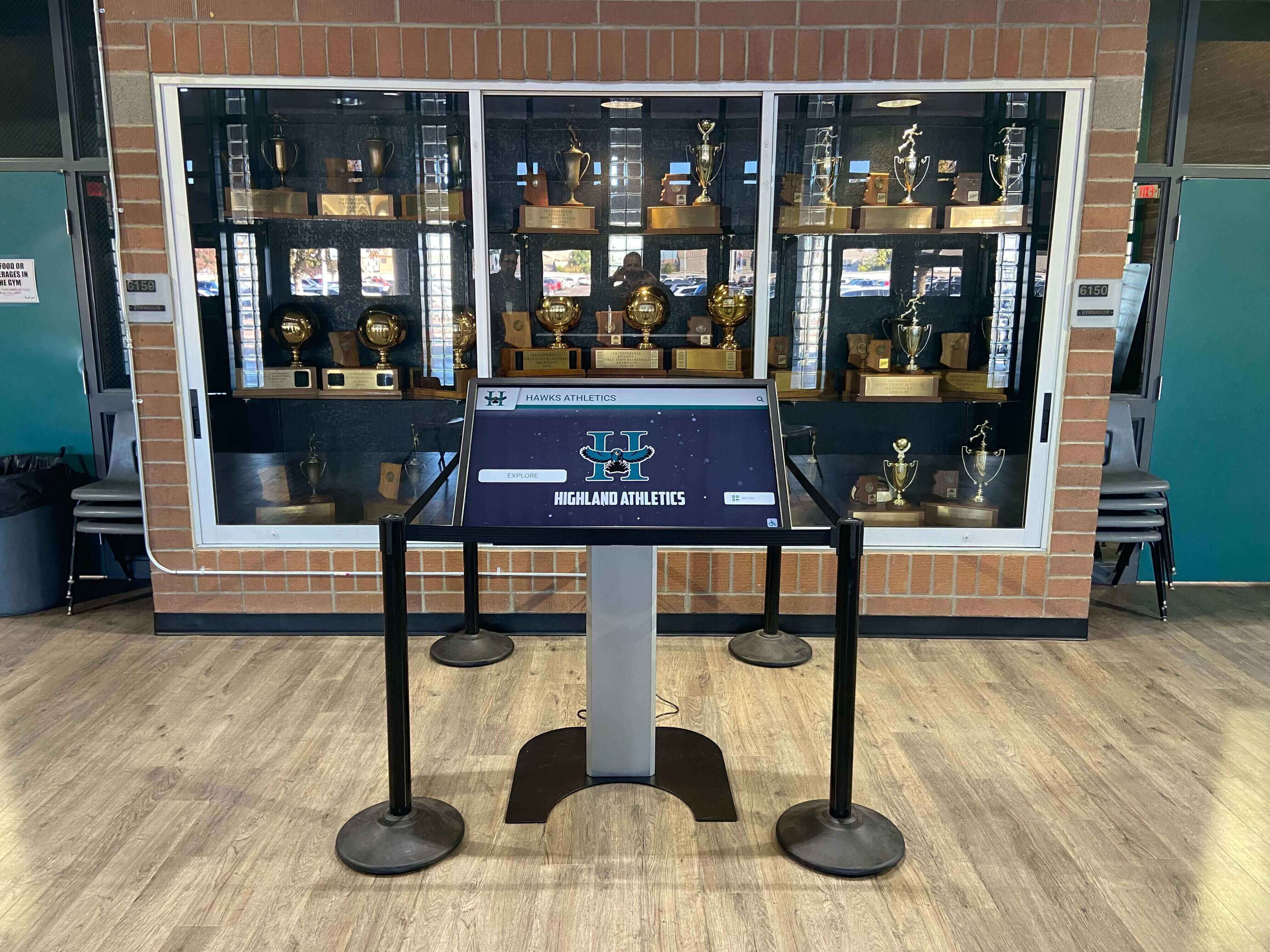
Interactive recognition systems enable exploration of complete playoff histories and championship rosters
Regional Powerhouses and Historical Dominance
Texas high school football history reveals programs with sustained excellence and championship pedigree.
Programs With Multiple State Championships
Several Texas programs have built dynasties with numerous state titles:
Legendary Championship Programs
- Aledo Bearcats (Class 5A/4A): Multiple state championships in recent decades
- Carthage Bulldogs (Class 4A): Sustained excellence with numerous titles
- Canadian Wildcats (Small School): Dominant small-school program
- Katy Tigers (Class 6A): Suburban Houston powerhouse with championship tradition
- Highland Park Scots (Class 5A): Dallas-area program with multiple recent titles
- Southlake Carroll Dragons (Class 6A/5A): Early 2000s dynasty setting standards
These programs demonstrate that championship success requires sustained commitment extending beyond individual seasons.
Geographic Strongholds
Football excellence concentrates in certain Texas regions:
Dallas-Fort Worth Metroplex
- Dense concentration of large-school powers
- Intense competition producing playoff-tested teams
- Suburban growth creating well-resourced programs
- Historic rivalries dating generations
Houston Area
- Large-school dominance in 6A and 5A
- Urban and suburban programs with deep talent pools
- Championship tradition across multiple classifications
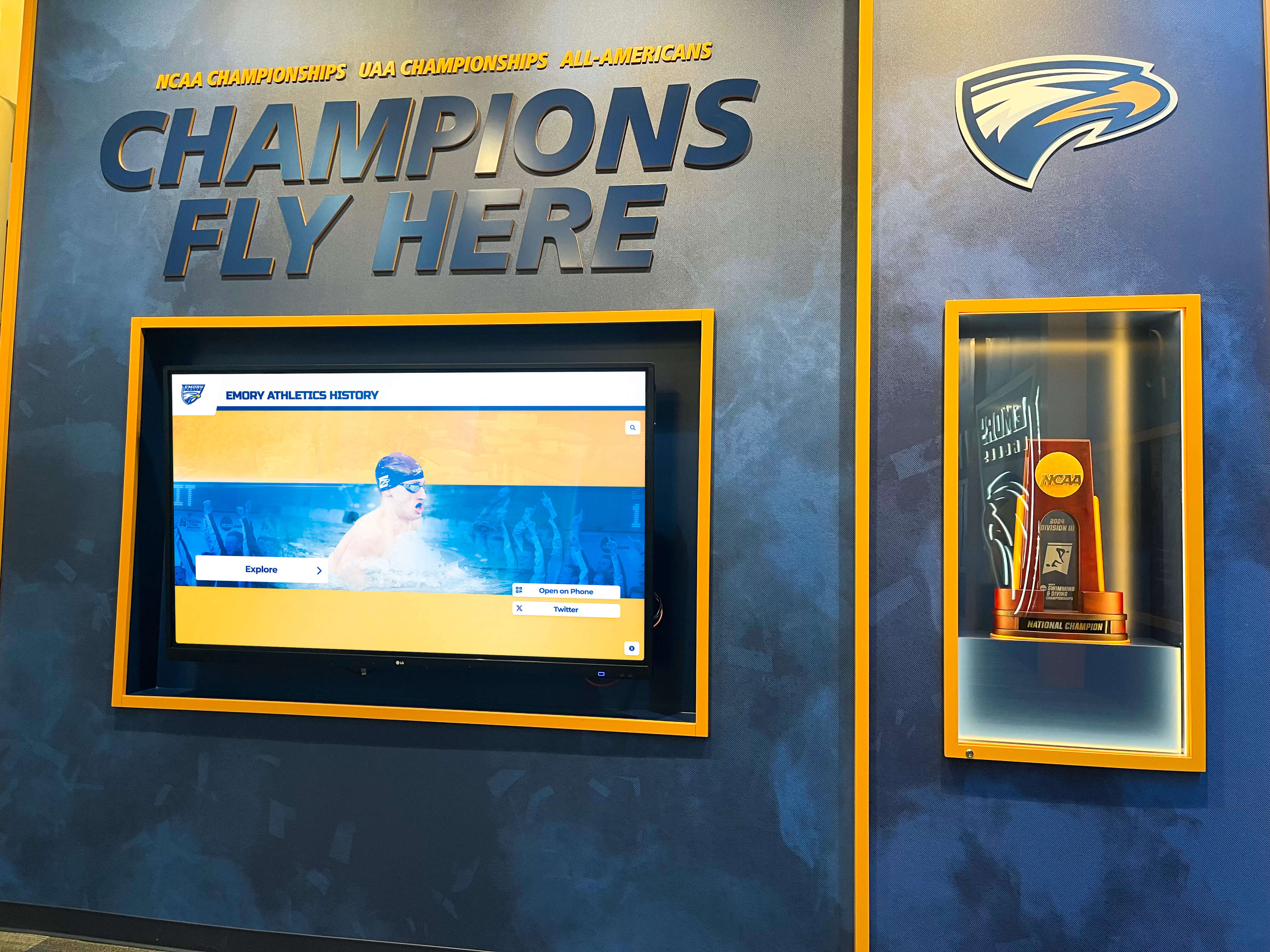
Championship recognition displays honor both team achievements and individual contributors
Small Town Texas Football
- Communities where football defines identity
- Classifications 1A through 3A producing passionate fan bases
- Programs where entire towns travel for playoff games
- Championships impacting communities for generations
Understanding regional dynamics helps schools benchmark success and identify competitive standards within their areas.
Schools celebrating athletic achievement awards benefit from examining how championship programs commemorate playoff success.
Notable Texas High School Football Traditions
Championship playoff runs incorporate traditions unique to Texas football culture.
Mum Traditions
Homecoming and Playoff Mums Texas high school football features elaborate mum traditions:
- Oversized chrysanthemum corsages worn by students
- Playoff mums growing larger with each round advancement
- Ribbons documenting team accomplishments and opponent victories
- Community fundraising through mum sales
- Visual representation of school spirit throughout playoffs
Community Support and Travel
Playoff Game Attendance Texas communities demonstrate unmatched support during playoff runs:
- Thousands traveling hundreds of miles for neutral site games
- Businesses closing early allowing employees to attend
- Community buses organized for fan transportation
- Local media providing extensive coverage
- Alumni returning for playoff games regardless of distance
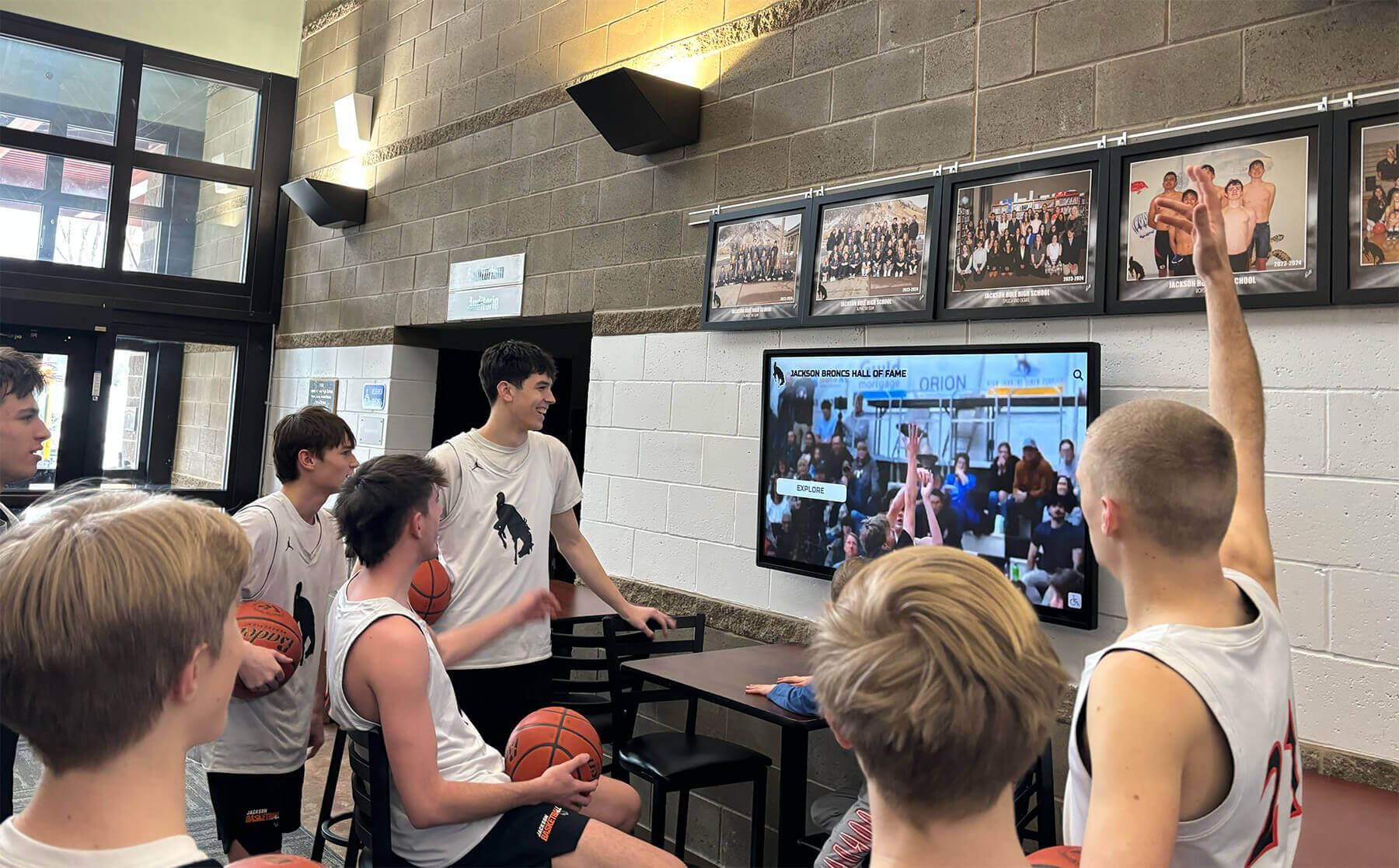
Digital displays enable students and community members to relive playoff highlights and championship moments
Pep Rallies and Spirit Activities
Playoff Week Traditions Schools amplify spirit activities during playoff weeks:
- Extended pep rallies featuring community participation
- Local business window painting supporting teams
- School spirit week activities intensifying with playoff advancement
- Community send-offs when teams depart for away games
- Homecoming celebrations after championship victories
These traditions create memories extending beyond game outcomes while reinforcing football’s cultural importance.
Preparing Your Team for Playoff Competition
Successful playoff runs require preparation extending beyond physical conditioning.
Mental Preparation and Pressure Management
Handling Championship Expectations
- Recognition that playoff pressure differs from regular season
- Emphasis on process over outcome reducing anxiety
- Experience sharing from programs with championship history
- Building confidence through preparation and film study
- Managing external expectations from community and media
Week-to-Week Focus Championship teams avoid looking beyond immediate opponents:
- Single-game mentality preventing distractions
- Film study emphasizing current opponent preparation
- Practice intensity matching game importance
- Team meetings reinforcing present focus
- Avoiding championship talk until reaching title game
Physical Preparation Considerations
Managing Injury and Fatigue Extended playoff runs test team depth and health:
- Training staff managing accumulated injuries
- Depth chart preparation ensuring backup readiness
- Practice modifications balancing preparation with recovery
- Nutrition and hydration emphasis
- Sleep and recovery protocols
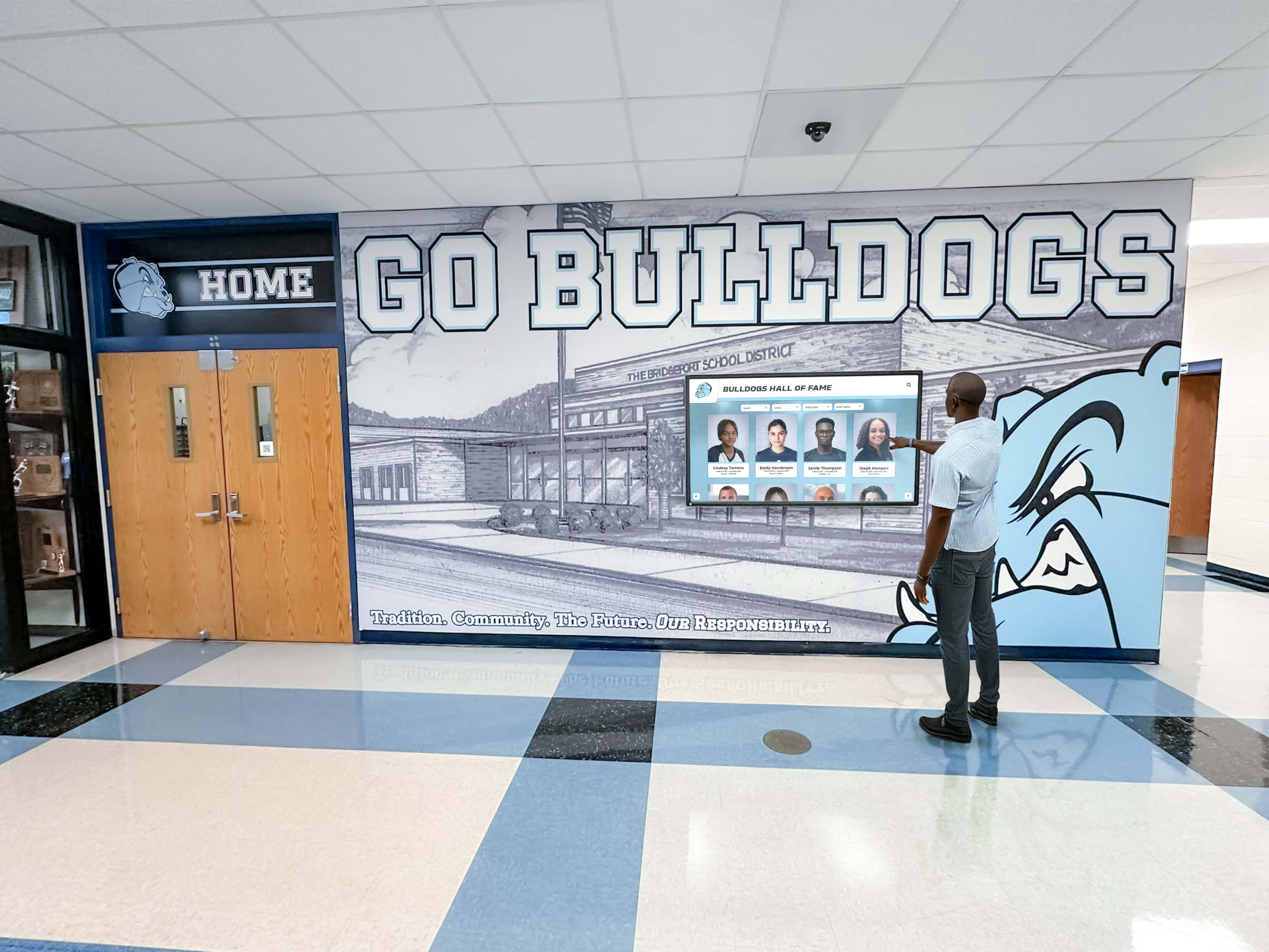
Recognition programs inspire current players while honoring those who contributed to championship traditions
Weather Considerations December championship games face variable Texas weather:
- Cold weather preparation for potential conditions
- Equipment adjustments for weather scenarios
- Practice modifications simulating expected conditions
- Contingency planning for extreme weather
- Uniform options appropriate for temperatures
Comprehensive preparation creates confidence enabling teams to perform at championship levels when pressure peaks.
Programs documenting sportsmanship award recognition emphasize that playoff success requires character matching athletic ability.
Commemorating Championship Achievements
State championship victories and deep playoff runs deserve permanent recognition celebrating team accomplishments.
Traditional Recognition Methods
Championship Banners and Displays Schools traditionally commemorate championships through:
- Championship banners hung in gymnasiums or field houses
- Trophy cases displaying state championship trophies
- Engraved plaques listing championship team rosters
- Painted end zones or field decorations
- Stadium signage documenting championship years
Individual Player Recognition
- Championship rings for players and coaches
- Letterman jacket patches designating championships
- Individual plaques or certificates
- Team photos distributed to participants
- Senior night recognition highlighting championship contributions
Space and Update Challenges
Traditional recognition faces significant limitations:
Physical Space Constraints
- Trophy cases filling quickly limiting future display capacity
- Wall space for banners eventually exhausted
- No room to add context or extended information
- Difficult to showcase complete rosters and statistics
- Historical championships removed to accommodate recent achievements
Maintenance and Update Difficulties
- Engraved plaques expensive to produce and replace
- Banners deteriorating requiring replacement
- Static displays impossible to update with player achievements
- Limited ability to connect championships across years
- No way to share stories and memories from championship seasons
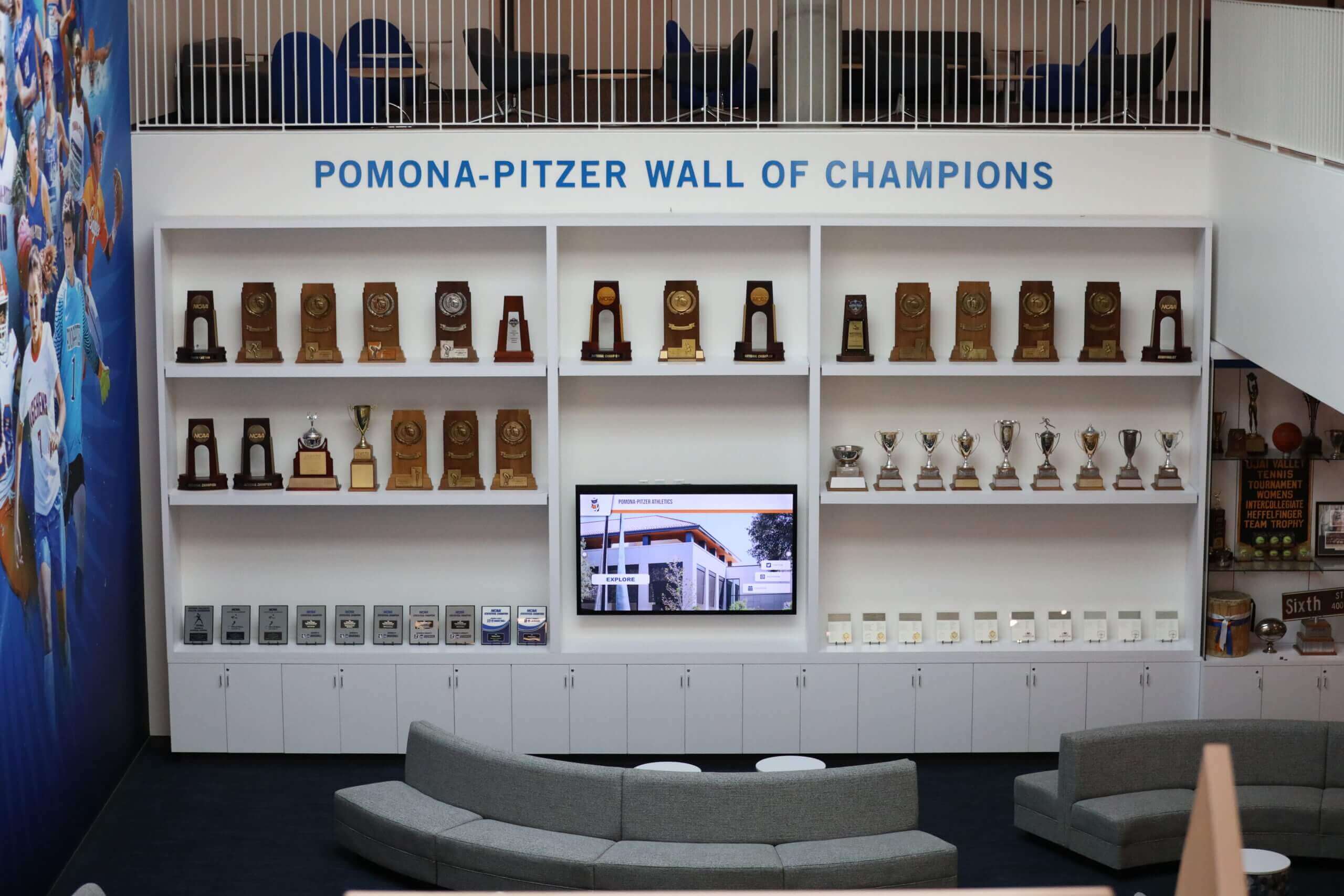
Dedicated recognition spaces honor championship achievements while providing areas for community gathering
Modern Digital Recognition Solutions
Solutions like digital recognition displays address traditional limitations while amplifying recognition impact.
Unlimited Recognition Capacity Digital systems eliminate space constraints:
- Single touchscreen displays unlimited championship teams and playoff runs
- Complete rosters with individual player profiles and photos
- Comprehensive statistics and game-by-game playoff results
- Historical archives preserving every championship season
- Video highlights and photo galleries impossible with static displays
- Season narratives providing context beyond scores
Interactive Exploration Features Modern systems enable engagement impossible with plaques:
- Search functionality finding specific players, years, or opponents
- Filtering championships by classification, decade, or coach
- Individual player pages showing career statistics and achievements
- Championship game recaps with scoring summaries
- Photo galleries from playoff runs and title celebrations
- QR codes enabling mobile access to complete content
Simple Remote Management Cloud-based content management eliminates update challenges:
- Add new championships immediately after games
- Update player information as achievements accumulate
- Correct errors or add information easily
- Schedule content displays for homecoming or reunions
- Manage content from any internet-connected device
- No technical expertise required for updates
Schools implementing digital hall of fame displays report substantially higher community engagement compared to traditional static recognition approaches.
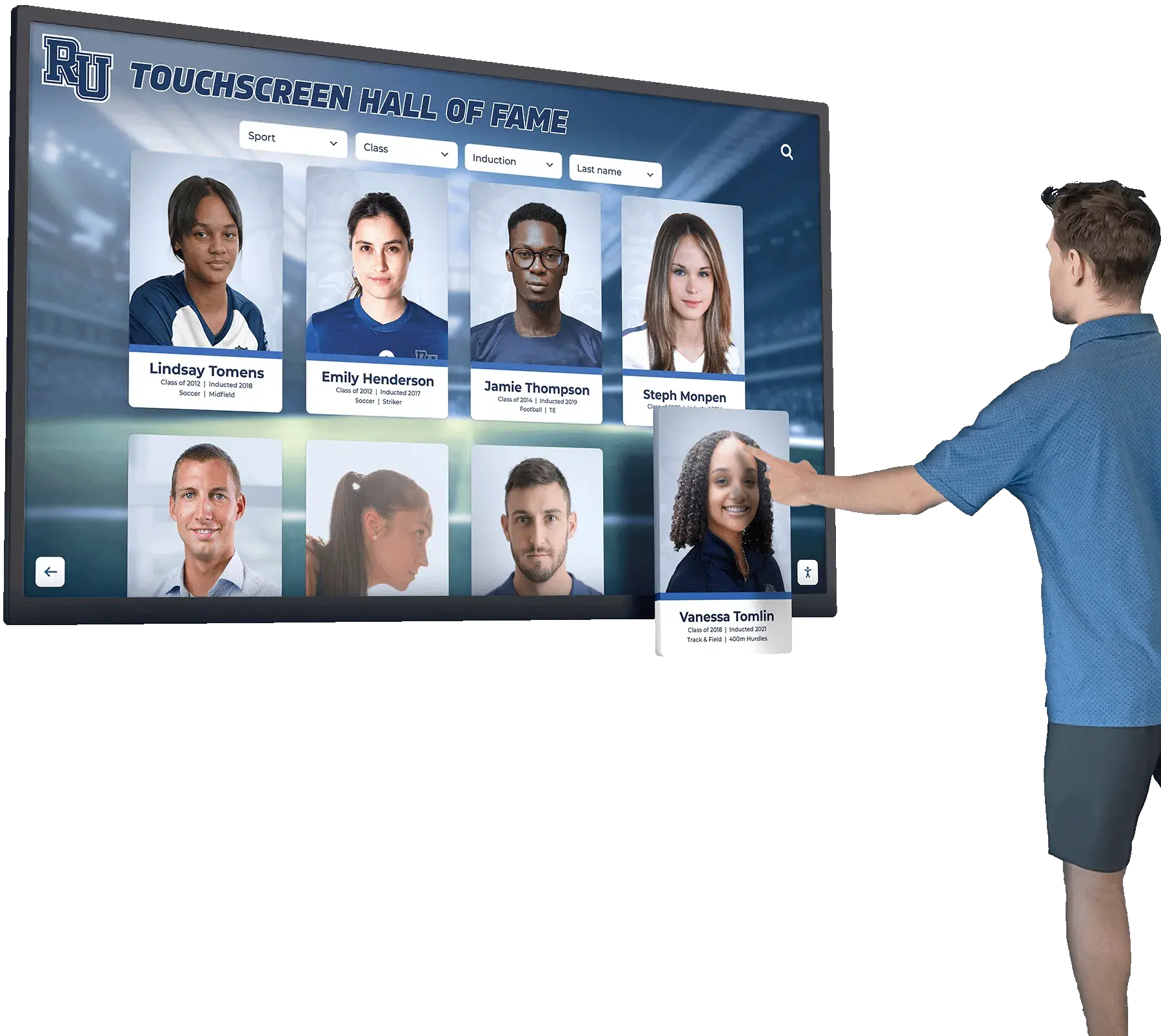
Touchscreen systems enable detailed exploration of championship seasons impossible with traditional plaques
Web-Based Recognition Extensions Digital recognition extends beyond physical school displays:
- Web-accessible championship archives viewable anywhere
- Alumni worldwide can explore teams they played on
- Social sharing capabilities for players celebrating achievements
- Mobile-optimized displays working across all devices
- Integration with school websites and athletic pages
- Analytics tracking most-viewed championships and players
Implementation for Championship Recognition
Effective digital recognition requires strategic planning:
Content Development Priorities
- Complete rosters with player names, positions, and jersey numbers
- Individual player photos when available
- Season records and scoring statistics
- Playoff bracket progression showing path to championship
- Championship game summaries with key plays
- Coach and assistant coach documentation
- Team photos from championship celebrations
Display Placement Strategies
- High-traffic locations maximizing visibility (main entrance, athletic lobby)
- Near traditional trophy cases complementing physical recognition
- Adequate space for groups to gather and explore
- Viewing height accessible to all visitors
- Multiple displays throughout facilities if budget allows
Ongoing Maintenance Plans
- Designated staff responsible for content updates
- Annual review adding historical championship information
- Player achievement updates as careers progress
- Photo collection from community members and alumni
- Integration with end-of-season recognition ceremonies
Programs developing comprehensive athletic hall of fame systems create frameworks applicable to championship recognition.
Supporting Players During Championship Runs
Championship playoff experiences create pressure requiring comprehensive support systems.
Academic Support During Playoffs
Balancing Academics and Athletics Deep playoff runs extend into December finals:
- Communication with teachers about travel and missed classes
- Academic support ensuring players remain eligible
- Study halls on travel days
- Tutoring availability during playoff weeks
- Priority scheduling for makeup work
Semester Exam Considerations State championship games occur near semester exams:
- Coordination between athletic and academic calendars
- Flexibility for championship participants
- Recognition that playoff success requires academic eligibility
- Support systems preventing academic sacrifice
Family and Community Support
Managing Family Logistics Playoff games create logistical challenges for families:
- Travel coordination for neutral site games
- Ticket allocation ensuring family access
- Communication about game times and locations
- Affordable lodging options for championship games
- Community fundraising supporting family travel
Community Engagement Opportunities
- Viewing parties for away games
- Local business promotions supporting teams
- Homecoming festivities celebrating championship runs
- Media coverage generating community pride
- Recognition events honoring playoff achievement
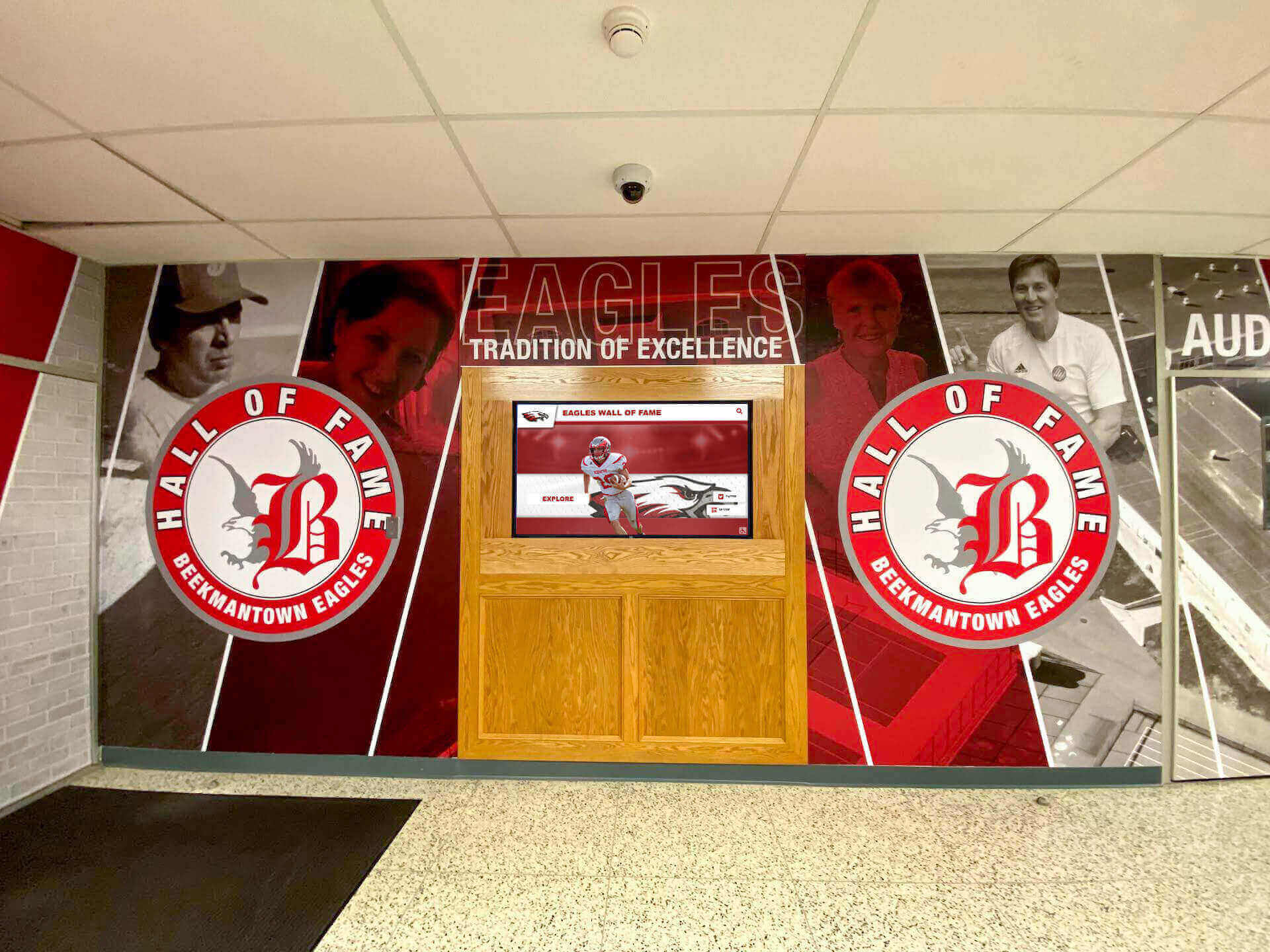
Recognition displays create community gathering spaces celebrating championship traditions
Post-Championship Celebrations and Recognition
Championship victories deserve celebration extending beyond trophy presentations.
Immediate Post-Game Celebrations
On-Field Championship Moments
- Trophy and medal presentations
- Championship patch or shirt distribution
- Team photos with championship hardware
- Celebration with families and community
- Media interviews and recognition
Return Home Celebrations Many championship teams receive hero’s welcomes:
- Police and fire escort through community
- Community gatherings at school or public spaces
- Recognition from local government officials
- Media coverage celebrating achievement
- Immediate social media documentation
Formal Recognition Events
Championship Banquets and Ceremonies Schools often host special events celebrating championships:
- Championship banquet separate from regular season recognition
- Community-wide celebrations beyond typical team events
- Special recognition for seniors completing careers with titles
- Coach presentations reviewing championship journey
- Video presentations documenting playoff run
- Special awards for championship game performances
Planning football banquet celebrations helps programs create meaningful recognition for championship achievements.
Board and Community Recognition
- School board recognition at public meetings
- Proclamations from city or county government
- Special assemblies celebrating with student body
- Alumni event integration honoring championship teams
- Long-term tradition building connecting championships across decades
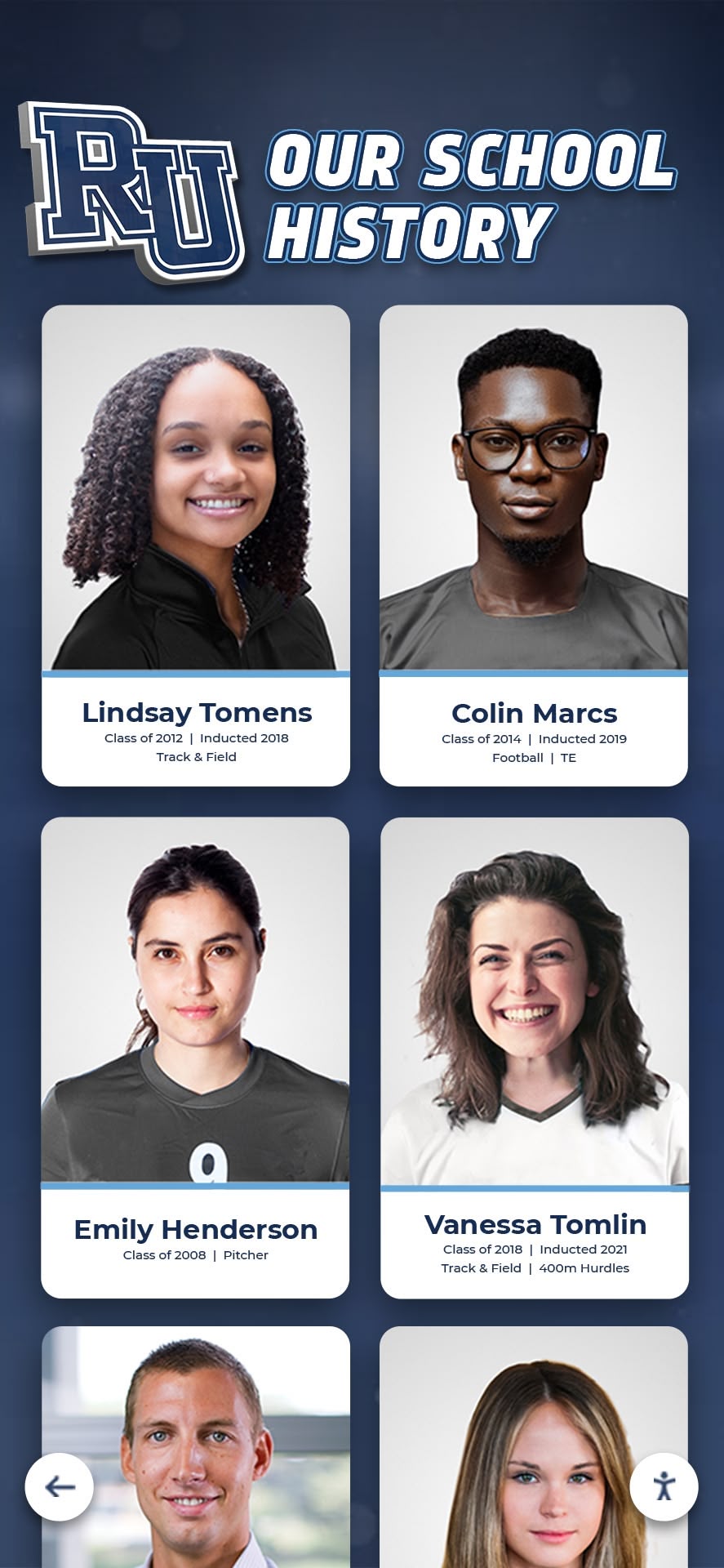
Individual recognition profiles celebrate each player's contribution to championship success
Long-Term Championship Legacy Building
Connecting Championships Across Generations Successful programs build championship culture:
- Alumni championship players attending current team events
- Mentorship connections between past and current players
- Championship reunion events during significant anniversaries
- Oral history projects documenting championship experiences
- Integration of championship stories into program culture
Recruiting and Future Success Impact Championships create momentum for future seasons:
- Increased participation in youth programs
- Higher retention rates through program levels
- Quality coaching candidate attraction
- Community support and funding increases
- Collegiate recruiting advantages from championship exposure
The Business of Championship Football
Understanding financial and operational aspects helps programs prepare for playoff success.
Playoff Revenue and Expenses
Revenue Streams
- Gate receipts from home playoff games
- Merchandise sales increasing with playoff advancement
- Booster donations motivated by championship runs
- Media rights and streaming revenue
- Concession and parking revenues
Expense Considerations
- Travel costs for neutral site games
- Lodging for championship weekend trips
- Official and venue fees for playoff games
- Additional equipment and uniform needs
- Security and event staffing expenses
- Championship ring and recognition costs
Facility Requirements for Hosting
Schools hosting playoff games require adequate facilities:
Minimum Hosting Standards
- Seating capacity meeting UIL requirements
- Lighting standards for night games
- Adequate parking and traffic management
- Concession and restroom facilities
- Press box and media accommodations
- Ticketing and crowd control capabilities
Schools may choose to move playoff games to larger facilities when home venues are insufficient.
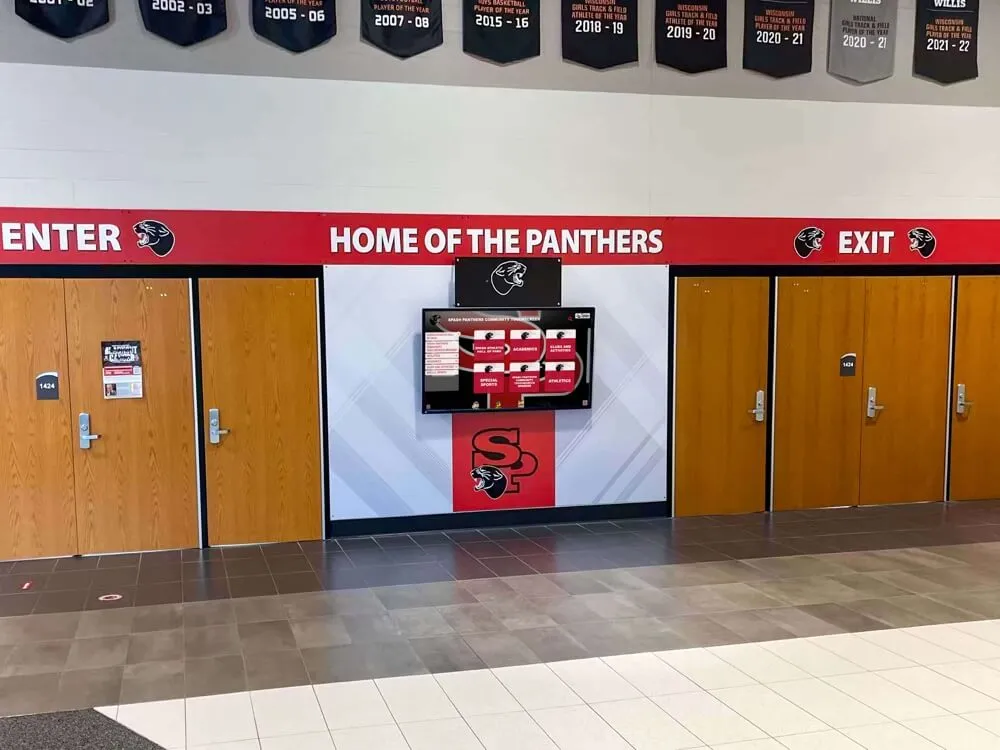
Recognition displays enhance athletic facilities while celebrating program achievements
Conclusion: Building and Preserving Championship Traditions
Texas high school football state championships represent the pinnacle of athletic achievement for communities across the Lone Star State. Understanding the playoff structure, preparing teams comprehensively, and creating meaningful recognition ensures championship experiences create lasting impact extending far beyond final whistles and trophy presentations.
The UIL playoff system’s complexity—with six classifications, multiple divisions, and regional variations—requires schools to navigate bracket structures while maintaining team focus and managing community expectations. Programs combining thorough preparation with strong support systems position teams to perform at their highest levels when championship opportunities arrive.
Yet playoff runs and championship victories deserve recognition extending beyond brief celebrations. Traditional approaches using banners and trophy cases face space limitations and update challenges that digital recognition systems solve while amplifying visibility and engagement. Modern touchscreen displays enable unlimited championship documentation with interactive features, comprehensive rosters, video integration, and web accessibility that static recognition cannot match.
Championship success builds program culture inspiring future generations while uniting communities through shared achievement. Schools investing in comprehensive recognition systems—whether honoring first-time playoff qualifiers or multiple state championships—create traditions connecting current athletes to those who established excellence.
Every playoff run creates stories worth preserving. Every championship team deserves recognition honoring their place in program history. With strategic planning, appropriate technology, and consistent celebration, Texas high school football programs build championship traditions that inspire athletes, engage alumni, and strengthen communities for generations.
Your championship achievements deserve recognition matching their significance. Whether celebrating first playoff victories or multiple state titles, modern recognition solutions ensure these accomplishments receive the visibility and honor they’ve earned while inspiring future teams to add their own chapters to your championship story.
Ready to create recognition systems honoring your Texas football tradition? Explore how solutions like Rocket Alumni Solutions help schools create comprehensive athletic recognition displays preserving championship achievements and playoff success for generations of athletes and community members to celebrate.