Athletic programs face a fundamental challenge: How do you build team recognition awards systems that honor the quarterback making crucial throws, the offensive lineman opening holes in the trenches, the bench player who brings energy at practice, the team manager who keeps everything organized, and the coach who ties it all together—all while reinforcing the values that create winning cultures?
Too many programs default to predictable MVP and Most Improved awards that inevitably favor stat leaders and skill position players, leaving role players, support staff, and unsung contributors feeling undervalued. Meanwhile, opportunities to recognize the leadership that holds teams together during adversity, the work ethic that defines championship preparation, and the character that makes programs special go unrealized or feel like afterthoughts.
This comprehensive guide explores proven strategies for creating team recognition award systems that build lasting cultures of appreciation—from multi-dimensional criteria honoring diverse contributions to year-round acknowledgment creating consistent reinforcement, and from inclusive categories ensuring every role feels valued to modern platforms making comprehensive recognition achievable.
Athletic teams that excel at recognition don’t simply hand out trophies at end-of-season banquets. They build systematic approaches ensuring meaningful acknowledgment becomes woven throughout team identity, daily operations, and the memories athletes carry forward long after their competitive careers end.
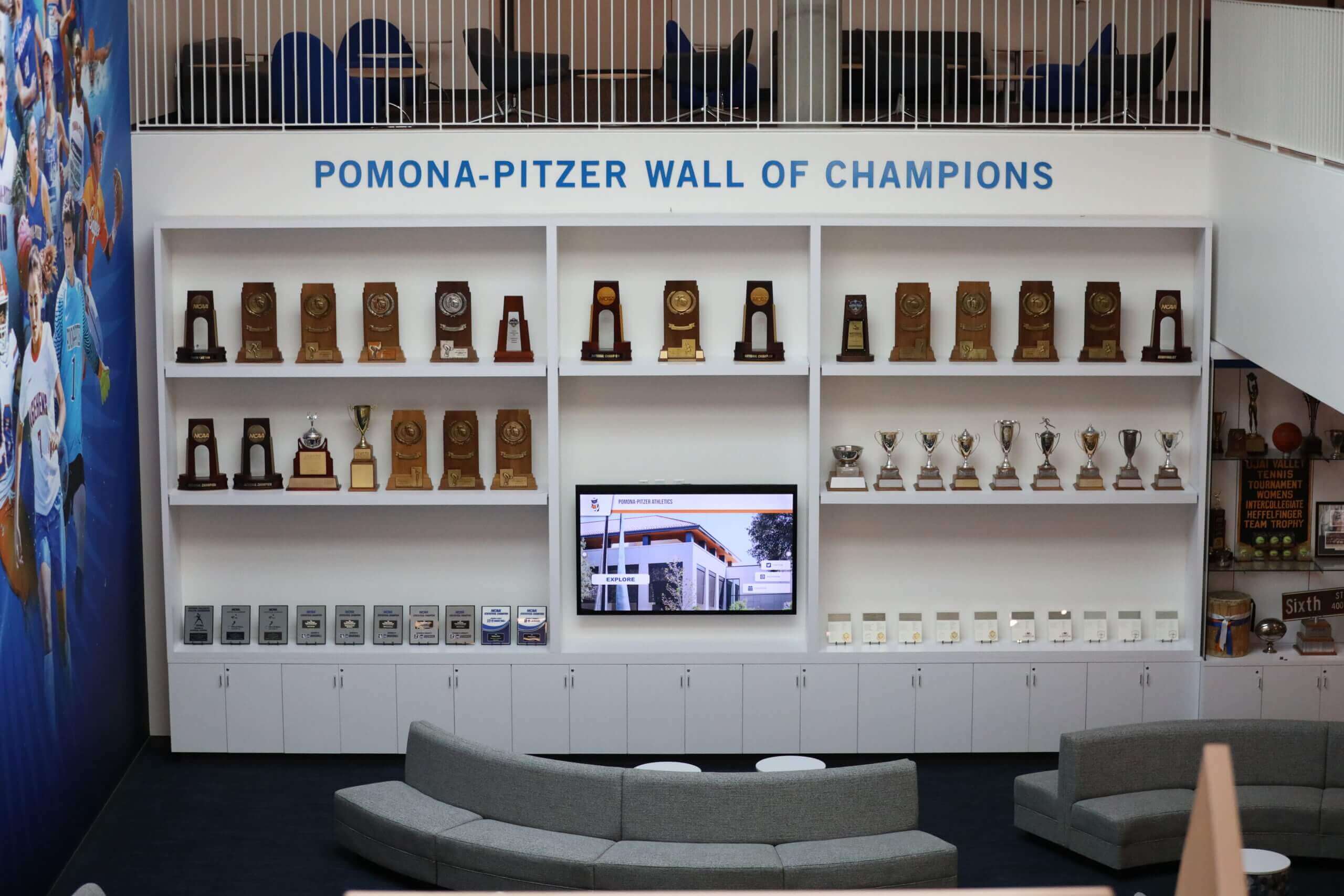
Comprehensive recognition systems celebrate both individual excellence and team achievements that define programs
Why Team Recognition Awards Matter in Athletics
Understanding the unique psychological dynamics of team sports helps programs design awards that genuinely motivate and honor contributions while strengthening team culture.
The Psychology of Athletic Recognition
Recognition in team sports contexts creates powerful impacts on individual motivation and collective cohesion:
Individual Motivation Within Team Context
- Public acknowledgment validates effort and sacrifice athletes make
- Recognition reinforces specific behaviors and contributions worth repeating
- Awards create tangible evidence that hard work and improvement get noticed
- Visible appreciation strengthens intrinsic motivation beyond external rewards
- Meaningful recognition increases commitment to continued development
Team Cohesion and Culture Benefits
- Comprehensive recognition systems signal that all roles matter equally
- Celebrating diverse contributions reduces jealousy and internal competition
- Shared recognition moments create bonding experiences
- Awards highlighting character and teamwork reinforce cultural values
- Recognition traditions become part of team identity
Research on athletic motivation demonstrates that recognition systems acknowledging both performance and effort create more cohesive teams with higher satisfaction compared to purely outcome-focused approaches.
Recognition’s Role in Athlete Development
Beyond immediate motivation, recognition shapes long-term development:
Growth Mindset Reinforcement
- Awards recognizing improvement validate development over fixed ability
- Process-focused recognition encourages continued effort
- Celebrating skill acquisition normalizes learning and growth
- Failure and comeback recognition teaches resilience
- Character awards emphasize complete athlete development
Many successful programs implement academic recognition alongside athletic achievement to celebrate complete student-athlete development.
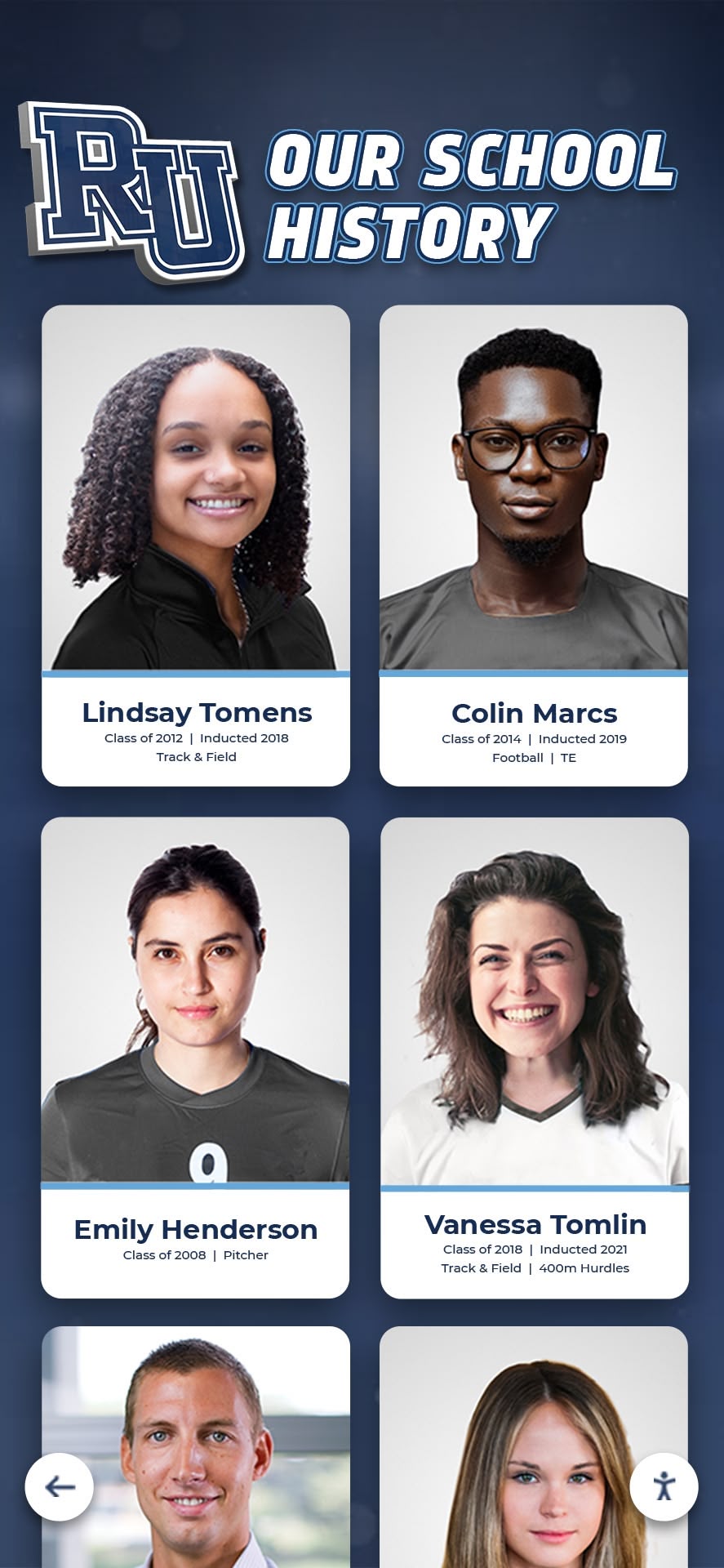
Individual profiles celebrate specific contributions that make each athlete's role unique and valuable
Life Skills Development
- Public speaking opportunities during acceptance build confidence
- Receiving recognition teaches gracious acceptance
- Not receiving desired awards builds resilience and perspective
- Selection process teaches evaluation and fairness concepts
- Recognition ceremonies model professional celebration
Building Lasting Program Culture
Recognition systems shape culture extending beyond single seasons:
Value Communication
- Awards demonstrate what program genuinely values beyond winning
- Character recognition emphasizes development beyond competition
- Effort awards validate commitment regardless of outcomes
- Team-first awards prioritize collective success
- Leadership recognition encourages positive peer influence
Tradition and Identity Formation
- Annual awards become anticipated traditions
- Historical recognition connects current athletes to program legacy
- Award names honoring program legends create continuity
- Recognition displays visible throughout facilities reinforce culture daily
- Stories surrounding awards become program mythology
Programs implementing most improved player recognition demonstrate commitment to growth mindsets.

Recognition displays reinforce program values and culture throughout athletic facilities
Designing Comprehensive Team Award Systems
Effective recognition requires moving beyond generic MVP awards to create categories honoring diverse contributions.
Multi-Dimensional Award Categories
Comprehensive systems recognize multiple excellence dimensions:
Performance-Based Recognition
- Statistical leaders and production awards
- Championship performance excellence
- Clutch performance in critical moments
- Consistency and reliability throughout season
- Breakthrough performances exceeding expectations
Effort and Preparation Awards
- Practice player of the year
- Weight room warrior
- Film study excellence
- Offseason training commitment
- Perfect attendance and reliability
Character and Leadership Recognition
- Team captain and vocal leader awards
- Lead by example recognition
- Sportsmanship and integrity honors
- Positive attitude and culture building
- Mentorship and teammate development
Role-Specific Excellence
- Position-specific achievement awards
- Special teams or support role recognition
- Bench player and practice squad excellence
- Manager and support staff appreciation
- Coaching staff acknowledgment
Schools implementing end of year awards demonstrate comprehensive recognition approaches.
Ensuring Inclusive Recognition Opportunities
Effective systems ensure all team members have realistic paths to recognition:
Position and Role Equity
- Creating awards specific to each position or role
- Balancing skill position visibility with line and support roles
- Ensuring bench players and reserves receive acknowledgment
- Recognizing managers, trainers, and support staff
- Celebrating coaching contributions appropriately
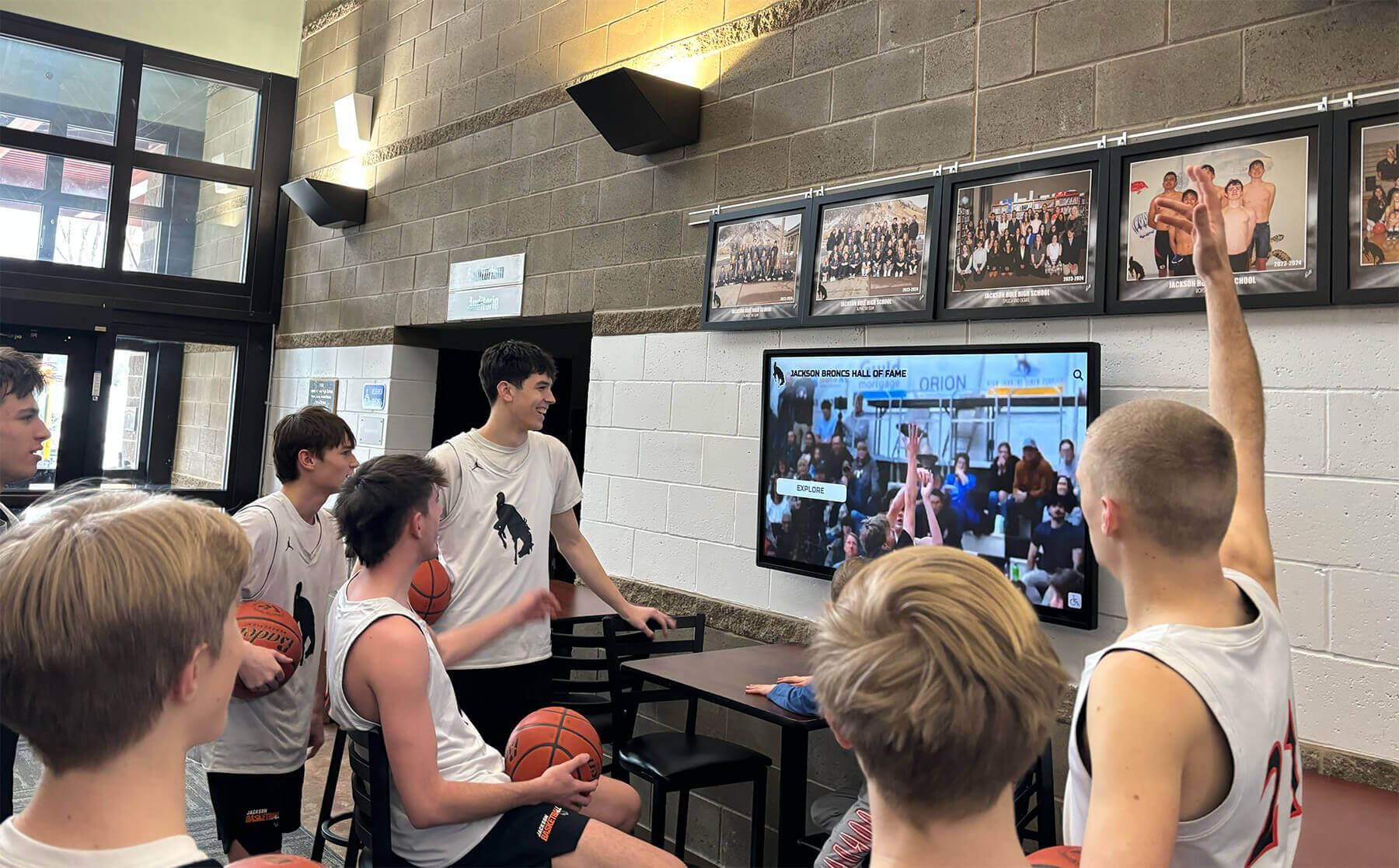
Recognition experiences engage entire teams in celebrating achievements and contributions
Playing Time Considerations
- Starter excellence awards for primary contributors
- Reserve player awards for developmental and bench roles
- Practice performance recognition independent of game action
- Improvement awards favoring developing players
- Special situation excellence for limited role players
Avoiding Recognition Inflation While inclusive, systems must maintain meaningful standards:
- Clear criteria preventing participation trophy perception
- Prestigious awards reserved for exceptional achievement
- Multiple recognition tiers with appropriate significance
- Honest assessment rather than false encouragement
- Genuine accomplishment basis for all recognition
Sport-Specific Recognition Strategies
Different sports present unique recognition opportunities and challenges.
Team Sports Recognition
Sports emphasizing collective performance require balancing individual and team acknowledgment:
Football Recognition Approaches
- Position-specific awards for linemen, skill players, special teams
- Offensive and defensive player of year
- Pancake club and sack club milestones
- Iron man awards for exceptional durability
- Scout team excellence recognition
Programs implementing golf awards demonstrate individual sport recognition within team contexts.
Basketball Recognition Categories
- Statistical leaders (points, rebounds, assists, steals, blocks)
- Defensive player awards
- Sixth player recognition for bench contributions
- Leadership and floor general awards
- Hustle and effort recognition
Soccer and Field Sports
- Scoring leaders and assist recognition
- Defensive excellence awards
- Goalkeeper-specific honors
- Transition play and versatility recognition
- Possession and technical skill awards
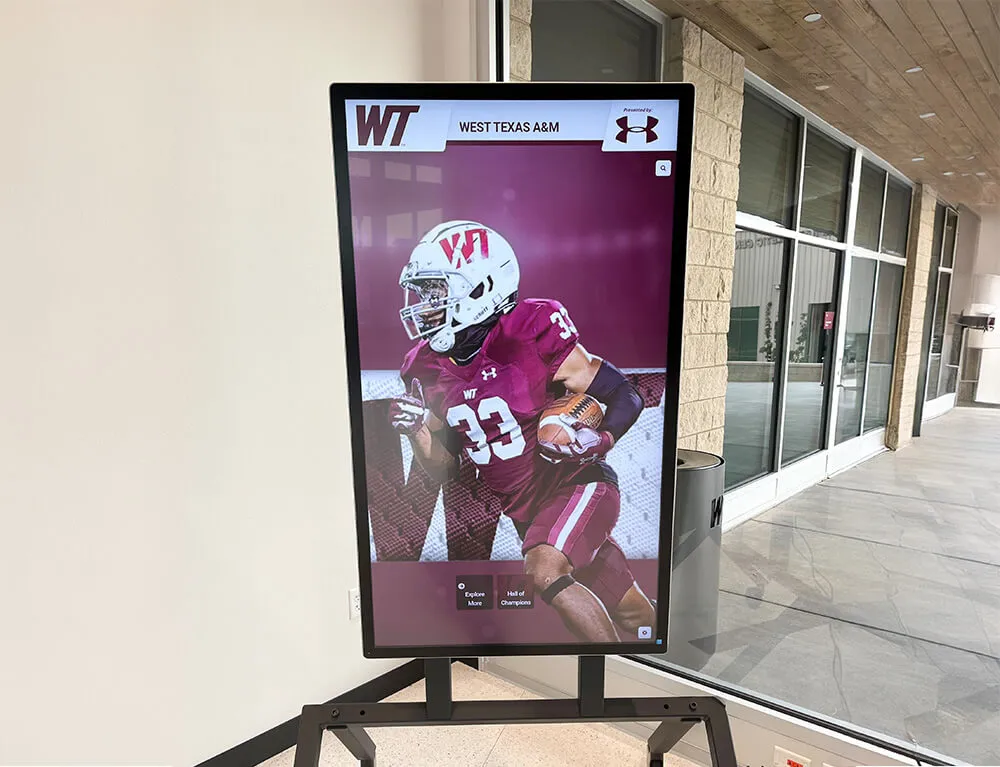
Sport-specific displays celebrate position excellence and role contributions
Individual Sports Recognition
Individual competition within team scoring creates different dynamics:
Track and Field Recognition
- Event-specific excellence awards
- Personal record improvement recognition
- Championship meet performance
- Versatility and multi-event achievement
- Relay team excellence
Swimming and Diving
- Stroke-specific top performer awards
- Time drop improvement recognition
- Point scoring contribution to team
- Leadership in training groups
- Championship performance excellence
Wrestling and Combat Sports
- Weight class championships
- Pin and technical fall recognition
- Tournament placement awards
- Dual meet excellence
- Toughness and warrior mentality
Programs implementing cheerleading recognition demonstrate comprehensive athletic program acknowledgment.
Creating Meaningful Award Selection Processes
Fair, transparent selection builds trust and maintains award significance.
Selection Method Options
Different approaches suit different team contexts:
Coaching Staff Selection Most common approach with advantages and considerations:
- Coaches possess complete performance knowledge
- Can consider practice performance and attitude
- May have blind spots or biases
- Players sometimes perceive favoritism
- Works best with multiple coach input
Team Voting Systems Peer recognition strengthens certain awards:
- Particularly effective for leadership and character awards
- Players identify contributions coaches miss
- Risk of popularity contests over merit
- Anonymous voting prevents peer pressure
- Works well combined with statistical requirements
Combined Selection Approaches Hybrid systems leverage multiple perspectives:
- Statistical minimums with coach or team voting
- Coach nomination with team final selection
- Weighted systems combining multiple inputs
- Different methods for different award types
- Selection committees including captains
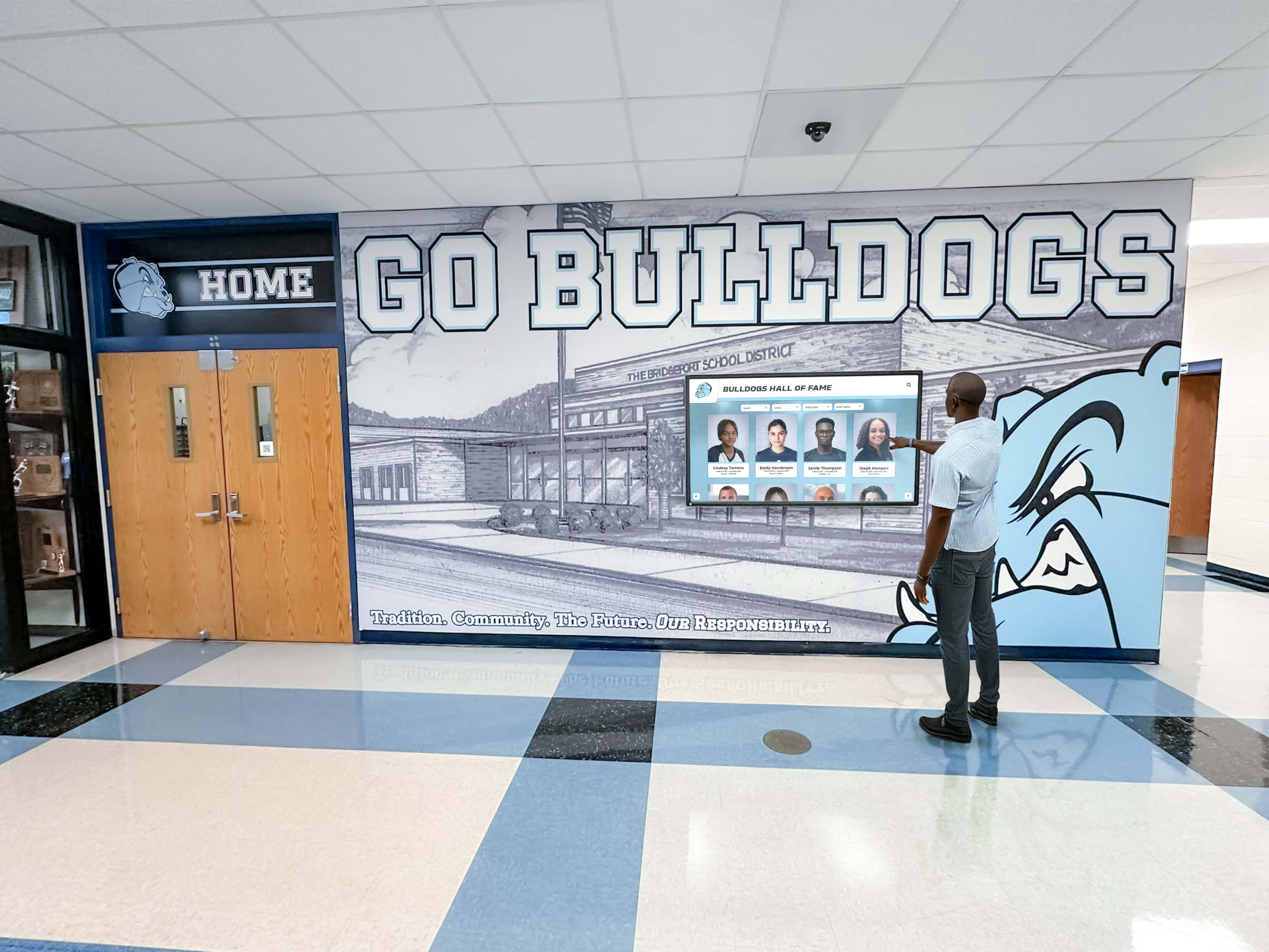
Transparent processes ensure fair recognition selection and maintain program credibility
Establishing Clear Criteria
Transparent standards ensure consistent, defensible decisions:
Objective Criteria Elements
- Statistical thresholds and production minimums
- Attendance and participation requirements
- Championship or playoff performance weighting
- Measurable improvement benchmarks
- Documented leadership or character evidence
Subjective Evaluation Guidelines For less measurable categories:
- Specific examples required supporting nominations
- Multiple evaluator consensus requirements
- Written rationale for selection decisions
- Consistent application of standards across seasons
- Appeal or reconsideration processes
Communication and Transparency
- Publishing award criteria before season begins
- Regular reminders about recognition opportunities
- Clear explanation of selection processes
- Timely communication of recipients
- Respectful acknowledgment of all strong candidates
Programs featuring team captain leadership demonstrate recognition driving positive team culture.
Recognition Ceremony and Presentation Best Practices
How awards are presented impacts their meaning and memorability.
Traditional Banquet Approaches
Formal celebrations create significant moments:
Event Planning Considerations
- Venue selection balancing formality and budget
- Timing that maximizes athlete and family attendance
- Food service or reception creating social atmosphere
- Program length preventing excessive duration
- Balance between recognition and entertainment
Effective Ceremony Elements
- Coach remarks contextualizing season achievements
- Video highlights celebrating team accomplishments
- Individual award presentations with specific rationale
- Acceptance opportunities for major recipients
- Senior recognition and farewell moments
- Parent and supporter appreciation
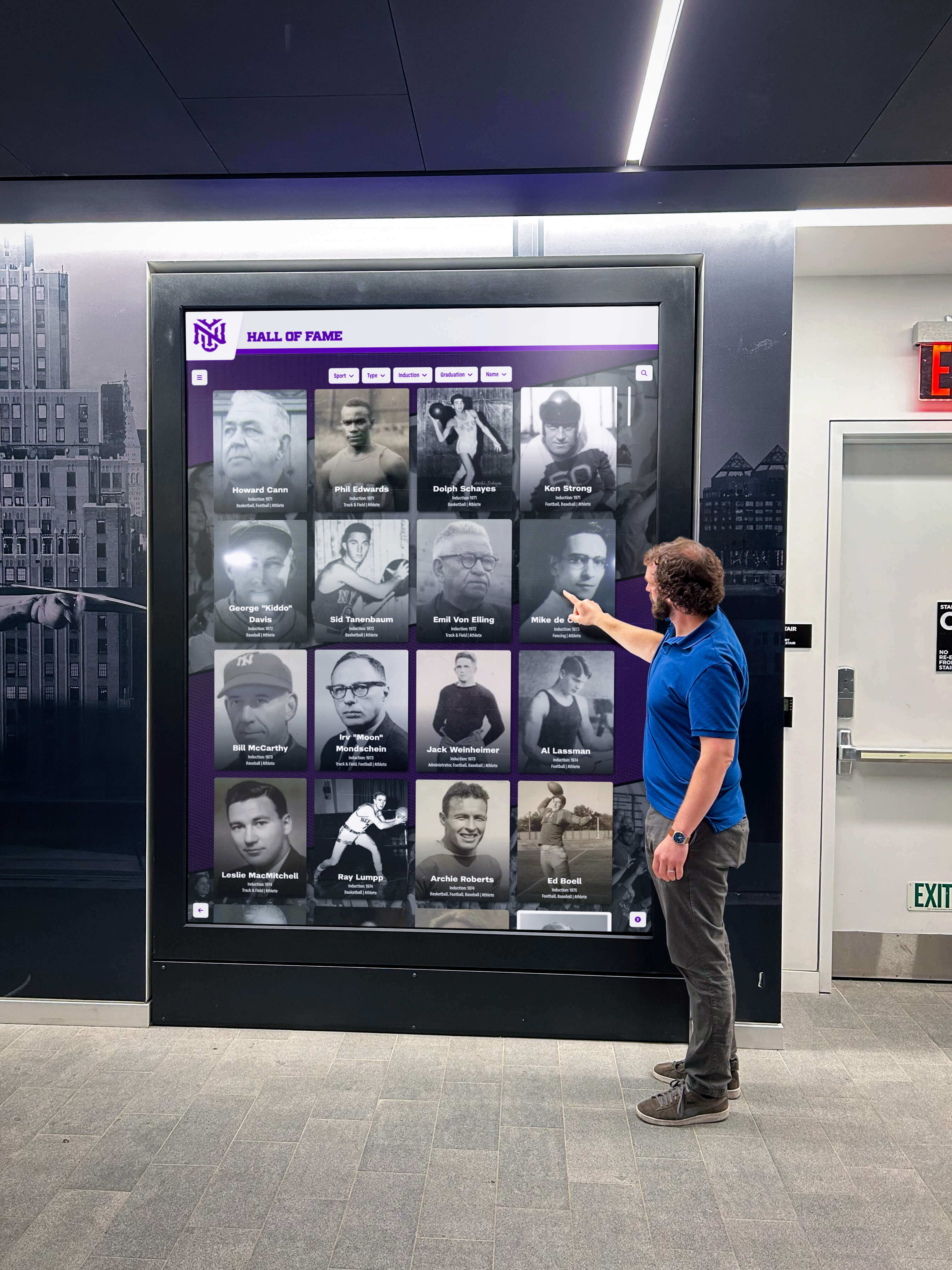
Ceremonies create memorable moments while interactive displays provide lasting recognition
Alternative Recognition Formats
Not all programs require formal banquets:
Casual Team Celebrations
- Team meal or gathering atmosphere
- Informal award announcements
- Storytelling and memory sharing
- Photo slideshow viewing
- Relaxed emphasis on fun and connection
Integrated Recognition Opportunities
- Senior night presentations during competitions
- Halftime or between-event announcements
- Final team meeting award presentations
- Social media recognition campaigns
- Multiple smaller ceremonies throughout season
Budget-Conscious Approaches
- Potluck or family-provided food
- School facility utilization
- Student-created videos and presentations
- Printed certificates rather than trophies
- Focus on meaning over expense
Programs implementing sports banner displays create year-round visibility beyond ceremonies.
Making Recognition Memorable
Details creating lasting impact:
Presentation Quality
- Personalized remarks explaining each recipient’s unique contributions
- Specific examples and stories rather than generic praise
- Appropriate gravity and ceremony for significance
- Humor and warmth preventing excessive formality
- Time for photos and family celebration
Physical Recognition Items
- Quality trophies or plaques communicating value
- Personalized elements (names, achievements, years)
- Team apparel with award designation
- Certificates suitable for framing
- Programs or booklets commemorating event
Year-Round Recognition Strategies
Limiting acknowledgment to annual ceremonies misses powerful opportunities.
In-Season Recognition Touchpoints
Consistent acknowledgment throughout competition strengthens impact:
Weekly Recognition
- Game ball or player of week awards
- Practice performance acknowledgment
- Social media spotlight posts
- Coach recognition at team meetings
- Statistics and achievement announcements
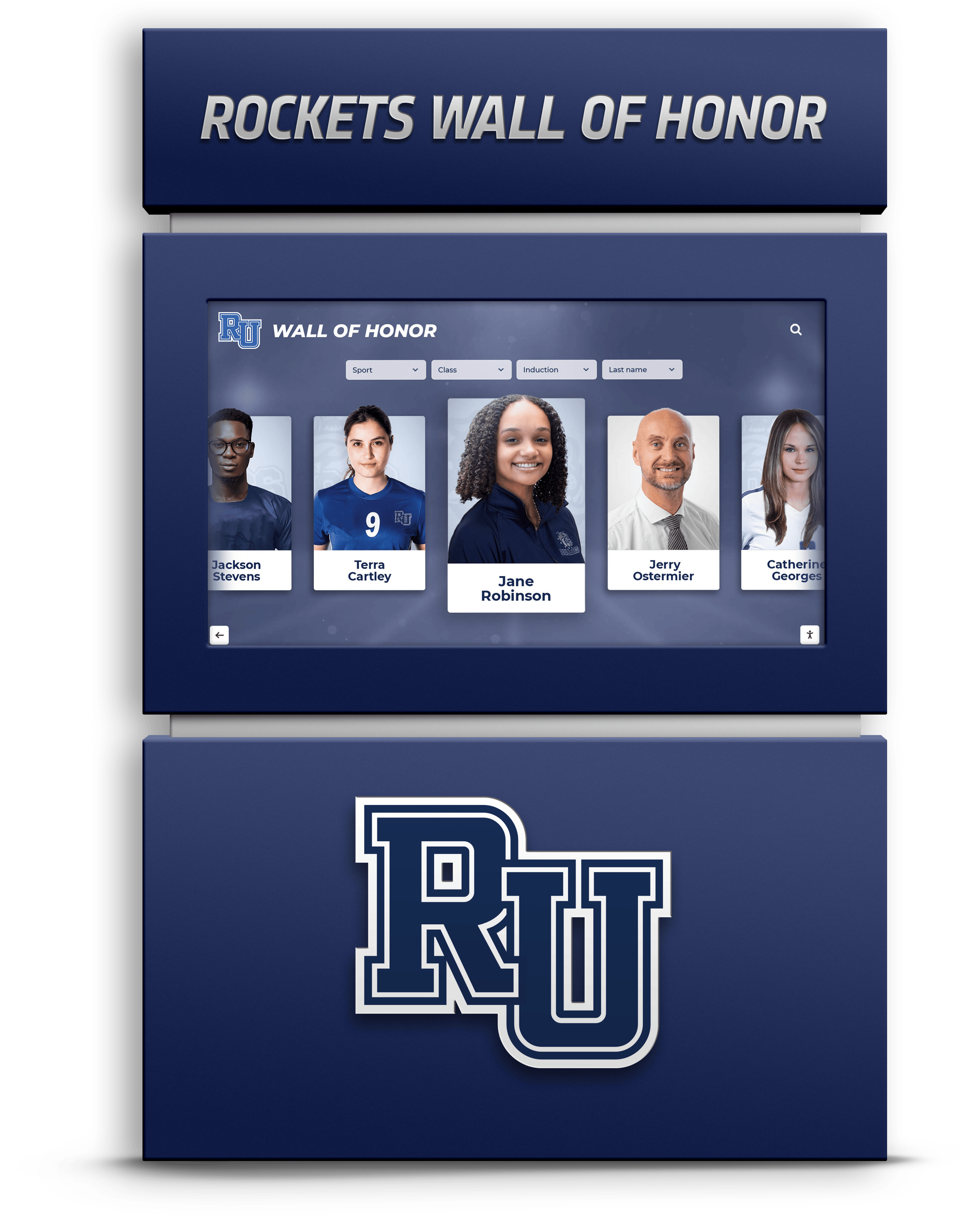
Digital displays enable updating recognition throughout seasons and careers
Milestone Acknowledgment
- Career achievement milestones
- Team or school record performances
- Championship qualification or advancement
- Personal best and breakthrough moments
- Academic achievement alongside athletic success
Public Recognition Channels
- School announcements and newsletters
- Local media features and submissions
- Team website and social media
- Lobby displays and athletic facilities
- Community recognition at school events
Programs implementing team GPA leaderboards demonstrate year-round academic and athletic recognition.
Off-Season and Alumni Recognition
Acknowledgment extending beyond competitive seasons:
Off-Season Development Recognition
- Weight room and conditioning achievement
- Skill development camp excellence
- Leadership in optional workouts
- Summer competition performance
- Academic progress during off-season
Alumni and Historical Recognition
- Hall of fame induction programs
- Anniversary team reunions
- Career milestone acknowledgment
- Professional or college achievement celebration
- Community contribution recognition
Programs featuring all-region recognition demonstrate comprehensive acknowledgment systems.
Leveraging Technology for Team Recognition
Modern platforms expand recognition possibilities while creating lasting archives.
Digital Recognition Display Benefits
Interactive touchscreen systems transform how teams celebrate athletes:
Unlimited Recognition Capacity Physical trophy cases inevitably fill. Digital solutions eliminate constraints:
- Single display showcases unlimited athletes across all years
- Complete career statistics and achievement timelines
- Multiple sport and award category organization
- Search functionality helping people find specific individuals
- Photo galleries and achievement documentation
Dynamic Content Updates Unlike static plaques, digital platforms enable:
- Real-time updates throughout seasons
- Current season statistics alongside historical records
- Milestone announcements as they occur
- Championship and playoff progression tracking
- Alumni achievement updates
Interactive Exploration Features Modern systems create engagement impossible with traditional displays:
- Filtering by sport, year, award type, or achievement
- Detailed profile pages telling complete athlete stories
- Video highlights and photo galleries
- Team pages connecting teammates and seasons
- Comparison tools showing records and achievements
Solutions like digital recognition displays provide platforms for comprehensive celebration beyond physical space limitations.
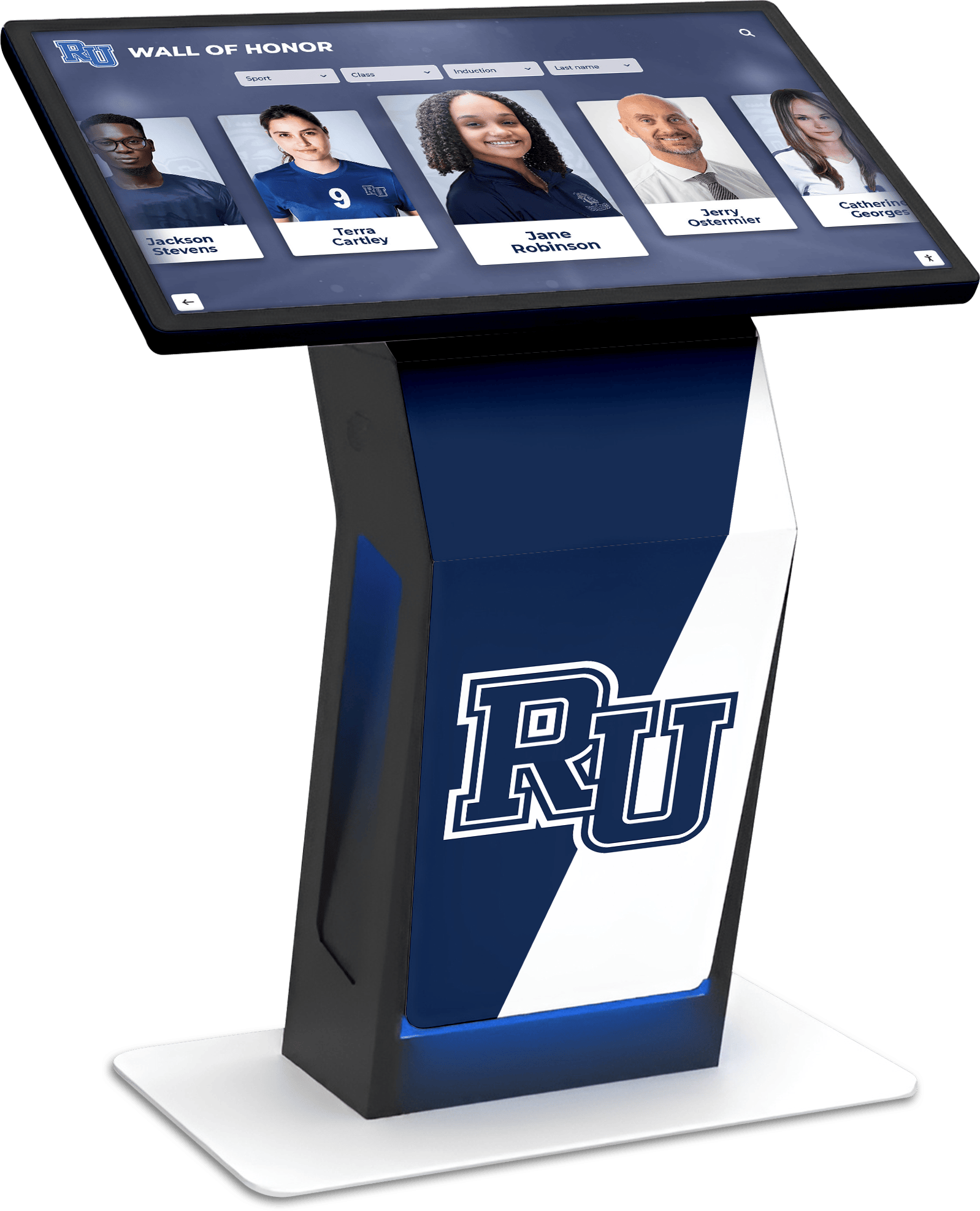
Interactive kiosks enable engaging exploration of team achievements and individual excellence
Web-Based Recognition Extensions
Online platforms extend acknowledgment beyond facility walls:
Mobile-Accessible Recognition
- Athletes and families view recognition from anywhere
- Alumni stay connected to program traditions
- Recruits see recognition culture maintained
- Social sharing extends visibility and pride
- Web accessibility reaching global audiences
Social Media Integration
- Automated posts announcing awards and achievements
- Photo and video content celebrating recipients
- Alumni engagement through historical recognition
- Recruiting value demonstrating program culture
- Community pride in local athlete success
Communication Platform Benefits
- Email announcements to athlete families
- Newsletter features highlighting excellence
- Website recognition sections
- Team app integration for mobile access
- Consistent branding across all channels
Programs implementing state championship displays demonstrate comprehensive recognition technology.
Building Historical Recognition Archives
Team recognition systems creating lasting legacy:
Multi-Year Achievement Tracking
- Complete career statistics across seasons
- Award history showing repeat excellence
- Team championship documentation
- Record progression showing historical context
- Alumni connections to current programs
Program Tradition Documentation Recognition archives telling team stories:
- Values consistently celebrated through awards
- Coaching philosophies reflected in recognition
- Program evolution and development
- Recruiting tools showcasing culture
- Alumni engagement through preserved memories
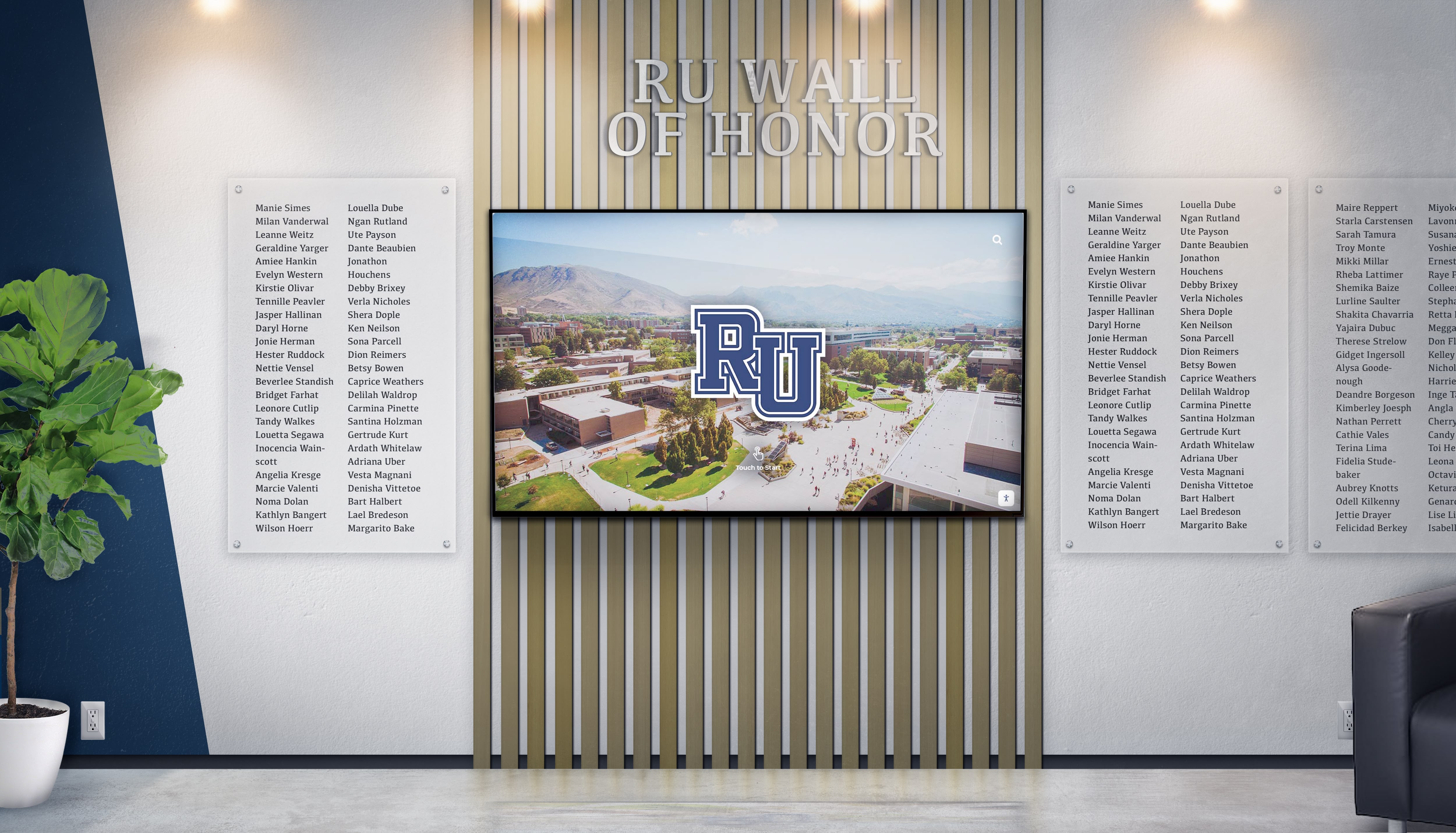
Integrated systems combine digital displays with traditional elements preserving decades of excellence
Recognition for Non-Athlete Team Members
Complete programs acknowledge all contributors to team success.
Student Support Staff Recognition
Managers, trainers, and support roles deserve acknowledgment:
Team Manager Awards
- Manager of the year recognition
- Years of service milestone acknowledgment
- Specific contribution highlights
- Leadership among management staff
- Integration into team recognition ceremonies
Athletic Trainer Recognition
- Injury prevention and care excellence
- Athlete development support
- Emergency response preparedness
- Rehabilitation commitment
- Medical staff appreciation
Equipment and Operations Staff
- Behind-scenes contribution acknowledgment
- Facility preparation excellence
- Technical support recognition
- Travel coordination appreciation
- Game day operations acknowledgment
Programs implementing military appreciation recognition demonstrate comprehensive community acknowledgment.
Coaching Staff Recognition
Honoring those who guide athlete development:
Head Coach Achievement
- Milestone win recognition
- Championship acknowledgment
- Career achievement celebration
- Development of program culture
- Community contribution appreciation
Assistant Coach Excellence
- Position group development success
- Recruiting and talent evaluation
- Player relationship building
- Technical expertise contribution
- Program loyalty and commitment
Support Coach Recognition
- Volunteer coach appreciation
- Youth program development
- Alumni coaching contributions
- Specialized skill instruction
- Mentorship beyond coaching role
Parent and Booster Recognition
Supporting cast enabling team success:
Parent Volunteer Awards
- Exceptional support and involvement
- Event coordination and execution
- Fundraising leadership
- Transportation and hosting
- Long-term program commitment
Booster Club Excellence
- Financial support acknowledgment
- Facility improvement contributions
- Program development investments
- Event sponsorship recognition
- Sustained organizational support
Programs featuring teacher appreciation demonstrate comprehensive school community recognition.
Measuring Recognition Program Effectiveness
Regular assessment ensures awards achieve intended cultural and motivational goals.
Quantitative Success Indicators
Participation and Distribution Metrics
- Percentage of team members receiving recognition annually
- Distribution across positions, roles, and playing time
- Year-over-year recognition trends
- Comparison to benchmark programs
- Award category utilization rates
Program Outcome Correlations
- Retention rates for recognized athletes
- Return rates in multi-season programs
- Academic performance among recognized athletes
- Leadership development trajectories
- Alumni engagement levels
Recognition Program Engagement
- Ceremony attendance rates
- Digital display interaction analytics
- Social media engagement metrics
- Website recognition page traffic
- Nomination submission quantities

Digital platforms provide engagement analytics demonstrating recognition program reach
Qualitative Assessment Approaches
Athlete Feedback Collection
- Post-season surveys about recognition fairness and meaning
- Focus groups with team leaders
- Exit interviews with graduating athletes
- Anonymous feedback mechanisms
- Longitudinal alumni perspectives
Stakeholder Perception
- Parent satisfaction with recognition approach
- Coach assessment of motivational impact
- Community awareness of athlete achievements
- Administrator evaluation of program alignment
- Peer school benchmark comparisons
Cultural Impact Indicators
- Observed team cohesion improvements
- Leadership development among recognized athletes
- Desired behavior frequency increases
- Program reputation enhancements
- Recruiting competitive advantage
Common Recognition Program Mistakes to Avoid
Learning from typical pitfalls prevents predictable problems.
Selection and Criteria Issues
Inconsistency Problems
- Changing standards between seasons undermining credibility
- Making exceptions for popular athletes creating favoritism perception
- Failing to document selection rationale causing confusion
- Inconsistent enforcement of eligibility requirements
Narrow Recognition Focus
- Over-emphasis on statistical leaders ignoring other contributions
- Neglecting role players and bench athletes
- Insufficient acknowledgment of character and leadership
- Missing opportunities to recognize support staff
- Creating perception that only starters matter
Implementation Challenges
Insufficient Planning and Resources
- Launching programs without sustainable funding
- Underestimating time requirements for fair selection
- Failing to assign clear responsibilities
- Beginning without contingency plans for leadership transitions
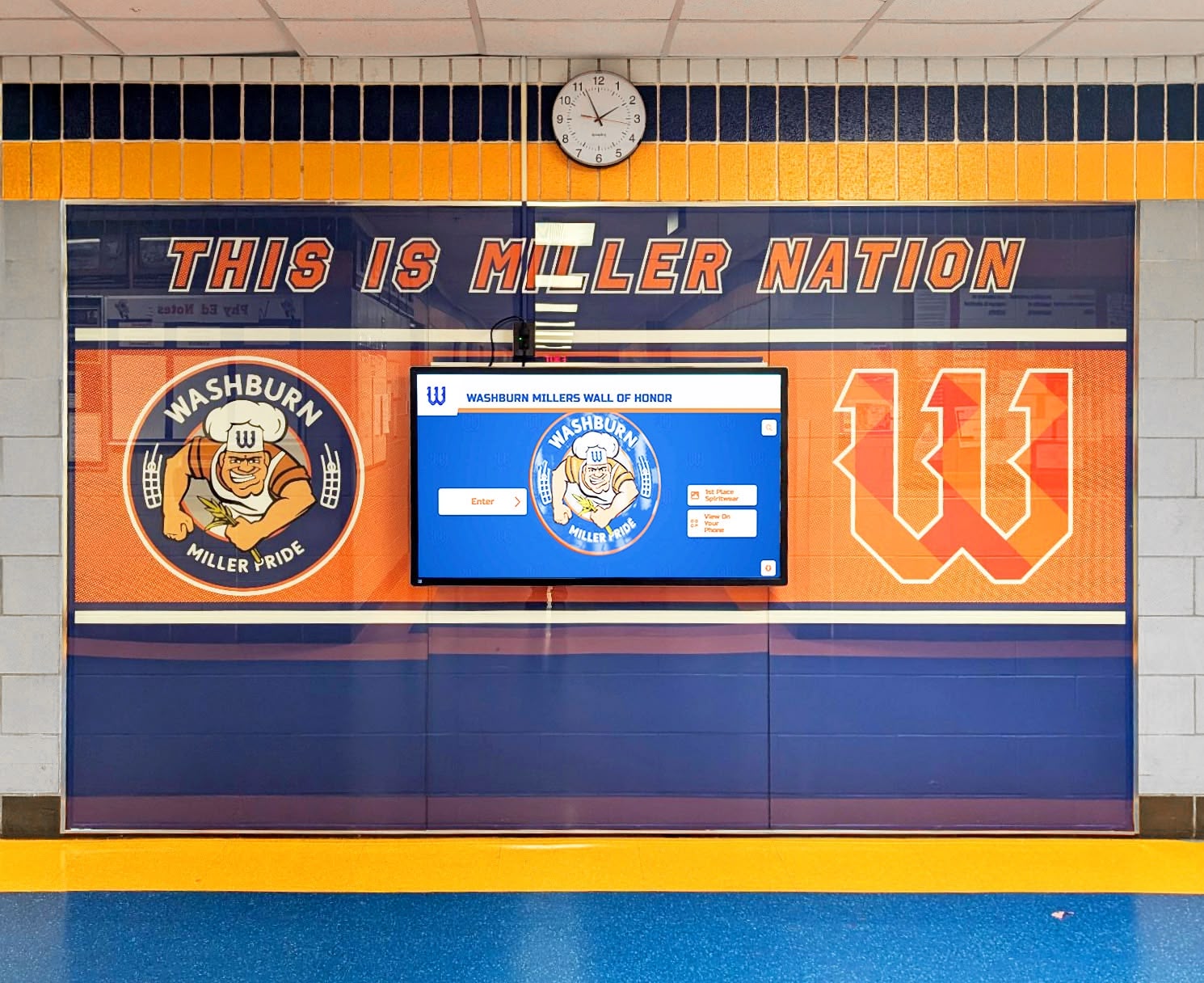
Strategic placement and quality implementation ensure recognition programs succeed long-term
Communication Failures
- Inadequate publicity about award opportunities
- Poor attendance at recognition ceremonies
- Insufficient ongoing visibility after initial presentation
- Missing opportunities to leverage recognition for program promotion
Award Inflation Concerns
Maintaining Meaningful Standards
- Over-recognition diminishing program significance
- Participation trophy perception undermining genuine excellence
- Unclear distinction between recognition levels
- Pressure to recognize everyone creating equity concerns
Balance Requirements
- Inclusive opportunities without inflated standards
- Multiple recognition tiers with appropriate significance
- Honest assessment rather than false encouragement
- Meaningful criteria preventing hollow awards
Programs implementing top sales performer recognition demonstrate cross-context recognition principles.
Building Sustainable Recognition Programs
Long-term success requires planning for program continuation and evolution.
Leadership Transition Planning
Institutional Knowledge Preservation
- Written documentation of all selection processes
- Award history and criteria evolution tracking
- Decision rationale archives for reference
- Committee composition and rotation schedules
- Technology platform training for multiple staff
Succession Planning
- Multiple staff trained on program administration
- Committee structures distributing responsibilities
- Cross-training preventing single point of failure
- Coaching transition protocols
- Technology vendor relationships documented
Program Evolution and Improvement
Continuous Assessment Systems
- Annual program review and evaluation
- Stakeholder feedback integration
- Emerging best practice adoption
- Award category additions or modifications
- Technology updates and capability enhancements
Adaptation to Change
- New sport or team additions
- Changing competitive structures
- Evolving athlete populations and needs
- Emerging cultural values integration
- Generational preference responsiveness
Programs implementing academic all-American displays demonstrate program evolution.
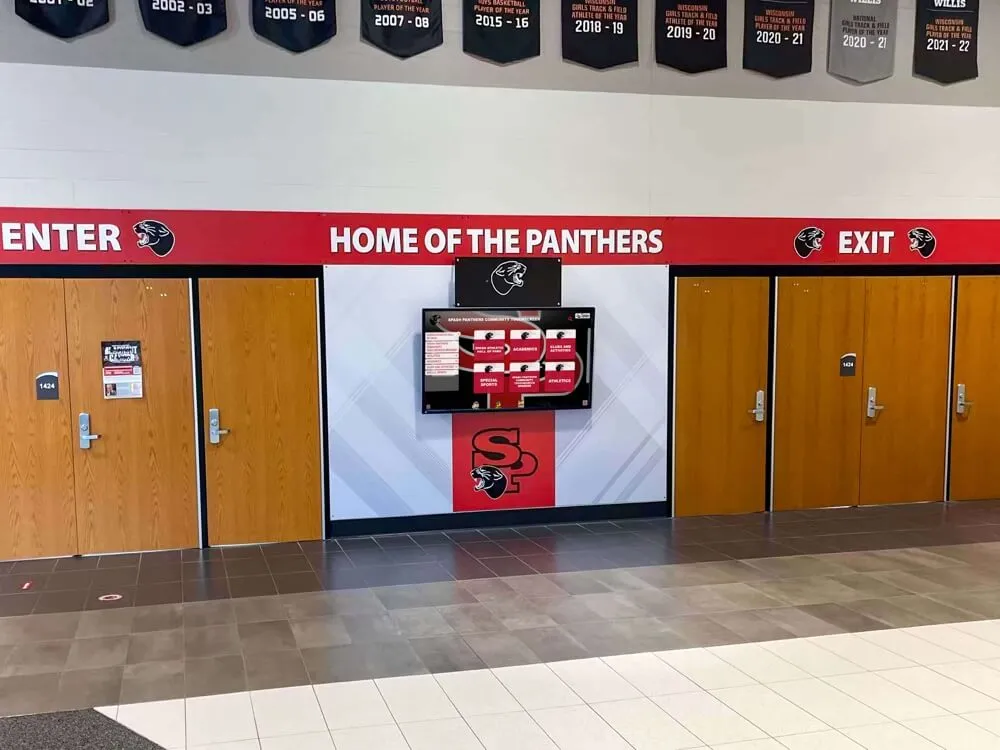
Sustainable programs integrate recognition throughout athletic facilities and operations
Conclusion: Recognition as Cultural Foundation
Team recognition awards represent far more than trophies distributed at end-of-season banquets—they constitute strategic investments in program culture, athlete development, and the creation of environments where all contributors feel genuinely valued for their unique roles. When athletic programs systematically acknowledge excellence across multiple dimensions—from measurable performance to leadership and character, from starting excellence to developmental improvement, from athlete contributions to coaching and support staff impact—they create cultures where talented people choose to commit fully while continuing to develop as competitors and people.
The strategies explored in this guide provide comprehensive frameworks for building recognition systems honoring diverse contributions while remaining sustainable, equitable, and aligned with program values. From multi-dimensional award categories ensuring all roles have acknowledgment pathways to year-round recognition creating consistent reinforcement, from transparent selection processes building trust to digital platforms eliminating traditional space constraints—these approaches transform occasional appreciation into systematic celebration woven throughout team culture.
Effective recognition requires moving beyond limiting assumptions about who deserves acknowledgment and how appreciation should appear. Modern solutions like interactive touchscreen displays make comprehensive recognition achievable across unlimited athletes and contribution categories, while systematic processes ensure consistent implementation reaching all deserving team members. Budget-conscious approaches demonstrate that meaningful recognition depends more on thoughtful design than substantial expenditure.
Start with award categories your team can implement immediately using existing resources, then systematically expand to create comprehensive approaches your athletes deserve. Every athlete who receives meaningful recognition for their contributions—whether exceptional performance, consistent effort, leadership development, improvement commitment, or role-specific excellence—develops stronger connection to your program and greater motivation to continue developing at high levels.
Programs that excel at recognition understand fundamental truth: appreciation isn’t soft sentiment divorced from competitive reality—it’s strategic necessity directly impacting athlete development, team cohesion, program culture, and the creation of environments where talented people choose to give their best efforts day after day, season after season.