Teachers shape every aspect of educational success, yet many schools struggle to provide the systematic recognition these professionals deserve. While athletic achievements fill trophy cases and student accomplishments cover bulletin boards, the educators who make everything possible often receive only occasional acknowledgment during Teacher Appreciation Week or retirement ceremonies.
Effective teacher recognition programs go far beyond annual gestures. They create cultures where educator contributions receive regular visibility, professional accomplishments earn meaningful celebration, and consistent appreciation reinforces the value schools place on teaching excellence. Research consistently shows that systematic teacher recognition directly impacts retention rates, instructional quality, staff morale, and overall school climate.
This comprehensive guide explores evidence-based strategies for designing and implementing teacher recognition programs that honor educator contributions while building positive school cultures where teachers feel genuinely valued for their essential work.
Teacher retention has become increasingly critical as schools nationwide face staffing challenges. According to National Center for Education Statistics data, teacher attrition rates have risen significantly, with recognition and appreciation consistently ranking among top factors influencing educator retention decisions. Schools that excel at systematic teacher recognition create environments where talented educators choose to build long-term careers.
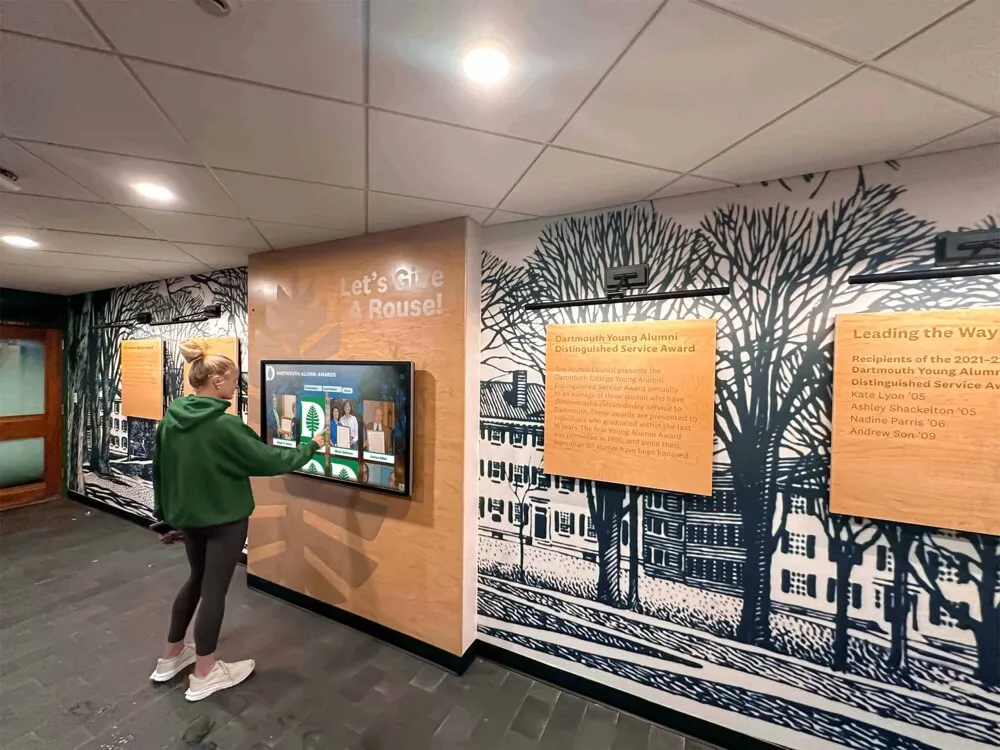
Modern recognition displays make educator contributions visible throughout the school community
Why Teacher Recognition Matters: Research and Impact
Understanding the measurable benefits of systematic teacher recognition helps schools justify resource investment and maintain program commitment.
The Direct Impact on Teacher Retention
Teacher turnover creates substantial challenges for schools, including recruitment costs, lost institutional knowledge, disrupted student relationships, and decreased instructional consistency. Recognition programs directly address retention challenges.
Retention Research Findings
- Schools with strong recognition cultures experience 20-30% lower teacher turnover compared to institutions lacking systematic appreciation programs
- Teachers citing “feeling valued” as a primary job satisfaction factor demonstrate significantly higher retention rates across all experience levels
- Early-career teachers receiving regular recognition are substantially more likely to remain in teaching beyond critical first five years
- Veteran educators in schools with recognition programs report higher job satisfaction despite challenging working conditions
According to research published by the NEA Foundation, teacher recognition serves as a protective factor against burnout while reinforcing intrinsic motivation that sustains long-term teaching careers.
Building Positive School Culture Through Recognition
Teacher recognition creates ripple effects throughout entire school communities.
Cultural Benefits of Systematic Recognition
Staff Morale and Collaboration
- Recognized teachers demonstrate higher collaboration rates with colleagues
- Positive recognition cultures reduce staff conflict and improve professional relationships
- Systematic appreciation creates psychological safety enabling risk-taking and innovation
- Recognition of team achievements strengthens department cohesion
- Visible appreciation models positive organizational culture for students
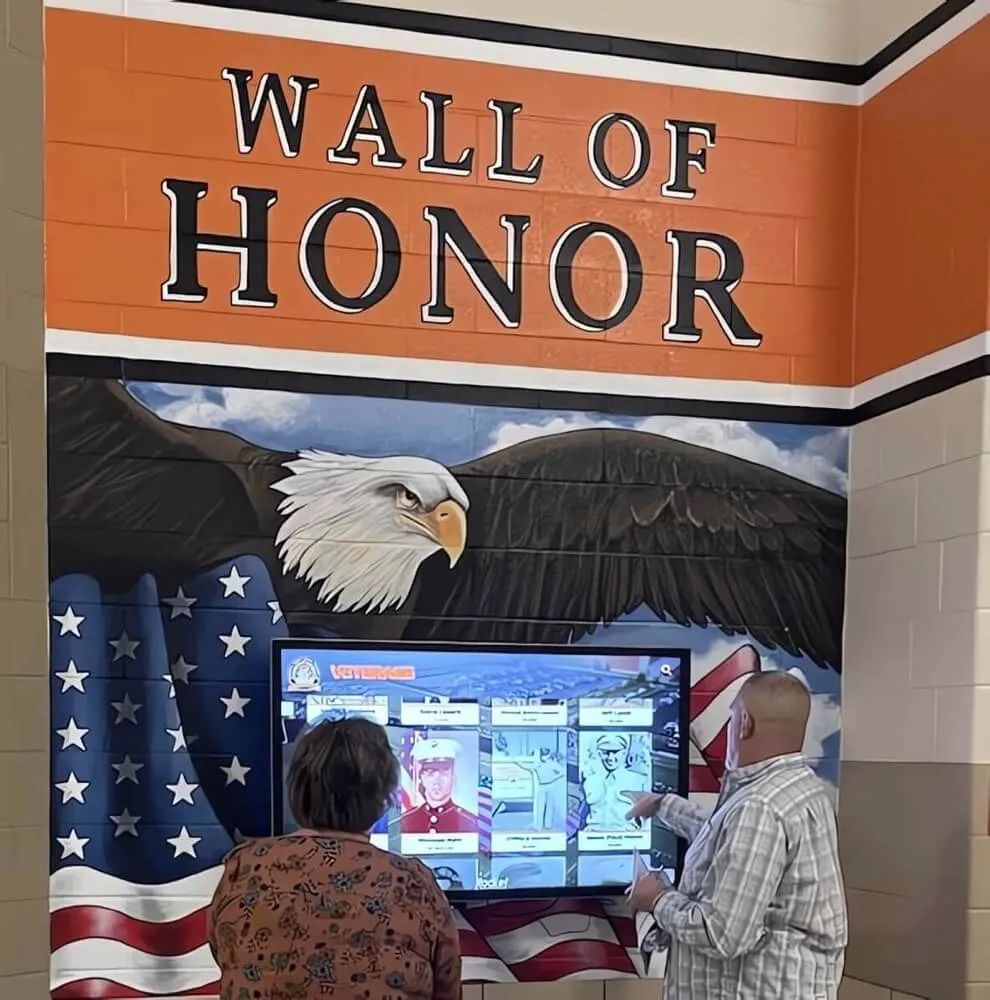
Recognition displays engage entire school communities in celebrating educator excellence
Student Outcomes Connection
- Students in schools with strong teacher recognition cultures demonstrate higher achievement outcomes
- Positive staff morale directly influences classroom climate and student engagement
- Teacher retention enabled by recognition programs provides instructional consistency benefiting student learning
- Recognition of teaching excellence models respect and appreciation for students
Community Engagement
- Visible teacher recognition strengthens family confidence in schools
- Public educator celebration demonstrates institutional values to broader community
- Recognition programs provide positive stories for community relations and media engagement
- Systematic appreciation attracts quality teaching candidates from community
- Permanent donor recognition wall ideas can be adapted for educator recognition
The connection between teacher recognition and organizational health makes these programs strategic investments, not optional extras.
Core Components of Effective Teacher Recognition Programs
Successful recognition programs share essential characteristics ensuring meaningful impact and sustainable implementation.
Multi-Dimensional Recognition Criteria
Effective programs honor diverse contributions across multiple dimensions of teaching excellence.
Instructional Excellence Recognition
- Innovative teaching methods and curriculum development
- Exceptional student learning outcomes and growth measures
- Effective differentiation and inclusive instructional practices
- Technology integration and digital learning innovations
- Assessment design and data-informed instruction
Professional Leadership and Collaboration
- Mentorship of early-career teachers and student teachers
- Leadership in professional learning communities and committees
- Curriculum coordination and department leadership
- Peer leadership program development and coordination
- Professional development presentations and contributions

Individual recognition profiles celebrate specific educator accomplishments and contributions
Student Impact and Relationships
- Exceptional student mentorship and support
- Positive student relationships and classroom culture
- Extracurricular sponsorship and student activity leadership
- Student advocacy and support beyond classroom instruction
- Long-term positive influence on student trajectories
School Community Contributions
- Family engagement and communication excellence
- School culture and climate contributions
- Committee service and institutional advancement
- Community partnership development
- Volunteer service and institutional citizenship
Professional Growth and Development
- Advanced degree completion and continued education
- Professional certification achievement
- Conference presentations and professional writing
- Action research and instructional inquiry
- National Board Certification and similar distinctions
This multi-dimensional approach ensures recognition opportunities exist for teachers with diverse strengths and contribution patterns.
Tiered Recognition Structures
Creating multiple recognition levels provides appropriate acknowledgment at different scales while maintaining significance.
Pinnacle Career Recognition
- Teacher of the Year at building, district, state, and national levels
- Career milestone celebrations for 10, 20, 30+ year service
- National Board Certification achievement
- Outstanding educator wall of honor permanent displays
- Endowed teaching awards and named recognition
These highest honors receive special ceremonies, permanent recognition displays, and prominent institutional visibility.
Regular Recognition Programs
- Monthly teacher spotlights and features
- Quarterly excellence awards in various categories
- Weekly positive acknowledgment systems
- Grade level or department teacher recognition
- Peer-nominated appreciation programs
Milestone Achievement Recognition
- First year completion and new teacher survival celebrations
- Professional certification completion
- Advanced degree attainment
- Significant professional development completion
- Special project or initiative leadership
This tiered structure maintains meaning for top achievements while ensuring frequent recognition opportunities for all educators.
Implementing Teacher Recognition Programs: Practical Strategies
Moving from recognition theory to effective implementation requires systematic planning and thoughtful execution.
Building Recognition Program Infrastructure
Establish Recognition Committees and Leadership Creating dedicated oversight ensures program sustainability:
- Form representative teacher recognition committees including administrators, teacher leaders, staff, and potentially students
- Assign clear responsibilities for nomination management, selection processes, and recognition event coordination
- Develop written program guidelines ensuring transparency and consistency
- Create selection rubrics and criteria for objective evaluation
- Establish regular meeting schedules for program review and refinement
Develop Clear Recognition Criteria Transparency builds trust in recognition programs:
- Define specific, observable criteria for each recognition category
- Create objective measures where possible alongside qualitative assessments
- Ensure criteria align with school mission, values, and strategic priorities
- Publish criteria widely so teachers understand recognition pathways
- Review and update criteria regularly based on educational priorities
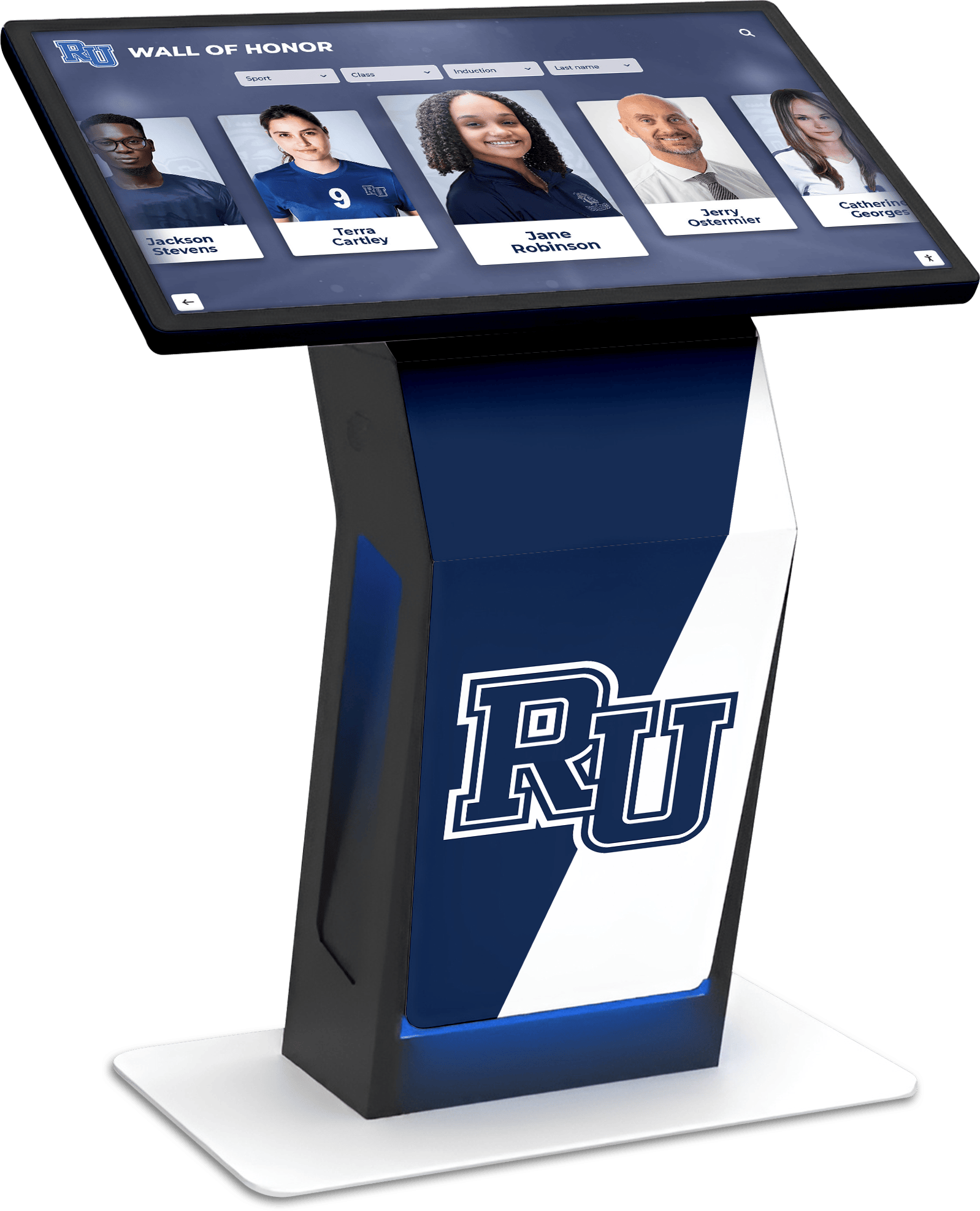
Interactive kiosks provide engaging platforms for exploring educator achievements and contributions
Recognition Nomination and Selection Processes
Multiple Nomination Pathways Diverse nomination sources ensure comprehensive recognition:
- Administrator nominations for observed excellence
- Peer nominations recognizing colleague contributions
- Student nominations providing learner perspectives
- Family nominations acknowledging educator impact
- Self-nomination options for milestone achievements
- Community nominations from external partners
Fair and Transparent Selection
- Use committee review processes rather than single decision-maker selection
- Apply consistent evaluation criteria and rubrics
- Document selection processes and maintain records
- Communicate outcomes to nominees regardless of selection results
- Rotate committee membership ensuring diverse perspectives
Year-Round Recognition Calendar
Systematic recognition requires planned consistency throughout the school year.
Monthly Recognition Opportunities
- August: New teacher welcome and early-career recognition
- September: Summer professional development completion recognition
- October: National Teacher Appreciation initiatives
- November: Department leadership and collaboration recognition
- December: Student impact and mentorship celebration
- January: Mid-year milestone recognition and renewal
- February: Instructional innovation showcase
- March: Professional learning community excellence recognition
- April: Classroom culture and student relationship celebration
- May: Teacher Appreciation Week comprehensive recognition
- June: End-of-year accomplishment celebration and summer transition
Special Recognition Occasions Schools should also recognize teachers during professional development days, board meetings, family engagement events, and community celebrations.
Modern Recognition Display Solutions
Traditional teacher recognition approaches—plaques in administrative offices, names in newsletters, or occasional assembly acknowledgments—provide limited visibility and engagement. Modern digital recognition systems transform educator appreciation.
Digital Recognition Display Benefits
Interactive touchscreen solutions address traditional recognition limitations:
Unlimited Recognition Capacity Digital platforms eliminate physical space constraints:
- Single display showcases unlimited teachers across all recognition categories
- Comprehensive historical archives preserve institutional teaching legacy
- No need to remove previous recognition to accommodate current honorees
- All teaching specialties and contribution types receive equal display capacity
- Multi-year career documentation showing educator journeys
Solutions like digital recognition displays provide platforms for comprehensive educator celebration beyond physical space limitations.
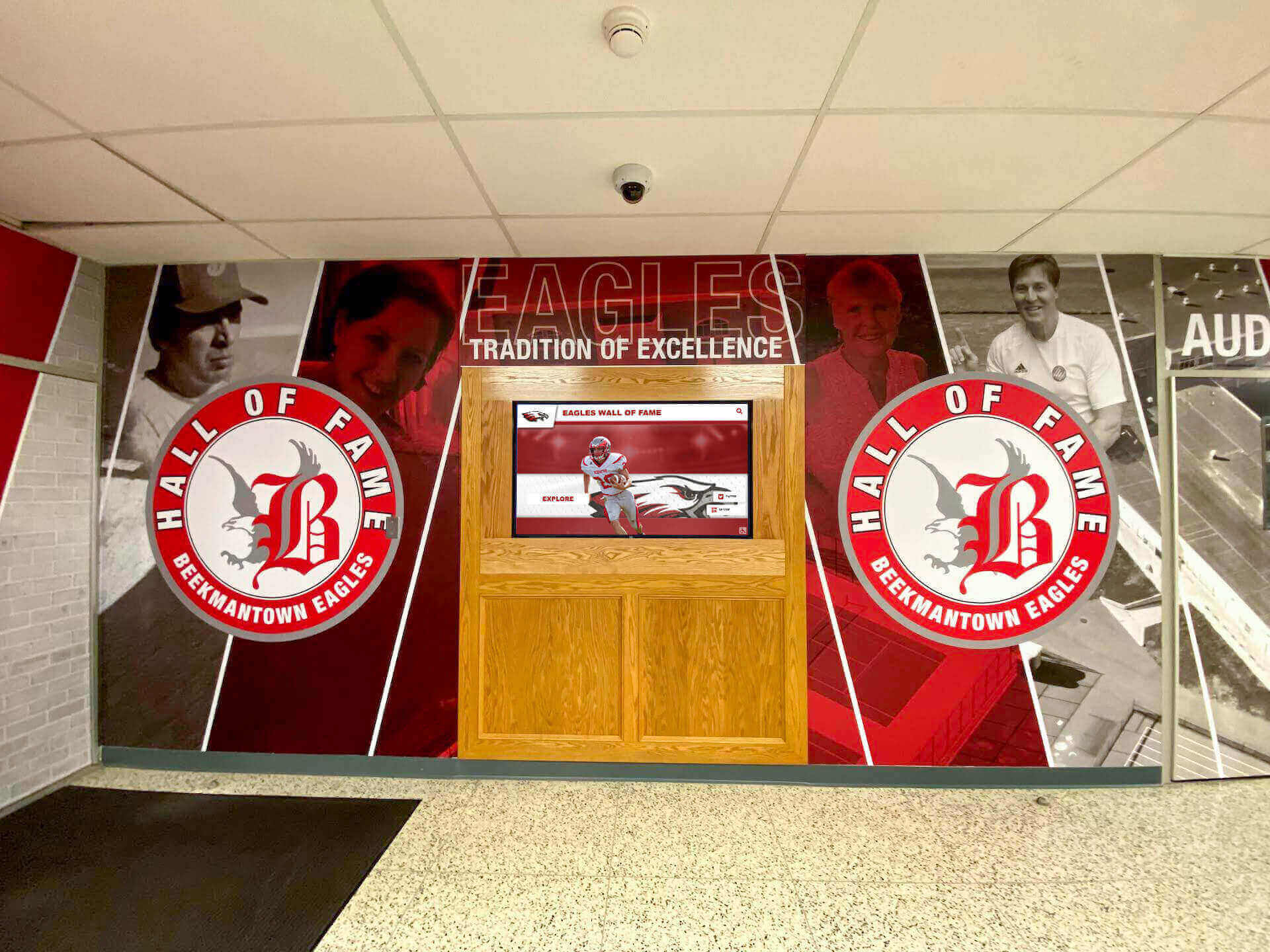
Integrated recognition systems combine traditional design elements with modern digital display technology
Interactive Exploration Features Modern touchscreen systems create engagement impossible with static displays:
- Search functionality enabling students and families to find specific teachers
- Filtering by subject area, department, years of service, and recognition type
- Detailed profile pages telling complete professional stories
- Photo galleries and achievement documentation
- Video messages and teaching philosophy statements
- Student testimonials and impact stories
Simple Content Management Cloud-based management systems eliminate administrative burden:
- Remote updates from any internet-connected device
- Role-based permissions enabling appropriate staff access
- Scheduled publishing for recognition announcements
- Bulk import tools for historical recognition data
- Drag-and-drop interfaces requiring no technical expertise
Schools implementing digital recognition systems report 75-85% reduction in administrative time compared to maintaining traditional physical displays.
Web-Based Recognition Extensions
Recognition impact extends beyond physical school buildings through online platforms.
Online Recognition Accessibility Web-accessible systems amplify recognition reach:
- Community members worldwide can view current teacher recognition
- Alumni connections with former teachers remain accessible
- Social sharing capabilities enabling recognition celebration
- Mobile-optimized displays ensuring access across all devices
- Integration with school websites and communication platforms
Platforms offering best digital hall of fame software extend teacher recognition to broader audiences.
Multi-Channel Communication Strategies Systematic communication ensures maximum recognition visibility:
- Email announcements to school community when teachers receive recognition
- Social media posts celebrating educator achievements
- Newsletter features highlighting teacher excellence
- Morning announcement integrations providing daily acknowledgment
- Local media partnerships extending recognition beyond school
This comprehensive approach ensures teacher recognition receives visibility throughout entire school community and beyond.
Teacher Recognition Ceremony and Event Design
Formal recognition events create memorable experiences while publicly celebrating educator contributions.
Teacher Appreciation Week Programming
The first full week of May provides concentrated opportunity for comprehensive teacher celebration, as highlighted by Teacher Appreciation Week resources.
Daily Themed Recognition
- Monday: Morning coffee service and positive message campaign
- Tuesday: Lunch provided by administrators and appreciation notes from students
- Wednesday: Department or grade-level specific recognition events
- Thursday: Family thank-you videos and community appreciation showcase
- Friday: Staff celebration event and Teacher of the Year announcement
Student-Led Appreciation Activities
- Student-created thank-you cards and appreciation art
- Video tribute compilations showcasing student testimonials
- Hallway decoration by student organizations combined with school spirit week themes
- Student performances and appreciation assemblies
- Classroom coverage enabling teacher collaboration time
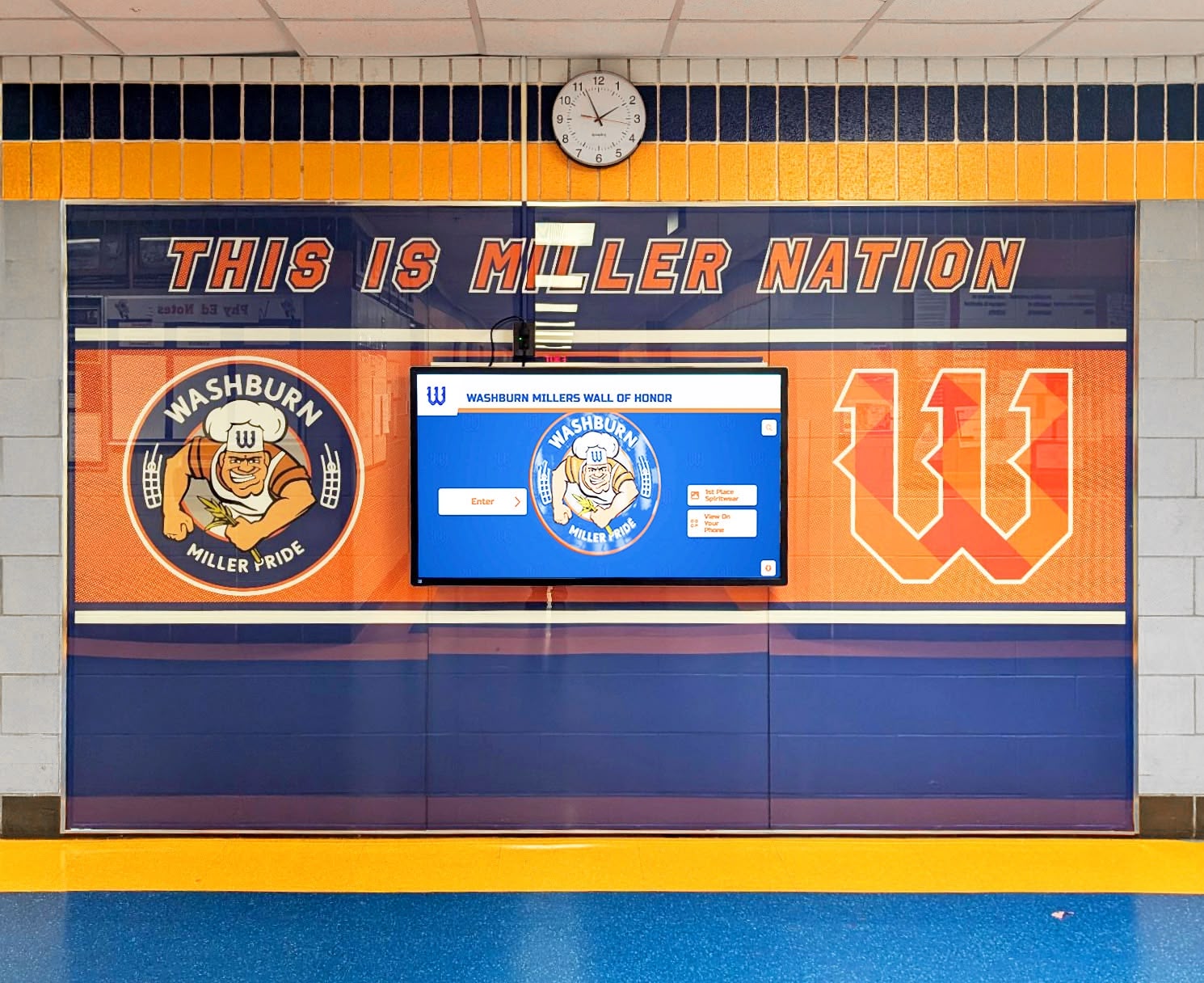
Strategic placement in high-traffic hallways ensures recognition visibility throughout the school day
Quarterly and Annual Recognition Events
Quarterly Recognition Gatherings Regular celebrations maintain recognition momentum:
- Quarterly breakfast or lunch recognition events
- Showcase of teacher innovations and accomplishments
- Peer recognition and appreciation sharing
- Administrative acknowledgment of contributions
- Informal networking and relationship building
Annual Excellence Celebrations Year-end events provide comprehensive recognition opportunities:
- Teacher of the Year award presentations
- Career milestone recognition ceremonies
- Retirement celebrations honoring career contributions
- Special achievement acknowledgments
- Community partner participation demonstrating broader appreciation
Comprehensive hall of achievement recognition programs provide frameworks adaptable for educator recognition events.
Budget-Conscious Recognition Strategies
Effective teacher recognition does not require substantial financial resources when schools implement creative approaches.
Low-Cost High-Impact Recognition
Recognition Requiring Minimal Financial Investment
- Handwritten appreciation notes from administrators, colleagues, and students
- Preferred parking spot rotation for recognized teachers
- Duty coverage providing planning time or early release
- Public recognition during staff meetings and professional development
- Special seating at school events
- Feature articles in school publications
- Social media spotlight posts
- Verbal acknowledgment and specific praise
- Recognition bulletin boards in staff areas
Strategic Resource Allocation Schools with limited budgets should prioritize:
- Investment in sustainable recognition display systems providing long-term value
- Quality recognition events rather than token gifts
- Meaningful experiences over material items
- Public visibility and ceremony over private acknowledgment
- Systems enabling peer and student recognition at minimal cost
Leveraging Community Partnerships
- Local business donations of food for recognition events
- Community sponsor support for teacher awards
- Parent organization funding for recognition programs
- Alumni association contributions to educator appreciation
- Educational foundation support for recognition initiatives
Even schools with minimal budgets can implement meaningful recognition programs through strategic planning and community engagement.

Interactive recognition systems enable teachers to explore colleague achievements and professional accomplishments
Supporting Staff Beyond Teaching Faculty
Comprehensive recognition programs honor all school employees contributing to student success and institutional function.
Support Staff Recognition
Educational institutions employ numerous essential staff members beyond classroom teachers who deserve systematic recognition.
Classified Staff Recognition Categories
- Administrative support and office staff
- Custodial and maintenance personnel
- Food service workers and cafeteria staff
- Transportation staff and bus drivers
- Paraprofessionals and educational assistants
- Technology support staff
- Library media specialists and staff
- Counselors and social workers
- Nurses and health services staff
Schools developing building school pride through recognition ensure all contributors receive appropriate appreciation.
Support Staff Recognition Strategies
- Dedicated recognition events celebrating non-teaching staff
- Equal inclusion in annual recognition displays and systems
- Specific award categories for support staff excellence
- Professional development recognition for all staff categories
- Milestone celebrations for longevity and service
- Student-created appreciation campaigns for support staff
Administrative and Leadership Recognition
School leaders enable teaching excellence and deserve recognition:
Leadership Recognition Approaches
- Board recognition of administrative contributions
- Community acknowledgment of principal and leadership excellence
- Staff appreciation for administrative support
- National recognition programs for school leaders
- Retirement and transition celebrations
- Instructional leadership acknowledgment
Comprehensive recognition cultures celebrate contributions at all organizational levels.
Measuring Teacher Recognition Program Effectiveness
Regular assessment ensures programs achieve intended outcomes and justify continued investment.
Quantitative Evaluation Metrics
Participation and Coverage Data
- Percentage of teachers receiving recognition annually
- Distribution across experience levels, departments, and demographics
- Recognition frequency per educator
- Number of active recognition categories
- Year-over-year participation trends
Staff Retention and Satisfaction
- Teacher retention rates compared to pre-program baselines
- Voluntary turnover analysis by recognition status
- Job satisfaction survey results
- Staff climate survey improvements
- Exit interview data regarding recognition and appreciation
Engagement Indicators
- Digital recognition display interaction rates
- Web-based recognition platform usage statistics
- Social media engagement with teacher recognition content
- Recognition event attendance rates
- Nomination submission quantities
Qualitative Assessment Approaches
Stakeholder Feedback Collection
- Teacher surveys about recognition program awareness, fairness, and impact
- Administrator assessment of program manageability and effectiveness
- Student and family perception of teacher recognition
- Community stakeholder feedback
- Staff focus groups about recognition culture
Cultural Indicators
- Observed changes in staff morale and collaboration
- Professional climate improvements documented through surveys
- Anecdotal evidence of recognition impact on teacher motivation
- Changes in teacher willingness to assume leadership roles
- Institutional reputation improvements related to teacher culture
Regular evaluation enables continuous improvement ensuring recognition programs remain meaningful and impactful.
Common Recognition Program Pitfalls to Avoid
Understanding frequent mistakes helps schools design more effective programs from the start.
Recognition Program Design Errors
Inconsistency and Irregular Implementation
- Recognition programs losing momentum after initial enthusiasm
- Failure to maintain regular recognition schedules
- Administrator turnover disrupting program continuity
- Inconsistent application of recognition criteria
- Lack of systematic processes enabling sustainable implementation
Prevention requires written program documentation, committee oversight, and institutional commitment beyond individual champions.
Narrow or Exclusive Recognition Focus
- Recognition only for easily measured outcomes like test scores
- Exclusive focus on veteran teachers overlooking early-career contributions
- Recognition limited to specific departments or grade levels
- Failure to acknowledge diverse contribution types beyond classroom instruction
- Overemphasis on competition rather than comprehensive celebration
Effective programs intentionally create recognition opportunities across diverse excellence dimensions.
Lack of Transparency and Communication
- Unclear criteria creating perception of favoritism
- Inadequate communication about nomination processes
- Failure to explain selection decisions
- Limited visibility of recognition beyond honorees
- Insufficient promotion of recognition opportunities
Transparency in criteria, processes, and decision-making builds trust essential for program credibility.
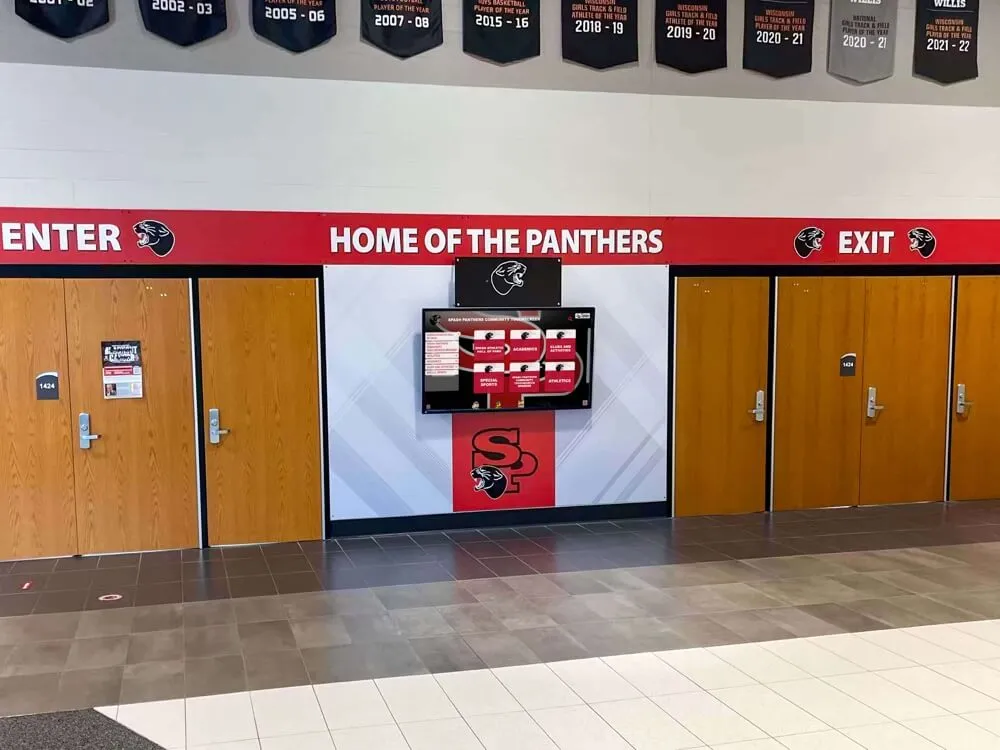
Recognition systems integrated throughout school facilities reinforce culture of appreciation and excellence
Implementation and Sustainability Challenges
Insufficient Resource Allocation Schools launching recognition programs without addressing:
- Administrative time required for program management
- Budget allocation for recognition events, awards, and materials
- Technology investments for modern recognition displays
- Committee release time and meeting scheduling
- Communication system integration
Recognition Inflation Concerns
- Over-recognition diminishing program significance
- Unclear distinction between recognition levels
- Participation awards lacking meaningful criteria
- Pressure to recognize everyone creating equity concerns
- Loss of prestige for highest recognition levels
Balance requires maintaining meaningful standards while ensuring recognition accessibility across diverse contribution dimensions.
Special Considerations for Different School Types
Recognition program design should consider institutional context and teacher population characteristics.
Elementary School Teacher Recognition
Early education environments present unique recognition opportunities:
Elementary-Specific Approaches
- Recognition visible to young students modeling appreciation
- Family-friendly recognition events enabling student participation
- Grade level team recognition emphasizing collaboration
- Specialist teacher inclusion ensuring comprehensive coverage
- Recognition aligned with elementary school culture and schedules
Secondary School Teacher Recognition
Middle and high schools require approaches matching adolescent environments:
Secondary-Specific Strategies
- Department-based recognition aligned with content specialization
- Recognition connected to college counseling and student outcomes
- Academic recognition programs integration highlighting teaching excellence
- Extracurricular sponsorship and student activity leadership acknowledgment
- Advanced Placement, honors, and specialized program teacher recognition
- Student voice integration through older student nomination processes
Higher Education Faculty Recognition
College and university contexts demand adapted approaches:
Post-Secondary Recognition Adaptations
- Research and scholarship recognition alongside teaching excellence
- Departmental and college-level recognition programs
- Tenure and promotion milestone celebrations
- Professional conference presentations and publications acknowledgment
- Service and committee leadership recognition
- Student evaluation integration with recognition criteria
Connecting Recognition to Professional Growth
Effective recognition programs complement professional development systems reinforcing continuous improvement.
Recognition-Development Integration
Professional Learning Recognition
- Acknowledgment of completed professional development
- Recognition for applying new instructional strategies
- Celebration of action research and inquiry projects
- Peer coaching and mentorship recognition
- Professional learning community leadership acknowledgment
Career Advancement Connection Recognition programs should connect to career pathways:
- Documentation useful for evaluation and advancement processes
- Recognition alignment with professional growth goals
- Portfolio evidence of recognized contributions
- Nomination processes encouraging reflective practice
- Career milestone recognition reinforcing long-term commitment
This integration ensures recognition serves developmental purposes beyond appreciation alone.
Conclusion: Building Recognition Cultures That Honor Educators
Teacher recognition programs represent strategic investments in workforce stability, instructional quality, and positive organizational culture. When schools systematically celebrate educator contributions across multiple dimensions—from classroom excellence to professional leadership—they create environments where talented teachers choose to build long-term careers while continuing to grow professionally.
The strategies explored in this guide provide comprehensive frameworks for building recognition systems that honor diverse contributions while remaining sustainable, equitable, and aligned with institutional missions. From digital recognition displays eliminating traditional space constraints to year-round recognition calendars ensuring consistent appreciation, these approaches transform occasional token gestures into systematic celebration woven throughout school culture.
Effective teacher recognition requires moving beyond limiting assumptions about who deserves acknowledgment and how appreciation should appear. Modern solutions like interactive touchscreen displays make comprehensive recognition achievable across unlimited educators and contribution categories, while systematic processes ensure consistent implementation reaching all deserving teachers.
Start with recognition programs you can implement immediately using existing resources, then systematically expand to create comprehensive approaches your educators deserve. Every teacher who receives meaningful recognition for their professional contributions develops stronger connection to the institution and greater motivation to continue growing as an educator.
Your teachers shape every student success and institutional accomplishment. With thoughtful planning, appropriate technology, and consistent implementation, you can create recognition systems that honor every contribution while building the positive, motivating professional culture where educators and students thrive together.