Every May and June, schools across the country hold awards ceremonies celebrating student achievement—yet many educators struggle to move beyond the same limited categories year after year. Honor roll, perfect attendance, and maybe a citizenship award or two. While these traditional recognitions matter, limiting acknowledgment to such narrow categories means countless students with diverse talents, improvements, and contributions never experience the powerful motivation that comes from being recognized.
Student recognition awards serve purposes far beyond certificates handed out at assemblies. Thoughtfully designed recognition programs teach students what excellence looks like across multiple dimensions, reinforce positive behaviors that extend beyond test scores, and create inclusive school cultures where every child finds opportunities for meaningful acknowledgment. When schools implement comprehensive award systems honoring diverse achievements, they build communities where all students see themselves as valued contributors capable of excellence.
This comprehensive guide presents 40+ student recognition award categories spanning academic achievement, character development, leadership, athletics, arts, and specialty recognitions for elementary through high school. You’ll also discover practical ceremony planning strategies and modern solutions for showcasing student achievements that extend recognition far beyond single-evening events.
Student recognition shapes school culture more powerfully than many educators realize. Research demonstrates that students receiving meaningful acknowledgment show higher motivation, stronger school connection, improved behavior, and greater willingness to tackle challenges. The key lies in creating recognition systems diverse enough that every student finds pathways to acknowledgment while maintaining standards that keep awards meaningful.
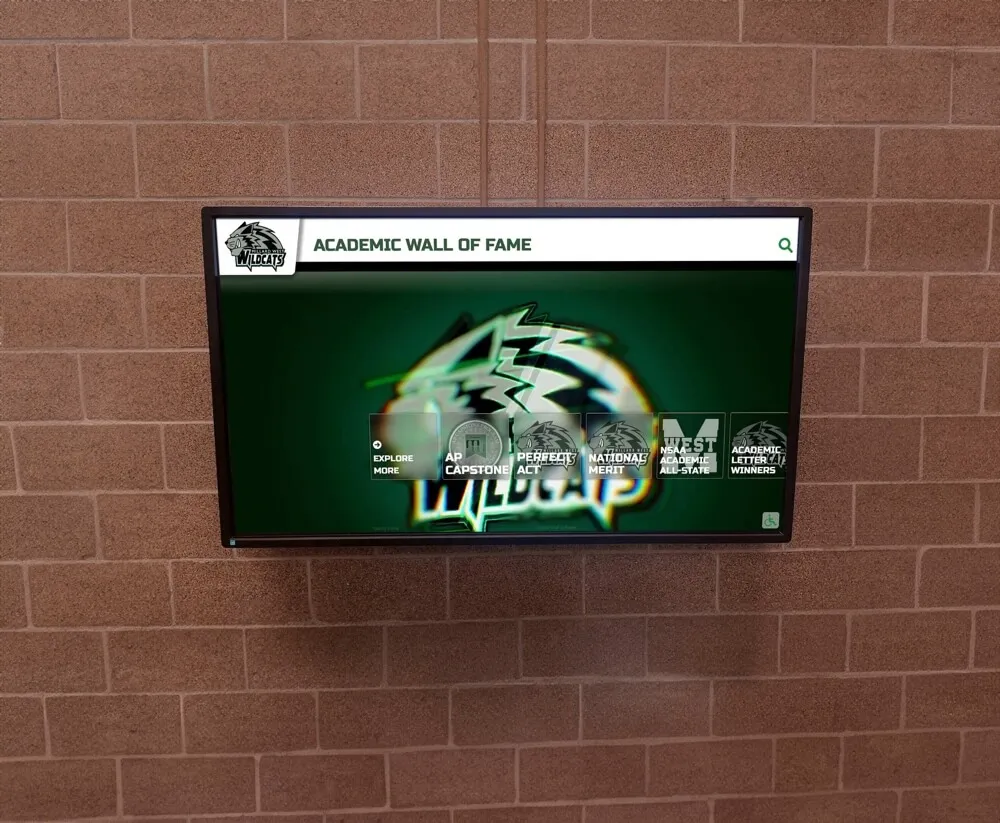
Modern recognition displays make student achievement visible throughout the school year, not just at ceremonies
Academic Achievement Awards
Academic recognition forms the foundation of most school award programs while requiring careful design to ensure diverse students find acknowledgment opportunities.
Elementary Academic Recognition (K-5)
1. Star Reader Award Recognizes students demonstrating exceptional reading progress, completion of reading goals, or outstanding comprehension during critical literacy development years.
2. Math Excellence Recognition Honors students showing strong mathematical thinking, problem-solving skills, or significant improvement in math performance.
3. Perfect Attendance Award Acknowledges consistent school attendance demonstrating commitment and family support while creating positive modeling for school engagement.
4. Most Improved Student Celebrates significant academic growth regardless of starting point, ensuring recognition opportunities for students at all achievement levels.
5. Homework Hero Award Recognizes consistent, quality homework completion that reinforces responsibility and work habits essential for future success.
6. Science Explorer Award Honors curiosity, scientific thinking, and enthusiasm for scientific learning among students showing particular strength in STEM subjects.
7. Young Author Recognition Celebrates outstanding creative or expository writing, honoring students demonstrating particular strength in written expression.
8. Art Star Award Recognizes exceptional creativity and artistic expression across visual arts media.
Middle School Academic Awards (6-8)
9. Honor Roll Recognition Traditional but essential acknowledgment for students maintaining strong grade point averages, typically offered in multiple tiers (Principal’s Honor Roll, High Honor Roll, Honor Roll).
10. Subject Excellence Awards Subject-specific recognition for top performance in mathematics, science, English, social studies, world languages, or electives.
11. Academic Growth Award Celebrates students showing greatest GPA improvement from previous grading period or year, motivating students beginning from lower achievement levels.
12. Outstanding Project Award Recognizes exceptional quality in research projects, presentations, or major assignments that demonstrate depth beyond daily work.
13. STEM Achievement Recognition Honors excellence in science, technology, engineering, and mathematics through competition participation, project work, or coursework achievement.
Comprehensive approaches to student awards and recognition programs demonstrate how systematic acknowledgment creates positive academic cultures across all grade levels.
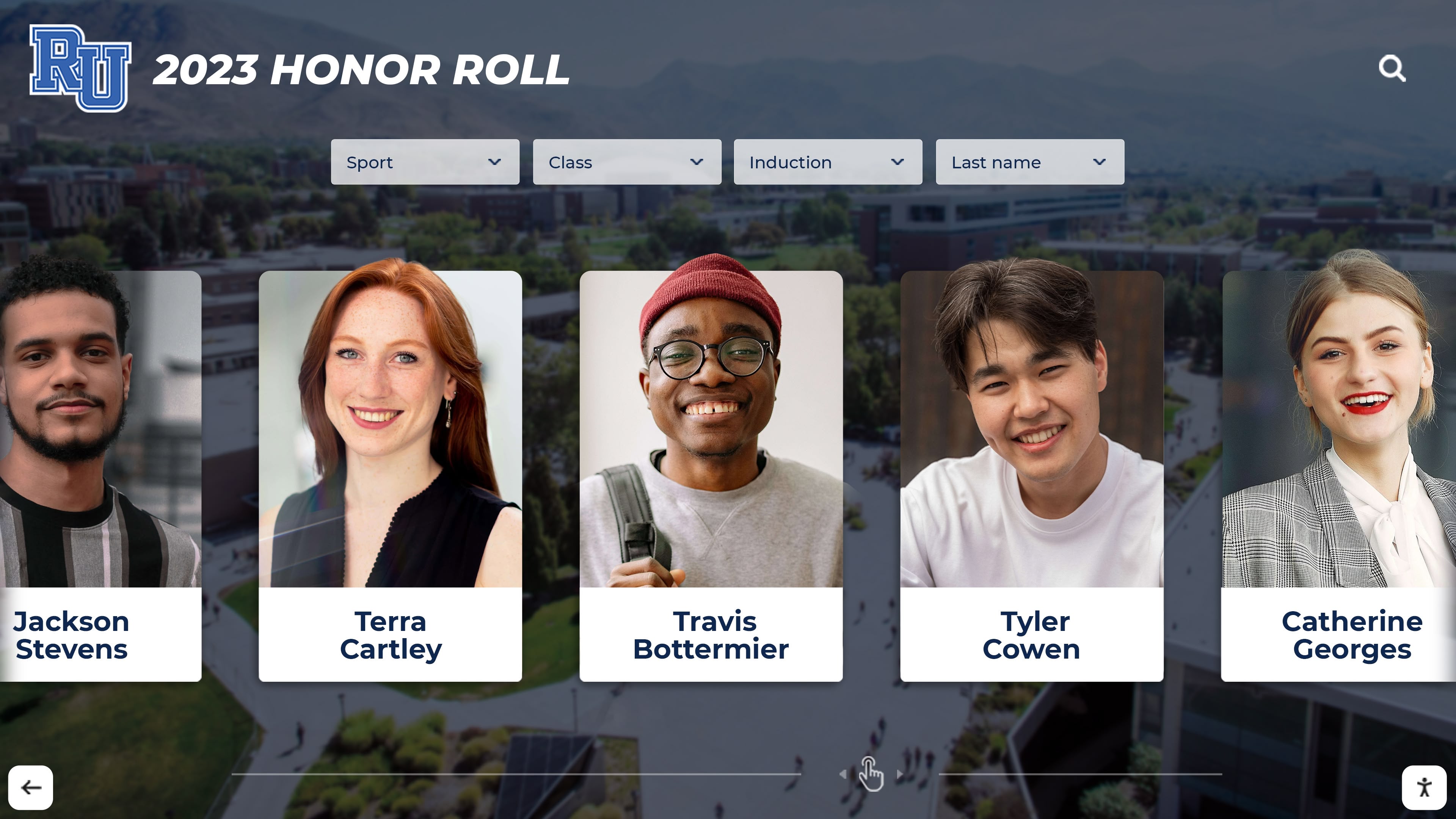
Personalized recognition profiles celebrate individual student journeys and diverse achievement categories
High School Academic Recognition (9-12)
14. Valedictorian and Salutatorian Pinnacle academic recognition for highest and second-highest cumulative GPAs in graduating class, representing sustained excellence across entire high school careers.
15. National Honor Society Membership Recognition based on scholarship, service, leadership, and character, demonstrating well-rounded achievement beyond academics alone.
16. AP Scholar Recognition Acknowledges students passing multiple Advanced Placement exams, demonstrating college-level academic capability that significantly enhances college applications.
17. Academic Department Awards End-of-year recognition for top students in each academic department, often including specialized awards like “Outstanding Mathematics Student” or “English Department Scholar.”
18. Academic Comeback Award Celebrates students who significantly turned around academic performance, often from struggling to succeeding, inspiring peers while acknowledging hard-won improvement.
19. Career and Technical Education Excellence Recognizes outstanding achievement in CTE programs, industry certification completion, and technical skill development.
Character and Citizenship Awards
Character recognition teaches students that who they are matters as much as what they accomplish academically.
20. Kindness Award Recognizes students consistently demonstrating compassion, helpfulness, and caring toward peers and adults, creating visible modeling of prosocial behavior.
21. Integrity Award Honors students demonstrating honesty, ethical behavior, and trustworthiness in academic and social situations, celebrating character even when adults aren’t watching.
22. Respect Award Acknowledges consistent respectful treatment of peers, teachers, staff, and school property, reinforcing cultural expectations for positive school environment.
23. Perseverance Award Recognizes students who overcome obstacles, maintain effort through challenges, and demonstrate resilience when facing difficulties.
24. Good Citizenship Recognition Celebrates students following school rules, showing respect for others, and contributing positively to classroom and school community.
25. Friendship Award Honors students who are particularly inclusive, welcoming to new classmates, and skilled at building positive peer relationships.
26. Spirit of [School Name] Award Top character recognition celebrating students who best embody school values and mission, often selected through staff nomination and committee review.
Schools implementing comprehensive student engagement strategies find that character awards strengthen overall school culture alongside academic recognition.
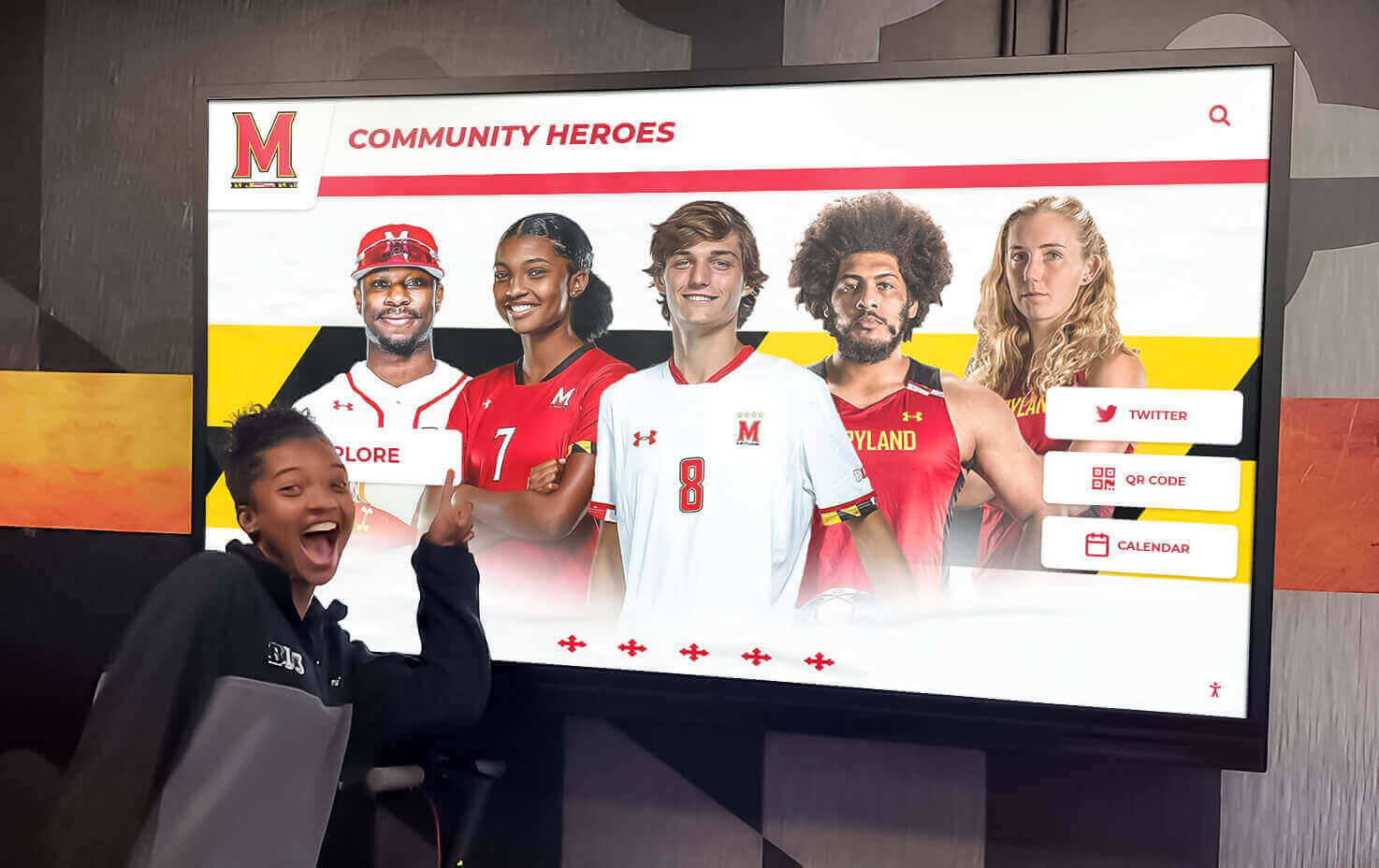
Interactive displays enable students to explore achievements across all recognition categories
Leadership and Service Awards
Recognition for contribution beyond self develops civic responsibility and leadership capacity essential for future success.
27. Student Government Recognition Acknowledges elected student leaders serving in class officer, student council, or school government positions, celebrating democratic participation and peer trust.
28. Peer Mentor Award Recognizes students providing academic tutoring, new student orientation, or peer support, honoring investment in helping others succeed.
29. Community Service Award Celebrates students completing significant volunteer service in school or broader community, often recognizing milestone service hours (50, 100, 250+ hours).
30. Environmental Steward Award Honors students leading recycling initiatives, conservation efforts, or environmental awareness programs demonstrating sustainability commitment.
31. School Spirit Champion Acknowledges students demonstrating exceptional enthusiasm for school activities, events, and traditions, celebrating positive energy benefiting entire communities.
32. Club and Organization Leadership Recognizes students serving in leadership roles across clubs, activities, and student organizations demonstrating initiative and organizational skills.
Athletic and Physical Education Awards
Athletic recognition celebrates competitive achievement while ensuring participation and character receive acknowledgment alongside performance.
33. Varsity Letter Recognition Traditional athletic award for meeting sport-specific requirements and competitive participation standards, creating connection to school athletic tradition.
34. Most Valuable Player (MVP) Team-level recognition for athlete making greatest overall contribution to team success based on performance, leadership, and impact.
35. Most Improved Athlete Celebrates significant skill development and athletic growth throughout season, ensuring recognition beyond naturally gifted athletes.
36. Sportsmanship Award Honors exemplary conduct, respect for opponents and officials, and positive representation of school and team, valuing character equal to competitive success.
Athletic programs implementing comprehensive youth sports awards approaches demonstrate diverse ways to celebrate athletic contributions beyond traditional trophies.
37. Physical Education Excellence Award Recognizes outstanding participation, effort, skill development, and positive attitude in PE classes, celebrating fitness engagement beyond competitive sports.
38. Student-Athlete Scholar Award Honors students maintaining high academic achievement while participating in athletics, recognizing the balance and commitment required for dual excellence.
Creative Arts and Specialty Recognition
Recognition across diverse interests ensures varied student strengths receive appropriate acknowledgment.
39. Artist of the Year Celebrates exceptional talent and growth in visual arts across different media including painting, sculpture, digital art, and photography.
40. Musician of the Year Acknowledges exceptional musical talent, improvement, or contribution to school music programs, celebrating performing arts alongside academics and athletics.
41. Dramatic Arts Recognition Honors excellence in theatre performance, technical theatre, or contribution to school productions, ensuring performing arts receive visibility equal to other activities.
42. Tech Innovation Award Recognizes students demonstrating exceptional technology skills, coding ability, or innovative application of technology to solve problems.
43. Debate and Speech Awards Celebrates excellence in competitive speech, debate tournaments, and public speaking events demonstrating communication mastery.
44. Journalism and Media Recognition Honors outstanding contributions to school newspapers, yearbooks, broadcasts, or digital media platforms.
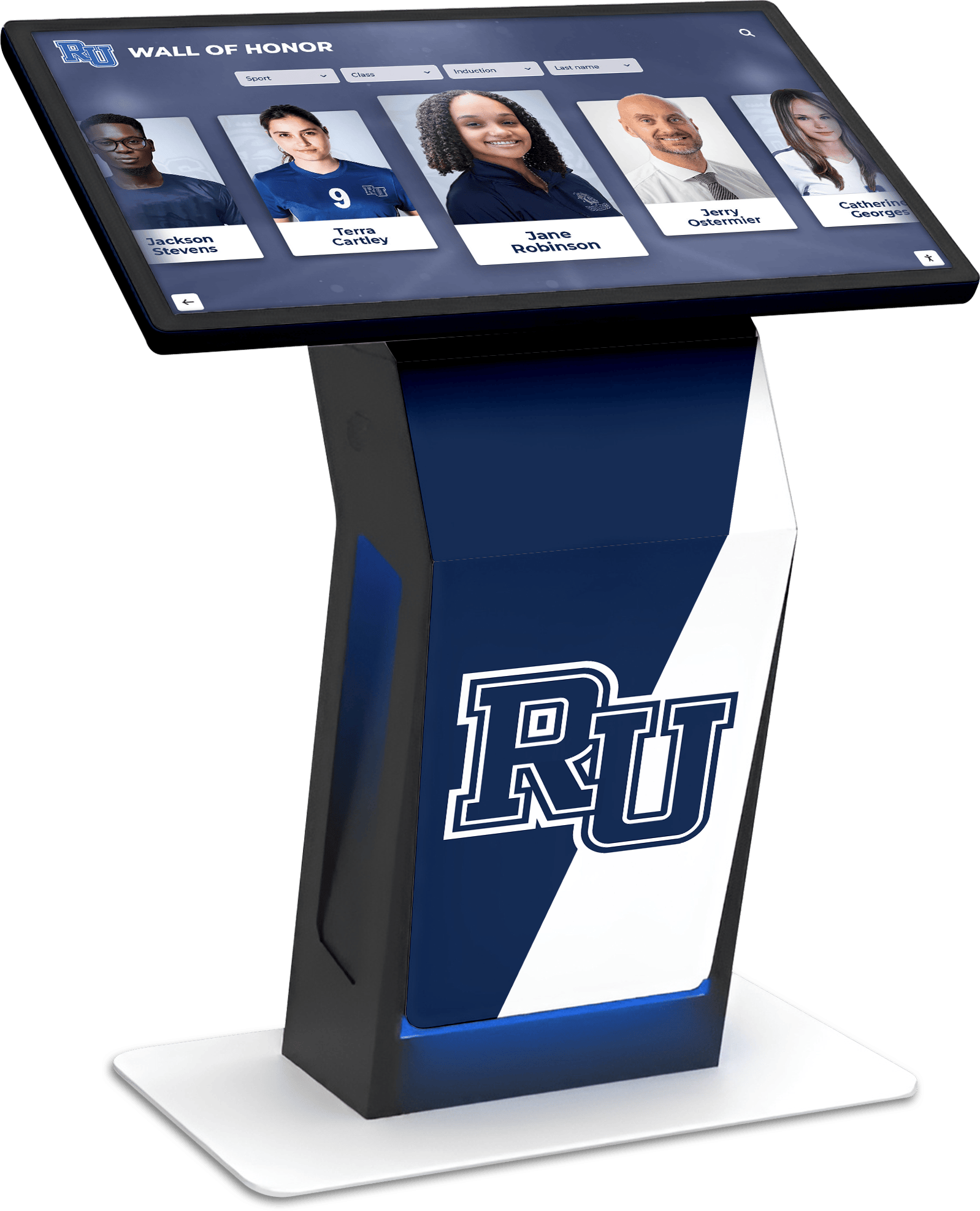
Modern touchscreen systems enable exploration of unlimited recognition categories and student achievements
Planning Effective Recognition Ceremonies
Having diverse award categories proves insufficient without thoughtful ceremony planning that makes recognition feel meaningful and memorable.
Ceremony Format Options
Traditional Evening Banquet Formal dinner event with awards presentation, keynote speakers, and family attendance creates significant occasion appropriate for major recognitions.
Assembly-Style Recognition School-wide or grade-level assemblies during school day reach broader audiences and enable peer celebration while managing time and cost constraints.
Subject-Specific Ceremonies Department or program-based recognition events allow deeper acknowledgment within specialized areas like athletics, arts, or academics.
Quarterly Recognition Events Multiple ceremonies throughout year increase total students recognized while maintaining manageable event length and sustained motivation.
Combined Recognition Approaches Hybrid models featuring major annual ceremony supplemented by smaller ongoing recognition events maximize both prestige and participation.
Essential Ceremony Components
Opening Elements
- Welcome remarks establishing ceremony purpose and tone
- Introduction of guests, administrators, and dignitaries
- Context explaining recognition program significance
- Student or faculty speaker providing inspirational message
- Acknowledgment of those who make recognition possible
Award Presentation Structure
- Clear category announcements with selection criteria explanation
- Individual recipient recognition with achievement description
- Photo opportunities for students and families
- Appropriate applause and celebration moments
- Balance between efficiency and meaningful acknowledgment
Closing Components
- Reflection on collective achievement represented
- Challenge to continue excellence and growth
- Appreciation for attendees and supporters
- Clear dismissal and reception information if applicable
- Photo and social opportunities following formal program
Schools planning comprehensive recognition events benefit from reviewing end-of-year awards program approaches that balance ceremony significance with practical implementation.
Creating Inclusive Recognition
Equity Considerations
- Sufficient award categories ensuring broad student accessibility
- Recognition opportunities spanning all achievement levels
- Balance across demographics, grade levels, and programs
- Multiple pathways to acknowledgment beyond single criteria
- Regular assessment of recognition distribution patterns
Accessibility Requirements
- Physical venue accessibility for all attendees
- Sign language interpretation for hearing impaired
- Clear sightlines and sound systems enabling participation
- Alternative formats for students unable to attend in person
- Cultural sensitivity in recognition approaches and language
Showcasing Student Recognition Beyond Ceremonies
Traditional approaches to displaying recognition—bulletin boards with paper certificates, trophy cases with limited space, annual lists quickly discarded—struggle to provide ongoing visibility student achievements deserve.
Modern Recognition Display Solutions
Digital recognition systems transform how schools celebrate student excellence throughout the year:
Unlimited Recognition Capacity Physical constraints force schools to choose whose achievements receive visibility. Digital platforms eliminate these limitations by showcasing unlimited students across all award categories without removing past honorees to accommodate current awards.
Interactive Engagement Features Static displays provide basic information while touchscreen systems create experiences enabling students to search for themselves and peers, filter by award type or year, and explore individual profile pages with photos and achievement descriptions.
Remote Content Management Cloud-based systems eliminate maintenance challenges by enabling updates from any internet-connected device, bulk importing of award recipient data after ceremonies, and scheduled automated publishing for different periods.
Schools implementing comprehensive digital recognition solutions like those from Rocket Alumni Solutions report dramatic increases in recognition visibility and student engagement while reducing administrative burden maintaining displays.
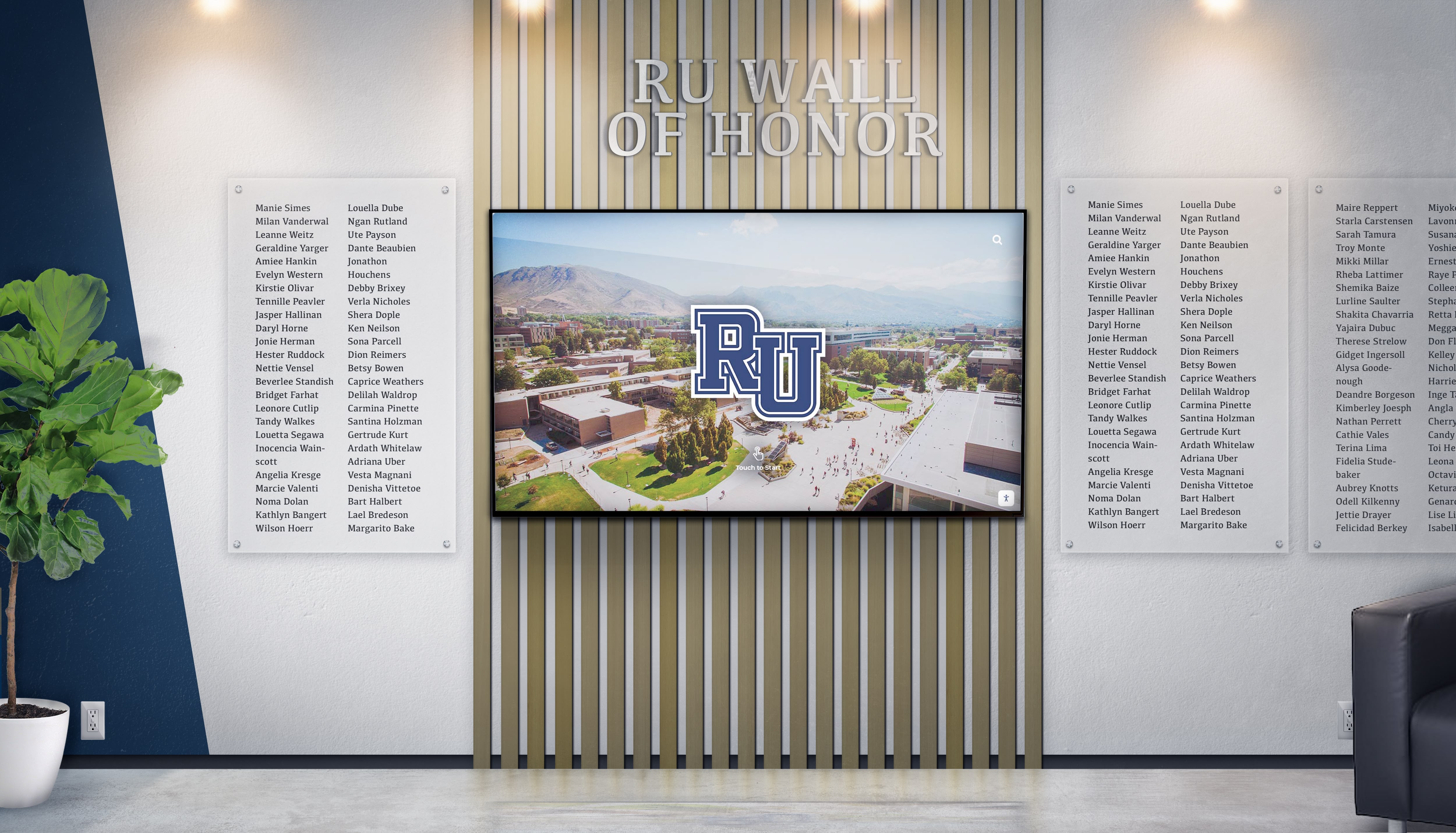
Integrated recognition systems combine digital displays with traditional elements creating comprehensive celebration spaces
Strategic Display Placement
High-Traffic Location Selection
- Main entrance lobbies creating immediate visibility for visitors
- Cafeteria and common areas ensuring daily student exposure
- Athletic facilities celebrating sports achievements contextually
- Academic wings highlighting subject-specific recognition
- Media centers and libraries showcasing scholarly achievement
Multi-Platform Recognition Extension Recognition impact multiplies when accessible beyond school buildings through web-based platforms enabling families to view achievements from home, social media sharing amplifying recognition reach, and newsletter features maintaining recognition visibility.
Organizations exploring modern trophy case alternatives discover comprehensive benefits of digital systems extending far beyond physical display advantages.
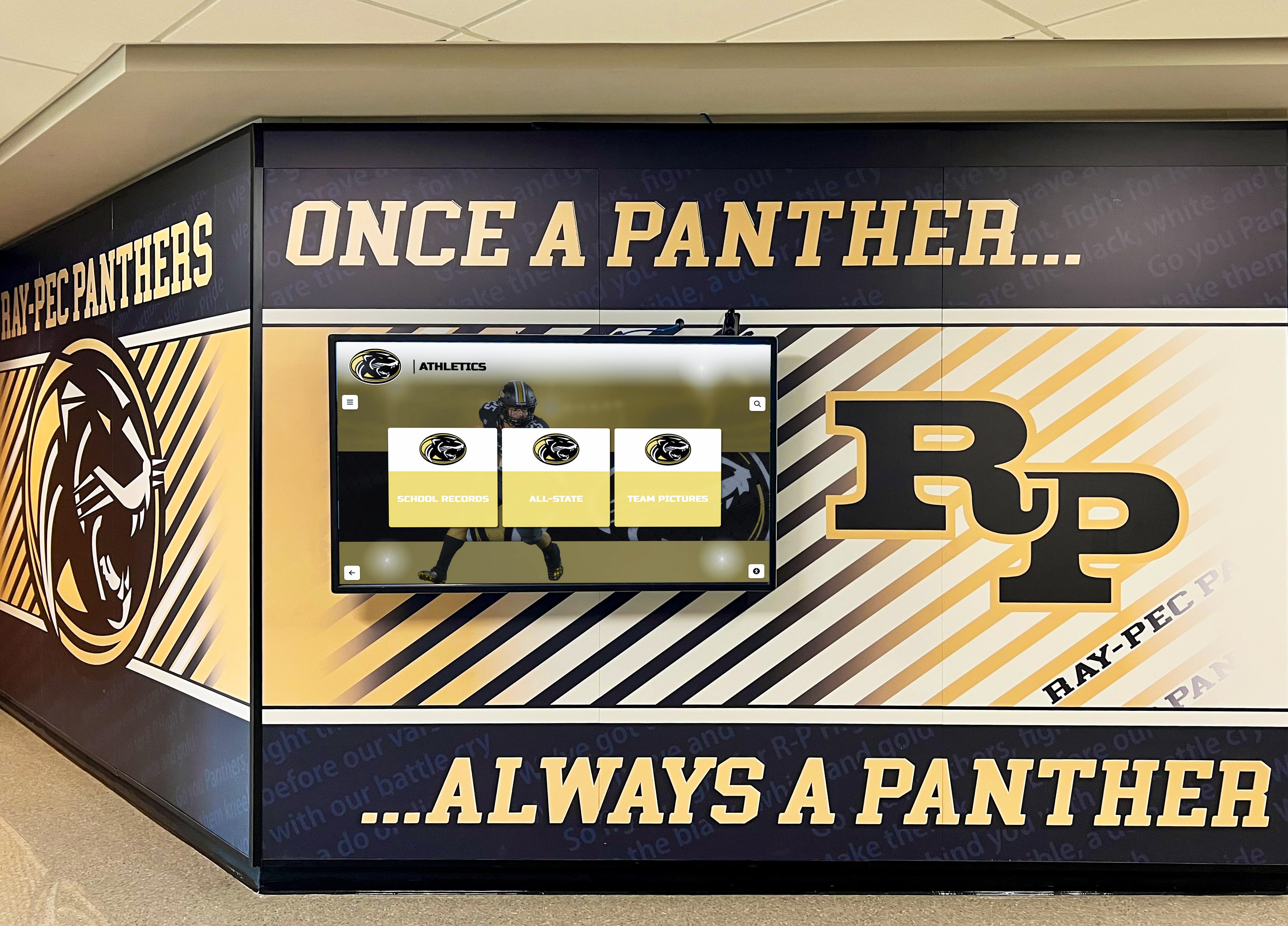
Strategic integration of recognition displays within school design reinforces achievement culture
Age-Appropriate Recognition Approaches
Different developmental stages require adapted recognition strategies ensuring maximum positive impact across grade levels.
Elementary Recognition Strategies (K-5)
Frequent Acknowledgment Cycles Young children benefit from recognition closer in time to achievements through weekly or bi-weekly awards rather than only quarterly recognition, classroom-level acknowledgment supplementing school-wide awards, and immediate positive feedback reinforcing desired behaviors.
Inclusive Participation Focus Elementary recognition should ensure all students receive acknowledgment by creating sufficient award categories reaching diverse students, recognizing effort and improvement not only absolute achievement, and rotating recognition opportunities across marking periods.
Tangible Recognition Elements
- Physical certificates children can take home and display
- Stickers, ribbons, or tokens providing immediate gratification
- Classroom recognition boards showcasing all students
- Positive phone calls or notes home to families
- Small celebration moments during instructional time
Middle School Recognition Approaches (6-8)
Balancing Competition and Inclusion Pre-adolescent students can handle more competitive recognition while still needing inclusive opportunities through top achievement awards for highest performers, improvement and effort recognition for developing students, and character awards emphasizing emerging values and identity.
Building Recognition Traditions Middle school creates foundation for high school participation by establishing recognition ceremonies students anticipate, creating visible displays building school culture, and connecting recognition to future high school opportunities.
High School Recognition Systems (9-12)
Comprehensive Achievement Documentation High school recognition connects to future opportunities through academic recognition supporting college applications, leadership awards demonstrating experience and capacity, service documentation for scholarships and programs, and cumulative achievement displays showing four-year journeys.
Student Ownership and Voice Older students benefit from recognition program participation through student committee involvement in award selection, peer nomination opportunities for appropriate categories, and student speaker roles at recognition ceremonies.
Exploring diverse special awards for students across all grade levels demonstrates the breadth of recognition possibilities beyond traditional categories.
Recognition Program Implementation Best Practices
Successful student recognition programs require systematic planning and consistent execution throughout the school year.
Establishing Clear Selection Criteria
Objective Academic Standards
- Grade point average thresholds with transparent cutoffs
- Standardized test score requirements clearly communicated
- Attendance percentages with specific expectations
- Competition results and placement criteria
- Measurable improvement metrics comparing performance periods
Structured Subjective Evaluations Character and behavioral awards require systematic assessment including multiple staff input ensuring broader perspective, observation documentation throughout marking period, specific behavior examples supporting nominations, and rubrics providing consistent evaluation frameworks.
Communication Strategies
Pre-Recognition Communication
- Award criteria published and accessible to students and families
- Timeline communication for nominations and selections
- Eligibility requirements clearly explained
- Nomination processes with appropriate deadlines
- Ceremony date and format announced well in advance
Post-Recognition Celebration
- Social media posts celebrating award recipients
- Newsletter features highlighting recognized students
- Display updates showcasing current honorees
- Family notification letters with ceremony details
- Community media outreach amplifying recognition
Continuous Program Improvement
Regular Assessment Activities
- Analyze percentage of students receiving recognition annually
- Evaluate distribution patterns across demographics and programs
- Identify students receiving no recognition for targeted outreach
- Balance assessment across academic, athletic, character categories
- Year-over-year equity trend analysis and improvements
Stakeholder Feedback Collection
- Student surveys about recognition program awareness and impact
- Family input on recognition program fairness and meaningfulness
- Staff assessment of nomination and selection process effectiveness
- Community perception of school recognition priorities
- Award recipient reflection on recognition experience and impact
Athletic programs can supplement academic recognition by incorporating sport-specific end-of-season awards that celebrate diverse contributions beyond traditional MVP selections.
Conclusion: Building Culture Through Comprehensive Recognition
Student recognition awards represent far more than certificates distributed at assemblies—they embody what schools value, motivate continued excellence, and create inclusive environments where all students see themselves as capable of meaningful achievement. When schools implement comprehensive recognition systems acknowledging excellence across academics, character, leadership, athletics, arts, and service, they build cultures where every student finds pathways to acknowledgment.
The 40+ award categories explored in this guide provide frameworks for recognition systems honoring diverse student contributions. From traditional academic honors to character celebration, from athletic achievement to creative excellence—these approaches transform recognition from occasional token gestures to systematic appreciation woven throughout school culture.
Effective student recognition programs require moving beyond limiting assumptions about who deserves acknowledgment and how recognition should appear. Modern digital platforms make comprehensive recognition achievable across unlimited students and award categories while maintaining professional displays requiring minimal maintenance. These solutions eliminate the space constraints, administrative burden, and visibility limitations plaguing traditional recognition approaches.
Start with award categories your school can implement immediately using existing ceremonies and communication channels. Then systematically expand toward comprehensive recognition systems your students deserve. Create clear selection criteria ensuring fairness and transparency. Design ceremonies appropriate to student developmental levels while maintaining celebration significance. Leverage technology eliminating barriers to broad, ongoing recognition visibility.
Every student who receives meaningful recognition for their specific contributions—whether exceptional academic achievement, remarkable character, athletic success, creative excellence, or service leadership—develops stronger school connection and greater motivation to continue growing. Your students’ diverse achievements deserve celebration creating lasting positive impact on their development, motivation, and sense of belonging in your school community.
Ready to transform student recognition at your school? Explore comprehensive digital recognition solutions that showcase unlimited student achievements year-round while reducing administrative burden and ensuring every accomplishment receives the visibility it deserves.