Every great school community needs student leaders who bridge the gap between administrators and the student body, organize memorable events that bring the school together, advocate for changes that improve daily student life, and create traditions that define school culture for generations.
Yet many students considering student council positions remain uncertain about what different roles actually entail, how to run effective campaigns that resonate with peers, and whether the time commitment justifies the experience. Schools themselves face challenges structuring student government programs that provide genuine leadership development rather than ceremonial positions with limited real impact.
This comprehensive guide explores every major student council position with detailed responsibilities, explains how to run successful campaigns and elections, provides strategies for effective student government that creates lasting positive change, and examines how schools can recognize student leaders in ways that inspire ongoing participation and celebrate their contributions.
Student council positions offer some of the most valuable leadership experiences available during high school. These roles teach democratic processes, develop organizational and communication skills, provide authentic responsibility for real decisions affecting hundreds or thousands of peers, and create opportunities to leave lasting positive impacts on school communities.
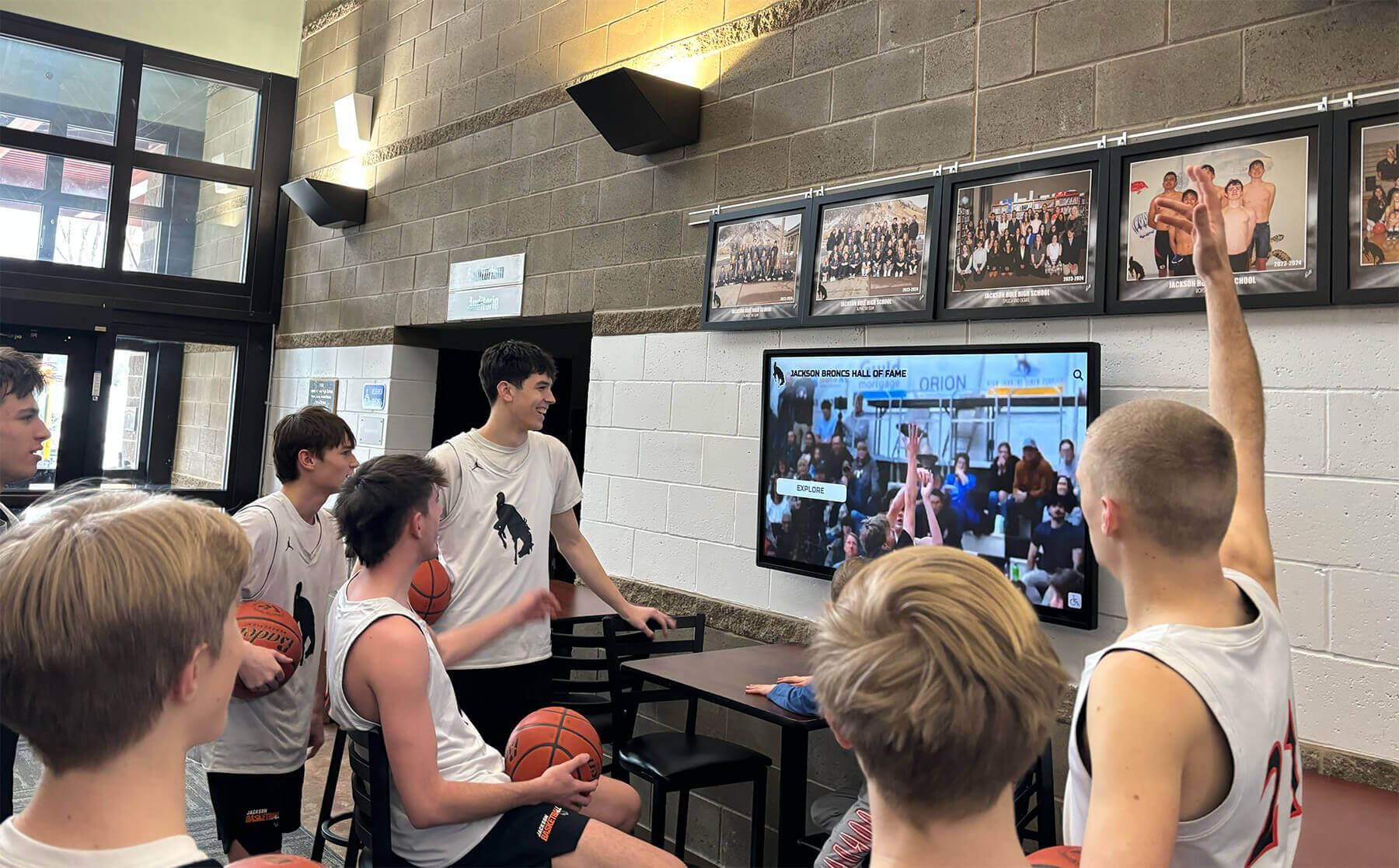
Student leaders help create engaging experiences that bring school communities together and build lasting traditions
Understanding Student Council Structure and Purpose
Before examining specific positions, understanding how student councils function within school governance helps students and advisors design effective programs.
What Is Student Council?
Foundation of Student Government
Student council represents the primary vehicle for student voice in school decision-making. These elected representatives serve as liaisons between the student body and school administration, organize school-wide events and activities, advocate for student interests and needs, and develop leadership skills through authentic responsibility.
Core Functions of Student Council:
- Planning and executing school events (homecoming, spirit weeks, dances, fundraisers)
- Communicating student concerns and suggestions to administration
- Participating in school policy discussions affecting student life
- Building school spirit and positive community culture
- Organizing service projects benefiting school and community
- Managing budgets for student activities and programs
- Creating and maintaining school traditions
- Representing student interests in appropriate school decisions
Effective student councils balance event planning with genuine advocacy, creating fun experiences while also addressing substantive issues that improve school life for all students.
Why Student Council Experience Matters
Leadership Development Benefits
Student council participation provides advantages extending far beyond high school:
Immediate Benefits:
- Practical leadership experience managing real projects and budgets
- Public speaking practice presenting to peers, faculty, and community
- Organizational skills coordinating complex events with multiple moving parts
- Democratic process understanding through elections and voting
- Collaboration experience working with diverse peers toward common goals
- Conflict resolution skills navigating disagreements and competing interests
- Time management balancing leadership responsibilities with academics
Long-Term Value:
- College application distinction demonstrating leadership commitment
- Scholarship opportunities specifically targeting student government participants
- Career preparation developing transferable professional skills
- Network building creating relationships across diverse student groups
- Civic engagement foundation encouraging lifelong community participation
- Personal growth expanding confidence and capability
Schools implementing comprehensive student recognition programs find that celebrating student council contributions alongside academic and athletic achievements creates balanced recognition honoring diverse forms of excellence.
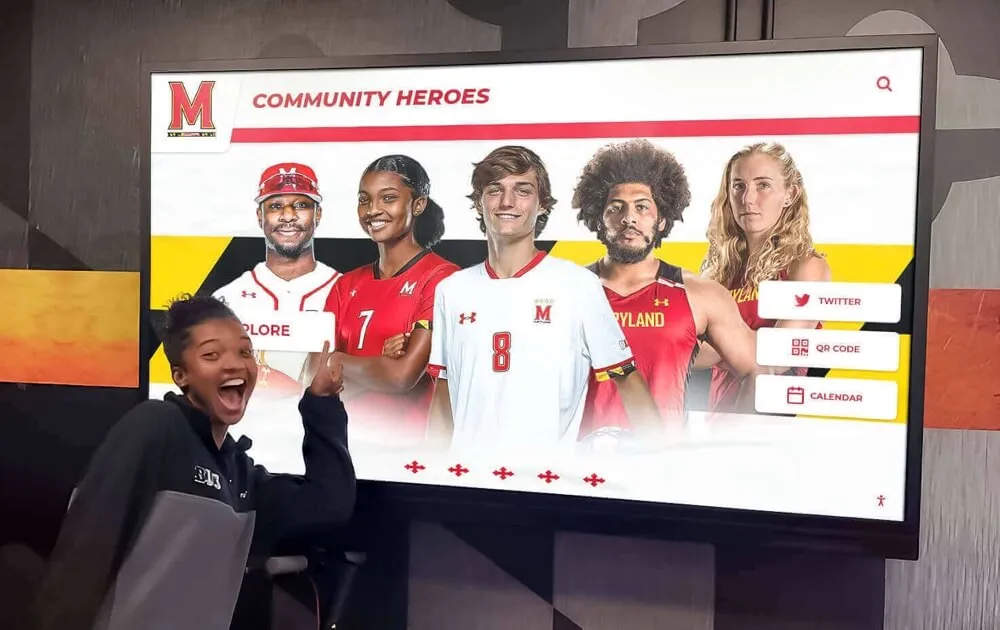
Recognizing student leaders through visible displays validates their contributions and inspires future participation
Major Student Council Positions and Responsibilities
Most student councils share common organizational structures with specific roles carrying distinct responsibilities.
Student Body President
Chief Executive of Student Government
The student body president serves as the highest elected student position with comprehensive responsibilities:
Primary Duties:
- Presiding over all student council meetings using proper parliamentary procedure
- Serving as official student representative to principal and administration
- Setting agenda and vision for student council year
- Coordinating with faculty advisor on major initiatives and policies
- Representing student body at school board meetings when appropriate
- Speaking at school events and assemblies as student voice
- Overseeing all student council committees and ensuring coordination
- Managing conflicts between council members or competing initiatives
- Making final decisions on student council matters requiring executive judgment
- Communicating regularly with student body through announcements and updates
Ideal Candidate Qualities:
- Proven leadership experience in clubs, sports, or other organizations
- Strong public speaking and presentation skills
- Diplomatic approach to conflict and differing opinions
- Organizational ability managing complex schedules and multiple priorities
- Respect from diverse student groups, not just single friend circle
- Genuine commitment to serving all students, not personal agenda
- Collaborative approach valuing input from other council members
- Mature judgment making decisions affecting entire school
Time Commitment: Expect 5-8 hours weekly during busy periods (homecoming, major events), 3-5 hours during typical weeks for meetings, planning, and communication.
Student Body Vice President
Second-in-Command and Operations Leader
The vice president supports the president while managing specific operational areas:
Primary Duties:
- Assuming presidential duties in president’s absence
- Coordinating between student council committees ensuring collaboration
- Managing student council calendar scheduling meetings and events
- Overseeing specific major events assigned by president or council
- Supporting president in administrative meetings and planning
- Leading specific initiatives that don’t fall to other officers
- Serving as tiebreaker vote in council decisions when needed
- Coordinating communication between class representatives
- Tracking project progress across different committees
- Stepping in to resolve issues when specific officers need support
Ideal Candidate Qualities:
- Detail-oriented with strong organizational skills
- Ability to support leaders without needing spotlight
- Flexibility adapting to changing priorities and needs
- Strong relationship skills working with all council members
- Problem-solving capability addressing unexpected challenges
- Reliable follow-through on commitments and deadlines
- Willingness to handle unglamorous tasks that support success
This position often provides excellent presidential preparation, as vice presidents develop comprehensive understanding of all council operations while supporting rather than leading primarily.
Student Body Secretary
Communication and Documentation Specialist
The secretary manages official records and internal/external communications:
Primary Duties:
- Recording detailed minutes at all student council meetings
- Distributing meeting minutes and agendas to all council members
- Maintaining attendance records for council meetings
- Managing student council correspondence and email communications
- Creating and distributing announcements about council activities
- Maintaining student council documents, files, and historical records
- Coordinating student council social media accounts and digital presence
- Tracking action items and following up on incomplete tasks
- Managing sign-ups and forms for student council events
- Creating promotional materials and flyers for council initiatives
Ideal Candidate Qualities:
- Exceptional organizational skills with attention to detail
- Strong written communication ability
- Technology proficiency managing documents and digital platforms
- Consistent reliability attending meetings and meeting deadlines
- Ability to capture key discussion points accurately
- Creative skills for engaging promotional content
- Discretion maintaining confidentiality when appropriate
Modern secretaries often expand beyond traditional note-taking to manage comprehensive digital communications, making this position increasingly strategic in student government success.
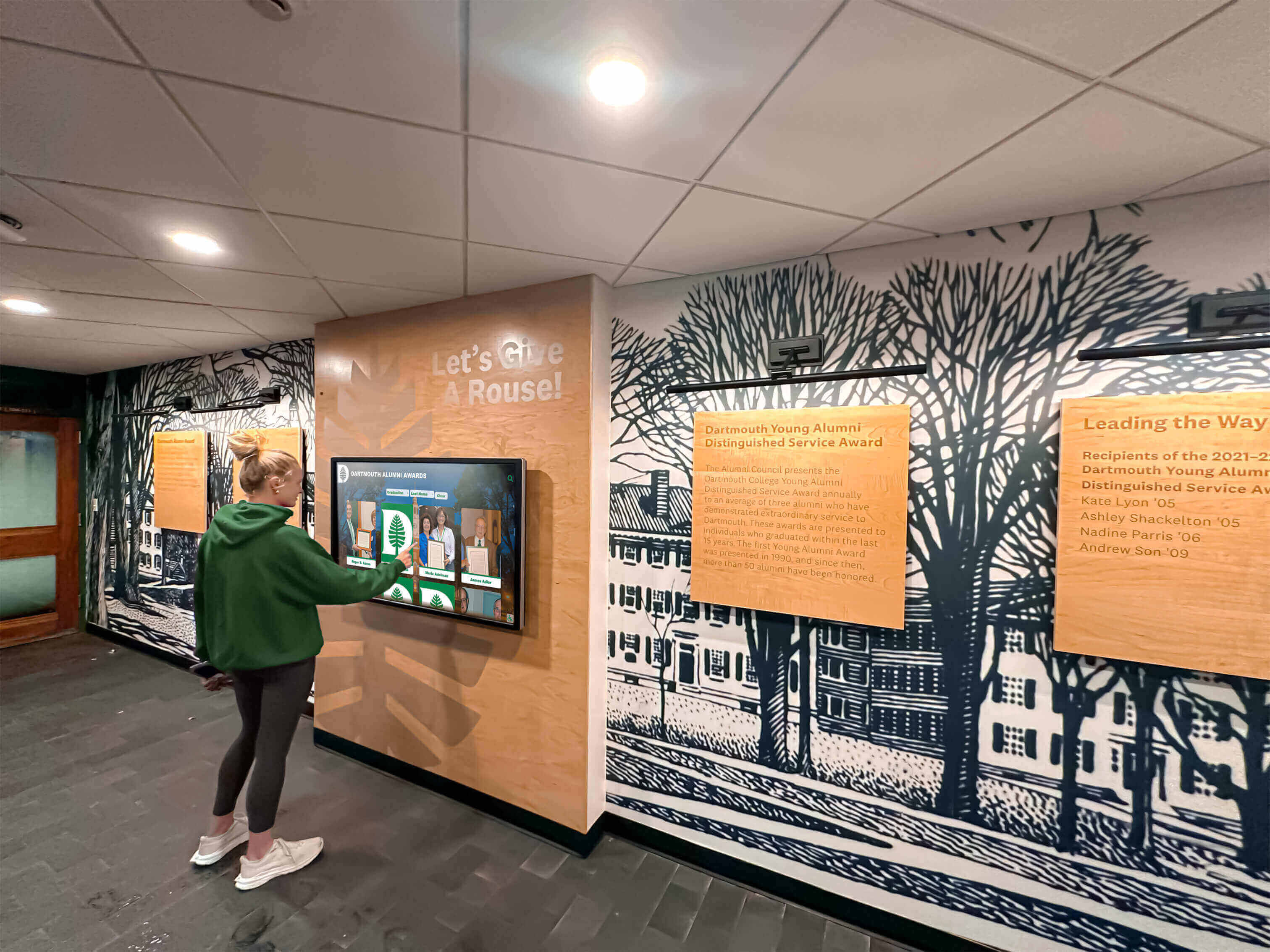
Student council positions teach practical skills like communication and organization that transfer to college and careers
Student Body Treasurer
Financial Manager and Budget Overseer
The treasurer manages all student council finances and fundraising:
Primary Duties:
- Maintaining accurate records of all student council income and expenses
- Creating and managing annual student council budget
- Coordinating with school business office on financial procedures
- Processing reimbursements for approved council expenses
- Planning and overseeing fundraising activities
- Providing regular financial reports to council and faculty advisor
- Ensuring compliance with school financial policies and procedures
- Developing budget proposals for major events and initiatives
- Tracking funds for specific projects maintaining separate accounting
- Advising council on financial feasibility of proposed activities
Ideal Candidate Qualities:
- Mathematical aptitude and comfort with numbers
- Meticulous record-keeping habits
- Integrity handling money and financial responsibilities
- Analytical thinking evaluating budget proposals
- Communication skills explaining financial information clearly
- Organized system for tracking multiple accounts and transactions
- Responsibility meeting financial deadlines and requirements
Time Commitment: Consistent throughout year with spikes around major fundraisers and events requiring detailed budget management. Expect 2-4 hours weekly.
Class Representatives (President, VP, Secretary, Treasurer)
Grade-Level Leadership
Many schools include class-specific officers representing each grade level:
Primary Duties:
- Representing class interests and perspectives in student council discussions
- Planning and executing class-specific events (class fundraisers, competitions)
- Communicating student council information to their specific class
- Organizing class participation in school-wide events
- Managing class budgets for activities like prom or class gifts
- Serving on student council committees representing class perspective
- Building class unity and spirit
- Coordinating with other class officers across grade levels
Progression of Responsibilities:
Freshman Representatives:
- Learning student council processes and school culture
- Building foundational leadership skills
- Organizing introductory events helping freshmen connect
- Establishing presence and preparing for future leadership
Sophomore Representatives:
- Taking on more significant committee leadership
- Organizing larger fundraisers and events
- Mentoring incoming freshmen representatives
- Developing specialized skills in specific areas
Junior Representatives:
- Leading major initiatives and complex projects
- Planning junior-specific events like junior prom
- Preparing for potential senior leadership positions
- Taking ownership of significant school traditions
Senior Representatives:
- Serving as student council veterans and mentors
- Planning senior activities and graduation-related events
- Leaving legacy through final projects or tradition improvements
- Modeling leadership for underclass representatives
Schools implementing comprehensive leadership recognition often highlight student council officers alongside other achievement categories, creating balanced appreciation for diverse contributions.
Additional Specialized Positions
Committee Chairs and Specialty Roles
Larger student councils often include specialized positions focusing on specific areas:
Spirit Coordinator:
- Planning spirit weeks and dress-up days
- Coordinating pep rallies and school spirit events
- Managing school spirit competitions between classes
- Overseeing mascot appearances and spirit gear
Community Service Coordinator:
- Identifying service opportunities for student participation
- Organizing volunteer events and charity fundraisers
- Tracking service hours for student council members
- Building partnerships with community organizations
Activities Director:
- Coordinating dances, assemblies, and social events
- Managing event logistics including venues, vendors, and schedules
- Creating event themes and coordinating decoration committees
- Ensuring student activities appeal to diverse student interests
Communications Director:
- Managing social media presence and digital communications
- Creating newsletters or updates for student body
- Coordinating with school media and announcements
- Developing promotional campaigns for events and initiatives
Historian:
- Documenting student council events through photos and videos
- Maintaining student council archives and records
- Creating year-end presentations or videos showcasing accomplishments
- Preserving institutional memory for future councils
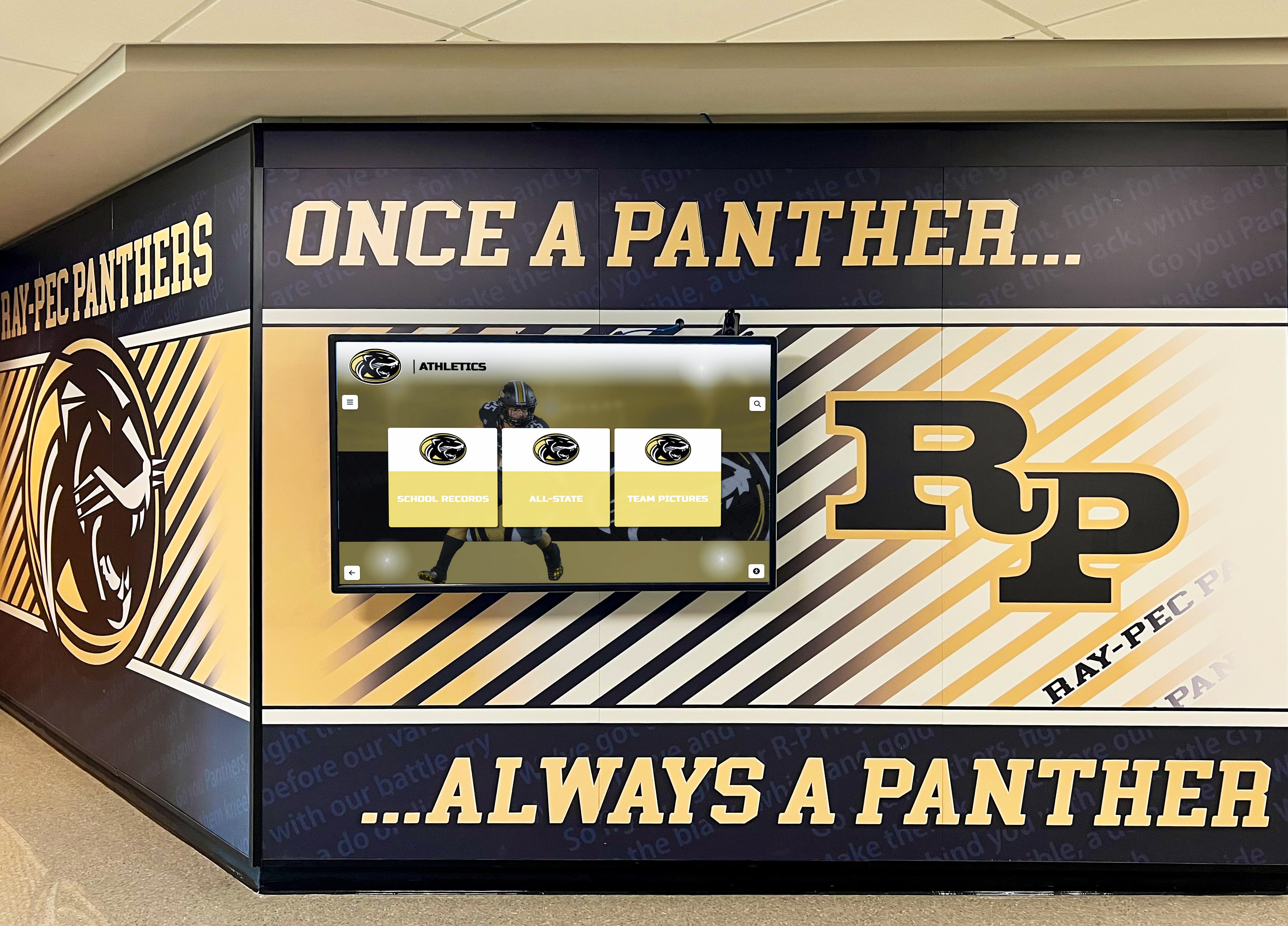
Student councils create and maintain school traditions that define community culture for generations
How to Run for Student Council: Campaign Strategies That Work
Understanding effective campaign approaches helps candidates win elections while demonstrating genuine leadership capability.
Campaign Planning and Preparation
Before Officially Announcing
Strategic candidates begin preparation well before campaign period starts:
Pre-Campaign Foundation:
- Build relationships across diverse student groups, not just close friends
- Establish track record of involvement in school activities and events
- Demonstrate reliability and follow-through on commitments
- Gather insights about student concerns and priorities through conversation
- Study current student council identifying improvement opportunities
- Develop clear vision for specific changes or initiatives you’d pursue
- Identify potential supporters who could help campaign efforts
- Practice public speaking through class presentations or club participation
Understanding Election Rules:
- Campaign period duration and official start/end dates
- Spending limits on campaign materials and supplies
- Approved locations for posting campaign materials
- Permitted campaign activities and restricted approaches
- Speech or debate requirements and format
- Rules about endorsements from faculty or clubs
- Consequences for rule violations or negative campaigning
Starting with strong foundation of actual involvement and relationships proves far more effective than flashy campaigns lacking substance.
Creating Compelling Campaign Messages
Connecting with Student Voters
Effective campaigns balance personality with substantive platforms:
Platform Development:
- Identify 3-5 specific, realistic changes or initiatives you’ll pursue
- Focus on issues genuinely affecting student daily experience
- Explain how you’ll accomplish proposals, not just what sounds good
- Balance fun initiatives (better school events) with serious advocacy (policy changes)
- Address concerns from diverse student groups, not just your friend circle
- Demonstrate understanding of realistic constraints and processes
- Connect proposals to personal experiences showing authentic commitment
Effective vs. Ineffective Platforms:
Strong Proposals:
- “Expand lunch options including more healthy and diverse food choices by working with administration to survey student preferences and identify viable vendors”
- “Create quarterly student forums where anyone can bring concerns directly to student council and administration”
- “Reorganize homecoming week schedule allowing more class competition events and broader participation beyond athletes”
Weak Proposals:
- “Make school better and more fun” (vague, no specific action)
- “Get rid of all homework” (unrealistic, not within student council scope)
- “Free pizza every Friday” (impractical, budget-ignorant, not substantive)
Students seeking to understand school traditions like homecoming gain context for campaign proposals improving these established events through student council leadership.
Campaign Tactics and Activities
Getting Your Message Out
Creative, appropriate campaigning increases visibility and support:
Traditional Campaign Methods:
- Posters and flyers in approved locations with clear, memorable messaging
- Hallway conversations genuinely engaging peers about their concerns
- Lunch table visits introducing yourself and listening to perspectives
- Social media posts explaining platform and encouraging voting (within school rules)
- Campaign speech at assembly or during election presentations
- Class announcements when permitted
- Button or sticker distribution to supporters
Creative Campaign Ideas:
- Video campaign ads (if school allows screening or sharing)
- Creative wordplay using your name in memorable slogans
- Theme-coordinated campaign materials creating cohesive brand
- Interactive poster elements encouraging student engagement
- Demonstrations or performances illustrating your platform points
- Partnering with clubs or activities you’re involved with for visibility
- Before/after school greeting students at entrances
What to Avoid:
- Negative campaigning or criticism of opponents
- Bribery through candy, food, or gifts (often prohibited)
- Vandalism or unauthorized posting locations
- Excessive spending creating unfair advantages
- Promising things clearly outside student council authority
- Disrupting classes or school operations with campaign activities
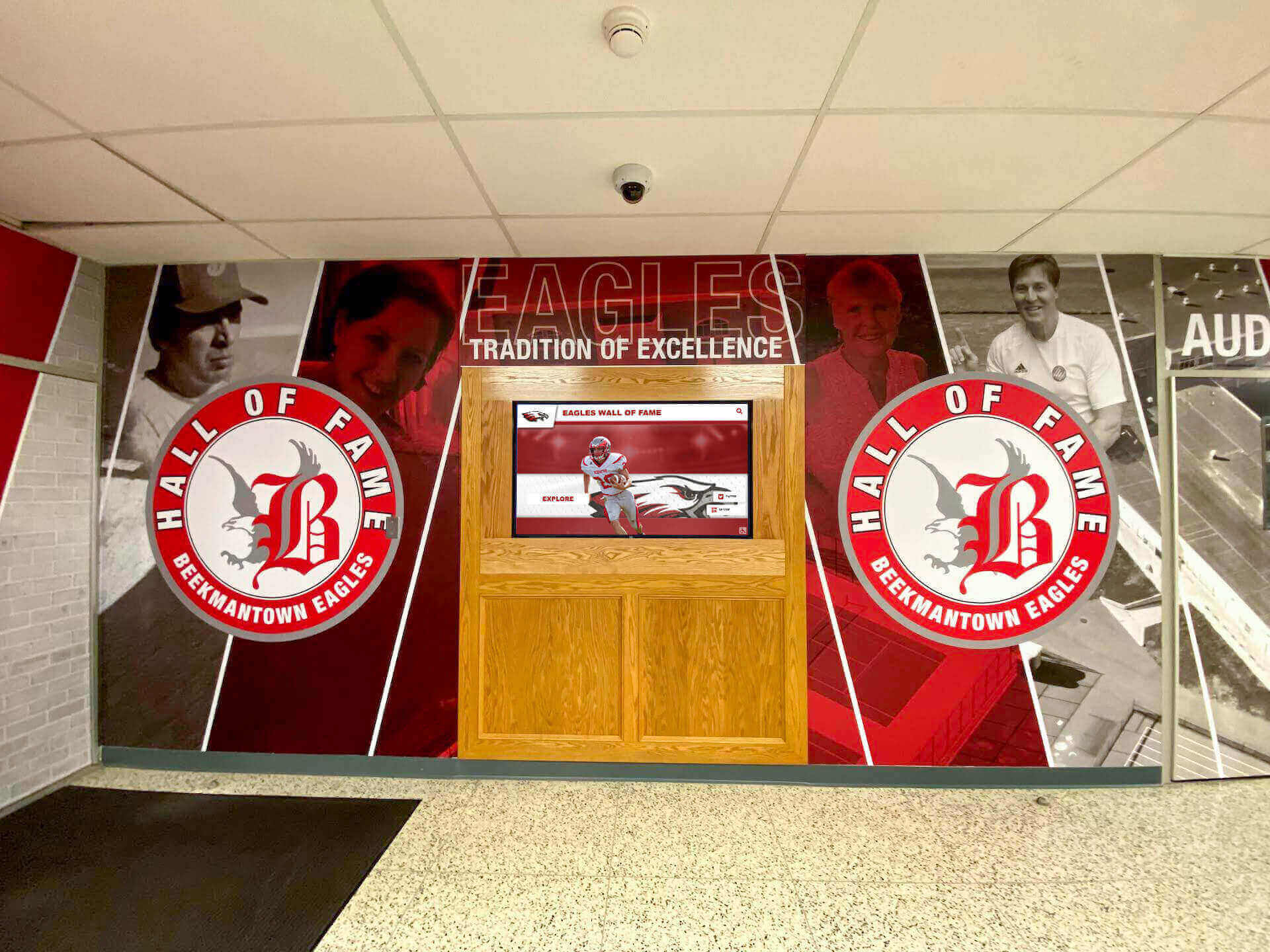
Schools with strong student government often feature visible recognition celebrating student leadership alongside other achievements
Delivering Effective Campaign Speeches
Making Your Case to Voters
Speech opportunities often prove decisive in student council elections:
Speech Structure:
- Opening Hook (15-30 seconds): Attention-grabbing statement, question, or story
- Introduction (30 seconds): Who you are, relevant experience, why you’re running
- Platform (1-2 minutes): Specific proposals explaining what you’ll do and how
- Differentiation (30 seconds): Why you’re uniquely qualified for this position
- Call to Action (15-30 seconds): Clear request for their vote with memorable closing
Delivery Tips:
- Practice extensively until comfortable without reading verbatim
- Make eye contact with different sections of audience
- Vary tone and pacing to maintain interest
- Use appropriate humor sparingly without undermining seriousness
- Show genuine passion for proposals, not just desire to win
- Stay within time limits respecting audience attention
- Project confidence while remaining humble and authentic
Content Guidance:
- Lead with strongest, most relevant proposal
- Use specific examples and concrete details
- Acknowledge challenges while demonstrating solutions
- Connect personally to issues you’re addressing
- Avoid inside jokes excluding most students
- Balance personality with substance
- End with memorable statement voters will recall
Handling Defeat Gracefully
If You Don’t Win
Losing student council elections provides valuable character-building opportunities:
Post-Election Responses:
- Congratulate winners genuinely and publicly
- Offer to support successful candidates’ initiatives
- Continue involvement in student activities and service
- Reflect on campaign experience identifying learning opportunities
- Consider running for different positions or rerunning next year
- Join student council committees as non-elected participant if available
- Demonstrate maturity handling disappointment appropriately
Election defeat often teaches more than victory, providing resilience and perspective valuable throughout life. Many successful leaders faced early electoral defeats before later victories.
Making Student Council Effective: Best Practices for Success
Understanding how to function effectively after winning helps officers deliver on campaign promises.
Setting Goals and Planning Strategic Initiatives
Moving Beyond Event Planning
Effective student councils balance fun activities with substantive impact:
Annual Planning Process:
- Early-year retreat or planning session setting priorities
- Goal-setting across different areas (events, advocacy, service, communication)
- Assignment of responsibilities ensuring clear ownership
- Timeline development with realistic deadlines
- Success metrics defining what achievement looks like
- Regular check-ins tracking progress and adjusting plans
Balancing Different Types of Initiatives:
Traditional Events (40-50% of effort):
- Homecoming, spirit weeks, dances, assemblies
- Important for visibility and student satisfaction
- Generate school spirit and participation
- Provide enjoyable experiences students expect
Policy Advocacy (20-30% of effort):
- Working with administration on rules affecting students
- Gathering student input on proposed changes
- Representing student perspective in appropriate decisions
- Creating actual improvements beyond just planning parties
Community Service (15-20% of effort):
- Organizing volunteer opportunities for student body
- Charity fundraisers benefiting worthy causes
- Building connections beyond school walls
- Developing civic engagement and social responsibility
Communication (10-15% of effort):
- Regular updates about council activities and decisions
- Gathering feedback from broader student body
- Maintaining transparency about processes and budgets
- Building trust through accessible, responsive leadership
Schools coordinating spirit week activities often rely on student council to organize these engaging traditions that bring entire school communities together.
Running Effective Meetings
Productive Council Gatherings
Well-structured meetings accomplish goals without wasting time:
Meeting Best Practices:
- Distribute agenda 24-48 hours before meetings
- Start and end on time respecting participants’ schedules
- Follow parliamentary procedure maintaining order and fairness
- Assign note-taker ensuring documentation
- Focus on decisions and action items, not just discussion
- Park off-topic discussions for future consideration
- End with clear action items, ownership, and deadlines
- Follow up after meetings with minutes and task reminders
Typical Meeting Agenda Structure:
- Call to order and attendance (2-3 minutes)
- Approval of previous meeting minutes (2-3 minutes)
- Old business updates on ongoing projects (10-15 minutes)
- New business proposals requiring decisions (20-30 minutes)
- Committee reports (10-15 minutes)
- Announcements and upcoming events (5 minutes)
- Adjournment with clear next steps
Gathering Student Input and Feedback
Representing All Students, Not Just Council Members
Effective student councils maintain connection to broader student body:
Input Gathering Methods:
- Suggestion boxes (physical or digital) for anonymous feedback
- Regular surveys about specific issues or proposals
- Open forums where any student can raise concerns
- Social media polls and engagement
- Class representative check-ins with their grade levels
- Advisory or homeroom visits explaining council work
- Exit surveys after major events gathering reactions
- Partnerships with other clubs representing diverse student interests
Councils that actively seek and respond to broad student input build legitimacy and support. Those operating in isolation risk disconnection from students they represent.
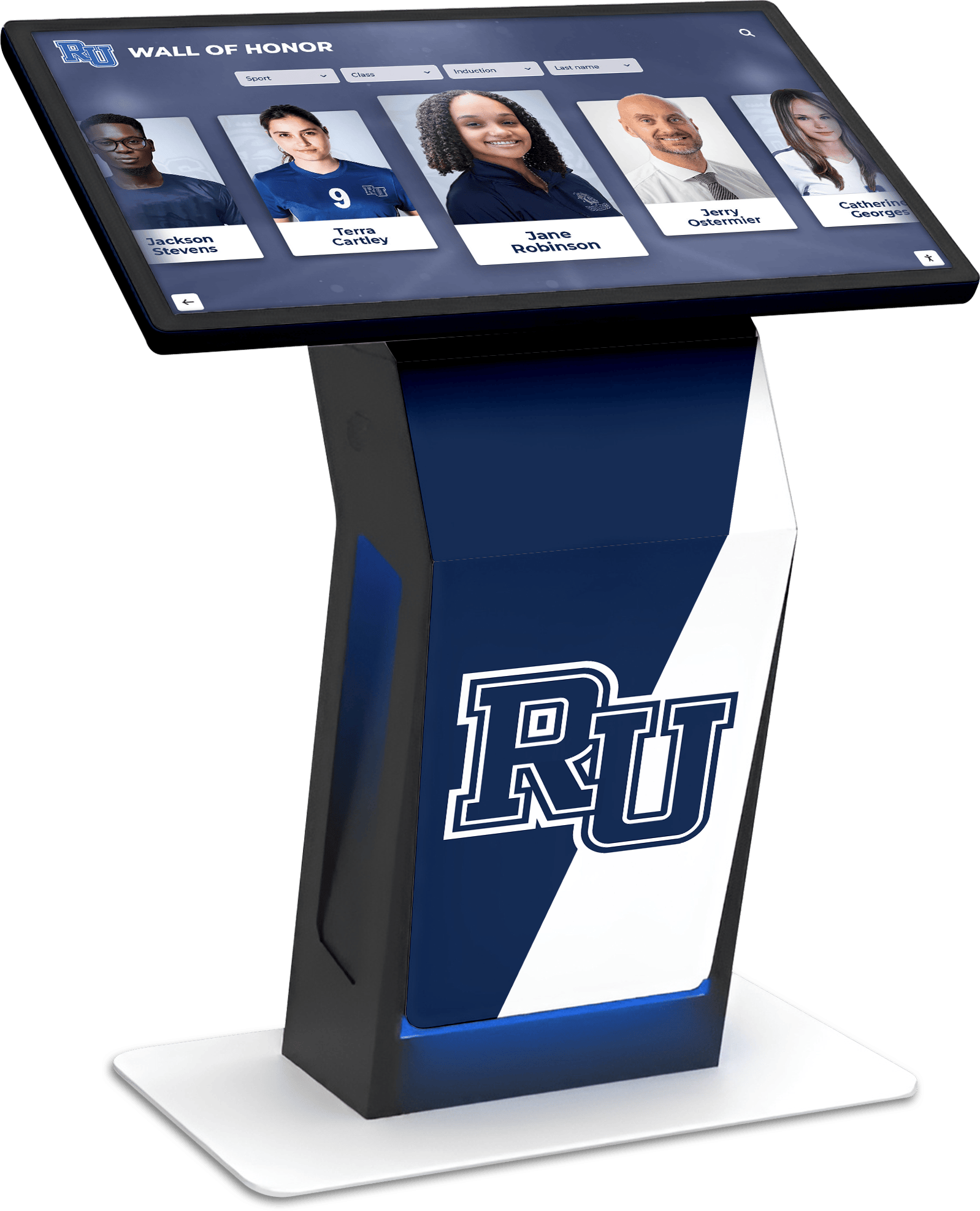
Modern recognition systems allow schools to showcase student council contributions alongside other forms of achievement and leadership
Working Effectively with Faculty Advisors and Administration
Navigating Adult Partnership
Student councils operate most effectively when balancing student autonomy with adult guidance:
Advisor Relationship:
- Respect advisor experience and institutional knowledge
- Communicate plans early allowing time for feedback
- Accept guidance about feasibility and school policies
- Ask questions when unclear about processes or constraints
- Demonstrate responsibility earning increasing autonomy
- Keep advisor informed avoiding surprises
- Appreciate advisor advocacy behind the scenes
Administrative Collaboration:
- Understand administrators balance many competing priorities
- Present proposals professionally with clear details
- Anticipate concerns and address proactively
- Accept “no” gracefully while seeking alternative approaches
- Demonstrate fiscal responsibility with budgets
- Follow through on commitments building trust
- Express appreciation for support and opportunities
The most successful student councils build collaborative relationships with adults while maintaining authentic student voice and initiative.
Recognizing Student Council Contributions and Leadership
Schools benefit from visible recognition celebrating student government participation and achievements.
Challenges in Student Leader Recognition
Why Recognition Matters
Student council members often work countless hours behind the scenes receiving limited public acknowledgment:
Recognition Gaps:
- Events they organize succeed but their planning work remains invisible
- Athletic achievements receive prominent display while leadership contributions don’t
- Graduation programs list council positions but not specific accomplishments
- Future students don’t see historical record of past councils’ achievements
- Parents and community members remain unaware of student government impact
- College application emphasis on leadership makes documentation important
Effective recognition validates student leaders’ contributions, encourages continued participation, inspires younger students to pursue leadership, and demonstrates balanced institutional priorities celebrating diverse forms of excellence.
Traditional Recognition Approaches
Common Methods
Schools typically recognize student council through several standard approaches:
Standard Recognition:
- Graduation cords or medals for council officers
- Yearbook page featuring council members and events
- Assembly or award ceremony acknowledgment
- Resume and transcript documentation
- Faculty recommendation letters describing contributions
- School website listing current officers
- Newsletter features about major initiatives
While valuable, these approaches often provide limited visibility and fail to document specific accomplishments or preserve institutional memory of council achievements across years.
Modern Digital Recognition Solutions
Expanding Recognition Possibilities
Digital platforms address traditional limitations while creating new recognition opportunities:
Digital Recognition Capabilities:
- Individual student council member profiles highlighting specific contributions
- Photo galleries documenting events they organized
- Video archives preserving speeches, presentations, and initiatives
- Searchable databases allowing exploration by year, position, or project
- Unlimited capacity for growing recognition without space constraints
- Regular updates reflecting current council membership and activities
- Integration with broader student achievement recognition systems
- QR code access enabling mobile viewing from anywhere
Solutions like Rocket Alumni Solutions provide schools with comprehensive digital displays that showcase student council leadership alongside athletic, academic, and artistic achievements. These touchscreen systems create permanent, accessible records of student government contributions, ensuring recognition remains visible beyond single ceremonies or yearbook mentions.
Strategic Recognition Placement:
- Main lobbies where visitors see student leadership immediately
- Cafeterias creating casual viewing during lunch
- Near administrative offices connecting governance to student voice
- Libraries or media centers for historical exploration
- Multiple access points increasing visibility throughout building
By maintaining visible, updated student council recognition, schools demonstrate commitment to leadership development while inspiring broader student participation in governance opportunities.
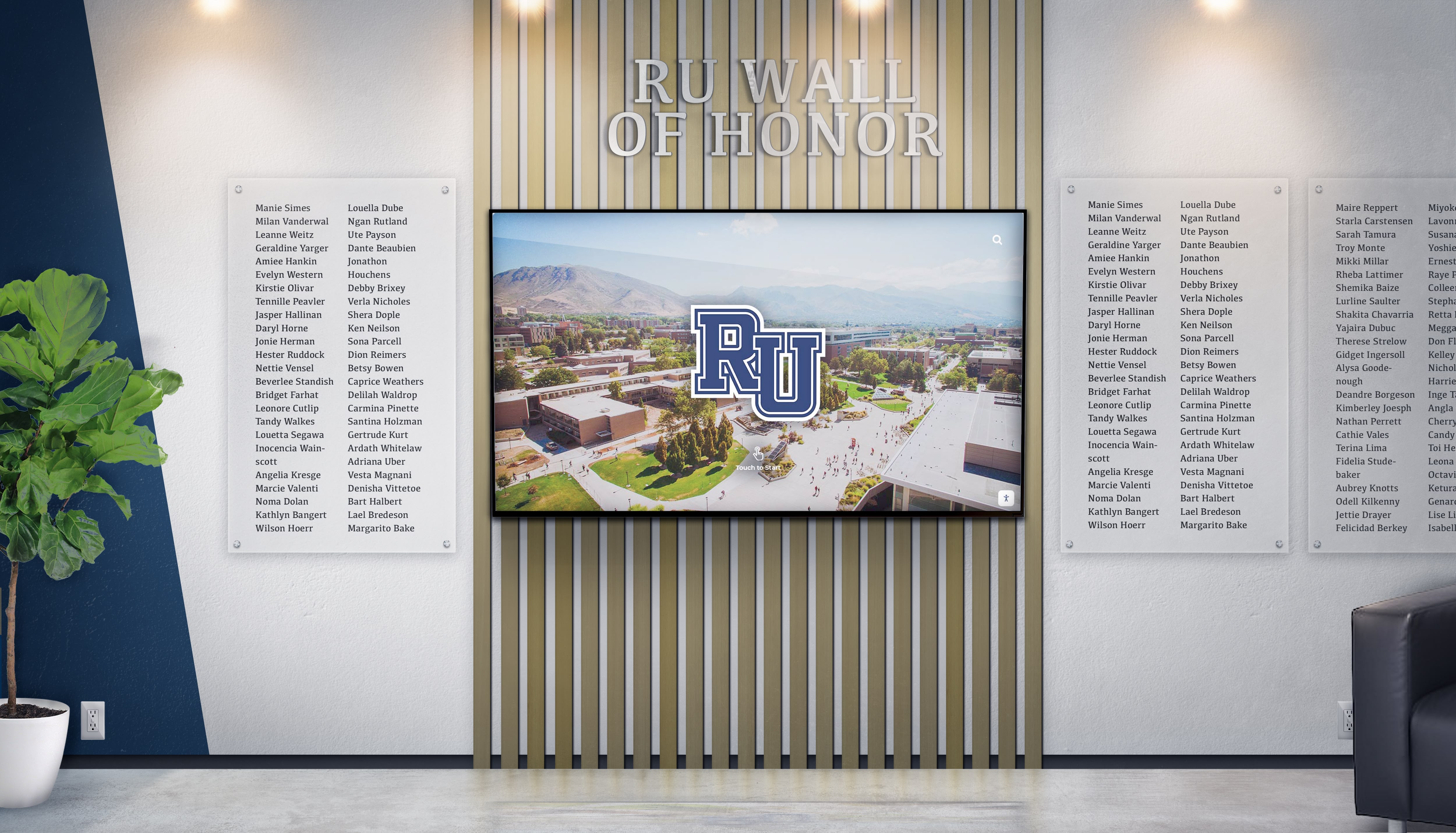
Comprehensive recognition displays celebrate student council contributions alongside other achievements, creating balanced acknowledgment of diverse excellence
Frequently Asked Questions About Student Council Positions
What positions are on student council?
Most student councils include student body president, vice president, secretary, and treasurer as primary executive positions, plus class representatives (president, VP, secretary, treasurer) for each grade level. Larger councils may add specialized positions like spirit coordinator, community service director, activities coordinator, communications director, and historian. Specific structure varies by school size and traditions.
How do you run for student council?
Running for student council typically involves meeting eligibility requirements (minimum GPA, good disciplinary standing), submitting nomination forms or gathering peer signatures by deadline, developing campaign platform with specific proposals, creating campaign materials (posters, social media content), delivering campaign speech to student body, and competing in democratic election. Follow your school’s specific rules about campaign spending, materials placement, and permitted activities.
What does student council president do?
Student body president presides over council meetings, serves as official student representative to administration, sets vision and priorities for the council year, coordinates major initiatives and events, speaks at school assemblies and functions, manages conflicts between council members or competing priorities, makes executive decisions on council matters, and communicates regularly with student body about council activities and decisions.
What are good ideas for student council?
Effective student council initiatives include expanding student input opportunities (forums, surveys, suggestion systems), improving existing traditions (homecoming, spirit weeks) based on feedback, creating new inclusive events appealing to diverse interests, advocating for student-friendly policy changes, organizing meaningful community service projects, enhancing school spirit through creative campaigns, improving communication about council activities, and addressing specific concerns students raise about daily school experience.
How much time does student council take?
Time commitment varies significantly by position and school. Presidents and major event coordinators might invest 5-10 hours weekly during busy periods and 3-5 hours during typical weeks. Other positions might require 2-4 hours weekly for meetings, planning, and specific responsibilities. Expect major time spikes around homecoming, elections, and other significant events. Class representatives often face lighter demands than executive officers.
What grade can you join student council?
Most schools allow students to run for student council beginning freshman year, typically for class representative positions. Some schools reserve certain executive positions (student body president, VP) for upperclassmen with prior council experience. Check your school’s specific eligibility requirements, which may include minimum GPA, disciplinary standing, and grade level restrictions for different positions.
What looks better for college: student council or other activities?
Colleges value demonstrated leadership, sustained commitment, and genuine impact over specific activity types. Student council can be excellent for applications if you show meaningful contributions, leadership growth, and specific accomplishments. However, leadership in other activities (sports team captain, club founder, community organization leader) can be equally impressive. Focus on depth of involvement and tangible impact rather than simply holding titles. Quality of engagement matters more than activity type.
Can student council actually change school policies?
Student councils can influence school policies within appropriate boundaries. They often successfully advocate for changes to dress codes, lunch options, event scheduling, spirit week formats, and similar student life areas. Major academic policies, safety rules, and legal requirements typically remain outside student council purview. Most effective councils build collaborative relationships with administration, present well-researched proposals, demonstrate student support through surveys or forums, and work within realistic constraints while still pushing for meaningful improvements.
Conclusion: Student Council as Leadership Laboratory
Student council positions provide some of the most valuable leadership development opportunities available during high school years. These roles teach practical skills—public speaking, budget management, event planning, conflict resolution, democratic processes—through authentic responsibility affecting real people and producing visible outcomes.
The most successful student council experiences share common characteristics: clear understanding of position responsibilities before running, thoughtful campaigns connecting with diverse student perspectives, collaborative relationships with fellow council members and adult advisors, balanced focus between fun events and substantive advocacy, genuine effort representing all students rather than narrow interests, and demonstrated follow-through delivering on campaign promises.
Whether you’re a student considering running for council, a current officer seeking to maximize your effectiveness, or an advisor designing student government programs that provide meaningful development opportunities, approaching student council as authentic leadership laboratory—not ceremonial title collection—produces greatest value for everyone involved.
The campaign strategies, position descriptions, operational best practices, and recognition approaches explored in this guide provide comprehensive frameworks for successful student council participation. From understanding specific officer responsibilities to developing effective platforms, from running productive meetings to maintaining connection with broader student body, these principles help students create genuine positive impact while developing skills serving them throughout life.
Schools committed to celebrating diverse forms of student achievement recognize that student council leadership deserves visibility comparable to athletic championships and academic honors. Modern recognition solutions enable permanent documentation of student government contributions, ensuring these leaders’ work remains visible to current students and returning alumni for generations, inspiring continued participation in democratic processes and community leadership.
Your student council experience—whether as candidate, officer, or participant—can shape your school community while developing your own leadership capacity in ways that extend far beyond high school. With thoughtful preparation, genuine commitment to serving all students, and collaborative approach to creating positive change, you can build student government traditions that improve your school culture while preparing yourself for leadership opportunities throughout college, career, and community involvement for decades to come.
Ready to recognize your student council leaders effectively? Explore how solutions like Rocket Alumni Solutions help schools create engaging digital recognition displays that showcase student government contributions, preserve leadership achievements across years, and celebrate student council impact alongside athletic and academic excellence—all through intuitive touchscreen systems that never run out of space for honoring every student leader who makes your school community better.