Athletic programs teach far more than physical skills and competitive strategies—they develop character, discipline, and commitment that shape young people throughout their lives. Community service provides one of the most powerful vehicles for developing these qualities while connecting teams to the broader communities supporting their success. When sports teams engage in meaningful service activities, athletes learn that leadership extends beyond competition, success includes lifting others, and privilege comes with responsibility to give back.
Yet many coaches and athletic directors struggle to identify appropriate service opportunities matching team schedules, athlete ages, and community needs. Questions arise about finding projects accommodating entire teams, balancing service time with demanding practice schedules, selecting activities creating genuine impact rather than tokenistic participation, and establishing service traditions that become integral to program culture rather than one-time events.
This comprehensive guide explores practical sports team community service ideas across different sports, age levels, and seasons—from youth mentorship programs and facility improvement projects to seasonal giving initiatives and ongoing community partnerships that build lasting connections while developing character traits defining exceptional athletes and citizens.
Community service transforms athletic programs from insular competitive entities into community assets developing well-rounded individuals prepared for leadership beyond sports. Organizations that integrate service into athletic culture create stronger teams, more connected communities, and athletes who understand that character matters as much as performance.
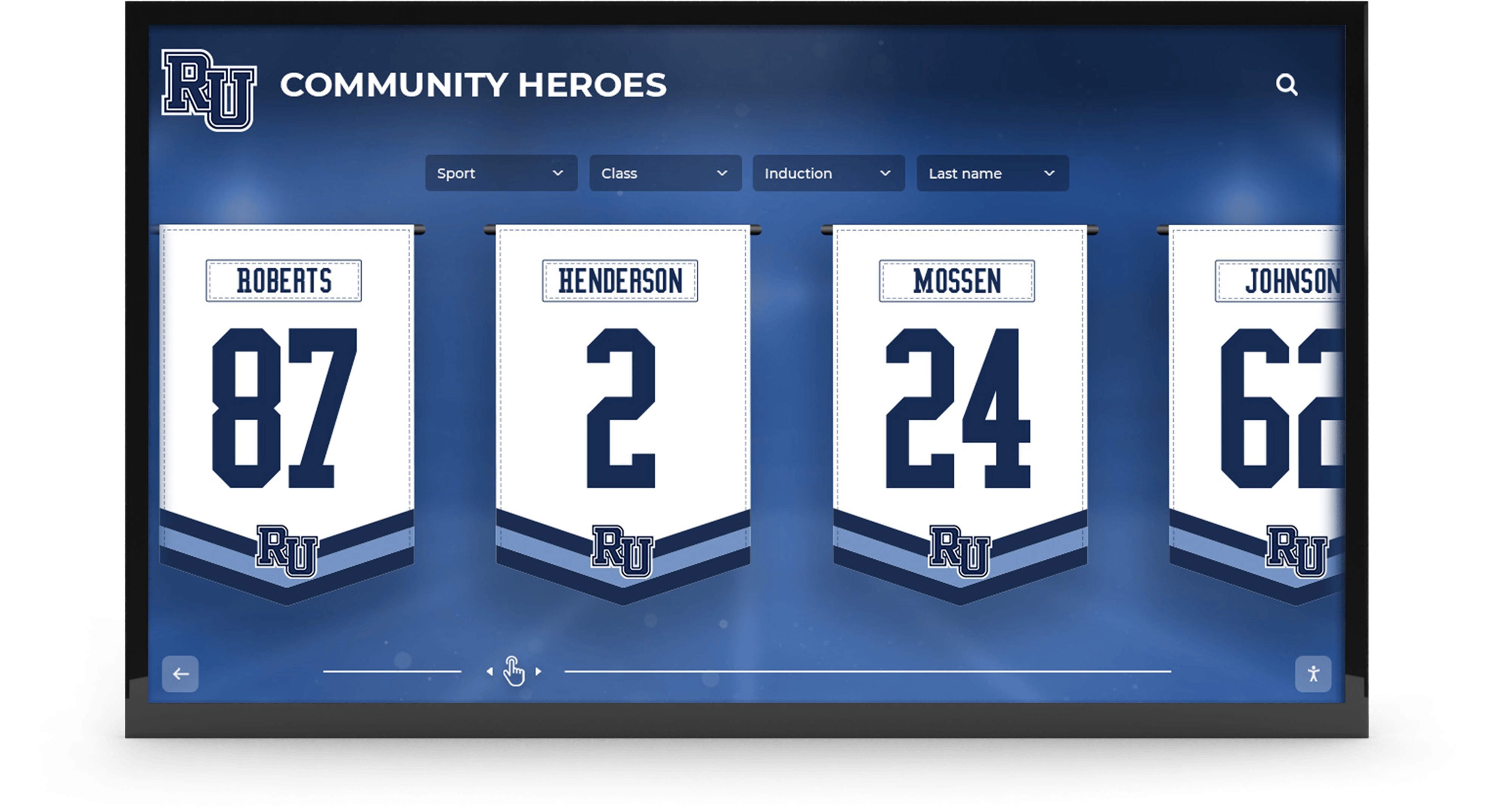
Recognizing athletes for community service contributions reinforces that character and service matter as much as competitive achievement
Why Community Service Matters for Athletic Teams
Understanding the developmental and cultural benefits of team service helps coaches justify time investment and prioritize meaningful opportunities.
Character Development Through Service Experience
Community service creates unique character-building opportunities distinct from competitive athletics:
Empathy and Perspective Development
- Athletes encounter diverse life circumstances beyond their typical experience
- Service with younger children, elderly residents, or underserved populations builds understanding
- Exposure to different challenges and struggles cultivates gratitude and perspective
- Personal connections formed during service humanize abstract concepts of privilege and need
- Reflection following service experiences deepens learning beyond activity participation
Leadership Beyond Competition
- Service opportunities develop leadership skills applicable in all life contexts
- Athletes practice organizing, communicating, and motivating without competitive pressure
- Younger athletes observe upperclassmen modeling service commitment and enthusiasm
- Service leadership roles provide opportunities for athletes with limited playing time to shine
- Planning and executing service projects teaches project management and teamwork
Humility and Gratitude Cultivation
- Service reminds athletes of advantages they enjoy through family, community, and programs
- Giving back reinforces that success includes responsibility to help others
- Working alongside community members rather than being celebrated creates healthy humility
- Service during challenging seasons provides perspective beyond wins and losses
- Athletes learn that significance extends far beyond athletic achievement
Research on youth development demonstrates that adolescents participating in regular community service show higher levels of empathy, stronger moral reasoning, greater civic engagement, and improved academic performance compared to peers without structured service opportunities.
Team Bonding Through Shared Service
Service activities create unique team-building opportunities complementing athletic competition:
Collaboration in Different Contexts
- Athletes work together toward shared goals outside competitive pressure
- Service projects reveal different strengths and personalities beyond athletic roles
- Shared service experiences create memories and inside stories strengthening bonds
- Working side-by-side in physical service projects builds camaraderie naturally
- Athletes develop appreciation for teammates’ contributions in new contexts
Inclusive Participation Opportunities
- Service doesn’t stratify by athletic ability or playing time
- All team members contribute equally regardless of starter or reserve status
- Different service roles allow athletes to showcase varied talents and interests
- Inclusive service experiences strengthen team unity across skill levels
- Bench players often emerge as service leaders creating new respect dynamics
Creating Positive Shared Memories
- Service experiences provide conversation topics and shared references beyond games
- Humorous moments during service create lasting team memories
- Overcoming service challenges together builds resilience and trust
- Reflection sessions following service deepen connections through meaningful conversation
- Service traditions become anticipated rituals connecting teams across years
Building Community Connection and School Pride
Service creates reciprocal relationships between teams and broader communities:
Demonstrating Gratitude to Supporters
- Service shows appreciation for community investment in athletic programs
- Visible service presence reminds community members why they support teams
- Athletes directly thanking supporters through service builds mutual respect
- Service addressing community needs demonstrates teams care beyond their own success
- Community members become more invested in teams demonstrating civic commitment
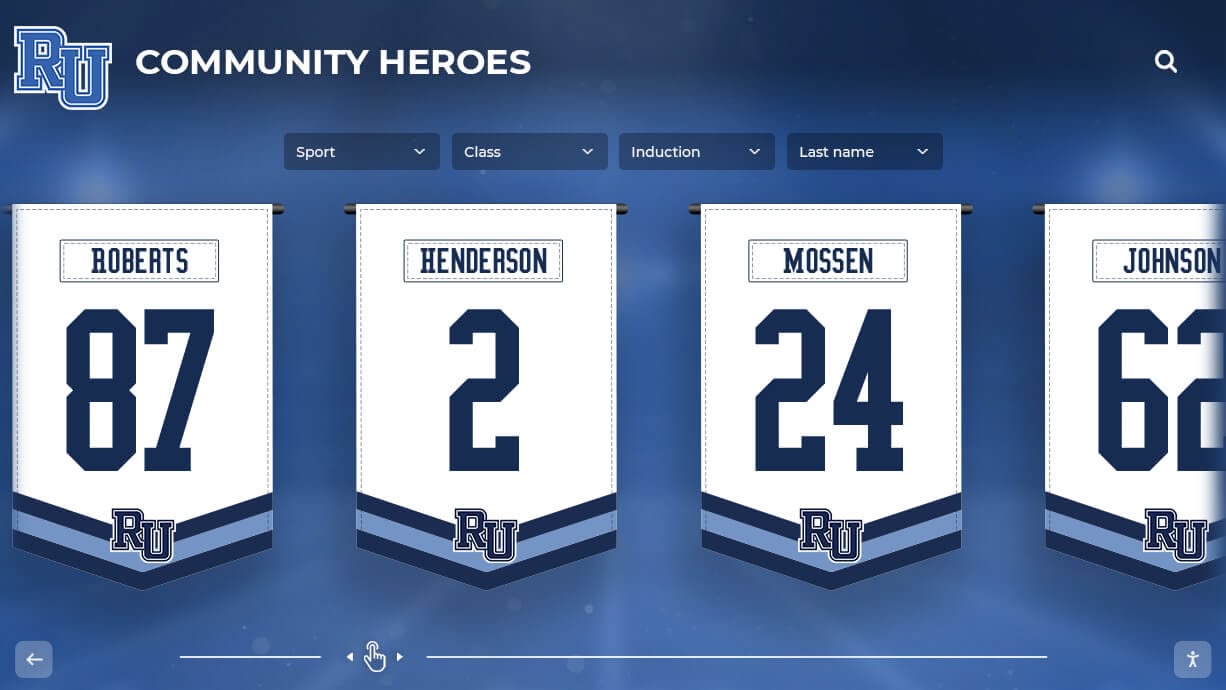
Permanent displays honoring service contributions establish traditions celebrating character alongside competition
Positive Public Perception and Support
- Service activities generate positive media coverage and community conversation
- Visible service presence combats negative stereotypes about athletes or youth
- Community members more willingly support programs demonstrating broader value
- Service builds goodwill translating to facility improvements, funding, and attendance
- Schools develop pride in athletic programs known for character and service
Creating Pipeline for Future Participation
- Athletes working with youth programs inspire next generation of participants
- Service at elementary and middle schools builds name recognition and interest
- Community connections through service attract families to programs
- Service partnerships with recreation departments create natural recruitment pipelines
- Positive service reputation attracts families valuing character development
Schools implementing comprehensive athletic recognition programs increasingly include service awards alongside traditional athletic honors, reinforcing that complete athlete development includes community contribution.
Youth Mentorship and Athletic Skill Development Programs
Working with younger athletes creates powerful service opportunities leveraging team members’ athletic expertise while developing leadership skills.
Elementary School Sports Clinics and Camps
Athletes sharing skills with young children creates win-win service opportunities:
One-Day Skill Clinics
- Saturday morning sessions teaching fundamental skills to elementary students
- Position groups leading stations focused on specific skills (dribbling, passing, shooting)
- Age-appropriate instruction emphasizing fun and encouragement over competition
- No-cost or low-cost participation removing barriers for underserved families
- Photo opportunities with older athletes creating excitement and aspiration
- Simple certificates or ribbons recognizing participation and effort
- Coordination with recreation departments or youth leagues reaching broad audiences
Multi-Week Youth Programs
- 4-6 week after-school or weekend programs building progressive skill development
- Structured curriculum teaching fundamental skills and sportsmanship
- Consistent athlete mentors creating relationships beyond single interactions
- Culminating scrimmage or showcase where parents observe skill development
- Character education integrated alongside athletic skill instruction
- Team members rotating teaching responsibilities developing diverse skills
- Programs serving underserved neighborhoods creating access to quality instruction
Summer Camp Volunteering
- Team members serving as counselors or coaches at community recreation camps
- Full-day programs providing childcare alongside athletic instruction
- Integration with existing camp programs rather than creating separate initiatives
- Athletes gaining experience teaching, managing behavior, and communicating effectively
- Affordable camp options for families through volunteer instructor contributions
- Multi-sport exposure introducing children to athletic variety
- Character themes and team-building activities alongside skill development
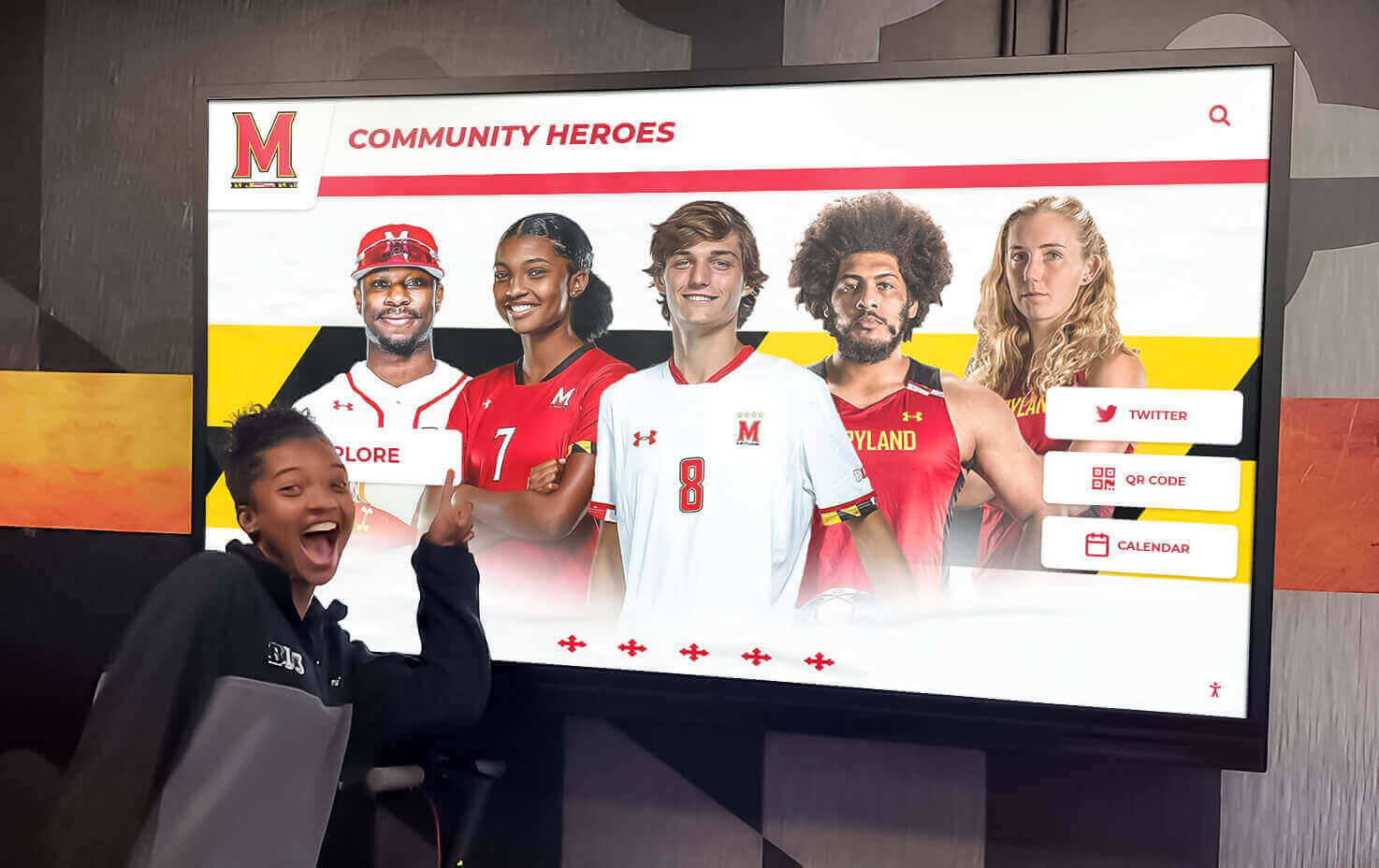
Interactive displays showcasing service accomplishments inspire both current athletes and youth participants in community programs
Buddy Programs and Mentorship Relationships
Ongoing relationships between athletes and younger students create deeper impact:
Cross-Age Athletic Mentorship
- High school athletes paired with middle school participants
- Regular meetings throughout season providing consistency and relationship development
- Mentors attending younger athletes’ competitions showing support and interest
- Skill development alongside life skills conversations about school, goals, and challenges
- Recognition programs celebrating mentor-mentee pairs at season conclusions
- Coordination with school counselors identifying students benefiting most from mentorship
- Program continuation across multiple years as mentees age into mentor roles
Reading and Academic Support Programs
- Athletes reading with elementary students connecting academics and athletics
- After-school homework help demonstrating student-athlete academic commitment
- Literacy programs where athletes read sports-themed books to classes
- Book donation drives collecting gently used books for classrooms and libraries
- Academic achievement recognition from athletes reinforcing education importance
- Coordination with school libraries and literacy initiatives
- Photo opportunities with athlete role models encouraging reading engagement
Special Needs Inclusion Programs
- Unified sports activities pairing team members with students with disabilities
- Adaptive sports instruction providing inclusive athletic opportunities
- Buddy systems ensuring participation and success for all ability levels
- Social events bringing together typical and special needs students through athletics
- Sensitivity training for athletes before participation ensuring positive experiences
- Coordination with special education departments and advocacy organizations
- Long-term partnerships creating anticipated traditions rather than one-time events
These high school athletic traditions demonstrate how programs create lasting cultural impact through consistent community engagement and service initiatives.
Facility Improvement and Community Beautification Projects
Physical service projects create visible community impact while providing team-building experiences:
School and Athletic Facility Enhancement
Athletes improving facilities they use daily demonstrates ownership and pride:
Field and Facility Maintenance
- Team field days cleaning, weeding, and maintaining athletic facilities
- Painting dugouts, bleachers, or locker rooms in school colors
- Landscaping around athletic facilities creating welcoming environments
- Pressure washing walkways, stands, and building exteriors
- Installing or refurbishing benches, picnic tables, or outdoor seating
- Building storage solutions for equipment organization
- Creating team project areas or outdoor classroom spaces
Locker Room and Common Area Improvements
- Deep cleaning and organizing locker rooms and team spaces
- Painting motivational quotes or team traditions on walls
- Creating bulletin boards showcasing team history and achievements
- Building custom storage solutions improving organization
- Refurbishing older equipment or furniture with paint and repairs
- Installing mirrors, hooks, or organizational systems
- Team-designed mural projects creating identity and pride
Safety and Accessibility Upgrades
- Installing handrails, ramps, or accessibility features
- Repairing or replacing damaged equipment or facilities
- Creating clear signage improving navigation and safety
- Organizing equipment storage reducing trip hazards
- Painting parking spaces and creating clear traffic patterns
- Installing outdoor lighting improving evening safety
- Developing emergency action plans and visible communication systems
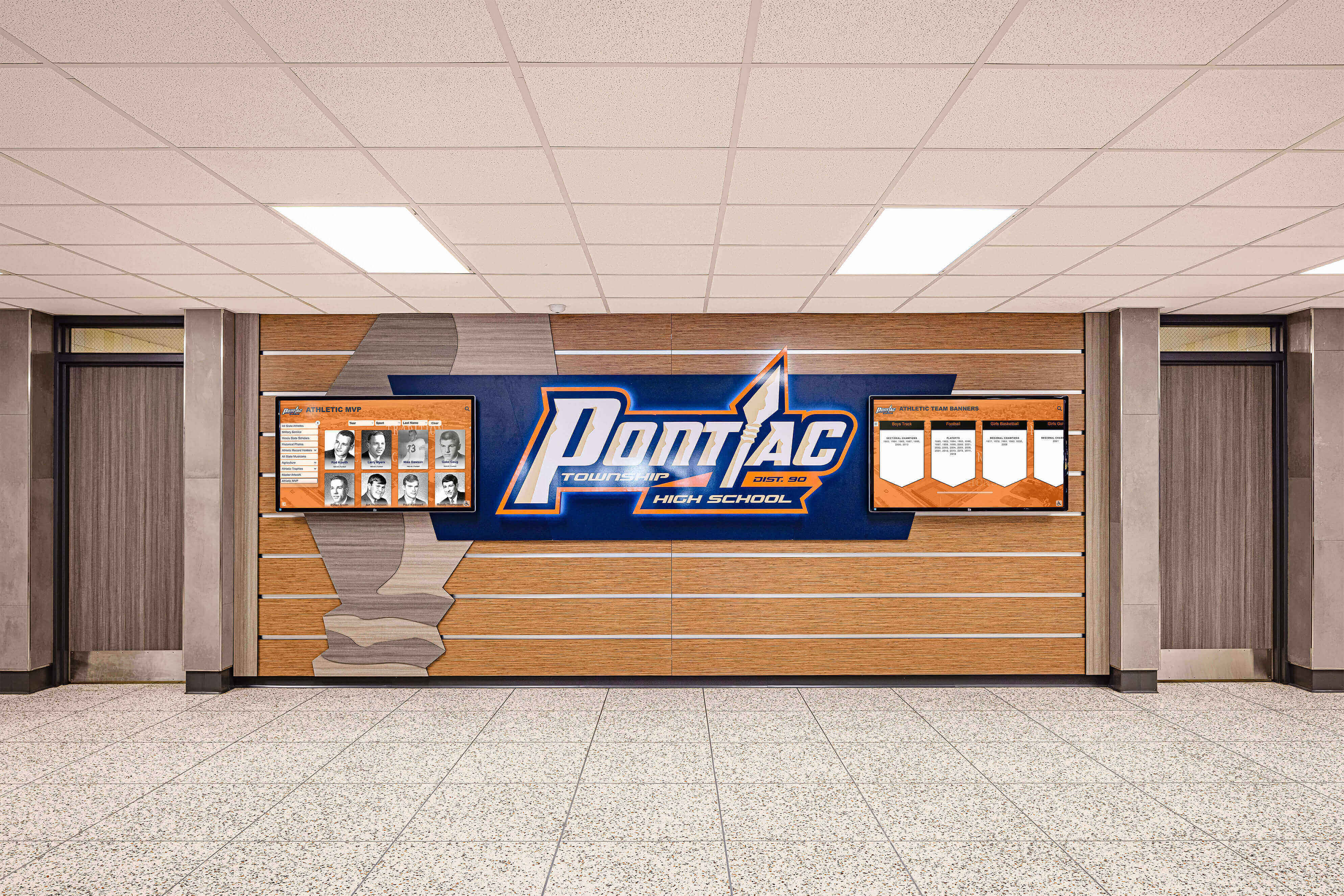
Well-maintained recognition displays reflect program pride and commitment to excellence on and off the field
Community Park and Recreation Area Service
Expanding service beyond school facilities creates broader community impact:
Public Park Maintenance and Improvement
- Coordinating with parks departments on identified maintenance needs
- Trail clearing and maintenance improving public recreation access
- Playground equipment cleaning and minor repairs
- Picnic area and pavilion cleaning and painting
- Trash removal and recycling bin installation or maintenance
- Creating or maintaining community gardens
- Building or repairing benches, tables, or outdoor equipment
Youth Sports Facility Support
- Maintaining Little League, youth soccer, or recreation league facilities
- Preparing fields before seasons through lining, mowing, and cleanup
- Repairing backstops, goals, or other permanent equipment
- Organizing equipment sheds and storage areas
- Installing or replacing worn safety equipment
- Creating spectator areas or improving parking
- End-of-season cleanup ensuring facilities ready for next programs
Community Beautification Initiatives
- Adopting roadways or public areas for regular trash collection
- Planting flowers, trees, or landscaping in public spaces
- Creating entrance monuments or welcome signs for communities
- Painting crosswalks or refreshing community infrastructure
- Installing or maintaining community bulletin boards
- Seasonal decoration of public spaces for holidays or celebrations
- Graffiti removal and surface cleaning on public property
These service projects create lasting visible evidence of team contribution while developing practical skills and work ethic. Programs coordinating with facilities departments or community organizations ensure appropriate supervision, necessary materials, and meaningful rather than make-work activities.
Charitable Fundraising and Awareness Campaigns
Service through fundraising and advocacy leverages team visibility creating significant community impact:
Sport-Specific Fundraising Events
Athletic expertise enables unique fundraising approaches:
Competition-Based Fundraising
- Free throw marathons with pledges per successful shot
- Home run derbies with sponsor pledges for distance or quantity
- Spike-a-thons, pass-a-thons, or sport-specific skill challenges
- Charity scrimmages with admission benefiting specific causes
- Tournament hosting with proceeds supporting community organizations
- Skills competitions where community members compete alongside athletes
- “Play with the team” auction opportunities for youth participants
Athletic Participation Events
- 5K runs or walks organized by team benefiting local charities
- Community fitness classes led by team members with donation admission
- Youth sports tournaments with registration fees supporting causes
- Bike rides, swim-a-thons, or sport-specific distance challenges
- Team versus community exhibition games with admission donations
- Coach challenges where community members sponsor athletic contests
- Multi-sport challenges testing participants across different activities
Auction and Donation Drives
- Silent auctions featuring sports memorabilia, experiences, or services
- Team merchandise sales with proceeds benefiting specific causes
- Equipment collection drives gathering gently used gear for distribution
- “Sponsor an athlete” programs supporting underserved youth participation
- Team dinner or breakfast events with ticket proceeds supporting charity
- Autograph sessions or meet-and-greet events with donation admission
- Game-worn jersey auctions or raffles benefiting community needs
Organizations implementing digital recognition platforms increasingly showcase fundraising achievements alongside athletic accomplishments, demonstrating complete program values and community contribution.
Awareness and Advocacy Campaigns
Team visibility amplifies important community messages:
Health and Wellness Advocacy
- Mental health awareness campaigns during designated weeks or months
- Anti-substance abuse messaging and school presentations
- Healthy lifestyle promotion through demonstration and education
- Cancer awareness events supporting research or patient support
- Injury prevention education sharing athletic training expertise
- CPR and first aid training for team members shared with community
- Nutrition education programs partnering with health professionals
Social Cause Support
- Anti-bullying campaigns and school-wide initiatives
- Diversity and inclusion advocacy through visible team support
- Environmental sustainability initiatives and education
- Literacy campaigns promoting reading and education value
- College access programs encouraging higher education pursuit
- Civic engagement encouraging community participation
- Character education themes integrated throughout seasons
Community Crisis Response
- Disaster relief fundraising following natural disasters
- Food and supply drives supporting families experiencing emergencies
- Support for community members facing medical crises or challenges
- Coordinated response to identified local needs
- Rapid mobilization leveraging team organization and communication
- Partnership with established relief organizations ensuring appropriate response
- Sustained support beyond initial emergency period
Seasonal and Holiday Service Traditions
Building service around calendar milestones creates anticipated traditions integrating service into program culture:
Fall and Winter Service Initiatives
Seasonal service opportunities aligned with academic calendars:
Back-to-School Community Support
- School supply drives collecting materials for underserved students
- Backpack assembly and distribution events before school begins
- Facility preparation helping schools ready classrooms and common areas
- Greeting and orienting younger students on first days of school
- Locker assignment assistance for incoming students
- School tours led by athletes showcasing facilities and programs
- Welcome events creating inclusive, positive school culture
Thanksgiving and Holiday Season Service
- Food drives collecting non-perishable items for food pantries
- Thanksgiving meal preparation and service at community centers
- Coat and winter clothing drives providing cold-weather necessities
- Holiday gift collection for children in underserved families
- Nursing home visits providing companionship during holiday season
- Caroling or performance visits to assisted living facilities
- Community meal service at shelters or community dining programs
- Angel tree partnerships providing specific gifts for identified families
Winter Break and New Year Service
- Snow removal service for elderly or disabled community members
- Indoor recreation programs providing safe activities during school breaks
- Goal-setting workshops helping youth establish academic and personal objectives
- Facility winterization assistance for community organizations
- Reading programs during break maintaining literacy engagement
- Equipment and facility maintenance during athletic off-periods
- Community center programming providing childcare for working families
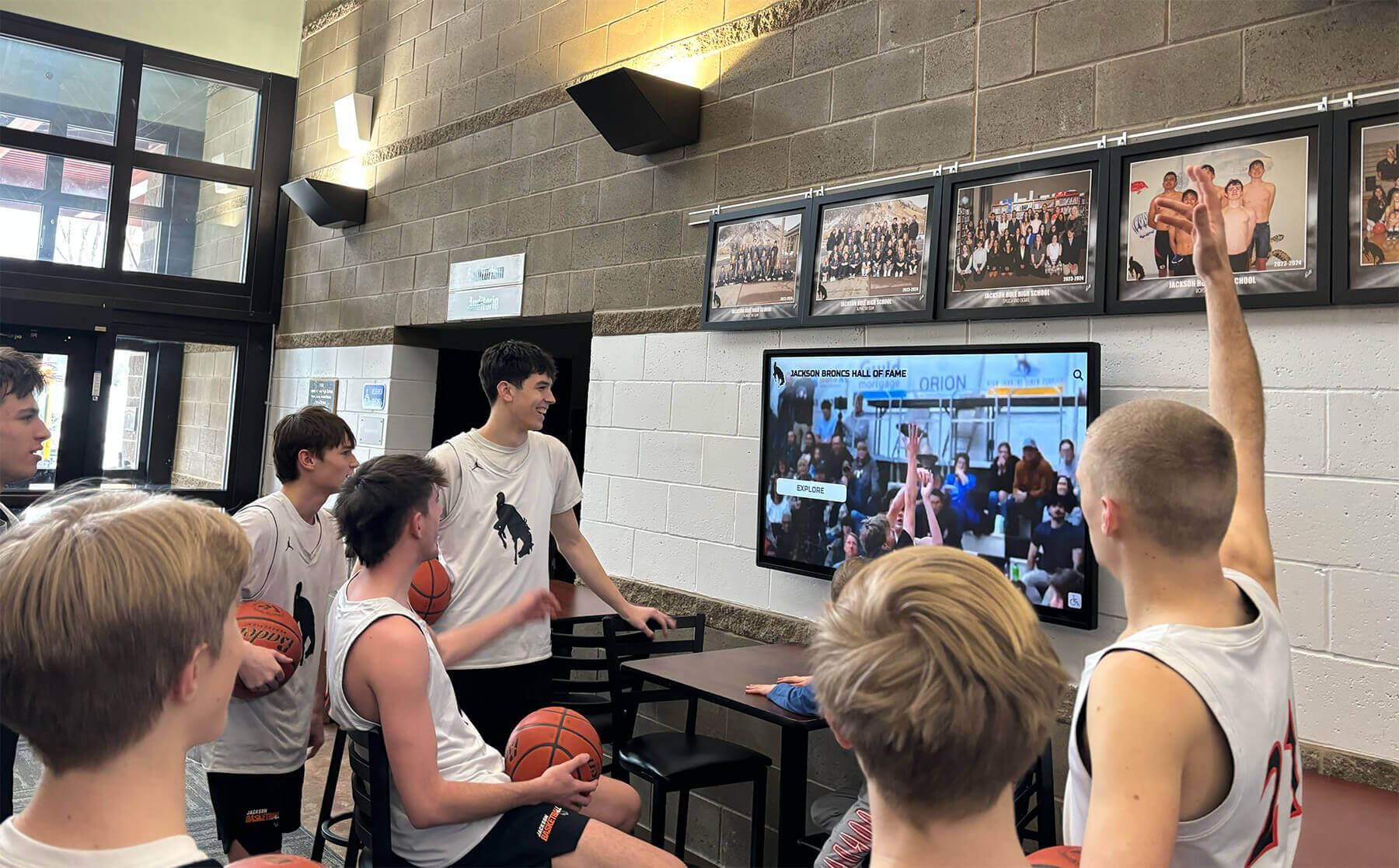
Teams reflecting on service accomplishments alongside competitive achievements develop balanced perspective on success and contribution
Spring and Summer Service Opportunities
Warm weather enables outdoor service and youth programs:
Spring Cleaning and Renewal Projects
- Community cleanup days addressing post-winter maintenance needs
- Park and facility preparation for summer recreation seasons
- Garden planting and maintenance for schools or community centers
- Trail maintenance and outdoor recreation area improvements
- Facility painting and refresh projects before summer activities
- Equipment organization and inventory for summer programs
- Community garden establishment providing fresh produce access
End-of-Year Academic Support
- Tutoring and study sessions helping younger students prepare for finals
- Academic achievement celebrations recognizing student success
- Book drives collecting materials for summer reading programs
- Library volunteering organizing and maintaining community resources
- School beautification before summer break creating pride
- Graduation assistance helping schools prepare and execute ceremonies
- Scholarship fundraising supporting college-bound students
Summer Youth Programming
- Sports camp instruction and counseling throughout summer months
- Reading programs addressing summer learning loss
- Recreation program assistance providing structured activities
- Field trip chaperones supporting community programming
- Swimming instruction and water safety education
- Multi-week program facilitation providing consistent summer engagement
- Back-to-school preparation programs before fall semester begins
These seasonal traditions create anticipated rhythms where service becomes integrated into program culture rather than occasional add-ons. Teams develop identities around specific service commitments community members recognize and appreciate.
Age-Appropriate Service by Athletic Level
Matching service complexity to athlete age ensures appropriate challenge and meaningful participation:
Youth and Middle School Team Service
Younger athletes require structured, supervised opportunities with clear expectations:
Age-Appropriate Project Characteristics
- Shorter duration activities matching attention spans (1-2 hours maximum)
- Highly structured tasks with clear instructions and visible progress
- Adult supervision ensuring safety and positive experiences
- Immediate impact visible to participants reinforcing meaningfulness
- Social elements allowing conversation and relationship building
- Physical activities appropriate to energy levels and abilities
- Simple reflection helping athletes process experiences
Recommended Service Activities
- Toy and book collection drives with visible donation accumulation
- Park or facility cleanup with before-and-after documentation
- Thank you card writing for community supporters and volunteers
- School supply assembly and decoration for distribution
- Simple meal preparation or packaging for distribution programs
- Reading to younger children or assisting in elementary classrooms
- Holiday decoration creation for nursing homes or community centers
- Team participation in established community events
Character Development Focus
- Explicit connection between service activities and character values
- Age-appropriate reflection questions processing experiences
- Recognition for participation and positive attitudes
- Parent involvement creating family service traditions
- Photography documenting service creating visible pride
- Certificates or simple recognition for service participation
- Integration with team meetings and regular program activities
High School Athletic Team Service
Secondary school athletes handle increased responsibility and complexity:
Advanced Service Characteristics
- Extended projects requiring planning, organization, and sustained effort
- Leadership opportunities where athletes manage planning and execution
- Direct interaction with populations served building relationships
- Reflection and processing helping athletes articulate learning
- Integration with academic learning and career exploration
- Advocacy and awareness components beyond direct service
- Student voice in selecting and designing service initiatives
Appropriate Service Projects
- Youth sports program leadership and instruction
- Community improvement projects requiring planning and sustained effort
- Fundraising campaign organization and execution
- Mentorship programs with long-term relationship building
- Advocacy campaigns requiring research and communication
- Service learning projects connecting to academic coursework
- Leadership roles in community organizations and initiatives
- Complex event planning and facilitation
- Board service or advisory roles with nonprofit organizations
Leadership Development Emphasis
- Service leadership positions designated within team structure
- Project management skill development through service coordination
- Communication practice through community presentations
- Reflection writing and discussion developing articulation skills
- Connection between service leadership and life skill development
- Portfolio development documenting service for college applications
- Public speaking opportunities presenting about service impact
- Award recognition highlighting service leadership alongside athletic achievement
College and Club Sport Service
Adult programs incorporate service aligned with organizational mission and community needs:
Sophisticated Service Approaches
- Sustained partnerships with specific organizations developing deep relationships
- Specialized service leveraging academic expertise or professional skills
- Fundraising campaigns generating significant financial impact
- Community needs assessment informing service selection
- Program evaluation measuring and improving service impact
- National service day participation connecting local to broader movements
- Professional networking through service board membership
- Alumni engagement through coordinated service traditions
Strategic Service Integration
- Service aligned with institutional mission and athletic department values
- Media and communications showcasing service enhancing recruitment
- Community partnership development creating mutual benefit
- Service-learning integration with academic programs
- Long-term community impact rather than one-time activities
- Assessment demonstrating outcomes and justifying continued investment
- Professional skill development through service participation
Programs at all levels benefit from digital recognition systems showcasing service alongside competitive achievements, communicating complete program values to recruits, families, and communities.
Integrating Service Into Team Culture and Recognition
Sustainable service programs require intentional integration into regular team activities and recognition systems:
Establishing Service Expectations and Structures
Systematic approaches ensure consistent participation and meaningful impact:
Setting Clear Service Requirements
- Specific hour requirements or activity expectations communicated at season start
- Service incorporated into team handbook and parent orientation
- Documentation systems tracking individual and team service participation
- Calendar integration ensuring service doesn’t conflict with competitions
- Flexibility accommodating individual schedules and family commitments
- Accountability systems ensuring completion without punitive approaches
- Leadership positions coordinating service for entire team
Creating Team Service Committees
- Student leadership positions managing service planning and communication
- Rotating responsibilities ensuring all athletes develop leadership skills
- Adult advisor support providing guidance without controlling initiatives
- Regular meetings during team gatherings integrating service planning
- Connection to school service learning coordinators or community organizations
- Budget allocation enabling service activities and necessary materials
- Communication protocols informing parents and community about initiatives
Building Service Into Season Schedules
- Designated service days marked on season calendars in advance
- Pre-season service as team-building during early practices
- Mid-season service providing perspective during competitive intensity
- Post-season service celebrating completion and giving back
- Off-season service maintaining team connection during breaks
- Integration with team meals, travel, or other regular activities
- Reflection time following service processing experiences together
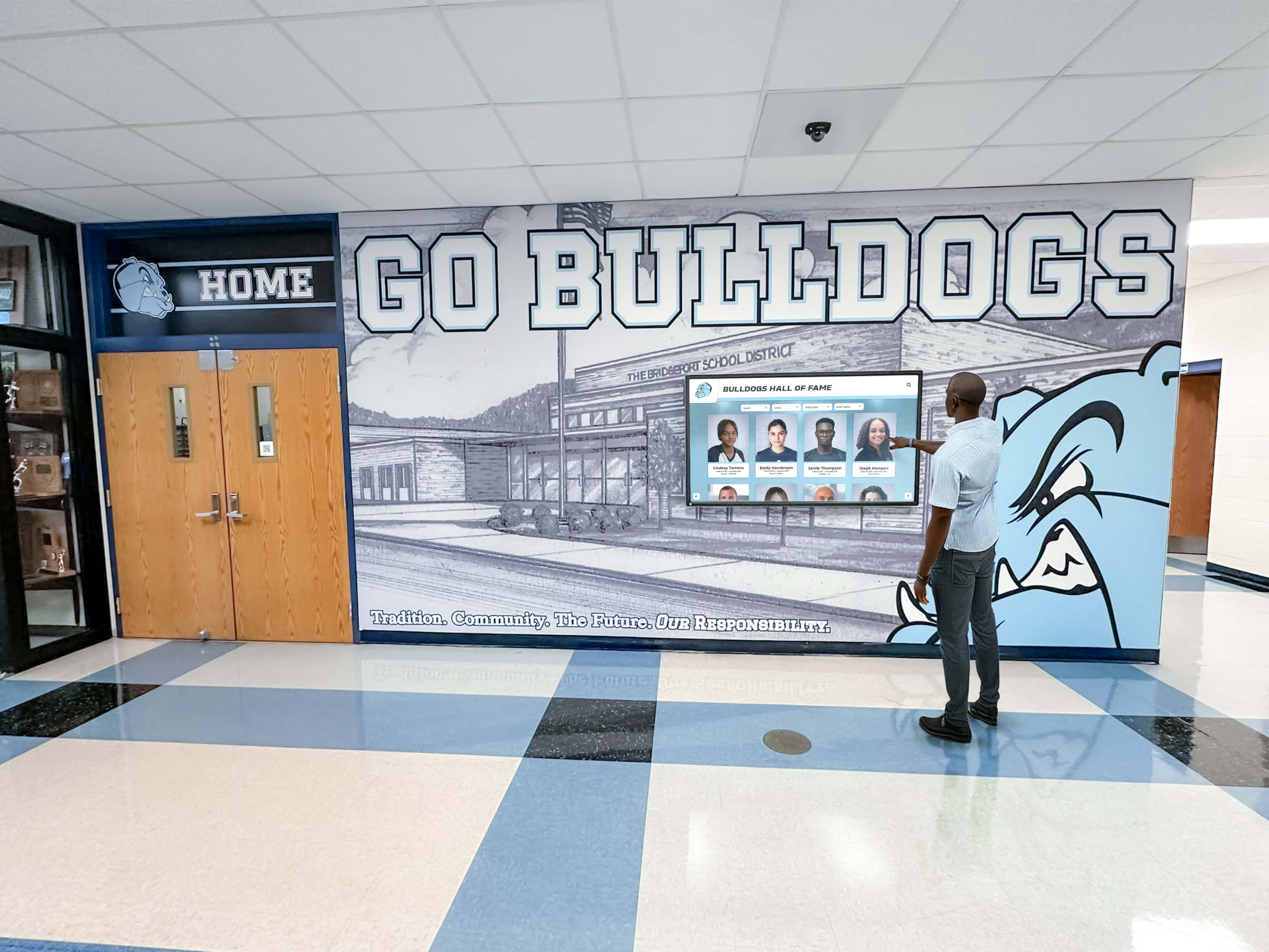
Interactive displays showcasing service achievements inspire continued commitment while preserving program legacy
Recognition and Celebration of Service Contributions
Public acknowledgment reinforces service value and motivates continued commitment:
Service Award Categories
- Community service hours leader recognizing quantity of participation
- Service impact award for exceptional project leadership or innovation
- Community hero recognition nominated by service recipients or partners
- Team service champion for consistent participation and positive attitude
- Service improvement award celebrating increased engagement
- Lifelong service recognition for multi-year sustained commitment
- Community partner awards recognizing organizations supporting team service
Public Service Recognition
- Digital recognition displays showcasing service alongside athletic achievements
- Social media features highlighting individual and team service activities
- Local media coverage of significant service initiatives
- School announcements celebrating team service contributions
- Athletic banquet service recognition equal in prominence to athletic awards
- Newsletter and website features documenting ongoing service
- Photo galleries preserving service memories and demonstrating impact
- Partnership acknowledgment thanking community organizations publicly
Permanent Service Documentation
- Service hour tracking throughout athletic career
- Portfolio development for college applications and scholarships
- Team service walls displaying cumulative community impact
- Annual reports documenting service hours, projects, and beneficiaries
- Historical records preserving service traditions across years
- Alumni connections showing service continuity across generations
- Community impact measurement demonstrating tangible results
Integration with School-Wide Recognition
- Coordination with school service learning programs and requirements
- National Honor Society service hour credit when applicable
- Character education program integration reinforcing shared values
- Presidential Volunteer Service Award nominations for qualifying students
- Scholarship applications highlighting athletic team service participation
- College recruitment materials featuring service commitment
- Community awards and recognition from civic organizations
Schools implementing comprehensive interactive display systems increasingly showcase service contributions alongside competitive achievements, demonstrating that complete athletic excellence includes community contribution and character development.
Measuring Service Impact and Continuous Improvement
Effective programs assess outcomes and refine approaches based on evidence:
Quantitative Impact Tracking
Participation Metrics
- Total team service hours contributed annually
- Percentage of team members meeting service requirements
- Average hours per athlete compared across seasons
- Participation rates in specific service activities
- Year-over-year trend analysis showing program growth
- Comparison to other teams or school-wide service averages
Community Impact Measures
- Number of youth participants in mentorship or clinic programs
- Pounds of food collected during donation drives
- Funds raised for charitable causes or organizations
- Volunteer hours provided valued at standard volunteer rates
- Facility improvements completed with documented before-after evidence
- Community members served through various initiatives
- Partner organization feedback on service quality and impact
Recognition and Awareness
- Media coverage stories about team service initiatives
- Social media reach and engagement on service posts
- Community recognition awards or nominations received
- Athlete scholarship awards partially attributed to service
- Recruitment inquiries mentioning service reputation
- Partner organization retention and expansion requests
Qualitative Assessment and Reflection
Athlete Development Outcomes
- Reflection essays or discussions about service learning
- Character trait development observed by coaches and teachers
- Leadership skill demonstration during service coordination
- Empathy and perspective changes articulated by participants
- Team bonding and culture improvements attributed to service
- Long-term commitment to continued service after graduation
Community Feedback and Relationships
- Partner organization testimonials about team contributions
- Service recipient perspectives on program impact
- Community member perceptions of athletic program
- Sustained partnership requests indicating positive relationships
- Volunteer recognition from community organizations
- Media and public commentary about team service reputation
Program Refinement Process
- Annual evaluation identifying successful initiatives and challenges
- Athlete input on preferred service activities and timing
- Partner feedback informing activity design and implementation
- Schedule adjustments improving participation and impact
- New opportunity identification based on emerging community needs
- Best practice sharing across teams and athletic department
- Documentation ensuring institutional knowledge beyond individual coaches
Building Sustainable Service Traditions
Multi-Year Program Development
- Signature service initiatives becoming annual team traditions
- Alumni engagement continuing service relationships after graduation
- Underclassmen observation of service expectations and culture
- Progressive responsibility with seniors leading major initiatives
- Historical documentation preserving service legacy
- Community expectations for annual team service events
- Integration into program identity and recruitment messaging
Continuous Improvement Cycle
- Post-service reflection identifying learning and improvement opportunities
- Partner debriefs gathering feedback on effectiveness and impact
- Athlete surveys assessing meaningfulness and developmental value
- Parent feedback on service program communication and organization
- Community needs assessment ensuring service addresses real priorities
- Innovation exploration incorporating new service approaches
- Scaling successful initiatives while discontinuing less effective activities
Common Service Program Challenges and Solutions
Anticipating obstacles enables proactive planning preventing common problems:
Time and Scheduling Constraints
Challenge: Balancing service with demanding practice, competition, and academic schedules creates scheduling conflicts and time pressure.
Solutions:
- Integrate service into existing team activities rather than adding separate obligations
- Schedule service during off-season or lighter training periods
- Coordinate with academic calendar avoiding peak examination periods
- Offer multiple service opportunities allowing athlete choice and flexibility
- Recognize that small consistent service exceeds occasional large projects
- Communicate expectations early allowing families to plan appropriately
- Count team service toward individual school requirements when applicable
Ensuring Meaningful Versus Performative Service
Challenge: Service becoming checkbox obligation or photo opportunity rather than genuine community contribution with authentic learning.
Solutions:
- Prioritize partner-identified needs over convenient or visible activities
- Establish ongoing relationships rather than one-time isolated events
- Include reflection processing helping athletes articulate learning
- Emphasize quality relationships and impact over quantity of hours
- Avoid service selection based primarily on media or recognition potential
- Engage athlete voice in service selection creating investment
- Partner with established organizations ensuring appropriate service design
Managing Logistics and Supervision
Challenge: Coordinating transportation, permissions, supervision, and materials for large groups creates administrative burden.
Solutions:
- Partner with established community organizations handling logistics
- Recruit parent volunteers assisting with supervision and transportation
- Designate student service coordinators managing communication and planning
- Create reusable systems for permissions, transportation, and communication
- Start with simple on-campus service building toward complex initiatives
- Leverage school resources and existing community relationships
- Budget modest funds for service materials and logistics support
Maintaining Consistent Participation
Challenge: Initial enthusiasm waning or uneven participation with some athletes uncommitted to service expectations.
Solutions:
- Establish clear expectations with accountability systems
- Integrate service into team culture rather than optional addition
- Recognize and celebrate service publicly reinforcing value
- Provide diverse service options accommodating different interests
- Address participation gaps individually rather than publicly shaming
- Model service commitment through coaching and leadership participation
- Connect service to program values discussed throughout season
Conclusion: Building Athletic Programs That Serve and Lead
Sports team community service ideas extend athletic program impact far beyond competition outcomes. When coaches and athletic directors intentionally integrate meaningful service into team culture, they develop complete athletes prepared for leadership in all life dimensions while strengthening community connections supporting program success. Service transforms teams from organizations consuming community resources into assets contributing to community wellbeing while developing character traits defining exceptional citizens.
The diverse service approaches explored in this comprehensive guide—from youth mentorship programs leveraging athletic expertise to facility improvement projects creating visible impact, from seasonal giving traditions to ongoing community partnerships—provide practical starting points for programs at any level with any resource constraints. Effective service requires neither elaborate budgets nor extensive time commitments, but rather intentional planning, consistent execution, and authentic commitment to community contribution beyond athletic achievement.
Community service integrated into athletic programs creates powerful developmental experiences impossible to replicate through competition alone. Athletes working with young children develop patience and communication skills, physical service projects build work ethic and pride, fundraising initiatives teach organizational and advocacy abilities, and sustained community relationships cultivate empathy and perspective extending far beyond individual athletic careers. These character qualities matter more in long-term life success than competitive achievements, and thoughtful service programs develop both simultaneously.
Start with service opportunities matching current team capacity and community needs, then systematically expand as programs establish rhythms and relationships. Every service initiative—whether two-hour facility cleanup or sustained year-long mentorship program—contributes to team culture valuing complete development and community contribution. When service becomes expected rather than exceptional, when character recognition receives equal emphasis as competitive achievement, and when community members recognize athletic teams as civic assets, programs build legacies transcending seasonal records and championship trophies.
Your athletes’ talents, energy, and community visibility create unique service opportunities unavailable to other organizations. With systematic planning, authentic community partnerships, meaningful reflection processing experiences, and appropriate recognition celebrating service alongside athletic achievement, you can build service traditions developing exceptional athletes and citizens while strengthening communities supporting program success.
Ready to celebrate service accomplishments alongside competitive achievements? Discover how digital recognition solutions from Rocket Alumni Solutions help athletic programs showcase character awards, service hours, and community contributions with the same prominence as championship trophies—creating comprehensive recognition systems that communicate your program’s complete values while inspiring continued excellence on and off the field.