Student athletes face extraordinary demands that extend far beyond the playing field. Between early morning practices, full academic schedules, afternoon training sessions, and evening competitions, young athletes require strategic nutritional support to perform optimally while maintaining health, academic success, and long-term athletic development. Yet many schools, coaches, and families struggle to provide evidence-based guidance that translates complex nutritional science into practical daily strategies.
The connection between proper nutrition and athletic performance is undeniable. Research consistently demonstrates that well-fueled athletes recover faster, sustain energy throughout competition, reduce injury risk, and achieve performance levels impossible without adequate nutritional support. Meanwhile, poor dietary choices create cascading negative effects—decreased stamina, impaired recovery, increased illness susceptibility, and compromised academic performance.
This comprehensive guide provides schools, athletic departments, coaches, and families with actionable sports nutrition strategies specifically designed for student athletes. From understanding macronutrient timing and hydration protocols to developing practical meal plans that accommodate demanding schedules, this resource empowers everyone supporting young athletes to implement nutrition programs that genuinely enhance performance and wellbeing.
Student athletes require nutritional approaches fundamentally different from sedentary peers. The combination of growth demands, academic pressures, and athletic training creates unique caloric and nutrient requirements that standard dietary guidance fails to address. Schools that integrate evidence-based sports nutrition education into athletic programs create competitive advantages while supporting complete student-athlete development.
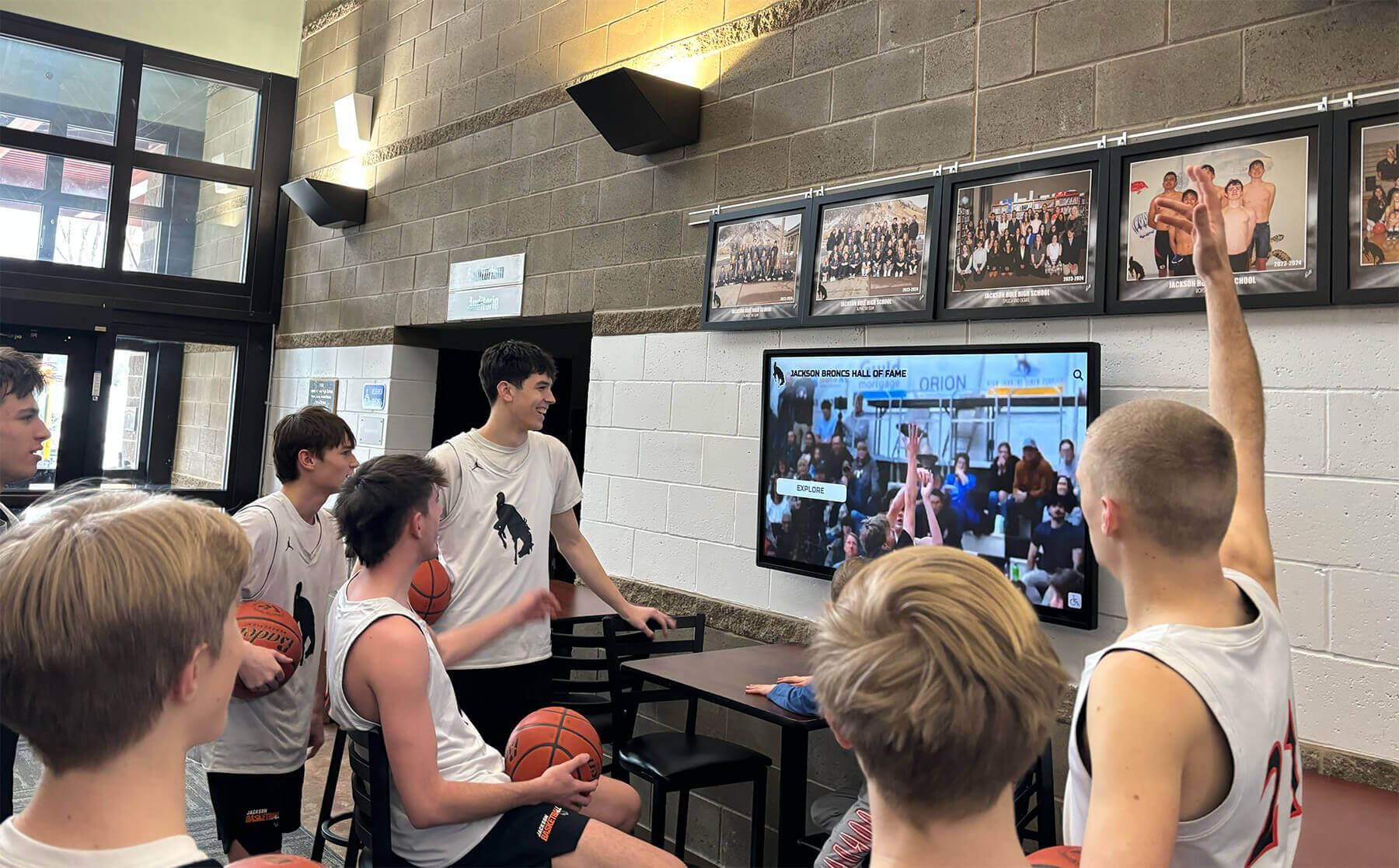
Modern athletic programs recognize that comprehensive athlete support extends beyond physical training to include nutrition education and performance optimization
Understanding Student Athlete Nutritional Needs
Developing effective sports nutrition programs begins with recognizing how young athletes’ needs differ from general student populations.
Energy Requirements for Growing Athletes
Student athletes face compounding energy demands that many families and coaches underestimate:
Baseline Growth Needs
- Adolescents require substantial calories supporting rapid physical development
- Teenage boys need approximately 2,200-2,800 calories daily for growth alone
- Teenage girls require approximately 1,800-2,200 calories supporting development
- Individual metabolism variations create significant range across athletes
- Insufficient baseline nutrition compromises both growth and athletic performance
Athletic Training Demands
- Moderate training adds 200-600 calories per day to baseline requirements
- Intense training during competitive seasons increases needs by 600-1,200+ calories daily
- Two-a-day practices during preseason dramatically elevate total energy requirements
- Sport-specific demands vary significantly—endurance athletes require more calories than skill-position players
- Inadequate fueling during high-volume training leads to overtraining symptoms and performance decline
Research on youth athlete nutrition demonstrates that many student athletes consume 20-40% fewer calories than their bodies require during peak training periods, creating chronic energy deficits that impair performance, recovery, and long-term development.
Macronutrient Balance for Athletic Performance
Understanding how carbohydrates, proteins, and fats support different aspects of athletic performance enables strategic nutritional planning:
Carbohydrates: Primary Fuel Source
- Provide immediate energy for high-intensity training and competition
- Should comprise 45-65% of total caloric intake for most student athletes
- Endurance athletes require higher percentages (55-65%) supporting sustained efforts
- Timing matters—consuming carbohydrates before and during activity maintains performance
- Complex carbohydrates provide sustained energy while simple carbohydrates offer quick fuel
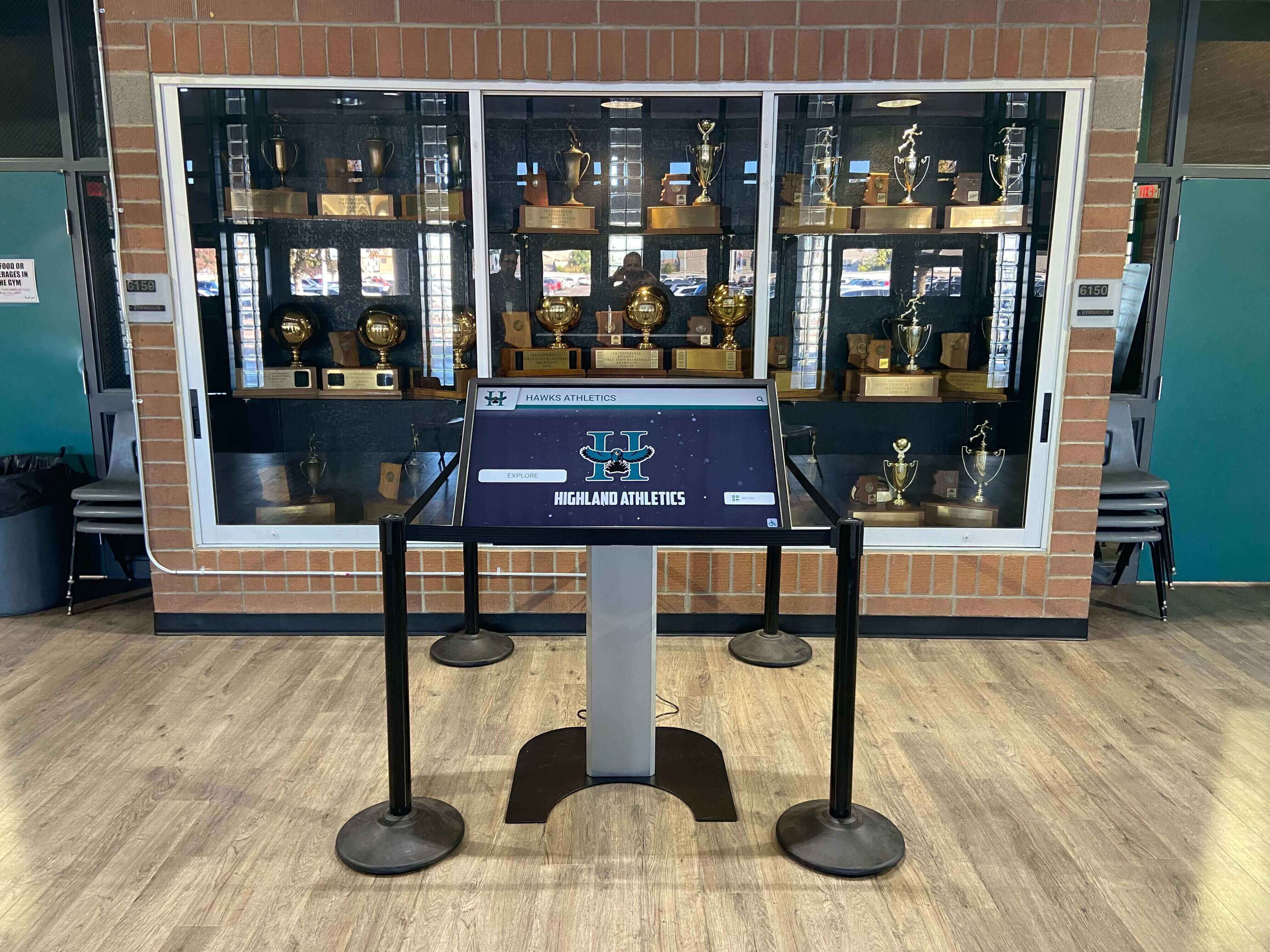
Schools that excel at athletic programs integrate comprehensive support systems including nutrition alongside [traditional recognition](https://digitalawardsdisplay.com/blog/end-of-season-athletic-awards-recognizing-every-players-contribution/?utm_source=organic&utm_medium=seo-auto&utm_content=best-touchscreen&utm_campaign=sports-nutrition-student-athletes&utm_term=seo)
Protein: Building and Repairing Muscle
- Essential for muscle repair, growth, and recovery following training
- Student athletes need 0.45-0.6 grams per pound of body weight daily
- Distributing protein intake throughout the day optimizes muscle protein synthesis
- Post-workout protein consumption within 30-60 minutes enhances recovery
- Both animal and plant-based sources contribute to total protein requirements
Dietary Fats: Supporting Hormones and Recovery
- Necessary for hormone production, vitamin absorption, and cellular function
- Should comprise 20-35% of total caloric intake
- Focus on healthy fats from nuts, seeds, avocados, olive oil, and fatty fish
- Avoid excessive saturated fats and eliminate trans fats when possible
- Adequate fat intake supports hormone balance critical for adolescent development
Comprehensive athletic programs recognize that nutrition education complements physical training, similar to how schools develop complete recognition systems acknowledging all aspects of student achievement.
Micronutrient Considerations for Young Athletes
Vitamins and minerals play critical yet often overlooked roles in athletic performance:
Iron: Oxygen Transport and Energy Production
- Essential for hemoglobin production enabling oxygen delivery to working muscles
- Female athletes face increased risk of iron deficiency due to menstruation
- Endurance athletes require higher iron intake due to increased red blood cell turnover
- Iron deficiency causes fatigue, decreased performance, and impaired recovery
- Include iron-rich foods like lean meats, beans, dark leafy greens, and fortified cereals
Calcium and Vitamin D: Bone Health and Injury Prevention
- Critical during adolescence when peak bone mass development occurs
- Athletes involved in high-impact sports require adequate calcium preventing stress fractures
- Vitamin D enables calcium absorption and supports immune function
- Many student athletes show insufficient vitamin D levels, especially in winter months
- Dairy products, fortified foods, and strategic supplementation support requirements
Electrolytes: Hydration and Muscle Function
- Sodium, potassium, magnesium, and chloride regulate fluid balance and muscle contractions
- Lost through sweat during training and competition, requiring replacement
- Deficiencies lead to cramping, decreased performance, and potentially dangerous conditions
- Sports drinks provide electrolyte replacement during extended training sessions
- Whole foods including fruits, vegetables, and dairy also contribute to electrolyte balance

Excellence in athletics requires comprehensive support including proper nutrition, training, and meaningful recognition of achievement
Hydration Strategies for Optimal Performance
Proper hydration significantly impacts athletic performance, yet many student athletes maintain chronic mild dehydration throughout training seasons.
Understanding Hydration Science
The relationship between hydration status and performance is direct and measurable:
Performance Impact of Dehydration
- 2% body weight loss through fluid deficit decreases performance by approximately 10-20%
- Cognitive function declines with dehydration, affecting decision-making and reaction time
- Temperature regulation becomes impaired, increasing heat illness risk
- Muscle cramping frequency increases with inadequate hydration
- Recovery slows when athletes fail to properly rehydrate after training
Individual Sweat Rate Variability
- Athletes lose vastly different fluid volumes during identical training sessions
- Sweat rates range from 0.5 to 2.5 liters per hour depending on individual physiology
- Environmental conditions dramatically affect fluid loss—heat and humidity increase sweat
- Sport intensity influences sweat rate independent of environmental factors
- Calculating individual sweat rate enables personalized hydration planning
Practical Daily Hydration Guidelines
Student athletes need systematic approaches ensuring adequate hydration throughout demanding schedules:
Baseline Daily Fluid Intake
- Minimum 0.5-1 ounce per pound of body weight for sedentary baseline needs
- Example: 150-pound athlete requires minimum 75-150 ounces (2.2-4.4 liters) daily
- Active athletes need amounts at the higher end plus additional exercise-related fluids
- Urine color provides simple hydration assessment—pale yellow indicates adequate hydration
- Dark concentrated urine signals insufficient fluid intake requiring immediate correction
Pre-Exercise Hydration Protocol
- Consume 16-20 ounces of fluid 2-3 hours before training or competition
- Drink additional 8-10 ounces 10-20 minutes before activity begins
- Provides time for fluid absorption and allows for pre-activity bathroom breaks
- Avoids discomfort from excessive fluid volume during initial exercise minutes
- Ensures optimal hydration status at training or competition start
During-Exercise Fluid Replacement
- Consume 7-10 ounces every 10-20 minutes during activity lasting over 60 minutes
- Water suffices for activities under 60 minutes in moderate conditions
- Sports drinks providing carbohydrates and electrolytes benefit extended sessions
- Don’t rely on thirst alone—mild dehydration precedes thirst sensation
- Cold fluids (50-60°F) enhance palatability and potentially improve thermoregulation
Post-Exercise Rehydration
- Replace 150% of fluid lost during activity over subsequent hours
- Calculate sweat loss by weighing before and after practice (1 pound loss ≈ 16 ounces fluid)
- Example: 2-pound loss during practice requires consuming 48 ounces post-exercise
- Include sodium through foods or beverages to retain consumed fluids
- Complete rehydration before next training session maintains performance consistency
Schools developing comprehensive athletic facilities increasingly include hydration stations strategically positioned throughout training areas, making fluid intake more convenient and consistent.
Meal Timing and Pre-Competition Nutrition
Strategic nutrient timing optimizes energy availability during training and competition while supporting recovery.
Pre-Game Meal Strategies
What student athletes eat before competition significantly impacts performance, yet many families struggle with practical implementation:
Timing Considerations
- Large meals require 3-4 hours for digestion before intense activity
- Moderate meals work well 2-3 hours pre-competition
- Small snacks can be consumed 30-60 minutes before activity
- Individual digestion rates vary—athletes should experiment during training, not competitions
- Morning competitions require adjusted evening and breakfast strategies
Optimal Pre-Competition Foods
- Emphasize carbohydrates providing readily available energy
- Include moderate protein for sustained release without digestive discomfort
- Minimize fat and fiber which slow digestion and may cause GI issues
- Choose familiar foods previously tested during training sessions
- Avoid experimenting with new foods before important competitions
Sample Pre-Game Meal Options
3-4 Hours Before Competition:
- Pasta with marinara sauce, grilled chicken, bread, and fruit
- Turkey sandwich on white bread with pretzels and banana
- Oatmeal with honey, berries, and scrambled eggs
- Rice bowl with lean protein, vegetables, and fruit smoothie
1-2 Hours Before Competition:
- Bagel with peanut butter and banana
- Granola bar with applesauce
- Sports drink with handful of pretzels
- English muffin with honey and orange slices
30-60 Minutes Before Competition:
- Fruit pouch or applesauce
- Sports drink or juice
- Few graham crackers
- Small banana or orange

Elite athletic programs combine proper performance support with permanent recognition of achievement
Managing Nervous Stomach and Competition Day Challenges
Many student athletes experience reduced appetite or digestive discomfort before competitions:
Strategies for Anxious Athletes
- Liquid nutrition (smoothies, shakes) often better tolerated than solid foods
- Smaller, more frequent meals may work better than standard large pre-game meals
- Familiar, preferred foods reduce risk of refusal or digestive issues
- Practicing pre-competition eating during scrimmages builds confidence
- Never force food—some athletes genuinely perform better on lighter stomachs
All-Day Tournament Nutrition
- Pack portable foods maintaining energy between events: bananas, oranges, trail mix, granola bars
- Emphasize easily digestible carbohydrates between competitions
- Maintain steady hydration throughout the day regardless of appetite
- Avoid heavy, greasy, or unfamiliar foods during multi-event days
- Plan for different timing scenarios depending on competition schedules
High-performing athletic programs develop comprehensive support systems addressing all aspects of athlete success, similar to how modern schools implement multifaceted recognition programs celebrating diverse achievements.
Recovery Nutrition: The Critical Performance Factor
Recovery nutrition may be the most overlooked yet impactful component of student athlete nutrition programs.
The Post-Exercise Nutrition Window
The period immediately following training or competition creates unique opportunities for enhanced recovery:
Metabolic Advantages of Immediate Refueling
- Muscles demonstrate increased sensitivity to nutrient uptake for 30-60 minutes post-exercise
- Glycogen repletion occurs more rapidly when carbohydrates consumed immediately after activity
- Protein synthesis rates increase when protein consumed soon after training
- Delaying post-workout nutrition reduces these beneficial adaptations
- Athletes with multiple training sessions daily benefit most from strategic timing
Optimal Recovery Nutrition Ratios
- Target 3:1 or 4:1 carbohydrate-to-protein ratio for combined refueling and repair
- Consume 0.5-0.7 grams of carbohydrate per pound of body weight
- Include 15-25 grams of high-quality protein
- Example: 150-pound athlete needs 75-105 grams carbohydrate plus 15-25 grams protein
- Liquid nutrition often more practical and better tolerated immediately post-exercise
Practical Post-Workout Options
- Chocolate milk provides ideal ratio, excellent convenience, and proven effectiveness
- Sports recovery drinks formulated with appropriate carbohydrate-protein ratios
- Smoothie with fruit, yogurt, and protein powder
- Turkey sandwich with fruit and sports drink
- Greek yogurt with granola and berries
Supporting Multi-Session Recovery
Student athletes frequently face multiple training sessions within 24 hours, creating compressed recovery timelines:
Same-Day Double Sessions
- Recovery nutrition between sessions becomes critical for afternoon performance
- Consume recovery meal/snack immediately after morning training
- Include substantial carbohydrate volume replenishing glycogen before afternoon session
- Adequate protein supports ongoing repair processes throughout the day
- Maintain consistent hydration between sessions preventing cumulative deficits

Modern athletic programs recognize all elements contributing to success including proper training, nutrition, and [achievement documentation](https://digitalwalloffame.com/blog/sports-memorabilia-display-ideas-creative-ways-showcase-athletic-history/?utm_source=organic&utm_medium=seo-auto&utm_content=best-touchscreen&utm_campaign=sports-nutrition-student-athletes&utm_term=seo)
Tournament and Competition Weekend Recovery
- Pack recovery foods for immediate post-game consumption
- Don’t wait until arriving home to begin recovery nutrition
- Between-game nutrition maintains performance across multiple same-day events
- Evening recovery meal sets foundation for next-day competition
- Prioritize sleep alongside nutrition during compressed competition schedules
Sleep and Recovery: The Overlooked Connection
Nutrition alone cannot optimize recovery without adequate sleep:
Sleep Requirements for Student Athletes
- Adolescent athletes need 8-10 hours nightly for optimal recovery and performance
- Many student athletes chronically sleep only 6-7 hours per night
- Sleep deprivation impairs recovery, increases injury risk, and decreases performance
- Academic demands combined with athletic schedules create significant sleep pressure
- Schools and families must prioritize sleep as critical performance factor equal to nutrition
Nutrition’s Role in Sleep Quality
- Evening meals affect sleep quality through timing and composition
- Large meals close to bedtime may impair sleep through digestive discomfort
- Caffeine consumption after midday can disrupt sleep patterns
- Adequate carbohydrate intake supports better sleep quality
- Protein before bed may support overnight muscle protein synthesis
Building Practical School-Based Nutrition Programs
Schools play critical roles in supporting student athlete nutrition through education, environment, and resources.
Nutrition Education Integration
Effective programs systematically educate athletes, parents, and coaches:
Team Nutrition Workshops
- Pre-season meetings covering fundamental sports nutrition principles
- Sport-specific guidance addressing unique demands of different athletic activities
- Parent education enabling family support of optimal nutrition practices
- Coach training ensuring consistent messaging across athletic department
- Annual updates incorporating current research and addressing identified gaps
Individual Athlete Consultations
- Access to registered dietitians for personalized guidance
- Addressing specific needs: vegetarian athletes, food allergies, weight management concerns
- Creating individualized meal plans accommodating family situations and resources
- Ongoing monitoring and adjustment throughout competitive seasons
- Connection to healthcare providers for medical nutrition therapy when appropriate
Many successful athletic programs develop comprehensive support frameworks similar to coaching philosophy development that guides all program elements toward unified goals.
Creating Supportive Nutritional Environments
School policies and facility design significantly impact student athlete nutrition:
Cafeteria and Vending Machine Improvements
- Offering athlete-appropriate options during all lunch periods
- Pre-practice snack availability for athletes with afternoon training
- Healthy vending machine options throughout athletic facilities
- Extended cafeteria hours accommodating early-morning and after-school athletes
- Removing high-sugar, low-nutrient options that undermine nutrition education
Athletic Facility Nutrition Stations
- Refrigeration for perishable recovery foods and hydration options
- Storage for non-perishable nutrition supplies: bars, nuts, dried fruit
- Water fountains and bottle filling stations throughout training areas
- Recovery nutrition available immediately post-practice without requiring athletes to leave facilities
- Educational posters and resources visible in locker rooms and training spaces

Championship programs excel by supporting athletes comprehensively and celebrating achievements prominently
Addressing Common Nutritional Challenges
Student athletes face specific obstacles requiring systematic solutions:
Time Constraints and Busy Schedules
- Athletes struggle finding time for proper meals between school, practice, and homework
- Quick, portable options become necessary for athletes eating between commitments
- Meal prep strategies help families prepare athlete-appropriate foods efficiently
- Identifying fast-food options that align with nutrition goals for unavoidable situations
- Building time management skills as part of overall student-athlete development
Budget Considerations
- Optimal sports nutrition need not require expensive supplements or specialty foods
- Whole food approaches provide excellent nutrition at reasonable costs
- Bulk purchasing of staples reduces expenses for high-calorie-need athletes
- School breakfast and lunch programs can provide significant nutritional foundation
- Community partnerships may expand resources for families facing financial constraints
Food Access and Equity Issues
- Some athletes lack consistent access to adequate nutrition at home
- Schools increasingly recognize nutrition equity as performance and health issue
- Weekend food programs prevent nutrition gaps when school meals unavailable
- Training table programs providing post-practice meals for athletes in need
- Connecting families with community resources addressing food insecurity
Progressive athletic departments recognize that supporting student athletes requires addressing all factors influencing success, similar to developing comprehensive recognition systems acknowledging diverse forms of excellence.
Sport-Specific Nutrition Considerations
Different sports create varying nutritional demands requiring tailored approaches:
Endurance Sport Nutrition
Cross country, swimming, soccer, and other endurance sports create specific challenges:
High Energy Requirements
- Endurance athletes require substantial carbohydrate intake supporting prolonged efforts
- Volume eating becomes necessary to meet caloric demands—multiple meals and snacks daily
- Emphasize nutrient-dense foods maximizing nutrition relative to stomach capacity
- During-training fueling strategies for extended practices or competitions
- Recovery nutrition particularly critical given high training volumes
Event-Day Fueling
- Long competitions require mid-event nutrition maintaining energy availability
- Practice nutrition strategies during training to avoid GI distress during races
- Carbohydrate-rich foods and sports drinks during extended events
- Post-competition recovery nutrition even more critical after glycogen-depleting efforts
Power and Strength Sport Nutrition
Football, wrestling, track and field throws, and other power sports emphasize different elements:
Protein Emphasis for Muscle Development
- Adequate protein distributed throughout day supporting muscle protein synthesis
- Resistance training combined with proper nutrition enables strength gains
- Timing protein intake around training sessions may optimize adaptations
- Whole food sources preferable to supplements for most athletes
- Avoid excessive protein at expense of adequate carbohydrate or overall energy intake
Weight Class Sport Challenges
- Wrestling, rowing, and other weight-class sports create unhealthy weight-cutting temptation
- Proper weight management through gradual, healthy approaches rather than rapid dehydration
- Working with healthcare providers monitoring safe weight management practices
- Education about dangers of rapid weight cutting and long-term health effects
- Supporting appropriate weight class selection rather than unhealthy cutting practices
Team Sport Nutrition Balance
Basketball, volleyball, baseball, and team sports combine multiple demands:
Variable Intensity Requirements
- Team sports alternate between high-intensity bursts and recovery periods
- Require carbohydrate fueling for power efforts plus adequate protein for recovery
- Hydration particularly critical during long practices or doubleheader competitions
- Position-specific demands may warrant individualized nutrition approaches
- In-season nutrition maintains performance while off-season builds strength and conditioning
Supplements: Separating Science from Marketing
Student athletes and families face relentless supplement marketing requiring clear guidance:
Evidence-Based Supplement Assessment
Most supplements marketed to athletes lack scientific support for performance enhancement:
The Whole Foods Foundation
- Complete nutrition from food sources should always be first priority
- Supplements cannot compensate for inadequate baseline nutrition
- Whole foods provide combinations of nutrients supplements cannot replicate
- Cost-benefit analysis rarely favors expensive supplements over quality food
- Safety concerns greater with supplements than established whole food approaches
Limited Supplement Recommendations
- Protein powder convenient but not superior to whole food protein sources
- Useful when schedule constraints make whole food consumption impractical
- Vitamin D supplementation warranted for athletes with documented deficiency
- Iron supplementation only under medical supervision with documented deficiency
- Creatine shows performance benefits but generally unnecessary for high school athletes
Supplements to Avoid
- Pre-workout supplements often contain excessive stimulants
- Weight gain supplements typically provide excessive calories without nutritional benefit
- Fat burners and weight loss supplements dangerous and ineffective
- Testosterone boosters inappropriate and potentially harmful for adolescents
- Proprietary blends lacking transparency about ingredient amounts
Safety and Regulatory Concerns
Supplement industry regulation is minimal, creating significant risks:
Contamination and Labeling Issues
- Third-party testing reveals frequent discrepancies between labels and actual contents
- Banned substance contamination can jeopardize college athletic eligibility
- Quality control varies dramatically between manufacturers
- Athletes bear responsibility for any banned substances in their systems regardless of source
- Risk rarely justifies minimal performance benefits for high school athletes
Creating Informed Decision Frameworks
- Evaluate supplements through lens of research evidence, safety, cost, and necessity
- Consult qualified professionals before beginning any supplementation
- Prioritize whole food approaches providing comprehensive nutrition
- Recognize marketing strategies designed to exploit athlete performance desires
- Focus resources on proven approaches—adequate food, hydration, sleep—before considering supplements
Organizations developing comprehensive athletic programs emphasize evidence-based practices across all elements from training methods to nutritional support.
Building a Culture of Nutritional Excellence
Long-term success requires establishing nutrition as fundamental program value rather than optional add-on:
Leadership and Role Modeling
Coaches and athletic directors set nutritional culture through actions more than words:
Coaching Staff Nutrition Practices
- Coaches modeling healthy eating behaviors create powerful influence
- Avoiding negative body talk or promoting unhealthy weight management practices
- Making evidence-based nutrition information readily accessible
- Integrating nutrition education into regular team activities rather than treating as separate topic
- Recognizing and celebrating athletes who demonstrate nutritional excellence
Athlete Leaders and Peer Influence
- Team captains and respected athletes influence teammates’ nutrition choices significantly
- Identifying and supporting positive peer influences regarding nutrition
- Creating team challenges or goals around nutrition habits
- Addressing negative peer pressure toward unhealthy eating patterns
- Celebrating team nutrition improvements as collective achievements
Measuring and Celebrating Progress
Tracking nutritional improvements helps maintain focus and motivation:
Individual and Team Assessments
- Periodic hydration assessments identifying athletes needing additional support
- Monitoring performance markers potentially influenced by nutrition
- Anonymous team surveys about nutrition knowledge and practices
- Tracking cafeteria participation in athlete-appropriate meal options
- Celebrating improvements in team nutrition habits alongside athletic achievements
Recognition Integration
- Including nutritional excellence in end-of-season awards consideration
- Acknowledging athletes who demonstrate commitment to complete development
- Featuring nutrition success stories in team communications
- Connecting nutrition to overall athletic success narratives
- Normalizing nutrition as essential component of athletic identity rather than optional extra
Conclusion
Sports nutrition for student athletes represents far more than simply eating appropriately—it forms a foundational element determining whether young athletes reach their performance potential while maintaining health, supporting academic success, and establishing lifelong wellness habits. Schools, athletic departments, coaches, and families share responsibility for creating environments enabling student athletes to fuel performance appropriately and recover effectively.
The guidance in this comprehensive resource provides actionable strategies addressing every aspect of student athlete nutrition from understanding energy needs and hydration protocols to implementing practical meal timing, building school-based nutrition programs, and addressing sport-specific requirements. Organizations implementing these evidence-based approaches create competitive advantages while demonstrating genuine commitment to complete student-athlete development.
Excellence in athletic programs requires comprehensive support systems addressing all factors influencing success. Modern schools increasingly recognize this holistic approach to athletic development, similar to how digital recognition systems have transformed how institutions celebrate and preserve athletic achievement permanently.
Ready to build a comprehensive athletic recognition program that celebrates all aspects of student-athlete excellence—including commitment to nutrition, training, and complete development? Discover how Rocket Alumni Solutions’ interactive touchscreen displays create engaging, permanent recognition systems showcasing achievements across all dimensions of athletic success, inspiring current and future student athletes to pursue excellence in every aspect of their development.