Spirit week energizes schools and workplaces by creating shared experiences that build community, celebrate achievements, and strengthen organizational culture. Whether you’re planning a high school homecoming tradition, an elementary school celebration, or a workplace team-building event, the right spirit week themes can transform ordinary days into memorable experiences that participants talk about long afterward.
Finding fresh, engaging spirit week themes that work for diverse audiences presents challenges. Planners need ideas that encourage broad participation without creating financial barriers, themes appropriate for different age groups and professional settings, activities that maintain energy throughout the week, and approaches that create lasting impact beyond five days of dress-up activities.
This comprehensive guide explores creative spirit week themes for schools and workplaces, proven planning strategies that maximize participation, recognition approaches that honor all contributors, and digital systems that preserve spirit week memories permanently.
Spirit weeks serve strategic purposes beyond entertainment. These celebrations strengthen organizational identity, provide opportunities to recognize contributions often overlooked, create positive memories during demanding periods, and demonstrate what communities value through what they choose to celebrate.
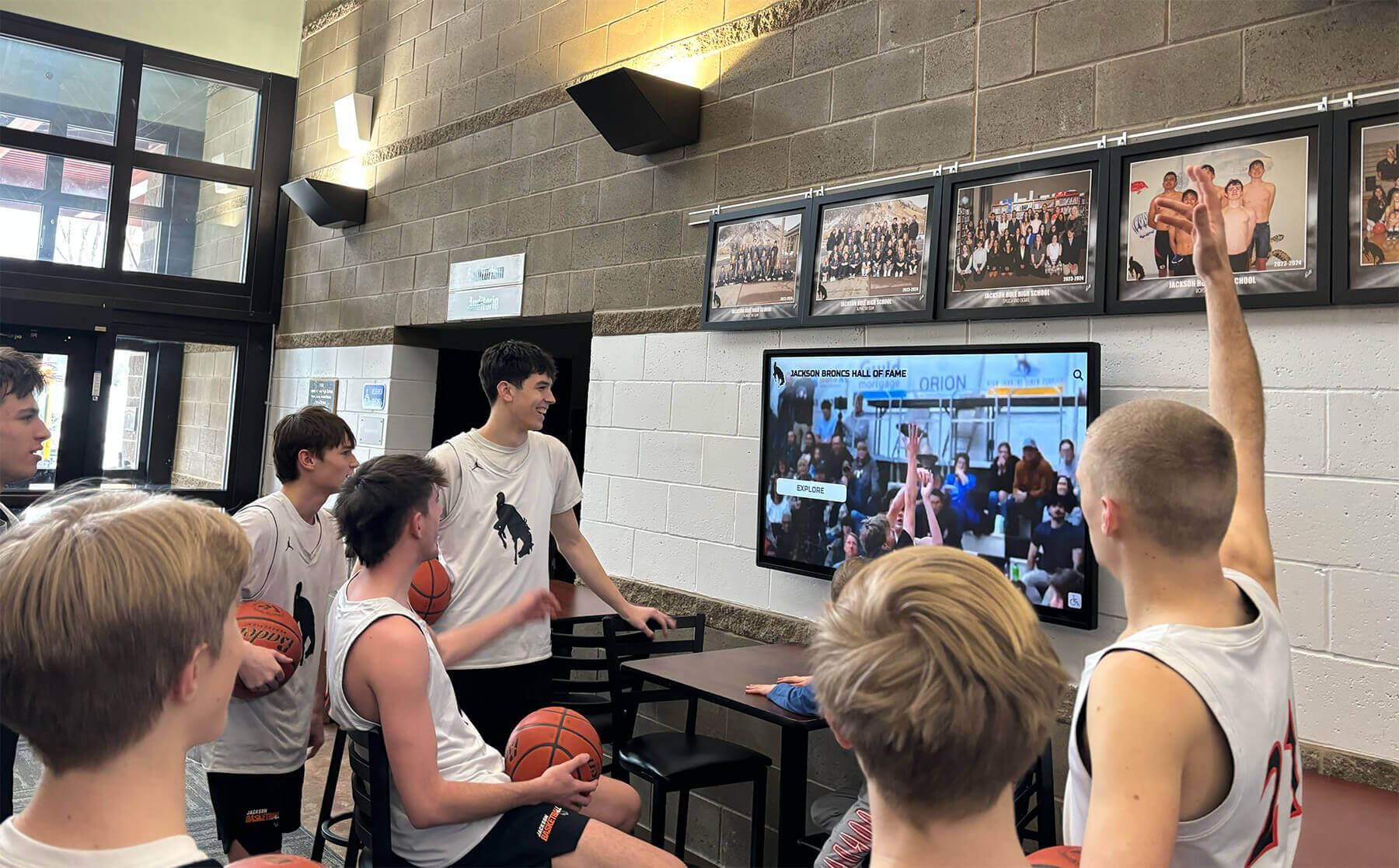
Digital recognition systems complement spirit week celebrations by preserving achievements and creating year-round visibility
Understanding Spirit Week: Building Community Through Celebration
Effective spirit week planning begins with understanding why these events matter and what distinguishes successful celebrations from routine activities that generate little enthusiasm.
The Purpose of Spirit Week Celebrations
Creating Shared Identity Spirit weeks unite diverse groups through common experiences:
- Themed participation gives people across departments or grade levels something shared to discuss
- Collective celebration breaks down barriers separating different organizational groups
- Visible traditions establish recognizable identity that members embrace
- Positive energy during spirit week carries into regular activities afterward
- Memories created become part of organizational narrative and culture
Recognizing Contributions and Achievements Spirit weeks provide platforms for acknowledging excellence:
- Public recognition validates effort people invested in various activities
- Celebration signals what the organization genuinely values beyond stated priorities
- Acknowledgment creates aspiration among those observing role models
- Diverse recognition categories ensure broader participation feels valued
- Formal celebration demonstrates authentic appreciation for contributions
Building Positive Culture Well-designed spirit weeks strengthen organizational climate:
- Fun experiences balance demanding work or academic requirements
- Inclusive themes signal that everyone belongs and can participate
- Creative activities celebrate diverse talents beyond typical performance measures
- Team competitions teach collaboration and healthy rivalry
- Leadership opportunities emerge through planning and participation roles
Research on organizational culture demonstrates that people who feel connected to their communities show higher engagement, better performance, improved wellbeing, and stronger loyalty. Spirit weeks contribute meaningfully to connection when designed thoughtfully.
Key Elements of Successful Spirit Weeks
Broad Participation Across All Groups The best spirit weeks engage diverse participants:
- Themes accessible regardless of resources or background
- Activities appealing to different personality types and interests
- Multiple participation levels from simple to elaborate
- Recognition extending beyond most visible participants
- Alternatives for those uncomfortable with certain activities
Sustained Energy Throughout the Week Maintaining momentum requires strategic planning:
- Opening days with accessible themes ensuring strong start
- Mid-week activities reigniting energy when interest might fade
- Building anticipation toward culminating Friday celebration
- Variety in daily themes preventing repetition and boredom
- Recognition spread throughout week rather than saved for end
Meaningful Recognition and Lasting Impact Spirit weeks create value extending beyond the events themselves:
- Photo and video documentation preserving memories
- Digital displays showcasing participation year-round
- Integration with broader community-building initiatives
- Post-event communication thanking participants and sharing highlights
- Lessons learned informing future celebration improvements
Organizations implementing comprehensive recognition programs find that spirit weeks achieve maximum impact when complementing year-round engagement strategies rather than serving as isolated events.
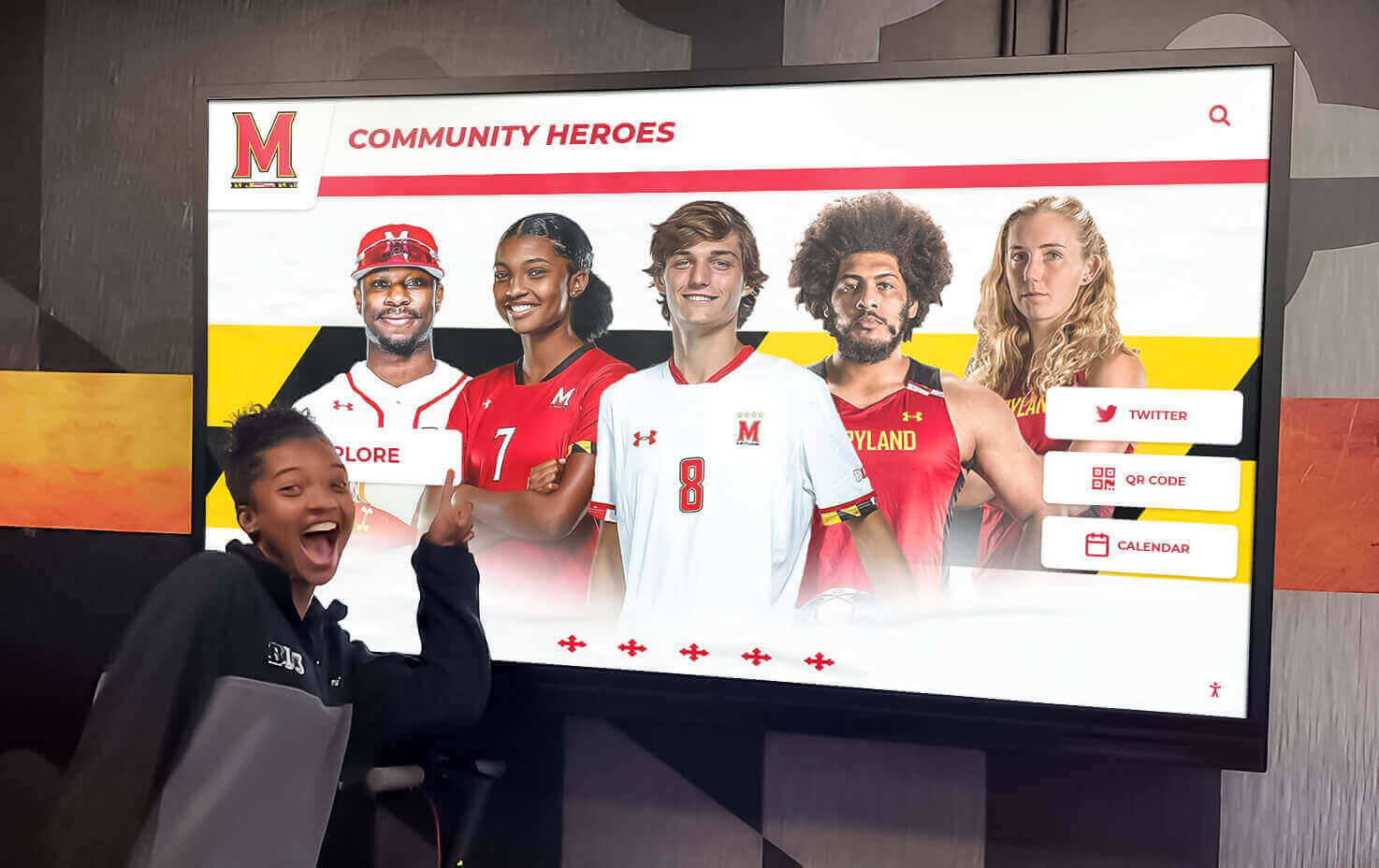
Recognition displays create gathering points where people explore spirit week photos and celebrate achievements
Creative Spirit Week Themes for Schools
School spirit weeks vary significantly based on student age, institutional culture, and timing within the academic calendar. These themes balance accessibility, creativity, and appropriateness for educational settings.
Classic Themes with Enduring Appeal
Certain themes remain popular because they work consistently across different schools:
School Colors Day Everyone wears school colors creating powerful visual unity. Simple participation requiring minimal resources while generating strong collective identity. Perfect for opening or closing days when maximum participation matters most.
Twin/Triplet/Squad Day Students coordinate matching outfits with friends. Creates natural bonding opportunities and requires only coordination rather than purchases. Groups of various sizes can participate making this theme highly inclusive.
Decades Day Participants choose favorite decade (50s sock hops, 70s disco, 80s neon, 90s grunge, 2000s trends). Provides historical connection while allowing creative expression. Teachers enjoy participating as they share memories from their youth.
Jersey Day Wear favorite sports team jerseys or school athletic uniforms. Celebrates athletics while remaining accessible to those who don’t play sports. Creates opportunities to discuss team loyalties and sports interests.
Pajama Day Comfortable sleepwear appropriate for school. Universally accessible and genuinely popular. Requires clear guidelines about appropriate sleepwear ensuring school-appropriate participation.
Hat Day Simple accessory-based participation requiring minimal effort. Creates opportunities for creative expression through unique headwear choices. Works well mid-week when participation might otherwise decline.
Crazy Hair Day Temporary hair color, wild styles, accessories. Requires no purchases as household items create effects. Appeals particularly to elementary and middle school students who enjoy dramatic transformations.
Class Color Day Each grade wears designated color (freshmen green, sophomores blue, juniors yellow, seniors red). Builds grade-level identity while creating visible school unity. Perfect for competition days as colors make class participation immediately visible.
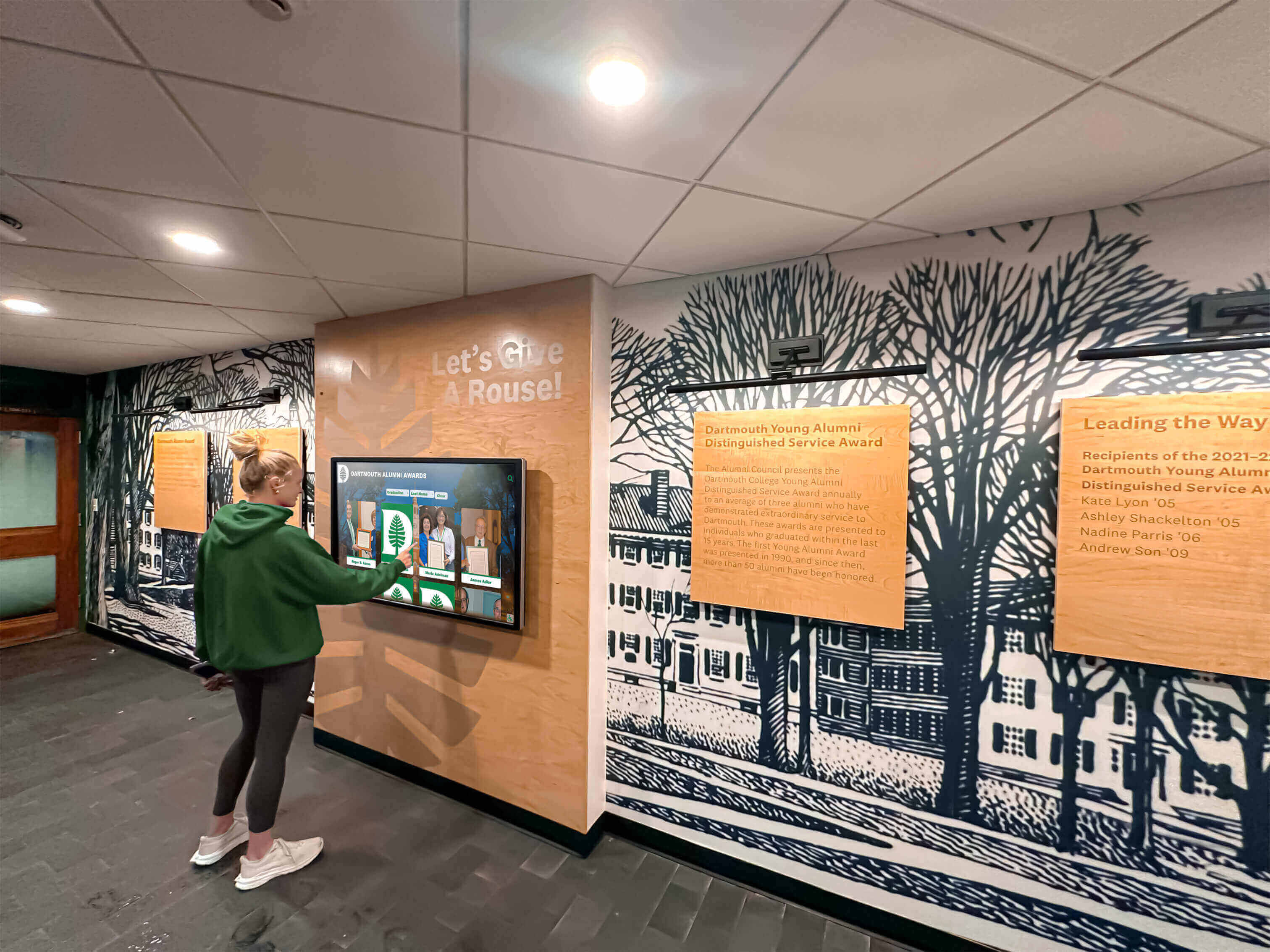
Interactive touchscreen systems enable students to explore spirit week photo galleries and relive favorite moments
Contemporary and Trending Themes
Modern themes reflect current culture and generate social media buzz:
Adam Sandler Day Oversized t-shirts, basketball shorts, hoodies. Surprisingly popular and extremely comfortable. Requires items most students already own making participation accessible.
Barbie vs. Oppenheimer All pink everything vs. formal business attire. Capitalizes on recent pop culture while offering clear contrasting options. Creates visually striking photos that students love sharing.
Rhyme Without Reason Day Partners dress in rhyming but unrelated themes (Pig and Wig, Nerd and Bird, Flower and Power). Encourages creativity and coordination between friends. Generates entertaining costume combinations.
Anything But a Backpack Day Students carry books in creative containers—laundry baskets, coolers, wagons, suitcases (within safety limits). Highly creative and generates significant social media content. Requires clear safety guidelines about acceptable alternatives.
Tourist vs. Tourist Trap Day Dress as stereotypical tourist with cameras and maps, or as famous landmark/attraction. Creates clear contrast while encouraging creative interpretation. Works particularly well for schools planning or returning from trips.
Schools implementing spirit week recognition systems document participation and create lasting visibility extending beyond the five-day celebration.
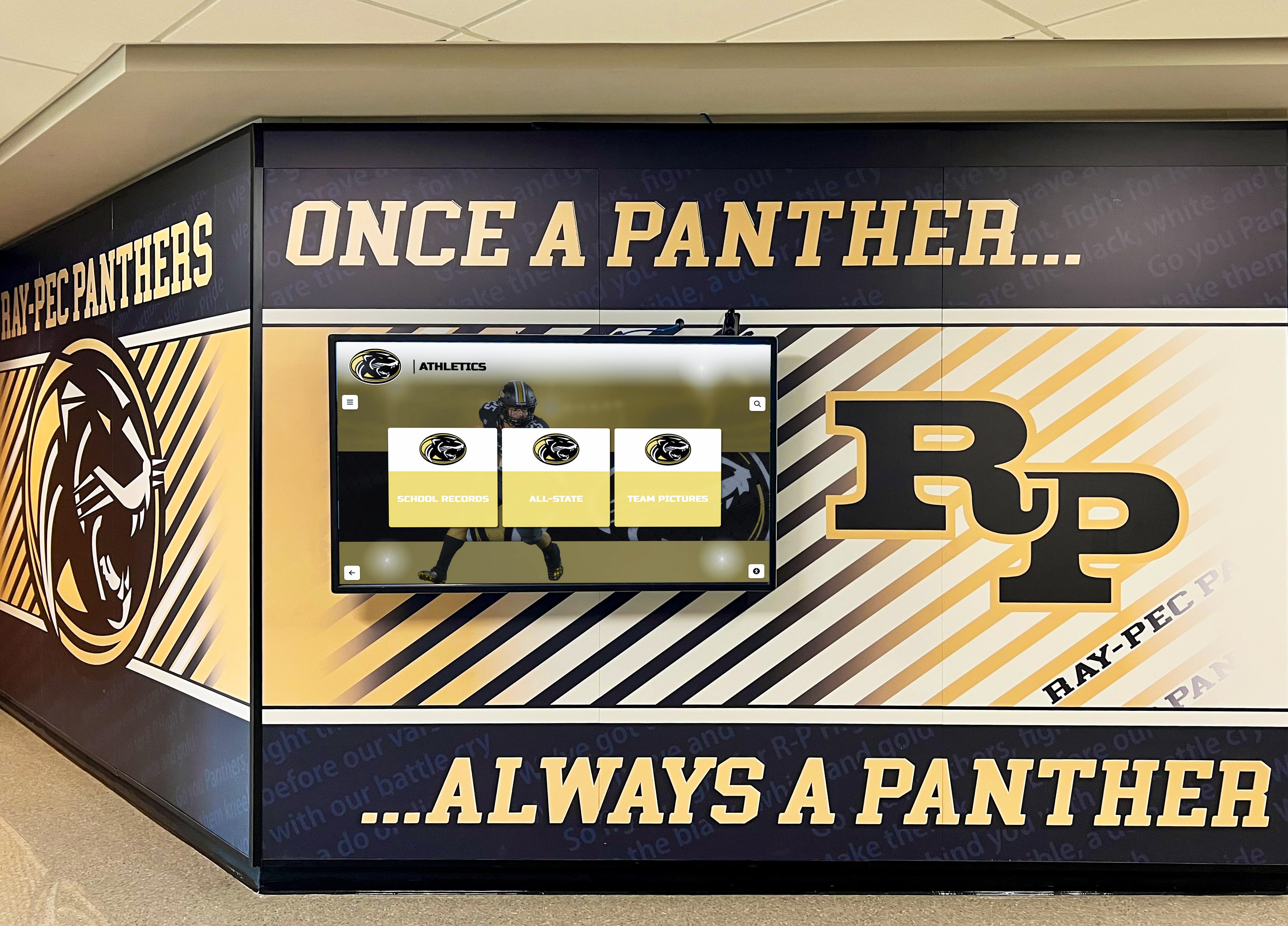
Hallway displays in high-traffic areas maximize visibility for spirit week achievements throughout the school year
Character and Pop Culture Themes
Entertainment-based themes leverage familiar references:
Superhero vs. Villain Day Represent favorite comic book or movie characters from hero or villain perspective. Highly recognizable and allows participation at various complexity levels from simple shirts to elaborate costumes.
Disney/Pixar Character Day Classic, modern, or Pixar characters. Widely accessible with recognizable costumes available at various price points. Appeals across age ranges from elementary through high school.
Video Game Character Day Represent favorite gaming characters. Appeals to significant demographic often underrepresented in traditional school spirit activities. Creates opportunities for creative DIY costumes.
Storybook Character Day Literary characters from favorite books. Connects to English curriculum and celebrates reading. Teachers appreciate academic connection while students enjoy creative expression.
Meme Day Dress as favorite internet meme. Highly engaging for current students who understand contemporary internet culture. Requires guidelines ensuring appropriate meme selection.
TV Show/Movie Character Day Choose character from favorite entertainment. Endless possibilities enable everyone to find comfortable participation option. Creates conversation opportunities about shared interests.
Versus and Contrast Themes
Competitive themes create clear options and visual contrast:
Beach vs. Ski Lodge Summer tropical attire vs. winter mountain resort clothing. Seasonal contrast works year-round. Creates clear costume categories while allowing creative interpretation.
Cowboys vs. Aliens Western wear vs. space-themed costumes. Unusual combination generates creative results. Pop culture reference appeals to students familiar with the film.
Bikers vs. Surfers Leather and bandanas vs. Hawaiian shirts and boardshorts. Clear aesthetic contrast. Accessible through items students likely already own.
Country vs. Country Club Farming/rural attire vs. golf course/preppy aesthetics. Socioeconomic contrast treated lightheartedly. Creates obviously different costume approaches.
Mathletes vs. Athletes Academic stereotypes (calculators, pocket protectors, glasses) vs. athletic gear and jerseys. Celebrates both academics and athletics. Creates opportunities for good-natured rivalry and mutual respect.
These versus themes work effectively because they provide clear options, create visual contrast for photos, enable participation at various complexity levels, and generate friendly competition that builds energy.
Spirit Week Themes for Workplaces
Professional settings require adapted approaches balancing fun with appropriateness for business environments.
Professional Yet Fun Workplace Themes
Themes suitable for offices and professional organizations:
Casual Friday All Week Graduated casual dress throughout week building toward most casual Friday. Comfortable while maintaining professionalism. Requires clear guidelines defining “casual” in organizational context.
Sports Jersey Day Wear favorite team jerseys or athletic apparel. Creates conversation starters about sports interests. Maintains professional appearance while showing personality.
Decades of Company History Each day represents different decade of organizational history. Celebrates institutional legacy. Creates learning opportunities about company evolution and achievements.
College Colors Day Wear apparel representing college or university attended. Creates networking opportunities through shared alumni connections. Celebrates educational diversity within organization.
Hat Day Simple accessory addition to professional attire. Minimal disruption to professional appearance. Enables personality expression through headwear choice.
Pattern Day Stripes, polka dots, plaids, florals. Subtle participation option working within professional dress codes. Creates visual interest without dramatic costume changes.
Organizations implementing employee recognition displays complement spirit week activities with year-round celebration of achievements and contributions.
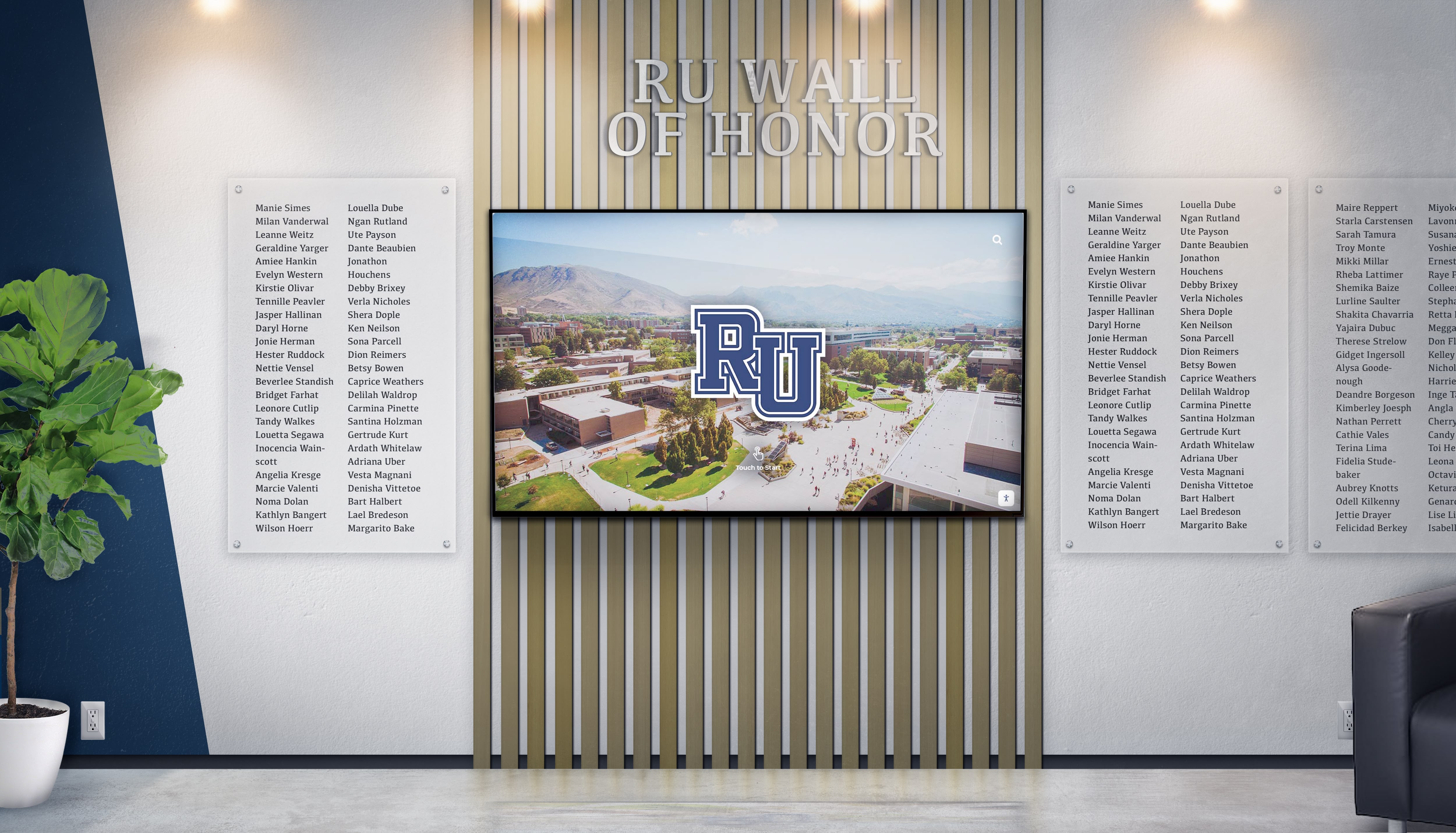
Professional recognition displays showcase spirit week participants alongside organizational achievements
Team and Department Themes
Collaborative approaches building cross-functional relationships:
Department Swap Day Teams dress representing different departments. Creates awareness of diverse organizational roles. Builds appreciation through lighthearted representation.
Superhero Team Day Departments choose superhero teams (Avengers, Justice League, X-Men). Enables group coordination and identity. Creates friendly inter-department competition.
Color Wars Teams assigned colors wearing throughout week accumulating points through challenges. Builds sustained competition. Creates visible team identity through color coordination.
Decade Day by Department Each department represents different decade. Creates visual variety while maintaining coordination within teams. Enables departmental creativity and bonding.
Around the World Departments represent different countries or cultures (with appropriate cultural sensitivity). Celebrates organizational diversity. Creates educational opportunities about global perspectives.
Activity-Based Workplace Spirit Weeks
Non-costume alternatives for conservative professional environments:
Wellness Week Daily wellness challenges (walking goals, healthy meals, meditation). Promotes health without costume requirements. Creates measurable participation through activity tracking.
Community Service Week Each day features different volunteer opportunity or charitable activity. Aligns spirit week with corporate social responsibility. Creates meaningful impact beyond entertainment.
Learning and Development Week Daily lunch-and-learn sessions, skill-sharing workshops, professional development activities. Educational focus with team-building benefits. Provides tangible value alongside cultural benefits.
Innovation Week Teams tackle problems or propose improvements through structured activities. Generates business value from spirit week investment. Engages analytical employees who might skip costume activities.
Recognition Week Daily focuses on recognizing different groups (customer service, operations, leadership, support staff, long-tenure employees). Ensures everyone receives acknowledgment. Strengthens culture through authentic appreciation.
These activity-based approaches work particularly well in professional environments where costume-based participation might feel inappropriate while still achieving spirit week’s community-building objectives.
Planning and Executing Successful Spirit Weeks
Regardless of setting, effective spirit weeks require systematic planning ensuring smooth execution and maximum participation.
Planning Timeline and Organization
6-8 Weeks Before Spirit Week
- Form planning committee representing diverse organizational groups
- Establish dates avoiding conflicts with major events or deadlines
- Set budget including supplies, decorations, prizes, recognition costs
- Survey potential participants about theme preferences and interests
- Determine competition structure if incorporating competitive elements
- Identify special events complementing daily themes (assemblies, gatherings, celebrations)
4-5 Weeks Before Spirit Week
- Finalize daily themes based on input and practical considerations
- Create detailed schedule specifying all activities and timing
- Develop clear participation guidelines ensuring appropriate engagement
- Design promotional materials across multiple communication channels
- Order necessary supplies, decorations, prizes, recognition materials
- Brief leadership about expectations and support needed
2-3 Weeks Before Spirit Week
- Launch promotional campaign building anticipation and awareness
- Create social media content calendar with countdowns and theme reveals
- Distribute detailed information through all available channels
- Communicate with families or external stakeholders as appropriate
- Finalize competition rules and judging criteria if applicable
- Recruit volunteers for setup, documentation, and coordination
Week Before Spirit Week
- Daily countdown announcements and reminders
- Final confirmation of all logistics, supplies, participants
- Brief facilitators about responsibilities and timing
- Set up any advance decorations or displays
- Test technical elements for special events
- Generate excitement through teasers and anticipation-building
During Spirit Week
- Daily theme announcements and participation encouragement
- Active documentation through photos and video
- Competition tracking if applicable
- Real-time problem-solving for issues arising
- Energy maintenance through consistent enthusiasm
- Recognition of participants throughout week
After Spirit Week
- Compile and announce competition results if applicable
- Create photo and video highlight compilations
- Thank participants, volunteers, supporters
- Gather feedback for future improvement
- Update digital recognition displays with spirit week content
- Document lessons learned and best practices
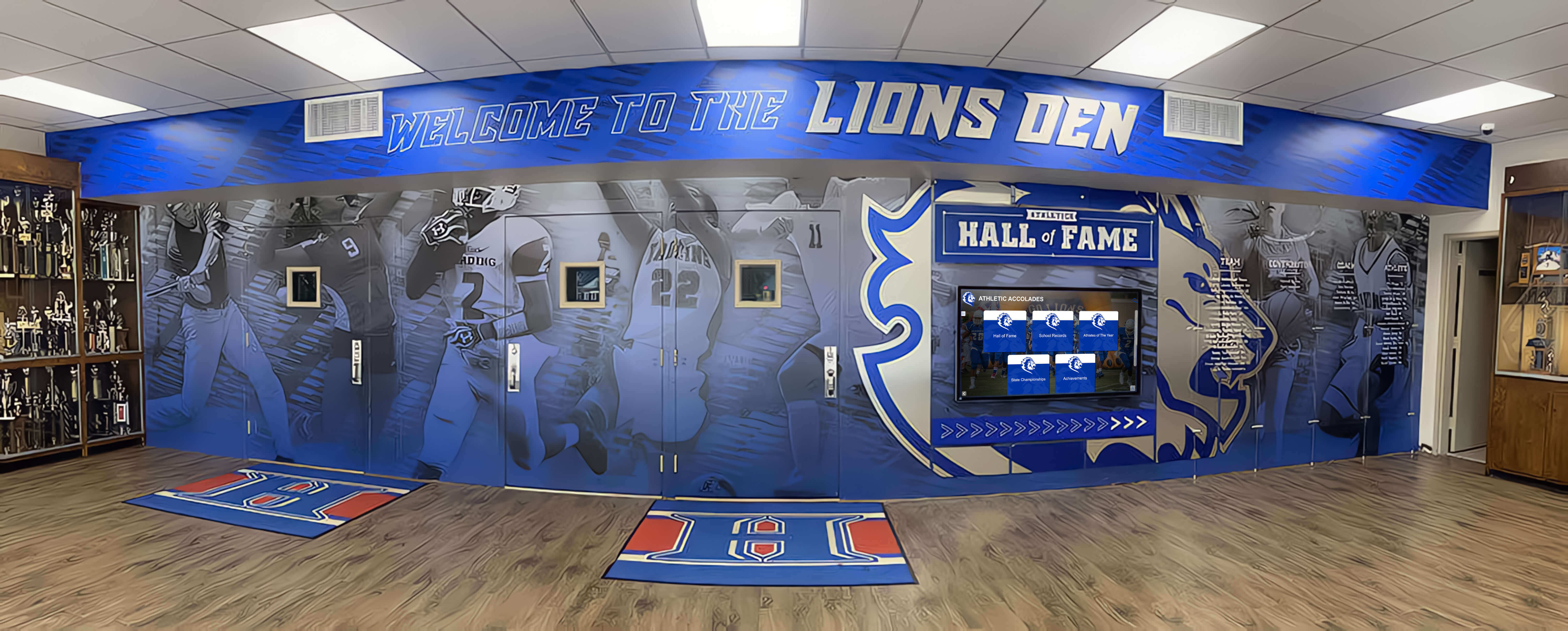
Trophy case areas provide natural settings for displaying spirit week winners and memorable moments
Creating Inclusive Participation Opportunities
Removing Barriers to Participation
- Themes requiring minimal or no costume purchases
- Suggestions using items people likely already own
- Multiple participation levels from simple to elaborate
- Focus on creativity over expensive execution
- Lending closet or supply sharing for those needing assistance
Accommodating Different Comfort Levels
- Non-costume alternatives (accessories, colors, themed actions)
- Behind-scenes participation options (planning, documentation, setup)
- Team activities enabling less visible individual participation
- Alternatives for those uncomfortable with attention or costumes
- Recognition of various contribution types beyond costume participation
Ensuring Cultural Sensitivity
- Avoiding themes requiring cultural appropriation
- Respecting religious observances and restrictions
- Considering diverse backgrounds and traditions
- Providing alternatives when themes might conflict with values
- Reviewing themes for potentially offensive interpretations
Accessibility Considerations
- Physical accommodations for those with mobility needs
- Sensory-friendly options for those with sensitivities
- Clear communication in multiple formats
- Financial accessibility without creating economic barriers
- Language access for multilingual communities
Organizations report 60-75% higher spirit week participation when themes deliberately prioritize accessibility and inclusion rather than assuming everyone has equal resources and comfort with costume-based activities.
Competition Structure and Recognition
When incorporating competitive elements:
Fair Competition Design
- Clear rules communicated advance
- Transparent judging criteria
- Diverse judging panels reducing bias
- Multiple competition categories enabling various success paths
- Public point tracking maintaining transparency
- Timely announcements maintaining interest
Meaningful Recognition Recognition should motivate participation without creating exclusivity:
- Privileges for winning groups (special activities, relaxed rules)
- Trophies or banners displayed prominently
- Recognition in organizational communications
- Small prizes or gift cards when budget allows
- Social acknowledgment through announcements and celebrations
Participation Recognition Beyond competition winners, acknowledge all participants:
- Participation certificates or recognition
- Photo galleries featuring diverse participants
- Social media highlights throughout week
- Thank you messages to all who participated
- Permanent documentation in digital displays preserving memories
Extending Spirit Week Impact Through Digital Recognition
Modern technology enables preserving spirit week memories and extending celebration beyond five days.
Documentation and Sharing Strategies
Comprehensive Photo and Video Capture
- Designated photographers capturing participation throughout week
- Multiple perspectives ensuring broad coverage
- Candid shots capturing genuine enthusiasm
- Formal photos documenting competition entries
- Video highlights created daily or as week-long compilation
Digital Sharing Approaches
- Social media posts across relevant platforms
- Photo galleries organized by day and theme
- Short video clips optimized for different channels
- Participant testimonials and reactions
- Time-lapse or compilation videos showing entire week
Privacy and Permission Management
- Appropriate consent for photo sharing
- Opt-out options respecting privacy preferences
- Strategic photography avoiding sensitive situations
- Proper tagging and identification practices
- Balance between documentation and being present
Permanent Digital Recognition Systems
While spirit week provides concentrated celebration, digital displays create lasting visibility:
Interactive Touchscreen Display Capabilities Solutions like digital recognition platforms provide permanent accessibility:
- Photo galleries from all spirit week days searchable by year
- Competition winner recognition across all categories
- Historical archives enabling exploration of traditions over time
- Video highlight integration showing memorable moments
- QR codes providing mobile access to complete content
- Search functionality finding specific people or themes
Multi-Location Display Strategy
- Main lobby showcasing current and historical spirit week content
- Common areas with photo slideshows from recent celebrations
- Athletic facilities highlighting sports-themed days
- Cafeterias or break rooms featuring participation photos
- Hallways near classrooms or offices showing relevant content
Schools and organizations implementing comprehensive recognition platforms make creating engaging spirit week displays achievable without extensive technical expertise or ongoing maintenance burden.
Web-Based Spirit Week Archives
- Dedicated spirit week section on organizational website
- Searchable galleries by year, theme, and participant
- Video archives of special events and highlights
- Alumni or former employee access enabling connection
- Mobile-optimized viewing across all devices
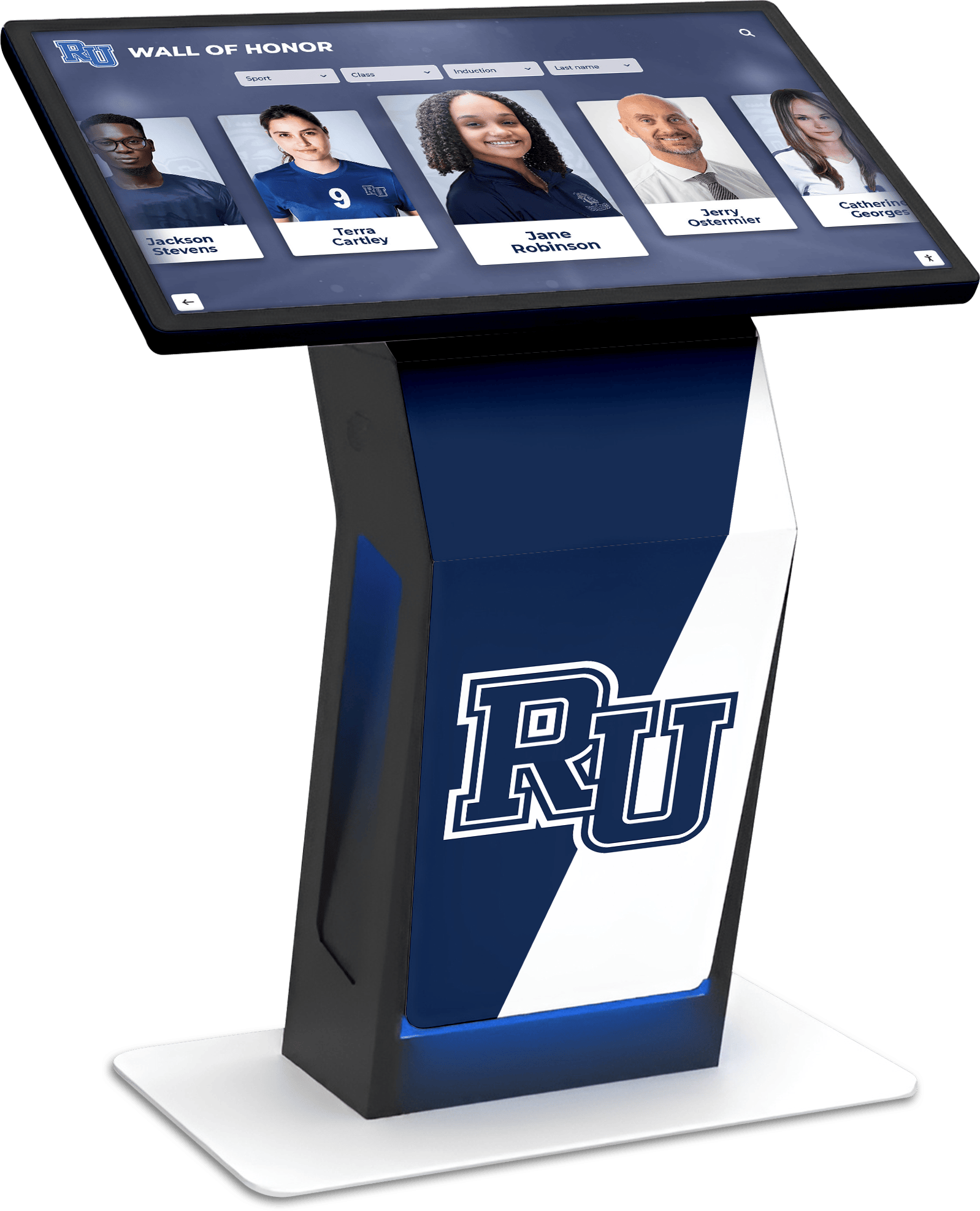
Touchscreen systems preserve spirit week memories and create engaging experiences for years to come
Integration with Broader Recognition Digital spirit week archives work best when integrated with comprehensive recognition systems:
- Athletic and academic achievements alongside spirit week
- Community service and volunteer recognition
- Leadership and character acknowledgment
- Historical institutional achievements and traditions
- Complete cultural documentation spanning years
These digital approaches ensure spirit week creates lasting value extending far beyond actual event days, contributing to ongoing community connection and institutional pride.
Adapting Spirit Week Themes for Different Settings
Various organizations require adapted approaches matching their specific contexts.
Elementary School Considerations
Younger students need age-appropriate themes and simplified approaches:
Age-Appropriate Themes
- Favorite book character day connecting to literacy
- Silly sock day requiring simple participation
- Favorite color day eliminating costume complexity
- Pajama day for comfortable dress-up
- Career day exploring future aspirations
Shorter Duration Elementary spirit weeks often run 3-4 days rather than full week, matching shorter attention spans and simpler planning needs.
Classroom-Based Activities Individual classrooms participate in ways matching teacher comfort levels and student needs rather than requiring schoolwide uniformity.
Parent Communication Detailed information sent home explaining themes, providing suggestions, and offering alternatives ensures broad participation regardless of family resources.
Middle School Spirit Weeks
Transitional age requires balancing elementary accessibility with high school sophistication:
Identity-Building Themes Middle school themes help students explore developing identities through:
- Career exploration days
- Decade days teaching historical context
- Twin days encouraging friendship bonds
- College awareness days building aspirations
- Team sports days celebrating athletics
Grade-Level Competition Class competitions create belonging within grades while establishing traditions students anticipate throughout middle school years.
Social-Emotional Learning Connection Spirit week themes reinforcing positive values (kindness day, gratitude day, inclusive friendship themes) align with developmental needs.
High School Spirit Weeks
Secondary students require sophisticated approaches matching their maturity:
Homecoming Integration High school spirit weeks often coincide with homecoming, building toward major athletic events and alumni celebrations.
Senior Recognition Final spirit weeks provide opportunities celebrating senior class identity and accomplishments before graduation.
Social Media Emphasis High school students expect significant social media integration with spirit week including hashtags, contests, and digital sharing opportunities.
Tradition Building Repeated annual themes create traditions students anticipate throughout high school careers and remember after graduation.
Organizations working with high school recognition systems find that spirit week documentation becomes valued part of complete institutional history.
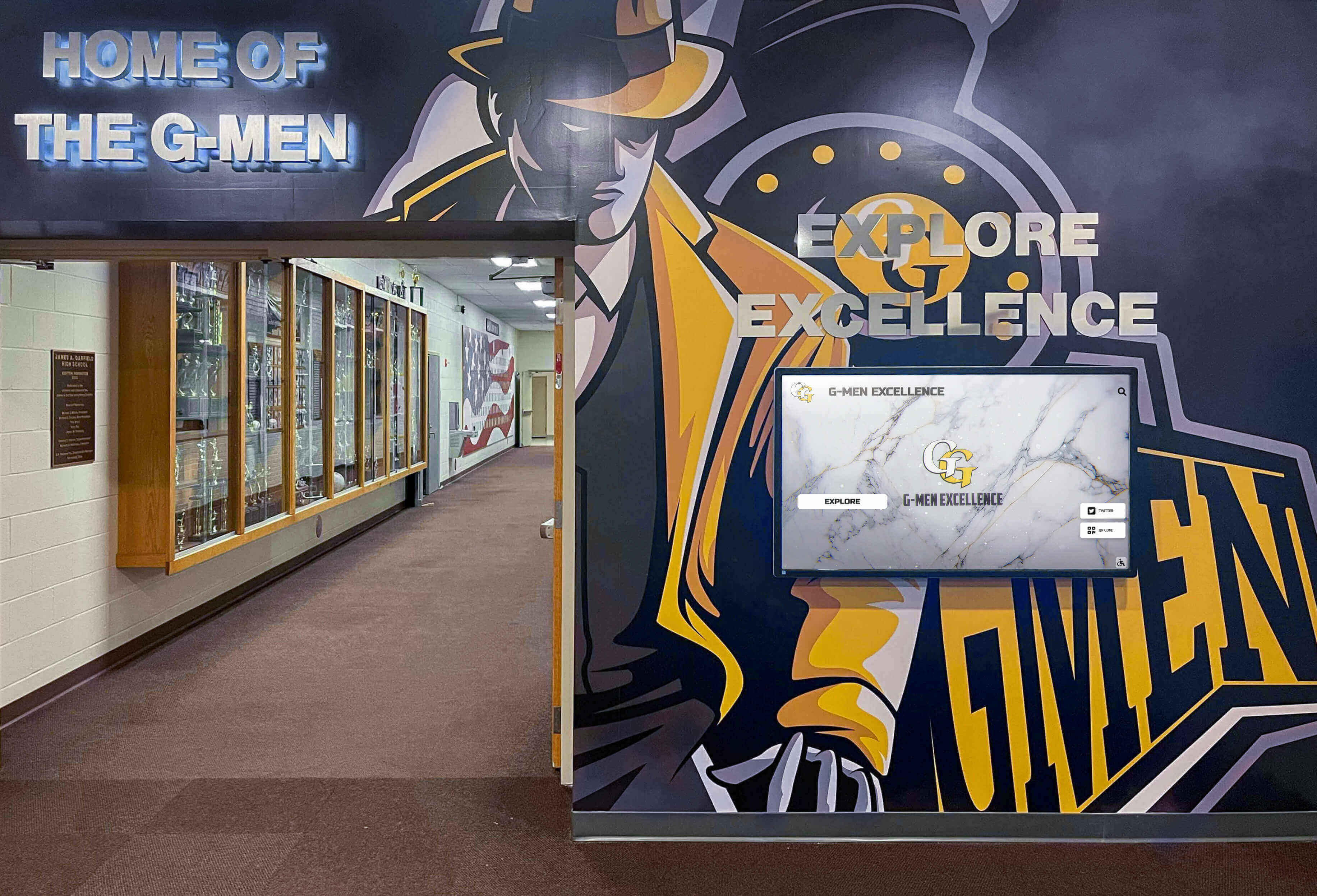
Hallway installations provide prime visibility for spirit week achievements while celebrating institutional traditions
College and University Adaptations
Higher education spirit weeks incorporate unique institutional elements:
Greek Life Integration Fraternities and sororities participate through coordinated house themes and competitions alongside broader campus celebrations.
Athletic Event Tie-Ins College spirit weeks often surround major athletic competitions, rivalry games, or championship events generating natural enthusiasm.
Residence Hall Competitions Dormitory-based competitions create smaller community identity while contributing to campus-wide celebration.
Alumni Weekend Coordination Spirit weeks timed with homecoming or reunion weekends engage returning graduates alongside current students.
Corporate and Workplace Considerations
Professional environments require careful balance:
Client-Facing Considerations Organizations with customer interaction need themes maintaining professional appearance while enabling participation.
Remote Employee Inclusion Virtual spirit weeks accommodate distributed teams through:
- Video background themes
- Virtual costume contests
- Online activity challenges
- Social media participation
- Shipped care packages with theme materials
Department-Based Activities Large organizations enable departmental autonomy in spirit week execution while maintaining overall theme coordination.
Leadership Participation Executive involvement signals importance and encourages broader participation throughout organizational hierarchy.
Measuring Spirit Week Success
Evaluation ensures continuous improvement and demonstrates value to stakeholders.
Success Metrics and Assessment
Quantitative Measures
- Participation rates by group or grade level
- Social media engagement (posts, shares, hashtag uses)
- Photo and video gallery view counts
- Competition entry numbers across categories
- Budget efficiency and cost management
- Attendance at special events
Qualitative Indicators
- Participant feedback about enjoyment and engagement
- Facilitator observations of energy and enthusiasm
- Community response and perception
- Quality and creativity of participation
- Cultural impact during and after spirit week
- Alumni or former employee engagement
Gathering Feedback
- Post-event surveys (brief and mobile-friendly)
- Planning committee debrief and reflection
- Informal conversations and observations
- Social media sentiment analysis
- Comparison to previous years’ events
- Identification of barriers preventing participation
Continuous Improvement Process
Documentation for Future Planning
- Successful elements worth repeating
- Challenges encountered and potential solutions
- Theme popularity and participation levels
- Activities generating most enthusiasm
- Budget allocation effectiveness
- Timeline and planning adjustments needed
- Communication strategies that succeeded
Incorporating Feedback
- Participant voice in theme selection for future events
- Addressing identified barriers to participation
- Refining competition structures based on fairness concerns
- Updating guidelines based on issues encountered
- Technology or format improvements
- Schedule or timing adjustments
Building Traditions
- Identifying elements becoming annual traditions
- Balancing familiar favorites with fresh ideas
- Creating rituals people anticipate yearly
- Alumni or long-term employee connection through repeated themes
- Historical continuity in recognition and celebration
Conclusion: Building Community Through Celebration
Spirit weeks represent far more than five days of themed dress-up and activities—they create concentrated celebrations of community, provide opportunities for recognition, generate shared experiences that bond diverse groups, and demonstrate what organizations genuinely value through what they choose to celebrate.
The most successful spirit weeks share common characteristics: they engage broad populations beyond predictable participants, they remove barriers enabling accessible participation, they maintain energy through strategic theme sequencing, they create genuine moments rather than forced enthusiasm, and they connect to broader community-building initiatives rather than existing as isolated events.
The spirit week themes and planning strategies explored in this guide provide comprehensive approaches for creating celebrations people genuinely want to join. From classic themes that work consistently to contemporary ideas generating fresh excitement, from inclusive participation strategies to fair competition structures, and from digital recognition extending impact beyond the event itself—these approaches help organizations honor every participant while building positive, connected cultures.
Start with themes and activities your organization can implement immediately based on available resources and community character, then systematically expand to create comprehensive celebrations your people deserve. Consider how permanent recognition systems can extend spirit week impact, ensuring achievements and participation remain visible year-round through digital displays that never run out of space for honoring contributions.
Your community’s spirit deserves celebration creating lasting positive impact. With thoughtful planning, inclusive themes, engaging activities, and modern technology ensuring ongoing visibility beyond single weeks, you can build spirit week traditions strengthening the positive, connected culture where all members thrive and feel genuinely valued.
Ready to explore how digital recognition displays can preserve and extend spirit week celebrations? Learn how solutions like Rocket Alumni Solutions help schools and organizations create permanent touchscreen displays preserving spirit week achievements, maintaining year-round visibility for participants, and ensuring celebrated moments remain accessible for years to come.