Spirit week transforms ordinary school days into extraordinary celebrations where students showcase creativity, teachers join the fun, and entire communities unite in shared enthusiasm. These week-long events featuring themed dress-up days, competitions, and special activities create memories that last far beyond graduation while strengthening bonds that make schools feel like second homes.
Yet planning committees face recurring challenges: themes that feel repetitive year after year, participation that dwindles after Monday, activities that engage only the usual suspects, and budget constraints that limit elaborate celebrations. Meanwhile, the most memorable moments from spirit week often disappear the instant Friday’s pep rally ends, with few schools preserving these celebrations for ongoing recognition.
This comprehensive guide provides creative spirit week ideas proven to excite students, planning frameworks that ensure smooth execution, competition structures that maintain energy all week, and modern recognition approaches that extend spirit week impact far beyond five themed days.
Spirit week serves purposes beyond entertaining students and filling social media feeds with costume photos. Well-designed spirit weeks build inclusive school culture, create positive memories during demanding academic periods, provide leadership opportunities for student organizers, and demonstrate institutional values through the themes and activities schools choose to celebrate.
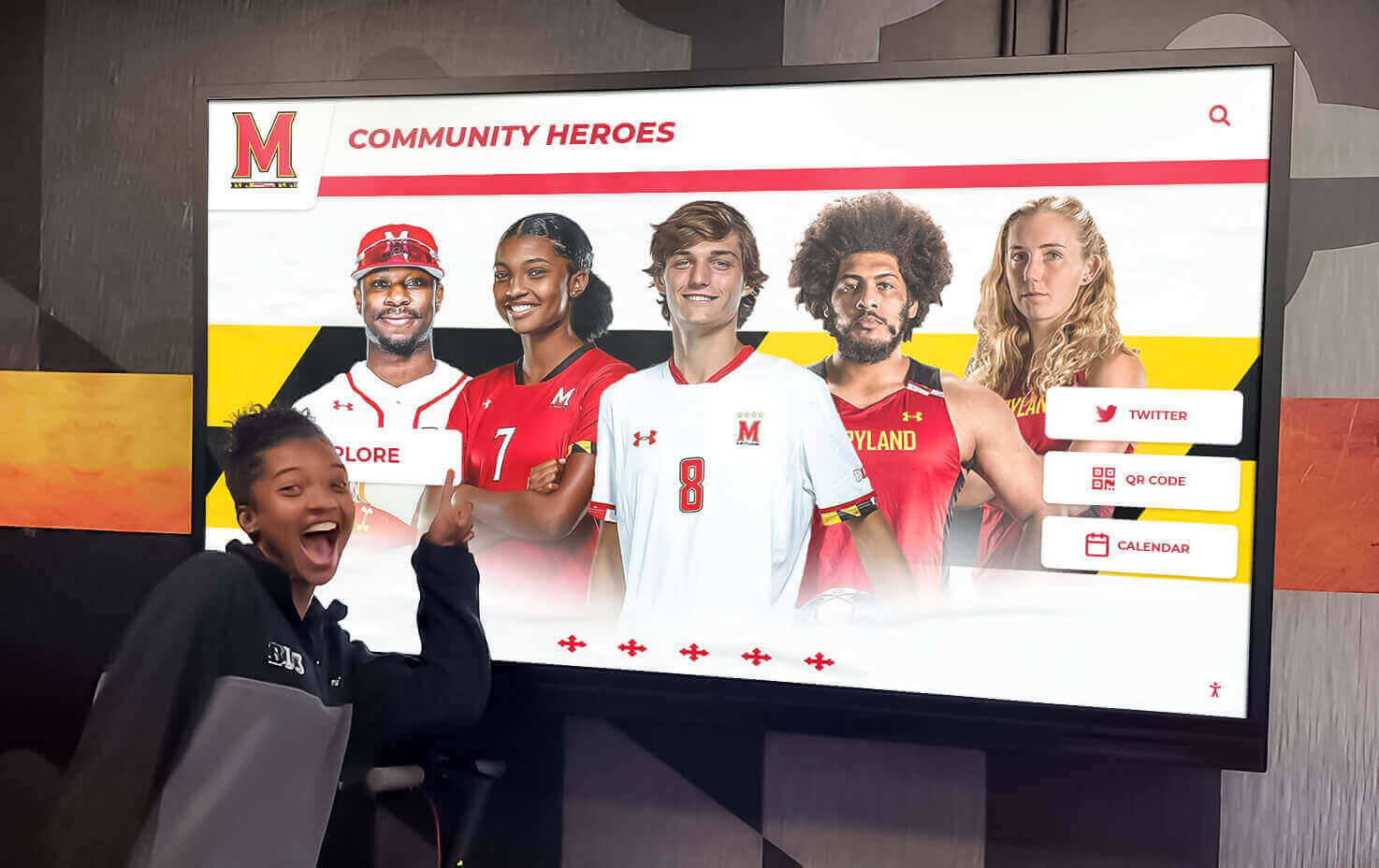
Modern recognition systems capture spirit week celebrations and preserve them for ongoing visibility throughout the year
Why Spirit Week Matters for School Culture
Before exploring specific theme ideas, understanding spirit week’s broader impact helps schools maximize these celebrations.
Building Community Through Shared Experience
Creating Common Ground Spirit week provides rare opportunities for entire student bodies to participate together:
- Themed days give students across different social circles something to discuss
- Costume participation breaks down barriers between typically separate groups
- Shared experiences create memories connecting entire graduating classes
- Positive energy during spirit week carries into regular school days
- Traditions established become part of institutional identity students embrace
Celebrating Diverse Participation Unlike academic or athletic competitions favoring specific talents, spirit weeks enable every student to contribute:
- Creative costume interpretation celebrates individual expression
- Multiple participation levels accommodate different comfort zones
- Recognition extends beyond typical high-achievers
- Behind-the-scenes helpers receive acknowledgment
- Every contribution matters toward collective celebration
Research on school climate demonstrates that students who feel connected to their school community show higher academic engagement, better attendance, improved mental health outcomes, and more positive peer relationships. Spirit weeks contribute meaningfully to that connection when designed thoughtfully.
Providing Leadership Development Opportunities
Student Organizing Experience Planning committees develop practical skills:
- Event planning and project management fundamentals
- Budget allocation and resource management decisions
- Marketing campaigns across diverse audiences
- Problem-solving when activities need adjustment
- Teamwork and delegation under real-world pressures
Visible Recognition Student leaders receive public acknowledgment for contributions often invisible during regular operations, demonstrating that leadership extends beyond academics and athletics.
Schools implementing comprehensive student activity programs find spirit week works best when integrated into year-round engagement strategies rather than existing as isolated events.
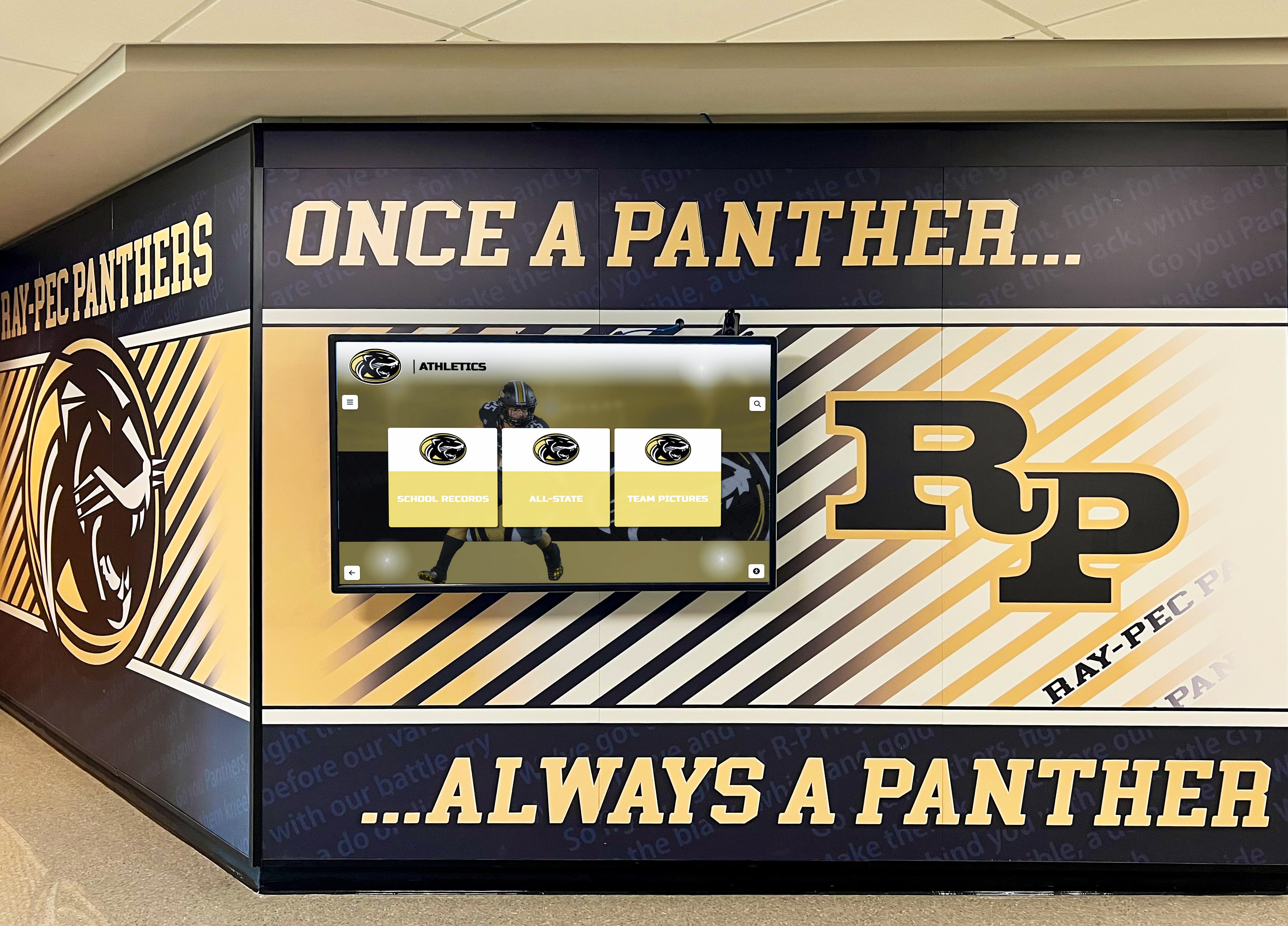
Strategic hallway displays create year-round visibility for spirit week achievements and participating students
50+ Creative Spirit Week Ideas That Actually Work
Successful spirit weeks balance familiar favorites with fresh concepts that reignite student interest and generate genuine excitement.
Classic Theme Days Students Love
Some themes remain popular because they’re accessible, fun, and allow creative interpretation without requiring expensive costumes:
1. Twin Day / Triplet Day Students coordinate matching outfits with friends, creating instant bonding and photo opportunities. Accessible regardless of budget since participants wear clothes they already own.
2. Pajama Day Comfortable and universally accessible. Consider guidelines about appropriate sleepwear for school environment while maintaining the relaxed spirit.
3. Decades Day Students choose their favorite decade to represent—50s sock hops, 70s disco, 80s neon, 90s grunge, or 2000s trends. Provides history lessons alongside fashion fun.
4. Jersey Day Wear favorite team jerseys, athletic gear, or school athletic uniforms. Celebrates school athletic programs while remaining inclusive for non-athletes who can wear professional team jerseys.
5. Class Color Day Each grade wears designated colors creating visible unity and friendly competition. Typically freshmen wear green, sophomores blue, juniors yellow, and seniors red.
6. Hat Day Simple accessory-based participation requiring minimal effort. Create categories like most creative, largest, or silliest for competition elements.
7. Crazy Hair Day Temporary hair color, wild styles, or creative accessories. No-cost option: use household items for creative styling that washes out easily.
8. School Colors Day Everyone wears school colors creating powerful visual unity perfect for photography and pep rallies. Simple participation that generates strong collective identity.
Trending Theme Ideas That Generate Buzz
Fresh concepts create renewed excitement and social media engagement:
9. Adam Sandler Day Oversized t-shirts, basketball shorts, hoodies. Surprisingly popular comfort theme students genuinely enjoy.
10. Barbie vs. Oppenheimer Day Pink everything versus formal suits. Capitalizes on pop culture trends students connect with.
11. Rhyme Without Reason Day Partners dress in rhyming but unrelated themes—Pig and Wig, Nerd and Bird, Flower and Power. Encourages creativity and coordination.
12. Tourist vs. Tourist Trap Day Dress as tacky tourist with cameras and maps, or as famous landmark or attraction.
13. Anything But a Backpack Day Students carry books in creative containers—laundry baskets, coolers, wagons, shopping carts. Safety limits apply but creativity thrives.
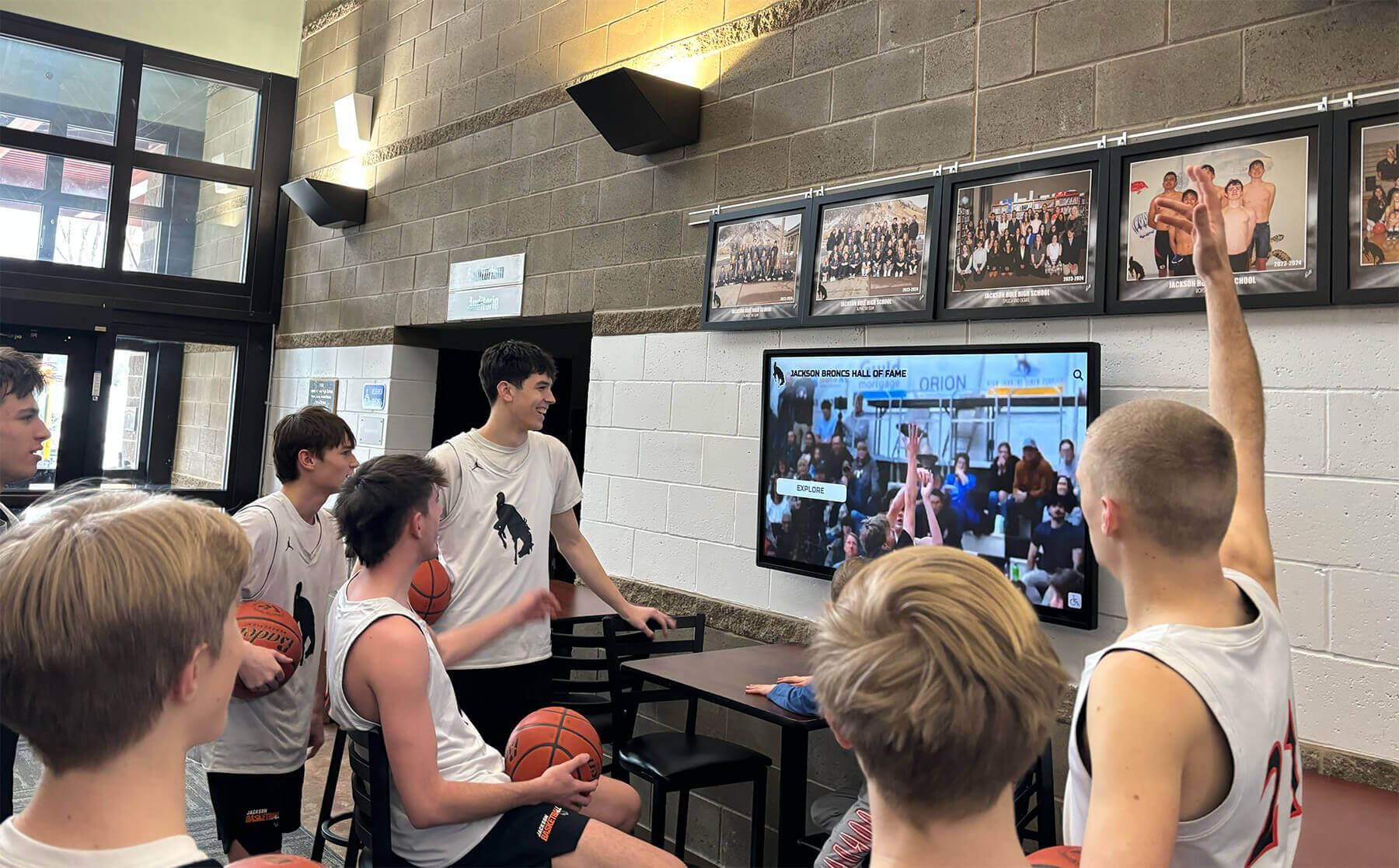
Interactive displays create gathering points where students explore spirit week photos and competition standings
14. Bikers vs. Surfers Day Leather and bandanas versus Hawaiian shirts and board shorts. Clear visual contrast makes for great photos.
15. Camp Counselor vs. Camper Day Counselors wear khakis and whistles, campers wear tie-dye and friendship bracelets. Nostalgic summer camp vibes.
16. Mathletes vs. Athletes Day Nerdy academic stereotypes versus athletic gear and jerseys. Celebrates both intellectual and physical excellence.
17. Cowboys vs. Aliens Day Western wear versus space-themed costumes. Creative mashup of genres enables diverse interpretations.
Schools experienced with homecoming celebrations often adapt successful spirit week frameworks for these larger events.
Character and Pop Culture Themes
18. Superhero vs. Villain Day Represent favorite comic book or movie characters from hero or villain perspective. Accessible through simple props and colors.
19. Disney Character Day Classic, modern, or Pixar characters. Widely accessible with recognizable costumes students can create from existing clothes.
20. Video Game Character Day Represent favorite gaming characters appealing to significant student demographic interested in gaming culture.
21. TV Show/Movie Character Day Choose characters from favorite shows or films offering endless possibilities for all interests.
22. Meme Day Dress as favorite internet memes. Highly engaging for students immersed in social media culture.
23. TikTok Trend Day Represent popular TikTok trends or creators. Highly relevant to current student interests and social platforms.
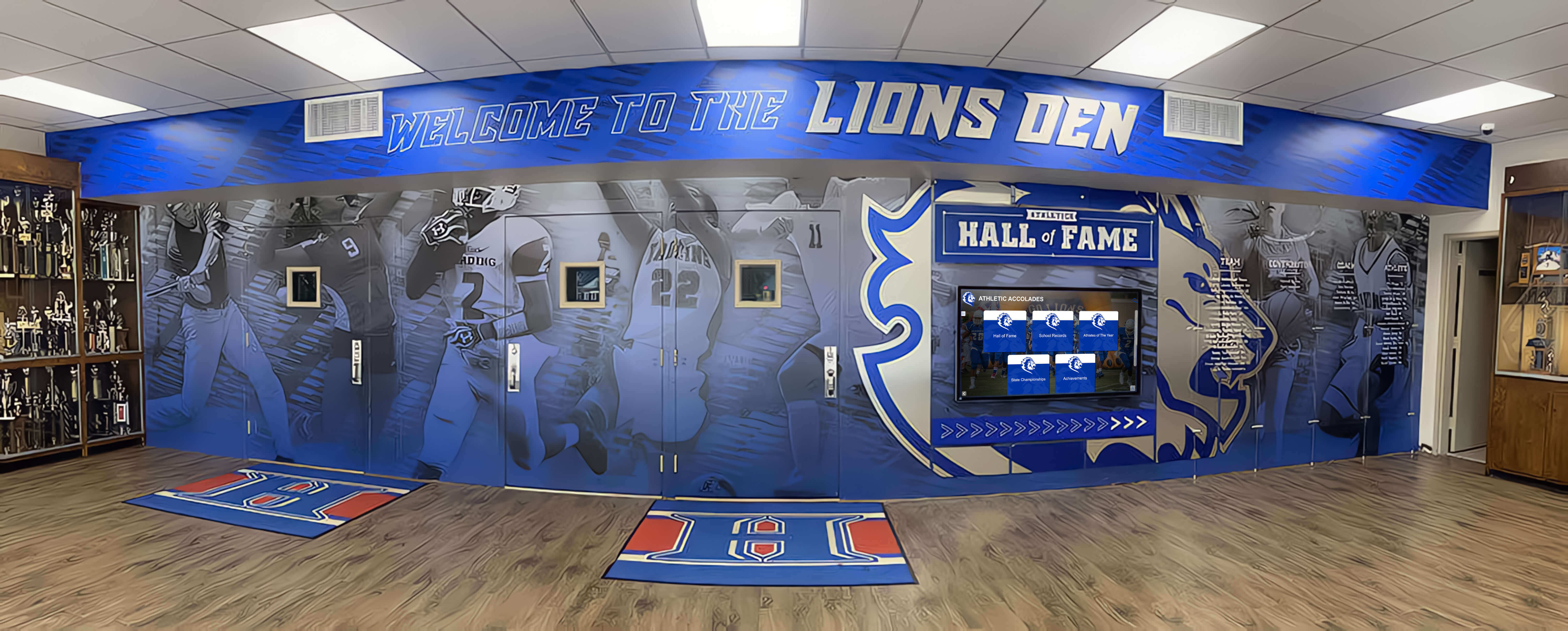
Trophy case areas provide natural settings for displaying spirit week winners and memorable photos
Career and Occupation Days
24. Career Day Dress as future career aspirations connecting spirit week to college and career readiness conversations.
25. Teacher Dress-Up Day Students respectfully dress as favorite teachers. Teachers typically love this recognition of their impact.
26. Historical Figure Day Represent influential people from history adding educational component to entertainment.
27. CEO vs. Intern Day Business formal versus coffee-fetching stereotype. Humorous take on workplace hierarchy accessible through dress clothes.
Competitive “Versus” Themes
28. Beach vs. Ski Lodge Day Summer tropical attire versus winter mountain resort clothing. Seasonal contrast works year-round.
29. Country vs. Country Club Day Farming and rural aesthetics versus golf course preppy style. Regional interpretations vary but concept translates universally.
30. Rockers vs. Rappers Day Rock band aesthetic versus hip-hop culture style. Music genre celebration through fashion.
31. Pirates vs. Ninjas Day Classic internet debate becomes costume reality. Simple props create effective costumes.
Many schools document spirit week participation through student recognition systems celebrating engagement beyond academics and athletics.
Pattern and Style Days
32. Neon Day Bright neon colors photograph beautifully and create visual excitement throughout hallways.
33. Tie-Dye Day Psychedelic patterns with easy DIY opportunities for art class integration and pre-spirit week activities.
34. Camouflage Day Any camo pattern. Accessible, comfortable, and widely available in most student wardrobes.
35. Stripes vs. Polka Dots Day Pattern-based competition. Simple but creates visually striking hallway scenes.
36. Black and White Day Only black and white clothing. Creates dramatic photos and elegant simplicity.
37. Pattern Clash Day Intentionally mismatch patterns celebrating creativity and humor without expensive costume requirements.
Seasonal and Holiday-Adjacent Themes
38. Fall Festival Day Flannel, boots, autumn colors. Perfect for October spirit weeks aligned with homecoming seasons.
39. Winter Wonderland Day Holiday sweaters, winter accessories, festive colors. Works well for December spirit weeks before winter break.
40. Spring Fling Day Pastels, florals, spring break themes. Ideal for March or April celebrations as weather improves.
41. Summer Blast Day Beach wear, sunglasses, tropical themes. Great for May spirit weeks or summer school sessions.
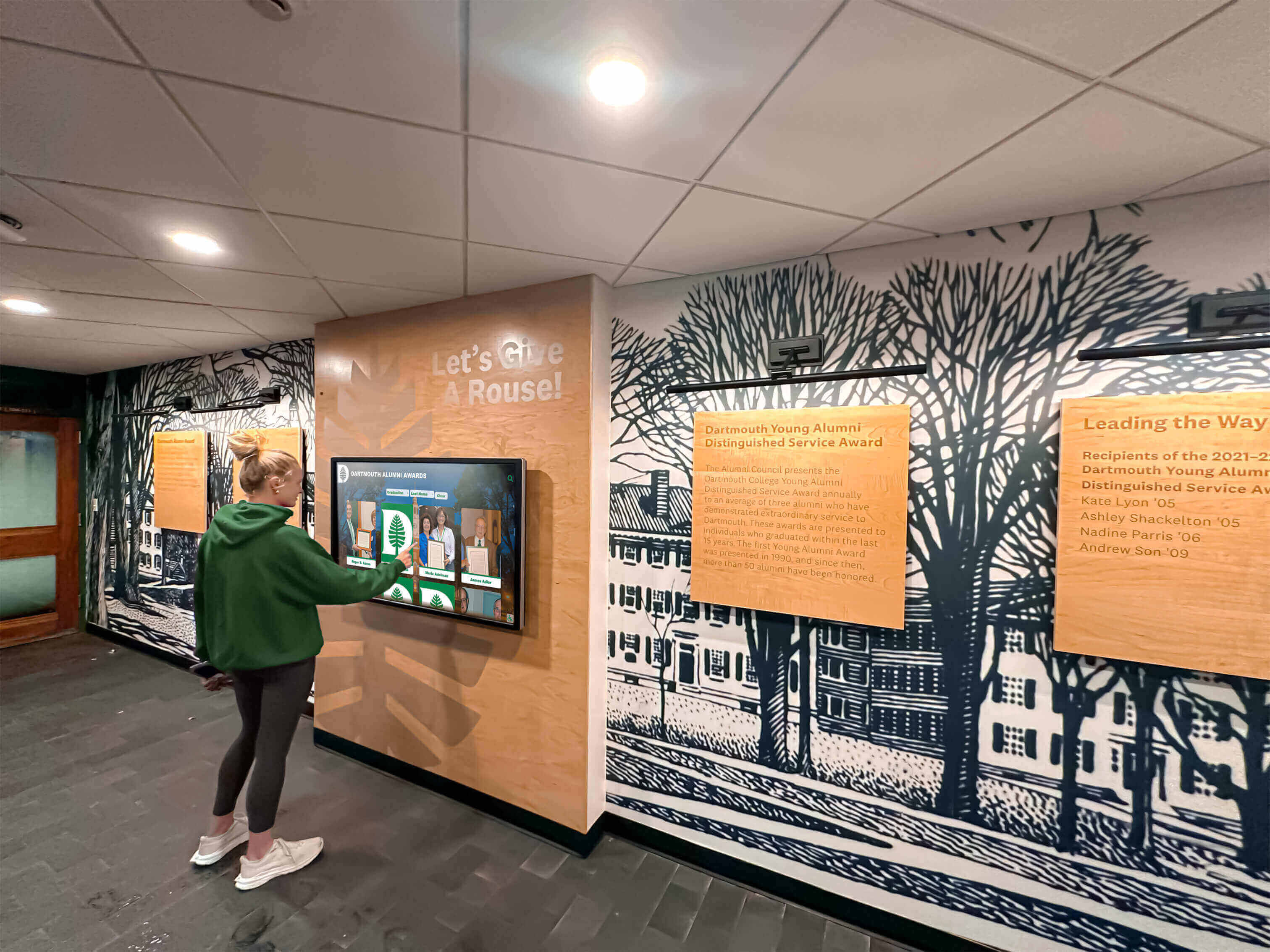
Touchscreen systems enable students to explore spirit week history and view participation from previous years
Academic and School-Specific Themes
42. Subject Day Each grade or class represents different academic subjects—Math, Science, English, History. Celebrates academic programs alongside spirit.
43. School Mascot Day Wear school mascot costume pieces or school merchandise creating unified school identity visibility.
44. College Day Wear college gear representing future plans, family schools, or favorite college teams. Connects to post-graduation planning.
45. Class Shirt Day Each grade wears class t-shirts designed by student council or class officers for unified grade identity.
Fantasy and Entertainment Themes
46. Royal Court Day Medieval fantasy with castle and kingdom aesthetics. Ties naturally to homecoming court if spirit week coincides.
47. Under the Stars Day Celestial celebration with night sky, constellation decorations, and starry themes creating dreamy atmosphere.
48. Superhero Academy Day Students represent different hero types celebrating diverse strengths and powers within school community.
49. Time Travel Day Past, present, and future themes allowing students to explore historical periods or futuristic concepts.
50. Storybook Character Day Literary characters from favorite books connecting to English curriculum and reading celebrations.
Schools implementing comprehensive recognition programs find spirit week documentation becomes valued component of complete school celebration systems.
Planning Your Spirit Week: Timeline and Organization
Successful spirit weeks require systematic planning ensuring smooth execution and maximum participation.
Planning Timeline
6-8 Weeks Before Spirit Week
- Form spirit week planning committee including student council, administrators, and advisors
- Establish spirit week dates avoiding calendar conflicts
- Survey students about favorite theme ideas through polls or voting
- Set budget including decorations, prizes, and special event costs
- Determine competition structure and point systems
- Identify special events like pep rallies, assemblies, or evening celebrations
4-5 Weeks Before Spirit Week
- Finalize daily themes based on student input and practical considerations
- Create detailed day-by-day schedule including all activities and competitions
- Develop clear participation guidelines and dress code compliance expectations
- Design promotional materials including posters, graphics, and videos
- Communicate plans to faculty and staff securing buy-in and support
- Order necessary supplies, decorations, and prizes with adequate lead time
- Plan special events including venue reservations, logistics, and technical needs
2-3 Weeks Before Spirit Week
- Launch promotional campaign across all communication channels
- Create social media content calendar with daily countdowns and theme reveals
- Distribute information to homerooms and advisory classes
- Send parent communication explaining themes and appropriateness standards
- Finalize competition rules and judging criteria ensuring fairness
- Recruit judges, volunteers, and student helpers for various roles
- Create comprehensive photo and video documentation plan
Week Before Spirit Week
- Daily countdown announcements and reminder communications
- Final confirmation of logistics, supplies, and volunteer assignments
- Set up advance decorations and displays where possible
- Brief teachers on expectations and participation encouragement strategies
- Prepare competition tracking systems and point sheets
- Test technical elements for assemblies or presentations
- Generate excitement through teasers and sneak peeks on social media
During Spirit Week
- Daily morning announcements highlighting themes and activities
- Active social media posting with participation photos and updates
- Real-time competition tracking and point tallying
- Comprehensive photo documentation capturing broad participation
- Quick problem-solving for issues arising during implementation
- Maintain consistent energy and enthusiasm throughout all five days
- Continuous recognition and celebration of participants
After Spirit Week
- Compile competition results and announce winners through multiple channels
- Create photo and video highlights for sharing with school community
- Thank participants, volunteers, sponsors, and supporters publicly
- Gather feedback from students, staff, and administrators for improvement
- Document successes and areas for enhancement in planning notes
- Update digital recognition displays with spirit week winners and photos
- Begin preliminary planning for next spirit week incorporating lessons learned
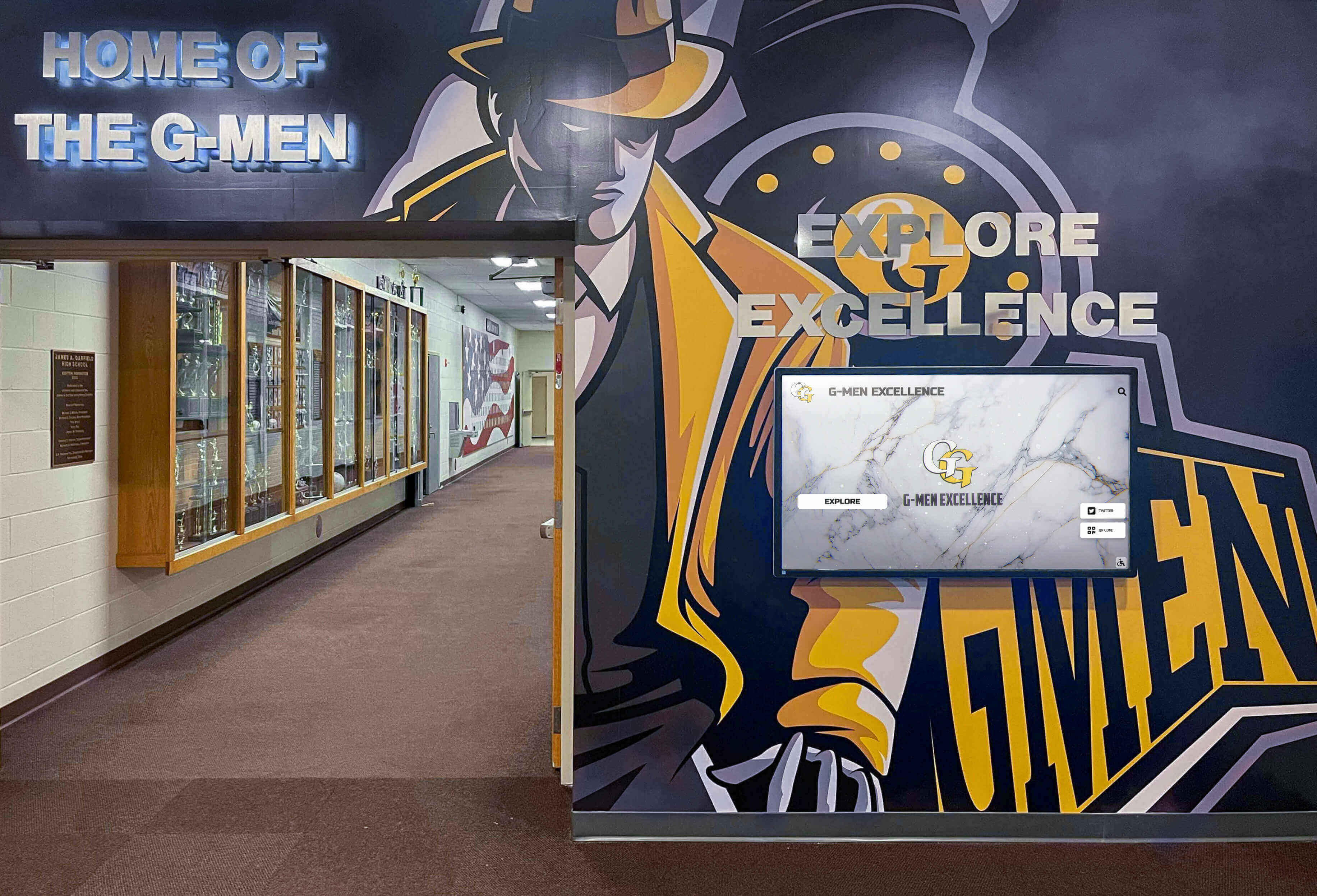
Strategic hallway displays create ongoing visibility for spirit week achievements maintaining year-round recognition
Day-by-Day Schedule Design
Strategic sequencing maintains energy throughout the entire week:
Monday: Accessible Start Begin with themes requiring minimal effort ensuring strong opening participation:
- Class Color Day
- Hat Day
- School Colors Day
- Simple costume themes everyone can join
Strong Monday participation sets the tone for the entire week and creates forward momentum.
Tuesday-Wednesday: Creative Peak Mid-week themes can be more elaborate as excitement builds:
- Character days requiring more costume planning
- “Versus” themes with creative interpretations
- Pop culture or trending themes generating social media buzz
- Complex concepts students have time to prepare
Students have maximum energy and creativity during middle of week.
Thursday: Competition Intensifies Heightened competition day as class standings become clear:
- Themes allowing group coordination like Twin Day or matching classes
- Activities requiring active participation such as photo contests
- Special events or assemblies building toward Friday finale
- Competition standings reveal creating urgency
Thursday competition elements drive increased participation as classes push for victory.
Friday: Grand Finale Conclude with most anticipated theme and culminating celebration:
- School Spirit Day with everyone in school colors and merchandise
- Pep rally with competitions, performances, and award presentations
- Victory announcements and class competition winners
- Celebration atmosphere regardless of competition outcomes
- Photo opportunities and memory-making moments
Friday should feel celebratory and inclusive for entire student body.
Sample Spirit Week Schedules
Example 1: Fall Homecoming Spirit Week
Monday: Pajama Day – Comfortable start encouraging broad participation
Tuesday: Decades Day – Creative costumes representing different time periods
Wednesday: Dynamic Duo Day – Coordinate costumes with friends
Thursday: Jersey Day – Sports jerseys and athletic uniforms
Friday: School Colors Day + Pep Rally – Maximum school pride for game day
Example 2: Winter Spirit Week
Monday: Hat Day – Simple accessory-based participation
Tuesday: Rhyme Without Reason Day – Creative paired costume themes
Wednesday: Character Day – Favorite movie, TV, or book characters
Thursday: Class Color Day – Grade level competition in designated colors
Friday: School Spirit Day + Assembly – School colors and pride celebration
Example 3: Spring Celebration Week
Monday: Twin/Triplet Day – Matching outfits with friends
Tuesday: Career Day – Dress as future profession
Wednesday: Beach vs. Ski Day – Summer versus winter themes
Thursday: Meme Day – Internet culture celebration
Friday: School Colors + Spring Assembly – Season celebration and pride
Schools implementing year-round recognition systems ensure spirit week celebrations connect to broader institutional traditions.
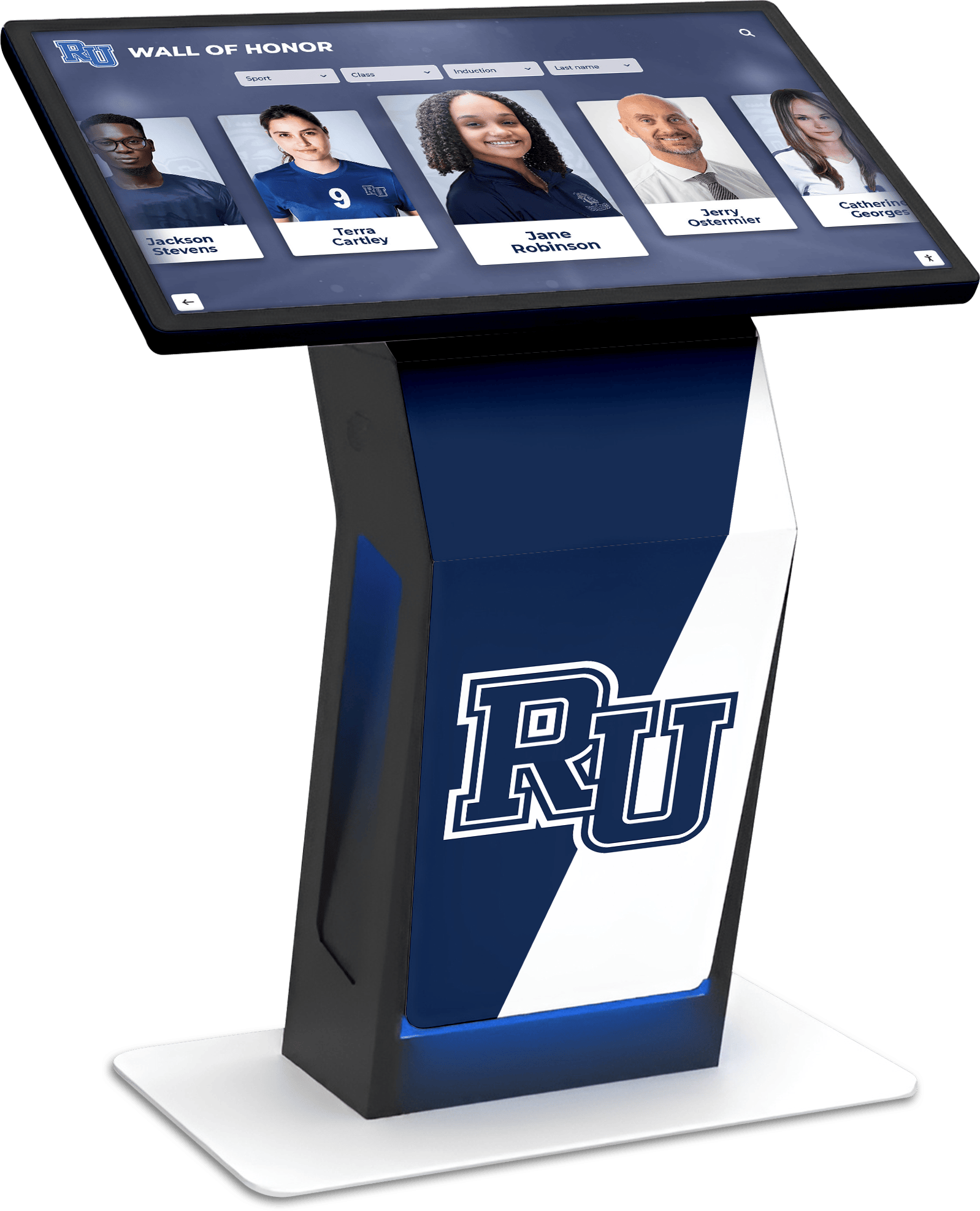
Interactive kiosks preserve spirit week memories enabling exploration by current students and returning alumni
Competition Structures That Maintain Engagement
Competition elements increase participation and sustain energy throughout the week.
Competition Format Options
Class Competitions Traditional grade-level competition:
- Point systems across all grade levels
- Participation percentage by class
- Cumulative points across daily themes
- Special challenge wins like hallway decorating or video creation
- Pep rally performance competitions
Homeroom/Advisory Competitions Smaller group competitions encouraging participation:
- Homeroom-based point accumulation
- Door or window decorating contests
- Group costume themes by homeroom
- Class meeting attendance and participation
- Builds connections within smaller communities
House System Competitions Schools with house systems leverage existing structures:
- Multi-grade teams compete throughout week
- Point accumulation across various activities
- Team pride beyond grade level identity
- Long-term house standings spanning multiple events
Fair Judging and Recognition
Transparent Criteria
- Clearly defined judging standards shared in advance
- Diverse judging panels including students, teachers, and administrators
- Multiple judges reducing individual bias
- Public point tracking so everyone knows standings
- Timely result announcements maintaining interest and trust
Meaningful Prizes Recognition should motivate participation without creating exclusivity:
- Class privileges like dress-down day or extended lunch
- Trophy or banner displayed in winning class area
- Recognition in school publications and digital displays
- Small tangible prizes like gift cards or school merchandise
- Social recognition through assemblies and announcements
Schools report higher spirit week participation when competition is designed for accessibility and inclusion rather than exclusively favoring students with most resources or comfort with public attention.
Creating Inclusive Participation Opportunities
Ensuring all students can participate regardless of resources or comfort levels:
Removing Financial Barriers
Accessible Theme Selection
- Themes requiring minimal or no costume purchases
- Suggestions for using items students already own
- DIY costume workshops or supply sharing programs
- Focus on creativity over expensive purchased costumes
- Lending closet with costume pieces students can borrow
Accommodating Different Comfort Levels
Multiple Participation Options
- Various participation levels from simple to elaborate
- Non-costume participation options like accessories, colors, or temporary tattoos
- Flexibility for students uncomfortable with public attention
- Small group activities alongside schoolwide events
- Alternative contribution options including behind-scenes help or social media support
Ensuring Cultural Sensitivity
Respectful Theme Selection
- Avoid themes requiring cultural appropriation
- Consider religious observances and restrictions
- Respect diverse backgrounds and traditions
- Provide alternatives when themes might conflict with student values
- Review themes for potential offensive interpretations before finalizing
Organizations implementing inclusive recognition programs ensure spirit week celebrations reflect values of belonging and accessibility.
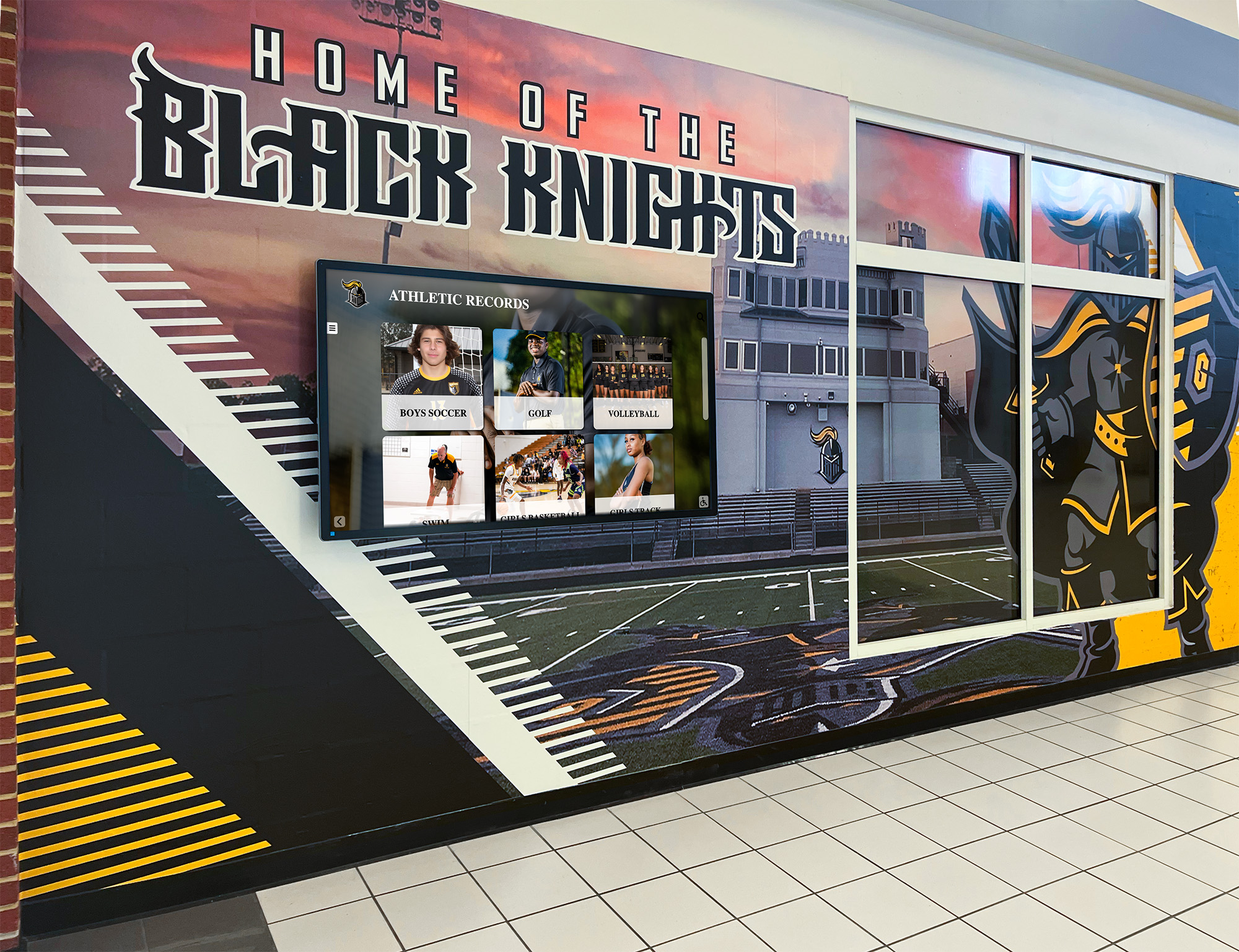
Hallway displays celebrate school traditions including spirit week while reinforcing community values
Digital Documentation and Lasting Recognition
Modern technology extends spirit week impact beyond five days of activities.
Comprehensive Photo and Video Coverage
Multi-Photographer Approach
- Designated photography team capturing daily participation
- Multiple photographers ensuring broad coverage across all students
- Video highlights created daily or as week-long compilation
- Candid shots capturing genuine participation and energy
- Formal competition photos documenting entries and winners
Shareable Content Creation
- Daily highlights posted on social media platforms
- Photo galleries organized by theme and day
- Short video clips perfect for Instagram and TikTok
- Student testimonials and reaction videos
- Time-lapse or compilation videos of entire week
Social Media Strategy
Platform-Specific Approaches
- Daily theme announcement posts each morning
- Story highlights throughout day showing participation
- Carousel posts with photo galleries by theme
- Reels featuring day highlights or weekly compilation
- Reposting user-generated content with permission
TikTok
- Costume reveal videos building anticipation
- Day-in-the-life during spirit week content
- Competition highlights and winner announcements
- Student reactions and behind-scenes footage
- Trending sounds adapted to spirit week themes
Hashtag Strategy
- Create unique spirit week hashtag including school name and year
- Encourage student use of hashtag for entry in photo contests
- Track hashtag performance and engagement metrics
- Compile hashtag content into galleries or highlight videos
- Enable alumni engagement through shared memories
Permanent Digital Display Solutions
Interactive Recognition Platforms
Digital systems extend spirit week visibility indefinitely:
Display Capabilities
- Photo galleries from all spirit week days
- Competition winner recognition across categories
- Historical spirit week archives spanning multiple years
- Video highlight integration and playback
- QR codes enabling mobile access to full galleries
- Search functionality finding specific students or themes
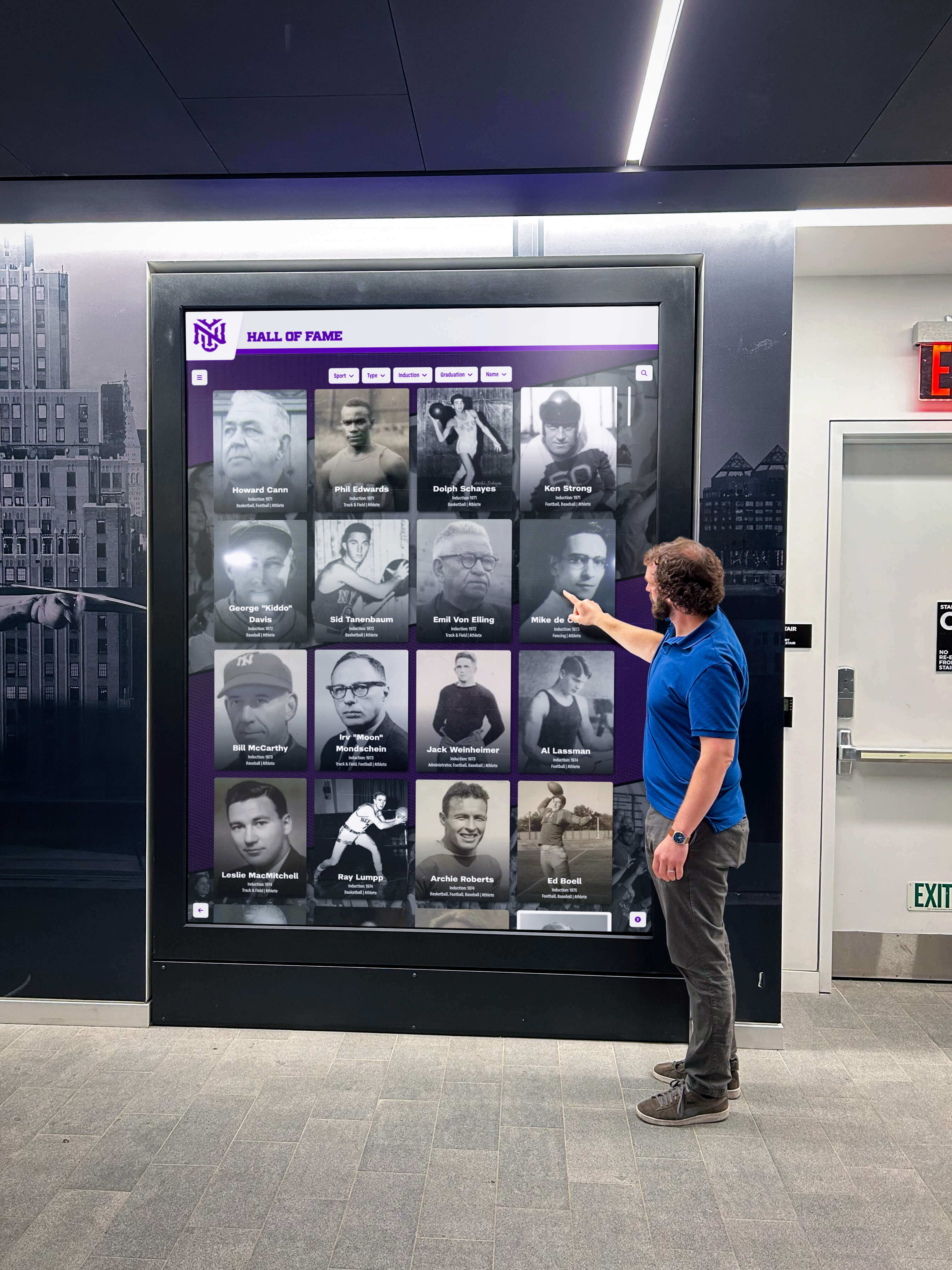
Touchscreen recognition systems preserve spirit week memories creating engaging experiences for students and alumni
Multi-Location Display Strategy
- Main lobby showcasing current and historical spirit week
- Cafeteria displays with photo slideshows during lunch
- Gym displays highlighting competition winners
- Library or media center featuring creative participation
- Hallway displays showing class victories and achievements
Solutions like Rocket Alumni Solutions make creating engaging spirit week displays achievable without extensive technical expertise or ongoing maintenance burden. These web-based platforms provide unlimited capacity for celebrating participation year after year.
Web-Based Archives
- Dedicated spirit week section on school website
- Searchable photo galleries organized by year and theme
- Video archive of assemblies and highlights
- Alumni access enabling reminiscing and connection
- Mobile-optimized viewing across all devices
These digital approaches ensure spirit week creates lasting value extending far beyond five days of themed celebrations, contributing to ongoing school pride and community connection.
Managing Common Spirit Week Challenges
Even well-planned spirit weeks encounter difficulties requiring creative solutions.
Addressing Low Participation
Diagnosing Issues
- Survey students about barriers to participation
- Analyze which themes generate most and least engagement
- Assess whether competition structure motivates or discourages
- Review accessibility for all students regardless of resources
- Consider cultural factors affecting comfort with different themes
Increasing Participation
- Start with highly accessible themes building momentum
- Offer multiple participation levels from simple to elaborate
- Create class incentives beyond individual recognition
- Emphasize fun and creativity over perfection or judgment
- Celebrate participation itself, not just “best” costumes
- Faculty participation modeling enthusiasm and engagement
- Regular reminders and countdowns building anticipation
Maintaining Dress Code Compliance
Clear Guidelines
- Written expectations for each theme shared widely in advance
- Examples of appropriate versus inappropriate interpretations
- Faculty briefing on consistent enforcement approaches
- Clear consequences for violations communicated beforehand
- Pre-approval options for questionable costume ideas
Handling Violations Respectfully
- Private conversations rather than public corrections
- Alternative participation options like school shirt over costume
- Focus on learning rather than punishment
- Consistent enforcement across all students equally
- Grace for unintentional mistakes versus deliberate violations
Budget-Conscious Celebration
Low-Cost Options
- Color-based days requiring no purchases
- Creativity-focused themes using household items
- Accessory-based participation like hats or sunglasses
- DIY costume workshops using available materials
- Focus on participation over expensive decorations
Funding Strategies
- Student activity fee allocations
- Fundraising events earlier in year
- Local business sponsorships for specific days or prizes
- Parent organization support for supplies
- Repurposing decorations and materials from previous years
Schools implementing budget-friendly recognition programs can extend spirit week celebration without significant additional expenses.
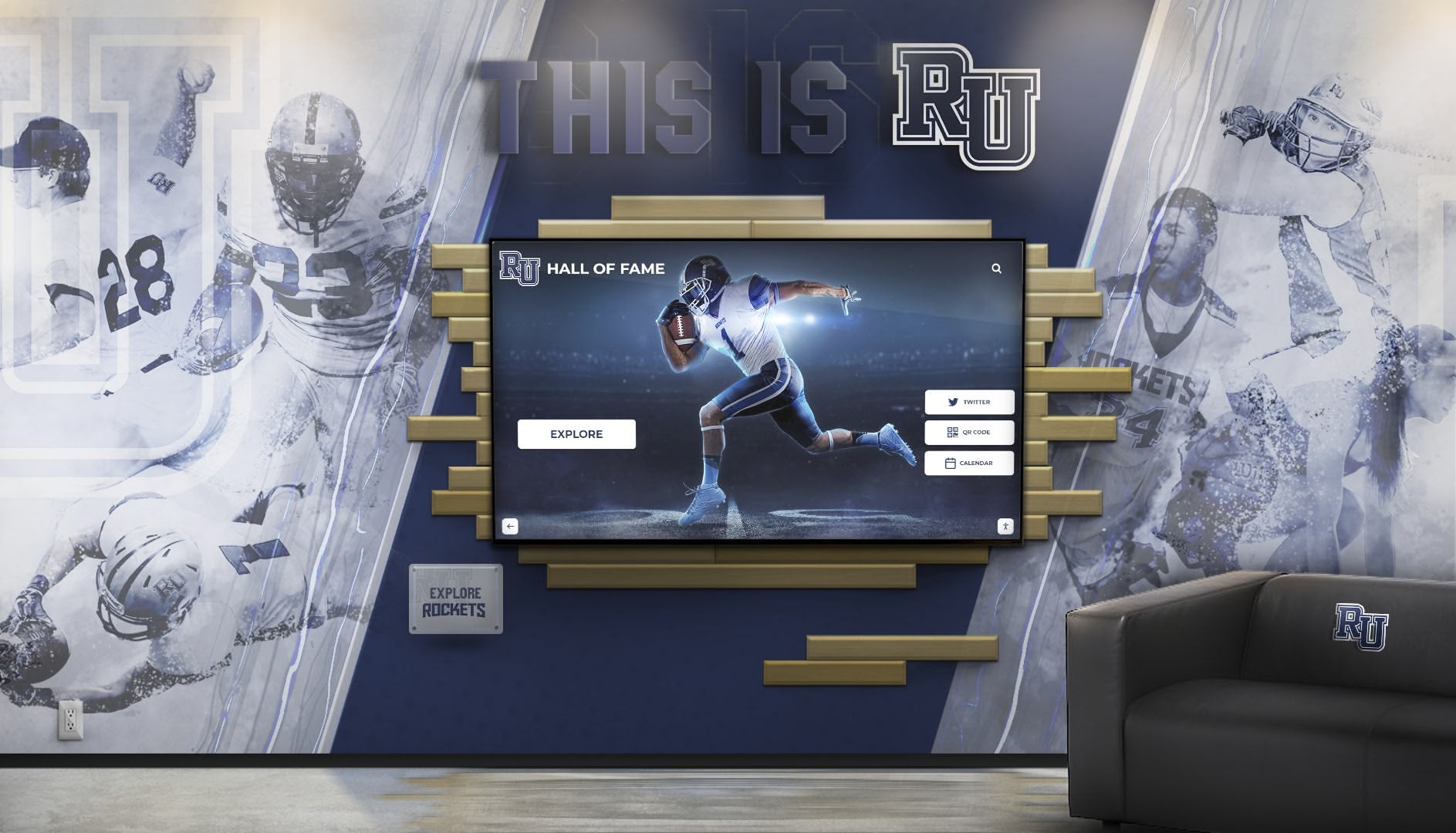
Lobby displays create welcoming first impressions while celebrating spirit week and ongoing achievements
Faculty and Staff Engagement Strategies
Teacher participation significantly impacts student engagement levels.
Encouraging Faculty Involvement
Benefits of Staff Participation
- Models positive school spirit and community engagement
- Strengthens student-teacher relationships through shared fun
- Demonstrates that school pride extends beyond students
- Creates memorable bonding moments students treasure
- Provides leadership examples for appropriate participation
Making Participation Easy
- Early communication about themes and expectations
- Simple participation options not requiring elaborate costumes
- Highlighting faculty participation in communications
- Recognition of participating teachers in assemblies
- Department or grade-level team themes enabling coordination
- Photo opportunities showcasing creative teachers
Administrative Support
Essential Leadership Buy-In
- Approval of themes and activities at planning stage
- Flexibility with schedule adjustments if needed
- Clear communication with parents about spirit week
- Budget allocation and resource access
- Addressing concerns from community members proactively
- Celebration and recognition of planning committee work
- Visible participation modeling importance of school culture
Active administrative support signals to entire community that spirit week matters as legitimate part of educational experience rather than frivolous distraction from academics.
Measuring Spirit Week Success
Evaluation ensures continuous improvement and demonstrates value to stakeholders.
Success Metrics
Quantitative Measures
- Participation rates by day and grade level
- Social media engagement including posts, shares, hashtag uses
- Assembly and event attendance numbers
- Photo and video gallery views and interactions
- Competition entries across all categories
- Budget actual versus planned spending analysis
- Number of faculty and staff participating
Qualitative Indicators
- Student feedback about enjoyment and engagement
- Faculty observations of student energy and morale
- Community response and perception
- Quality and creativity of participation
- School culture impact during and after spirit week
- Alumni engagement and connection
- Media coverage and external recognition
Gathering Feedback
- Post-spirit week student surveys keeping them brief and mobile-friendly
- Faculty and staff debrief meeting for improvement ideas
- Planning committee reflection and assessment session
- Social media comments and direct messages
- Informal conversations and observations throughout building
- Comparison to previous years’ participation and energy
Continuous Improvement
Documentation for Future Planning
- What worked well and should be repeated
- Challenges encountered and potential solutions
- Theme popularity and participation level data
- Activities generating most enthusiasm and engagement
- Budget allocation effectiveness analysis
- Timeline and planning process adjustments needed
- Communication strategies that proved most effective
Schools implementing comprehensive recognition systems find spirit week documentation becomes valued component of complete school history preservation.
Conclusion: Creating Spirit Week Traditions That Last
Spirit week represents far more than five days of costume themes and pep rallies—these celebrations create concentrated expressions of school community, provide joyful shared experiences during demanding academic years, and build traditions connecting current students to alumni generations.
When schools approach spirit week systematically with thoughtful theme selection, inclusive participation strategies, engaging activities, fair competition structures, and modern recognition ensuring lasting visibility, they transform these events from logistical challenges into genuine culture-building experiences that define institutional identity.
The 50+ spirit week ideas and planning frameworks explored in this guide provide comprehensive approaches for creating celebrations students genuinely want to join while remaining manageable for student organizers and faculty advisors. From classic themes that always work to trending ideas generating social media buzz, accessible participation options to transparent competition structures, and digital recognition extending impact far beyond Friday’s final bell, these strategies help schools honor every participant while building positive, inclusive school culture.
Spirit week done well creates ripple effects throughout school communities. Students form bonds across social groups through shared participation, underclassmen observe welcoming culture before becoming upperclass leaders themselves, alumni maintain connections through traditions they remember fondly, and families see schools as communities rather than just academic institutions.
Digital platforms make comprehensive spirit week documentation achievable, ensuring memories remain accessible long after current students graduate. Whether celebrating through permanent lobby displays, mobile-accessible photo galleries, or interactive touchscreen systems, modern technology enables schools to preserve the energy, creativity, and joy that make spirit week special.
Start where you are with themes and activities your school can implement immediately based on available resources and student culture, then systematically expand to create comprehensive celebrations your community deserves. Whether revitalizing spirit week that’s grown stale, launching traditions at new schools, or enhancing already-successful events, every improvement creates more meaningful experiences for students whose school memories should include joy, creativity, and genuine belonging.
Your school community’s spirit deserves celebration creating lasting positive impact. With thoughtful planning, inclusive themes, engaging activities, and modern technology ensuring ongoing visibility, you can build spirit week traditions honoring every student while strengthening the positive, connected culture where all members thrive.
Ready to preserve your spirit week celebrations permanently? Explore how solutions like Rocket Alumni Solutions help schools create permanent digital recognition displays that preserve spirit week achievements long after celebrations conclude, ensuring students and alumni can revisit these joyful memories for years to come.