Few school traditions generate as much excitement and anticipation as spirit week. When done well, these weeklong celebrations unite entire school communities through themed dress-up days, friendly competitions, and shared experiences that students remember long after graduation. Spirit week creates those rare moments when freshmen and seniors, athletes and artists, introverts and extroverts all participate in something joyful together.
Yet many schools struggle to create spirit weeks that genuinely engage diverse student populations beyond the same core group already immersed in student activities. Themes feel repetitive year after year, participation drops off after Monday’s easy start, competition becomes divisive rather than unifying, and opportunities to preserve and celebrate spirit week memories vanish the moment Friday’s dismissal bell rings.
This comprehensive guide presents creative spirit week ideas, inclusive participation strategies, effective competition structures, and modern recognition approaches that transform spirit week from predictable routine into authentic celebration of school community that strengthens culture and creates lasting positive impact.
Spirit week serves purposes far beyond entertaining students with costume days and pep rallies. Well-designed spirit weeks build inclusive school culture where all students feel welcome, create positive shared memories during academically demanding periods, demonstrate what schools genuinely value through what they choose to celebrate, and strengthen the sense of belonging that research consistently links to improved academic outcomes and student wellbeing.
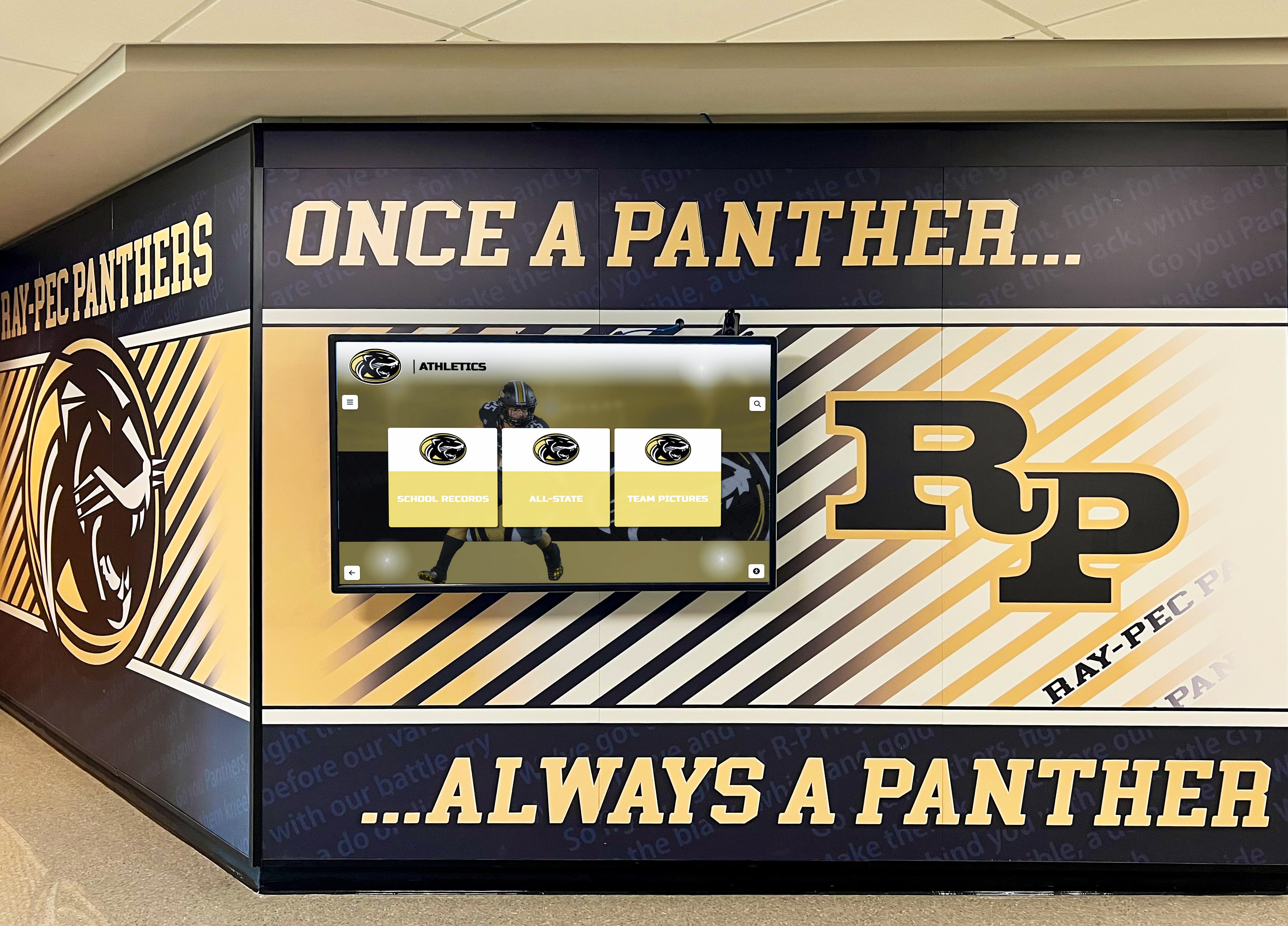
Modern recognition displays help schools preserve spirit week celebrations and maintain visibility for student participation year-round
Why Spirit Week Matters: Building Genuine School Culture
Before exploring specific themes and activities, understanding what makes spirit week meaningful helps schools design events that create authentic impact rather than going through motions.
The Research Behind School Spirit
School climate research consistently demonstrates strong connections between students’ sense of belonging and multiple positive outcomes including academic achievement, attendance rates, mental health, and social relationships. Spirit week contributes meaningfully to that sense of connection when designed thoughtfully.
Creating Shared Identity Spirit weeks provide concentrated opportunities for community building:
- Common experiences give diverse student groups something to bond over and discuss
- Shared celebrations create memories connecting entire graduating classes regardless of friend groups
- Visible traditions establish institutional identity students embrace as their own
- Public participation breaks down social barriers that typically separate different student populations
- Positive energy during spirit week carries into regular school days creating residual cultural benefits
Recognition Beyond Traditional Achievement Spirit week celebrates contributions often overlooked in standard recognition:
- Creative participation honors students who excel outside academics and athletics
- Leadership opportunities emerge for students who organize and promote events
- Social skills develop through coordination, teamwork, and inclusive planning
- School pride grows when students see their diverse talents valued and celebrated
- Alternative pathways to visibility appear for students who rarely receive public acknowledgment
Schools implementing comprehensive recognition programs find that spirit week achieves maximum impact when embedded within year-round engagement strategies rather than existing as isolated annual event.
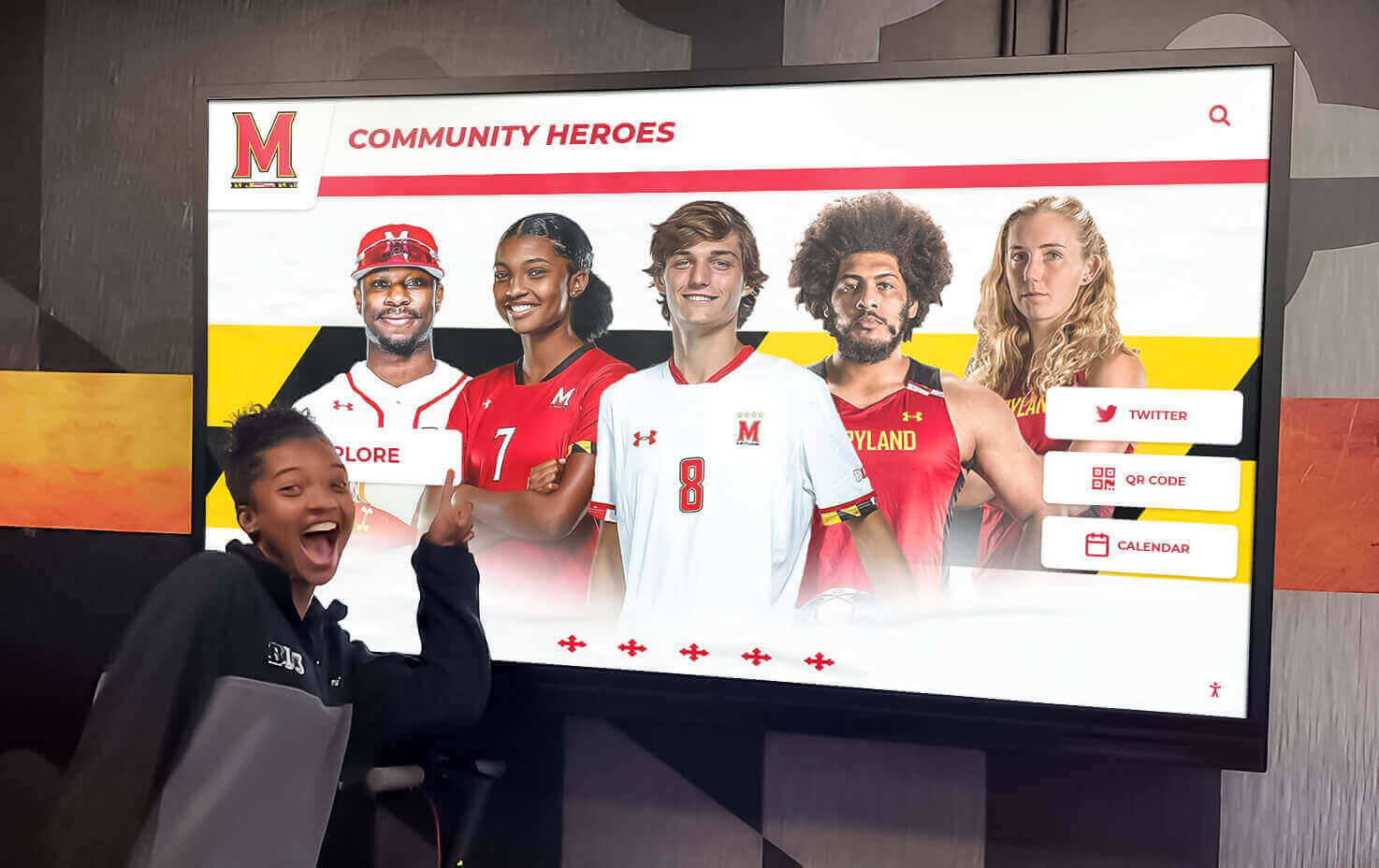
Recognition displays create ongoing visibility for spirit week participation extending celebration beyond five days
Common Spirit Week Challenges and Solutions
Understanding typical obstacles helps schools design events that overcome these barriers proactively:
Participation Gaps Across Student Populations Many spirit weeks engage primarily students already involved in student government or athletics while others remain passive observers:
Challenge: Themes requiring expensive purchases exclude students with limited resources Solution: Prioritize themes using items students already own with creativity more important than costume cost
Challenge: Inside references exclude students not connected to traditional school activities Solution: Choose universally accessible themes requiring no specialized knowledge or background
Challenge: Elaborate expectations intimidate students uncomfortable with attention or performance Solution: Offer multiple participation levels from simple accessories to full costumes
Challenge: Competition structures favor already-dominant groups reinforcing existing hierarchies Solution: Design scoring systems recognizing participation rate more than costume quality
Declining Momentum Throughout Week Maintaining excitement from Monday through Friday requires strategic planning:
Challenge: Most elaborate themes placed early when enthusiasm naturally highest Solution: Start with easiest themes building momentum rather than beginning with most demanding days
Challenge: Repetitive formats across years feel stale to returning students Solution: Refresh themes annually while maintaining beloved favorites as anchors
Challenge: No visible recognition of participation creates missed opportunity for reinforcement Solution: Implement daily showcasing through photos, announcements, and visible celebration
Challenge: Energy crashes mid-week as novelty wears off Solution: Plan special Wednesday events or competitions reigniting excitement
What Makes Spirit Weeks Successful
The most effective spirit weeks share these characteristics:
Broad Authentic Participation Success appears when diverse students genuinely want to participate:
- Themes accessible regardless of resources, background, or social group
- Activities appealing to different personality types and comfort levels
- Multiple entry points from minimal effort to elaborate participation
- Recognition extending beyond most visible participants to celebrate all contributors
- Faculty enthusiasm modeling that participation matters across age groups
Sustained Energy and Excitement Genuine engagement persists throughout all five days:
- Unprompted social media sharing demonstrating authentic student interest
- Students arriving early to see costumes and participate in activities
- Energy remaining high on Thursday and Friday rather than dropping mid-week
- Alumni and community engagement amplifying celebration beyond current students
- Conversations about spirit week continuing well after final dismissal
Smooth Execution and Organization Behind-scenes planning enables visible success without stress:
- Clear communication about themes, rules, and participation expectations
- Appropriate guidelines ensuring school-appropriate participation without confusion
- Fair competition structures everyone understands and accepts as legitimate
- Adequate supervision and safety measures preventing problems before they arise
- Student leadership development through planning committee responsibilities
Many schools discover that digital recognition systems help organize spirit week content and create lasting visibility beyond the actual event week.
60+ Creative Spirit Week Theme Ideas
Successful spirit weeks balance familiar favorites students anticipate with fresh creative concepts that reignite interest and social media excitement.
Classic Themes That Consistently Work
Some themes remain popular because they’re universally accessible, genuinely fun, and allow diverse creative interpretation:
1. Twin Day / Triplet Day Students coordinate matching outfits with friends creating instant photo opportunities and bonding. Works regardless of budget since coordination matters more than specific clothing items.
2. Pajama Day Comfortable and universally accessible. Establish clear guidelines about school-appropriate sleepwear (no revealing clothing, must wear shoes).
3. Decades Day Students choose favorite decade from 1950s through 2000s creating educational opportunities about historical fashion and cultural trends. Accessible through thrift stores and existing clothing.
4. Jersey Day Wear favorite sports team jerseys or school athletic uniforms. Celebrates athletic programs while remaining inclusive for non-athletes.
5. Class Color Day Each grade level wears designated color (freshmen: green, sophomores: blue, juniors: yellow, seniors: red). Builds class identity and creates powerful visual unity for photos.
6. School Colors Day Everyone wears school colors. Simplest participation creating remarkable visual impact when entire student body coordinates.
7. Hat Day Simple accessory-based participation requiring minimal effort. Create categories like most creative, largest, or silliest for competition element.
8. Crazy Hair Day Temporary hair color, wild styles, or creative accessories. No-cost options using household items like food coloring, gel, or rubber bands.
9. College Day Wear gear representing college plans, family institutions, or favorite college teams. Connects to post-graduation planning and future orientation.
10. Formal Day Students dress in formal attire creating fun contrast with typical school atmosphere. Makes everyone feel special regardless of specific outfit choice.
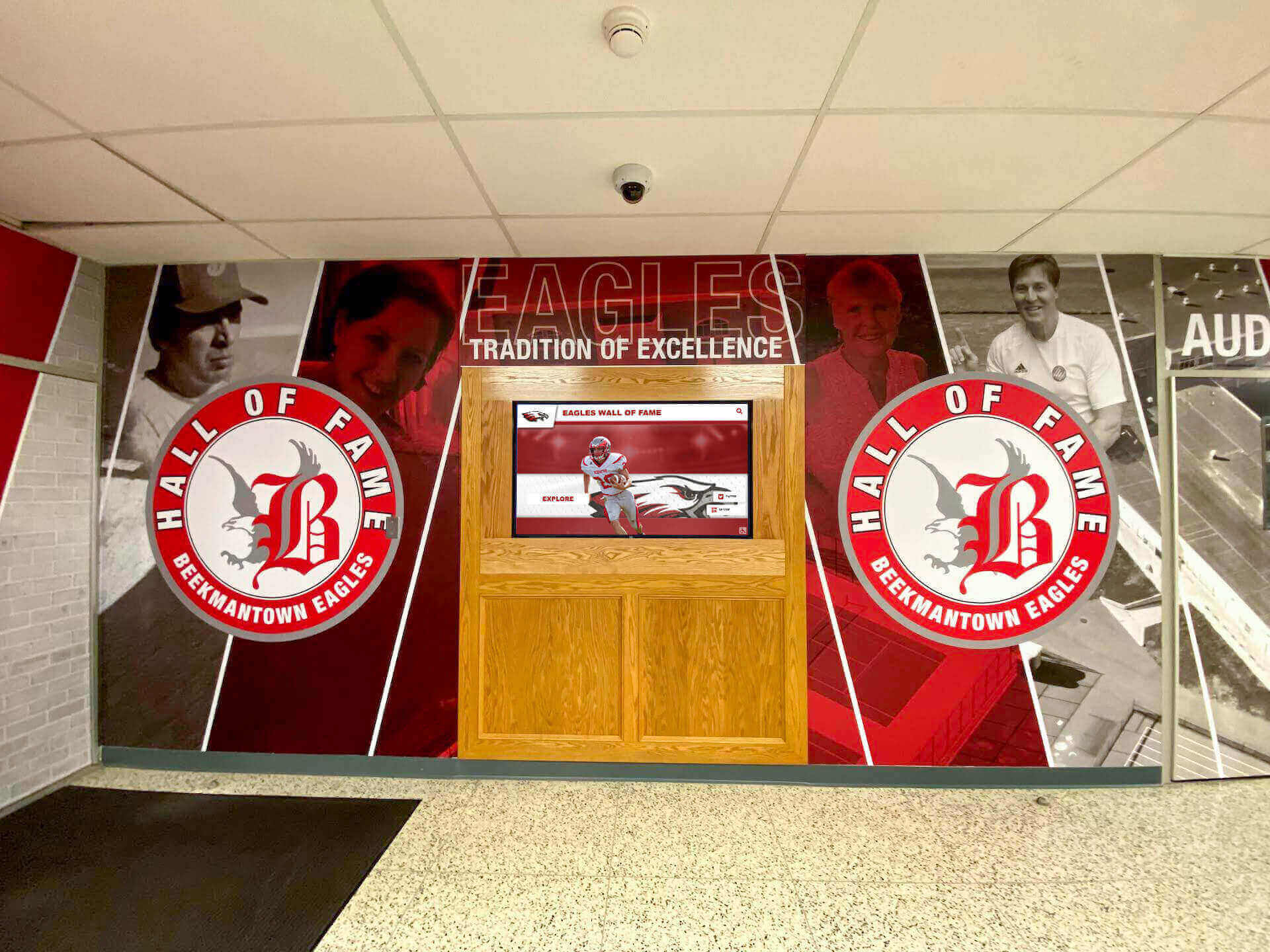
Prominent school displays reinforce spirit week themes and celebrate participation throughout facilities
Trending and Pop Culture Themes
Fresh themes generate renewed interest and social media buzz among current student populations:
11. Adam Sandler Day Oversized t-shirts, basketball shorts, comfortable hoodies. Surprisingly popular and accessible requiring only casual athletic wear.
12. Barbie vs. Oppenheimer Day All pink everything versus formal suits. Capitalizes on pop culture moments students recognize and enjoy.
13. Tourist vs. Tourist Trap Day Dress as tacky tourist with cameras and maps, or as famous landmark/attraction. Highly creative with endless interpretation options.
14. Bikers vs. Surfers Day Leather jackets and bandanas versus Hawaiian shirts and boardshorts. Classic opposites creating visual interest.
15. Cowboys vs. Aliens Day Western wear versus space-themed costumes. Creative mashup allowing diverse interpretation.
16. Camp Counselor vs. Camper Day Counselors wear khakis and whistles while campers sport tie-dye and friendship bracelets. Nostalgic summer camp references.
17. Mathletes vs. Athletes Day Nerdy academic stereotypes versus athletic gear. Celebrates different talents playfully without being mean-spirited.
18. Anything But a Backpack Day Students carry books in creative containers like laundry baskets, coolers, wagons, or shopping carts (within safety limits). Generates hilarious creativity.
19. Rhyme Without Reason Day Partners dress in rhyming but unrelated themes (Pig and Wig, Nerd and Bird, Flower and Power). Requires creative thinking and coordination.
20. Biker vs. Hippie Day Tough leather aesthetic versus peace signs and tie-dye. Clear opposite styles easy to execute.
Character and Entertainment Themes
21. Superhero vs. Villain Day Represent favorite comic book or movie characters from hero or villain perspective. Universally recognizable with clear costume options.
22. Disney Character Day Classic, modern, or Pixar characters. Widely accessible with recognizable costumes spanning decades of films.
23. Storybook Character Day Literary characters from favorite books. Connects to English curriculum and celebrates reading.
24. Video Game Character Day Represent favorite gaming characters. Appeals to significant student demographic often underrepresented in school activities.
25. TV Show/Movie Character Day Choose character from favorite entertainment. Endless possibilities accommodating all interests.
26. Cartoon Character Day Animated characters from any era. Nostalgic and creative with broad age range appeal.
27. Meme Day Dress as favorite internet meme. Highly engaging for digitally native generations creating social media content.
28. TikTok Trend Day Represent popular TikTok trends or creators. Extremely relevant to current student culture.
29. Musical Character Day Characters from Broadway shows or musical films. Celebrates performing arts programs.
30. Pixar vs. Dreamworks Day Represent characters from competing animation studios. Creates friendly competition between fan bases.
Programs implementing school spirit recognition find that documented participation inspires future involvement and creates lasting memories.
Career and Occupation Themes
31. Career Day Dress as future career aspiration. Connects spirit week to college and career readiness programming.
32. Teacher Dress-Up Day Students dress as favorite teachers (respectfully). Teachers universally love this theme and appreciate recognition.
33. Profession Stereotypes Day Doctors, lawyers, construction workers, chefs. Recognizable occupational costumes easy to assemble.
34. Historical Figure Day Represent influential people from history. Adds educational component to entertainment.
35. CEO vs. Intern Day Business formal versus coffee-fetching stereotype. Clear visual contrast creating humor.
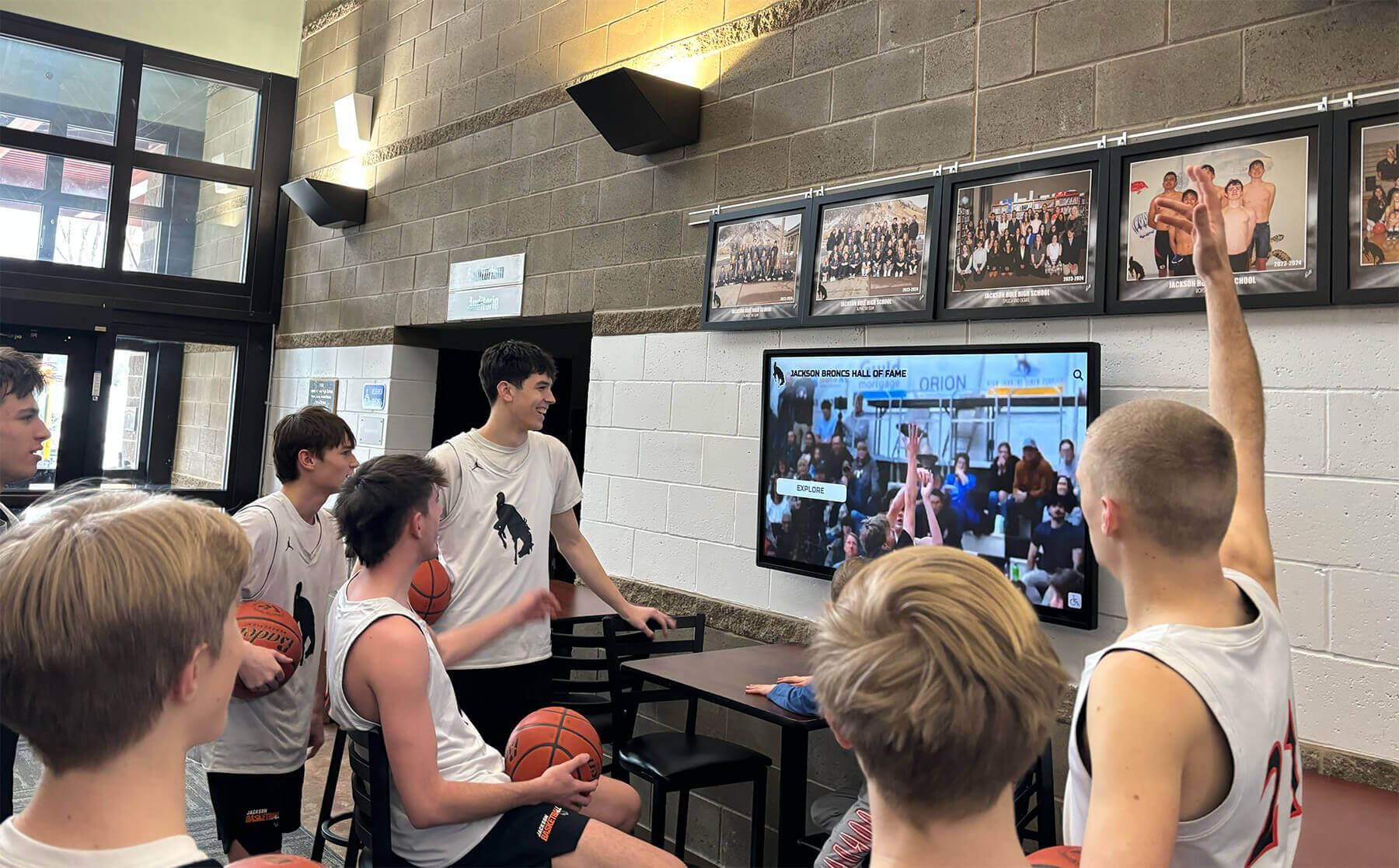
Digital displays create gathering points where students explore spirit week photos and relive favorite moments
“Versus” and Competitive Themes
36. Beach vs. Ski Lodge Day Summer tropical versus winter mountain resort attire. Seasonal opposition creating clear choices.
37. Country vs. Country Club Day Farming/rural versus golf course/preppy aesthetics. Socioeconomic stereotypes handled playfully.
38. Rockers vs. Rappers Day Rock band aesthetic versus hip-hop culture style. Musical genre opposition appealing to different tastes.
39. Pirates vs. Ninjas Day Classic internet debate manifested in costume form. Recognizable archetypes.
40. Angels vs. Devils Day Angel costumes versus devil costumes. Ensure school-appropriate guidelines about coverage and appropriateness.
41. Breakfast vs. Dinner Day Morning food themes versus evening meal themes. Creative food-based costumes.
42. Cats vs. Dogs Day Pet preference manifested in costume. Universal appeal across demographics.
43. Fire vs. Ice Day Warm colors and themes versus cool colors and winter aesthetics. Temperature-based opposition.
44. Day vs. Night Day Bright sunny themes versus dark starry aesthetics. Time-based contrast.
45. Land vs. Sea Day Terrestrial animals and themes versus ocean creatures and nautical elements. Environment-based choices.
Pattern and Style Days
46. Neon Day Bright neon colors. Photographs beautifully and creates visual excitement throughout building.
47. Tie-Dye Day Psychedelic patterns. Easy DIY opportunity for art class integration and creative expression.
48. Camouflage Day Any camo pattern. Accessible and comfortable requiring commonly owned clothing.
49. Stripes vs. Polka Dots Day Pattern-based competition. Simple but visually striking when photographed.
50. Denim Day All denim everything (Canadian tuxedo). Comfortable and widely accessible.
51. Black and White Day Only black and white clothing. Creates dramatic high-contrast photos.
52. Pattern Clash Day Intentionally mismatch patterns. Celebrates creativity and humor without judgment.
53. Monochrome Day Each class chooses single color wearing only shades of that hue. Creates stunning visual effect.
54. Glitter and Sparkle Day Shiny, glittery, sparkly clothing and accessories. Festive and fun.
55. Rainbow Day Wear as many colors as possible or coordinate groups for rainbow effect. Inclusive and colorful.
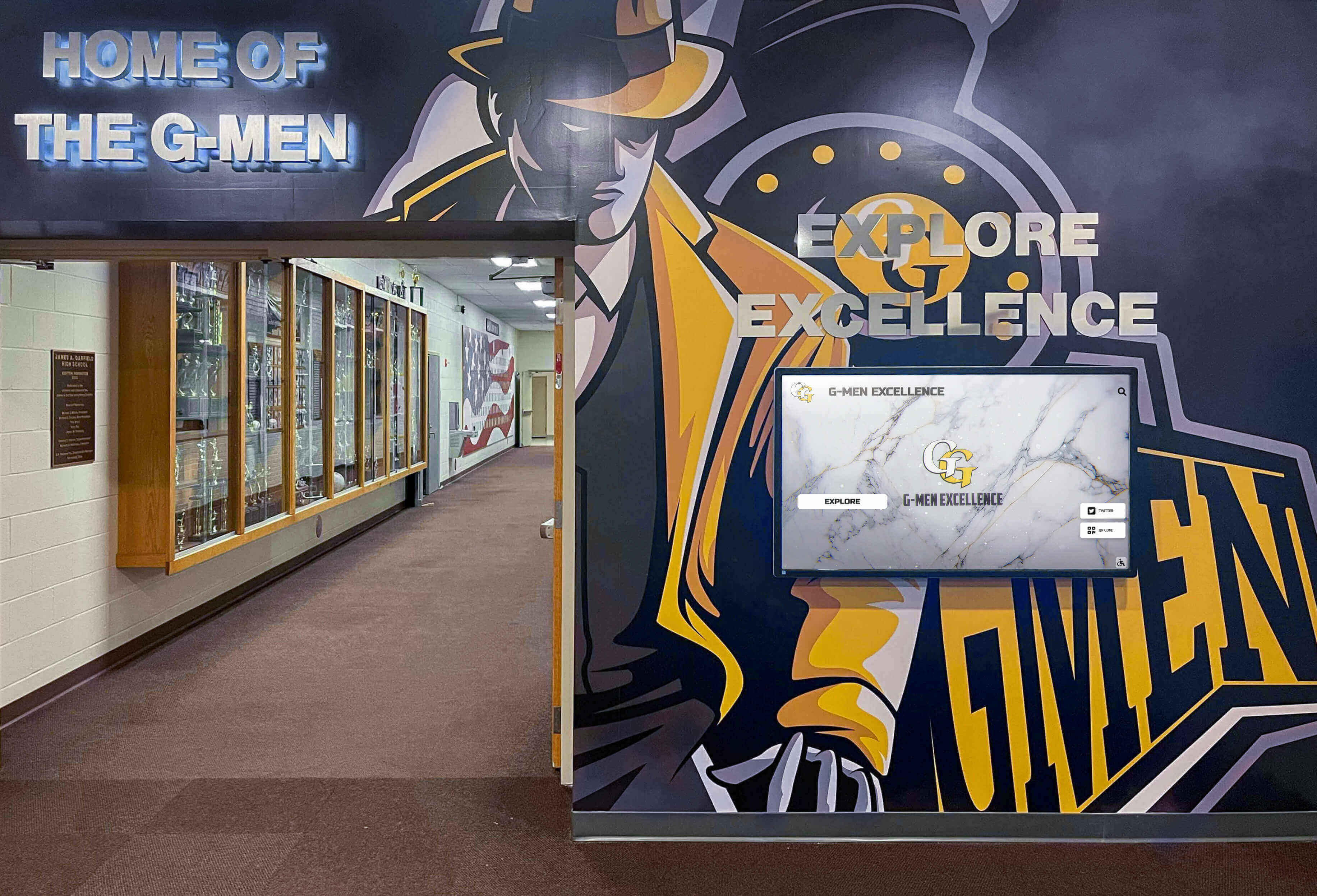
Strategic hallway displays maintain spirit week visibility throughout school year preserving memories
Seasonal and Holiday-Adjacent Themes
56. Fall Festival Day Flannel, boots, autumn colors. Perfect for October spirit weeks.
57. Winter Wonderland Day Holiday sweaters, winter accessories, festive colors. December celebrations.
58. Spring Fling Day Pastels, florals, spring break themes. March and April timing.
59. Summer Blast Day Beach wear, sunglasses, tropical themes. May spirit weeks or year-end celebrations.
60. Harvest Day Autumn themes, pumpkin colors, harvest festival aesthetics. Agricultural connections.
School-Specific and Academic Themes
61. Subject Day Each grade or class represents different academic subject (Math, Science, English, History). Celebrates academics creatively.
62. Class T-Shirt Day Each grade level wears class t-shirts designed by student council. Builds class identity and unity.
63. School Mascot Day Wear school mascot costume pieces or school merchandise. Direct school pride expression.
64. Alumni Colors Day Wear colors representing colleges where alumni attended or students plan to attend. Connects current students to graduates.
65. Club and Activity Day Represent school clubs and activities through costumes or t-shirts. Celebrates diverse extracurricular participation.
The key to successful theme selection involves balancing accessibility (can all students participate regardless of resources?), creativity (does this feel fresh and exciting?), school-appropriateness (does this meet dress code standards?), and visual impact (will this create great photos and memorable moments?).
Planning Your Spirit Week: Timeline and Strategy
Successful spirit weeks require systematic planning ensuring smooth execution and maximum participation without overwhelming organizers.
Comprehensive Planning Timeline
8-10 Weeks Before Spirit Week
- Form spirit week planning committee including student council representatives, administrators, faculty advisors
- Establish spirit week dates ensuring no conflicts with major academic events, testing, or other school activities
- Survey students about theme preferences using Google Forms or similar tools to gauge interest
- Set realistic budget covering decorations, prizes, photography, and any special event costs
- Determine competition structure and point system if implementing class-based contests
- Identify special events like pep rallies, assemblies, or culminating activities
6-7 Weeks Before Spirit Week
- Finalize daily themes based on student input, accessibility considerations, and practical factors
- Create detailed day-by-day schedule including all activities, competitions, and special events
- Develop clear participation guidelines ensuring school-appropriate costumes and behavior
- Design promotional materials including posters, graphics, videos, and social media content
- Communicate comprehensive plans to faculty and staff gaining buy-in and support
- Order necessary supplies, decorations, or prizes with adequate delivery time
- Plan special events including venue reservations, logistics, and technical requirements
3-4 Weeks Before Spirit Week
- Launch promotional campaign across all communication channels including morning announcements, social media, posters
- Create social media content calendar with daily countdowns, theme reveals, and engagement posts
- Distribute information to homerooms and advisory classes ensuring all students receive details
- Send parent communication explaining spirit week themes, appropriateness standards, and participation expectations
- Finalize competition rules and judging criteria ensuring transparency and fairness
- Recruit judges, volunteers, and student helpers assigning specific responsibilities
- Create photo and video documentation plan identifying photographers and equipment needs
1-2 Weeks Before Spirit Week
- Daily countdown announcements building anticipation and reminding students of themes
- Final confirmation of all logistics, supplies, volunteers, and technical elements
- Set up advance decorations or displays in common areas and hallways
- Brief teachers on expectations, participation encouragement, and classroom management during spirit week
- Prepare competition tracking systems and point sheets for accurate recording
- Test technical elements for assemblies or presentations preventing last-minute failures
- Create excitement through teasers, sneak peeks, and mystery elements
Schools implementing digital event recognition find that planning tools help organize content and streamline documentation processes.
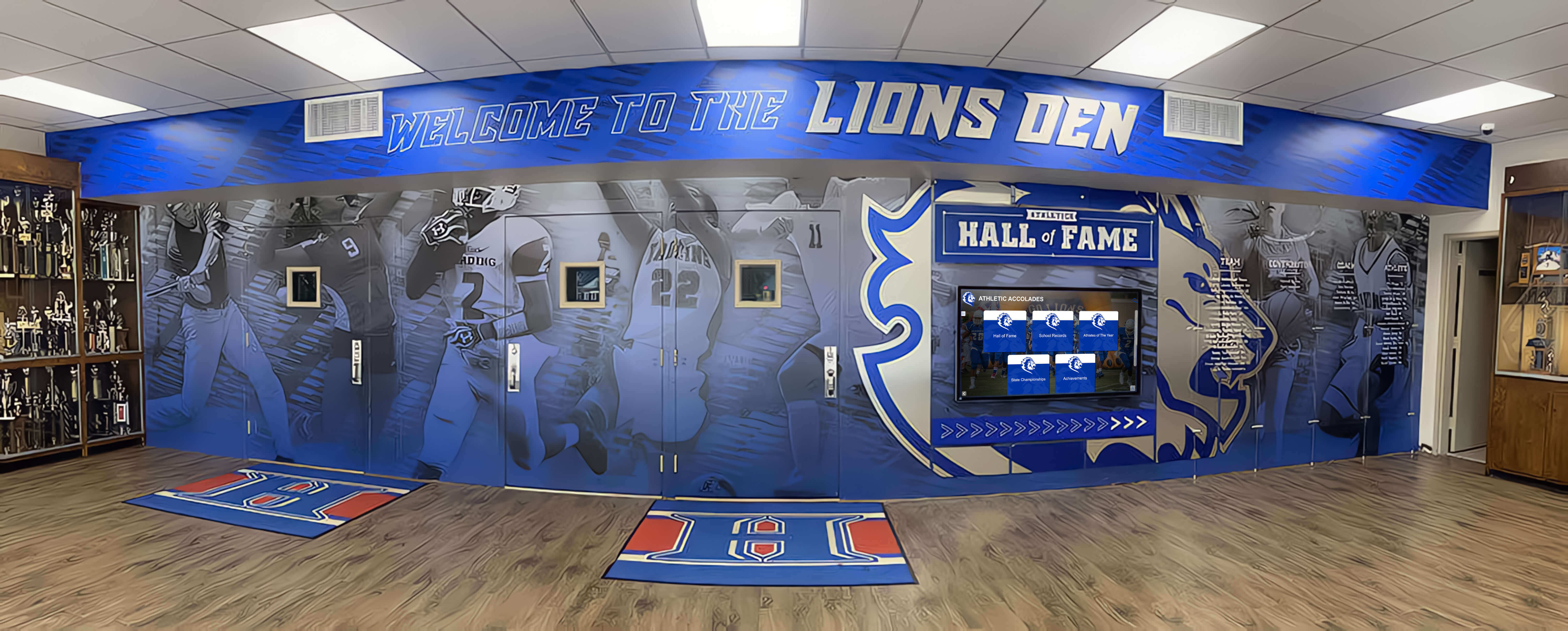
Trophy case areas provide natural locations for displaying spirit week winners and memorable celebration photos
Strategic Day-by-Day Scheduling
Sequencing themes thoughtfully maintains energy throughout entire week rather than frontloading excitement:
Monday: Accessible Start Begin with theme requiring minimal effort ensuring strong opening participation:
- Class Color Day needing only single-color clothing
- Hat Day requiring simple accessory
- School Colors Day using items students already own
- Simple costume themes everyone can participate in easily
Strong Monday participation establishes momentum and sets expectation for week-long engagement.
Tuesday: Building Momentum Slightly more elaborate theme as excitement grows:
- Twin Day requiring coordination but using existing clothing
- Decades Day allowing creative expression with accessible options
- Career Day connecting to future planning
- Sports Jersey Day celebrating athletic programs
Mid-level complexity maintains interest without overwhelming participants.
Wednesday: Creative Peak Most elaborate theme taking advantage of built momentum:
- Character days requiring costume planning
- “Versus” themes encouraging creative interpretation
- Pop culture themes generating social media engagement
- Rhyme Without Reason or other creative coordination
Students demonstrate maximum creativity and effort mid-week when energy peaks.
Thursday: Competition Intensifies Heightened competition day as standings become clear:
- Theme allowing group coordination building class spirit
- Activities requiring participation like photo contests
- Special events or challenges beyond costume themes
- Class competition elements driving participation
Competition drives engagement as classes push for victory.
Friday: Grand Finale Conclude with most anticipated theme and culminating celebration:
- School Spirit Day with everyone in school colors and merchandise
- Pep rally featuring competitions, performances, award presentations
- Senior or class leadership recognition
- Victory announcements and final point tallies
- Celebratory atmosphere regardless of competition outcomes
Friday should feel celebratory creating positive ending to week.
Organizing Effective Competitions
Competition elements increase participation and create sustained energy but require careful design ensuring fairness and inclusivity:
Competition Structure Options
Individual Competitions:
- Best costume in each daily theme category
- Most school spirit demonstrated throughout week
- Most creative interpretation of theme
- Social media photo contest with specific hashtag
- Spirit week participation streak awards
Class Competitions:
- Point systems across all grade levels
- Participation percentage by class (incentivizes broad engagement)
- Cumulative points across all daily themes
- Special challenge wins like hallway decorating or video creation
- Pep rally performance competitions
Homeroom/Advisory Competitions:
- Smaller group competitions encouraging wider participation
- Homeroom door or window decorating contests
- Group costume themes by homeroom coordination
- Advisory attendance and engagement tracking
- Collective achievements rather than individual focus
Fair and Transparent Judging
- Clearly defined judging criteria shared publicly in advance
- Diverse judging panel including students, teachers, administrators representing different perspectives
- Multiple judges reducing individual bias
- Public point tracking so everyone knows current standings
- Timely result announcements maintaining interest and suspense
Meaningful Prizes Recognition should motivate participation without creating exclusivity or resentment:
- Class privileges like dress-down day, extended lunch, or fun class activity
- Trophy or banner displayed in winning class area
- Recognition in school publications and morning announcements
- Digital recognition on school displays and social media
- Small tangible prizes like gift cards or school merchandise
- Social recognition through assemblies and public acknowledgment
Many schools find that comprehensive recognition platforms help document and celebrate spirit week achievements systematically.
Creating Inclusive Participation Opportunities
Thoughtful design ensures all students can participate fully regardless of resources, background, or comfort level with attention.
Removing Financial Barriers
Accessible Theme Design:
- Themes using items students already own rather than requiring purchases
- Creative suggestions for no-cost costume options using household materials
- DIY workshops or supply sharing organized by student council
- Focus on creativity and effort over expensive elaborate costumes
- Lending closet with costume pieces students can borrow confidentially
Budget-Conscious Support:
- School-provided basic supplies like temporary hair color or accessories
- Thrift store partnerships for costume shopping opportunities
- Class funds or booster club support for students needing assistance
- Team-based themes where groups share costume creation
- Emphasis that participation matters more than costume expense
Accommodating Different Comfort Levels
Multiple Participation Levels:
- Full costume option for students who love elaborate participation
- Simple accessories (hats, pins, temporary tattoos) for moderate engagement
- Color coordination for minimal but visible participation
- Behind-scenes roles like organizing, decorating, or photographing for students uncomfortable with attention
- Alternative contributions through poster creation, social media support, or judging roles
Respecting Individual Differences:
- Flexibility for students uncomfortable with costume themes
- Recognition that participation can look different across personalities
- Small group activities alongside schoolwide events
- Private spaces for costume changes if students need them
- Understanding that not every student will participate daily and that’s acceptable
Ensuring Cultural Sensitivity
Inclusive Theme Selection:
- Avoid themes requiring cultural appropriation or stereotypes
- Consider religious observances and restrictions in scheduling and theme choices
- Respect diverse backgrounds and traditions in costume expectations
- Review themes for potentially offensive interpretations before finalizing
- Provide alternatives when themes might conflict with student values or beliefs
Creating Welcoming Environment:
- Clear communication that all students belong and contributions matter
- Active discouragement of mockery or negative comments about participation choices
- Faculty modeling appropriate enthusiasm and participation
- Recognition of diverse expression within theme guidelines
- Celebration of varied creativity rather than enforcing single “correct” interpretation
Schools implementing these inclusive approaches report 60-75% higher participation rates across all student demographics compared to spirit weeks designed primarily for already-engaged student populations.
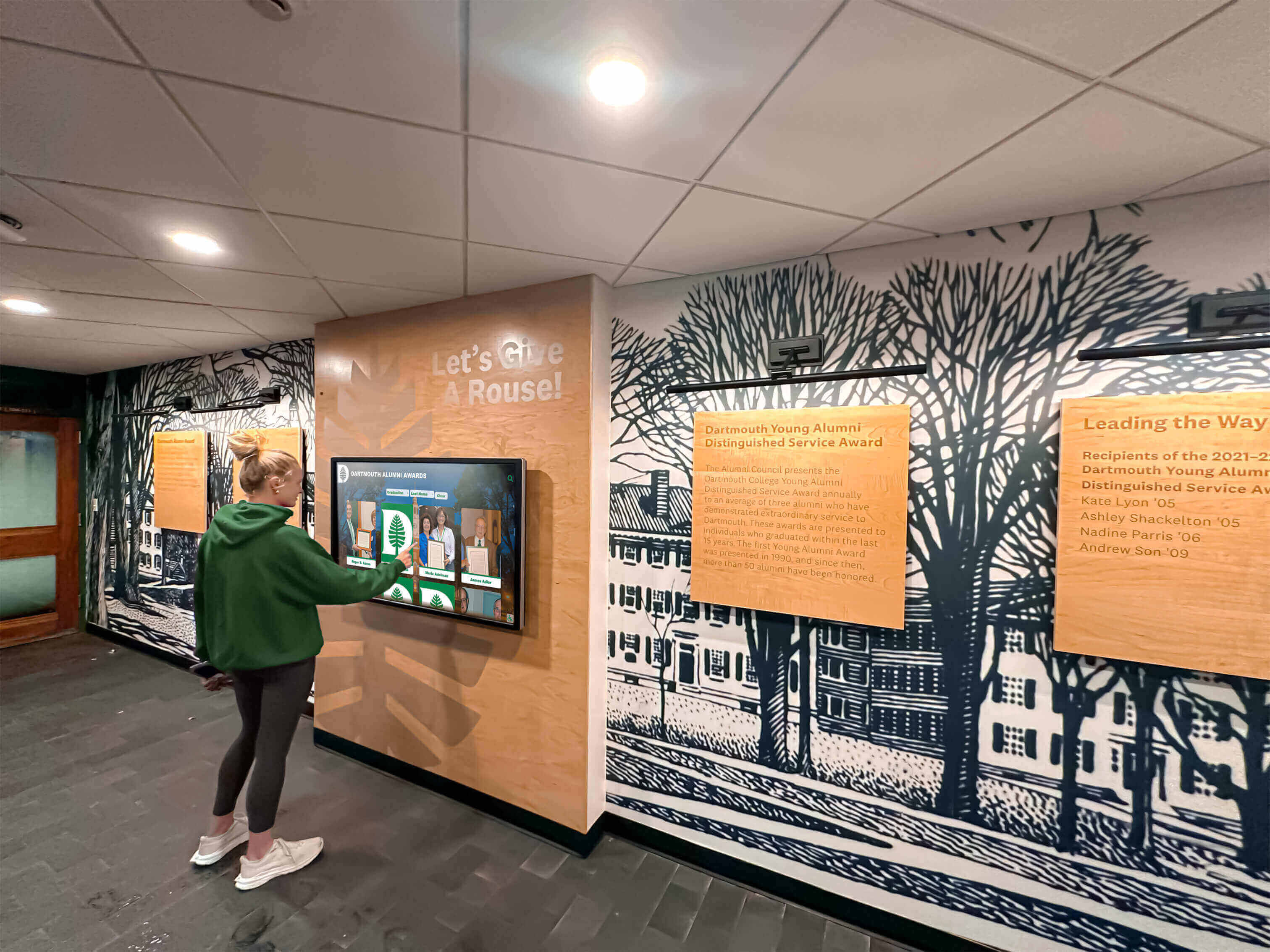
Modern touchscreen systems make exploring spirit week archives engaging and accessible for students and visitors
Special Activities and Events Beyond Dress-Up Days
While themed dress-up days form spirit week core, complementary activities enhance engagement and create variety maintaining interest.
Pep Rallies and Assemblies
Effective Pep Rally Elements:
- Class cheers and competitions for loudest or most spirited section
- Student performance showcases including dance teams, bands, step teams
- Games and competitions between grade levels or school houses
- Athletic team introductions and season highlights for upcoming games
- Spirit week award presentations recognizing participation
- School tradition rituals like fight songs or mascot appearances
- Surprise elements maintaining attention and creating memorable moments
Assembly Best Practices:
- Limit duration to 45-60 minutes maintaining high energy without fatigue
- Fast-paced schedule with minimal transition time between segments
- Student emcees bringing peer energy and appropriate humor
- Interactive elements where entire audience participates actively
- Visual interest through video, music, lighting effects when available
- Balance between recognition, entertainment, and authentic celebration
Daily Competitions and Challenges
Lunchtime Activities:
- Minute-to-win-it style challenges between class representatives
- Trivia competitions testing school knowledge and current events
- Relay races or physical challenges appropriate for cafeteria space
- Quick performance competitions like dance battles or lip sync
- Food-related contests (pie eating, donut on string) when appropriate
Social Media Challenges:
- Photo scavenger hunts with specific items or locations to find
- Video challenges using school hashtag for tracking and sharing
- TikTok dance challenges to school song or fight song
- Creative content contests judged by likes, shares, or selected judges
- Digital yearbook created from student submissions throughout week
Hallway and Common Area Activities:
- Class hallway decorating contests with theme-based designs
- Window painting competitions in cafeteria or common areas
- Poster creation showcasing class spirit and creativity
- Collaborative murals or art installations visible to all students
- Lunchtime performances or showcases of student talents
Academic Integration:
- Department-sponsored mini-competitions related to subject areas
- Trivia questions about school history integrated into announcements
- Creative writing or art contests related to spirit week themes
- STEM challenges or problem-solving competitions
- Service learning projects or community service challenges during week
These varied activities ensure students with different interests find ways to participate beyond costume-based themes.
Evening and Extended Events
Spirit Week Kick-Off Event:
- Monday evening celebration launching week with energy
- Costume preview or fashion show of theme interpretations
- Competition rule explanations and Q&A session
- Team-building activities across grade levels
- Free or low-cost ensuring accessibility for all families
Mid-Week Social Events:
- Wednesday dance or social gathering maintaining momentum
- Game night with board games, video games, or group activities
- Outdoor movie screening with spirit week theme when weather permits
- Food trucks or special meal options as fundraiser or celebration
- Talent show or open mic performance showcase
Friday Culmination:
- Pep rally as main event with comprehensive recognition
- Award ceremony for all spirit week competitions
- Photo booth stations with props and shareable backgrounds
- Reception or gathering with refreshments for families
- Class-specific celebrations following final dismissal
Schools implementing comprehensive student engagement programs find that spirit week works best as capstone event within broader culture-building strategies.
Digital Recognition: Preserving Spirit Week Memories
Modern technology enables schools to capture spirit week energy and extend impact far beyond the actual five days.
Photography and Videography Documentation
Comprehensive Coverage Approach:
- Designated photography team capturing daily participation systematically
- Multiple photographers ensuring broad coverage across all students
- Video highlights created daily or as week-long compilation
- Candid shots capturing genuine participation and authentic energy
- Formal photos documenting competition entries and winners
Creating Shareable Content:
- Daily highlights posted on multiple social media platforms
- Photo galleries organized by theme, day, and grade level
- Short video clips optimized for Instagram Reels, TikTok, or YouTube Shorts
- Student testimonials and reaction videos sharing experiences
- Time-lapse or compilation videos showing entire week progression
Privacy and Permission Considerations:
- Photo release forms collected annually for public sharing
- Opt-out options respected for students uncomfortable with photos
- Strategic photography avoiding unintended embarrassing backgrounds
- Appropriate tagging and identification protecting student privacy
- Balance between documentation and being present in moments
Social Media Strategy
Platform-Specific Approaches:
Instagram:
- Daily theme announcement posts each morning
- Story highlights throughout day showing real-time participation
- Carousel posts with curated photo galleries by theme
- Reels featuring day highlights or week compilation
- User-generated content reposted with student permission
TikTok:
- Costume reveal videos showing creative interpretations
- Day-in-the-life during spirit week content
- Competition highlights and winner announcement videos
- Behind-scenes footage of planning and preparation
- Trending audio adapted to spirit week themes
Twitter/X:
- Real-time updates throughout each day
- Competition standings and point tracking
- Quick celebration of participation and creativity
- Live coverage during assemblies and special events
- Alumni engagement through throwback content
Facebook:
- Detailed photo albums organized chronologically
- Event pages for assemblies and special activities
- Parent and community engagement through longer posts
- Alumni group sharing generating nostalgia and connection
- Video content accessible to broader community
Hashtag Strategy:
- Create unique spirit week hashtag (#SchoolName2026SpiritWeek)
- Encourage student use of hashtag for contest entries
- Track hashtag performance measuring engagement
- Compile hashtag content into galleries or recognition displays
- Build year-over-year tradition with consistent hashtag format
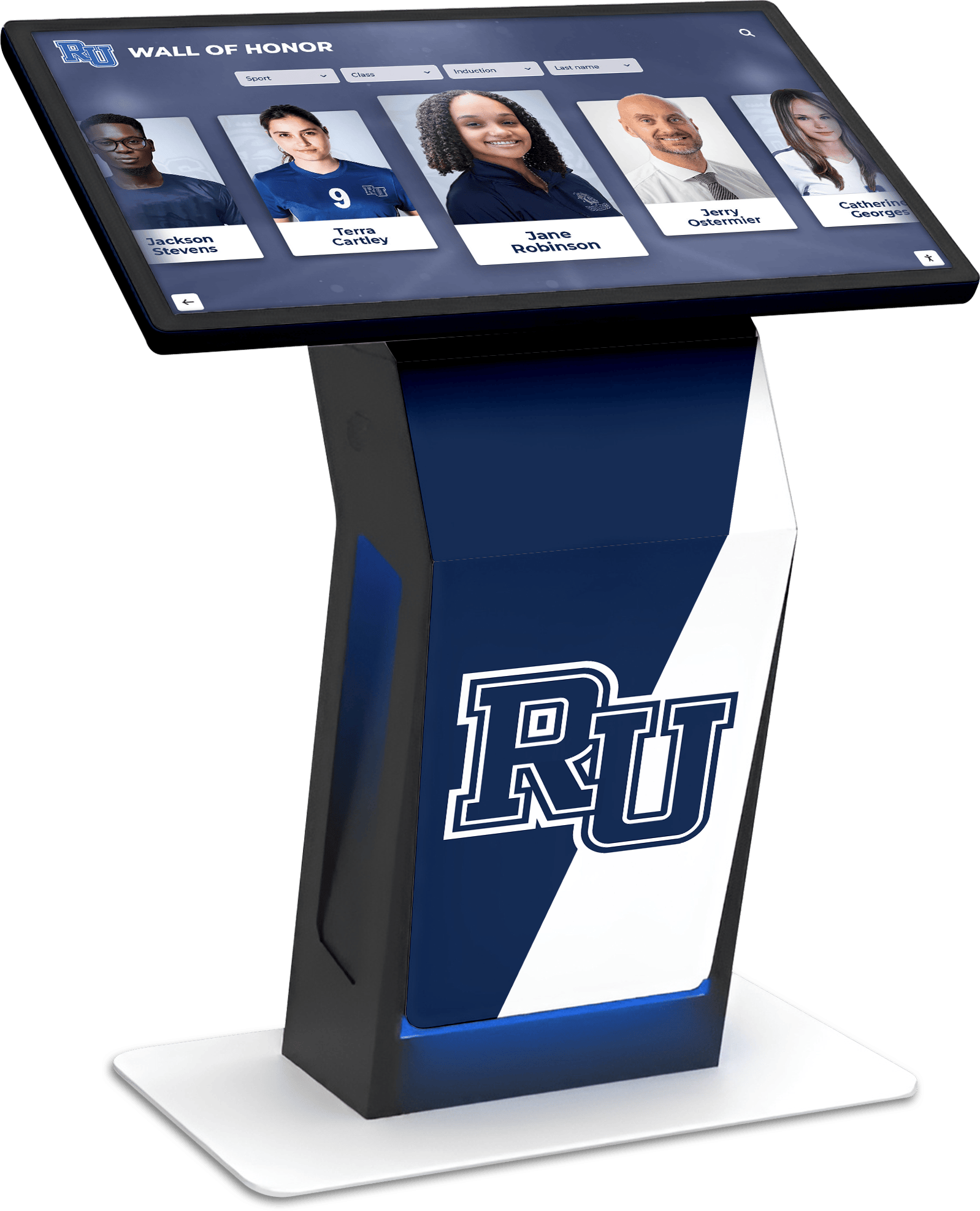
Touchscreen recognition systems preserve spirit week achievements creating permanent accessible archives
Permanent Digital Recognition Systems
Interactive Display Solutions: Modern touchscreen systems create lasting visibility throughout school facilities:
Display Capabilities:
- Unlimited photo galleries from all spirit week days organized searchably
- Competition winner recognition across all categories and years
- Historical spirit week archives creating institutional memory
- Video highlight integration showing memorable moments
- QR codes enabling mobile access to complete content remotely
- Search functionality finding specific students, themes, or years
- Social sharing allowing students to celebrate their recognition
Multi-Location Display Strategy:
- Main lobby showcasing current and recent spirit weeks
- Cafeteria displays with rotating photo slideshows during lunch
- Gymnasium displays highlighting competition winners and class victories
- Library or media center featuring creative participation examples
- Hallway displays near classrooms showing grade-level achievements
Digital recognition platforms like Rocket Alumni Solutions make creating engaging spirit week displays achievable without extensive technical expertise, providing unlimited capacity for photos and videos, intuitive content management systems accessible to staff, and professional displays maintaining visibility year-round.
Web-Based Archives:
- Dedicated spirit week section on school website
- Searchable photo galleries by year, theme, and participant
- Video archive of assemblies and special events
- Alumni access enabling continued connection and reminiscing
- Mobile-optimized viewing on all devices
These digital approaches ensure spirit week creates lasting value extending far beyond five days, contributing to ongoing school pride and strengthening community connections across current students, alumni, and families.
Managing Common Spirit Week Challenges
Even well-planned spirit weeks encounter difficulties requiring creative problem-solving and flexibility.
Low Participation and Engagement
Diagnosing Participation Issues:
- Student surveys about barriers preventing participation
- Analysis of which themes generate most versus least engagement
- Assessment of whether competition structure motivates or discourages
- Review of accessibility across different student populations
- Evaluation of promotion effectiveness reaching all students
Increasing Participation Strategies:
- Start with highly accessible themes building early momentum
- Offer multiple participation levels from simple to elaborate
- Create class incentives beyond individual recognition
- Emphasize fun and creativity over perfection or expense
- Faculty participation modeling that enthusiasm matters
- Regular reminders through multiple communication channels
- Celebrate participation itself not just “best” costumes
Addressing Mid-Week Energy Drop:
- Front-load easier themes Monday and Tuesday
- Wednesday special events or competitions reigniting excitement
- Public competition standings maintaining interest in outcomes
- Social media highlights showcasing creative participation
- Teacher encouragement and engagement in classrooms
- Prize drawings or random recognition maintaining motivation throughout
Dress Code Compliance and Appropriateness
Clear Guidelines from Planning Stage:
- Written expectations for each theme shared widely
- Specific examples of appropriate versus inappropriate interpretations
- Faculty briefing on enforcement approaches ensuring consistency
- Consistent consequences for violations applied fairly
- Pre-approval process for questionable costume ideas
Common Dress Code Issues:
- Revealing costumes requiring clear coverage standards
- Potentially offensive cultural appropriation or stereotypes
- Inappropriate political or controversial messages
- Safety concerns from oversized props or vision obstruction
- Masks or face coverings preventing student identification
Handling Violations Respectfully:
- Private conversations rather than public correction preserving dignity
- Alternative participation options like school shirt over costume
- Focus on learning and understanding rather than punishment
- Consistent enforcement across all students without favoritism
- Grace for unintentional mistakes versus deliberate violations
Budget Constraints
Creating Memorable Spirit Weeks on Limited Budgets:
Low-Cost Theme Options:
- Color-based days requiring no special purchases
- Creativity-focused themes using household items
- Coordination themes needing no special supplies
- Accessory-based participation like hats or sunglasses
- DIY costume workshops using available materials
Free or Minimal-Cost Activities:
- Student-led entertainment and performances
- Social media-based competitions requiring no supplies
- Teacher participation and enthusiasm costing nothing
- Hallway decorating using paper and existing supplies
- Lunchtime games requiring minimal equipment
Funding Spirit Week Elements:
- Student activity fee allocations designated specifically
- Fundraising events earlier in year earmarked for spirit week
- Local business sponsorships of specific days or prizes
- Parent organization support through booster clubs
- Repurposing decorations and materials from previous years
Weather and Schedule Disruptions
Contingency Planning:
- Indoor alternatives for outdoor activities if weather disrupts
- Flexible timing allowing theme day swaps if needed
- Ability to extend spirit week if days canceled
- Alternative culminating events if Friday pep rally canceled
- Clear communication about changes reaching all stakeholders
Schools implementing year-round recognition programs find that spirit week challenges decrease when embedded within comprehensive engagement strategies.
Faculty and Staff Engagement
Teacher and administrator participation significantly impacts student enthusiasm and spirit week success overall.
Encouraging Faculty Participation
Benefits of Staff Involvement:
- Models positive school spirit and community engagement for students
- Strengthens student-teacher relationships through shared experiences
- Demonstrates that school pride extends beyond students to all community members
- Creates memorable humanizing moments students treasure
- Provides leadership examples for appropriate enthusiastic participation
Making Participation Appealing:
- Early communication about themes allowing planning time
- Simple participation options not requiring elaborate costumes
- Recognition of participating teachers in announcements and social media
- Department-coordinated themes enabling group participation
- Photo opportunities showcasing creative faculty members
- Permission to modify themes slightly for professional appropriateness
Staff Participation Ideas:
- Department-coordinated costumes (Math teachers as numbers, Science as scientists)
- Grade level team themes building collaboration
- Administrative staff setting visible example through enthusiastic participation
- Surprise creative costumes revealing teacher personality
- Teacher features in student social media and videos
- Staff versus student competitions during assemblies
Administrator Support and Buy-In
Essential Administrative Support:
- Approval of themes and activities ensuring appropriateness
- Flexibility with schedule adjustments if needed for special events
- Communication with parents about spirit week addressing concerns
- Budget allocation and resource access for supplies and recognition
- Handling community concerns professionally and supportively
- Celebration and recognition of planning committee hard work
- Visible participation modeling that school culture matters
Active administrative support signals to entire school community that spirit week matters as legitimate educational experience building community, not frivolous distraction from academics.
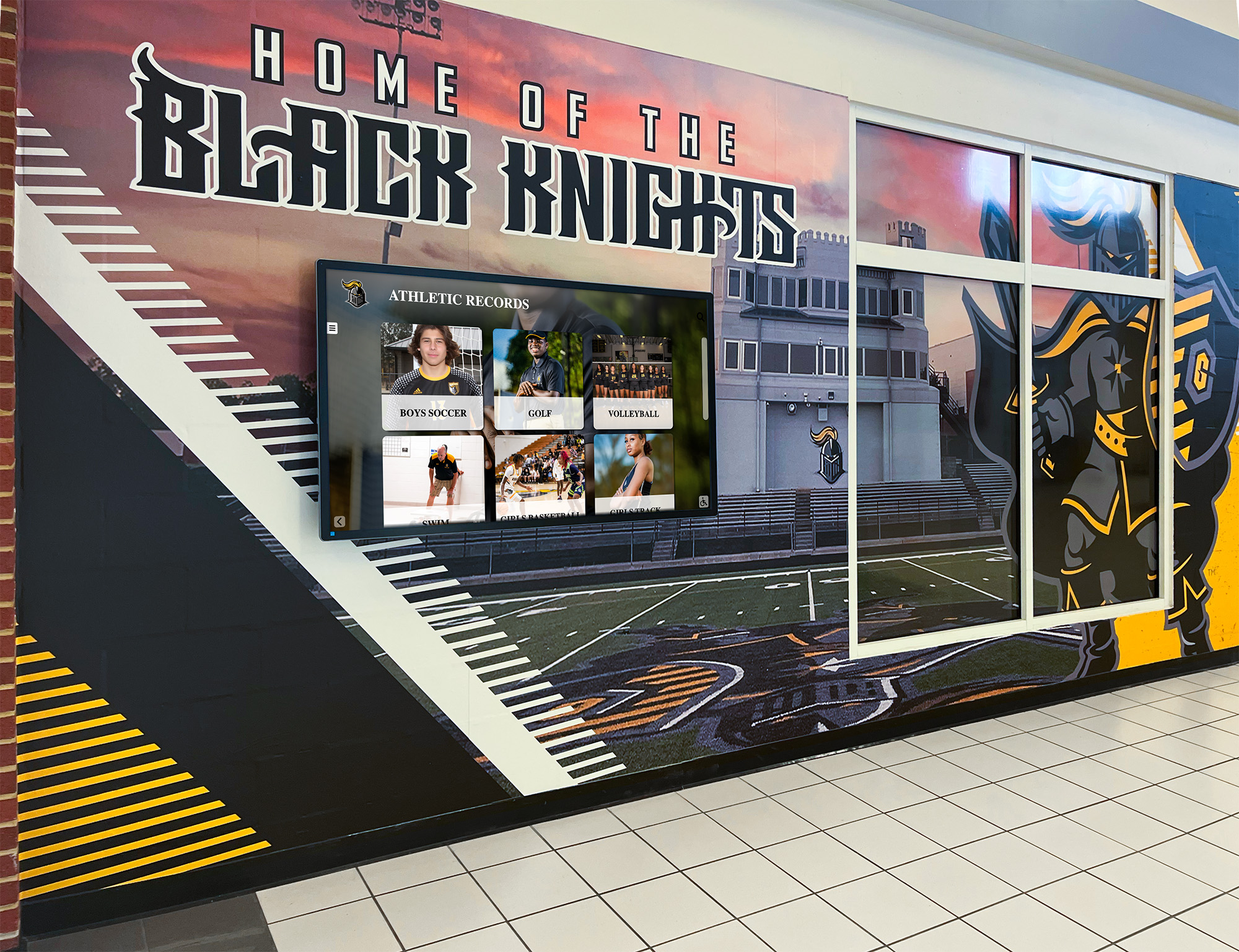
Prominent displays celebrate school traditions including spirit week while reinforcing community values and pride
Measuring Spirit Week Success and Continuous Improvement
Systematic evaluation ensures continuous improvement and demonstrates value to stakeholders questioning resource investment.
Success Metrics and Assessment
Quantitative Measures:
- Participation rates by day and grade level showing engagement patterns
- Social media engagement (posts, shares, likes, hashtag uses, reach)
- Competition entries across all categories tracking involvement
- Photo and video gallery views measuring ongoing interest
- Assembly and event attendance numbers compared to regular activities
- Budget efficiency analyzing cost per participating student
- Volunteer and planning committee time investment
Qualitative Indicators:
- Student feedback through surveys about enjoyment and meaningfulness
- Faculty observations of student energy and school climate impact
- Parent and community response and perception
- Quality and creativity of participation visible in photos
- Alumni engagement and connection through spirit week content
- Media coverage and external community recognition
- Long-term school culture impact extending beyond actual week
Gathering Feedback:
- Post-spirit week student surveys (brief, mobile-friendly, incentivized)
- Faculty and staff debrief meeting discussing successes and challenges
- Planning committee reflection documenting lessons learned systematically
- Social media comments and direct messages from students and families
- Informal conversations and observations throughout building
- Comparison to previous years identifying improvement areas
Continuous Improvement Process
Documentation for Future Planning:
- Comprehensive record of what worked exceptionally well
- Challenges encountered with potential solutions identified
- Theme popularity and participation level analysis
- Activities generating most enthusiasm and engagement
- Budget allocation effectiveness reviewing spending priorities
- Timeline and planning process improvements needed
- Communication strategies that successfully reached all populations
Incorporating Feedback:
- Student voice in theme selection for following year
- Addressing barriers to participation that surveys identified
- Refining competition structures based on fairness concerns
- Updating guidelines addressing issues that arose
- Technology or format improvements leveraging new capabilities
- Schedule or timing adjustments based on experience
- Expanding successful elements while eliminating unsuccessful ones
Building Lasting Traditions:
- Identifying elements to become annual spirit week traditions
- Balancing familiar favorites with fresh creative concepts
- Creating rituals students anticipate each year
- Alumni connection through repeated beloved themes
- Historical continuity strengthening institutional identity
- Documentation ensuring institutional knowledge persists across leadership changes
Schools implementing comprehensive recognition and engagement programs find that spirit week assessment becomes easier when integrated into broader culture measurement frameworks.
Conclusion: Building School Spirit That Endures
Spirit week represents far more than five days of costume themes and competitions—these celebrations create concentrated opportunities for community building, generate positive shared memories during demanding academic years, demonstrate through action what schools genuinely value beyond test scores, and strengthen the sense of belonging that research consistently links to student success and wellbeing.
The most impactful spirit weeks share common characteristics: they genuinely engage diverse student populations beyond predictable participants, balance familiar traditions with creative innovations maintaining freshness, prioritize accessibility ensuring all students can participate regardless of resources, maintain high energy through thoughtful theme sequencing and varied activities, and extend recognition beyond the actual week through modern digital systems preserving memories permanently.
The creative spirit week ideas, inclusive participation strategies, effective competition structures, and digital recognition approaches explored in this comprehensive guide provide practical frameworks for transforming routine annual traditions into authentic celebrations of school community. From accessible theme selection to systematic planning timelines, faculty engagement strategies to permanent recognition displays, these approaches help schools create spirit weeks students genuinely anticipate and remember decades later.
Start with elements your school can implement immediately based on current resources and culture, then systematically expand to create comprehensive celebrations your community deserves. Consider how permanent recognition systems extend spirit week impact, ensuring achievements and memories remain visible and accessible year-round through digital displays that never run out of space for preserving every joyful moment.
Your school community’s spirit deserves celebration creating lasting positive cultural impact. With thoughtful planning, inclusive design, creative activities, and modern technology ensuring ongoing visibility beyond five days, you can build spirit week traditions that strengthen the positive, connected culture where all students feel they genuinely belong and their participation truly matters.
Ready to preserve your spirit week celebrations for years to come? Discover how solutions like Rocket Alumni Solutions help schools create permanent, engaging digital recognition displays that capture spirit week memories, celebrate student participation, and maintain visibility for these important traditions throughout the school year and beyond, ensuring every student’s contribution to school spirit remains part of your institution’s proud history.