Speed and agility separate good athletes from great ones across virtually every sport. While natural talent provides a foundation, systematic speed agility training transforms raw potential into explosive acceleration, razor-sharp direction changes, and split-second reaction capabilities that create competitive advantages on courts, fields, and tracks. High school athletes who dedicate focused effort to developing these qualities dramatically enhance their performance while reducing injury risk through improved body control and movement efficiency.
Yet many high school programs struggle with speed and agility development. Questions arise about which drills deliver the best results, how to structure progressive training that builds rather than burns out young athletes, and how to integrate speed work into already-demanding practice schedules. Meanwhile, coaches face the challenge of maintaining athlete motivation during repetitive drill work while tracking improvement to demonstrate training effectiveness.
This comprehensive guide provides practical speed agility training frameworks specifically designed for high school athletes, featuring proven drills across multiple athletic movements, progression strategies that safely build explosive power, and recognition approaches that celebrate performance improvements motivating continued dedication to athletic development.
Athletic excellence requires more than sport-specific skills. The foundational movement qualities of speed, agility, quickness, and reaction time determine whether athletes can execute techniques under competitive pressure. High school represents the ideal developmental window for enhancing these capabilities, as athletes possess the physical maturity to handle demanding training while maintaining the neurological plasticity that enables rapid motor learning.
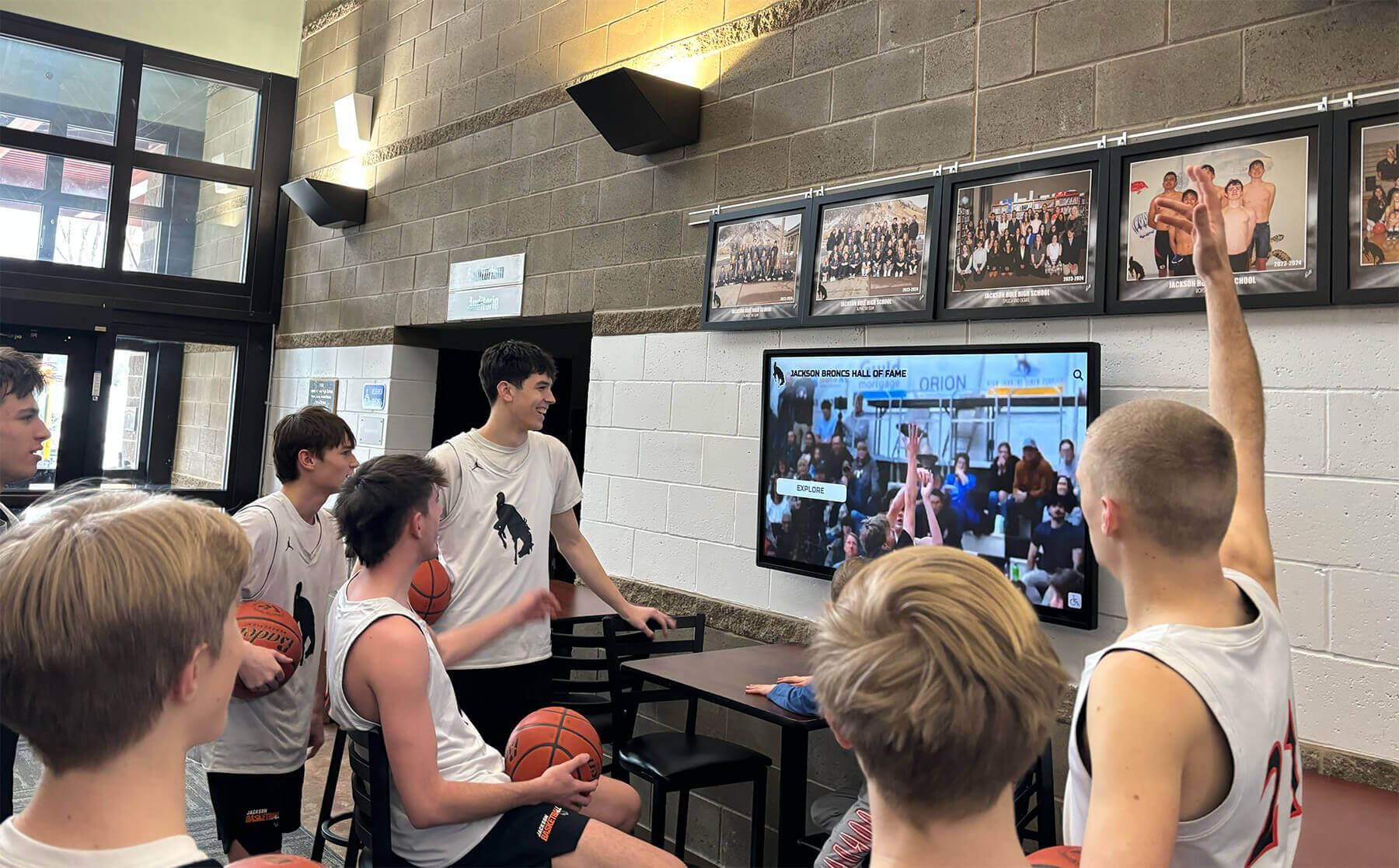
Modern athletic programs combine systematic training with performance tracking and recognition
Understanding Speed and Agility: Essential Athletic Qualities
Before implementing training protocols, coaches and athletes benefit from understanding the distinct physical qualities comprising speed and agility performance.
Defining Speed Components
Linear Speed Straight-line running velocity over various distances:
- Maximum velocity sprint speed (top-end speed)
- Acceleration capability from stationary or rolling starts
- Speed endurance maintaining velocity over extended distances
- First-step quickness initiating movement explosively
- Stride length and stride frequency optimization
- Running mechanics and technical efficiency
Linear speed matters in sports requiring straight-ahead sprinting: track, football, soccer breakaways, baseball base running, and lacrosse transitions. Training must address both maximum velocity development and the acceleration phase where most game-speed occurs.
Acceleration Mechanics The critical 0-20 yard phase where most athletic movements occur:
- Forward body lean and powerful ground force application
- Rapid leg turnover during initial steps
- Progressive posture elevation as speed builds
- Arm drive synchronization with leg action
- Explosive push-off from starting positions
- Transition from acceleration to maximum velocity mechanics
Research on athletic performance demonstrates that most game situations involve distances under 20 yards, making acceleration ability more functionally relevant than maximum velocity for most high school athletes.
Defining Agility Components
Change of Direction Ability Capacity to decelerate, redirect, and re-accelerate efficiently:
- Deceleration mechanics absorbing momentum safely
- Cutting technique minimizing ground contact time
- Hip and ankle mobility enabling sharp angle changes
- Core stability maintaining posture during direction changes
- Lower body strength controlling deceleration forces
- Re-acceleration power exiting cuts and turns

Recognition of performance improvements motivates continued commitment to development
Reactive Agility Response to unpredictable stimuli typical in competitive situations:
- Visual processing speed recognizing environmental cues
- Decision-making speed selecting appropriate responses
- Movement initiation after stimulus recognition
- Body position adjustments based on opponent movement
- Anticipation skills predicting likely scenarios
- Cognitive processing under physical fatigue
Traditional agility drills using predetermined patterns develop change of direction mechanics. True reactive agility requires unpredictable stimuli forcing athletes to process information and respond—more closely replicating actual game demands.
Balance and Body Control Foundation enabling effective speed and agility execution:
- Static balance maintaining positions under load
- Dynamic balance controlling posture during movement
- Proprioception sensing body position in space
- Core strength stabilizing spine during explosive actions
- Joint stability preventing compensatory movements
- Coordination integrating multiple body segments smoothly
Programs emphasizing complete athletic development recognize that speed and agility training contributes to overall athlete capability rather than existing as isolated physical qualities.
Benefits of Speed Agility Training for High School Athletes
Systematic speed and agility development delivers advantages extending well beyond improved 40-yard dash times.
Performance Enhancement Across Sports
Sport-Specific Application Examples
Basketball players benefit from:
- First-step quickness beating defenders off the dribble
- Defensive slide speed staying with offensive players
- Transition speed filling lanes on fast breaks
- Cutting ability creating separation for shots
- Vertical jump enhancement through explosive power development
Soccer athletes improve:
- Acceleration reaching balls before opponents
- Change of direction ability evading defenders
- Recovery speed returning to defensive positions
- Lateral agility defending against attacking players
- Sprint endurance maintaining speed throughout matches
Football competitors enhance:
- 40-yard dash times critical for positions requiring speed
- Three-cone agility important for skill positions and defensive backs
- Explosion off the line for linemen and edge rushers
- Open-field running ability for ball carriers
- Pursuit angles for defensive players
Track and field participants develop:
- Sprint mechanics transferring to all running events
- Hurdle mobility and rhythm for hurdlers
- Approach speed for jumpers and vaulters
- Acceleration out of blocks for sprinters
- Speed endurance for middle-distance events
Volleyball, lacrosse, tennis, baseball, and virtually every competitive sport benefit from enhanced speed and agility capabilities enabling athletes to execute sport skills more effectively under game conditions.
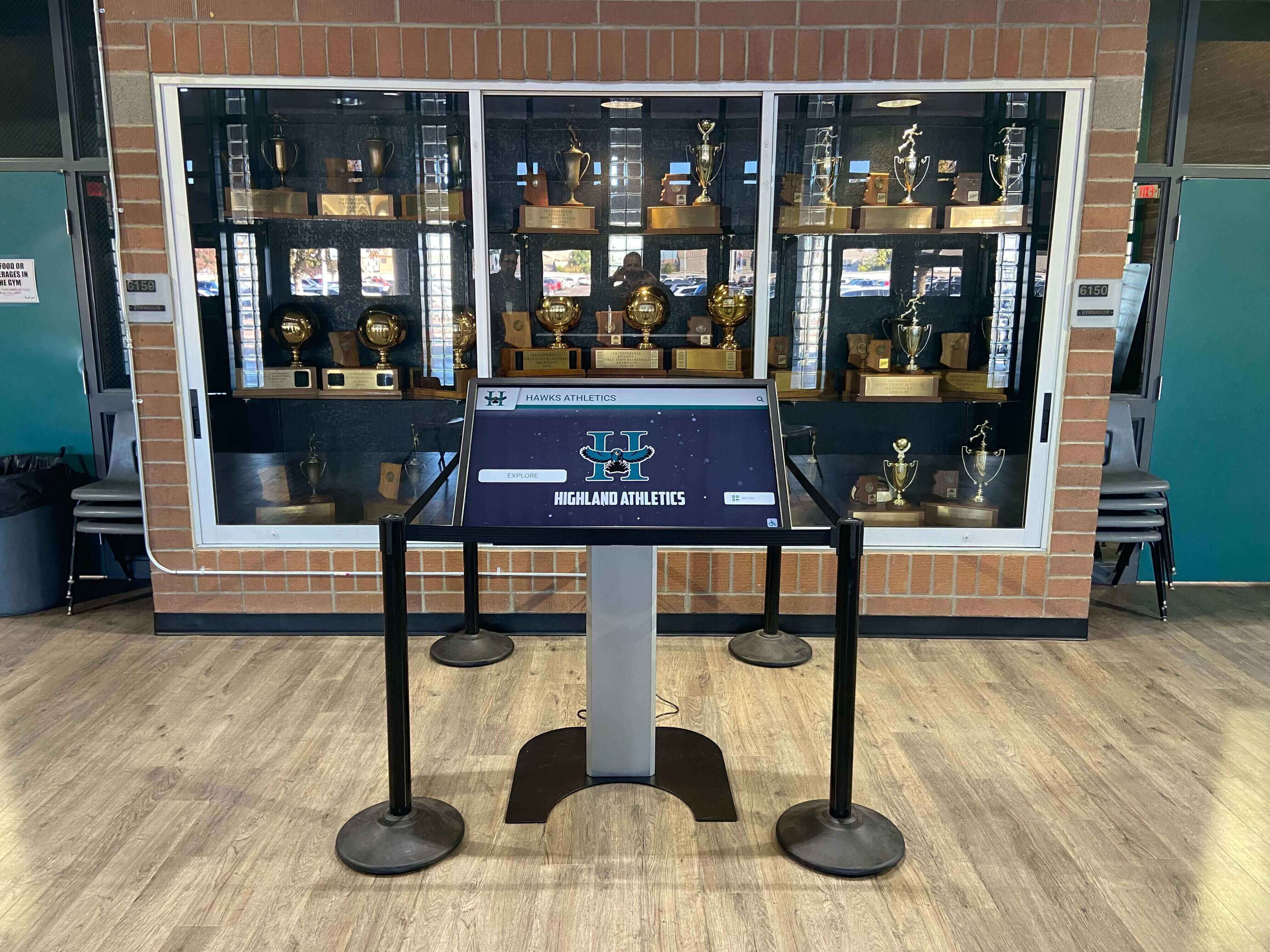
Comprehensive programs celebrate diverse athletic achievements including performance improvements
Injury Prevention Through Movement Quality
Reduced Injury Risk Factors
Proper speed agility training creates protective effects:
- Improved deceleration mechanics reducing ACL and ankle injury risk
- Enhanced body control preventing awkward positions causing injury
- Balanced strength development addressing muscular imbalances
- Movement pattern reinforcement establishing safe technique habits
- Proprioception improvement enabling rapid position adjustments
- Fatigue resistance maintaining form when tired athletes get injured
Research on sports injuries demonstrates that athletes with poor deceleration mechanics, limited body control during direction changes, and inadequate strength for controlling eccentric forces face significantly higher injury rates compared to athletes with well-developed movement capabilities.
Neuromuscular Training Benefits
Speed agility training develops neuromuscular qualities protecting athletes:
- Improved muscle activation patterns during rapid movements
- Enhanced reactive strength absorbing and redirecting forces
- Greater motor unit recruitment generating explosive power
- Faster stretch-shortening cycle efficiency in tendons and muscles
- Better intermuscular coordination timing multiple muscle group actions
- Increased neural drive improving force production speed
Many athletic programs integrate speed and agility recognition into comprehensive systems celebrating end-of-season achievements across multiple performance dimensions including physical development.
Developing Competitive Confidence
Psychological Benefits of Enhanced Speed and Agility
Physical capability improvements create mental advantages:
- Confidence in one-on-one situations trusting speed to create separation
- Aggressive defensive play knowing recovery speed compensates for risks
- Willingness to attack space understanding acceleration advantage
- Reduced anxiety about physical mismatches with opponents
- Greater enjoyment of competition experiencing enhanced capability
- Leadership credibility when teammates recognize superior athleticism
Athletes who experience measurable improvement in speed and agility testing demonstrate increased competitive confidence, more assertive playing styles, and greater willingness to attempt challenging plays requiring physical capability.
Essential Speed Training Drills for High School Athletes
Effective speed development requires systematic progression through fundamental drills building proper mechanics before advancing to complex variations.
Linear Speed Development Drills
A-March and A-Skip Foundation drills establishing proper sprint mechanics:
Execution:
- March forward with exaggerated knee lift to hip height
- Maintain tall posture with slight forward lean
- Drive knees straight up and down under hips
- Land on balls of feet directly under body
- Coordinate opposite arm and leg action
- Progress from march to skip maintaining technique
Coaching points:
- Toe pulled up toward shin (dorsiflexion) during knee lift
- Quick ground contact with minimal braking
- Arm drive from shoulder with 90-degree elbow angle
- Core engaged maintaining neutral spine position
- Eyes forward, not looking at ground
Benefits: Develops proper leg action mechanics, reinforces correct foot strike patterns, builds hip flexor strength, establishes coordination patterns transferring to sprinting.
Wall Drills for Sprint Mechanics Static exercises building powerful pushing mechanics:
Execution:
- Place hands on wall with body at 45-degree lean
- Maintain straight line from head through ankles
- Drive one knee to hip height while pushing opposite foot into ground
- Hold position feeling tension in glutes and hamstrings of pushing leg
- Switch legs explosively maintaining body alignment
- Perform 2-3 sets of 10-15 repetitions each leg
Coaching points:
- Keep hips high avoiding sagging at waist
- Push through entire foot, not just toes
- Maintain shoulder and core tension throughout
- Quick leg switches without pausing at top position
- Breathe rhythmically avoiding breath holding
Benefits: Builds pushing strength, reinforces forward lean mechanics, develops proper knee drive height, establishes powerful ground contact position.
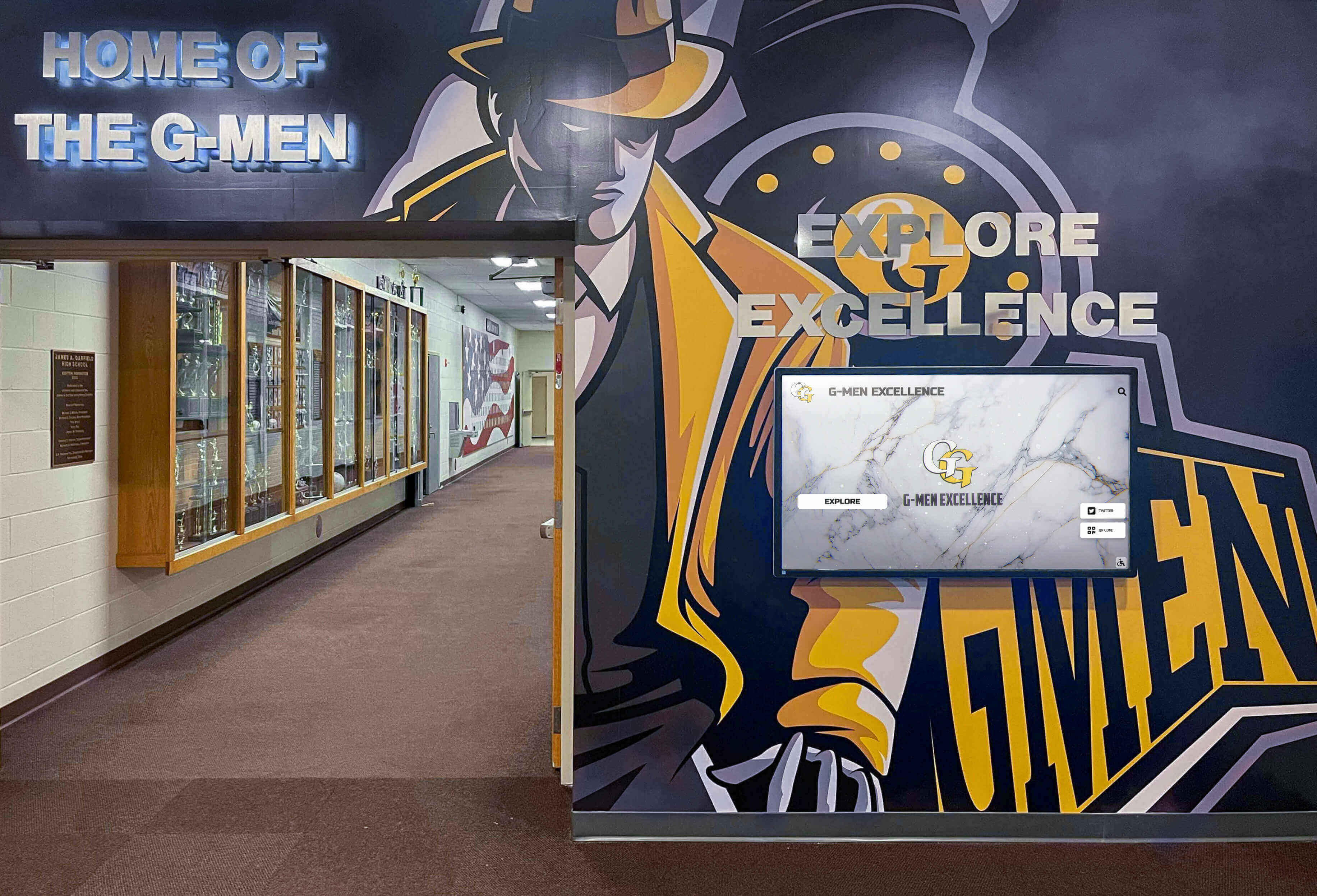
Athletic facilities showcase both current performance and historical achievements
Acceleration Technique Work
10-Yard Build-Up Sprints Progressive acceleration developing proper mechanics:
Execution:
- Start from athletic stance with slight forward lean
- Take first three steps short and choppy with powerful drive
- Gradually open stride length while maintaining frequency
- Reach upright sprint posture by 10-yard mark
- Emphasize ground force application rather than top speed
- Walk back recovery allowing complete restoration between reps
- Complete 6-8 repetitions with perfect technique focus
Distance progression:
- Week 1-2: 10-yard build-ups
- Week 3-4: 20-yard build-ups
- Week 5-6: 30-yard build-ups
- Week 7-8: 40-yard build-ups
Coaching points:
- Push ground backward and down creating forward propulsion
- Keep head stable avoiding excessive up and down motion
- Drive arms powerfully in sprint direction
- Gradually elevate torso as speed builds
- Full recovery between sprints maintaining quality
Partner Resisted Starts Overspeed resistance building explosive acceleration:
Execution:
- Partner holds towel around athlete’s waist from behind
- Athlete assumes sprint start position
- On command, athlete explodes forward against moderate resistance
- Partner provides enough resistance to challenge but not prevent movement
- Sprint 10-15 yards against resistance
- Complete 4-6 repetitions with full recovery
Variations:
- Sled pushes with appropriate weight loads
- Parachute resistance creating drag
- Partner manual resistance from various angles
- Uphill sprints using gradient resistance
- Resistance band acceleration work
Benefits: Develops explosive starting power, reinforces aggressive forward lean, builds specific acceleration strength, improves ground force application.
Maximum Velocity Development
Flying 20-Yard Sprints Top-end speed development through accelerated entry:
Execution:
- Accelerate through 20-30 yard build-up zone
- Enter timing zone at near-maximum velocity
- Maintain maximum speed through 20-yard fly zone
- Focus on relaxed speed rather than straining
- Record times tracking improvement over training cycle
- Complete 3-5 repetitions with 3-4 minute recovery
Coaching points:
- Relaxed shoulders and jaw during maximum speed
- Maintain sprint mechanics without overstriding
- Powerful arm action driving speed
- Quick ground contact time
- Smooth breathing pattern
Wicket Runs for Stride Pattern Spatial awareness developing optimal stride length:
Setup:
- Place small hurdles (6-12 inches) or markers at predetermined distances
- Spacing based on individual athlete stride length (typically 6-7 feet)
- Create 30-40 yard runway with 8-12 wickets
- Adjust spacing as athletes develop
Execution:
- Accelerate through approach hitting each wicket on appropriate foot
- Maintain sprint posture and mechanics
- Land between wickets avoiding contact
- Focus on rhythm and stride pattern consistency
Benefits: Develops optimal stride length, prevents overstriding, establishes rhythm, provides immediate technical feedback.
Programs implementing comprehensive performance development often recognize improvements through coaching recognition systems that celebrate both athlete achievement and coaching effectiveness.
Comprehensive Agility Training Drills
Agility development requires systematic progression from basic change of direction mechanics to reactive decision-making under pressure.
Fundamental Change of Direction Drills
Pro Agility Shuttle (5-10-5) Standard assessment drill developing lateral quickness:
Setup:
- Mark three lines 5 yards apart
- Start at middle line in athletic stance
- Place markers or cones at outside lines
Execution:
- Sprint 5 yards right, touch line with right hand
- Plant, redirect, sprint 10 yards left, touch line with left hand
- Plant, redirect, sprint 5 yards right through middle line
- Record time from start to finish through center
- Rest 90-120 seconds between attempts
- Complete 3-5 timed repetitions
Coaching points:
- Lower hips during deceleration phase
- Plant outside foot perpendicular to line
- Touch with outside hand avoiding reaching across body
- Explosive push-off from planted foot
- Maintain forward lean during acceleration phases
- Quick choppy steps approaching change of direction points
Variations:
- Change starting direction randomly
- Increase or decrease distances based on sport demands
- Add ball carry for sport-specific transfer
- Partner race creating competitive element
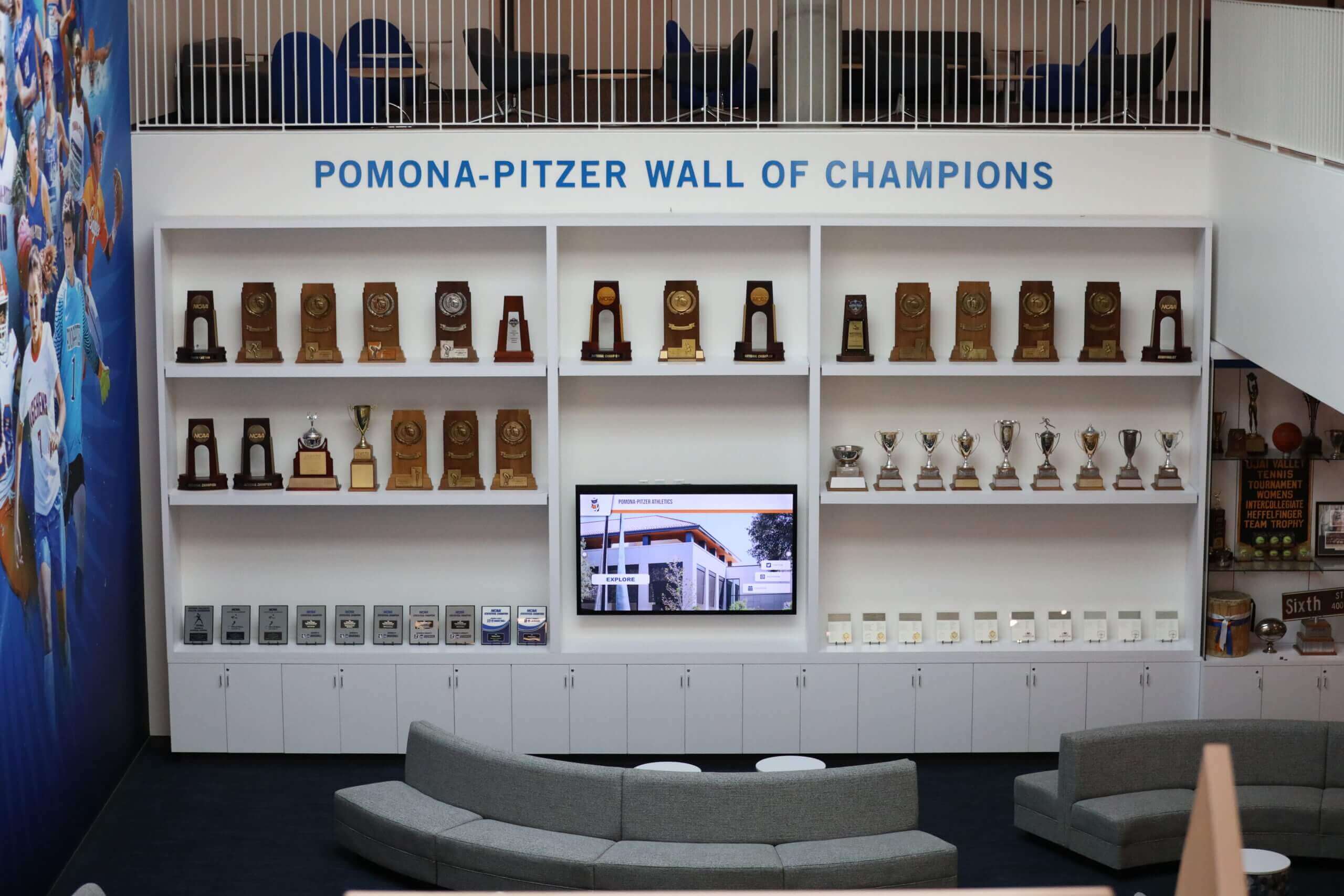
Successful programs celebrate competitive achievements alongside training dedication
L-Drill (Three-Cone Drill) Multi-directional movement combining acceleration, deceleration, and turning:
Setup:
- Place three cones in L-shape: Cone A, Cone B (5 yards from A), Cone C (5 yards perpendicular from B)
- Standard NFL Combine configuration
Execution:
- Start at Cone A in three-point stance
- Sprint to Cone B, touch line with right hand
- Return to Cone A, touch line with right hand
- Sprint through Cone B to Cone C
- Circle around Cone C counterclockwise
- Sprint back around Cone B clockwise
- Finish through Cone A at full speed
- Record total time for complete pattern
Coaching points:
- Tight turns around cones minimizing arc
- Maintain low center of gravity during turns
- Quick touches at reversal points
- Explosive acceleration out of each turn
- Body lean into direction changes
- Consistent foot pattern approaching cones
T-Drill for Multi-Directional Speed Forward, backward, and lateral movement integration:
Setup:
- Create T-shape with 4 cones: base cone, top cone 10 yards ahead, two side cones 5 yards each direction from top cone
Execution:
- Start at base cone
- Sprint forward 10 yards to top cone
- Shuffle left 5 yards to left cone, touch
- Shuffle right 10 yards to right cone, touch
- Shuffle left 5 yards back to center cone
- Backpedal 10 yards through starting cone
- Complete pattern without crossing feet during shuffles
Variations:
- Randomize direction commands (reactive version)
- Add ball handling for sport-specific demands
- Include acceleration sprint after completing pattern
- Partner mirror drill reacting to partner movements
Advanced Reactive Agility Drills
Mirror Drill Partner Reaction Reactive movement responding to visual stimulus:
Setup:
- Partners face each other 5-10 feet apart
- Define lateral movement boundaries (10-15 yards wide)
- Designate leader and follower
Execution:
- Leader performs random lateral movements, direction changes, and stops
- Follower attempts to mirror movements with minimal reaction delay
- Leader incorporates fakes, hesitations, and changes of pace
- Switch roles after 30-45 second intervals
- Complete 3-5 rounds per athlete
Coaching points:
- Follower maintains athletic stance ready to react
- Quick first step responding to movement initiation
- Eyes on leader’s hips, not eyes or shoulders
- Anticipate without guessing or cheating
- Maintain proper deceleration mechanics
Benefits: Develops visual processing speed, improves reaction time, builds sport-specific defensive movement patterns, creates competitive training environment.
Four-Corner Reaction Drill Multi-directional response to auditory or visual cues:
Setup:
- Place four cones in square 5-10 yards apart
- Assign each cone a number, color, or command
- Athlete starts in center of square
- Coach positioned where athlete can hear/see signals
Execution:
- Coach calls random cone designation
- Athlete sprints to designated cone, touches, returns to center
- Immediately reacts to next command
- Continue for 20-30 seconds per set
- Rest 60-90 seconds between sets
- Complete 4-6 total sets
Variations:
- Specific movement patterns to each cone (sprint, shuffle, backpedal)
- Sport-specific actions at each cone (fielding position, defensive slide)
- Sequential combinations (e.g., “1-3-4-2”)
- Partner version where athletes compete to cones first
Reaction Ball Drills Hand-eye coordination and unpredictable movement response:
Execution:
- Partner or coach throws reaction ball (multi-sided ball with unpredictable bounces) against wall
- Athlete positioned 10-15 feet from wall
- React to unpredictable bounce catching ball before second bounce
- Complete 10-15 repetitions
- Progress to shorter reaction distances
Benefits: Improves hand-eye coordination, develops rapid reaction capability, enhances focus and concentration, translates to sport-specific catching and fielding.
Sport-Specific Agility Applications
Basketball Defensive Slide Series Position-specific lateral movement patterns:
Execution:
- Defensive stance with low hips, wide base
- Slide laterally maintaining stance without crossing feet
- Quick direction changes on command or whistle
- Incorporate close-outs, sprints, and backpedals
- Add offensive player creating reactive elements
- 30-45 second work intervals
Soccer Cutting Patterns Football-specific direction change sequences:
Execution:
- Set up cone pattern simulating dribbling course
- Navigate course with ball at speed
- Sharp cuts at each cone with appropriate foot
- Inside and outside cuts with both feet
- Time trials tracking improvement
- Progress to defensive pressure
Football Route Running Position-specific acceleration and cutting:
Execution:
- Practice specific route trees (slant, out, curl, post)
- Explosive acceleration off line
- Sharp cuts at break points
- Separation techniques after direction change
- Full speed throughout routes
- Add quarterback throws for complete execution
Many successful programs integrate speed and agility achievements into school-wide recognition of athletic excellence, celebrating comprehensive athletic development.
Progressive Training Program Design
Effective speed agility training requires systematic progression respecting physiological adaptation principles while preventing overtraining in developing athletes.
Training Frequency and Volume Guidelines
Weekly Training Structure
Optimal frequency balancing development with recovery:
In-Season Training:
- 1-2 dedicated speed/agility sessions per week
- 15-20 minutes per session
- Emphasis on maintenance rather than development
- Reduced volume accommodating competitive demands
- Schedule 48+ hours before competitions
- Focus on quality rather than quantity
Off-Season Training:
- 2-3 dedicated sessions per week
- 30-45 minutes per session
- Progressive volume increases over training cycle
- Systematic variation preventing plateaus
- Adequate recovery between sessions (48-72 hours)
- Integration with strength training programming
Volume Recommendations by Training Phase
General Preparation Phase (Weeks 1-4):
- High volume, moderate intensity
- Emphasis on technique development
- 8-12 total drills per session
- 4-6 repetitions per drill
- Longer rest periods ensuring quality
Specific Preparation Phase (Weeks 5-8):
- Moderate volume, high intensity
- Sport-specific movement patterns
- 6-10 total drills per session
- 3-5 repetitions per drill
- Complete recovery between high-intensity efforts
Competition Phase (Weeks 9-12):
- Low volume, maximum intensity
- Highly specific to sport demands
- 4-6 total drills per session
- 2-3 maximum quality repetitions
- Perfect execution focus
Progression Strategies for High School Athletes
Technical Progression Model
Systematic advancement through skill levels:
Level 1 - Movement Pattern Development (Weeks 1-2):
- Slow execution establishing correct technique
- Coach feedback on every repetition
- No timing or competition pressure
- Perfect repetition standard before advancement
- Walking through complex patterns
Level 2 - Tempo Increase (Weeks 3-4):
- 50-75% maximum speed execution
- Maintaining technical quality at moderate speed
- Beginning to develop kinesthetic awareness
- Self-correction of obvious technical errors
- Jogging through patterns
Level 3 - Near-Maximum Execution (Weeks 5-6):
- 85-95% maximum effort
- Technical quality maintained under fatigue
- Introducing timing and measurement
- Competitive elements with partners
- Running through patterns
Level 4 - Maximum Performance (Weeks 7-8):
- 100% maximum effort and intensity
- Competition simulation conditions
- Regular testing and performance tracking
- Sport-specific integration
- Game-speed execution
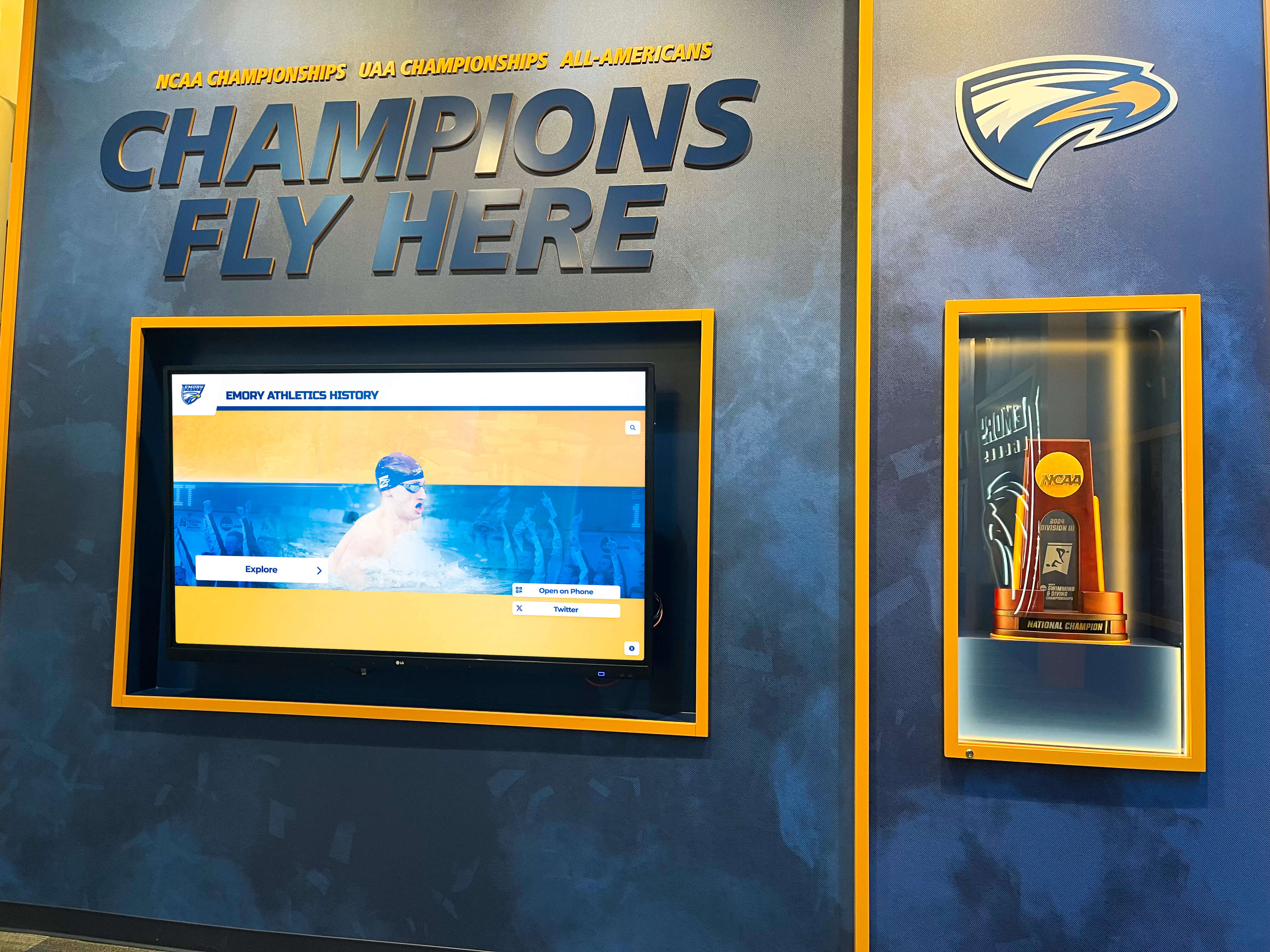
Recognition systems celebrate progressive improvement alongside championship achievements
Complexity Progression
Movement pattern advancement from simple to complex:
Simple (Foundational):
- Single-direction movements
- Predetermined patterns
- No decision-making required
- Clear start and finish points
- No external stimuli
Moderate (Developmental):
- Two-direction combinations
- Basic decision points
- Simple reactive elements
- Sport-related movements
- Visual or auditory cues
Complex (Advanced):
- Multi-directional sequences
- Multiple decision points
- Unpredictable reactive demands
- Sport-specific integration
- Cognitive load under fatigue
Load Progression for Resistance Training
When incorporating resistance in speed training:
Weeks 1-2: Bodyweight only
- Technical mastery priority
- Movement pattern establishment
- No external resistance
Weeks 3-4: Minimal resistance (5-10% reduction in unloaded speed)
- Light sleds, bands, or partner resistance
- Maintaining technical quality
- Introducing load gradually
Weeks 5-6: Moderate resistance (10-15% reduction in unloaded speed)
- Progressive load increases
- Strength-speed emphasis
- Shorter distance work
Weeks 7-8: Contrast training (heavy-light combinations)
- Heavy resistance followed by unloaded sprints
- Post-activation potentiation effects
- Experienced athletes only
Rest and Recovery Principles
Inter-Set Recovery Guidelines
Speed and agility training requires near-complete recovery between repetitions maintaining quality:
Short sprints (10-20 yards):
- 45-60 seconds recovery
- Walk-back between repetitions
- Heart rate below 120 bpm before next rep
Medium sprints (30-50 yards):
- 90-120 seconds recovery
- Active recovery (light walking)
- Breathing normalized before continuing
Long sprints (60+ yards):
- 2-4 minutes recovery
- Complete rest or very light activity
- Full CNS recovery critical
Agility drills (10-30 seconds):
- 1:3 to 1:5 work-to-rest ratio
- 90-180 seconds between sets
- Quality maintenance priority
High-intensity reactive drills:
- 2-3 minutes between sets
- Adequate recovery preventing fatigue-related technique breakdown
- Mental reset before each effort
Session Spacing Recommendations
Minimum recovery between speed/agility sessions:
- 48 hours for moderate intensity work
- 72 hours for maximum intensity sessions
- 24 hours minimum before technical practice
- 48-72 hours before competitions
Integration with other training:
- Speed/agility on same day as lower body strength (speed first)
- Separate from high-volume running or conditioning
- Schedule earlier in week relative to weekend competitions
- Reduce volume during tournament or playoff periods
Testing and Assessment Protocols
Systematic measurement demonstrates training effectiveness while identifying specific areas requiring additional emphasis.
Essential Speed and Agility Tests
10-Yard Sprint Test Acceleration and first-step quickness assessment:
Protocol:
- Electronic timing gates or hand-held stopwatches
- Start from athletic stance 1 foot behind starting line
- Sprint maximally through 10-yard finish
- Record best of 2-3 trials
- 3-4 minute rest between trials
Normative data for high school athletes:
- Elite: < 1.60 seconds
- Above average: 1.60-1.75 seconds
- Average: 1.76-1.90 seconds
- Below average: > 1.90 seconds
40-Yard Dash Standard acceleration and speed assessment:
Protocol:
- Start from three-point stance or standing start
- Sprint maximally through 40-yard line
- Record splits at 10, 20, 30, and 40 yards when possible
- Best of 2-3 trials separated by adequate rest
- Consistent surface and conditions across testing sessions
High school athlete benchmarks:
- Skill position athletes: 4.4-4.8 seconds
- Mid-size athletes: 4.8-5.2 seconds
- Linemen/larger athletes: 5.2-5.6 seconds
- Sport and position-specific standards vary significantly
Pro Agility Shuttle (5-10-5) Change of direction and lateral quickness:
Protocol:
- Start straddling center line
- Sprint 5 yards right, touch line
- Sprint 10 yards left, touch line
- Sprint 5 yards right through center finish
- Record best of 2-3 trials
- 2-3 minute recovery between attempts
High school norms:
- Elite agility: < 4.20 seconds
- Above average: 4.20-4.50 seconds
- Average: 4.51-4.80 seconds
- Below average: > 4.80 seconds
L-Drill (Three-Cone Drill) Multi-directional agility and body control:
Protocol:
- Follow standard three-cone pattern
- Time from start to finish
- Best of 2-3 trials
- Adequate recovery between attempts
- Consistent cone placement and surface
Assessment categories:
- Excellent: < 6.80 seconds
- Good: 6.80-7.20 seconds
- Average: 7.21-7.60 seconds
- Needs improvement: > 7.60 seconds
Creating Baseline and Progress Testing Schedule
Comprehensive Assessment Battery
Complete testing session structure:
Session 1 - Linear Speed:
- 10-yard sprint
- 40-yard dash with splits
- Flying 20-yard sprint
- Adequate warm-up and recovery
Session 2 - Agility and Change of Direction (48-72 hours after Session 1):
- Pro agility shuttle
- L-drill (three-cone)
- T-test
- Sport-specific agility assessment
Annual Testing Calendar
Strategic timing capturing training effects:
Baseline Testing (Pre-Season or Early Off-Season):
- Establishes starting point for training cycle
- Identifies individual strengths and weaknesses
- Informs program design and emphasis areas
- Creates athlete buy-in through measurement
Mid-Cycle Assessment (6-8 weeks into training):
- Monitors training response and adaptation
- Identifies necessary program adjustments
- Maintains motivation through visible improvement
- Validates training approach effectiveness
Post-Training Assessment (End of off-season or pre-competition):
- Demonstrates training program effectiveness
- Celebrates individual and team improvements
- Provides recruiting and recognition data
- Establishes new baseline for next cycle
In-Season Monitoring (Optional):
- Brief assessments maintaining capabilities
- Identifies detraining requiring intervention
- Minimal volume avoiding interference with competition
Many successful programs incorporate performance data into recognition systems celebrating athletic achievement, showcasing improvement alongside competitive accomplishments.
Interpreting Results and Setting Goals
Individual Athlete Analysis
Using assessment data effectively:
Strength Identification:
- Tests where athletes perform above team or position averages
- Capabilities leverageable in competitive situations
- Confidence-building positive feedback
- Foundation for advanced training progressions
Weakness Targeting:
- Tests revealing below-average performance
- Injury risk factors requiring correction
- Specific drill emphasis for subsequent training
- Individual supplement work addressing deficiencies
Progress Tracking:
- Comparison to previous testing sessions
- Percentage improvement calculations
- Rank changes within team or position group
- Motivation through measurable advancement
Team-Wide Trend Analysis
Program-level insights from aggregate data:
Training Effectiveness:
- Average improvement across all athletes
- Consistency of results versus scattered outcomes
- Validation of training approach
- Areas requiring program adjustment
Position Group Comparisons:
- Sport-appropriate performance by position
- Specialized needs identification
- Position-specific training design
- Recruiting benchmarks establishment
Goal-Setting Framework
SMART goals based on assessment results:
Specific: “Improve 10-yard sprint time” rather than “get faster” Measurable: Defined numerical targets (e.g., 1.75 seconds in 10-yard sprint) Achievable: Realistic improvement ranges (typically 3-10% over 8-12 week cycle) Relevant: Sport and position-specific performance needs Time-bound: Specific target date for goal achievement
Individual goal examples:
- Reduce 40-yard dash time from 5.2 to 5.0 seconds by June 1
- Improve pro agility shuttle to under 4.4 seconds before season start
- Increase flying 20-yard sprint velocity by 5% in 8-week training block
Warm-Up and Injury Prevention Strategies
Proper preparation maximizes training effectiveness while dramatically reducing injury risk during high-intensity speed and agility work.
Dynamic Warm-Up Protocols
Progressive Warm-Up Structure
Systematic preparation sequence:
Phase 1 - General Cardiovascular Warm-Up (5 minutes):
- Light jogging or cycling
- Gradual heart rate elevation
- Tissue temperature increase
- Mental preparation for training
- 50-60% maximum heart rate target
Phase 2 - Dynamic Flexibility (8-10 minutes):
- Walking leg swings (forward, lateral)
- Walking lunges with rotation
- High knees and butt kicks
- Frankenstein walks (straight leg march)
- Lateral lunges and carioca
- Spiderman stretches
- Inchworms
- Leg cradles and quadricep stretches
- 10-15 yards each movement
Phase 3 - Movement Preparation (5-7 minutes):
- A-skip and B-skip progressions
- Power skips for height and distance
- Straight-leg bounds
- Acceleration build-ups (50-75% speed)
- Sport-specific movement patterns
- Increasing intensity approaching training speed
Phase 4 - Activation and Potentiation (3-5 minutes):
- Medicine ball throws
- Broad jumps or vertical jumps
- Short sprint accelerations (90-95%)
- Reactive movements
- Neural activation for explosive work
Total warm-up duration: 20-25 minutes before high-intensity speed/agility training
Sport-Specific Warm-Up Variations
Basketball-specific additions:
- Defensive slides and close-outs
- Jump stops and pivots
- Direction changes with ball handling
- Vertical jump progressions
Soccer-specific elements:
- Ball manipulation with direction changes
- Shooting movements
- Cutting patterns with ball
- Goalkeeper-specific movements
Football position-specific:
- Stance work and starts
- Position-appropriate footwork patterns
- Route running or defensive backpedals
- Blocking and shedding movements
Injury Prevention Considerations
Common Speed/Agility Training Injuries
Primary injury risks and prevention:
Hamstring strains:
- Most common sprint-related injury
- Prevention: progressive sprint volume, eccentric strengthening, proper warm-up
- Risk factors: previous injury, inadequate flexibility, muscle imbalances
Ankle sprains:
- Frequent during cutting and direction changes
- Prevention: ankle strengthening, balance training, proper footwear
- Risk factors: previous sprains, inadequate rehabilitation, fatigue
ACL injuries:
- Serious risk during deceleration and cutting
- Prevention: proper deceleration mechanics, strength training, neuromuscular control
- Risk factors: poor movement patterns, muscle weakness, female athletes (anatomical)
Groin strains:
- Common in lateral movement and acceleration
- Prevention: hip strengthening, gradual lateral work progression, adequate warm-up
- Risk factors: inadequate range of motion, previous injury, rapid direction changes
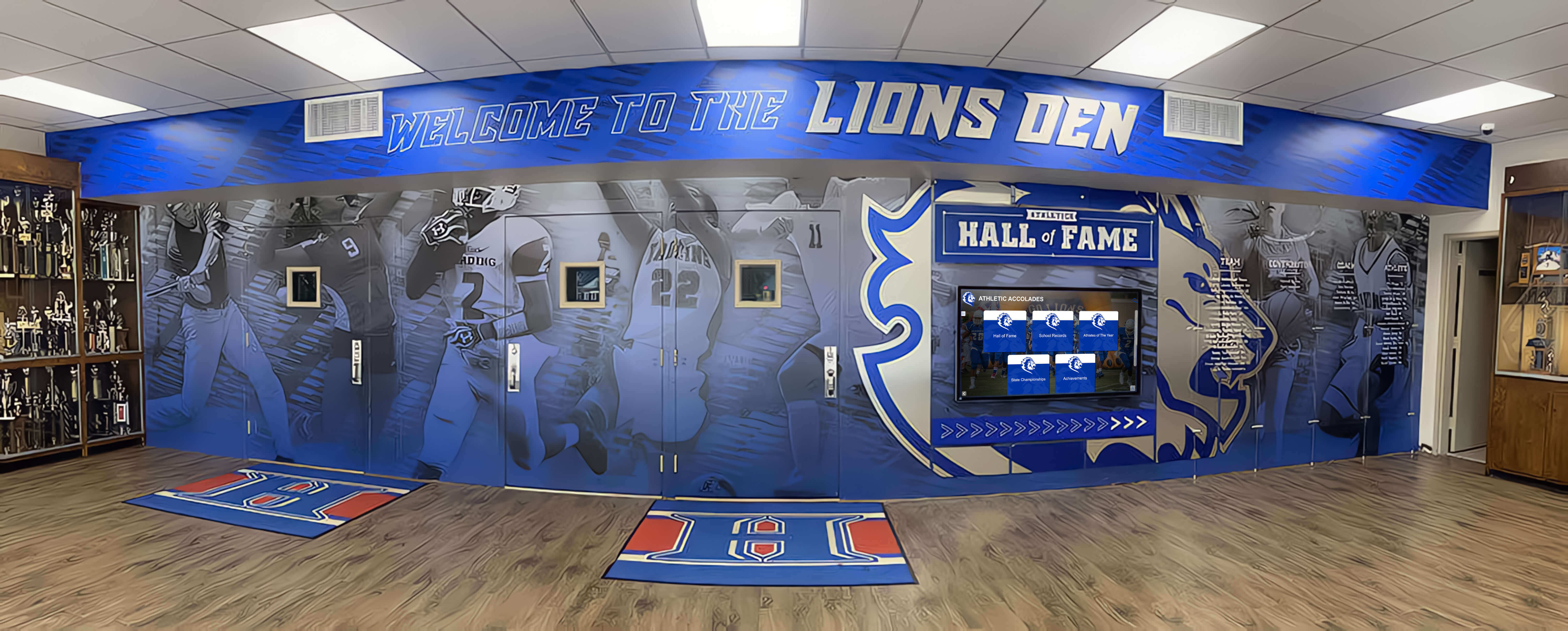
Comprehensive programs recognize complete athlete development including dedication to training
Technique Emphasis for Safety
Movement quality standards preventing injury:
Deceleration mechanics:
- Lower hips and widen base approaching direction change
- Multiple short steps rather than single extreme plant
- Control eccentric forces through proper strength
- Avoid upright posture during deceleration
- Plant foot perpendicular to direction change
Landing technique:
- Land softly absorbing force through full kinetic chain
- Avoid excessive knee valgus (knees caving inward)
- Hip and knee alignment over toes
- Immediate stabilization after ground contact
- Progress from bilateral to unilateral landings
Cutting fundamentals:
- Plant outside foot when cutting
- Lean entire body into cut direction
- Quick ground contact minimizing force absorption duration
- Re-accelerate explosively out of cut
- Avoid reaching or overstriding
Progressive Volume Management
Safe training advancement for developing athletes:
Week-to-week increases:
- Maximum 10% volume increase weekly
- Monitor individual athlete responses
- Reduce progression if soreness persists 48+ hours
- Seasonal athletes require gradual reintroduction
- Track cumulative training load
Signs of excessive volume:
- Performance decline on standard drills
- Persistent muscle soreness
- Movement quality deterioration
- Elevated resting heart rate
- Mood changes or irritability
- Decreased motivation for training
Response to overtraining indicators:
- Immediate volume reduction (40-50% decrease)
- Additional recovery day insertion
- Technical work replacing high-intensity efforts
- Medical evaluation if symptoms persist
- Gradual return following recovery
Integration with Strength and Conditioning Programs
Speed agility training delivers optimal results when coordinated with comprehensive athletic development programs.
Complementary Strength Training
Essential Strength Qualities Supporting Speed and Agility
Maximum strength foundation:
- Squats, deadlifts, and single-leg variations
- Hip-dominant movement patterns
- Upper body strength for arm drive mechanics
- Core strength for power transfer
- General strength base enabling explosive work
Explosive power development:
- Olympic lifting variations (cleans, snatches)
- Medicine ball throws for upper body power
- Plyometric progressions
- Loaded jumps and bounds
- Rate of force development emphasis
Reactive strength:
- Depth jumps and altitude landings
- Repeated hurdle hops
- Bounding variations
- Short-contact plyometrics
- Stretch-shortening cycle efficiency
Weekly Schedule Integration
Sample training week combining speed and strength:
Monday:
- Maximum strength lower body (squats, deadlifts)
- Speed training: Linear acceleration work
- Total session: 60-75 minutes
Tuesday:
- Upper body strength
- Low-intensity conditioning or regeneration
- Total session: 45-60 minutes
Wednesday:
- Explosive power (Olympic lifts, plyometrics)
- Agility training: Change of direction drills
- Total session: 60-75 minutes
Thursday:
- Active recovery, mobility, core work
- Sport-specific skill work (low intensity)
- Total session: 30-45 minutes
Friday:
- Maintenance strength or power (reduced volume)
- Speed training: Maximum velocity work
- Total session: 45-60 minutes
Saturday/Sunday:
- Competition or rest
- Light regeneration if needed
Key principles:
- Speed work before strength when combined
- High-intensity nervous system work early in week
- Adequate recovery before competitions
- Individual adjustments based on sport demands
Energy System Development
Conditioning Appropriate for Speed Athletes
Speed and agility training taxes specific energy systems requiring targeted conditioning:
Phosphagen system (0-10 seconds):
- Primary system for maximum speed and agility efforts
- Trained through actual speed and agility drills
- Complete recovery between efforts essential
- Cannot be trained through traditional “conditioning”
Glycolytic system (10-90 seconds):
- Supports repeated sprint sports
- Trained through interval work with incomplete recovery
- Sport-specific distances and work-to-rest ratios
- Examples: 200-400m repeats, shuttle runs, repeated sprints
Aerobic system (90+ seconds):
- Foundation supporting recovery between efforts
- Trained through longer continuous or interval work
- Essential base but avoid excessive interference
- Examples: tempo runs, longer intervals, steady-state cardio
Concurrent Training Considerations
Avoiding interference effects:
Separation principles:
- Minimum 6-8 hours between high-intensity speed and endurance sessions
- Speed sessions in morning, conditioning in afternoon when necessary
- Prioritize speed development during key training phases
- Reduce endurance volume during intensive speed blocks
Managing fatigue:
- Monitor soreness and performance quality
- Adjust volume when speed/agility quality declines
- Strategic deload weeks every 3-4 weeks
- Individual recovery capacity differences
Many comprehensive athletic programs integrate performance training with broader athletic development initiatives recognizing complete student-athlete excellence.
Nutrition and Hydration for Speed Performance
Proper fueling strategies maximize training adaptations while supporting recovery and subsequent performance.
Pre-Training Nutrition
Meal Timing and Composition
Optimal pre-training fueling:
2-3 hours before training (full meal):
- Moderate carbohydrate (1-2g per kg bodyweight)
- Lean protein (20-30g)
- Low fat and fiber (easier digestion)
- Example: Grilled chicken, rice, steamed vegetables
30-60 minutes before training (snack):
- Easily digestible carbohydrates
- Minimal protein, fat, or fiber
- 30-50g carbohydrate
- Example: Banana, sports drink, toast with honey
Training on empty stomach:
- Generally not recommended for high-intensity speed work
- Reduced performance quality and intensity
- Acceptable for low-intensity technique sessions
- Individual tolerance varies
Hydration Strategies
Fluid Intake Guidelines
Proper hydration supporting performance:
Pre-training hydration:
- 16-20 oz fluid 2-3 hours before training
- 8-10 oz fluid 15-20 minutes before training
- Pale yellow urine color indicates adequate hydration
- Avoid excessive fluid immediately before causing stomach discomfort
During training hydration:
- 6-8 oz every 15-20 minutes during session
- Sports drinks for sessions exceeding 60 minutes
- Electrolyte replacement in hot environments
- Individual sweat rate consideration
Post-training rehydration:
- 16-24 oz per pound of weight lost during session
- Replacement within 2-3 hours after training
- Sodium-containing fluids enhance retention
- Monitor urine color returning to pale yellow
Environmental considerations:
- Increase intake in hot/humid conditions
- Acclimatization period for heat adaptation
- Scheduling modifications in extreme temperatures
- Individual sweat rate assessment
Recovery Nutrition
Post-Training Fueling
Optimal recovery nutrition timing and composition:
Immediate post-training (within 30 minutes):
- 15-25g protein for muscle recovery
- 30-50g carbohydrate for glycogen replenishment
- Example: Chocolate milk, protein shake with fruit
- Liquid form for rapid absorption and convenience
Full recovery meal (within 2 hours):
- Balanced macronutrient distribution
- 25-40g protein
- 50-80g carbohydrate
- Moderate healthy fats
- Example: Turkey sandwich, fruit, nuts
Sleep and overnight recovery:
- Casein protein before bed (slow-digesting)
- Supports overnight muscle protein synthesis
- 20-30g protein from cottage cheese, Greek yogurt
- Adequate total daily nutrition matters most
Recognition and Motivation Strategies
Systematic recognition of speed and agility improvement maintains athlete engagement throughout demanding training cycles.
Performance Tracking and Celebration
Creating Visible Progress Systems
Athletes maintain dedication when improvement becomes tangible:
Individual progress charts:
- Personal record boards tracking test results over time
- Visual graphs showing improvement trajectories
- Comparison to previous seasons or training cycles
- Position or team rankings when appropriate
- Percentage improvement calculations highlighting gains
Team performance boards:
- Aggregate team improvements across testing battery
- Position group averages and comparisons
- Record boards for each test
- Historical program benchmarks
- Team goals and progress toward targets
Digital recognition platforms:
- Modern solutions showcasing athletic development achievements
- Individual athlete profiles featuring performance data
- Searchable historical records across program history
- Social media sharing of accomplishments
- Mobile access enabling family viewing
- Integration with broader recognition initiatives
Award and Recognition Categories
Celebrating diverse achievements maintaining broad engagement:
Most improved speed:
- Largest absolute or percentage improvement in sprint tests
- Acknowledges athletes starting from lower baselines
- Emphasizes dedication and training response
- Separated by position or size categories when appropriate
Top agility performer:
- Best combined performance across agility test battery
- Recognition of change of direction excellence
- Typically position-specific (appropriate movements vary by position)
- Seasonal or annual designation
Iron person award:
- Perfect attendance and maximum effort throughout training cycle
- Recognition of consistency and dedication
- Character and work ethic emphasis
- Motivates committed training participation
Biggest jumper:
- Greatest improvement in vertical or broad jump
- Power development recognition
- Often correlates with speed improvements
- Visible, exciting testing measurement
Training champion:
- Overall excellence across complete testing battery
- Balanced athlete development
- Most prestigious performance designation
- Often correlates with on-field success
Programs implementing comprehensive recognition find that celebrating diverse athletic achievements creates inclusive cultures where all athletes feel valued for their contributions and improvement.
Maintaining Long-Term Engagement
Periodization Preventing Monotony
Training variety sustaining motivation:
Phase-based emphasis changes:
- Rotate between speed, agility, and power emphasis
- Introduce new drills maintaining novelty
- Varied testing creating diverse goals
- Seasonal adjustments preventing boredom
- Progressive complexity maintaining challenge
Competition and gamification:
- Partner races and timed competitions
- Team relay formats
- Point systems rewarding performance and improvement
- Leaderboards creating friendly competition
- Reward systems for achievement milestones
External motivation:
- Guest coaches or athletes sharing experiences
- Video analysis showing elite athlete technique
- College recruitment connection emphasizing physical development importance
- Professional athlete examples from same sport
- Success stories from former program athletes
Building Performance Culture
Creating environment valuing athletic development:
Leadership involvement:
- Coaches participating in appropriate drills
- Administrator attendance at testing sessions
- Public recognition during team meetings
- Social media celebration of achievements
- Integration into program identity
Peer support:
- Team encouragement during difficult sets
- Positive reinforcement of effort and improvement
- Veteran athletes mentoring younger teammates
- Elimination of negative comparison or criticism
- Collective celebration of individual achievements
Family engagement:
- Sharing testing results with parents
- Inviting families to testing sessions
- Explaining training purpose and methodology
- Home exercise recommendations
- Recognition events celebrating development
Programs demonstrating comprehensive commitment to athletic development, including recognition of improvement beyond competitive outcomes, build cultures where athletes embrace demanding physical training as pathway to excellence. Modern digital recognition technologies enable permanent visibility of these achievements, ensuring dedicated training effort receives lasting acknowledgment alongside competitive accomplishments.
Conclusion: Building Speed and Agility for Athletic Excellence
Speed and agility represent trainable qualities that dramatically enhance athletic performance across virtually every competitive sport. High school athletes who commit to systematic speed agility training develop explosive acceleration, sharp direction change capability, and reactive quickness that create measurable competitive advantages while reducing injury risk through improved movement quality and body control.
The comprehensive training strategies explored throughout this guide provide practical frameworks coaches can implement immediately—from fundamental technique drills establishing proper mechanics to progressive programs safely building explosive power, sport-specific applications transferring training to competition, and assessment protocols demonstrating training effectiveness. Whether working with experienced athletes or beginners, these evidence-based approaches deliver results when applied consistently with appropriate progression and adequate recovery.
Effective speed agility training extends beyond isolated drill work. The most successful programs integrate speed development with comprehensive strength training, appropriate conditioning, proper nutrition and hydration, systematic assessment tracking improvement, and recognition systems celebrating achievement. This holistic approach creates training cultures where athletes embrace demanding physical development work understanding its direct connection to competitive success and long-term athletic potential.
High school represents the optimal developmental window for speed and agility enhancement. Athletes possess the physical maturity to handle intensive training while maintaining neurological plasticity enabling rapid motor learning. Programs investing focused effort into systematic speed development during these critical years create lasting physical capabilities athletes carry throughout their athletic careers while establishing work ethic and training habits supporting lifelong fitness and performance.
Start with foundational drills appropriate to current athlete capabilities, emphasizing technical quality over intensity or volume. Progressively advance complexity, speed, and load as movement patterns solidify. Test regularly demonstrating improvement that maintains motivation. Celebrate achievements recognizing dedication to development. Your athletes’ commitment to systematic speed agility training will translate directly to enhanced competitive performance, reduced injury risk, and the physical capabilities enabling athletic excellence.
Your athletes deserve comprehensive athletic development programs addressing all performance factors, not just sport-specific skills. When speed and agility training receives systematic attention with progressive programming, proper technique emphasis, adequate recovery, and meaningful recognition of improvement, you create complete athletes prepared to compete at their highest potential while developing capabilities serving them throughout their athletic journeys.
Ready to create comprehensive recognition celebrating both competitive achievements and athletic development like speed and agility improvement? Discover how Rocket Alumni Solutions helps schools build interactive digital recognition displays showcasing complete athletic excellence—from championship victories to individual performance records—creating inspiring environments that motivate current athletes while preserving program history for future generations.
Sources: