Soccer coaches face a unique recognition challenge that spans skill levels and age groups. From recreational youth leagues where participation matters most to competitive varsity programs where championships are at stake, soccer demands recognition systems that honor diverse contributions. But how do you create soccer awards ideas that motivate a 7-year-old discovering the sport while also inspiring a high school senior competing for college scholarships?
Many programs default to generic “MVP” and “Most Improved” trophies that leave the majority of players feeling overlooked. Meanwhile, opportunities to recognize the defender organizing the backline, the midfielder working tirelessly box-to-box, the player demonstrating exceptional sportsmanship, or the teammate whose positive energy elevates everyone around them go unrealized.
This guide presents comprehensive soccer awards ideas tailored for youth recreation leagues, competitive club programs, and high school varsity teams—ensuring every player receives meaningful recognition for their unique contribution to team success.
Soccer programs at every level benefit from thoughtful recognition that celebrates both competitive achievement and character development. Well-designed award systems reinforce values, build inclusive team cultures, and create lasting memories that keep players engaged with the sport.
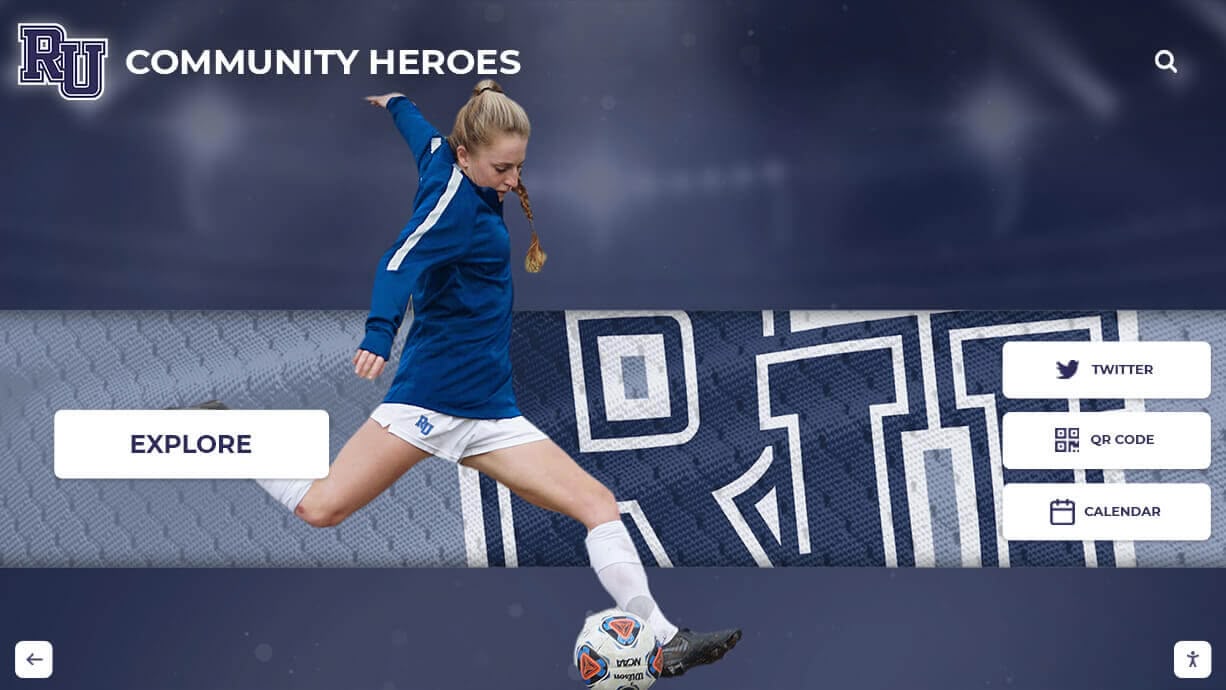
Digital recognition displays preserve soccer achievements across all competitive levels and age groups
Why Soccer Recognition Matters Across All Levels
Understanding the developmental and motivational needs of soccer players at different stages helps programs design awards that genuinely impact participation and performance.
Youth Soccer: Building Lifelong Participation
Youth soccer recognition focuses primarily on participation encouragement and skill development rather than competitive outcomes:
Participation and Effort Recognition
- Attendance and practice commitment acknowledgment
- Skill development progress celebration
- Teamwork and cooperation emphasis
- Positive attitude and sportsmanship
- Fun and enjoyment focus
Age-Appropriate Awards Youth programs typically serve players ages 4-12 with varying developmental needs:
- Recreational leagues prioritize participation awards ensuring every player receives recognition
- Competitive youth clubs begin introducing performance-based awards alongside character recognition
- Older youth divisions (U11-U12) can incorporate position-specific acknowledgment
- Award presentations should be fun, inclusive, and age-appropriate
- Physical awards matter tremendously to young players creating tangible memories
Research on youth sports participation demonstrates that positive recognition experiences between ages 6-12 significantly predict continued sport participation through adolescence. Players who feel valued regardless of performance level show higher retention rates and greater long-term athletic development.
High School Soccer: Balancing Competition and Development
Varsity programs require recognition systems acknowledging competitive excellence while maintaining inclusive team cultures:
Performance Recognition Needs
- Statistical achievement in goals, assists, and defensive metrics
- Championship and tournament success acknowledgment
- All-conference and all-state honors celebration
- College recruitment milestone recognition
- School record achievements
Character and Leadership Focus High school remains critical for character development:
- Academic achievement alongside athletic success
- Leadership and mentorship of younger players
- Sportsmanship and competitive integrity
- Community service and school representation
- Work ethic and training commitment
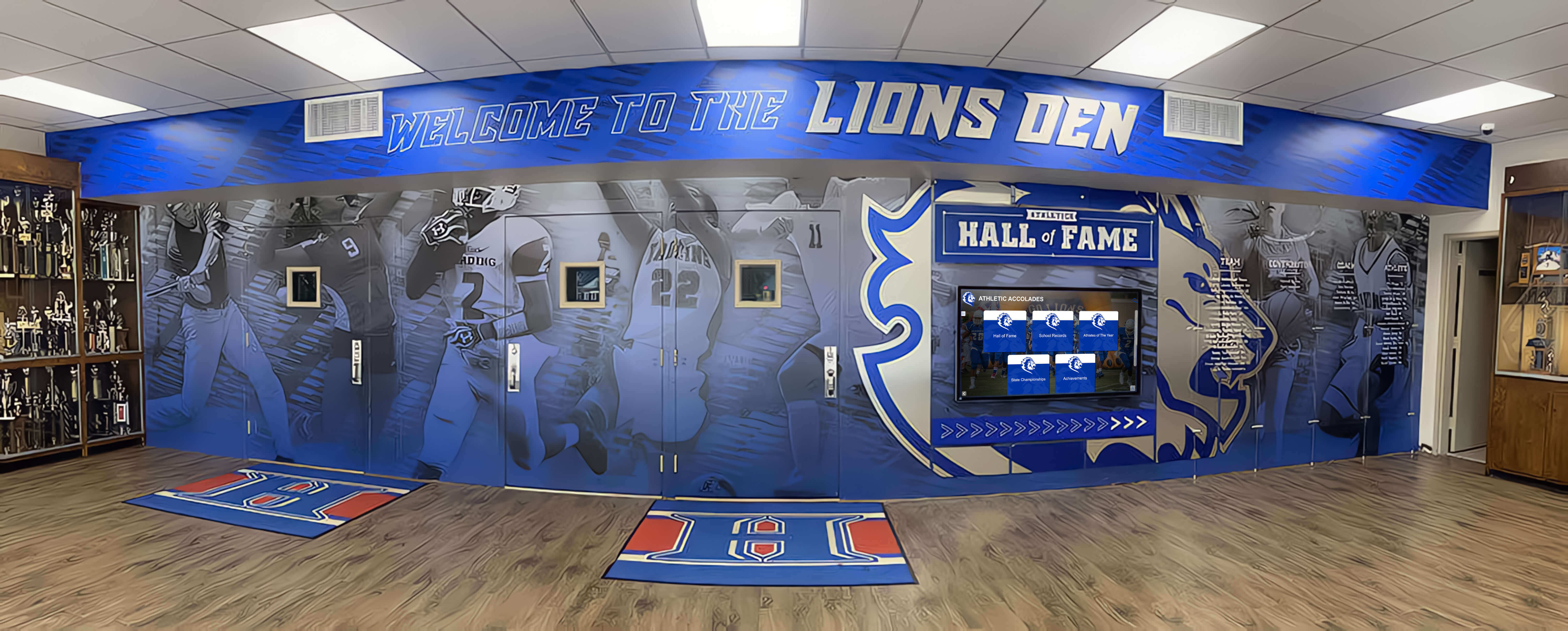
Comprehensive recognition spaces showcase achievements across all soccer program levels
Club Soccer: Competitive Excellence and Player Development
Elite club programs emphasize both individual technical development and team success:
Technical Development Recognition
- Skill progression in technical execution
- Tactical understanding improvement
- Position-specific mastery
- Training consistency and commitment
- Coachability and feedback implementation
Team Contribution Awards Club soccer balances individual development with team needs:
- Versatility in playing multiple positions
- Reliability in crucial match situations
- Team-first attitude prioritizing collective success
- Leadership within competitive environments
- Commitment through demanding training schedules
Many successful soccer programs implement digital recognition displays that preserve achievements across multiple seasons and age groups.
Youth Soccer Awards Ideas (Ages 4-12)
Youth soccer recognition should emphasize fun, participation, and skill development while keeping awards age-appropriate and inclusive.
Recreational Youth Soccer Awards
Recreational leagues prioritize broad participation and positive experiences:
Participation Awards for All Players
- Season Completion Certificate recognizing full participation
- Team Player Award celebrating cooperation and teamwork
- Sportsmanship Trophy honoring respect and positive conduct
- Most Enthusiastic Player recognizing energy and joy
- Coach’s Award allowing coaches to acknowledge special qualities
Selection Approach: Most youth recreational programs provide recognition to every player, with coaches selecting 1-2 special awards per team based on observed qualities throughout the season. Ceremonies should be brief, fun, and celebratory rather than competitive.
Award Presentation Ideas:
- Team pizza party with brief award presentations
- Post-game celebration after final match
- Certificates with personalized coach comments
- Small trophies or medals every player receives
- Photo opportunities with teammates and coaches
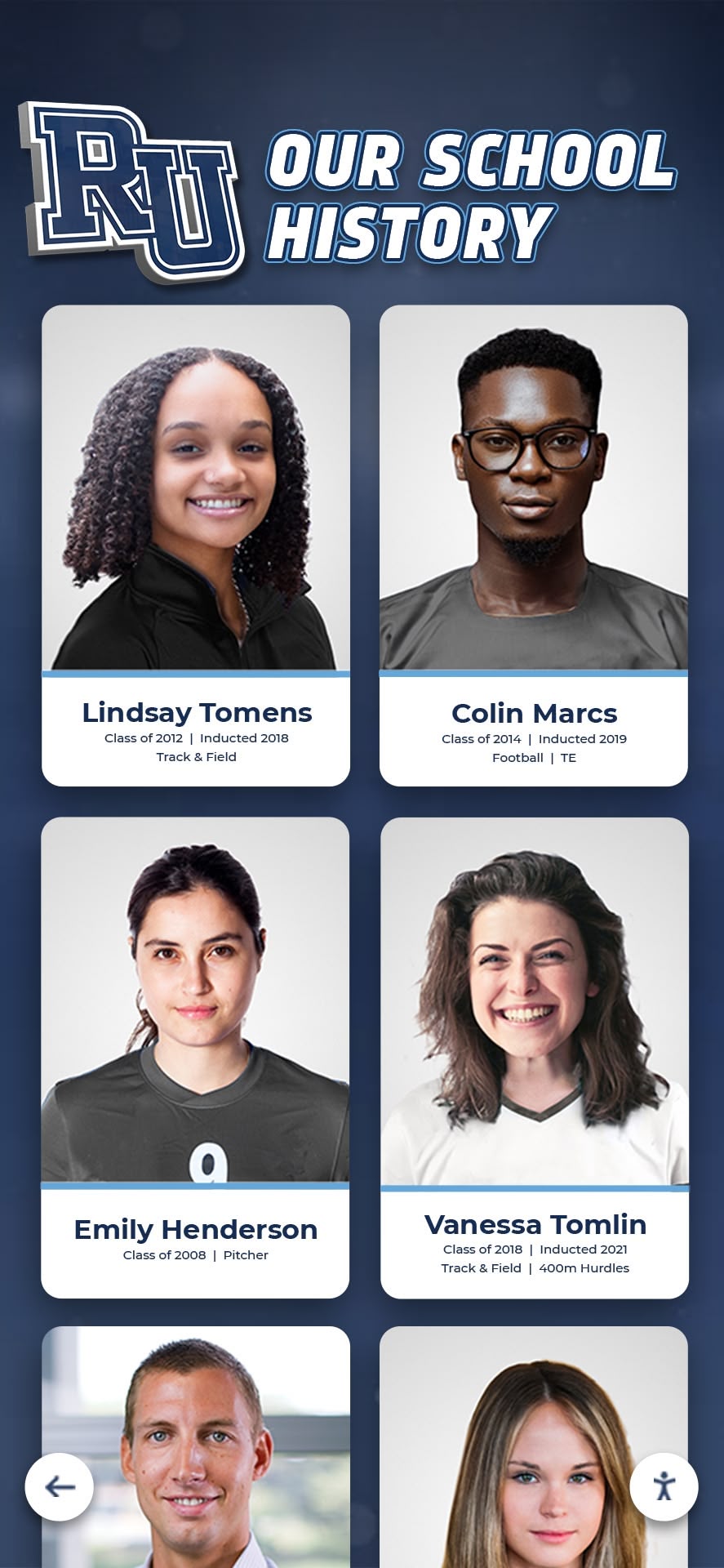
Individual recognition profiles make every young player feel valued and celebrated
Competitive Youth Soccer Awards (U9-U12)
Competitive youth clubs can introduce more specific recognition while maintaining inclusivity:
Skill Development Awards
- Most Improved Player (technical skill progression)
- Golden Boot (top goal scorer for the season)
- Defensive Player Award (outstanding defensive contributions)
- Goalkeeper Award (excellence in goal)
- Best Passer Award (distribution and vision)
Character and Effort Recognition
- Hustle Award (consistent effort and energy)
- Leadership Award (positive influence on teammates)
- Best Teammate (supporting others and team-first attitude)
- Practice Player Award (training commitment and intensity)
- Never Give Up Award (perseverance and determination)
Position-Specific Recognition Older youth players benefit from position-focused acknowledgment:
- Forward Excellence (attacking contributions)
- Midfielder Award (central play and work rate)
- Defender of the Year (defensive organization)
- Goalkeeper Recognition (shot-stopping and distribution)
- Utility Player Award (versatility across positions)
Selection Criteria: Coaches evaluate season-long performance combining statistics, observed behaviors, and developmental progress. Involving assistant coaches and team managers in discussions creates fair, comprehensive assessment.
Programs like sports banquet planning guides demonstrate effective recognition ceremony organization for youth teams.
Fun Youth Soccer Awards
Creative awards create memorable moments and acknowledge personalities:
Personality Awards
- Best Celebration (most creative goal celebrations)
- Team Comedian (bringing laughter and fun)
- Best Pre-Game Dance Moves (energy before matches)
- Coolest Hairstyle (player expressing personality)
- Best Soccer Gear (most spirited equipment and apparel)
Memorable Moment Recognition
- Best Goal of the Season (voted by team)
- Craziest Save (goalkeeper highlight)
- Funniest Practice Moment (memorable team laugh)
- Best Team Cheer Creator (enthusiasm and spirit)
- Most Improved Pre-Game Snack Provider (team culture)
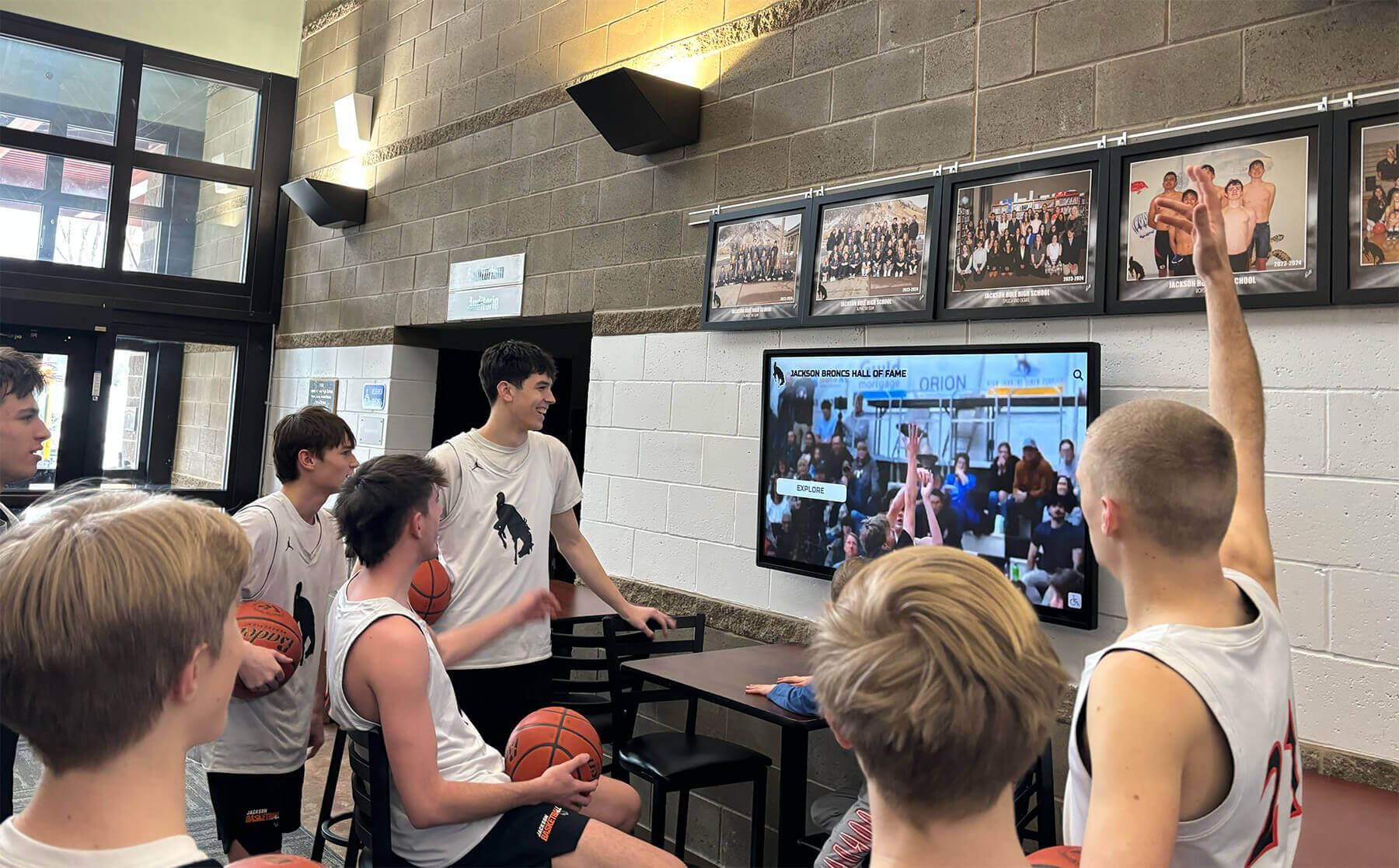
Interactive displays engage young players with season highlights and achievements
Presentation Tips: Keep fun awards lighthearted and ensure all players can laugh together. Award descriptions should celebrate quirks without embarrassment. Parents appreciate these awards as much as young players, creating family memories around team experiences.
Middle School Soccer Awards Ideas (Ages 12-14)
Middle school programs bridge youth development and high school competition, requiring recognition that honors emerging excellence while maintaining developmental focus.
Developmental Performance Awards
Middle school athletes show dramatic skill variation requiring nuanced recognition:
Performance Achievement Recognition
- Team MVP (overall impact on team success)
- Offensive Player of the Year (attacking contributions)
- Defensive Player of the Year (defensive excellence)
- Most Valuable Midfielder (central play impact)
- Goalkeeper of the Year (shot-stopping and organization)
Statistical Leaders Middle school programs can begin tracking performance metrics:
- Leading Goal Scorer (top finisher)
- Assist Leader (chance creation)
- Clean Sheet Keeper (goalkeeper shutouts)
- Most Minutes Played (availability and stamina)
- Best Plus/Minus (team performance with player on field)
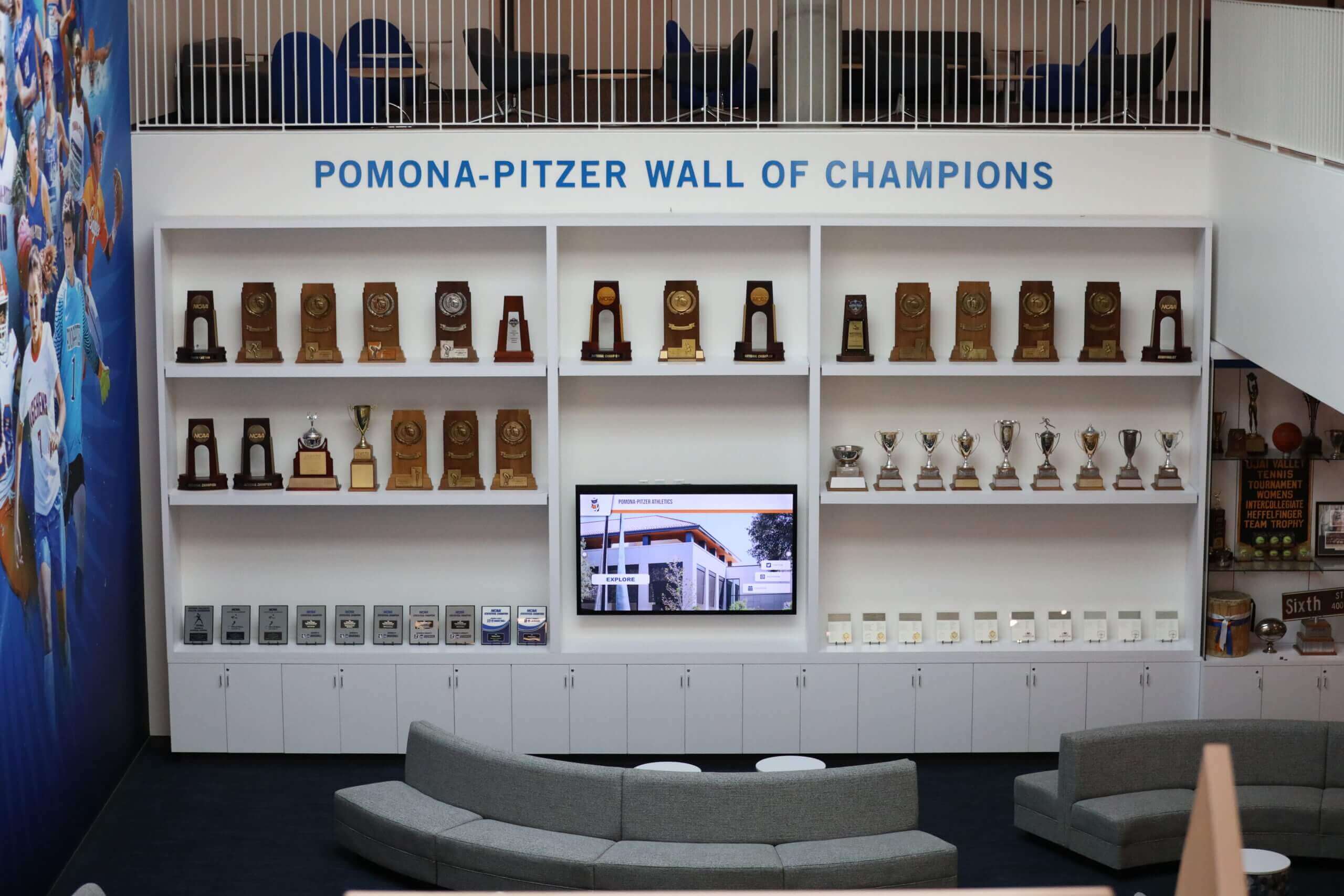
Trophy displays celebrate middle school achievements creating pride in accomplishment
Middle School Character Awards
Character development remains central during adolescent years:
Leadership and Attitude Recognition
- Captain’s Award (leadership by example and communication)
- Best Teammate Award (supporting and encouraging others)
- Coachability Award (receptiveness to instruction)
- Training Commitment Award (practice attendance and effort)
- Academic Excellence Award (balancing athletics and school)
Competitive Spirit Awards
- Warrior Award (competitive intensity and determination)
- Never Quit Award (perseverance through challenges)
- Clutch Performer (excellence in pressure situations)
- Iron Player (durability and consistent availability)
- Heart and Hustle (maximum effort regardless of outcome)
Selection Process: Middle school coaches benefit from creating written rubrics outlining award criteria. Discussing nominations with assistant coaches before finalizing selections ensures fairness and comprehensive evaluation. Consider allowing team captains or senior players to provide input on specific character awards.
Programs focusing on athletic recognition across age groups demonstrate effective developmental acknowledgment strategies.
Improvement and Development Awards
Middle school spans dramatic physical and skill development:
Skill Progression Recognition
- Most Improved Player (greatest overall development)
- Breakout Player (unexpected performance emergence)
- Technical Development Award (skill execution improvement)
- Tactical Understanding Award (soccer IQ growth)
- Physical Development Award (strength, speed, stamina gains)
Position Transition Awards Middle school often involves position changes as players develop:
- Best Position Flexibility (successfully playing multiple positions)
- Defensive to Offensive Transition (adapting to attacking role)
- Field to Goalkeeper Conversion (taking on specialized position)
- Role Player Excellence (accepting team-need position changes)
High School Varsity Soccer Awards Ideas
Varsity programs require sophisticated recognition systems balancing competitive excellence with inclusive team culture.
Performance-Based Varsity Awards
High school awards acknowledge measurable achievement and competitive success:
Core Excellence Awards
- Team Most Valuable Player (greatest overall impact)
- Offensive Player of the Year (attacking excellence)
- Defensive Player of the Year (defensive dominance)
- Midfielder of the Year (central control and work rate)
- Goalkeeper of the Year (shot-stopping and organization)
Statistical Achievement Recognition
- Golden Boot (leading goal scorer)
- Assist Leader (most chances created)
- Clean Sheet Leader (goalkeeper shutouts)
- Iron Player (most minutes played)
- Plus/Minus Leader (team success differential)
Championship Performance Awards
- Tournament MVP (best performance in key competitions)
- Conference Player of the Year (league excellence)
- Playoff Performer (postseason standout performances)
- Clutch Goal Scorer (decisive goals in crucial matches)
- Championship Game Hero (title-winning performance)
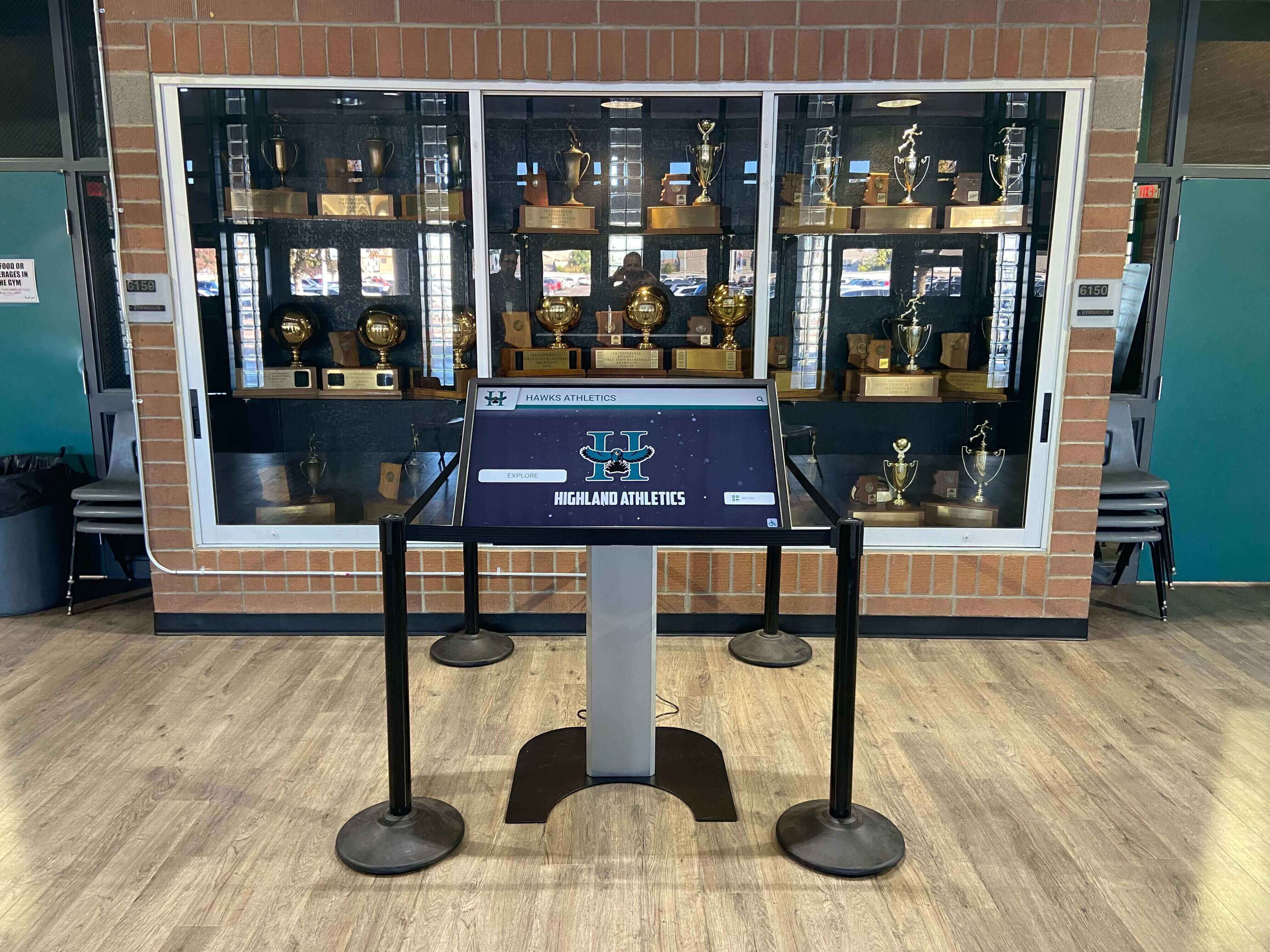
Modern touchscreen displays showcase varsity achievements with unlimited capacity for recognition
Position-Specific Varsity Recognition
Soccer’s positional diversity requires specialized acknowledgment:
Forward Awards
- Clinical Finisher (highest shot conversion rate)
- Target Forward (hold-up play and physical presence)
- Wing Excellence (attacking width and crossing)
- Striker of the Year (complete attacking performance)
Midfielder Awards
- Box-to-Box Warrior (defensive and offensive contributions)
- Playmaker Award (chance creation and distribution)
- Defensive Midfielder Shield (protecting defense)
- Attacking Midfielder Creator (final third brilliance)
- Central Midfielder Engine (tempo control)
Defender Awards
- Center Back Rock (defensive stability and organization)
- Attacking Fullback (offensive contributions from defense)
- Defensive Awareness Award (positioning and reading game)
- Aerial Dominance (winning headers and clearances)
- Last Line Leader (defensive communication and organization)
Goalkeeper Awards
- Golden Gloves (best save percentage and clean sheets)
- Shot-Stopping Excellence (spectacular saves)
- Distribution Master (starting attacks from goal)
- Penalty Save Specialist (success in crucial moments)
- Goalkeeper Leadership (organizing defense and communication)
High school programs benefit from end-of-year sports awards frameworks encompassing diverse recognition categories.
Varsity Leadership and Character Awards
High school recognition extends beyond athletic performance:
Leadership Recognition
- Team Captain Award (consistent leadership excellence)
- Senior Leader Award (four-year contribution and influence)
- Mentor Award (developing younger players)
- Practice Leader (training intensity and commitment)
- Vocal Leader (communication and encouragement)
Character Awards
- Sportsmanship Award (respect and integrity)
- Scholar-Athlete Award (academic and athletic excellence)
- Community Service Award (impact beyond soccer)
- Warrior Spirit (competitive intensity and determination)
- Unsung Hero (essential contributions without recognition)
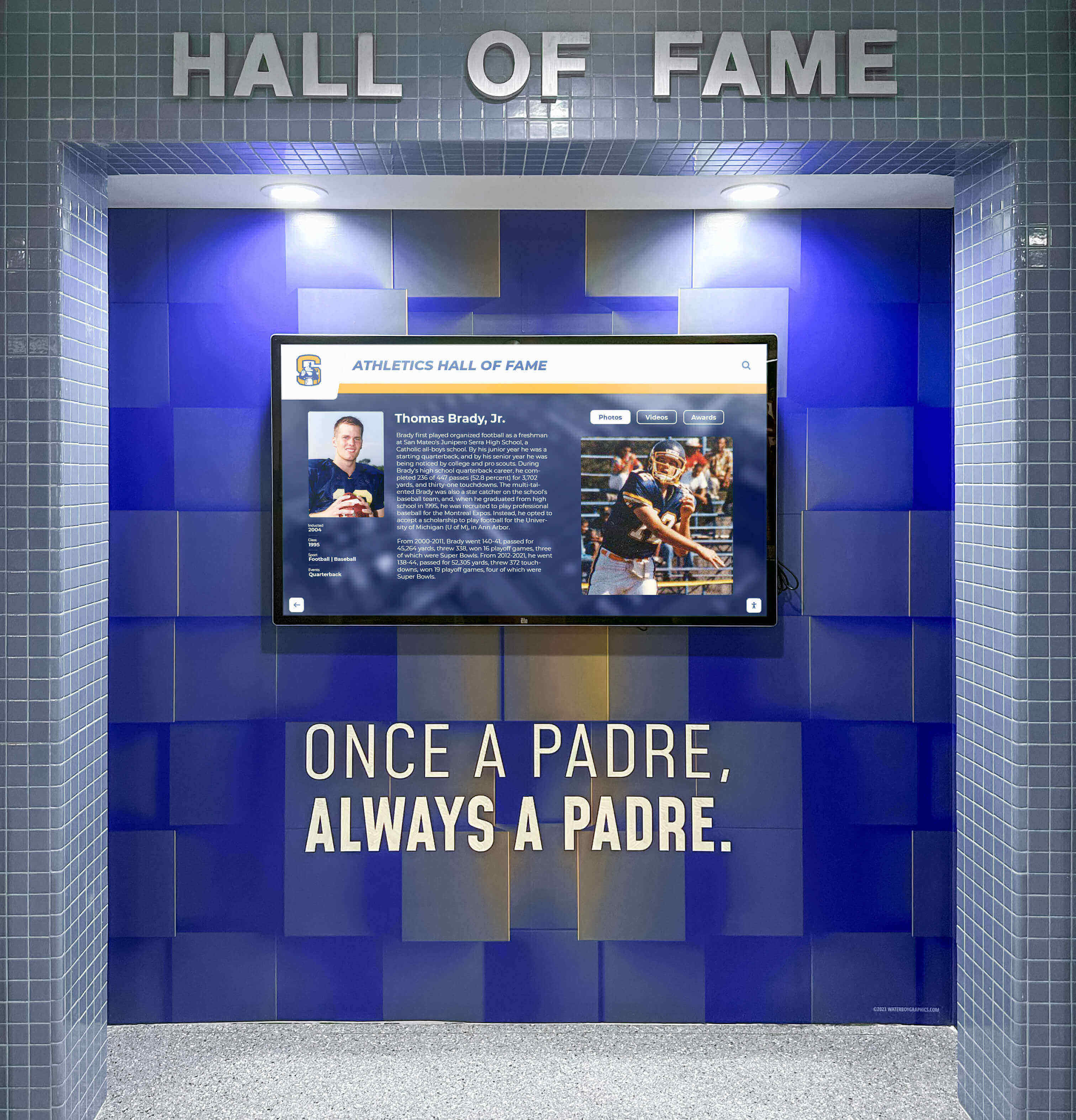
Digital displays preserve varsity achievements for future generations to celebrate
Academic Excellence Recognition
- Highest GPA (top academic achievement)
- Honor Roll Consistency (sustained academic success)
- Academic Improvement (grade progression)
- College Commitment Celebration (scholarship or recruitment recognition)
- Student-Athlete Balance (excelling in both domains)
Varsity Improvement and Special Recognition
Development Awards
- Most Improved Player (greatest skill/performance growth)
- Breakthrough Performer (unexpected excellence emergence)
- JV to Varsity Success (successful program progression)
- Reserve to Starter Journey (earning playing time)
- Role Acceptance (embracing team-need position)
Special Achievement Awards
- 100-Goal Career Milestone (cumulative achievement)
- School Record Breaker (surpassing program standards)
- All-Conference Selection (league recognition)
- All-State Honoree (state-wide excellence)
- College Commitment (continuing athletic career)
Programs implementing student achievement wall ideas create permanent recognition spaces celebrating soccer excellence.
Implementing Effective Soccer Award Programs
Thoughtful implementation ensures recognition achieves intended goals while feeling fair and meaningful across all program levels.
Award Selection Best Practices
Establishing Clear Criteria Written criteria create transparency and fairness:
- Define specific requirements for each award category
- Combine statistical performance with subjective evaluation
- Document decision-making rationale for future reference
- Review criteria annually adjusting for program evolution
- Communicate general criteria to players early in season
Selection Committee Structures Most programs utilize coaching staff with structured processes:
- Head coach authority with assistant coach input
- Statistical analysis combined with behavioral observation
- Discussion-based consensus for major awards
- Position coach recommendations for specialized recognition
- Age-appropriate player input on specific categories
Balancing Recognition Distribution Ensure awards span diverse contributions:
- Performance and character awards balanced
- Offensive and defensive recognition equal
- All positions receive acknowledgment opportunities
- Starters and reserves both honored
- Multiple award recipients when program size warrants
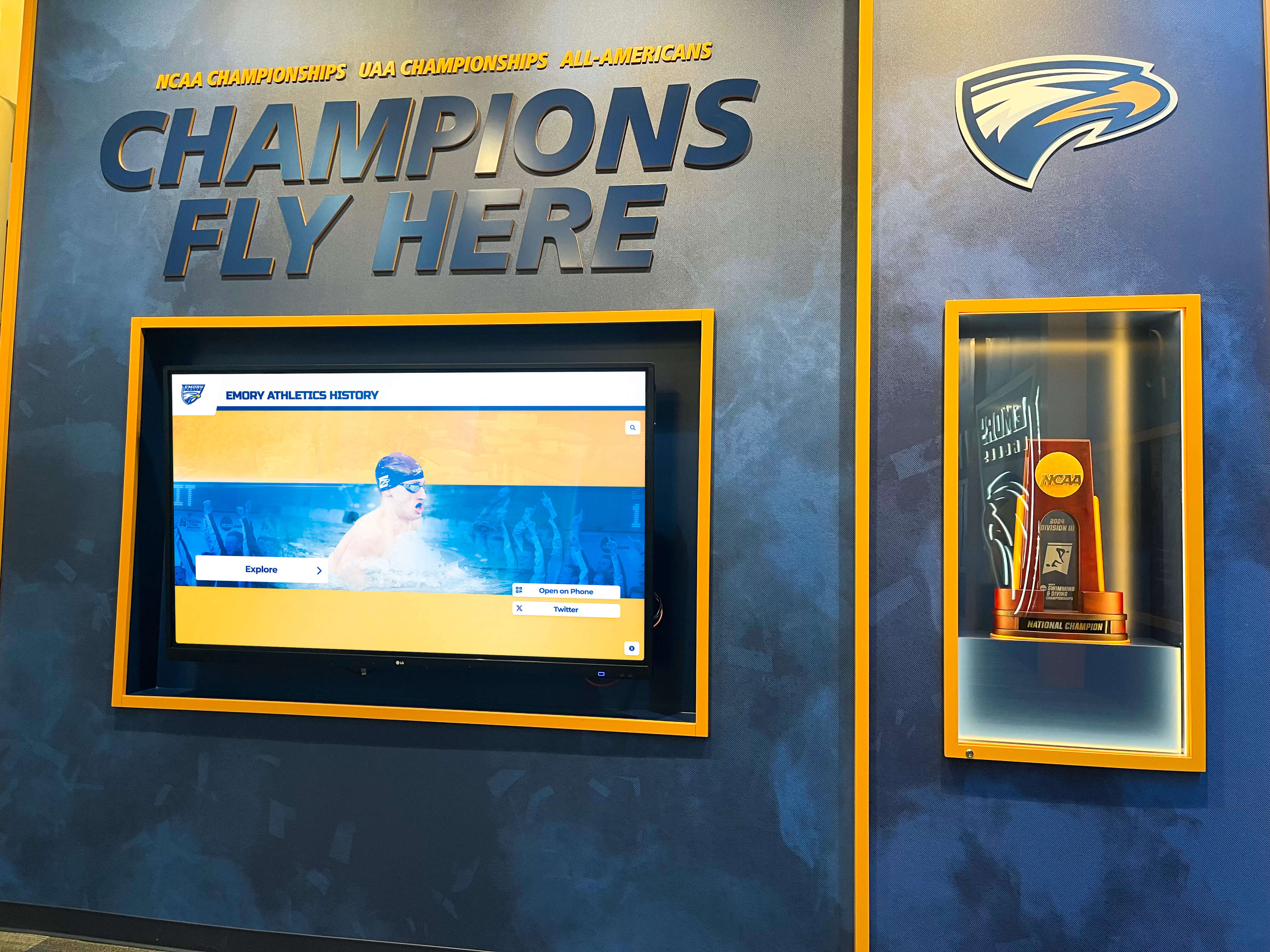
Professional recognition displays create lasting impact beyond single award ceremonies
Creating Memorable Award Ceremonies
Age-Appropriate Ceremony Formats
Youth Soccer (Ages 4-8)
- Brief post-game or practice celebration (15-20 minutes maximum)
- Every player receives recognition and award
- Coaches provide personalized comments for each child
- Parents and families invited to participate
- Fun atmosphere with treats and celebration
Competitive Youth (Ages 9-12)
- Season-ending team party or gathering
- Mix of participation and achievement awards
- Highlight video or photo slideshow
- 30-45 minute ceremony with social time
- Age-appropriate formality balancing fun and recognition
Middle School Programs
- Traditional banquet or team dinner format
- Coach speeches reviewing season achievements
- Video highlights and memorable moment sharing
- Award presentations with selection rationale
- 60-90 minute ceremony with meal
High School Varsity Programs
- Formal athletic banquet or awards night
- Multiple coaches speaking about season journey
- Senior recognition and future plans acknowledgment
- Video compilation of season highlights
- 90-120 minute ceremony with formal presentations
Athletic recognition programs benefit from coach appreciation frameworks honoring the leaders who make recognition meaningful.
Physical Award Options and Budget Management
Award Type Selection by Level
Youth Programs
- Participation medals or ribbons (every player)
- Small trophies for special awards
- Printed certificates with coach signatures
- Team photos with achievement details
- Budget: $5-15 per player typically sufficient
Middle School Programs
- Trophies for major awards
- Plaques for position-specific recognition
- Certificates for character awards
- Photo prints with achievement highlights
- Budget: $15-30 per award depending on quality
High School Varsity
- Premium trophies for major awards
- Engraved plaques with achievement details
- Framed certificates and photos
- Specialty items (engraved balls, gloves, etc.)
- Budget: $30-100 per major award, less for supplementary
Budget-Conscious Alternatives
- Digital recognition through social media features
- Printed certificates designed in-house
- Custom t-shirts with award designation
- Photo displays in athletic facilities
- Letters from coaches detailing specific accomplishments
Multi-Year Recognition Strategies
Tracking Cumulative Achievement
Programs benefit from documenting multi-season contributions:
- Career statistics across all years
- Award progression from freshman through senior
- Leadership development journey
- Milestone achievement accumulation (100 goals, etc.)
- Program impact stories spanning entire career
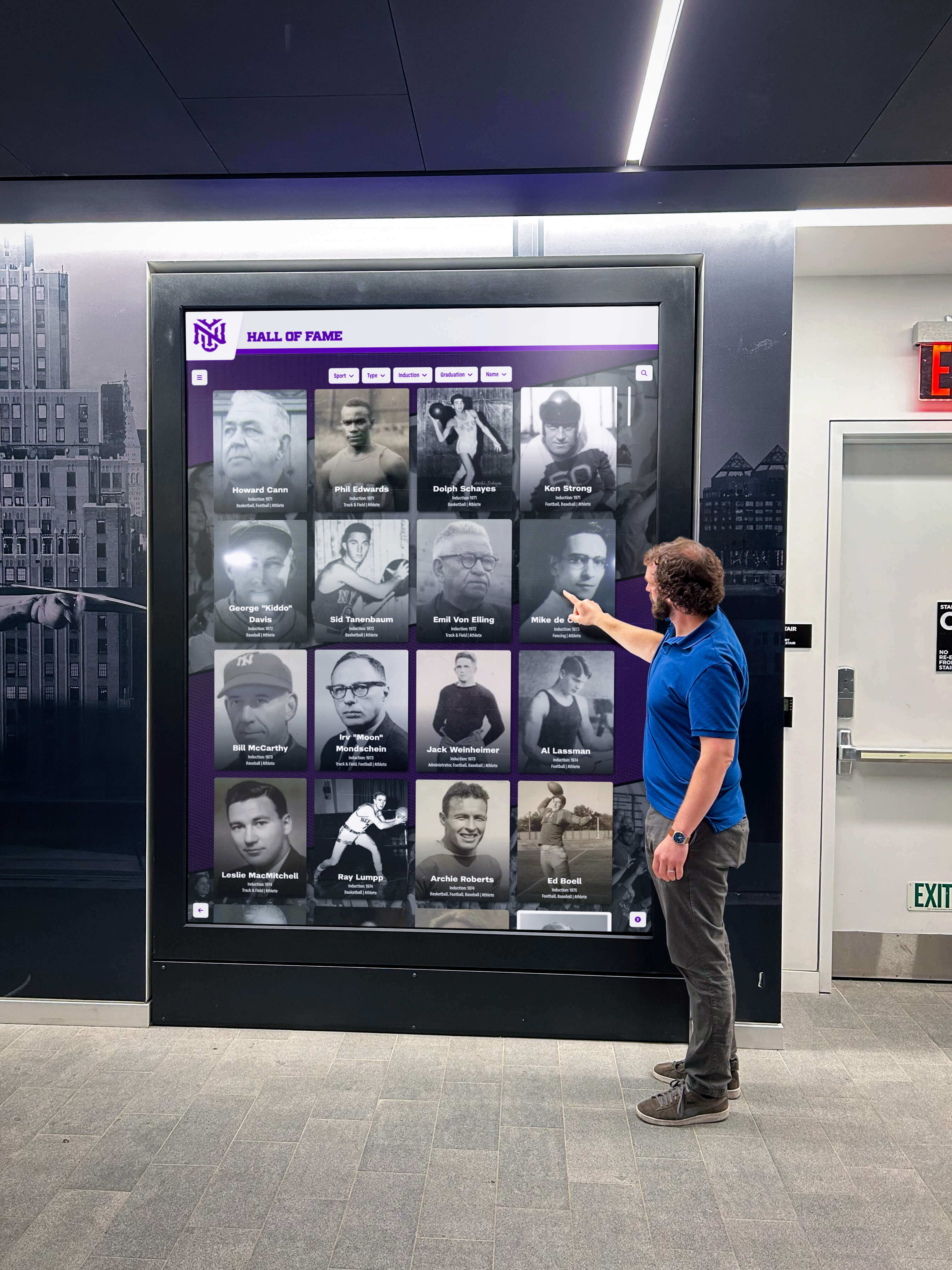
Interactive displays enable exploring career-long achievements beyond single seasons
Senior Recognition Emphasis Final season acknowledgment creates lasting memories:
- Four-year contribution celebration
- Career highlight videos and statistics
- Senior night special recognition
- Future plans and college commitment acknowledgment
- Letters from coaches reflecting on complete journey
Programs can explore senior night celebration ideas for comprehensive season-ending recognition.
Leveraging Technology for Soccer Recognition
Modern platforms expand recognition possibilities while building comprehensive historical records across program levels.
Digital Recognition Display Benefits
Interactive touchscreen systems transform soccer recognition:
Unlimited Recognition Capacity Physical trophy cases inevitably constrain visibility:
- Single display showcases unlimited players across all age groups
- Historical archives preserve recognition from previous seasons
- Multiple filtering options (by age group, position, award type)
- Search functionality helping families find specific players
- Photo galleries and statistics beyond simple trophy lists
Position and Age Group Organization Soccer’s diversity makes structured recognition valuable:
- Forward, midfielder, defender, goalkeeper sections
- Youth, middle school, varsity program divisions
- Career statistics showing multi-year progression
- Team championship and tournament results
- Record holders and milestone achievements
Engagement Beyond Ceremonies Digital platforms extend recognition impact:
- Year-round visibility rather than single-ceremony acknowledgment
- Mobile and web access enabling remote viewing
- Social media integration extending reach
- Alumni connection to program legacy
- Recruiting tool showcasing recognition culture
Many successful soccer programs implement digital recognition solutions that preserve player achievements across decades while creating engaging experiences for current and future teams.

Interactive interfaces make exploring soccer achievements engaging for players, families, and community
Social Media Recognition Strategies
Platform-Specific Approaches
Instagram Recognition
- Individual award announcement graphics with player photos
- Stories featuring ceremony moments and reactions
- Carousel posts showcasing multiple award categories
- Reels highlighting season achievements set to music
- Profile highlights preserving award announcements
Facebook Coverage
- Detailed ceremony recaps with photo albums
- Event pages promoting awards night
- Live streaming option for families unable to attend
- Community engagement through comments and shares
- Historical award recipient posts building tradition
Twitter/X Updates
- Real-time ceremony updates and announcements
- Individual posts for major award recipients
- Thread format presenting all awards efficiently
- Hashtags connecting to broader soccer community
- Engagement with league and local media accounts
Content Creation Tips
- Professional photography from ceremonies and matches
- Consistent graphic design templates for announcements
- Player quotes about award significance
- Coach comments explaining selection rationale
- Family and teammate congratulations inclusion
Programs focusing on athletic social media recognition maximize digital engagement with award celebrations.
Special Considerations Across Soccer Levels
Youth Developmental Focus
Recognition at youth levels serves participation retention:
Positive Association Creation
- Every player feels valued regardless of skill level
- Awards celebrate effort and attitude over outcomes
- Fun and enjoyment emphasized throughout
- Parent satisfaction knowing children feel appreciated
- Foundation building for continued participation
Skill Development Encouragement Youth awards should motivate improvement:
- Specific skill recognition (dribbling, passing, defense)
- Improvement acknowledgment showing progress
- Technical development celebration
- Position experimentation encouragement
- Training commitment validation
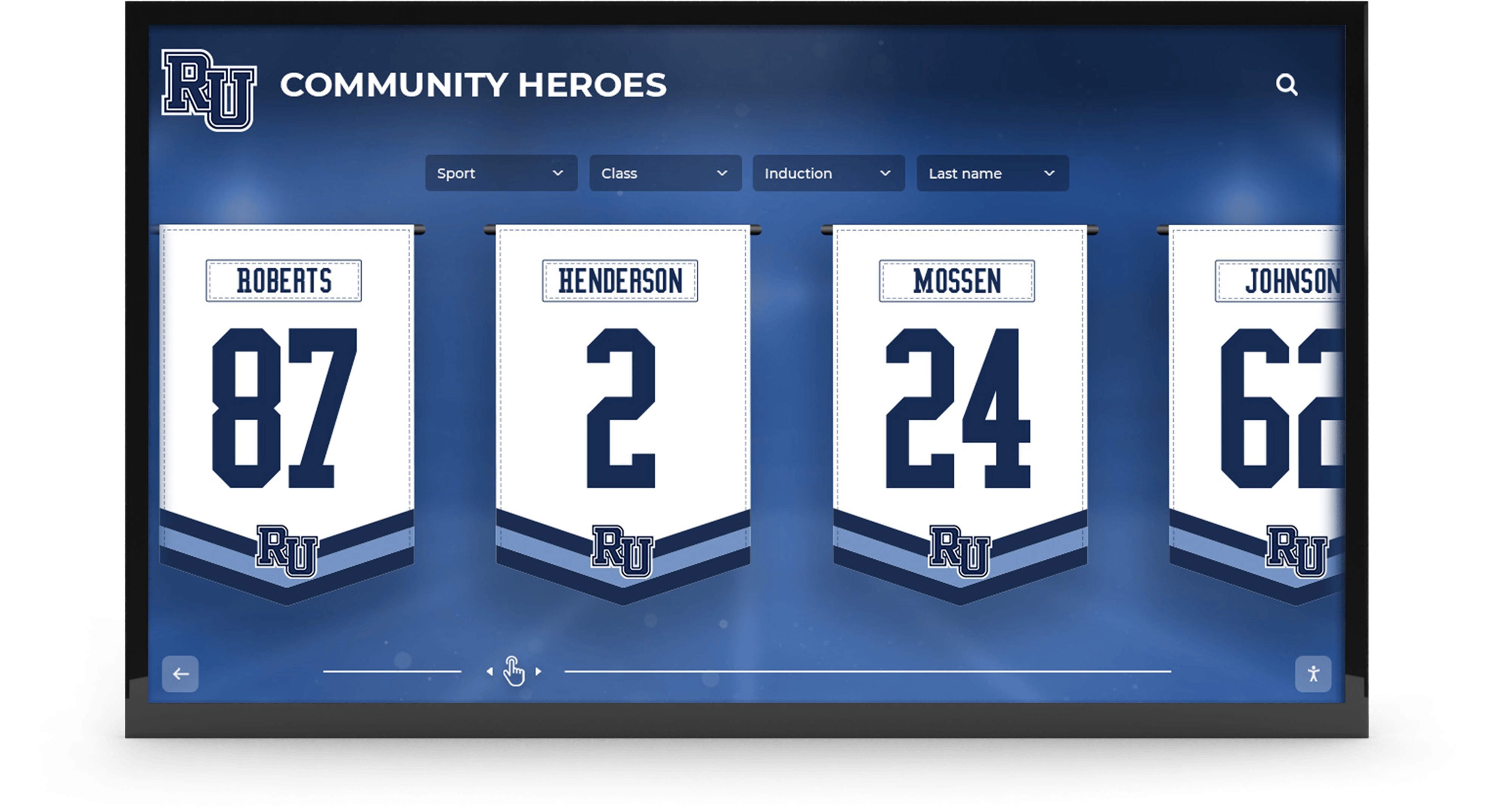
Digital banners celebrate soccer players representing program values at all competitive levels
Competitive Balance in High School Programs
Varsity recognition requires balancing excellence and inclusivity:
Merit-Based Excellence High school programs must honor genuine achievement:
- Top performers receive significant recognition
- Statistical leaders acknowledged appropriately
- Championship contributions celebrated prominently
- College-level athletes given special recognition
- Record breakers and milestone achievers honored
Inclusive Team Culture Recognition extends beyond top performers:
- Reserve players receive acknowledgment for contributions
- Character awards balance performance recognition
- Training commitment honored regardless of playing time
- Leadership opportunities for non-starters
- Every senior receives meaningful recognition
JV and Reserve Team Recognition Complete programs honor all levels:
- Parallel JV award ceremonies and recognition
- Reserve player development awards
- Future varsity potential acknowledgment
- Sophomore and freshman special categories
- Program-wide ceremony including all teams
Gender Equity in Soccer Recognition
Most programs include boys and girls teams:
Equal Recognition Opportunities
- Parallel award categories across both programs
- Combined or separate ceremonies based on program preference
- Equal visibility in displays and communications
- Budget parity for awards and ceremonies
- Cross-program recognition of excellence
Programs implementing athletic equity principles ensure fair recognition across all soccer programs.
Creating Sustainable Soccer Recognition Programs
Long-term success requires systematic planning and continuous improvement.
Annual Planning Process
Timeline Development Organized programs follow structured schedules:
- Selection criteria review and updates (preseason)
- Statistical tracking systems implementation (season start)
- Mid-season award candidate identification (ongoing)
- Final selection deliberations (post-season)
- Ceremony planning and execution (season end)
- Documentation and archiving (annual close)
Budget Planning and Fundraising Financial sustainability requires advance planning:
- Annual budget allocation for awards and ceremonies
- Booster club support and fundraising integration
- Sponsor partnerships for recognition programs
- Multi-year procurement contracts reducing costs
- Tiered award quality based on category significance
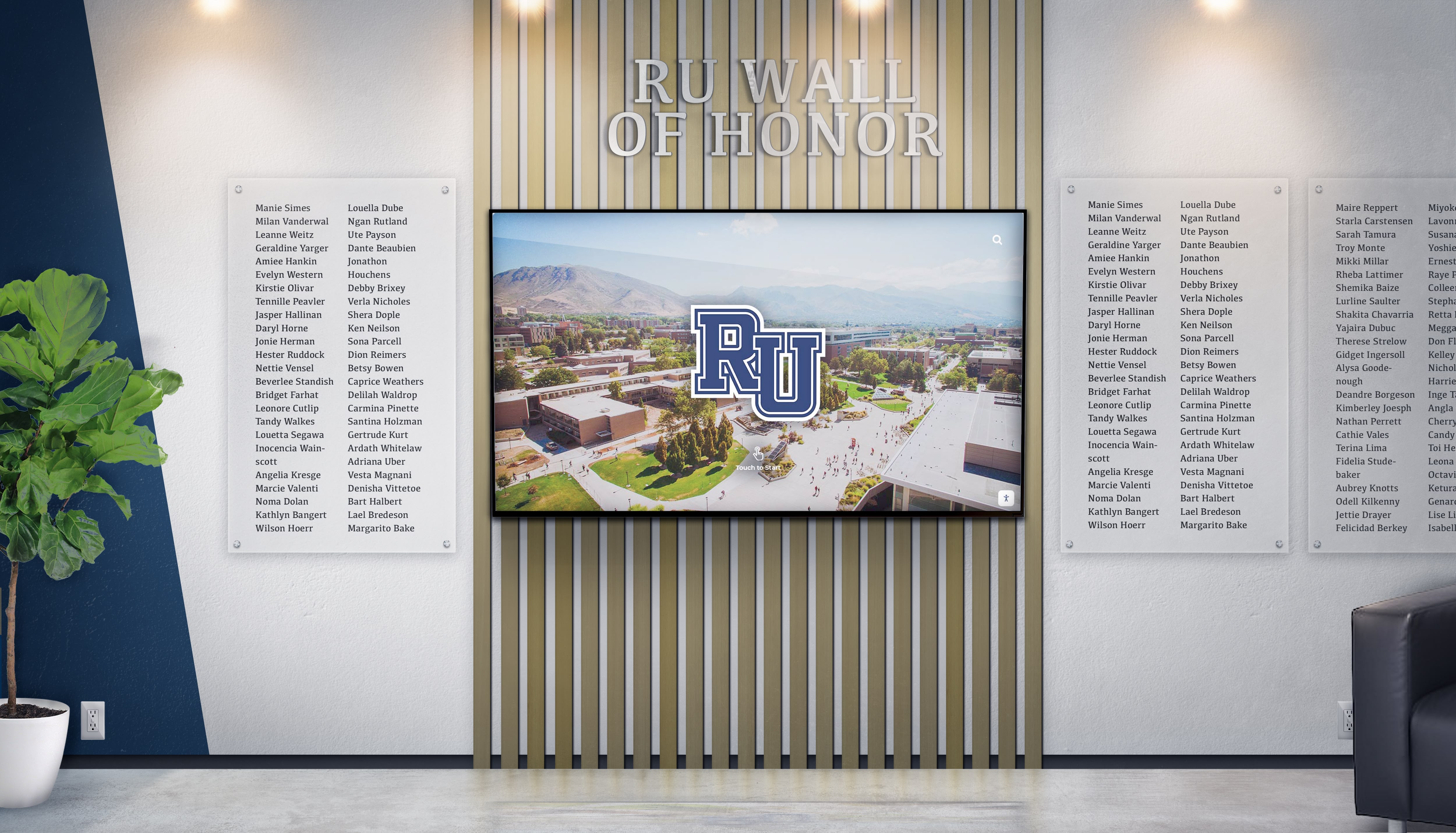
Integrated systems combine modern displays with traditional recognition elements
Documentation and Historical Preservation
Record Keeping Best Practices Maintaining award history creates program traditions:
- Complete recipient lists for all awards by season
- Selection criteria documentation for consistency
- Award ceremony photos and videos archived
- Player achievement details and statistics preserved
- Year-over-year comparison and analysis
Building Program Legacy Historical awareness strengthens soccer culture:
- Display of past award recipients in facilities
- Reference to award traditions during ceremonies
- Alumni connections to current recipients
- Multi-generational recognition when applicable
- Stories connecting program history to present
Programs implementing digital archiving solutions preserve recognition across decades of soccer tradition.
Continuous Improvement Process
Stakeholder Feedback Collection Regular evaluation ensures program effectiveness:
- Player surveys about recognition fairness and meaning
- Parent feedback on ceremony quality and communication
- Coach assessment of selection process sustainability
- Alumni perspective on award long-term significance
- Community perception of program values demonstrated
Program Adjustment and Evolution Recognition systems should adapt over time:
- Award category additions based on team characteristics
- Ceremony format modifications improving experience
- Selection criteria refinement enhancing fairness
- Technology integration expanding recognition reach
- Budget allocation adjustments optimizing resources
Measuring Recognition Program Success
Effective programs regularly assess impact across multiple dimensions.
Quantitative Indicators
Participation Metrics
- Percentage of roster receiving some recognition
- Award distribution across positions and roles
- Ceremony attendance rates from families
- Year-over-year program participation trends
- Player return rates season-to-season
Program Outcome Correlation
- Relationship between recognition and skill development
- Award recipient leadership emergence patterns
- College recruitment rates among recognized players
- Alumni engagement with program over time
- Community support and attendance at team events
Qualitative Assessment
Cultural Indicators
- Team cohesion and positive atmosphere observations
- Player motivation and training commitment levels
- Sportsmanship and competitive integrity demonstrations
- Program reputation within league and community
- Alumni reflection on recognition significance
Continuous Refinement Successful programs evolve based on assessment:
- Adding award categories addressing gaps
- Modifying ceremonies improving experience
- Adjusting selection processes enhancing fairness
- Integrating technology expanding reach
- Building traditions creating lasting culture
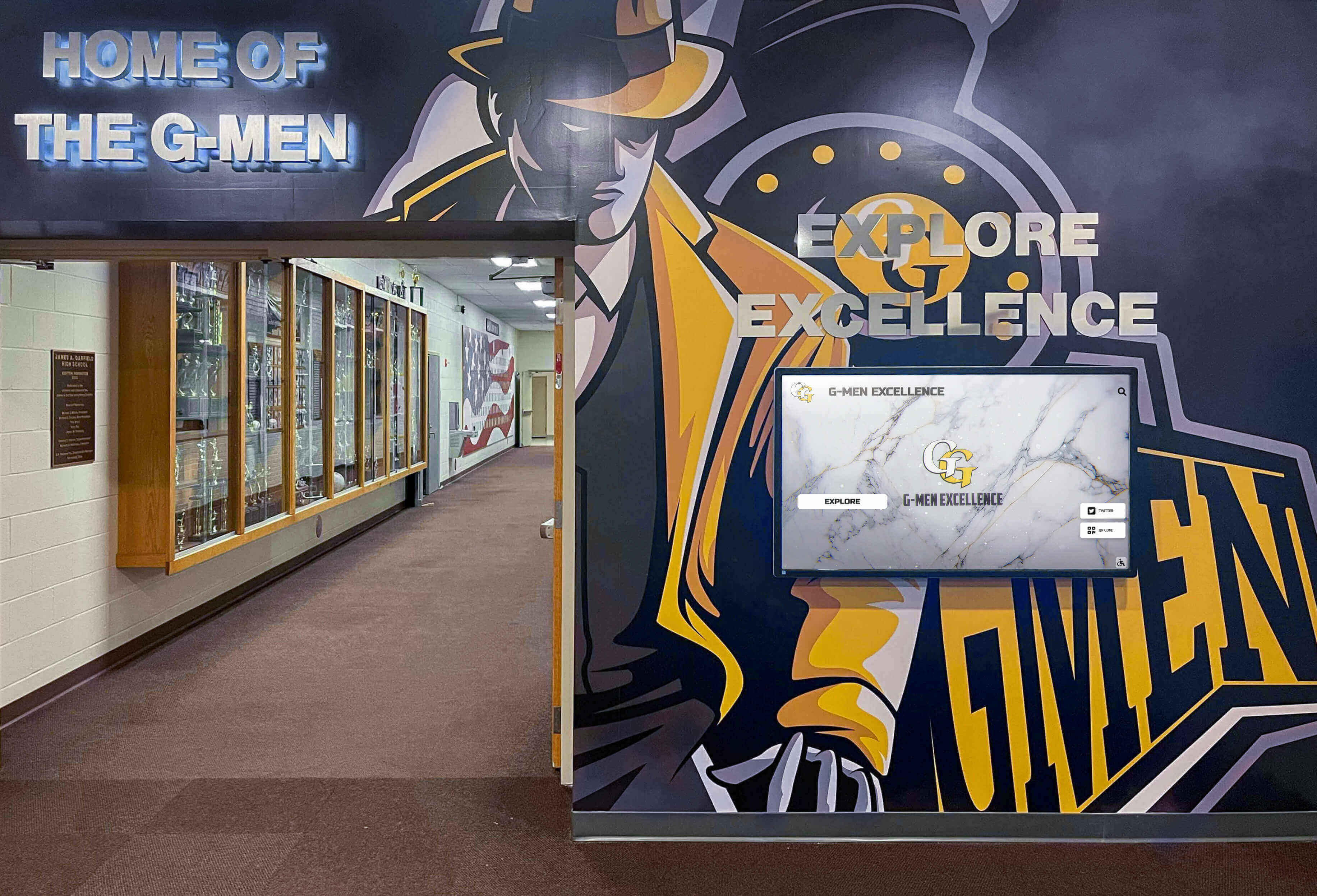
Comprehensive recognition spaces celebrate soccer excellence alongside other athletic achievements
Conclusion: Recognition That Honors Every Soccer Player
Soccer programs that excel at recognition understand a fundamental truth: meaningful acknowledgment spans age groups and skill levels, requiring different approaches for youth players discovering the game versus varsity athletes competing for championships. When programs design comprehensive soccer awards celebrating appropriate achievement at each developmental stage—from recreational youth participation through competitive high school excellence—they create inclusive environments where every player feels genuinely valued for their unique contributions.
The award ideas and implementation strategies explored in this guide provide frameworks for building recognition programs that honor exceptional performance while ensuring diverse players receive acknowledgment appropriate to their developmental stage and role. From youth awards emphasizing participation and fun through middle school recognition balancing development and competition to varsity programs celebrating elite achievement alongside character—these approaches transform end-of-season recognition from obligatory ceremonies to meaningful celebrations woven throughout program culture.
Building effective soccer recognition requires understanding that a 7-year-old’s first season participation deserves celebration equal to a varsity senior’s championship performance, that the youth defender learning positioning contributes as significantly as the high school striker scoring goals, and that character and leadership at every level merit recognition alongside competitive excellence. Modern digital platforms make comprehensive recognition achievable across all program levels while maintaining permanent archives accessible to your entire community year-round.
Start with award categories your program can implement immediately based on competitive level and team characteristics, then systematically expand to create comprehensive approaches your soccer players deserve at every age and stage. Every player who receives meaningful recognition for their contributions—whether that’s completing their first season, improving technical skills, demonstrating sportsmanship, leading teammates, or achieving competitive excellence—develops stronger connection to the sport and greater motivation to continue their soccer journey.
Your soccer players’ contributions deserve celebration equal to the commitment they demonstrated throughout the season—from early practices and challenging training sessions through weekend tournaments and final matches. With thoughtful planning appropriate to each age group, fair selection processes respecting developmental stage, and meaningful presentations supported by appropriate technology, you can create recognition systems that honor every achievement while building positive, inclusive soccer culture where all players thrive from youth recreation through varsity competition.
Ready to transform your soccer recognition program? Explore digital recognition solutions that preserve your players’ achievements permanently while creating engaging experiences your entire community can celebrate year-round—from the youngest recreational players through graduating varsity seniors.