Senior living communities thrive when residents feel recognized, valued, and connected to their neighbors. Recognition programs celebrating volunteer service, community involvement, and resident achievements strengthen bonds while creating positive, engaging environments where seniors flourish.
Yet many senior living facilities struggle with recognition approaches that remain meaningful, sustainable, and accessible. Traditional bulletin boards require frequent updates and limit visibility. Paper newsletters reach only active readers. Wall-mounted plaques become outdated quickly and consume valuable space as communities grow.
This comprehensive guide explores how interactive touchscreen displays transform recognition in senior living communities, providing 20 specific award and recognition program ideas that honor residents, celebrate volunteers, acknowledge internal committees, and create engaging community experiences. Whether your facility serves independent living residents, assisted living communities, or memory care populations, these strategies help you implement recognition programs residents truly appreciate.
Senior living communities implementing thoughtful recognition programs report higher resident satisfaction scores, increased volunteer participation, and stronger sense of community belonging. Modern touchscreen displays make comprehensive recognition achievable for facilities of all sizes by eliminating traditional space constraints while providing accessible, engaging platforms residents can explore independently.
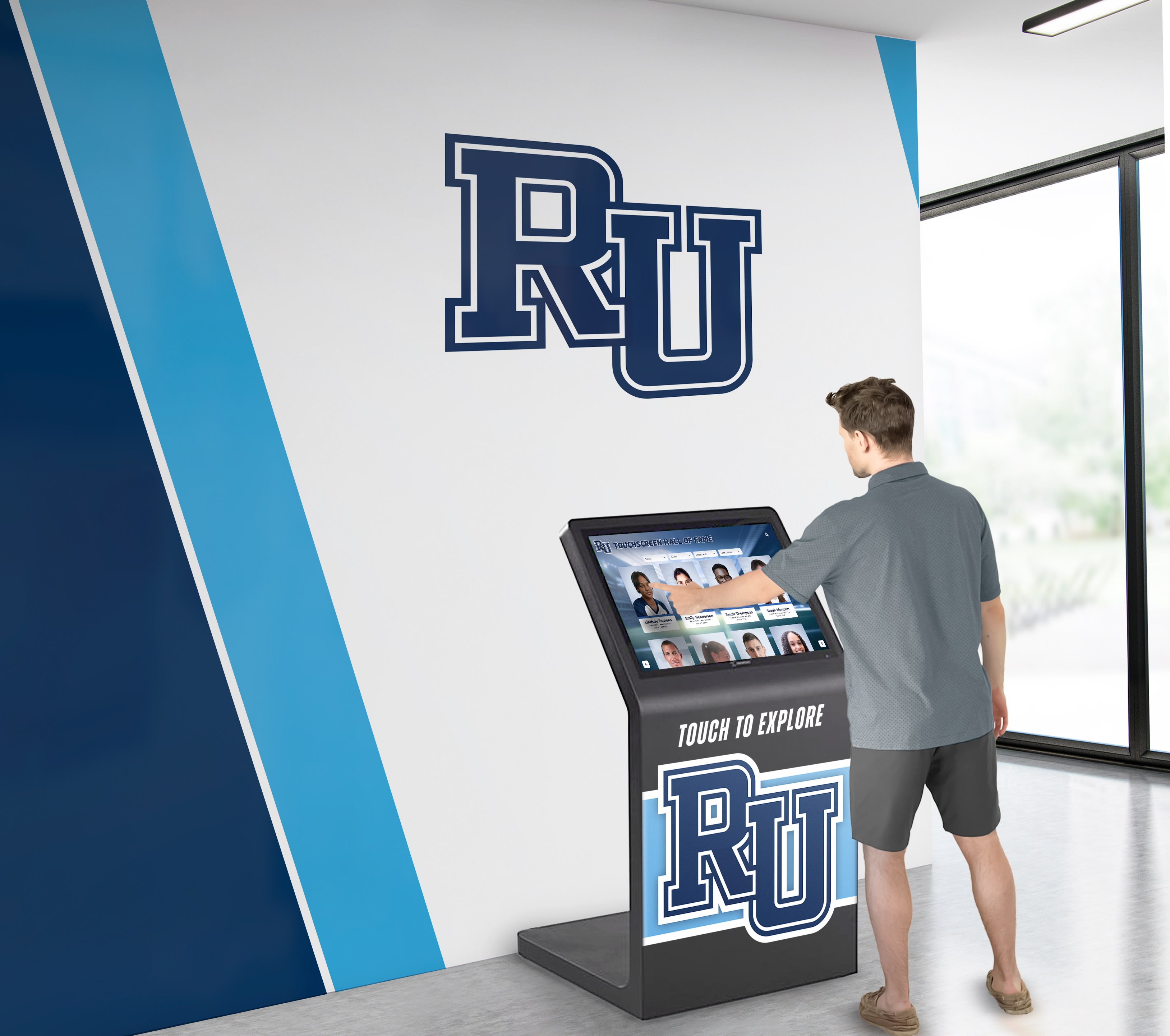
Interactive touchscreen displays provide accessible recognition platforms that seniors can explore at their own pace
Understanding What Senior Living Communities Care About Most
Before exploring specific recognition programs, understanding the unique priorities of senior living environments helps facilities create recognition that genuinely resonates with residents, families, and staff.
Community Connection and Belonging
Senior living residents prioritize feeling connected to neighbors and maintaining meaningful relationships. Recognition programs supporting these goals include:
Social Recognition Categories
- Neighbor of the Week highlighting residents who foster community spirit
- Friendship awards celebrating residents who welcome newcomers
- Community helper recognition for residents who assist neighbors
- Social activity participation acknowledgment
- Intergenerational program involvement
These programs combat isolation while encouraging positive social interaction that enhances quality of life.
Volunteer Contributions and Service
Many senior living residents arrive with decades of professional experience, specialized skills, and desire to contribute meaningfully. Acknowledging volunteer service demonstrates respect for continued purpose:
Volunteer Recognition Priorities
- Committee participation and leadership
- Activity facilitation and program coordination
- Mentoring and peer support roles
- Administrative assistance and special projects
- Community advocacy and representation
Facilities implementing comprehensive volunteer recognition experience 40-60% higher participation rates in community activities and programs.
Personal Achievement and Milestones
Residents appreciate recognition of personal accomplishments, life milestones, and ongoing achievements:
Meaningful Milestone Categories
- Birthday and anniversary celebrations
- Educational achievements and continued learning
- Artistic and creative accomplishments
- Athletic and wellness milestones
- Community tenure anniversaries
- Professional career retrospectives
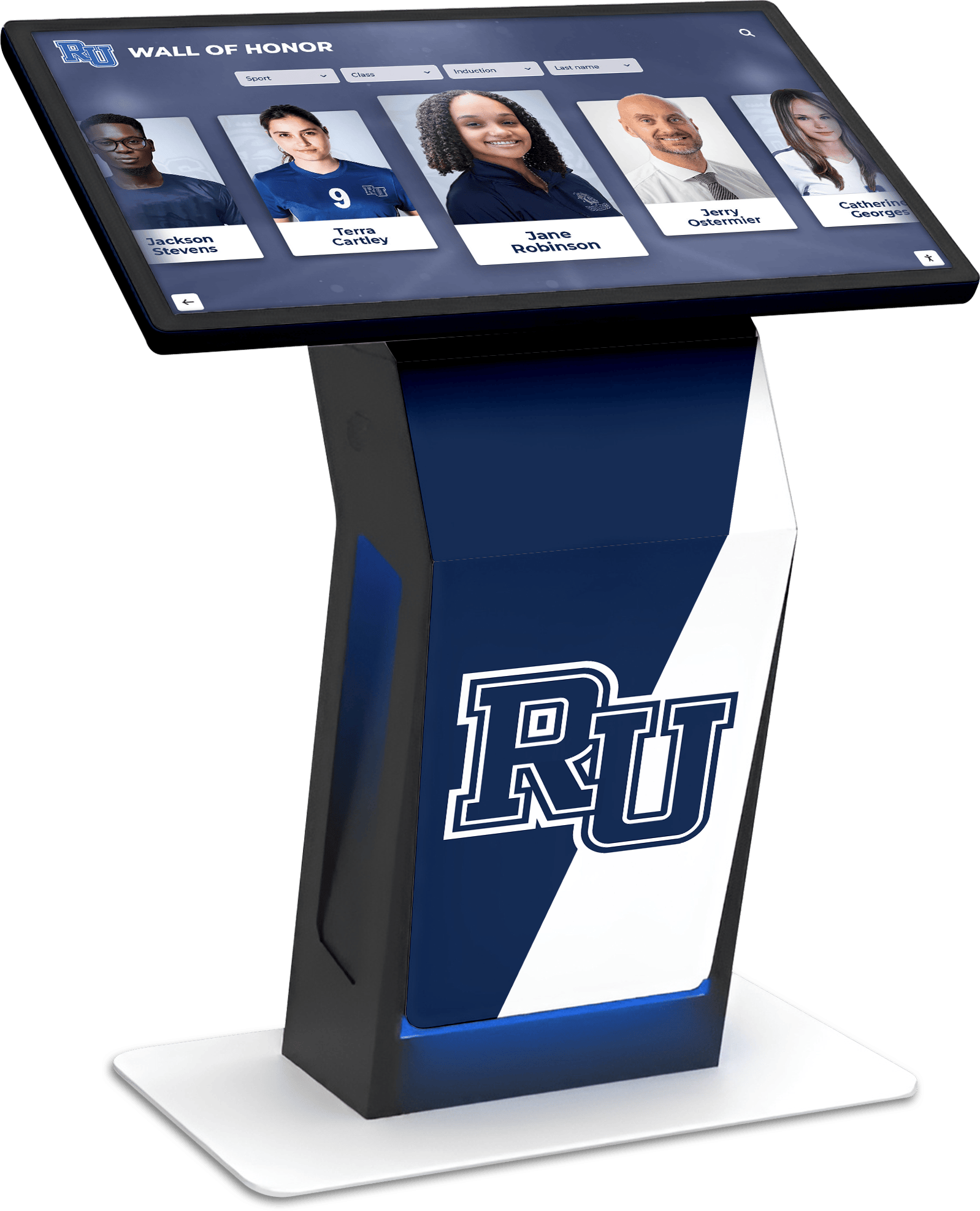
Recognition displays celebrate resident achievements while building community pride
Memorial Recognition and Legacy
Honoring residents who have passed away provides comfort to families while preserving community memory:
Memorial Recognition Approaches
- In memoriam pages with photos and biographical information
- Legacy contributions highlighting community impact
- Memorial gardens or spaces with digital complement
- Celebration of life tributes
- Historical resident archives preserving community history
These sensitive recognition categories require thoughtful design ensuring appropriate tone while honoring lives meaningfully. Many communities implement memorial wall approaches that balance commemoration with celebration.
Governance and Committee Structure
Senior communities often establish resident governance structures creating ownership and voice. Recognition of these leadership roles demonstrates institutional respect for resident input:
Governance Recognition Areas
- Resident council and board members
- Standing committee participants
- Special task forces and project groups
- Department liaisons and representatives
- Policy development contributors
Acknowledging governance participation encourages continued engagement while making decision-making structures visible to all residents.
Why Touchscreen Displays Excel for Senior Living Recognition
Traditional recognition methods face specific challenges in senior living environments. Interactive touchscreen displays address these limitations while offering accessibility features benefiting senior populations.
Overcoming Physical Space Constraints
Senior living facilities require wall space for wayfinding, safety information, regulatory postings, and artwork. Recognition programs compete with these essential uses.
Space Challenge Solutions
- Single 55" touchscreen accommodates unlimited recognition categories and recipients
- No wall space consumed by expanding recognition programs
- Multiple recognition types share single display location
- Historical archives preserved without storage requirements
- Flexible content rotation maximizing limited display positions
Space efficiency matters particularly in assisted living and memory care facilities where hallway clearances and visual simplicity support resident navigation.
Supporting Accessibility and Inclusion
Physical and cognitive accessibility concerns require special attention in senior living recognition:
Accessibility Features for Seniors
- Large, high-contrast text accommodating vision changes
- Touch targets sized appropriately for dexterity limitations
- Simple, consistent navigation reducing cognitive load
- Audio narration supporting hearing and vision impairments
- Wheelchair-accessible mounting height and approach distance
- Adjustable text size letting residents increase readability
- ADA WCAG 2.1 AA compliance meeting accessibility standards
These features ensure recognition remains accessible to residents across ability spectrum.

Large touch targets and high-contrast interfaces accommodate vision and dexterity changes common in senior populations
Simplifying Content Updates
Staff time constraints limit traditional recognition program sustainability. Updating bulletin boards, replacing plaques, and maintaining printed directories consume resources many facilities lack.
Content Management Benefits
- Cloud-based updates from any internet-connected device
- Add new recipients immediately without waiting for plaque production
- Correct errors or update information instantly
- Schedule recognition displays for specific dates or events
- Bulk import from existing databases
- Role-based permissions for appropriate staff access
- No specialized technical expertise required
Senior living directors report 75-85% time savings managing digital recognition compared to traditional bulletin board and plaque maintenance.
Creating Engaging Visual Experiences
Static recognition displays become invisible as residents pass repeatedly. Interactive touchscreens maintain engagement through variety and personalization:
Engagement Features
- Rotating recognition categories preventing monotony
- Search functionality letting residents find specific individuals
- Photo galleries providing visual interest
- Biographical information creating personal connections
- Video tributes and recorded messages
- Interactive community history timelines
- Resident achievement statistics and participation data
These dynamic elements encourage repeated interaction as residents explore different content during each visit.
Extending Recognition Beyond Physical Location
Many senior living communities serve residents with limited mobility who rarely visit common areas. Digital recognition extends reach:
Multi-Platform Access
- QR codes enabling mobile device access from personal apartments
- Web-based platforms accessible from resident computers or tablets
- Family member access keeping relatives informed remotely
- Printed reports generated from digital content for residents preferring paper
- Email notifications announcing new recognition
- Display content shown on apartment televisions via facility channels
This multi-channel approach ensures all residents can access recognition regardless of mobility limitations.
20 Senior Living Touchscreen Award and Recognition Ideas
These specific recognition programs address common senior living priorities while providing practical implementation guidance.
1. Neighbor of the Week Recognition
Weekly recognition celebrating residents who embody community spirit and kindness.
Implementation Approach
- Establish rotating nomination process among residents and staff
- Create simple nomination forms at reception desk and online
- Selection committee reviews nominations and selects weekly honorees
- Display featured photo, brief biography, and specific neighborly actions
- Include recorded video messages from nominees explaining why individual was selected
- Archive past recipients creating searchable historical database
Why This Works Neighbor recognition encourages prosocial behavior while making positive contribution visible and valued. Weekly rotation provides regular fresh content and ensures broad participation over time. Residents enjoy seeing familiar faces celebrated and learning about neighbors they may not know well.
2. Committee Member Recognition and Appreciation
Acknowledge residents serving on internal governance committees and special interest groups.
Committee Categories to Recognize
- Resident Council and Board members
- Parking Committee participants addressing vehicle and space allocation
- Food Services Committee providing dining feedback
- Activities Committee planning social programming
- Grounds and Beautification Committee
- Safety and Security Committee
- Wellness Committee
- Technology Committee helping peers with devices
- Library Committee managing community reading materials
- Pet Committee establishing pet policies and organizing activities
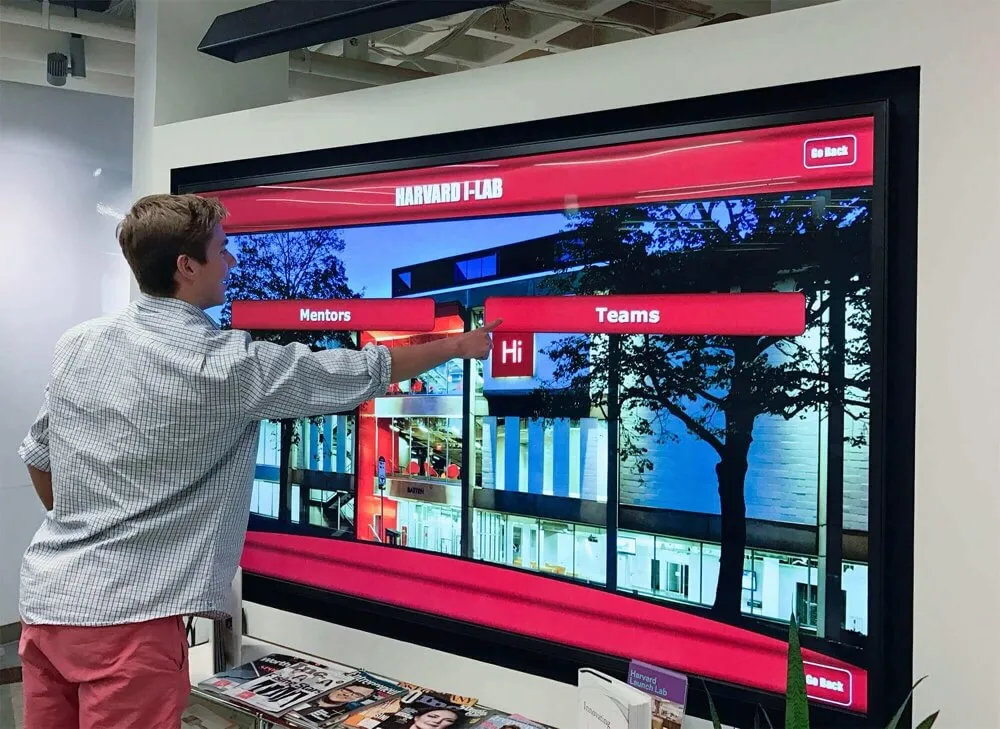
Committee recognition demonstrates institutional appreciation for volunteer governance participation
Content Elements
- Committee roster with member photos and biographies
- Committee mission statements and accomplishments
- Meeting schedules and participation opportunities
- Recent decisions and initiatives
- Volunteer hour tracking acknowledging time commitment
- Committee service milestone recognition
Many organizations apply employee recognition program structures adapted for volunteer committee service in senior communities.
3. Parking Committee Awards and Special Recognition
Parking represents a significant concern in many senior communities. Recognizing the committee addressing these challenges validates their efforts.
Specific Recognition Approaches
- Parking Committee Member of the Year
- Most Improved Parking Area award
- Visitor Parking Coordinator recognition
- Handicapped Space Monitor appreciation
- Parking Policy Innovation award
- Conflict Resolution Excellence recognition
Display Content
- Committee member profiles highlighting problem-solving contributions
- Before-and-after photos showing improvements implemented
- Testimonials from residents about parking experience enhancements
- Parking lot maps with accessibility information
- Committee meeting notes and upcoming initiatives
This specific committee deserves particular recognition given frequent friction around parking allocation, visitor access, and accessibility modifications in congregate living environments.
4. Internal Government and Leadership Recognition
Senior living communities often establish quasi-governmental structures giving residents voice in policies and operations.
Governance Positions to Recognize
- Resident Council President and Officers
- Floor Representatives or Building Captains
- Grievance Committee members
- Budget Review Committee participants
- Policy Development Task Force members
- Strategic Planning Committee representatives
- Quality Improvement Council members
- Resident-Staff Liaison positions
Recognition Display Features
- Official titles and governance role descriptions
- Term lengths and election/appointment information
- Contact information for residents seeking representation
- Recent policy initiatives and accomplishments
- Historical archive of past governance leaders
- Voting records on community decisions (where appropriate)
- Advocacy success stories
This recognition legitimizes resident governance while making leadership accessible to community members needing representation.
5. In Memoriam Tribute Pages
Sensitive recognition honoring residents who have passed away provides comfort while preserving community memory.
Memorial Display Components
- Recent passings section updated promptly after notice
- Searchable memorial archive preserving entire community history
- Biographical information shared with family permission
- Photos from community events and activities
- Recorded audio messages or video interviews from community life
- Charitable contributions made in memory
- Memorial service information and remembrance event details
- Condolence messages from fellow residents
- Legacy contributions and volunteer service highlights
Design Considerations
- Appropriate visual tone with calming colors and dignified layout
- Optional memorial music or ambient sound
- Family approval process before public display
- Privacy controls respecting family preferences
- Separate section from celebratory recognition
- Seasonal remembrance displays for holidays and special occasions
Facilities implementing thoughtful memorial recognition report families greatly appreciate acknowledgment of their loved ones’ community contributions. Similar approaches used in academic memorial programs translate effectively to senior living contexts.
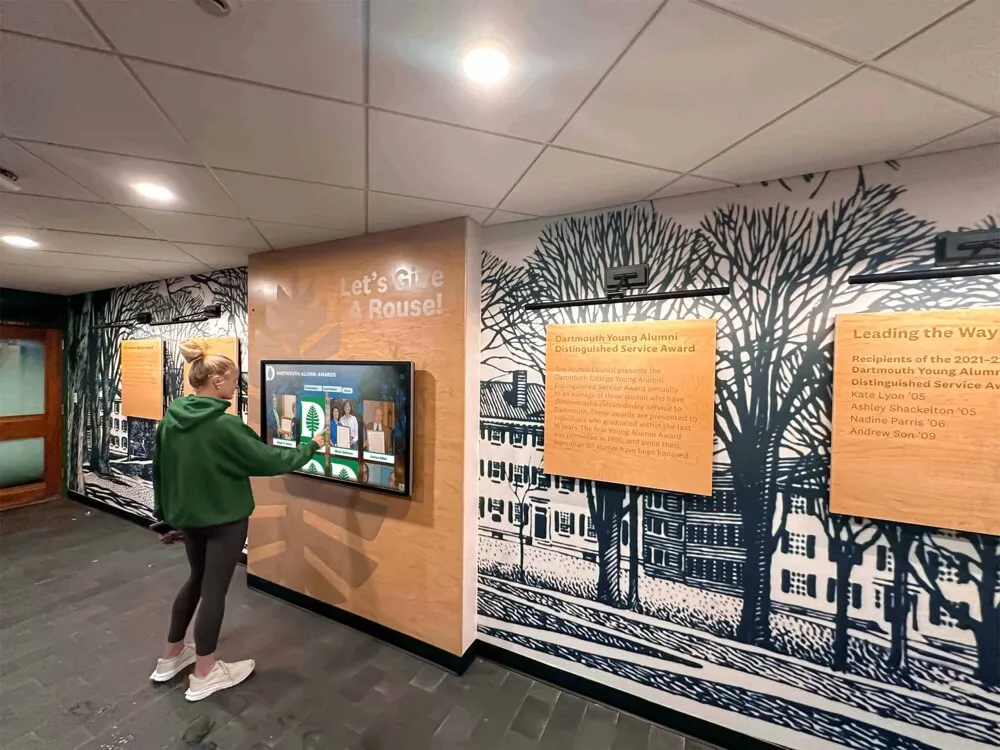
Sensitive memorial displays honor lives while providing families meaningful acknowledgment of community contributions
6. Interactive Community Directory
Comprehensive, searchable resident directory helping neighbors connect and find specific individuals.
Directory Information Categories
- Resident names with photos
- Apartment or unit numbers
- Move-in dates and tenure milestones
- Preferred contact methods
- Family visitor information
- Special interests and hobbies
- Professional background and expertise
- Languages spoken
- Pet information
- Preferred social activities
Privacy Considerations
- Opt-in participation respecting privacy preferences
- Multiple privacy levels from full profile to name-only listing
- Family member access controls
- Visitor restrictions noted clearly
- Do not disturb preferences
- Medical information excluded maintaining HIPAA compliance
Interactive directories prove particularly valuable in larger communities where residents struggle remembering neighbors’ names and locating specific individuals.
7. Volunteer Service Awards and Hour Recognition
Acknowledge the substantial volunteer contributions residents make to community operations and programming.
Volunteer Recognition Levels
- 25, 50, 100, 250, 500, 1000+ hour milestone achievements
- Monthly volunteer spotlight featuring dedicated contributors
- Department-specific volunteer recognition (dining, activities, library, reception)
- Specialized volunteer certifications and training completion
- Volunteer leadership positions (coordinators, team leads, trainers)
- New volunteer welcome and orientation completion
Tracking and Display Features
- Cumulative volunteer hour totals updated regularly
- Leaderboard showing top contributors (with participant permission)
- Volunteer opportunity listings encouraging participation
- Upcoming volunteer training and orientations
- Testimonials from staff about volunteer impact
- Photos from volunteer activities and events
Many senior communities adapt corporate volunteer recognition approaches to residential settings.
8. Resident Achievement and Milestone Celebrations
Personal accomplishments deserve community acknowledgment creating shared celebration.
Achievement Categories
- Educational milestones (degrees, certificates, courses completed)
- Published works (books, articles, research)
- Artistic exhibitions and performances
- Athletic accomplishments and fitness milestones
- Professional awards and career recognitions
- Community service beyond facility
- Family milestones (new grandchildren, family achievements)
- Technology skill development
- Continued learning participation
Milestone Recognition
- Move-in anniversaries (1, 5, 10, 15, 20+ years)
- Birthday celebrations by age milestones
- Wedding anniversaries
- Sobriety anniversaries supporting recovery
- Health recovery milestones
- Independence maintenance goals achieved
These recognitions celebrate ongoing life engagement and accomplishment rather than treating senior living as passive retirement stage.
9. Activity Participation and Engagement Awards
Encourage activity participation through recognition of regular engagement and achievement.
Activity Recognition Types
- Perfect attendance for specific programs or classes
- Fitness class participation milestones
- Book club discussion leadership
- Game tournament winners and participants
- Arts and crafts exhibition participants
- Gardening club contributions
- Music program performers
- Cooking class participants
- Educational seminar attendance
- Field trip and outing participation
Competitive and Non-Competitive Balance
- Participation certificates for non-competitive involvement
- Tournament brackets and competition results for competitive activities
- Personal improvement recognition avoiding comparisons
- Team achievement awards encouraging collaboration
- Most Improved recognition in skill-based activities
Recognition balancing competitive achievement with participation encouragement accommodates varying ability levels and competitive preferences.
10. Staff Appreciation Recognition Initiated by Residents
Empower residents to recognize staff members providing exceptional care and service.
Recognition Structure
- Resident-nominated staff employee of month
- Department-specific excellence awards
- Extraordinary care recognition for exceptional situations
- Longevity awards acknowledging dedicated staff tenure
- Behind-the-scenes staff appreciation for support roles
- Team recognition for coordinated care excellence
Display Features
- Staff photos and biographical information
- Specific situations and actions deserving recognition
- Resident testimonials about care quality
- Staff professional qualifications and certifications
- Years of service milestones
- Staff community involvement and volunteer work
Resident-initiated staff recognition demonstrates mutual respect while improving staff morale and retention.
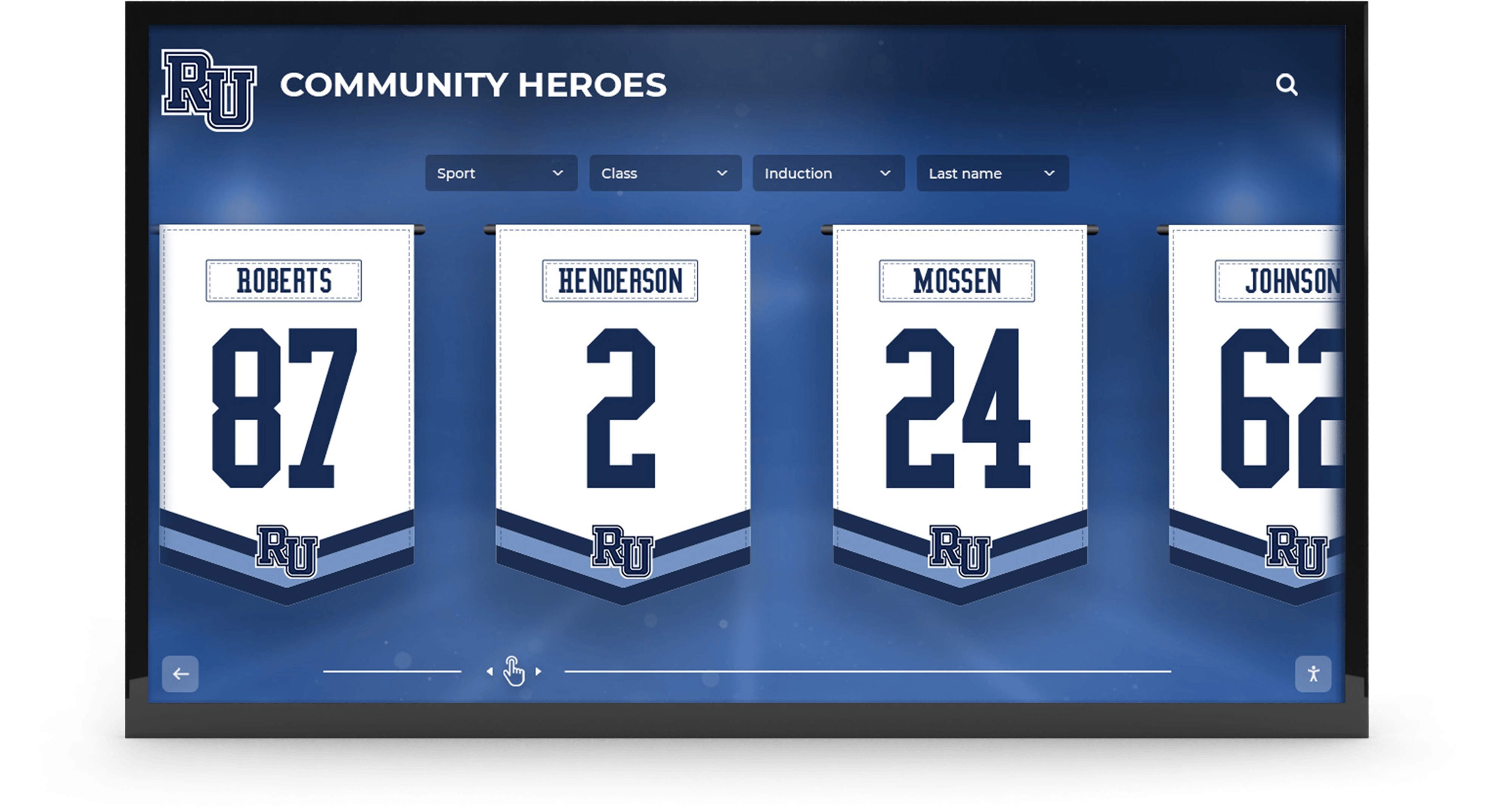
Staff recognition programs initiated by residents strengthen community bonds while acknowledging dedicated care
11. Historical Resident Archive and Community History
Preserve institutional memory while celebrating community evolution.
Historical Content Categories
- Founding residents and early community development
- Facility expansion and renovation history
- Significant community events and celebrations
- Historical photos showing community changes
- Oral history interviews with long-term residents
- Community tradition origins and evolution
- Resident contributions to facility development
- Notable former residents and their legacies
Interactive History Features
- Decade-by-decade timeline navigation
- Then-and-now photo comparisons
- Resident reminiscence contributions
- Family history connections
- Community milestone archive
- Historical document library
Organizations can reference digital archives implementation strategies adapted for senior living contexts.
12. Birthday and Anniversary Recognition Calendar
Systematic celebration of personal milestones strengthening social connections.
Calendar Features
- Daily birthday displays with photos and ages (with permission)
- Wedding anniversary recognition with marriage duration
- Move-in anniversary celebrations
- This month birthday compilation
- Upcoming celebrations preview
- Birthday/anniversary history showing past celebrations
- Group celebration event information
- Personal messages and well-wishes from neighbors
Privacy and Sensitivity
- Age display optional based on resident preference
- Anniversary specifics (divorce, widowhood) handled sensitively
- Opt-out available for residents preferring privacy
- Deceased spouse anniversary handling with appropriate tone
Regular milestone recognition creates predictable celebration rhythm residents anticipate and appreciate.
13. Resident Talent Showcase and Performer Recognition
Celebrate artistic, musical, and performance talents within community.
Showcase Categories
- Musical performances (individual and ensemble)
- Theatrical productions and dramatic readings
- Visual arts exhibitions (painting, photography, sculpture)
- Craft demonstrations and workshops
- Writing readings (poetry, memoir, fiction)
- Dance performances
- Comedy and entertainment presentations
- Lecture series and educational presentations
Display Content
- Performer profiles with artistic backgrounds
- Upcoming performance schedules
- Photo galleries from past performances
- Video recordings of performances (with permission)
- Audience reviews and testimonials
- Artistic statement or performer interviews
- Participation opportunities for new performers
Recognition of creative expression validates ongoing artistic identity and encourages others to share talents.
14. Wellness and Fitness Achievement Recognition
Acknowledge health, wellness, and fitness commitment and achievement.
Wellness Recognition Areas
- Fitness class participation milestones
- Weight loss and health goal achievements
- Walking club distance milestones
- Strength and balance improvement
- Smoking cessation success
- Chronic condition management excellence
- Fall prevention program graduation
- Nutrition education completion
- Medication management achievement
- Mental wellness program participation
Sensitivity Requirements
- Voluntary participation in recognition
- No comparison or competition emphasizing relative performance
- Medical information privacy maintained
- Success defined individually relative to personal baseline
- Celebration of maintenance and disease management, not just improvement
- Recognition of effort and commitment, not just outcomes
Wellness recognition must balance celebration with sensitivity to chronic conditions and varying ability levels.
15. Family and Intergenerational Program Recognition
Celebrate resident family involvement and intergenerational connections.
Family Recognition Categories
- Most Involved Family Member awards
- Intergenerational program participation
- Grandparent-grandchild event attendance
- Family volunteer contributions
- Adoption of community grandparent programs
- Regular visitor recognition
- Family event planning and coordination
- Multi-generation family representation in community
Intergenerational Program Highlights
- School partnership program participation
- Youth volunteer visits and activities
- Adopted grandparent program matches
- Technology mentoring programs
- Oral history projects with students
- Performance exchanges (school concerts, senior presentations)
- Seasonal celebration partnerships
These programs combat isolation while creating meaningful cross-generation relationships.
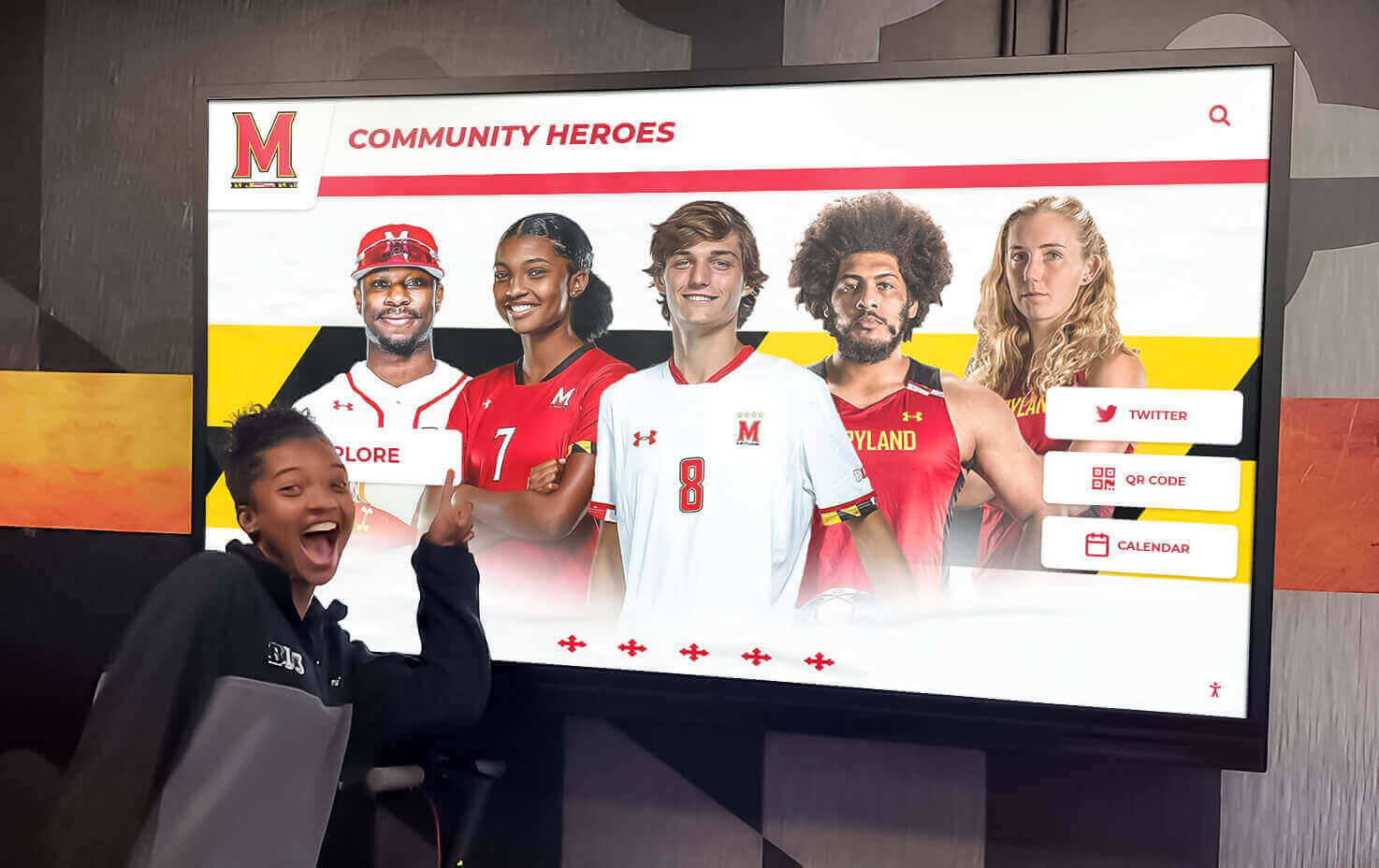
Intergenerational programs create meaningful connections while providing recognition opportunities
16. Pet and Animal Therapy Recognition
Many senior communities welcome pets and therapy animals. Recognition celebrates these important community members.
Pet Recognition Categories
- Resident pets with photos and biographical information
- Therapy animal visits and handlers
- Pet-friendly event participation
- Responsible pet ownership awards
- Pet of the month features
- Memorial recognition for deceased community pets
- Pet adoption success stories
- Service animal appreciation
Display Content
- Pet profiles with names, breeds, and personalities
- Photos from pet events and activities
- Pet birthday celebrations
- Therapy animal visit schedules
- Pet care tips and resources
- Pet policy information and committee contacts
Pet recognition acknowledges the significant emotional support animals provide while building community among pet owners.
17. Garden and Outdoor Space Recognition
Acknowledge contributions to community gardens and outdoor beautification.
Garden Recognition Areas
- Master gardeners and horticultural expertise
- Raised bed adoption and maintenance
- Seasonal plantings and landscaping
- Butterfly and pollinator gardens
- Vegetable gardens and harvest sharing
- Garden club leadership and education
- Grounds beautification projects
- Outdoor space design contributions
- Environmental sustainability initiatives
Display Features
- Gardener profiles with expertise areas
- Seasonal garden photos showing progression
- Plant identification and garden maps
- Harvest celebration and produce sharing
- Garden plots available for adoption
- Upcoming planting and maintenance schedules
- Sustainability achievement metrics
Garden recognition validates outdoor hobby pursuit while encouraging others to participate in therapeutic horticultural activities.
18. Technology Adoption and Digital Literacy Recognition
Celebrate residents embracing technology and developing digital skills.
Technology Recognition Categories
- Technology training completion certificates
- Social media adoption and participation
- Video calling proficiency connecting with family
- Email and digital communication adoption
- Smartphone and tablet skill development
- Online banking and digital services mastery
- Technology peer mentoring and assistance
- Computer club participation and leadership
- Digital photography and media creation
Program Benefits
- Reduces technology intimidation through peer modeling
- Celebrates continued learning and skill development
- Encourages adoption through recognition
- Identifies tech-savvy residents who can assist peers
- Documents community digital progress
Technology recognition particularly matters given digital divide concerns among senior populations and increasing reliance on digital communication with families.
19. Charitable Giving and Philanthropy Recognition
Acknowledge residents who support community enhancement through financial contributions and charitable involvement.
Philanthropy Recognition Approaches
- Facility enhancement donors (renovations, equipment, programs)
- Scholarship fund contributors supporting staff education
- Memorial gift recognition honoring deceased residents
- Planned giving and estate gift acknowledgment
- Annual fund supporters
- Special project donors
- Community foundation contributors
- External charitable involvement and volunteering
Sensitivity and Inclusivity
- Anonymous giving options respecting privacy preferences
- Recognition of all gift levels, not just major donations
- Non-monetary contribution acknowledgment
- Volunteer time equivalency calculations
- In-kind donation recognition
- Recognition of commitment and intent, not just capacity
Philanthropy recognition requires particular sensitivity to varying financial means while acknowledging generous support of community enhancement.
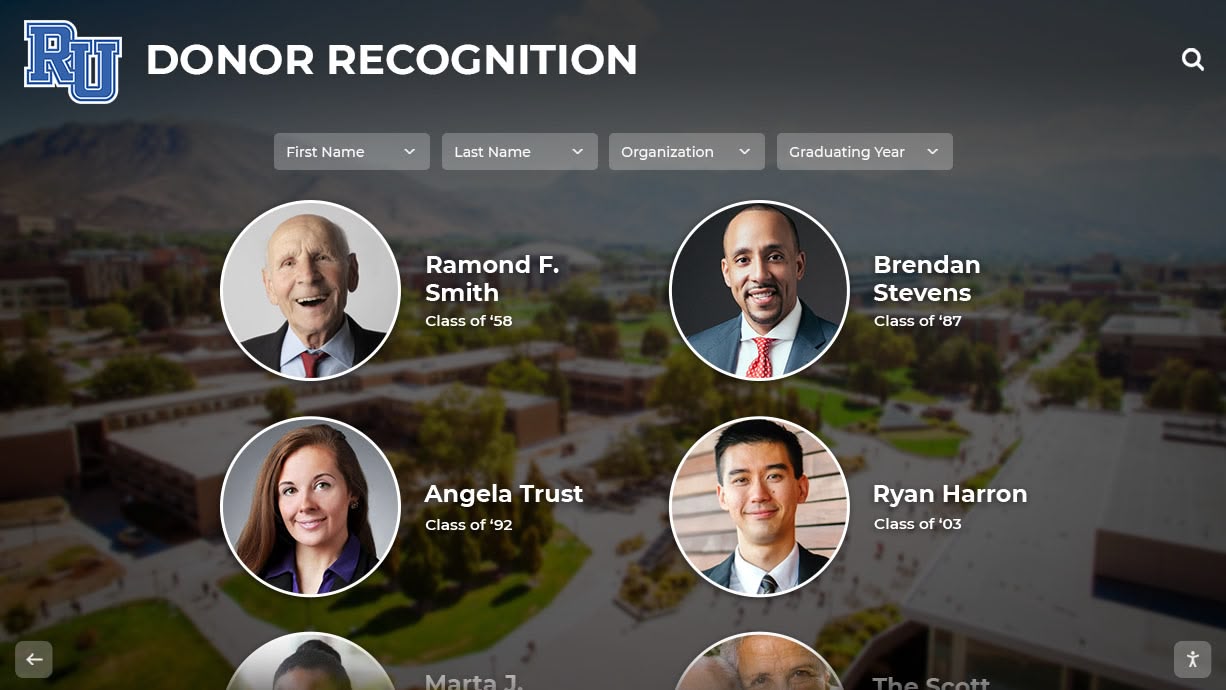
Donor recognition approaches honor financial supporters while maintaining appropriate sensitivity to varying means
20. Special Interest Group and Hobby Club Recognition
Acknowledge self-organized resident groups pursuing shared interests.
Special Interest Categories
- Book clubs and reading groups
- Bridge, poker, and game clubs
- Investment and financial discussion groups
- Veterans groups and military history clubs
- Travel and geography interest groups
- Film and cinema appreciation clubs
- Knitting, crafts, and fiber arts groups
- Historical society and genealogy groups
- Political discussion and current events forums
- Spiritual and faith-based study groups
- Foreign language conversation groups
Club Recognition Content
- Club rosters and meeting schedules
- Recent activities and accomplishments
- Membership information and joining process
- Club history and founding information
- Special events and guest speakers
- Member expertise and leadership
- Collaboration with other clubs
- Community service and outreach activities
Special interest recognition validates diverse resident interests while helping newcomers find like-minded neighbors.
Implementation Strategy for Senior Living Recognition Programs
Successfully implementing touchscreen recognition requires planning addressing content development, system selection, staff training, and ongoing management.
Assessing Community Recognition Needs
Begin by understanding what recognition matters most to your specific resident population:
Needs Assessment Process
- Survey residents about recognition priorities and preferences
- Interview resident council about governance and committee visibility
- Consult activity directors about participation recognition
- Gather family input about memorial preferences
- Review existing recognition programs for effectiveness
- Identify recognition gaps and unmet needs
- Benchmark against comparable communities
This assessment prevents implementing recognition programs leadership assumes residents want versus what they actually value.
Selecting Appropriate Touchscreen Solutions
Technology selection significantly impacts long-term success:
Essential Selection Criteria
- Commercial-grade displays rated for continuous operation
- Screen size appropriate for viewing distance and location (typically 55"-65")
- ADA-compliant mounting height and accessibility features
- Large, high-contrast interface suitable for senior vision
- Cloud-based content management requiring no technical expertise
- Unlimited content capacity accommodating growing recognition needs
- Multi-user content management supporting distributed responsibilities
- Mobile and web access extending recognition beyond physical display
Solutions like Rocket Alumni Solutions provide platforms specifically designed for recognition applications, offering senior-friendly interfaces with accessibility features appropriate for aging populations. These purpose-built systems eliminate the complexity of adapting general digital signage to recognition purposes.
Content Development and Organization
Comprehensive recognition requires systematic content collection and organization:
Content Development Steps
- Establish recognition categories: Select 3-5 priority categories for initial launch
- Gather existing content: Collect photos, biographies, and information from resident files
- Create data collection forms: Develop standardized templates for new recognition entries
- Assign content responsibilities: Designate staff members managing each category
- Establish update schedules: Define how frequently each category receives updates
- Develop content guidelines: Create style guides ensuring consistency
- Plan recognition workflows: Document nomination, approval, and publication processes
Starting with manageable categories and expanding gradually prevents overwhelming content development capacity.
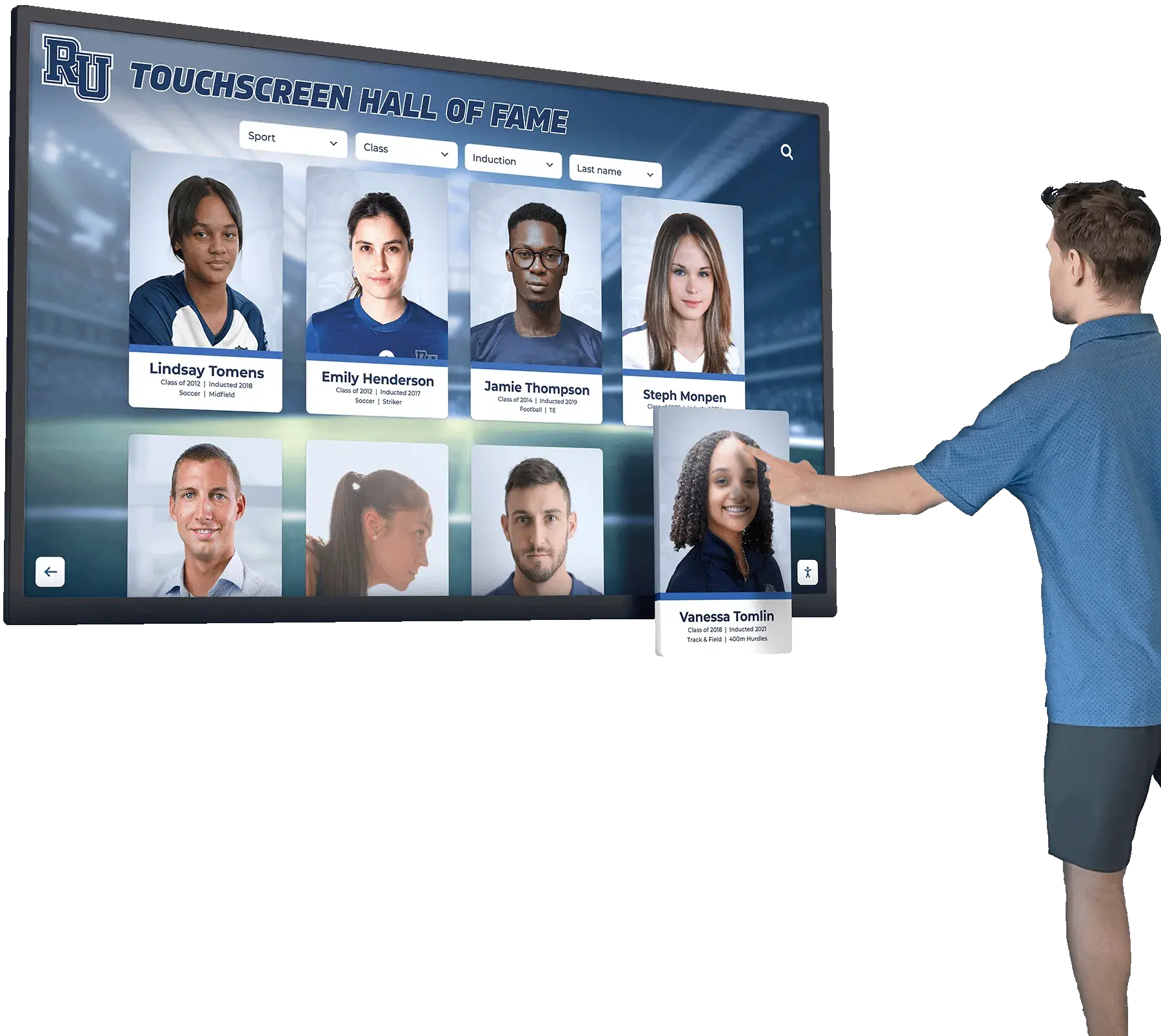
Systematic content organization processes ensure sustainable recognition program management
Privacy, Consent, and HIPAA Compliance
Senior living recognition requires special attention to privacy and regulatory compliance:
Privacy Protection Requirements
- Explicit written consent for photo and biographical information display
- Clear opt-in processes with easy opt-out mechanisms
- HIPAA compliance ensuring no protected health information display
- Family notification and consent for memorial recognition
- Age display only with explicit permission
- Contact information limited to appropriate details
- Financial information excluded completely
- Medical conditions and health status never referenced
Document consent systematically and review privacy practices annually ensuring continued compliance.
Staff Training and Management
Recognition program success depends on capable staff managing content and assisting residents:
Training Requirements
- Content management system operation (2-4 hours hands-on training)
- Photo and media preparation basics
- Privacy and consent verification procedures
- Resident assistance with display navigation
- Basic troubleshooting and technical support
- Nomination and approval workflows
- Analytics review and interpretation
Plan for 4-6 hours total training for primary content managers, with abbreviated training for staff assisting residents.
Launch and Promotion Strategy
Recognition programs deliver value only when residents know they exist and how to participate:
Launch Promotion Activities
- Resident council presentation explaining programs and participation
- Printed materials distributed to all apartments
- Demonstration sessions showing display navigation
- Dining room table tents and hallway posters
- Newsletter features introducing recognition categories
- Family member communications encouraging participation
- Staff introduction during one-on-one resident interactions
- Follow-up promotions highlighting new recognition added
Plan for 4-6 week intensive promotion campaign following initial launch, with ongoing periodic reminders as recognition programs become established community features.
Common Challenges and Solutions
Understanding typical implementation challenges helps communities avoid common pitfalls:
Limited Staff Time for Content Updates
Challenge: Staff already stretched thin struggle finding time for recognition content management.
Solutions
- Start with 2-3 recognition categories rather than comprehensive programs
- Establish monthly update schedules rather than continuous real-time updates
- Create resident volunteer roles assisting with data collection
- Use bulk import capabilities loading multiple recognitions simultaneously
- Implement simple nomination forms automating information collection
- Designate specific staff responsibilities preventing diffuse accountability
Digital recognition platforms reduce administrative time 70-85% compared to traditional bulletin board maintenance, but still require systematic processes.
Resident Technology Anxiety
Challenge: Some seniors feel intimidated by touchscreen technology, avoiding interaction.
Solutions
- Position staff or volunteers near displays during initial weeks assisting hesitant residents
- Create simple printed quick-start guides mounted beside displays
- Offer scheduled demonstration sessions teaching navigation basics
- Design extremely simple interfaces with large, obvious navigation buttons
- Provide alternative access via printed directories for residents refusing technology
- Recruit tech-comfortable residents as peer ambassadors helping neighbors
Most initial technology resistance dissipates once residents experience successful interaction. Large, simple interfaces designed specifically for seniors reduce anxiety compared to complex general-purpose displays.
Privacy and Consent Management
Challenge: Tracking photo permissions and content consent becomes administratively burdensome.
Solutions
- Develop standardized consent forms collected during move-in
- Maintain centralized consent database accessible to content managers
- Implement clear consent indicators in content management system
- Establish default privacy settings protecting residents unless explicit consent obtained
- Create simple consent revision processes letting residents change preferences
- Document consent systematically preventing confusion and compliance issues
Privacy protection requires ongoing attention but becomes routine with established systems.
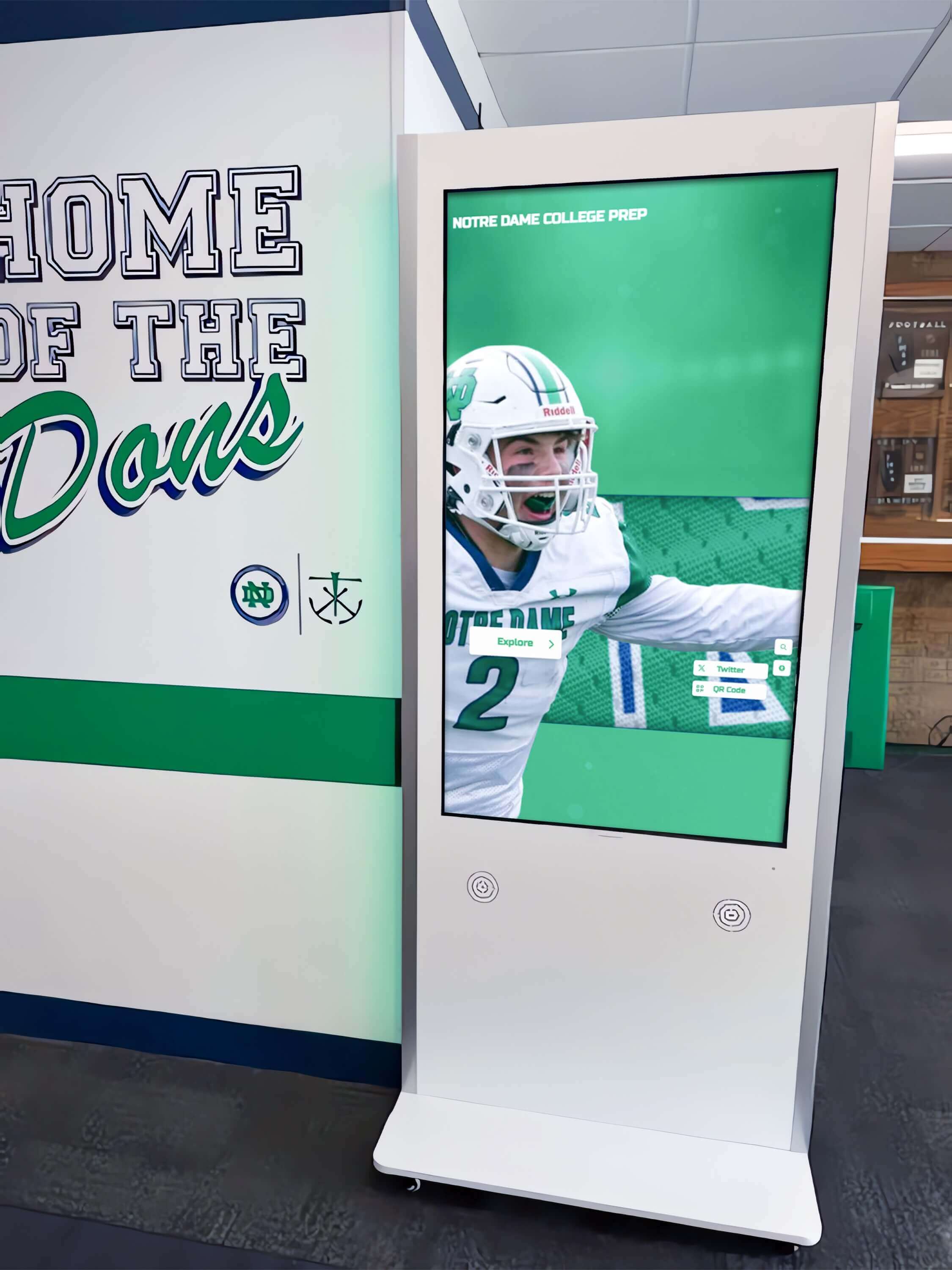
Privacy-respecting recognition systems protect resident information while celebrating community contributions
Maintaining Fresh, Current Content
Challenge: Recognition displays become stale when content updates lag.
Solutions
- Establish recurring calendar of recognition categories rotating monthly
- Schedule automatic content rotation displaying different categories on different days
- Create recognition submission deadlines aligned with regular update schedules
- Designate specific staff meeting time reviewing and adding recognition
- Use analytics identifying neglected categories requiring attention
- Implement automated reminders prompting content updates
- Celebrate update milestones motivating continued content management
Viewing content management as ongoing program requirement rather than one-time project prevents staleness.
Balancing Recognition Across Diverse Residents
Challenge: Ensuring recognition doesn’t repeatedly feature same active residents while others remain invisible.
Solutions
- Establish category limits preventing single resident dominating multiple areas
- Actively seek recognition opportunities for quieter, less visible residents
- Create recognition categories acknowledging different contribution types
- Request staff and resident nominations of less visible deserving individuals
- Track recognition distribution across resident population
- Celebrate variety of contribution types rather than just highest-profile activities
- Include behind-the-scenes roles alongside visible leadership positions
Inclusive recognition builds broader community pride compared to programs focusing only on most active participants.
Measuring Recognition Program Effectiveness
Assessment ensures recognition programs deliver intended community benefits:
Quantitative Metrics to Track
Participation Measures
- Percentage of residents featured in at least one recognition category
- Volunteer hour increases following program launch
- Activity participation rate changes
- Committee membership applications and interest
- Recognition nomination submission rates
- Touchscreen interaction frequency and duration
Satisfaction Indicators
- Overall community satisfaction survey scores
- Family satisfaction ratings
- Move-in conversion rates from prospects
- Resident retention and renewal rates
- Staff satisfaction and retention metrics
- Online review sentiment and ratings
Many communities experience measurable satisfaction improvements following comprehensive recognition program implementation.
Qualitative Assessment Methods
Feedback Collection
- Informal conversations with residents about recognition value
- Resident council discussions about program effectiveness
- Family member comments during visits and surveys
- Staff observations about resident responses
- Anecdotal stories demonstrating recognition impact
- Suggestion box submissions about recognition improvements
Continuous Improvement Process
- Quarterly program reviews assessing what works well
- Annual comprehensive evaluation with stakeholder input
- Recognition category additions based on identified needs
- Navigation and interface refinements based on usage observation
- Content quality improvements responding to feedback
- New feature implementation expanding capabilities over time
Treating recognition as evolving programs requiring regular attention creates more effective outcomes than viewing them as static installations.
Future Considerations for Senior Living Recognition
Understanding emerging trends helps communities plan recognition programs remaining relevant long-term:
Voice Interface and Accessibility
Voice-activated search and navigation improves accessibility for residents with vision impairments or manual dexterity limitations. Expect increasing voice interface adoption in senior living touchscreen applications within 2-3 years.
Personalized Content Recommendations
Artificial intelligence systems may soon suggest relevant recognition content based on individual resident interests, activities, and social connections, creating personalized discovery experiences.
Integration with Wellness and Care Systems
Recognition programs may integrate with wellness tracking, care coordination platforms, and activity scheduling systems, providing comprehensive views of resident engagement and participation.
Expanded Family Access and Engagement
Remote family member access to recognition content keeps distant relatives informed about loved ones’ community participation and achievements, strengthening family connections and satisfaction.
Conclusion
Senior living recognition programs celebrating volunteer service, committee participation, personal achievements, and community contributions create positive environments where residents feel valued and connected. Traditional recognition methods face limitations that interactive touchscreen displays overcome through unlimited capacity, accessibility features, simple management, and engaging presentation.
The 20 recognition ideas explored in this guide address priorities senior living communities care about most—from parking committee acknowledgment and neighbor of the week programs to internal governance recognition, in memoriam tributes, and comprehensive community directories. These programs strengthen bonds between residents while demonstrating institutional appreciation for the contributions that make communities thrive.
Modern digital recognition displays make comprehensive programs achievable for facilities of all sizes by eliminating space constraints and simplifying content management. Solutions like Rocket Alumni Solutions provide purpose-built platforms designed specifically for recognition applications, offering senior-friendly interfaces with accessibility features appropriate for aging populations while maintaining the reliability and simplicity essential for staff managing content alongside numerous other responsibilities.
Whether implementing first recognition programs or enhancing existing approaches, thoughtful planning addressing content development, privacy protection, staff training, and ongoing management creates sustainable recognition that residents genuinely appreciate. Every improvement creates more meaningful acknowledgment for the volunteers, committee members, neighbors, and community participants whose contributions deserve celebration.
Ready to explore modern recognition solutions that scale with your growing senior community while eliminating the limitations of traditional bulletin boards and plaques? Talk to our team to discuss how interactive touchscreen platforms can help you create comprehensive recognition honoring every resident at every engagement level while strengthening relationships that sustain positive, connected senior living communities.