Selecting a school yearbook company represents one of the most visible decisions yearbook advisors and administrators make each year—yet many schools evaluate publishers based solely on price quotes rather than the comprehensive factors determining whether your yearbook captures school memories effectively, arrives on time, and stays within budget constraints.
Traditional yearbook publishers like Jostens, Herff Jones, and Balfour have served schools for decades, while newer digital-first companies like TreeRing and Entourage offer modern alternatives. Meanwhile, schools increasingly recognize that annual print yearbooks, while valuable, represent just one component of comprehensive student recognition programs—leading many to pair traditional yearbooks with year-round digital displays showcasing achievements across all twelve months.
This guide examines major school yearbook companies, comparing features, pricing models, and service approaches while exploring how digital recognition platforms complement annual yearbooks by creating continuous celebration spaces extending far beyond what printed pages can offer.
School yearbook decisions impact not just the current year’s publication but relationships spanning multiple years—switching publishers mid-contract or after disappointing experiences creates unnecessary disruption. Research from yearbook advisor associations indicates that schools conducting structured publisher evaluations report 40-60% higher satisfaction rates compared to those selecting based primarily on initial cost proposals.
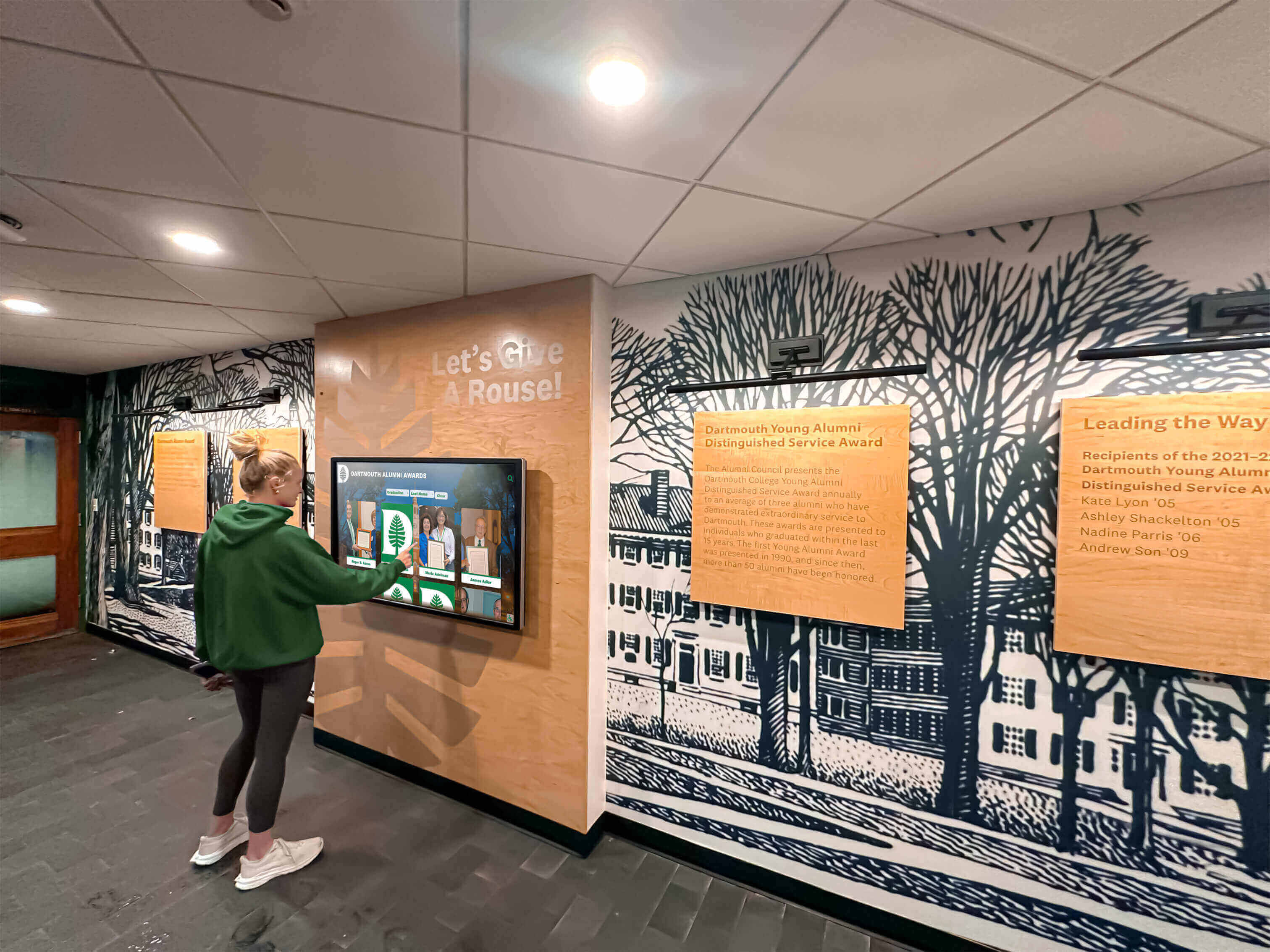
Modern schools combine traditional print yearbooks with year-round digital recognition displays creating multiple touchpoints for celebrating student achievements
Understanding School Yearbook Company Options
Before comparing specific publishers, understanding the yearbook company landscape helps schools evaluate options appropriately.
Traditional Full-Service Publishers
Established yearbook companies offer comprehensive services managing the entire yearbook production process:
Major Traditional Publishers
- Jostens: The largest yearbook publisher serving over 10,000 schools with extensive representative networks and established production systems
- Herff Jones: Second-largest publisher offering yearbook services alongside graduation products with bundled package options
- Balfour: Traditional publisher emphasizing personalized service and flexible design options particularly for smaller schools
- Walsworth: Family-owned publisher focusing on quality printing and dedicated service representatives
Service Model Characteristics
- Assigned sales representatives providing in-person or virtual support throughout the year
- Proprietary design software (often requiring specific training and limiting portability)
- Structured production calendars with deadline checkpoints
- Physical proof copies before final printing
- Comprehensive support including curriculum materials for yearbook classes
- Multi-year contracts often offering equipment or software incentives
Traditional publishers work well for schools valuing established processes, extensive support networks, and bundled service packages integrating design, printing, and delivery.
Digital-First and Online Yearbook Companies
Newer companies emphasize user-friendly online platforms and streamlined processes:
Notable Digital-First Publishers
- TreeRing: Cloud-based platform emphasizing parent/student photo submissions and personalized page options
- Entourage: Collaborative online platform with real-time editing and modern design templates
- Picaboo: Consumer-friendly design tools adapted for school yearbooks with flexible pricing
Service Model Characteristics
- Browser-based design tools requiring no software downloads or installations
- Crowd-sourcing capabilities allowing broader photo collection from school community
- Flexible page counts accommodating budget variations
- Digital delivery options complementing or replacing printed books
- Typically more affordable pricing with fewer bundled services
- Year-to-year flexibility without long-term contract requirements
Digital-first publishers appeal to schools comfortable with technology, those wanting community involvement in photo collection, or programs prioritizing budget flexibility over comprehensive support.
Many schools using traditional yearbook publishers complement annual books with interactive digital displays showcasing student achievements throughout the entire year rather than just during yearbook distribution week.
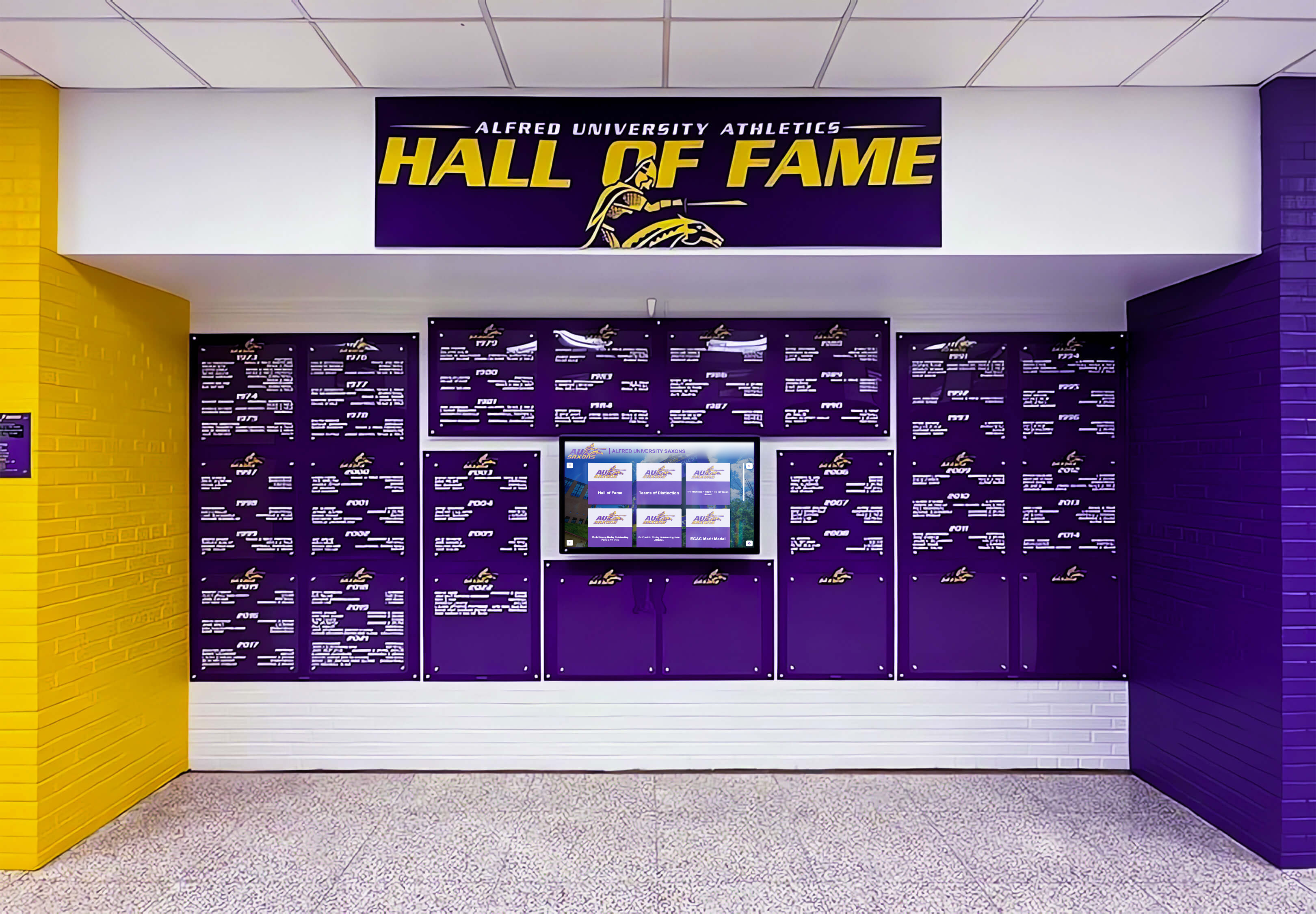
Year-round digital recognition displays showcase student achievements continuously while traditional yearbooks capture annual memories
Key Factors in Comparing School Yearbook Companies
When evaluating yearbook publishers, these factors determine long-term satisfaction beyond initial price quotes.
1. Design Software and Ease of Use
The design platform determines how much time your yearbook staff invests in layout creation and whether students can work independently or require constant advisor intervention.
What to Evaluate
- Learning curve: How many hours does a new staff member need to become proficient?
- Template quality: Are design templates modern, customizable, and aligned with current yearbook trends?
- Collaboration features: Can multiple students work simultaneously without version conflicts?
- Mobile accessibility: Can staff add content or make edits from tablets or phones?
- Import capabilities: Can you easily import photos from various sources including student event photos and athletic programs?
Platform Differences Traditional publishers typically provide downloadable software (Jostens’ Yearbook Avenue, Herff Jones’ eDesign) requiring installation and updates. Digital-first companies offer browser-based platforms accessible from any device with internet connection.
Schools with experienced yearbook classes familiar with specific software may prefer traditional platforms offering advanced design control. Programs with rotating student staff or limited advisor time often find cloud-based platforms reduce training requirements.
2. Pricing Structure and Total Cost
Published “per-book” prices rarely reflect actual costs—understanding complete pricing helps schools budget accurately.
Cost Components to Compare
- Base book pricing: Cost per book at specific page counts (typically 200-300 pages)
- Page increment pricing: Additional cost for extra pages beyond base package
- Cover options: Price differences between standard, padded, or custom covers
- Yearbook sales software fees: Charges for online ordering and payment systems
- Shipping and handling: Sometimes included, sometimes charged separately per delivery location
- Design service fees: Costs for publisher-provided design assistance if needed
- Platform access fees: Annual software licensing or platform access charges
Hidden Costs to Identify
- Required minimum order quantities that may exceed your actual student population
- Charges for revision rounds beyond included proof cycles
- Premium photo paper upgrades often promoted after initial quotes
- Rush fees for late page submissions beyond standard deadlines
Budget Ranges by Publisher Type
- Traditional full-service publishers: $35-$85+ per book depending on page count, cover options, and order quantity
- Digital-first publishers: $25-$50 per book with more flexible page count pricing
- Hybrid options: $30-$60 per book balancing service and cost
Schools should calculate total program costs including software, support services, and delivery—not just per-book pricing. A publisher charging $5 less per book but requiring expensive software licenses or charging separately for support may cost more overall.
Many schools fund yearbook programs through senior class awards and recognition initiatives where families contribute to both printed yearbooks and permanent digital recognition displays.
3. Representative Support and Customer Service
The quality and accessibility of support dramatically affects yearbook advisor experience, particularly for first-year advisors or schools experiencing staff turnover.
Support Models to Compare
- Dedicated representatives: Single contact person familiar with your school assigned for the year or multi-year contract
- Regional representatives: In-person or virtual meetings with sales/support staff covering your geographic area
- Call center support: Generic help desk accessed by phone or email without dedicated contact
- Peer advisor networks: Publisher-facilitated connections with experienced advisors at similar schools
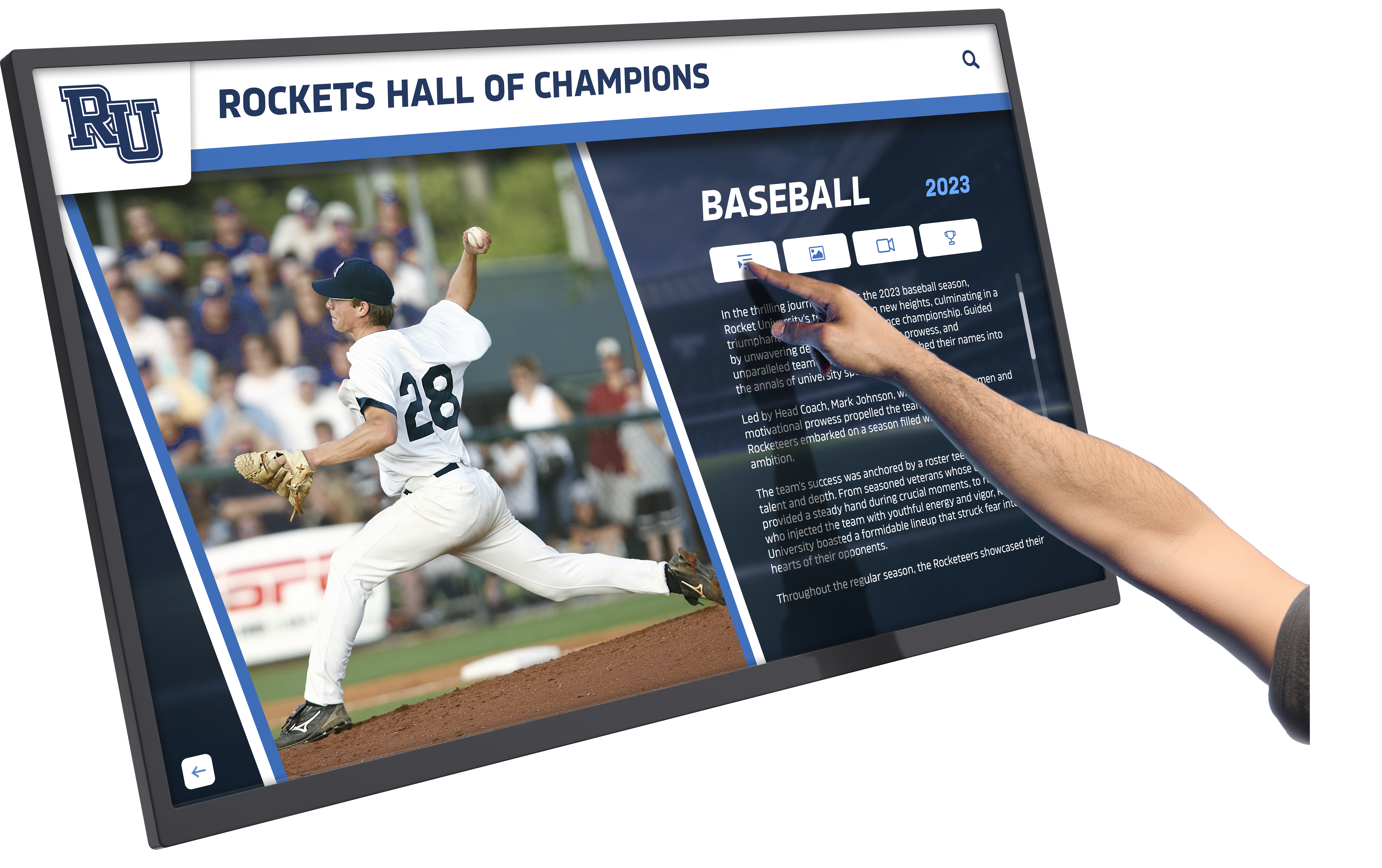
Digital platforms provide immediate updates while print yearbooks require annual production cycles
Questions to Ask Current Customers
- How quickly does your representative respond to questions during deadline periods?
- Have you worked with the same representative across multiple years?
- What happens when your representative leaves the company?
- Does your publisher provide proactive deadline reminders or only respond to inquiries?
Traditional publishers typically emphasize dedicated representative relationships as competitive advantages. Digital-first companies often provide strong technical support but may lack the personal relationship aspect some advisors value.
4. Production Timeline and Deadline Flexibility
Yearbook production schedules impact how much stress your yearbook staff experiences and whether books arrive before school ends.
Timeline Factors to Evaluate
- Final deadline dates: How late in the school year can you submit completed pages?
- Production duration: Weeks from final submission to delivery
- Proof review options: Digital proofs only, or physical proof books before full print runs?
- Rush production availability: Can you pay premium fees for faster production if needed?
- Distribution timing: Will books arrive before school ends or require summer distribution?
Seasonal Considerations Most yearbook companies experience spring deadline bottlenecks when thousands of schools submit final pages simultaneously. Schools able to submit earlier (late February or March rather than April/May) often receive:
- More flexible deadline accommodations if issues arise
- Better representative availability during less busy periods
- Sometimes preferential pricing for early commitment
Schools wanting to showcase spring athletic championships or end-of-year events face difficult choices between waiting for coverage and meeting deadlines. Digital recognition displays solve this by providing immediate showcasing of achievements without waiting for annual yearbook publication.
5. Quality Standards and Printing Options
Print quality determines whether your yearbook looks professional or disappointing when students open books they’ve anticipated for months.
Quality Specifications to Compare
- Paper weight and finish: Heavier paper (80-100lb) resists wear better than lightweight alternatives
- Printing method: Offset printing generally offers superior quality compared to digital printing
- Color accuracy: Ability to match school colors precisely and render photos accurately
- Binding durability: Smyth-sewn binding lasts longer than perfect binding for thick yearbooks
- Cover materials: Hardcover durability options including lamination and protective coating
Review Samples Carefully Request physical sample yearbooks from publishers—examining actual products reveals quality differences invisible in digital presentations. Evaluate:
- Photo reproduction quality in action shots with motion
- Color consistency across different page spreads
- Binding strength when opening books completely flat
- Cover durability and finish appearance
Schools creating comprehensive recognition programs often maintain high-quality print yearbooks for annual memories while using digital displays for searchable, updateable recognition content.
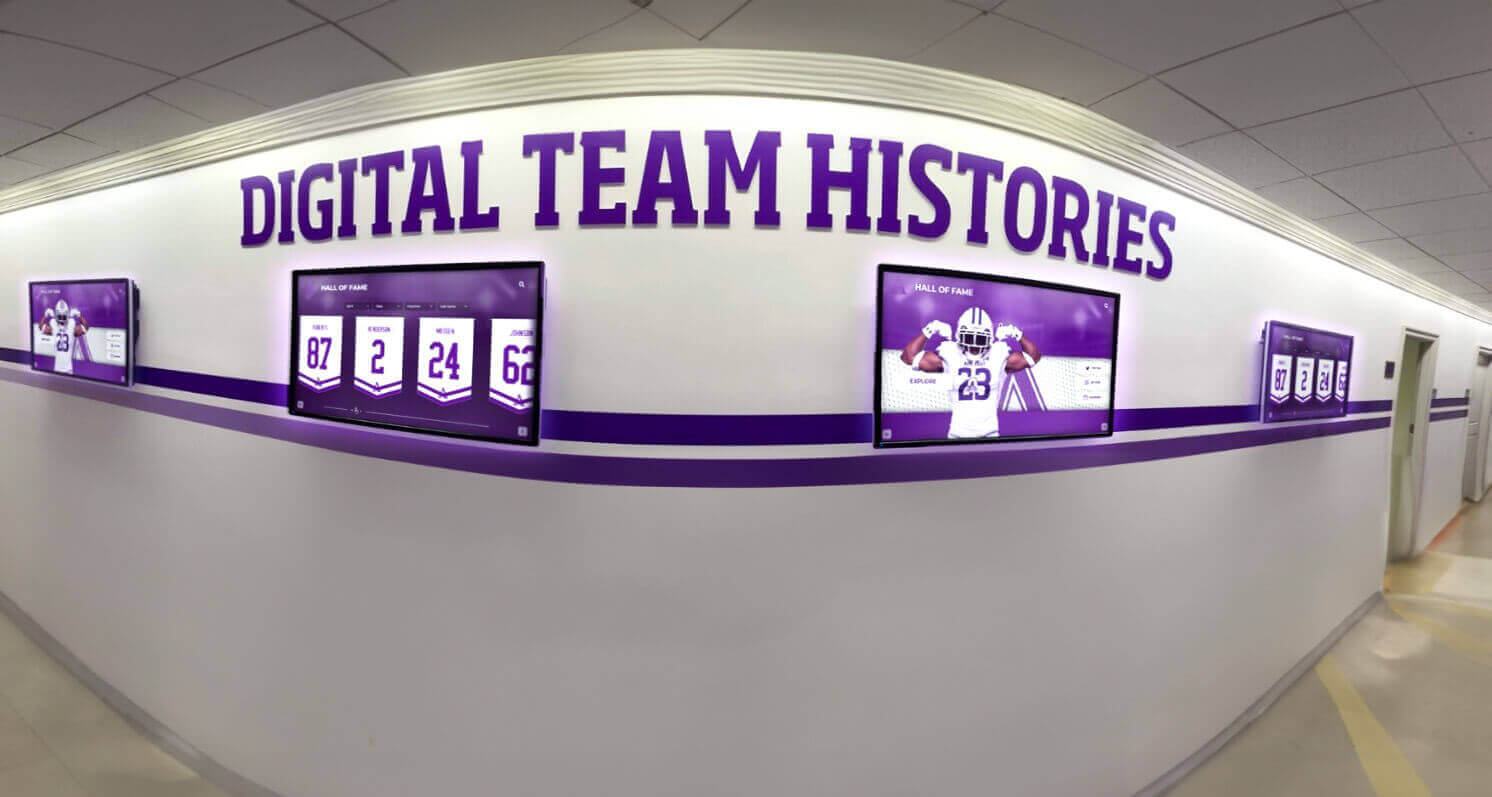
Digital recognition systems provide searchable, updateable content complementing annual print yearbooks
Comparing Major School Yearbook Publishers
Understanding how specific publishers approach yearbook production helps schools identify best-fit options.
Jostens: Market Leader with Comprehensive Services
Company Overview Jostens dominates the school yearbook market with established representative networks, extensive support resources, and integrated platforms connecting yearbooks with graduation products and school jewelry.
Strengths
- Largest representative network providing local in-person support in most regions
- Mature software platforms with advanced design capabilities for experienced staff
- Extensive curriculum resources and training materials for yearbook classes
- Strong track record meeting deadlines across thousands of schools annually
- Bundled incentives when schools also purchase graduation products
Considerations
- Higher pricing compared to digital-first alternatives
- Proprietary software creating platform lock-in across contract years
- Multi-year contracts sometimes limiting flexibility
- Learning curve for software platforms requiring significant training investment
Ideal For Schools valuing comprehensive support, established processes, and multi-year representative relationships. Large programs with experienced yearbook classes able to leverage advanced software capabilities.
Herff Jones: Tradition with Graduation Integration
Company Overview Second-largest yearbook publisher offering integrated graduation product lines and emphasizing value packages bundling multiple services.
Strengths
- Strong regional representative networks particularly in Midwest and South
- Value-focused packaging for schools purchasing yearbooks alongside graduation regalia
- Flexible design platforms accommodating various skill levels
- Solid quality standards across printing and binding
- Multi-product discounts for schools consolidating vendors
Considerations
- Representative coverage varies significantly by region
- Software platforms sometimes lag competitor innovations
- Package deals may include products you don’t need
- Medium-length learning curves for design platforms
Ideal For Schools seeking cost-effective bundling of yearbooks with graduation products. Programs wanting balance between traditional support and budget consciousness.
Balfour: Personalized Service Focus
Company Overview Traditional publisher emphasizing customized service and flexible approaches particularly for smaller schools and specialized programs.
Strengths
- High-touch service models with personalized representative attention
- Flexible design options accommodating unique school traditions
- Competitive pricing for smaller order quantities
- Strong quality standards across printing services
- Willingness to accommodate non-standard requests
Considerations
- Smaller representative network compared to Jostens or Herff Jones
- Limited presence in some geographic regions
- May lack cutting-edge digital platform innovations
Ideal For Small to medium schools valuing personalized relationships and flexible approaches. Programs with unique traditions requiring customization beyond standard templates.
TreeRing: Digital-First Innovation
Company Overview Modern yearbook company built around cloud-based design platforms, community photo collection, and flexible personalization options.
Strengths
- Intuitive browser-based design tools requiring minimal training
- Parent and student photo upload capabilities expanding content collection
- Personalized page options allowing individual book customization
- Flexible page counts adapting to budget constraints
- Digital yearbook options complementing or replacing print books
- Competitive pricing particularly for budget-conscious programs
Considerations
- Less comprehensive support compared to traditional publishers’ representative networks
- Community photo collection requires active coordination
- Newer company with shorter track record than established publishers
- May lack advanced design capabilities experienced yearbook staff expect
Ideal For Tech-comfortable schools valuing flexibility and budget efficiency. Programs wanting community involvement in photo collection and content creation. Schools exploring digital yearbook options.
Many schools using TreeRing or other digital-first publishers complement yearbooks with permanent digital recognition displays providing searchable, year-round access to student achievements beyond annual print distribution.
Entourage: Collaborative Online Platform
Company Overview Cloud-based yearbook platform emphasizing real-time collaboration, modern templates, and streamlined workflow for today’s digital-native students.
Strengths
- Zero-download platform accessible from any device with browser
- Real-time collaboration preventing version control issues
- Modern, current design templates updated regularly
- Competitive pricing with transparent cost structure
- Strong technical support and video tutorial library
Considerations
- Requires reliable internet access for design work
- May lack depth of support for schools needing extensive guidance
- Smaller market share means fewer peer school references
Ideal For Schools with tech-savvy student staff comfortable working in cloud platforms. Programs prioritizing modern design aesthetics and collaborative workflows.
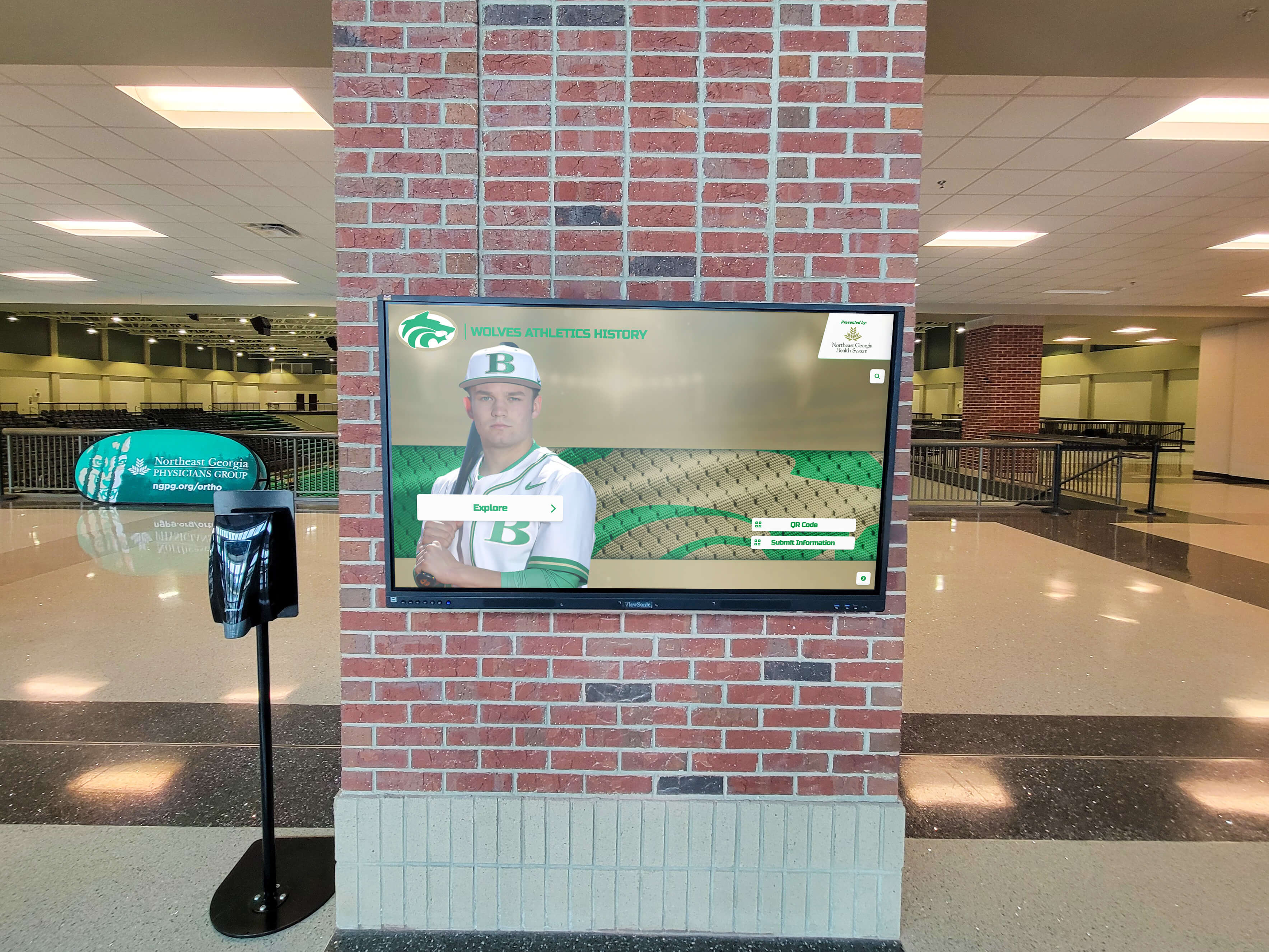
Digital recognition platforms showcase individual achievements year-round while yearbooks capture annual collective memories
Beyond Print: Digital Recognition Complementing Traditional Yearbooks
While traditional yearbook companies serve essential roles capturing annual school memories, forward-thinking schools increasingly recognize that comprehensive student recognition requires year-round visibility extending beyond printed pages distributed once annually.
The Limitations of Print-Only Recognition
Traditional yearbooks face inherent constraints:
Temporal Limitations
- Published once annually missing 11 months of achievements
- Late-year accomplishments often excluded due to spring deadlines
- Graduation ceremonies occur after yearbook distribution missing senior celebrations
Capacity Constraints
- Page limits force difficult decisions about which students receive coverage
- Budget pressures reduce page counts limiting recognition opportunities
- Rising printing costs make comprehensive coverage increasingly expensive
Accessibility Challenges
- Students must purchase yearbooks to access recognition content
- Books stored in homes not visible in school spaces where recognition matters most
- Searching printed pages for specific individuals or achievements proves cumbersome
- Graduates leave campus taking yearbooks with them eliminating visibility for future students
Update Impossibility
- Errors discovered after printing cannot be corrected
- New information cannot be added after publication
- Historical context cannot be updated as achievements accumulate
These limitations don’t diminish yearbook value—they highlight why comprehensive recognition programs require both print yearbooks AND complementary digital solutions.
Rocket Alumni Solutions: Year-Round Digital Recognition Platform
While traditional yearbook publishers focus on annual print products, Rocket Alumni Solutions provides schools with continuous, searchable, updateable digital recognition displays complementing yearbooks rather than replacing them.
How It Works Rocket Alumni Solutions combines cloud-based content management with large-format interactive touchscreen displays installed in school lobbies, athletic facilities, performing arts centers, and other high-traffic campus spaces.
Key Capabilities
Content Management
- Web-accessible database administrators update remotely from any internet-connected device
- Unlimited capacity for student profiles, photos, videos, and achievement records
- Real-time updates adding new content immediately without printing costs
- Searchable interface allowing students to find specific individuals or achievements instantly
- Historical archives preserving recognition across decades not just single years
Display Hardware
- Professional-grade touchscreen displays (55", 65", 75", 86" sizes)
- ADA WCAG 2.1 AA compliant ensuring accessibility for users with disabilities
- QR code access allowing smartphone users to explore content without touching displays
- Durable commercial displays designed for high-traffic public environments
- Professional installation with wall-mounting or floor-standing kiosk options
Recognition Applications
- Athletic halls of fame showcasing championship teams and individual record holders
- Academic excellence recognition featuring honor students and scholarship recipients
- Performing arts spotlights celebrating theatre productions and musical performances
- Alumni achievement galleries connecting current students with graduate success stories
- Class composite displays providing searchable, interactive alternatives to static photo walls
Schools complement traditional yearbook senior pages with permanent digital profiles allowing continuous updates as students progress through school and beyond graduation.
Ideal For
- Schools wanting year-round recognition visibility not limited to annual yearbook distribution
- Programs needing unlimited capacity beyond yearbook page constraints
- Institutions prioritizing accessibility and searchability
- Communities valuing permanent installations preserving recognition across generations
- Organizations seeking solutions complementing rather than replacing traditional yearbooks
Considerations
- Requires physical campus space for display installation
- Initial investment higher than single-year yearbook costs but serves recognition needs across years
- Staff must maintain content updates to keep displays current and engaging
- Best suited for schools committed to comprehensive, long-term recognition programs
How Digital Displays Complement Print Yearbooks
Rather than competing with yearbook companies, digital recognition platforms extend and enhance yearbook value:
Temporal Extension
- Yearbooks capture annual snapshots; displays provide continuous year-round recognition
- Displays showcase achievements occurring after yearbook deadlines
- Real-time updates highlight current events while yearbooks document historical record
Accessibility Enhancement
- Displays in public spaces ensure all students see recognition regardless of yearbook purchase
- Searchable interfaces help students find specific content faster than paging through printed books
- QR codes connect physical displays with mobile access combining visible recognition with personal exploration
Capacity Expansion
- Unlimited digital capacity complements page-limited yearbooks
- Broader student inclusion in digital displays while yearbooks focus on highlights
- Detailed achievement records in databases while yearbooks provide curated storytelling
Historical Preservation
- Digital archives preserve recognition across decades while individual yearbooks capture single years
- Cumulative displays show program evolution yearbooks cannot demonstrate
- Future students explore institutional history beyond books stored in homes or libraries
Many schools use yearbooks for comprehensive annual documentation while displays provide searchable, year-round recognition of highest achievements—each serving distinct purposes within complete recognition programs.
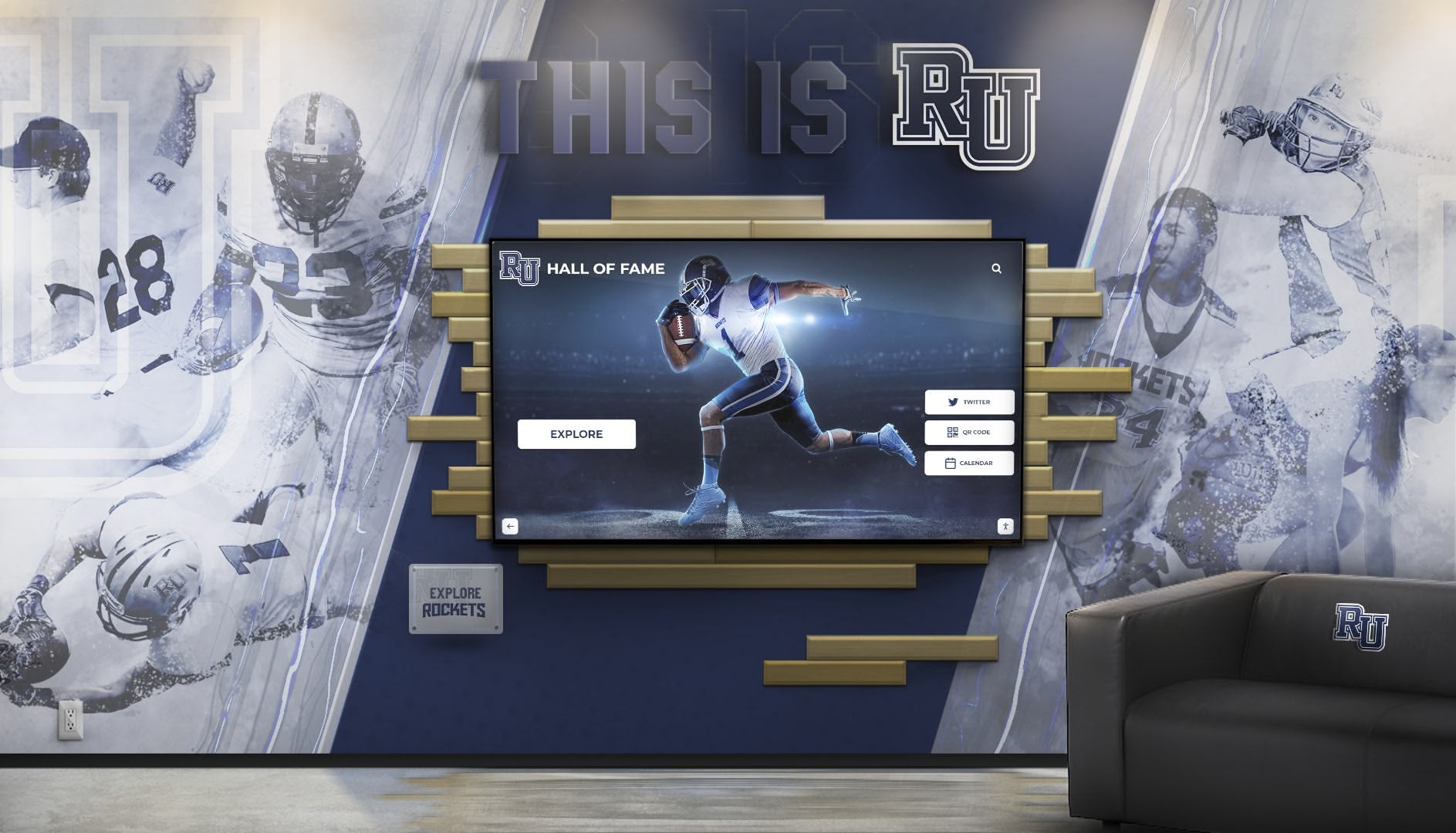
Comprehensive recognition programs combine traditional yearbook memories with permanent digital displays celebrating achievements across years
Making Your Selection Decision
Effective yearbook company selection requires structured evaluation ensuring chosen publishers serve your specific school needs.
Evaluation Framework for Yearbook Publishers
Step 1: Assess Your Program Needs Before requesting quotes, document your specific requirements:
- Student body size and typical yearbook sales volume
- Yearbook staff experience level and advisor continuity
- Budget constraints and funding sources
- Timeline needs based on school calendar and distribution goals
- Support level required based on staff experience
Step 2: Identify Must-Have vs. Nice-to-Have Features Distinguish essential capabilities from desirable extras:
Must-Have
- Design platform matching your staff’s skill level
- Production timeline compatible with your school calendar
- Quality standards meeting your expectations
- Support model appropriate for your experience level
- Pricing fitting your budget constraints
Nice-to-Have
- Advanced design capabilities for experienced staff
- Community photo collection tools
- Digital yearbook options
- Integrated graduation product purchasing
- Cutting-edge template designs
Step 3: Request Detailed Proposals Contact 3-5 publishers requesting comprehensive proposals including:
- Complete pricing breakdown for your specific order parameters
- Sample design platform demonstrations
- Representative support model explanation
- Production timeline documentation
- Physical sample yearbooks demonstrating quality
Step 4: Check References Speak with current customers at schools similar to yours:
- Similar student body size and demographics
- Comparable budget parameters
- Similar yearbook program structure and experience level
Step 5: Evaluate Total Value Compare publishers holistically rather than on price alone:
- Calculate complete costs including software, support, and delivery
- Assess support quality and representative responsiveness
- Consider platform ease-of-use impact on advisor and student time investment
- Evaluate quality standards meeting your expectations
- Weigh contract flexibility against multi-year incentives
Common Selection Mistakes to Avoid
Focusing Solely on Per-Book Pricing Publishers charging $5 less per book but providing inferior support, cumbersome software, or disappointing quality often cost more in advisor time, student frustration, and community disappointment than higher-priced alternatives with comprehensive service.
Ignoring Software Usability Design platforms your students struggle to use create advisor burden and limit student independence. Software requiring 20 hours to learn versus 5 hours makes significant difference across yearbook class semesters.
Underestimating Support Value First-year advisors or schools experiencing staff turnover particularly benefit from comprehensive representative support justifying premium pricing for schools lacking internal expertise.
Overlooking Contract Terms Multi-year contracts offering equipment incentives can lock schools into relationships even if publisher service disappoints. Understand exit provisions before committing to long-term agreements.
Assuming Biggest Means Best Market share leaders offer advantages like extensive support networks but smaller publishers sometimes provide superior service, more personalized attention, or better value particularly for specialized school needs.
Schools planning comprehensive recognition programs should coordinate yearbook publisher selection with decisions about permanent digital recognition systems serving complementary roles.
Planning Comprehensive Recognition Programs
Forward-thinking schools integrate yearbook planning within broader recognition strategies addressing multiple school needs.
Recognition Ecosystem Approach
Effective recognition programs coordinate multiple components:
Print Yearbooks (Annual Documentation)
- Comprehensive storytelling capturing school year narratives
- Designed layouts showcasing events, clubs, and individuals creatively
- Tangible keepsakes students and families preserve across lifetimes
- Highlight coverage of major events and memorable moments
Digital Recognition Displays (Continuous Visibility)
- Year-round showcasing of highest achievements in prominent campus spaces
- Searchable databases helping students explore accomplishments efficiently
- Updateable content adding new achievements immediately without printing delays
- Historical preservation across graduating classes and decades
Awards Programs (Event-Based Celebration)
- Ceremonies recognizing academic achievement and athletic excellence
- Senior awards nights celebrating graduating class accomplishments
- Sports banquets honoring team and individual performance
- Academic convocations highlighting scholarly distinction
Social Media Recognition (Timely Celebration)
- Immediate posting of achievements as they occur
- Community engagement through sharing and commenting
- Reaching families and community members unable to visit campus physically
- Building school pride and program visibility
Each component serves distinct purposes—yearbooks for comprehensive storytelling, displays for prominent permanent visibility, awards for ceremonial celebration, social media for timely community connection.
Budget Allocation Considerations
Schools typically approach recognition spending as annual yearbook expense. Comprehensive programs instead allocate resources across recognition ecosystem:
Sample Budget Allocation (Medium-Sized High School, 800 Students)
- Print Yearbooks: $15,000 annually (funded through student sales and partial school contribution)
- Digital Recognition Display: $18,000-$25,000 initial investment (one-time capital expense serving 10-15+ years)
- Annual Awards Programs: $3,000-$5,000 (trophies, plaques, ceremony expenses)
- Social Media Tools: $1,000-$2,000 (graphics software, management platforms)
This approach views recognition as permanent infrastructure investment rather than repetitive annual expense—yearbooks continue annually while digital displays serve recognition needs across decades.
Many schools fund digital recognition displays through capital campaigns or facility improvement budgets rather than competing with yearbook funding from different budget sources.
Timeline Coordination
Coordinate recognition components for maximum impact:
August-September
- Yearbook company selection and contract signing for new relationships
- Digital display content planning for fall sports and academic year kick-off
- Awards program planning for year-end recognition events
October-February
- Active yearbook content collection and design work
- Digital display updates showcasing fall accomplishments
- Mid-year awards planning and nomination processes
March-May
- Yearbook final page submission and production
- Spring sports and activities recognition on digital displays
- End-of-year awards ceremonies and senior recognition events
June-August
- Yearbook distribution to students and families
- Digital display updates featuring senior class achievements and incoming class previews
- Summer reflection and planning for following year
This coordination ensures recognition flows continuously rather than concentrating in single yearbook distribution moments.
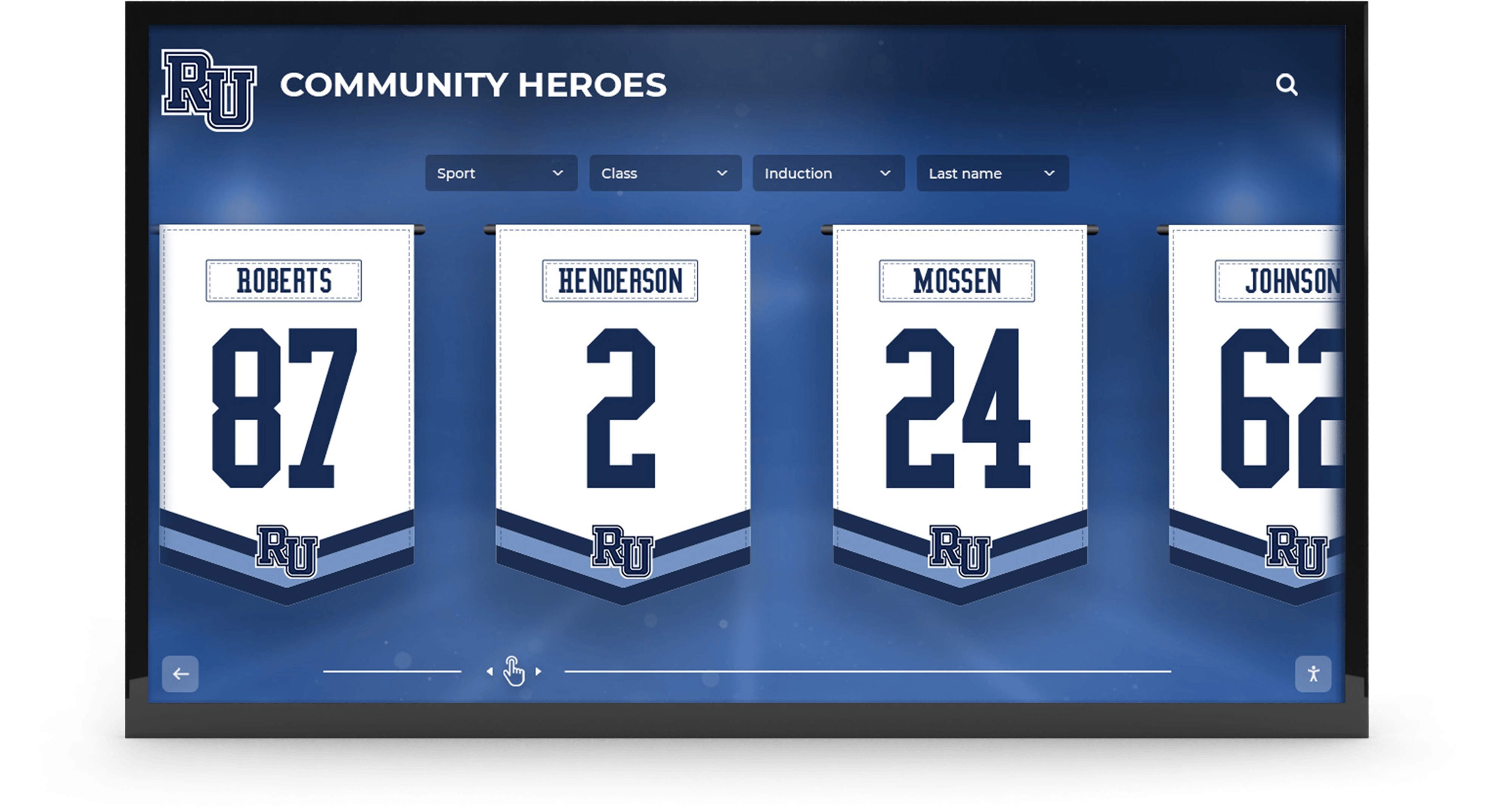
Modern recognition programs layer multiple approaches from print yearbooks to permanent digital installations
Frequently Asked Questions About School Yearbook Companies
How much should we expect to pay per yearbook?
Pricing varies significantly based on publisher type, page count, cover options, and order quantity. Traditional full-service publishers typically charge $35-$85 per book for standard 200-250 page yearbooks with mid-range covers. Digital-first publishers often offer $25-$50 per book pricing with more flexible page count options. Calculate total program costs including software fees, support charges, and shipping—not just per-book pricing which may hide additional expenses.
Can we switch yearbook companies mid-contract?
Many traditional publishers require multi-year contracts often including equipment or software incentives tied to fulfillment obligations. Breaking contracts may require returning equipment, losing software access, or paying early termination fees. Review contract terms carefully before signing and negotiate favorable exit provisions if circumstances change. Digital-first publishers typically offer year-to-year flexibility without long-term commitments.
Should we choose the same company that does our graduation products?
Bundling yearbooks with graduation caps, gowns, rings, and announcements sometimes offers package discounts and simplified vendor relationships. However, bundling may not provide best value if one product category receives superior service from a different vendor. Evaluate each product category independently first, then assess whether bundling benefits justify any compromises on individual product quality or service.
How do digital yearbook options compare to printed yearbooks?
Digital yearbooks offer advantages like lower costs, unlimited “page” capacity, multimedia content (videos, slideshows), and immediate delivery without printing delays. However, most school communities still highly value traditional printed yearbooks as tangible keepsakes students preserve for life. Many schools use hybrid approaches—comprehensive print yearbooks plus supplemental digital editions expanding content beyond page limitations. This differs from permanent digital recognition displays serving distinct year-round visibility purposes.
What if we want recognition options beyond annual yearbooks?
Many schools complement traditional yearbooks with permanent digital recognition displays installed in school facilities. These touchscreen systems provide year-round searchable access to student achievements, accommodate unlimited content capacity, allow real-time updates, and create prominent visible recognition in campus spaces. Unlike yearbooks distributed to homes, digital displays remain on campus creating continuous celebration spaces where students, families, and visitors gather. Schools implement both—yearbooks for comprehensive annual memories, displays for focused, permanent recognition of highest achievements.
How important is yearbook company support for new advisors?
Support quality dramatically impacts advisor experience particularly for first-year yearbook advisors or schools with frequent staff turnover. Comprehensive representative support, extensive training resources, and responsive customer service justify premium pricing for schools lacking internal expertise. Experienced advisors managing stable yearbook programs may prioritize software capabilities and pricing over high-touch support models. Assess your specific support needs honestly when comparing publishers.
Do yearbook companies offer fundraising support?
Most publishers provide online sales platforms enabling student and family yearbook purchases with payment processing. Some offer fundraising guidance or sample campaigns. However, publishers primarily focus on yearbook production—broader school fundraising including capital campaigns for recognition infrastructure typically involves development professionals and separate fundraising platforms. Schools exploring digital recognition installations often conduct dedicated campaigns separate from annual yearbook sales.
Conclusion
Selecting school yearbook companies requires evaluation extending beyond initial price quotes to assess software usability, support quality, production timelines, and long-term value. Traditional publishers like Jostens, Herff Jones, and Balfour offer comprehensive services and established processes valuable for schools wanting extensive support. Digital-first companies like TreeRing and Entourage provide modern platforms and budget flexibility appealing to tech-comfortable programs prioritizing cost efficiency.
Beyond yearbook publisher selection, forward-thinking schools recognize that comprehensive student recognition requires year-round visibility extending beyond printed pages distributed annually. Permanent digital recognition displays complement yearbooks by providing continuous, searchable, updateable showcasing of achievements in prominent campus spaces where students, families, and visitors gather throughout entire school years.
Whether you select traditional full-service publishers, modern digital-first platforms, or hybrid approaches, ensuring your chosen partner aligns with your program’s specific needs, budget constraints, and support requirements positions your yearbook and broader recognition programs for long-term success.
The most effective recognition programs layer multiple approaches—traditional print yearbooks capturing comprehensive annual memories, permanent digital displays providing year-round visibility of highest achievements, awards ceremonies offering formal celebration, and social media creating timely community connection. This recognition ecosystem approach serves diverse needs traditional yearbooks alone cannot address.
Explore how Rocket Alumni Solutions creates year-round digital recognition displays complementing traditional yearbooks with searchable, updateable touchscreen systems showcasing student achievements continuously in prominent school spaces—serving recognition needs annual print publications alone cannot fulfill.