School lobbies serve as the gateway to your institution, creating immediate impressions that shape how students, families, visitors, and community members perceive your educational environment. These spaces represent far more than transitional areas—they function as communication hubs, recognition galleries, wayfinding centers, and tangible expressions of institutional values and culture.
The most effective school lobby design balances multiple critical objectives simultaneously: creating welcoming environments that put visitors at ease, celebrating diverse student achievements, communicating essential information clearly, reinforcing school identity and pride, and maintaining functionality that serves daily operational needs. Schools successfully achieving this balance transform lobbies from overlooked passageways into destinations that engage visitors and strengthen community connections.
This comprehensive guide explores strategic school lobby design principles covering space planning, furniture selection, lighting considerations, recognition displays, wayfinding systems, technology integration, and maintenance approaches that create inspiring entrance environments serving your institution for years to come.
Modern school lobby design reflects an evolution in understanding how physical spaces influence perception, behavior, and emotional connection. Research on environmental psychology demonstrates that entrance spaces significantly impact visitor comfort, institutional trust, and community engagement. Lobbies that feel cold, cluttered, or outdated create negative first impressions difficult to overcome. Conversely, thoughtfully designed entrances communicate professionalism, care, and institutional investment that extend to all aspects of the educational experience.
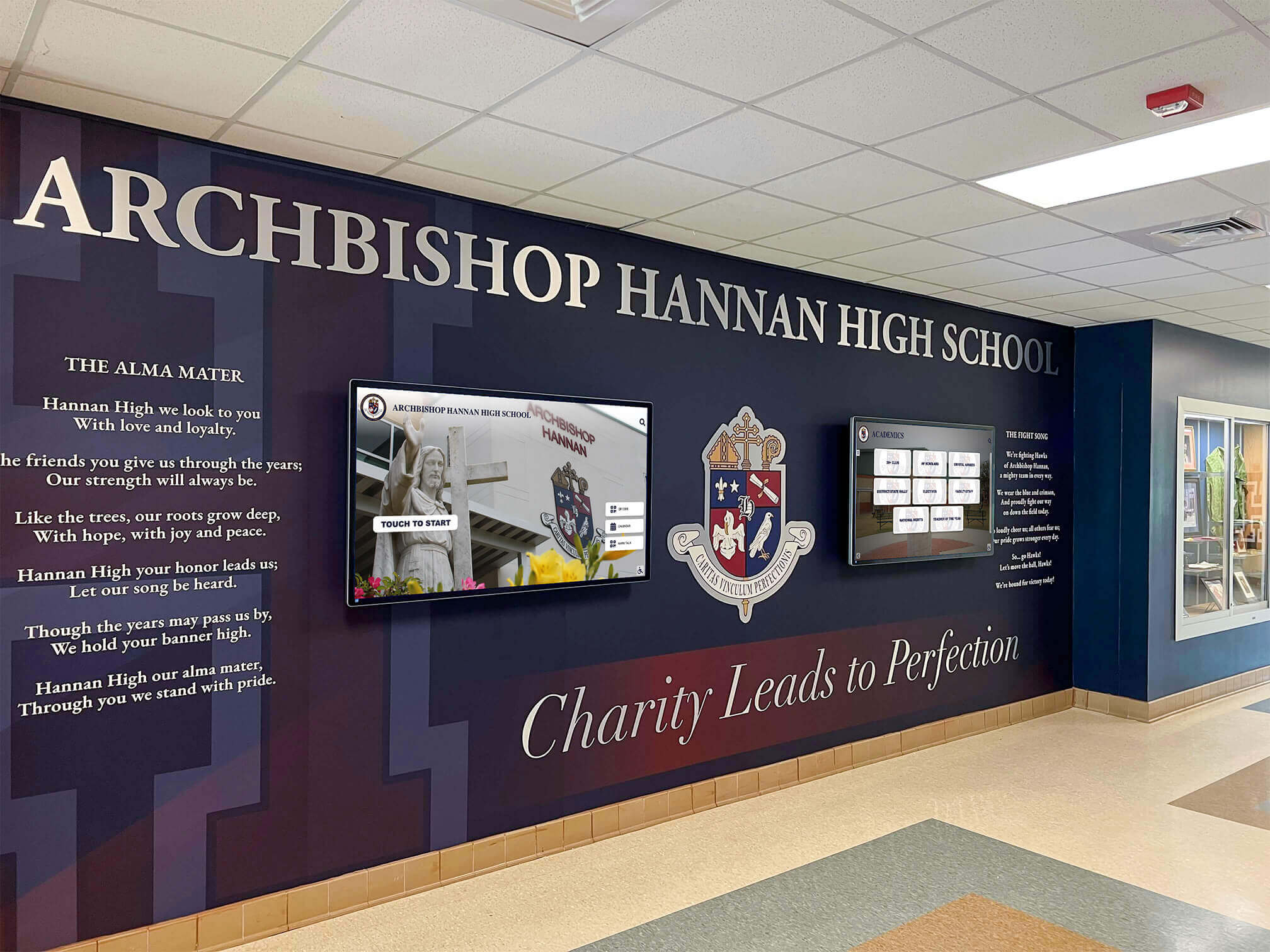
Contemporary school lobbies blend traditional design elements with modern technology creating welcoming, functional spaces
The Strategic Importance of School Lobby Design
Understanding why lobby design matters helps administrators justify resource investment and prioritize design elements delivering maximum impact.
First Impressions Create Lasting Perceptions
Entrance spaces establish immediate perceptions influencing all subsequent interactions:
Prospective Family Experiences
- Campus tours begin in lobbies, creating first face-to-face institutional contact
- Parents form initial judgments about educational quality based on entrance environments
- Prospective students develop emotional connections to schools during lobby visits
- Modern, well-maintained spaces communicate institutional investment in quality
- Welcoming environments create psychological safety encouraging family questions and exploration
Educational research indicates families make subconscious enrollment decisions within 30 seconds of entering school buildings. Lobbies establishing positive emotional connections significantly influence these critical early moments.
Community Stakeholder Engagement
- Board members and community partners experience lobbies during meetings and events
- Alumni returning to campus reconnect with institutions through entrance experiences
- Local media representatives covering stories form impressions about schools
- Donors and potential supporters assess institutional stewardship and priorities
- Event attendees experience lobbies before assemblies, performances, and celebrations
Functional Communication Centers
Beyond aesthetics, school lobbies serve essential operational functions:
Visitor Management and Security
- Controlled entry points managing access for safety and accountability
- Reception areas providing human connection and assistance
- Sign-in systems documenting visitor presence for security compliance
- Waiting spaces for parents, vendors, and scheduled appointments
- Information distribution for forms, handbooks, and communication materials
Daily Operations Support
- Staff directory information helping visitors locate offices and personnel
- Building maps facilitating navigation through complex campus layouts
- Event calendars communicating schedules and opportunities
- Emergency assembly point designations for safety protocols
- Lost and found coordination in centrally accessible locations
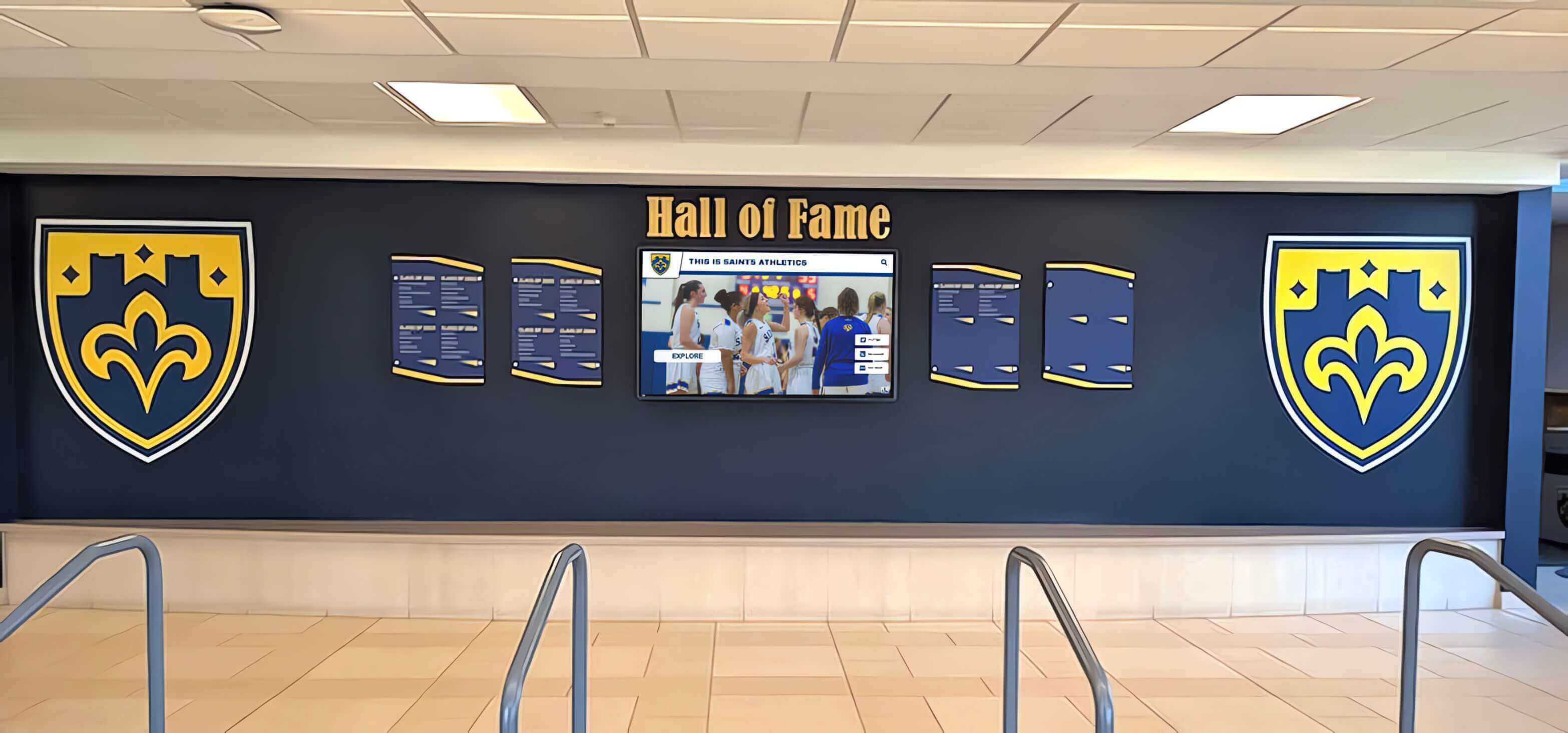
Well-designed reception areas balance welcoming atmospheres with functional operational needs
Comprehensive school digital signage implementation enhances communication effectiveness in lobby spaces through real-time information display.
Cultural Expression and Identity
Lobby design communicates institutional priorities and values visibly:
Achievement Celebration
- Athletic recognition displays showcasing sports program excellence
- Academic honor walls celebrating intellectual accomplishment
- Arts program showcases highlighting creative achievement
- Service recognition honoring community contribution and character
- Historical achievement preservation connecting current students to tradition
Visual Identity Reinforcement
- School colors and branding establishing immediate institutional recognition
- Mascot imagery creating emotional connection and pride
- Mission statements and core values communicating educational philosophy
- Historical photographs showing campus evolution and community development
- Architectural design reflecting institutional character and tradition
Schools implementing thoughtful recognition display strategies create meaningful connections between visitors and institutional achievement.
Essential Elements of Effective School Lobby Design
Successful lobbies integrate multiple design components working together to create cohesive, functional, inspiring spaces.
Space Planning and Layout Fundamentals
Thoughtful spatial organization determines lobby functionality and flow:
Entry and Circulation Patterns
How do people naturally move through the space?
- Main entrance location: Visible from parking areas with clear approach paths
- Traffic flow paths: Unobstructed routes to offices, hallways, and key destinations
- Waiting area positioning: Near reception but not blocking primary circulation
- Group accommodation: Space for school tour gatherings without congestion
- Emergency egress: Clear pathways to exits meeting fire code requirements
- ADA accessibility: Compliant approaches, maneuvering clearance, and reach ranges
Functional Zone Designation
Different activities require dedicated areas:
- Reception zone: Desk, staff workspace, visitor sign-in, information distribution
- Waiting area: Seating, reading materials, WiFi access, comfortable environment
- Display areas: Recognition walls, trophy cases, achievement showcases, institutional history
- Wayfinding zone: Directory, building maps, event calendars, visitor orientation
- Security checkpoint: Controlled access point, camera coverage, monitoring capability
- Flexible gathering space: Room for small events, meetings, or informal conversations
Sight Lines and Visibility
Strategic positioning enables supervision and wayfinding:
- Reception staff should see entrance doors for greeting and security
- Display content should be visible from primary traffic patterns
- Directional signage should be apparent from decision points
- Important information should not be hidden behind doors or corners
- Transparent design enables passive supervision of waiting areas
- Key destinations should be visible or clearly indicated from lobby
Schools planning major renovations benefit from interactive kiosk placement strategies optimizing technology integration with spatial design.
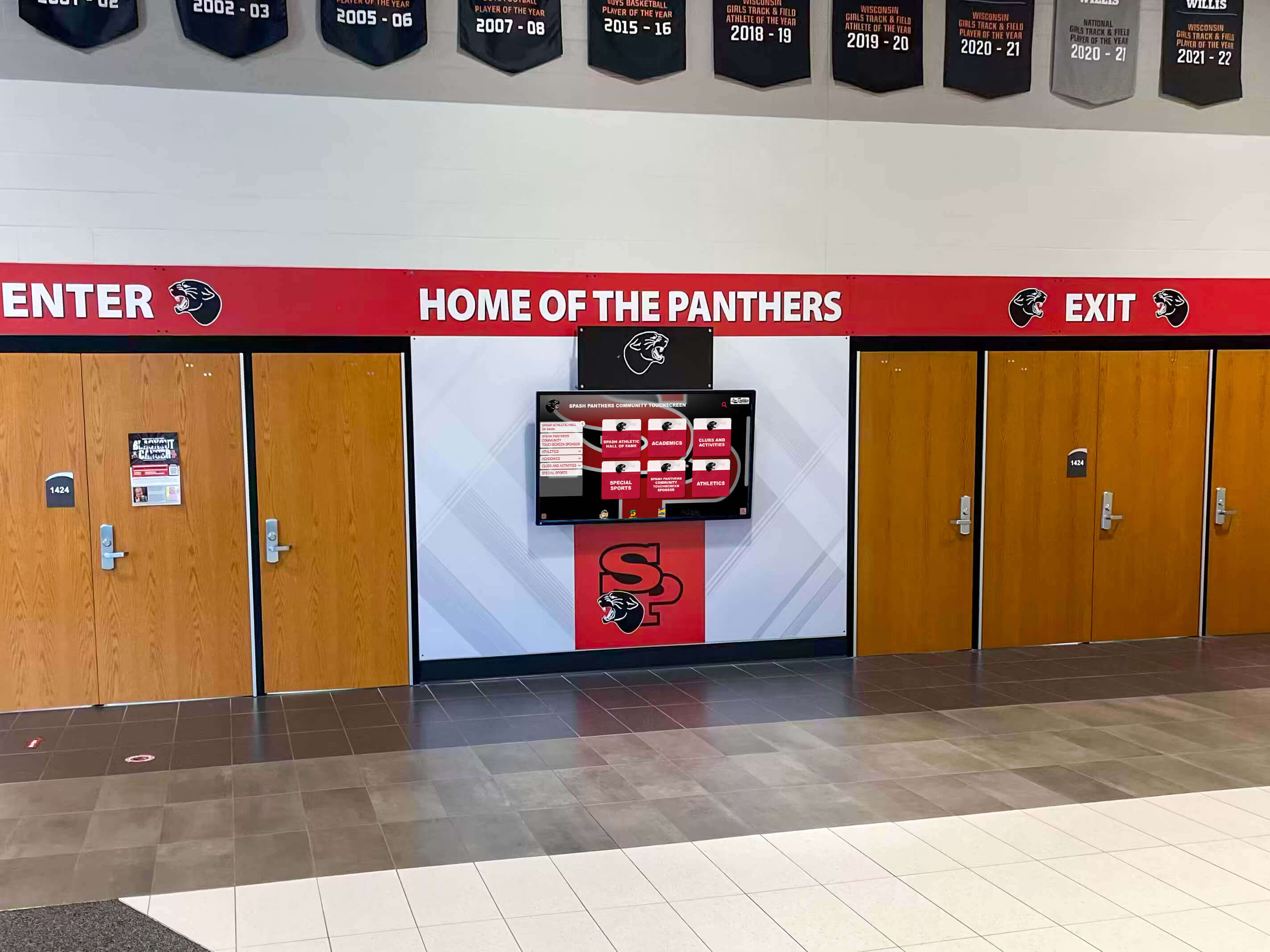
Effective lobby layouts balance circulation flow, functional zones, and recognition display needs
Furniture Selection and Arrangement
Appropriate furnishings create comfortable, functional environments:
Seating Considerations
Waiting areas require thoughtful furniture selection:
- Quantity and capacity: Accommodate typical peak visitor volume plus 20% buffer
- Durability standards: Commercial-grade construction withstanding heavy daily use
- Cleanability requirements: Materials enabling regular sanitization and spot cleaning
- Comfort level: Balance between inviting comfort and preventing extended occupation
- Arrangement flexibility: Modular options allowing reconfiguration for different needs
- Accessibility compliance: Some seating with arm rests for mobility-limited visitors
Reception Desk Design
Front desk furniture influences visitor experience and staff effectiveness:
- Height and accessibility: Standard height (30") for seated work, raised section (42") for standing visitors
- Work surface area: Adequate space for computers, phones, paperwork, and visitor materials
- Storage integration: Secure filing, locked drawers, supply organization within reach
- Cable management: Integrated routing for power, data, phone lines without visible clutter
- Professional appearance: Finished sides and fronts for polished presentation
- Wheelchair approach: 36" minimum clear width for ADA compliance
Display and Storage Solutions
Supporting lobby functions requires appropriate cabinetry:
- Literature racks displaying brochures, schedules, and forms organized by category
- Lost and found storage securing items while remaining accessible to staff
- Trophy case lighting and security protecting valuable awards and memorabilia
- Coat hooks or closets during winter months in cold climate regions
- Magazine and newspaper displays for waiting area reading materials
- Umbrella stands near entrances during rainy seasons
Lighting Design Strategies
Appropriate illumination affects functionality, aesthetics, and energy costs:
Natural Light Optimization
Daylight creates welcoming environments when properly managed:
- Window placement: Balancing natural light benefits with glare control needs
- Solar orientation: Considering sun angles at different times and seasons
- Glare management: Window treatments, overhangs, or films reducing harsh brightness
- Heat gain control: Energy-efficient glazing minimizing cooling costs
- View considerations: Maintaining sight lines to exterior while ensuring privacy
- Daylighting distribution: Reflecting natural light deeper into space
Artificial Lighting Layers
Multiple lighting types create functional, attractive environments:
- Ambient lighting: General illumination providing base visibility throughout space
- Task lighting: Focused illumination for reception desk work areas
- Accent lighting: Highlighting artwork, recognition displays, or architectural features
- Display lighting: Dedicated illumination for trophy cases and wall displays
- Decorative fixtures: Statement pieces reinforcing design aesthetic and school identity
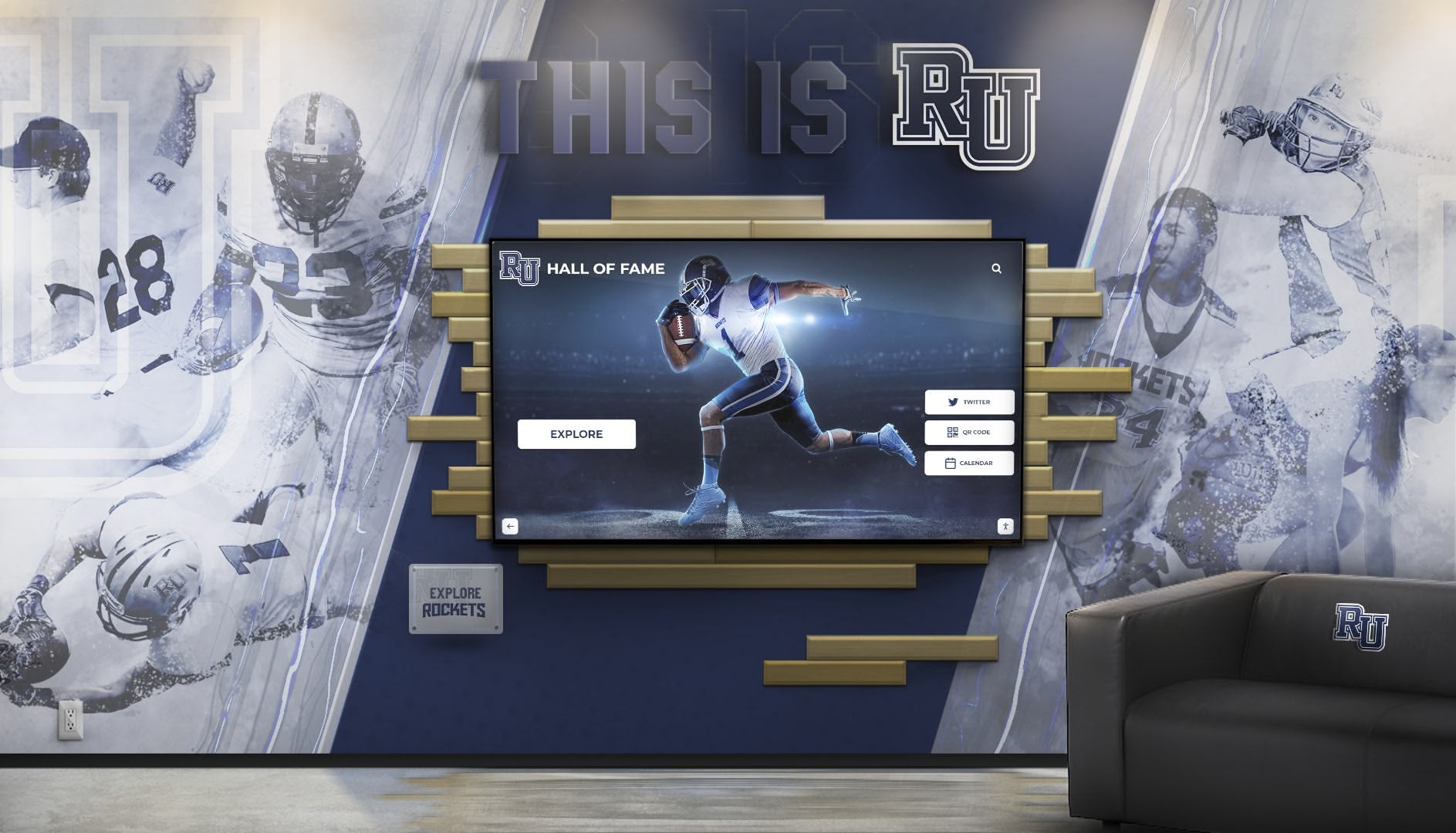
Coordinated lighting design enhances both functional areas and recognition displays
Energy Efficiency and Controls
Sustainable approaches reduce operational costs:
- LED technology providing energy savings with minimal maintenance
- Occupancy sensors reducing consumption during unoccupied periods
- Daylight harvesting systems dimming artificial lights when natural light suffices
- Programmed scheduling aligning illumination with building use patterns
- Color temperature selection (3000-4000K) balancing warmth and visibility
- Emergency backup lighting meeting safety code requirements
Color, Materials, and Finishes
Material selections influence aesthetics, maintenance, and longevity:
Flooring Considerations
High-traffic lobbies require durable, maintainable surfaces:
- Entrance matting: Recessed systems capturing dirt and moisture preventing interior tracking
- Slip resistance: Textured or treated surfaces maintaining traction when wet
- Durability standards: Commercial-grade materials resisting wear from daily traffic
- Maintenance requirements: Materials accommodating regular cleaning without damage
- Acoustic properties: Sound-absorbing options reducing noise in hard-surface spaces
- Visual appeal: Professional appearance reinforcing quality institutional image
Common options include polished concrete (durability, modern aesthetic), ceramic tile (water resistance, easy cleaning), luxury vinyl tile (comfort, design flexibility), terrazzo (longevity, custom designs), and rubber tile (comfort, acoustic benefits).
Wall Treatments and Finishes
Vertical surfaces require attention to durability and aesthetics:
- Paint selection with scrubbable finishes enabling spot cleaning without sheen changes
- School colors creating immediate identity reinforcement
- Accent walls highlighting recognition displays or institutional branding
- Wainscoting or protective panels in high-contact areas preventing damage
- Acoustic treatments managing sound reverberation in hard-surface spaces
- Artwork or graphics showcasing student creativity and accomplishment
Architectural Details
Finishing touches elevate lobby design from functional to inspiring:
- Crown molding and trim work creating polished, finished appearance
- School mascot or logo integration in tile work, carpet patterns, or wall graphics
- Historical architectural elements preservation maintaining institutional character
- Modern material integration updating spaces while respecting tradition
- Durable corner guards protecting walls from furniture and equipment damage
- Base trim selection balancing appearance with cleaning equipment accommodation
Schools modernizing facilities benefit from wall wrap design approaches creating dramatic visual impact in renovation projects.
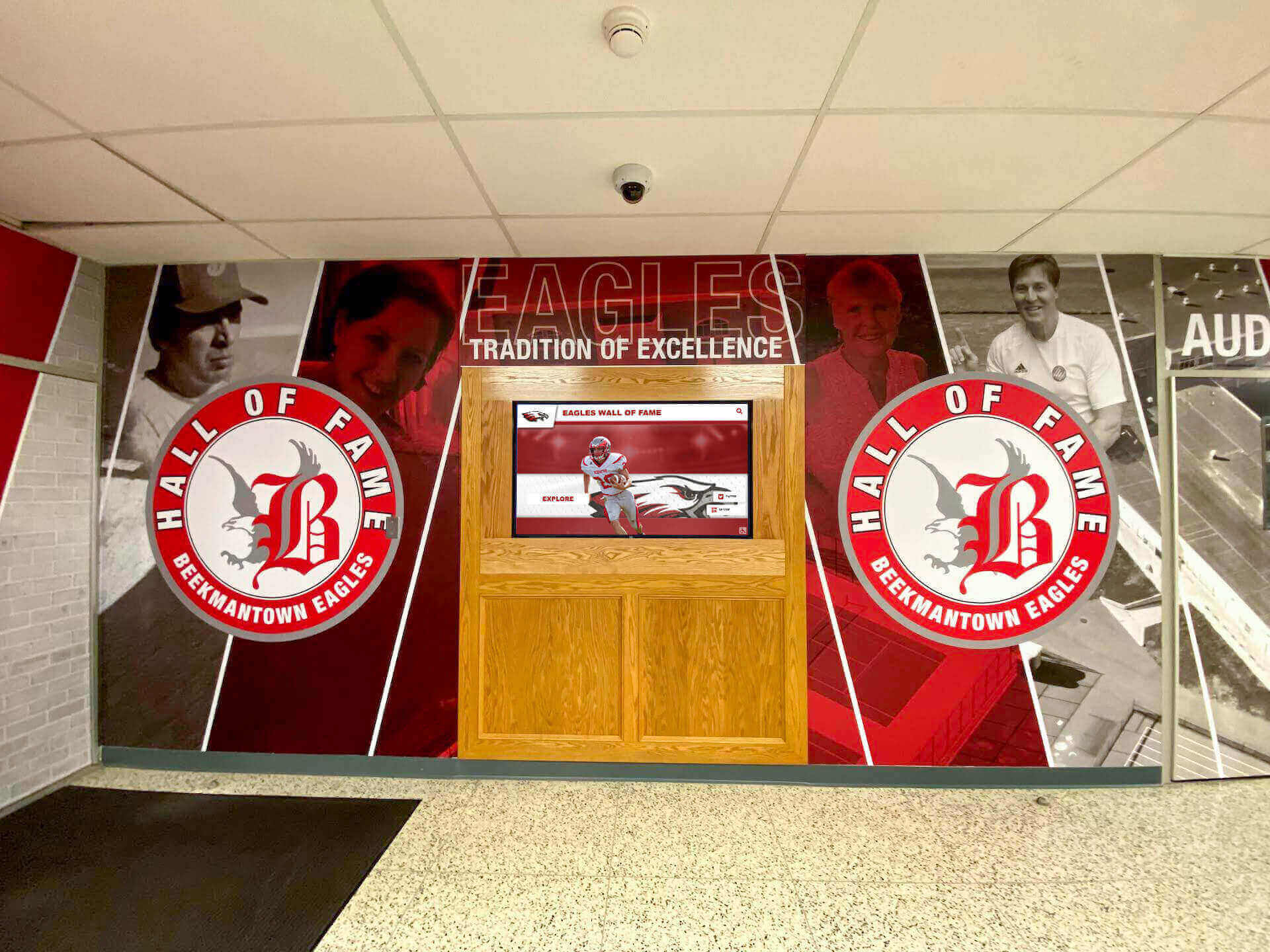
Custom wall treatments create unique identity while celebrating institutional achievement and tradition
Recognition and Display Systems
Celebrating achievement represents one of the most important functions of school lobby design:
Traditional Physical Recognition
Conventional approaches maintain important roles in modern lobbies:
Trophy Cases and Display Cabinets
Physical awards create tangible achievement celebration:
- Construction quality: Tempered glass, aluminum frames, secure locks protecting valuable items
- Interior lighting: LED strips or puck lights illuminating contents without heat damage
- Adjustable shelving: Flexible configurations accommodating various trophy and award sizes
- Security considerations: Secure mounting, quality locks, placement in visible supervised areas
- Maintenance accessibility: Hinged or removable panels enabling cleaning and content rotation
- Capacity planning: Adequate space for current accomplishments plus future growth
Plaque Walls and Honor Rolls
Permanent recognition acknowledges individual achievement:
- Material selection: Bronze, brass, or acrylic plaques maintaining appearance over decades
- Layout planning: Consistent sizing and spacing creating professional uniform appearance
- Mounting systems: Secure attachment methods preventing theft or vandalism
- Expansion space: Wall area reserved for future recognition as programs grow
- Information content: Names, years, achievements, and relevant details celebrating accomplishments
- Accessibility considerations: Placement height enabling all visitors to read content
Championship Banners and Displays
Visual celebration of significant team achievements:
- Banner material: Durable fabric or vinyl withstanding environmental conditions
- Mounting systems: Ceiling or wall brackets maintaining clean appearance
- Design consistency: Uniform sizes, colors, and formats creating cohesive presentation
- Chronological organization: Arrangement by year or sport showing historical progression
- Lighting enhancement: Directed illumination ensuring visibility and creating visual interest
- Preservation approaches: Materials and placement minimizing fading and deterioration
Traditional displays face inherent limitations—physical plaques fill available wall space within years, requiring difficult decisions about removing older recognition to accommodate current achievements. Schools balancing traditional approaches with modern solutions maintain tradition while overcoming space constraints.
Digital Recognition Technology
Interactive displays eliminate physical space limitations while enhancing engagement:
Touchscreen Display Advantages
Modern recognition platforms provide unprecedented capabilities:
- Unlimited capacity: Single 55" display showcasing hundreds or thousands of honorees across decades
- Multimedia content: Photos, videos, biographical information, achievement details, and historical context
- Search functionality: Visitors finding specific individuals instantly rather than scanning hundreds of plaques
- Easy updates: Remote content management adding new recognition immediately without production delays
- Comprehensive information: Complete achievement details impossible to include on physical plaques
- Mobile accessibility: QR codes extending content to personal devices for anywhere, anytime exploration
Schools implementing digital hall of fame systems report dramatic increases in visitor engagement—guests spend 5-10 minutes exploring interactive content versus 30 seconds glancing at traditional plaques.
Recognition Content Categories
Comprehensive digital systems celebrate diverse achievements:
- Athletic hall of fame inductees with complete career statistics and highlights
- Academic recognition including honor roll, National Merit Scholars, and competition achievements
- Arts program showcases featuring theatre, music, and visual arts accomplishments
- Service and leadership awards honoring character and community contribution
- Historical achievement archives preserving decades of institutional tradition
- Staff and educator recognition celebrating teaching excellence and dedication
Integration Strategies
Blending traditional and digital approaches creates cohesive presentations:
- Digital displays complementing existing trophy cases and plaque walls
- Interactive kiosks positioned near related physical recognition
- Unified design aesthetic coordinating digital and traditional elements
- Content coordination ensuring consistency across recognition formats
- Historical content digitization preserving information from aging physical displays
- Phased implementation gradually introducing technology while maintaining tradition
Organizations comparing recognition options benefit from reviewing hall of fame implementation tools evaluating features addressing specific institutional needs.
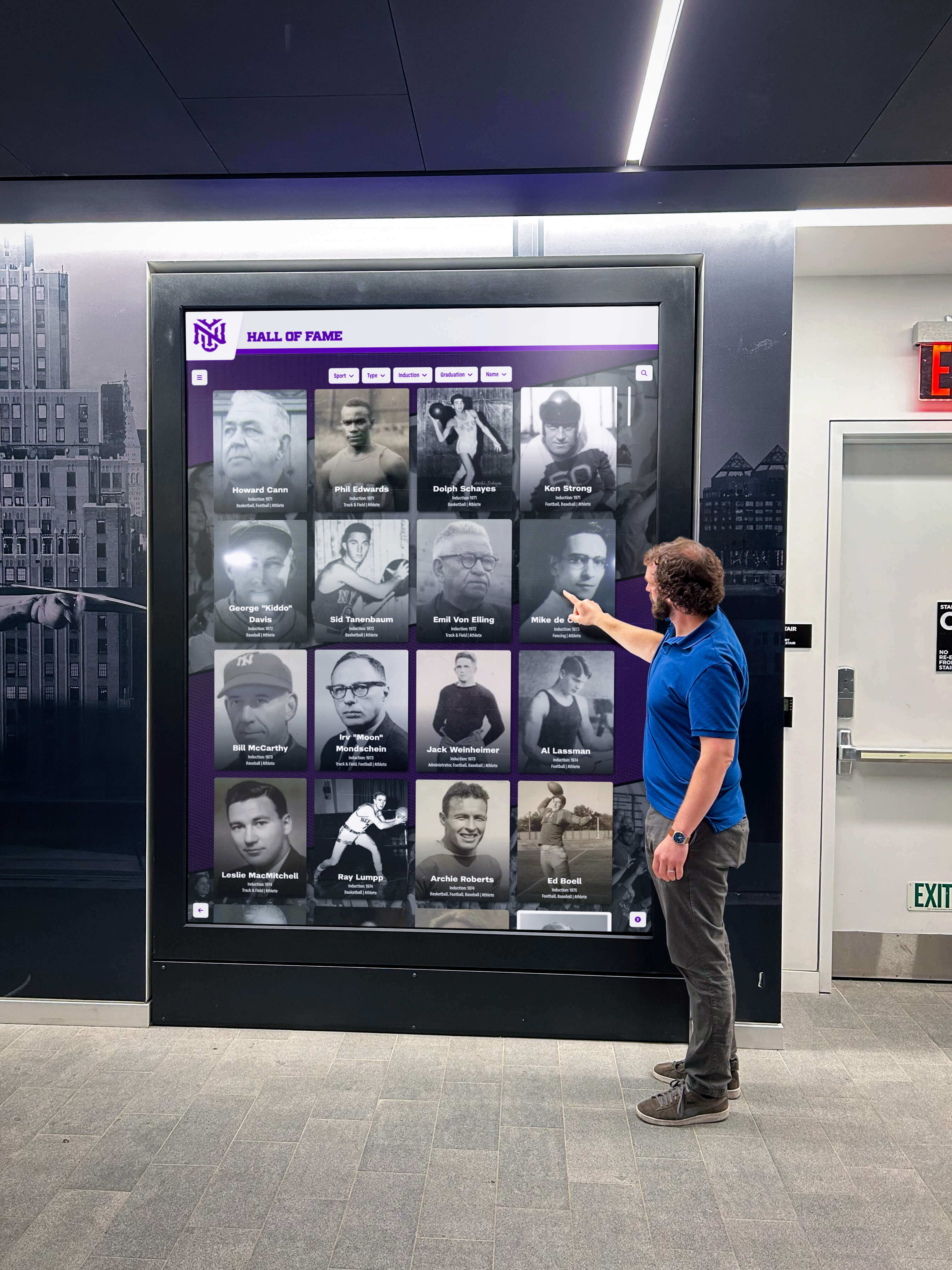
Interactive touchscreen displays enable deep exploration of achievement content impossible with traditional plaques
Historical Displays and School Heritage
Connecting current students to institutional tradition strengthens culture:
Historical Content Categories
Valuable content worth preserving and displaying:
- Founding history: School establishment, early years, community development context
- Building evolution: Construction, additions, renovations showing campus growth
- Administrative leadership: Principals, superintendents, and key figures shaping institutions
- Notable alumni: Graduates making significant contributions to communities and professions
- Significant events: Milestone celebrations, community impact, historical moments
- Evolution of programs: Athletic, academic, and activities program development over decades
Presentation Approaches
Effective formats for historical information:
- Timeline displays showing chronological institutional development
- Photographic galleries featuring historical campus and community images
- Biographical profiles of significant figures in school history
- Interactive touchscreens enabling deep exploration of archival content
- Physical artifact displays showcasing memorabilia and historical items
- Digital video interviews with alumni, staff, and community members
- Archived yearbook displays or digital access to complete collections
Preservation and Digitization
Protecting historical information ensures long-term access:
- Professional photograph scanning creating high-resolution digital archives
- Document preservation through controlled storage and digital backup
- Oral history capture recording memories of alumni and longtime staff
- Yearbook digitization making complete collections searchable and accessible
- Newspaper article collection documenting institutional coverage over decades
- Partnership with local historical societies accessing community archives
Historical content creates powerful connections—alumni returning to campus reconnect with their own experiences while current students gain perspective on tradition and institutional longevity. Comprehensive historical display strategies preserve institutional memory for future generations.
Wayfinding and Information Systems
Helping visitors navigate and find information reduces confusion and staff burden:
Directory and Navigation Design
Clear wayfinding systems create visitor-friendly environments:
Building Directory Essentials
Comprehensive information helps visitors reach destinations independently:
- Staff directory: Names, titles, office locations, room numbers, extensions
- Department locations: Administrative offices, counseling, health services, athletic facilities
- Alphabetical organization: Easy scanning for specific names or departments
- Floor plans: Building maps showing current location and destination routes
- Room numbering system: Logical patterns helping visitors predict locations
- ADA accessibility: Text size, contrast, mounting height enabling all visitors to use
Digital versus Static Directories
Technology creates advantages for information access:
- Update flexibility: Digital directories modified instantly reflecting staff changes
- Search capability: Touch or type interfaces finding information quickly
- Multilingual support: Language selection accommodating diverse communities
- Interactive maps: Touch to see route from current location to destination
- Integration capability: Connecting to calendars, event information, facility schedules
- Analytics tracking: Understanding which information visitors seek most frequently
Static directories remain appropriate when staff turnover is minimal, budget constraints prevent digital investment, or power/networking infrastructure limitations exist.
Signage Hierarchy and Placement
Systematic approach creates intuitive navigation:
- Primary wayfinding: Main entrance signage identifying building or wing designations
- Secondary directional: Hallway signage at decision points indicating office locations
- Tertiary identification: Door signs labeling specific rooms and functions
- Consistency standards: Uniform design, sizing, colors creating professional appearance
- Mounting specifications: Height, position, lighting enabling visibility and readability
- ADA compliance: Text size, contrast ratios, tactile elements meeting accessibility standards
Communication and Announcement Systems
Lobbies serve as key locations for information distribution:
Digital Signage for Communication
Dynamic displays keep information current and visible:
- Daily announcements: Schedule changes, events, activities replacing paper postings
- Emergency communications: Critical safety information distributed instantly
- Event promotion: Upcoming activities with registration links and details
- Calendar displays: Monthly or weekly schedules showing school events
- Weather information: Closures, delays, outdoor activity impacts
- Recognition spotlights: Recent achievement celebration and award recipients
Comprehensive school announcement systems transform lobby communication effectiveness.
Physical Information Distribution
Traditional methods remain important:
- Literature racks: Organized display of forms, schedules, newsletters, program information
- Bulletin boards: Community announcements, parent organization information, volunteer opportunities
- Brochure displays: Program descriptions, course catalogs, activity information for prospective families
- Display stands: Portable easels for temporary announcements and event-specific information
- Information packets: Assembled materials for new families or specific purposes
- Self-service access: Forms and documents visitors can take without staff assistance
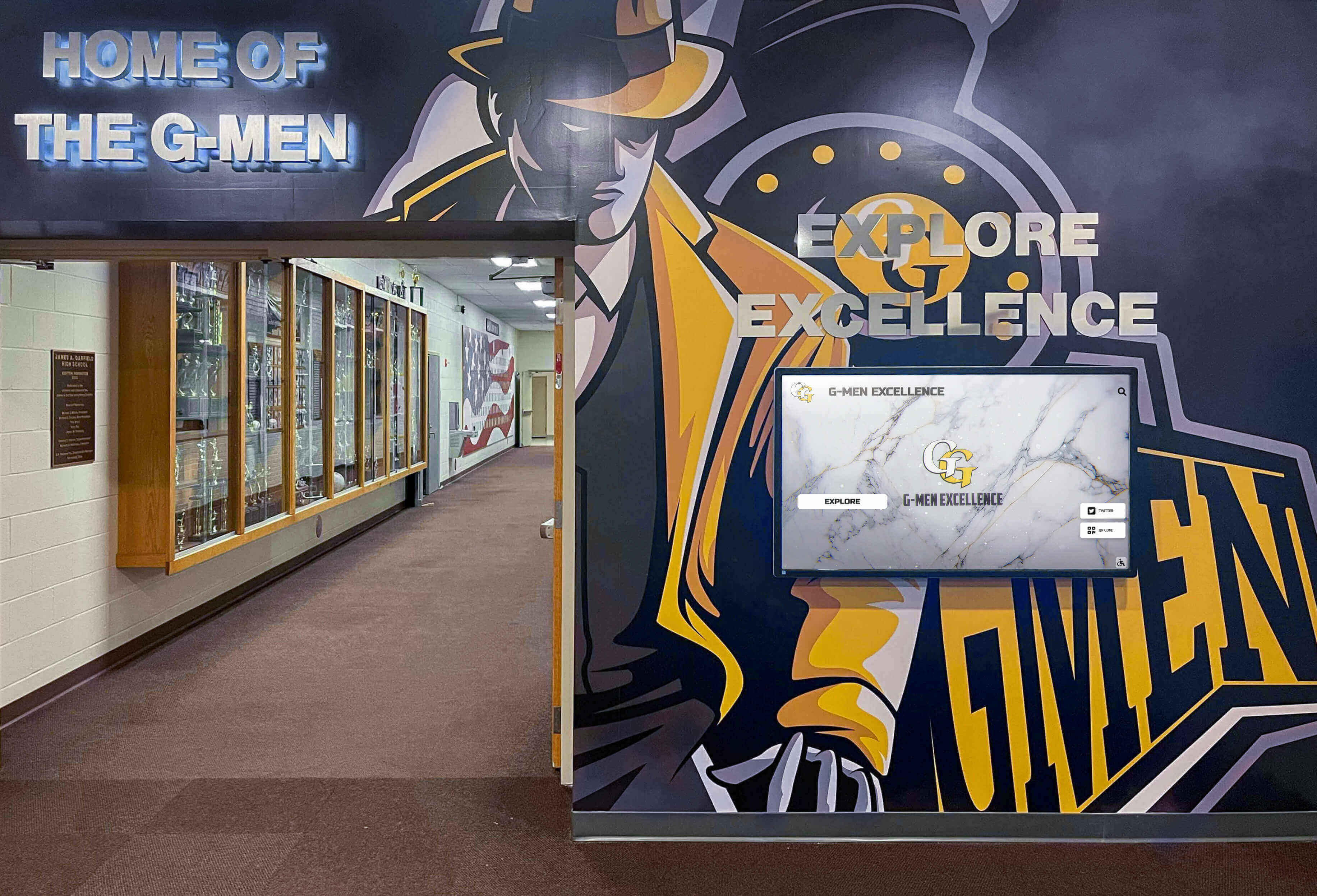
Integrated information systems combine digital displays, physical recognition, and traditional communication methods
Security and Safety Considerations
Modern lobbies balance welcoming atmospheres with necessary security measures:
Controlled Access and Visitor Management
Safety protocols protect students while maintaining hospitality:
Physical Security Measures
Infrastructure creating safe environments:
- Single point of entry: Main entrance controlling building access during school hours
- Secured alternative doors: Emergency exits and service entrances locked from exterior
- Vestibule design: Double-door entry creating secure buffer zone before interior access
- Reception positioning: Sight lines enabling staff to see entrance and monitor visitors
- Camera coverage: Documented entry, exit, and lobby activity for security review
- Communication systems: Panic buttons, intercoms, phones enabling emergency response
Visitor Management Protocols
Systematic processes balancing safety and hospitality:
- Sign-in requirements: All visitors logging presence with identification and purpose
- Badge systems: Visible identification distinguishing authorized visitors from students and staff
- Escort policies: Requirements for visitor accompaniment in certain building areas
- Background check requirements: Screening for volunteers and regular visitors
- Digital check-in systems: Automated registration, badge printing, database management
- Clear policy communication: Visible signage explaining procedures and requirements
Welcoming Security Balance
Creating safety without institutional fortress atmosphere:
- Professional but friendly reception staff greeting visitors warmly
- Clear signage explaining procedures without aggressive language
- Comfortable waiting areas during sign-in and escort arrival
- Transparent communication about safety rationale building understanding
- Efficient processes minimizing visitor inconvenience
- Architectural design preventing institutional or cold appearance despite security measures
Emergency Preparedness
Lobbies play important roles in emergency response:
Crisis Communication Systems
Infrastructure enabling rapid information distribution:
- Digital signage capability for emergency messaging throughout building
- Public address system with clear audio in lobby and all building areas
- Visual alert systems for hearing-impaired occupants
- Backup power ensuring communication capability during outages
- Multiple notification channels reaching staff, students, and visitors simultaneously
- Clear emergency procedure signage visible from lobby and all key locations
Evacuation and Assembly
Planning for building exit and accountability:
- Clear exit signage illuminated for visibility during power loss
- Unobstructed exit paths meeting fire code clearance requirements
- Assembly point information for exterior gathering after evacuation
- Visitor accountability procedures during emergency situations
- Staff training on emergency protocols and visitor management
- Regular drill practice ensuring smooth execution during actual emergencies
Schools integrating security with hospitality create environments where families feel safe and welcome simultaneously—essential for positive institutional perception.
Technology Integration in School Lobbies
Strategic technology implementation enhances functionality without overwhelming spaces:
Interactive Touchscreen Applications
Modern displays serve multiple lobby functions:
Recognition and Achievement Showcases
Digital platforms celebrating student and institutional accomplishment:
- Hall of fame displays with searchable databases of honorees
- Athletic championship teams and individual record holders
- Academic recognition including honor rolls and scholarship recipients
- Arts program showcases featuring performances and creative work
- Service and leadership award recipients with biographical profiles
Solutions like Rocket Alumni Solutions provide comprehensive touchscreen platforms designed specifically for educational recognition needs, with unlimited content capacity, professional templates, cloud-based management, and accessibility features ensuring all community members can explore achievements.
Information and Wayfinding Kiosks
Interactive systems helping visitors find information:
- Building directories with touch search and interactive maps
- Event calendars showing dates, times, locations, and registration links
- Program information for prospective families exploring academic offerings
- Staff directories with photos, contact information, and office locations
- Frequently asked questions addressing common visitor inquiries
Campus Tour Enhancement
Technology supporting recruitment experiences:
- Virtual tour content for families unable to visit during scheduled times
- Program highlight videos showcasing academics, athletics, and activities
- Student testimonial videos sharing authentic experiences and perspectives
- Facilities showcase demonstrating technology, classrooms, and specialized spaces
- College placement information and alumni success stories
Institutions implementing interactive display technology report significant improvements in tour effectiveness and family engagement.
Connectivity and Infrastructure
Supporting technology requires appropriate technical foundation:
Network Requirements
Reliable connectivity ensuring display functionality:
- Adequate WiFi coverage or hardwired ethernet connections
- Sufficient bandwidth handling multiple concurrent displays and users
- Network security protecting institutional systems and data
- Guest network access for visitor devices separate from administrative systems
- Backup connectivity options maintaining functionality during outages
- Remote management capability enabling updates without physical access
Power and Cable Management
Professional installations require clean execution:
- Adequate electrical capacity for displays and interactive systems
- Convenient outlet placement minimizing visible cable runs
- In-wall or floor conduit routing hiding power and data cables
- Surge protection preventing equipment damage from electrical events
- Backup power consideration for critical communication displays
- Professional installation ensuring code compliance and safe operation
Hardware Selection Considerations
Appropriate equipment for educational environments:
- Commercial-grade displays rated for 16-24 hour daily operation
- Durability features including protective glass and vandal-resistant enclosures
- Appropriate display sizing based on viewing distances and space constraints
- Accessibility features including wheelchair-height mounting and audio options
- Warranty coverage and technical support from reliable vendors
- Lifecycle planning for eventual replacement after 7-10 years
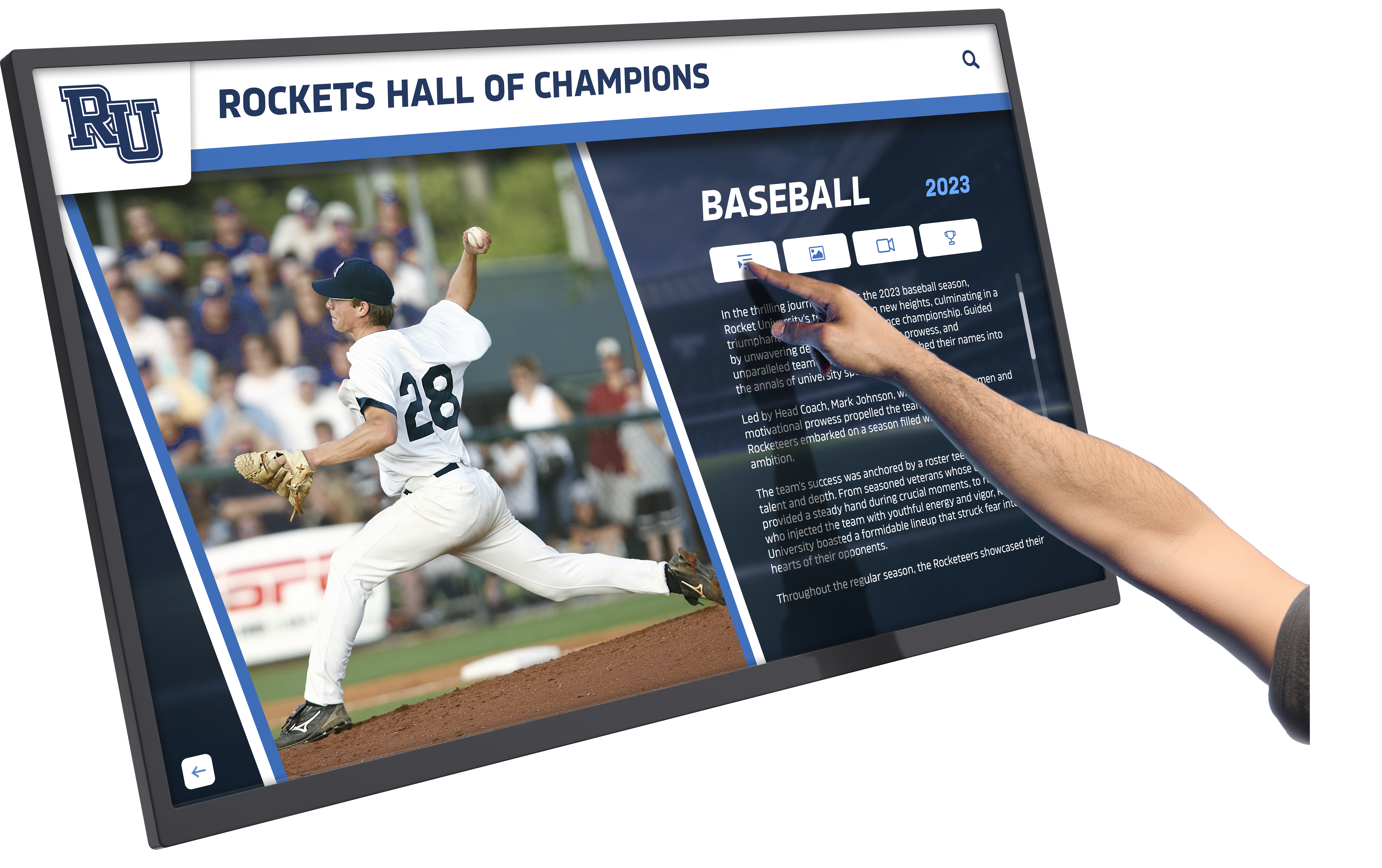
Intuitive touchscreen interfaces encourage exploration while providing comprehensive information access
Maintenance and Sustainability
Long-term success requires sustainable approaches to upkeep and operation:
Cleaning and Routine Maintenance
Regular attention preserves appearance and functionality:
Daily Maintenance Tasks
Routine activities maintaining professional appearance:
- Floor sweeping and mopping removing tracked dirt and debris
- Touchscreen cleaning eliminating fingerprints and smudges
- Reception area tidying organizing materials and removing clutter
- Trash removal preventing overflow and maintaining cleanliness
- Door glass cleaning maintaining visibility and professional appearance
- Quick-response spot cleaning addressing spills and marks immediately
Weekly and Monthly Tasks
Deeper maintenance activities:
- Display case cleaning including glass, shelving, and interior lighting
- Floor refinishing or waxing as appropriate for flooring material
- HVAC filter changes maintaining air quality and system efficiency
- Light bulb replacement preventing dark fixtures and uneven lighting
- Plant care for living elements adding warmth to spaces
- Furniture inspection checking for damage or needed repairs
Seasonal Deep Cleaning
Comprehensive attention during breaks:
- Carpet deep cleaning or floor stripping and refinishing
- Window washing interior and exterior surfaces
- Light fixture deep cleaning removing accumulated dust and debris
- Display rotation refreshing content and maintaining visual interest
- HVAC system inspection and service ensuring optimal operation
- Paint touch-up addressing scuffs and maintaining fresh appearance
Sustainable Design Practices
Environmental considerations reduce long-term operational costs:
Energy Efficiency Strategies
Reducing consumption without compromising function:
- LED lighting throughout lobby providing efficiency and longevity
- Occupancy sensors dimming or shutting off lights during unoccupied periods
- High-efficiency HVAC systems minimizing heating and cooling costs
- Energy-efficient glazing reducing heat loss and solar gain
- Natural daylight optimization reducing artificial lighting needs
- Display sleep modes or scheduling reducing power consumption
Material Longevity and Durability
Selecting finishes reducing replacement frequency:
- Commercial-grade materials withstanding high-traffic conditions
- Timeless design choices avoiding trendy elements dating quickly
- Quality construction extending furniture and fixture lifespan
- Modular systems enabling component replacement versus complete renewal
- Stain-resistant and cleanable materials maintaining appearance with basic care
- Sustainable sourcing choosing recycled content and responsible manufacturing
Schools planning renovations benefit from understanding teacher recognition program approaches that can be incorporated into comprehensive lobby recognition systems.
Budget Planning and Implementation Strategies
Creating inspiring lobbies requires realistic financial planning and phased approaches:
Cost Considerations by Category
Understanding typical investment levels:
Design and Professional Services ($5,000-$25,000+)
- Architect or designer consultation for space planning
- 3D renderings and design development
- Construction documentation and specifications
- Project management and coordination
- Accessibility compliance review and documentation
Construction and Renovation ($50,000-$250,000+)
- Structural modifications altering walls or openings
- Flooring replacement or refinishing
- Ceiling work, lighting, and electrical upgrades
- Painting, wall treatments, and finish work
- Millwork, cabinetry, and custom built-ins
- Network and technology infrastructure installation
Furniture and Fixtures ($10,000-$50,000+)
- Reception desk and staff furniture
- Visitor seating and waiting area furnishings
- Display cases, shelving, and storage solutions
- Lighting fixtures and decorative elements
- Signage and wayfinding systems
- Plants, artwork, and accessories
Technology Systems ($5,000-$30,000+ per display)
- Interactive touchscreen displays and mounting
- Digital signage hardware and media players
- Software platforms and annual subscriptions
- Network infrastructure and connectivity
- Content development and migration services
- Training and ongoing technical support
Funding Strategies
Multiple approaches help schools afford lobby improvements:
Capital Campaign Integration
- Major facility renovations including lobby as key component
- Naming opportunities for donors supporting specific lobby elements
- Alumni fundraising campaigns focusing on entrance improvements
- Corporate sponsorships from community business partners
- Foundation grants targeting facility enhancement projects
Phased Implementation Approach
- Year 1: Basic renovation addressing critical needs and safety
- Year 2: Furniture and furnishing upgrades creating comfort and function
- Year 3: Technology integration adding recognition displays and digital systems
- Ongoing: Content development and display enhancement over time
Creative Funding Sources
- Parent organization grants for specific improvements
- Booster club support for athletic recognition elements
- Alumni association funding for historical displays
- Memorial gifts honoring deceased community members
- District capital improvement budgets for facility upgrades
- Energy efficiency grants offsetting LED lighting and HVAC improvements
Realistic budgeting accounts for both immediate costs and ongoing operational expenses. Schools should plan for annual maintenance, technology updates, and eventual replacement as part of total cost of ownership.
Conclusion: Creating Lobbies That Welcome, Inspire, and Strengthen Community
School lobby design represents far more than aesthetic improvement—thoughtfully planned entrance spaces create welcoming environments that shape perceptions, celebrate achievement, communicate effectively, and strengthen the connections binding students, families, staff, and community members to educational institutions.
The most successful school lobbies balance multiple objectives simultaneously: creating positive first impressions for prospective families, honoring diverse student accomplishments, guiding visitors efficiently, expressing institutional identity and values, and maintaining functionality serving daily operational needs. Schools achieving this balance transform lobbies from overlooked transitional areas into destinations engaging visitors and strengthening community culture.
Modern lobby design requires integration of multiple elements—spatial planning creating logical flow and functional zones, appropriate furniture providing comfort and professionalism, quality materials and finishes establishing institutional character, comprehensive recognition systems celebrating achievement, effective wayfinding reducing confusion, strategic technology integration enhancing engagement, and sustainable maintenance approaches preserving long-term quality.
Start where you are with improvements matching available resources and priorities. Even modest enhancements—fresh paint in school colors, updated reception area furniture, organized literature displays, or single recognition display—create noticeable positive impact when thoughtfully executed. Systematic expansion over time builds comprehensive environments worthy of your institution and the students, families, and community members your school serves.
Your school lobby represents the first chapter in every visitor’s story about your institution. Ensure that chapter communicates the excellence, care, pride, and commitment that define your educational community and create foundations for all that follows.
Ready to enhance your school lobby with recognition technology that celebrates achievement while creating engaging visitor experiences? Learn how solutions like Rocket Alumni Solutions help schools create permanent digital recognition displays showcasing unlimited students, athletes, donors, and community members—transforming lobby spaces into inspiring galleries of achievement accessible to all visitors while eliminating the space constraints that limit traditional plaque walls and trophy cases.