School events shape institutional culture, build community connections, and create memorable experiences that students carry throughout their lives. From academic recognition ceremonies celebrating scholarly achievement to spirited homecoming festivities fostering school pride, athletic banquets honoring team dedication to family engagement nights strengthening home-school partnerships—well-planned events transform schools from buildings where instruction occurs into vibrant communities where students, families, and staff truly belong.
Yet many administrators and event coordinators face persistent challenges when planning school events. Limited budgets require creative resourcefulness. Competing calendar demands create scheduling conflicts. Engaging diverse stakeholder groups with varied interests demands thoughtful programming. Maintaining enthusiasm across multiple annual events while avoiding repetitive formats tests creative capacity. Meanwhile, opportunities to leverage modern technology that enhances event experiences and extends their impact beyond single occasions often remain unexplored.
This comprehensive guide provides practical school event ideas across all major categories, strategic planning frameworks ensuring successful execution, creative approaches maximizing engagement while managing resources, and technology solutions transforming how schools celebrate achievements and build community connections.
Effective school events require more than simply reserving dates on calendars. The most successful celebrations align with institutional values, engage multiple stakeholder groups authentically, create inclusive experiences where diverse participants feel welcomed, and leave lasting impressions reinforcing positive school culture. Schools excelling at event planning develop systematic approaches ensuring consistency while building traditions students anticipate year after year.
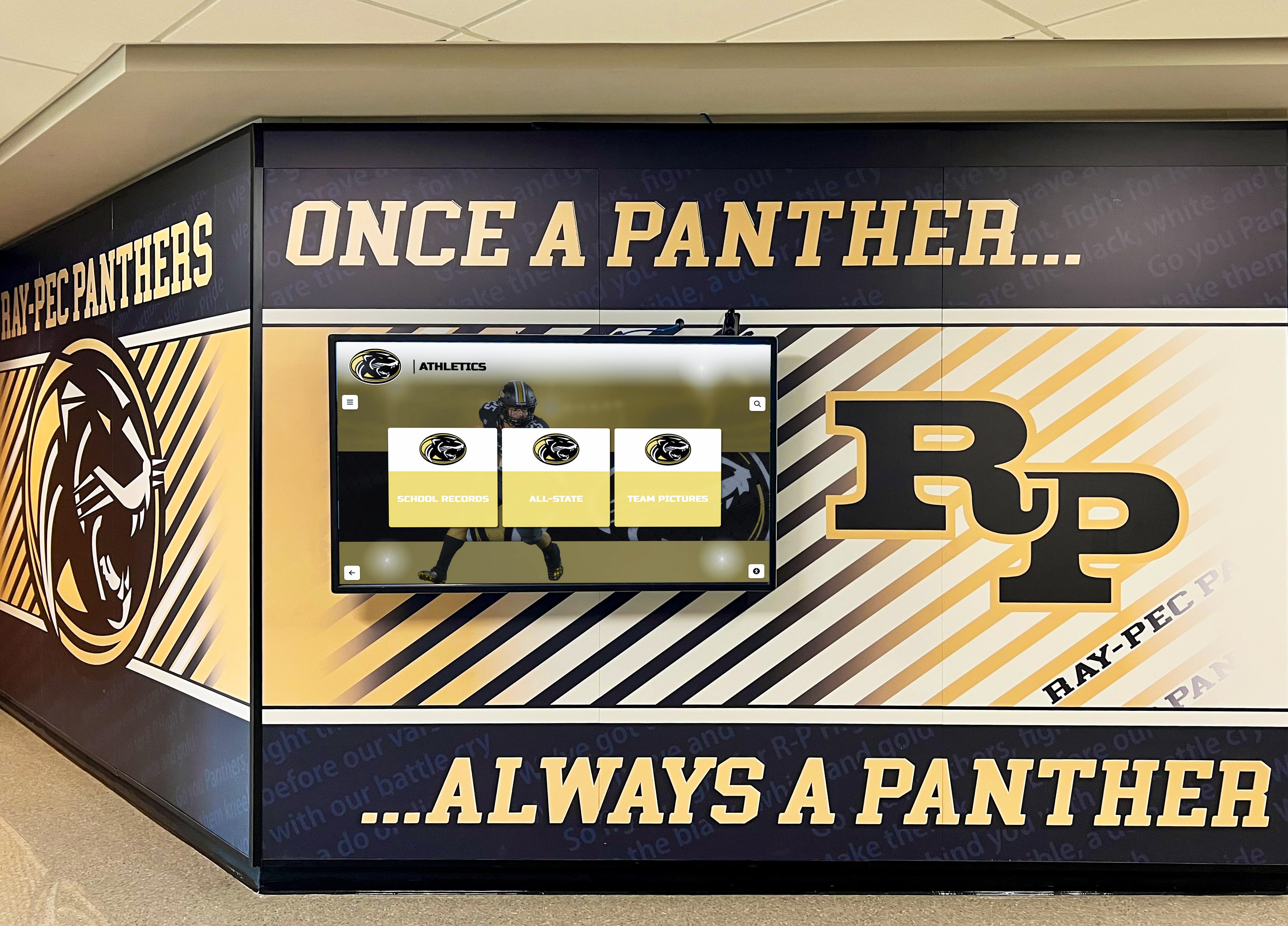
Well-designed school spaces support event success by showcasing achievements and reinforcing institutional identity
Understanding Different Types of School Events
Schools host diverse events serving distinct purposes and engaging different audiences throughout academic years.
Academic Recognition Events
Celebrating scholarly achievement reinforces the primacy of learning while honoring student dedication:
Honor Roll Recognition Ceremonies
- Quarterly or semester recognition assemblies acknowledging academic achievement
- Grade-level specific celebrations tailored to developmental appropriateness
- Individual certificate presentations or group acknowledgment approaches
- Parent attendance opportunities strengthening family engagement
- Display installations showcasing honored students throughout facilities
- Social media recognition extending celebration beyond physical events
Academic Awards Nights
- End-of-year ceremonies recognizing subject-specific excellence
- Departmental awards honoring achievement across curriculum areas
- Scholarship announcements and college acceptance celebrations for seniors
- Teacher-nominated special recognition for growth and improvement
- National academic honor society inductions (National Honor Society, National Junior Honor Society)
- Parent receptions and celebration refreshments following formal programs
Subject-Specific Celebrations
- STEM fair exhibitions showcasing student research and innovation
- Literary nights featuring student writing, poetry, and creative work
- Foreign language celebration events highlighting cultural learning
- Mathematics competition recognition and problem-solving showcases
- History day presentations bringing research to life
- Science demonstration events making learning visible to community
Schools implementing comprehensive award ceremony ideas create meaningful recognition experiences students remember throughout their educational journeys.
Athletic Events and Celebrations
Sports programs generate natural enthusiasm requiring thoughtful channeling into positive community experiences:
Athletic Banquets and Award Ceremonies End-of-season celebrations honoring team achievements:
- Team-specific banquets recognizing individual sport accomplishments
- All-sports banquets celebrating athletic program achievements collectively
- Coach presentations highlighting season memories and player contributions
- Individual and team award presentations with meaningful categories
- Senior athlete recognition honoring graduating players
- Parent appreciation acknowledging family support throughout seasons
- Multimedia presentations featuring game highlights and memorable moments
Comprehensive athletic banquet planning resources help coordinators create celebrations teams remember for years.
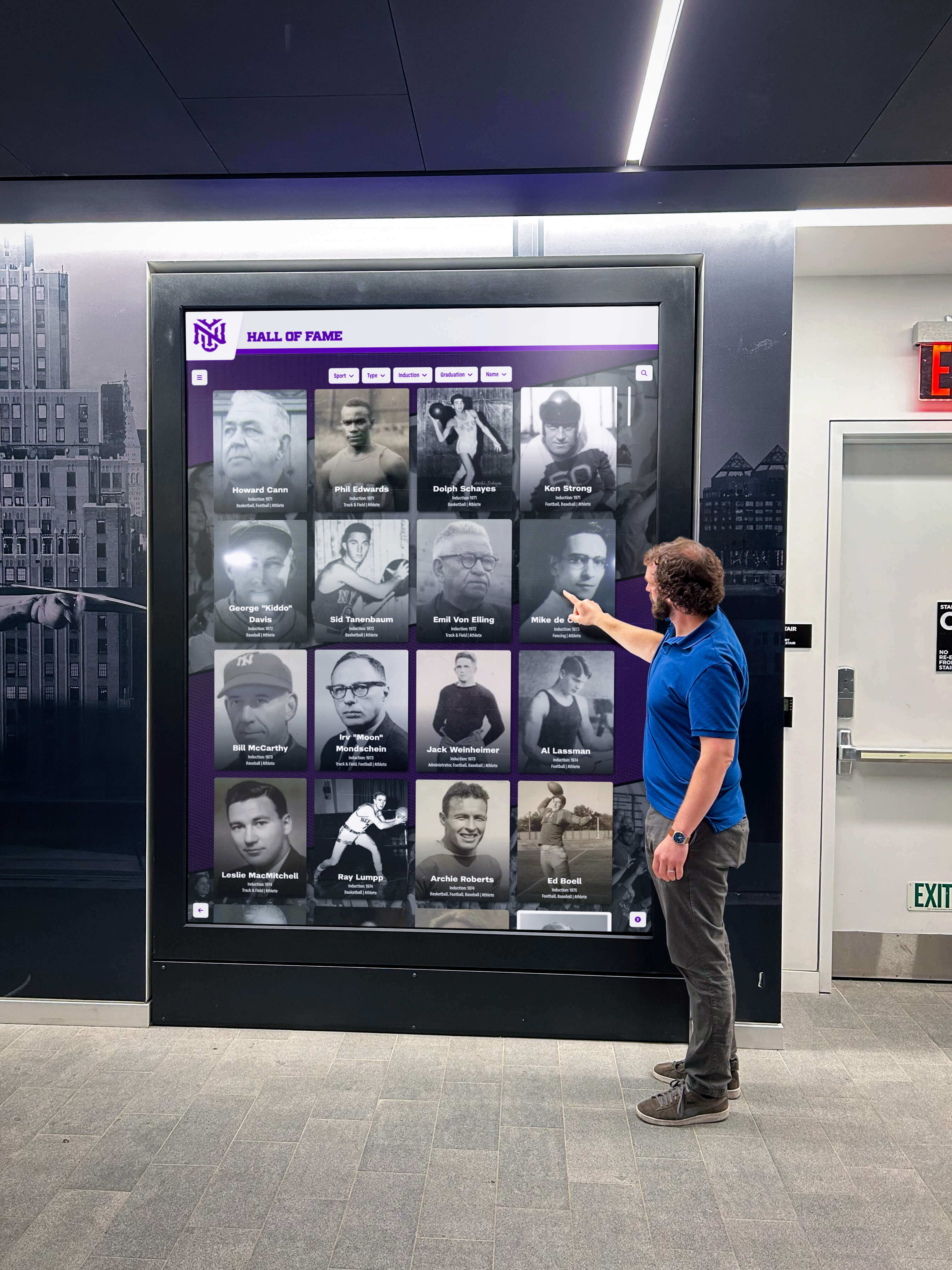
Interactive displays enable event attendees to explore athletic achievements and program history during gatherings
Senior Night Celebrations Honoring graduating athletes during final home competitions:
- Pre-game recognition ceremonies during final home contests
- Senior athlete introductions with family escort opportunities
- Personalized announcements highlighting career achievements
- Photo opportunities with parents, coaches, and teammates
- Small gifts or commemorative items marking completion
- Social media features celebrating senior contributions
- Recognition displays remaining visible beyond single game events
Schools planning baseball senior night ideas and other sport-specific celebrations create memorable transitions honoring student-athlete dedication.
Homecoming Week Activities Multi-day celebrations building school spirit and community connection:
- Daily themed dress-up days encouraging widespread participation
- Lunchtime activities and competitions between grade levels
- Hallway decorating contests showcasing class creativity
- Pep rallies featuring games, performances, and spirit building
- Homecoming parade with floats, marching bands, and community participation
- Football game and halftime coronation ceremony
- Homecoming dance providing social celebration opportunity
Effective homecoming traditions create annual highlights students anticipate throughout their high school careers.
Athletic Hall of Fame Induction Ceremonies Formal events honoring outstanding athletic alumni and achievements:
- Annual or biennial induction ceremonies for qualified candidates
- Selection committee processes ensuring transparent evaluation
- Formal dinner or reception events bringing community together
- Inductee speeches sharing memories and expressing gratitude
- Permanent recognition additions to hall of fame displays
- Program books commemorating honorees and their achievements
- Alumni engagement opportunities reconnecting graduates with schools
Community Engagement Events
Events bringing families and community members into school buildings strengthen vital partnerships:
Back to School Nights and Open Houses Welcoming families into school environments establishes communication foundations:
- Beginning-of-year orientation events introducing teachers and expectations
- Classroom visits allowing parents to experience student daily routines
- Information fair formats with departments, clubs, and resources available
- Principal presentations sharing school vision and priorities
- Technology demonstrations showing digital tools students use
- Tour opportunities for families new to buildings or programs
- Welcome materials providing essential information families reference later
Family Engagement Nights Themed events creating shared learning experiences:
- STEM nights with hands-on activities families complete together
- Literacy events featuring author visits, book fairs, and reading celebrations
- Cultural heritage celebrations honoring diverse student backgrounds
- Arts showcases displaying student work and live performances
- Health and wellness fairs providing family resources and information
- Financial literacy workshops supporting family economic knowledge
- Career exploration events introducing students to professional possibilities
School Carnivals and Festivals Community-building celebrations combining fun with fundraising:
- Spring or fall festivals with games, activities, and entertainment
- Food vendors featuring diverse cuisine options and local favorites
- Student performance stages showcasing talents across programs
- Silent auctions and raffles supporting school programs
- Volunteer committees managing different activity stations
- All-ages activities ensuring engagement across family members
- Community partner participation demonstrating local business support
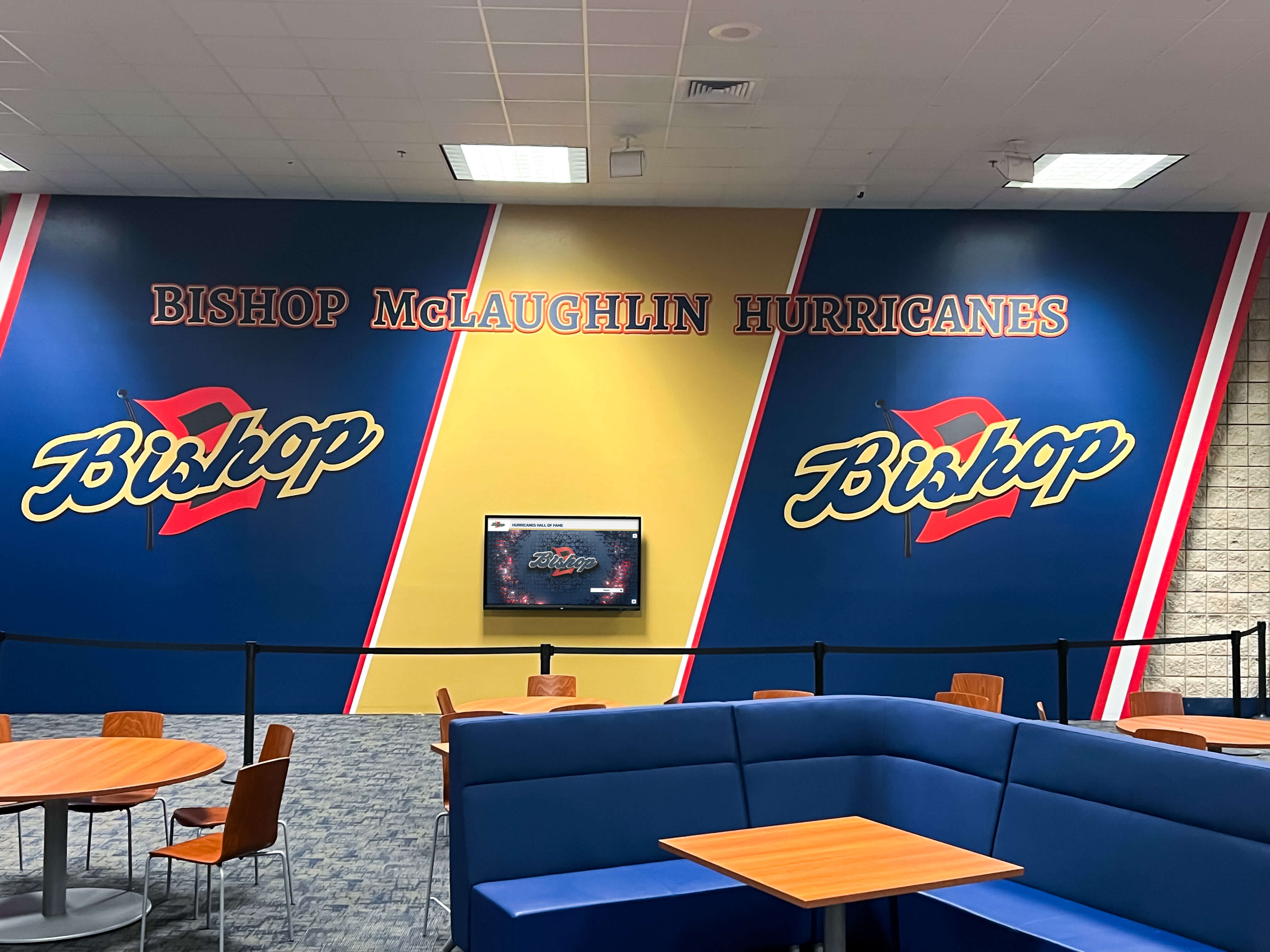
Versatile school spaces support diverse events from formal ceremonies to casual community gatherings
Cultural and Inclusion Events
Celebrating diversity enriches school culture while honoring student backgrounds:
Multicultural Celebrations Events highlighting global perspectives and cultural traditions:
- International festivals featuring cuisine, performances, and cultural displays
- Heritage month programs celebrating specific cultural groups throughout year
- Student-led presentations sharing family traditions and backgrounds
- Language showcases highlighting multilingual student capabilities
- Traditional music and dance performances educating broader community
- Art exhibitions featuring cultural artistic traditions from around world
- Family involvement opportunities allowing authentic cultural sharing
Arts Showcases and Performances Celebrating creative achievement across artistic disciplines:
- Spring musical productions with multiple performance dates
- Fall drama presentations and theatrical productions
- Art gallery openings displaying student visual artwork
- Concert series featuring band, choir, and orchestra performances
- Dance recitals showcasing choreography and performance skills
- Film festivals presenting student-created video productions
- Combined arts celebrations integrating multiple creative disciplines
Recognition and Appreciation Events Formal acknowledgment of specific contributions and achievements:
- Teacher appreciation weeks with daily themes and student-organized celebrations
- Staff recognition events honoring support personnel contributions
- Volunteer appreciation receptions thanking parent and community helpers
- Student of the month recognition ceremonies
- Character education celebrations highlighting values and citizenship
- Service project recognition honoring community contributions
- Environmental stewardship awards for sustainability initiatives
Schools building comprehensive school spirit ideas create positive cultures extending throughout all event programming.
Transition and Milestone Events
Ceremonial events marking important passages in student educational journeys:
Graduation Ceremonies Culminating celebrations honoring completion of educational programs:
- Formal commencement exercises with processional traditions
- Student speaker selections representing class perspectives
- Award presentations recognizing highest achievements
- Diploma distribution with personalized recognition moments
- Graduate receptions following ceremonies for family celebrations
- Memory videos and slideshows celebrating class journey
- Permanent class recognition in school displays and archives
Thoughtful graduation ceremony program ideas help create meaningful closure experiences students treasure.
Moving-Up Ceremonies Acknowledging transitions between educational levels:
- Elementary to middle school transition recognition
- Middle school to high school advancement ceremonies
- Grade-level promotion celebrations for younger students
- Awards and recognition tied to developmental milestones
- Symbolic elements marking passage to next educational stage
- Parent attendance opportunities witnessing student growth
- Motivational messaging preparing students for next challenges
College Signing Days Public celebrations of student-athlete collegiate commitments:
- Formal signing ceremonies with media attendance
- Student-athlete speeches announcing college selections
- Coach and family acknowledgment of support throughout journey
- Photo opportunities with signing documents and school representatives
- Display additions recognizing college-bound athletes
- Social media amplification celebrating student achievements
- Inspiration for younger athletes aspiring to college competition
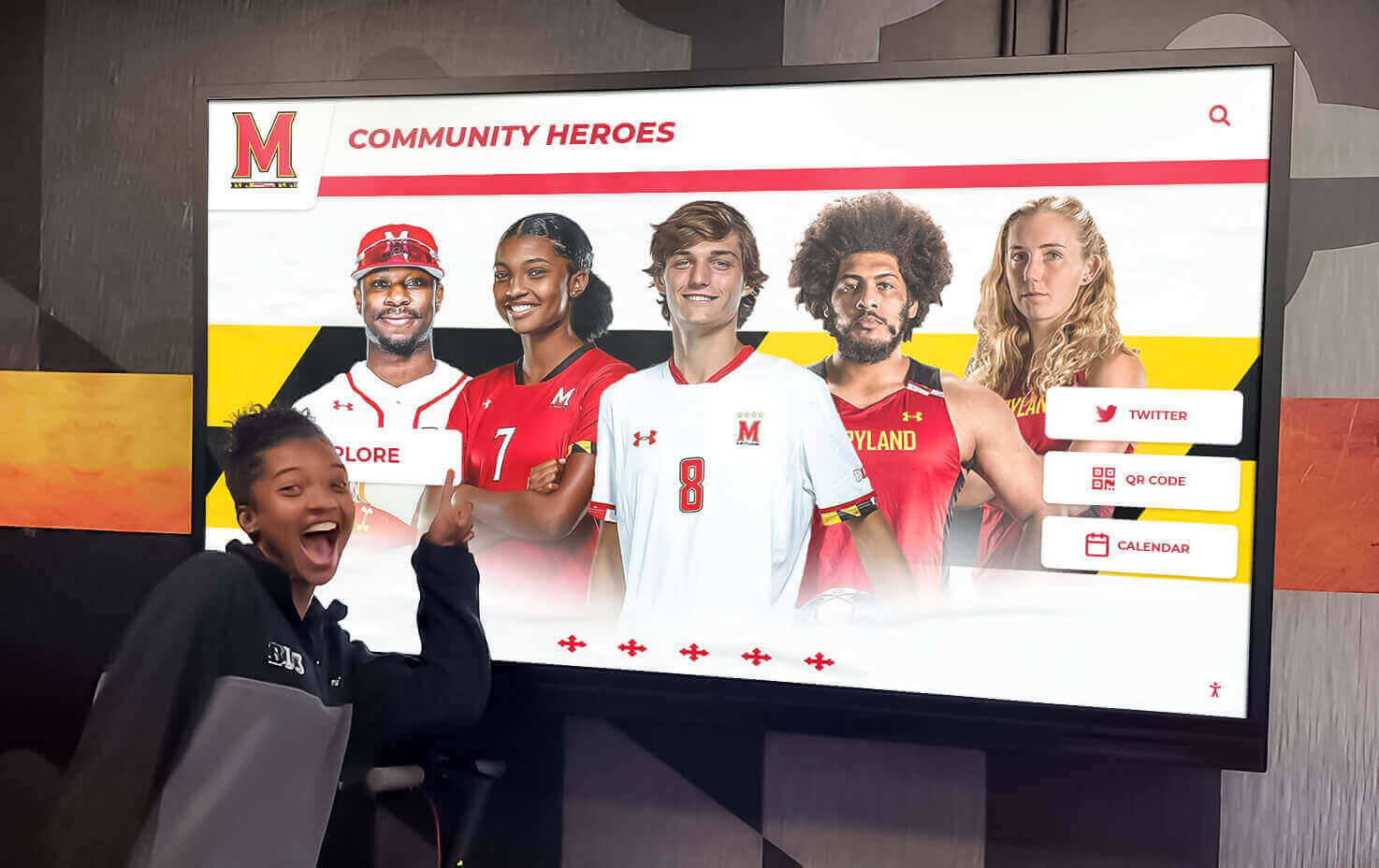
Recognition displays create natural gathering points during events where attendees explore achievements
Strategic Event Planning Best Practices
Successful school events require systematic planning processes ensuring quality execution while managing inevitable constraints.
Establishing Event Planning Committees
Collaborative planning distributes workload while incorporating diverse perspectives:
Committee Composition Strategies
- Administrative leadership providing oversight and resource authorization
- Teacher representatives ensuring curriculum connection and staff buy-in
- Parent organization leaders coordinating volunteer support
- Student representatives (when age-appropriate) adding authentic voice
- Support staff addressing facilities, technology, and operational needs
- Community partners when events involve external stakeholders
- Specific skills representation (event design, marketing, fundraising, logistics)
Effective Committee Operations
- Clear role definitions preventing confusion about responsibilities
- Regular meeting schedules with documented decisions and action items
- Shared digital collaboration tools enabling asynchronous work
- Timeline development with milestone checkpoints and accountability
- Budget management with transparent tracking and approval processes
- Communication protocols ensuring information reaches all stakeholders
- Post-event evaluation processes capturing learning for future improvements
Timeline Development and Management
Strategic scheduling prevents last-minute stress while ensuring quality:
Initial Planning Phase (8-12 Weeks Before)
- Event purpose and goals clarification aligned with school mission
- Date selection considering competing events and stakeholder availability
- Venue determination based on anticipated attendance and format
- Budget establishment with revenue and expense projections
- Committee formation and initial responsibility assignment
- Major vendor selection (catering, entertainment, equipment rental)
- Save-the-date communication to key stakeholders
Active Planning Phase (4-8 Weeks Before)
- Detailed program development with specific timing and sequence
- Invitation design and distribution to target audiences
- Materials preparation (programs, signage, certificates, awards)
- Volunteer recruitment and role assignment
- Marketing campaign implementation across multiple channels
- Logistics coordination (parking, setup, cleanup, accessibility)
- Contingency planning for weather or technical issues
Final Preparation Phase (1-4 Weeks Before)
- Final attendance estimates and necessary adjustments
- Technology testing and backup systems verification
- Materials printing and physical preparation completion
- Volunteer briefing and role clarity confirmation
- Final communications with reminder details
- Vendor confirmations and delivery coordination
- Setup timeline development and responsibility assignment
Event Day Execution
- Early arrival of key personnel for setup oversight
- Volunteer check-in and final role confirmation
- Technology final testing before audience arrival
- Welcome team positioning for positive first impressions
- Real-time troubleshooting and adaptive management
- Photography and documentation for future reference
- Cleanup coordination and facility restoration
Post-Event Follow-Up (Within 2 Weeks)
- Thank you communications to volunteers, vendors, and participants
- Financial reconciliation and budget variance analysis
- Evaluation survey distribution gathering stakeholder feedback
- Photo and video sharing through appropriate channels
- Recognition of committee members and key contributors
- Documentation of successes and improvement opportunities
- Planning notes archived for future event coordinators
Schools implementing spirit week daily events benefit from systematic approaches managing complex multi-day programming.
Budget Management Strategies
Resource constraints require creative approaches maximizing impact:
Revenue Generation Options
- Ticket sales for performances, dances, or fundraising events
- Sponsorship opportunities for local businesses supporting schools
- Fundraising campaigns tied to specific event purposes
- Concession sales and refreshment revenue
- Silent auctions or raffles during appropriate events
- Parent organization allocations and grant support
- Alumni association contributions for recognition events
Cost Control Approaches
- Volunteer utilization rather than paid services when feasible
- In-kind donations from community partners and businesses
- Equipment and supply borrowing rather than purchasing
- Digital communications reducing printing costs
- Multi-purpose decorations used across multiple events
- Simple refreshments rather than elaborate catering
- Student involvement reducing labor costs while building skills
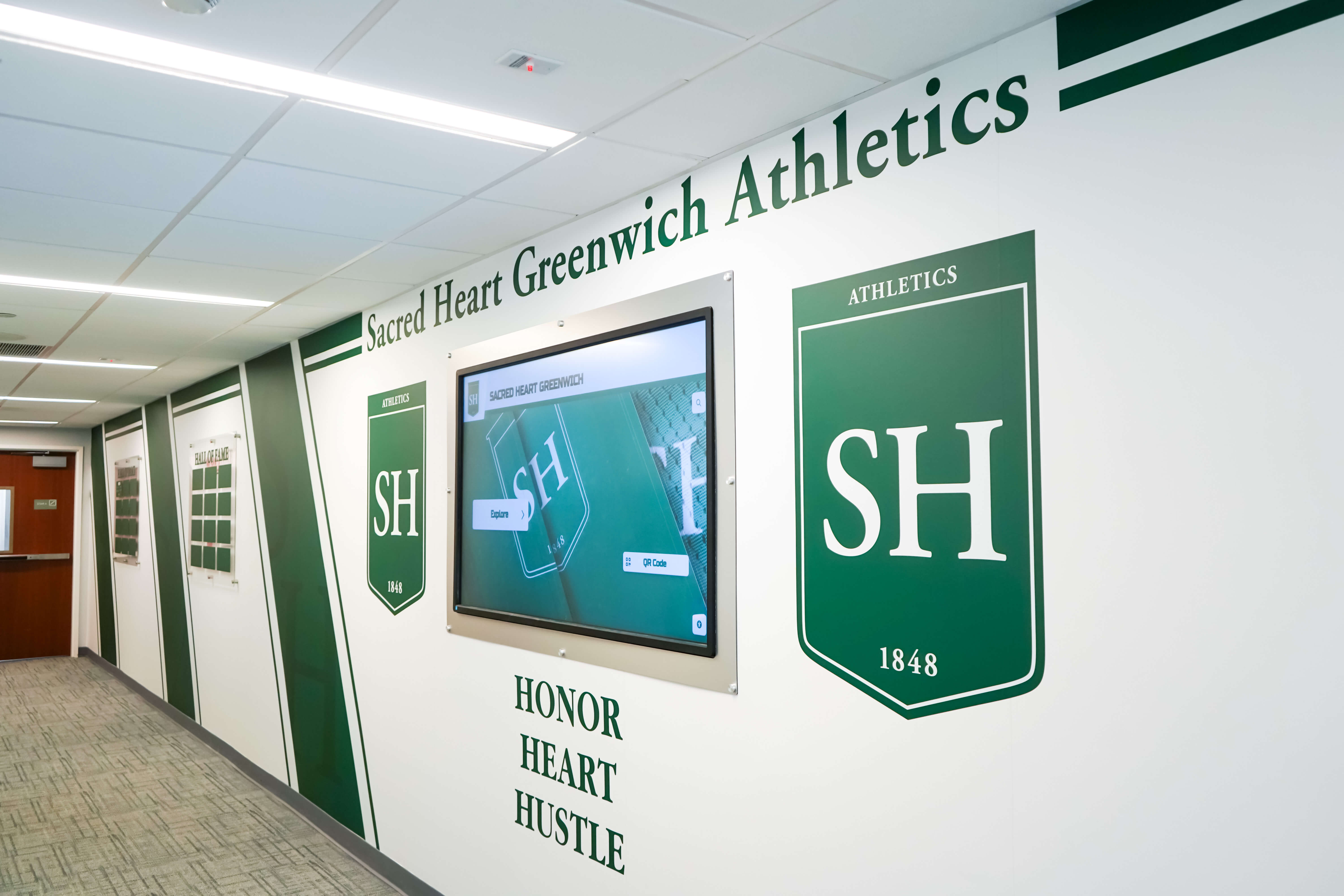
Strategic investments in permanent recognition infrastructure reduce per-event costs over time
Budget Allocation Priorities
- Student experience elements receiving highest priority
- Safety and accessibility requirements as non-negotiables
- Technology investments creating reusable infrastructure
- Professional touches elevating quality perception
- Marketing ensuring strong attendance justifying investment
- Documentation preserving memories and supporting future planning
- Contingency reserves addressing unexpected needs or opportunities
Inclusive and Accessible Event Design
Thoughtful planning ensures all community members can participate fully:
Physical Accessibility Considerations
- Wheelchair-accessible venues with appropriate accommodations
- Accessible parking clearly marked and conveniently located
- Clear pathways free from obstacles and trip hazards
- Appropriate seating options for varied mobility needs
- Assistive listening systems for attendees with hearing impairments
- Visual accommodations for those with vision limitations
- Quiet spaces available for sensory-sensitive individuals
Cultural and Linguistic Inclusion
- Multilingual communications in predominant family languages
- Interpretation services at events with significant information sharing
- Culturally responsive programming and content
- Dietary accommodations reflecting religious and cultural practices
- Scheduling avoiding conflicts with religious observances
- Representation in planning ensuring diverse perspectives
- Imagery and messaging reflecting community diversity
Economic Inclusivity
- Free or low-cost admission to school-sponsored events
- No requirement for special attire, purchases, or contributions
- Accessible food options at various price points when sold
- Scholarships or waivers for events with necessary fees
- Equal recognition quality regardless of family resources
- Avoiding exclusionary messaging about donations or contributions
- Alternative participation options for cost-sensitive activities
Leveraging Technology for Enhanced Event Experiences
Modern tools transform traditional school events while creating lasting visibility beyond single occasions.
Interactive Recognition Displays
Digital touchscreen systems address persistent challenges with traditional event recognition:
Space Constraint Solutions Physical plaques and trophy cases face inherent limitations:
- Finite wall space restricting how many achievements can be displayed
- Recognition often limited to highest-profile accomplishments only
- Previous years’ awards removed to accommodate current achievements
- Many deserving individuals never receive permanent public recognition
- Static displays requiring expensive updates and physical modifications
Modern touchscreen displays eliminate these constraints entirely:
- Single display showcases unlimited students across all achievement categories
- Complete historical archives preserve every year’s recognition indefinitely
- All accomplishment types receive equal display opportunity
- Searchable databases enable finding specific individuals or achievements
- Cloud-based management allows updates from any device remotely
- Multiple screens throughout facilities if desired without content duplication
Event Integration Applications Interactive displays enhance multiple event types naturally:
- Recognition ceremony attendees explore honoree profiles before and after programs
- Athletic banquet guests view season statistics and team history
- Homecoming celebrations showcase tradition and previous court members
- Alumni events enable graduates to find themselves and reconnect with memories
- Open house visitors explore school achievements while waiting or between sessions
- Graduation ceremony attendees celebrate senior accomplishments interactively
- Parent nights demonstrate institutional pride and recognition culture
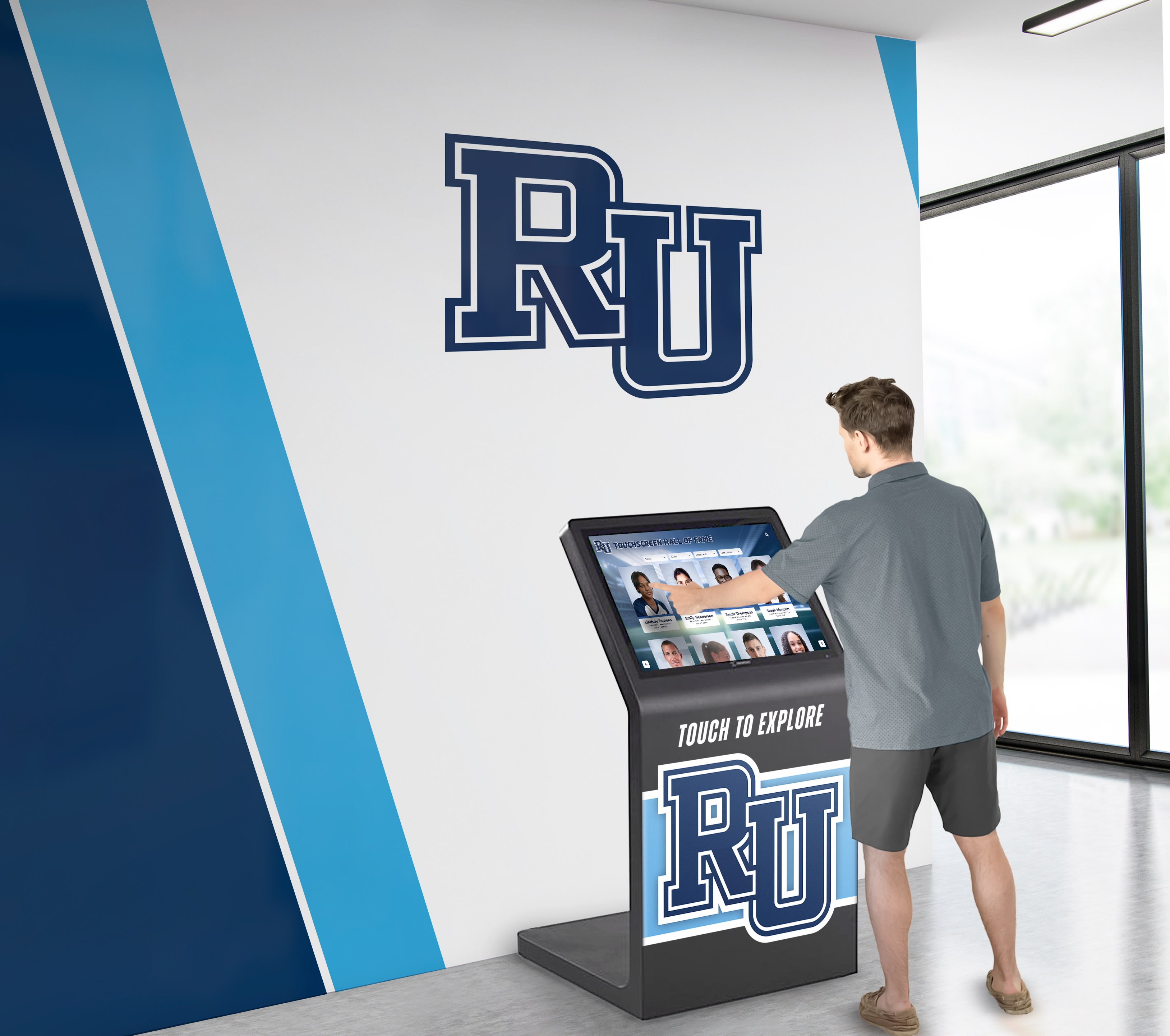
Interactive displays create engaging experiences during events while providing year-round recognition visibility
Solutions like Rocket Alumni Solutions provide touchscreen platforms specifically designed for educational recognition, enabling schools to showcase unlimited achievements across academics, athletics, arts, service, and character. These systems integrate seamlessly into event spaces, creating conversation starters during gatherings while ensuring recognition remains visible and accessible throughout the year rather than limited to single ceremony moments.
Ongoing Visibility Benefits Recognition impact extends far beyond event days:
- Year-round accessibility ensures achievements remain visible continuously
- Web-based access allows families and alumni worldwide to explore content
- Social sharing capabilities enable students to celebrate on personal platforms
- Mobile optimization works across smartphones, tablets, and computers
- Searchable archives let current students discover school legacy
- Prospective families see recognition culture during recruitment visits
- Media access increases positive coverage and community awareness
Digital Event Promotion and Communication
Technology tools streamline promotion while expanding reach:
Multi-Channel Marketing Approaches
- School website event calendars with detailed information and registration
- Email campaigns targeted to specific stakeholder groups
- Social media promotion across platforms (Facebook, Instagram, Twitter)
- Text message reminders for time-sensitive event updates
- Digital signage throughout facilities promoting upcoming events
- Mobile app notifications for schools with dedicated applications
- Community calendar submissions reaching broader audiences
Registration and Ticketing Systems
- Online registration forms collecting attendance data and preferences
- Digital ticketing reducing printing costs and entry management complexity
- Automated confirmation emails providing essential event details
- Attendance tracking informing capacity planning and resource allocation
- Payment processing for events requiring fees or fundraising
- Real-time registration numbers helping adjust preparations
- Post-event communication enabled through registration data
Event Day Technology Applications
- Digital programs accessible via QR codes reducing printing costs
- Live social media updates sharing event highlights as they occur
- Photo sharing platforms collecting images from multiple contributors
- Live streaming enabling remote participation for unable to attend
- Digital check-in systems expediting entry and tracking attendance
- Interactive polling or voting during appropriate event segments
- Presentation technology creating professional, engaging programs
Creative Event Enhancement Ideas
Beyond logistics, creative elements transform ordinary events into memorable experiences:
Themed Event Design
Cohesive themes create unified experiences and natural marketing angles:
Academic Event Themes
- “Reach for the Stars” space-themed academic celebrations
- “Journey to Excellence” highlighting growth and progress
- Literary themes drawn from classic or current popular books
- Historical era themes connecting to curriculum content
- Future-focused themes celebrating preparation and possibilities
- Excellence themes using metaphors (summit, journey, achievement)
Athletic Event Themes
- Decade throwbacks (80s, 90s) creating nostalgic atmosphere
- Championship themes celebrating competitive excellence
- Team unity themes emphasizing collaboration over individual achievement
- Season-specific themes appropriate to sport and time of year
- School color themes maximizing visual cohesion and pride
- Tradition themes honoring program history and legacy
Community Event Themes
- Cultural exploration themes celebrating diversity
- Seasonal themes aligned with time of year
- Carnival or festival themes creating celebratory atmosphere
- Community connection themes emphasizing relationships
- School pride themes reinforcing institutional identity
- Future-focused themes looking ahead to coming year
Student Leadership Integration
Authentic student involvement strengthens engagement and development:
Planning Committee Participation
- Student representatives on event committees providing peer perspective
- Student government leadership coordinating school-wide events
- Grade-level representatives ensuring diverse student voice
- Activity club involvement when events connect to their missions
- Student voting or input on major event decisions
- Youth-adult partnership models respecting both perspectives
Event Day Student Roles
- Student emcees and hosts bringing peer energy to programs
- Performance opportunities showcasing student talents
- Technical crew running sound, lights, and multimedia elements
- Welcome team members greeting attendees warmly
- Photography and videography documentation teams
- Setup and cleanup crew leadership and coordination
- Evaluation team gathering feedback and observations
Student Recognition Opportunities
- Leadership acknowledgment for planning contributions
- Behind-the-scenes recognition highlighting unseen work
- Skill development celebration from event involvement
- Portfolio additions supporting college and career applications
- Service hours credit when appropriate and transparent
- Public appreciation during events themselves
- Ongoing responsibilities building toward larger roles
Schools implementing comprehensive alumni event ideas create traditions that current students anticipate joining as graduates.
Multimedia and Memory Creation
Documentation preserves event experiences while creating shareable content:
Photography and Videography
- Professional photographer or skilled volunteer for formal events
- Student photography teams capturing candid moments and perspectives
- Photo booth stations with props and backdrops
- 360-degree cameras creating immersive documentation
- Time-lapse videos showing event transformation
- Drone footage for outdoor events (with proper permissions)
- Parent photographer volunteers supplementing official coverage
Memory Preservation and Sharing
- Online photo galleries enabling downloads and sharing
- Social media albums with appropriate privacy settings
- Yearbook integration ensuring event documentation
- Video montages creating lasting memories
- Digital scrapbooks combining photos with narrative
- Cloud storage ensuring long-term preservation
- Print options for families preferring physical photos
Post-Event Content Creation
- Highlight reels showcasing event best moments
- Thank you videos featuring attendee testimonials
- Behind-the-scenes content showing preparation process
- Statistical summaries of attendance and achievements
- Photo essays telling event story visually
- Student reflections and reaction videos
- Planning retrospectives for future committee reference
Addressing Common Event Planning Challenges
Anticipating typical obstacles enables proactive solutions:
Low Attendance Issues
Contributing Factors
- Competing events and calendar conflicts
- Insufficient advance notice or promotional effort
- Event timing conflicting with work schedules or commitments
- Previous negative experiences reducing interest
- Perception that events aren’t relevant or valuable
- Transportation or childcare barriers
- Accessibility concerns limiting some families
Improvement Strategies
- Calendar coordination preventing scheduling conflicts
- Earlier promotion with multiple reminder touchpoints
- Stakeholder surveys identifying preferences and barriers
- Creative timing options (weekend mornings, early evenings)
- Transportation assistance or carpool coordination
- Childcare provision for parent-focused events
- Virtual attendance options for unable to participate in person
- Demonstrated value through testimonials and past success sharing
Budget Limitations
Creative Resource Maximization
- Community partnership development providing in-kind support
- Student talent utilization rather than professional entertainment
- Simple decorations with high visual impact
- Digital communications eliminating printing costs
- Multi-purpose purchases used across multiple events
- Equipment borrowing rather than purchasing
- Volunteer coordination replacing paid services
- Fundraising integration when appropriate to event type
Volunteer Recruitment and Management
Engagement Strategies
- Clear, specific role descriptions making commitment manageable
- Flexible timing options accommodating varied schedules
- Recognition and appreciation throughout process
- Social opportunities making volunteering enjoyable
- Skill-based matching connecting people with appropriate roles
- Family volunteering options keeping everyone together
- Short-term, defined commitments rather than open-ended asks
- Automated reminder systems supporting volunteer success
Weather and Contingency Planning
Proactive Preparation
- Indoor alternatives for outdoor events whenever possible
- Weather monitoring and decision timelines
- Clear communication plans for cancellations or changes
- Date flexibility when rescheduling is feasible
- Partial program options if full event becomes impossible
- Tent or covering rentals providing weather protection
- Financial protection through insurance or refundable deposits
- Previous experience documentation informing decision-making
Building Sustainable Event Traditions
The strongest school events become anticipated traditions strengthening institutional culture over time.
Tradition Development Strategies
Creating New Traditions
- Alignment with school mission and values
- Distinctive elements differentiating from generic events
- Student input ensuring relevance and engagement
- Repeatable components enabling consistency across years
- Symbolic elements creating meaning and connection
- Documentation processes preserving tradition knowledge
- Flexibility allowing evolution while maintaining core elements
Maintaining Existing Traditions
- Historical knowledge preservation as personnel change
- Written documentation preventing institutional memory loss
- Alumni involvement connecting past and present
- Evolution permission allowing adaptation to current context
- Regular evaluation ensuring traditions remain relevant
- Student education about tradition meaning and significance
- Balance between preservation and appropriate innovation
Evaluating Event Success
Quantitative Metrics
- Attendance numbers and demographic representation
- Budget performance against projections
- Registration or ticket sales trends over time
- Social media engagement and reach statistics
- Fundraising totals when revenue generation is goal
- Volunteer participation rates and retention
- Comparison to previous years and similar schools
Qualitative Assessment
- Participant satisfaction surveys gathering direct feedback
- Volunteer debriefs capturing improvement insights
- Observation notes from committee and attendees
- Unsolicited feedback and comments received
- Student reflections and reactions
- Alignment with original goals and intended outcomes
- Cultural impact and community connection strength
Continuous Improvement Process
- Post-event evaluation meetings while experiences fresh
- Documented lessons learned for future committees
- Action items addressing identified weaknesses
- Success celebration acknowledging effective elements
- Planning adjustments based on evaluation findings
- Stakeholder input integration into future iterations
- Benchmark comparison with other successful school events
Conclusion: Creating Events That Build Lasting School Community
School events represent far more than calendar obligations or isolated celebrations. When thoughtfully planned and executed, these gatherings transform educational institutions from places where students simply attend classes into vibrant communities where meaningful connections form, diverse achievements receive recognition, institutional values come alive, and memories that last lifetimes take root.
The most successful school event coordinators understand that excellence emerges from systematic planning processes beginning weeks or months before event days, collaborative approaches distributing workload while incorporating diverse perspectives, inclusive design ensuring all community members can participate fully, and creative elements transforming ordinary gatherings into memorable experiences students and families cherish. From academic recognition ceremonies honoring scholarly dedication to spirited athletic celebrations showcasing competitive excellence, cultural events celebrating diversity to milestone transitions marking important passages—each event type serves distinct purposes while contributing to overall school culture and community strength.
Modern technology enhances traditional school events significantly while creating opportunities impossible with historical approaches. Interactive touchscreen displays enable unlimited recognition visibility, ensuring achievements celebrated during ceremonies remain accessible year-round rather than limited to single program moments. Digital communication tools streamline promotion while expanding reach. Multimedia elements create engaging experiences and preserve memories. Web-based systems extend event impact beyond those physically present, connecting alumni, prospective families, and broader communities with school celebrations.
Begin where you are with events you’re already planning, then systematically enhance quality through strategies explored throughout this comprehensive guide. Whether you’re improving existing annual traditions, launching new celebration formats, implementing technology solutions extending event impact, or developing more inclusive programming reaching diverse stakeholders—every improvement creates stronger experiences building positive school culture and genuine community connection.
The events you plan today shape how students experience school, what they remember years after graduation, and how families and community members perceive your educational institution. With thoughtful planning, creative programming, inclusive design, and appropriate technology integration, you can create event traditions that honor every achievement while strengthening the vibrant, connected school community where all students thrive.
Ready to explore how interactive recognition technology can enhance your school events and extend their impact throughout the year? Discover how solutions like Rocket Alumni Solutions provide touchscreen displays that showcase unlimited achievements across all areas, creating engaging experiences during events while ensuring year-round recognition visibility that strengthens school culture and community pride.