Every year, hundreds of thousands of talented teenagers submit their best creative work to one of the nation’s most prestigious student competitions—the Scholastic Art and Writing Awards. Since 1923, this program has launched the careers of celebrated writers, artists, and creative professionals by providing recognition, scholarships, and national visibility for exceptional student work.
For students passionate about visual arts, creative writing, poetry, journalism, or other creative disciplines, the Scholastic Art and Writing Awards represent more than another competition—they offer meaningful validation of artistic vision, potential college admission advantages, and scholarship opportunities totaling hundreds of thousands of dollars annually. Yet many deserving students never enter because they don’t understand eligibility requirements, submission processes, or what judges truly look for in award-winning work.
This comprehensive guide provides everything students, parents, and educators need to know about the Scholastic Art and Writing Awards—from understanding award categories and submission requirements to preparing competitive entries, meeting deadlines, and how schools can celebrate winners through lasting recognition that inspires future students.
The Scholastic Art and Writing Awards have recognized creative excellence in students grades 7-12 for over a century. Understanding how this prestigious program works helps students submit their strongest work while giving educators insight into supporting participants and celebrating award recipients who bring honor to their schools.
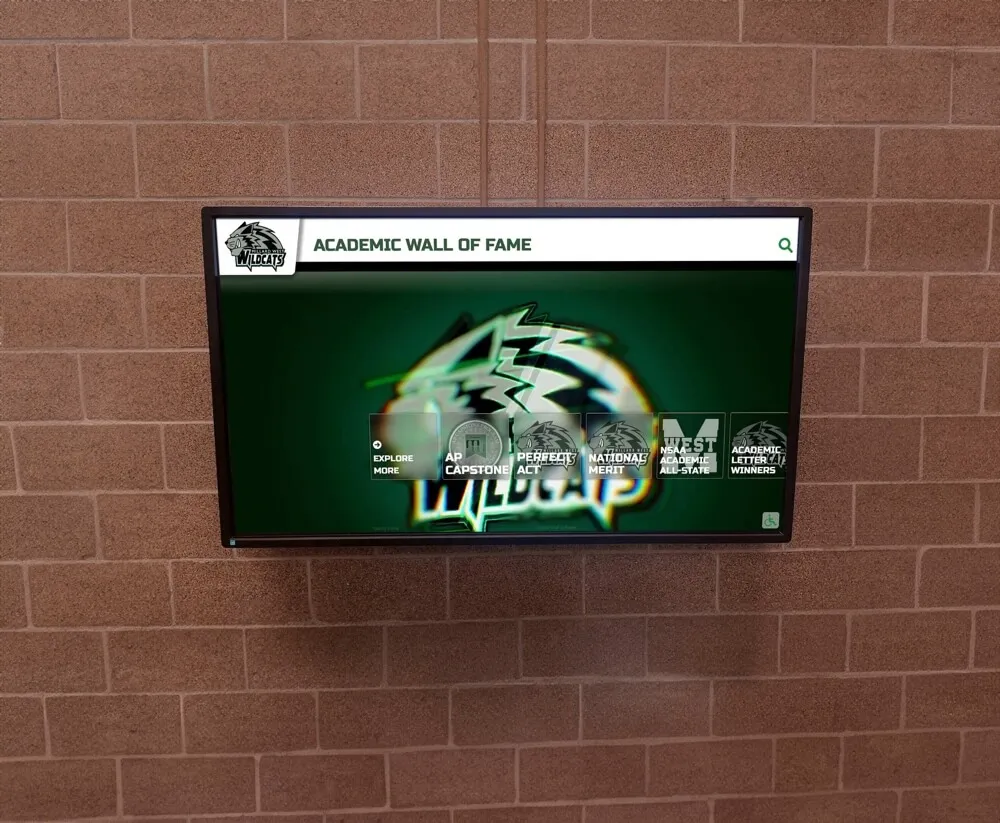
Schools celebrate creative achievement through recognition displays that honor artistic and writing excellence alongside academic accomplishments
What Are the Scholastic Art and Writing Awards?
The Scholastic Art and Writing Awards represent the longest-running and most prestigious recognition program for creative teenagers in the United States. Presented by the nonprofit Alliance for Young Artists & Writers, this annual competition identifies exceptional creative work by students in grades 7-12 across writing, art, and other creative categories.
Program History and Significance
Origins and Evolution
Founded in 1923 by Scholastic Inc., the Awards began as a writing competition designed to encourage creative expression in American students. Over the past century, the program has evolved to include visual arts, expanded into dozens of creative categories, and now receives nearly 400,000 submissions annually from teens nationwide.
Impact on Student Careers
The Scholastic Awards have launched countless creative careers over their century-long history. Notable alumni include:
- Writers: Truman Capote, Joyce Carol Oates, Stephen King, Sylvia Plath, John Updike, Amanda Gorman
- Artists: Andy Warhol, Richard Avedon, Cy Twombly, Philip Pearlstein
- Creative Professionals: Countless journalists, designers, filmmakers, and artists who credit their Scholastic recognition with opening doors to college programs and career opportunities
This legacy demonstrates that Scholastic Awards represent genuine artistic merit recognition, not merely participation acknowledgment.
Why the Awards Matter for Students
College Application Enhancement
Selective colleges and art schools specifically look for Scholastic Awards on applications:
- Gold Medal and National Medal winners demonstrate exceptional creative ability
- Regional awards show sustained creative commitment and competitive achievement
- Submission demonstrates initiative, ambition, and serious pursuit of craft
- Awards validate creative portfolios submitted for art and design program admissions
- Recognition distinguishes applicants among thousands of academically qualified candidates
Scholarship Opportunities
The Alliance distributes significant scholarship funding to award recipients:
- National Gold Medal winners receive scholarships ranging from $1,000-$10,000
- Specific portfolio awards carry additional scholarship amounts
- Partner organization scholarships for students pursuing specific disciplines
- Total scholarship pool typically exceeds $400,000 annually
- Some awards include exhibition opportunities in prestigious venues
Many students applying for creative arts recognition find that Scholastic Awards provide the competitive validation that distinguishes their applications.

Digital recognition profiles celebrate specific creative achievements and artistic journeys
Creative Validation and Motivation
Beyond tangible benefits, Scholastic Awards provide essential encouragement:
- Professional affirmation that creative work meets competitive standards
- Peer community of recognized young artists and writers
- Motivation to continue developing craft through difficult teenage years
- Portfolio pieces selected by experienced judges and educators
- National visibility for work through exhibitions and publications
For many students, Scholastic recognition represents the first time an adult outside their immediate circle has validated their creative vision—a powerful developmental moment for emerging artists and writers.
Understanding Award Categories and Levels
The Scholastic Awards program includes distinct categories for art and writing submissions, with multiple recognition levels reflecting achievement from regional to national.
Writing Categories
The writing competition encompasses 27 categories spanning fiction, nonfiction, poetry, journalism, and specialized formats:
Traditional Writing Categories
- Critical Essay
- Dramatic Script
- Flash Fiction
- Historical Essay
- Humor
- Journalism
- Personal Essay & Memoir
- Poetry
- Science Fiction & Fantasy
- Short Story
Specialized Writing Forms
- Rhetorical Analysis
- Editorial Cartoon
- Video Game Design Writing
- Writing Portfolio (3-8 works demonstrating range)
Each category has specific formatting requirements, word count parameters, and submission guidelines that students must follow precisely.
Art & Design Categories
Visual art submissions span 16 categories covering traditional and digital media:
Traditional Visual Arts
- Painting
- Drawing & Illustration
- Printmaking
- Sculpture
- Ceramics & Glass
- Photography
Digital and Applied Arts
- Digital Art
- Design
- Video & Film
- Animation
- Architecture & Industrial Design
- Fashion Design
Specialized Categories
- Comic Art
- Mixed Media
- Art Portfolio (4-8 works showing cohesive artistic vision)
Each art category allows specific media, has file format requirements for digital submissions, and may include dimension restrictions for physical works.
Recognition Levels Explained
Scholastic Awards function as a tiered competition with recognition at regional and national levels:
Regional Level (Administered by Regional Affiliates)
Gold Key Awards
- Highest regional recognition
- Advances to national competition for jurying
- Recognized at regional ceremonies
- May qualify for regional exhibitions
Silver Key Awards
- Second-tier regional recognition
- Does not advance to national level
- Celebrated at regional awards ceremonies
- Indicates work of exceptional quality
Honorable Mentions
- Third-tier regional acknowledgment
- Recognizes strong work showing promise
- Included in regional award announcements
- Validates submission quality
National Level (Juried from Gold Key Works)
National Gold Medals
- Highest national recognition (top works from all regions)
- Carries scholarship awards
- Exhibited in national exhibitions and events
- Published in national Best Teen Writing anthology
- Represents pinnacle of student creative achievement
National Silver Medals
- Second-tier national recognition
- Acknowledges exceptional work at national level
- Included in national award announcements
- May include exhibition opportunities
This tiered structure means students compete first within their geographic region, with only Gold Key recipients advancing to compete nationally—making National Medals extraordinarily selective.
Schools implementing comprehensive recognition programs celebrate Scholastic achievements across all award levels, recognizing that even Honorable Mentions demonstrate competitive creative work.
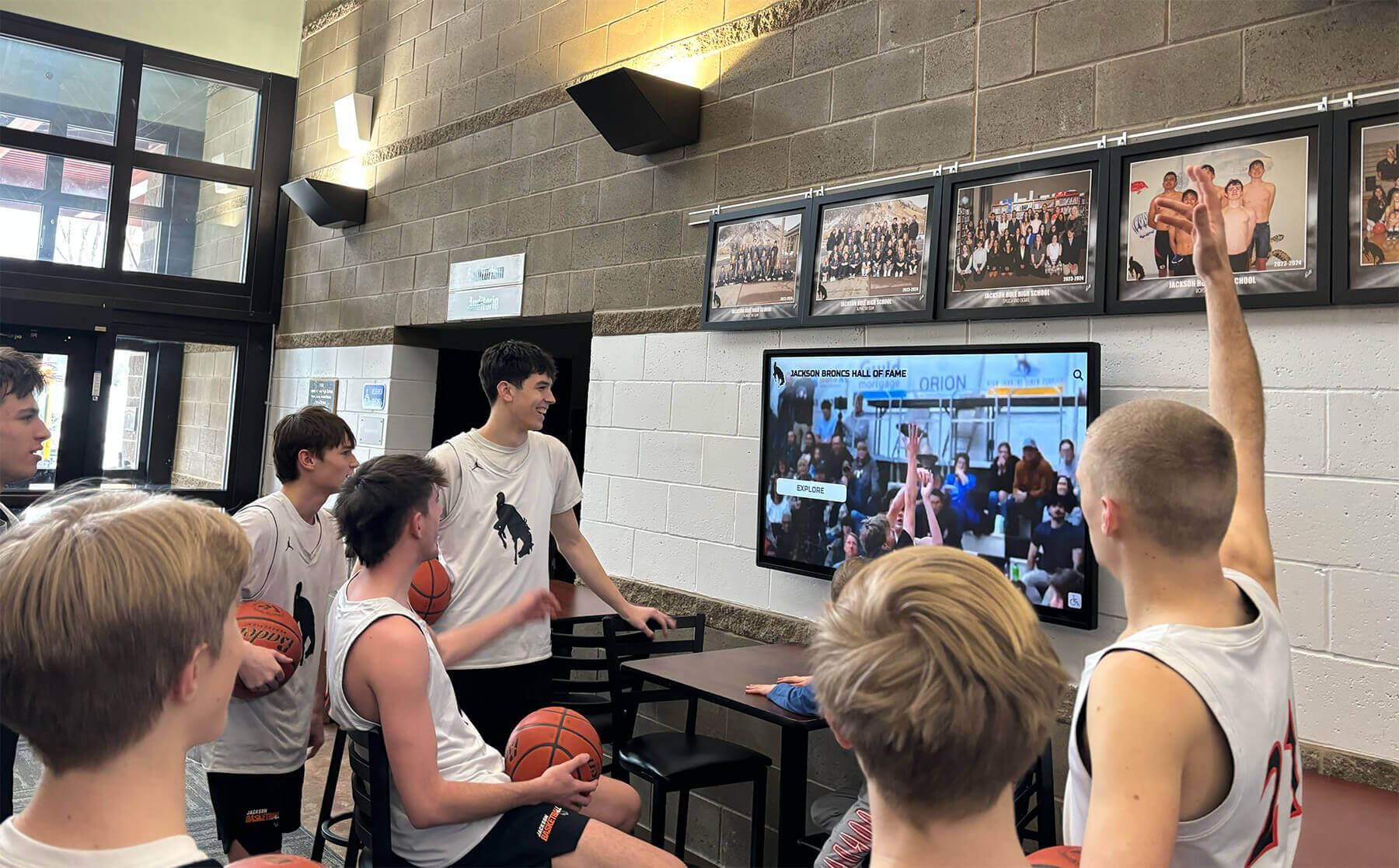
Interactive displays engage students in exploring creative achievements across multiple disciplines and award categories
Eligibility Requirements and Submission Guidelines
Understanding who can enter and how submissions work prevents disqualification and ensures students follow correct procedures.
Student Eligibility Criteria
Grade Level Requirements
- Students in grades 7-12 (public, private, or homeschooled)
- Students who will graduate in the current academic year remain eligible
- Age equivalents for homeschooled students following same grade ranges
- International students at U.S. schools may be eligible (check specific regional affiliate)
Geographic Eligibility Students submit through regional affiliates based on:
- School location (students attending school in specific regions)
- Home address for homeschooled students
- Some regions have specific state or county boundaries
- Students must verify their regional affiliate before submission
Work Originality Requirements
- All work must be created by the student submitting
- Work created during school assignments is eligible if student-originated
- Collaborative works allowed only in specific categories
- Previously published work may be ineligible (varies by category)
- Translation of work originally written in other languages must be student’s own translation
Creating Original Work for Submission
What Judges Look for in Award-Winning Work
Scholastic jurors evaluate submissions using three primary criteria:
Originality
- Fresh perspective, unique voice, or innovative approach
- Personal vision rather than derivative or imitative work
- Authentic expression demonstrating individual artistic development
- Work that surprises, challenges, or offers new ways of seeing
Technical Skill
- Mastery of chosen medium or form
- Sophisticated use of technique appropriate to category
- Evidence of deliberate craft and artistic control
- Polish demonstrating revision, refinement, and attention to detail
Emergence of Personal Voice
- Distinctive style or perspective
- Work reflecting student’s unique viewpoint and experience
- Artistic maturity and vision development
- Promise indicating potential for continued creative growth
Students should submit work they genuinely care about rather than attempting to guess what judges want—authentic passion typically produces stronger submissions than manufactured “competition pieces.”
Submission Process and Deadlines
Timeline and Key Dates
Regional submission deadlines typically fall in December/January:
- Most regional affiliates accept submissions mid-September through mid-January
- Specific deadline dates vary by region (students must check their affiliate)
- Late submissions typically not accepted
- National judging occurs February-March
- Regional award ceremonies typically held March-May
- National awards ceremony and exhibition in June
How to Submit Work
All submissions occur through the official Scholastic Awards website:
- Create account at
artandwriting.org - Verify regional affiliate and specific deadlines
- Upload digital files or arrange physical work delivery
- Pay submission fee (fee waivers available for financial need)
- Follow formatting requirements precisely for each category
- Submit artist/writer statement as required
- Obtain educator approval where required by region

Recognition systems preserve achievement history, connecting current students to school creative tradition and excellence legacy
Submission Fees and Fee Waivers
- Submission fees typically $7 per entry (policies vary by region)
- Fee waivers available for students receiving free/reduced lunch
- Educators can request fee waivers on behalf of eligible students
- Some schools or organizations cover submission fees for students
- Fee structure supports program administration and student scholarships
Common Submission Mistakes to Avoid
Technical Disqualifications
- Missing submission deadlines (no extensions granted)
- Incorrect file formats or resolution for digital submissions
- Exceeding word count limits for writing categories
- Submitting to wrong category for work type
- Incomplete required fields or missing artist statements
Content Issues
- Plagiarized or non-original work (results in permanent disqualification)
- Inappropriate content violating submission guidelines
- Work not meeting category-specific requirements
- Collaborations submitted as individual work
- Previously submitted work (resubmissions typically not allowed)
Educators working with students implementing recognition program best practices emphasize careful attention to submission guidelines and deadlines as essential to competitive success.
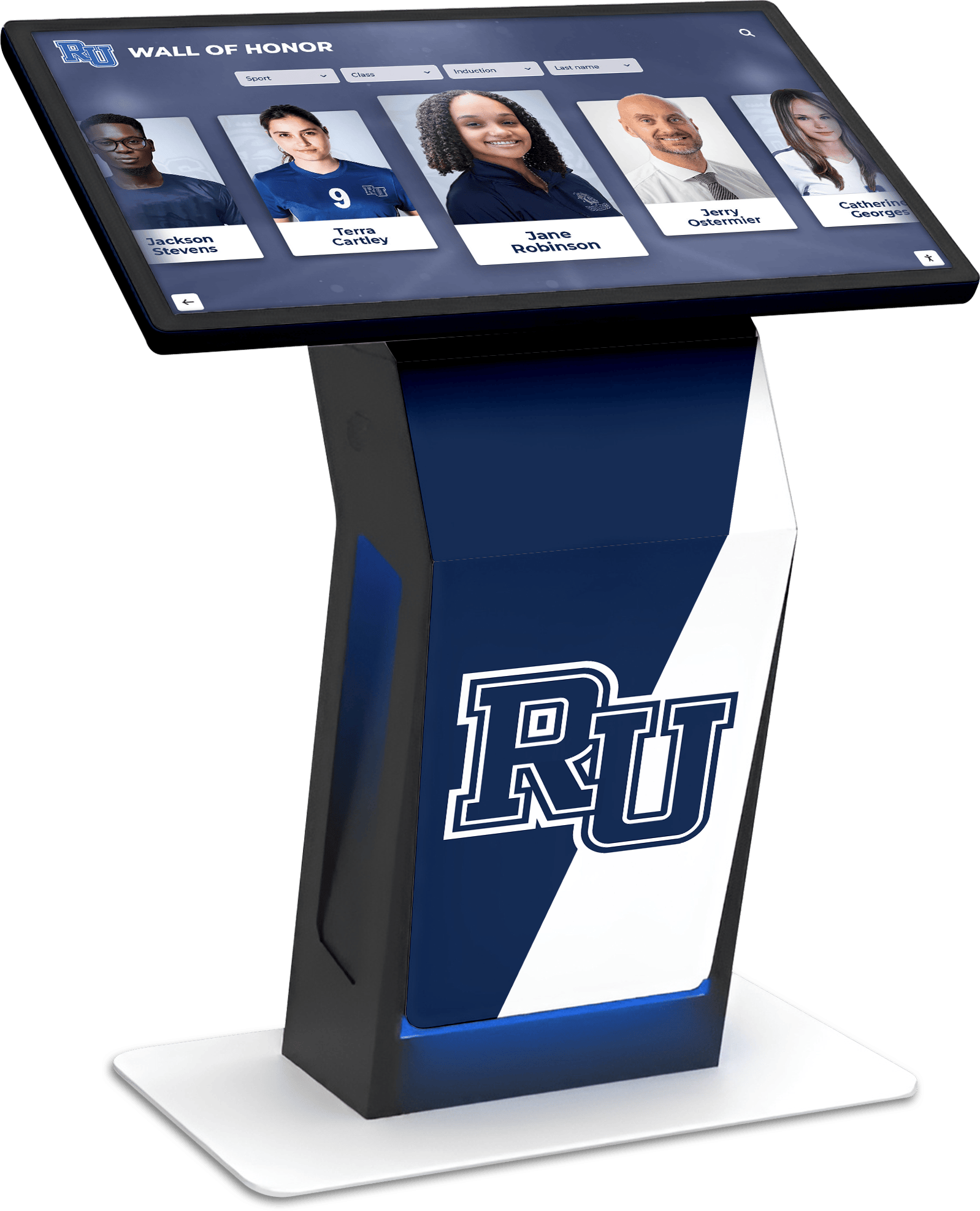
Modern interactive systems enable exploration of recognition across all creative categories and student achievement areas
How Educators Can Support Student Participation
Teachers, art instructors, and school counselors play crucial roles in encouraging talented students to submit and helping them prepare competitive work.
Identifying Students Who Should Submit
Recognizing Scholastic-Level Talent
Educators should encourage students who demonstrate:
- Exceptional skill relative to grade level and experience
- Distinctive personal voice or artistic vision
- Sustained commitment to creative discipline
- Portfolio of refined work showing artistic growth
- Willingness to revise and strengthen work for competition
Not every talented student will win awards, but participation itself provides valuable experience and the submission deadline motivates portfolio development.
Encouraging Diverse Participation
Strong Scholastic submissions come from varied backgrounds:
- Students from all demographic groups and community types
- Traditional and non-traditional creative disciplines
- Emerging artists as well as students with years of training
- Students writing or creating about personal cultural experiences
- Work reflecting diverse perspectives and life experiences
Educators should ensure all qualified students understand opportunity regardless of prior competition experience or access to specialized training.
Supporting the Submission Process
Classroom Integration Strategies
Effective teachers build Scholastic Awards into curriculum:
- Discuss Awards during fall semester as students develop portfolio work
- Dedicate class time to submission preparation and formatting
- Provide feedback specifically addressing Scholastic judging criteria
- Host mini-competitions or peer review using Scholastic evaluation standards
- Bring in former award recipients to share experiences and advice
- Create dedicated submission workshop days near deadlines
Providing Technical Support
Students often need help with submission logistics:
- Assisting with account creation and online submission platform
- Ensuring proper file formats, resolution, and technical specifications
- Photographing three-dimensional artwork professionally
- Formatting written work according to category requirements
- Requesting fee waivers for eligible students
- Submitting educator approval where required
Offering Substantive Feedback
Strong educator support includes honest creative guidance:
- Helping students select their strongest work for submission
- Providing revision suggestions focused on originality, skill, and voice
- Encouraging risk-taking and authentic expression over safe choices
- Balancing encouragement with realistic assessment
- Teaching resilience when work doesn’t win recognition
Many schools with successful student council initiatives include arts advocacy as student leadership responsibility, creating peer support for Scholastic participation.
Building School-Wide Scholastic Culture
Creating Traditions Around the Awards
Schools can systematically support participation through:
- Annual Scholastic submission information sessions in fall
- Dedicated submission support workshops in art and English classes
- School-level recognition for all submitters (not just winners)
- Submission “parties” where students support each other through process
- Alumni panels featuring former Scholastic winners
- Display spaces for work selected for submission
Celebrating Winners School-Wide
When students win recognition:
- Morning announcements sharing achievements
- Social media celebration of award recipients
- Display of winning work in school galleries or common areas
- Recognition at school award ceremonies
- Newsletter and website features highlighting winners
- Digital hall of fame inclusion preserving achievement legacy
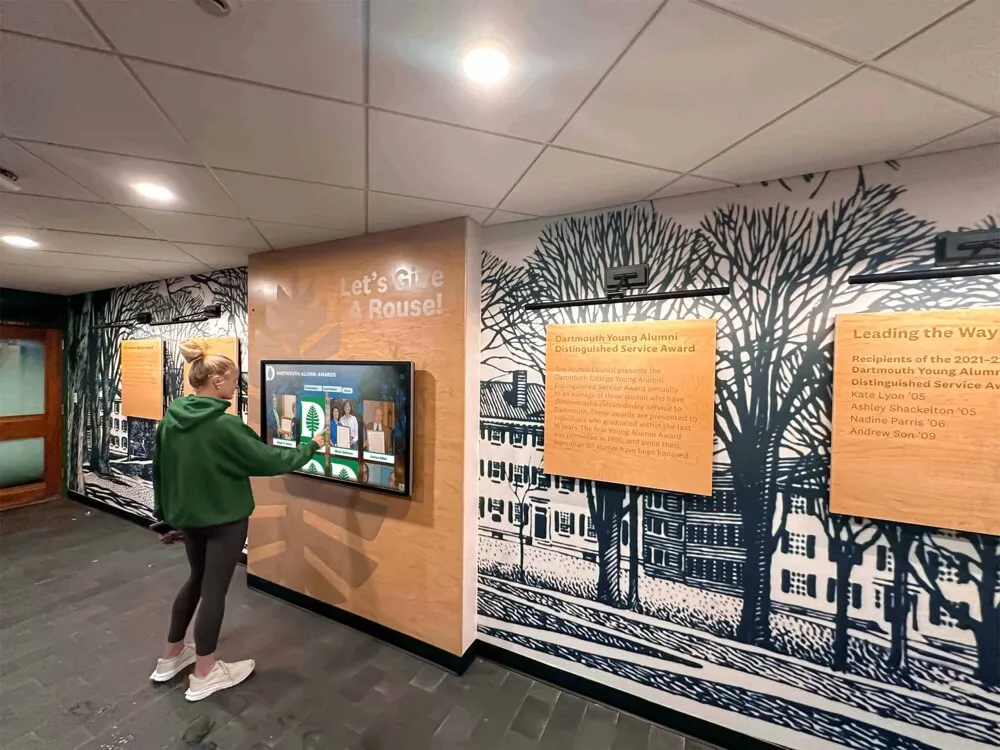
Strategic placement of recognition displays in high-traffic areas ensures students regularly see creative achievement celebrated
After the Awards: What Happens Next
Understanding the timeline following submission helps manage expectations and plan for recognition.
Regional and National Judging Process
How Judging Works
Regional affiliates coordinate initial judging:
- Panels of creative professionals, educators, and artists evaluate submissions
- Works judged against Scholastic criteria (originality, skill, voice)
- Jurors typically specialized in relevant categories
- Multiple rounds of judging narrow selections
- Gold Key works automatically advance to national judging
National judging occurs at Alliance headquarters:
- National jurors evaluate all Gold Key submissions from every region
- Top works selected for National Gold and Silver Medals
- Additional jurying for specialized awards and scholarships
- Final selections announced typically in March
Award Notification and Ceremonies
How Students Learn Results
Students receive notification through multiple channels:
- Email notification to account address provided
- Results posted in online accounts
- Schools may receive advance notification of winners
- Public announcement listings on regional affiliate websites
- National awards announced through Alliance channels
Regional Award Ceremonies
Most regional affiliates host celebration events:
- Typically held March-May depending on region
- Award recipients receive certificates and medals
- Gold Key artwork often exhibited at ceremony venue
- Family attendance typically encouraged
- Networking opportunities with creative professionals and fellow winners
- Some regions host gallery exhibitions of winning work
National Recognition Events
National Medalists receive special recognition:
- Invitation to National Ceremony in New York City (typically June)
- Exhibition of National Medal artwork in gallery spaces
- Publication in national Best Teen Writing anthology
- Portfolio Gold Medal recipients honored at special events
- Scholarship awards presented at national ceremony
- Networking with professional creative community
Schools implementing digital recognition displays for academic excellence often feature Scholastic Award winners alongside honor roll and other achievements, creating comprehensive celebration of student excellence.
Leveraging Awards for College Applications
How to Feature Scholastic Recognition
Students should strategically highlight awards:
Common Application Honors Section
- List specific award level (Gold Key, Silver Key, National Medal)
- Include category and year received
- Note scholarship amounts for National Medals
- Prioritize space for highest recognitions
Portfolio Submissions
- Include Scholastic-winning works in art/design portfolios
- Note recognition in work descriptions
- Highlight National Medal works prominently
- Use awards to demonstrate sustained creative excellence
Essays and Supplemental Materials
- Discuss creative process leading to winning work
- Reflect on how recognition influenced artistic development
- Connect awards to intended major or career interests
- Share how participation shaped creative identity
Recommendation Letter Support
- Provide teachers with award details for recommendations
- Share how Scholastic process demonstrated growth
- Help recommenders contextualize significance of recognition
- Include awards in resume/activity sheets for recommenders
Scholarship and Special Opportunity Applications
Scholastic Awards open additional doors:
- Many art school scholarships specifically recognize Scholastic winners
- Creative merit scholarships often favor Scholastic achievement
- Summer programs and workshops recruit Scholastic alumni
- Internships and mentorships consider award recognition
- National Arts Recognition Program (for Presidential Scholars) includes Scholastic
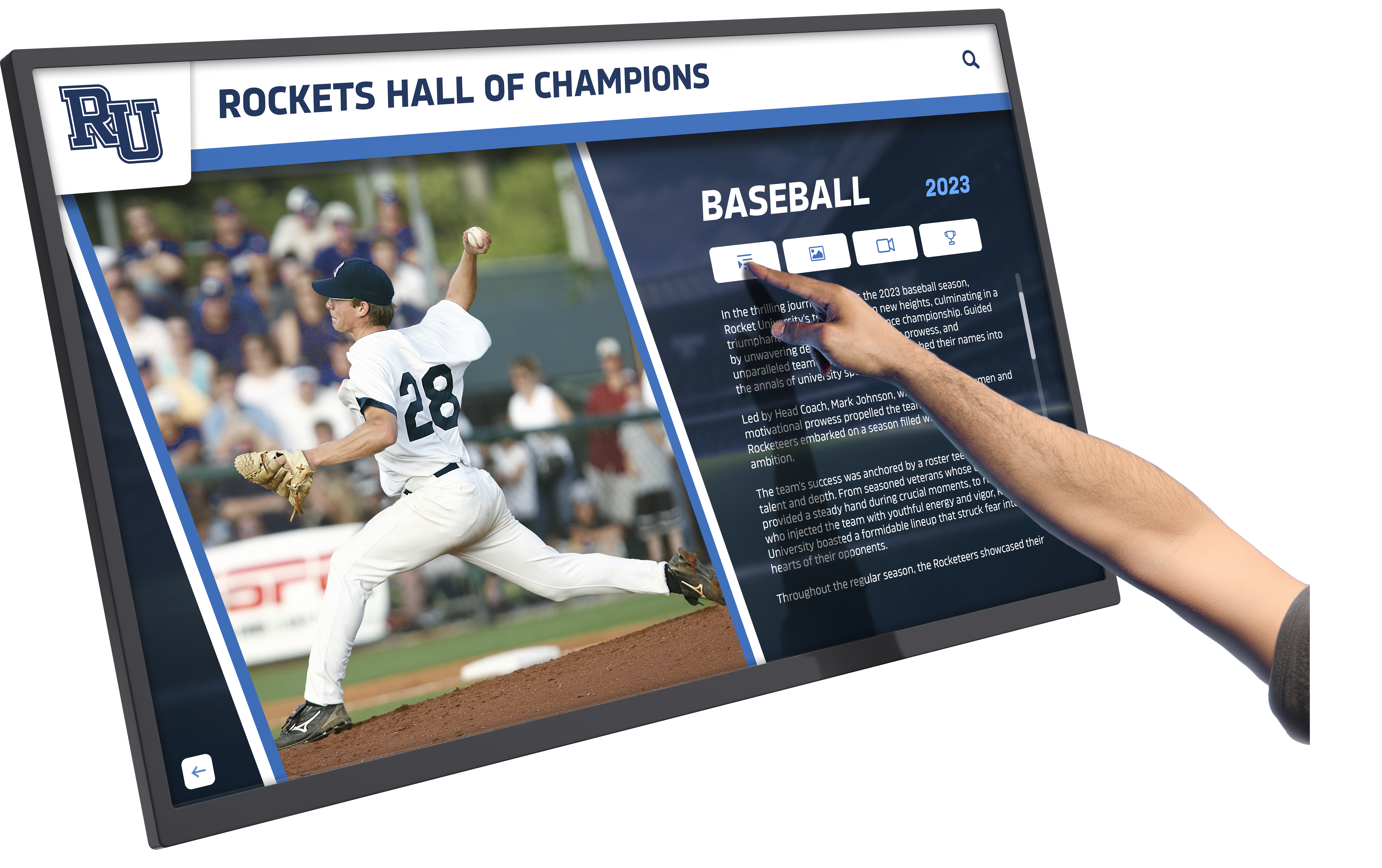
Touchscreen interfaces make exploring creative achievements engaging and provide detailed recognition profiles
How Schools Can Celebrate and Display Scholastic Award Winners
Traditional approaches to recognizing creative achievement—posting certificates on classroom walls, brief announcements, or single-year displays—fail to provide the lasting visibility that Scholastic Awards deserve. These prestigious accomplishments represent significant student achievement that should receive recognition creating pride and inspiration throughout school communities.
Challenges of Traditional Creative Achievement Recognition
Limited Visibility and Impact
Schools struggle with creative recognition:
- Artwork displayed temporarily then removed or sent home
- Writing achievements acknowledged verbally with no lasting record
- Recognition limited to art rooms or English classrooms
- Award certificates filed away rather than publicly celebrated
- No systematic way to preserve creative achievement legacy
- Scholastic winners from previous years forgotten quickly
Space and Maintenance Constraints
Physical display limitations create problems:
- Limited wall space in art rooms and hallways
- Difficulty displaying three-dimensional artwork long-term
- Framing and mounting costs for permanent displays
- Physical displays deteriorate, requiring replacement
- No capacity to show writing samples alongside visual art
- Static displays become invisible through familiarity
Digital Solutions for Showcasing Scholastic Winners
Modern touchscreen recognition systems transform how schools celebrate creative achievement:
Comprehensive Creative Achievement Archives
Digital platforms eliminate traditional limitations:
- Showcase unlimited Scholastic winners across all years and categories
- Display visual artwork at high resolution with zoom capabilities
- Feature writing excerpts or full pieces alongside author photos
- Preserve complete creative achievement history building tradition
- Equal visibility for art, writing, and all creative disciplines
- Searchable databases enabling exploration by year, category, or student name
Interactive Engagement Features
Touchscreen systems create experiences impossible with static displays:
- Individual profile pages for each Scholastic Award recipient
- Award level badges (Gold Key, Silver Key, National Medal) clearly displayed
- Artist/writer statements explaining creative process and inspiration
- High-resolution image galleries for visual art portfolios
- Links to published work or exhibition documentation
- Connection to other school achievements and activities
Schools implementing comprehensive recognition solutions like those from Rocket Alumni Solutions report that creative achievement visibility increases dramatically while administrative burden decreases compared to traditional display maintenance.
Multi-Platform Accessibility
Recognition extends beyond school buildings:
- Web-based access enabling family viewing from anywhere
- Mobile-responsive design supporting all device types
- Social media integration amplifying winner celebration
- QR code access from printed materials or posters
- 24/7 availability rather than school-hours-only viewing
- Alumni engagement with current student creative achievement
Creating Comprehensive Creative Recognition Programs
Integrating Multiple Achievement Types
Effective recognition celebrates diverse excellence:
- Scholastic Art and Writing Awards alongside academic honors
- Regional and national creative competition achievements
- Published student writing in literary magazines
- Juried art show selections and gallery exhibitions
- Drama, music, and performing arts recognition
- Student film festival awards and media achievements
Programs recognizing National Merit Scholars through digital platforms demonstrate how schools can celebrate multiple prestigious awards through unified systems that honor academic, artistic, and creative excellence together.
Strategic Display Placement
Location determines recognition impact:
- Main lobby displays reaching all students, families, and visitors
- Art wing installations celebrating visual creativity specifically
- Library displays connecting writing achievement to literacy culture
- Performing arts center recognition for theater and creative work
- Multiple access points throughout campus
- High-traffic areas maximizing daily exposure
Building Recognition Traditions
Systematic approaches create lasting culture:
- Annual induction ceremonies adding new Scholastic winners to display
- Student assembly presentations celebrating award recipients
- Welcome back events highlighting previous year’s achievements
- Open house tours featuring creative recognition displays
- Alumni connections showing legacy of creative excellence
- Current student inspiration through proximity to achievement
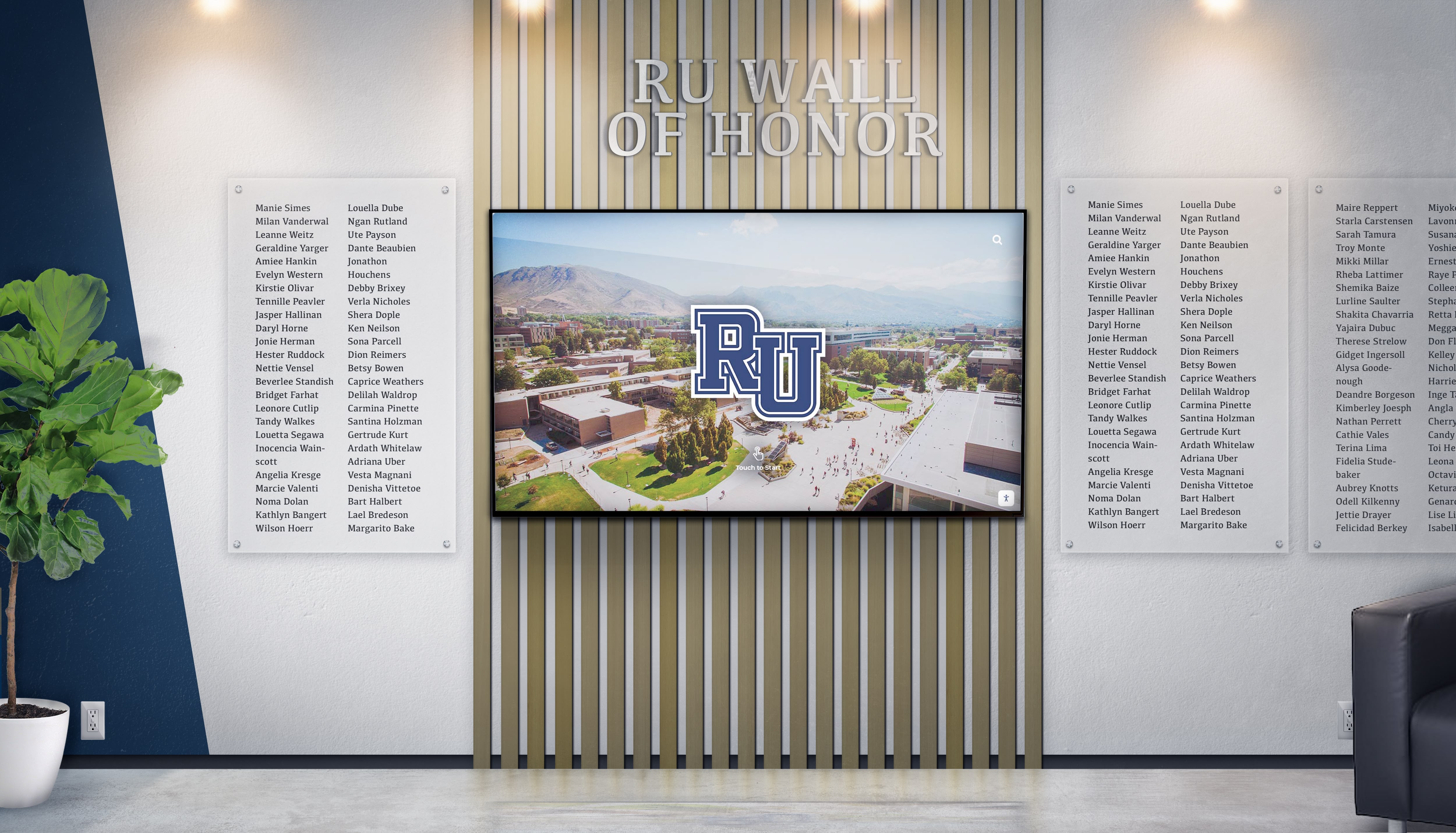
Integrated recognition systems combine digital displays with traditional elements creating comprehensive celebration spaces
Special Considerations for Different Educational Contexts
Scholastic Awards participation and recognition strategies vary across educational settings.
Public High Schools
Advantages and Challenges
Public schools face unique circumstances:
- Larger student populations create more potential participants
- Diverse student bodies produce varied creative perspectives
- Resource constraints may limit submission support
- Fee waivers essential for equitable participation access
- Recognition helps showcase academic and creative excellence
Best Practices
Effective public school strategies include:
- Partnering with art and English departments for submission coordination
- Building Scholastic awareness through assemblies and homeroom announcements
- Utilizing fee waiver systems ensuring financial barriers don’t prevent entry
- Creating peer support networks among creative students
- Celebrating winners prominently to inspire future participation
Private and Independent Schools
Competitive Context
Independent schools often emphasize creative achievement:
- Arts programs frequently integrated into college prep mission
- Resources typically available for submission support and fee coverage
- Alumni networks may include prominent Scholastic alumni
- Competition with peer schools creates participation motivation
- Recognition enhances school reputation and college placement profiles
Strategic Approaches
Private schools maximize impact through:
- Required portfolio development culminating in Scholastic submission
- Dedicated college counselor support connecting awards to admissions
- Alumni mentor programs pairing students with former Scholastic winners
- Institutional celebration of creative excellence equal to academic achievement
- Professional development supporting faculty in submission coaching
Homeschool Students
Participation Pathways
Homeschooled students access Scholastic Awards through:
- Regional affiliate submission based on home address
- Parent/educator approval fulfilling submission requirements
- Online submission process identical to traditional students
- Regional ceremony participation alongside school-enrolled peers
- Equivalent recognition and national competition eligibility
Support Considerations
Homeschool families should:
- Connect with regional affiliate early for submission guidance
- Seek portfolio feedback from professional artists/writers or co-op teachers
- Utilize online resources and workshops supporting submission preparation
- Network with other homeschool families with Scholastic experience
- Document achievements for transcript and college application purposes
Schools offering AP Scholar recognition programs often integrate Scholastic Awards into comprehensive academic excellence recognition that honors diverse achievement pathways.
Preparing Students for Scholastic Success: Educator Tips
Supporting competitive submissions requires understanding what distinguishes award-winning work while helping students develop authentic creative voices.
Developing Competitive Work Throughout the Year
Building Strong Portfolios
Encourage sustained creative practice:
- Regular creation building body of work for selection
- Revision processes strengthening individual pieces
- Experimentation exploring various techniques and approaches
- Personal projects beyond assigned work
- Documentation of creative development over time
Teaching Revision and Refinement
Award-winning work rarely emerges from first drafts:
- Multiple revision cycles improving technical execution
- Peer critique processes providing outside perspective
- Instructor feedback focused on Scholastic criteria
- Professional artist/writer review when possible
- Distance from work enabling objective evaluation before submission
Fostering Originality and Authentic Voice
Encouraging Personal Connection
The strongest submissions reflect genuine student experience:
- Writing about personally significant topics and themes
- Visual art exploring authentic interests and perspectives
- Cultural background and identity as creative foundation
- Emotional honesty rather than performance of emotion
- Unique viewpoint distinguishing work from peers
Avoiding Common Traps
Students should resist:
- Creating work designed to win rather than expressing genuine vision
- Imitating famous artists or writers rather than developing own style
- Choosing dramatic topics without authentic connection
- Technical showboating without meaningful content
- Safe, derivative work lacking risk or personal investment
Managing Competition Expectations
Healthy Perspective on Results
Help students understand:
- Thousands compete for limited awards at each level
- Not winning doesn’t invalidate creative ability or potential
- Subjective nature of arts evaluation produces varied results
- Participation itself demonstrates commitment and ambition
- Process of preparing submissions strengthens craft regardless of outcome
Learning from Non-Selection
Even without awards, students gain:
- Experience meeting professional submission deadlines
- Portfolio development motivation and deadline pressure
- Creative work potentially useful for college applications
- Understanding of competitive creative evaluation
- Resilience and persistence essential for creative careers
Schools implementing digital archives for student work preserve creative achievement beyond competition results, celebrating all student creative work regardless of awards won.
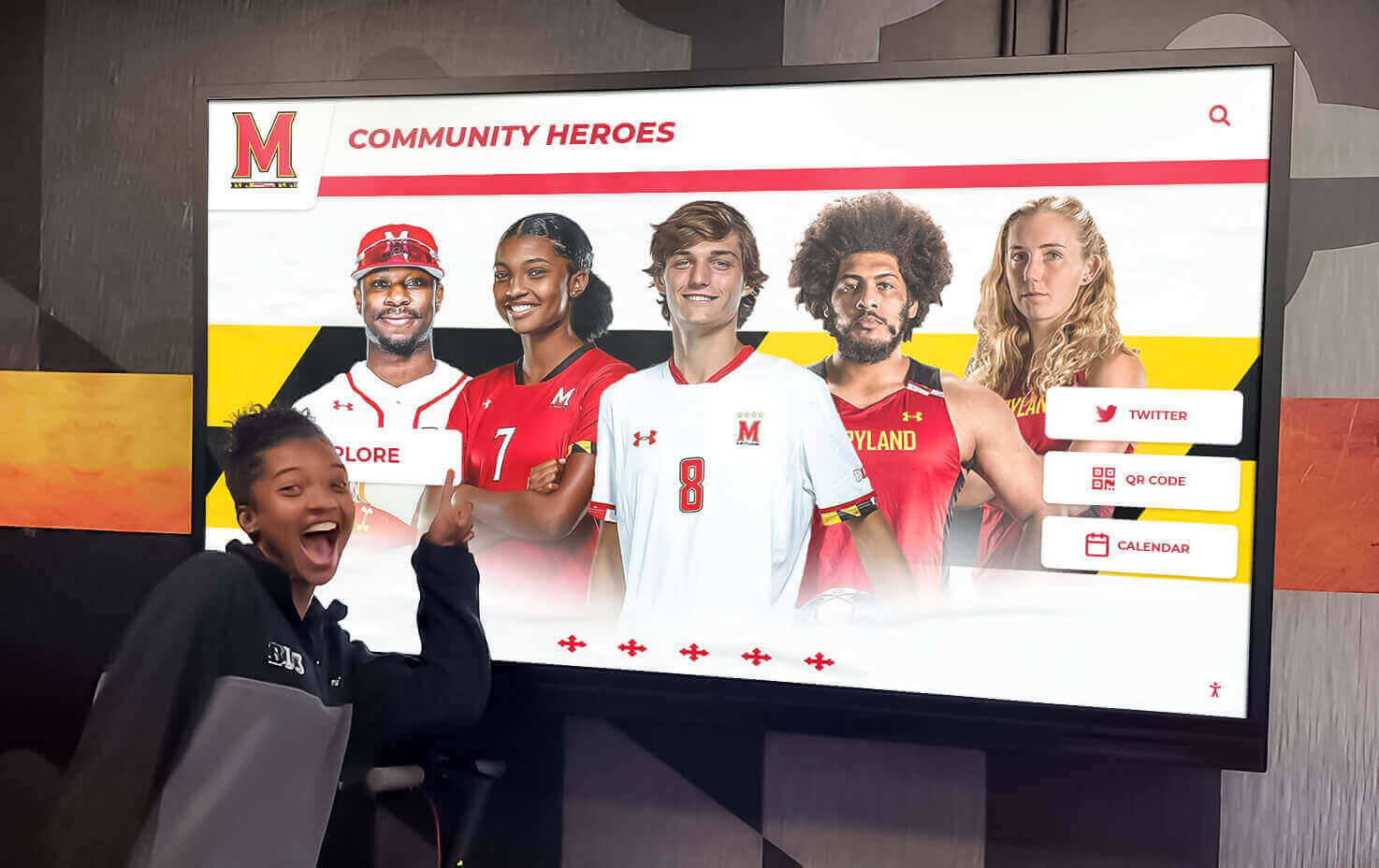
Recognition displays inspire current students by showcasing achievement pathways across academics, athletics, and creative disciplines
Beyond Scholastic: Other Creative Competitions for Students
While Scholastic Awards represent the most prestigious national program, other competitions provide additional recognition opportunities for creative students.
Writing Competitions
National Writing Programs
- National YoungArts Foundation (multidisciplinary arts including writing)
- The Adroit Prizes for Poetry & Prose
- Nancy Thorp Poetry Contest (specific to young poets)
- The DuSable Museum’s Creative Writing Contest
- Regional newspaper essay competitions
- College-sponsored high school writing contests
Subject-Specific Writing Awards
- Historical essay competitions (various historical societies)
- Science writing contests (AAAS and other organizations)
- Environmental writing awards
- Social justice and advocacy writing programs
- Genre-specific contests (science fiction, fantasy, mystery)
Visual Arts Competitions
National Arts Programs
- Congressional Art Competition (district-level opportunities)
- Doodle for Google (annual design competition)
- The National K-12 Ceramic Exhibition
- Young Arts (visual arts categories)
- Regional arts organization competitions
- College portfolio scholarship competitions
Specialized Visual Competitions
- Photography contests specific to young artists
- Fashion design competitions for students
- Digital art and animation contests
- Printmaking exhibitions
- Sculpture and three-dimensional design programs
Multimedia and Emerging Formats
Digital and Media Competitions
- Student film festivals (regional and national)
- Video game design competitions
- Podcast creation contests
- Digital storytelling awards
- Multimedia installation programs
Students building recognition portfolios benefit from participating in multiple competitions annually, with Scholastic Awards typically serving as the centerpiece achievement alongside other competitive successes.
Conclusion: Celebrating Creative Excellence Through Lasting Recognition
The Scholastic Art and Writing Awards represent more than competition—they embody institutional commitment to creative excellence, validation of student artistic vision, and connection to century-long traditions celebrating teenage creative achievement. For students passionate about writing, visual arts, and creative expression, Scholastic recognition provides meaningful acknowledgment that their work meets professional standards while opening doors to scholarships, college opportunities, and creative community.
This comprehensive guide has explored everything students and educators need to navigate Scholastic Awards successfully—from understanding eligibility requirements and submission processes to preparing competitive work, managing expectations, and leveraging recognition for future opportunity. For educators, supporting student participation represents investment in creative development while bringing honor and visibility to school arts programs.
Yet too often, Scholastic achievements receive brief acknowledgment before fading from school consciousness. Award certificates end up in drawers, winning artwork returns home after temporary display, and within a year or two, few remember who earned these prestigious honors. Schools committed to creative excellence deserve recognition systems that preserve Scholastic achievements alongside academic and athletic accomplishments, creating comprehensive celebration of student excellence across all dimensions.
Modern digital recognition platforms eliminate the space constraints, maintenance burden, and visibility limitations that plague traditional creative achievement displays. Through interactive touchscreen systems and web-based recognition extensions, schools can showcase unlimited Scholastic winners across all years and categories, create engaging exploration experiences for students and families, and build lasting creative traditions inspiring future generations of artists and writers.
Whether your school produces one Scholastic winner or dozens annually, these achievements deserve celebration creating pride throughout your community while inspiring current students to develop their creative voices and pursue recognition. Every student who receives Scholastic acknowledgment—from Honorable Mentions to National Gold Medals—demonstrates creative commitment and competitive excellence worthy of lasting recognition.
Ready to transform how your school celebrates creative achievement? Explore comprehensive digital recognition solutions that showcase unlimited student accomplishments across academics, athletics, and creative disciplines while reducing administrative burden and ensuring every achievement receives the lasting visibility it deserves.