Recognition programs shape organizational culture more powerfully than most leaders realize. When schools systematically acknowledge student achievements, when businesses regularly celebrate employee contributions, when nonprofits honor volunteer commitments—these aren’t just feel-good gestures. They’re strategic investments that directly impact retention, motivation, performance, and the fundamental question of whether talented people choose to stay engaged with your institution.
Yet most recognition programs fail to deliver sustained impact. Recognition defaults to annual ceremonies that feel obligatory, manager-dependent acknowledgment creating inconsistent experiences, or generic “employee of the month” approaches that lose meaning through predictability. Meanwhile, diverse contributions across different roles and responsibilities go unrecognized because programs lack frameworks for celebrating achievements beyond traditional metrics.
This comprehensive guide explores evidence-based best practices for building recognition programs that create lasting cultures of appreciation—from designing multi-dimensional criteria that honor diverse contributions to leveraging modern technology that makes consistent recognition achievable at scale.
Organizations that excel at recognition don’t rely on occasional appreciation gestures. They build systematic approaches ensuring meaningful acknowledgment becomes woven throughout daily operations, communication channels, and institutional identity. Research consistently demonstrates that well-designed recognition programs improve retention by 20-30%, increase performance metrics, strengthen organizational culture, and create competitive advantages in attracting talent.
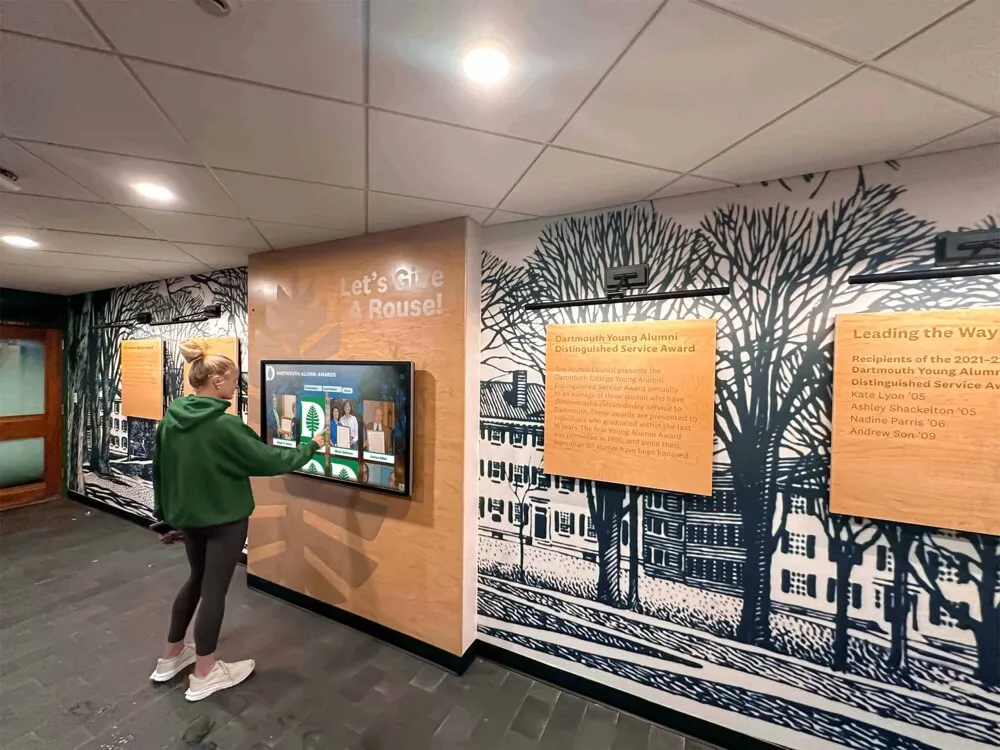
Modern recognition platforms make appreciation visible throughout organizations and accessible to entire communities
The Business Case for Recognition Programs
Understanding measurable benefits helps organizations justify investment and maintain program commitment.
Impact on Retention and Turnover
Recognition directly addresses one of the most expensive organizational challenges: employee and member turnover.
Retention Research Findings
- Organizations with strong recognition cultures experience 31% lower voluntary turnover according to multiple workplace studies
- Employees citing “feeling valued” as primary job satisfaction factor demonstrate significantly higher retention rates
- Recognition serves as protective factor against burnout particularly during challenging periods
- Early-career employees receiving regular recognition show substantially higher retention beyond critical first years
The financial impact proves substantial. Replacing an employee typically costs 50-200% of annual salary when accounting for recruitment, onboarding, training, and lost productivity. Recognition programs costing a fraction of single replacement can prevent multiple departures annually.
Performance and Productivity Benefits
Recognition creates measurable performance improvements:
Productivity Outcomes
- Teams with regular recognition demonstrate 14-21% higher performance on key metrics
- Public acknowledgment creates positive peer pressure encouraging excellence
- Recognition reinforces specific behaviors worth repeating
- Visible accomplishments normalize achievement as organizational standard
- Systematic appreciation increases discretionary effort and innovation
According to research published by Gallup, employees who receive regular recognition show dramatically higher engagement scores, which correlate directly with productivity, quality, customer satisfaction, and profitability metrics.
Recruitment and Employer Brand Advantages
Recognition programs create external benefits beyond internal impact:
Attraction and Branding Value
- Organizations known for strong recognition cultures attract higher-quality candidates
- Recognition demonstrates organizational values to prospective employees
- Public celebration provides positive content for recruitment marketing
- Alumni networks strengthened through recognition create referral pipelines
- Reputation for valuing contributions differentiates organizations in competitive markets

Individual recognition profiles celebrate specific contributions that make each person's impact unique
Cultural Health Indicators
- Recognition programs improve organizational climate survey scores
- Systematic appreciation reduces interpersonal conflict
- Visible acknowledgment models values for entire organization
- Recognition creates psychological safety enabling risk-taking and innovation
- Appreciation culture attracts and retains mission-aligned individuals
The connection between recognition and organizational health makes these programs strategic investments rather than discretionary expenses.
Core Recognition Program Design Principles
Effective recognition programs share essential characteristics ensuring meaningful impact and sustainable implementation.
Multi-Dimensional Recognition Criteria
Moving beyond single metrics ensures comprehensive contribution celebration:
Performance and Results Recognition
- Achievement of measurable goals and objectives
- Exceeding performance standards and expectations
- Completion of significant projects or initiatives
- Innovation and improvement implementation
- Quantifiable impact on organizational outcomes
Effort and Process Recognition
- Exceptional work ethic and dedication
- Persistence through challenging situations
- Quality of process regardless of outcome
- Professional development and skill acquisition
- Commitment to continuous improvement
Schools implementing building school pride programs demonstrate comprehensive recognition approaches.
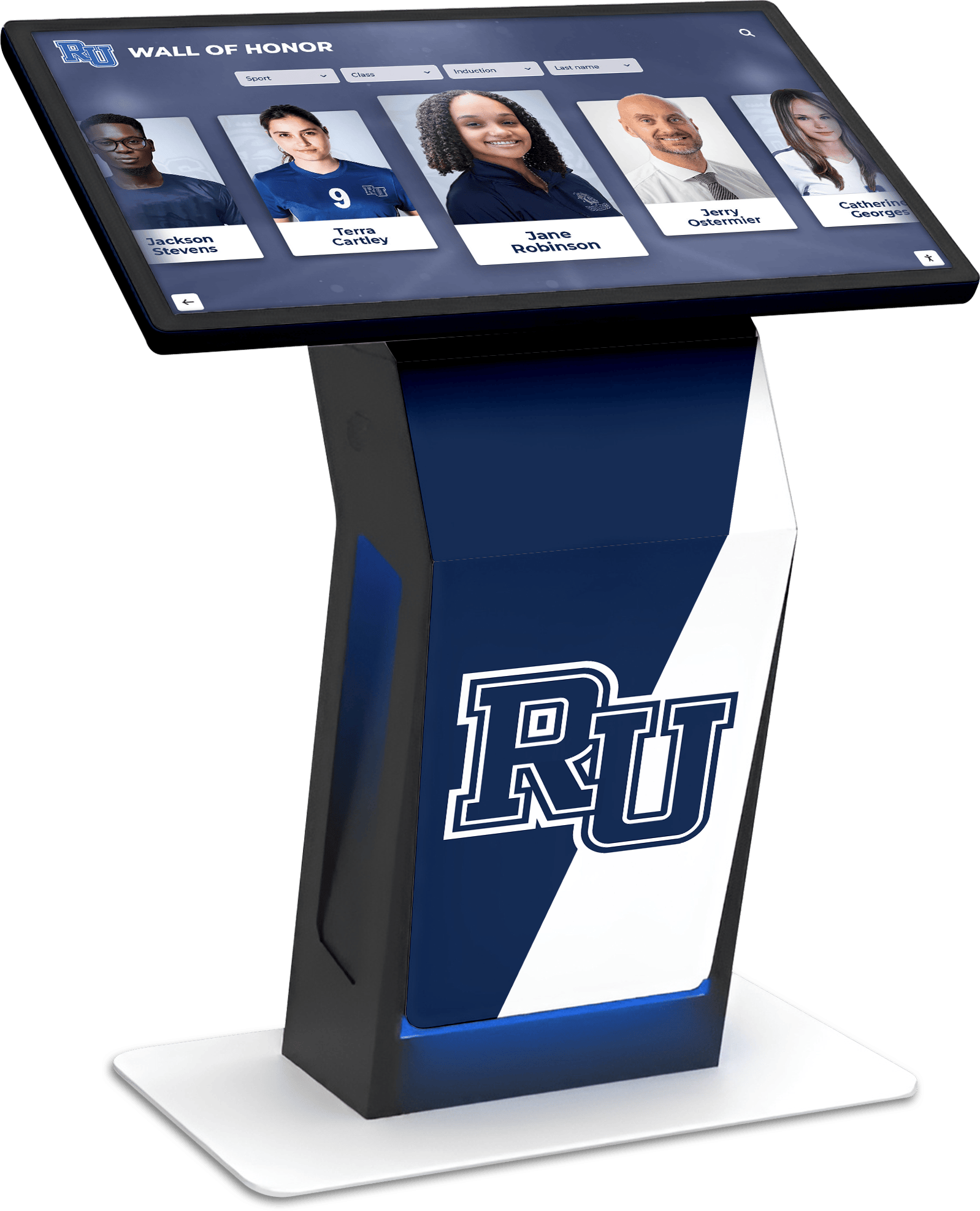
Interactive kiosks provide engaging platforms for exploring achievements and contributions across organizations
Collaboration and Teamwork Recognition
- Cross-functional collaboration effectiveness
- Team contribution and supportive behaviors
- Mentorship and knowledge sharing
- Building others’ capabilities
- Creating positive team dynamics
Values and Character Recognition
- Embodiment of organizational values
- Integrity and ethical behavior
- Positive attitude and resilience
- Service orientation and helpfulness
- Cultural contribution beyond role requirements
Innovation and Improvement Recognition
- Process improvement suggestions
- Creative problem-solving approaches
- Willingness to challenge status quo
- Learning from failures productively
- Pilot project leadership and experimentation
This multi-dimensional approach ensures recognition opportunities exist for individuals with diverse strengths and contribution patterns.
Tiered Recognition Structures
Creating multiple recognition levels provides appropriate acknowledgment at different scales:
Pinnacle Recognition
- Annual awards for exceptional sustained excellence
- Career milestone celebrations for long-term service
- Major achievement recognition with lasting commemoration
- Organization-wide visibility and celebration
- Permanent recognition in digital wall of fame displays
These highest honors receive special ceremonies, permanent visibility, and substantial organizational attention.
Regular Recognition Programs
- Monthly or quarterly excellence awards
- Weekly positive acknowledgment systems
- Department or team-level recognition
- Peer-nominated appreciation programs
- Project completion celebrations
Immediate Recognition
- Daily acknowledgment of contributions
- Real-time appreciation for specific actions
- Manager discretionary recognition
- Peer-to-peer appreciation systems
- Milestone achievement celebrations
This tiered structure maintains meaning for top achievements while ensuring frequent recognition opportunities for all contributors.
Implementation Best Practices
Moving from recognition theory to effective implementation requires systematic planning and thoughtful execution.
Building Recognition Program Infrastructure
Establish Governance and Oversight Creating dedicated leadership ensures program sustainability:
- Form representative recognition committees including leadership, staff, and stakeholder representatives
- Assign clear responsibilities for nomination management, selection, and event coordination
- Develop written program guidelines ensuring transparency and consistency
- Create selection rubrics and criteria for objective evaluation
- Establish regular review schedules for program assessment and refinement
Develop Clear Recognition Criteria Transparency builds trust in recognition programs:
- Define specific, observable criteria for each recognition category
- Create objective measures where possible alongside qualitative assessments
- Ensure criteria align with organizational mission, values, and strategic priorities
- Publish criteria widely so people understand recognition pathways
- Review and update criteria regularly based on organizational evolution
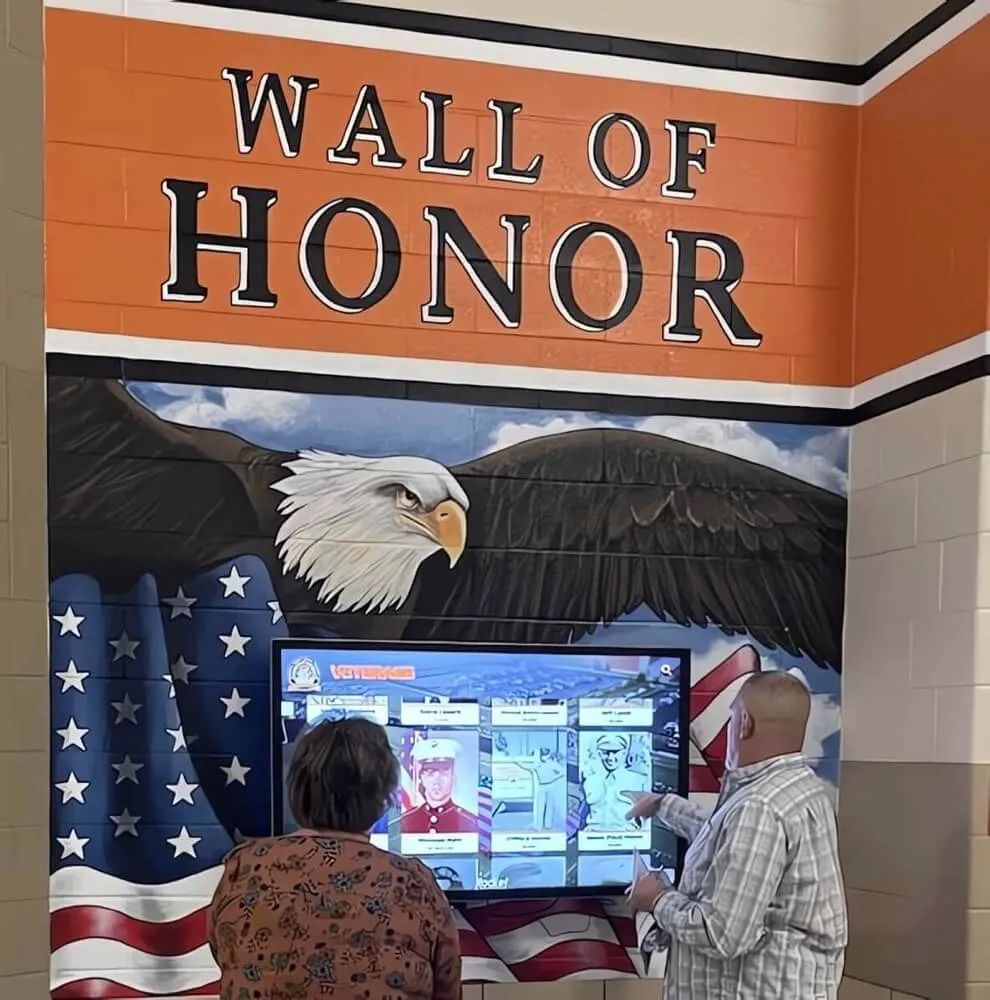
Recognition displays engage entire communities in celebrating excellence and contribution
Recognition Nomination and Selection Processes
Multiple Nomination Pathways Diverse nomination sources ensure comprehensive recognition:
- Leadership nominations for observed excellence
- Peer nominations recognizing colleague contributions
- Self-nomination options for milestone achievements
- Team nominations acknowledging collaborative success
- Cross-departmental nominations providing outside perspectives
- Stakeholder nominations from those served by organization
Fair and Transparent Selection
- Committee review processes rather than single decision-maker selection
- Consistent evaluation criteria and rubrics applied
- Documentation of selection processes
- Communication to nominees regardless of selection results
- Rotation of committee membership ensuring diverse perspectives
Year-Round Recognition Calendar
Systematic recognition requires planned consistency throughout the year:
Quarterly Recognition Opportunities
- Q1: New year kickoff and goal-setting recognition
- Q2: Mid-year milestone acknowledgment
- Q3: Summer achievement celebration
- Q4: Annual excellence and year-end recognition
Monthly Recognition Themes Rotating focus areas maintain engagement:
- Professional development completion
- Innovation and improvement implementation
- Collaboration and teamwork excellence
- Customer/stakeholder impact
- Values embodiment and culture building
- Long-term service anniversaries
Organizations implementing student of the month programs demonstrate sustainable recognition cadences.
Weekly and Daily Recognition Touchpoints
- Morning meeting acknowledgments
- Email spotlights celebrating recent contributions
- Digital signage rotation featuring recognized individuals
- Social media posts amplifying achievements
- Direct manager appreciation conversations
Recognition Program Technology Solutions
Traditional approaches—plaques in administrative offices, names in newsletters, or occasional ceremony acknowledgments—provide limited visibility and engagement. Modern recognition systems transform appreciation impact.
Digital Recognition Display Benefits
Interactive touchscreen solutions address traditional recognition limitations:
Unlimited Recognition Capacity Digital platforms eliminate physical space constraints:
- Single display showcases unlimited individuals across all recognition categories
- Comprehensive historical archives preserve organizational legacy
- No need to remove previous recognition to accommodate current honorees
- All departments and contribution types receive equal display capacity
- Multi-year documentation showing individual journeys and growth
Solutions like touchscreen recognition displays provide platforms for comprehensive celebration beyond physical space limitations.
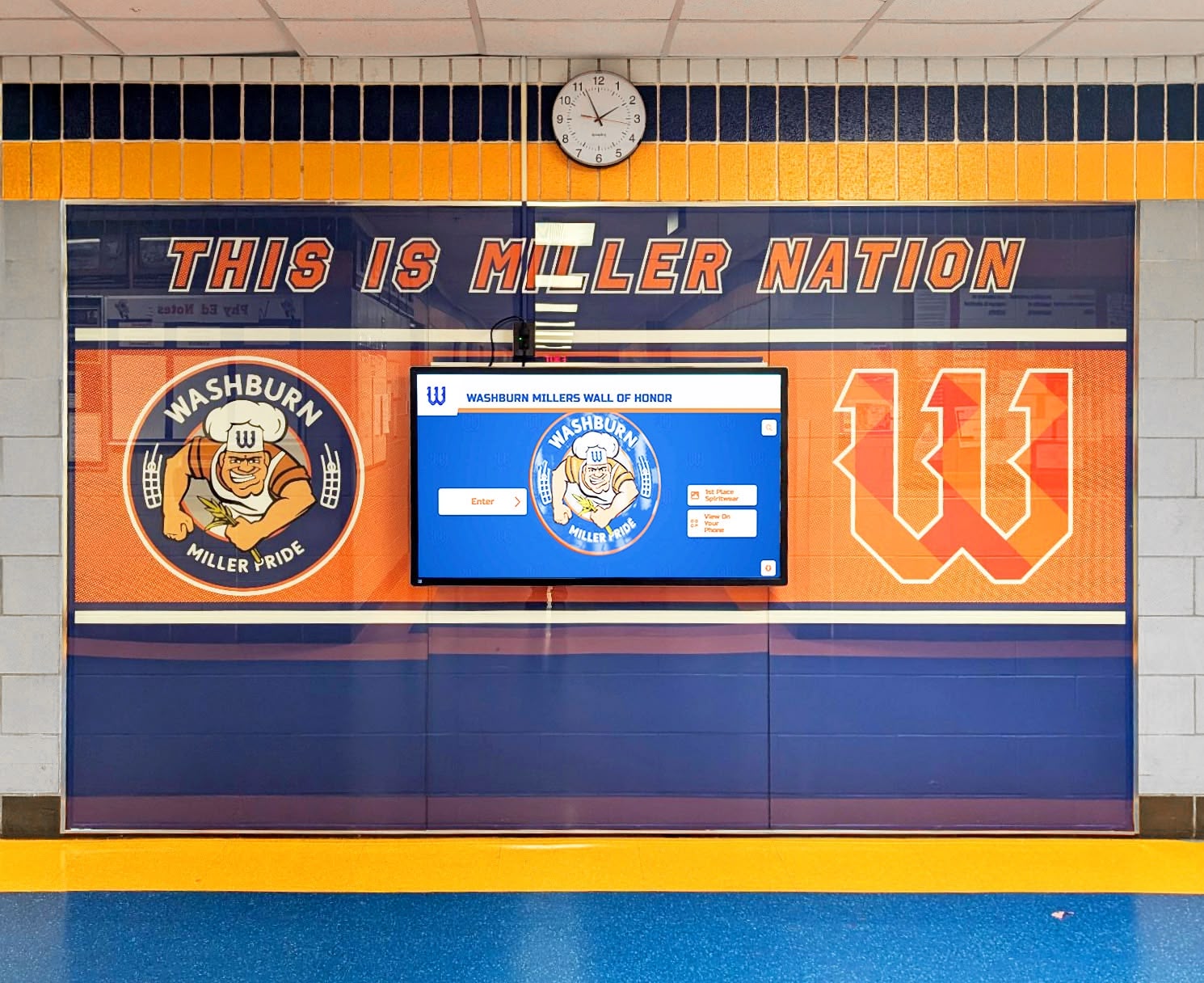
Strategic placement in high-traffic areas ensures recognition visibility throughout daily operations
Interactive Exploration Features Modern touchscreen systems create engagement impossible with static displays:
- Search functionality enabling people to find specific individuals
- Filtering by department, recognition type, year, and contribution category
- Detailed profile pages telling complete contribution stories
- Photo galleries and achievement documentation
- Video messages and impact statements
- Team showcase celebrating collaborative achievements
Simple Content Management Cloud-based management systems eliminate administrative burden:
- Remote updates from any internet-connected device
- Role-based permissions enabling appropriate staff access
- Scheduled publishing for recognition announcements
- Bulk import tools for historical recognition data
- Drag-and-drop interfaces requiring no technical expertise
- Mobile-responsive management dashboards
Organizations implementing digital recognition systems report 75-85% reduction in administrative time compared to maintaining traditional physical displays.
Web-Based Recognition Extensions
Recognition impact extends beyond physical facilities through online platforms:
Online Recognition Accessibility Web-accessible systems amplify recognition reach:
- Community members worldwide can view current recognition
- Alumni connections with organizational history remain accessible
- Social sharing capabilities enabling recognition celebration
- Mobile-optimized displays ensuring access across all devices
- Integration with organizational websites and communication platforms
Platforms offering digital donor recognition extend appreciation to broader audiences.
Multi-Channel Communication Strategies Systematic communication ensures maximum recognition visibility:
- Email announcements when individuals receive recognition
- Social media posts celebrating achievements
- Newsletter features highlighting excellence
- Internal communication platform integrations
- Community media partnerships extending recognition beyond organization
This comprehensive approach ensures recognition receives visibility throughout entire organizational community and beyond.
Mobile and Remote Access Considerations
Modern work environments require recognition accessible anywhere:
Remote Team Recognition
- Virtual recognition ceremonies and celebrations
- Digital acknowledgment systems for distributed teams
- Mobile access to recognition platforms
- Video recognition messages
- Online nomination and voting systems

Mobile platforms extend recognition access to remote teams and distributed organizations
Accessibility and Inclusion Recognition technology should serve all users:
- ADA-compliant physical placement and interfaces
- Screen reader compatibility for visual accessibility
- High-contrast viewing modes and text magnification
- Multilingual content options for diverse communities
- Alternative recognition formats for varied preferences
Recognition Ceremony and Event Design
Formal recognition events create memorable experiences while publicly celebrating contributions.
Recognition Event Best Practices
Annual Excellence Celebrations Year-end events provide comprehensive recognition opportunities:
- Major award presentations with context and storytelling
- Achievement acknowledgments across categories
- Leadership messages connecting recognition to mission
- Peer testimonials adding depth to recognition
- Community partner participation demonstrating broader appreciation
Schools hosting athletic banquets demonstrate effective recognition celebration design.
Quarterly Recognition Gatherings Regular celebrations maintain recognition momentum:
- Casual breakfast or lunch recognition events
- Showcase of innovations and accomplishments
- Peer recognition and appreciation sharing
- Leadership acknowledgment of contributions
- Informal networking and relationship building
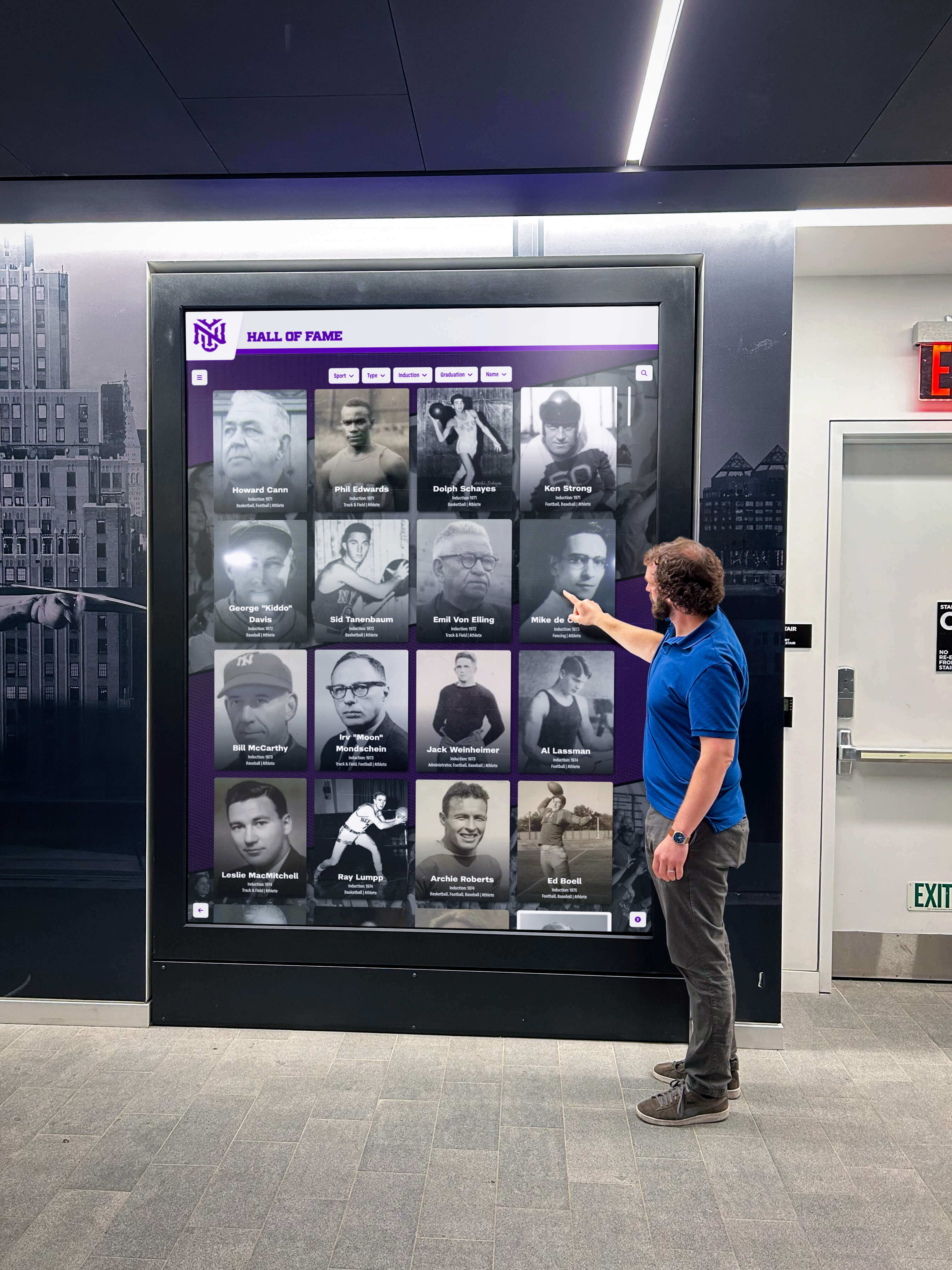
Interactive displays enable stakeholders to explore achievements beyond formal ceremonies
Virtual Recognition Events Remote-friendly formats expand participation:
- Live-streamed recognition ceremonies
- Pre-recorded video messages from leadership
- Digital nomination and voting systems
- Virtual reception rooms for informal celebration
- Recorded content available for later viewing
Recognition Communication Strategies
Pre-Recognition Communication
- Advance notice of recognition events
- Nomination deadlines and processes
- Criteria explanation and examples
- Previous recognition stories as models
- Encouragement of broad participation
Recognition Announcement Approaches
- Public acknowledgment at organization-wide gatherings
- Department or team meeting celebrations
- Email campaigns highlighting achievements
- Social media spotlights with visual content
- Digital signage and lobby displays
- Website features and blog posts
Post-Recognition Follow-Through
- Thank you messages to nominators
- Archive updates preserving recognition
- Story collection about recognition impact
- Follow-up spotlights extending celebration
- Connection of recognition to ongoing opportunities
Organizations implementing teacher recognition programs demonstrate comprehensive communication strategies.
Budget-Conscious Recognition Strategies
Effective recognition does not require substantial financial resources when organizations implement creative approaches.
Low-Cost High-Impact Recognition
Recognition Requiring Minimal Financial Investment
- Handwritten appreciation notes from leadership
- Preferred parking or workspace rotation
- Schedule flexibility or early departure opportunities
- Public acknowledgment at meetings and events
- Special project leadership opportunities
- Feature articles in organizational publications
- Social media spotlight posts
- Verbal acknowledgment with specific detail
Strategic Resource Allocation Organizations with limited budgets should prioritize:
- Investment in sustainable recognition display systems providing long-term value
- Quality recognition experiences rather than token gifts
- Meaningful acknowledgment over material items
- Public visibility and ceremony over private appreciation
- Systems enabling peer recognition at minimal cost
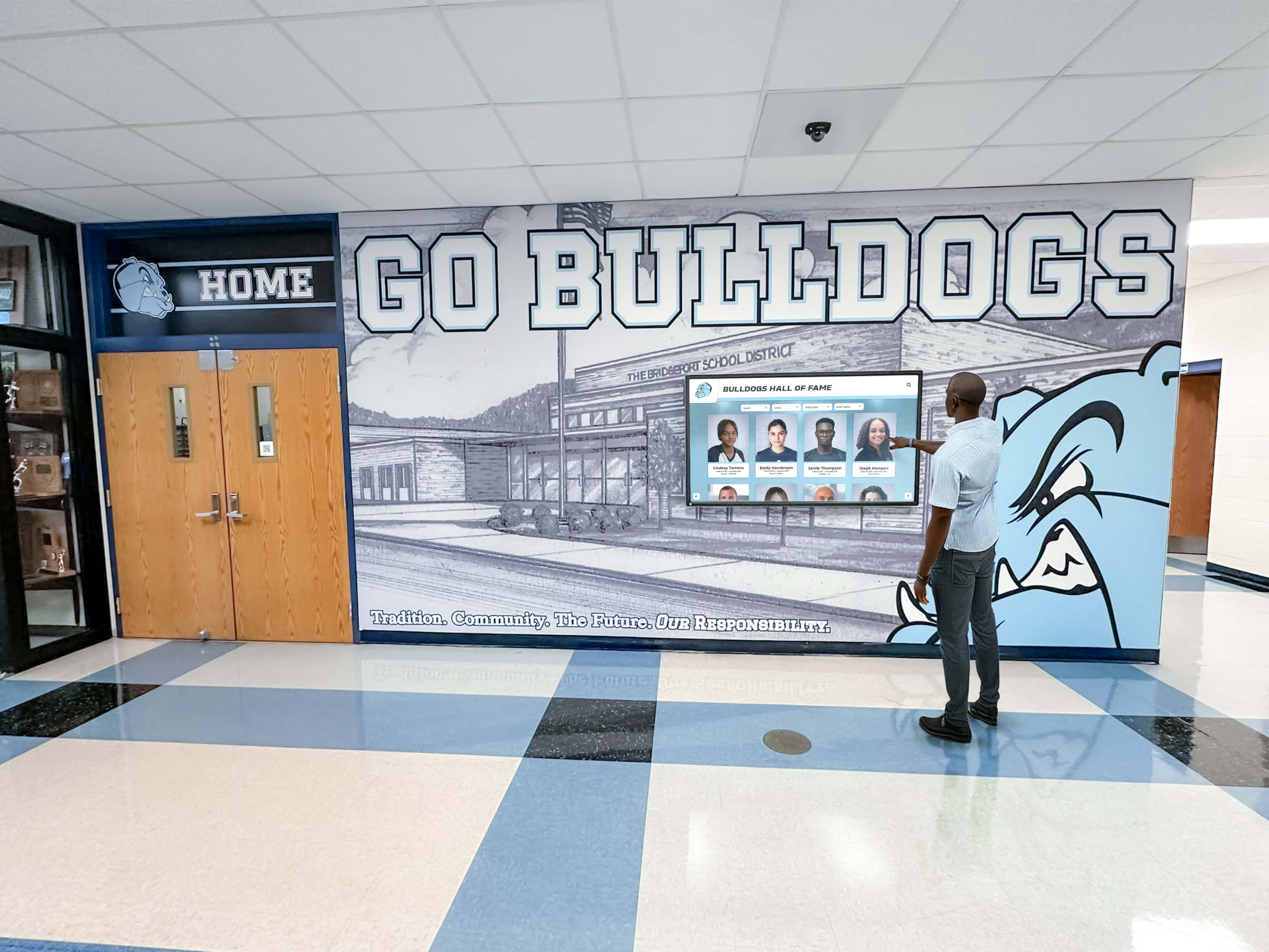
Interactive recognition systems enable exploration of colleague achievements and organizational excellence
Leveraging Organizational Assets
- Meeting space for recognition events
- Internal communication channels for celebration
- Existing technology for digital recognition
- Leadership time for meaningful acknowledgment
- Peer networks for nomination and selection
Partnership and Sponsorship Opportunities
- Community business support for recognition programs
- Alumni or member organization funding
- Foundation or donor contributions
- Vendor partnerships providing recognition items
- In-kind donations for events and materials
Even organizations with minimal budgets can implement meaningful recognition programs through strategic planning and creative resource utilization.
Measuring Recognition Program Effectiveness
Regular assessment ensures programs achieve intended outcomes and justify continued investment.
Quantitative Evaluation Metrics
Participation and Coverage Data
- Percentage of employees/members receiving recognition annually
- Distribution across departments, experience levels, and demographics
- Recognition frequency per individual
- Number of active recognition categories
- Year-over-year participation trends
Organizational Impact Indicators
- Retention rates compared to pre-program baselines
- Voluntary turnover analysis by recognition status
- Engagement survey results and trends
- Performance metric changes
- Exit interview data regarding recognition
Program Engagement Metrics
- Digital recognition display interaction rates
- Web-based platform usage statistics
- Social media engagement with recognition content
- Recognition event attendance rates
- Nomination submission quantities
Organizations tracking student recognition impact demonstrate measurement approaches.
Qualitative Assessment Approaches
Stakeholder Feedback Collection
- Employee/member surveys about recognition program awareness and impact
- Leadership assessment of program manageability and effectiveness
- Stakeholder perception of organizational culture
- Focus groups about recognition experiences
- Anecdotal evidence of recognition influence
Cultural Indicators
- Observed changes in organizational morale and collaboration
- Climate improvements documented through surveys
- Behavioral evidence of recognition impact
- Willingness to assume leadership roles
- Institutional reputation improvements related to culture

Comprehensive archives preserve organizational recognition history across decades
Return on Investment Analysis
- Cost per recognition compared to retention value
- Administrative time investment versus cultural benefits
- Program costs versus recruitment and turnover savings
- Technology investment amortized over usage period
- Intangible benefits of improved culture and morale
Regular evaluation enables continuous improvement ensuring recognition programs remain meaningful and impactful.
Common Recognition Program Pitfalls to Avoid
Understanding frequent mistakes helps organizations design more effective programs from the start.
Recognition Program Design Errors
Inconsistency and Irregular Implementation
- Recognition programs losing momentum after initial enthusiasm
- Failure to maintain regular recognition schedules
- Leadership turnover disrupting program continuity
- Inconsistent application of recognition criteria
- Lack of systematic processes enabling sustainable implementation
Prevention requires written program documentation, committee oversight, and institutional commitment beyond individual champions.
Narrow or Exclusive Recognition Focus
- Recognition only for easily measured outcomes
- Exclusive focus on senior staff overlooking emerging contributors
- Recognition limited to specific departments or roles
- Failure to acknowledge diverse contribution types
- Overemphasis on competition rather than comprehensive celebration
Effective programs intentionally create recognition opportunities across diverse excellence dimensions.
Lack of Transparency and Communication
- Unclear criteria creating perception of favoritism
- Inadequate communication about nomination processes
- Failure to explain selection decisions
- Limited visibility of recognition beyond honorees
- Insufficient promotion of recognition opportunities
Transparency in criteria, processes, and decision-making builds trust essential for program credibility.
Implementation and Sustainability Challenges
Insufficient Resource Allocation Organizations launching recognition programs without addressing:
- Administrative time required for program management
- Budget allocation for recognition events, awards, and materials
- Technology investments for modern recognition systems
- Committee release time and meeting scheduling
- Communication system integration
Recognition Inflation Concerns
- Over-recognition diminishing program significance
- Unclear distinction between recognition levels
- Participation acknowledgment lacking meaningful criteria
- Pressure to recognize everyone creating equity concerns
- Loss of prestige for highest recognition levels
Balance requires maintaining meaningful standards while ensuring recognition accessibility across diverse contribution dimensions.
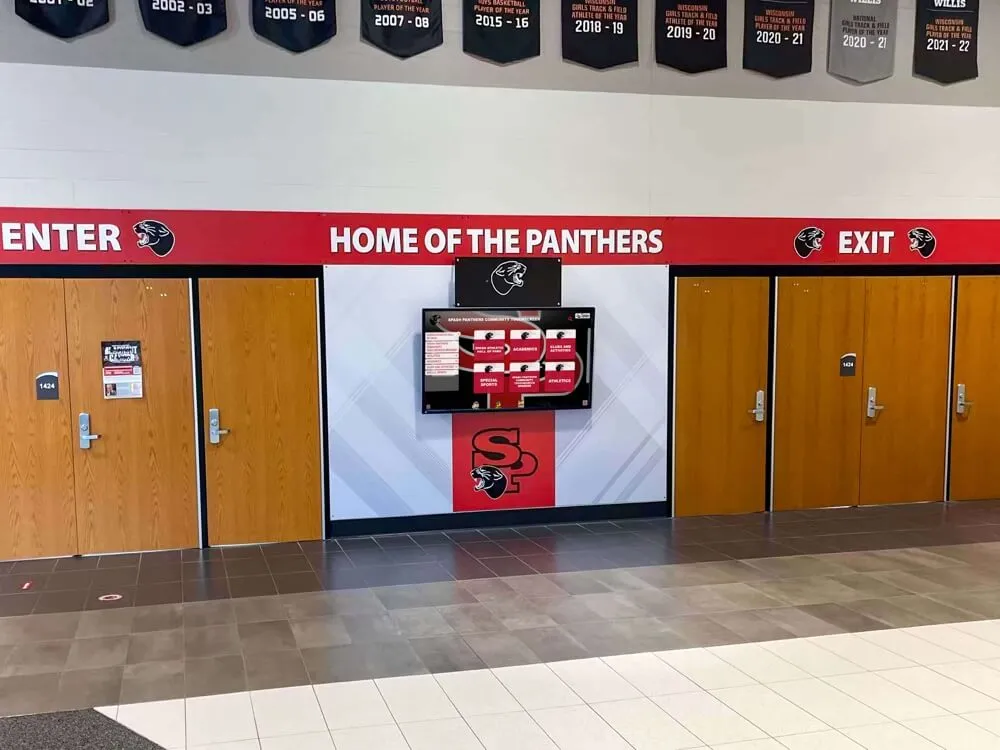
Recognition systems integrated throughout facilities reinforce cultures of appreciation and excellence
Special Considerations for Different Organizations
Recognition program design should consider organizational context and population characteristics.
Educational Institution Recognition
Schools and universities require approaches matching educational missions:
Student Recognition Programs
- Academic achievement celebration across performance levels
- Character and citizenship acknowledgment
- Improvement and growth recognition
- Extracurricular contribution celebration
- College preparation milestone acknowledgment
Schools implementing academic recognition programs demonstrate education-specific approaches.
Educator Recognition Programs
- Teaching excellence across diverse dimensions
- Professional development and growth
- Student impact and relationships
- Collaboration and mentorship
- Innovation and curriculum development
Corporate and Business Recognition
For-profit organizations require business-aligned approaches:
Performance Recognition
- Sales achievement and goal attainment
- Customer satisfaction excellence
- Quality and efficiency improvements
- Innovation and problem-solving
- Team collaboration and support
Career Development Recognition
- Skill acquisition and certification
- Leadership emergence and growth
- Cross-training and versatility
- Mentorship and knowledge sharing
- Professional milestone achievement
Nonprofit and Association Recognition
Mission-driven organizations need values-aligned recognition:
Volunteer Recognition
- Service hours and commitment
- Program leadership and development
- Recruitment and engagement support
- Special event contributions
- Long-term dedication celebration
Organizations implementing donor recognition walls demonstrate nonprofit recognition approaches.
Mission Impact Recognition
- Constituent outcomes and success stories
- Program innovation and development
- Community partnership building
- Advocacy and awareness efforts
- Collaborative achievement celebration
Building Recognition Program Sustainability
Long-term success requires planning for program continuation and evolution.
Leadership Commitment and Succession
Institutional Support
- Executive sponsorship beyond individual champions
- Budget allocation as ongoing operational expense
- Integration with strategic planning and priorities
- Board or governance oversight and accountability
- Written policies ensuring continuation
Succession Planning
- Documentation of all program processes
- Multiple staff trained on program administration
- Committee structures distributing responsibilities
- Technology solutions reducing dependence on individuals
- Knowledge transfer systems for leadership transitions
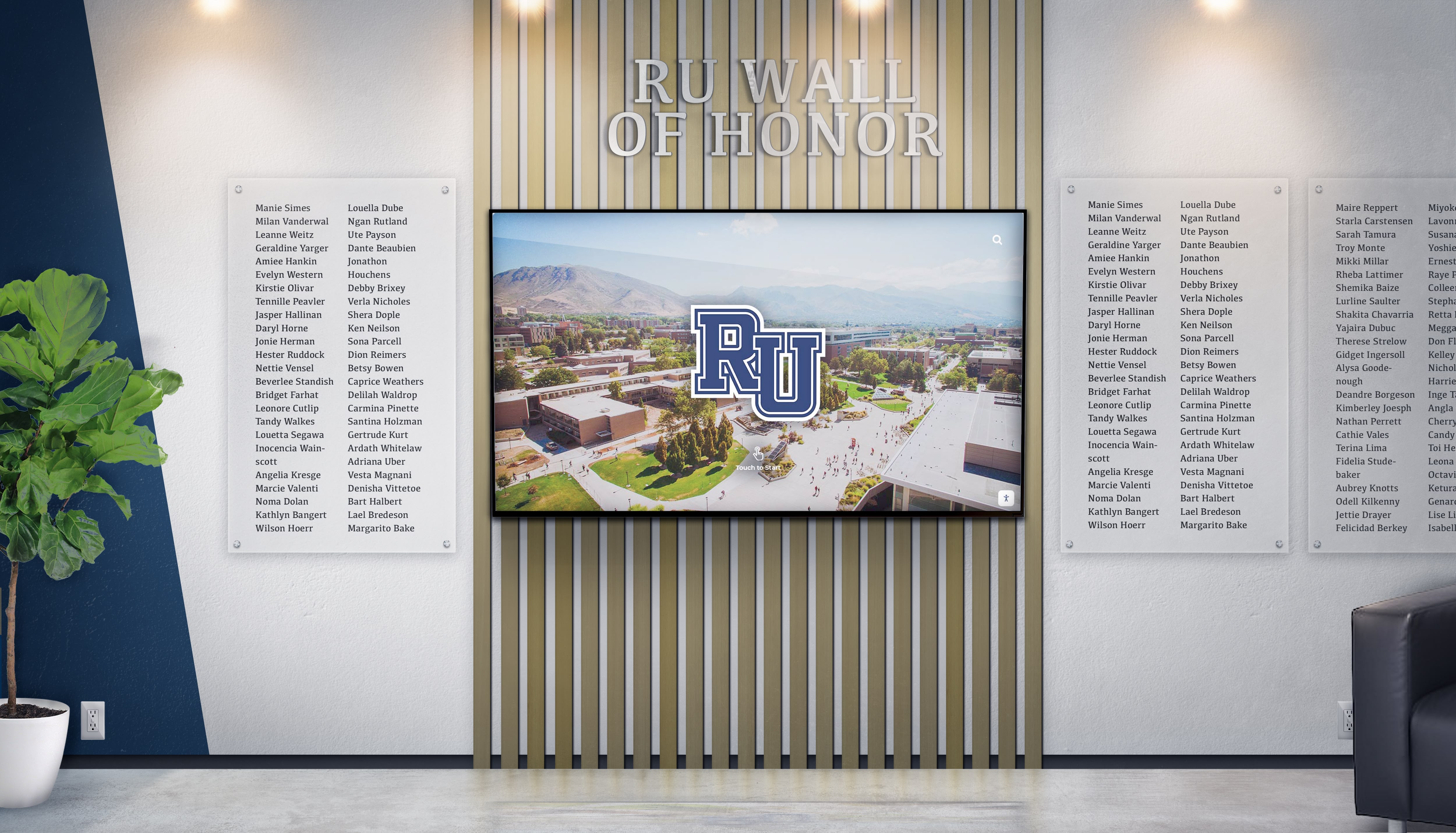
Integrated recognition systems combine digital displays with traditional elements for lasting impact
Program Evolution and Innovation
Continuous Improvement Systems
- Annual program review and assessment
- Stakeholder feedback integration
- Emerging best practice adoption
- Technology updates and enhancements
- Category additions and refinements
Adaptation to Organizational Change
- Recognition alignment with evolving strategy
- New role and department integration
- Changing workforce need accommodation
- Remote and hybrid work considerations
- Generational preference responsiveness
Organizations implementing peer leadership recognition demonstrate program evolution.
Recognition Program Launch Strategy
Successful program introduction requires thoughtful planning and phased implementation.
Phase 1: Foundation Building (Months 1-3)
Planning and Design
- Stakeholder input collection
- Recognition category development
- Criteria and process documentation
- Technology platform selection
- Budget allocation and approval
Committee Formation
- Representative membership recruitment
- Role clarification and training
- Meeting schedule establishment
- Selection process development
- Communication plan creation
Phase 2: Pilot Implementation (Months 4-6)
Limited Launch
- Single department or unit pilot
- Initial recognition cycle completion
- Process testing and refinement
- Feedback collection and integration
- Technology implementation and training
Communication Campaign
- Program introduction and explanation
- Success story sharing from pilot
- Nomination process education
- Leadership endorsement visibility
- Excitement building for expansion
Phase 3: Full Implementation (Months 7-12)
Organization-Wide Rollout
- All departments and units included
- Regular recognition cycle establishment
- Event planning and execution
- Display system installation
- Multi-channel communication integration
Assessment and Adjustment
- First-year evaluation completion
- Stakeholder feedback collection
- Process refinement based on learning
- Technology optimization
- Strategic planning for year two
Conclusion: Recognition as Strategic Investment
Recognition programs represent far more than employee appreciation or student celebration—they constitute strategic investments in organizational health, competitive advantage, and mission fulfillment. When organizations systematically acknowledge contributions across multiple dimensions—from measurable outcomes to values embodiment, from individual excellence to collaborative achievement—they create environments where talented people choose to commit long-term while continuing to grow and contribute meaningfully.
The strategies explored in this guide provide comprehensive frameworks for building recognition systems that honor diverse contributions while remaining sustainable, equitable, and aligned with organizational missions. From digital recognition displays eliminating traditional space constraints to year-round recognition calendars ensuring consistent appreciation, from multi-dimensional criteria honoring varied excellence to transparent processes building trust—these approaches transform occasional acknowledgment into systematic celebration woven throughout organizational culture.
Effective recognition requires moving beyond limiting assumptions about who deserves acknowledgment and how appreciation should appear. Modern solutions like interactive touchscreen displays make comprehensive recognition achievable across unlimited individuals and contribution categories, while systematic processes ensure consistent implementation reaching all deserving contributors. Budget-conscious approaches demonstrate that meaningful recognition depends more on thoughtful design than substantial expenditure.
Start with recognition programs your organization can implement immediately using existing resources, then systematically expand to create comprehensive approaches your people deserve. Every individual who receives meaningful recognition for their contributions—whether exceptional performance, consistent effort, values embodiment, innovation, mentorship, or collaborative excellence—develops stronger connection to your organization and greater motivation to continue contributing at high levels.
Organizations that excel at recognition understand fundamental truth: appreciation isn’t soft sentiment divorced from operational reality—it’s strategic necessity directly impacting retention, performance, culture, and competitive advantage in attracting and keeping talented people who make mission achievement possible.