Sports teams and school groups constantly face the challenge of building genuine chemistry and trust within limited practice time. Coaches need every minute for skill development, yet team bonding directly impacts performance, communication, and overall success. The solution lies in quick team building games—activities requiring 5-15 minutes that create meaningful connections without sacrificing valuable training time.
Research consistently shows that teams with strong interpersonal bonds perform better under pressure, communicate more effectively, and maintain resilience during challenging seasons. Yet traditional team building often requires extensive time commitments coaches simply cannot afford during busy athletic calendars. Quick team building games solve this dilemma by delivering relationship-building impact in compressed timeframes fitting naturally into existing practice schedules, warm-ups, or cool-down periods.
This comprehensive guide presents 25+ fast team building activities specifically designed for sports teams and school groups. Each game includes clear instructions, time requirements, group size considerations, and specific benefits—enabling coaches, athletic directors, and team leaders to select activities matching their unique needs and constraints.
Building strong team chemistry doesn’t require elaborate planning or extensive time blocks. The most effective team bonding often occurs through consistent, brief activities integrated into regular practice routines rather than occasional lengthy events.
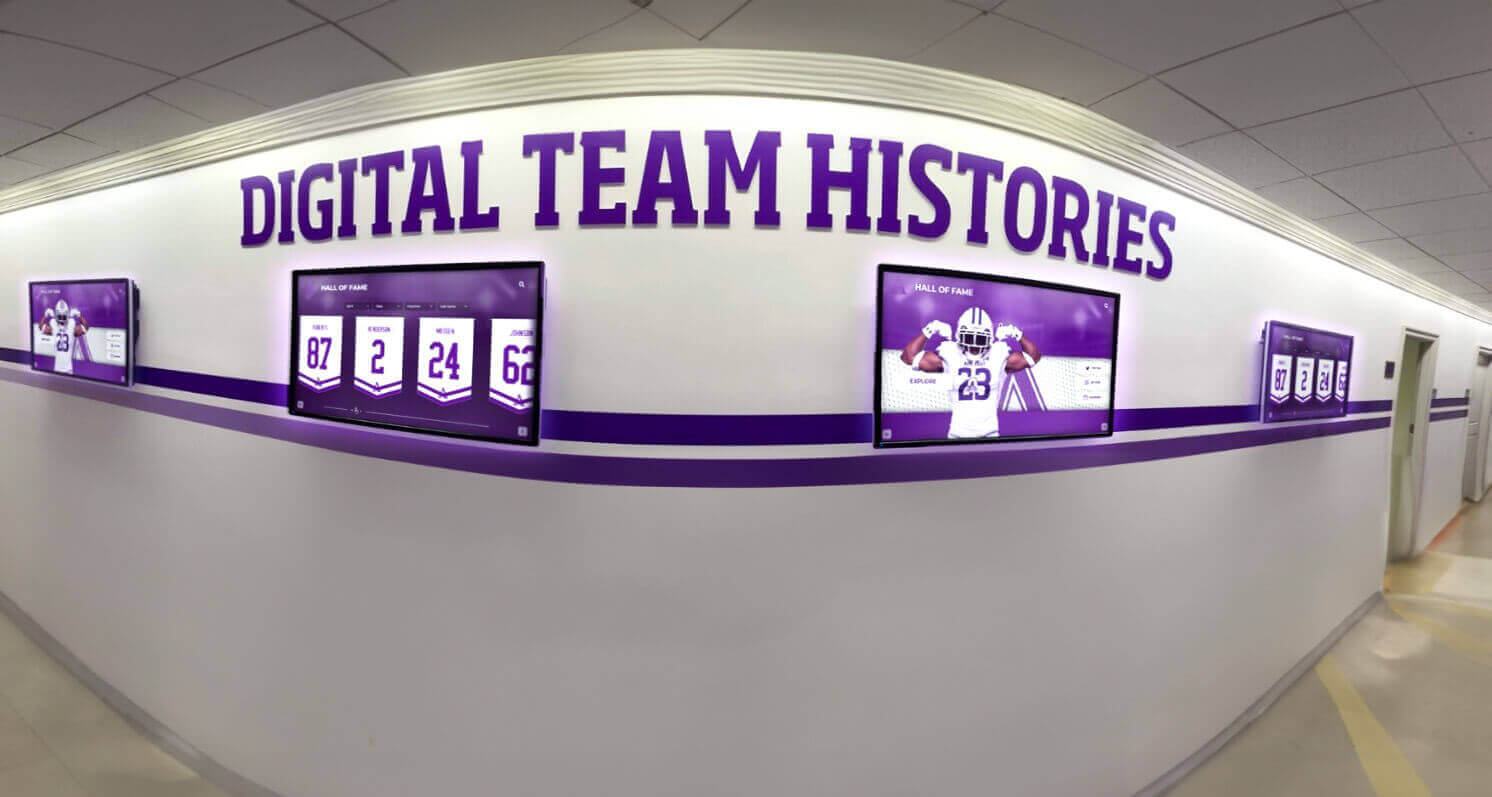
Strong team cultures develop through consistent bonding activities combined with recognition systems celebrating shared achievements
Why Quick Team Building Games Matter for Sports Teams
Understanding the specific value quick team building delivers helps coaches and leaders implement activities strategically rather than treating them as optional add-ons.
Time Efficiency Meets Real Impact
Athletic schedules demand careful time management balancing skill development, conditioning, strategy implementation, and competition preparation. Quick team building games integrate seamlessly into existing practice structures without displacing critical training:
Warm-Up Integration
- 5-10 minute activities replacing standard stretching routines
- Physical movement preparing bodies while building relationships
- Energy elevation creating positive practice atmosphere
- Mental preparation shifting focus from individual concerns to team unity
Transition Period Utilization
- Brief activities during water breaks or equipment changes
- Maintaining engagement during natural practice pauses
- Smooth transitions between different training segments
- Preventing energy drops that reduce practice effectiveness
Cool-Down Enhancement
- Post-practice activities reinforcing positive experiences
- Mental and physical recovery combined with relationship building
- Reflection opportunities processing practice and team dynamics
- Ending sessions on high notes creating lasting positive associations
Schools implementing comprehensive team culture programs often pair quick activities with permanent recognition displays celebrating team achievements, creating complete systems supporting sustained team excellence.
Building Essential Team Competencies
Quick games develop specific skills directly transferring to competitive performance:
Communication Development
- Verbal coordination under time pressure
- Non-verbal signal systems and body language awareness
- Active listening skills during fast-paced activities
- Clear, concise direction-giving practice
- Feedback delivery and reception in supportive contexts
Trust Formation
- Reliance on teammates in controlled environments
- Vulnerability in low-stakes situations building courage for competition
- Consistent positive interactions creating trust foundations
- Demonstrated reliability through repeated cooperative activities
Problem-Solving Under Pressure
- Quick decision-making as teams adapt to activity challenges
- Creative thinking when standard approaches fail
- Collective intelligence leveraging diverse perspectives
- Resilience when initial attempts don’t succeed
Leadership Emergence
- Natural leaders stepping forward in different activity contexts
- Rotating leadership opportunities across team members
- Leadership skill practice in varied scenarios
- Recognition of diverse leadership styles and strengths
Team building creates the foundation for individual excellence and collective achievement worthy of permanent recognition
5-Minute Quick Team Building Games
These ultra-fast activities fit into the briefest practice windows while delivering meaningful team connection.
1. Two Truths and a Lie (Sports Edition)
Time Required: 5 minutes
Group Size: Any size
Setup Needed: None
Each team member shares three statements about their athletic background or sports experiences—two true, one false. Teammates guess which statement is the lie.
Benefits:
- Rapid personal disclosure builds familiarity
- Discovers shared experiences creating connection points
- Minimal structure enables quick implementation
- Works for new teams or established groups
Variations:
- Focus on current season predictions or goals
- Limit to specific categories (best athletic moment, worst sports injury, hidden talent)
- Speed round with 30 seconds per person
2. Human Knot
Time Required: 5-7 minutes
Group Size: 8-15 players
Setup Needed: None
Players stand in a circle, reach across to grab two different people’s hands, then work together to untangle into a circle without releasing hands.
Benefits:
- Physical problem-solving requiring communication
- Close proximity breaks down social barriers
- Immediate feedback as solutions succeed or fail
- Laughter and frustration shared equally
Coaching Tips:
- For larger teams, create multiple simultaneous circles
- Set time limits creating urgency
- Emphasize process over outcome if knot proves impossible
3. Speed Ball Name Game
Time Required: 5 minutes
Group Size: 10-25 players
Setup Needed: One ball
Players stand in a circle. First person says their name and favorite position/skill, then tosses ball to someone new. That person repeats the first person’s information, adds their own, and tosses to another new person. Continue until everyone has participated.
Benefits:
- Name learning for new teams or mixed grade levels
- Attention and memory skill development
- Energetic pacing maintains engagement
- Physical component through catching and throwing
Variations:
- Add second ball after first round for increased difficulty
- Include team goals or personal season objectives instead of positions
- Create passing patterns to memorize
4. Would You Rather (Team Edition)
Time Required: 5 minutes
Group Size: Any size
Setup Needed: Prepared questions
Present team-relevant “would you rather” scenarios. Players move to different areas based on their choices, then briefly discuss reasoning.
Example Questions:
- Win championship with limited playing time or lose finals as a starter?
- Practice at 6 AM all season or double practices after school?
- Excel individually on losing team or contribute less to championship team?
- Face your biggest rival or top-ranked team in playoffs?
Benefits:
- Reveals values and priorities
- Generates discussion about team culture and goals
- Physical movement energizes participants
- No wrong answers reduces performance pressure
5. Line Up Challenge
Time Required: 3-5 minutes
Group Size: 8-30 players
Setup Needed: None
Team must arrange themselves in specific order (height, birthday, jersey number, years on team) without speaking. Use gestures and creativity only.
Benefits:
- Non-verbal communication practice
- Quick problem-solving under constraints
- Inclusive of all personality types
- Easily repeated with different ordering criteria
Difficulty Variations:
- Blindfold half the team
- Add time pressure with countdown
- Require specific formations (straight line, circle, spiral)
Many teams celebrate successful seasons and the bonds formed through activities like these using digital displays showcasing team unity alongside individual achievements.
10-Minute Team Building Activities
Slightly longer activities allow deeper engagement while remaining practical for regular practice integration.
6. Back-to-Back Drawing
Time Required: 8-10 minutes
Group Size: Pairs (any number of pairs)
Setup Needed: Paper, pencils, simple images
Pairs sit back-to-back. One person describes a simple image without naming what it is. Partner attempts to draw it based solely on verbal description. Compare results and discuss communication challenges.
Benefits:
- Precise communication skill development
- Frustration tolerance in controlled environment
- Perspective-taking as partners switch roles
- Immediate visual feedback on communication effectiveness
Coaching Applications:
- Relates directly to play-calling and on-field communication
- Demonstrates importance of shared vocabulary
- Highlights assumption differences between teammates
7. Minefield Navigation
Time Required: 10 minutes
Group Size: Pairs (4-20 people total)
Setup Needed: Open space, various objects as “mines”
Scatter objects across playing area. One partner is blindfolded while the other verbally guides them through the “minefield” without touching objects. Time each attempt and encourage improvement.
Benefits:
- Trust development through vulnerability
- Clear directional communication under pressure
- Active listening in challenging conditions
- Encouragement and support practice
Variations:
- Multiple pairs navigate simultaneously, adding complexity
- Limit communication to specific words or directions only
- Partners must maintain physical distance while guiding
8. Group Juggle
Time Required: 10 minutes
Group Size: 8-20 players
Setup Needed: Multiple balls or soft objects
Establish throwing pattern in a circle with one ball, ensuring everyone receives and throws once. Add additional balls one at a time while maintaining original pattern. See how many balls the group can successfully keep in rotation.
Benefits:
- Sustained attention and focus
- Pattern recognition and memory
- Support when teammates struggle
- Collective goal with individual accountability
Progressive Challenge:
- Start with achievable numbers, gradually increase difficulty
- Celebrate small victories before adding complexity
- Discuss strategies between attempts
9. Four Corners Icebreaker
Time Required: 8-10 minutes
Group Size: 12-40 players
Setup Needed: Four designated corners, prepared questions
Assign four different answers to room corners. Call out questions and players move to corner matching their answer. Brief discussion follows each question about reasoning and perspectives.
Sample Questions for Sports Teams:
- Favorite sport to watch (football/basketball/baseball/soccer)
- Preferred practice time (early morning/after school/evening/weekend)
- Team role preference (scorer/defender/leader/supporter)
- Motivation source (competition/improvement/teammates/recognition)
Benefits:
- Physical movement and energy
- Reveals diversity within team unity
- Conversation starters between players who move to same corners
- Demonstrates that differences strengthen rather than divide teams
10. Commonalities Hunt
Time Required: 10 minutes
Group Size: Small groups of 4-6
Setup Needed: None
Small groups race to find specific number of things all members share in common beyond obvious team membership. First group to reach target number wins.
Categories:
- Non-sports interests and hobbies
- Family characteristics (siblings, pets, birth order)
- Academic interests or favorite subjects
- Personal goals for the season
- Summer plans or favorite activities
Benefits:
- Reveals unexpected connections
- Breaks down cliques as mixing occurs
- Demonstrates shared humanity beyond athletic identity
- Creates inside jokes and team language
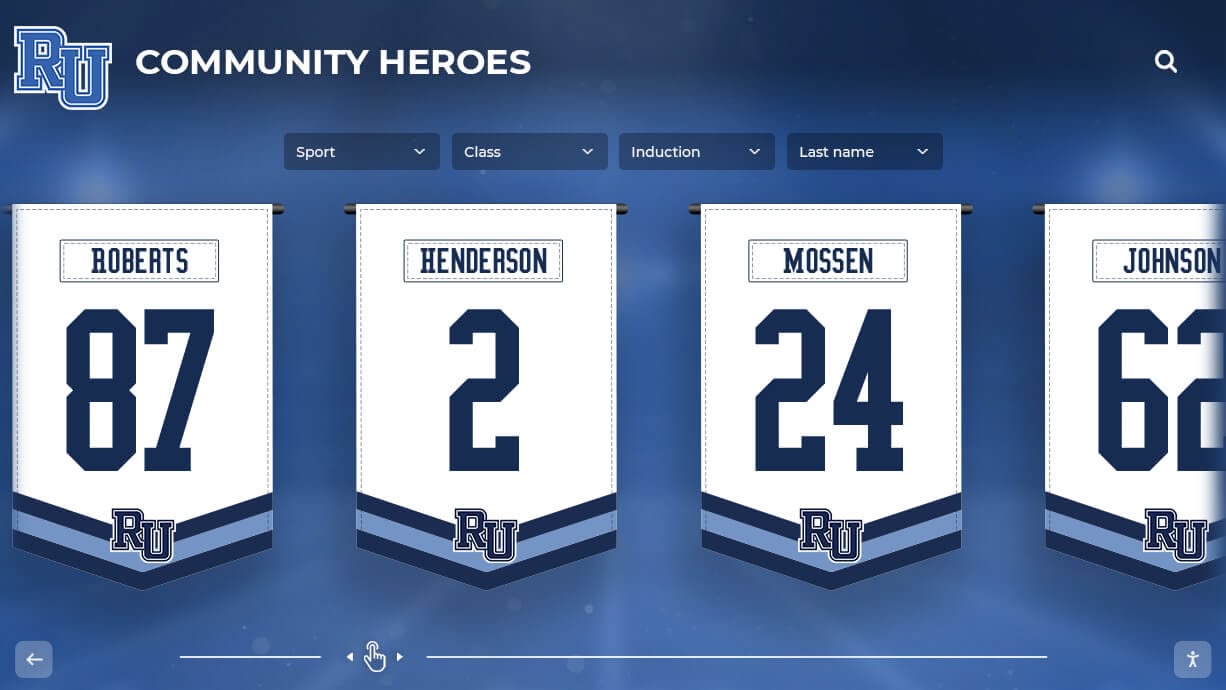
Teams that bond together celebrate achievements together, creating lasting traditions honored through permanent recognition
11. Pass the Clap
Time Required: 8 minutes
Group Size: 8-25 players
Setup Needed: None
Players stand in a circle. One person makes eye contact with neighbor and claps. That person “receives” the clap and passes it to their other neighbor through eye contact and synchronized clap. Pass continues around circle, attempting to maintain rhythm and speed.
Benefits:
- Non-verbal connection and awareness
- Rhythm and timing skills
- Focus and concentration
- Group flow state experience
Variations:
- Add directional changes by clapping while looking across circle
- Include stomps or other sounds creating patterns
- Challenge group to increase speed without breaking rhythm
12. Trading Card Shuffle
Time Required: 10 minutes
Group Size: 10-30 players
Setup Needed: Index cards with team member names
Each player receives card with teammate’s name (not their own). They must find that person, interview them briefly about season goals or background, then introduce that person to the larger group.
Benefits:
- Structured interaction between players who may not typically connect
- Public speaking practice in supportive environment
- Goal awareness across entire team
- Recognition of each member’s unique story
Interview Prompts:
- What made you join this team?
- What’s your personal goal this season?
- What’s one thing teammates don’t know about you?
- Who inspired your interest in this sport?
Research shows that teams recognizing both individual and collective achievements develop stronger cultures, with digital recognition systems providing permanent platforms celebrating bonding activities and competitive success equally.
15-Minute Team Building Challenges
These more substantial activities work well for dedicated team building days, extended practice sessions, or special occasions.
13. Tower Building Competition
Time Required: 15 minutes
Group Size: Teams of 4-6
Setup Needed: Building materials (straws, tape, paper, cups)
Teams compete to build tallest free-standing tower using limited materials within time constraint. Structure must stand independently for 30 seconds to count.
Benefits:
- Strategic planning under time pressure
- Resource allocation decisions
- Diverse skill application (engineering, creativity, construction)
- Graceful handling of failure when towers collapse
Debrief Questions:
- How did your team divide responsibilities?
- What would you do differently with a second attempt?
- How did you handle setbacks during building?
- Who emerged as leader and why?
14. Memory Web
Time Required: 12-15 minutes
Group Size: 10-25 players
Setup Needed: Ball of yarn or string
Players stand in a circle. First person holds yarn end, shares meaningful team memory or future hope, then tosses ball to someone else while holding their strand. Process continues until everyone is connected, creating a web. Discuss what the web represents about team interconnection.
Benefits:
- Symbolic representation of team bonds
- Positive memory reinforcement
- Vision casting for future success
- Physical manifestation of team unity
Variation:
- Have players reverse the process, rewinding yarn while repeating what person before them shared (memory test)
- Create multiple webs between different position groups or grade levels
15. Escape Room Style Puzzle Challenge
Time Required: 15 minutes
Group Size: 5-15 players
Setup Needed: Series of simple puzzles or riddles
Create sequence of puzzles team must solve collaboratively within time limit. Each solved puzzle provides clue for next challenge.
Sample Puzzle Ideas:
- Math problems where answer equals jersey numbers of specific players
- Riddles describing team traditions or locations in facility
- Physical challenges requiring coordination
- Word puzzles revealing team values or season theme
Benefits:
- Collaborative problem-solving
- Leveraging different strengths and knowledge
- Communication under pressure
- Celebration of collective intelligence
16. Perfect Square Challenge
Time Required: 12 minutes
Group Size: 8-20 players
Setup Needed: Long rope, blindfolds
Entire team dons blindfolds while holding a rope in a circle. Challenge is to form a perfect square without vision, using only verbal communication and spatial reasoning.
Benefits:
- Leadership emergence as some naturally give directions
- Trust in teammates’ guidance
- Spatial reasoning and communication
- Acceptance of imperfection (perfect square nearly impossible)
Variations:
- Attempt different shapes (triangle, rectangle, star)
- Impose silence on half the team
- Add time pressure
17. Team Timeline Creation
Time Required: 15 minutes
Group Size: 8-30 players
Setup Needed: Long paper roll, markers
Team collaboratively creates visual timeline of their season, program history, or shared experiences. Include highlights, challenges, funny moments, and turning points.
Benefits:
- Collective memory building
- Recognition of journey beyond just wins and losses
- Artistic expression for diverse communicators
- Artifact creation representing shared experience
Application:
- Display timeline in locker room as season reminder
- Update throughout season during regular intervals
- Include in end-of-season celebrations
- Transfer meaningful elements to permanent digital team history displays
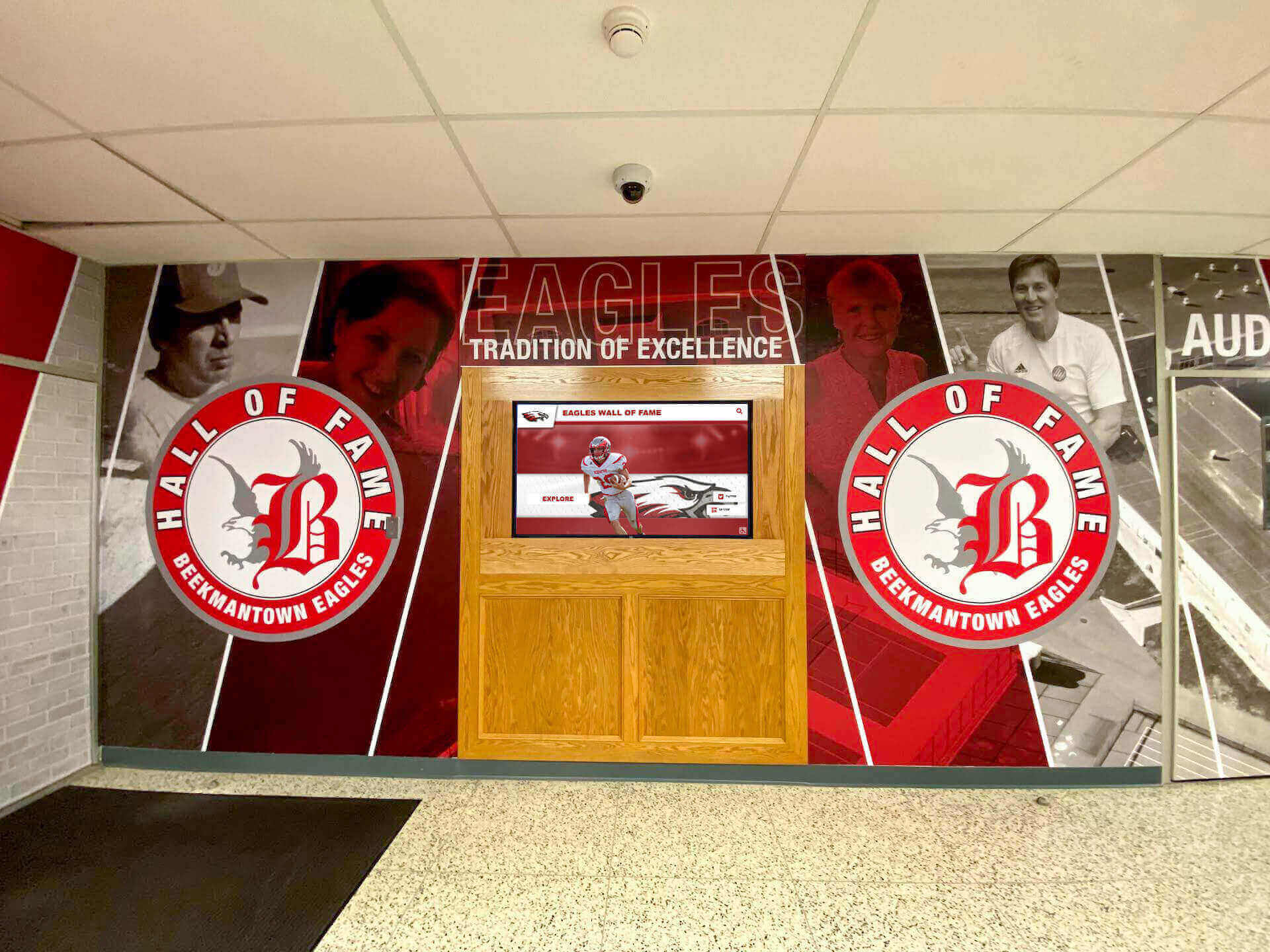
Strong team cultures built through consistent bonding activities deserve recognition celebrating both process and achievement
18. Reverse Charades
Time Required: 12-15 minutes
Group Size: 10-30 players
Setup Needed: Prepared sports-related phrases
Traditional charades reversed—entire team acts out phrase while one person guesses. Rotate guessers and score points for correct guesses within time limits.
Phrase Ideas:
- Specific plays from team’s playbook
- Famous sports moments or athletes
- Team traditions or inside jokes
- Season goals or aspirations
Benefits:
- Collaboration rather than individual performance
- Physical activity and laughter
- Creative expression
- Shared success when guesser identifies phrase
19. Trust Lean Circle
Time Required: 10-12 minutes
Group Size: 8-16 players
Setup Needed: Open space
Team forms tight circle with one person in center. Center person keeps body rigid and leans in different directions while circle supports and gently passes them around. Everyone rotates through center position.
Benefits:
- Physical trust development
- Vulnerability in controlled environment
- Responsibility for teammate safety
- Direct experience of team support
Safety Considerations:
- Establish seriousness before beginning
- Ensure adequate circle size for safe catches
- Allow opt-out for anyone uncomfortable
- Debrief about trust feelings afterward
20. Story Building Circle
Time Required: 10 minutes
Group Size: Any size
Setup Needed: None
Team creates collaborative story related to season success. First person begins with one sentence. Each subsequent person adds one sentence, building on previous contributions. Record final story and share.
Benefits:
- Creativity and spontaneity
- Active listening to incorporate previous elements
- Humor and bonding through shared creation
- Positive visualization of season success
Variations:
- Provide opening sentence related to championship game
- Create stories about overcoming specific challenges
- Develop origin stories for team mascot or traditions
Programs implementing comprehensive team culture strategies often combine regular bonding activities with recognition celebrating growth, as varsity letter requirements and displays acknowledge both individual achievement and team contribution.
Sport-Specific Quick Team Building Games
Tailoring activities to specific sports increases relevance and competitive engagement.
21. Basketball: Around the World Relay
Time Required: 10-12 minutes
Group Size: 5-15 players per basket
Setup Needed: Basketball court
Traditional around-the-world shooting game modified for team play. Players rotate through shooting positions, but team cannot advance to next position until all members make current shot. First team completing circuit wins.
Benefits:
- Skill practice within team building context
- Support rather than competition between teammates
- Pressure management with team counting on individual performance
- Celebration of each teammate’s success
22. Soccer: Passing Pattern Challenge
Time Required: 10 minutes
Group Size: 8-20 players
Setup Needed: Soccer ball, cones
Team creates complex passing pattern incorporating movement, specific touches, or trick moves. Pattern must flow smoothly with no dropped passes. Add difficulty by timing execution or adding defenders.
Benefits:
- Technical skill application
- Memory and pattern execution
- Communication about spacing and timing
- Creative expression within soccer context
23. Volleyball: Consecutive Contact Challenge
Time Required: 8-10 minutes
Group Size: 6-12 players
Setup Needed: Volleyball, court or open space
Team attempts to keep volleyball airborne for maximum number of consecutive contacts. All players must touch ball at least once per round before anyone can touch twice. Count contacts and set team records.
Benefits:
- Skill development within team context
- Awareness of teammate positioning
- Encouragement when ball drops
- Progressive goal setting as team improves
24. Wrestling: Position Problem Solving
Time Required: 10-12 minutes
Group Size: Entire team (pairs)
Setup Needed: Wrestling mats
Coach demonstrates specific position or scenario. Pairs have limited time to discuss strategy before demonstrating solution. Team votes on most effective approach and discusses technique.
Benefits:
- Collaborative technique development
- Verbal teaching reinforcing learning
- Exposure to different problem-solving approaches
- Peer learning between experience levels
25. Track: Relay Strategy Session
Time Required: 12 minutes
Group Size: 8-20 runners
Setup Needed: Track or open space
Teams design optimal relay combinations considering each runner’s strengths. Execute multiple relay formations, timing each. Analyze results and discuss how individual strengths combine for team success.
Benefits:
- Strategic thinking about team composition
- Appreciation for diverse strengths
- Data-driven decision making
- Real application to competitive events
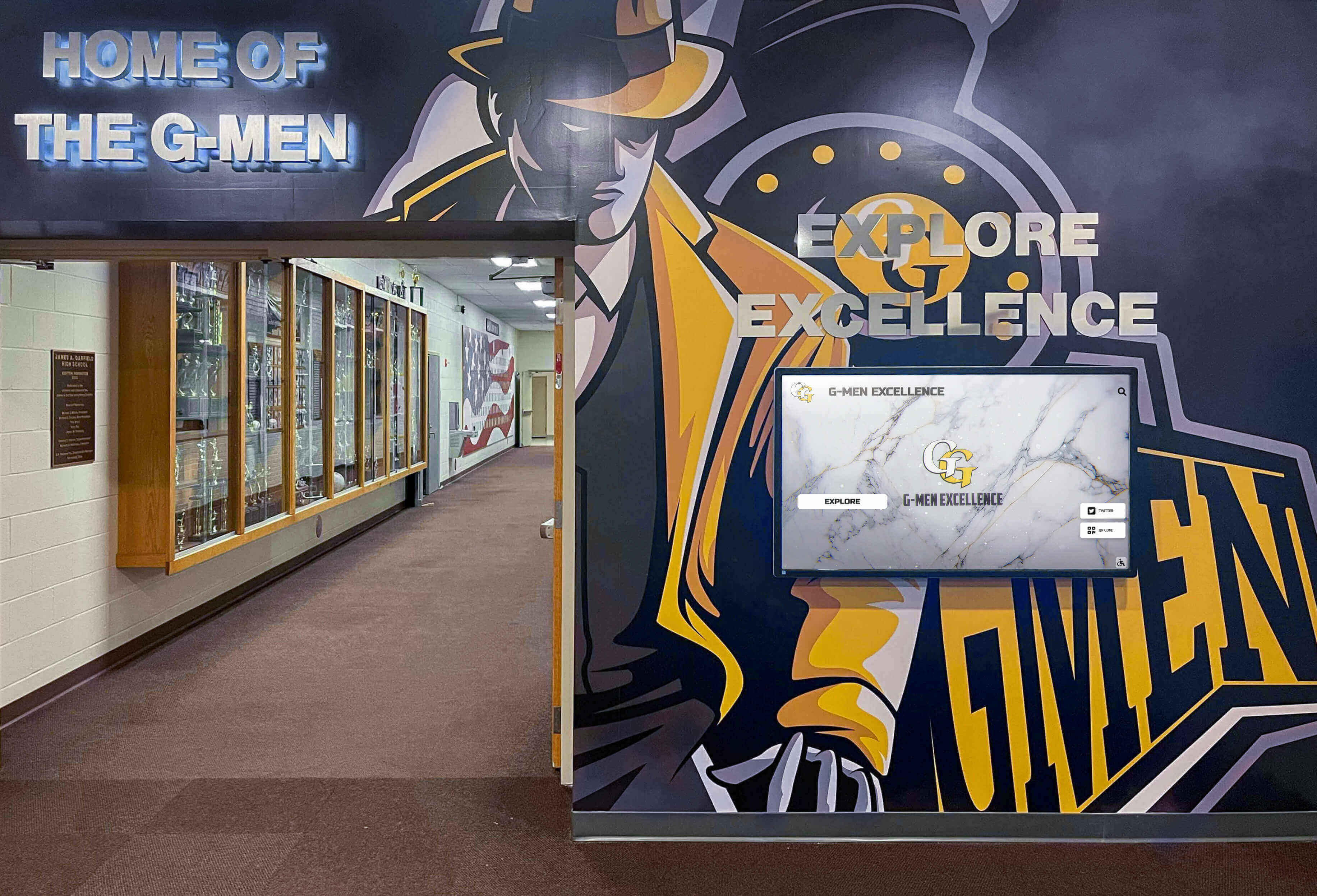
Sport-specific team building strengthens bonds while developing skills celebrated through comprehensive recognition systems
26. Swimming: Relay Pattern Innovation
Time Required: 10-15 minutes
Group Size: 12-24 swimmers
Setup Needed: Pool access
Teams design creative relay formats using different strokes, distances, or entry methods. Execute relays with team timing and cheering. Award creativity points alongside speed results.
Benefits:
- Creative thinking within swimming context
- Appreciation for different stroke strengths
- Energy and enthusiasm development
- Fun competition reducing performance pressure
Successful swim teams often celebrate both individual times and relay teamwork through digital record boards showcasing complete program achievement.
Indoor vs. Outdoor Team Building Options
Environmental considerations influence activity selection and effectiveness.
Indoor Activity Advantages
Weather Independence
- Year-round availability regardless of conditions
- Consistent scheduling without cancellations
- Climate-controlled comfort enabling focus
- Protection of materials and equipment
Controlled Environment Benefits
- Acoustic management for communication activities
- Defined boundaries and spaces
- Privacy from outside observation
- Lighting control for specific activities
Best Indoor Quick Games:
- All seated circle games
- Trust activities requiring soft surfaces
- Communication challenges needing quiet
- Activities using specific equipment or materials
Outdoor Activity Advantages
Space and Movement
- Room for running and large group formations
- Natural energy outlets for high-energy teams
- Fresh air improving mood and alertness
- Novel environments breaking routine
Natural Elements
- Sunlight exposure improving well-being
- Connection to nature reducing stress
- Variable terrain adding challenge
- Open sight lines for observation
Best Outdoor Quick Games:
- Physical challenges requiring space
- Loud or high-energy activities
- Nature-based scavenger hunts or exploration
- Large group formations and movement
Hybrid Approach
Most effective programs utilize both environments strategically:
- Indoor activities during inclement weather or academic year constraints
- Outdoor activities when available for energy release and novelty
- Seasonal variation maintaining freshness and interest
- Environment matching to specific activity requirements
Celebrating Team Building Success and Recognition
Quick team building games create moments worth celebrating and preserving alongside competitive achievements.
Documenting Team Culture Development
Teams benefit from recording bonding experiences as part of complete team history:
Photo and Video Documentation
- Capture team building moments throughout season
- Create highlight reels combining competition and bonding
- Preserve laughter and joy alongside game action
- Build visual narratives of team journey
Achievement Recognition Beyond Competition
- Acknowledge improvement in team chemistry metrics
- Celebrate participation in bonding activities
- Recognize leaders who facilitate team unity
- Honor contributions to positive team culture
Integration with Traditional Recognition Schools implementing comprehensive digital recognition platforms can showcase complete team experiences including:
- Championship achievements and tournament results
- Team building moments and culture highlights
- Individual player profiles and career statistics
- Season narratives capturing both competition and camaraderie
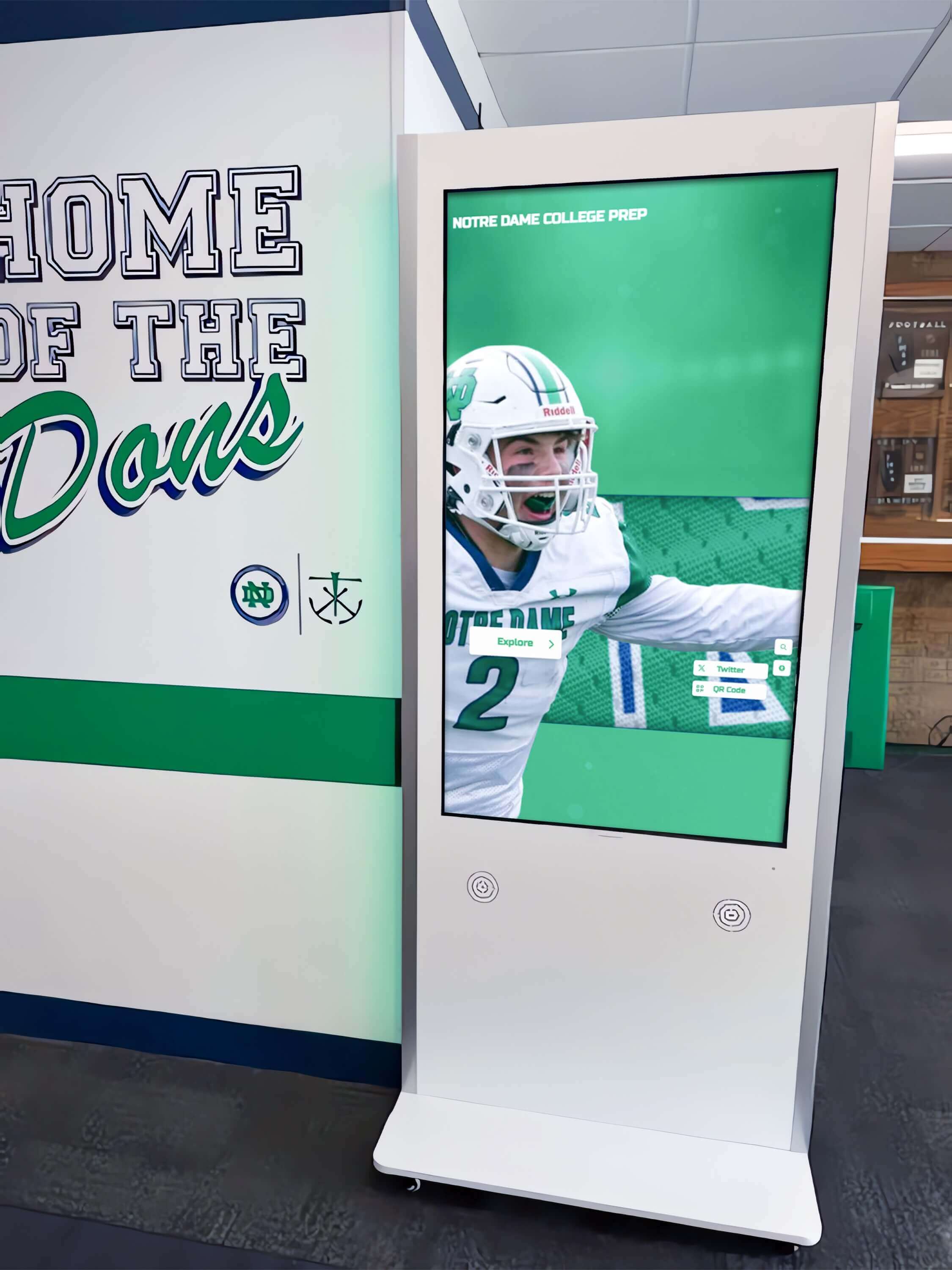
Modern recognition systems celebrate complete team experiences—combining competitive success with the bonding activities that made achievements possible
Creating Team Building Traditions
Consistent implementation transforms one-time activities into meaningful traditions:
Seasonal Rituals
- Opening practice team building establishing season culture
- Pre-competition bonding activities becoming familiar routines
- Championship preparation traditions creating confidence
- End-of-season celebrations honoring complete journey
Progressive Development
- Age-appropriate activities as athletes advance through program
- Veteran players leading younger teammates through familiar activities
- Alumni involvement sharing traditions across generations
- Evolution of activities maintaining relevance and engagement
Symbolic Elements
- Team mottos or phrases emerging from bonding activities
- Inside jokes creating shared language
- Physical tokens or symbols representing team unity
- Stories retold across seasons building program folklore
Measuring Team Building Impact
Successful programs assess effectiveness to refine approaches:
Observation Metrics
- Communication quality during practice and competition
- Support behaviors when teammates struggle
- Conflict resolution effectiveness
- Leadership distribution across team members
Feedback Gathering
- Post-season surveys about team chemistry and culture
- Mid-season check-ins assessing bonding effectiveness
- Anonymous input about team dynamics
- Coach observations about behavioral changes
Performance Correlations
- Team performance during high-pressure situations
- Resilience after losses or setbacks
- Consistency across competitive season
- Player retention and program reputation
Athletic programs celebrating comprehensive excellence recognize that competitive success stems from strong team culture, with recognition systems acknowledging both dimensions equally.
Implementation Tips for Coaches and Team Leaders
Maximizing quick team building effectiveness requires strategic planning and consistent execution.
Scheduling Integration Strategies
Pre-Practice Activation
- 5-10 minute team building replacing traditional warm-up routines
- Energy building creating positive practice start
- Mental transition from individual to collective mindset
- Relationship reinforcement before skill work begins
Mid-Practice Refreshers
- Brief activities during water breaks maintaining engagement
- Energy reset when focus wanes
- Transition activities between practice segments
- Strategic pauses preventing burnout during intense sessions
Post-Practice Bonding
- Cool-down activities combining physical recovery and relationship building
- Positive ending experiences shaping practice memories
- Reflection time processing practice experiences collectively
- Enthusiasm building for next session
Activity Selection Criteria
Team Development Stage
- New teams need introductory activities building basic familiarity
- Established teams benefit from deeper trust and communication challenges
- Championship-level teams require advanced cooperation activities
- Post-season teams appreciate celebration and reflection activities
Current Team Dynamics
- Conflict situations benefit from perspective-taking activities
- Low-energy teams need high-movement energizers
- Stressed teams require laughter and fun
- Disconnected teams need intimate sharing opportunities
Practical Constraints
- Available time dictating activity length
- Space limitations determining physical activity options
- Weather conditions affecting indoor vs. outdoor choices
- Equipment availability enabling or restricting certain activities
Creating Safe, Inclusive Environments
Effective team building requires psychological safety enabling authentic participation:
Establish Clear Expectations
- Respect for all contributions regardless of outcome
- Confidentiality for personal sharing
- Opt-out options for activities creating genuine discomfort
- Zero tolerance for mockery or ridicule
Model Vulnerability and Participation
- Coaches participating in activities alongside players
- Leadership demonstrating authentic engagement
- Acknowledging failures and mistakes without shame
- Celebrating effort and attempt over perfection
Adapt for Diverse Needs
- Physical modifications for different ability levels
- Cultural sensitivity in activity selection
- Introvert-friendly options alongside extrovert activities
- Language accessibility for multilingual teams
Beyond Sports: School Groups and Organizations
Quick team building games serve diverse school groups beyond athletic teams.
Student Government and Leadership Groups
Application Areas:
- Building chemistry among newly elected officers
- Energizing planning meetings and work sessions
- Developing collaboration skills for event execution
- Creating culture among diverse grade levels and roles
Recommended Activities:
- Problem-solving challenges for strategic thinking practice
- Communication games reinforcing meeting effectiveness
- Creative activities generating event ideas
- Goal-setting exercises aligning group vision
Academic Teams and Competitions
Application Areas:
- Quiz bowl and academic competition team bonding
- Debate team trust and partnership building
- Science Olympiad collaboration development
- Mathletes team chemistry creation
Recommended Activities:
- Mental challenges complementing academic focus
- Communication exercises supporting competition formats
- Trust activities reducing performance anxiety
- Celebration of diverse knowledge areas
Performing Arts Ensembles
Application Areas:
- Band and orchestra section integration
- Choir blend and unity development
- Theater cast chemistry building
- Dance team synchronization and trust
Recommended Activities:
- Rhythm and timing coordination games
- Non-verbal communication for performance connection
- Creative collaboration reflecting artistic process
- Trust activities supporting performance vulnerability
Club Organizations and Special Interest Groups
Application Areas:
- Service club team development
- Cultural organization community building
- Academic interest club engagement
- Special interest group connection
Recommended Activities:
- Interest-based variations of classic games
- Service-oriented team challenges
- Discussion-based bonding for idea exchange
- Creative expression activities
Many schools recognize diverse achievements across athletic, academic, and activities programs through comprehensive digital displays celebrating complete student excellence.
Quick Team Building Games for Different Age Groups
Age-appropriate selection maximizes engagement and developmental benefit.
Elementary and Middle School Athletes
Developmental Considerations:
- Shorter attention spans requiring quick rotation
- High energy needing physical movement
- Concrete thinking favoring clear rules and structures
- Social skill development in progress
Appropriate Activities:
- Simple physical games (human knot, tag variations)
- Clear competition with visible scoring
- Name games and basic introduction activities
- Loud, energetic group games
Avoid:
- Extended verbal activities requiring sustained focus
- Complex strategic games with multiple rules
- Deep sharing requiring emotional maturity
- Activities demanding significant physical trust
High School Teams
Developmental Considerations:
- Abstract thinking enabling complex problem-solving
- Social awareness increasing self-consciousness
- Identity development influencing group dynamics
- Longer attention spans supporting extended activities
Appropriate Activities:
- Strategic challenges requiring planning
- Communication games with nuance
- Trust activities appropriate for developmental stage
- Reflection and discussion-based bonding
Adapt Based On:
- Team maturity level varying by program culture
- Grade diversity (freshman through senior)
- Competitive experience and team tenure
- Current relationship quality among members
College and Adult Teams
Developmental Considerations:
- Mature social skills enabling sophisticated activities
- Time constraints requiring efficiency
- Diverse life experiences enriching sharing
- Clear purpose expectations for activities
Appropriate Activities:
- Professional development oriented team building
- Complex problem-solving challenges
- In-depth strategic planning exercises
- Reflection and application to performance
Conclusion: Building Championship Culture Through Quick Team Building
Championship teams share a common characteristic beyond talent and preparation—genuine connection, trust, and chemistry transforming individual athletes into unified forces greater than the sum of their parts. Quick team building games provide accessible, time-efficient pathways to this essential team quality without requiring extensive schedule disruption or elaborate planning.
The 25+ activities presented throughout this guide offer coaches, athletic directors, and team leaders diverse options matching varied needs, constraints, and team development stages. From 5-minute energizers fitting into brief practice windows to 15-minute challenges creating deeper engagement, from sport-specific technical activities to universal trust builders, from indoor communication games to outdoor physical challenges—comprehensive quick team building approaches develop the relationships driving sustained competitive excellence.
Effective implementation transforms one-time activities into consistent practices building cumulative impact across seasons. Teams experiencing regular bonding opportunities develop communication patterns, trust foundations, and cultural traditions distinguishing championship programs from talented groups that never quite cohere. The time investment—merely minutes per practice—produces returns measurable in performance under pressure, resilience through adversity, and player satisfaction creating program loyalty.
Beyond the immediate season, teams building strong chemistry through consistent bonding create experiences worth celebrating and preserving alongside competitive achievements. Modern recognition systems enable schools to honor complete team journeys—showcasing not only championships and individual honors but the cultural foundations making excellence possible. Teams that bond together perform together, celebrate together, and create lasting legacies together.
Ready to create recognition systems celebrating your team’s complete journey—both the bonding that builds championship culture and the achievements that result? Discover how Rocket Alumni Solutions helps schools preserve team building moments, competitive accomplishments, and individual excellence through comprehensive digital displays creating permanent celebration of athletic program excellence.