A single morning’s work for a school principal can involve mediating a student conflict, reviewing budget shortfalls, meeting with a struggling teacher, walking the cafeteria to check safety procedures, and fielding three calls from anxious parents—all before 10 a.m. Yet when principal appreciation week arrives each May, most schools still default to the same tired gestures: a grocery-store bouquet dropped on the front-office desk and a fifteen-second shout-out during morning announcements.
Principals notice. Not because they expect grand ceremonies, but because a mismatch between expressed gratitude and actual effort signals how much—or how little—a community genuinely values its leadership. The best schools treat principal appreciation week as a full five-day opportunity to honor the person most responsible for their culture, their safety, and their outcomes.
This guide compiles 30 concrete ideas that schools across the country actually use to make principal appreciation week meaningful—from creative student activities on day one through permanent recognition displays that outlast any single school year.
Principal appreciation week, observed in May alongside National Principal Appreciation Day (May 1), gives school communities a built-in reason to acknowledge administrative leadership in sustained, visible ways. The ideas below are organized by source—students, staff, parents, and legacy systems—so planning committees can build a cohesive week rather than a scattered collection of gestures.
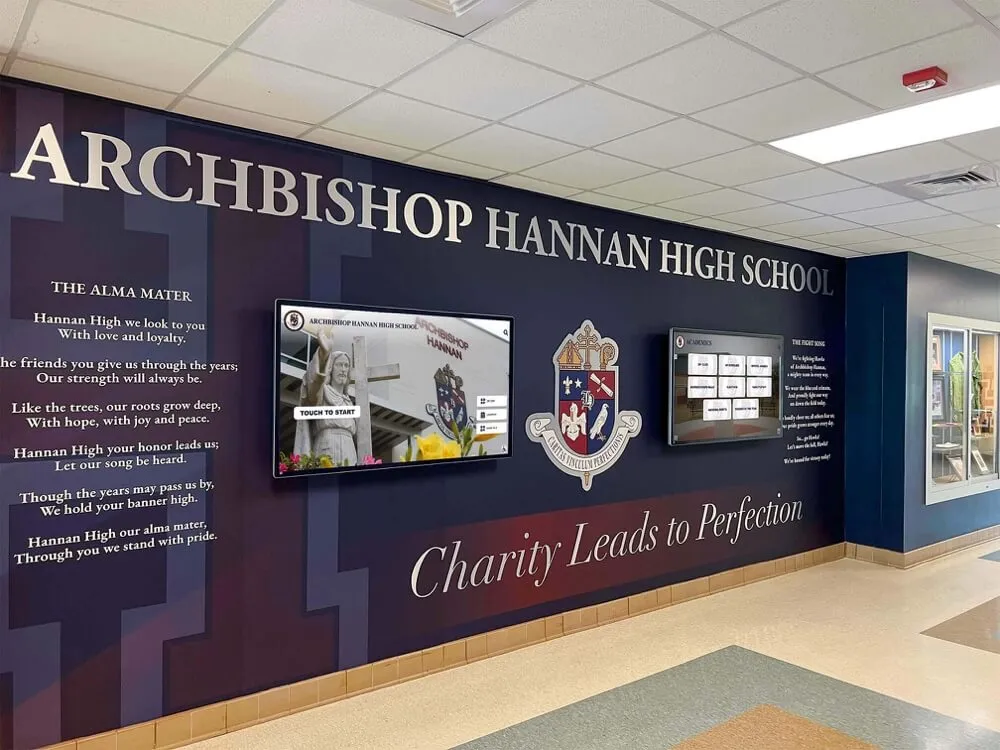
Thoughtfully designed school environments become natural backdrops for recognition displays that honor leadership year-round
Why a Full Week Matters
Single-day recognition fades fast. A principal who receives a kind social-media post on Friday morning will have forgotten it by Monday’s discipline meeting. A week of intentional, varied appreciation from multiple stakeholders—students, teachers, families, district administrators, and community partners—creates a cumulative impression that genuinely registers.
Research from the Wallace Foundation consistently identifies school leadership as the second most important school-based factor influencing student learning, behind classroom instruction. A week of thoughtful recognition communicates that the community understands that weight and takes it seriously.
Academic recognition programs built around administrators as well as students tend to produce stronger retention outcomes and higher morale across an entire building. The ideas below give planning committees the raw material to build exactly that kind of week.
Student-Driven Ideas (1–8)
Students hold the most credibility when it comes to appreciating a principal. Their voices carry emotional weight that no adult gesture can replicate.
1. Homeroom Video Tribute Montage
Ask every homeroom teacher to record a 30-second clip of their class delivering a thank-you message. Compile the clips into a 10–15 minute video and screen it at a school assembly or share via the school’s communication platform. The principal watches the entire school express gratitude simultaneously—an experience that lands far differently than a stack of cards.
2. Handwritten Card from Every Student
Coordinate with teachers to have every student write one sentence—not a form letter, but one genuine observation about the principal’s impact. Bind the cards by grade level and present them as a portfolio. A hundred handwritten sentences from kindergarteners alone is a keepsake most principals keep for years.
3. Morning Announcement Takeover
Let the student council run morning announcements for the week, dedicating one segment each day to a “Principal Spotlight”—a fun fact, a hidden talent, or a story a student remembers about the principal solving a problem for them.
4. Hallway Mural or Message Wall
Use butcher paper, sticky notes, or a dedicated chalkboard wall to create a temporary appreciation mural. Assign a hallway near the main office. Invite every student and staff member to add a word, drawing, or message. Photograph it on Friday before taking it down—or laminate the best contributions and present them to the principal.
5. School-Wide Signature Banner
Create an oversized banner using school colors, have every student and staff member sign it throughout the week, and then frame it for the principal’s office. This serves as a lasting record of every person who was part of the school community during the principal’s tenure.
6. “How My Principal Helped Me” Essay Contest
Run a brief writing contest across upper elementary, middle, or high school grades. Award winners at a Friday assembly, and read selected entries aloud. The quality of those essays—far more specific and revealing than any generic gift—becomes a powerful public acknowledgment of the principal’s day-to-day impact.
7. Flash Mob or Surprise Performance
Student councils at schools with performing arts programs often coordinate a short flash mob—a choreographed number performed in the cafeteria or during a passing period—dedicated to the principal. The element of surprise amplifies the emotional effect significantly.
8. Photo Book of the School Year
Designate a student media team or yearbook staff to curate the year’s best photos featuring the principal interacting with students, staff, and the community. Print it as a physical photo book. For schools with digital recognition displays, the same photo collection can be uploaded to a touchscreen profile that the broader community can access year-round.
Teacher and Staff Ideas (9–14)
Faculty and staff interact with the principal in ways students never see—curriculum decisions, hiring challenges, difficult conversations with families. Their appreciation carries a different kind of weight.
9. Surprise Appreciation Breakfast
Coordinate secretly with custodial staff to set up a breakfast spread in the principal’s office or a conference room before the principal arrives. Have the entire faculty write brief notes in advance and place them at each breakfast item. The combination of the surprise and the personal messages creates a more memorable experience than a catered event the principal knew was coming.
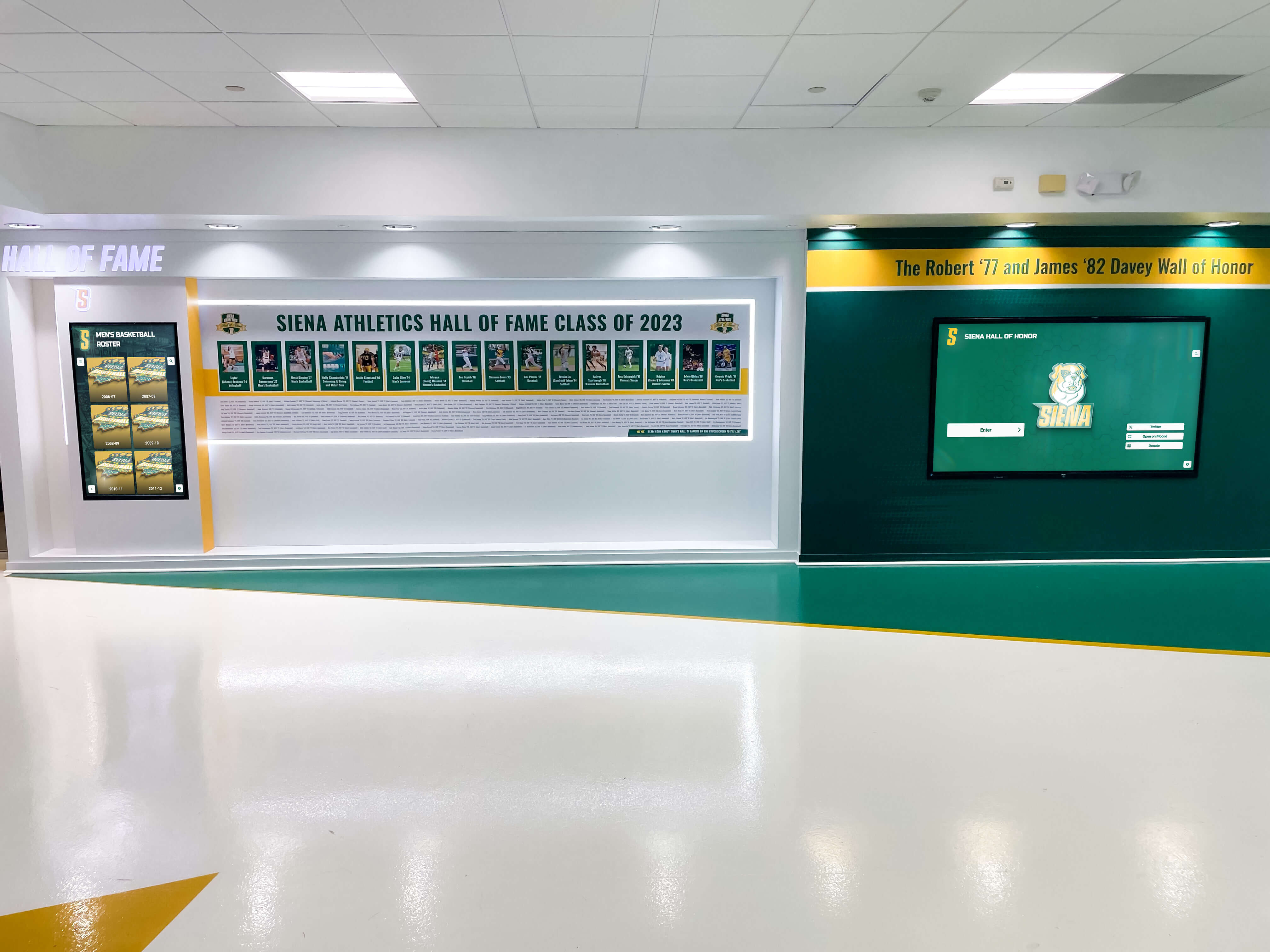
Permanent recognition displays honor principals alongside the athletic and academic programs they helped build
10. “One Thing You Did for My Classroom” Bulletin Board
Ask every teacher to write one specific thing the principal did that made their classroom better—not a generic compliment, but a concrete action. Post these outside the principal’s office. The specificity is what matters: “You approved my field trip budget when enrollment was down” hits harder than “Thank you for your support.”
11. Department-by-Department Recognition Presentations
Schedule 10-minute slots during lunch or a shared planning period for each department to present one thing the principal’s leadership made possible for their subject area. Curriculum teams, special education staff, and athletic directors each offer a different lens on administrative impact.
12. Nomination for District or State Principal of the Year
Submit a formal nomination to the district or state principal recognition program on behalf of the school community. Even if the principal doesn’t win, the act of nominating—and letting the principal know—signals institutional confidence in a way that no gift can.
13. Faculty Memory Book
Ask each staff member to contribute one page: a photo, a story, a quote, or a sketch. Bind the collection and present it during a faculty meeting. This format works especially well for long-serving principals or those approaching retirement.
14. Professional Development Fund Contribution
Collect voluntary contributions from staff toward a fund for a conference, certification, or coaching program the principal has mentioned wanting to pursue. Practical investment in a principal’s professional growth acknowledges that administrators have development needs just as teachers do.
Parent and Community Ideas (15–21)
Families and local organizations extend appreciation into the broader community—giving principals visibility and recognition that transcends the building.
15. PTA/PTO Appreciation Reception
Host a brief reception during school hours or at a family-friendly evening event. Keep it simple: food, a brief program with two or three speakers from different stakeholder groups (a teacher, a parent, and a student), and a presentation of a community-assembled gift. The mix of voices matters more than the production value.
16. Parent Letter Campaign
Collect appreciation letters from families throughout the week. Create a simple Google Form or paper template asking parents to describe one way the principal made their child’s experience better. Print and bind the responses. Parents who never attend school events often write the most candid, revealing letters when given a structured way to contribute.
17. Community Partner Recognition
Partner with a local business to sponsor a meal delivery, flowers, or a gift basket during the week. Ask the business owner to include a personal note explaining their connection to the school. This approach creates visible community investment in school leadership and often generates local media attention when coordinated with the school’s communications team.
18. School Board Recognition Ceremony
Coordinate with the superintendent or board chair to include a formal recognition of the principal at a May school board meeting. A board resolution is a public, official document that becomes part of the district record—a permanent acknowledgment that carries institutional weight no appreciation card can match.
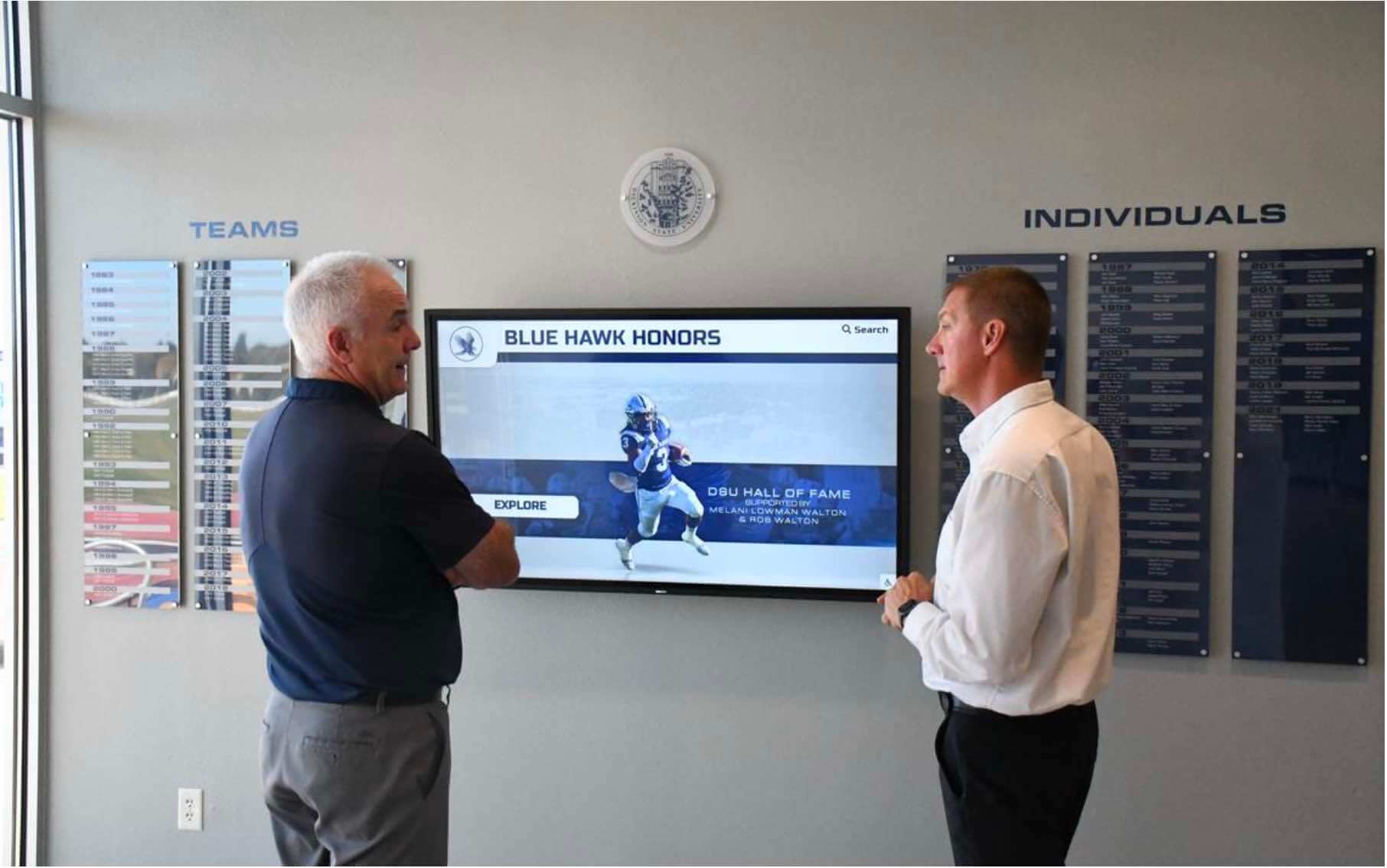
Interactive digital displays create opportunities for community members to engage with school history and leadership recognition together
19. Social Media Campaign with a School Hashtag
Create a school-specific hashtag and ask students, staff, and families to post one appreciation message per day during the week. Feature the posts on the school’s official social channels. Screenshot and compile a digital album. This approach amplifies recognition beyond the physical building and creates a searchable record of community appreciation.
20. Yard Signs in the Neighborhood
Work with a local print shop to produce simple yard signs reading “We appreciate [Principal Name]” with the school name. Distribute them to families who want to display them during appreciation week. A neighborhood covered in appreciation signs is a visible, public statement about community confidence in school leadership.
21. Alumni Appreciation Segment
Reach out through alumni networks asking former students to share a memory of the principal. Compile these into a video or written collection. For schools using parent and family engagement tools that include alumni outreach features, this becomes a natural extension of existing communications infrastructure.
Permanent and Legacy Recognition Ideas (22–27)
The most meaningful principal appreciation extends far beyond a single week. Permanent recognition ensures that a principal’s contributions are visible to future students and staff who never met them.
22. Named Scholarship Fund
Establish a scholarship in the principal’s name—funded through annual contributions from parents, alumni, and local businesses. Announce the scholarship during appreciation week. Award it publicly each spring. This creates a living legacy that grows in value with each graduating class.
23. Dedicated Recognition Plaque in the School Entrance
Commission a permanent plaque for the school lobby recognizing the principal’s tenure, notable achievements, and years of service. Place it near existing recognitions of alumni, athletic champions, or faculty. The proximity signals that administrative leadership belongs in the same category as other honored contributors to the school’s history.
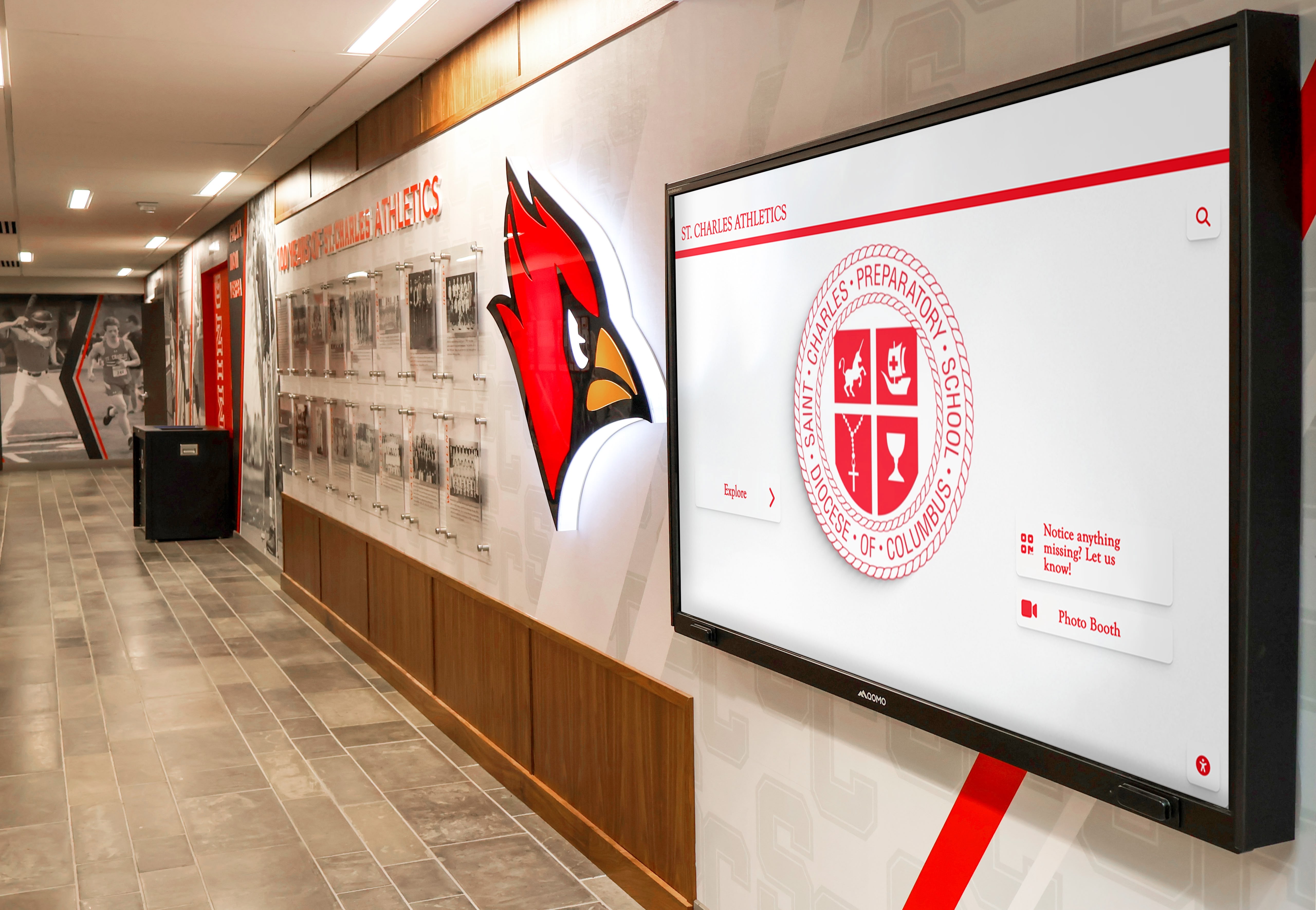
Recognition displays integrated into school hallways honor leadership within the daily environment students and staff navigate each day
24. Portrait in a Principal’s Gallery Wall
Create a dedicated wall in the main office or a visible hallway featuring portraits of every principal in the school’s history. During appreciation week, add the current principal’s portrait with a formal installation ceremony. This approach connects current leadership to institutional history in a tangible way.
25. Oral History Interview for School Archives
Record a formal oral history interview with the principal—30 to 45 minutes discussing the school’s evolution, challenges overcome, and vision for the future. Archive it in the school’s digital collection. Oral history interviews preserved in accessible formats ensure that leadership wisdom survives personnel transitions and benefits successors who might otherwise start without institutional context.
26. Named Facility Space
Name a garden, reading area, student lounge, or practice space after a long-serving principal. Announce the naming during appreciation week with a small dedication ceremony involving students, staff, and community members. Facility naming creates a permanent, daily reminder of administrative legacy every time a student enters that space.
27. Senior Awards Recognition
Coordinate with the senior class to name one end-of-year leadership award after the principal—for a graduating senior who exemplifies the leadership qualities the principal models. Announce it at senior awards night with the principal in attendance to present it personally.
Digital Recognition and Technology Ideas (28–30)
Touchscreen displays and digital recognition platforms transform principal appreciation from a time-limited event into year-round, accessible visibility that reaches alumni, families, and community members far beyond the physical campus.
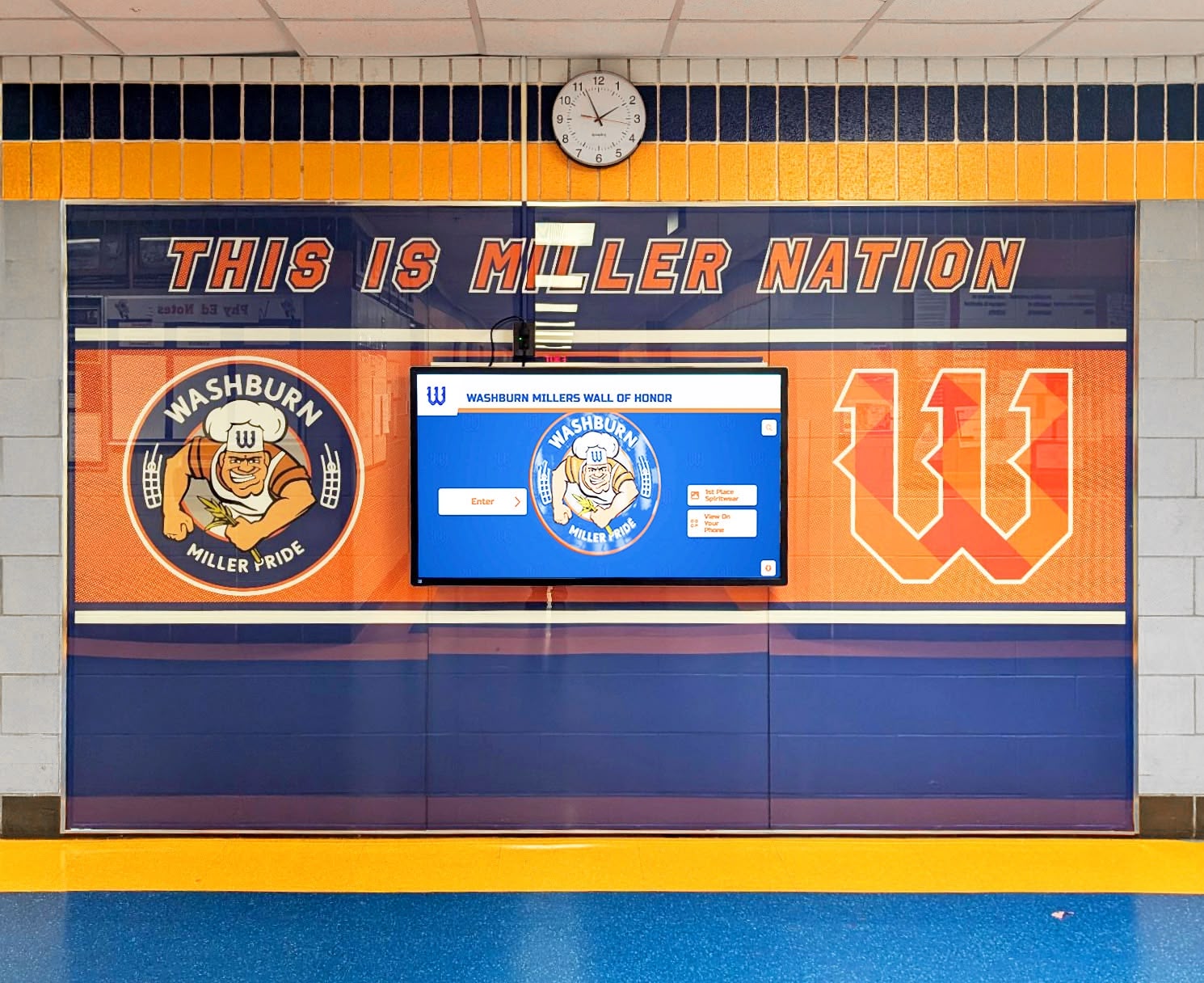
Digital recognition walls integrate leadership tributes into high-traffic school spaces, ensuring visibility throughout the year
28. Touchscreen Display Profile with Biography and Tenure Highlights
Create a dedicated profile for the current principal on a school’s interactive touchscreen display. Include a professional biography, tenure timeline with major milestones, a photo gallery from school events, and a section for community-submitted tributes. Unlike physical plaques that require physical access to view, touchscreen profiles on digital recognition platforms can be updated remotely as the principal’s tenure continues—no reprinting required.
Modern interactive kiosks let students and visitors browse principal profiles, tap through photos, and even watch video tributes—transforming passive wall space into an engaging historical record. Schools considering how to implement these systems can explore a range of digital signage ideas that extend well beyond a principal display into athletic records, donor walls, and community hero boards.
29. Web-Accessible Recognition Page for Remote Tribute Submissions
Deploy a web-accessible version of the school’s recognition display—hosted on a URL families and alumni can visit from any device—and open a submission window during principal appreciation week for video or written tributes. A former student who graduated ten years ago and lives across the country can contribute as easily as a teacher down the hall.
Web accessibility also satisfies ADA/WCAG 2.1 AA requirements that many districts now mandate for public-facing digital content, ensuring that recognition programs remain inclusive for all community members regardless of physical ability.
30. QR Code Tribute Station in High-Traffic Areas
Place a printed QR code sign in the school lobby, cafeteria, or main hallway during appreciation week. The QR code links to a simple form where anyone who scans it can leave a short video message or written note. Update the touchscreen display or school website with submissions in real time throughout the week. The station requires no staffing, works on any smartphone, and generates a living collection of tributes the principal can revisit long after the week ends.
Digital trophy wall systems that include QR-accessible content make these kinds of community submission features straightforward to implement without custom development work.
Building a Week-Long Schedule
With 30 ideas available, planning committees often benefit from a loose daily structure:
Monday — Student Appreciation Day: Launch the homeroom video project, install the hallway message wall, and kick off the morning announcement takeover series.
Tuesday — Community Shout-Out Day: Activate the social media campaign, distribute yard signs, and open the parent letter campaign.
Wednesday — Staff Recognition Day: Host the faculty appreciation breakfast, post the department-by-department bulletin board, and share the oral history interview internally.
Thursday — Legacy and History Day: Unveil the portrait gallery addition or plaque installation, announce the named scholarship, and debut the touchscreen display profile if newly created.
Friday — Culminating Celebration: Host the assembly with the student video montage, present the faculty memory book, and share the compiled community tributes from the QR code station.
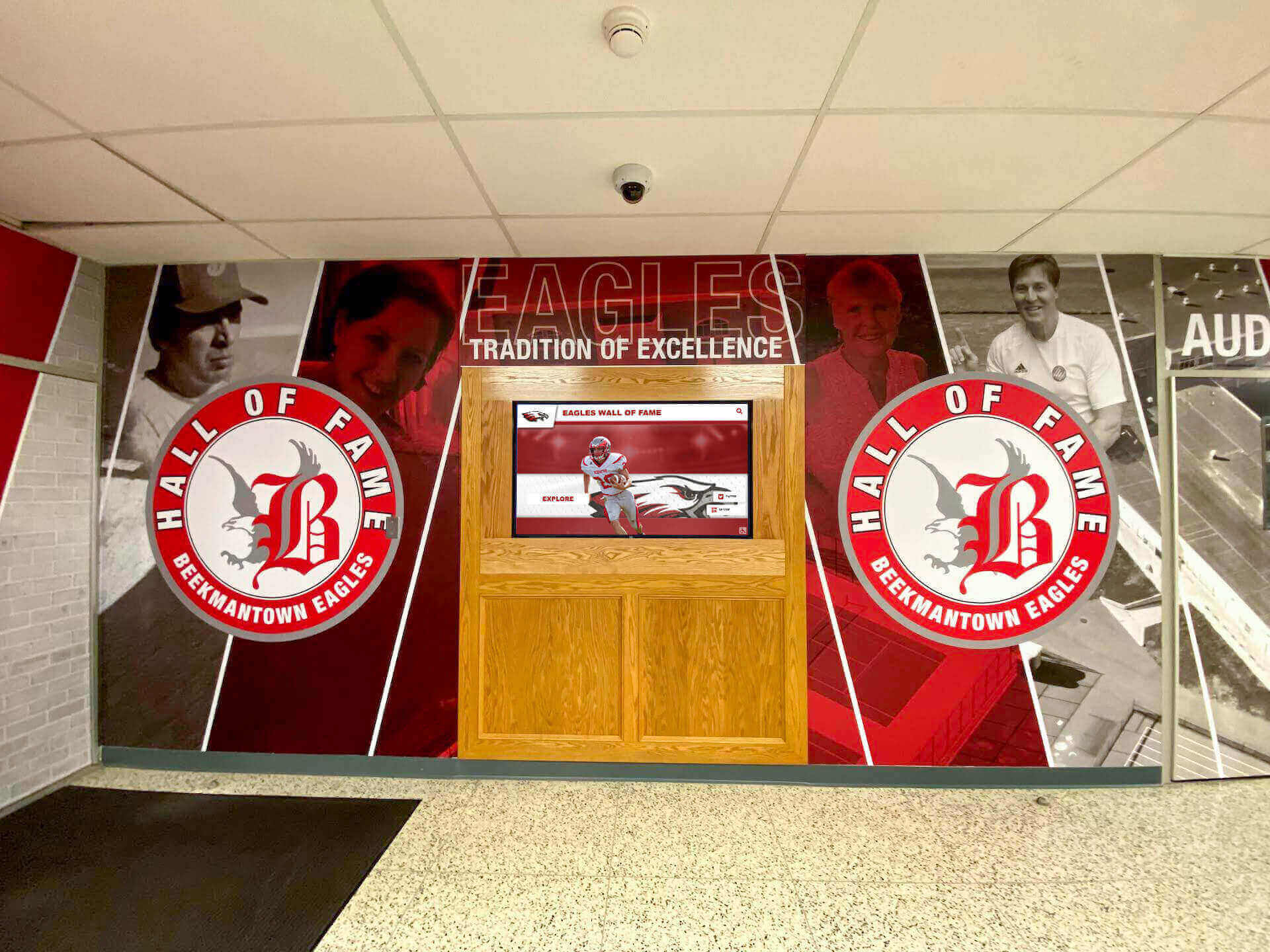
School lobbies designed with recognition in mind create daily reminders of the leadership and achievement that define a school community
Planning Timeline for Principal Appreciation Week 2027
Appreciation week is more effective with lead time. Many of the ideas above—scholarship announcements, plaque commissions, touchscreen profiles, oral history interviews—require weeks of preparation.
February: Form a planning committee with student council representatives, a PTA/PTO liaison, and at least two staff members. Set a budget and identify which ideas match available resources.
March: Assign ownership for each activity. Initiate longer-lead items: commission any plaques or prints, begin the scholarship fund structure, schedule the oral history interview, and start collecting family letters.
April: Finalize event logistics, complete video compilation planning, confirm business sponsorships, and prepare touchscreen content for upload.
May (Week of): Execute the schedule, document everything through photos and video, and collect feedback from the principal and participants to improve next year’s program.
Schools that use teacher appreciation week planning frameworks often adapt those same planning structures directly for principal appreciation week, since the stakeholder coordination and logistics are nearly identical.
Frequently Asked Questions
When is Principal Appreciation Week 2026?
Principal Appreciation Week in 2026 runs from May 4–8, with National Principal Appreciation Day falling on May 1. Many schools treat the full first week of May as the official appreciation period.
How is principal appreciation week different from principal appreciation day?
Principal Appreciation Day (May 1) is the formal, nationally recognized date. Principal Appreciation Week extends recognition across five school days, giving communities time to implement more varied and substantial activities—from student presentations on Monday to legacy installations on Friday—rather than compressing everything into a single morning.
How do we involve the whole school without it feeling performative?
The most effective approach focuses on specificity over scale. A hundred handwritten cards noting one real memory beats a thousand form letters. Oral history interviews, named scholarships, and permanent digital profiles signal genuine investment in a way that coordinated social media posts cannot.
What’s the best lasting recognition option for a principal approaching retirement?
Permanent digital recognition displays that include biographical profiles, photo galleries, and tenure timelines provide ongoing visibility that outlasts any physical gift. When these displays are web-accessible, former students and staff can explore a retiring principal’s legacy from anywhere—creating a living tribute that grows richer over time as more community members contribute memories.
Can small schools with limited budgets create meaningful recognition?
Absolutely. The ideas requiring the least budget—the homeroom video montage, the handwritten card collection, the signature banner, the oral history interview, the morning announcement takeover—often generate the most emotional impact. A week structured around student voices and authentic staff memories costs almost nothing and resonates more deeply than catered events or expensive gift packages.
Conclusion
Principal appreciation week is a five-day window that most schools underuse. The 30 ideas in this guide—organized across student activities, staff recognition, parent and community involvement, permanent legacy installations, and digital recognition technology—give planning committees everything they need to honor school leaders in ways that match the weight of their contributions.
The most lasting approaches combine immediate, personal gestures with permanent recognition systems that preserve a principal’s legacy for students who haven’t enrolled yet. Digital touchscreen displays, named scholarships, oral history archives, and web-accessible tribute platforms ensure that appreciation extends well beyond the last day of the school year.
Whatever combination of ideas your school chooses, the goal is the same: to make a principal feel, fully and unmistakably, that the community understands what their leadership makes possible.
Ready to create permanent recognition for your school’s leaders? Explore digital recognition solutions that enable schools to build touchscreen displays, web-accessible profiles, and cloud-managed content systems honoring principals and every contributor to a school’s story.