Each semester, colleges and universities across the country announce their academic honor rolls—lists of students who achieved exceptional grade point averages during the term. Two recognitions appear most frequently: the Dean’s List and the President’s List. Yet many students, families, and even some educators remain unclear about the fundamental differences between these distinctions, what GPA thresholds qualify students for each, and which recognition carries greater prestige.
The confusion is understandable. Both honors celebrate academic excellence. Both appear on transcripts and resumes. Both provide validation of strong performance during a specific term. But the President’s List and Dean’s List represent different achievement levels with distinct qualification standards that vary significantly across institutions.
This comprehensive guide clarifies the differences between President’s List and Dean’s List, explains typical GPA requirements for each honor, explores how colleges determine eligibility, and examines modern approaches universities use to celebrate these achievements through permanent recognition displays that inspire current students while honoring high-performing scholars.
Understanding these academic honor distinctions helps students set achievement goals throughout each semester, enables families to appreciate accomplishments appropriately, and guides institutions in creating meaningful recognition programs that celebrate intellectual excellence at multiple performance levels.

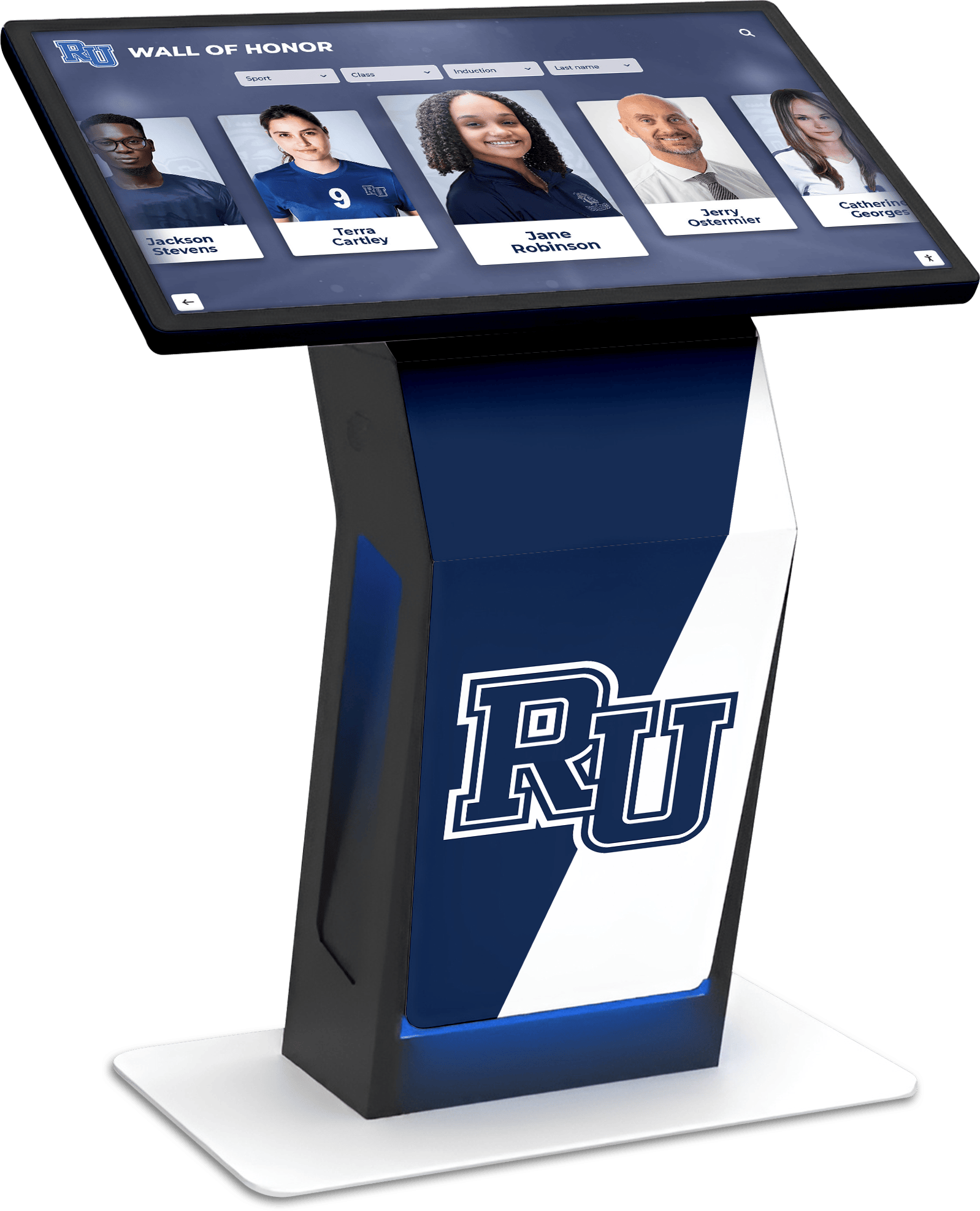
Modern recognition displays celebrate Dean's List and President's List achievements with individual student profiles
President’s List vs Dean’s List: The Core Distinction
The fundamental difference between these two honors is simple: the President’s List represents higher academic achievement than the Dean’s List at virtually all institutions employing both distinctions.
The Achievement Hierarchy
President’s List: Highest Term-Based Honor
The President’s List recognizes students achieving the absolute highest grade point averages during a specific term:
- Represents top-tier academic performance for the semester or quarter
- Typically requires perfect or near-perfect GPA (3.75-4.0 range)
- More selective than Dean’s List with fewer students qualifying
- Named for the university president as highest institutional recognition
- Often limited to top 3-10% of students each term
Dean’s List: High Achievement Recognition
The Dean’s List honors strong academic performance falling just below President’s List standards:
- Recognizes excellent academic achievement during the term
- Generally requires GPA in 3.3-3.75 range depending on institution
- Larger group of students qualify compared to President’s List
- Named for academic deans overseeing colleges or schools
- Typically includes 10-25% of students each term
The relationship parallels other academic honor systems: just as summa cum laude represents higher achievement than magna cum laude at graduation, President’s List denotes superior performance compared to Dean’s List during individual academic terms.
Comprehensive recognition systems showcase both President's List and Dean's List achievements across multiple semesters
Key Differences at a Glance
| Factor | President’s List | Dean’s List |
|---|---|---|
| Achievement Level | Highest term honor | High term achievement |
| Typical GPA Requirement | 3.75-4.0 | 3.3-3.75 |
| Selectivity | Top 3-10% of students | Top 10-25% of students |
| Prestige | Higher distinction | Strong recognition |
| Named For | University President | Academic Dean(s) |
While specific thresholds vary by institution, this hierarchical relationship remains consistent: President’s List always represents superior achievement to Dean’s List when both honors exist at the same college.
GPA Requirements: What Does Each List Require?
Grade point average thresholds determine eligibility for term-based honors, though exact requirements differ significantly across institutions.
President’s List GPA Requirements
Typical GPA Ranges:
Most colleges set President’s List standards between 3.75 and 4.0 GPA:
Perfect GPA Requirement (4.0)
- Many institutions reserve President’s List exclusively for perfect 4.0 semester GPA
- All courses must result in A grades (no A-minus in most grading systems)
- Most selective standard creating smallest honored cohort
- Common at competitive colleges and universities
- Typically 3-5% of students achieve this threshold
Near-Perfect Standard (3.9-4.0)
- Some schools set slightly lower threshold at 3.9 or 3.95 GPA
- Allows one A-minus grade in full-time course load
- Still represents exceptional performance across all coursework
- Expands recognition to 5-8% of student body typically
- More common at universities with larger undergraduate populations
High Achievement Threshold (3.75-3.9)
- Other institutions establish President’s List at 3.75 or 3.8 GPA
- Permits occasional A-minus grades alongside mostly A performance
- Recognizes strong excellence rather than perfection
- Might include 8-10% of students each term
- Often used when Dean’s List threshold is lower (3.3-3.5 range)
Students should verify their specific institution’s requirements, as standards vary based on institutional grading culture and recognition philosophy.
Dean’s List GPA Requirements
Typical GPA Ranges:
Dean’s List thresholds generally fall between 3.3 and 3.75 GPA:
Higher Standard (3.5-3.75)
- Competitive institutions often set Dean’s List at 3.5 or higher
- Requires mostly A and A-minus grades with occasional B-plus
- May overlap with lower President’s List thresholds at some schools
- Recognizes top 15-20% of student body typically
- Common when President’s List reserved for perfect 4.0
Moderate Standard (3.3-3.5)
- Many colleges establish Dean’s List around 3.3 to 3.5 GPA
- Permits mix of A and B grades while maintaining strong average
- More inclusive recognition honoring solid achievement
- Typically includes 20-25% of students each term
- Most common threshold across broad range of institution types
Varying Standards by College Within University
- Large universities may use different Dean’s List thresholds by school or college
- Engineering and science programs sometimes employ adjusted standards
- Recognizes varying grading cultures across disciplines
- Business, arts, and education schools might use different GPAs
- Students should check their specific college’s requirements
Understanding dean’s list requirements helps students target appropriate achievement levels each semester.
Additional Eligibility Requirements
Credit Hour Minimums
Beyond GPA thresholds, most schools impose minimum course load requirements:
Full-Time Enrollment Standards:
- Common requirement: 12-15 credit hours minimum
- Some institutions require full-time status (typically 12+ credits)
- Others set higher minimums (15 credits) ensuring substantial workload
- Part-time students often ineligible regardless of GPA
- Ensures honor reflects significant course completion
Letter-Graded Course Requirements:
- Pass/fail courses typically excluded from honor calculations
- Minimum percentage of letter-graded courses required (often 75-100%)
- Prevents strategic pass/fail selection to artificially boost GPA
- Ensures sufficient assessment basis for meaningful honor

Digital displays enable students to explore honor roll history and requirements across academic terms
Academic Standing Requirements:
- Students must maintain good academic standing (no probation)
- Disciplinary violations may disqualify honor eligibility
- Some schools require cumulative GPA minimums alongside term GPA
- Incomplete grades often prevent honor designation until resolved
- Academic integrity violations typically result in ineligibility
How Colleges Calculate and Determine Honor Lists
Understanding calculation methodologies helps students track progress toward these distinctions throughout each term.
Calculation Timeline and Frequency
Semester-Based Recognition:
Most colleges operating on semester calendars announce honors twice annually:
Fall Semester Honor Lists:
- Calculated after fall semester grade submission
- Announced in December or January
- Based solely on fall term performance
- Previous semester performance doesn’t affect current eligibility
Spring Semester Honor Lists:
- Determined following spring grade finalization
- Released in May or June
- Independent calculation from fall semester
- Students can achieve honor one semester but not the other
Quarter-Based Recognition:
Universities on quarter systems announce honors more frequently:
- Four potential recognition periods annually (fall, winter, spring, summer)
- Shorter terms mean fewer courses contributing to each calculation
- May require higher consistency given limited course sample
- Summer quarter often handled differently or excluded
Students can earn President’s List or Dean’s List recognition multiple times throughout their college career, with each term evaluated independently.
Who Determines Honor Lists?
Registrar’s Office Calculation:
Most institutions handle honor list determination through the registrar:
Automated Processing:
- Computer systems automatically identify students meeting GPA thresholds
- Enrollment and credit hour requirements verified programmatically
- Letter-graded course percentages calculated automatically
- Manual review for edge cases or exceptions
- Publication to student portals and official lists
Academic Affairs Oversight:
- Dean’s offices or provost may review lists before publication
- Verification of academic standing and disciplinary records
- Final approval before public announcement
- Resolution of appeals or calculation questions

Interactive systems allow students to explore honor roll designations and track their academic progress
Fixed vs Percentage-Based Systems
Fixed GPA Threshold Approach:
Most common methodology establishes specific GPA cutoffs:
How Fixed Thresholds Work:
- President’s List: 3.75+ GPA (example)
- Dean’s List: 3.3-3.74 GPA (example)
- Any student meeting criteria qualifies automatically
- Number of recipients varies by semester based on performance
- Transparent standards students can track throughout term
Advantages:
- Complete clarity enabling goal-setting
- Predictable criteria unchanging between terms
- Fair application regardless of peer performance
- Students know exactly what GPA they need
Percentage-Based Class Ranking:
Some institutions award honors to specific percentages of students:
How Percentage Systems Work:
- President’s List: Top 5% of students by GPA
- Dean’s List: Next 15% (top 6-20% overall)
- Actual GPA threshold varies each term
- Creates consistent proportion of honored students
- More competitive in high-performing semesters
Considerations:
- Students cannot know exact GPA requirement until semester ends
- Required GPA fluctuates based on classmate performance
- Maintains consistent selectivity across terms
- Less transparency during academic term
Programs implementing digital academic recognition often showcase both calculation methods clearly to students, similar to how institutions display various forms of student achievement.
Institutional Variations in Honor List Structure
While the President’s List/Dean’s List framework is common, significant variations exist across colleges and universities.
Schools Using Different Terminology
Alternative Honor Names:
Some institutions employ different naming conventions:
Chancellor’s List:
- Used at universities led by chancellors rather than presidents
- Functions identically to President’s List in hierarchy
- Recognizes highest term-based achievement
- Common at state university system campuses
Provost’s List:
- Some schools use Provost’s List instead of President’s List
- Named for chief academic officer
- Same high-achievement recognition purpose
- May coexist with Dean’s List at lower threshold
Honor Roll:
- Generic term some institutions prefer
- May have single tier rather than two-tier system
- Less hierarchical naming approach
- Sometimes subdivided into “high honors” and “honors”
Understanding various academic recognition programs helps contextualize honor naming systems across institutions.
Single-Tier vs Multi-Tier Systems
Single Tier Approach:
Some colleges employ only one term-based honor:
Dean’s List Only:
- No President’s List or higher tier
- Single GPA threshold (often 3.5 or 3.6)
- Simpler system with one achievement level
- All honored students receive same recognition
- Common at smaller liberal arts colleges
Advantages of Single Tier:
- Simplicity in communication and understanding
- Avoids creating achievement hierarchy among high performers
- Inclusive recognition of strong academic performance
- Reduces competitive pressure between honor levels
Three-Tier Recognition Systems:
Other institutions create three achievement levels:
Typical Three-Tier Structure:
- President’s List: 4.0 GPA (perfect)
- Dean’s High Honors: 3.7-3.99 GPA
- Dean’s List: 3.3-3.69 GPA
Benefits of Granular Distinctions:
- Recognizes multiple excellence levels
- More students receive some acknowledgment
- Provides intermediate achievement targets
- Validates various degrees of strong performance
University System Coordination
Multi-Campus Systems:
Large state university systems sometimes coordinate standards:
Consistent Standards Approach:
- All system campuses use identical GPA thresholds
- Ensures comparability across institutions
- Simplifies transfer student recognition
- Creates system-wide honor designation meaning
Campus Autonomy Approach:
- Each campus sets own honor list standards
- Allows adjustment to specific institutional culture
- Recognizes varying student body competitiveness
- Standards may differ significantly between campuses
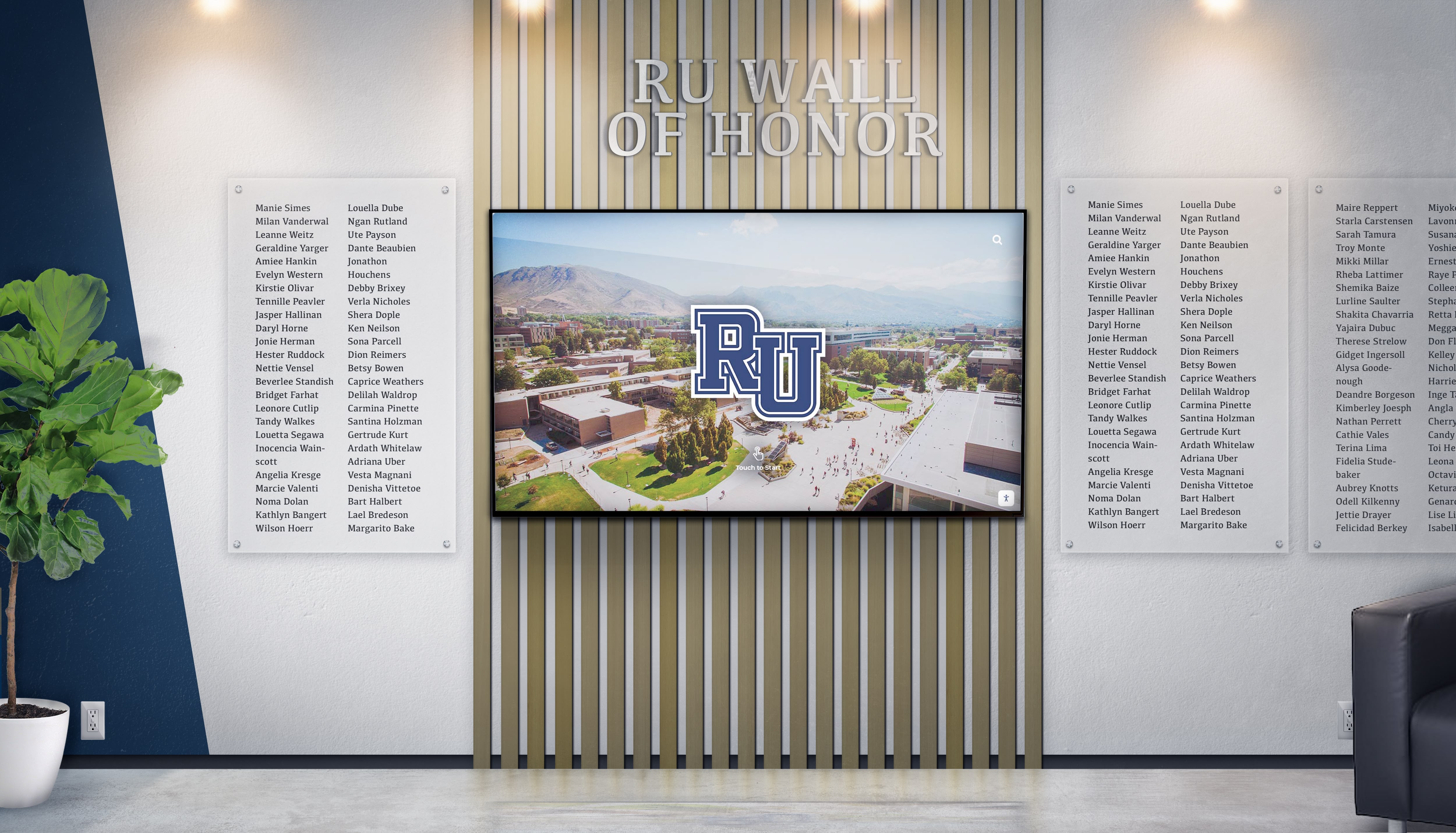
University-wide recognition systems celebrate honor achievements across multiple campuses and academic terms
Value and Benefits of Honor List Recognition
Both President’s List and Dean’s List achievements provide tangible benefits extending beyond immediate semester validation.
Academic Record Enhancement
Transcript Notation:
Honor list achievements appear permanently on official transcripts:
- Semester-specific notation showing term and honor type
- Permanent record accessible for graduate school applications
- Demonstrates consistent high performance across multiple terms
- Particularly valuable when cumulative GPA affected by early struggles
- Shows strong recent academic trajectory
Multiple Honor Achievements:
Students can accumulate honors across multiple semesters:
- Each term evaluated independently
- Possible to earn President’s List every semester of college
- Pattern of consistent honors demonstrates sustained excellence
- More impressive than single-term achievement
- Graduate programs note consistency across time
Institutions implementing comprehensive digital recognition systems can track and celebrate students earning honors across multiple terms.
Programs offering academic recognition celebrations help students visualize their honor accumulation over time.
Resume and Application Value
Early Career Differentiation:
Recent graduates leverage honor list achievements in job markets:
Resume Inclusion:
- Education section notation: “Dean’s List (6 semesters)” or “President’s List (4 semesters)”
- Demonstrates academic capability to prospective employers
- Particularly valuable with limited work experience
- Signals intellectual ability, work ethic, and achievement orientation
- Relevant in competitive entry-level job markets
Application Strength:
- Graduate school applications benefit from honor list patterns
- Professional programs note consistent term-based excellence
- Scholarship applications value demonstrated achievement
- Competitive fellowships consider academic honors
- Internship selections factor academic performance

Digital displays enable exploration of individual student achievement journeys including honor list designations
Personal Achievement Recognition
Intrinsic Value:
Beyond external benefits, honor lists provide meaningful personal validation:
Achievement Validation:
- Recognition of dedication and effort throughout semester
- Validation that hard work produces measurable results
- Creates sense of accomplishment and pride
- Acknowledges sacrifices made to prioritize academics
- Provides encouragement to maintain excellence
Family Recognition:
- Concrete achievement families can celebrate
- Validates parental investment in education
- Creates sharable accomplishment with support network
- Particularly meaningful for first-generation college students
- Builds confidence for continued success
Similar to how families celebrate graduation milestones, honor list achievements provide regular opportunities for recognition throughout the college journey.
Motivational Impact:
- Earning honor once motivates achieving it again
- Creates positive achievement cycle
- Encourages maintained effort in subsequent terms
- Builds identity as high-achieving student
- Fosters continued academic ambition
Effective student recognition programs celebrate these achievements publicly, reinforcing their value and inspiring other students.
Celebrating Honor List Achievements: Traditional vs Modern Approaches
Institutions celebrate academic honor list recipients through various recognition methods, from traditional announcements to comprehensive digital displays.
Traditional Recognition Methods
Semester Announcements:
Most common traditional approaches include:
Official Notifications:
- Email notification to students who qualified
- Posted lists on departmental or registrar websites
- Campus newspaper publication of honor roll
- Physical letters mailed to student home addresses
- Social media recognition posts
Limitations of Traditional Approaches:
- Recognition limited to announcement period
- No permanent visibility after initial release
- Difficult for families and alumni to access
- Static lists without individual student stories
- Minimal engagement beyond reading names
Printed Recognition:
- Honor notation in commencement programs
- Transcript designation (most permanent form)
- Newsletter features for exceptional achievement
- Annual academic achievement publications
- Departmental honor boards in academic buildings
While transcript notation preserves achievement permanently, most traditional methods provide only temporary visibility that fades quickly after semester conclusion.
Permanent Digital Recognition Displays
Modern touchscreen recognition systems transform semester-based honors into year-round celebration:
Comprehensive Digital Advantages:
Unlimited Capacity:
- Showcase all President’s List and Dean’s List recipients across all semesters
- Complete historical archives documenting decades of excellence
- No space constraints forcing removal of historical achievements
- Every honored student receives equal display opportunity
- Preserve institutional academic tradition indefinitely
Interactive Exploration:
- Search functionality enabling visitors to find specific students
- Filter by semester, honor type, major, graduation year, or other criteria
- Individual student profiles with photos and achievement narratives
- Track students earning honors multiple semesters
- Connection to post-graduation accomplishments
Schools implementing honor roll digital displays create year-round celebration of academic excellence inspiring current students.
Simple Content Management:
- Cloud-based updates from any internet-connected device
- Bulk import tools for semester honor roll data
- Scheduled publishing aligned with grade release timing
- No technical expertise required for content updates
- Role-based permissions ensuring appropriate access control
Multi-Location Access:
- Physical touchscreen displays in high-traffic campus locations
- Web-based viewing accessible to students and families worldwide
- Mobile-optimized interfaces for phone and tablet access
- Social sharing capabilities amplifying recognition reach
- Integration with student portals and institutional websites

Touch-enabled interfaces create engaging exploration of honor list recipients and their academic journeys
Integration With Broader Academic Recognition
Effective recognition systems showcase honor lists within comprehensive achievement ecosystems:
Combined Achievement Categories:
- President’s List recipients alongside Dean’s List honorees
- Cum laude graduation distinctions with term-based honors
- Honor society memberships and inductions
- Departmental awards and disciplinary excellence
- Academic competition achievements and research presentations
- Scholarship recipients and fellowship winners
Creating Recognition Culture:
Institutions building strong academic cultures through comprehensive visibility:
- Prominent displays ensuring academic achievement receives recognition equal to athletics
- Regular celebration throughout academic year, not just at semester end
- Prospective student tours highlighting academic excellence tradition
- Alumni engagement through historical achievement archives
- Current student inspiration through accessible achievement models
- Family pride in easily accessible recognition of student accomplishments
Digital platforms offering comprehensive academic recognition enable institutions to celebrate diverse accomplishments in unified, accessible formats, creating digital archives that preserve student achievements permanently.
Student Strategies for Achieving Honor List Recognition
Students aspiring to President’s List or Dean’s List recognition can employ systematic approaches maximizing likelihood of achieving these distinctions.
Setting Realistic Achievement Goals
Understanding Your Starting Point:
Honest assessment of current academic performance informs appropriate targets:
First-Semester Students:
- Review high school performance as baseline indicator
- Consider college adjustment challenges in goal-setting
- Target Dean’s List initially, build toward President’s List
- Focus on establishing strong study habits
- Remember first semester often includes learning curve
Continuing Students:
- Review previous semester GPA as performance indicator
- Identify courses or subject areas affecting past performance
- Set incremental improvement goals if below current thresholds
- Target President’s List if consistently achieving Dean’s List
- Analyze what prevented honor achievement in past terms
Incremental Progress Approach:
- Students at 2.8 GPA should target 3.3+ before aiming for 3.9+
- Sustainable improvement beats dramatic unsustainable leaps
- Build consistent study habits supporting long-term excellence
- Each semester’s improvement creates foundation for next term
- Celebrate progress toward goals even before reaching final threshold
Academic Excellence Habits
Effective Time Management:
Successful honor list students employ systematic approaches:
Course Load Balance:
- Mix challenging required courses with strengths-based electives
- Avoid overloading schedule that compromises performance across all courses
- Consider workload distribution across week
- Plan heavy reading courses with problem-set courses strategically
- Limit extracurricular commitments during demanding semesters
Study Schedule Consistency:
- Establish regular study times rather than sporadic cramming
- Distributed practice throughout semester beats last-minute preparation
- Daily review of class material reinforces learning
- Start long-term assignments early allowing multiple revision cycles
- Build buffer time for unexpected challenges or illness
Resource Utilization:
- Attend professor office hours for clarification and deeper understanding
- Utilize academic support services including tutoring and writing centers
- Form study groups providing accountability and diverse perspectives
- Access library research assistance for major projects
- Seek academic advising for course selection strategy
Class Engagement:
- Perfect or near-perfect attendance correlates with higher grades
- Active participation enhances understanding and retention
- Ask questions when concepts unclear rather than waiting
- Complete all assignments regardless of individual weight
- Read assigned materials before class for maximum benefit
Students building sustainable academic achievement practices position themselves for consistent honor list recognition throughout their college careers.
Strategic Course Selection
GPA Impact Considerations:
Thoughtful course choices affect honor list eligibility:
Pass/Fail Strategic Use:
- Understand pass/fail courses typically don’t contribute to honor calculations
- Use strategically for challenging required courses outside major
- Verify institutional policy on pass/fail course percentages
- Remember too many pass/fail courses may prevent honor eligibility
- Balance GPA protection with earning sufficient letter grades
Timing of Difficult Courses:
- Schedule challenging requirements during semesters with otherwise lighter loads
- Avoid clustering multiple demanding courses in single term
- Consider summer sessions for notoriously difficult courses
- Spread major requirements across multiple semesters
- Balance each semester for sustainable high performance
Professor Selection:
- Research teaching effectiveness through peer recommendations
- Consider professor ratings while recognizing individual variation
- Prioritize effective teaching over convenient scheduling
- Build relationships with professors whose teaching style matches learning preferences
- Understand that easier graders don’t always produce better learning
Common Questions About President’s List and Dean’s List
Is President’s List or Dean’s List higher?
President’s List represents higher achievement than Dean’s List at virtually all colleges using both distinctions. The President’s List typically requires perfect or near-perfect GPA (3.75-4.0), while Dean’s List recognizes strong performance at slightly lower thresholds (usually 3.3-3.75 GPA). President’s List is named for the university president as the highest institutional academic honor for term-based achievement, while Dean’s List is named for academic deans representing the second tier of semester recognition. If a student qualifies for President’s List, they exceeded Dean’s List requirements but receive only the higher President’s List designation.
What GPA is required for President’s List?
President’s List GPA requirements vary by institution but typically fall in the 3.75 to 4.0 range. Many competitive colleges reserve President’s List exclusively for perfect 4.0 semester GPA, requiring straight A grades in all courses. Other institutions set the threshold at 3.9, 3.85, or 3.75 GPA, allowing one or two A-minus grades while maintaining mostly A performance. Students should verify their specific college’s requirements, as standards differ based on institutional grading culture and recognition philosophy. Beyond GPA, most schools require minimum credit hours (typically 12-15), full letter-graded course loads, and good academic standing.
What GPA is needed for Dean’s List?
Dean’s List GPA requirements generally range from 3.3 to 3.75 depending on the institution. Most common thresholds fall at 3.5 GPA (requiring mostly A and B+ grades) or 3.3 GPA (permitting more B grades in the mix). Competitive universities often set Dean’s List at 3.5 or higher, while other institutions use 3.3 to 3.5 thresholds for more inclusive recognition. Large universities may employ different Dean’s List standards across colleges or schools, with engineering and science programs sometimes using adjusted thresholds. Students should check their specific college’s requirements, which are typically published in academic catalogs or registrar websites.
Can you make both President’s List and Dean’s List?
No, students receive only the highest honor they qualify for in any given semester. If your GPA meets President’s List requirements, you’ll be designated for President’s List only—not both honors simultaneously. This makes sense because President’s List qualification automatically means you exceeded Dean’s List requirements. However, students can earn different honors in different semesters throughout their college career. You might achieve President’s List in fall semester (4.0 GPA) and Dean’s List in spring semester (3.6 GPA), or vice versa. Each term is evaluated independently based on that semester’s performance.
Do honor lists appear on transcripts?
Yes, most colleges include President’s List and Dean’s List achievements directly on official transcripts. The notation typically appears alongside the relevant semester’s courses and grades, indicating the specific honor earned during that term. For example, a transcript might show “Fall 2025: President’s List” or “Spring 2026: Dean’s List” in the semester designation section. This permanent record proves particularly valuable for graduate school applications, scholarship competitions, and employment screening. The consistency of honor list achievements across multiple semesters becomes immediately visible on transcripts, demonstrating sustained academic excellence rather than isolated high performance.
How many times can you make President’s List or Dean’s List?
Students can earn President’s List or Dean’s List recognition every semester they meet the requirements—there is no limit to how many times you can achieve these honors. Each academic term is evaluated independently based solely on that semester’s GPA and credit hours. Highly successful students may earn President’s List or Dean’s List every semester throughout their entire college career (eight times for a typical four-year student on semesters). Transcript notations and resume listings often indicate frequency: “President’s List (6 semesters)” or “Dean’s List (all semesters)” demonstrates exceptional consistency that carries significant weight in graduate admissions and employment consideration.

Interactive systems enable exploration of students who achieved honor list recognition across multiple semesters
Conclusion: Understanding and Celebrating Academic Excellence
The distinction between President’s List and Dean’s List—while straightforward in hierarchy—represents institutions’ recognition that academic excellence manifests at different levels deserving appropriate celebration. President’s List honors the absolute highest achievers each term with perfect or near-perfect GPAs, while Dean’s List recognizes strong academic performance falling just below that pinnacle. Both distinctions validate significant accomplishment, appear permanently on transcripts, and provide benefits for graduate school applications and early career opportunities.
Understanding these honor list differences helps students set appropriate achievement goals each semester, enables families to appreciate academic accomplishments accurately, and guides institutions in creating meaningful recognition programs celebrating intellectual excellence at multiple performance levels. The semester-based nature of these honors—unlike graduation distinctions awarded once—provides ongoing motivation and regular achievement validation throughout the college experience.
For students aspiring to honor list recognition, success requires consistent effort, effective time management, strategic course selection, and utilization of available academic resources. The path to President’s List or Dean’s List achievement isn’t mysterious—it demands sustained commitment to excellence, regular study habits, active class engagement, and willingness to seek help when needed. Whether targeting President’s List perfection or Dean’s List strong performance, the habits developed pursuing these goals produce benefits extending far beyond semester GPA calculations.
For institutions, effectively celebrating President’s List and Dean’s List recipients creates cultures valuing intellectual achievement while inspiring current students toward similar accomplishments. Traditional recognition approaches—semester announcements, transcript notations, and published lists—provide important documentation but limited ongoing visibility. Modern digital recognition displays eliminate these limitations, preserving unlimited honor roll achievements across all semesters in interactive formats accessible year-round to students, families, and prospective students.
When colleges showcase President’s List and Dean’s List recipients through permanent, engaging displays in prominent campus locations, they communicate clear institutional priorities: academic excellence matters, intellectual achievement receives recognition, and high-performing students deserve celebration commensurate with their accomplishments. These visible recognition systems inspire current students to pursue similar honors while honoring the dedicated scholars who achieved them.
Your institution’s honor list recipients—from Dean’s List honorees to President’s List perfect performers—deserve recognition extending beyond single-semester announcements. Modern recognition approaches ensure these achievements remain visible and celebrated long after semester conclusions, creating positive academic culture where all students see tangible paths toward success.
Ready to transform semester-based honor list recognition into permanent, engaging celebration of academic excellence? Explore solutions like Rocket Alumni Solutions that help colleges and universities create interactive digital displays showcasing President’s List recipients, Dean’s List honorees, and comprehensive academic achievements across all semesters—ensuring intellectual excellence receives the year-round visibility it deserves while inspiring current students to pursue their own academic honors.