Athletic programs thrive when recognition becomes woven into daily culture rather than reserved for end-of-season banquets. Player of the month programs create consistent opportunities to celebrate excellence, character, and improvement—building momentum throughout competitive seasons while reinforcing the values coaches work to instill in their athletes.
The most effective recognition programs accomplish far more than handing out plaques. They create shared stories that unite teams, inspire younger athletes observing from the sidelines, and establish traditions that define program identity across generations. When student-athletes see peers honored for specific achievements, behaviors, and contributions each month, they understand exactly what excellence looks like in your program.
This comprehensive guide explores how schools design and implement player of the month programs that genuinely impact athletic culture. From establishing selection criteria that reflect your program’s priorities to creating visibility systems that extend recognition beyond single announcements, these strategies help athletic directors and coaches build award programs athletes value and communities celebrate.
Player of the month programs represent one of the most powerful tools for shaping athletic culture because they operate continuously throughout seasons rather than as isolated events. Regular recognition creates multiple touchpoints reinforcing program values, celebrating diverse contributions, and building anticipation that sustains engagement across long competitive calendars.
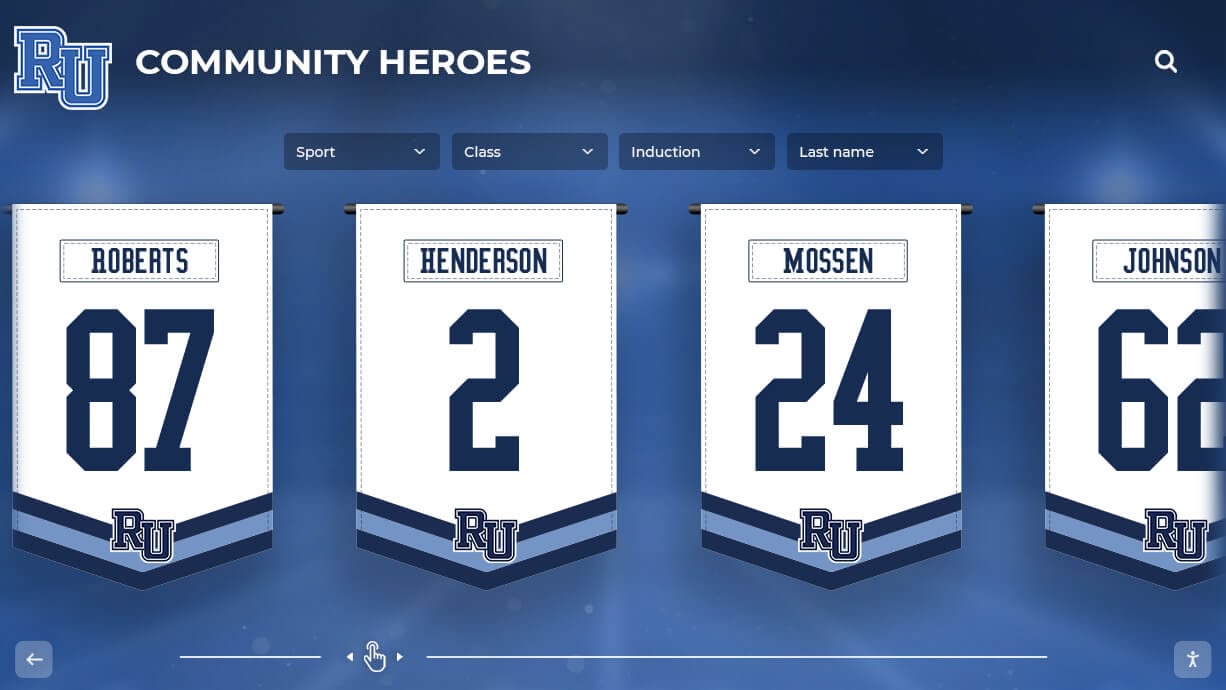
Consistent monthly recognition programs create visible traditions celebrating athletic excellence and character throughout competitive seasons
Why Player of the Month Programs Transform Athletic Culture
Understanding the specific mechanisms through which monthly recognition impacts team dynamics helps programs maximize these initiatives’ cultural and competitive benefits.
Creating Continuous Recognition Momentum
Unlike annual or seasonal awards concentrated at specific points, player of the month programs distribute recognition opportunities throughout competitive calendars:
Sustained Motivation Across Seasons
- Monthly recognition maintains engagement during long competitive schedules
- Multiple opportunities encourage sustained effort rather than sporadic peaks
- Regular celebration prevents mid-season motivation valleys
- Consistent acknowledgment of excellence reinforces program standards
- Anticipation of upcoming selections creates ongoing positive energy
Diverse Achievement Recognition Monthly formats enable recognition of varied contributions:
- Performance excellence in specific games or competitions
- Significant improvement and skill development
- Exceptional leadership and team support
- Academic achievement and student-athlete balance
- Community service and program representation
Schools implementing comprehensive recognition strategies often integrate monthly awards with permanent academic recognition programs celebrating both athletic and scholarly excellence, creating complete systems valuing whole student development.
Building Program-Wide Awareness Regular recognition creates visibility advantages:
- Repeated announcements keep athletics prominent in school communications
- Monthly features provide content for newsletters, social media, and websites
- Consistent messaging reinforces program priorities to broader communities
- Visible patterns demonstrate what your program values most
- Cumulative recognition across months tells compelling season narratives
Reinforcing Program Values Through Selection
Player of the month criteria communicate what coaches and athletic departments genuinely prioritize:
Character and Sportsmanship Emphasis
- Selection based partially on character demonstrates values beyond winning
- Recognizing positive behavior models expectations for all athletes
- Sportsmanship criteria encourage respectful competition
- Leadership acknowledgment develops future team captains
- Values-based recognition shapes program culture intentionally
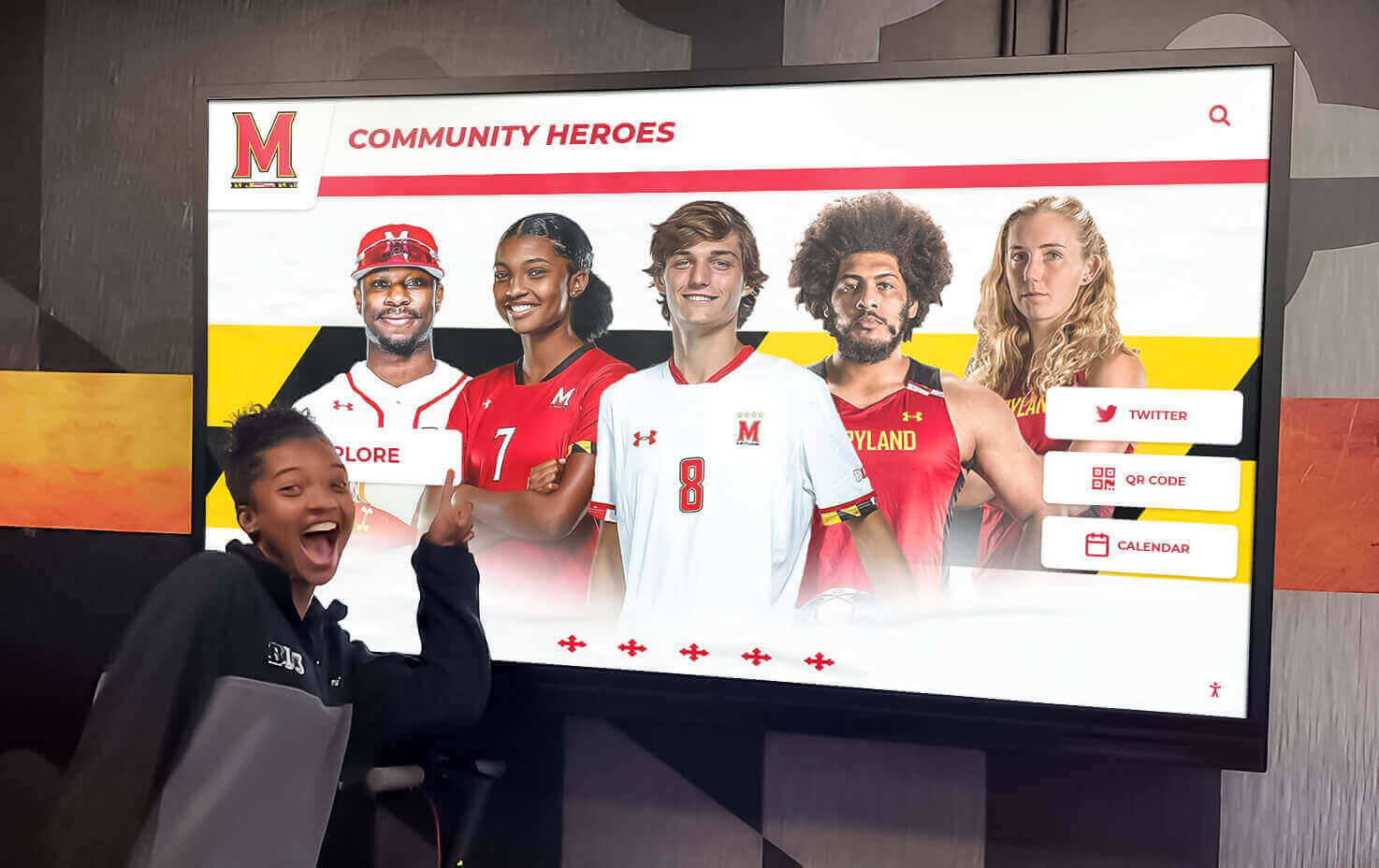
Visible recognition displays create daily reminders of program values and achievement standards throughout athletic facilities
Performance Standard Setting Monthly selections establish clear performance benchmarks:
- Specific achievement recognition shows athletes what excellence requires
- Varied criteria across months highlight different skills and contributions
- Selection patterns communicate balanced values between individual and team success
- Recognition of improvement alongside peak performance encourages all ability levels
- Transparent criteria prevent perception of favoritism or arbitrary selection
Programs serving multiple sports often coordinate recognition criteria across different athletic activities, creating consistent program-wide standards while allowing sport-specific adaptations.
Establishing Effective Selection Criteria
The foundation of meaningful player of the month programs lies in thoughtful selection criteria balancing athletic achievement with character and program contribution.
Performance-Based Selection Components
Athletic excellence remains central to player of the month recognition, but defining what performance means creates important nuances:
Statistical Achievement Measures Quantifiable performance provides objective selection foundation:
- Game or competition statistics showing exceptional individual performance
- Contribution to team success measured through relevant metrics
- Consistency across multiple contests rather than single-game outliers
- Performance in high-pressure situations or critical competitions
- Statistical improvement compared to earlier season benchmarks
Competitive Impact Evaluation Beyond raw statistics, consider broader competitive contribution:
- Defensive excellence or other contributions statistics may not fully capture
- Clutch performance in close contests or championship situations
- Versatility and ability to excel in multiple roles or positions
- Performance against particularly strong opponents
- Contributions during teammate injuries or other challenging circumstances
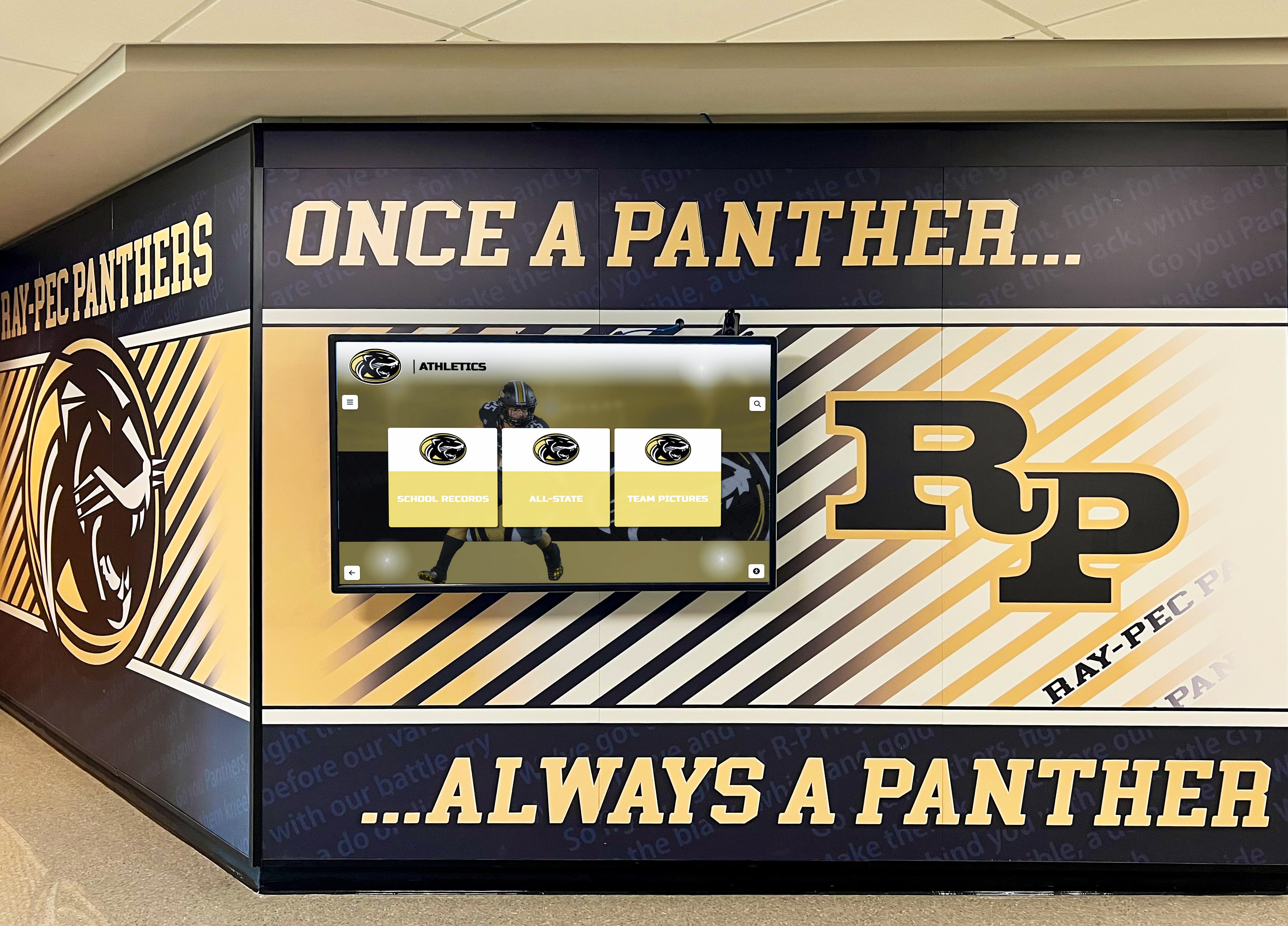
Modern recognition systems combine traditional murals with digital displays enabling dynamic monthly player of the month updates
Character and Leadership Components
Balanced recognition programs evaluate character alongside athletic performance:
Sportsmanship Demonstration Character recognition encompasses multiple behavioral dimensions:
- Respectful interaction with opponents, officials, and spectators
- Graceful handling of both victory and defeat
- Support and encouragement of teammates during practices and competitions
- Positive representation of school and program in all settings
- Adherence to team rules, athletic codes, and school policies
Leadership and Team Culture Contribution Leadership manifests in varied ways deserving recognition:
- Positive influence on team culture and practice environment
- Mentoring younger or less experienced teammates
- Vocal leadership during competitions and practice
- Leadership through example and work ethic
- Problem-solving and conflict resolution when team challenges emerge
Academic Excellence Integration Student-athlete recognition acknowledges academic achievement:
- Maintaining strong grades while managing athletic commitments
- Academic improvement demonstrating commitment to student role
- Classroom behavior and participation reflecting well on athletic programs
- Academic achievements in advanced or challenging coursework
- Balance of athletic dedication with scholarly responsibility
Many programs track academic performance through comprehensive recognition programs honoring students excelling both academically and athletically.
Creating Balanced Weighting Systems
Determining how to weight different criteria ensures selections align with program priorities:
Transparent Point Systems Some programs use explicit point allocation:
- Assign specific point values to performance categories (e.g., 40% statistics, 30% team impact, 20% sportsmanship, 10% academics)
- Create objective scoring rubrics coaches apply consistently
- Document selection rationale ensuring fairness and transparency
- Provide athletes clear understanding of evaluation criteria
- Adjust weighting over time based on program priorities and feedback
Holistic Evaluation Approaches Other programs prefer integrated assessment:
- Consider all factors collectively rather than in isolation
- Allow coaches flexibility recognizing unique monthly circumstances
- Emphasize overall contribution rather than checking specific boxes
- Enable recognition of exceptional character despite moderate athletic performance
- Create space for improvement recognition alongside consistent excellence
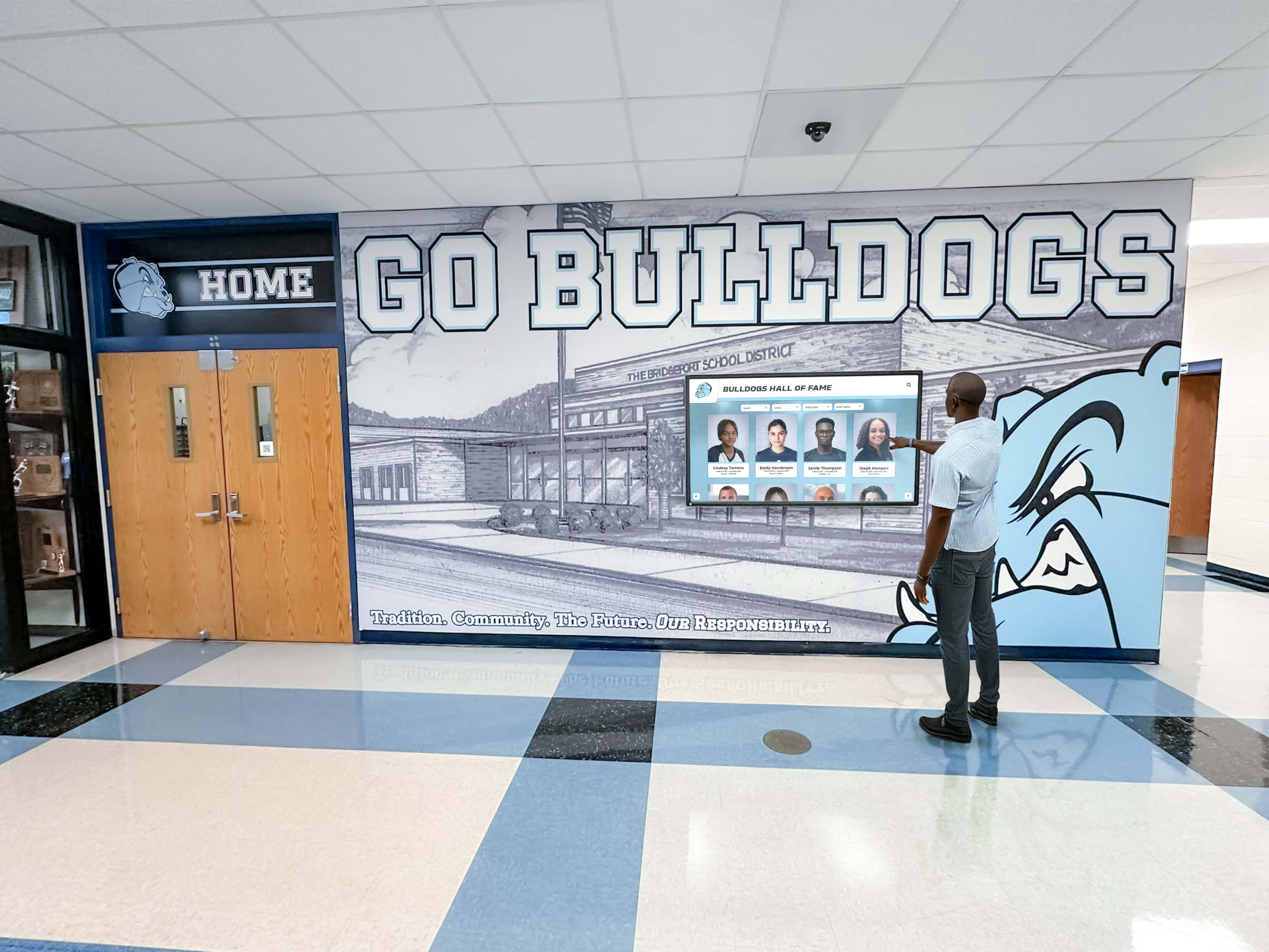
Interactive displays enable programs to feature detailed player of the month information including statistics, achievements, and photos
Sport-Specific Adaptation
Different sports require criteria modifications reflecting unique competitive contexts:
Individual vs. Team Sport Considerations
- Individual sports emphasize personal achievement and performance rankings
- Team sports balance individual statistics with team success contribution
- Sports with less statistical tracking require alternative performance measures
- Non-traditional sports need criteria reflecting their specific competitive elements
Presentation and Announcement Strategies
How programs present player of the month awards significantly impacts their cultural value and motivational effectiveness.
Creating Memorable Recognition Moments
The announcement and presentation format influences how athletes and communities perceive awards:
Timing Considerations Strategic announcement timing maximizes impact:
- Early-month announcements (recognizing previous month) maintain consistent rhythm
- Game day presentations before home contests leverage audience presence
- Special assembly recognition reaches entire student body
- Practice announcements create team-focused intimate recognition
- Coordinated social media releases extend visibility beyond immediate school community
Presentation Format Options Different presentation approaches serve varied program needs:
Individual Ceremonies
- Private coach conversations delivering news personally
- Small team gatherings celebrating recipients with teammates
- Photograph sessions creating content for displays and communications
- Award presentation at practice creating program-internal recognition
- Informal recognition maintaining focus on contribution rather than spectacle
Public Celebrations
- Announcements during school assemblies or morning programs
- Recognition at halftime or pre-game of home athletic events
- Feature presentations during athletic banquets or recognition nights
- Social media campaigns highlighting recipients and achievements
- Local media engagement sharing stories beyond school community
Programs seeking to maximize visibility often utilize digital displays strategically positioned in high-traffic areas ensuring consistent recognition visibility throughout months.
Recognition Artifacts and Awards
Physical recognition items create tangible acknowledgment athletes value:
Traditional Award Options
- Certificates suitable for framing and home display
- Plaques or trophies athletes keep or return monthly
- Pins or patches athletes wear on letter jackets or uniforms
- Special jerseys or practice gear worn during recognition month
- Parking privileges or other practical benefits accompanying recognition
Creative Recognition Approaches
- Featured parking spots near athletic facilities
- Locker decorations by teammates or boosters
- Special meals or team privileges during recognition month
- Media features in newsletters, programs, or local newspapers
- Social media spotlight campaigns highlighting achievements and stories
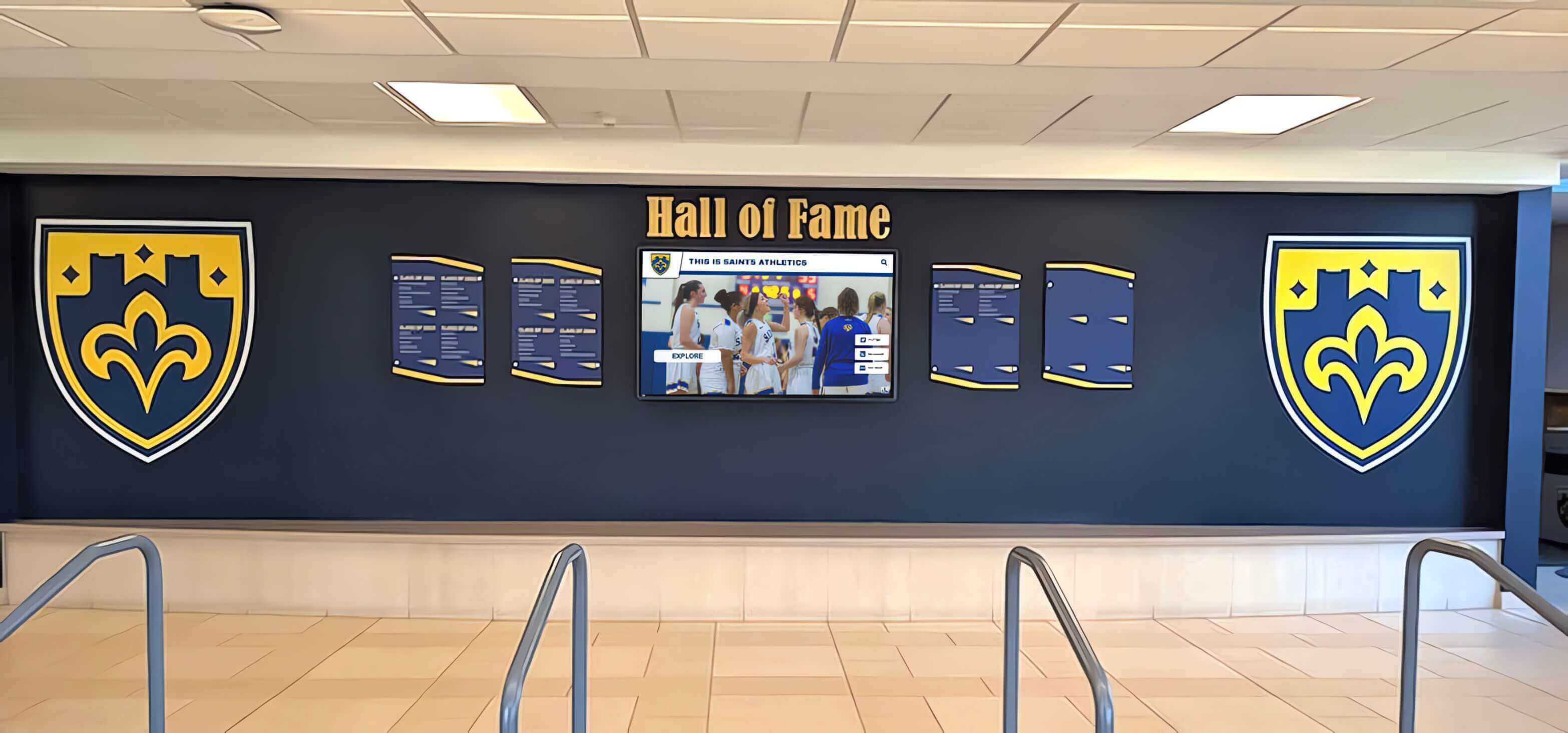
Permanent recognition displays in lobbies and hallways create lasting visibility for player of the month recipients across years
Building Permanent Recognition Systems
While monthly announcements provide immediate acknowledgment, permanent display systems create lasting visibility extending recognition value.
Creating Physical Recognition Displays
Dedicated player of the month display spaces reinforce program traditions:
Traditional Wall Displays
- Dedicated hallway or lobby sections featuring current and past recipients
- Monthly rotating plaques or frames showcasing recent selections
- Composite displays showing full academic year or season recipients
- Photo displays with achievement descriptions and statistics
- Timeline formats showing program recognition history across years
Digital Display Integration Modern programs increasingly utilize digital solutions:
- Rotating digital displays showing current player of the month information
- Interactive touchscreens enabling detailed exploration of recipient achievements
- Video highlights and athlete interviews featured on displays
- Searchable databases of historical recipients and accomplishments
- Integration with social media feeds and program communications
Schools exploring modern recognition approaches often evaluate comprehensive touchscreen software solutions enabling flexible content management and long-term recognition visibility.
Connecting Monthly Awards to Broader Recognition
Player of the month programs gain additional significance when connected to larger recognition systems:
Seasonal and Annual Award Integration
- Multiple player of the month selections creating eligibility for season-end awards
- Point accumulation from monthly recognition contributing to athlete of year selection
- Monthly recognition history informing team captain and leadership role selection
- Demonstrated consistency across months highlighting sustained excellence
- Recognition patterns revealing athletes deserving additional program honors
Hall of Fame and Legacy Connection Long-term recognition systems provide ultimate context:
- Player of the month history becoming part of athlete profiles in halls of fame
- Monthly recognition demonstrating sustained achievement worthy of permanent honor
- Digital archives preserving recognition history for future reference
- Alumni engagement through historical player of the month information
- Program tradition building through decades of consistent monthly recognition
Programs developing comprehensive recognition strategies often research digital wall of fame systems creating permanent platforms showcasing current and historical athletic excellence.
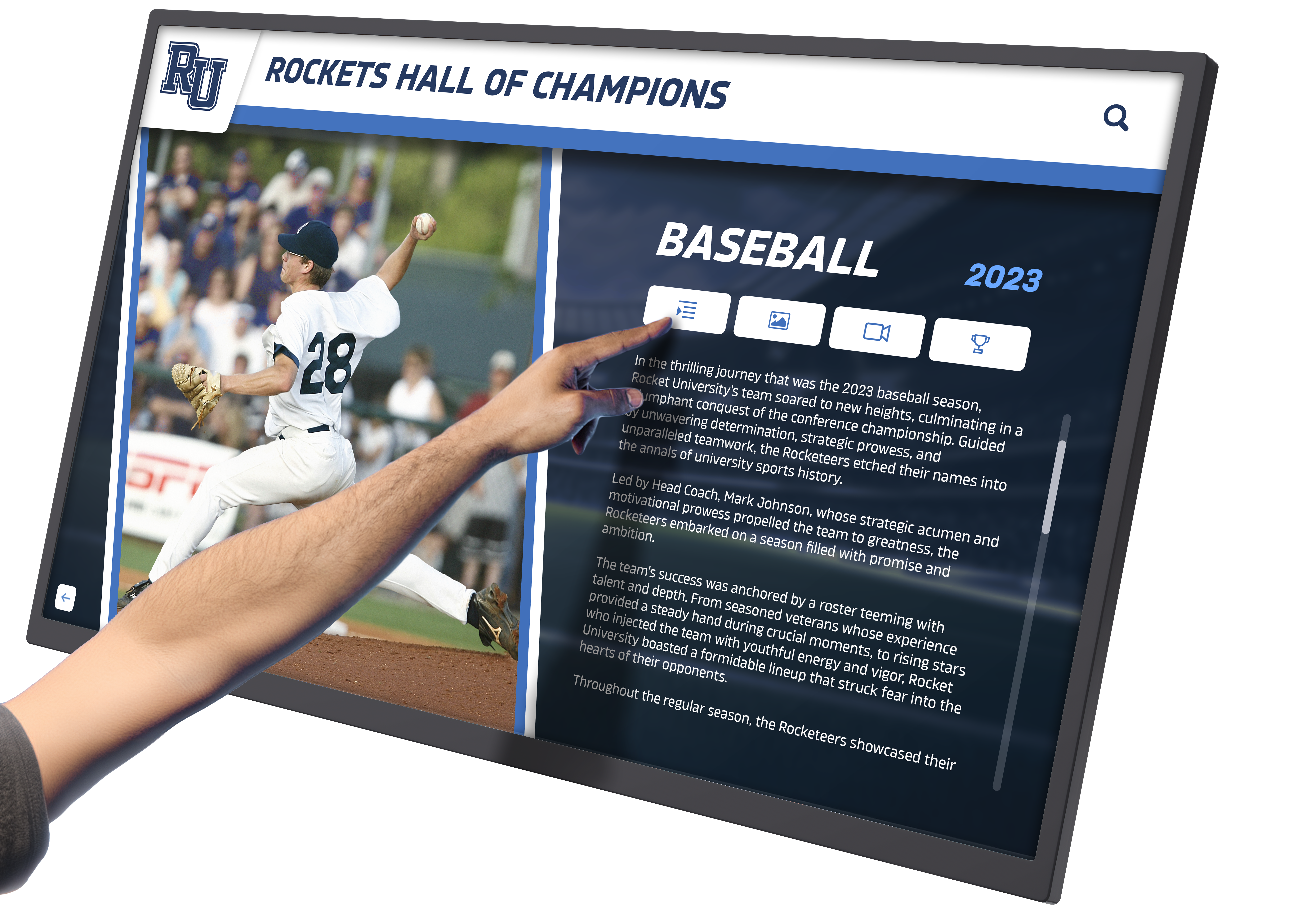
Interactive displays enable rich player profiles combining photos, statistics, achievements, and video content beyond traditional static plaques
Managing Multi-Sport Programs
Athletic departments overseeing multiple sports face additional considerations coordinating player of the month programs across varied teams.
Establishing Program-Wide Consistency
Consistent approaches across sports create coherent athletic department culture:
Unified Criteria Framework
- Common evaluation categories applied across all sports
- Sport-specific adaptations within consistent overall structure
- Shared values emphasized regardless of specific athletic activity
- Transparent criteria ensuring all athletes understand expectations
- Regular review ensuring criteria remain relevant and fair
Coordinated Selection Processes
- Consistent monthly timelines across all sports
- Similar nomination and voting procedures
- Parallel announcement and presentation approaches
- Shared recognition displays featuring all sports equally
- Unified communication strategies promoting all selections
Balancing Individual Sport Identities
While maintaining consistency, effective programs respect sport-specific cultures:
Allowing Sport-Specific Traditions
- Individual team presentation preferences within overall framework
- Sport-specific award names or terminology maintaining team identity
- Varied physical awards reflecting different sport cultures
- Timing adjustments accommodating different competitive schedules
- Flexibility in implementation while preserving core program values
Preventing Competition Between Sports
- Equal visibility for all sports in communications and displays
- Recognition format preventing perceptions of favoritism
- Celebration of each sport’s unique contributions to school athletics
- Cross-sport respect building through inclusive recognition systems
- Athletic department unity reinforced through comprehensive programs
Programs managing complex athletic offerings often coordinate player of the month initiatives with other team culture programs creating comprehensive approaches to team development and recognition.
Leveraging Digital Platforms for Extended Reach
Modern recognition programs extend well beyond physical displays through strategic digital engagement:
Social Media Recognition Campaigns
Digital platforms amplify player of the month visibility:
Platform-Specific Strategies
- Instagram visual stories featuring recipients with photos and achievements
- Twitter/X announcements with hashtags creating searchable archives
- Facebook posts reaching parent and alumni communities
- TikTok or YouTube short videos showcasing athlete highlights
- LinkedIn posts celebrating student-athlete academic and athletic balance
Content Development Approaches Creating compelling digital content:
- Athlete interviews sharing perspectives on achievements and goals
- Behind-the-scenes practice or competition footage
- Statistical graphics visualizing performance achievements
- Teammate testimonials highlighting leadership and character
- Coach commentary explaining selection rationale and significance
Website Integration
Athletic department websites provide permanent recognition platforms:
Dedicated Recognition Pages
- Monthly archives featuring all current season recipients
- Historical databases searchable by sport, year, or athlete name
- Photo galleries and video content libraries
- Integration with roster pages and athlete profiles
- Statistics and achievement documentation
News and Updates
- Regular news items announcing monthly selections
- Feature articles providing deeper recognition stories
- Email newsletter integration reaching broader communities
- RSS feeds enabling automated distribution
- Search engine optimization ensuring recognition visibility beyond school community
Schools developing comprehensive digital recognition often maintain searchable athletic records databases preserving player of the month history alongside other significant achievements.
Sustaining Program Momentum Over Time
Initial program enthusiasm often fades without intentional sustainability planning:
Maintaining Selection Quality
Consistent, thoughtful selection processes preserve program credibility:
Avoiding Selection Fatigue
- Rotating coaches or staff involved in selection preventing burnout
- Maintaining fresh perspectives through varied evaluator participation
- Scheduled criteria review ensuring ongoing relevance
- Feedback collection from athletes and families
- Celebration of selection process as valuable program component
Preventing Repetition or Predictability
- Diverse recognition across roster rather than repeated recipients
- Balance between recognizing top performers and encouraging improvement
- Varied criteria emphasis from month to month
- Transparent processes preventing perceptions of predetermined selections
- Recognition of different contribution types across competitive calendar
Keeping Recognition Fresh and Relevant
Programs maintain impact through periodic innovation:
Periodic Program Evaluation
- Annual assessment of program effectiveness and athlete perception
- Survey collection gathering stakeholder feedback
- Comparison of goals against actual impact
- Identification of improvement opportunities
- Celebration of program successes and recognition of needs
Strategic Evolution
- Gradual criteria refinement based on program development
- Presentation format updates maintaining contemporary relevance
- Technology integration enhancing visibility and engagement
- Connection to emerging school initiatives and priorities
- Alumni and community involvement expansion
Programs seeking to maintain long-term engagement often connect player of the month recognition with larger school culture initiatives creating comprehensive approaches to student engagement and community building.
Measuring Program Impact and Success
Understanding whether player of the month programs achieve intended outcomes requires deliberate assessment:
Athlete Perception and Motivation
The program’s core audience provides critical feedback:
Formal Assessment Approaches
- End-of-season surveys measuring athlete perception of program value
- Focus groups exploring how recognition influences motivation
- Comparison of team culture metrics before and after program implementation
- Athlete interviews providing qualitative insights
- Tracking of nomination and selection patterns revealing participation
Informal Feedback Collection
- Coach observations of program impact on practice culture
- Parent and family responses to recognition
- Teammate reactions when peers receive recognition
- Social media engagement metrics indicating community interest
- Requests for information or recognition expansion
Cultural and Performance Outcomes
Broader program impacts reveal long-term recognition value:
Team Culture Indicators
- Sportsmanship improvement measured through official reports or observations
- Leadership emergence among previous recipients
- Team cohesion and support patterns
- Practice attendance and engagement
- Alignment between stated program values and actual athlete behavior
Competitive Performance Correlation While not solely attributable to recognition, patterns may emerge:
- Win-loss records and competitive success trends
- Individual athlete performance development
- Team resilience during challenging situations
- Season-to-season program growth and participation
- Student-athlete retention and program loyalty
Implementation Checklist: Launching Your Program
Schools establishing new player of the month recognition can follow this systematic approach:
Planning Phase (1-2 Months Before Launch)
- Define program goals and desired cultural impact
- Establish selection criteria balancing performance and character
- Determine selection process and responsible parties
- Plan presentation format and timing
- Design physical or digital recognition displays
- Create communication strategy for announcements
- Set budget and identify funding sources
Launch Phase (Month 1)
- Announce program to athletes, coaches, and community
- Explain criteria and selection process transparently
- Conduct first selection using established criteria
- Present first award with appropriate celebration
- Initiate display and communication plans
- Collect initial feedback from participants
Sustainment Phase (Ongoing)
- Maintain consistent monthly selection rhythm
- Regularly update displays and communications
- Periodically review and refine criteria as needed
- Celebrate program milestones and achievements
- Expand recognition systems based on success
- Connect to broader athletic culture initiatives
Creating Recognition Culture That Lasts
Player of the month programs represent far more than monthly award announcements. When designed thoughtfully and implemented consistently, these recognition systems become cultural engines shaping how athletes understand excellence, how teams build identity, and how schools celebrate the complete student-athlete experience.
The most effective programs balance athletic achievement with character recognition, create visible celebration systems extending beyond single ceremonies, and connect monthly acknowledgment to broader recognition traditions that honor athletic excellence across generations. Schools investing in comprehensive player of the month initiatives discover that regular, values-based recognition transforms athletic culture in ways no single season-ending banquet can achieve.
Whether you’re establishing a new recognition program or revitalizing existing awards, the strategies outlined here provide frameworks for creating player of the month systems athletes genuinely value and communities actively celebrate. Through thoughtful criteria, engaging presentations, and modern visibility systems, your program can build recognition culture inspiring current athletes while creating traditions future generations will proudly continue.
Ready to transform how your athletic program celebrates excellence? Explore modern recognition solutions designed specifically for schools building lasting traditions honoring student-athlete achievement, character, and contribution throughout competitive seasons and beyond.