The gymnasium explodes with noise. Students jump to their feet. Cheers echo off the walls as two teachers race across the floor balancing donuts on their noses. This isn’t just another assembly—it’s a pep rally firing on all cylinders, driven by games that transform passive spectators into energized participants creating moments students will remember years after graduation.
Athletic directors and student council advisors know the frustration of pep rallies that fall flat: games that look great on paper but bomb in practice, activities where only a few students participate while hundreds watch passively, and events that start strong but lose momentum halfway through. The difference between pep rallies students tolerate and events they genuinely anticipate often comes down to game selection—choosing activities that engage, entertain, and create authentic excitement.
This guide explores proven pep rally games that consistently energize entire student bodies, from quick competitions requiring minimal setup to elaborate challenges that become annual traditions, ensuring your next assembly creates the electric atmosphere your school community deserves.
Successful pep rally games share common characteristics: they’re visually entertaining for audiences, create genuine suspense about outcomes, enable quick setup and transitions, work with available space and equipment, and most importantly, generate authentic energy rather than forced enthusiasm. The best games also provide natural opportunities to recognize achievements celebrated during assemblies—moments worth preserving through modern recognition systems that extend celebration beyond single events.
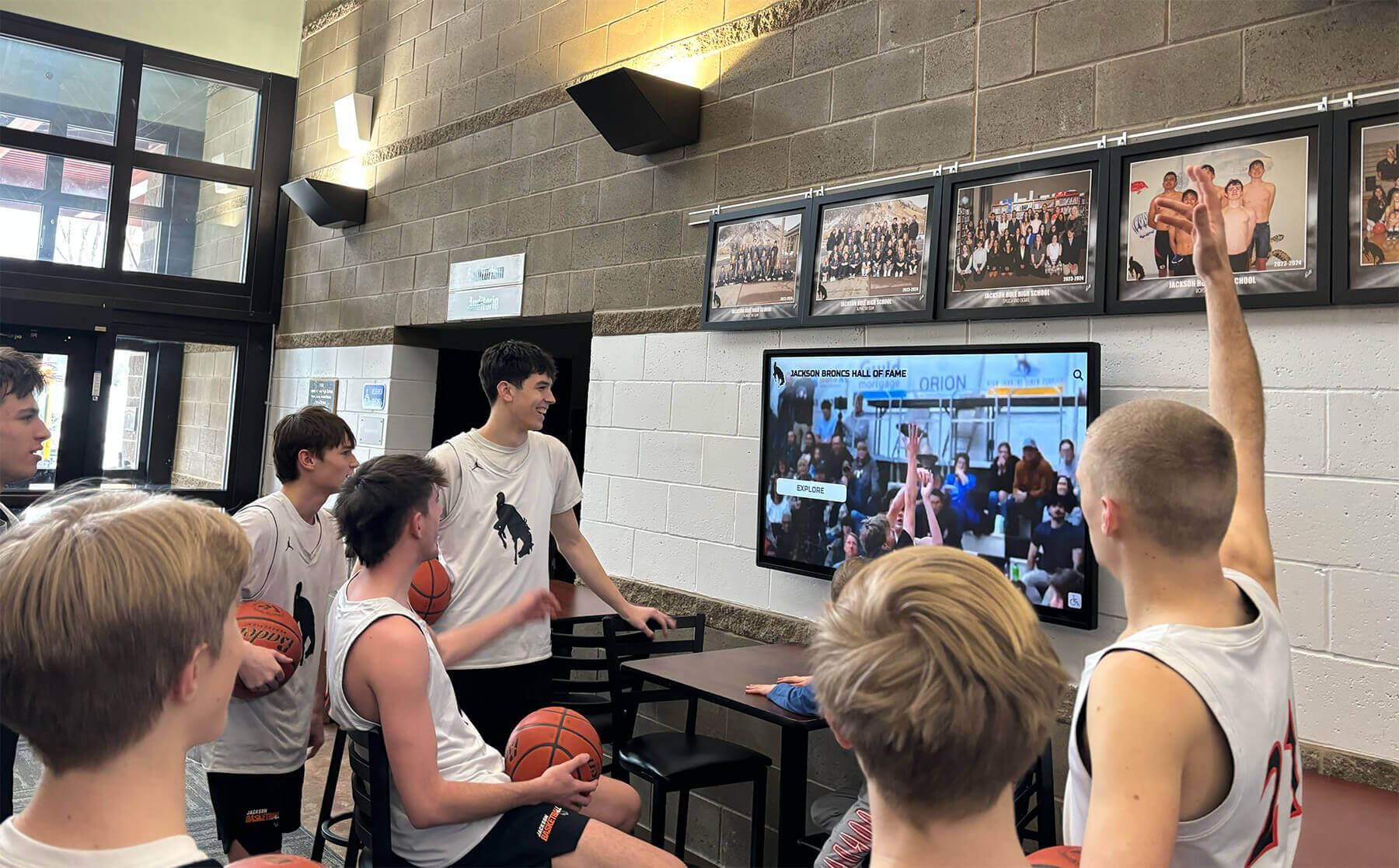
Digital displays complement pep rally energy by showcasing highlights and achievements that games celebrate
Why Great Games Make or Break Pep Rallies
Understanding what makes certain games work helps schools select activities that consistently deliver excitement.
The Psychology of Crowd Energy
Collective Participation Creates Connection
Pep rally games succeed by transforming individual audience members into unified groups:
- Shared anticipation builds as students watch representatives compete
- Vocal participation through cheering gives everyone active role
- Emotional investment increases when classmates represent grade levels
- Collective celebration of victories creates bonding experiences
- Visible energy feeds back creating amplifying enthusiasm cycle
Research on group dynamics demonstrates that activities generating collective experiences strengthen social bonds and create shared identity markers. Pep rally games that enable whole-school participation—even just through cheering—contribute meaningfully to school culture development.
Competition Drives Engagement
Friendly rivalry between grade levels or teams creates natural investment:
- Clear sides enable students to identify with competing groups
- Visible scoring provides tangible stakes students understand immediately
- Outcome uncertainty maintains attention and prevents early checkouts
- Victory celebration validates participation and builds class pride
- Accumulated points across multiple games sustain interest throughout assembly
Relatability Amplifies Entertainment Value
Games featuring teachers, administrators, or typical students create different dynamic than professional performances:
- Imperfection makes competition authentic and humanizes participants
- Potential for failure creates genuine suspense audiences respond to
- Surprising outcomes—like teachers winning or underdogs succeeding—generate organic excitement
- Accessible challenges make students think “I could do that” rather than feeling like observers
- Humor arising naturally from competition creates shared laughter
Schools implementing comprehensive school spirit programs find that pep rally games achieve maximum impact when integrated into year-round engagement strategies.
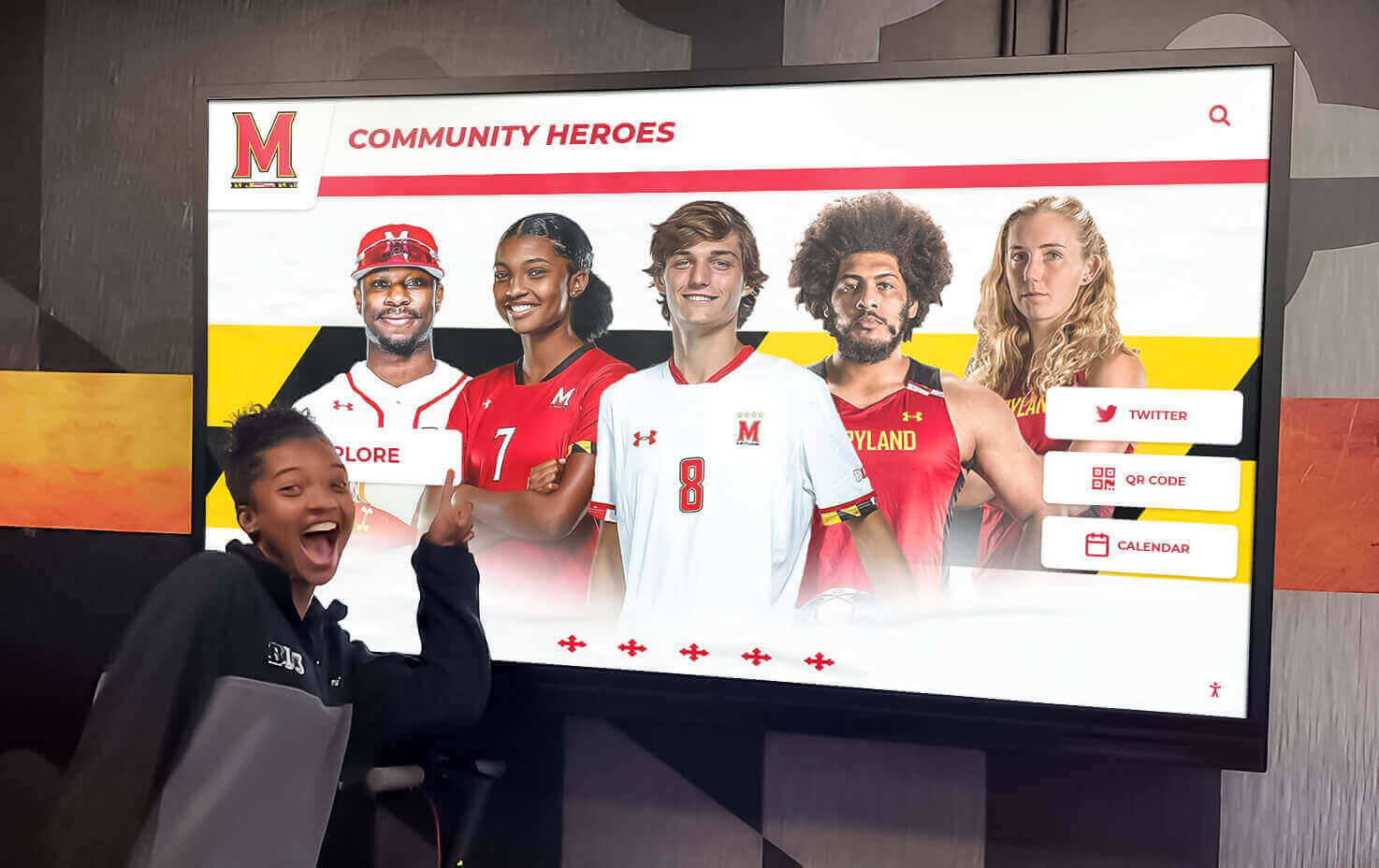
Recognition displays preserve game winners and pep rally moments for ongoing visibility throughout year
Classic Competition Games That Never Fail
Certain game formats have proven themselves across decades of pep rallies because they consistently deliver entertainment.
Tug-of-War Variations
Standard Tug-of-War Physical competition that’s visually dramatic and easy to understand:
Implementation Details:
- Heavy rope at least 30-40 feet long with center marker clearly visible
- Teams of 8-10 participants representing each grade level or competing groups
- Best-of-three or single elimination tournament format depending on time
- Designated pulling area with clear boundaries preventing dangerous falls
- Referee monitoring for safety including release signals if rope becomes dangerous
Popular Variations:
- Teachers vs. Students creating underdog narrative
- Male athletes vs. female athletes demonstrating strength across programs
- Football team vs. combined other sports teams showing sport diversity
- Class officers vs. student council members for leadership showcase
- Progressive elimination where losing teams combine against winners
Safety Considerations:
- Inspect rope for fraying or damage before use
- Clear floor area of obstacles in pulling path
- Position adult supervisors at rope ends preventing dangerous falls
- Establish “stop” signal when dominance is clear preventing excessive strain
- Consider gloves if rope is rough preventing hand injuries
Why It Works: Tug-of-war creates visible, physical competition with clear outcomes. The straining muscles, sliding feet, and dramatic momentum shifts provide natural entertainment requiring no narration. Student sections erupt when their grade gains ground, creating authentic crowd investment.
Musical Chairs Tournament
Grade Level Championship Transform childhood game into competitive sport:
Setup Requirements:
- Chairs arranged in circle (start with one fewer than participants)
- Sound system with operator controlling music start/stop unpredictably
- Designated playing area visible to all audience sections
- 8-10 participants per grade level starting in opening rounds
- Referee monitoring for rule violations and fair eliminations
Progressive Format:
- Round 1: Each grade competes internally determining class champion
- Semi-finals: Grade winners compete eliminating down to final 2-3
- Finals: Remaining competitors face off for schoolwide championship
- Award cumulative points: First place (100 points), Second (75), Third (50), Fourth (25)
Music Selection Strategy:
- Grade-appropriate popular songs students recognize and enjoy
- Varying tempos preventing predictable rhythms participants anticipate
- Short song clips (15-30 seconds) maintaining fast pace
- Throwback hits mixing with current trends for diverse appeal
Modern Twists:
- Require specific dance move when music stops adding performance element
- Use inflatable chairs creating additional instability and humor
- Allow team consultation zones where eliminated students coach remaining players
- Award bonus points for most creative movement between rounds
- Film from multiple angles sharing highlights on social media afterward
Schools implementing student recognition systems often feature musical chairs champions alongside academic achievers in comprehensive celebration displays.
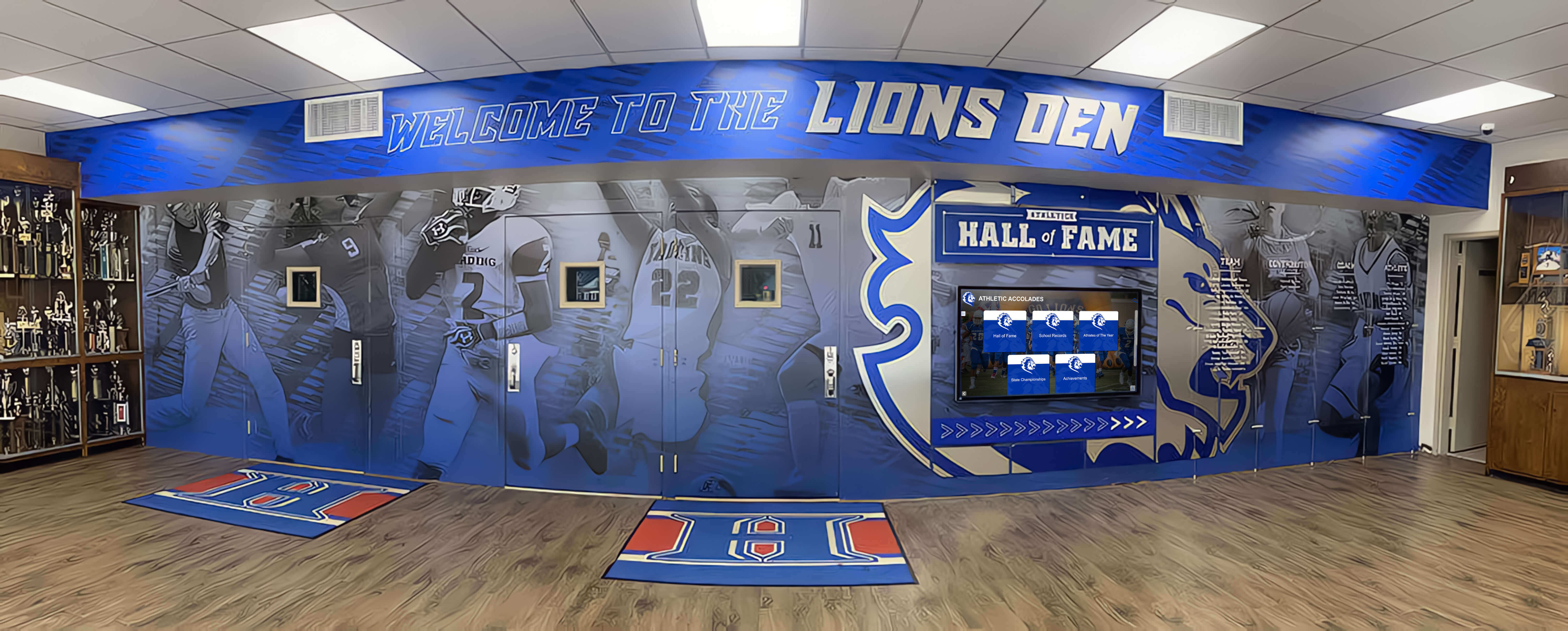
Trophy case areas provide natural settings for preserving pep rally competition winners year over year
Relay Race Competitions
Obstacle Course Relay Fast-paced team competition combining physical challenges:
Course Design:
- 5-7 stations each requiring different skill avoiding single-talent advantage
- Clear transition points where next runner begins their leg
- Visible timing system or finish line determining winners
- Safety mats or padding for any jumping or climbing elements
- Equipment tested before assembly preventing mid-game failures
Station Ideas:
- Crawl under tables or through tunnel representing obstacle navigation
- Hula hoop required rotations before advancing showing coordination
- Basketball shooting requiring made basket before continuing
- Puzzle completion or stacking challenge demonstrating problem-solving
- Three-legged running section requiring partnership and cooperation
- Dress-up station where participants don full outfit before proceeding
- Balloon transport between two points without using hands
Participant Selection: Each grade sends team of 5-7 students representing diverse abilities rather than only star athletes. This creates inclusive participation while preventing perception that only athletic students can contribute to pep rally success.
Scoring System:
- Winning team: 100 points toward class total
- Second place: 75 points
- Third place: 50 points
- Fourth place: 25 points
- Participation points: 10 points per grade for completing course
Why Relay Races Work: Multiple simultaneous competitors create constant action preventing dead time. Different skill requirements mean outcomes remain uncertain until final leg. The visible progression around course gives audiences clear focal points. Natural team celebration at finish creates authentic excitement captured in photos.
Organizations implementing digital trophy case solutions preserve relay race winners alongside athletic championships in unified recognition systems.
Teacher Participation Games
Faculty involvement dramatically increases student engagement and creates memorable moments.
Donut on a String Competition
Format: Individual timed challenge requiring eating hanging donut without using hands:
Setup Requirements:
- String or fishing line suspended across open area at face height
- Donuts attached to individual strings spaced 3-4 feet apart
- Participants: 4-6 teachers or faculty members competing simultaneously
- Timer visible to audience tracking elapsed time for each competitor
- Protective floor covering since donuts will fall and crumble
Execution:
- Participants position themselves under assigned donuts with hands behind backs
- Timer starts simultaneously for all competitors
- First person to finish entire donut wins their heat
- Advancing rounds narrow field to final champion
- Award points toward faculty vs. students schoolwide competition
Entertainment Value: Watching respected teachers struggle with simple task creates hilarious spectacle. The dignified principal trying to catch falling donut pieces with mouth generates authentic laughter. Physical comedy arising naturally requires no script or forced humor.
Strategic Variations:
- Different foods: Apples on strings, Jell-O cups, or cotton candy
- Team relay where completing one donut allows next teacher to start
- Student vs. teacher heats creating grade level investment
- Speed rounds vs. timed individual competitions
- Award “creativity points” for technique innovation
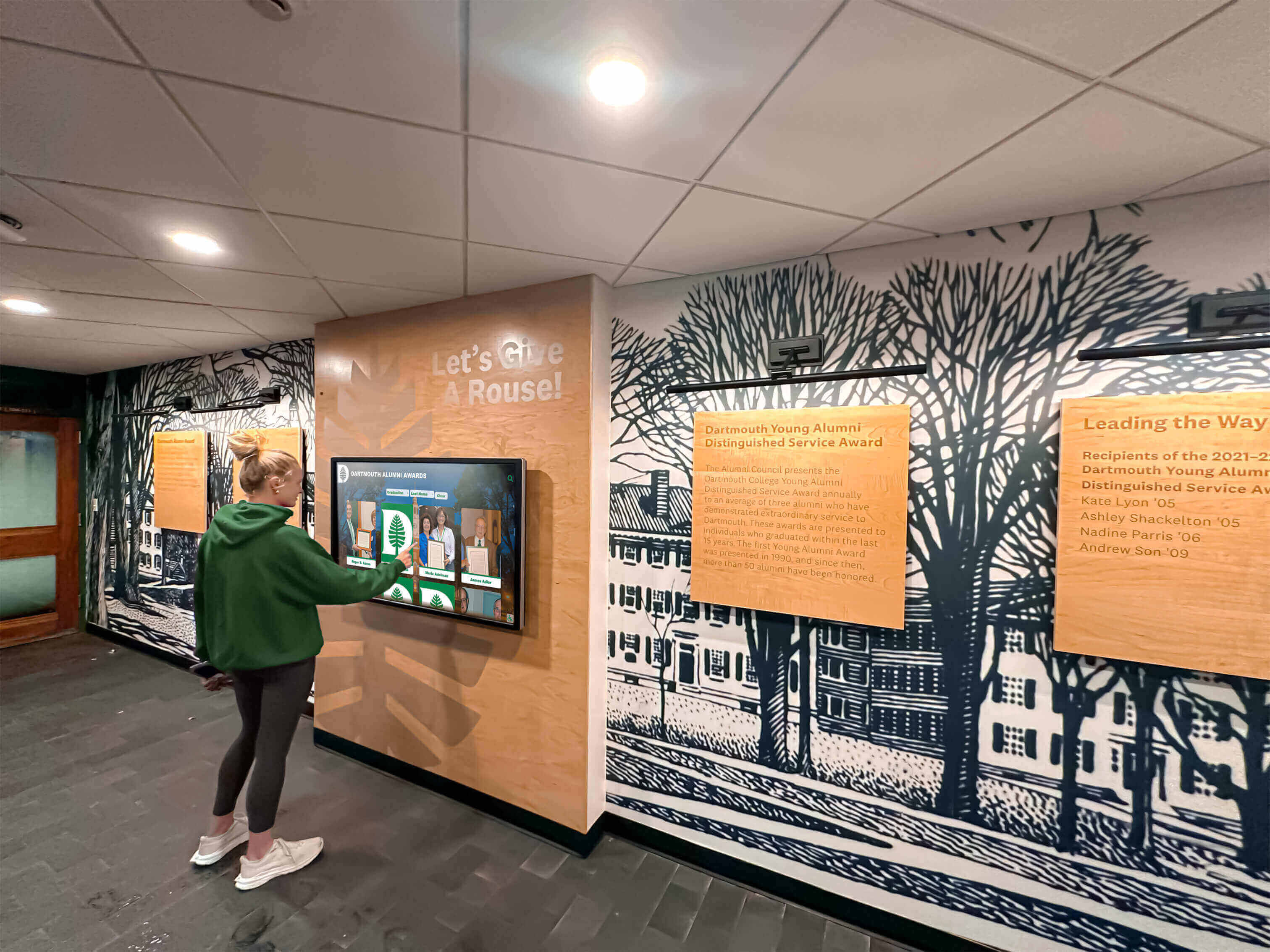
Interactive systems showcase pep rally participants including teachers creating comprehensive school community recognition
Faculty Basketball Knockout
Format: Elimination shooting competition featuring faculty members:
Rules:
- Two participants shoot simultaneously from free throw line or designated spot
- First shooter to make basket eliminates the shooter behind them
- If both miss, both advance to back of line for another attempt
- Progressive elimination until single champion remains
- Tension builds as field narrows and pressure increases
Participant Selection: Mix athletic and non-athletic teachers creating underdog narratives. The English teacher who played college basketball provides known threat. The math teacher attempting first basket in decades creates suspense. Unexpected success generates biggest crowd reactions.
Student Engagement:
- Each teacher represents specific student sections creating investment
- Homerooms or advisory classes cheer for their teachers
- Running commentary highlights teacher backgrounds and shooting form
- Close finishes between rival departments amplify entertainment
- Winner receives trophy, recognition, and bragging rights
Time Management: Plan for 8-10 minutes allowing 5-6 faculty participants. Test shooting spot difficulty during setup ensuring makes happen frequently enough preventing frustrating stalemate but remain challenging enough that outcomes aren’t predetermined.
Pie Face Showdown
Format: Suspense-based game where participants risk getting hit with whipped cream:
Equipment: Commercial “Pie Face” game device or homemade equivalent using simple spinning mechanism and pie tin filled with whipped cream positioned on arm that may spring toward participant’s face.
Rules:
- Two participants face off taking turns cranking handle unknown number of times
- Eventually mechanism releases sending pie into one participant’s face
- Element of uncertainty creates anticipation with each turn
- Winner advances to next round until champion emerges
- Volunteers from each grade compete or teachers face students
Why Students Love It: The suspense builds with each crank. Everyone knows eventually someone gets creamed, but the timing uncertainty maintains attention. When the pie finally flies, the authentic surprise generates organic laughter. Seeing teachers willingly participate demonstrates good humor and community connection.
Safety and Cleanup:
- Use whipped cream or shaving cream, never actual pie filling
- Have towels immediately available for cleanup
- Participants wear old clothes or have aprons protecting regular clothing
- Position game away from audience preventing accidental splatter
- Film from multiple angles capturing reactions for social media sharing
Schools utilizing comprehensive athletic recognition often feature coaching staff in games alongside their competitive achievements.
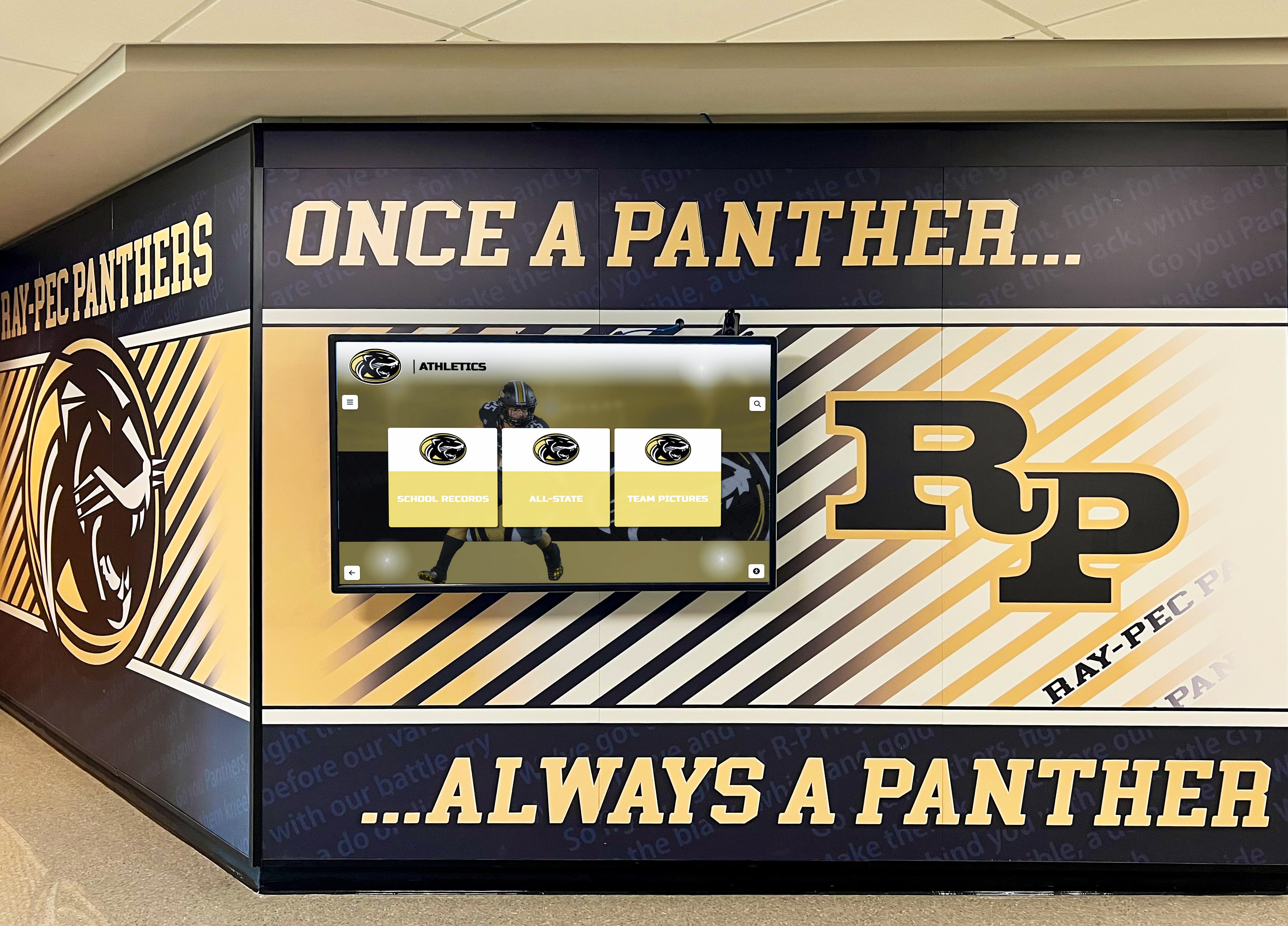
Hallway displays preserve pep rally moments alongside athletic achievements creating unified school celebration
Minute-to-Win-It Style Challenges
Quick skill-based games adapted from popular game show format:
Cup Stacking Speed Challenge
Objective: Stack 36 cups into pyramid then collapse back into single stack fastest time wins.
Why It Works:
- Visually engaging as cups rapidly form and collapse
- Looks easier than actual execution creating respect for competitors
- Head-to-head races create natural drama
- Quick completion (30-45 seconds) maintains pace
- Minimal equipment needed and easy reset between heats
Implementation: Four competitors race simultaneously representing different grades. Display timer or have announcer call elapsed times. First to complete clean cycle without cup falls wins points for grade. Run multiple heats allowing more students to participate.
Skill Variation: Some students may have competitive cup stacking experience. Level playing field by using unconventional items like textbooks, rolls of toilet paper, or inflatable beach balls instead of standard cups.
Nose Dive Challenge
Objective: Transfer cotton balls from one bowl to another using only petroleum jelly on nose.
Setup Requirements:
- Two bowls per participant spaced 5-6 feet apart
- Cotton balls in starting bowl (20-25 per competitor)
- Petroleum jelly applied to participant noses
- One-minute timer for each heat
- Most cotton balls successfully transferred wins
Entertainment Value: The ridiculous appearance of petroleum jelly covered noses creates immediate humor. The difficulty of transferring lightweight cotton balls with slippery nose generates authentic struggle. Competitors’ determination despite absurd task demonstrates school spirit.
Variations:
- Use marshmallows, ping pong balls, or other lightweight objects
- Team relay where members take 15-second shifts
- Head-to-head races rather than timed individual attempts
- Blindfolded version adding difficulty and comedy
Junk in the Trunk
Objective: Empty tissue box full of ping pong balls attached to participant’s waist through shaking and jumping.
Setup:
- Empty tissue box filled with 8-10 ping pong balls
- Box attached to participant’s lower back with belt or ribbon
- No hands allowed—only body movement to empty box
- First to empty box completely or most balls removed in 60 seconds wins
Why Students Love It: The frantic dancing and jumping creates hilarious spectacle. Participants completely commit to absurd movements trying to dislodge stubborn final balls. The visible ball count allows audience to track progress creating natural cheering opportunities.
Grade Competition: Run four simultaneous competitors representing each grade level. Award descending points based on completion order. Consider running teacher vs. student heat as grand finale creating cross-generational competition.
Schools implementing end-of-year recognition programs often schedule major pep rallies as celebration events honoring cumulative achievements including game championships.
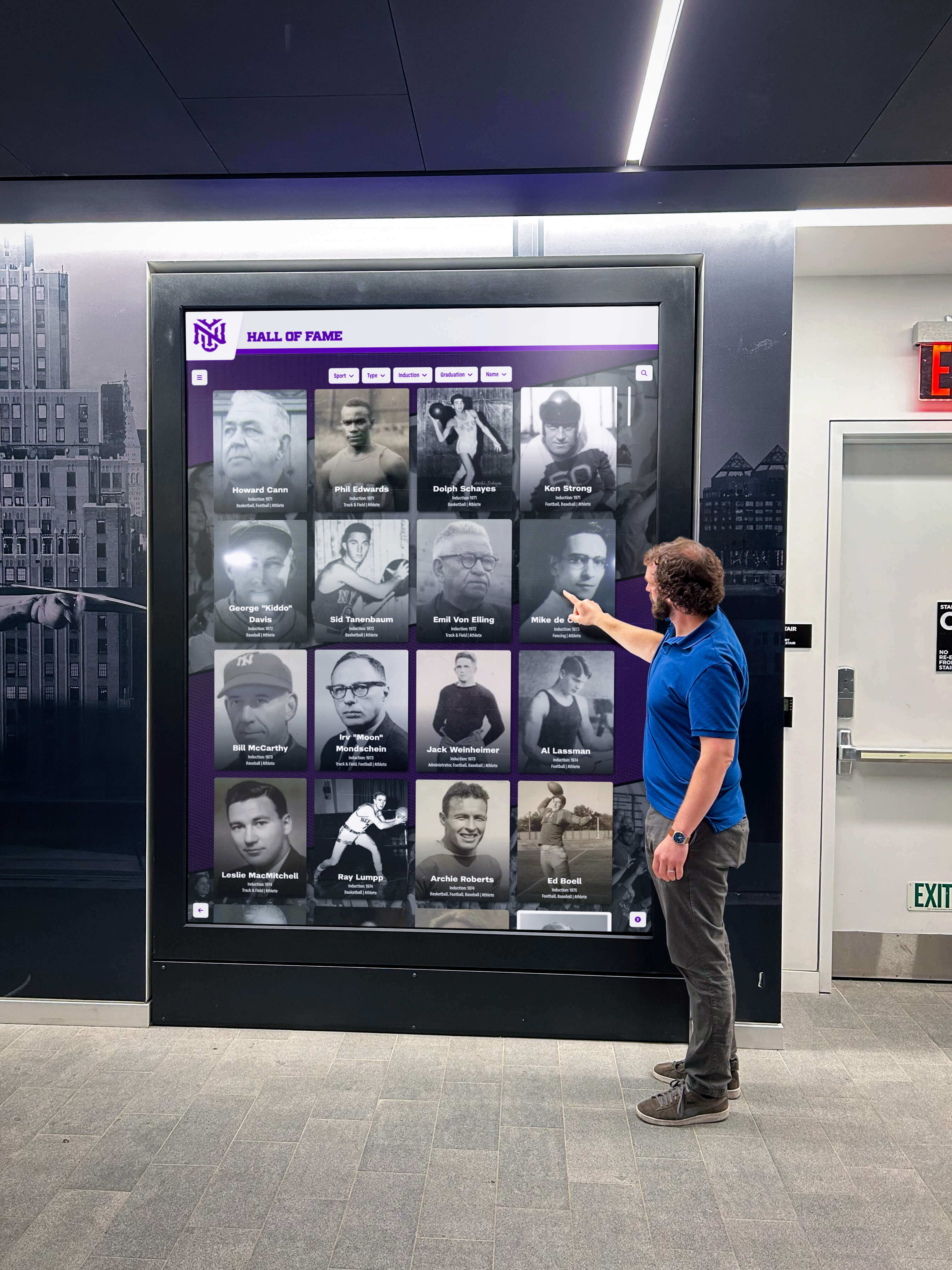
Interactive recognition systems create engaging experiences preserving pep rally champions alongside academic and athletic achievements
Student vs. Faculty Showdowns
Direct competition between students and teachers generates automatic investment:
Trivia Contest
Format: Test knowledge across multiple categories creating intellectual competition:
Question Categories:
- School history and traditions (founding date, mascot origin, notable alumni)
- Current school events (recent game results, academic achievements, upcoming events)
- Teacher trivia (colleges attended, hidden talents, years teaching)
- Academic subjects (rotating through math, science, English, history, arts)
- Pop culture appropriate for age group (music, movies, social media trends)
- Local community facts (town history, geography, notable locations)
Team Composition:
- Faculty team: 5-6 teachers representing diverse departments
- Student team: 5-6 students from various grade levels and activities
- Answer consultation allowed within teams before submitting responses
- Visible scoreboard tracking points throughout competition
- 15-20 questions total keeping game moving at good pace
Audience Participation: Between official questions, pose queries to student sections. First section to stand and answer correctly wins bonus points toward class competition totals. This transforms passive watching into active engagement creating investment across entire assembly.
Strategic Balance: Mix difficult questions requiring genuine knowledge with accessible ones anyone could reasonably answer. Avoid questions so obscure that both teams guess randomly. Create opportunities for both students and teachers to demonstrate expertise in different domains.
Mascot Costume Relay Race
Objective: Complete relay course while wearing full mascot costume or equivalent bulky outfit:
Course Design:
- Dribble basketball around cones testing limited visibility coordination
- Stack plastic cups testing fine motor skills with oversized gloves
- Navigate obstacle course testing spatial awareness in costume
- Complete simple puzzle or matching game testing problem-solving under pressure
- Cross finish line first to secure victory
Team Structure: Three teachers and three students complete different course sections alternating runner order. Costume piece removal not allowed between legs increasing difficulty progressively.
Comedy Gold: The sight of beloved principal attempting basketball dribbling in mascot head with limited peripheral vision generates organic laughter. The student athlete discovering their sport skills don’t translate to costume-hampered competition creates leveling effect.
Dance-Off Competition
Format: Choreographed or freestyle dance battle between faculty and student representatives:
Structure:
- 3 faculty volunteers vs. 3 student volunteers
- 60-second performances by each team to selected songs
- Student section applause determines winner via decibel meter or judge panel
- Optional: Surprise songs requiring improvisation rather than prepared choreography
- Emphasis on fun and participation over technical skill
Song Selection: Choose music representing different eras allowing both generations comfort with some selections. Mix current hits students know with throwback songs faculty remember. Consider school fight song or traditional rally anthem as neutral ground requiring both teams to adapt.
Why It Resonates: Seeing teachers willing to look foolish for school spirit demonstrates vulnerability and connection. Students appreciate adults meeting them in their cultural space. The shared laughter arising from both groups’ efforts—successful or not—creates genuine community bonding.
Programs utilizing college commitment recognition often feature faculty vs. student competitions in comprehensive school culture systems.
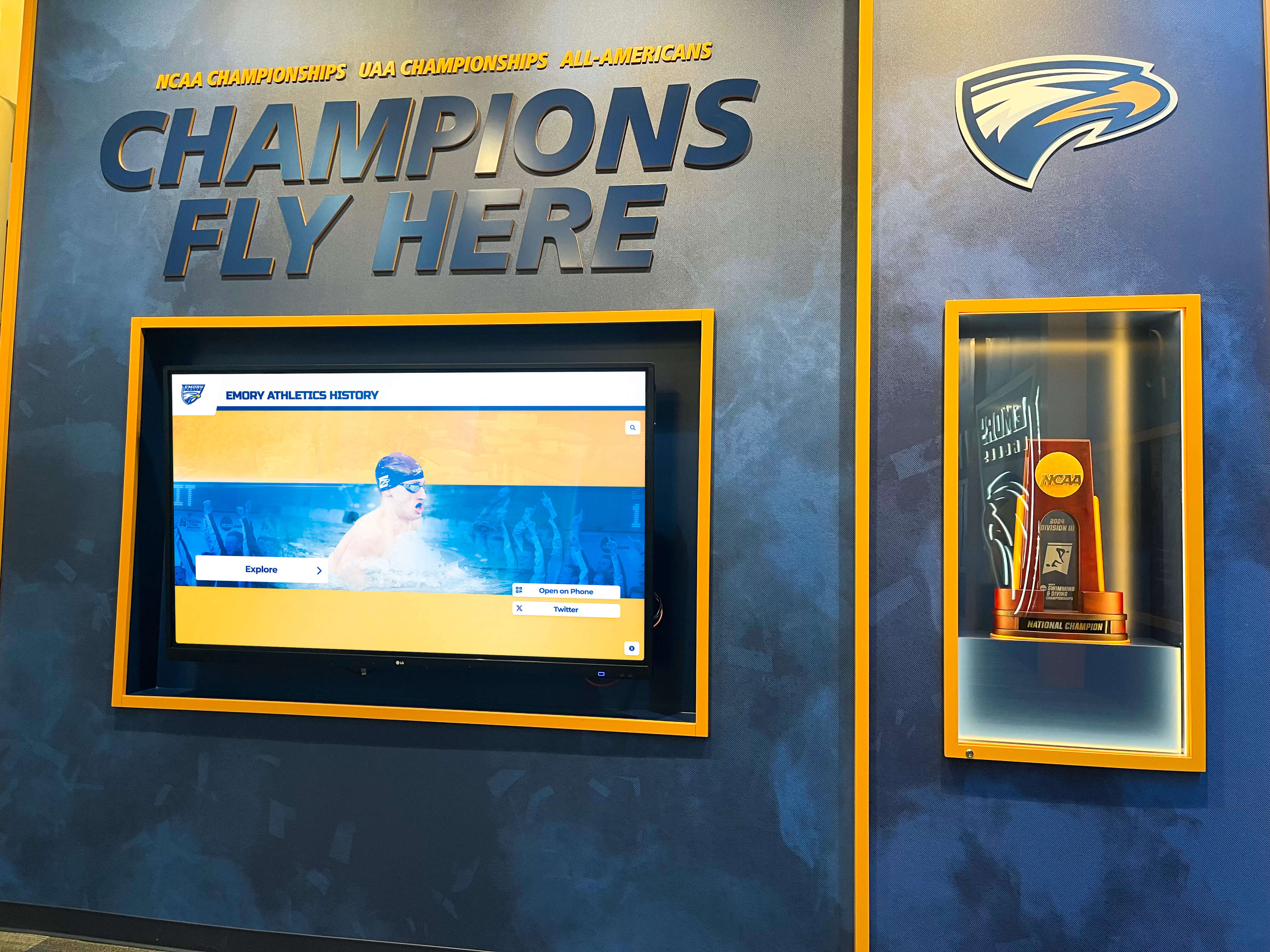
Championship displays celebrate competitive achievements that pep rally games honor alongside athletic accomplishments
Grade Level Battle Games
Class competition drives participation and creates natural rivalry:
Human Pyramid Challenge
Objective: Build tallest or most creative human formation within time limit:
Safety Requirements:
- Gymnastics mats or padded surface under formation area
- Adult spotters positioned around each team preventing dangerous falls
- Clear participation limits—no formations over three people high
- Immediate stop signal if any structure appears unsafe
- Student athletic trainers available for any minor injuries
Competition Format: Each grade sends 10-15 volunteers forming base, middle, and top layers. Teams have 3-5 minutes to design and execute formation. Judging criteria include height, creativity, stability duration, and teamwork demonstration.
Modifications for Different Abilities: Teams can incorporate non-climbing roles like base support, spotting, cheerleading, or formation design. This creates participation opportunities for students uncomfortable with physical elements while still contributing to team success.
Documentation: Professional photographer captures completed pyramids from multiple angles. Share photos across school social media, digital displays, and year-end compilations. These images become part of graduating class shared memories.
Scavenger Hunt Speed Round
Format: Teams race to collect unusual items within school building or gym area:
Item List Examples:
- Something signed by principal
- Photo with tallest teacher on campus
- School yearbook from before any current student was born
- Item containing every color in school logo
- Oldest trophy from display case (photograph only)
- Hair tie or scrunchie
- Fidget spinner or yo-yo
- School map or directory
- Something that makes noise
- Item with school mascot image
Rules:
- Teams of 5-6 students per grade level
- 10-minute time limit with countdown visible to audience
- Items must be returned to judges’ table before time expires
- Points awarded for each successfully collected item
- Bonus points for first team completing entire list
- Items must be obtained through appropriate means—no theft, disruption, or entering restricted areas
Audience Engagement: As items arrive at judges’ table, announcer shares progress keeping assembly energy high. Large screen displays photos teams submit in real-time. Crowd watches timer countdown creating natural tension.
Class Chant Competition
Objective: Create and perform original chant demonstrating school spirit and creativity:
Preparation: Announce competition days or weeks before pep rally allowing class officers to coordinate. Each grade prepares original chant 30-45 seconds long incorporating school name, mascot, colors, and pride messaging.
Performance Elements:
- Synchronized movements or choreography with chant
- Vocal clarity and volume ensuring entire gym hears
- Creativity and originality rather than recycling generic cheers
- Positive messaging celebrating school without insulting opponents
- Class participation—bonus points for having many students join
Judging Panel: Mix of administrators, student representatives from other grades, and randomly selected faculty. Score based on creativity (25 points), execution (25 points), participation (25 points), and spirit (25 points).
Tradition Building: Record winning chants becoming part of school tradition at future sporting events. Feature recordings on digital displays throughout building. Winning class receives recognition in announcements, social media, and permanent digital archives.
Schools developing school pride initiatives find that grade competition games contribute meaningfully to community building.
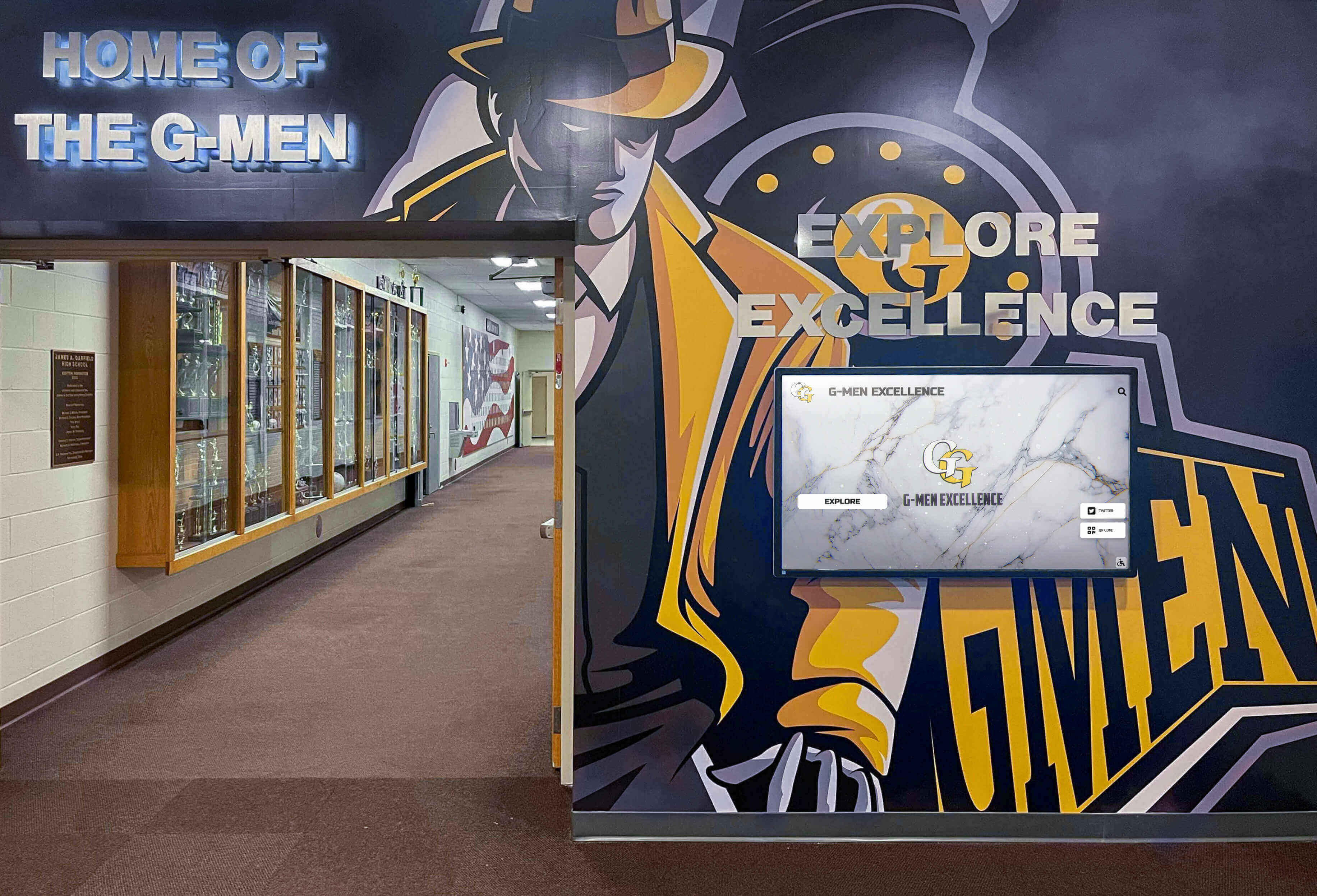
Hallway recognition areas create ongoing visibility for grade competition winners and school spirit achievements
Quick Fill Games for Transitions
Short activities maintaining energy during setup or technical difficulties:
Crowd Wave Competition
Format: Each student section attempts to create best wave effect:
Execution:
- Announcer or emcee directs specific sections to perform standing wave
- Judge panel scores on speed, coordination, and enthusiasm
- Multiple rounds eliminating lowest-scoring sections
- Finals between top two sections determining ultimate champion
- Winner receives points toward overall class competition
Zero Setup Required: This game needs no equipment, participants, or advance preparation. Perfect for filling unexpected time when technical issues delay planned activities or transitions take longer than anticipated.
Thunder Meter Challenge
Objective: Create loudest crowd noise when prompted:
Equipment: Decibel meter app on phone or tablet with results displayed on large screen. Position device in center of gym ensuring equal distance from all sections.
Competition: Each grade level gets 10-second window to generate maximum noise. Display real-time decibel readings building suspense. Highest measurement wins points for that grade. Consider multiple rounds with cumulative scoring.
Variations:
- Specific noise types (chanting school name, yelling “GO!”, animal sounds representing mascot)
- Surprise rounds announced without warning testing sustained energy
- Teacher sections competing against student sections
- Individual volunteers attempting to reach specific decibel threshold
Balloon Pop Relay
Setup: Inflated balloons positioned at opposite end of gym from starting lines.
Objective: Race to balloon, pop it without using hands or sharp objects, return to starting line. First team with all members completing cycle wins.
Popping Methods:
- Sitting on balloon until pressure pops it
- Squeezing between chest and floor
- Stepping or jumping on balloon carefully
- Two teammates trapping balloon between bodies
- Rolling over balloon
Quick Execution: Four teams of 3-4 students race simultaneously. Entire game completes in 2-3 minutes making it perfect transition activity. Popping sounds create audio feedback marking progress. Visual simplicity requires no explanation.
Speed Stacking Cup Cascade
Format: Entire sections participate in synchronized cup stacking movement:
Setup: Distribute 3 cups to every student in designated grade section. On signal, all students simultaneously stack cups in pyramid then collapse—creating visual cascade effect across entire bleacher section.
Competition: Judge sections on speed, synchronization, and completion percentage. Section where highest percentage successfully completes stacking wins round. Run multiple rounds narrowing field to ultimate champion section.
Benefits: Gets maximum students actively participating rather than watching representatives. Creates impressive visual effect when hundreds of students move simultaneously. Requires minimal cost since plastic cups are inexpensive and reusable across multiple assemblies.
Programs implementing school event recognition systems preserve these transition moments alongside formal competitions.
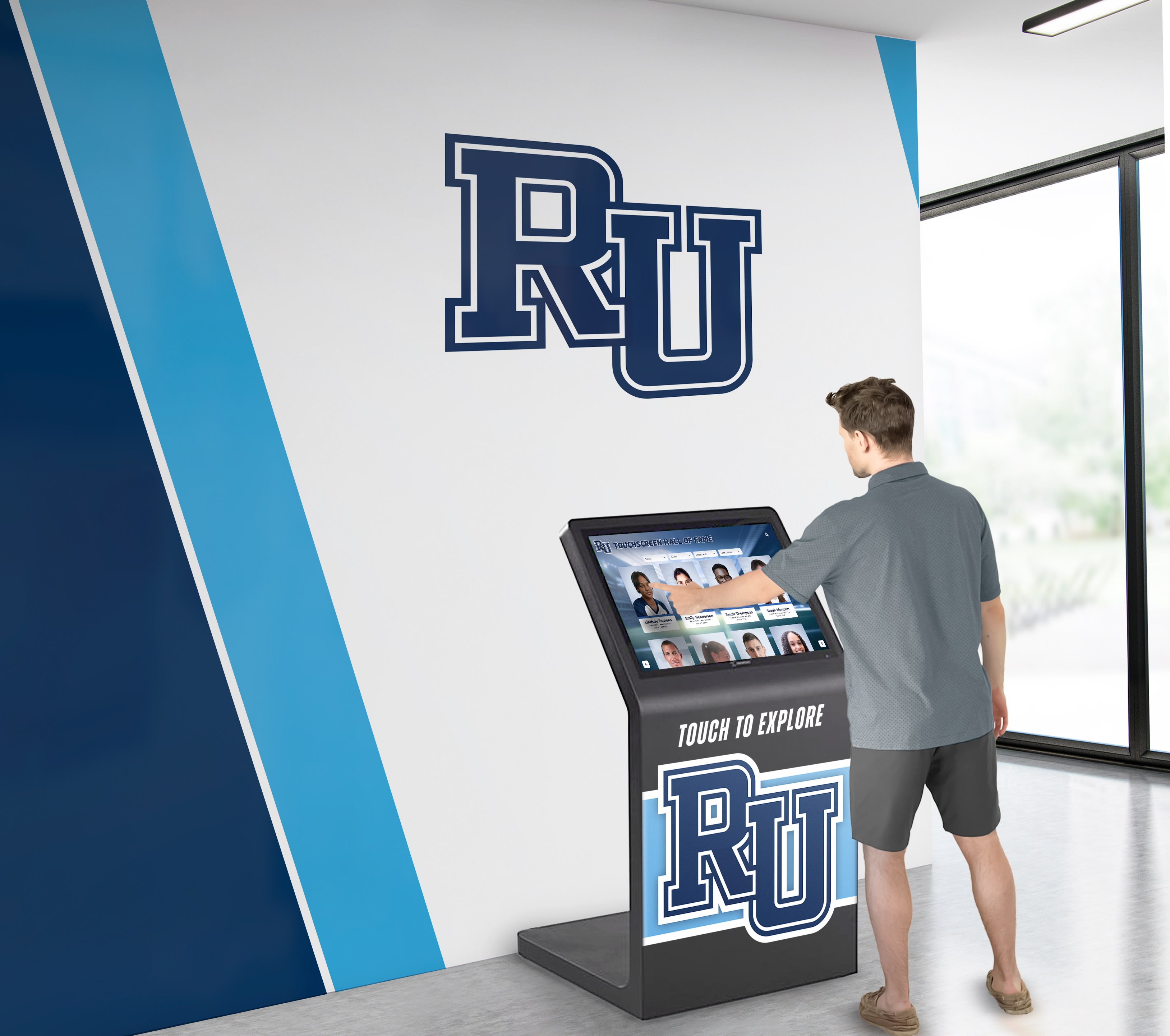
Interactive kiosks showcase pep rally achievements creating lasting visibility beyond single assembly events
Planning and Executing Successful Game Sessions
Strategic preparation ensures smooth execution and maximum entertainment value:
Pre-Rally Preparation
Equipment Checklist:
- Test all games beforehand confirming functionality and safety
- Prepare backup games if technical issues arise or timing changes
- Gather all necessary supplies with extras for replacements
- Confirm audio/video equipment works properly with test run
- Arrange seating and playing areas optimizing audience visibility
- Brief all participants on rules, safety, and expectations
- Coordinate with custodial staff regarding setup and cleanup
Participant Selection: Recruit volunteers weeks before assembly rather than day-of selections creating cold feet pressure. Seek diverse participants representing different student groups—athletes, performers, academics, leadership—rather than repeatedly featuring same high-profile individuals.
Timing Considerations:
- Plan 5-7 games for standard 45-minute assembly
- Allocate 5-7 minutes per game including setup and execution
- Build in 2-3 minute transition buffers between games
- Prepare quick-setup backup games if activities run shorter than expected
- Identify games that can extend if extra time becomes available
Game Flow and Energy Management
Opening Strong: Begin with high-energy, visually exciting game immediately grabbing attention. Avoid starting with talking or explanations—jump straight into action within first 60 seconds after students settle.
Strategic Sequencing:
- Alternate physical games with skill-based challenges varying energy demands
- Position teacher participation games mid-assembly when attention might wane
- Schedule grade competition games throughout maintaining class investment
- Save big finale game for conclusion building toward dramatic ending
- Mix individual and team competitions preventing repetitive formats
Maintaining Momentum:
- Minimize transition time through prepared setup teams
- Keep announcer actively engaging audience during setup periods
- Display scoreboards or standings frequently reminding students of competition status
- Celebrate all participants not just winners maintaining inclusive atmosphere
- Use music and video content filling any unavoidable delays
Managing Unexpected Issues: Equipment failures, participant withdrawals, or timing surprises happen even with perfect planning. Keep emcee informed of backup plans. Empower student council leaders to adapt on the fly. Maintain positive energy regardless of hiccups—students remember overall experience more than technical perfection.
Inclusive Participation Strategies
Accessibility:
- Offer modified participation options for students with physical limitations
- Provide alternative contribution methods (cheering, sign-holding, timing, judging)
- Avoid games exclusively favoring specific body types or athletic abilities
- Create mental challenge games balancing physical competition games
- Ensure volunteer opportunities exist for students uncomfortable with spotlight
Representation:
- Feature diverse students across all games avoiding repeated same individuals
- Balance male and female participants equally throughout assembly
- Include underclassmen alongside seniors preventing upperclass dominance
- Represent various student groups—athletes, artists, academics, clubs
- Highlight typically under-recognized students alongside high-profile achievers
Schools implementing birthday recognition programs apply inclusive principles ensuring every student receives acknowledgment.
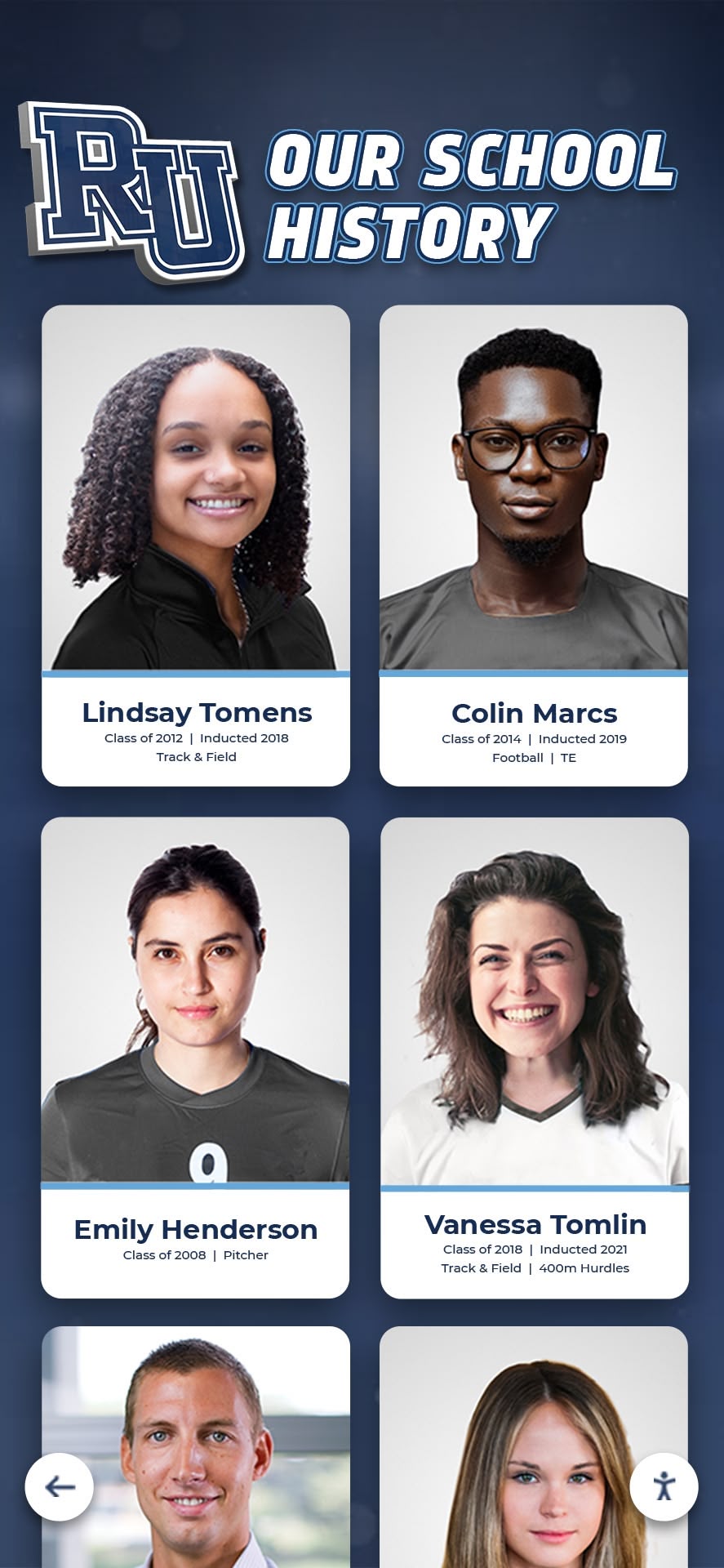
Recognition card displays preserve individual achievements including pep rally game champions
Documenting and Extending Game Impact
Capturing and sharing pep rally moments extends impact beyond single assembly:
Professional Photo and Video Coverage
Multi-Angle Documentation:
- Position photographers capturing participant actions and crowd reactions
- Video record complete games preserving context and outcomes
- Close-up shots showing facial expressions and authentic emotions
- Wide shots establishing energy and participation scale
- Action sequences during critical competition moments
Content Sharing Strategy:
- Share highlight clips on school social media within hours of assembly
- Post photo galleries accessible to all students and families
- Create short compilation videos suitable for year-end retrospectives
- Tag participants and share with parents increasing reach
- Submit exceptional moments to local media generating community coverage
Permanent Digital Recognition
Interactive Display Integration:
Modern recognition platforms enable comprehensive pep rally documentation:
Display Capabilities:
- Photo galleries from all assembly games organized by event and year
- Game champion recognition with names, grades, and competition details
- Video highlights playback directly on touchscreen displays
- Historical pep rally archives spanning multiple years creating traditions
- QR code access enabling mobile viewing complete content galleries
Schools implementing solutions like Rocket Alumni Solutions complement pep rally celebrations with permanent digital displays preserving achievements. These touchscreen systems provide unlimited capacity for honoring game winners alongside athletic championships, academic honors, and arts achievements—creating unified recognition celebrating complete school community.
Multi-Location Strategy:
- Main lobby displays featuring current year pep rally highlights
- Cafeteria screens showing rotating photo slideshows during lunch periods
- Gymnasium displays celebrating competition champions near trophy cases
- Hallway installations preserving historical assembly moments
- Mobile-accessible archives enabling alumni connection and reminiscing
Web-Based Extensions:
- Dedicated pep rally section on school website
- Searchable archives organized by year, game type, and champions
- Embedded video highlights from memorable competitions
- Social media integration encouraging sharing and engagement
- Alumni access maintaining connection years after graduation
These digital approaches ensure pep rally games create lasting value extending far beyond 45-minute assemblies, contributing to ongoing school pride and community connection.
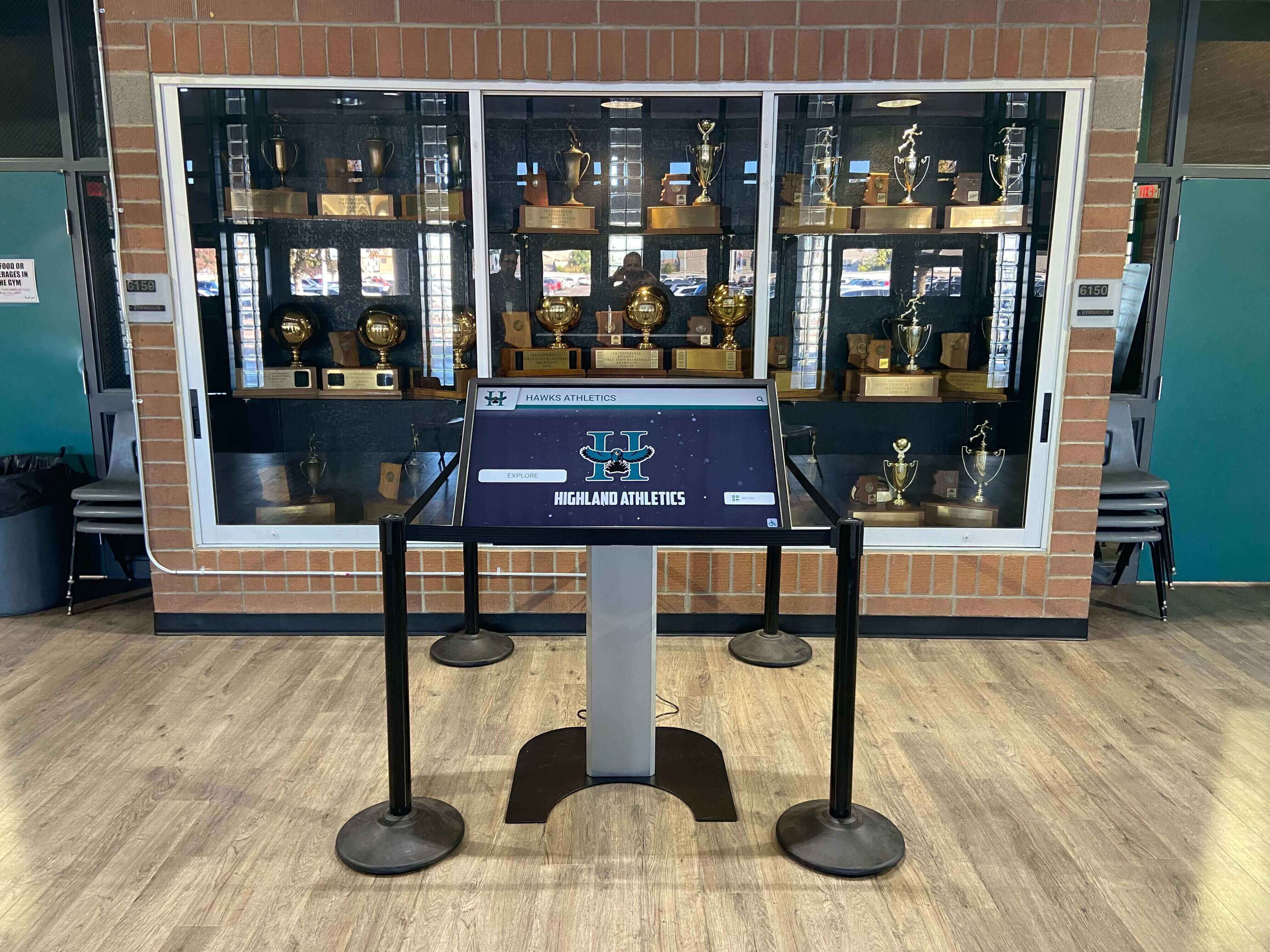
Trophy case touchscreen installations preserve both athletic championships and pep rally competition winners
Troubleshooting Common Game Challenges
Even well-planned games encounter issues requiring quick thinking:
Low Participation Interest
Diagnosis: Games consistently struggle finding volunteers or participants appear unenthusiastic:
Solutions:
- Pre-recruit participants weeks before assembly rather than last-minute requests
- Offer incentives like small prizes, recognition, or class points
- Feature peer leaders and popular students modeling enthusiastic participation
- Simplify games requiring less preparation or skill reducing intimidation
- Create team games where individuals share spotlight rather than solo focus
- Emphasize fun over competition reducing pressure on participants
- Celebrate all participants not just winners maintaining positive atmosphere
Games Running Too Long or Short
Time Management Issues: Planned activities don’t align with actual execution timing:
Prevention:
- Conduct full run-throughs before assembly testing realistic timing
- Build 2-3 minute buffer periods between games accommodating variance
- Prepare quick-setup backup games filling unexpected extra time
- Identify games that can be condensed if running behind schedule
- Empower emcee to make real-time adjustments maintaining flow
Adaptation Strategies:
- Reduce elimination rounds if competition extends beyond allocation
- Add additional heats if games complete faster than expected
- Extend audience participation segments filling time naturally
- Skip planned games if assembly runs long without losing core experience
- Use transition activities flexibly expanding or contracting as needed
Safety Concerns or Injuries
Risk Management: Physical games always carry injury potential requiring preparation:
Prevention:
- Inspect all equipment before assembly checking for damage or hazards
- Clear playing areas of obstacles creating trip or collision risks
- Position spotters during physical activities preventing dangerous falls
- Establish clear stop signals participants understand and follow
- Brief all competitors on safety rules before games begin
- Have athletic trainers or nurses available for immediate response
Response Protocols:
- Stop game immediately if injury occurs assessing severity
- Provide appropriate first aid or medical attention without delay
- Continue assembly with different activity once situation stabilizes
- Document incident for administrative records and liability protection
- Review safety protocols before future assemblies preventing recurrence
Schools implementing athletic recognition programs balance competitive celebration with safety consciousness.
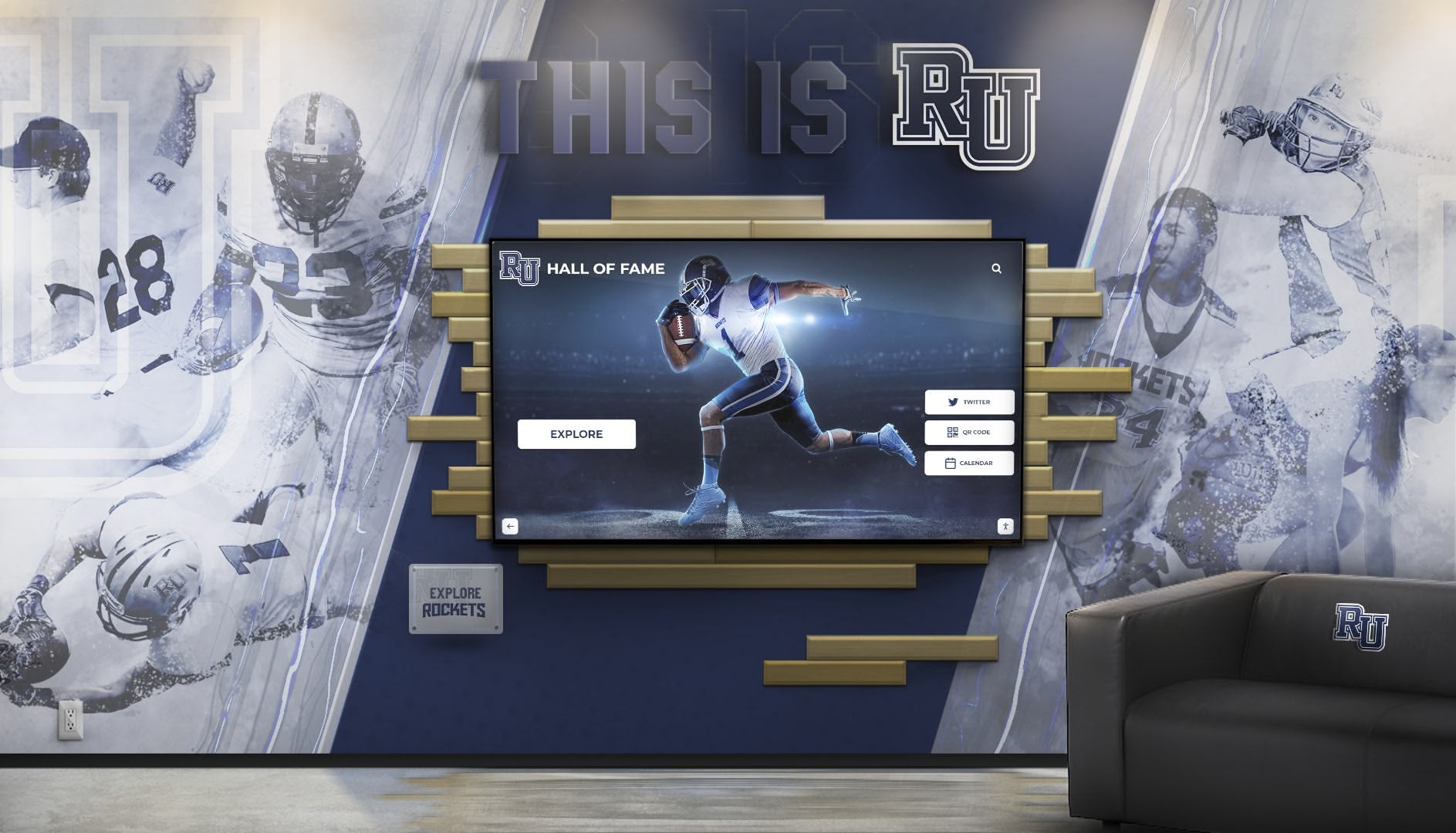
Lobby displays create welcoming first impressions while celebrating pep rally achievements
Measuring Success and Continuous Improvement
Systematic evaluation strengthens future assemblies:
Success Indicators
Quantitative Metrics:
- Student engagement levels through observation and participation counts
- Social media activity including posts, shares, likes, and comments
- Photo and video view counts across platforms
- Volunteer recruitment ease for subsequent assemblies
- Budget efficiency and cost per game analysis
- Cleanup time and effort required post-assembly
Qualitative Assessment:
- Student feedback through surveys or informal conversations
- Faculty observations about energy and behavior during assembly
- Administrative perception of event value and impact
- Community response from parents and supporters
- Lasting impact on school culture and spirit
- Comparison to previous assemblies showing improvement or decline
Gathering Feedback
Multiple Input Sources:
- Student council debrief meeting documenting reactions and suggestions
- Faculty input about execution, timing, and student engagement
- Social media comments and direct messages from community
- Formal surveys distributed to student representative groups
- Informal hallway conversations days after assembly
- Video review identifying high points and improvement opportunities
Documentation for Future Planning:
- Games that generated most enthusiasm and participation
- Activities that fell flat or created confusion
- Timing accuracy compared to planning estimates
- Technical issues encountered and solutions implemented
- Participant feedback about experience and preparation quality
- Budget allocation effectiveness and spending analysis
Schools implementing year-round spirit programs view each pep rally as iterative improvement opportunity.
Conclusion: Building Pep Rally Traditions Through Great Games
Pep rally games represent far more than time-filling entertainment between recognition segments—they create shared experiences bonding students across different social groups, generate authentic energy transforming ordinary assemblies into memorable events, and build traditions that distinguish school culture while creating moments students remember long after graduation.
When schools select games strategically considering entertainment value, participation accessibility, execution logistics, and documentation opportunities, they transform pep rallies from obligatory assemblies into genuine celebrations that students anticipate and administrators value as legitimate culture-building investments.
The game ideas explored in this guide provide comprehensive options spanning classic competitions to modern challenges, teacher participation activities to grade-level battles, quick transitions to elaborate productions. Whether revitalizing stale pep rally formats, launching traditions at new schools, or enhancing already-successful events, thoughtful game selection creates the electric atmosphere distinguishing memorable assemblies from forgettable ones.
Digital recognition systems extend pep rally impact by preserving competition winners, game highlights, and participation moments alongside athletic championships and academic honors. When students see their pep rally contributions recognized permanently in lobby displays or interactive kiosks rather than disappearing after final dismissal, they develop stronger connections to school community understanding their participation matters beyond single events.
Start with games your planning team can execute confidently based on available resources, space, and participant volunteers. Build from successful foundations adding complexity and variety as experience grows. Every improvement creates better experiences for students whose school memories should include joy, laughter, and authentic belonging created through thoughtfully designed pep rally games that get the whole school genuinely hyped.
Ready to extend your pep rally celebrations beyond single assemblies? Explore how solutions like Rocket Alumni Solutions help schools create permanent digital recognition displays preserving game champions, assembly highlights, and school spirit achievements long after celebrations conclude—ensuring every participant remains visible part of school history forever.