Athletic success depends on more than individual talent and technical skills. The strongest teams consistently demonstrate intangible qualities—trust, communication, shared purpose, and genuine connection among teammates that transcends practice and competition. Yet many coaches struggle to build this chemistry, watching talented rosters underperform because athletes never truly function as cohesive units.
Traditional practice formats develop individual skills and tactical understanding but rarely create the meaningful relationships and psychological safety necessary for peak team performance. Athletes need opportunities to interact outside competitive pressure, face shared challenges requiring genuine collaboration, and develop personal connections that translate into on-field trust and communication.
Outdoor team building activities provide powerful opportunities to develop these critical team dynamics while offering mental breaks from the intensity of training and competition. Strategic implementation of well-designed activities transforms collections of individual athletes into unified teams while creating positive memories that strengthen program culture.
Team building represents essential investment rather than optional supplement for athletic programs. Research on team dynamics consistently demonstrates that cohesive teams outperform more talented but disconnected rosters. Beyond competitive outcomes, effective team building improves athlete retention, reduces interpersonal conflicts, strengthens leadership development, and creates positive cultures where all participants thrive.
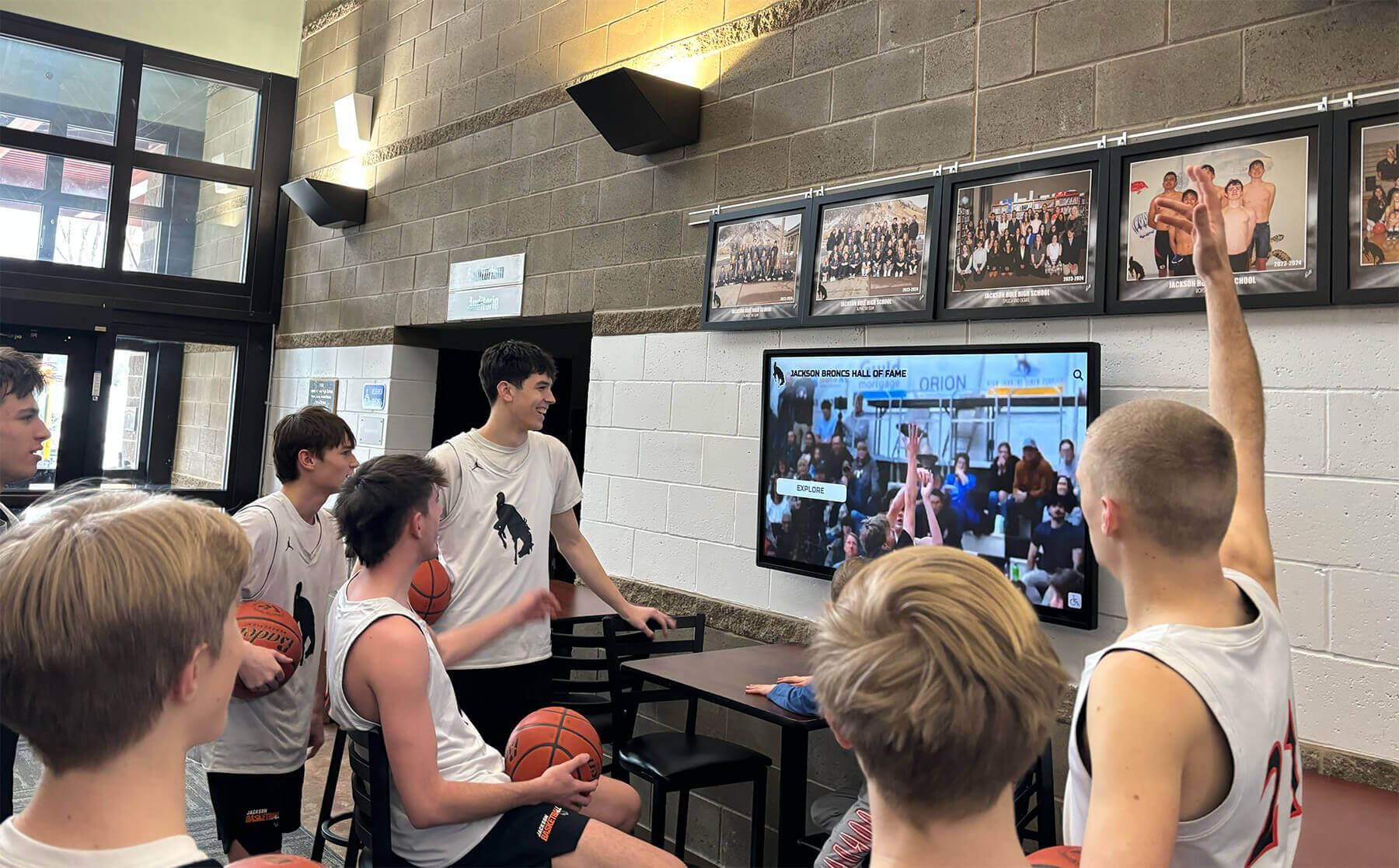
Strong team connections built through shared experiences translate into better on-field performance and program culture
Why Outdoor Team Building Activities Matter for Athletic Programs
Understanding the strategic benefits helps athletic directors and coaches justify time and resource investment in team building initiatives.
Building Trust and Communication Through Shared Challenge
Outdoor activities create unique opportunities for relationship development that traditional practice cannot replicate:
Trust Development Through Vulnerability
- Activities requiring physical trust build psychological safety translating to athletic situations
- Shared challenges outside comfort zones create authentic bonding impossible in competitive environments
- Problem-solving activities reveal communication styles and personal strengths rarely visible during practice
- Success depending on mutual support reinforces interdependence and collective responsibility
- Failure in low-stakes environments builds resilience and problem-solving capacity
- Authentic interactions outside performance pressure enable genuine relationship building
- Vulnerability in unfamiliar situations creates memorable shared experiences strengthening bonds
Communication Skills Enhancement
- Activities requiring clear communication develop skills directly applicable to competition
- Problem-solving challenges reveal communication breakdowns requiring conscious improvement
- Leadership opportunities emerge organically based on situation rather than predetermined roles
- Active listening becomes essential for task completion unlike coach-directed practice activities
- Nonverbal communication importance highlighted through activities limiting verbal interaction
- Conflict resolution skills develop through collaborative challenge navigation
- Feedback delivery practice in supportive environments transfers to constructive athletic criticism
Research on team cohesion demonstrates that trust developed through collaborative non-athletic challenges transfers directly to athletic performance. Teams reporting higher trust levels show significantly better communication during competition, faster adjustment to adversity, and stronger collective resilience.
Breaking Down Cliques and Building Inclusive Culture
Team building activities strategically designed to mix existing social groups create more unified programs:
Addressing Social Dynamics
- Mandatory partner or group rotation prevents same-friend groupings
- Activities requiring diverse skill sets value different athlete strengths
- Non-athletic challenges level playing field between starters and bench players
- Shared struggle creates common experiences transcending social hierarchies
- Humor and fun reduce social anxiety preventing full team interaction
- Leadership opportunities distributed across roster rather than team captains only
- Success requiring everyone’s contribution demonstrates each person’s value
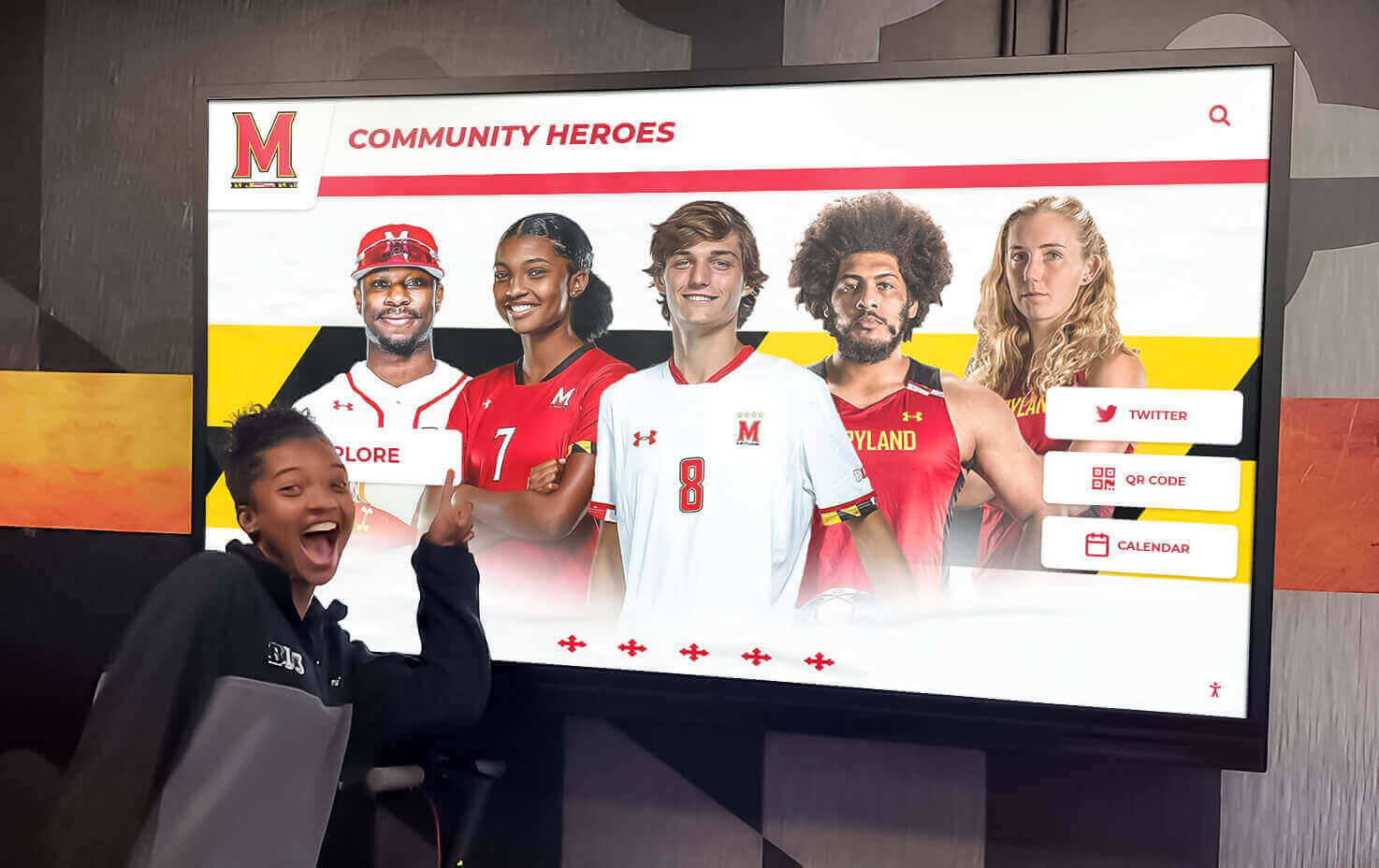
Team building creates connections and memories that programs can celebrate through permanent recognition displays
Creating Psychological Safety Inclusive activities build environments where all athletes feel valued:
- Activities emphasizing different abilities beyond athletic performance
- Intentional recognition of varied contributions during debriefing discussions
- Structured reflection helping athletes understand teammates’ perspectives and experiences
- Safe environments for vulnerability and authentic self-expression
- Celebration of diversity in backgrounds, personalities, skills, and approaches
- Low-stakes failure opportunities without performance consequences
- Emphasis on effort and participation over winning or performance outcomes
Programs implementing regular team building report significantly reduced teammate conflicts, higher athlete satisfaction scores, and improved retention rates compared to programs focusing exclusively on technical and tactical training.
Categories of Outdoor Team Building Activities
Different activity types address specific developmental goals and team needs throughout seasons.
Adventure-Based Challenge Activities
Physical activities requiring coordination and mutual support:
Ropes Courses and Challenge Elements Professional challenge course elements provide structured team development:
- High ropes requiring spotting and encouragement from ground teammates
- Low ropes elements where entire team must collaborate to complete challenge
- Portable challenge courses bringing activities to school campuses or practice facilities
- Graduated difficulty allowing progressive challenge appropriate to group readiness
- Professional facilitators providing safety management and debriefing expertise
- Metaphorical connections between challenge course and athletic competition
- Immediate feedback on communication effectiveness and trust levels
Rock Climbing and Bouldering Climbing activities develop trust through direct physical dependence:
- Belaying partners requiring complete trust and attention from supporting athlete
- Problem-solving boulder problems as team developing strategic thinking
- Encouraging teammates attempting difficult routes building supportive culture
- Overcoming fear of heights paralleling athletic courage facing competition pressure
- Physical challenge equalizing starters and reserves based on climbing ability
- Immediate consequences of poor communication or attention creating memorable learning
- Outdoor climbing creating adventure and novel experiences together
Many programs combine challenge activities with comprehensive team recognition systems that celebrate both competitive achievements and team development milestones.
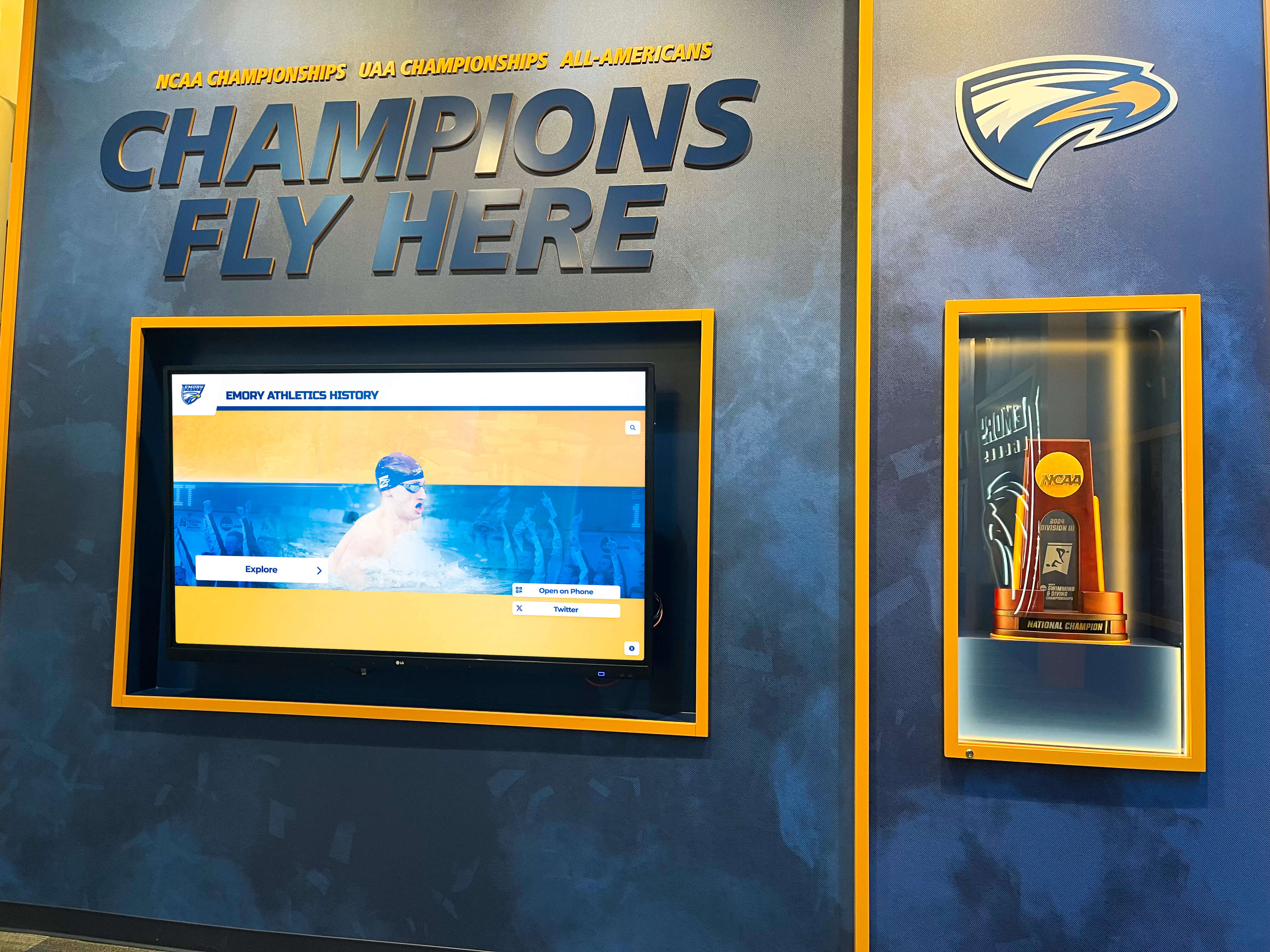
Programs investing in team culture through building activities create traditions worth celebrating permanently
Outdoor Obstacle Course Events Team-based obstacle races provide intense bonding experiences:
- Mud runs requiring teammates to assist each other through difficult obstacles
- Relay formats distributing challenge across different athlete strengths
- Obstacles impossible to complete individually emphasizing interdependence
- Physical challenge creating shared suffering and accomplishment
- Photography and video documentation creating lasting memory artifacts
- Post-event celebration and reflection on overcoming adversity together
- Annual traditions building program identity and anticipated experiences
Problem-Solving and Strategy Activities
Mental challenges developing communication and collaborative thinking:
Outdoor Escape Challenges Adapted escape room concepts for outdoor environments:
- Scavenger hunts requiring problem-solving and communication across campus or community
- Puzzle sequences where each team member holds essential information requiring sharing
- Time-limited challenges creating productive pressure and decision-making practice
- Deliberate information distribution ensuring all participants contribute meaningfully
- Debriefing focusing on decision-making processes and communication effectiveness
- Technology integration using mobile devices for clues and team coordination
- Custom challenges incorporating sport-specific themes or program history
Orienteering and Navigation Exercises Map and compass activities developing planning and teamwork:
- Navigation courses requiring team collaboration to reach checkpoints
- Split information where different team members receive partial instructions
- Limited resources requiring strategic planning and priority decisions
- Problem-solving when plans fail requiring adaptation and communication
- Leadership rotation giving all athletes decision-making experience
- Physical activity component maintaining athletic engagement
- Outdoor environment providing change from typical gymnasium or field
Human Knot and Physical Puzzles Simple activities requiring communication and patience:
- Human knot challenges where team must untangle without releasing hands
- Group balance activities where entire team must maintain equilibrium
- Object transport challenges with rules limiting individual capabilities
- Construction activities requiring planning and coordinated execution
- Memory challenges where team must collectively remember sequences
- Limited communication exercises highlighting nonverbal interaction importance
- Progressive difficulty increasing challenge as team develops skills
Programs implementing diverse activity types address multiple developmental needs while maintaining athlete engagement through variety and novelty.
Service and Community-Based Activities
Team building through collective contribution beyond athletic program:
Community Service Projects Collaborative work benefiting community while building team bonds:
- Park cleanup or trail maintenance projects requiring sustained teamwork
- Youth sports clinics where team teaches skills to younger athletes
- Habitat for Humanity or similar construction projects requiring collaboration
- Food bank volunteering sorting and packing supplies together
- Senior center visits providing companionship and assistance
- School beautification projects improving campus spaces
- Special Olympics volunteer support assisting with athletic events
Schools often showcase community service achievements alongside athletic accomplishments in comprehensive digital recognition systems that celebrate complete student-athlete development.
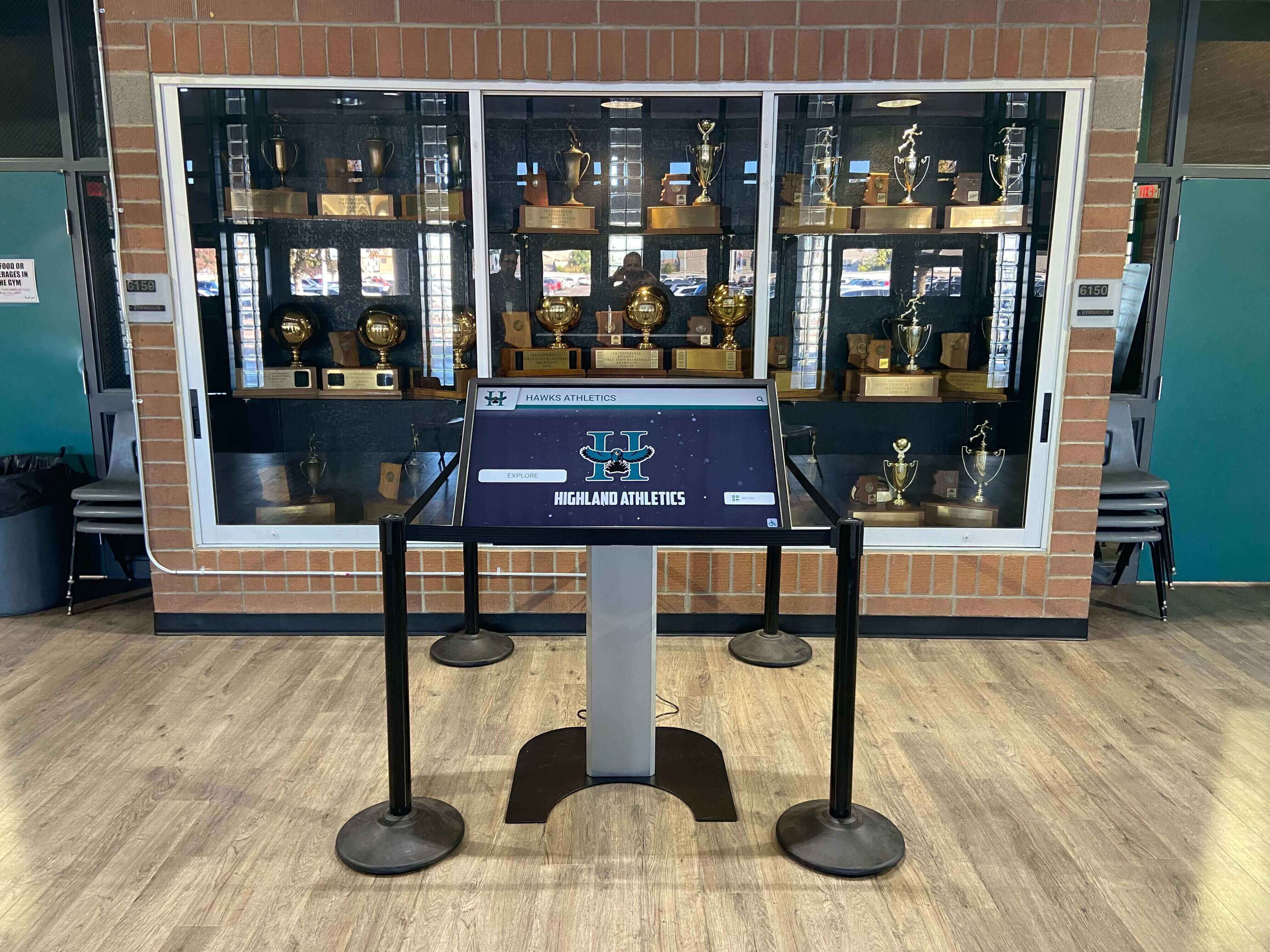
Modern recognition displays celebrate both competitive achievements and team contributions to broader community
Environmental Projects Outdoor work connecting team to nature while building relationships:
- Tree planting initiatives contributing to environmental improvement
- Stream or beach cleanup protecting natural spaces
- Trail building or restoration in local parks
- Garden creation at schools or community centers
- Wildlife habitat construction supporting local ecology
- Invasive species removal improving natural areas
- Education pairing service with environmental learning
Fundraising Events for Causes Team-organized events building planning and execution skills:
- Charity walks or runs organized and executed by team
- Sport-specific fundraising events (free throw marathon, home run derby)
- Silent auctions requiring donation solicitation and event coordination
- Car wash or similar traditional fundraising managed entirely by athletes
- Awareness campaigns for issues team members care about
- Partnership with established nonprofits amplifying impact
- Complete event lifecycle experience from planning through execution
Benefits Beyond Team Building
- Perspective on privilege and community needs beyond athletic bubble
- Sense of purpose beyond winning contributing to something larger than self
- Positive publicity and community relationships supporting program
- Character development and empathy building through service
- Gratitude development recognizing circumstances enabling athletic participation
- Leadership skill development through project management and coordination
- College application and scholarship enhancement through demonstrated service
Social and Recreational Activities
Lower-intensity bonding through shared enjoyment and relaxation:
Outdoor Recreation Together Fun activities reducing stress while building relationships:
- Team hiking trips exploring local trails and natural areas
- Camping overnight creating extended bonding opportunity
- Beach or lake days with swimming and games
- Disc golf or frisbee tournaments using accessible outdoor spaces
- Kayaking or canoeing on local waterways requiring partner coordination
- Outdoor movie nights at parks or team members’ homes
- Picnic gatherings with team-building games and informal socializing
Alternative Sport Competitions Non-primary sport activities leveling competitive playing field:
- Ultimate frisbee requiring strategy and teamwork
- Kickball recreating elementary school experiences
- Flag football for non-football teams creating novelty
- Capture the flag or similar strategy games
- Cornhole or lawn game tournaments
- Volleyball or spikeball for other sports teams
- Wiffle ball or backyard baseball variations
Team Meals and Celebrations Outdoors Social bonding through shared food experiences:
- Cookouts with team members preparing food together
- Potluck picnics where athletes bring family dishes sharing cultures
- Team breakfast before weekend practice at park pavilion
- Ice cream social at local outdoor venue
- Food truck gathering rotating restaurant selection
- Seasonal celebrations (fall bonfire, spring barbecue)
- Birthday recognition for all athletes during season
Programs building strong social connections find that recognition of team celebrations and bonding activities enhances perceived program value and athlete satisfaction.
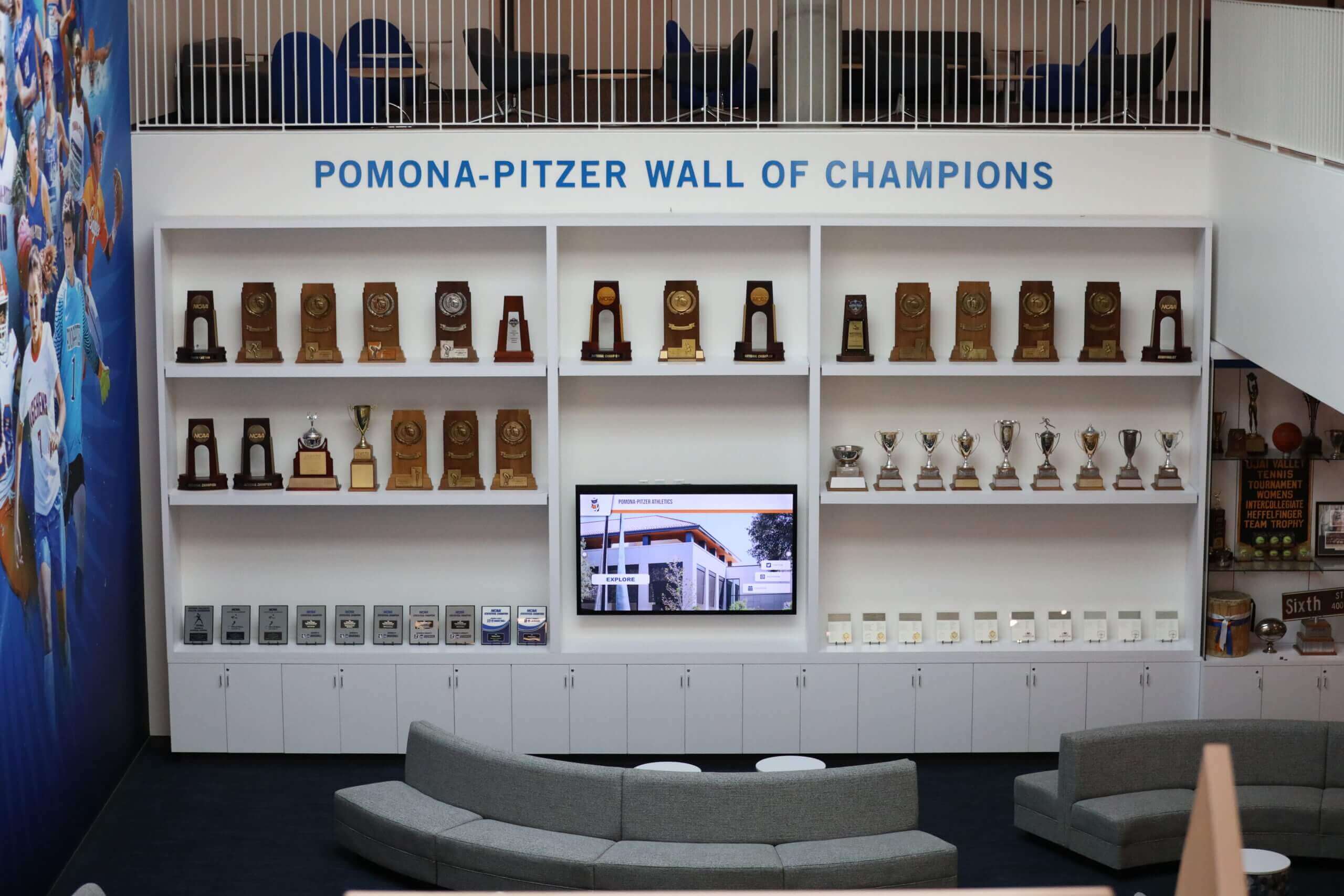
Comfortable team spaces displaying program achievements support social connection and positive culture
Implementing Effective Outdoor Team Building Activities
Strategic planning ensures activities achieve intended developmental outcomes rather than becoming empty time consumption.
Activity Selection and Planning
Matching Activities to Team Needs Diagnostic assessment identifies specific developmental priorities:
- Early-season activities focused on relationship building and trust establishment
- Mid-season activities addressing communication breakdowns or conflicts
- Pre-playoff activities building confidence and collective efficacy
- Identifying specific team challenges requiring targeted intervention
- Assessment of existing team dynamics informing activity selection
- Consideration of physical demands relative to training and competition schedule
- Balance between physically challenging and mentally focused activities
Logistical Planning Essentials Operational details ensuring smooth execution:
- Location scouting and reservation for appropriate space and facilities
- Transportation coordination for off-campus activities
- Permission and waiver collection from athletes and families
- Budget development including transportation, equipment, food, and professional facilitators
- Schedule coordination avoiding conflicts with academic obligations and competitions
- Weather contingency planning with backup activities or dates
- Equipment and material procurement or rental arrangements
- Volunteer or parent support recruitment for supervision and logistics
Safety and Risk Management Comprehensive planning preventing injuries and incidents:
- Activity-specific risk assessment and mitigation planning
- Appropriate adult supervision ratios for activity type
- Emergency action plans with first aid supplies and trained responders
- Communication systems for spread-out activities or large areas
- Weather monitoring and adjustment protocols
- Physical ability considerations ensuring all athletes can participate safely
- Liability insurance review ensuring activity coverage
- Professional facilitator vetting and credential verification
Many athletic programs find that digital communication systems help coordinate team building logistics while keeping families informed about program activities.
Facilitating Activities for Maximum Impact
Framing and Introduction Clear purpose communication enhances engagement and learning:
- Explicit connection between activity and athletic performance goals
- Expectation setting for participation, effort, and attitude
- Psychological safety establishment allowing risk-taking and vulnerability
- Relevance explanation helping athletes understand value beyond “fun”
- Challenge level communication managing expectations appropriately
- Role definitions when activities require designated responsibilities
- Success criteria clarification focusing on process over outcome
During Activity Facilitation Active coaching maximizing developmental potential:
- Observation of team dynamics, communication patterns, and leadership emergence
- Strategic intervention when activities stall or frustration escalates
- Encouragement maintaining positive energy and effort
- Question prompting stimulating thinking rather than providing solutions
- Time management balancing completion with learning opportunity
- Photo and video documentation capturing memorable moments
- Flexibility adjusting activities based on engagement and effectiveness
Debriefing and Reflection Conscious processing transforms experience into learning:
Essential Debrief Questions:
- What did you observe about our team communication during this activity?
- When did you feel most connected to or supported by teammates?
- What challenges did we face and how did we respond?
- Who emerged as leaders and how did that happen organically?
- What parallels do you see between this activity and our sport?
- What could we have done differently to be more effective?
- How can we apply lessons from this experience to practice and competition?
- What surprised you about teammates during this activity?
Effective Debriefing Practices:
- Sufficient time allocation rather than rushing or skipping reflection
- Safe environment encouraging honest sharing without judgment
- Multiple voices included rather than domination by vocal athletes
- Coach facilitation prompting thinking rather than telling lessons
- Athlete-generated insights having more impact than coach lectures
- Connection to specific upcoming competitions or team challenges
- Documentation of key insights for future reference and reinforcement
- Follow-up in subsequent practices applying lessons to athletic contexts
Programs implementing systematic debriefing report significantly higher transfer of team building benefits to athletic performance compared to programs conducting activities without structured reflection.
Seasonal Planning and Integration
Pre-Season Team Building Focus Early activities establishing foundation for season:
- Relationship building for new team members or grade transitions
- Trust establishment before competitive pressure emerges
- Leadership development identifying and empowering team leaders
- Culture creation establishing desired team norms and values
- Goal setting through collaborative visioning processes
- Ice breakers helping athletes learn about each other
- Energy and excitement generation for upcoming season
In-Season Maintenance Activities Ongoing team development during competitive season:
- Lower intensity activities preventing additional physical fatigue
- Shorter duration respecting time demands of competition and academics
- Social activities providing mental breaks from performance pressure
- Problem-solving challenges addressing specific team issues or communication breakdowns
- Celebration of milestones and achievements maintaining motivation
- Mental refreshment through variety and change from routine
- Flexibility adapting to team needs as they emerge throughout season
Post-Season Reflection and Celebration Season-ending activities building tradition and closure:
- Celebration activities honoring effort and achievement regardless of outcomes
- Reflection on growth and development throughout season
- Recognition of senior contributions and leadership
- Team awards beyond athletic performance acknowledging diverse contributions
- Social activities building memories and positive season conclusion
- Transition activities preparing returning athletes for next season
- Alumni connection creating program continuity across years
Athletic programs often preserve team building memories and seasonal traditions through permanent digital displays that celebrate program culture alongside competitive achievements.
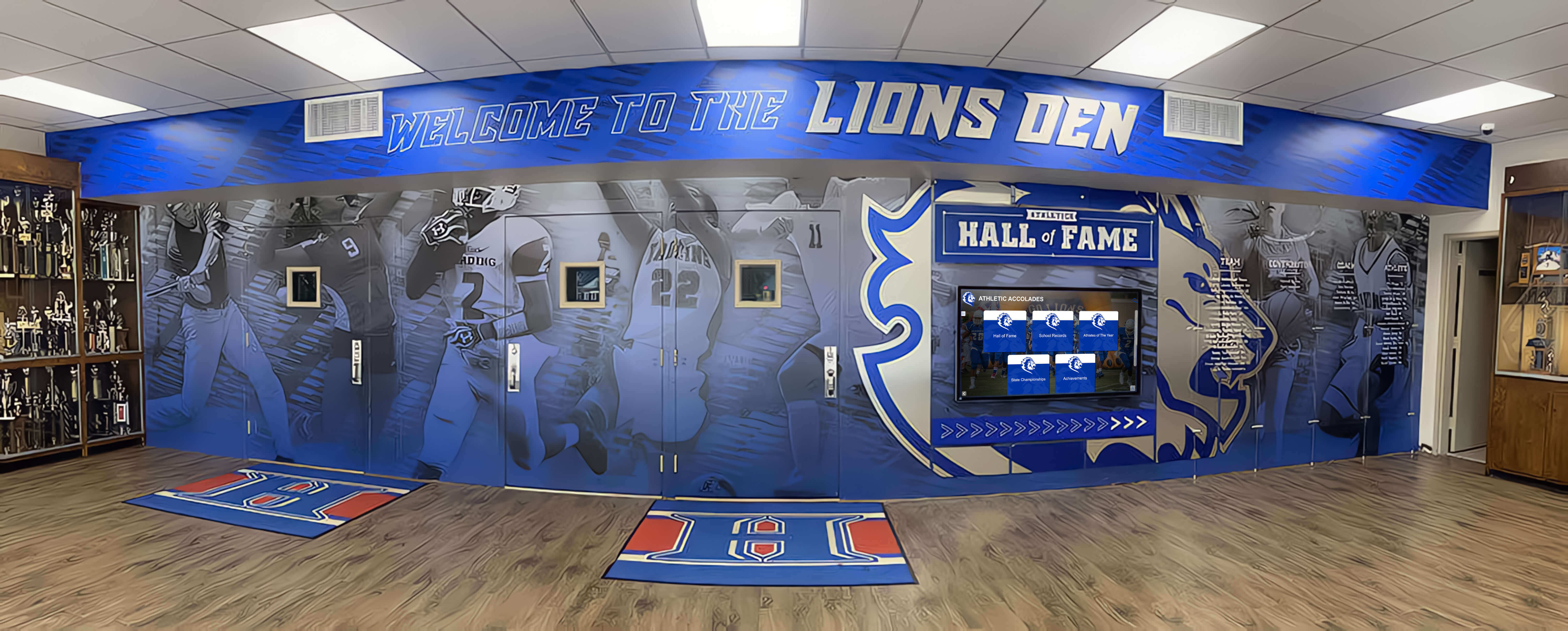
Comprehensive recognition systems showcase both championship trophies and team culture traditions building program identity
Specific Activity Examples by Program Goal
Detailed activities addressing common team development needs with implementation guidance.
Activities Building Trust and Vulnerability
Trust Walk Blindfolded partner activity developing reliance and communication:
- Pairs where one athlete wears blindfold while partner provides verbal guidance
- Increasingly complex obstacle courses requiring precise communication
- Partner rotation ensuring all athletes experience both roles
- Silence variations requiring nonverbal communication through touch or sound
- Outdoor trails or natural environments adding challenge and interest
- Progressive distance where partners gradually separate testing communication
- Debrief focusing on feelings of vulnerability and communication effectiveness
Trust Fall Variations Physical trust activities requiring teammate support:
- Traditional trust fall with spotter group catching falling athlete
- Trust lean in circles where athletes support each other simultaneously
- Willow in wind where center person sways while circle supports
- Platform trust falls for higher stakes and greater commitment
- Gradual height progression building confidence before major challenges
- Emphasis on physical and emotional support preparation before falls
- Discussion of trust in athletic contexts paralleling activity
Activities Improving Communication
Minefield Navigation Verbal guidance activity highlighting communication precision:
- Field scattered with objects representing “mines”
- Blindfolded athlete must cross field based solely on partner’s directions
- Multiple pairs navigating simultaneously creating confusion and requiring clear communication
- Timed competition adding pressure similar to game situations
- Debrief examining what made communication effective or ineffective
- Role rotation allowing all athletes to practice giving and receiving instructions
- Restriction variations limiting available words or communication methods
Pipeline Collaborative object transport requiring coordination:
- Team must transport ball through split tubes or gutters without dropping
- Continuous movement requiring athletes to reposition after ball passes
- Distance variations increasing difficulty and coordination requirements
- Timed challenges adding pressure and requiring efficiency
- Silence version eliminating verbal communication
- Competition between team divisions promoting engagement
- Discussion of planning, execution, and adaptation processes
Back-to-Back Drawing Communication clarity activity demonstrating description challenges:
- Pairs sitting back-to-back with one viewing image and describing to partner
- Drawer attempts to recreate image based only on verbal description
- No questions allowed emphasizing description quality
- Complexity variations matching skill level appropriately
- Debrief comparing original and drawn images highlighting miscommunication
- Discussion of assumptions and clarity in athletic communication
- Application to play calling and on-field verbal exchanges
Activities Developing Leadership and Decision Making
Survival Scenario Planning Strategic thinking activity distributing leadership opportunities:
- Hypothetical survival situation requiring resource prioritization
- Limited resources forcing difficult decision making
- Individual ranking followed by team consensus building
- Observation of natural leader emergence and influence patterns
- Time pressure requiring efficient decision processes
- Debrief examining how decisions were made and who influenced outcomes
- Discussion of leadership styles and effective influence
Group Initiatives with Rotating Leaders Leadership practice through designated responsibility:
- Series of short activities where different athletes lead each challenge
- Leader responsible for planning, delegating, and executing solution
- Team must follow designated leader even if alternative ideas exist
- Feedback to each leader about effectiveness and approach
- Observation of different leadership styles and team responses
- Discussion of situational leadership and adapting to context
- Application to game captains and on-field leadership roles
Project-Based Challenges Extended activities requiring sustained leadership and planning:
- Community service project planned and executed by athlete leadership
- Fundraising event organized entirely by team members
- Team video or presentation creation about program values
- New tradition development designed and implemented by athletes
- Mentorship program structure created by older athletes
- Complete lifecycle experience from conception through evaluation
- Debrief focusing on planning, delegation, adaptation, and follow-through
Programs combining team building with comprehensive recognition systems celebrate leadership development alongside athletic achievement.
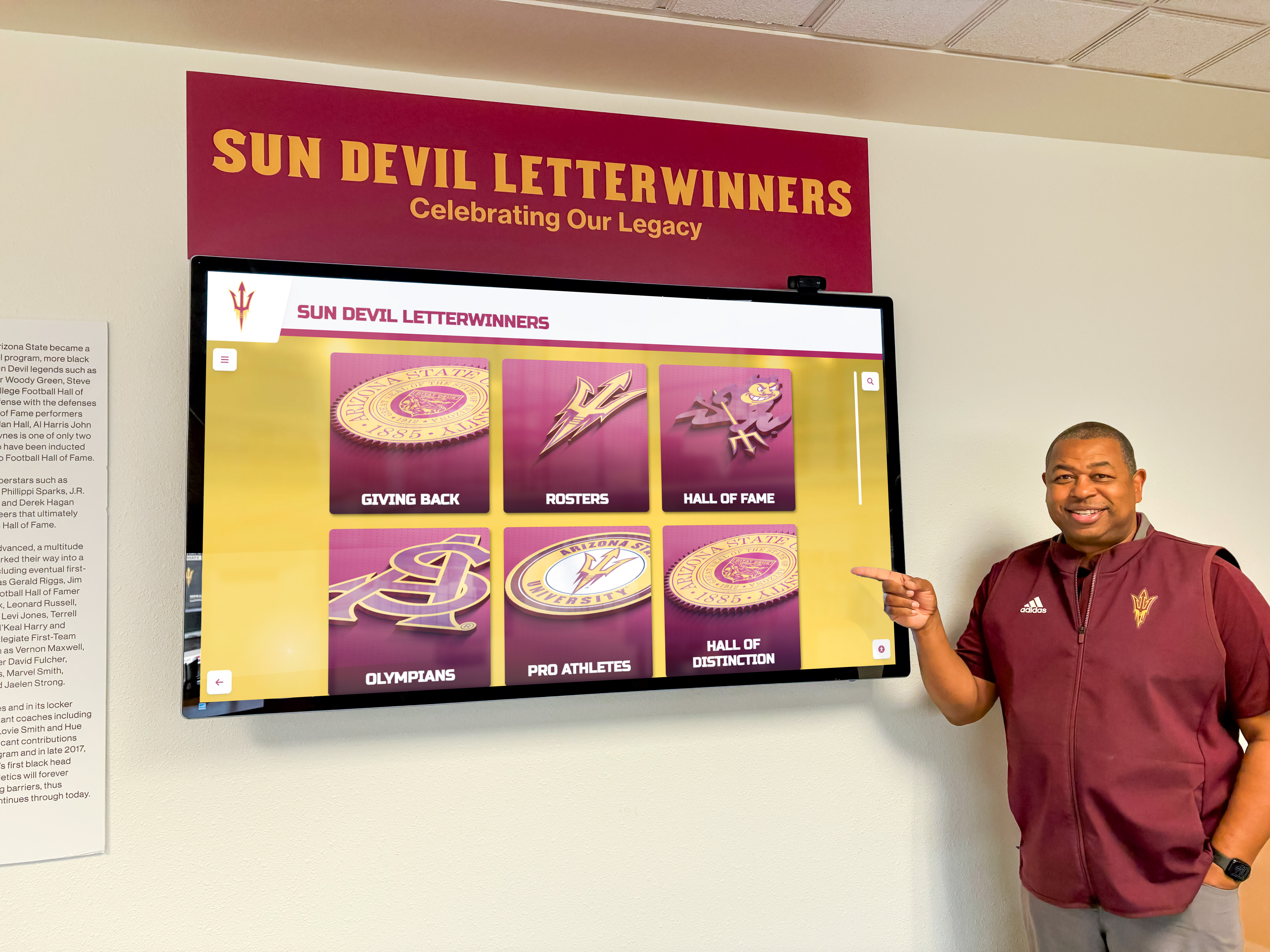
Digital recognition platforms enable programs to celebrate leadership development and character alongside competitive statistics
Activities Building Inclusion and Breaking Down Barriers
Common Ground Personal sharing activity revealing unexpected connections:
- Athletes move to designated area when statements apply to them
- Progressively personal questions revealing shared experiences
- Starting with surface characteristics then moving to values and experiences
- Discussion of unexpected commonalities and diverse backgrounds
- Building empathy through understanding teammates’ perspectives
- Safe environment with ground rules against judgment or mockery
- Written reflection option for athletes uncomfortable with public sharing
Team Timeline Collective history creation acknowledging all contributions:
- Large timeline on ground with markers for significant team moments
- Athletes place themselves at points representing personal significant moments
- Sharing stories about placements creating complete team narrative
- Recognition that all moments matter not just championship games
- Photo documentation creating permanent team history record
- Display in team space reminding athletes of collective journey
- Annual addition building multi-year program history
Strength Bombardment Affirmation activity building confidence and recognition:
- Athletes write positive qualities they observe in each teammate
- Collection and reading of affirmations showing how others perceive each person
- Focus on character and personality beyond athletic ability
- Anonymous contributions creating safety for authentic sharing
- Documentation for athletes to keep and review when needing encouragement
- Discussion of seeing teammates as complete people beyond athletic roles
- Building culture of authentic appreciation and recognition
Budget-Conscious Team Building Approaches
Effective team development doesn’t require expensive professional facilitators or elaborate adventures.
Low-Cost High-Impact Activities
Campus-Based Challenges Using existing school facilities and resources:
- Scavenger hunts across campus incorporating program history and traditions
- Gymnasium-based initiative activities using basic athletic equipment
- Outdoor space challenges at practice fields or school grounds
- Classroom problem-solving activities during inclement weather
- Building tours highlighting program history and achievements
- Staff interview activities building broader community connections
- Photo documentation creating lasting memories without expense
Coach-Facilitated Activities Internal expertise providing effective experiences:
- Simple trust activities requiring no equipment or specialized training
- Communication exercises using household or athletic equipment
- Discussion-based activities requiring only facilitation skills
- Sport-specific analogy activities connecting directly to athletic goals
- Reflection and goal-setting sessions requiring minimal resources
- Team meeting enhancements incorporating bonding elements
- Progressive skill development where coaches build facilitation expertise
Programs find that digital recognition solutions help showcase team building traditions and program culture while managing costs more effectively than constantly purchasing new physical displays.
DIY Activity Implementation
Homemade Challenge Course Elements Creating activities with available materials:
- PVC pipe construction creating portable low ropes elements
- Tarp and rope activities requiring teamwork and problem solving
- Hula hoop challenges testing coordination and planning
- Rope or string activities creating physical puzzles
- Bucket and ball transfer challenges requiring ingenuity
- Cardboard construction activities promoting creativity and collaboration
- Recycled material challenges emphasizing resourcefulness
Natural Environment Utilization Leveraging free outdoor spaces:
- Local park activities using natural features and spaces
- Trail hiking incorporating team challenges along route
- Stream or pond activities requiring coordination and planning
- Forest or wooded area navigation and problem solving
- Beach or lake activities using natural setting for team building
- Mountain or hill climbing for shared challenge experience
- Seasonal activities matching climate and conditions
Fundraising and Sponsorship for Team Building
Funding Sources Securing resources for enhanced activities:
- Booster club allocations designated for team development
- Local business sponsorship of specific activities or events
- Parent fundraising specifically for team building initiatives
- Alumni donations supporting current team development
- School wellness or character education budget coordination
- Community organization partnerships providing resources or expertise
- Grant applications to foundations supporting youth development
- Crowdfunding campaigns explaining team building importance to extended families
In-Kind Donations Non-monetary contributions reducing costs:
- Local challenge course facilities offering discounted or free access
- Outdoor recreation businesses providing equipment loans
- Restaurants donating meals for team gatherings
- Transportation companies offering bus services
- Professional facilitators volunteering expertise
- Parks department providing venue access and support
- Alumni with relevant expertise facilitating activities
Measuring Team Building Effectiveness
Assessment ensures activities produce intended benefits and justify continued investment.
Observable Team Indicators
On-Field Performance Metrics Athletic manifestations of improved team cohesion:
- Communication frequency and quality during practices and competitions
- Encouragement and support between teammates during adversity
- Leadership emergence from diverse roster positions beyond captains
- Conflict resolution speed and effectiveness when disagreements arise
- Willingness to sacrifice individual statistics for team success
- Energy and enthusiasm levels throughout practices and competitions
- Trust demonstrations through passes to open teammates and defensive coverage
Off-Field Relationship Quality Social dynamics indicating strengthened connections:
- Voluntary socializing outside required team activities
- Cross-grade interaction breaking down class barriers
- Inclusion of bench players in starter social groups
- Support during personal challenges beyond athletics
- Celebration of teammates’ non-athletic achievements
- Mentorship relationships between older and younger athletes
- Conflict rarity and constructive resolution when occurring
Program Culture Signals Broader indicators of positive team environment:
- Athlete retention rates year over year
- Recruitment success attracting quality athletes to program
- Parent satisfaction and engagement with coaching staff
- Positive reputation in school and broader community
- Alumni connection and ongoing program involvement
- Leadership development visible in other contexts
- Athletic participation in other school activities and leadership roles
Research demonstrates that teams engaging in regular structured team building show statistically significant improvements in communication patterns, conflict resolution, and collective efficacy compared to control groups without systematic team development activities.
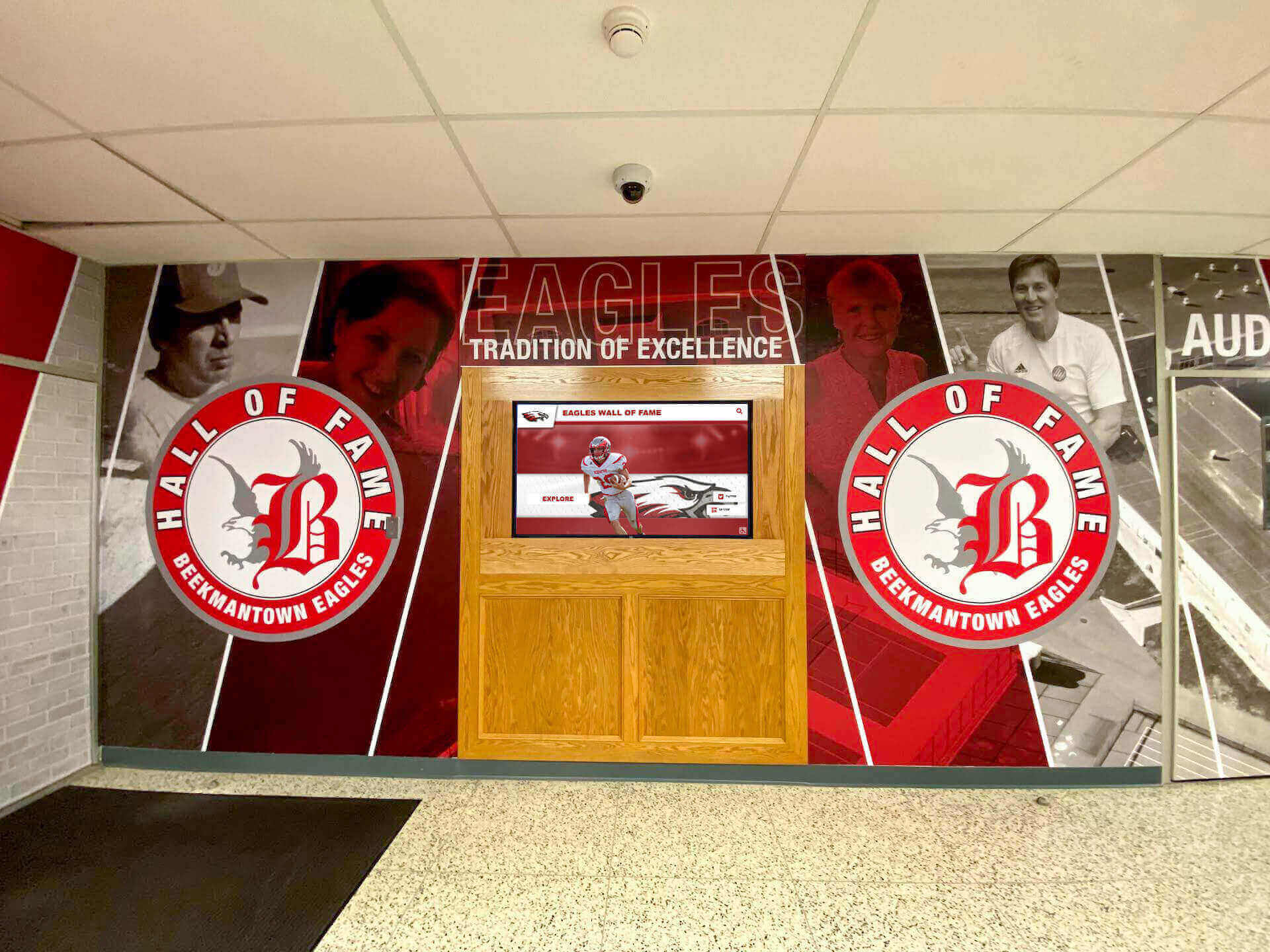
Strong program cultures built through team development deserve celebration in permanent recognition displays
Athlete Feedback and Assessment
Survey and Interview Methods Systematic data collection measuring team building impact:
- Pre and post-season team cohesion surveys tracking development
- Activity-specific feedback forms assessing immediate impact
- Anonymous input encouraging honest sharing without social pressure
- One-on-one athlete interviews providing qualitative insights
- Team meeting discussions about culture and relationship quality
- Parent observation and feedback about athlete experience
- Coach assessment of relationship and communication patterns
Key Assessment Questions
- How connected do you feel to your teammates?
- How comfortable are you being vulnerable with team members?
- How effectively does our team communicate during competition?
- How well do you understand your teammates’ perspectives and backgrounds?
- How supported do you feel by teammates during challenges?
- How much do you trust teammates to support you?
- What specific activities most impacted your team relationships?
Long-Term Program Impact
Multi-Year Tracking Sustained assessment revealing cumulative benefits:
- Competitive performance trends over seasons
- Retention and return rates year to year
- Leadership quality and distribution across roster
- Alumni connection and program advocacy strength
- Injury rates potentially reflecting care and trust levels
- Academic performance of program participants
- College athletic continuation rates indicating sustained love of sport
Return on Investment Justifying resource allocation through demonstrated value:
- Competitive success relative to talent level
- Program growth in participation numbers and athlete quality
- Community reputation and support level
- College recruitment interest and scholarship awards
- Coach retention and job satisfaction
- Budget support from administration and boosters
- Intangible program culture and athlete satisfaction
Successful programs often showcase team building traditions and culture development alongside competitive achievements through comprehensive digital recognition systems that tell complete program stories.
Common Team Building Challenges and Solutions
Anticipating difficulties enables proactive problem-solving and successful implementation.
Athlete Resistance and Buy-In
Skeptical Athlete Management Addressing cynicism and reluctance:
Common Resistance Sources:
- Perception that team building wastes practice time
- Self-consciousness about vulnerability and sharing
- Previous negative experiences with ineffective activities
- Concern about judgment from teammates
- Preference for individual focus over team emphasis
- Lack of understanding about relevance to athletic performance
Building Buy-In Strategies:
- Clear explanation of purpose and connection to athletic goals
- Athlete input in activity selection and planning processes
- Gradual progression building comfort with vulnerability
- Success stories from other teams or previous seasons
- Coach participation demonstrating commitment and modeling behavior
- Immediate application of lessons to practice and competition
- Visible results from initial activities encouraging continued engagement
- Leadership endorsement from respected team captains
Time Constraints and Scheduling
Managing Competing Demands Balancing team building with academic and athletic obligations:
Time Management Approaches:
- Integration into existing practice time replacing traditional conditioning
- Weekend activities utilizing less-constrained schedules
- Off-season focus when academic and competitive demands lower
- Shorter frequent activities versus rare lengthy events
- Multi-purpose activities combining physical training with team development
- Strategic timing before team challenges requiring cohesion
- Efficient activity selection maximizing impact per time investment
Ensuring Physical and Emotional Safety
Comprehensive Safety Planning Preventing injuries and negative experiences:
Physical Safety Considerations:
- Activity appropriateness for athlete fitness and ability levels
- Progressive difficulty ensuring athletes don’t attempt beyond capability
- Proper equipment and facility safety inspection before activities
- Qualified supervision with emergency training and supplies
- Weather monitoring and appropriate activity adjustment
- Clear rules and behavioral expectations preventing horseplay
- Insurance coverage verification for all planned activities
Emotional Safety Protection:
- Ground rules against mockery, judgment, or exclusion
- Opt-out options for activities creating genuine distress
- Confidentiality agreements about personal sharing
- Coach intervention when teasing or negativity emerges
- Debriefing focus on learning rather than individual criticism
- Recognition of different comfort levels with vulnerability
- Follow-up support for athletes struggling with emotional elements
Frequently Asked Questions About Team Building
Addressing common questions helps coaches and administrators plan effective team development initiatives.
How often should teams do outdoor team building activities?
Effective programs incorporate team building regularly throughout seasons rather than one-time events. Pre-season intensive foundation building (3-5 substantial activities) establishes initial connections, while monthly maintenance activities during competitive season sustain relationships. Balance depends on team needs, schedule constraints, and specific developmental challenges requiring attention.
What if athletes don’t take team building seriously?
Athlete disengagement typically reflects poor activity selection, unclear purpose communication, or inappropriate difficulty levels. Address skepticism through explicit connection to athletic performance, athlete input in planning, immediate application of lessons to practice, and coach participation modeling desired engagement. Starting with activities athletes perceive as relevant builds credibility for more vulnerable activities later.
Do team building activities actually improve athletic performance?
Research consistently demonstrates correlation between team cohesion and athletic performance. While causation is difficult to isolate, teams reporting higher trust, communication quality, and interpersonal connection show better performance relative to talent level. Team building activities represent one component of comprehensive culture development alongside coaching quality, athlete development, and organizational factors.
How do you manage different personality types during activities?
Effective activities value diverse contributions and strengths rather than favoring extroverted athletes. Select varied activities where different qualities shine (problem solving, physical courage, creativity, communication). Facilitate discussions ensuring quieter athletes share perspectives. Recognize that leadership and contribution manifest differently for different personalities. Create safety allowing authenticity rather than forcing uniform participation styles.
What activities work best for large teams?
Large rosters benefit from activities splitting into smaller groups ensuring participation and preventing free-riding while creating opportunities for cross-group interaction. Use rotation ensuring athletes work with varied teammates rather than established friend groups. Select activities scaling appropriately or allowing simultaneous participation by multiple groups. Debrief whole team together connecting experiences and building collective identity.
How can we afford professional team building programs?
Many effective activities require minimal cost and can be facilitated by coaches with basic training. Start with low-cost campus-based activities building facilitation skills and demonstrating value before pursuing expensive professional programs. Seek booster club support, local business sponsorship, or partnerships with community organizations offering services. Prioritize systematic intentional development over elaborate expensive single events.
What if team building activities reveal serious interpersonal conflicts?
View conflict emergence as positive opportunity rather than activity failure. Surface-level team building can expose underlying issues requiring resolution. Address conflicts directly through facilitated conversations, individual coaching, and clear behavioral expectations. Involve athletic director or school counselors for conflicts beyond coach expertise. Recognize that authentic team development requires working through difficulties rather than avoiding them.
How do you balance team building with necessary practice time?
Frame team building as essential performance enhancement rather than competition with practice. Communication, trust, and cohesion directly impact competitive success making time investment worthwhile. Integrate some activities into practice (warm-up team challenges, communication drills). Schedule substantial activities during off-season or strategic season points. Track performance changes demonstrating team building value justifying continued time allocation.
Conclusion: Building Teams That Last Beyond Seasons
Outdoor team building activities represent essential investment in the human dynamics underlying athletic success. While individual skill development and tactical preparation remain crucial, the relationships, trust, and communication patterns built through strategic team development often determine which talented rosters achieve their potential and which underperform despite ability.
The outdoor team building activities and implementation strategies explored in this comprehensive guide provide frameworks for systematic team development appropriate for programs at any competitive level. From trust-building challenges requiring physical and emotional vulnerability to communication exercises revealing interaction patterns to service activities connecting teams to broader community purpose, these approaches address the multidimensional nature of team cohesion.
Building effective team culture requires moving beyond assumptions that talented athletes naturally form cohesive units or that occasional pizza parties constitute team building. Modern coaching recognizes that deliberate, strategic, sustained investment in relationship quality and psychological safety creates the foundation where individual talents combine into collective excellence.
Start with team building elements your program can implement immediately based on available resources, time, and expertise. Simple coach-facilitated activities on campus or at local parks create meaningful impact without elaborate expense or professional facilitators. As you develop experience and demonstrate value, expand to more sophisticated activities while maintaining the systematic, intentional approach that transforms team building from checklist item to cultural cornerstone.
Your athletes deserve more than technical and tactical development—they need environments where authentic connection, mutual support, and genuine care enable them to bring their complete selves to competitive and personal challenges. Through thoughtful planning, creative activity selection, skilled facilitation, and consistent implementation, you can build teams where athletes don’t just train together but develop bonds lasting far beyond final competitions.
The time invested in team building creates returns measured not just in wins and championships but in the athletes who return years later describing teammates as family, the underclassmen who develop confidence through inclusive culture, and the parents who recognize positive development extending far beyond sport. Strong teams built through intentional relationship investment create memories, character development, and connections that athletes carry throughout their lives.
Ready to celebrate the strong team culture you’re building? Organizations like Rocket Alumni Solutions help athletic programs create comprehensive digital recognition displays that preserve team traditions, celebrate program culture, and showcase the bonds built through team development activities—ensuring your team building efforts receive the lasting visibility they deserve alongside competitive achievements.