Friday night lights shine especially bright across Oklahoma during playoff season, when high school football teams throughout the Sooner State compete for the ultimate recognition: a state championship. From Tulsa powerhouses to small-town programs where football defines community identity, the Oklahoma high school football playoffs create traditions, unite towns, and forge memories lasting generations.
Understanding the playoff structure—from district qualification to state championship brackets—helps schools, athletes, and communities maximize these experiences while building program legacies. Championship runs create stories worth preserving, achievements demanding recognition, and traditions connecting past glory to future aspirations.
This comprehensive guide explores the Oklahoma high school football playoffs system, championship bracket structures, state finals traditions, and modern approaches to commemorating achievements that define communities across the Sooner State.
The Oklahoma Secondary School Activities Association (OSSAA) governs one of the nation’s most comprehensive high school football playoff systems. With hundreds of schools competing across multiple classifications, the path to state championships involves intense competition, strategic preparation, and community support culminating in championship games that attract thousands of passionate supporters.
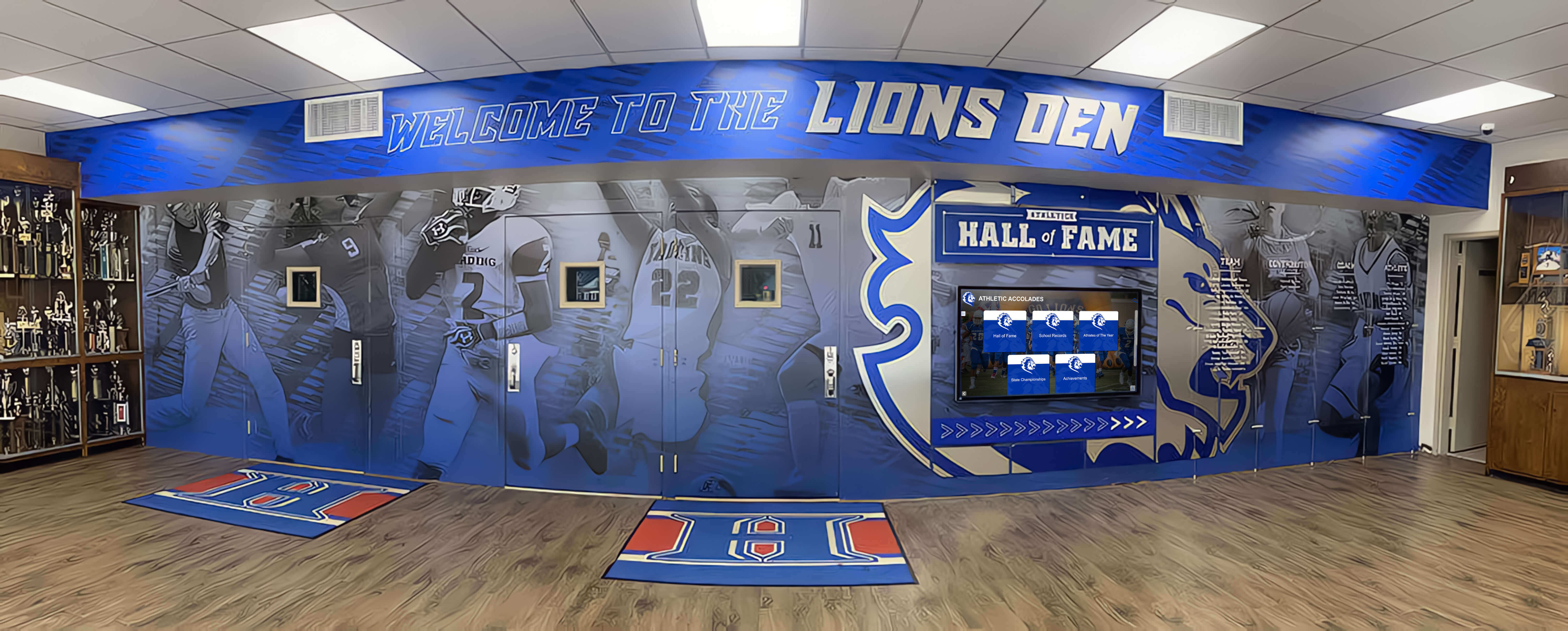
Championship achievements deserve permanent recognition celebrating teams that reached the pinnacle of Oklahoma high school football
Understanding Oklahoma’s Football Classification System
Oklahoma organizes high school football through a classification structure ensuring schools compete against similarly-sized institutions, creating competitive equity while providing championship pathways for programs across the enrollment spectrum.
OSSAA Classification Structure
Classification Breakdown
The OSSAA divides schools into seven distinct football classifications based on enrollment:
Class 6AI (Largest Schools)
- Schools with enrollments typically exceeding 1,800 students
- Suburban Tulsa and Oklahoma City powerhouse programs
- Most competitive classification featuring extensive rosters and coaching staffs
- State championship games held at prestigious neutral-site venues
- Programs often drawing from large youth football feeder systems
Class 6AII
- Large schools with enrollments generally between 1,400-1,800 students
- Competitive balance rivaling 6AI in many regions
- Mix of suburban and larger urban programs
- Strong football traditions across multiple programs
- Significant community investment and support
Classes 5A Through 2A
- 5A: Enrollments approximately 900-1,400 students
- 4A: Enrollments roughly 470-900 students
- 3A: Enrollments around 260-470 students
- 2A: Enrollments generally 105-260 students
- Mix of small city programs and larger rural schools
- Strong regional rivalries and competitive traditions
- Communities where football serves as primary fall social gathering
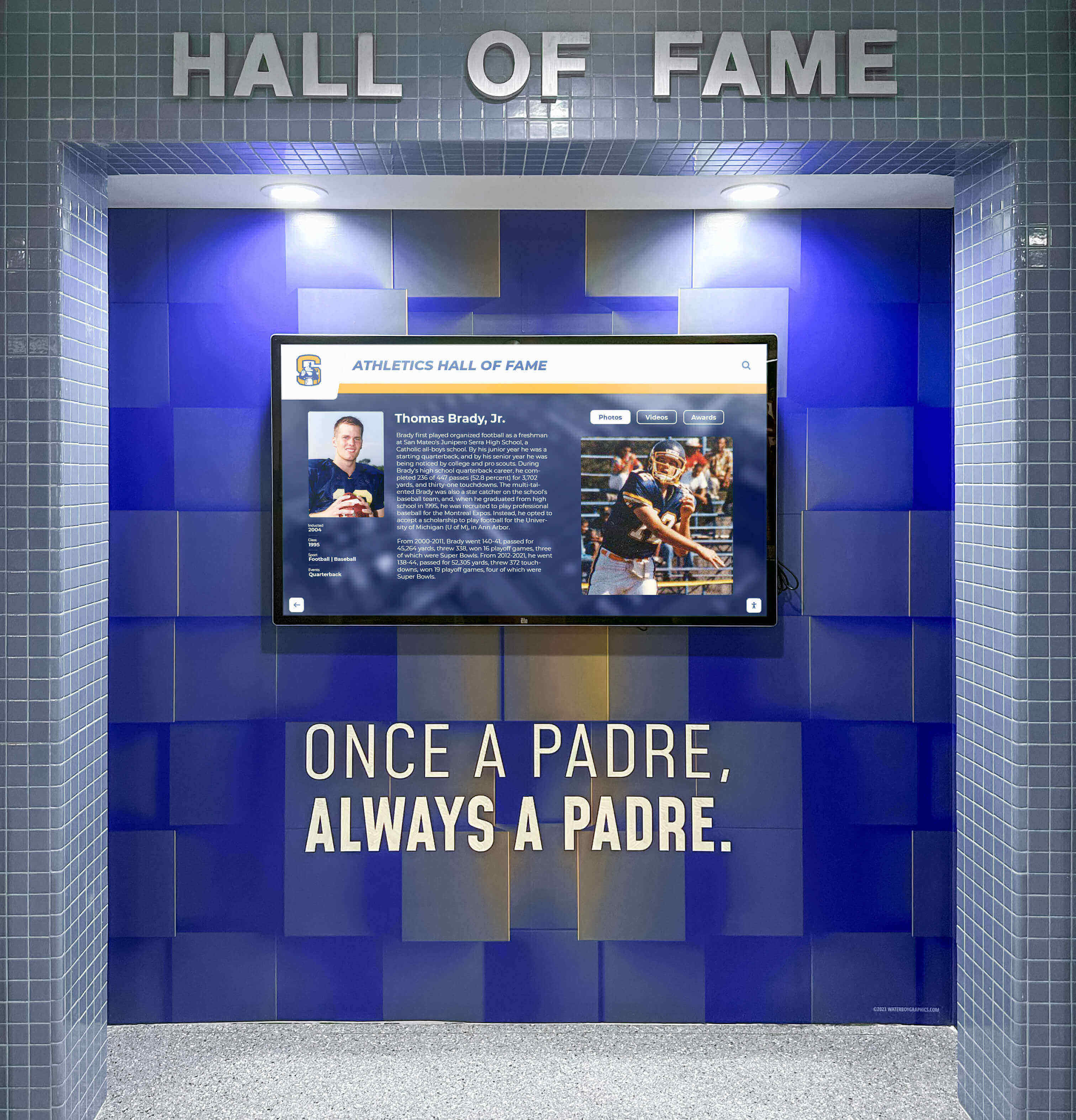
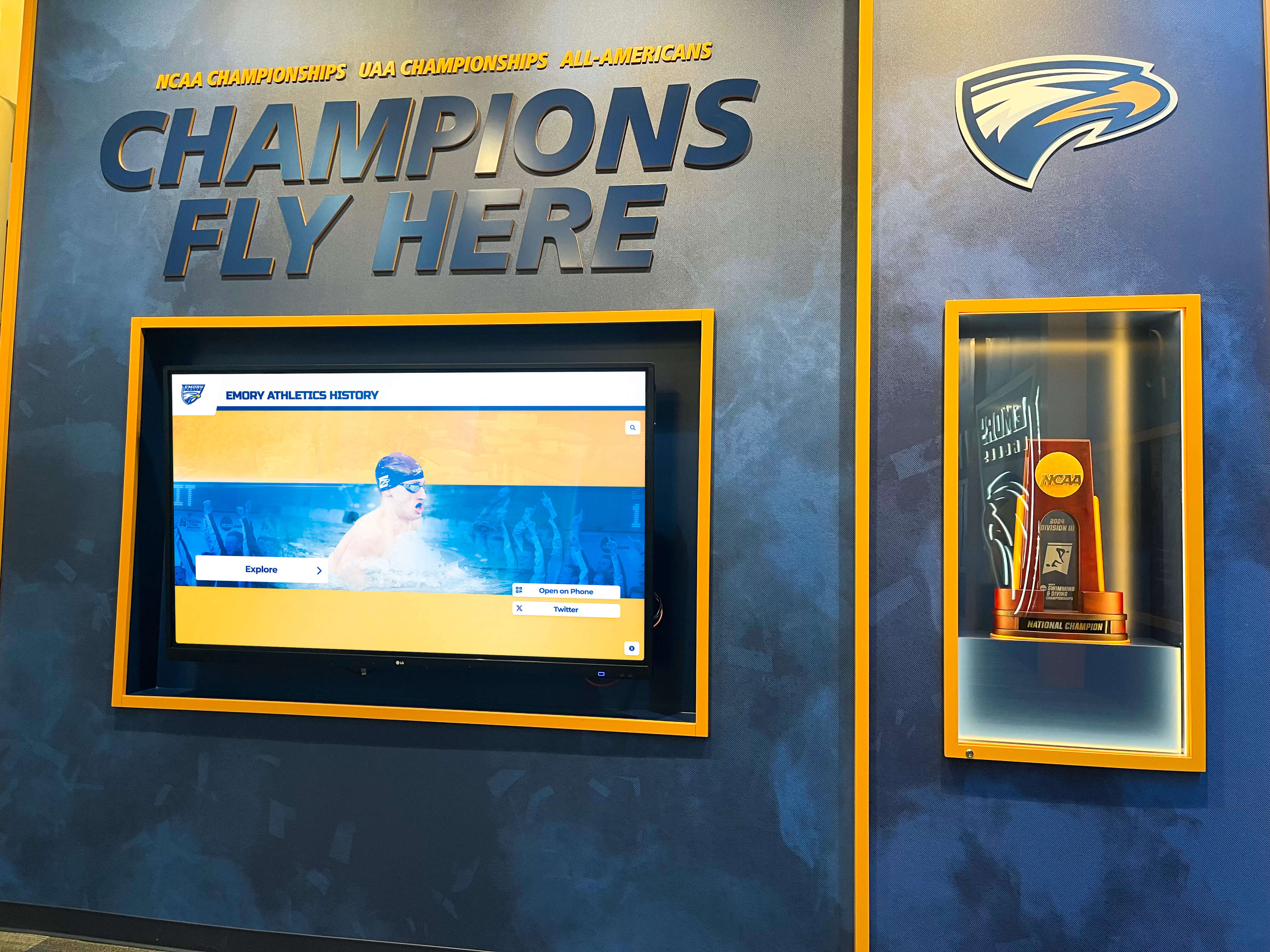
Modern displays help schools showcase playoff runs and championship achievements across all classifications
Classes A and B (Smallest Schools)
- Class A: Enrollments typically 50-105 students
- Class B: Smallest schools with enrollments under 50 students
- Eight-man football programs adapting game to school size
- Rural communities where entire towns support teams
- Deep traditions despite smaller enrollment numbers
This multi-tiered structure creates multiple state championship opportunities annually, ensuring schools compete within appropriate competitive contexts throughout playoff runs.
Programs developing fall sports playoff recognition systems benefit from understanding how these classifications create championship pathways comparable to systems in other football states like Louisiana’s high school football championships.
Oklahoma High School Football Playoff Structure
Understanding playoff mechanics helps schools navigate the journey from district competition to state championship games while maintaining focus and managing community expectations.
District Play and Playoff Qualification
District Organization
Regular season competition establishes playoff positioning through district play:
- Schools grouped geographically into districts within their classifications
- District schedules typically featuring 5-7 conference games
- Non-district games scheduled before or during district competition
- District standings determining playoff seeding and qualification
- Round-robin formats ensuring competitive balance within districts
Qualification Standards
Playoff qualification varies by classification:
- Larger classifications typically advance top four teams from each district
- Smaller classifications may qualify all district teams or top three finishers
- District champions receive advantageous playoff seeding
- Power rankings sometimes supplement district standings in seeding decisions
- Tiebreaker procedures (head-to-head, point differential, common opponents) resolve identical district records
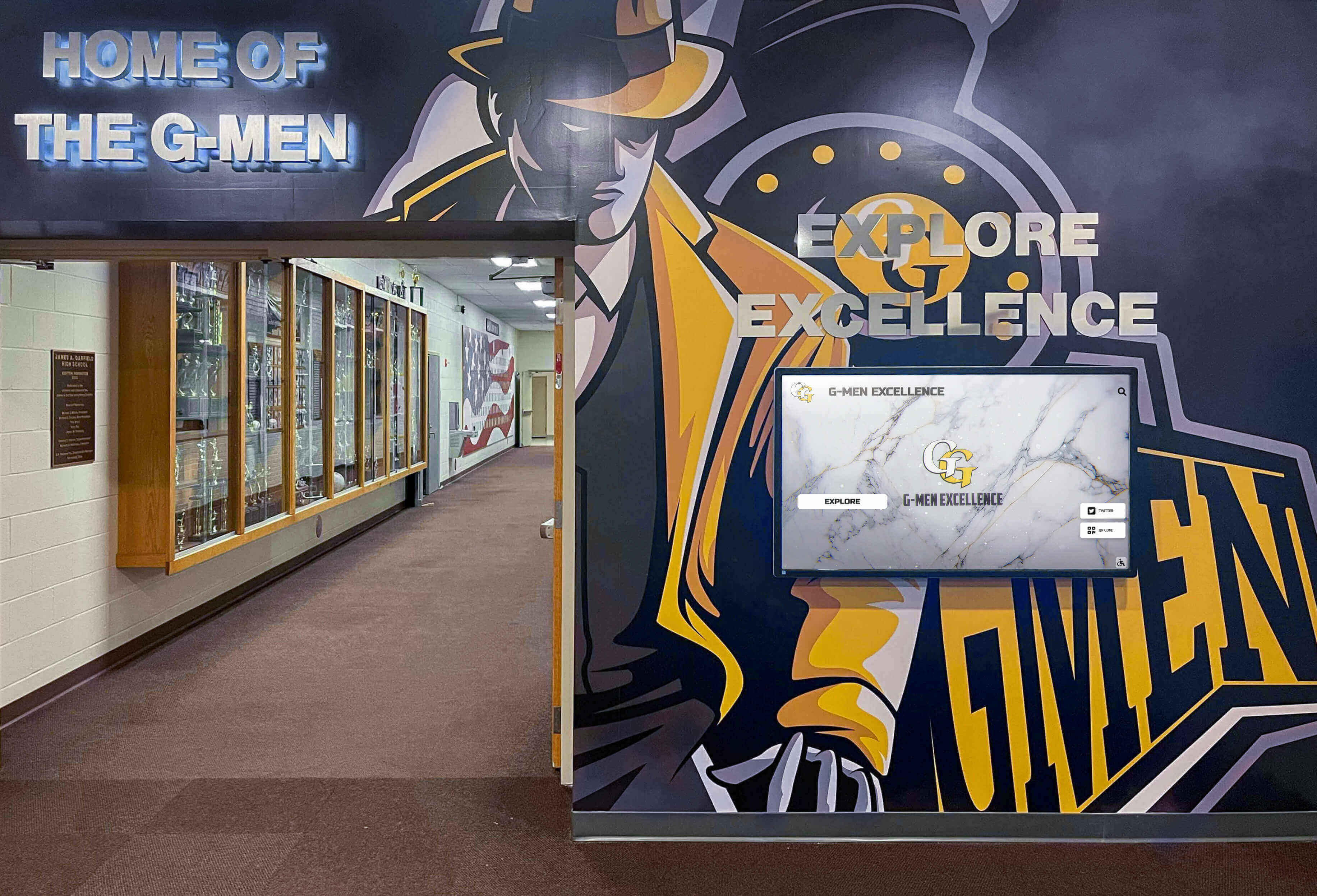
Championship banners and playoff recognition displays preserve program achievements throughout school facilities
Playoff Bracket Progression
Oklahoma’s playoff system features single-elimination brackets advancing toward state championship games:
Playoff Round Structure
The bracket progression varies by classification but generally follows this pattern:
- First Round: District qualifiers matched against opponents from adjacent districts
- Second Round (Regional Round): Winners advance toward regional championships
- Third Round (Regional Finals/Quarterfinals): Field narrows significantly
- State Semifinals: Four teams remaining per classification
- State Championship Game: Two finalists compete for state title
Home Field Advantage and Neutral Sites
- Higher seeds typically host early playoff rounds through semifinals
- State championship games played at neutral sites
- Games scheduled Friday or Saturday depending on venue and classification
- Late November typically features semifinal rounds
- State championships held in early to mid-December
Schools implementing state championship bracket displays create visual recognition tracking championship journeys through each playoff round.
State Championship Venues and Traditions
University of Central Oklahoma and Other Venues
Oklahoma state football championships utilize multiple quality venues:
- University of Central Oklahoma’s Wantland Stadium hosting multiple championship games
- Tulsa-area venues accommodating northeastern Oklahoma teams
- University facilities providing collegiate-level experiences
- Multiple championships scheduled across championship weekend
- Quality facilities creating memorable championship atmospheres
Championship Week Experience
State championship week creates special traditions:
- Team hotels bringing programs together for championship weekend
- Pre-game activities and team meals
- Media coverage and championship ceremonies
- Awards presentations recognizing individual and team excellence
- Community celebrations following championship victories
These championship experiences create memories schools commemorate through permanent recognition celebrating teams reaching Oklahoma’s highest competitive stage.
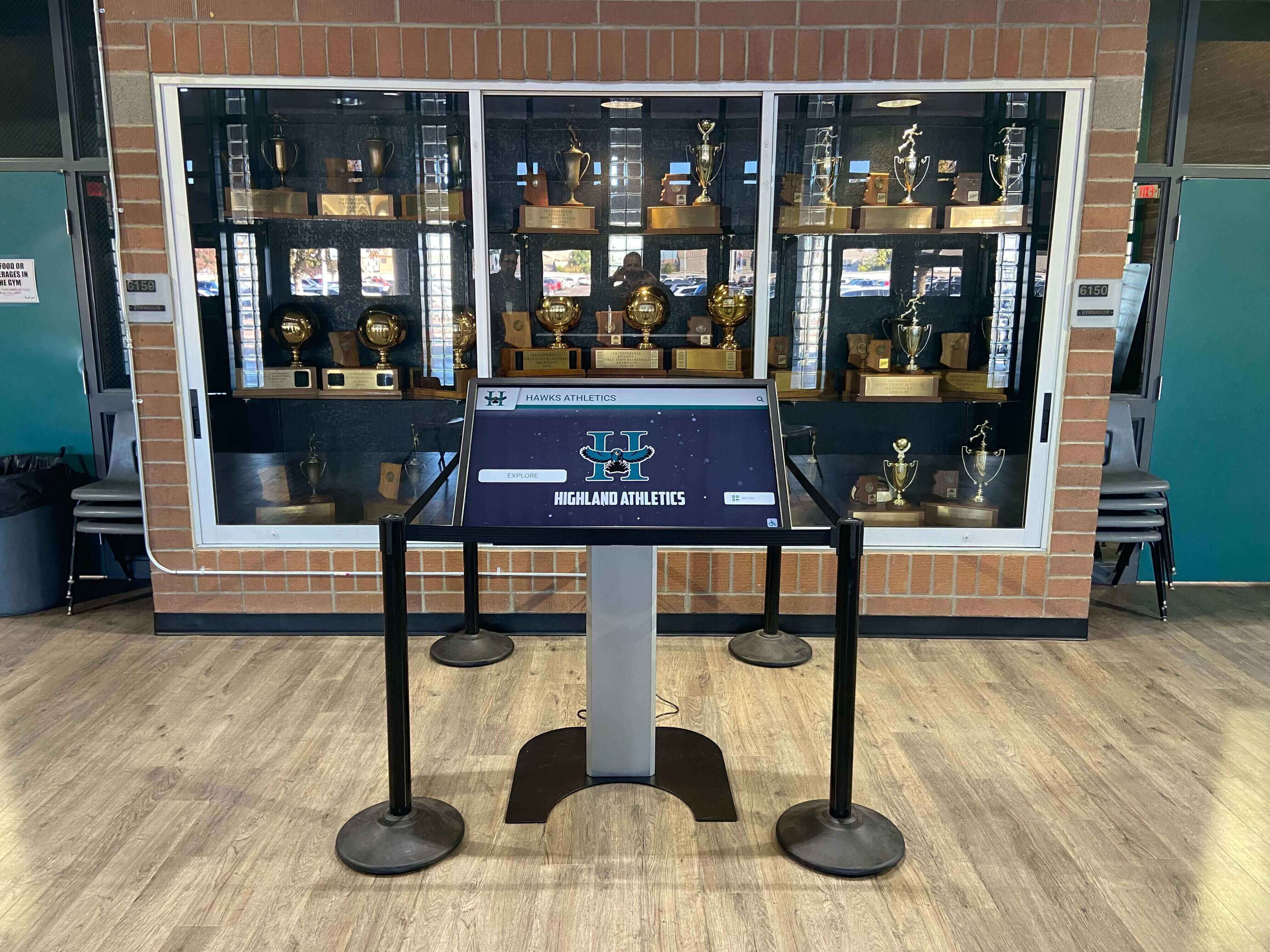
Interactive recognition systems enable exploration of complete playoff histories and championship rosters
Regional Football Powers and Historical Success
Oklahoma high school football history reveals programs with sustained excellence and championship traditions spanning decades.
Programs With Championship Pedigree
Legendary Oklahoma Football Programs
Several Oklahoma programs have built dynasties through consistent championship success:
- Jenks Trojans (Class 6AI): Suburban Tulsa powerhouse with numerous state championships
- Union Redhawks (Class 6AI): Tulsa-area program with sustained excellence
- Broken Arrow Tigers (Class 6AI): Large-school program with championship tradition
- Bixby Spartans (Class 6AII): Consistent contender with multiple recent championships
- Carl Albert Titans (Class 5A): Midwest City program with championship culture
- Wagoner Bulldogs (Smaller Classifications): Small-school dynasty dominating its classification
These programs demonstrate that championship success requires institutional commitment, coaching consistency, and community support extending far beyond individual seasons.
Geographic Strongholds
Tulsa Metropolitan Area
Oklahoma’s football excellence concentrates heavily in certain regions:
- Dense concentration of large-school powers
- Intense competition creating playoff-ready programs
- Quality facilities and extensive resources
- Historic rivalries dating generations
- Strong youth football infrastructure
Oklahoma City Area
- Urban and suburban programs with deep talent pools
- Multiple classifications represented
- Championship tradition across various programs
- Quality coaching attracting and developing talent
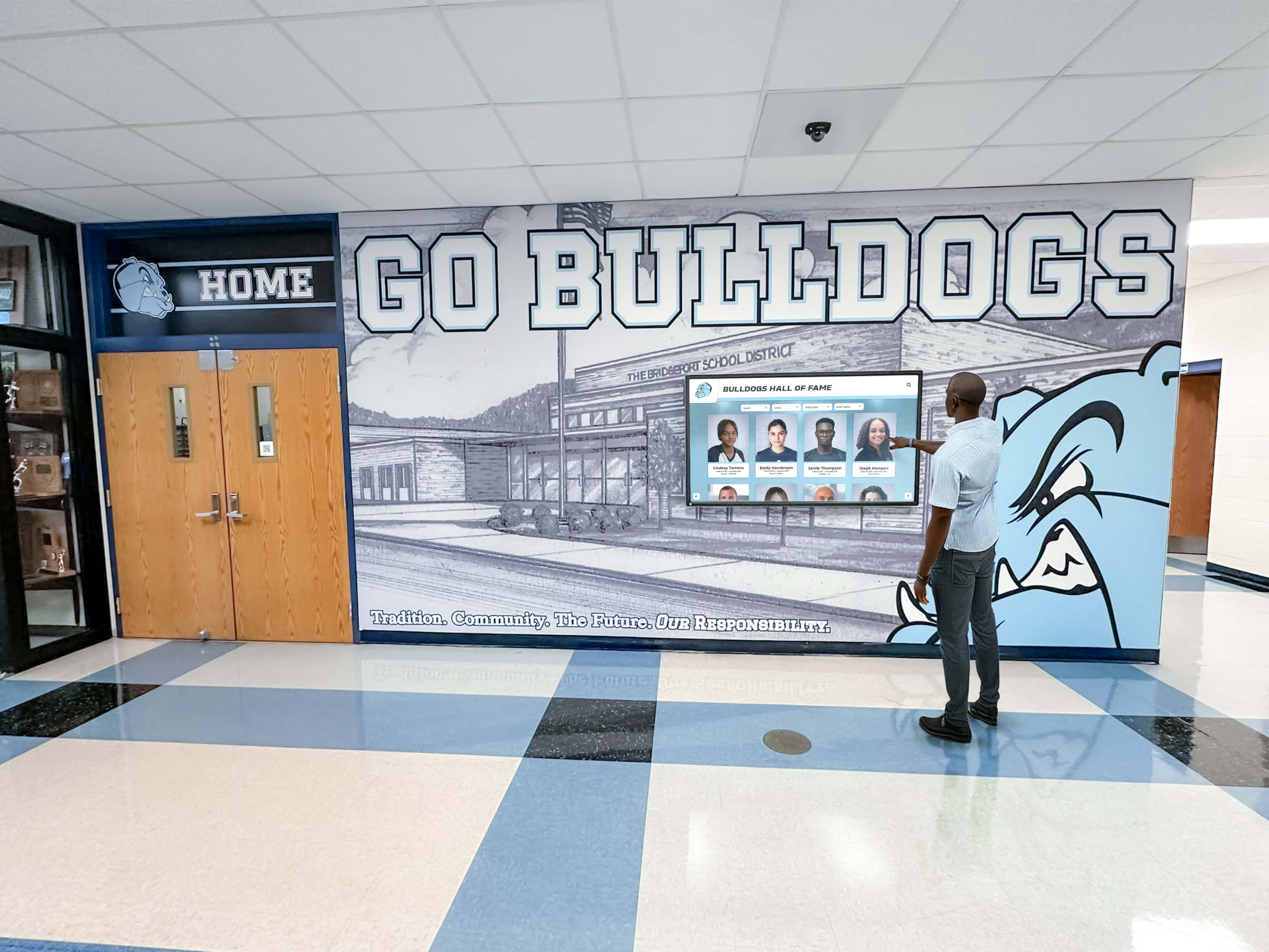
Championship recognition displays honor both team achievements and individual contributors
Rural Oklahoma Football
- Communities where football defines town identity
- Smaller classifications producing passionate support
- Entire communities traveling for playoff games
- Championships impacting towns for generations
- Eight-man football traditions in smallest classifications
Understanding regional dynamics helps schools benchmark success while identifying competitive standards within their areas and classifications, similar to competitive patterns seen in Illinois high school football playoffs.
Oklahoma Football Playoff Traditions
Championship playoff runs incorporate traditions unique to Oklahoma football culture, creating experiences extending beyond game results.
Community Support and Identity
Small-Town Football Culture
Oklahoma communities demonstrate remarkable playoff support:
- Entire towns traveling hours for neutral-site playoff games
- Businesses closing early enabling employee attendance
- Community fundraising supporting team travel and expenses
- Local media providing extensive championship coverage
- Alumni returning from across the country for playoff games
- Schools becoming community gathering points during championship runs
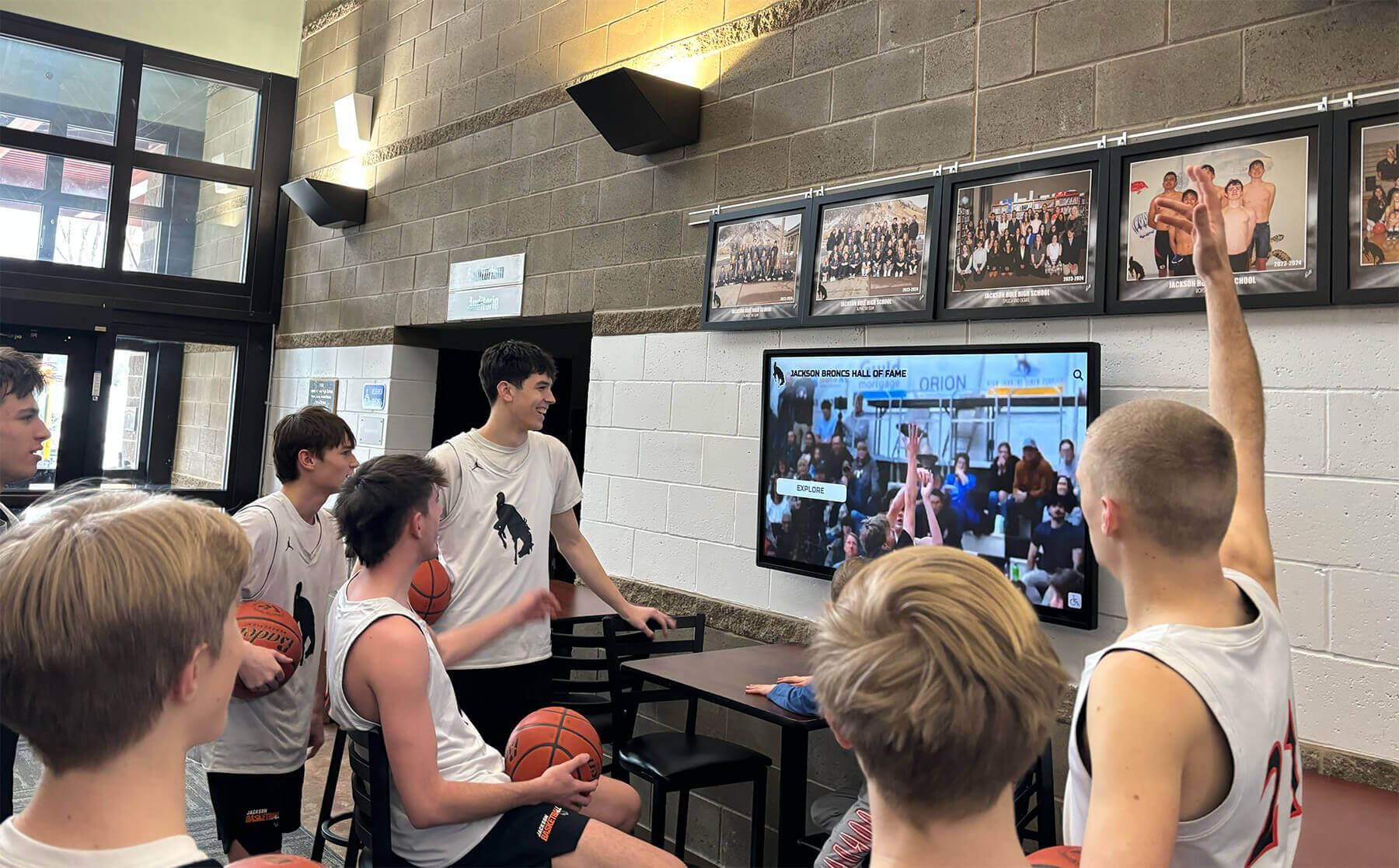
Digital displays enable students and community members to relive playoff highlights and championship moments
School Spirit Activities
Playoff Week Traditions
Schools amplify spirit activities during playoff weeks:
- Extended pep rallies featuring former players and community participation
- Business window painting throughout downtowns supporting teams
- Send-off celebrations as teams depart for away games
- Social media campaigns building excitement
- Senior night poster celebrations honoring departing players
- Homecoming celebrations following championship victories
Playoff Preparation Culture
Successful playoff programs develop distinct preparation approaches:
- Film study intensity increasing for playoff opponents
- Practice focus emphasizing execution and fundamentals
- Team bonding activities strengthening unity
- Mental preparation addressing championship pressure
- Community interaction building support networks
These traditions create memories extending beyond scores while reinforcing football’s cultural importance throughout Oklahoma.
Preparing Teams for Playoff Success
Comprehensive preparation separates playoff participants from championship contenders, requiring attention to physical, mental, and logistical factors.
Physical Preparation and Health Management
Managing Late-Season Health
Extended playoff runs test team depth and physical readiness:
- Training staff managing accumulated injuries
- Depth chart preparation ensuring backup readiness
- Practice modifications balancing preparation with recovery
- Nutrition and hydration protocols
- Sleep and recovery emphasis
- Injury rehabilitation timelines
Recognition programs inspire current players while honoring those who contributed to championship traditions
Weather Considerations
Oklahoma December weather creates variable championship conditions:
- Cold weather preparation for potential temperatures
- Wind consideration given Oklahoma’s open geography
- Equipment adjustments for weather scenarios
- Uniform options appropriate for conditions
- Practice modifications simulating expected weather
Mental Preparation Strategies
Handling Championship Pressure
Playoff success requires psychological readiness:
- Process-focused approach reducing outcome anxiety
- Film study building confidence through preparation
- Visualization techniques preparing for race-day scenarios
- Team support systems reducing individual pressure
- Coach-athlete communication ensuring clarity about game plans
- Experience sharing from alumni championship players
Week-to-Week Focus
Championship teams avoid looking beyond immediate opponents:
- Single-game mentality preventing distractions
- Emphasis on current opponent preparation
- Practice intensity matching game stakes
- Team meetings reinforcing present focus
- Avoiding championship discussion until title game
Programs documenting team captain leadership responsibilities emphasize that playoff success requires character matching athletic ability.
Commemorating Championship Achievements
State championship victories and deep playoff runs deserve permanent recognition celebrating achievements that define programs and communities.
Traditional Recognition Methods
Championship Banners and Physical Displays
Schools traditionally commemorate championships through:
- Championship banners hung in gymnasiums or fieldhouses
- Trophy cases displaying state championship trophies
- Engraved plaques listing championship team rosters
- Stadium signage documenting championship years
- Recognition during athletic banquet celebrations
Individual Player Recognition
- Championship rings for players and coaches
- Individual plaques or certificates
- Team photos distributed to participants
- Letterman jacket patches designating championships
- Media guide documentation
Limitations of Traditional Recognition
Space and Capacity Challenges
Conventional recognition faces significant limitations:
- Trophy cases filling quickly limiting future capacity
- Wall space for banners eventually exhausted
- Difficulty showcasing complete rosters and statistics
- Historical championships removed to accommodate recent achievements
- No ability to add context or extended information
- Static displays impossible to update with player achievements
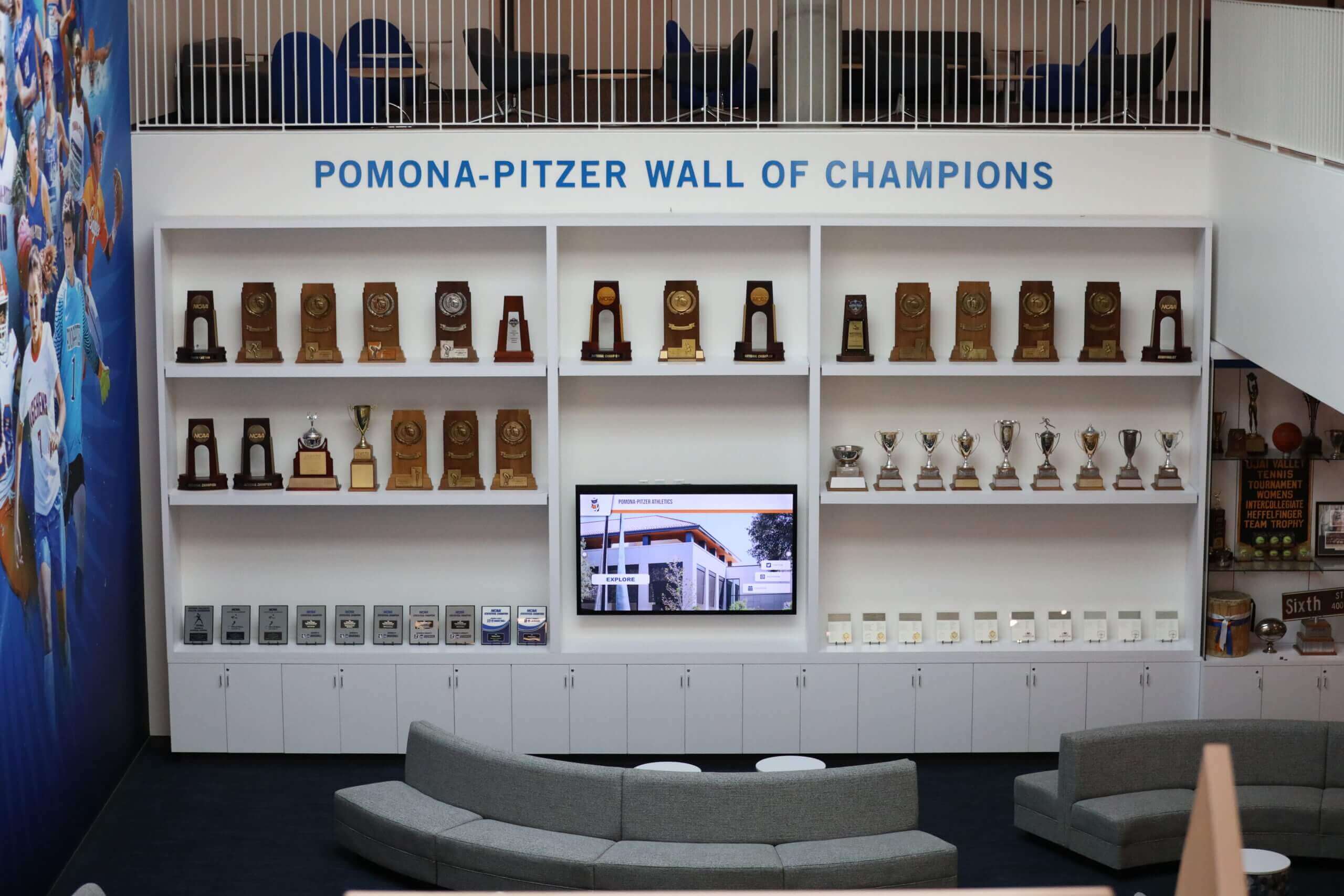
Dedicated recognition spaces honor championship achievements while providing areas for community gathering
Maintenance and Update Difficulties
- Engraved plaques expensive to produce and replace
- Banners deteriorating requiring costly replacement
- Limited ability to connect championships across years
- No way to share stories and memories from championship seasons
- Difficulty including all roster members and contributors
Modern Digital Recognition Solutions
Solutions like digital recognition displays address traditional limitations while amplifying recognition impact and accessibility.
Unlimited Recognition Capacity
Digital systems eliminate space constraints:
- Single touchscreen displays unlimited championship teams and playoff runs
- Complete rosters with individual player profiles and photos
- Comprehensive statistics and game-by-game playoff results
- Historical archives preserving every championship season
- Video highlights and photo galleries impossible with static displays
- Season narratives providing context beyond scores
- Coaching staff recognition and program history
Interactive Exploration Features
Modern systems enable engagement impossible with plaques:
- Search functionality finding specific players, years, or opponents
- Filtering championships by classification, decade, or coach
- Individual player pages showing career statistics and achievements
- Championship game recaps with scoring summaries and key plays
- Photo galleries from playoff runs and title celebrations
- Related content connecting teammates and concurrent competitors
- QR codes enabling mobile access to complete content
Simple Remote Management
Cloud-based content management eliminates update challenges:
- Add new championships immediately after games
- Update player information as achievements accumulate
- Correct errors or add information easily without physical access
- Schedule content displays for homecoming or reunions
- Manage content from any internet-connected device
- No technical expertise required for updates
- Cost-effective compared to traditional engraving
Schools implementing solutions like Rocket Alumni Solutions report substantially higher community engagement compared to traditional static recognition approaches.
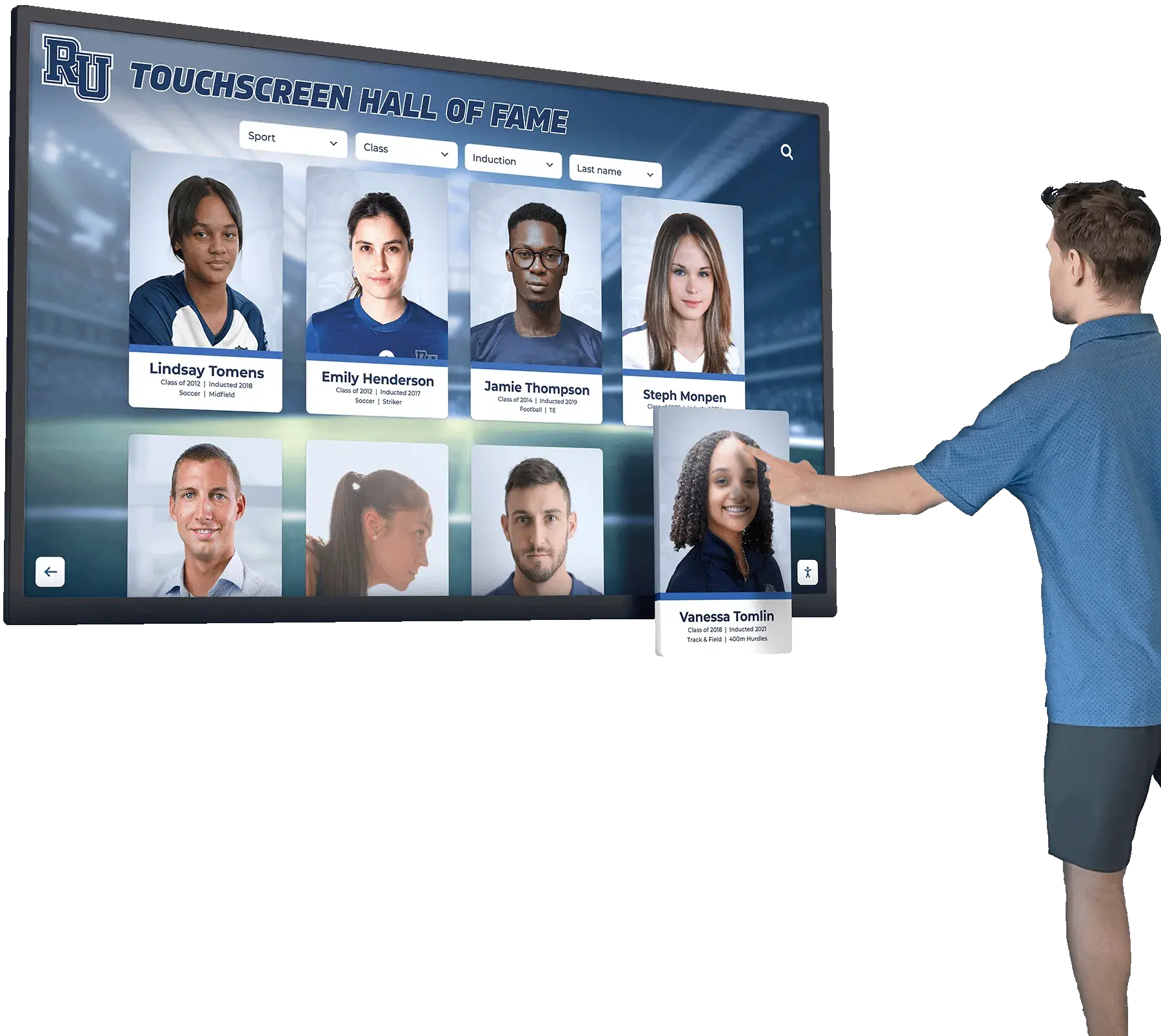
Touchscreen systems enable detailed exploration of championship seasons impossible with traditional plaques
Web-Based Recognition Extensions
Digital recognition extends beyond physical school displays:
- Web-accessible championship archives viewable anywhere
- Alumni worldwide can explore teams they played on
- Social sharing capabilities for players celebrating achievements
- Mobile-optimized displays working across all devices
- Integration with school websites and athletic pages
- Analytics tracking most-viewed championships and players
- Recruiting advantages showcasing program tradition
Implementation for Championship Recognition
Content Development Priorities
Effective digital recognition requires strategic planning:
- Complete rosters with player names, positions, and jersey numbers
- Individual player photos when available
- Season records and scoring statistics
- Playoff bracket progression showing path to championship
- Championship game summaries with key plays and performers
- Coach and assistant coach documentation
- Team photos from championship celebrations
- Context about season challenges and memorable moments
Display Placement Strategies
- High-traffic locations maximizing visibility (main entrance, athletic lobby)
- Near traditional trophy cases complementing physical recognition
- Adequate space for groups to gather and explore
- Viewing height accessible to all visitors including those using wheelchairs
- Multiple displays throughout facilities if budget allows
- Integration with school lobby design
Ongoing Maintenance Plans
- Designated staff responsible for content updates
- Annual review adding historical championship information
- Player achievement updates as careers progress
- Photo collection from community members and alumni
- Integration with end-of-season recognition ceremonies
- Continuous improvement based on visitor feedback
Programs developing comprehensive athletic hall of fame systems create frameworks applicable to championship recognition.
Supporting Players During Championship Runs
Championship playoff experiences create pressure requiring comprehensive support systems addressing academic, personal, and logistical needs.
Academic Support During Playoffs
Balancing Academics and Athletics
Deep playoff runs extend into December finals week:
- Communication with teachers about travel and missed classes
- Academic support ensuring players remain eligible
- Study halls during travel days
- Tutoring availability during playoff weeks
- Priority scheduling for makeup work
- Recognition that playoff success requires academic eligibility
Semester Exam Considerations
State championship games occur near semester examinations:
- Coordination between athletic and academic calendars
- Flexibility for championship participants
- Support systems preventing academic sacrifice
- Understanding that sustained eligibility matters most
Family and Community Support
Managing Family Logistics
Playoff games create logistical challenges:
- Travel coordination for neutral site games
- Ticket allocation ensuring family access
- Communication about game times and locations
- Affordable lodging options for championship games
- Community fundraising supporting family travel through booster club initiatives
- Meal planning during championship weekends
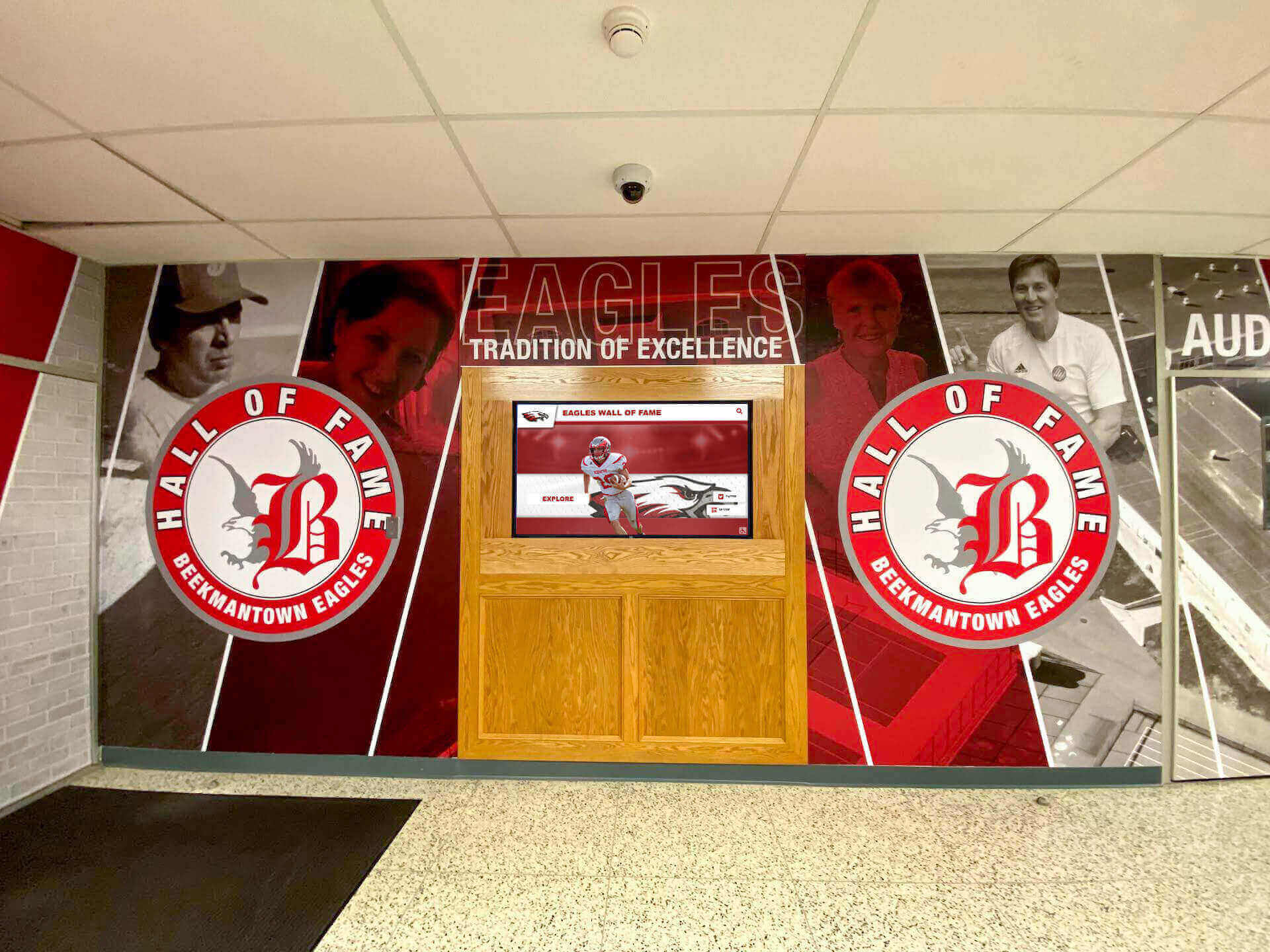
Recognition displays create community gathering spaces celebrating championship traditions
Community Engagement Opportunities
- Viewing parties for away games
- Local business promotions supporting teams
- Media coverage generating community pride
- Recognition events honoring playoff achievement
- Alumni connections spanning generations
Post-Championship Celebrations and Recognition
Championship victories deserve celebration extending beyond trophy presentations, creating lasting program traditions.
Immediate Post-Game Celebrations
On-Field Championship Moments
- Trophy and medal presentations
- Championship patch or shirt distribution
- Team photos with championship hardware
- Celebration with families and community
- Media interviews and recognition
- Emotional release after season-long journey
Return Home Celebrations
Many championship teams receive hero’s welcomes:
- Police and fire escort through community
- Community gatherings at school or public spaces
- Recognition from local government officials
- Media coverage celebrating achievement
- Immediate social media documentation
- Community-wide pride in championship success
Formal Recognition Events
Championship Banquets and Ceremonies
Schools often host special events celebrating championships:
- Championship banquet separate from regular season recognition
- Community-wide celebrations beyond typical team events
- Special recognition for seniors completing careers with titles
- Coach presentations reviewing championship journey
- Video presentations documenting playoff run
- Special awards for championship game performances
- Guest speakers from previous championship teams
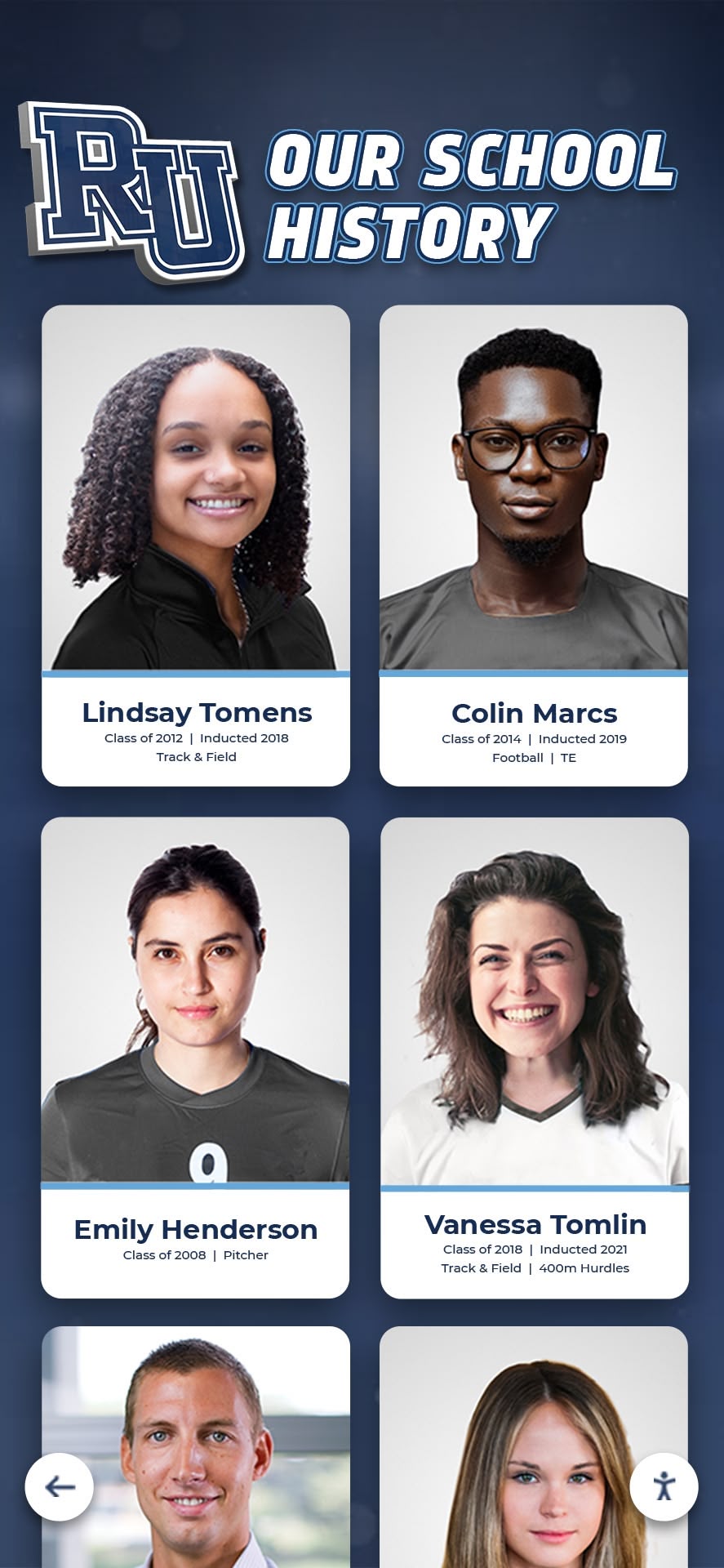
Individual recognition profiles celebrate each player's contribution to championship success
Board and Community Recognition
- School board recognition at public meetings
- Proclamations from city or county government
- Special assemblies celebrating with student body
- Alumni event integration honoring championship teams
- Long-term tradition building connecting championships across decades
Long-Term Championship Legacy Building
Connecting Championships Across Generations
Successful programs build championship culture:
- Alumni championship players attending current team events
- Mentorship connections between past and current players
- Championship reunion events during significant anniversaries
- Oral history projects documenting championship experiences
- Integration of championship stories into program culture
- Alumni engagement strategies maintaining connections
Recruiting and Future Success Impact
Championships create momentum for future seasons:
- Increased participation in youth programs
- Higher retention rates through program levels
- Quality coaching candidate attraction
- Community support and funding increases
- Collegiate recruiting advantages from championship exposure
- Media attention building program visibility
The Business of Championship Football
Understanding financial and operational aspects helps programs prepare for and sustain playoff success.
Playoff Revenue and Expenses
Revenue Streams
- Gate receipts from home playoff games
- Merchandise sales increasing with playoff advancement
- Booster donations motivated by championship runs
- Concession and parking revenues
- Community fundraising events
Expense Considerations
- Travel costs for neutral site games
- Lodging for championship weekend trips
- Official and venue fees for playoff games
- Additional equipment and uniform needs
- Security and event staffing expenses
- Championship ring and recognition costs
- Meals during extended travel
Facility Requirements for Hosting
Schools hosting playoff games require adequate facilities:
Minimum Hosting Standards
- Seating capacity meeting OSSAA requirements
- Lighting standards for night games
- Adequate parking and traffic management
- Concession and restroom facilities
- Press box and media accommodations
- Ticketing and crowd control capabilities
- Field conditions meeting safety standards
Schools may choose to move playoff games to larger facilities when home venues are insufficient for expected attendance.
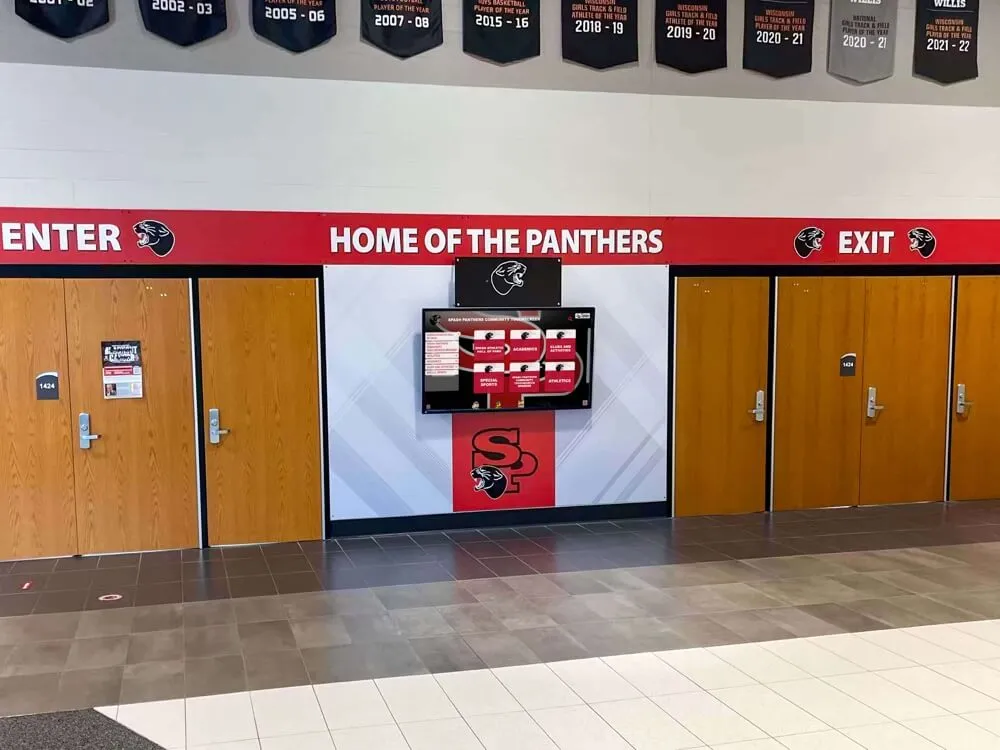
Recognition displays enhance athletic facilities while celebrating program achievements
Championship Recognition: Traditional vs. Modern Approaches
Effective championship recognition requires balancing tradition with innovation, honoring history while embracing capabilities that enhance visibility and engagement.
Creating Hybrid Recognition Systems
Combining Physical and Digital Recognition
The most effective programs often blend approaches:
- Featured trophy case displaying recent championship trophies
- Adjacent digital display showcasing comprehensive historical achievement
- Physical championship banners maintaining visual tradition
- Interactive touchscreens enabling deep exploration
- Web-based platforms extending recognition globally
- Social media integration creating immediate celebration
This hybrid approach honors tradition while leveraging modern capabilities for complete, accessible recognition that serves current students, alumni, and communities effectively.
ROI of Digital Recognition Investments
Schools implementing comprehensive digital recognition report:
- 70-85% reduction in long-term recognition costs versus traditional engraving
- Significantly higher community engagement and interaction
- Enhanced recruiting advantages showcasing program tradition
- Alumni donations increasing due to improved engagement
- Reduced administrative burden updating recognition
- Unlimited recognition capacity accommodating decades of achievement
Conclusion: Building and Preserving Oklahoma’s Championship Traditions
Oklahoma high school football playoffs represent the culmination of season-long preparation, community dedication, and athletic excellence across classifications throughout the Sooner State. Understanding the playoff structure, preparing teams comprehensively, and creating meaningful recognition ensures championship experiences create lasting impact extending far beyond final whistles and trophy presentations.
The OSSAA playoff system’s multi-classification structure—with seven distinct classifications creating pathways from smallest rural programs to suburban powerhouses—requires schools to navigate complex brackets while maintaining team focus and managing community expectations. Programs combining thorough preparation with strong support systems position teams to perform at their highest levels when championship opportunities arrive.
Yet playoff runs and championship victories deserve recognition extending beyond brief celebrations and traditional trophy cases that quickly fill. Modern digital recognition systems solve space limitations and update challenges while amplifying visibility and engagement through interactive features, comprehensive rosters, video integration, and web accessibility that static recognition simply cannot match.
Championship success builds program culture inspiring future generations while uniting communities through shared achievement. Schools investing in comprehensive recognition systems—whether honoring first-time playoff qualifiers or multiple state championships—create traditions connecting current athletes to those who established excellence decades earlier.
Every playoff run creates stories worth preserving. Every championship team deserves recognition honoring their place in program history. With strategic planning, appropriate technology solutions, and consistent celebration, Oklahoma high school football programs build championship traditions that inspire athletes, engage alumni, and strengthen communities for generations.
Your championship achievements deserve recognition matching their significance to players, families, and communities. Whether celebrating first playoff victories or multiple state titles, modern recognition solutions ensure these accomplishments receive the visibility and honor they’ve earned while inspiring future teams to add their own chapters to your championship story.
Ready to create recognition systems honoring your Oklahoma football tradition? Explore how solutions like Rocket Alumni Solutions help schools create comprehensive athletic recognition displays preserving championship achievements and playoff success for generations of athletes and community members to celebrate.