Every February, New Jersey’s premier high school wrestlers converge on a single venue with dreams of becoming state champions. The NJ State Wrestling Tournament represents the culmination of months of training, sacrifice, and dedication—where district champions, region winners, and top-seeded competitors face off for the highest honor in New Jersey high school wrestling. For wrestlers, coaches, and families throughout the Garden State, the state tournament stands as the season’s defining moment.
Qualifying for states marks exceptional achievement in New Jersey’s intensely competitive wrestling landscape. Wrestlers must navigate district tournaments against talented local competition, then survive brutal regional competitions where only the top finishers advance. Those earning state tournament berths join an elite group representing the best grapplers across 14 weight classes from public schools throughout New Jersey’s three competitive groups.
This comprehensive guide explores everything wrestlers, families, and fans need to know about the NJ State Wrestling Tournament: qualifying pathways, tournament structure, weight class brackets, venue logistics, championship history, and how New Jersey schools celebrate state qualifiers and champions through lasting recognition programs that honor these remarkable achievements.
The NJ State Wrestling Tournament generates life-changing moments for athletes who’ve dedicated years to mastering their craft on the mat. State championships create legacies remembered decades later, while qualifying alone establishes wrestlers among New Jersey’s wrestling elite. Understanding tournament structure, preparation requirements, and recognition traditions helps wrestlers maximize their state tournament experience while families fully appreciate what qualifying and competing represents.
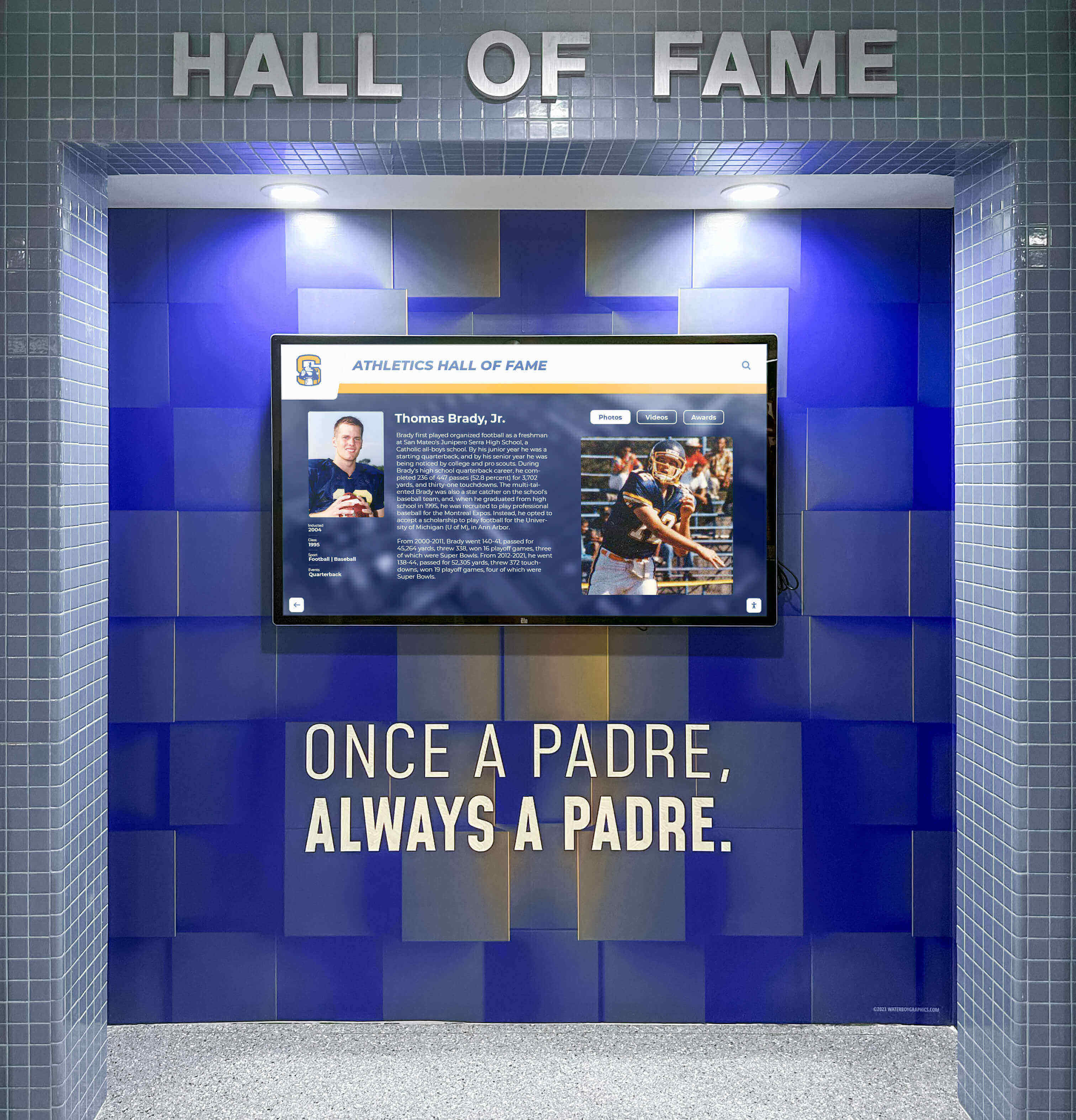
New Jersey wrestling programs celebrate state qualifiers and champions through comprehensive recognition displays
Understanding the NJ State Wrestling Tournament Structure
Grasping how New Jersey organizes its state wrestling championship helps wrestlers and families navigate the qualification process and tournament experience.
NJSIAA Tournament Organization
New Jersey State Interscholastic Athletic Association Governance
The NJSIAA oversees all aspects of New Jersey high school wrestling including state championship tournaments:
Organizational Framework:
- Three separate group tournaments based on school enrollment (Group 1, Group 2, Group 3)
- 14 weight classes across each group following National Federation standards
- District tournaments as first elimination round
- Regional tournaments determining state qualifiers
- State tournament featuring regional qualifiers only
- Individual championship format (no team scoring at states)
- Separate team tournament championship held earlier in season
- Non-public school divisions with distinct tournament structures
This multi-tiered system ensures wrestlers compete against schools of similar size throughout championship season while maintaining New Jersey’s reputation for producing nationally competitive grapplers.
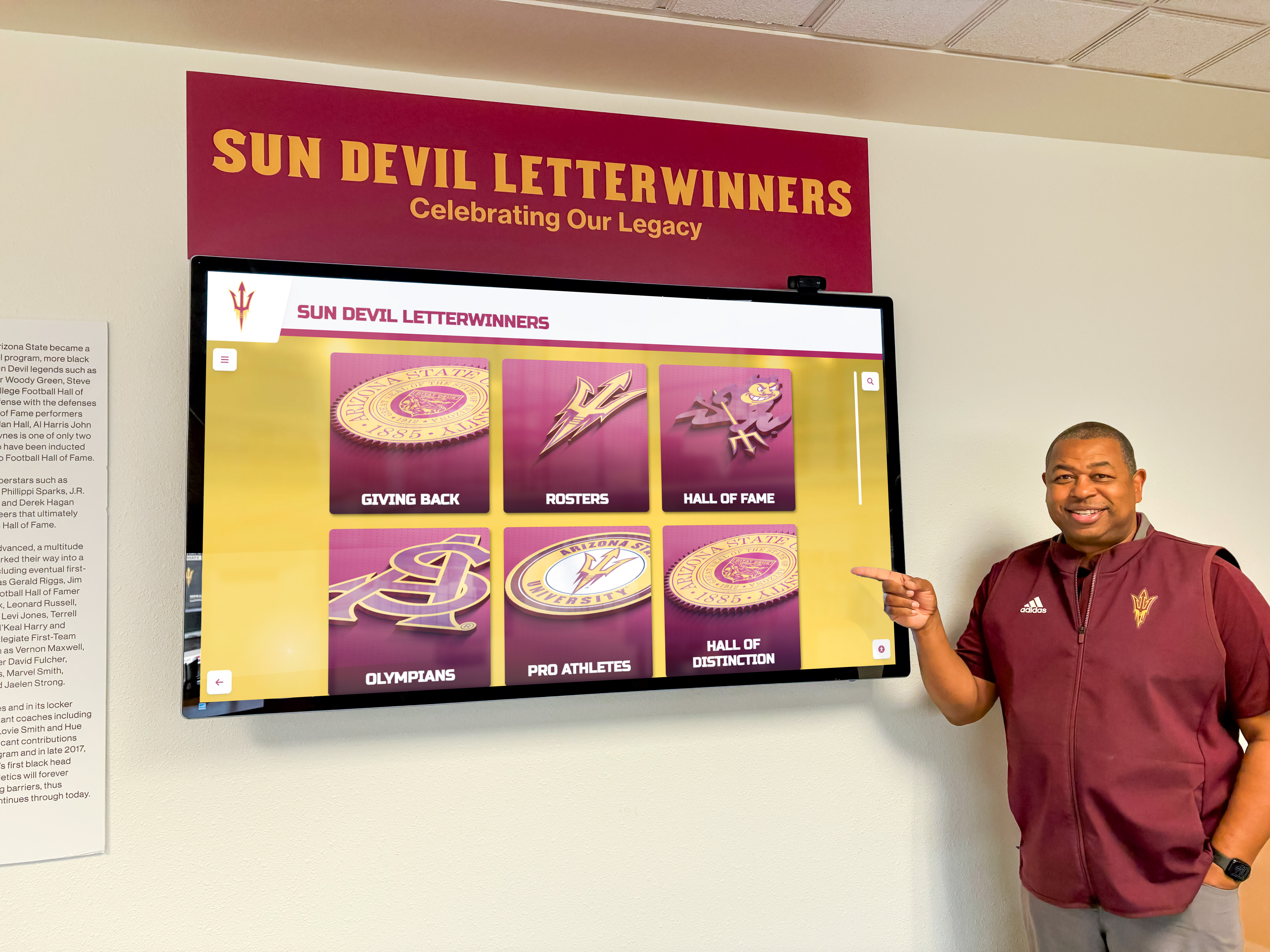
Understanding tournament structure helps wrestlers plan their path from districts through states
Group Classifications by Enrollment
New Jersey divides public high schools into three groups based on enrollment size:
- Group 1: Smallest schools (approximately 500-800 students)
- Group 2: Mid-sized schools (approximately 800-1,200 students)
- Group 3: Largest schools (1,200+ students)
Each group holds separate district, regional, and state tournaments ensuring competitive balance. A state champion in Group 1 faces equal recognition as Group 3 champions—both achieved excellence within their competitive classification.
Weight Classes and Competition Format
14 Weight Classes in New Jersey High School Wrestling
Current NFHS weight classes used in New Jersey:
- 106 pounds
- 113 pounds
- 120 pounds
- 126 pounds
- 132 pounds
- 138 pounds
- 144 pounds
- 150 pounds
- 157 pounds
- 165 pounds
- 175 pounds
- 190 pounds
- 215 pounds
- 285 pounds (heavyweight)
Wrestlers compete exclusively in their designated weight class throughout district, regional, and state tournaments. Strategic weight class selection balances competitive advantage with health and performance optimization.
Tournament Bracket Structure
State tournament brackets follow double-elimination format through consolation rounds:
Championship Bracket:
- Winners advance through championship side
- First loss sends wrestler to consolation bracket
- Championship finals determine first and second place
- Undefeated champion takes gold with perfect tournament record
Consolation Bracket:
- First-round losers drop to consolation immediately
- Subsequent losers join consolation at appropriate positions
- Third-place match determines bronze medalist
- Multiple consolation rounds determine final placements
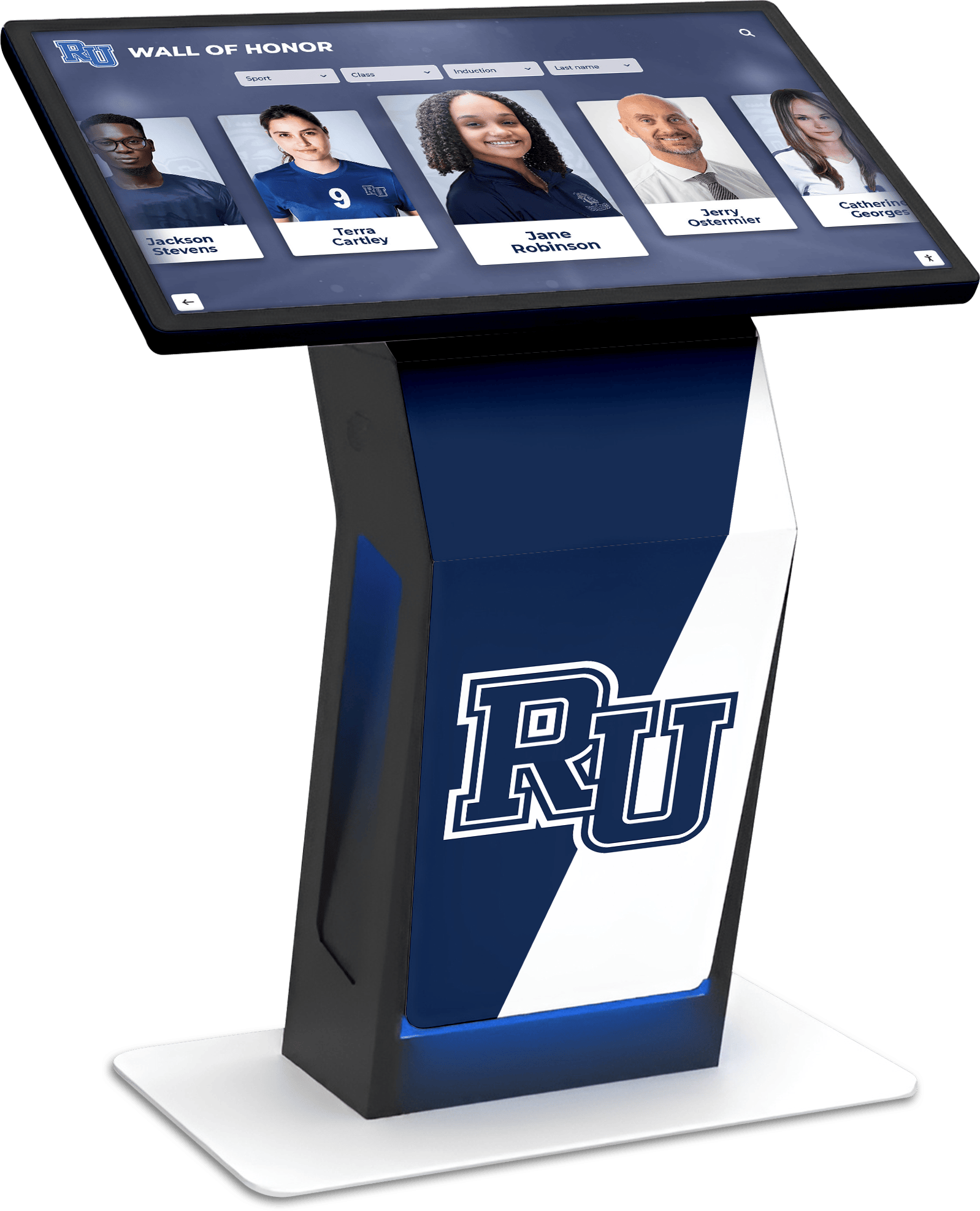
Digital displays help fans track bracket progression throughout tournament days
This format ensures every wrestler competes in multiple matches regardless of first-round results, maximizing competitive opportunities while maintaining championship integrity.
The Path to States: Qualifying for the NJ State Wrestling Tournament
Understanding the qualification process helps wrestlers prepare mentally and physically for each elimination round.
District Wrestling Tournaments
First Elimination Round
District tournaments represent the initial qualifying step:
District Tournament Characteristics:
- Geographic regions grouping nearby schools
- Top finishers advance to regional tournaments
- Typically 4-6 wrestlers advance per weight class (varies by district size)
- Single-elimination or modified double-elimination formats
- Home crowd advantage for host schools
- Intense local rivalries creating high-pressure environment
- Season records become less relevant—tournament performance determines everything
District weekend separates contenders from pretenders. Wrestlers who dominated regular season must prove themselves under tournament pressure against opponents who’ve prepared specifically for post-season competition.
District Preparation Strategies
Successful district performance requires specific preparation:
- Weight management ensuring wrestlers make weight comfortably without energy depletion
- Scouting potential opponents and studying their technique tendencies
- Mental preparation for high-pressure single-elimination scenarios
- Peak physical conditioning timing for maximum performance
- Nutritional planning maintaining strength while making weight
- Practice intensity replicating tournament atmosphere
- Recovery protocols between weigh-ins and competition
Coaches emphasize that district tournaments begin the championship season—regular season dual meet records mean nothing if wrestlers fail to advance through districts.
Regional Wrestling Tournaments
The State Qualifier
Regional tournaments determine who earns state tournament berths:
Regional Tournament Format:
- District champions and top district finishers compete
- Top 3-4 finishers per weight class qualify for states (varies by region)
- More competitive field than districts with district winners meeting
- Neutral site venues eliminating home mat advantage
- Multiple-day format allowing limited rest between sessions
- State tournament berth on the line creates maximum pressure
- Every match carries enormous consequence
Regional weekend represents do-or-die competition. Wrestlers must win multiple matches against elite competition to secure state qualification—one bad performance or unfortunate matchup can end state championship dreams.
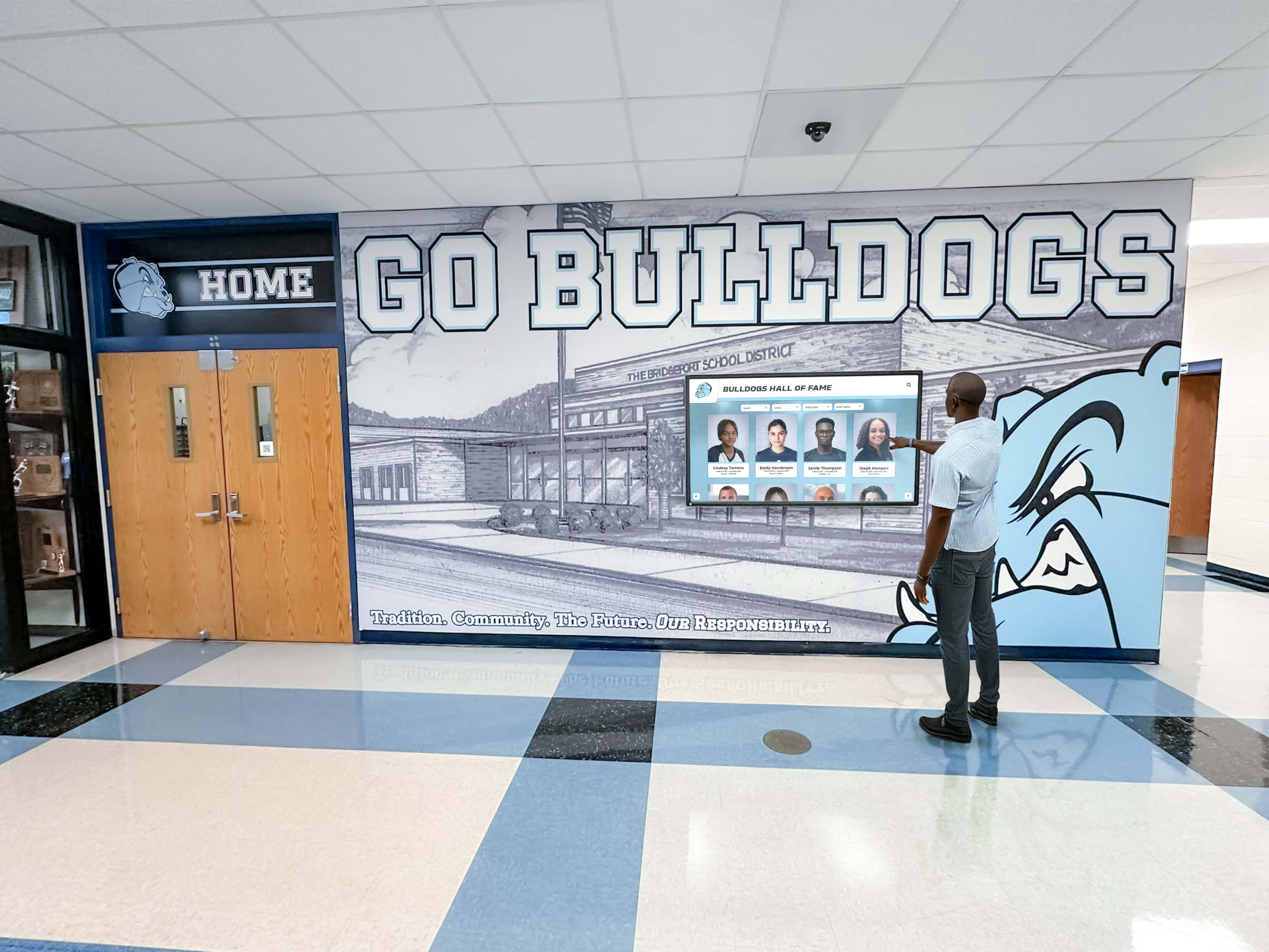
Regional tournaments determine which wrestlers earn coveted state tournament berths
Regional Championship Significance
Winning regionals carries special meaning beyond state qualification:
- Regional champion designation provides favorable state tournament seeding
- Demonstrates peak performance against strongest regional competition
- Creates momentum entering state tournament weekend
- Establishes wrestler as legitimate medal contender
- Generates media attention and recognition
- Joins program’s historical list of regional champions
Many wrestling programs create special recognition for regional champions alongside state qualifiers and medalists.
State Tournament Seeding Process
Determining Bracket Positions
State tournament seeding affects championship path significantly:
Seeding Criteria:
- Regional finish (regional champions receive top seeds)
- Season record and winning percentage
- Quality opponent victories (ranked wrestlers, previous medalists)
- Head-to-head results between qualifiers
- Coach rankings and committee assessments
- Previous state tournament performance (returning placers)
- Tournament championship performances throughout season
Top seeds receive theoretical advantages with easier early-round matchups, though state tournament upsets occur regularly as all qualifiers represent elite competition.
Bracket Position Strategy
Coaches analyze brackets carefully:
- Identifying potential semifinal or quarterfinal opponents
- Studying past matchup history with other qualifiers
- Evaluating stylistic matchups between wrestlers
- Planning tactical approaches for specific opponents
- Managing expectations based on bracket positioning
- Preparing wrestlers mentally for challenging draws
Even lower seeds can make deep runs—bracket position matters less than peak performance during tournament weekend.
NJ State Wrestling Tournament Venue and Experience
Understanding venue logistics and tournament atmosphere helps families plan state tournament weekend.
Tournament Venue Details
Historic New Jersey Wrestling Venues
The state tournament has called several venues home throughout history:
Recent and Current Venues:
- Boardwalk Hall (Atlantic City) - Historic multi-day tournament site
- Prudential Center (Newark) - Modern arena providing excellent facilities
- CURE Insurance Arena (Trenton) - Recent state tournament host
- RWJBarnabas Health Arena (Toms River) - Centrally located state facility
Venue selection balances geographic accessibility, seating capacity, facility quality, and logistical requirements for hosting 42 championship brackets across three groups.

Major venues hosting state tournaments often feature digital recognition celebrating championship history
Venue Logistics and Fan Experience
State tournament weekend involves specific logistical considerations:
Venue Facilities:
- Multiple competition mats running simultaneously (typically 8-12 mats)
- Championship mat for finals sessions
- Weigh-in areas for each competition session
- Warm-up spaces for wrestlers preparing for matches
- Athletic training facilities for injury assessment
- Concession areas and vendor spaces
- Seating capacity ranging from 5,000-15,000 depending on venue
- Video boards displaying live results and bracket updates
Tournament Schedule Structure
Multi-day format with specific session timing:
- Day 1 (Friday): Opening rounds, Round of 16, quarterfinals
- Day 2 (Saturday Morning): Consolation rounds, semifinal matches
- Day 2 (Saturday Afternoon/Evening): Consolation finals, championship finals
Schedule intensity requires wrestlers to compete multiple times daily with limited recovery between sessions.
The State Tournament Atmosphere
Experiencing New Jersey Wrestling at Its Peak
State tournament weekend creates unique atmosphere:
Sensory Experience:
- Thousands of wrestling fans filling arena with sustained energy
- Multiple matches occurring simultaneously across numerous mats
- Constant announcements tracking weight class progressions
- School cheering sections supporting their qualifiers
- Coaches intensely analyzing brackets and planning strategies
- Wrestlers nervously preparing for matches determining legacies
- Media coverage documenting championship performances
- Emotional celebrations and heartbreaking defeats occurring simultaneously
First-time state tournament attendees find the scale and intensity overwhelming—42 separate championships unfolding across three groups over one intense weekend.
Family and Fan Considerations
Attending state tournament requires planning:
Ticket and Seating:
- Multi-session ticket packages or individual session admission
- General admission or reserved seating options
- Early arrival recommended for prime viewing locations
- Consider proximity to wrestler’s mat assignment
- Video board visibility for viewing other matches
Weekend Planning:
- Hotel accommodations near venue (book early—hotels fill quickly)
- Restaurant options for meals between sessions
- Transportation and parking logistics
- Weather-appropriate clothing (arena temperatures vary)
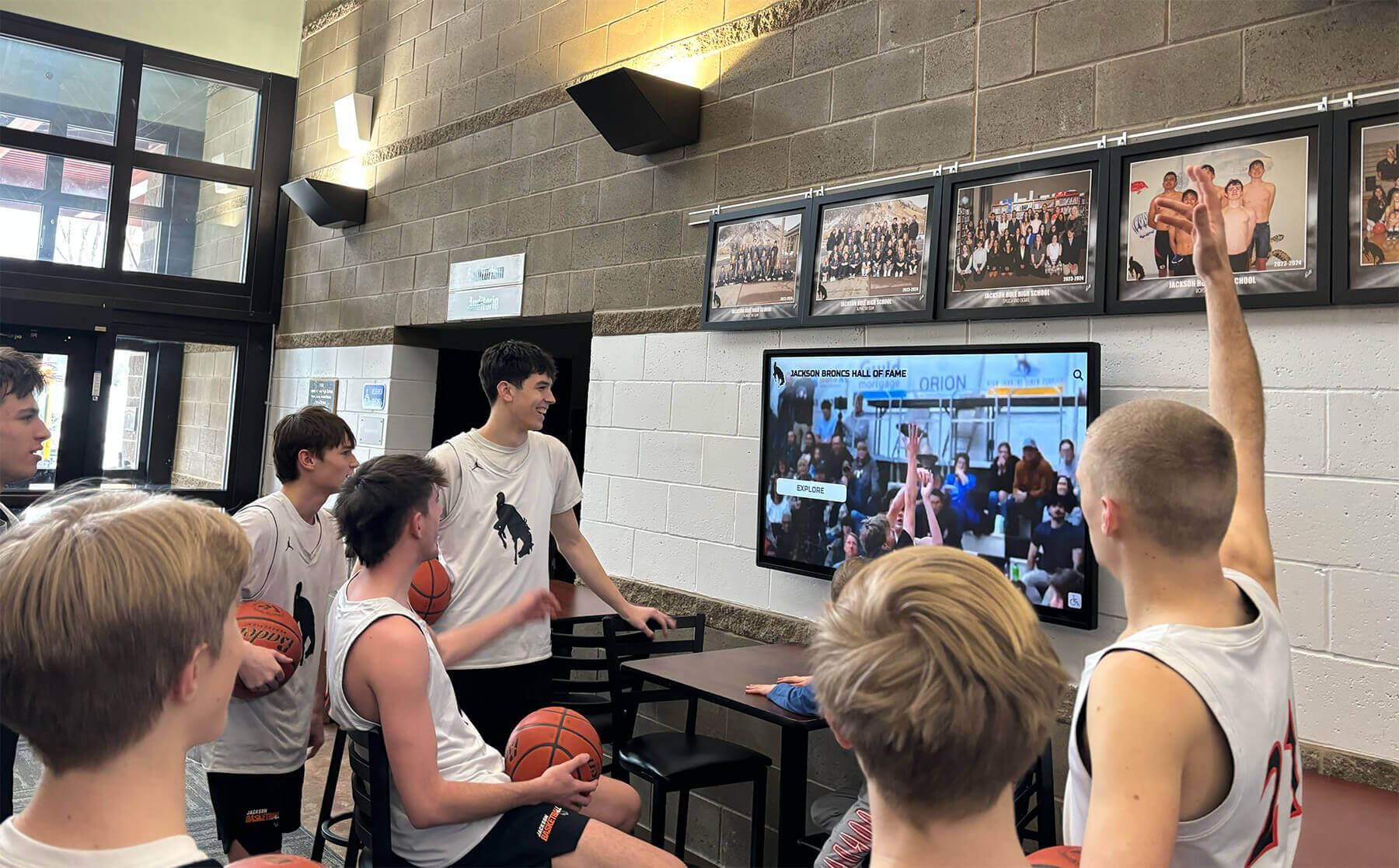
State tournament weekend creates memorable experiences for wrestlers, families, and entire school communities
Many families make state tournament weekend a celebration regardless of competitive results—qualifying alone represents tremendous achievement.
Weight Class Strategy and Competition Considerations
Strategic weight class selection impacts state tournament success significantly.
Optimal Weight Class Selection
Balancing Natural Weight with Competitive Advantage
Weight class decisions involve multiple factors:
Physical Considerations:
- Wrestler’s natural body composition and frame size
- Healthy weight maintenance without energy depletion
- Strength and power at various weight points
- Growth patterns throughout high school career
- Weight cutting capacity and recovery ability
Competitive Considerations:
- Strength of competition in adjacent weight classes
- Historical state qualifier trends per weight class
- Matchup advantages against specific opponents
- Probability of district and regional advancement
- State tournament medal potential at different weights
Coaches analyze each wrestler’s situation individually—sometimes moving up a weight class to avoid brutal competition proves wiser than cutting weight to compete against less favorable matchups.
Weight Management Best Practices
Healthy Approaches to Making Weight
Proper weight management maintains performance while meeting requirements:
Year-Round Weight Planning:
- Off-season nutrition establishing healthy baseline weight
- Gradual weight loss throughout pre-season and early season
- Avoiding drastic cuts during championship weeks
- Professional nutritionist consultation when possible
- Monitoring body composition not just scale weight
- Maintaining adequate hydration levels
Tournament Week Weight Cutting:
- Final pounds lost through careful calorie and fluid management
- Professional weigh-in procedures one day before competition
- Rehydration and nutrition protocols between weigh-in and competition
- Energy restoration without weight regain
- Sleep quality maintenance despite weight stress
Wrestling coaches prioritize wrestler health over marginal competitive advantages from unhealthy weight cutting practices.

Digital recognition systems track state qualifiers and champions across all 14 weight classes throughout program history
Most Competitive Weight Classes in NJ
Historic Depth Across Weight Classes
Certain weight classes develop reputations for exceptional depth:
Traditionally Competitive Weights:
- 138-150 pounds: Often deepest brackets with numerous ranked wrestlers
- 157-165 pounds: High-quality competition at popular high school weights
- 132-144 pounds: Strong participation across all groups
- 175-190 pounds: Elite athletes balancing size and technique
Competition depth varies annually based on graduating classes and talent distribution. Coaches study weight class trends when making strategic decisions about optimal positioning.
Heavyweight Competition (285 pounds)
Heavyweight wrestling requires distinct skill sets:
- Technique and quickness compensating for size disadvantages
- Strength and leverage maximizing physical advantages
- Strategy differing from lighter weight class approaches
- Often unpredictable outcomes based on matchup styles
- Lower participation creating different competitive dynamics
Successful heavyweights combine technical skill with physical attributes creating effective mat presence.
NJ State Wrestling Tournament Championship History
Understanding New Jersey’s wrestling tradition provides context for current competition.
Historic NJ Wrestling Powerhouse Programs
Programs with Multiple State Champions
Certain New Jersey schools dominate state tournament history:
Historically Successful Programs:
- Blair Academy (Non-Public division dominance)
- Delbarton School (Consistent state champion production)
- Bergen Catholic (Multiple weight class champions)
- Paulsboro High School (Public school wrestling excellence)
- Kittatinny Regional (Small school state champion tradition)
- High Point Regional (Northwest Jersey wrestling power)
- Howell High School (Large school consistent success)
These programs build cultures where state qualification becomes expectation rather than exception, with wrestling recognition programs celebrating decades of state tournament achievement.
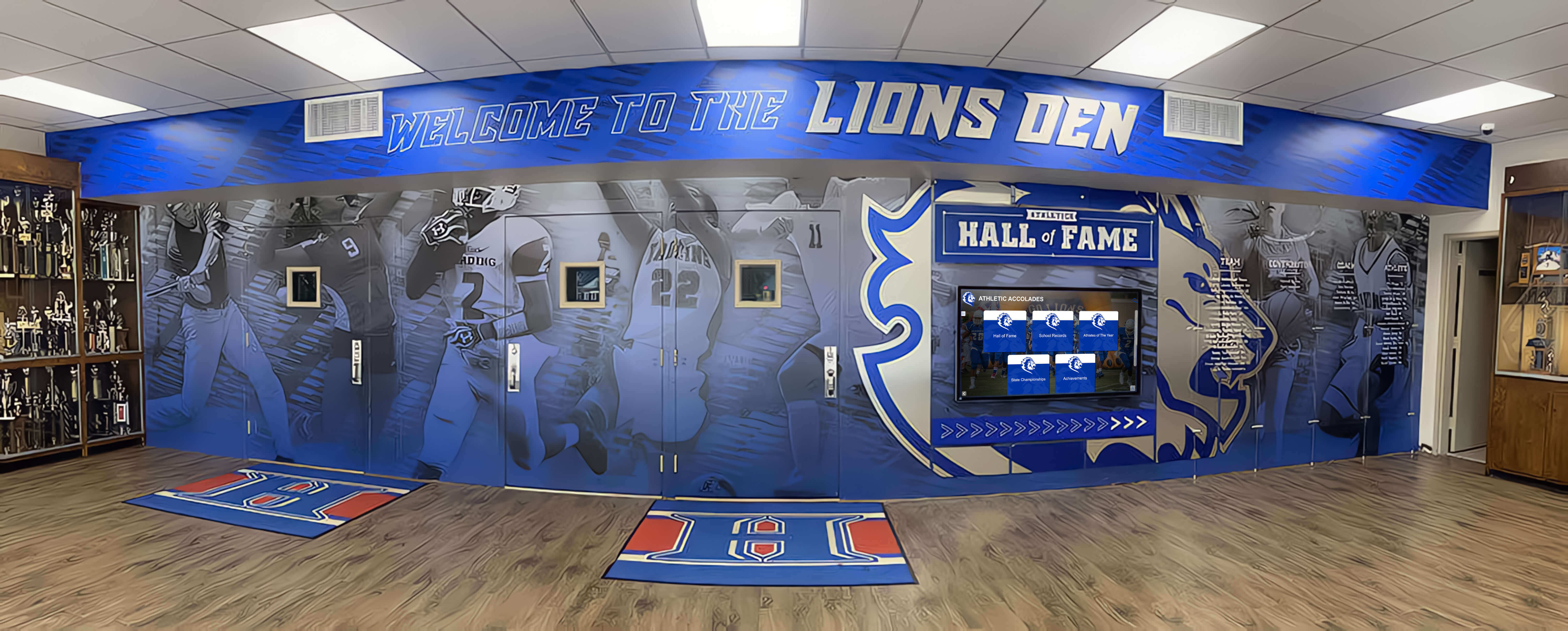
Championship wrestling programs create comprehensive recognition celebrating state qualifiers, medalists, and champions across generations
Notable NJ State Wrestling Champions
Legendary New Jersey Grapplers
New Jersey has produced nationally recognized wrestling talent:
Accomplished NJ State Champions:
- Multiple-time state champions advancing to Division I programs
- Wrestlers earning NCAA All-American honors in college
- Olympic trial competitors and international competitors
- Current MMA fighters with high school wrestling foundations
- College and high school coaches who were state champions
Many New Jersey state champions continue wrestling at elite college programs including Penn State, Rutgers, Princeton, and other nationally-ranked teams.
Four-Time State Champions
Winning four state championships represents ultimate high school wrestling achievement:
- Requires winning state title in all four high school years
- Demonstrates sustained excellence across weight class changes
- Creates nearly impossible standard for program successors
- Generates national recognition and recruiting attention
- Establishes wrestler among state’s all-time greats
Four-time champions receive permanent recognition in New Jersey wrestling lore and their high school’s athletic hall of fame programs.
The Evolution of NJ Wrestling Competition
How State Tournament Has Changed
New Jersey wrestling has evolved significantly over decades:
Historical Changes:
- Weight class structure modifications following national standards
- Tournament format adjustments including bracket sizes
- Venue changes moving between Atlantic City, Newark, and other sites
- Increased participation expanding competitive depth
- Advanced training methods elevating technical quality
- Year-round wrestling culture replacing seasonal-only participation
- Club wrestling and national tournament experience becoming standard
Modern state qualifiers face more sophisticated competition than past decades, though champions from all eras earned their titles against the best available competition.
Current Competitive Landscape
Today’s NJ state tournament reflects modern wrestling culture:
- Year-round training with club programs and camps
- Advanced technique instruction from specialized coaches
- Strength and conditioning programs maximizing athleticism
- Nutritional support optimizing performance
- Film study identifying opponent tendencies
- Mental training addressing competitive psychology
- National tournament experience preparing for state pressure
The level of preparation required for state championship success continues rising as wrestling culture becomes increasingly sophisticated.
How New Jersey Schools Celebrate State Qualifiers and Champions
State tournament achievement deserves lasting recognition honoring wrestler dedication and program excellence.
Traditional Wrestling Recognition Approaches
State Championship Plaques and Banners
New Jersey schools use various recognition methods:
Physical Recognition Options:
- Individual plaques for state qualifiers, placers, and champions
- Championship banners displaying state titles by year
- Trophy cases showing state medals and awards
- Wrestling room displays celebrating program tradition
- Hallway recognition walls honoring state achievers
- Team photos from state tournament weekend
Traditional approaches effectively honor achievement but face inevitable space constraints as successful programs accumulate decades of state tournament qualifiers.
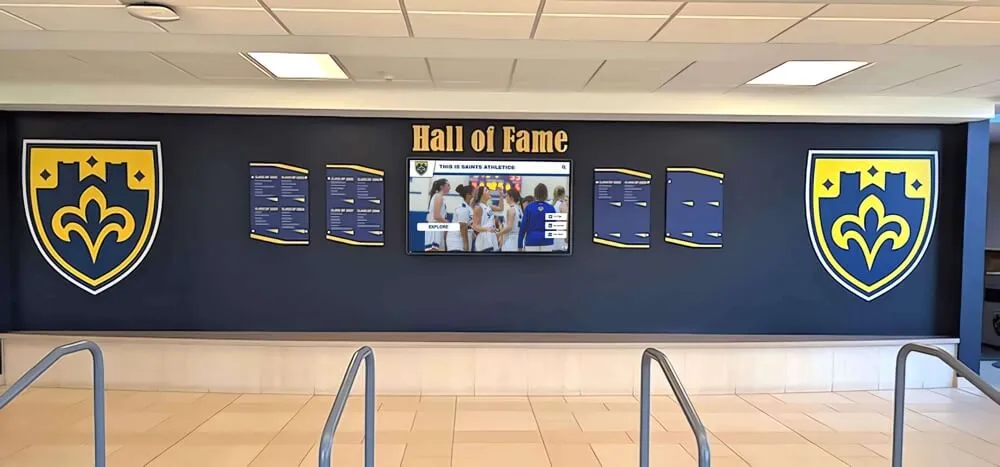
Traditional wall-mounted recognition celebrates state wrestling achievement but eventually fills available space
Modern Digital Wrestling Recognition
Comprehensive State Qualifier Celebration
Digital recognition systems transform how New Jersey schools honor state tournament achievement:
Digital Wrestling Recognition Capabilities:
- Unlimited state qualifier profiles without space constraints
- Complete career statistics and tournament results
- High-resolution photos from state tournament competition
- Video highlights from championship matches
- Searchable database finding specific wrestlers or years
- Filter options by weight class, achievement level, or era
- Individual wrestler pages with comprehensive biographies
- Integration with team championship recognition
- Web-accessible platforms extending beyond physical campus
Schools implementing digital wrestling halls of fame can showcase every state qualifier across program history while providing engaging interactive experiences for students, families, and visitors.
Cloud-Based Recognition Management
Modern platforms simplify state qualifier recognition:
- Remote content updates adding state tournament results immediately
- Mobile-friendly administration enabling quick additions
- Statistical tracking updated automatically throughout seasons
- Photo galleries showcasing tournament moments
- Social media integration celebrating achievements
- Alumni access connecting former state qualifiers
- Recruitment tool demonstrating program tradition

Digital platforms enable schools to update state tournament recognition immediately after competition concludes
Coaches report 75-85% reduction in recognition management time compared to coordinating physical plaques and traditional displays.
State Qualifier Recognition Events
Celebrating State Tournament Participation
Schools create special recognition for state qualifiers:
Pre-Tournament Recognition:
- School-wide announcements celebrating state qualifiers
- Special practice sessions with community attendance
- Send-off events before leaving for tournament venue
- Social media campaigns building excitement
- Local media features and press releases
- Letter signs and banners wishing wrestlers success
Post-Tournament Celebration:
- School assembly recognizing all state qualifiers
- Recognition regardless of placement results
- Community celebration honoring qualification achievement
- Awards banquet acknowledging state participants
- Permanent recognition addition to wrestling displays
- Season-ending team recognition including state accomplishments
Qualifying for states represents significant accomplishment worthy of celebration independent of tournament results.
Wrestling Hall of Fame Induction
Permanent Wrestling Program Recognition
Many New Jersey wrestling programs establish halls of fame:
Hall of Fame Criteria:
- State champions automatic induction
- State placers meeting specific criteria
- Multiple-year state qualifiers
- Career win thresholds (100+ or 125+ victories)
- Regional champions and conference achievers
- Minimum waiting period after graduation
- Character and citizenship standards
Wrestling hall of fame programs create lasting traditions honoring program excellence while inspiring current wrestlers.
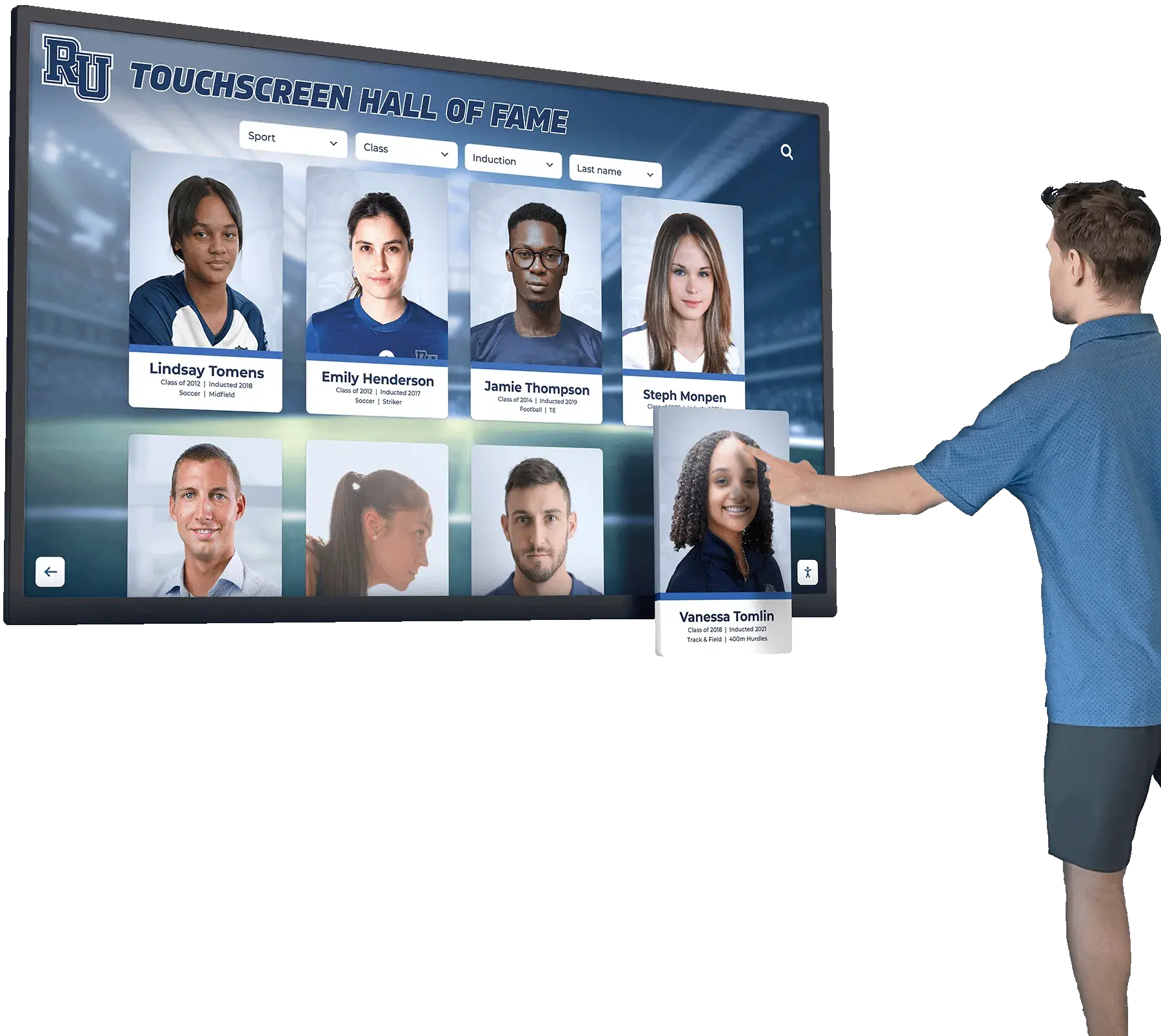
Wrestling halls of fame preserve state tournament achievement celebrating program tradition across generations
Preparing for the NJ State Wrestling Tournament
Maximizing state tournament performance requires comprehensive preparation beyond physical training.
Physical Preparation and Peak Performance
Training Intensity During Championship Season
State tournament preparation differs from regular season training:
Practice Focus Areas:
- Technical refinement of signature moves and positions
- Situational wrestling preparing for specific scenarios
- Conditioning maintaining peak fitness without overtraining
- Recovery protocols preventing injury and fatigue
- Match simulation replicating tournament intensity
- Multiple match preparation for same-day competitions
Coaches carefully balance maintaining fitness with avoiding burnout during intense championship season.
Weight Management Through Tournament Season
Healthy weight practices sustain performance:
- Establish comfortable weight by district tournaments
- Avoid drastic cuts during championship weeks
- Professional nutrition guidance when available
- Hydration protocols between weigh-in and competition
- Energy restoration supporting multiple match performances
- Sleep quality despite tournament stress
Wrestlers who reach states while maintaining health outperform those who’ve depleted themselves through excessive weight cutting.
Mental Preparation and Competitive Psychology
Handling State Tournament Pressure
Mental preparation proves equally important as physical training:
Psychological Preparation Strategies:
- Visualization exercises imagining successful performances
- Positive self-talk countering negative thoughts
- Pressure situation practice in training environments
- Breathing techniques managing competition anxiety
- Past success reflection building confidence
- Focus on controllable factors ignoring distractions
- Championship mindset development
State tournament nerves affect all wrestlers—preparing mentally for pressure situations enables peak performance when championship opportunities arise.

Viewing program's state tournament tradition helps wrestlers visualize joining that elite group
Family Support Strategies
Parents and families support wrestlers through championship seasons:
- Maintaining normal routines reducing unnecessary pressure
- Providing emotional support without excessive expectations
- Managing logistics allowing wrestlers to focus on competition
- Celebrating qualification regardless of tournament outcomes
- Respecting weight management protocols
- Controlling their own anxiety preventing stress transfer
Wrestlers perform best when families create supportive environments free from added pressure.
Technical and Strategic Preparation
Opponent Scouting and Match Strategy
Championship preparation includes opponent analysis:
Pre-Tournament Preparation:
- Studying potential opponent technique and tendencies
- Identifying stylistic advantages and challenges
- Developing specific tactical approaches for matchups
- Preparing counters for opponent signature moves
- Planning scoring strategies based on wrestler strengths
- Adjusting tactics for different bracket positions
Coaches provide detailed scouting reports helping wrestlers prepare mentally for various competitive scenarios.
In-Match Adjustments
Adaptability separates state qualifiers from champions:
- Reading opponent strategies during early exchanges
- Adjusting tactics based on match flow
- Managing leads or deficits strategically
- Responding to referee tendencies
- Maintaining composure during adverse situations
- Executing under pressure in critical moments
State champions combine physical ability with tactical intelligence adapting to unfolding competitive circumstances.
After the NJ State Wrestling Tournament
State tournament weekend creates lasting memories regardless of competitive outcomes.
Processing Results and Moving Forward
Handling Success and Disappointment
Tournament outcomes require emotional processing:
For State Champions:
- Celebrating achievement without losing humility
- Recognizing support system contributions
- Setting new goals for future competitions
- Using platform to inspire younger wrestlers
- Planning college wrestling career continuation
For Non-Placing Qualifiers:
- Recognizing state qualification achievement
- Learning from tournament experience
- Maintaining perspective about accomplishment
- Planning off-season improvement
- Celebrating successful season despite tournament results
Coaches help wrestlers process outcomes productively whether celebrating championships or managing disappointment.
Future Goals and College Wrestling
Leveraging State Tournament Success
State tournament performance impacts college opportunities:
College Recruiting Considerations:
- State placement enhancing recruiting profile significantly
- College coaches attending state tournaments actively recruiting
- Tournament performance demonstrating ability under pressure
- State championships creating recruitment momentum
- Communication with college coaches before and after states
Many Division I, II, and III programs recruit heavily from New Jersey state qualifiers given the state’s competitive depth.

State tournament success creates college wrestling opportunities for New Jersey's top competitors
Continued Wrestling Development
Post-tournament wrestling continues year-round:
- Spring freestyle and Greco-Roman seasons
- Summer national tournament competitions
- College placement camps and showcases
- Strength and conditioning programs
- Technical development with specialized coaches
- Competition against national-level opponents
Serious college wrestling prospects train continuously rather than viewing high school season as complete wrestling engagement.
Maintaining Connections to High School Programs
Wrestling Alumni Engagement
Former state qualifiers remain connected to programs:
Alumni Connection Methods:
- Return visits during practice sharing experiences
- Attendance at current season state qualifiers
- Social media engagement celebrating current wrestlers
- Mentorship relationships with younger athletes
- Fundraising support for program development
- Assistant coaching or volunteer positions
- Alumni wrestling events and reunions
Strong alumni networks strengthen wrestling programs while maintaining lifelong connections among wrestlers who shared state tournament experiences.
Resources for NJ State Wrestling Tournament Participants
Understanding available resources helps wrestlers maximize their state tournament experience.
Official NJSIAA Wrestling Resources
State Association Information
The NJSIAA provides essential tournament information:
- Complete tournament brackets and schedules
- Weight class assignments and seeding information
- Venue details and directions
- Rules and regulations updates
- Historical results and records
- Qualifying procedures and deadlines
- Tournament rule clarifications
Wrestlers and coaches monitor NJSIAA communications throughout championship season.
Wrestling Training and Development Resources
Continuing Wrestling Education
Various resources support wrestling development:
New Jersey Wrestling Organizations:
- Youth wrestling clubs throughout the state
- USA Wrestling New Jersey chapter programs
- Beat the Streets New Jersey initiatives
- Private wrestling training facilities
- College wrestling camps at in-state programs
- National tournament opportunities
Year-round training access distinguishes New Jersey wrestling culture.
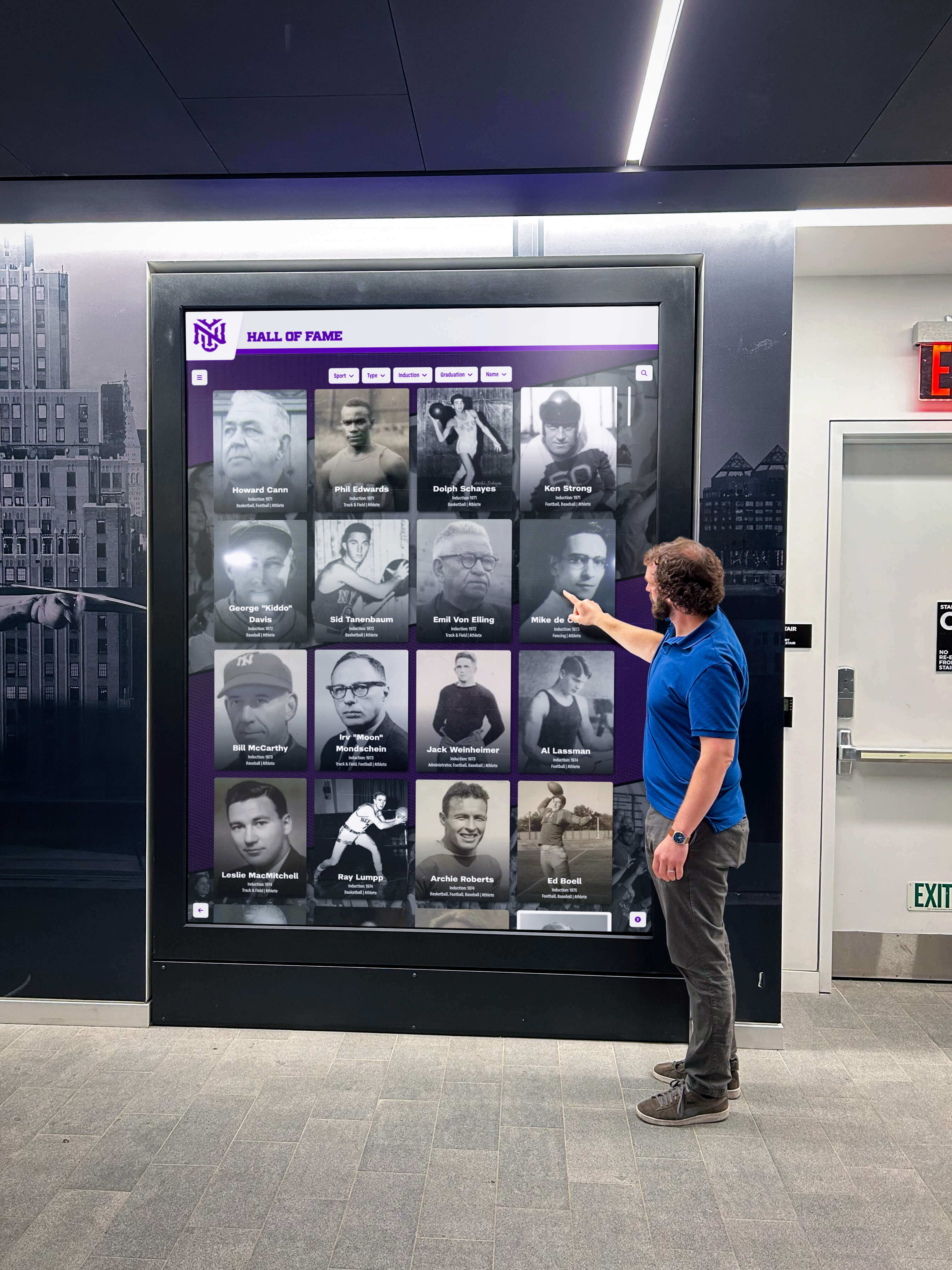
Comprehensive wrestling displays provide information about training resources, tournaments, and achievement pathways
Recognition and Media Coverage
Documenting State Tournament Success
Various media outlets cover New Jersey wrestling:
- NJ.com wrestling section with comprehensive coverage
- Local newspapers featuring hometown wrestlers
- Wrestling-specific websites tracking state rankings
- Social media accounts following New Jersey wrestling
- High school sports television programs
- Podcast coverage of state tournament storylines
Media attention celebrates wrestler achievement while building program visibility.
Conclusion: The Legacy of NJ State Wrestling Tournament Achievement
The NJ State Wrestling Tournament represents the pinnacle of high school wrestling achievement in one of America’s most competitive wrestling states. Qualifying for states establishes wrestlers among New Jersey’s wrestling elite—those who’ve demonstrated exceptional skill, dedication, and competitive excellence through brutal district and regional elimination rounds. Earning state tournament medals or championship titles creates legacies remembered throughout wrestling communities for generations.
For New Jersey wrestlers, the state tournament journey begins with elementary-age mat time, continues through intensive high school training, and culminates in February when the state’s best compete for championship glory. The path demands sacrifice, discipline, and unwavering commitment—but creates experiences, relationships, and memories lasting far beyond competitive careers. State qualifiers develop mental toughness, work ethic, and confidence applicable throughout life regardless of specific tournament outcomes.
New Jersey wrestling programs honor state tournament achievement through comprehensive recognition celebrating every qualifier, medalist, and champion. From traditional plaques and banners to modern digital displays showcasing unlimited wrestler profiles with photos, statistics, and biographical narratives, schools preserve state tournament legacies while inspiring current wrestlers toward similar excellence. Recognition programs transform individual achievement into collective tradition, connecting generations of grapplers who’ve represented their schools at New Jersey’s premier wrestling competition.
Understanding tournament structure, qualification requirements, competition format, and venue logistics helps wrestlers and families maximize their state tournament experience. Preparation extends beyond physical training to encompass weight management, mental conditioning, opponent scouting, and family support strategies. Those who combine comprehensive preparation with competitive excellence position themselves for state tournament success while honoring the opportunity to compete at championship level.
Your wrestling journey culminates with opportunities to qualify for and compete in the NJ State Wrestling Tournament. Whether you’re a young wrestler dreaming of states, a current high school grappler working toward qualification, or a coach building championship program culture, understanding what state tournament participation represents helps you appreciate this remarkable achievement. Every state qualifier earns permanent recognition as part of their school’s wrestling tradition—a legacy preserved through comprehensive recognition programs celebrating New Jersey wrestling excellence.
Ready to discover how your school can comprehensively celebrate state wrestling qualifiers, medalists, and champions? Explore how solutions like Rocket Alumni Solutions help New Jersey wrestling programs create unlimited digital recognition displays showcasing every state tournament achievement across all weight classes, years, and competitive eras—preserving program legacy while inspiring future state qualifiers toward wrestling excellence.