Finding a middle school yearbook from years or even decades past often feels like searching for buried treasure. Whether reconnecting with childhood friends, researching family history, completing a genealogy project, or simply revisiting formative memories, locating these vintage publications requires knowing where to look and which tools actually deliver results.
Unlike high school yearbooks that receive more archival attention, middle school editions frequently disappear into storage closets, family attics, or get discarded during facility renovations. Many schools lack systematic preservation programs for these publications, leaving alumni scrambling across multiple platforms and resources with inconsistent success rates.
This comprehensive guide explores proven middle school yearbook finder tools, effective search strategies, digital archive platforms, institutional resources, and emerging technologies that help locate and access these valuable historical documents—regardless of how many years have passed since publication.
The challenge of locating middle school yearbooks differs significantly from finding other school memorabilia. These publications occupy a unique space in educational archives: too recent for historical society attention in many cases, yet old enough that original print runs have largely dispersed. Understanding why middle school yearbooks prove particularly elusive helps searchers develop more effective location strategies.
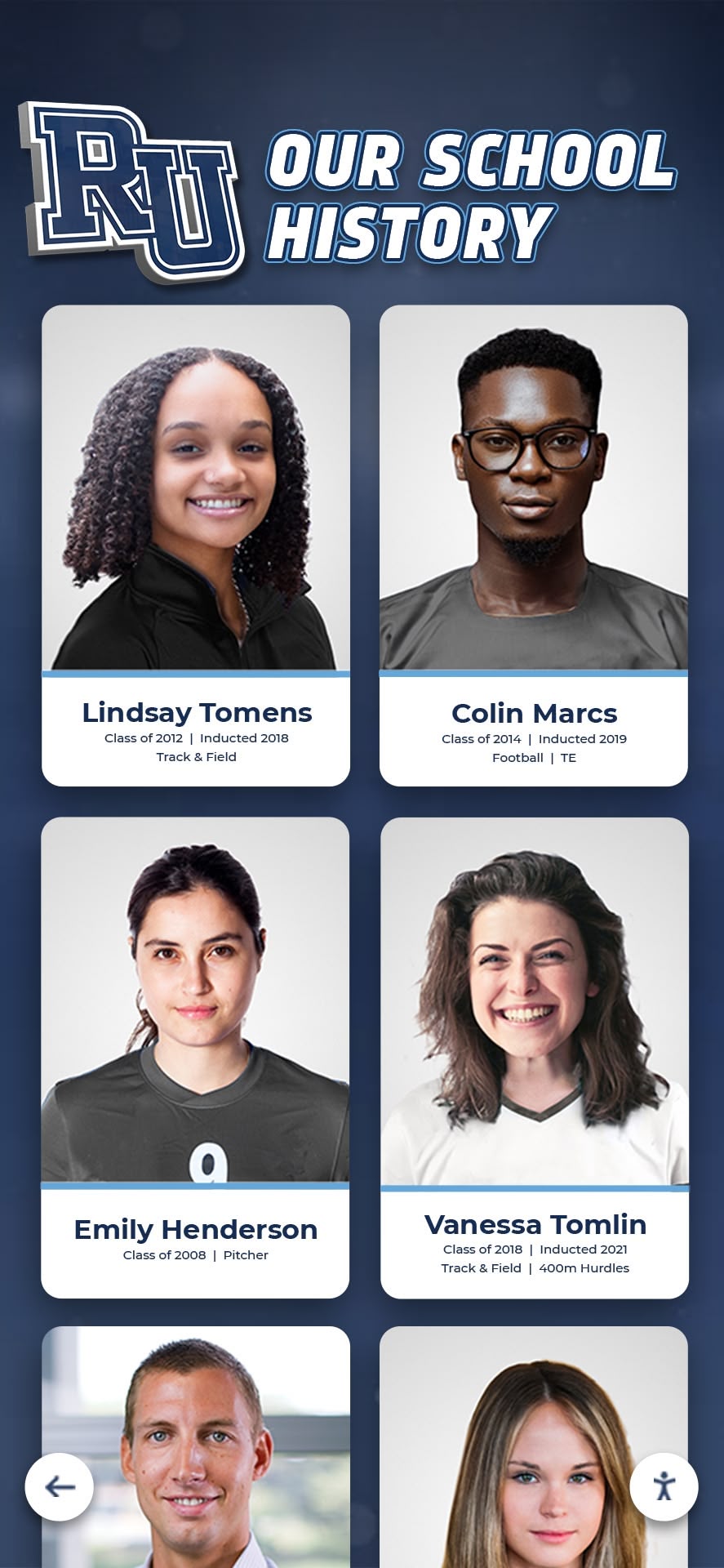
Modern digital archives preserve school history and yearbook content for future generations
Why Middle School Yearbooks Are Harder to Find
Before exploring specific finder tools, understanding the unique challenges surrounding middle school yearbook preservation explains why specialized search approaches prove necessary.
Limited Institutional Preservation
Most middle schools lack dedicated archival programs:
Storage and Retention Challenges
- Limited physical storage space prioritizing current operational needs
- Yearbooks stored haphazardly in boxes without cataloging systems
- Facility renovations and relocations resulting in lost or discarded materials
- Staff turnover disrupting institutional memory about archive locations
- Budget constraints preventing professional archival services
- Competing priorities pushing historical preservation to low-priority status
- No designated staff member responsible for maintaining school history
Consolidation and Closure Impact
- School district reorganizations scattering materials across multiple locations
- Middle school closures leaving yearbooks in uncertain institutional custody
- Merged schools combining archives without comprehensive inventories
- Grade reconfiguration (K-8 to K-5 and 6-8) disrupting archival continuity
- Administrative building transfers losing track of historical materials
Schools increasingly recognize the value of preserving institutional history through systematic approaches. Understanding school yearbook scanning services helps administrators develop comprehensive preservation strategies before irreplaceable materials disappear.
Smaller Print Runs and Distribution
Middle school yearbooks typically had more limited circulation:
Production Differences
- Smaller student populations meaning fewer copies printed
- Lower purchase rates compared to high school yearbooks
- Limited community distribution beyond students and staff
- Reduced library deposits preserving fewer institutional copies
- Budget constraints sometimes limiting production quality and quantity
- Optional purchase model versus mandatory inclusion in activity fees
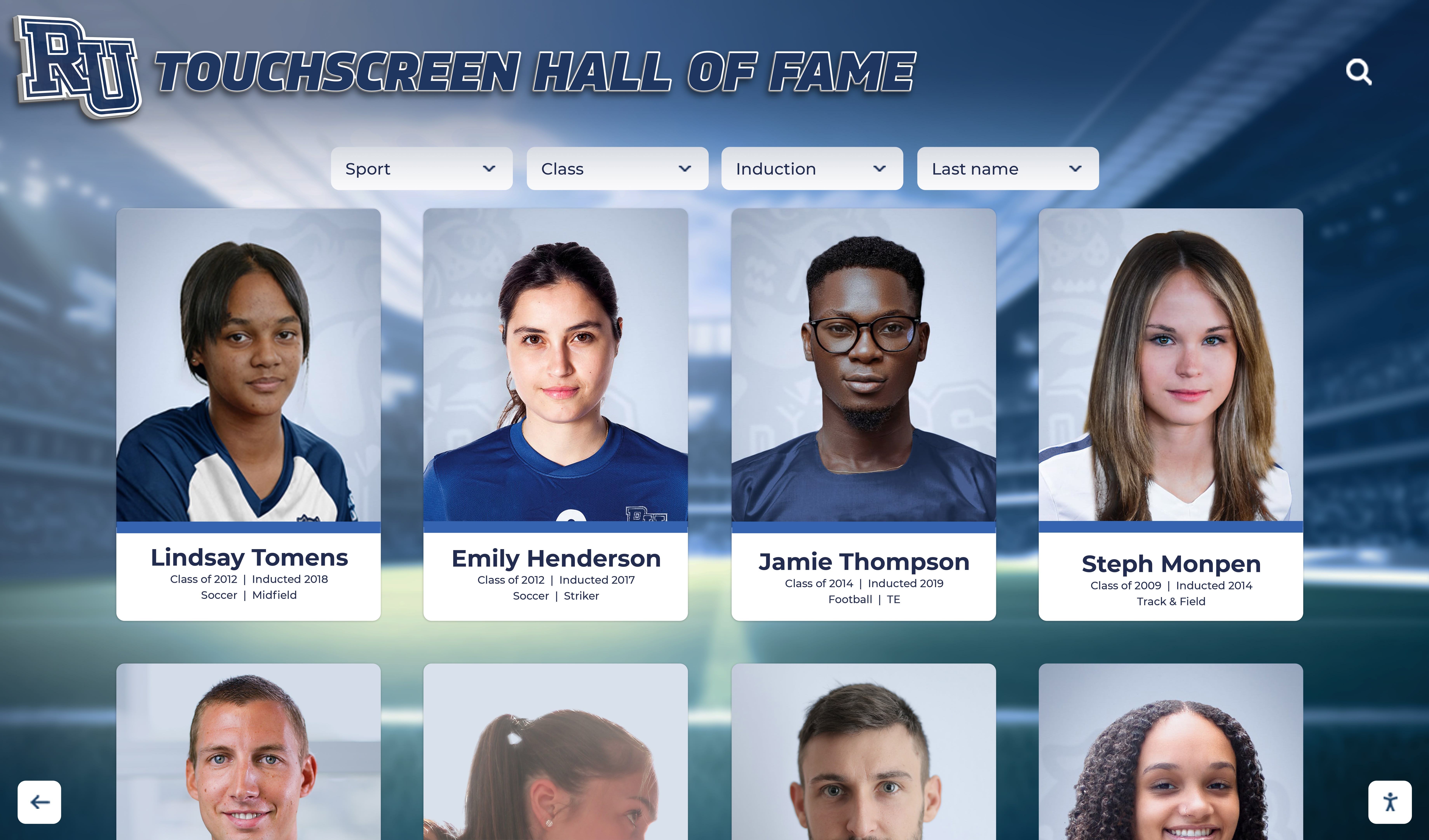
Interactive displays make historical content accessible to current students and visiting alumni
Transitional Life Stage Impact
The middle school years represent a particularly transient period:
Retention Pattern Differences
- Families frequently relocating during children’s middle school years
- Students less emotionally attached to middle school memories than high school
- Parents purging materials during moves, downsizing, or decluttering projects
- Fewer alumni maintaining connections to middle schools versus high schools
- Reduced nostalgia factor compared to senior year memorabilia
- Competition with high school yearbooks when storage space limited
Primary Middle School Yearbook Finder Platforms
Several established platforms specialize in connecting people with old yearbooks, each offering distinct advantages and coverage strengths.
Classmates.com: The Original Yearbook Archive
Classmates.com pioneered online yearbook access and maintains extensive middle school coverage:
Platform Strengths
- Over 400,000 schools represented in database
- Yearbook content dating back to 1900s in some cases
- User-contributed yearbook photos expanding available content
- Alumni message boards facilitating direct contact with classmates
- School profiles aggregating available yearbooks by year
- Search functionality by school name, location, and graduation year
- Free basic browsing with subscription required for full access
Effective Search Strategies
- Start with exact school name as it existed during your attendance
- Try alternative school names if districts consolidated or renamed facilities
- Browse yearbooks from years immediately before and after your grade
- Check multiple name variations (Jefferson Middle vs. Jefferson Junior High)
- Review alumni lists even without yearbook images to connect with classmates
- Post yearbook requests in school-specific message boards
Limitations to Consider
- Subscription fees required for downloading images or contacting members
- Coverage varies significantly by geographic region and school size
- User-contributed content depends on alumni participation levels
- Some schools have extensive archives while others have minimal presence
- Image quality varies based on scanning methods and original condition
E-Yearbook: Specialized Middle School Coverage
E-Yearbook focuses specifically on digitizing school yearbooks with growing middle school collections:
Platform Features
- Free browsing and viewing of available yearbook content
- High-resolution scans preserving original page quality
- Organized by state, district, and individual school
- Growing collection through school partnerships and donations
- Request system allowing users to suggest yearbooks for digitization
- Direct linking to specific pages for sharing with classmates
Best Use Cases
- Schools in participating districts with active digitization programs
- Recent yearbooks (1990s-present) more likely to be available
- Complementary searches alongside other platforms
- Schools actively contributing to digital preservation initiatives
Alumni and institutional partners both benefit from understanding modern digital hall of fame tools that preserve and showcase school history across multiple formats.
Ancestry.com and FamilySearch: Genealogy Connections
Major genealogy platforms increasingly include yearbook collections:
Yearbook Collection Features
- U.S. School Yearbooks collection on Ancestry with millions of pages
- Searchable by individual names appearing in yearbooks
- Integration with family trees enabling multi-generational research
- Growing collections through library partnerships and user contributions
- Free access to some collections through FamilySearch.org
Research Applications
- Particularly valuable for genealogy and family history projects
- Confirms attendance dates and name spellings for relatives
- Provides photographic evidence for family history documentation
- Contextualizes family members’ educational experiences
- Connects school attendance to broader community history
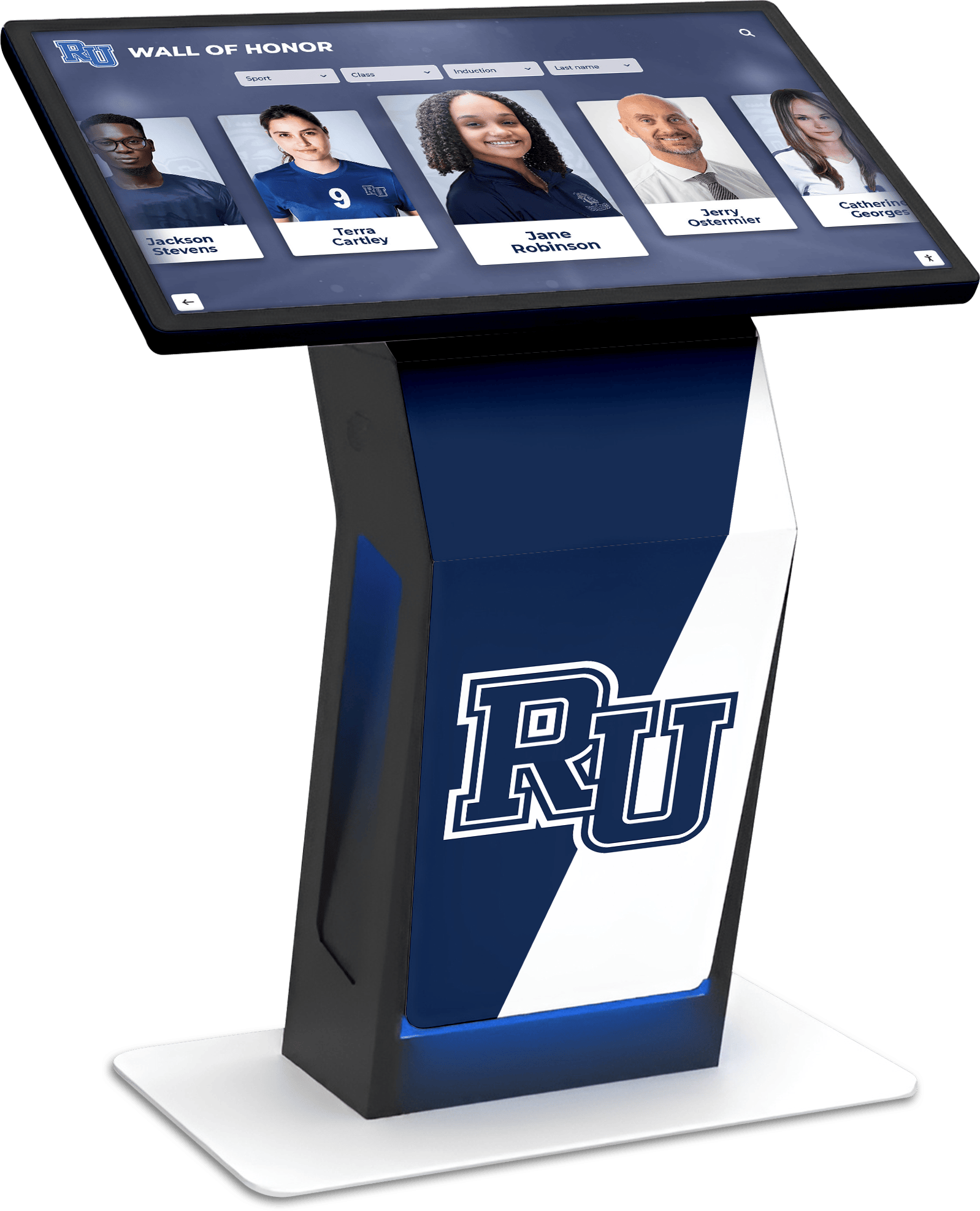
Interactive kiosks provide engaging access to digitized yearbooks and school archives
Institutional and Library Resources
Beyond commercial platforms, several institutional resources offer middle school yearbook access, often without subscription fees.
Your Original School
The school itself remains a primary resource despite archival challenges:
Direct Contact Strategies
- Contact the school library or media center first (most likely archive location)
- Request assistance from longtime staff members with institutional knowledge
- Visit in person if geographically feasible for browsing physical archives
- Schedule appointments during less busy periods for better staff availability
- Offer to donate copies or contribute to digitization efforts
- Ask about parent-teacher organizations maintaining historical collections
Administrative Offices
- District administrative buildings sometimes consolidate historical materials
- Superintendent offices may maintain yearbook collections across all schools
- Public information or communications departments using yearbooks for historical reference
- Facilities departments discovering yearbooks during renovations or moves
Public Library Local History Collections
Many public libraries maintain local history collections including school materials:
Library Research Advantages
- Free access without subscription fees or membership requirements
- Professional archivists assisting with search strategies
- Climate-controlled storage preserving yearbook condition
- Reference-only policies ensuring materials remain available for future searchers
- Microfilm or digital copies supplementing physical yearbooks
- Vertical files with newspaper clippings about schools and students
Effective Library Strategies
- Contact local history or genealogy departments specifically
- Search library catalogs using school name and “yearbook” keywords
- Ask about community contributions and donation programs
- Inquire about interlibrary loan if yearbooks located in other systems
- Request digitization of specific pages (some libraries offer services)
Understanding how schools present historical content helps contextual appreciation. Many institutions now utilize old school photos in digital displays to make archives accessible and engaging for current communities.
State and Regional Historical Societies
Historical societies sometimes maintain school yearbook collections:
Collection Characteristics
- Geographic focus on specific states, counties, or regions
- Emphasis on older yearbooks with historical research value
- Varying accessibility from open public access to appointment-only viewing
- Digitization projects making collections available online
- Subject guides specifically addressing school history research
University and College Libraries
Academic libraries frequently preserve yearbooks from feeder schools:
Academic Archive Benefits
- University archives collecting materials from local schools
- Education department libraries maintaining K-12 resources
- Special collections focusing on regional educational history
- Digital repositories with searchable yearbook databases
- Graduate research projects sometimes digitizing local yearbooks
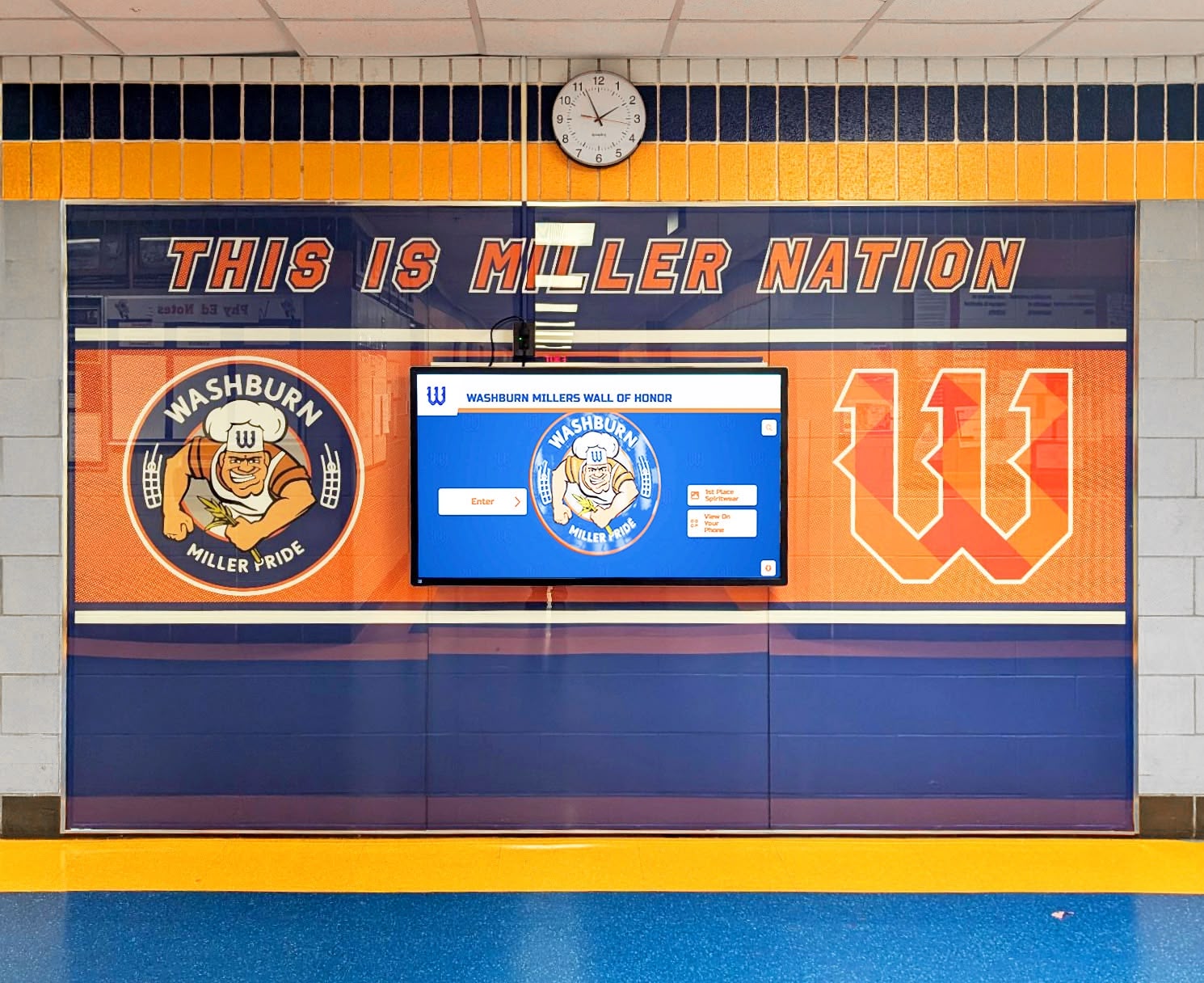
Modern schools integrate historical content into everyday spaces through digital displays
Alumni Networks and Social Media Strategies
Leveraging alumni connections often produces results when traditional archives fail.
Facebook School Groups and Pages
Social media platforms connect alumni communities effectively:
Facebook Search Strategies
- Search “[School Name] Alumni” or “[School Name] Middle School”
- Join multiple related groups (by decade, specific years, general school community)
- Post specific requests with graduation years and yearbook details needed
- Share what you’re willing to exchange (scanning services, copies, information)
- Check group files and photo albums where members share yearbook pages
- Connect with group administrators who may have extensive collections
Effective Post Components
- Specific years needed and pages/sections of particular interest
- Your connection to the school and reason for searching
- Offer to reciprocate by scanning your own yearbooks
- Tag known classmates who might have copies
- Follow up on comments and leads promptly
LinkedIn Alumni Searches
Professional networking platforms facilitate school-based connections:
LinkedIn Techniques
- Search your middle school under Education to find fellow alumni
- Filter by graduation year approximations (LinkedIn may show high school primarily)
- Send personalized connection requests mentioning the yearbook search
- Post in relevant LinkedIn groups about educational history or local community
- Leverage professional networks in hometown areas
Reunion Planning Websites
Dedicated reunion platforms aggregate alumni contact information:
Reunion Site Resources
- Classmates.com, ReunionPlanner.com, and MyLife.com connecting alumni
- Class-specific pages and contact lists
- Reunion organizers often collecting yearbooks for event displays
- Volunteer committees appreciating contributions to historical collections
Schools organizing alumni events increasingly recognize how nostalgia marketing strengthens community bonds and engagement with historical materials.
Emerging Digital Solutions for Yearbook Access
Technology advances create new pathways for locating and preserving middle school yearbooks.
School-Based Digital Archive Systems
Progressive school districts implement comprehensive digital preservation:
Modern Digital Archive Features
- Systematic scanning of yearbook collections creating searchable databases
- Cloud-based storage ensuring long-term preservation and accessibility
- Alumni portal access allowing graduates to view yearbooks remotely
- Name-searchable databases locating specific individuals across all years
- Integration with school websites making archives publicly accessible
- Mobile-friendly interfaces supporting smartphone and tablet access
Leading Digital Solutions
- Dedicated school archive platforms with yearbook-specific modules
- Digital asset management systems organizing historical materials
- Interactive touchscreen displays in school buildings showcasing yearbook content
- Online galleries supplementing physical yearbook collections
- Crowdsourced contributions from alumni expanding digital coverage

Touchscreen technology makes searching yearbook archives intuitive and engaging
Interactive Digital Display Platforms
Innovative schools leverage technology to make yearbook content continuously accessible:
Rocket Alumni Solutions Digital Archives
Schools partnering with specialized providers gain comprehensive yearbook preservation and display capabilities. Interactive touchscreen systems installed in school lobbies, hallways, or media centers provide:
- Complete yearbook digitization with high-resolution page scanning
- Searchable databases allowing visitors to locate specific students, years, or events
- Interactive navigation through decades of school history
- Integration with hall of fame displays, donor recognition, and achievement showcases
- Cloud-based management enabling continuous content updates
- Alumni access through companion mobile apps and web portals
- Professional installation and ongoing content support
These systems transform static yearbook archives into engaging, accessible resources that current students, staff, alumni, and community members actively explore. Rather than yearbooks gathering dust in storage rooms, interactive displays ensure these valuable historical documents remain visible and valuable for future generations.
The technology proves particularly beneficial when original yearbooks are lost, damaged, or fragmented across multiple locations. Schools can recreate comprehensive archives by aggregating alumni-contributed scans, library copies, and institutional fragments into unified digital collections.
Implementing Digital Archive Systems
- Assess existing yearbook collections and identify gaps requiring alumni contributions
- Evaluate preservation needs and accessibility goals
- Consider integration with broader recognition and historical display programs
- Plan for ongoing content management and updates
- Budget for professional scanning, system implementation, and support
Schools exploring comprehensive solutions benefit from understanding how interactive digital displays preserve history while creating engaging experiences for current communities.
Crowdsourced Digitization Projects
Community-driven initiatives accelerate yearbook preservation:
Successful Project Models
- Alumni volunteers organizing systematic scanning efforts
- School library partnerships coordinating digitization equipment and expertise
- Class reunion committees contributing yearbooks for professional scanning
- Parent-teacher organizations funding digitization services
- Local historical societies partnering with schools on preservation initiatives
Effective Search Strategies and Tips
Successful middle school yearbook searches require systematic approaches and persistence.
Start With What You Know
Document available information before beginning searches:
Essential Search Parameters
- Exact school name as it existed during your attendance period
- Complete school address and district name
- Years of attendance and graduation year
- Alternative names if school was renamed, consolidated, or reorganized
- Principal and teacher names who might assist with identification
- District reorganization history affecting institutional custody
Expand Name Variations
Middle schools operate under diverse naming conventions:
Common Name Patterns to Search
- [Name] Middle School
- [Name] Junior High School
- [Name] Intermediate School
- [Name] Upper Elementary School
- [Name] School (grades K-8 institutions)
- [Name] Academy or Institute
Historical naming conventions differ from current terminology, with “junior high school” predominating before middle school reforms of the 1980s-1990s.
Use Multiple Search Platforms Simultaneously
No single platform offers comprehensive coverage:
Systematic Search Approach
- Query all major commercial platforms (Classmates, E-Yearbook, Ancestry)
- Contact school and district administrative offices
- Check public library local history collections
- Search state and regional historical societies
- Post requests in Facebook alumni groups
- Contact reunion organizing committees
- Reach out to former teachers and staff maintaining personal collections
Leverage Individual Name Searches
When yearbook-wide searches fail, individual name searches sometimes succeed:
Name-Based Strategies
- Search your own name in genealogy platform yearbook collections
- Query names of known classmates, teachers, or administrators
- Use unique names appearing in yearbooks to identify correct years
- Cross-reference multiple names to verify correct school and year
Understanding how schools organize recognition programs provides context for yearbook content. Many middle schools now feature middle school recognition digital boards showcasing current student achievements alongside historical content.
Document and Share Your Findings
Contributing to collective archives helps future searchers:
Sharing Best Practices
- Upload yearbook scans to appropriate platforms when permitted
- Share discovered resources in alumni groups and forums
- Contribute information to library and historical society collections
- Update Wikipedia school articles with yearbook availability information
- Respond to others’ search requests when you possess relevant materials
- Consider donating duplicate yearbooks to institutional archives
What to Do When Yearbooks Can’t Be Found
Despite exhaustive searches, some middle school yearbooks remain elusive.
Alternative Memory Resources
When complete yearbooks prove unavailable, alternative materials preserve memories:
Supplementary Historical Sources
- School newspapers and newsletters from attendance years
- Local newspaper archives covering school events and activities
- Athletic programs and event programs from school activities
- PTA/PTO meeting minutes and newsletters
- School district annual reports including photos and information
- Personal photos from classmates and family members
- Report cards and other school documents providing context
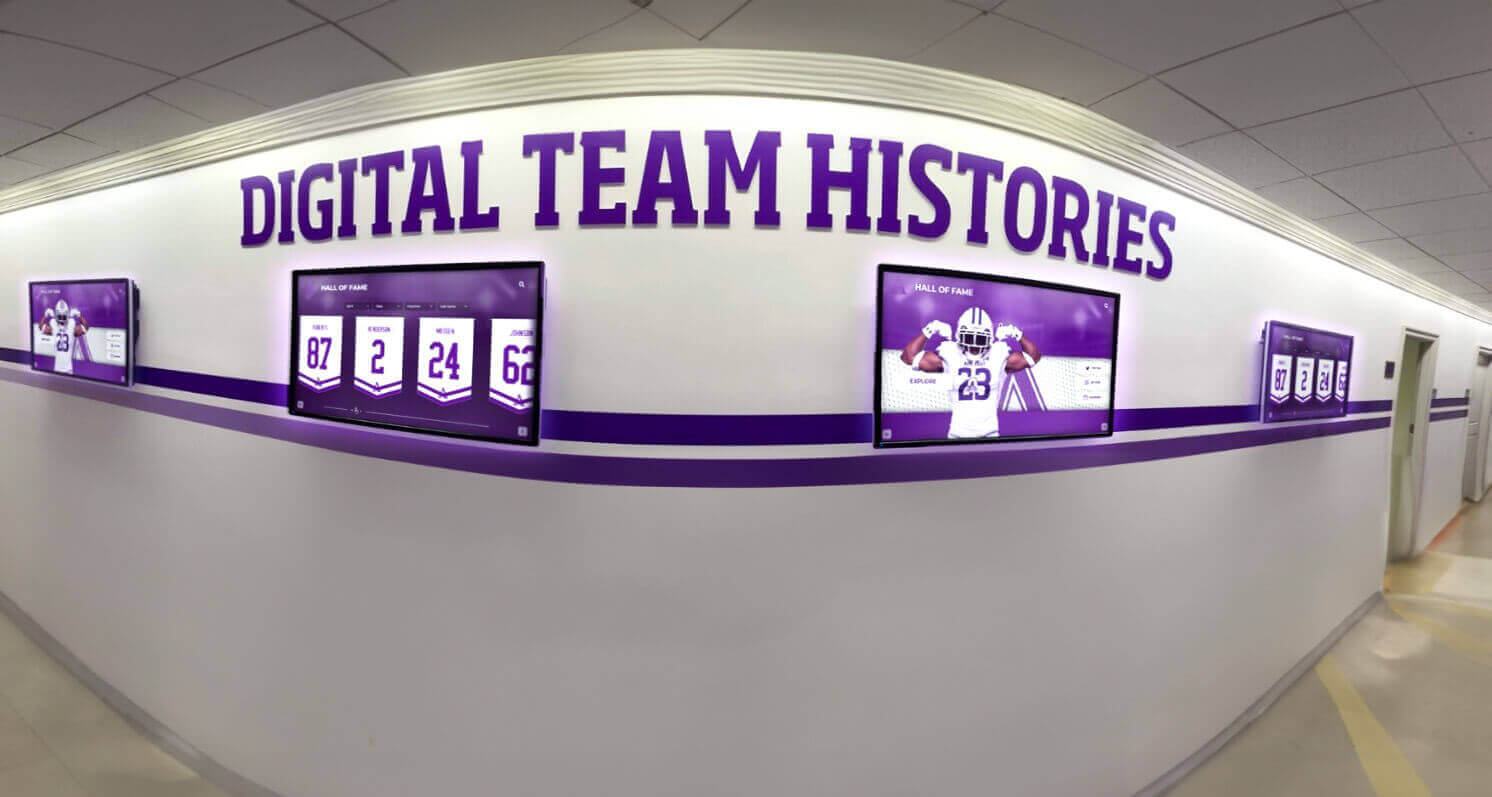
Digital displays preserve and present school history across multiple formats beyond traditional yearbooks
Recreating Partial Yearbook Collections
Coordinated alumni efforts can reconstruct missing yearbooks:
Collaborative Reconstruction Strategies
- Organize alumni photo-sharing events collecting individual photographs
- Create shared online albums aggregating available yearbook pages
- Coordinate scanning efforts where multiple people possess partial copies
- Combine individual class photos, team photos, and event photos
- Document oral histories supplementing visual materials
- Work with school administrators to create digital memorial collections
Requesting Digitization Services
Some organizations offer professional yearbook scanning:
Digitization Service Options
- School yearbook scanning companies specializing in bulk archival work
- Local copy shops offering document scanning services
- Library digitization programs for community history materials
- Alumni association fundraising to finance professional scanning
- Volunteer scanning projects using personal equipment and software
Professional bookcase yearbook scanning enables efficient digitization of large yearbook collections while preserving original binding and condition.
Preserving Yearbooks for Future Generations
Finding yearbooks represents only the first step; preservation ensures continued access.
Proper Physical Storage
Yearbooks require appropriate storage conditions:
Preservation Best Practices
- Store upright on shelves rather than stacked flat to prevent spine damage
- Maintain stable temperature and humidity levels away from basements and attics
- Keep away from direct sunlight preventing fading and deterioration
- Use acid-free boxes or covers for particularly fragile volumes
- Handle with clean hands to avoid transferring oils and dirt
- Avoid adhesive labels directly on covers (use removable enclosures instead)
Creating Digital Backups
Digitizing yearbooks protects against loss or damage:
Personal Digitization Approaches
- Flatbed scanners producing high-quality page images
- Smartphone scanning apps offering portable digitization options
- Photography of pages using camera stands ensuring even lighting
- Professional scanning services for valuable or fragile yearbooks
- Cloud storage backup preventing single-point digital failures
Institutional Donation Considerations
Contributing yearbooks to archives ensures preservation:
Donation Best Practices
- Contact school libraries, public libraries, or historical societies about donation policies
- Provide complete provenance information with donated materials
- Consider duplicates for donation while retaining personal copies
- Request acknowledgment if desired for donation records
- Understand access policies ensuring materials remain available
- Document donations for potential tax deduction purposes
Understanding how modern institutions preserve history provides context for digitization efforts. Schools implementing academic recognition programs increasingly integrate historical yearbook content with contemporary achievement showcases.
Legal and Ethical Considerations
Accessing and sharing yearbook content involves copyright and privacy considerations.
Copyright Protections
Yearbooks receive copyright protection as collective works:
Legal Framework
- Schools or yearbook publishers hold copyright to complete yearbooks
- Individual photographs may have separate copyright considerations
- Copyright terms extend 95 years from publication for institutional works
- Fair use provisions permit limited personal and educational uses
- Republishing complete yearbooks digitally requires permission
Responsible Personal Use
- Viewing, photographing pages for personal reference generally permissible
- Sharing individual pages with classmates typically acceptable
- Large-scale digitization and public distribution requiring permission
- Commercial use of yearbook content prohibited without licensing
- Respect institutional policies when accessing archival collections
Privacy and Sensitivity Considerations
Historical yearbooks contain personal information requiring thoughtful handling:
Ethical Sharing Practices
- Consider whether individuals depicted would want images shared publicly
- Respect that minors appeared in yearbooks without meaningful consent
- Avoid sharing potentially embarrassing or sensitive content
- Use discretion when posting yearbook pages in public social media
- Respond to removal requests from individuals depicted
- Balance historical value with contemporary privacy expectations
These considerations particularly affect middle school yearbooks depicting younger adolescents who may prefer limited public distribution of these images.
Connecting Yearbook History With Current School Communities
Rediscovered yearbooks offer valuable opportunities for school engagement.
Integrating Historical Content Into School Culture
Schools leverage yearbook archives for community building:
Historical Integration Strategies
- Display vintage yearbook pages in hallways and common areas
- Feature “This Month in School History” showcasing yearbook content
- Connect current students with alumni from their birth years
- Incorporate historical photos in anniversary celebrations and events
- Use yearbook content in local history and genealogy curricula
- Create tradition continuity by comparing past and present activities
Alumni Engagement Through Yearbook Access
Accessible yearbook archives strengthen alumni connections:
Engagement Applications
- Virtual reunion events featuring yearbook content exploration
- Alumni newsletter content highlighting historical yearbook pages
- Fundraising appeals incorporating nostalgia and historical connection
- Homecoming celebrations showcasing decades of school history
- Social media engagement sharing “#ThrowbackThursday” yearbook content
Schools developing comprehensive alumni programs benefit from understanding alumni relations software tools that integrate historical content with ongoing engagement strategies.
Future of Middle School Yearbook Access
Technology continues transforming how yearbook content is preserved and accessed.
Artificial Intelligence and Facial Recognition
Emerging technologies promise enhanced searchability:
AI-Enhanced Features
- Facial recognition identifying individuals across multiple yearbook years
- Optical character recognition making yearbook text fully searchable
- Automated tagging reducing manual cataloging requirements
- Name matching connecting yearbook appearances with alumni databases
- Pattern recognition identifying activities, sports, and organizations
Augmented Reality Applications
Next-generation platforms may overlay digital content on physical yearbooks:
AR Possibilities
- Smartphone apps revealing additional content when viewing yearbook pages
- Video interviews with alumni activated by scanning yearbook photos
- Updated information about individuals and their post-graduation paths
- Interactive timelines connecting yearbook years with broader historical context
Blockchain Verification and Digital Collectibles
Distributed ledger technology may authenticate and preserve digital yearbooks:
Blockchain Applications
- Verified digital yearbook editions preventing unauthorized alterations
- Permanent archival storage ensuring multi-generational accessibility
- Alumni contribution tracking acknowledging digitization efforts
- Digital ownership certificates for rare or significant yearbook editions
Conclusion: Persistence Pays in Yearbook Searches
Finding middle school yearbooks requires patience, creativity, and systematic searching across multiple platforms and resources. While no single tool guarantees success, combining commercial platforms, institutional archives, alumni networks, and emerging digital solutions significantly increases discovery likelihood.
The growing recognition of yearbooks as valuable historical and genealogical resources drives continued digitization efforts by schools, libraries, genealogy platforms, and dedicated preservation organizations. Each newly digitized yearbook expands accessibility for future searchers while preserving irreplaceable content that might otherwise disappear entirely.
Whether seeking childhood photos, researching family history, planning reunions, or simply indulging nostalgia, the middle school yearbook finder tools and strategies outlined in this guide provide actionable pathways from search to successful discovery. Beyond personal benefit, contributing your own yearbooks to digital archives and institutional collections ensures these windows into the past remain open for future generations seeking connections with their educational heritage.
When traditional searches fail to locate specific yearbooks, consider supporting your school’s efforts to implement comprehensive digital archive systems that preserve all yearbook editions for perpetual community access. Transforming fragmented, inaccessible archives into searchable, interactive digital collections benefits alumni, genealogists, students, and communities for decades to come.
Explore how interactive digital archive solutions can preserve your school’s yearbook collection and make it accessible to current and future communities through engaging touchscreen displays and web-based platforms.