Intent: Demonstrate meaningful memorial service ideas and tribute options. Planning a memorial service that truly honors a loved one’s life, contributions, and legacy presents challenges that go far beyond logistics. Families, schools, organizations, and communities seek to create gatherings that feel personal, meaningful, and reflective of the unique individual being remembered—yet often struggle to move beyond generic ceremonies that fail to capture the essence of lives well-lived.
Traditional memorial approaches—brief services with standard religious elements, hastily assembled photo boards, and fleeting gatherings—leave attendees wanting more substantial ways to remember, celebrate, and process loss. Meanwhile, those planning memorials face difficult questions: How do we make this service feel personal? What elements truly honor this person’s values and impact? How can we create lasting tributes that continue honoring their memory long after the service ends?
This guide explores meaningful memorial service ideas across ceremony planning, personalization strategies, lasting tribute options, and modern approaches to preservation that help communities honor loved ones in ways that feel authentic, inclusive, and enduring.
Planning a meaningful memorial service requires thoughtful consideration of how to balance tradition with personalization, formality with warmth, and immediate ceremony needs with long-term legacy preservation. The following memorial service ideas help create gatherings that truly honor individuals while providing comfort and connection for those who mourn.
Personalizing Memorial Service Elements
The most meaningful memorial services incorporate elements that reflect the unique personality, passions, and values of the person being honored. Generic ceremonies that could apply to anyone feel hollow compared to services designed around specific individuals.
Music Selection and Performance: Choose songs that held special meaning rather than defaulting to standard hymns. Consider live performances by musicians who knew the deceased, recordings of their favorite artists, or playlists they actually listened to. Schools honoring faculty members might include performances by music students they taught. Alumni associations might feature the school fight song or anthems from significant eras.
Location Choices: Memorial services need not take place in traditional funeral homes or houses of worship. Consider locations that mattered to the deceased—athletic fields where they coached, gardens they tended, auditoriums where they performed, or campus locations where they made their greatest impact. Outdoor settings offer flexibility and often feel more celebratory than institutional spaces.
Visual Storytelling: Move beyond single photo poster boards to create comprehensive visual narratives. Display photographs chronologically to show life progression. Create thematic groupings—family photos, career highlights, hobby pursuits, friendships. Include memorabilia like uniforms, awards, artwork, or tools of their trade. For educators, display student letters and artwork. For athletes, show jerseys and championship medals.
Speaker Selection: Balance prepared eulogies with opportunities for spontaneous sharing. Designate 3-5 primary speakers representing different life spheres (family, career, community, faith), but also create open microphone segments where attendees can share brief memories. Schools might include students, colleagues, and parents. Organizations might feature board members, volunteers, and those served.
When planning memorial tributes for specific communities, consider cultural traditions, organizational customs, and family preferences that shape appropriate ceremony elements.
Creating Meaningful Ceremony Experiences
The structure and flow of memorial services significantly impact how attendees process grief and celebrate life. Thoughtful ceremony design creates space for both mourning and celebration.
Reception and Gathering Strategies: Pre-ceremony gathering time allows attendees to reconnect, view displays, and ease into the emotional experience. Consider:
- Registration tables where attendees sign memory books and receive programs
- Display areas showcasing photographs, memorabilia, and achievements
- Video loops playing home movies, interviews, or career highlights
- Memory stations where attendees write notes, share stories, or contribute to collective tributes
- Refreshment areas that feel welcoming rather than rushed
Ceremony Structure Options: Consider these alternative formats beyond traditional eulogies:
- Celebration of Life: Focuses on joyful remembrance with uplifting music, humor, and storytelling about achievements and personality
- Living Memorial: Announces scholarships, foundations, or ongoing programs established in the honoree’s name
- Participatory Services: Invites attendees to light candles, place flowers, or contribute symbolic items while sharing brief memories
- Slideshow Memorials: Projects continuous photo presentations with music, allowing visual storytelling to carry the narrative
- Video Tributes: Features pre-recorded interviews, message compilations from those who couldn’t attend, or documentary-style life retrospectives
For schools honoring educators and staff members, student participation in ceremony planning and presentation creates particularly meaningful tributes.
Interactive Elements: Move beyond passive attendance by incorporating participation:
- Memory sharing circles where small groups exchange stories
- Symbolic acts like releasing balloons, planting trees, or creating collective art
- Guest book alternatives such as puzzle piece signing, quilt square contributions, or video message recording
- Distribution of memorial items like seed packets, bookmarks, or small tokens attendees can take home
- Group projects that will continue honoring the person, such as completing unfinished work or carrying forward their initiatives
Lasting Memorial Tributes and Recognition
While memorial services provide immediate gathering opportunities, lasting tributes ensure individuals continue being honored over time. Schools, universities, organizations, and communities increasingly seek permanent recognition that preserves legacies for future generations.
Traditional Memorial Options
Physical Monuments and Plaques: Traditional approaches include:
- Bronze or brass plaques mounted in prominent locations
- Memorial benches with dedication inscriptions
- Brick pavers in walkways or gathering spaces
- Named rooms, buildings, or facilities
- Garden memorials with planted trees and dedication markers
- Trophy cases or display cabinets showcasing achievements
These permanent installations provide focal points for remembrance but face limitations in space availability, update flexibility, and storytelling capacity.
Memorial Funds and Endowments: Financial tributes that continue the deceased’s work include:
- Scholarship funds supporting students in their field or honoring their values
- Program endowments funding activities they championed
- Equipment purchases or facility improvements in their name
- Annual awards recognizing others who embody similar qualities
- Charitable contributions to causes they supported
For organizations establishing donor recognition programs that include memorial giving, digital walls offer flexible solutions for honoring both memorial gifts and living donors.
Modern Digital Memorial Solutions
Contemporary memorial tributes increasingly incorporate technology that provides richer storytelling while solving space and update limitations of traditional approaches. Digital memorial displays offer capabilities that static plaques cannot match.
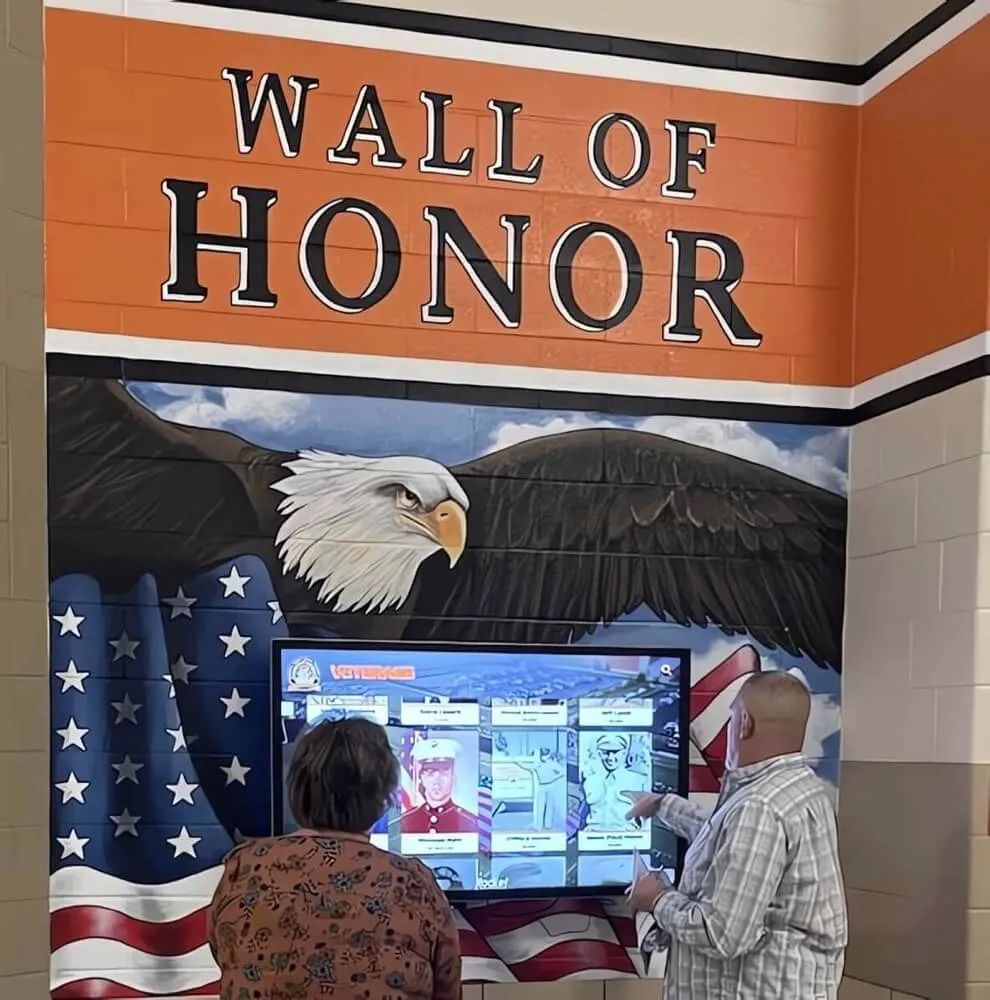
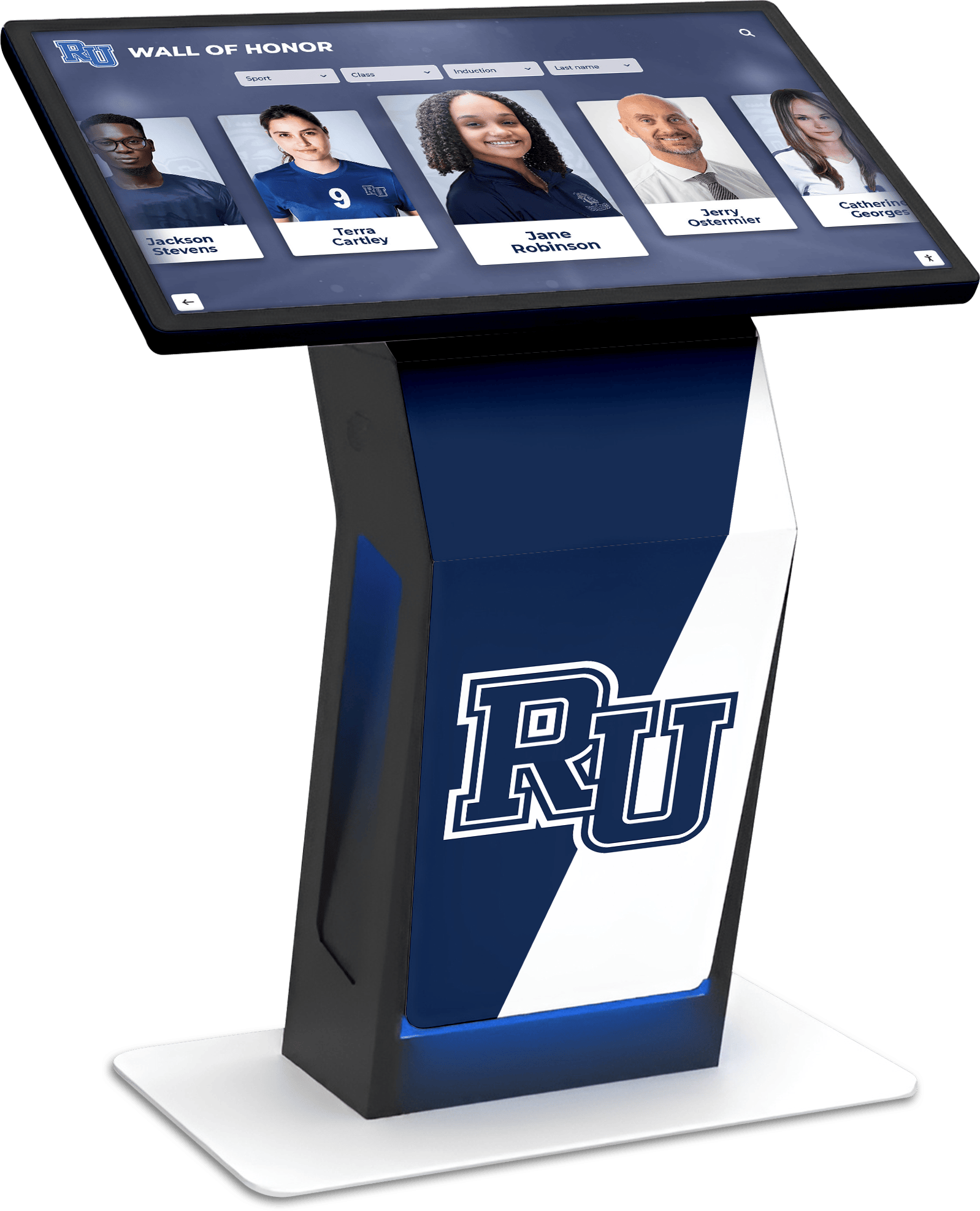
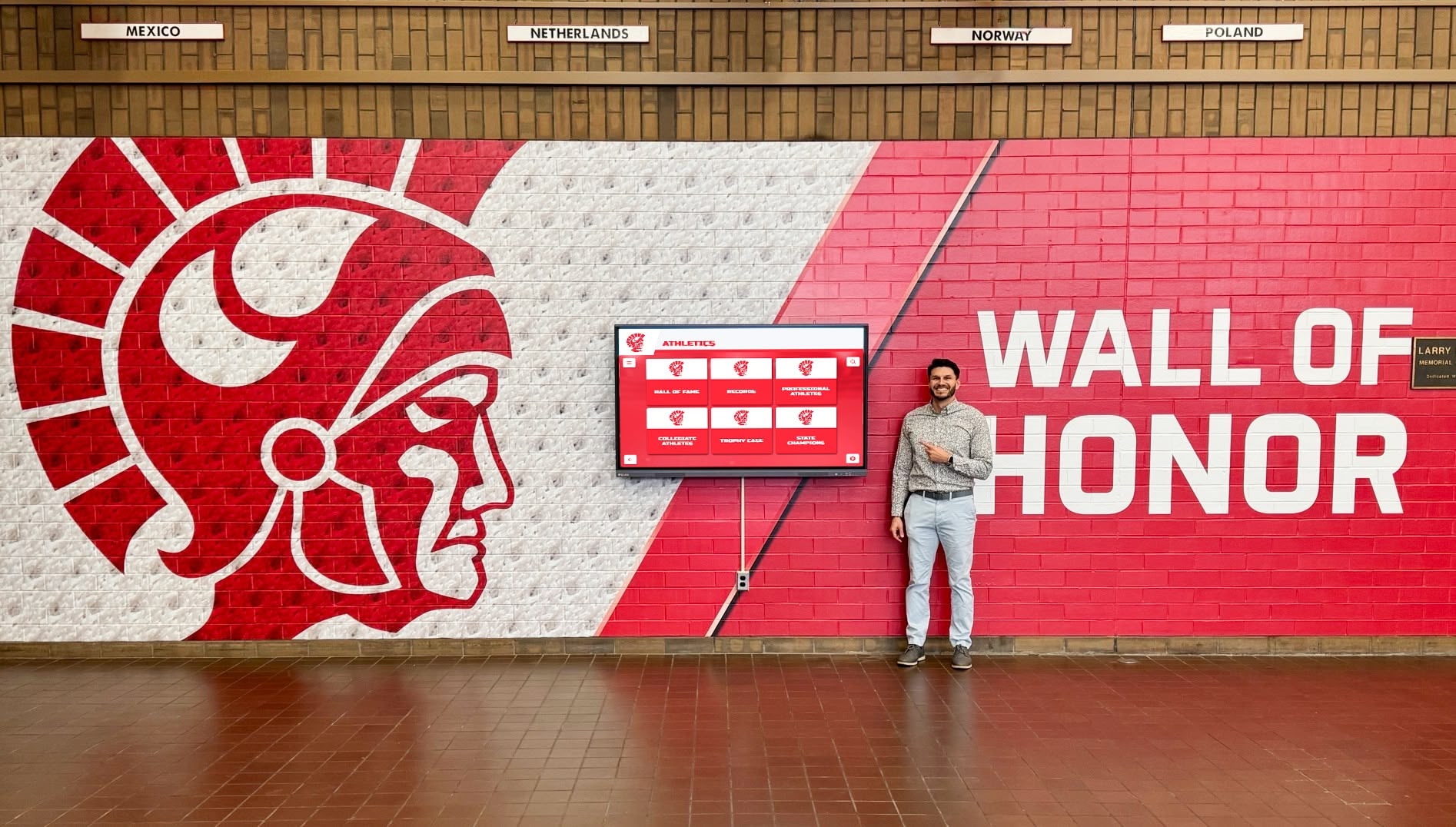
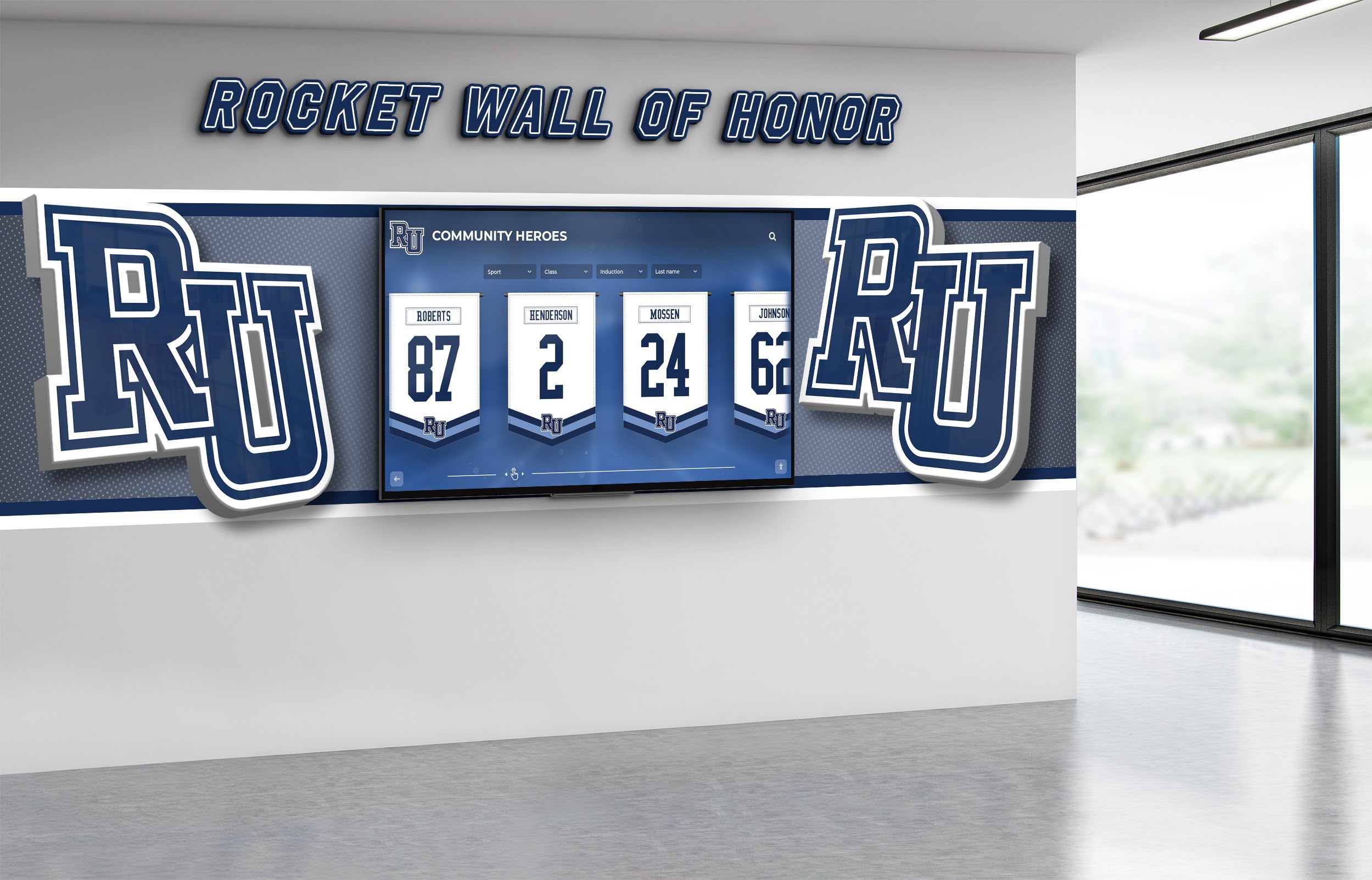
Interactive Memorial Walls: Modern touchscreen recognition systems transform how organizations honor deceased members, alumni, faculty, or community leaders. Digital memorial solutions like those from Rocket Alumni Solutions provide:
- Unlimited Profiles: No space constraints limit how many individuals receive recognition
- Comprehensive Storytelling: Each profile can include biography text, multiple photographs, career highlights, achievements, quotes, and personal stories far beyond what plaques allow
- Video Integration: Memorial tributes can include recorded interviews, video messages, performance clips, or documentary-style retrospectives
- Easy Updates: Content additions and corrections happen remotely without physical plaque replacement
- Family Contributions: Relatives can submit photos and memories that enrich official tributes
- Search and Filtering: Visitors can find specific individuals, browse by era or category, or explore entire memorial collections
- Accessibility: QR codes enable mobile phone access to memorial content, extending reach beyond physical displays

Schools implementing veterans memorial displays find that digital formats allow for comprehensive recognition of all who served rather than selecting only a few for limited plaque space.
Organizations honoring fallen heroes and service members use digital memorial walls to provide the depth of storytelling these sacrifices deserve while ensuring every individual receives equal recognition regardless of wall space limitations.
Virtual Memorial Websites: Complementing physical displays, online memorial pages provide:
- 24/7 accessibility from anywhere
- Guest book functionality where visitors leave messages and memories
- Photo and video galleries families can expand over time
- Event calendars for annual remembrance gatherings
- Integration with social media for sharing
- Preservation of content that might otherwise be lost
These digital extensions ensure memorial tributes remain accessible to distant family, relocated alumni, or community members who cannot visit physical locations.
Specialized Memorial Service Concepts
Different circumstances call for tailored memorial approaches that honor specific contexts and communities.
School and University Memorials
Educational institutions honoring deceased students, alumni, faculty, or staff benefit from memorial approaches that involve the entire community:
Student Memorial Services: When schools experience the loss of current students, memorial approaches might include:
- All-school assemblies with student speakers, performances, and collective grieving
- Memorial scholarships awarded annually at graduation
- Yearbook dedication pages
- Planted memorial trees or gardens students maintain
- Athletic jersey retirement for student athletes
- Designated memory spaces in common areas
Faculty and Staff Tributes: Honoring educators who shaped institutions requires recognition matching their impact:
- Academic awards named for the educator
- Dedicated classroom or facility spaces
- Student-created memorial projects incorporating their teaching subjects
- Endowed positions continuing their work
- Digital archives preserving their lessons, philosophies, and contributions
- Annual memorial lectures featuring their research areas or teaching passions
When planning awards ceremonies and recognition events that include memorial components, integrate tributes naturally within broader celebration frameworks.
Organizational and Community Memorials
Non-profits, civic organizations, clubs, and associations face unique considerations when honoring deceased members:
Member Memorial Programs: Organizations implement ongoing recognition through:
- Memorial service sections at annual meetings or gatherings
- Remembrance pages in organizational publications
- Digital memorial galleries accessible to membership
- Scholarship or service awards honoring deceased members
- Continued listing in directories with memorial designation
- Annual remembrance events bringing community together
Legacy Project Completion: Honor deceased members by completing work they began:
- Finishing unfinished projects or initiatives
- Establishing programs they envisioned
- Creating documentaries or books about their contributions
- Dedicating facilities or programs they championed
- Passing leadership of their signature initiatives to successors who will continue their vision
Families dealing with memory preservation for loved ones with dementia find that creating memorial displays while individuals are still living allows them to participate in legacy storytelling.
Celebration of Life Services
Moving away from somber funeral traditions, celebration of life services emphasize joy, achievements, and positive remembrance:
Casual Gathering Formats: Consider these alternative approaches:
- Hosted receptions at meaningful locations rather than funeral homes
- Catered events featuring the deceased’s favorite foods
- Outdoor gatherings in parks, gardens, or natural settings
- Hobby-themed celebrations at golf courses, art studios, or other significant locations
- Combined memorial and reunion events reconnecting dispersed communities
Celebratory Elements: Shift tone toward uplifting remembrance:
- Photo montages emphasizing happy moments and achievements
- Humor and funny stories alongside serious tributes
- Uplifting music selections
- Video highlights of life accomplishments
- Interactive activities the person enjoyed
- Toasts and tributes focusing on impact and influence
Participatory Memory Creation: Engage attendees in collective remembrance:
- Memory wall boards where guests post notes and photos
- Video recording stations capturing attendee stories
- Group projects like quilts, murals, or memory books
- Pledge cards where attendees commit to continuing the person’s work
- Distribution of memorial seeds, plants, or meaningful tokens
Memorial Service Planning Timeline
Effective memorial planning requires coordination across multiple timeframes. This structured approach ensures nothing is overlooked while accommodating grief-processing needs.
Immediate Decisions (Days 1-3)
First decisions establish the memorial framework:
- Determine service date and time (typically 5-14 days after passing to allow travel arrangements)
- Select location and secure venue availability
- Choose funeral home, celebrant, or religious officiant as appropriate
- Identify primary speakers and request their participation
- Gather essential information for obituaries and announcements
- Appoint planning committee or coordinator
- Establish budget parameters
Detailed Planning (Days 4-10)
Flesh out ceremony specifics and logistics:
- Finalize ceremony structure and timeline
- Select music and coordinate performers
- Create or compile photo displays and video tributes
- Write or commission program content
- Coordinate reception food, beverages, and setup
- Arrange audiovisual equipment needs
- Plan memorial table displays
- Order flowers, programs, and memorial items
- Send formal invitations or announcements
- Coordinate parking, accessibility, and facility logistics
Final Preparations (Days 11-Service Date)
Complete remaining details and confirm arrangements:
- Finalize speaker remarks and timing
- Complete programs and printed materials
- Confirm all vendor arrangements
- Conduct venue walkthrough and setup planning
- Prepare reception areas
- Rehearse ceremony flow with key participants
- Brief volunteers on their roles
- Set up displays, signage, and registration areas
Post-Service Activities
Memorial work continues beyond the initial service:
- Compile attendee contact information for thank you notes
- Preserve guest book messages and memorial notes
- Digitize photographs and video from service
- Establish memorial funds or ongoing tributes
- Plan permanent memorial installation if appropriate
- Create digital memorial archives
- Schedule follow-up gatherings or annual remembrance events
When creating lasting recognition programs, organizations benefit from planning permanent memorial elements during initial service planning rather than attempting to retroactively add tributes later.
Memorial Service Budget Considerations
Memorial services span wide cost ranges depending on scope, location, and personalization level. Understanding expense categories helps families and organizations plan appropriately.
Essential Service Costs
Core memorial service expenses typically include:
- Venue Rental: $0-$1,500 depending on location (houses of worship often free for members; hotels and event venues charge rental fees)
- Officiant or Celebrant: $200-$500 for non-clergy officiants; often included or minimal cost through religious institutions
- Programs and Printing: $100-$400 for memorial programs, prayer cards, and sign-in books
- Audiovisual Equipment: $200-$800 if not included with venue (projectors, screens, sound systems, video playback)
- Reception Food and Beverage: $300-$2,000+ depending on guest count and catering level (simple coffee and cookies versus full catered meals)
- Flowers and Decorations: $200-$1,000 for memorial arrangements
Enhanced Memorial Elements
Additional personalization options add cost but increase meaning:
- Professional Photography/Videography: $500-$1,500 to document service for distant family and archives
- Video Tribute Production: $300-$1,000 for professionally edited memorial videos
- Live Streaming Service: $200-$600 enabling remote attendance
- Memorial Websites: $100-$500 annual hosting and design
- Printed Photo Books: $50-$200 for high-quality memorial albums distributed to family
- Memorial Items: $100-$500 for seed packets, bookmarks, or tokens for attendees
Permanent Memorial Tributes
Lasting recognition involves different budget considerations:
- Traditional Plaques: $300-$2,000 for bronze or brass mounted plaques
- Memorial Benches: $1,000-$5,000 including installation
- Named Spaces: Varies widely based on facility type and naming duration
- Digital Memorial Displays: $4,000-$15,000 for touchscreen systems with ongoing content management (one-time investment serving unlimited individuals indefinitely)
- Memorial Scholarships: Minimum endowments typically $10,000-$25,000 to generate annual awards
Budget-conscious families and organizations can create deeply meaningful memorials at modest cost by focusing resources on personalization rather than expensive venues, leveraging volunteer contributions, and choosing scalable elements like digital memorials that serve many individuals.
Making Memorial Services Accessible and Inclusive
Thoughtful memorial planning ensures all who wish to attend can participate fully regardless of physical, geographic, or scheduling constraints.
Physical Accessibility: Venue selection should prioritize:
- Wheelchair accessibility including ramps, elevators, and accessible restrooms
- Adequate seating for elderly or mobility-limited attendees
- Assistive listening systems for hearing-impaired guests
- Large-print programs and signage for vision-impaired participants
- Accessible parking close to entrances
- Temperature-controlled indoor spaces for those sensitive to heat or cold
Remote Participation Options: Enable distant attendance through:
- Live streaming video (many families use free platforms like Zoom or Facebook Live)
- Recorded services shared afterward for those in incompatible time zones
- Virtual guest books where remote attendees leave messages
- Mailed programs and memorial items so distant family receives tangible mementos
- Pre-recorded video messages from those unable to attend played during service
Timing and Scheduling Considerations: Accommodate diverse needs by:
- Scheduling weekend services for working attendees
- Avoiding religious holidays that conflict with attendance
- Announcing dates 7-10 days in advance allowing travel arrangements
- Planning reasonable service lengths (typically 60-90 minutes)
- Allowing flexibility for late arrivals due to travel
- Providing child care if expecting families with young children
Cultural and Religious Sensitivity: Honor diverse backgrounds through:
- Consulting family about cultural traditions and customs
- Incorporating appropriate religious elements without assuming universal faith
- Offering both religious and secular ceremony options
- Respecting dietary restrictions in reception planning
- Acknowledging diverse mourning practices
- Creating inclusive language in programs and remarks
Memorial services that welcome all who wish to honor the deceased create more comprehensive tributes while providing comfort to broader communities.
Measuring Memorial Service Success
While assessing memorial services feels uncomfortable, thoughtful evaluation helps organizations improve future tributes and ensures families feel their loved ones were appropriately honored.
Attendance and Participation: Consider:
- Did expected attendees participate?
- Were there technical or logistical barriers to attendance?
- Did remote participation options work effectively?
- Did attendees feel welcomed and comfortable?
Personalization Effectiveness: Reflect on:
- Did the service feel specific to the individual or generic?
- Were personal stories, music, and elements incorporated successfully?
- Did speakers effectively capture the person’s character and contributions?
- Were family members satisfied with personalization level?
Emotional Impact: Assess whether the service provided:
- Appropriate balance between grief acknowledgment and celebration
- Comfort to immediate family
- Closure for wider community
- Opportunities for shared remembrance
- Respectful honoring of the deceased’s wishes and values
Legacy Preservation: Evaluate ongoing memorial effectiveness:
- Are permanent tributes installed as planned?
- Do they receive visibility and engagement?
- Can they accommodate updates and additions?
- Will they continue honoring the individual for years to come?
Organizations that learn from each memorial service improve their capacity to honor future losses with increasing sensitivity and effectiveness.
Conclusion: Creating Memorials That Matter
The most meaningful memorial service ideas share common elements: they tell authentic stories about real people, they create opportunities for shared remembrance among those who grieve, and they establish lasting tributes that preserve legacies beyond immediate services. Whether planning intimate family gatherings or large organizational ceremonies, the goal remains honoring individuals in ways that reflect their unique contributions, values, and impact.
Modern memorial approaches increasingly blend traditional ceremony elements with innovative tributes that solve long-standing limitations. Digital recognition displays, comprehensive storytelling, accessible remote participation, and flexible permanent memorials ensure that memorial tributes serve both immediate mourning needs and long-term legacy preservation.
Schools, universities, organizations, and families seeking lasting ways to honor deceased members benefit from memorial solutions that grow rather than constrain over time—platforms that can always accommodate one more story, one more photograph, one more tribute as memories surface and as future generations seek to understand those who came before them.
Ready to create a lasting memorial tribute for your school, organization, or community? Explore how digital memorial displays can honor unlimited individuals with comprehensive storytelling, easy updates, and accessibility that traditional plaques cannot match.