For high school student athletes who have dedicated years to their sport, signing a letter of intent for college represents one of the most significant milestones of their athletic career. This formal agreement commits you to attending a specific college or university while securing your athletic scholarship and roster position. It transforms years of early morning practices, weekend tournaments, and personal sacrifice into an official pathway toward continuing your athletic journey at the collegiate level.
Yet navigating the letter of intent process raises countless questions for student athletes and families. What exactly is a National Letter of Intent? When are the official signing periods? How binding is this commitment? What happens if circumstances change? How should schools and families celebrate this achievement? And why do so many high schools now showcase signing day ceremonies with permanent recognition displays?
This comprehensive guide walks student athletes through everything you need to know about college letters of intent—from understanding the National Letter of Intent program to navigating signing periods, making informed commitment decisions, planning memorable signing ceremonies, and how schools preserve these achievements as part of their athletic legacy.
Signing a letter of intent represents more than paperwork—it’s a celebration of athletic excellence, academic achievement, and the beginning of a new chapter in your journey as a student athlete. Understanding this process empowers you to make confident decisions while helping schools create meaningful recognition for these significant accomplishments.
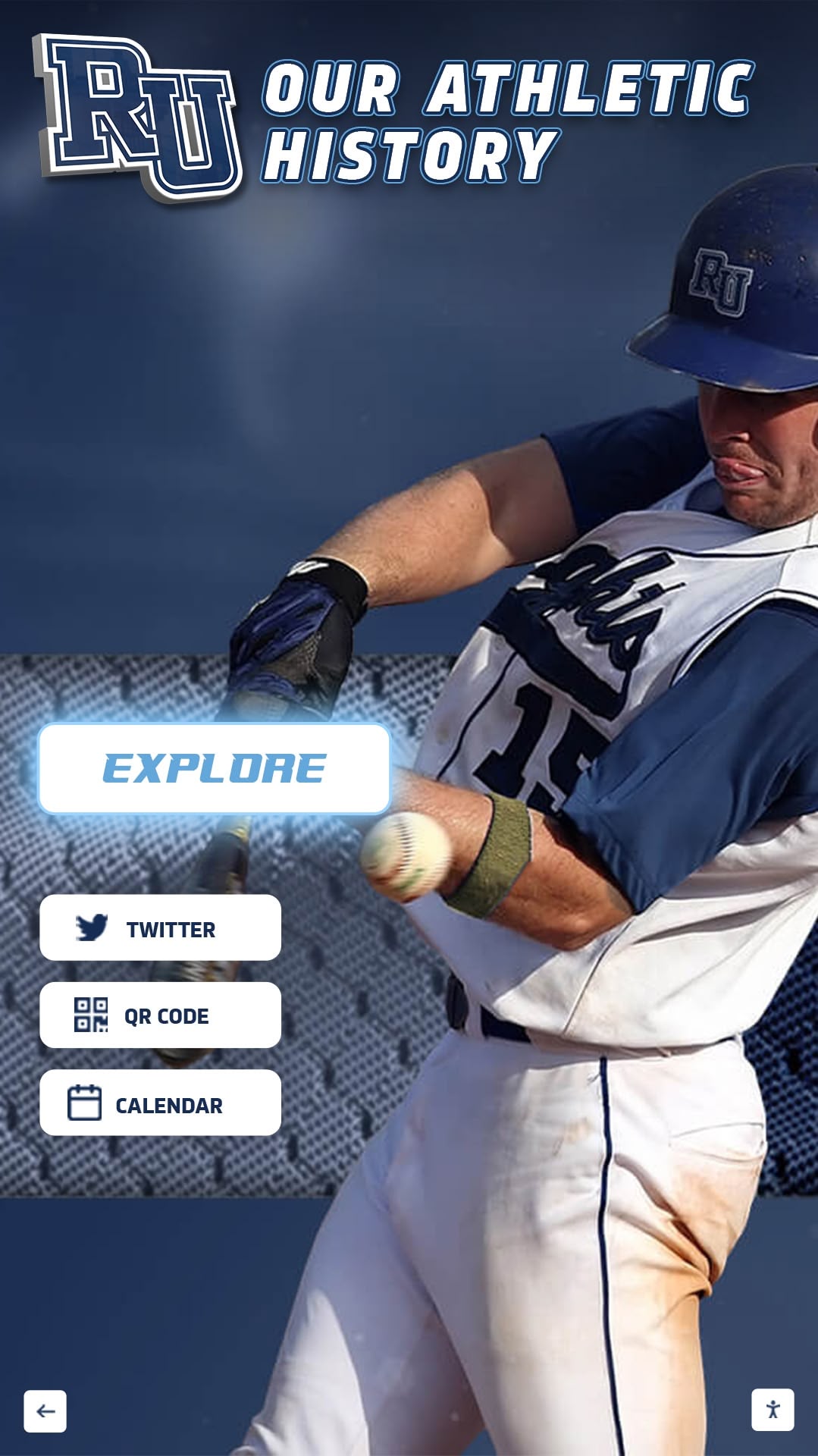
Signing a letter of intent marks the transition from high school to college athletics and deserves comprehensive celebration
Understanding the National Letter of Intent (NLI)
The National Letter of Intent program provides a standardized agreement governing athletic commitments between student athletes and collegiate programs.
What Is the National Letter of Intent?
The Formal Definition The National Letter of Intent (NLI) is a binding agreement between a prospective student athlete and an NCAA Division I or Division II institution. When you sign an NLI, you commit to attending that institution for one academic year in exchange for the institution providing you with athletics financial aid for one academic year.
Key Program Elements:
- Administered by the NCAA Eligibility Center
- Binding commitment for one academic year
- Requires institutional financial aid agreement
- Prevents other schools from recruiting you after signing
- 14-day signing window for most sports
- Specific signing periods designated by sport
- Release procedures if circumstances change
- Protection for both athlete and institution
The NLI program began in 1964 and has evolved into the standard mechanism for formalizing college athletic commitments. Over 50,000 student athletes sign National Letters of Intent each year across Division I and Division II programs.
Who Can Sign an NLI?
Eligible Student Athletes: Not all college-bound athletes sign NLIs:
NLI Applies To:
- NCAA Division I student athletes receiving athletic scholarships
- NCAA Division II student athletes receiving athletic scholarships
- Athletes in sports that participate in the NLI program
- High school seniors or transfer students meeting eligibility requirements
- Athletes with qualifying offers of athletic financial aid
Who Does NOT Sign NLIs:
- Division III student athletes (Division III prohibits athletic scholarships)
- Ivy League student athletes (Ivy League schools don’t participate in NLI program)
- Service academy student athletes (military academies have different processes)
- Walk-on athletes not receiving athletic financial aid
- Junior college athletes transferring to four-year institutions

Schools celebrate college athletic commitments through ceremonies and permanent recognition displays
If you’re receiving an athletic scholarship to an NCAA Division I or Division II school in a sport that participates in the NLI program, you’ll almost certainly sign a National Letter of Intent during the designated signing period for your sport.
Understanding Your Commitment
What Signing an NLI Means: When you sign the National Letter of Intent, you’re making several commitments:
Your Obligations:
- Attend the institution for one full academic year
- Participate in the athletic program as an eligible student athlete
- Meet NCAA initial eligibility requirements
- Maintain academic progress toward degree completion
- Follow institutional and NCAA conduct rules
- Accept the athletics financial aid offered
The Institution’s Obligations:
- Provide the athletics financial aid specified in the agreement
- Reserve a roster spot for you in the sport
- Honor the commitment for the full academic year
- Provide access to athletic facilities and coaching
- Support your academic and athletic development
What Happens After Signing:
- Other Division I and Division II schools must stop recruiting you
- You cannot sign another NLI with a different institution
- The recruiting process ends (for that year)
- You have security knowing your scholarship and roster spot are confirmed
- The institution has certainty about incoming recruiting class
Understanding these mutual obligations helps you appreciate the significance of your signature and the binding nature of this agreement.
Signing Periods and Important Dates
Different sports have designated signing periods when student athletes can officially sign National Letters of Intent.
Early Signing Period vs. Regular Signing Period
Early Signing Period Most sports offer an early signing period during the fall of your senior year:
Early Period Benefits:
- Sign during November of senior year
- End recruiting process early
- Focus on senior season without recruitment distractions
- Secure scholarship commitment before holidays
- Remove uncertainty about college destination
- More time to prepare academically for transition
- Opportunity for fall signing day celebrations
Early Signing Period Timing:
- Football: Early December (three-day period)
- Basketball: November (one-week period)
- Most other sports: November (seven-day period)
- Dates vary slightly year to year—check current calendar
Schools implementing National College Signing Day recognition programs often coordinate celebrations around early signing periods when most student athletes formalize commitments.
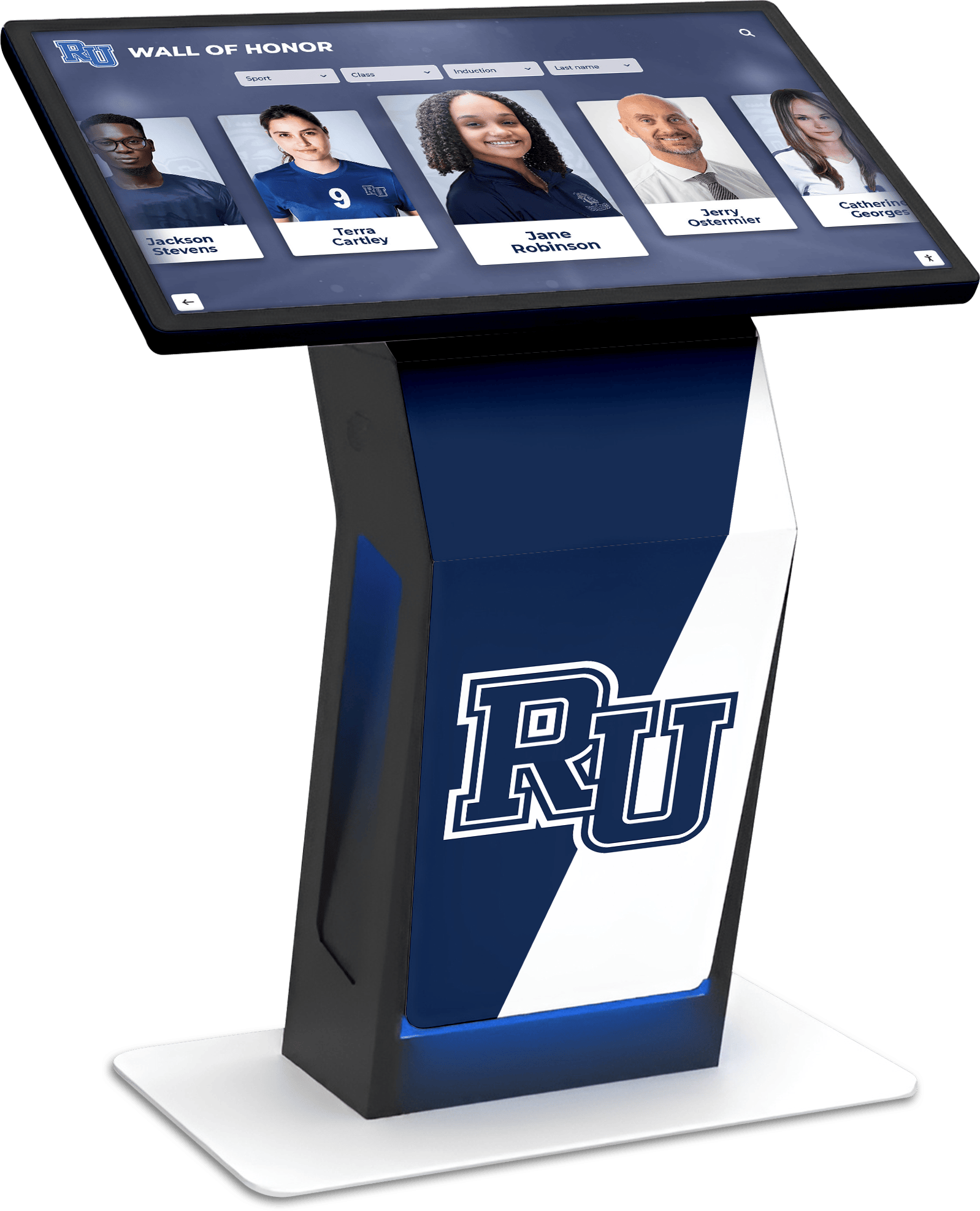
Interactive displays showcase college commitments permanently, celebrating student athlete achievements
Regular Signing Period A second signing period occurs later in the academic year:
Regular Period Timing:
- Football: First Wednesday in February
- Basketball: April (one-week period)
- Most other sports: April (continues through May or August depending on sport)
- Extended period accommodating later decisions
When to Use Regular Period:
- Athletes still deciding between multiple schools
- Late recruiting developments or offers
- Waiting for academic acceptance decisions
- Transfer students with different timelines
- Athletes recovering from injuries affecting recruitment
- Undecided athletes wanting more time
Sport-Specific Signing Periods
Major Sports Signing Calendars:
Football:
- Early Period: First Wednesday in December (three days)
- Regular Period: First Wednesday in February (extends through April)
- Most recruits sign during early period
Basketball:
- Early Period: November (one week)
- Regular Period: April (one week)
- High-profile recruits often make commitments during early period
Baseball:
- Early Period: November (one week)
- Regular Period: April through August 1
- Many Division I programs recruit during early period
Soccer, Volleyball, Softball:
- Early Period: November (one week)
- Regular Period: April through August 1
- Growing trend toward early commitments
Track and Field, Swimming, Tennis:
- Early Period: November (one week)
- Regular Period: April through August 1
- Individual sport recruiting timelines vary widely
Always verify current signing period dates with your coach or the NCAA Eligibility Center as specific dates can shift slightly year to year.
Planning Your Signing Timeline
Timeline for Early Signing Period:
Summer Before Senior Year:
- Narrow college choices to top two or three schools
- Complete official visits to finalist schools
- Discuss scholarship offers with family
- Understand academic requirements for each school
- Communicate clearly with coaches about timeline
September-October of Senior Year:
- Make final college decision
- Inform college coach of commitment (verbal)
- Complete necessary financial aid applications
- Ensure NCAA eligibility requirements are on track
- Communicate with high school about signing day plans
November (Early Signing Period):
- Review National Letter of Intent carefully
- Sign during designated period
- Return signed documents by deadline
- Celebrate with signing ceremony at high school
- Share commitment on social media
- Thank coaches, family, and supporters
Planning ahead ensures you meet all deadlines while creating opportunities for meaningful celebration of this significant achievement.
Making Your College Decision
Choosing where to sign your letter of intent represents one of the most important decisions of your athletic and academic life.
Evaluating Athletic Program Fit
Coaching Staff Relationships The coaching staff will significantly impact your college experience:
Questions to Consider:
- Do you trust and respect the head coach’s philosophy?
- What is the coaching staff’s track record with player development?
- How do current players describe their relationships with coaches?
- What is the coach’s history of staying at the institution?
- Does the coaching style match your personality and needs?
- How does the staff communicate with players?
- What role would you realistically play as a freshman?
Many student athletes discover too late that coaching relationships matter more than facilities, uniform colors, or school reputation. Spend significant time with the coaching staff during recruitment to ensure genuine compatibility.
Playing Time and Role Expectations Understanding your realistic role helps set appropriate expectations:
Honest Assessment:
- What position would you play?
- How many players are currently at your position?
- What is the depth chart for your position?
- When do freshmen typically see playing time?
- What are the expectations for redshirt years?
- How does the program develop younger players?
- What injuries or graduations might affect opportunities?
Coaches should provide honest feedback about your likely role. Be wary of programs that promise starting positions to all recruits—that’s mathematically impossible.
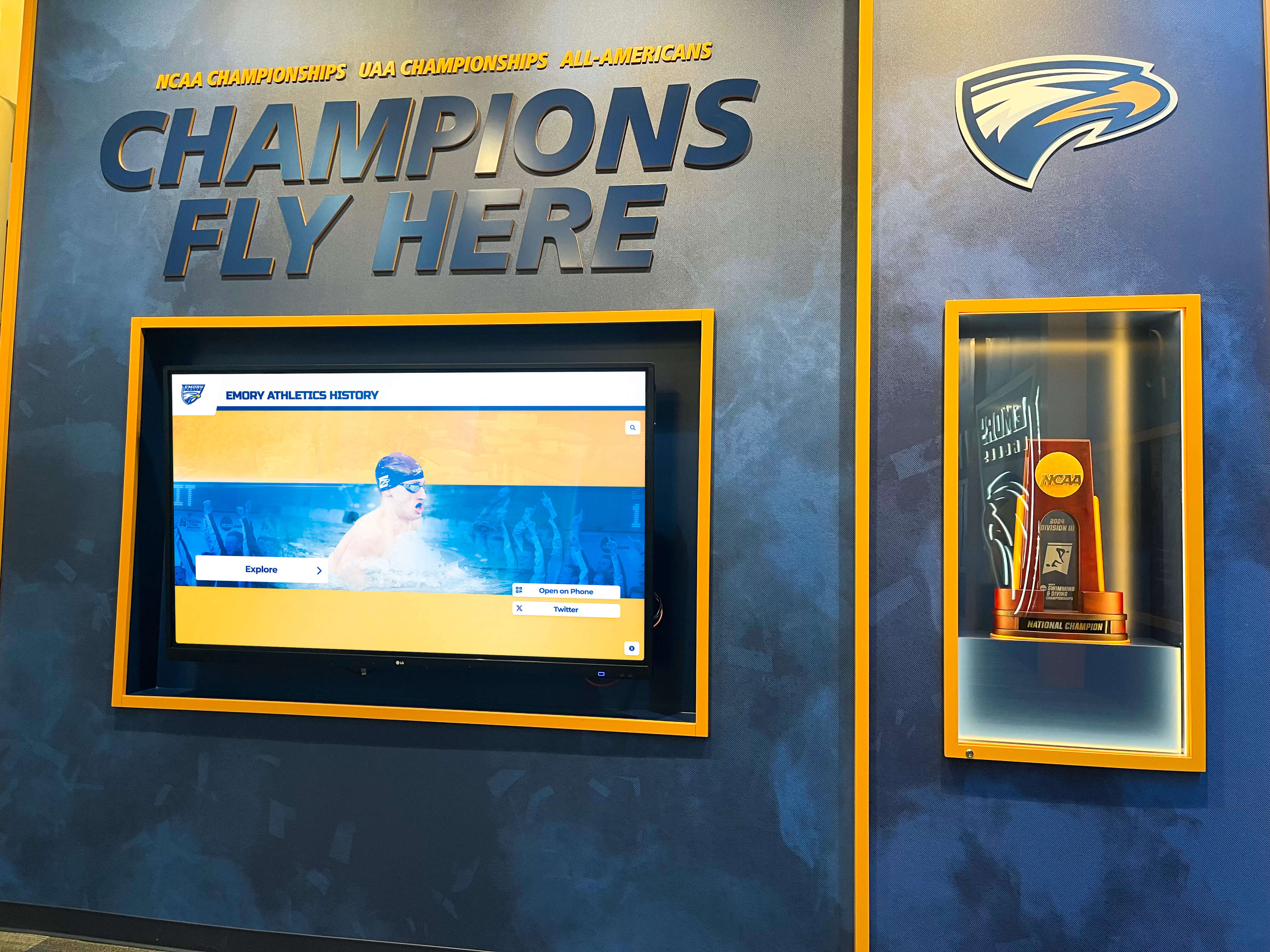
College athletic programs showcase their history through championship recognition and athlete achievements
Team Culture and Environment The team becomes your family for four years:
Cultural Fit Questions:
- Do you connect with current team members?
- What is the team’s approach to balancing athletics and academics?
- How do upperclassmen treat freshmen?
- What is the program’s reputation on campus?
- Are there leadership development opportunities?
- How does the team handle adversity and challenges?
- What alumni network exists for career support?
Spend time with team members without coaches present. Their honest perspectives reveal program culture more accurately than recruiting materials.
Academic and Career Considerations
Academic Program Quality Remember—you’re a student athlete, with “student” coming first:
Academic Evaluation:
- Does the school offer your intended major?
- What is the program’s academic reputation in your field?
- What academic support exists for student athletes?
- What percentage of athletes graduate on time?
- Are class schedules compatible with athletic commitments?
- What internship and career placement support exists?
- Does the athletic schedule allow study abroad or other experiences?
Athletes who choose schools primarily for athletics often struggle when injuries end their careers or when they discover their academic programs don’t align with career goals. Prioritize schools offering strong academics in fields that interest you.
Geographic and Family Considerations Location impacts more than you might initially realize:
Location Factors:
- How far from home feels comfortable?
- Can family attend games and visits?
- What is the cost of travel home for breaks?
- How do you handle being far from familiar support systems?
- Does the climate affect your comfort and health?
- What opportunities exist in that geographic region?
- Do you prefer urban, suburban, or rural settings?
There’s no right answer about distance from home. Some athletes thrive with independence far from family, while others benefit from nearby support systems. Be honest about your needs.
Financial Aid and Scholarship Details
Understanding Your Scholarship Offer Not all athletic scholarships are created equal:
Scholarship Types:
- Full scholarships covering tuition, room, board, and books
- Partial scholarships covering percentage of costs
- Equivalency sports dividing limited scholarships among many athletes
- Headcount sports offering full scholarships only
- Academic scholarships supplementing athletic aid
- Need-based financial aid in addition to athletic scholarships
Critical Questions About Financial Aid:
- What exactly does the scholarship cover?
- Is it a multi-year guarantee or renewable annually?
- What GPA or athletic performance requirements exist?
- What happens if you get injured?
- Can you lose the scholarship if coaches change?
- What are the total out-of-pocket costs?
- How does the financial aid compare to other offers?
Get all financial commitments in writing and understand conditions under which scholarships might be reduced or eliminated.
Schools with comprehensive athletic recognition programs often celebrate college commitments as evidence of program quality and student athlete achievement.
The Signing Day Process
Understanding the logistics of signing day ensures a smooth, memorable experience.
Required Documents and Procedures
National Letter of Intent Documents Several documents require signatures:
Core NLI Packet:
- National Letter of Intent (the binding commitment)
- Athletic Financial Aid Agreement from the institution
- Drug Testing Consent Form
- Statement of Understanding about the NLI program
- Institutional-specific forms or agreements
- Parent/guardian signatures (if athlete is under 18)
Review every document carefully before signing. Once signed, the NLI is binding, so understanding what you’re agreeing to is essential.
Document Review Checklist:
- Correct sport listed
- Accurate personal information
- Right institution name and division
- Financial aid details match verbal offer
- All signature lines completed
- Documents dated within signing period
- Copies made for your records
- Return deadline noted and achievable
Many high schools ask guidance counselors or athletic directors to review NLI documents with student athletes and families before signing to ensure complete understanding.
Official Signing Ceremonies
High School Signing Day Events Many high schools organize formal ceremonies celebrating college commitments:
Typical Ceremony Elements:
- School gymnasium or library setting
- Table with college colors and school merchandise
- Family members seated with athlete
- Athletic director or principal introduction
- Athlete biography highlighting achievements
- Formal signing of letter of intent
- Photo opportunities with family and coaches
- Media coverage for local recognition
- Reception or refreshments after signing
These ceremonies acknowledge years of dedication while celebrating the achievement before the school community that supported your athletic journey.
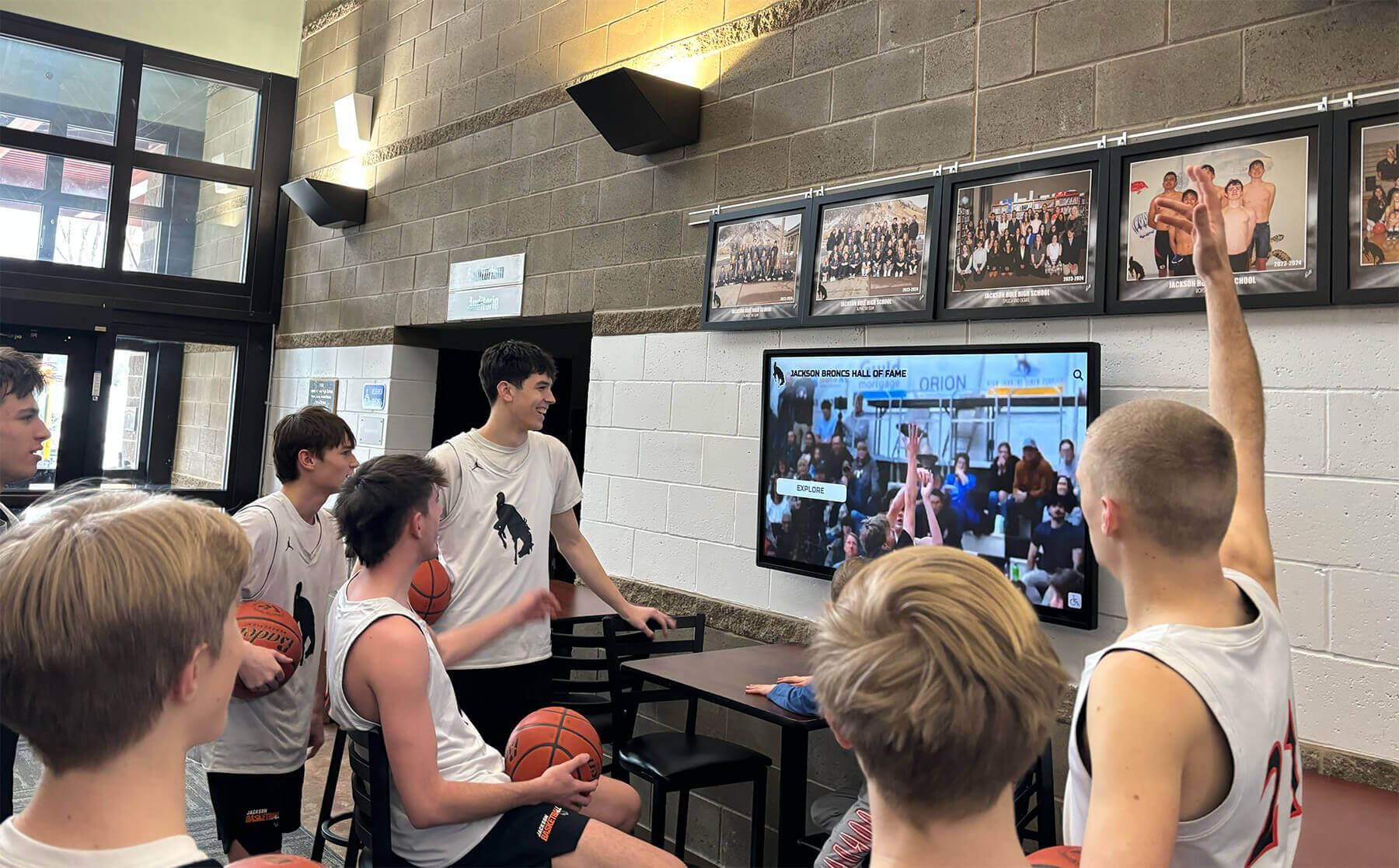
High schools celebrate signing days with ceremonies and permanent digital recognition of college commitments
Planning Your Signing Ceremony:
Logistics to Coordinate:
- Schedule ceremony during signing period
- Reserve appropriate space at school
- Invite family, coaches, teammates, and friends
- Notify school administrators and media
- Prepare brief remarks about your decision
- Gather college gear (shirt, hat, pennant) for photos
- Coordinate with other signing athletes for group event
- Plan social media announcements
Many schools coordinate group signing days when multiple athletes sign during the same period, creating larger celebrations that recognize all college-bound student athletes together.
Who to Thank During Your Ceremony:
- Parents and family for support and sacrifices
- High school coaches who developed your skills
- Teammates who pushed you to improve
- Teachers who supported academics
- Club or travel coaches who contributed to development
- Athletic trainers who kept you healthy
- School administrators who created opportunities
- Community supporters and boosters
Taking time to acknowledge those who contributed to your success makes signing ceremonies more meaningful while demonstrating gratitude and maturity.
Social Media and Public Announcements
Announcing Your Commitment Social media plays a significant role in modern signing day celebrations:
Effective Announcement Strategies:
- Wait until signing is official before public announcements
- Coordinate timing with college program’s announcements
- Create graphic with college logo and your photo
- Share personal statement about why you chose the school
- Tag college coaches, program, and school accounts
- Thank high school, coaches, and supporters
- Use appropriate hashtags for visibility
- Respond graciously to congratulations
Sample Announcement Content: “Excited to announce I’ve signed my National Letter of Intent to continue my [sport] career at [University Name]! Thank you to my family, coaches, and teammates who have supported me throughout this journey. Looking forward to representing [mascot/school]! [college hashtags]”
What to Avoid in Announcements:
- Negative comments about schools you didn’t choose
- Controversial statements or inappropriate content
- Premature announcements before official signing
- Forgetting to thank key supporters
- Overly long essays that lose reader attention
- Multiple announcements that appear attention-seeking
Remember that college coaches, future teammates, and recruiters will see your social media. Keep announcements positive, grateful, and professional.
After Signing: What Comes Next
Signing the letter of intent is just the beginning of your transition to college athletics.
Maintaining Academic Eligibility
NCAA Initial Eligibility Requirements You must meet NCAA academic standards to compete:
Division I Requirements:
- Graduate from high school
- Complete 16 core courses with minimum GPA
- Achieve qualifying test scores on SAT or ACT
- Register with NCAA Eligibility Center
- Submit final transcripts to Eligibility Center
- Receive official academic certification
Don’t Let Senioritis Derail Your Plans: Many student athletes relax academically after signing, jeopardizing their eligibility. Maintain focus through graduation to ensure you meet all requirements. Failing to qualify academically after signing creates devastating consequences—you’ve committed to the school but cannot compete or access your scholarship.
Senior Year Academic Priorities:
- Maintain GPA required for eligibility
- Complete all core course requirements
- Take SAT/ACT if scores need improvement
- Submit updated transcripts to NCAA
- Communicate with college compliance office
- Finish strong to prepare for college-level academics
Preparing for College Athletics
Staying in Shape and Avoiding Injury The transition period between signing and arriving on campus requires careful attention:
Training During the Gap:
- Continue strength and conditioning programs
- Avoid risky activities that could cause injury
- Follow any training plans provided by college coaches
- Maintain sport-specific skills
- Focus on injury prevention and recovery
- Get adequate rest and nutrition
- Consider working with trainers on college preparation
An injury between signing and enrolling can jeopardize your scholarship and playing career. Many athletes have lost opportunities due to preventable injuries during this period.
Communication with College Coaches Stay connected with your future program:
Maintaining Contact:
- Respond promptly to coach communications
- Ask questions about summer preparation
- Attend official recruiting events if invited
- Complete any required paperwork on time
- Update coaches on academic progress
- Inform them immediately of any injuries or concerns
- Build relationships with future teammates

Many high schools preserve college signing achievements as part of their permanent athletic recognition displays
Transition Planning
Academic Preparation for College College academics differ significantly from high school:
Preparation Steps:
- Attend orientation sessions
- Meet with academic advisors
- Understand degree requirements
- Plan first-semester schedule
- Identify academic support resources
- Connect with student athlete academic services
- Consider summer courses for adjustment
- Learn time management strategies
Student athletes face unique challenges balancing practice, competition, travel, and academics. Preparing mentally for this challenge increases success likelihood.
Life Skills Development Build independence before college arrival:
Skills to Develop:
- Managing finances and budgeting
- Cooking basic nutritious meals
- Doing laundry and basic housekeeping
- Time management without parental oversight
- Conflict resolution and communication
- Health and wellness self-monitoring
- Seeking help when struggling
- Building support systems in new environments
Many athletic programs offer summer bridge programs helping incoming student athletes transition to college life. Participate if available.
Understanding Release and Transfer Options
While the NLI is binding, circumstances sometimes require exploring release options.
When You Might Need an NLI Release
Legitimate Reasons for Release Requests: The NLI program recognizes that situations change:
Common Release Scenarios:
- Coaching change at the institution (head coach leaves)
- Academic program elimination or significant changes
- Medical conditions requiring different location
- Family emergencies requiring proximity to home
- Institution eliminates your sport
- Significant change in scholarship offer
- Program placed on probation or sanctions
- Misrepresentation of athletic or academic opportunities
Release Process:
- Submit written request to institution’s athletics director
- Provide detailed explanation of circumstances
- Wait for institutional review and decision
- Accept institutional conditions for release if granted
- Understand that releases are not automatic or guaranteed
- Consider appeals process if release denied
- Consult with parents, coaches, and advisors
Institutions are not required to grant releases, even for legitimate reasons. The decision rests with the school where you signed.
Transfer Regulations
NCAA Transfer Rules If you enroll but decide to transfer, complex rules apply:
Transfer Considerations:
- One-time transfer exception may allow immediate eligibility
- Many transfers require sitting out one year
- Graduate transfers have different rules
- Transfer portal process for notification
- Release from scholarship at current institution
- Finding new institution willing to accept you
- Academic credits transferring appropriately
Transfer decisions should not be made lightly. Most athletes who transfer discover the grass is not greener elsewhere. Exhaust all options for success at your current institution before considering transfer.
Schools implementing comprehensive digital recognition displays preserve college commitment achievements permanently, celebrating student athlete success regardless of eventual collegiate outcomes.
Celebrating and Recognizing College Commitments
Schools increasingly recognize college athletic commitments as significant achievements deserving permanent celebration.
Traditional Recognition Methods
Physical Displays and Signage Many schools create visible recognition:
Common Traditional Approaches:
- Banners in gymnasium listing college commits
- Bulletin boards with photos and college logos
- Trophy cases displaying signing day memorabilia
- Plaques commemorating college athletes
- Wall murals featuring college-bound athletes
- Yard signs celebrating commitments
- Newsletter features and announcements
These traditional methods preserve achievement history while inspiring younger athletes, though space constraints limit how many athletes can receive ongoing visibility.
Modern Digital Recognition Solutions
Interactive Touchscreen Displays Technology transforms how schools celebrate college commitments:
Digital Recognition Advantages:
- Unlimited capacity for all college commits across all years
- Individual profiles with photos, stats, and destinations
- Searchable databases finding specific athletes quickly
- Integration with overall athletic recognition programs
- Regular updates as more athletes sign
- Mobile and web accessibility for alumni
- Professional presentation matching achievement importance
- Permanent preservation without physical space constraints
Schools implementing digital recognition displays report that prospective students and their families frequently explore these systems during campus visits, seeing college commitment success rates as program quality indicators.
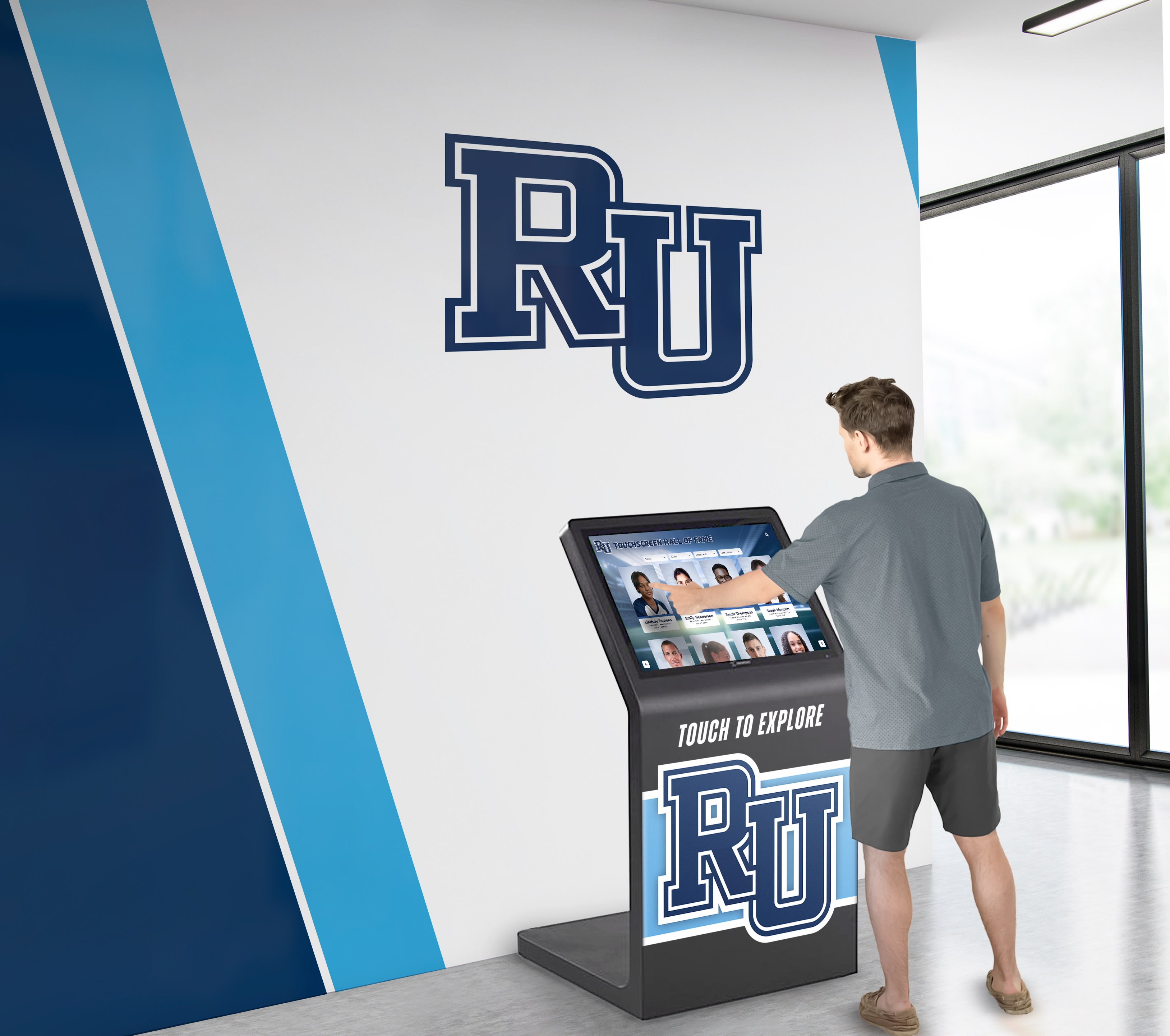
Interactive displays celebrate college athletic commitments permanently while inspiring current student athletes
Features of Effective Digital Recognition:
Core Content Elements:
- Athlete name, graduation year, and sport
- College destination with logo
- Athletic and academic achievements
- Scholarship information (if athlete chooses to share)
- Signing day photos and ceremony images
- Coach quotes about athlete’s impact
- Career statistics and highlights
- Future major or academic plans
Interactive Capabilities:
- Filter by sport, year, or college destination
- Search for specific athletes
- View athletes by college destination
- Explore timeline of program’s college commits
- Share achievements on social media
- QR codes for mobile access
- Alumni updates about collegiate careers
Solutions like digital recognition platforms enable schools to celebrate every college-bound student athlete permanently while maintaining easily updated content as athletes sign throughout multiple signing periods.
Inspiring Future Student Athletes
Using Recognition to Build Program Culture Visible celebration of college commitments serves multiple purposes:
Program Benefits:
- Demonstrates coaching staff’s ability to develop college-level talent
- Inspires younger athletes to pursue collegiate opportunities
- Provides recruiting evidence for travel and club teams
- Strengthens community pride in athletic programs
- Recognizes dedication and achievement publicly
- Creates aspirational models for current athletes
- Documents program history and tradition
Creating a College-Bound Culture: Schools that systematically celebrate college athletic commitments often see increased college commitment rates as younger athletes internalize that expectation and coaches maintain standards preparing athletes for next-level competition.
Recognition Best Practices:
- Celebrate all college commitments, not just Division I
- Recognize academic achievements alongside athletic
- Include all sports equitably
- Update displays regularly as athletes sign
- Feature both scholarship and non-scholarship commits
- Highlight diverse college destinations
- Show multi-year trends in college placements
Schools serious about developing college-ready student athletes make commitment recognition a core part of their program culture.
Special Situations and Considerations
Several unique circumstances require different approaches to letters of intent and college commitments.
Division III and Non-NLI Schools
Ivy League Commitments Ivy League schools don’t participate in NLI:
Ivy League Process:
- Likely Letters indicating strong admission support
- Athletic departments working with admissions
- No athletic scholarships (financial aid is need-based only)
- Verbal commitments but no binding NLI
- Official acceptance through regular admissions process
- Early Decision applications often used for athletic recruits
- Commitment typically formalized through enrollment deposit
Athletes committing to Ivy League schools celebrate signing days even without formal NLIs, often announcing Early Decision applications or acceptance letters.
Division III Commitments Division III prohibits athletic scholarships:
Division III Process:
- No National Letter of Intent signed
- Coaches recruit but cannot offer athletic scholarships
- Academic merit and need-based aid only
- Verbal commitments to programs
- Formal acceptance through admissions office
- Enrollment deposits signaling commitment
- Signing day celebrations still common
Many Division III programs offer exceptional academic opportunities and competitive athletics. These commitments deserve equal recognition to Division I and Division II scholarships.
International Student Athletes
Additional Requirements for International Athletes:
Unique Considerations:
- Student visa applications and approvals
- English proficiency testing requirements
- International transcript evaluations
- Additional NCAA eligibility review time
- Financial documentation for visa process
- Earlier deadlines for international processing
- Distance challenges for official visits
International student athletes should work closely with college compliance offices to ensure all requirements are met well before signing periods.
Multi-Sport Athletes
Managing Multiple Commitments Athletes participating in multiple sports face unique decisions:
Multi-Sport Considerations:
- Can only sign NLI for one sport
- Must choose primary sport for college
- Opportunity to walk on in secondary sport
- Scholarship typically limited to one sport
- Calendar conflicts between different sports’ signing periods
- Different coaches recruiting for different sports
- Balancing passion across multiple sports
Most multi-sport athletes sign for their primary sport while potentially participating in secondary sports as walk-ons, though this requires institution approval and careful schedule management.
Schools featuring multi-sport athlete recognition programs often highlight athletes competing at college level regardless of sport or scholarship status.
Frequently Asked Questions
Is a verbal commitment binding?
No, verbal commitments are not legally binding. A verbal commitment represents your intention to attend a specific school and the coach’s intention to offer a scholarship, but either party can change their mind before the National Letter of Intent is signed. Only the signed NLI creates a binding obligation.
Can you back out after signing an NLI?
Backing out after signing is extremely difficult. The NLI is legally binding, committing you to the institution for one academic year. You must request a release from the institution, which they are not obligated to grant. If you attend a different NCAA Division I or Division II school without a release, you lose one year of eligibility and must sit out one year at the new institution.
What happens if you sign an NLI but don’t qualify academically?
If you don’t meet NCAA initial eligibility requirements after signing, you cannot compete or receive athletic aid. You may still attend the institution as a regular student but cannot practice or compete until you meet eligibility requirements. Some athletes attend junior college to become eligible before transferring. This situation underscores the importance of maintaining academic standards after signing.
Do all college athletes sign letters of intent?
No. Only NCAA Division I and Division II athletes receiving athletic scholarships sign National Letters of Intent. Division III athletes, Ivy League athletes, NAIA athletes, junior college athletes, and walk-ons typically do not sign NLIs. They formalize commitments through other mechanisms like enrollment deposits or acceptance letters.
Can you sign more than one letter of intent?
No, you cannot sign multiple National Letters of Intent. Once you sign an NLI with one institution, you cannot sign with another Division I or Division II institution for that academic year. Signing multiple NLIs violates program rules and creates serious consequences including loss of eligibility.
What if the coach who recruited you leaves after you sign?
Coaching changes after signing create difficult situations. You remain bound to the institution, not the specific coach. However, significant coaching changes represent legitimate grounds for requesting an NLI release. Institutions may grant releases in these circumstances, but are not required to do so. This risk emphasizes choosing schools you’d attend even if coaching changes occur.
Can you visit other schools after signing an NLI?
Once you sign a National Letter of Intent, other Division I and Division II institutions must stop recruiting you. You cannot take official recruiting visits to other schools, and those schools cannot contact you about transferring. The recruiting process ends when you sign. You remain bound to your commitment for one academic year.
Conclusion: Making the Most of Your Letter of Intent Journey
Signing a letter of intent for college represents one of the most significant achievements in your athletic career—the culmination of years of dedication, sacrifice, and development as a student athlete. Understanding the National Letter of Intent process, navigating signing periods strategically, making informed decisions about college fit, and celebrating this accomplishment appropriately creates a foundation for collegiate success.
The decisions you make during the recruitment and signing process shape not just your next four years, but potentially your entire life trajectory. Prioritize finding programs that align with your athletic goals, academic aspirations, personal values, and long-term career objectives. The best college fit offers strong coaching, competitive opportunities, quality academics in your field of interest, and a community where you can thrive both athletically and personally.
Remember that signing day represents a beginning rather than an ending. Your letter of intent opens doors to incredible opportunities, but success at the collegiate level requires continued dedication, adaptability, and commitment to excellence in both athletics and academics. The same qualities that earned your scholarship—discipline, work ethic, resilience, and teamwork—will serve you well as you navigate the transition to college athletics.
For high schools and families, celebrating these achievements through meaningful recognition creates lasting memories while inspiring younger athletes. Modern digital recognition solutions enable schools to permanently showcase every college commitment, preserving these successes as part of program legacy while demonstrating the pathway from high school athletics to collegiate competition.
Your signature on a letter of intent represents more than commitment to a college—it symbolizes the achievement of a significant goal, honors those who supported your journey, and launches the next exciting chapter of your athletic and academic career. Approach this milestone with the seriousness it deserves while celebrating the remarkable accomplishment it represents.
Ready to explore how your school can celebrate college athletic commitments permanently? Discover digital recognition solutions that showcase signing day achievements alongside comprehensive athletic recognition, inspiring current student athletes while preserving your program’s proud tradition of developing college-ready competitors.