The Iowa state track meet represents one of the Hawkeye State’s premier high school athletic competitions, where hundreds of student-athletes gather annually to compete for individual and team championships. From Drake Stadium’s historic blue oval to the thunderous support of communities traveling across the state, these championships create memories that athletes, coaches, and fans treasure for decades.
Yet for schools and athletic programs, the challenge extends beyond competitive success at the state meet itself. Questions about qualifying standards, heat sheet preparation, proper recognition of championship performance, and long-term preservation of athletic achievements require systematic planning. Physical trophy cases fill quickly, engraved plaques become outdated, and state championship traditions risk fading from institutional memory as decades pass.
This comprehensive guide explores Iowa state track meet traditions, qualifying processes, and championship structures while examining how schools effectively honor and preserve track and field excellence for current and future generations.
Understanding Iowa’s track and field championship system helps athletes, coaches, and administrators maximize the state meet experience while creating lasting recognition that celebrates achievement long after the final race concludes.
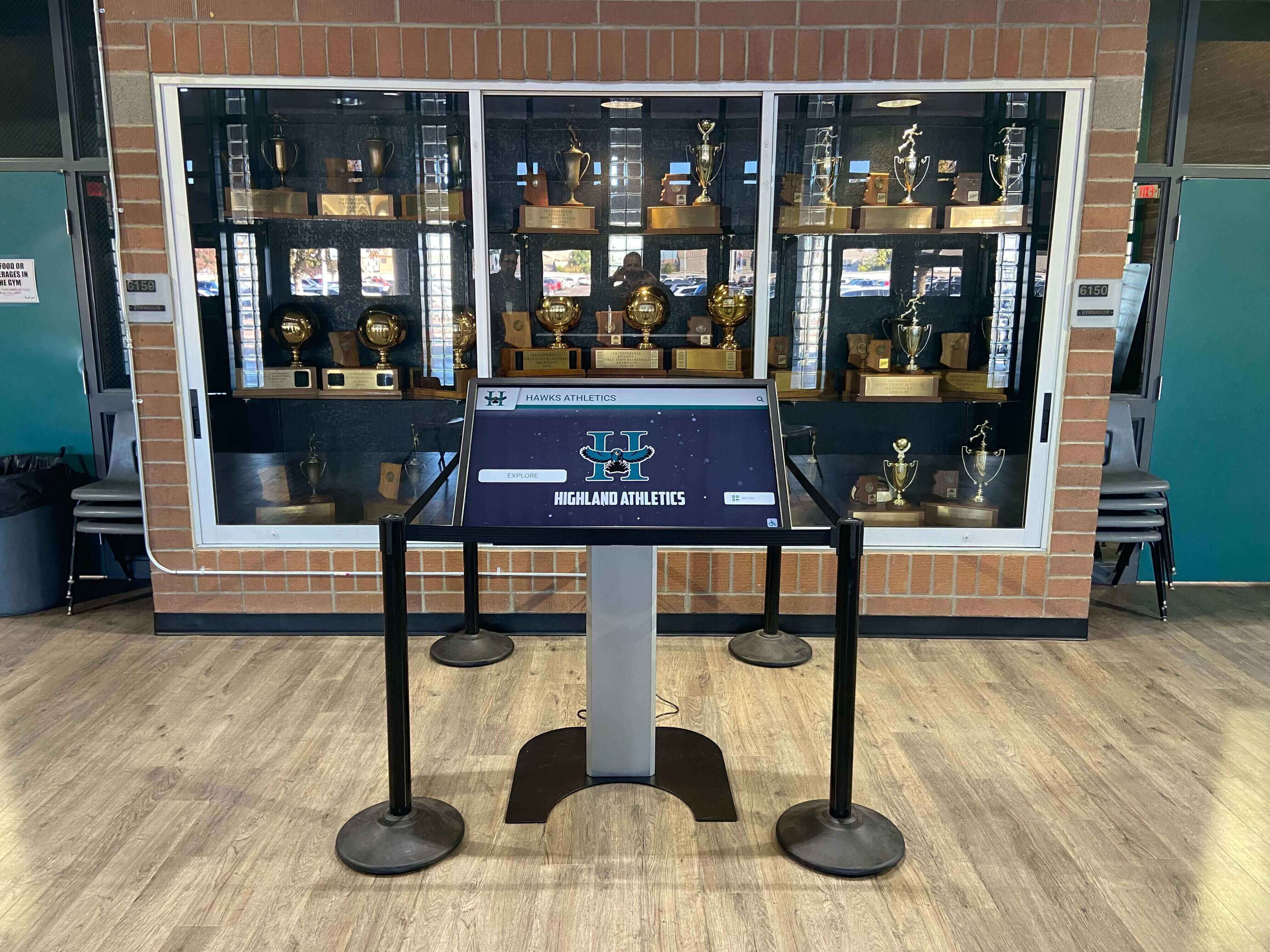
Schools across Iowa preserve state track meet achievements through comprehensive athletic recognition programs
Understanding Iowa’s Track and Field Championship Structure
The Iowa High School Athletic Association (IHSAA) organizes track and field championships across multiple classifications, ensuring competition among schools of similar enrollment sizes.
Classification System Overview
Class Structure
Iowa organizes high school track and field into four distinct classifications:
- Class 4A: Largest schools (enrollment 649+)
- Class 3A: Large schools (enrollment 350-648)
- Class 2A: Medium schools (enrollment 139-349)
- Class 1A: Smallest schools (enrollment 138 and below)
This structure ensures competitive equity, allowing schools to compete against similar-sized institutions while creating paths to state championships for programs across the enrollment spectrum.
Gender Divisions
Both boys and girls compete in separate state championship meets:
- Girls State Track and Field Championship
- Boys State Track and Field Championship
Each classification conducts complete championship meets with all standard track and field events, creating opportunities for hundreds of Iowa student-athletes annually.
Championship Event Schedule
Standard Events Contested
Individual running events include:
- 100 Meter Dash
- 200 Meter Dash
- 400 Meter Dash
- 800 Meter Run
- 1500 Meter Run
- 3000 Meter Run (girls) / 3200 Meter Run (boys)
- 100 Meter Hurdles (girls) / 110 Meter Hurdles (boys)
- 400 Meter Hurdles
Field events include:
- Long Jump
- High Jump
- Shot Put
- Discus
Relay events include:
- 4x100 Meter Relay
- 4x200 Meter Relay
- 4x400 Meter Relay
- 4x800 Meter Relay
- Sprint Medley Relay
- Distance Medley Relay
- Shuttle Hurdle Relay
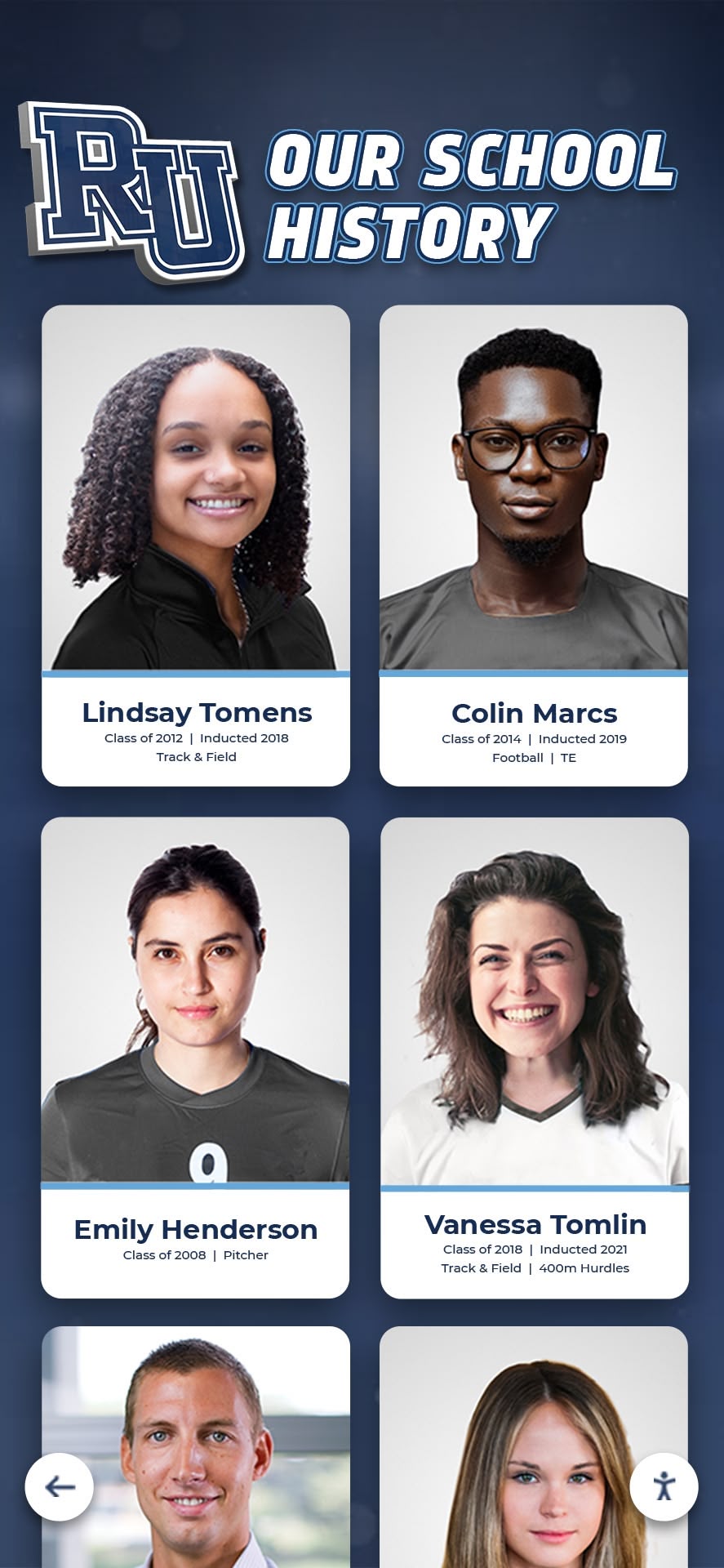
Individual athlete profiles celebrate specific achievements and career accomplishments
Meet Format
Championship meets typically span three days:
- Day 1 (Thursday): Preliminary rounds and field event flights
- Day 2 (Friday): Additional preliminaries, semifinals, and some finals
- Day 3 (Saturday): Championship finals and relay competitions
This extended format accommodates the high volume of competitors while creating dramatic championship Saturday atmospheres that Iowa track communities anticipate annually.
Qualifying for Iowa State Track Meet
Understanding qualification processes helps athletes and coaches develop season-long strategies for reaching Des Moines.
Individual Event Qualification
Automatic Qualifying Standards
The IHSAA establishes automatic qualifying standards for each event and classification:
- Athletes achieving automatic standards during the regular season or district meets earn direct state meet berths
- Standards vary by classification, with faster times and longer distances required for larger school classifications
- Published standards typically reflect top performances historically needed to advance
- Meeting standards during preliminary rounds also secures advancement to finals
At-Large Qualifying Positions
Beyond automatic qualifiers, additional positions fill through district meet performance:
- District champions typically advance regardless of achieving automatic standard
- Top finishers at district meets fill remaining state meet positions
- This structure ensures representation while maintaining competitive standards
- Blue standard designation indicates elite qualifying times
Schools developing comprehensive track and field recognition programs celebrate both state meet qualifiers and district champions as significant accomplishments.
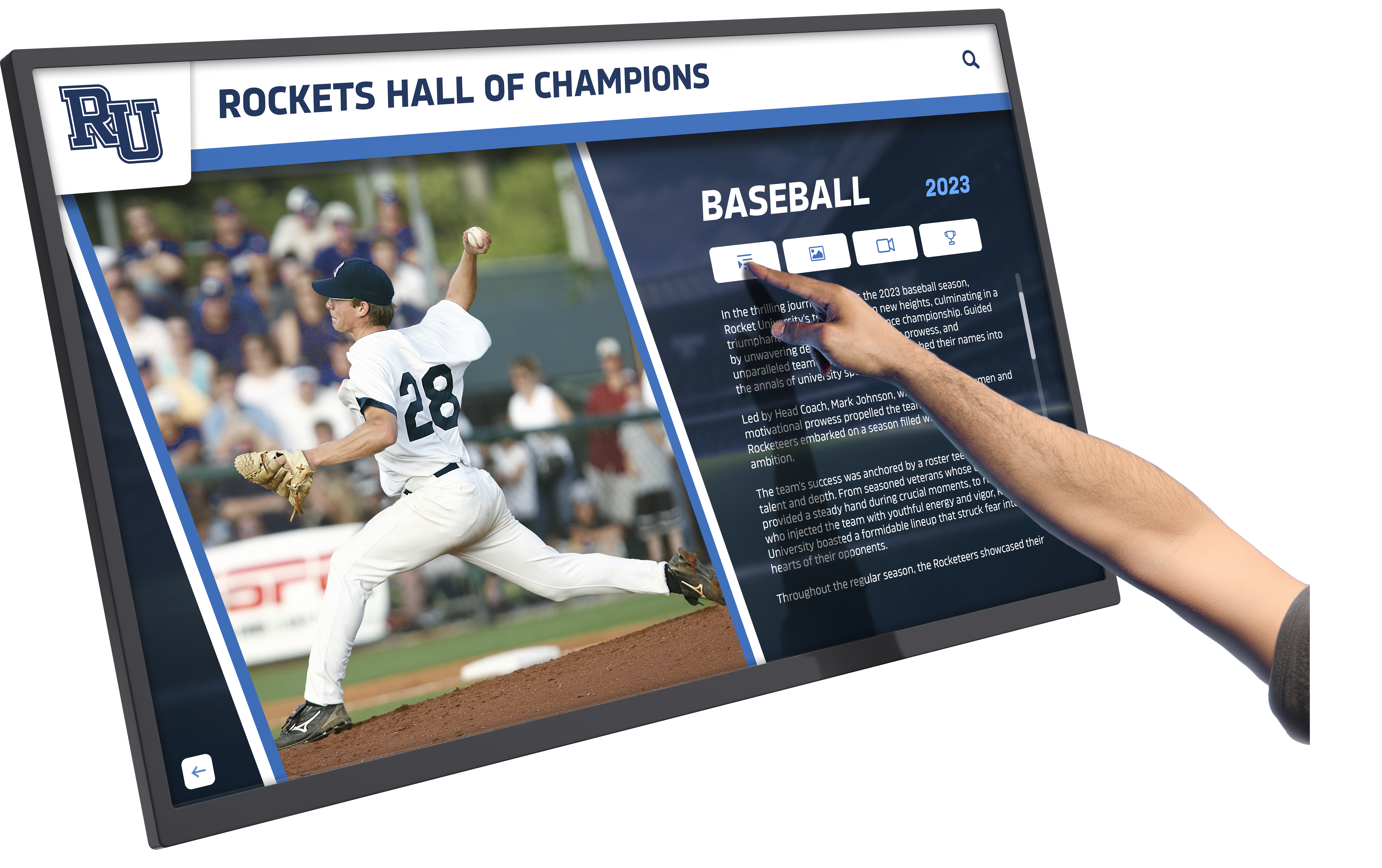
Interactive touchscreens enable exploration of championship achievements and athlete recognition
Relay Event Qualification
Team Qualification Process
Relay teams follow similar qualifying structures:
- Automatic qualifying times established for each relay event and classification
- District meet results determine final state meet entries
- Relay teams must use legal handoffs and follow all competition rules
- Teams can qualify multiple relay entries but individual athletes have participation limits
Strategic Considerations
Successful track programs balance individual and relay entries:
- Athletes may qualify for multiple individual events plus relays
- IHSAA rules limit individual athlete participation in total number of events
- Coaches strategize which events provide best team scoring opportunities
- Relay composition decisions impact both relay success and individual event performance
District Meet Preparation
Four-Week Championship Season
Iowa’s championship season follows a structured four-week progression:
- Week 1: Conference meets establishing seasonal benchmarks
- Week 2: Additional regular season competition and final qualifying attempts
- Week 3: Regional meets narrowing the field
- Week 4: State championship meet at Drake Stadium
This compressed timeline creates intensity while requiring disciplined preparation and injury management.
Drake Relays Context
Many Iowa track programs use the prestigious Drake Relays (held annually in late April) as important preparation and measurement opportunity:
- Elite competition against programs from multiple states
- Drake Stadium familiarity benefits state meet preparation
- High-level competition reveals areas requiring focus
- National-caliber performances build confidence for state championship
Historic Venues and Track Facilities
Iowa’s state track meet venues carry significant history and tradition that enhance the championship experience.
Drake Stadium Legacy
The Blue Oval
Drake Stadium in Des Moines serves as Iowa’s track and field cathedral:
- Opened in 1925, with continuous improvements maintaining modern standards
- Famous blue track surface creating distinctive visual identity
- Seating for thousands of spectators creating electric championship atmospheres
- Host of Drake Relays, one of America’s premier track and field events
- Generations of Iowa athletes have competed on this historic oval
The stadium’s combination of history, quality facilities, and Des Moines accessibility makes it an ideal state championship venue.

Schools create permanent recognition displays celebrating state track meet achievements
Championship Atmosphere
State meet weekends transform Drake Stadium:
- Team camps surrounding the stadium create community atmosphere
- Bleachers fill with family, friends, and community supporters
- Public address announcers build drama through race introductions
- Awards ceremonies celebrate individual and team excellence
- Friendships form among competitors sharing championship experiences
These elements combine creating memories that Iowa track athletes cherish throughout their lives.
High School Track Facilities Across Iowa
Facility Development Impact
Iowa high schools have invested significantly in track and field facilities:
- Modern synthetic tracks replacing older cinder or dirt surfaces
- All-weather surfaces enabling year-round training and early season competition
- Lighting systems supporting evening meets and extended practice
- Quality field event areas with proper runways and landing systems
- Spectator amenities enhancing meet hosting capabilities
Quality facilities support program development while creating home-field advantages during regular season competition.
Programs implementing athletic record displays showcase facility records alongside state meet achievements, creating comprehensive recognition of program excellence.
Championship Recognition and Team Scoring
Understanding scoring systems helps programs develop competitive strategies and appropriate recognition approaches.
Individual Event Scoring
Points by Placement
Championship finals award points based on finishing position:
- 1st place: 10 points
- 2nd place: 8 points
- 3rd place: 6 points
- 4th place: 5 points
- 5th place: 4 points
- 6th place: 3 points
- 7th place: 2 points
- 8th place: 1 point
This structure rewards top performances while providing scoring opportunities across multiple placing positions.
Relay Event Scoring
Relay events typically use the same scoring structure as individual events, creating significant team scoring opportunities:
- Success in relays can dramatically impact team championships
- Relay teams combining multiple talented athletes maximize scoring potential
- Strategic relay composition decisions influence team championship pursuits
- Programs often designate relay specialists alongside individual event stars
Team Championship Recognition
Determining Team Champions
Team championships aggregate all individual and relay event points:
- Highest cumulative point total wins team championship
- Balanced programs scoring across multiple event categories often succeed
- Depth throughout roster matters as much as individual stars
- Strategic event entry decisions maximize scoring opportunities
Championship Trophy Presentations
Team and individual champions receive formal recognition:
- Individual event medals for top eight finishers
- Championship plaques and trophies for team winners
- All-state recognition for top performers
- Media coverage celebrating championship achievements
- School and community celebrations upon return home
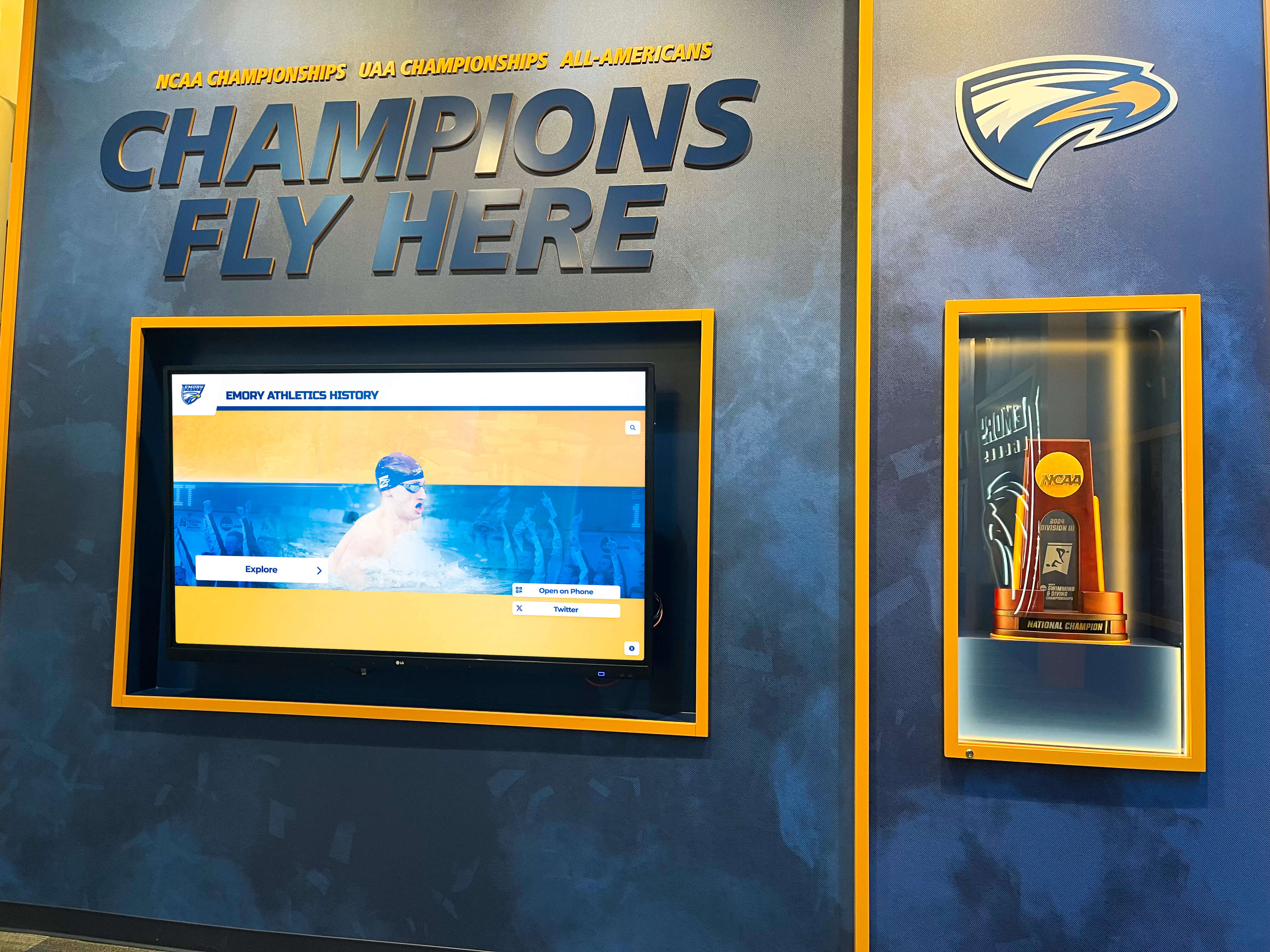
Championship trophies represent culmination of season-long dedication and competitive excellence
Schools preserving state championship memories through state championship displays create lasting recognition extending well beyond the immediate championship season.
Notable Iowa Track and Field Achievements
Iowa’s track and field history includes remarkable individual and team performances worthy of celebration and remembrance.
Historic Individual Performances
State Record Achievements
Iowa state track meet records represent exceptional athletic accomplishments:
- Sprint records showcasing explosive speed and technical excellence
- Distance records demonstrating endurance and competitive toughness
- Field event records combining strength, technique, and competitive execution
- Hurdle records requiring speed, agility, and precise technical skill
- Records often standing for years or decades until exceptional athletes emerge
Multiple Event Champions
Athletes winning multiple state championships in single meets create legendary performances:
- Winning multiple individual events plus relays demonstrates versatility
- Accumulating points significantly contributing to team championships
- Creating performances discussed and celebrated for generations
- Setting standards inspiring future athletes in those programs
Schools implementing academic and athletic recognition programs honor scholar-athletes excelling both in competition and classroom.
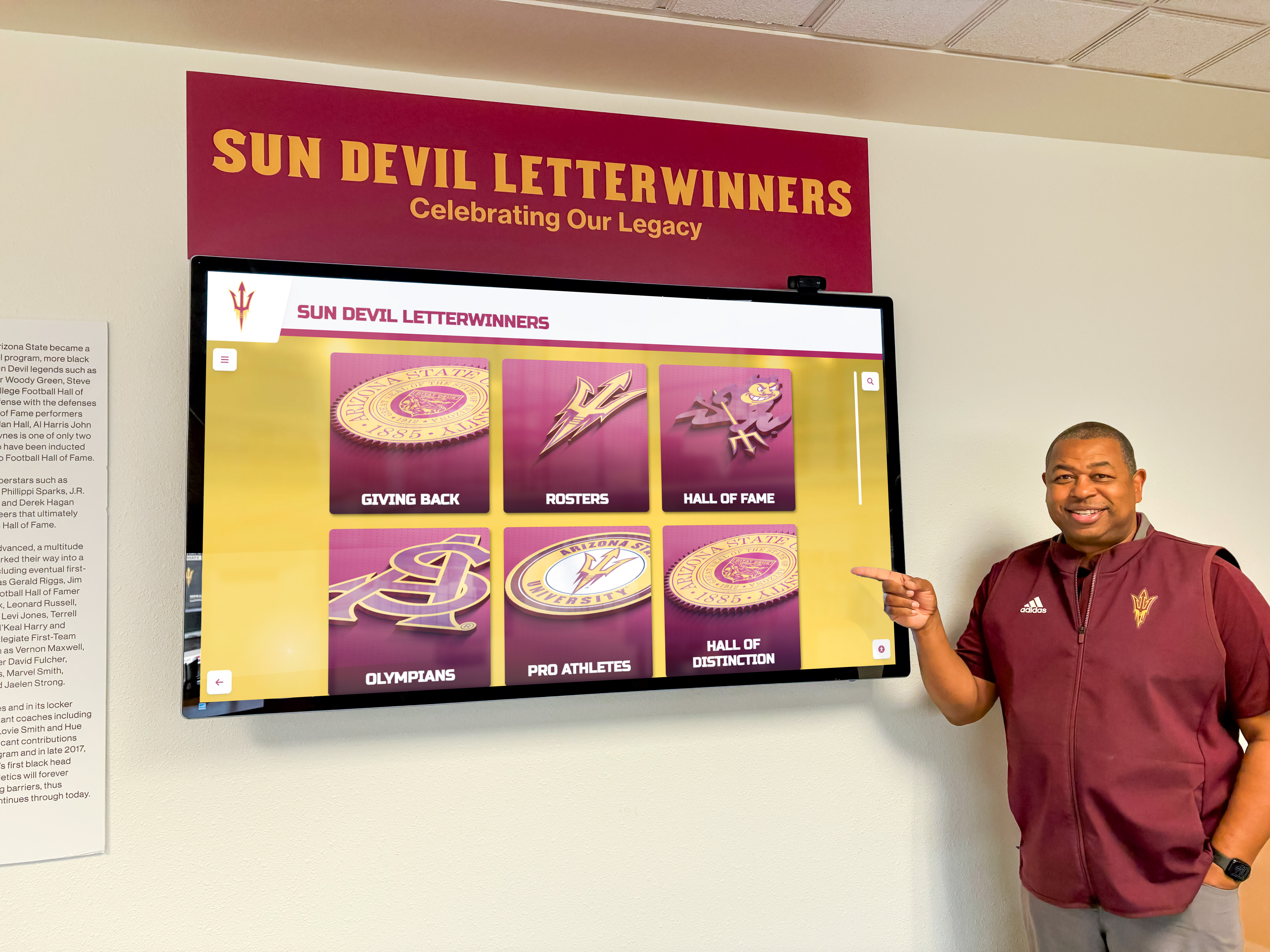
Digital displays enable comprehensive recognition of individual and team achievements
Team Dynasty Programs
Sustained Excellence
Certain Iowa programs have established track and field dynasties:
- Multiple consecutive state championships demonstrating sustained excellence
- Coaching consistency creating program culture and competitive knowledge
- Community support providing resources and developing depth
- Program traditions recruiting and retaining quality athletes
- Feeder programs developing athletes from youth through high school
Building Championship Programs
Successful programs share common characteristics:
- Year-round training and development programs
- Coaching expertise across all event disciplines
- Strength and conditioning programs supporting athletic development
- Recruiting and retention creating program depth
- Alumni engagement maintaining program culture
- Quality facilities enabling optimal training environments
Preparing for State Track Meet Success
Systematic preparation enhances performance and maximizes the championship experience.
Training and Competition Strategies
Seasonal Periodization
Effective programs structure seasons strategically:
- Fall cross country season building endurance base for distance runners
- Winter training maintaining fitness and developing event-specific skills
- Early season meets establishing baselines and testing competition readiness
- Championship taper reducing volume while maintaining intensity
- Peaking strategies timing optimal performance for district and state meets
Mental Preparation
Championship meet success requires psychological readiness:
- Visualization techniques preparing athletes for race-day scenarios
- Pressure management helping athletes perform under championship intensity
- Routine establishment creating familiarity and comfort
- Team support systems reducing anxiety and building confidence
- Coach-athlete communication ensuring clarity about race strategies
Programs supporting complete athlete development through student athlete recognition celebrate achievement beyond pure competitive results.
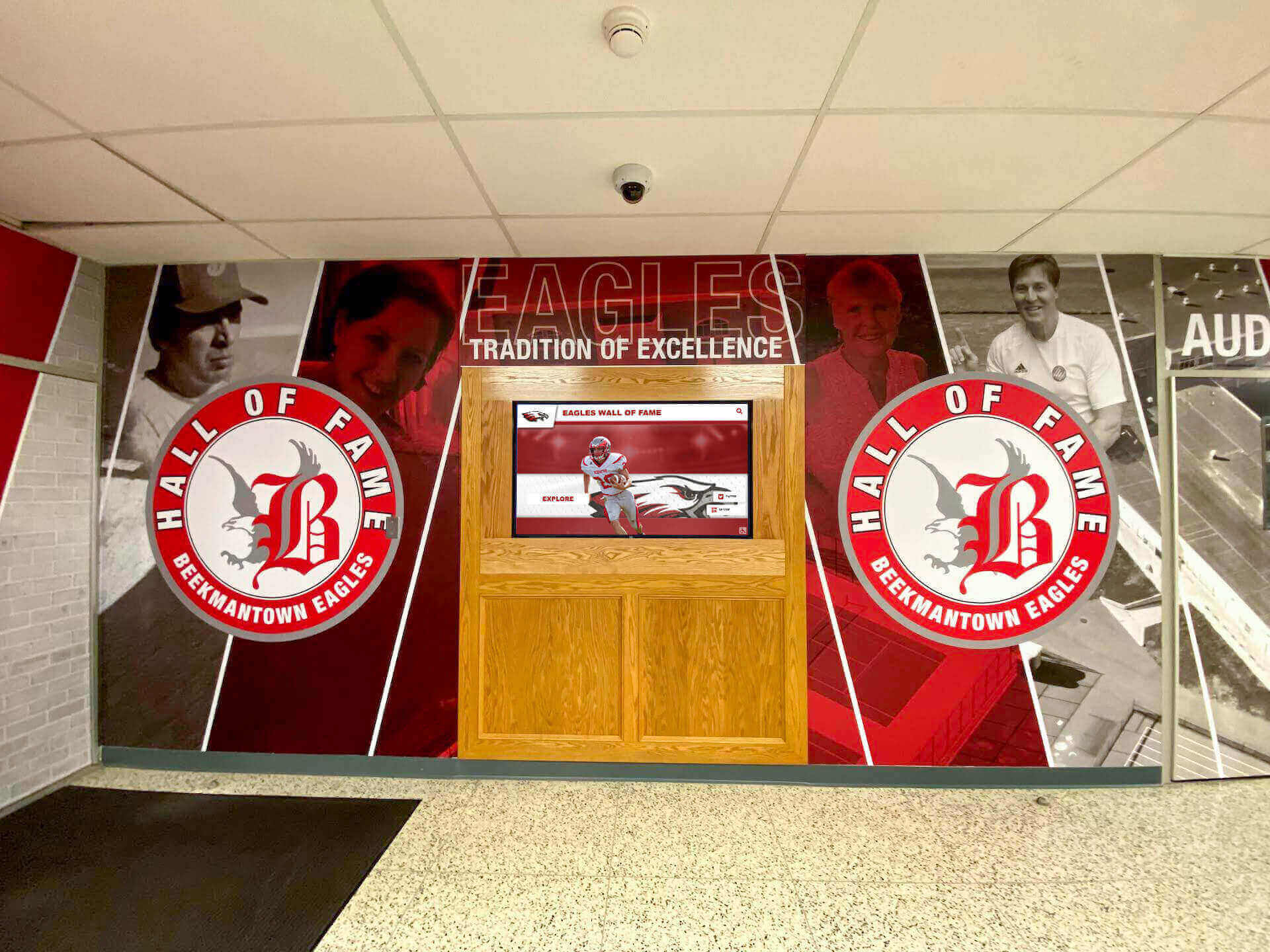
Prominent lobby displays create daily inspiration while preserving championship traditions
Logistical Planning
Travel and Accommodation
State meet attendance requires advance planning:
- Des Moines accommodation booking well in advance given demand
- Transportation coordination for athletes, coaches, and equipment
- Meal planning ensuring proper nutrition during competition days
- Schedule management balancing warm-ups, events, and recovery
- Family coordination enabling supporter attendance and celebration
Equipment and Supplies
Proper preparation includes:
- Competition uniforms meeting all IHSAA requirements
- Appropriate footwear for track and field events
- Starting blocks, poles, and athlete-owned equipment
- Medical supplies and injury management resources
- Team tent or canopy for athlete gathering area
- Hydration and nutrition supplies throughout competition
Maximizing the Experience
Beyond Competition
State meet weekends offer more than just racing:
- Drake Stadium history and tradition creating memorable context
- Interaction with competitors from across Iowa building friendships
- College coach exposure for athletes continuing careers
- Family celebration of athletic achievement
- Team bonding through shared championship experiences
- Community pride in school representation at state level
These elements make state track meets about more than medals—they create lifelong memories and strengthen program culture.
Preserving Track and Field Achievement
Long-term recognition of state track meet success requires planning and appropriate recognition systems.
Traditional Recognition Approaches
Physical Recognition Limitations
Conventional recognition methods face challenges:
- Trophy cases fill quickly as championships accumulate
- Individual medals and plaques require significant display space
- Static displays provide limited information about achievements
- Updates require physical access and professional engraving
- Space constraints eventually force removal of older recognition
- Dust and damage diminish appearance over time
Engraved Recognition
Traditional engraving approaches include:
- Plaques listing state qualifiers and place winners
- Trophy cases displaying championship hardware
- Banner displays hanging in gymnasiums
- Record boards tracking school records
- Yearbook documentation of season achievements
While valuable, these approaches struggle to accommodate comprehensive recognition as programs succeed over decades.
Schools facing trophy case capacity planning challenges benefit from exploring complementary digital recognition solutions.
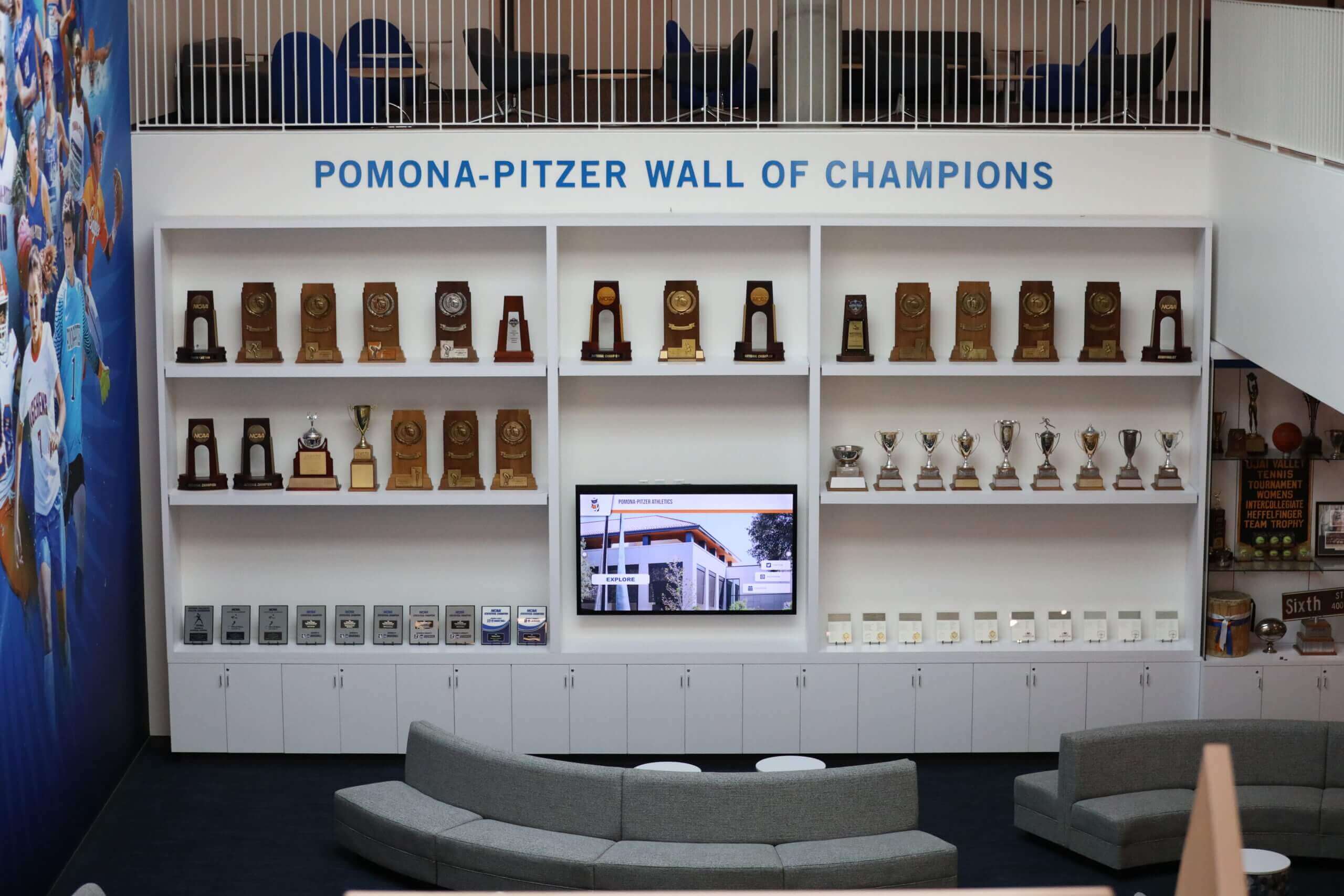
Comprehensive recognition spaces combine physical trophies with digital displays
Modern Digital Recognition Solutions
Unlimited Recognition Capacity
Digital recognition displays eliminate space constraints:
- Single touchscreen accommodates unlimited state meet qualifiers and champions
- Complete athlete profiles including photos, statistics, and achievement narratives
- Team recognition listing all relay members and support staff
- Historical archives preserving every state meet participation
- Record progression tracking showing how school records developed
- Championship team rosters with individual athlete connections
Interactive Exploration Features
Modern displays create engagement impossible with static recognition:
- Search functionality finding specific athletes, years, or events
- Filter options by classification, event type, or achievement level
- Related content connecting relay teammates and concurrent competitors
- Video highlights from championship performances when available
- Social sharing enabling athletes to celebrate recognition digitally
- QR codes extending content to personal mobile devices
Programs implementing solutions like digital recognition displays create comprehensive recognition accommodating decades of state track meet achievement without space limitations.
Remote Content Management
Cloud-based platforms simplify recognition maintenance:
- Update content from any internet-connected device
- Add new state meet results immediately after championship
- Correct errors or update information easily
- No physical campus access required for content changes
- Scheduled publishing enabling automatic updates
- Simple interfaces requiring no technical expertise
- 70-85% reduction in administrative time versus traditional approaches
Web-Based Recognition Extensions
Modern platforms extend recognition beyond physical campuses:
- Web-accessible displays enabling alumni worldwide to view achievements
- Mobile-optimized content working across all devices
- Social media integration amplifying celebration
- Prospective student-athlete exploration during recruitment
- Community engagement building broader school pride
- Analytics tracking which content resonates most with visitors
Creating Comprehensive Recognition Programs
Balancing Traditional and Modern Approaches
Effective programs often combine recognition methods:
- Featured trophy case displaying recent championship hardware
- Adjacent digital display showcasing comprehensive historical achievement
- Physical medals and awards retained by individual athletes
- Yearbook documentation providing printed historical record
- Digital platforms preserving complete archives accessible indefinitely
- Social media celebration creating immediate community engagement
This hybrid approach honors tradition while leveraging modern capabilities for complete, accessible recognition.
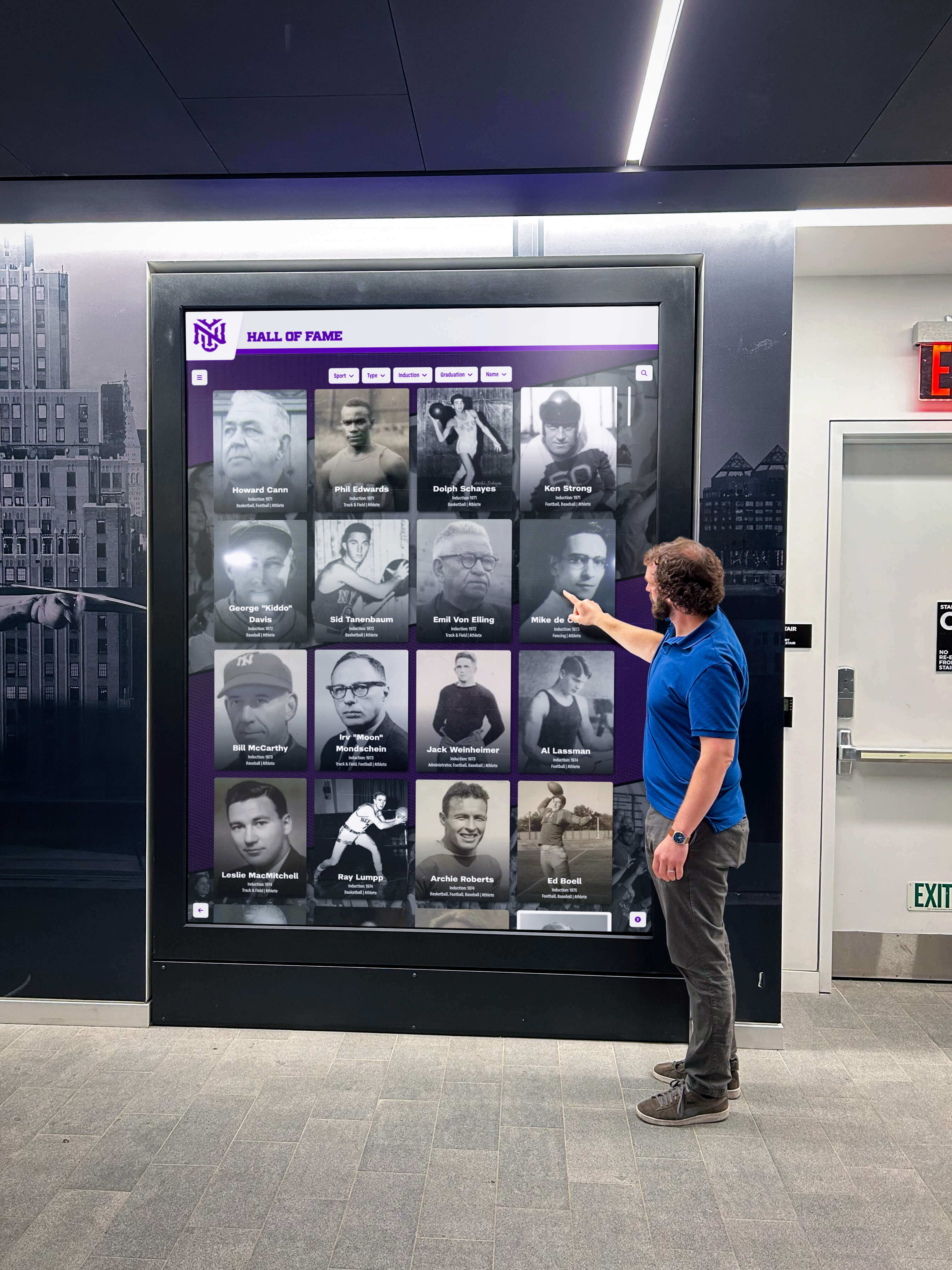
Interactive displays in high-traffic areas maximize community engagement with athletic excellence
Content Development Strategies
Quality recognition requires appropriate content:
- Professional photography of state meet participants and performances
- Biographical information about athlete backgrounds and achievements
- Statistical records documenting performances and rankings
- Coach commentary providing context about achievements
- Historical research verifying records and preserving accuracy
- Video content capturing championship moments when available
- Regular updates maintaining current and comprehensive recognition
Programs implementing finding school sports records systems create searchable databases enabling easy access to historical achievement data.
Supporting Youth Track and Field Development
Building successful high school programs requires investment throughout youth sports systems.
Feeder Program Development
Middle School Track Programs
Effective programs establish early foundations:
- Introduction to all track and field events developing versatility
- Fundamental technique instruction preventing bad habits
- Age-appropriate training loads avoiding overuse injuries
- Competition experience building confidence and teaching race tactics
- Multi-sport participation avoiding early specialization burnout
- Coach education ensuring appropriate developmental approaches
Youth Track Clubs
Year-round club programs supplement school seasons:
- Extended training opportunities for committed athletes
- Event specialization allowing focused skill development
- National competition exposure for elite youth athletes
- College recruiting visibility for scholarship prospects
- Coaching expertise across specialized event groups
- Training partners creating competitive training environments
Creating Track and Field Culture
Community Engagement
Building support requires community investment:
- Home meet promotion attracting community attendance
- Recognition programs celebrating athlete achievement
- Alumni engagement connecting past and present athletes
- Local media coverage building program visibility
- Booster clubs providing financial support for equipment and travel
- Facility improvements demonstrating institutional commitment
Schools developing end of year athletic awards programs ensure comprehensive recognition extending beyond state meet participants to all program contributors.
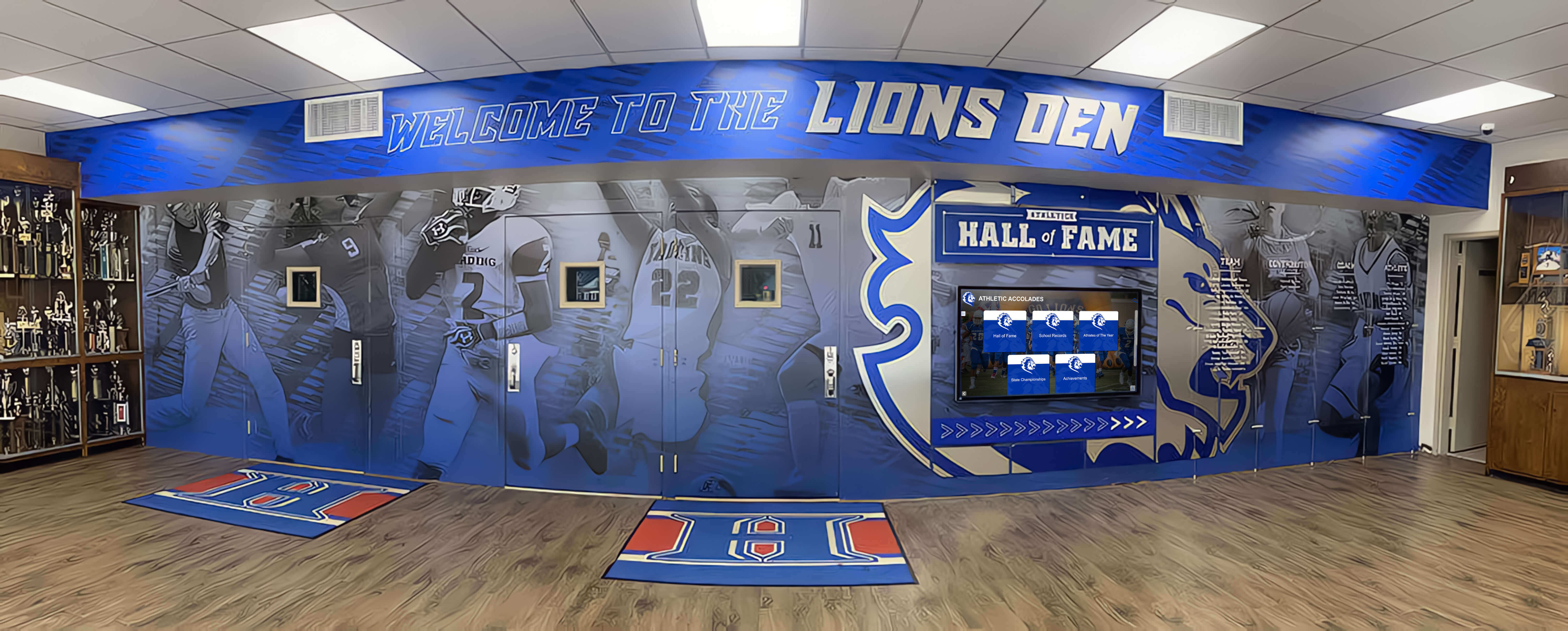
Hallway displays create daily visibility reinforcing program excellence and tradition
Coach Development and Retention
Sustainable excellence requires coaching consistency:
- Professional development opportunities for coaching education
- Competitive compensation supporting coaching as career path
- Assistant coach development creating internal advancement opportunities
- Mentorship programs connecting experienced and developing coaches
- Recognition and appreciation preventing coaching burnout
- Clear program philosophy and training systems providing structure
Celebrating Iowa Track and Field Tradition
The Iowa state track meet represents culmination of season-long preparation, community support, and athletic dedication across hundreds of schools statewide.
Championship Weekend Experience
Pre-Meet Anticipation
The days leading to state meet create building excitement:
- Heat sheets published revealing competition matchups
- Social media buzz as schools and athletes prepare for Des Moines
- Community send-offs celebrating school representatives
- Final training sessions balancing readiness with freshness
- Travel to Drake Stadium transforming preparation into competition
Competition Day Atmosphere
State meet days create unique experiences:
- Early morning arrival and warm-up routines
- Athlete check-in and competition preparation
- Preliminary rounds and qualification for finals
- Field event flights progressing throughout the day
- Championship finals under Saturday afternoon sun
- Awards ceremonies celebrating achievement
- Team celebrations as seasons conclude
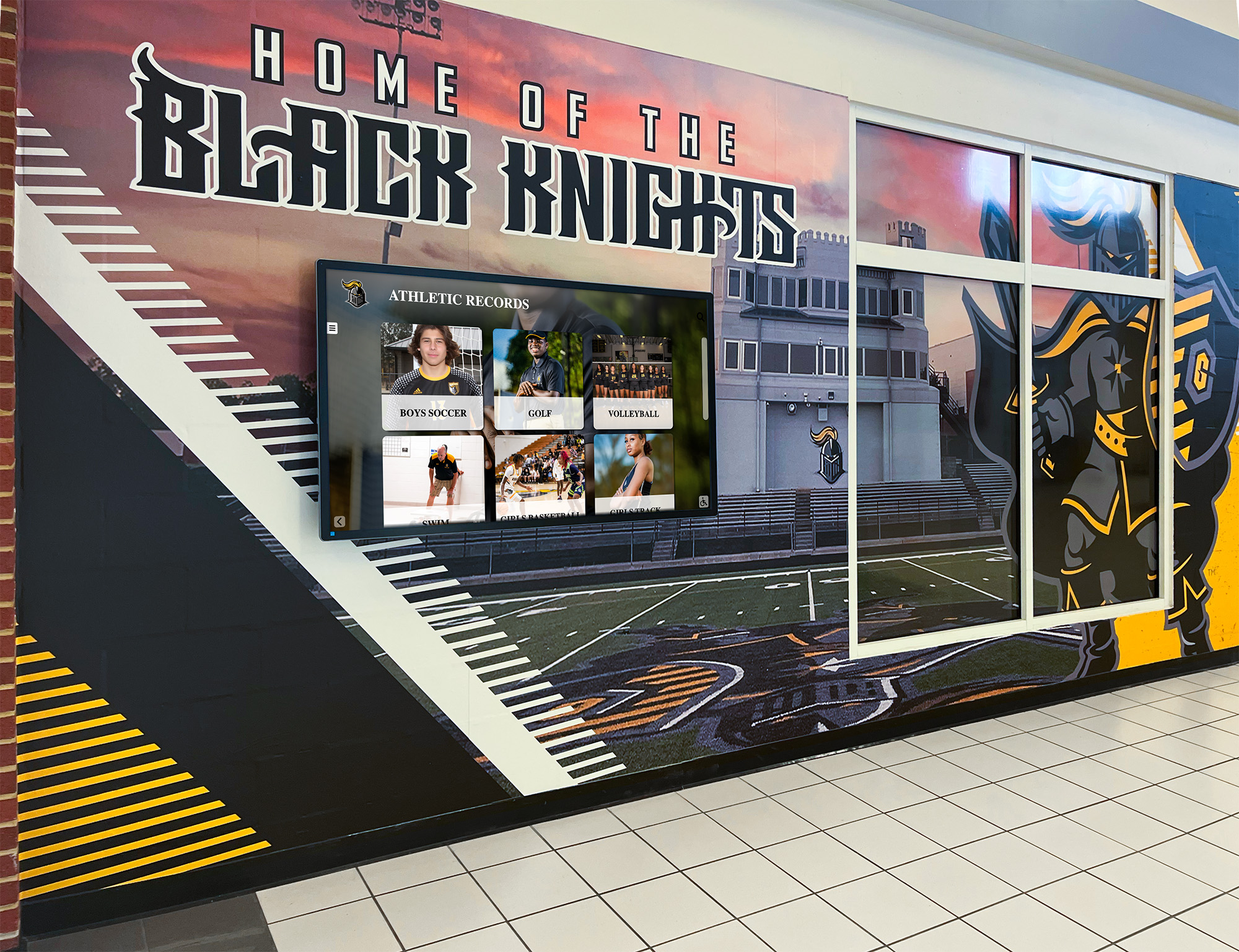
Schools create permanent recognition celebrating state meet participation and championship achievement
Post-Meet Reflection
Championship weekends leave lasting impacts:
- Medals and awards representing achievement tangibly
- Photographs and memories preserving championship experiences
- Recognition upon return to schools and communities
- Motivation for returning athletes targeting future championships
- Gratitude for coaches, families, and supporters enabling success
- Life lessons about preparation, competition, and perseverance
Long-Term Program Impact
Alumni Connection
State track meet experiences create lifelong school connections:
- Athletes remember championship competitions decades later
- Reunions often feature state meet reminiscence
- Alumni support based partly on positive athletic experiences
- Generational participation as athletes’ children compete
- Community identity shaped by athletic tradition and excellence
Programs utilizing digital hall of fame solutions maintain accessible recognition enabling alumni worldwide to revisit their achievements and share with family.
Inspiring Future Champions
Today’s recognition inspires tomorrow’s state champions:
- Current athletes see predecessors’ achievements daily
- Record boards create aspirational targets
- Championship tradition building competitive expectations
- Visible recognition demonstrating institutional commitment to excellence
- Historical context connecting current athletes to program legacy
Effective recognition programs create virtuous cycles where celebration of past achievement inspires future excellence, building self-sustaining championship cultures.
Conclusion: Celebrating Iowa’s Track and Field Excellence
The Iowa state track meet represents the pinnacle of high school track and field competition in the Hawkeye State—a championship tradition bringing together hundreds of student-athletes annually to compete at Drake Stadium’s historic blue oval. From qualifying standards and district meet preparation to championship weekend competition and long-term recognition, these experiences create memories athletes, coaches, and communities treasure for decades.
Understanding Iowa’s track and field championship structure helps programs maximize both competitive success and appropriate recognition of achievement. Whether celebrating individual state champions, relay team success, or school record performances, comprehensive recognition systems ensure these accomplishments receive the visibility and preservation they deserve.
Traditional recognition approaches like trophy cases and engraved plaques provide valuable tangible acknowledgment but face inevitable space constraints as programs succeed over time. Modern digital recognition displays eliminate these limitations, enabling schools to celebrate unlimited state track meet achievements through interactive, accessible platforms serving athletes, families, alumni, and communities.
Most importantly, comprehensive recognition extends beyond trophies and medals to preserve the stories, statistics, and contexts that make state track meet experiences meaningful. Every qualifier, every personal record, every relay team, and every championship performance contributes to program legacies worthy of lasting celebration rather than eventual storage room retirement.
Your program’s state track meet achievements represent thousands of hours of training, dedication, and competitive courage. With thoughtful planning, systematic preparation, and appropriate recognition systems, you can create traditions celebrating excellence while inspiring future generations of Iowa track and field athletes.
Ready to explore modern recognition solutions that preserve your track and field achievements comprehensively? Discover how solutions like Rocket Alumni Solutions provide unlimited digital recognition platforms showcasing state meet excellence through interactive, accessible displays engaging students, alumni, and communities.