Planning a high school reunion brings together classmates to celebrate shared experiences, reconnect with old friends, and reflect on the years since graduation. Whether organizing a 10-year milestone or a 50-year golden reunion, successful events require systematic planning, creative engagement strategies, and thoughtful approaches that make every attendee feel welcome and valued.
Many reunion committees face common challenges that undermine event success. Low attendance rates plague reunions despite social media connectivity, planning committees struggle with limited volunteer capacity, budget constraints force uncomfortable compromises on venue and activities, and outdated contact information makes reaching classmates difficult. Meanwhile, attendees often feel disconnected from school traditions and accomplishments since graduation, while modern technology opportunities for engagement remain underutilized.
This comprehensive guide provides actionable strategies for planning memorable high school reunions covering every essential element—from forming effective planning committees and establishing realistic timelines to implementing creative activities, leveraging modern recognition displays that reconnect alumni with their school, and building attendance through strategic outreach.
High school reunions serve purposes extending beyond simple nostalgia. These gatherings rebuild relationships interrupted by geography and life circumstances, strengthen alumni connections to educational institutions that shaped formative years, create opportunities for personal and professional networking, and celebrate collective accomplishments while honoring shared history. Schools that facilitate effective reunion planning build stronger alumni communities while cultivating relationships supporting institutional advancement, mentorship programs, and ongoing engagement.
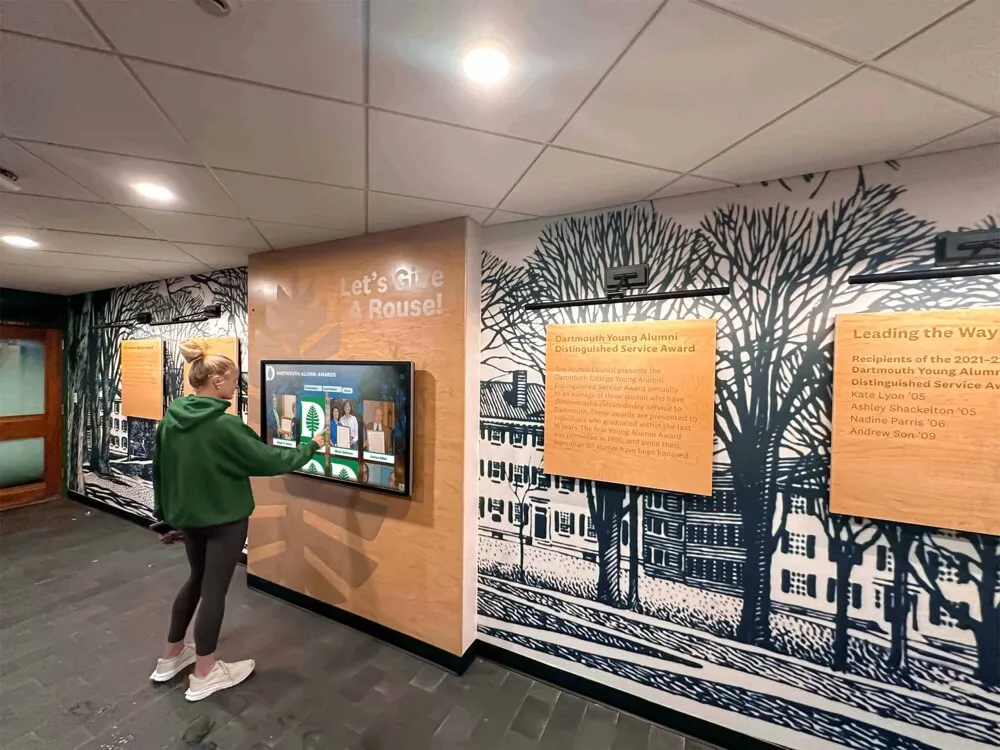
Interactive recognition displays enhance reunion experiences by reconnecting alumni with school history and classmate achievements
Understanding High School Reunion Planning Fundamentals
Before diving into specific logistics, successful reunion planning requires understanding key principles that separate memorable events from disappointing gatherings.
Why High School Reunions Matter
Research on social connections demonstrates that maintaining relationships from formative years contributes to psychological well-being, career development, and community cohesion in measurable ways.
Psychological Benefits of Reconnection
- Provides perspective on personal growth and life trajectory since high school
- Creates opportunities to repair or recontextualize difficult high school relationships
- Offers validation through seeing former classmates’ diverse life paths
- Reduces social isolation particularly for alumni who moved away from hometown areas
- Strengthens identity continuity connecting current self to younger experiences
- Generates positive emotions through shared nostalgia and collective memory
Professional Networking Advantages Class reunions create valuable professional connections:
- Classmates represent diverse industries, specializations, and geographic locations
- Shared educational background establishes immediate trust and rapport
- Alumni networks facilitate job referrals, business partnerships, and mentorship
- Professional relationships feel more authentic when grounded in pre-career connections
- Small talk barriers lower dramatically with shared high school context
- Intergenerational workplace connections develop naturally across reunion classes
Reunion Types and Timing Considerations
Milestone Reunions Traditional anniversary-based gatherings:
- 5-year reunions (recent graduates, careers beginning)
- 10-year reunions (peak attendance, life establishment phase)
- 20-year reunions (family and career maturity)
- 25-year reunions (significant milestone, middle adulthood)
- 30-year and 40-year reunions (continued connection)
- 50-year reunions (golden anniversary celebrations)
Attendance patterns typically peak at 10-20 year reunions when classmates balance established careers with manageable family obligations and genuine curiosity about peer trajectories.

Individual alumni profiles celebrate diverse post-graduation accomplishments and life journeys
Multi-Class Combined Reunions Alternative approaches gaining popularity:
- Decade reunions bringing together multiple consecutive classes
- All-school events welcoming entire alumni communities
- Combined reunions reducing planning burden for smaller classes
- Homecoming-coordinated reunions leveraging existing school events
- Annual alumni gatherings supplementing traditional milestone reunions
Combined formats work particularly well for small schools where individual classes lack critical mass for standalone events or when planning volunteer capacity limits single-class organization.
Virtual and Hybrid Reunion Options Technology enables new formats:
- Fully virtual reunions connecting geographically dispersed classmates
- Hybrid events accommodating both in-person and remote attendance
- Online reunion activities preceding or supplementing physical gatherings
- Social media groups maintaining year-round connection between reunions
- Digital components expanding accessibility for alumni with travel constraints
The COVID-19 pandemic accelerated virtual reunion adoption, with many classes discovering that hybrid formats increased overall participation by accommodating alumni unable to travel while maintaining in-person components valued by local attendees.
Forming an Effective Reunion Planning Committee
Successful reunions depend on committed, organized planning teams that distribute work efficiently and maintain momentum across many months.
Committee Structure and Roles
Essential Planning Committee Positions
Effective committees assign clear responsibilities:
Reunion Chair/Coordinator
- Overall event coordination and decision-making authority
- Planning timeline development and deadline enforcement
- Committee meeting facilitation and agenda management
- Vendor coordination and contract negotiation
- Final budget approval and financial oversight
- Primary school and venue contact liaison
- Problem-solving and contingency planning leadership
Communications Director
- Alumni outreach and invitation strategy development
- Email campaign creation and distribution management
- Social media content development and community management
- Website or online platform administration
- RSVP tracking and attendance projection management
- Reminder communications as event approaches
- Post-reunion follow-up and thank you messaging
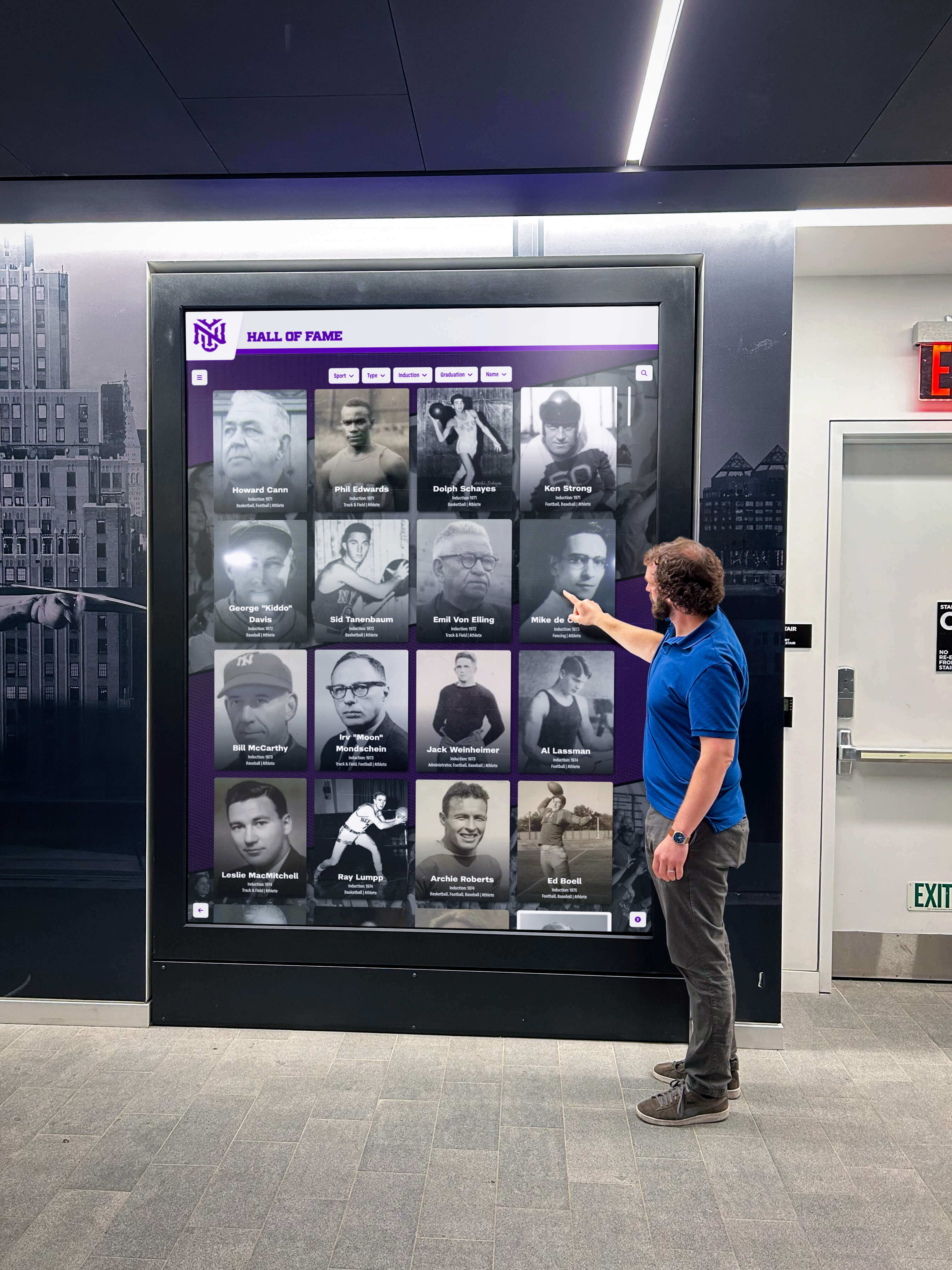
Modern recognition displays at reunion venues help classmates explore updated school achievements and reconnect with institutional pride
Treasurer/Finance Manager
- Budget development based on attendance projections
- Ticket pricing strategy balancing accessibility and cost recovery
- Payment collection and financial record management
- Vendor payment coordination and invoice tracking
- Sponsorship solicitation and donor recognition
- Final financial reporting to committee and attendees
- Surplus distribution or deficit resolution planning
Venue and Logistics Coordinator
- Venue research, evaluation, and contract negotiation
- Catering arrangements including menu selection and dietary accommodations
- Audio-visual equipment needs assessment and arrangement
- Decoration planning and setup coordination
- Parking, transportation, and accessibility planning
- Registration table and check-in system design
- Event day timeline and logistics execution
Activities and Entertainment Director
- Reunion program and schedule development
- Entertainment selection and booking (DJ, band, or recorded music)
- Activity planning creating engagement beyond socializing
- Name tag and memory book coordination
- Photography and videography arrangement
- Recognition or award categories if incorporating tributes
- Surprise element planning creating memorable moments
Classmate Locator/Database Manager
- Comprehensive alumni contact information compilation
- Social media research identifying hard-to-find classmates
- Database creation and maintenance throughout planning
- Alumni survey development gathering information and preferences
- Privacy management ensuring appropriate information use
- Deceased classmate identification and memorial planning
- Missing alumni outreach using extended network strategies
Committee Formation and Recruitment Strategies
Identifying Potential Committee Members
Start with committed volunteers:
- Class officers and student government members from high school often remain engaged
- Alumni who attended previous reunions demonstrating ongoing interest
- Classmates who remained in hometown area with easier participation logistics
- Individuals with relevant professional skills (event planning, marketing, finance)
- Social connectors who maintained relationships with many classmates
- Those who expressed reunion interest on social media or alumni platforms
Effective committees typically include 5-10 active members supplemented by additional volunteers for specific tasks. Smaller classes may operate with 3-5 core organizers while large graduating classes benefit from expanded committees enabling workload distribution.
Recruitment Communication Strategies
- Personal outreach to former leaders and engaged alumni
- Social media posts seeking planning volunteers
- School alumni association coordination leveraging existing networks
- Direct requests highlighting specific skill needs
- Emphasis on distributed workload preventing individual overwhelm
- Clarity about time commitments and meeting expectations
- Recognition that planning involvement enables event influence
Successful committees establish regular communication patterns—typically monthly virtual meetings during early planning transitioning to weekly contact as reunion approaches—using email, video conferencing, and project management tools that accommodate busy adult schedules.
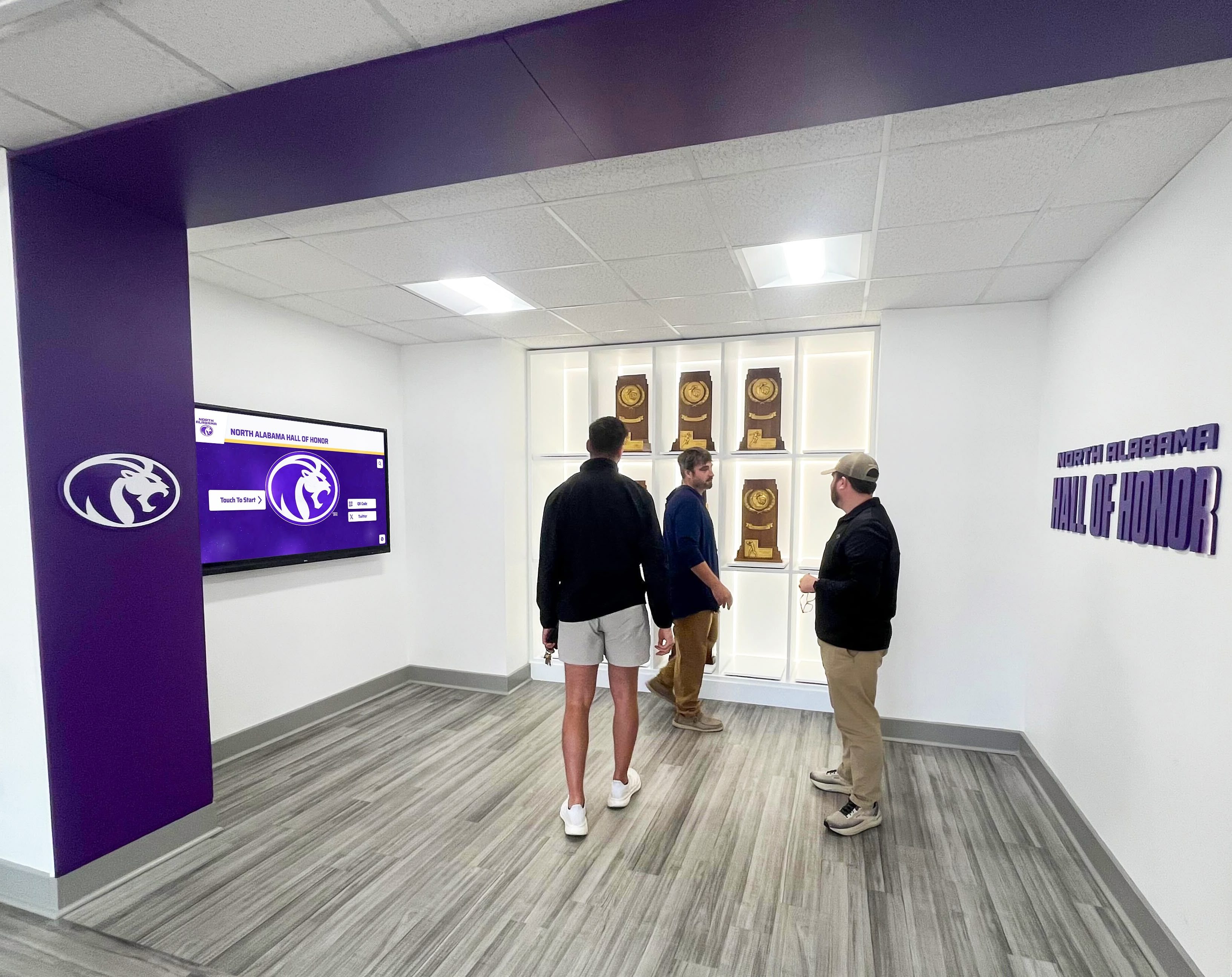
Reunion planning committees benefit from visiting school facilities to understand available recognition displays and gathering spaces
Schools implementing comprehensive alumni recognition programs often provide reunion planning support including contact databases, venue suggestions, and promotional assistance through alumni communications channels.
Comprehensive Reunion Planning Timeline
Systematic planning beginning 12-18 months before reunion date dramatically increases success likelihood while reducing stress on organizing committees.
12-18 Months Before Reunion
Initial Planning and Foundation
Early organization establishes success framework:
- Form core planning committee with committed volunteers
- Establish preliminary reunion date considering season, holidays, and competing events
- Set initial budget parameters based on expected attendance and desired venue quality
- Create communication channels for committee coordination
- Develop preliminary classmate contact database from available sources
- Research potential venues suitable for anticipated attendance
- Establish social media presence announcing reunion planning
- Create preliminary survey gauging alumni interest, preferences, and contact information
School and Alumni Association Coordination
Leverage institutional support:
- Contact school administration about reunion coordination and facility access
- Connect with alumni association for database assistance and promotional support
- Request school history materials, photos, and memorabilia for reunion displays
- Explore opportunities for interactive recognition displays showcasing classmate achievements
- Inquire about combining reunion with homecoming or other school events
- Discuss school tour possibilities for interested alumni
- Confirm any school policies regarding alumni events and facility use
9-12 Months Before Reunion
Venue Selection and Core Decisions
Solidify major planning elements:
- Finalize reunion date with confirmed venue availability
- Execute venue contract after committee approval
- Determine ticket pricing strategy covering venue, catering, and activity costs
- Establish registration system enabling online payment and RSVP tracking
- Create reunion website or Facebook group with event details
- Begin systematic outreach locating missing classmates
- Design preliminary reunion program and activity schedule
- Form subcommittees for specific responsibilities (decorations, entertainment, memorabilia)
Communication Launch
Begin comprehensive alumni outreach:
- Announce confirmed reunion date, location, and preliminary details
- Launch “save the date” campaign across email and social media
- Create buzz through throwback photos and memory sharing
- Encourage early registration with potential pricing incentives
- Build excitement through countdown posts and reunion updates
- Share classmate news and updates building anticipation
- Request missing classmate location assistance from network

Multi-device accessible platforms enable reunion communication reaching alumni across desktop, tablet, and mobile devices
6-9 Months Before Reunion
Detail Development and Outreach Intensification
Refine planning and expand awareness:
- Finalize catering arrangements with confirmed menu selections
- Book entertainment (DJ, band, or other performers) with signed contracts
- Complete decorations planning including theme selection if applicable
- Order name tags, programs, or other printed materials requiring lead time
- Develop memory book or slideshow content from submitted photos and updates
- Intensify social media engagement sharing planning updates
- Send formal invitations to complete alumni database
- Continue missing classmate searches through extended networks
- Plan memorial segment honoring deceased classmates
- Coordinate with photographers or videographers for event coverage
Registration Monitoring and Adjustments
Track attendance and adapt accordingly:
- Monitor registration trends adjusting outreach as needed
- Adjust venue arrangements based on attendance projections
- Implement early bird pricing deadlines encouraging commitments
- Conduct outreach to notable alumni or former teachers
- Address frequently asked questions through communication channels
- Plan for deadline extensions if attendance lags expectations
- Consider additional promotion through local media
3-6 Months Before Reunion
Activity Finalization and Promotion Peak
Execute detailed planning:
- Finalize complete reunion program and timeline
- Confirm all vendor arrangements with final details
- Complete memory book or video compilation requiring production time
- Intensify promotion through multiple communication channels
- Send reminder invitations to those who haven’t registered
- Plan registration table setup and check-in procedures
- Arrange reunion favors or gifts for attendees
- Coordinate volunteer assignments for event day logistics
- Conduct walk-through at venue reviewing setup and logistics
- Finalize audio-visual requirements and test equipment
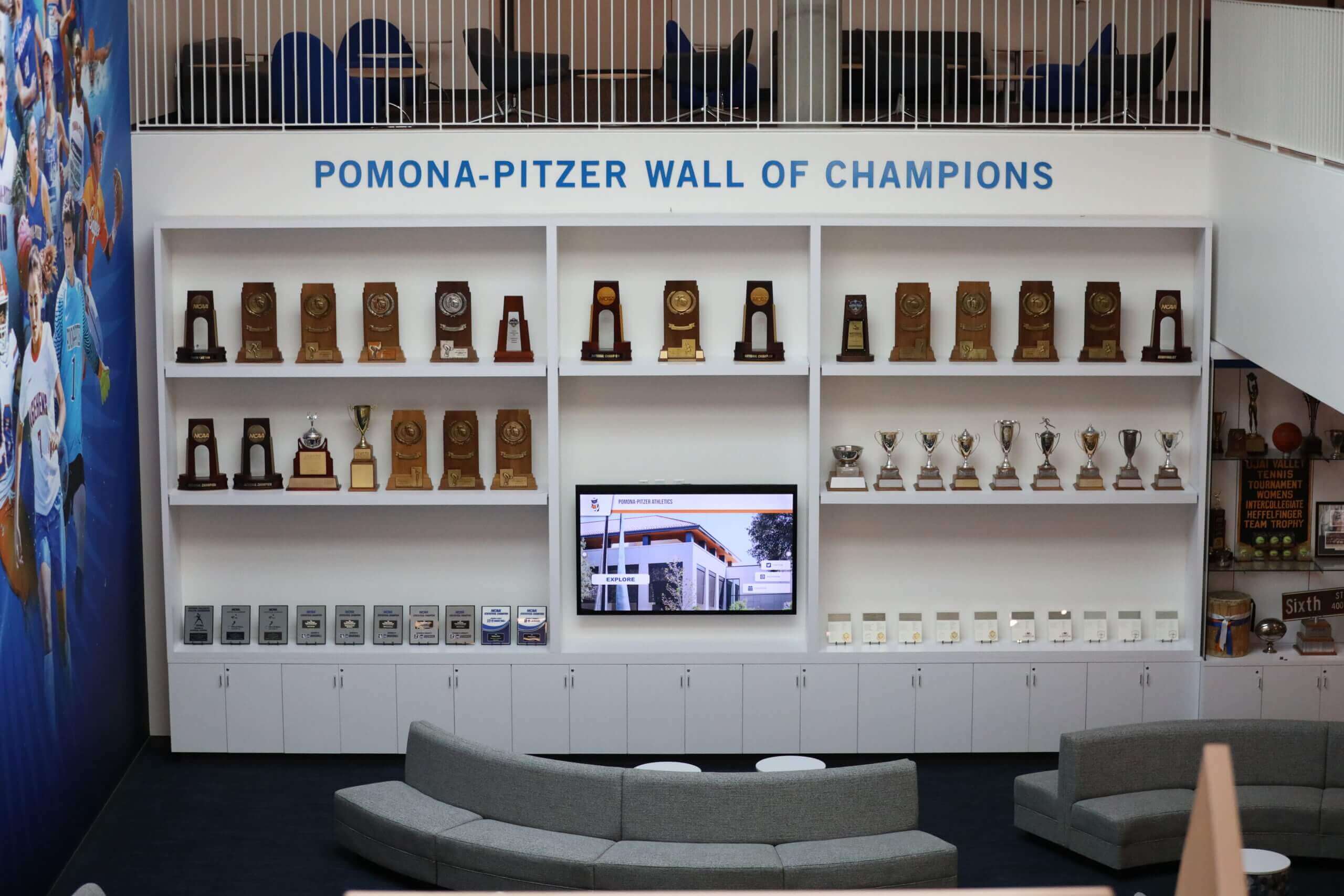
Venue selection benefits from spaces featuring institutional recognition displays creating natural conversation starters and school connection
Memorial Planning
Honor deceased classmates respectfully:
- Create memorial display or program segment
- Gather photos and basic information about deceased alumni
- Plan moment of silence or appropriate recognition
- Consider memorial donations or scholarship establishment
- Coordinate with families when appropriate
- Develop tasteful visual display without overwhelming celebration
- Integrate memorial recognition approaches providing permanent commemoration
1-3 Months Before Reunion
Final Execution Planning
Complete remaining details:
- Send final reminders to registered attendees with event details
- Make last-minute outreach to uncommitted classmates
- Finalize attendance count for catering and seating arrangements
- Print name tags, place cards, and programs
- Organize decorations for efficient setup
- Brief volunteers on specific responsibilities and timing
- Create detailed day-of timeline for all participants
- Prepare registration materials and systems
- Test all technology components multiple times
- Arrange backup plans for potential complications
Communication Intensification
Final promotional push:
- Daily social media posts building excitement
- Email reminders to registrants with parking, dress code, and schedule information
- “Last chance” registration communications to undecided alumni
- Teaser content about planned surprises or special guests
- Reunion week countdown creating anticipation
- Practical information about venue location, parking, and logistics
Week of Reunion
Final Preparations and Execution
Ensure smooth event delivery:
- Confirm all vendor arrangements one final time
- Conduct final venue walk-through reviewing setup
- Organize decoration installation and room arrangement
- Prepare registration table with materials and processes
- Brief all volunteers on responsibilities and expectations
- Test audio-visual equipment comprehensively
- Prepare emergency contact information and contingency plans
- Day-before setup if venue permits early access
- Final communication to attendees with day-of reminders
Venue Selection and Logistics
Choosing appropriate reunion venue significantly affects attendance, atmosphere, and overall experience quality.
Venue Options and Considerations
Hotel Banquet Facilities
Professional venues offering comprehensive services:
Advantages:
- Complete event services including catering, bar service, and coordination
- Professional ambiance creating special occasion feel
- Convenient room blocks for out-of-town attendees
- Experienced staff managing logistics and timeline
- Built-in parking and accessibility accommodations
- Climate control regardless of weather
- Audiovisual equipment typically included
Considerations:
- Higher costs potentially affecting ticket pricing or budget
- Less personalized atmosphere compared to school venues
- May lack distinctive character connecting to school experience
- Minimum guarantee requirements potentially risky with uncertain attendance
- Bar minimums or beverage package requirements
- Restrictions on outside vendors or decorations
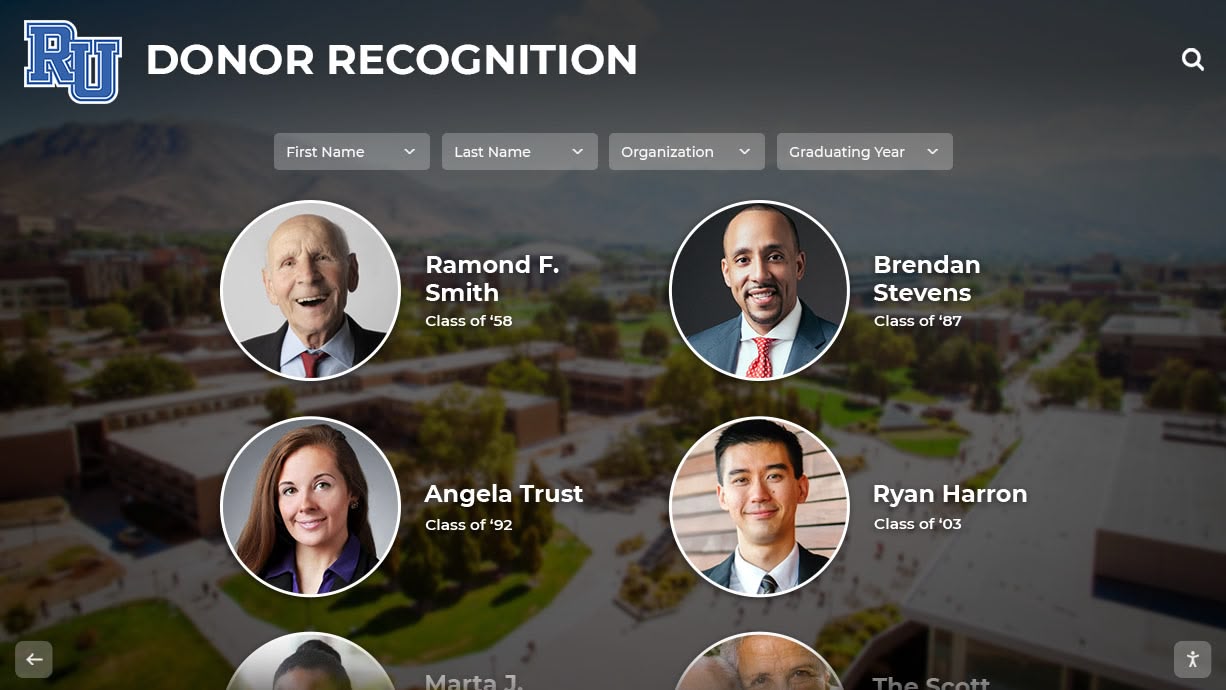
Outdoor campus venues combine convenience with institutional connection while showcasing updated recognition displays
School Facilities
On-campus locations offering nostalgic connection:
Advantages:
- Direct connection to shared memories and experiences
- Typically lower costs preserving budget for other elements
- Natural conversation starters through familiar surroundings
- Opportunity for facility tours showing updates
- Access to school history displays and memorabilia
- Strong institutional identity reinforcing alumni connection
- May include administrative support from school staff
- Solutions like digital recognition displays showcase current student achievements alongside alumni history
Considerations:
- May require separate catering and bar service coordination
- Potential limitations on alcohol service depending on policies
- Furniture and table rental potentially needed
- Audiovisual equipment may require rental or setup knowledge
- Scheduling around school calendar and existing events
- Parking capacity during peak times
- Climate control systems may differ from commercial venues
Restaurant or Country Club Venues
Mid-range options balancing service and cost:
Advantages:
- Professional food service without full banquet hall costs
- Built-in ambiance reducing decoration needs
- Familiar local venues for hometown attendees
- Smaller capacities work well for intimate class sizes
- Often accommodate alumni with local connections
- Bar service and beverage expertise included
- Parking and accessibility typically adequate
Considerations:
- Space limitations for larger classes
- Noise levels potentially affecting conversation
- Limited activity space beyond dining areas
- May not accommodate extended program elements
- Decoration flexibility may be restricted
- Audio visual capabilities vary widely
Unique Alternative Locations
Creative venues offering distinctive experiences:
- Outdoor pavilions or parks for casual summer reunions
- Breweries or wineries for contemporary relaxed atmosphere
- Museums or cultural venues providing conversation pieces
- Boats or cruise vessels for unique experience
- Golf courses or country clubs combining activity with dinner
- Historic buildings connecting to community heritage
- Alumni-owned businesses creating personal connections
Alternative venues work particularly well for classes seeking distinctive experiences differentiating their reunion from traditional hotel events while potentially reflecting class personality or local character.
Venue Selection Criteria
Capacity and Layout
Essential space considerations:
- Adequate capacity for projected attendance plus buffer
- Layout facilitating circulation and conversation
- Separate areas for different activities when possible
- Dance floor or open space if entertainment planned
- Cocktail hour location separate from dinner space
- Display areas for memorabilia and recognition materials
- Accessible restroom facilities adequate for attendance
- Registration and check-in space near entrance
Accessibility Requirements
Ensuring all alumni can participate:
- Wheelchair accessible entrance and restrooms
- Elevator access if multi-level venue
- Accessible parking spaces near entrance
- Adequate lighting for older alumni or vision challenges
- Sound system quality ensuring clear hearing
- Seating accommodating various physical needs
- ADA-compliant facilities meeting legal requirements
Cost and Value Assessment
Budget-conscious evaluation:
- Base venue rental fees
- Catering costs per person across menu tiers
- Beverage packages or bar service pricing
- Service charges, gratuities, and taxes
- Equipment rental needs and costs
- Parking fees if applicable
- Overtime charges for extended events
- Cancellation policies and deposit requirements
- Payment timing and installment options
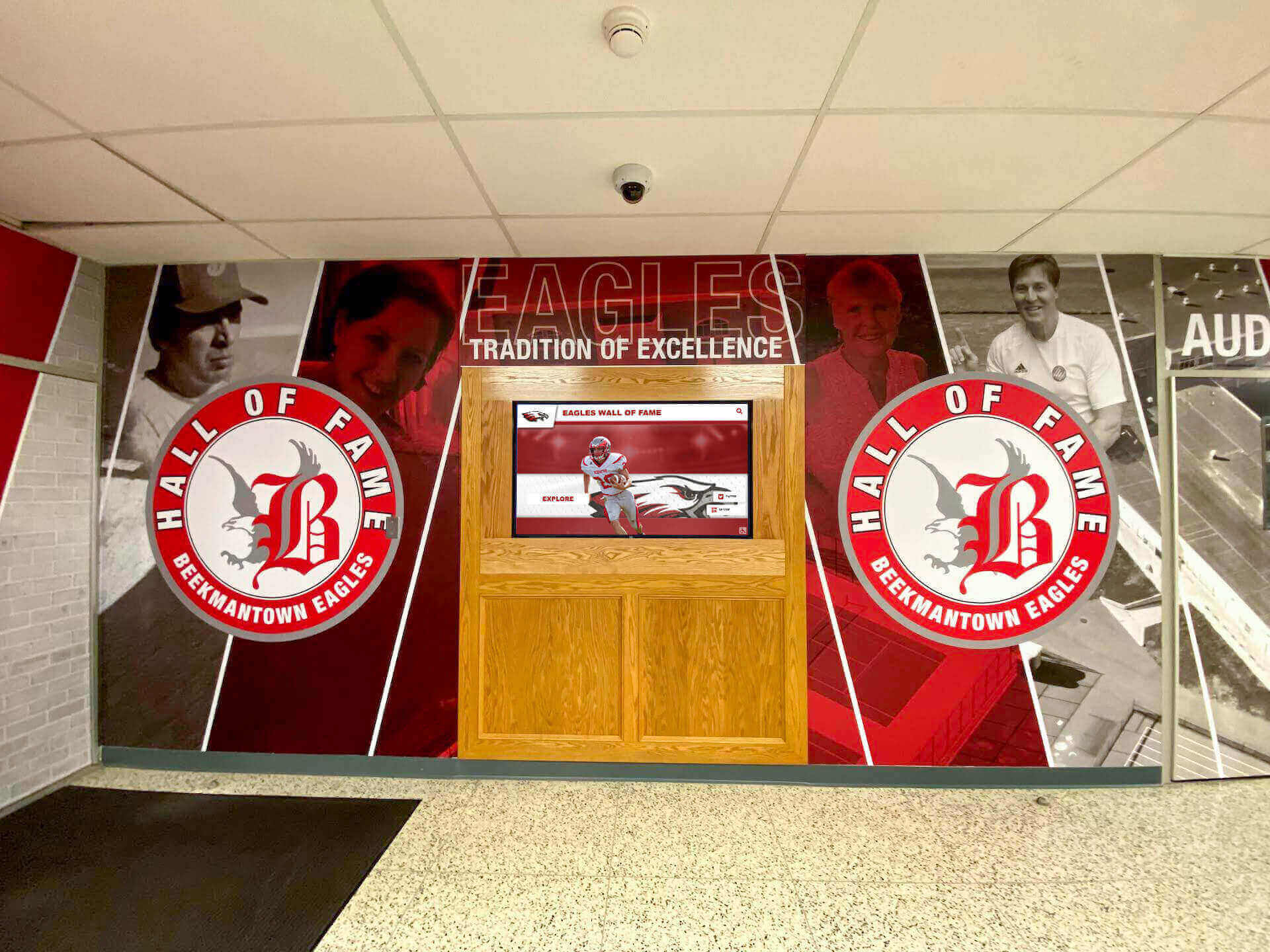
School venue ambiance reinforces alumni connection through visible institutional history and achievement recognition
Location and Convenience Factors
Geographic accessibility influences attendance:
- Proximity to hometown where many alumni may still reside
- Distance from major airports for traveling attendees
- Hotel availability nearby for out-of-town guests
- Safety and neighborhood reputation
- Parking capacity and cost
- Public transportation access if applicable
- Traffic patterns and arrival timing considerations
Building Attendance Through Effective Outreach
Even well-planned reunions fail without strong attendance. Strategic communication dramatically affects participation rates.
Locating Missing Classmates
Multi-Channel Search Strategies
Systematic approaches finding lost alumni:
Social Media Searches
- Facebook searching by name and graduation year
- LinkedIn professional network exploration
- Instagram username pattern searches
- Twitter account identification
- Alumni group membership requests
- Friend network exploration from connected classmates
- Tagged photo searches revealing current location
Public Records and Data Sources
- WhitePages and similar people search tools
- Property ownership records through county databases
- Professional licensing databases (doctors, lawyers, teachers, etc.)
- Marriage records revealing name changes
- Obituary searches identifying deceased alumni
- School alumni database if maintained
- Previous reunion contact lists
Network-Based Location Methods
- Asking connected classmates about mutual contacts
- Reaching out to family members still in hometown
- Contacting former neighbors or family friends
- Checking with local businesses where alumni worked
- School staff who may maintain contact with former students
- Asking siblings or relatives who remained in area
- Church or community organization connections
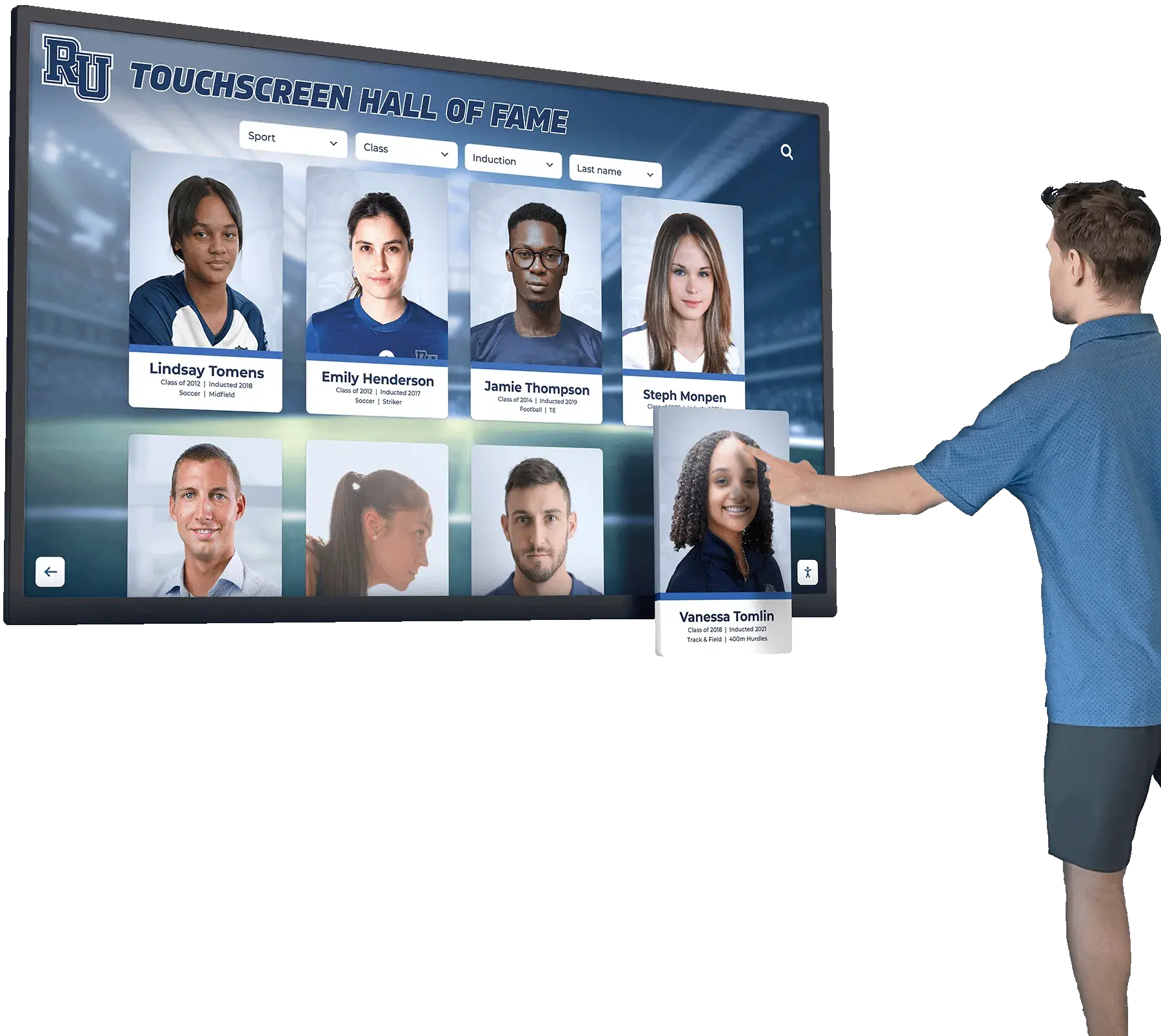
Interactive alumni displays enable reunion attendees to explore classmate achievements and career paths stimulating conversation
Privacy and Ethical Considerations
Respect boundaries during outreach:
- Obtain consent before sharing contact information with committee
- Respect those who indicate no reunion interest
- Avoid aggressive pursuit of reluctant alumni
- Maintain confidentiality of sensitive information discovered
- Use information solely for reunion communication purposes
- Provide easy opt-out mechanisms in communications
- Honor requests for privacy even when contact information located
Communication Strategies Maximizing Attendance
Email Campaign Best Practices
Effective digital outreach:
- Subject lines creating curiosity and urgency
- Personalized greetings when database allows
- Clear event details with date, location, and cost
- Compelling reasons to attend beyond obligation
- Early registration incentives creating commitment
- Mobile-optimized formatting for smartphone reading
- Clear call-to-action with simple registration process
- Unsubscribe options respecting communication preferences
Social Media Engagement Tactics
Building excitement and conversation:
- Create dedicated Facebook group or event page
- Share throwback photos generating nostalgia and engagement
- Post classmate updates and success stories
- Countdown posts building anticipation
- Behind-the-scenes planning updates creating involvement feeling
- Polls gathering input on activities, music, or preferences
- Memory sharing prompts encouraging interaction
- Cross-platform posting reaching diverse alumni preferences
Traditional Outreach Methods
Complementing digital communication:
- Physical mail invitations for alumni without email
- Local newspaper announcements reaching hometown community
- School website and alumni publication announcements
- Direct phone calls to key influencers or undecided alumni
- Printed save-the-date cards or postcards
- Community bulletin board postings in hometown areas
- Local media features generating broader awareness
Many schools support reunion planning through comprehensive alumni communication programs that include database access, promotional assistance, and communication channels reaching broader alumni networks.
Overcoming Attendance Barriers
Addressing Common Hesitations
Understanding and resolving concerns:
Cost Barriers
- Tiered pricing accommodating different financial circumstances
- Early bird discounts rewarding commitment
- Payment plans for expensive reunions
- Scholarship funds subsidizing costs for financial hardship
- Cash bar options reducing ticket price
- Transparent cost breakdowns explaining pricing
- Group rates for those bringing multiple family members
Social Anxiety Concerns
- Bring-a-guest policies reducing attendance alone discomfort
- Ice breaker activities facilitating conversation
- Name tags including maiden names, memories, or conversation starters
- Small group seating encouraging intimate conversation
- Structured activities creating natural interaction
- Communication emphasizing inclusive, welcoming atmosphere
- Advance connection facilitation through social media groups
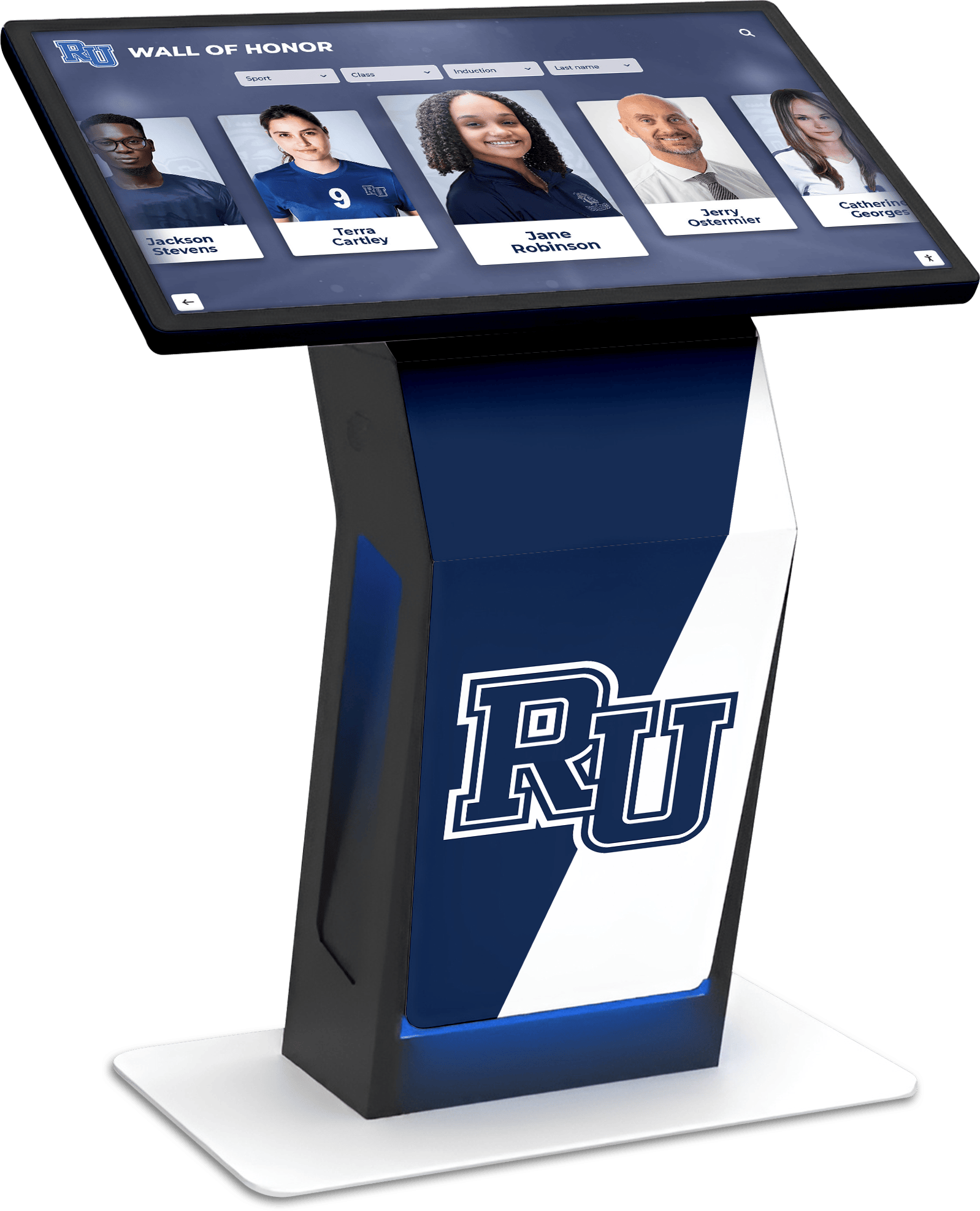
Interactive stations at reunion venues provide natural gathering points reducing social pressure while enabling exploration
Distance and Travel Complications
- Strategic date selection during holidays when travel common
- Coordination with other hometown events
- Virtual attendance options for unable to travel
- Weekend timing enabling two-day visit
- Hotel room block information provided early
- Carpool coordination through communication channels
- Extended hours accommodating various arrival times
- Future video or photo sharing for those missing event
Perception of High School Experience
Some alumni avoid reunions due to negative school memories:
- Emphasis on present connections rather than past dynamics
- Explicit messaging that “everyone has changed”
- Sharing classmate success stories showing diverse paths
- Featuring alumni who’ve transformed since graduation
- Acknowledging that high school social dynamics no longer apply
- Focus on celebration rather than reliving past
- Inclusive messaging making clear all are welcome
Creative Reunion Activities and Entertainment
Beyond basic socializing, structured activities and entertainment create memorable experiences while facilitating connection among attendees who may feel awkward initially.
Ice Breaker and Conversation Activities
Name Tag Enhancements
Moving beyond basic name tags:
- Include maiden names for married alumni
- Add favorite high school memory or funny fact
- Feature “two truths and a lie” for conversation starters
- List current city or interesting profession
- Include senior year superlative or activity
- Add question prompts for others to ask
- Feature fun facts gathered from registration surveys
Interactive Memory Stations
Creating engagement opportunities:
- “Guess Who” photo board with baby pictures or yearbook photos
- Memory board where attendees post favorite school moments
- Classmate trivia game testing collective knowledge
- “Where are they now” matching game connecting names to current lives
- Time capsule display from graduation year
- Historical photo displays showing school during their years
- Solutions like interactive touchscreen kiosks enabling exploration of class history and individual achievements
Conversation Facilitation
Structured interaction reducing social pressure:
- Table assignments mixing different social groups
- Rotation system ensuring diverse conversation
- Small group ice breaker questions before dinner
- Structured sharing time at tables
- Alumni panel or Q&A with interesting classmates
- Speed networking rounds similar to speed dating
- Photo booth stations creating group interaction
Entertainment Options
Music and Dancing
Setting appropriate atmosphere:
DJ Versus Band Considerations
- DJs offer flexibility and broader song selection
- Live bands create energy and performance experience
- Consider music from high school years for nostalgia
- Balance between dancing and conversation volume
- Take requests allowing favorite song inclusion
- Consider generational music preferences
- Budget differences between options

Multi-purpose venue spaces accommodate both entertainment areas and recognition displays creating varied experience zones
Structured Programming
Organized segments creating event flow:
- Welcome speech from class president or committee chair
- Memorial moment honoring deceased classmates
- Awards or superlatives (most changed, traveled furthest, etc.)
- Video montage featuring highlights from graduation year
- Teacher or administrator appearances when possible
- Alumni achievement recognition highlighting notable accomplishments
- Surprise reveals or special guest appearances
- Closing remarks and information about next reunion
Photo and Video Opportunities
Capturing memories for absent classmates:
- Professional photographer or photo booth setup
- Group class photo recreation matching graduation pose
- Individual or small group portrait station
- Video booth recording messages to classmates or future reunion
- Drone photography for large outdoor gatherings
- Livestreaming for alumni unable to attend
- Social media photo wall with event hashtag
- Instant photo printing or digital sharing options
School Tour and Nostalgia Components
Facility Walk-Throughs
Reconnecting with spaces:
- Guided tours showing building updates since graduation
- Access to gymnasium, auditorium, or significant rooms
- Opportunity to visit old classrooms if feasible
- Athletic facilities showcasing program growth
- Library or media center demonstrating technology evolution
- New construction or additions highlighting school progress
- Recognition displays featuring comprehensive achievement documentation including reunion class era
Memory Display Curation
Celebrating shared history:
- Yearbook displays from graduation year and surrounding years
- Newspaper clippings about class accomplishments
- Athletic championship memorabilia from their era
- Original school newspapers or publications
- Graduation program and ceremony materials
- Locker decorations, pep rally photos, or event documentation
- Time capsule contents if buried during their attendance
- Video footage from graduation ceremony or school events
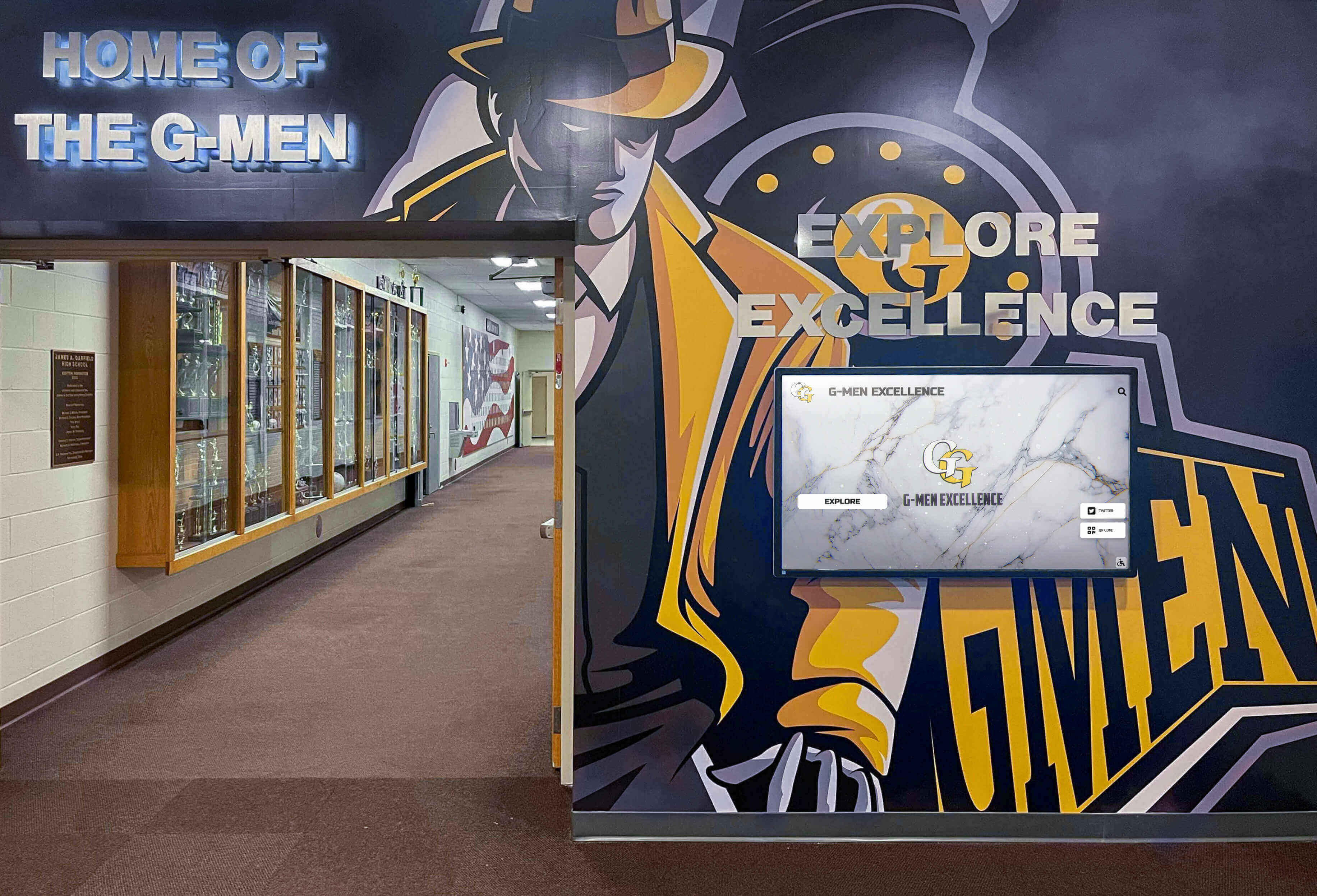
Current school displays contextualize alumni experiences within broader institutional history spanning multiple generations
Leveraging Technology for Modern Reunions
Contemporary reunion planning benefits dramatically from technology tools that weren’t available when today’s reunion attendees graduated.
Digital Event Management Tools
Registration and Payment Platforms
Streamlining administrative burden:
- Online registration forms collecting attendee information
- Integrated payment processing accepting credit cards
- Automatic confirmation emails and receipts
- Real-time attendance tracking and reporting
- Guest management for plus-ones
- Dietary restriction and preference collection
- Refund processing for cancellations
- Database creation for future reunion planning
Communication and Collaboration Platforms
Coordinating committee and attendees:
- Facebook groups enabling ongoing conversation
- Email marketing platforms for professional communications
- Project management tools organizing committee tasks
- Shared documents and spreadsheets for collaboration
- Video conferencing for committee meetings
- Survey tools gathering preferences and feedback
- Event apps providing schedules and interactive features
- Text messaging for day-of coordination
Virtual and Hybrid Reunion Components
Remote Attendance Options
Including distant alumni:
- Video conferencing enabling virtual participation
- Livestreaming professional quality broadcast
- Virtual breakout rooms for small group conversation
- Digital memory sharing platforms
- Online auction or fundraiser participation
- Recorded content for on-demand viewing
- Time zone considerations for global alumni
- Interactive elements enabling remote engagement
Augmented Reality and Interactive Elements
Innovative technology integration:
- QR codes linking to extended content or photo galleries
- Augmented reality triggering school memories from locations
- Digital photo frames scrolling class pictures
- Interactive voting for awards or superlatives
- Live social media walls displaying posts
- Virtual yearbook signing applications
- Mobile scavenger hunts around venue or school
- Digital time capsule for future reunion opening

Mobile-accessible recognition platforms enable reunion attendees to explore school and classmate achievements on personal devices
Permanent Digital Recognition Displays
Interactive Touchscreen Systems at School
Modern solutions transforming alumni engagement:
Unlimited Recognition Capacity
- Showcase all reunion classes without space constraints
- Feature individual alumni profiles with photos and achievements
- Display career accomplishments and life updates
- Include reunion class photos documenting gatherings across decades
- Searchable databases enabling classmate exploration
- Filter capabilities organizing by class year or achievement type
- No need to remove historical content accommodating current additions
Interactive Exploration Features
- Alumni can search for specific classmates during reunion visits
- “Where are they now” sections celebrating post-graduation accomplishments
- Connection to school history contextualizing class experiences
- Photo galleries documenting reunion events from past gatherings
- Video integration featuring speeches or reunion highlights
- QR codes enabling mobile phone access from anywhere
- Social sharing allowing alumni to celebrate personal profiles
Programs like digital recognition solutions provide schools with platforms specifically designed for comprehensive alumni celebration that enhance reunion experiences while maintaining year-round institutional connection.
Benefits for Reunion Planning
Digital displays support multiple reunion objectives:
- Reconnect alumni with current school state during reunion visits
- Showcase updates and improvements since graduation
- Honor alumni achievements creating pride in classmates
- Provide conversation starters reducing social anxiety
- Enable schools to actively support reunion committees
- Create permanent documentation of reunion attendance
- Build anticipation for reunions through online previews
- Strengthen ongoing alumni engagement between gatherings
Schools implementing comprehensive digital recognition displays report significantly higher reunion attendance and alumni satisfaction compared to institutions lacking modern recognition infrastructure.
Budget Management and Fundraising
Financial planning determines reunion feasibility and quality, requiring careful balance between attendance accessibility and experience standards.
Developing Realistic Reunion Budgets
Essential Expense Categories
Comprehensive cost projection:
Venue and Food Service
- Facility rental fees or minimums
- Per-person catering costs
- Beverage packages or bar service
- Service charges and gratuities (typically 18-22%)
- Sales tax on food and beverage
- Rental equipment (tables, chairs, linens if needed)
Entertainment and Activities
- DJ or live band fees
- Audio visual equipment rental
- Photography or videography services
- Photo booth rental with props
- Decoration purchases or rentals
- Activity supplies or materials
- Lighting or special effects
Communication and Materials
- Registration platform fees
- Printed invitations or save-the-dates
- Name tags and printing
- Programs or event schedules
- Signage and directional materials
- Postage for physical mailings
- Website domain and hosting if applicable
Memorabilia and Gifts
- Memory books or photo albums
- Reunion favors or gifts
- Memorial tribute materials
- Teacher gifts if invited
- Photographer proof book
- Time capsule materials
- Recognition items or awards
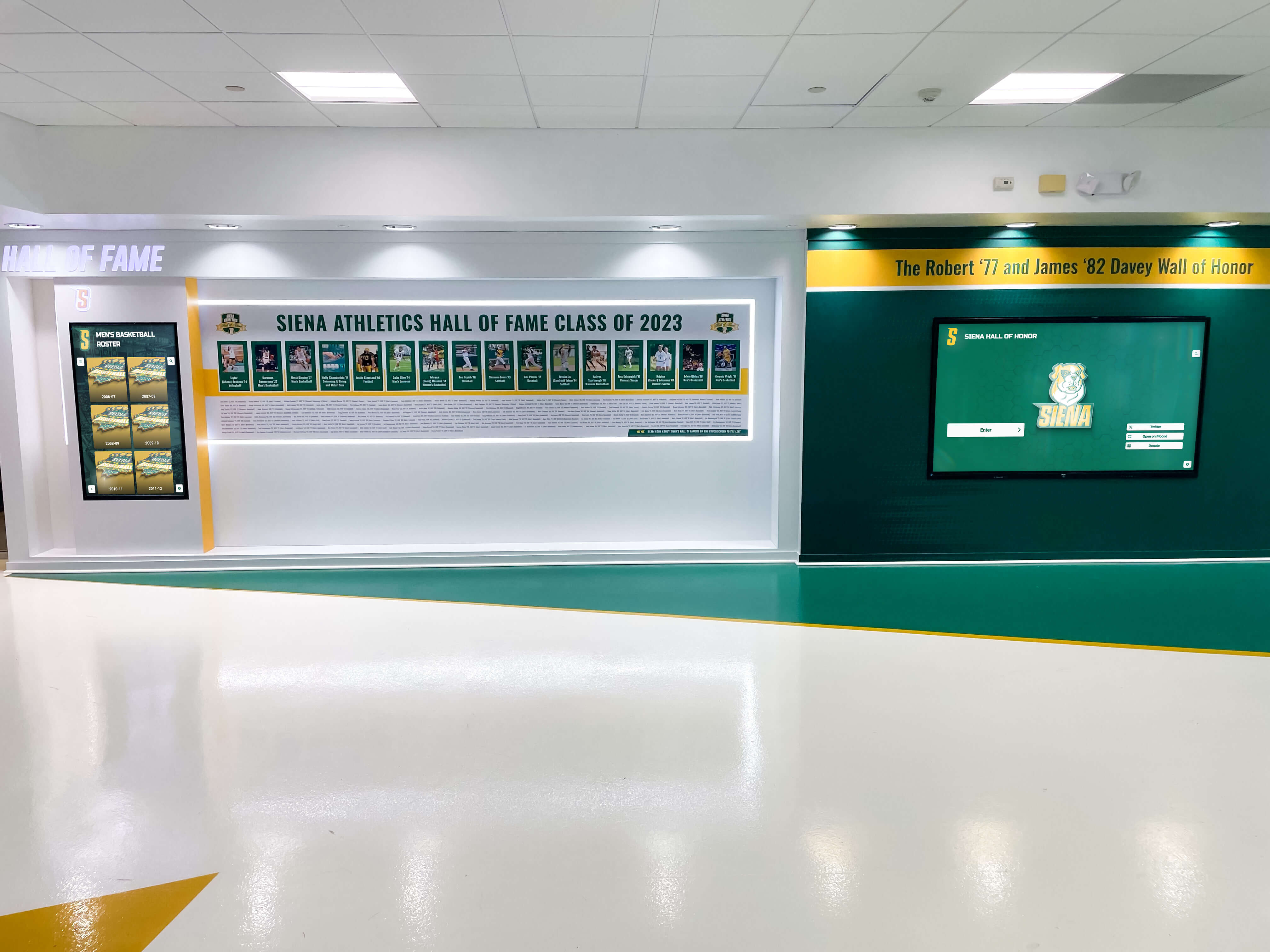
Professional recognition installations at reunion venues provide quality amenity without committee budget burden
Contingency and Miscellaneous
- 10-15% contingency for unexpected expenses
- Payment processing fees (typically 3-5% of registration)
- Parking fees if applicable
- Emergency supplies or last-minute needs
- Refund reserve for cancellations
- Equipment malfunction backup plans
Revenue Sources and Pricing Strategy
Balancing accessibility with cost recovery:
Ticket Pricing Models
- Cost-recovery pricing (total expenses ÷ projected attendance)
- Tiered pricing with early bird discounts
- Single versus couple pricing strategies
- Graduated pricing based on reunion year (older classes pay less)
- Sliding scale accommodating different financial situations
- À la carte options (dinner only versus full event)
Alternative Revenue Streams
- Alumni donations supplementing ticket revenue
- Sponsorship from local businesses or classmate-owned companies
- School or alumni association financial support
- Sale of memorabilia or reunion merchandise
- Silent auction of donated items or experiences
- 50/50 raffle or other fundraising activities
- Corporate matching gifts from employers
Cost-Saving Strategies
Reducing Expenses Without Sacrificing Quality
Budget-conscious approaches:
Venue and Catering Savings
- School facilities eliminating rental fees
- Off-peak dates receiving venue discounts
- Cocktail reception instead of full dinner
- Buffet versus plated service reducing labor costs
- Beer and wine only rather than full bar
- Cake and coffee dessert reception alternative
- Backyard or park gathering for casual atmosphere
DIY and Volunteer Solutions
- Committee member decoration creation
- Alumni photographer or DJ volunteering services
- Potluck contributions for food offerings
- Volunteer bartending with alcohol purchased wholesale
- Borrowed audio visual equipment
- Digital invitations eliminating printing and postage
- Social media marketing instead of paid advertising
- Classmate venue access through personal connections
Strategic Timing and Planning
- 12-18 month planning timeline accessing early bird vendor pricing
- Negotiating vendor contracts with multiple quotes
- Combining with school homecoming sharing some costs
- Multi-class reunion splitting expenses
- Weeknight events receiving lower venue pricing
- Off-season dates at popular venues
- Payment plans enabling cash flow management
Post-Reunion Follow-Up and Future Planning
Successful reunions create momentum for ongoing connection and future gatherings when committees implement systematic follow-up.
Immediate Post-Event Activities
Thank You Communications and Documentation
Maintaining connection and appreciation:
- Thank you emails to all attendees within week of reunion
- Special appreciation for volunteers and contributors
- Photo gallery posting on social media and reunion website
- Video compilation sharing with entire class
- Survey gathering feedback and suggestions
- Financial summary to committee and interested alumni
- Memorial service information for interested classmates
- “Missed you” outreach to absent alumni with event highlights
Content Preservation
Creating lasting memories:
- Professional photo organization and distribution
- Video editing creating shareable highlights
- Memory book compilation with reunion additions
- Website or Facebook group updates with content
- Archive creation for future reunion planning reference
- School archival donation of photos and materials
- Time capsule sealing with contributions from reunion
- Alumni achievement updates to school recognition systems

Digital archiving preserves reunion memories and classmate updates enabling permanent accessible documentation
Maintaining Alumni Engagement Between Reunions
Year-Round Connection Strategies
Sustaining relationships built at reunion:
- Active Facebook group with ongoing conversations
- Quarterly newsletter or email updates
- Birthday recognition systems celebrating classmates
- Alumni achievement spotlights sharing career successes
- Virtual gatherings or video calls for geographically dispersed classmates
- Regional smaller meetups in alumni population centers
- Class giving campaigns supporting school initiatives
- Mentorship programs connecting alumni with current students
Schools offering comprehensive alumni engagement platforms facilitate ongoing connection while reducing volunteer burden on reunion committees.
Planning Future Reunions
Building on Success
Creating sustainable reunion traditions:
Committee Continuity
- Document successful strategies and vendor relationships
- Identify potential future committee volunteers
- Create transition materials for next reunion organizers
- Maintain updated contact database
- Preserve institutional knowledge about class preferences
- Establish standard timelines and templates
Establishing Patterns
Multi-reunion strategies:
- Commit to regular schedule (every 5 or 10 years)
- Build anticipation for next gathering at current reunion
- Consider alternating formats (formal dinner, casual picnic)
- Adjust scale based on anticipated attendance patterns
- Explore milestone celebrations (50th anniversary, etc.)
- Document preferences expressed in post-reunion surveys
Succession Planning
Ensuring future events happen:
- Recruit younger committee members at each reunion
- Pass planning materials to next generation of organizers
- Create relationship with school alumni office
- Establish financial reserves from surplus for future events
- Identify class members likely to step forward
- Document what worked and what to improve
Measuring Reunion Success
Assessment enables continuous improvement while demonstrating value to participants and stakeholders.
Quantitative Success Metrics
Attendance and Participation
Objective measurement:
- Percentage of living classmates attending
- Comparison to previous reunion attendance
- Geographic diversity of attendees
- First-time reunion attendee count
- Alumni bringing guests or family
- Virtual participant engagement if hybrid
- Website traffic and registration timing
Financial Performance
Budget effectiveness:
- Percentage of expenses recovered through revenue
- Surplus or deficit magnitude
- Cost per attendee versus budget projections
- Sponsorship and donation success
- Early registration versus last-minute tickets
- Refund requests and no-shows
- Comparison to similar reunion budgets
Qualitative Success Indicators
Attendee Satisfaction Assessment
Gauging experience quality:
- Post-reunion survey response and feedback
- Social media sentiment and comments
- Verbal feedback during and after event
- Thank you notes and appreciation expressions
- Requests for next reunion information
- Volunteer satisfaction with experience
- Alumni office or school administrator feedback
Relationship and Engagement Outcomes
Longer-term impact:
- New friendships or reconnections formed
- Ongoing social media group activity
- Alumni engagement with school programs
- Mentorship relationships established
- Professional networking connections made
- Charitable giving increases to school
- Future reunion interest and early commitments
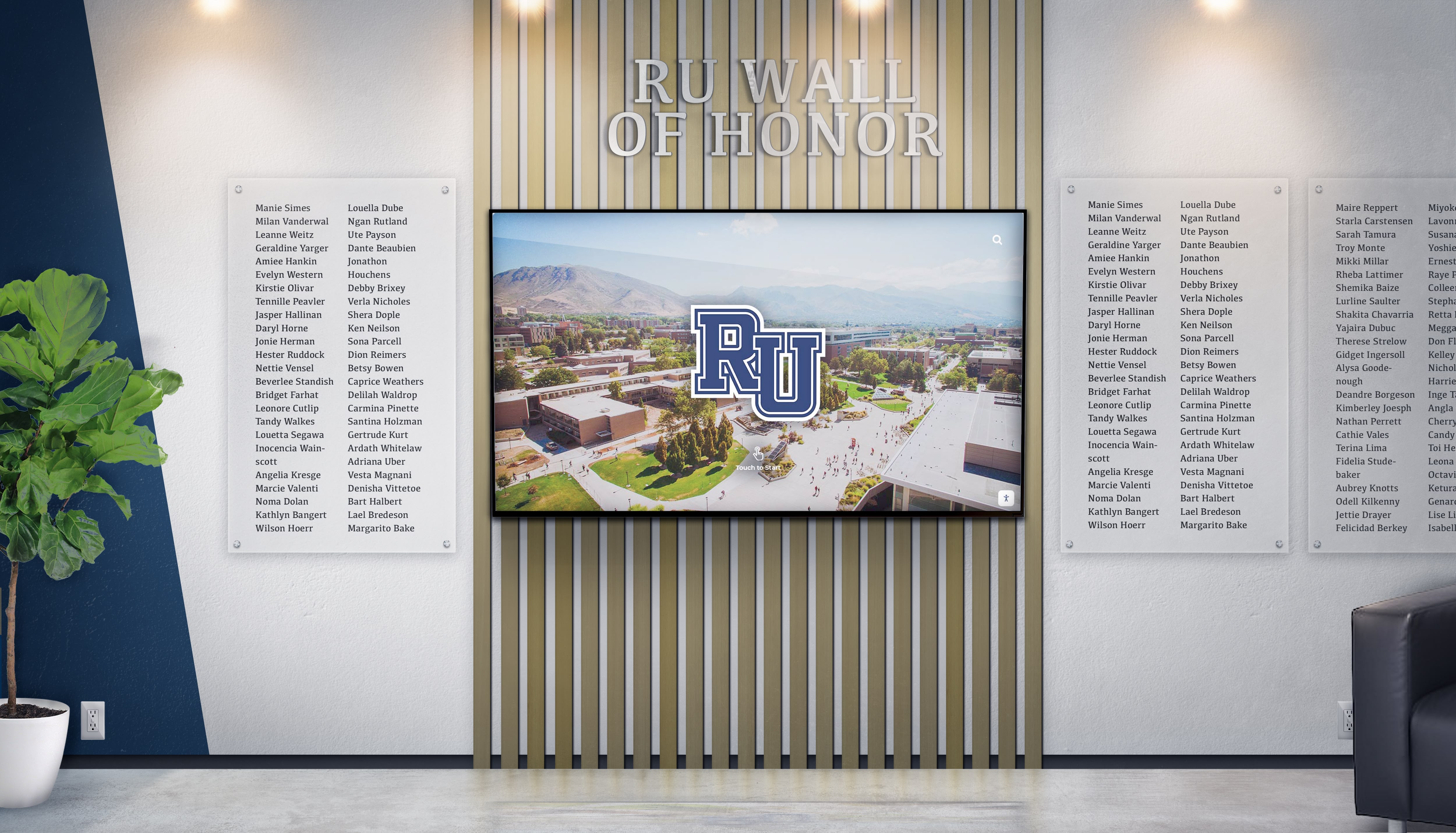
Permanent recognition systems document reunion participation patterns and alumni achievements across multiple gathering cycles
Conclusion: Creating Memorable High School Reunion Experiences
Planning successful high school reunions requires significantly more than selecting dates and venues. Effective reunion organization combines systematic planning beginning 12-18 months in advance, creative strategies for locating and engaging missing classmates, thoughtful attention to inclusive atmospheres welcoming all alumni regardless of high school social dynamics, budget-conscious decision-making balancing quality with accessibility, and modern technology integration including permanent recognition displays reconnecting alumni with their schools.
The comprehensive reunion planning strategies explored in this guide provide actionable frameworks for committees committed to creating gatherings that alumni will treasure while building foundations for sustained engagement. From structured planning timelines preventing last-minute stress to communication strategies maximizing attendance, from creative activities facilitating connection to permanent digital recognition systems showcasing alumni achievements—these approaches transform reunions from obligatory social events into meaningful celebrations honoring shared history while building future relationships.
Modern recognition technology particularly enhances reunion experiences while supporting ongoing alumni engagement between formal gatherings. Digital touchscreen displays at schools enable reunion attendees to explore updated facilities, discover classmate accomplishments, and reconnect with institutional pride during reunion weekend visits or casual returns to campus. These systems provide conversation starters reducing social anxiety while demonstrating school investment in honoring all alumni regardless of graduation year.
Start planning your reunion using the systematic approaches outlined throughout this guide. Whether you’re organizing a 10-year milestone bringing together young professionals or coordinating a golden 50-year celebration, the fundamental principles of early planning, creative engagement, inclusive atmosphere, and modern technology integration apply across all reunion types and class sizes.
Your classmates’ shared experiences—countless hours in classrooms, athletic competitions, performances, and formative relationships that shaped who they became—deserve celebration creating memories that last lifetimes while strengthening bonds connecting your class to each other and to the institution that brought you together. With intentional planning, strategic outreach, creative programming, and authentic appreciation for diverse life paths, you can build reunion traditions that honor every classmate while creating anticipation for future gatherings sustaining connection across decades.
Ready to enhance your reunion experience with modern recognition displays that reconnect alumni with their school? Explore how solutions like Rocket Alumni Solutions help schools create permanent, engaging digital recognition systems showcasing alumni achievements, preserving class history, and building lasting connections—ensuring every reunion brings classmates back to campuses that honor their legacy while celebrating current student success.